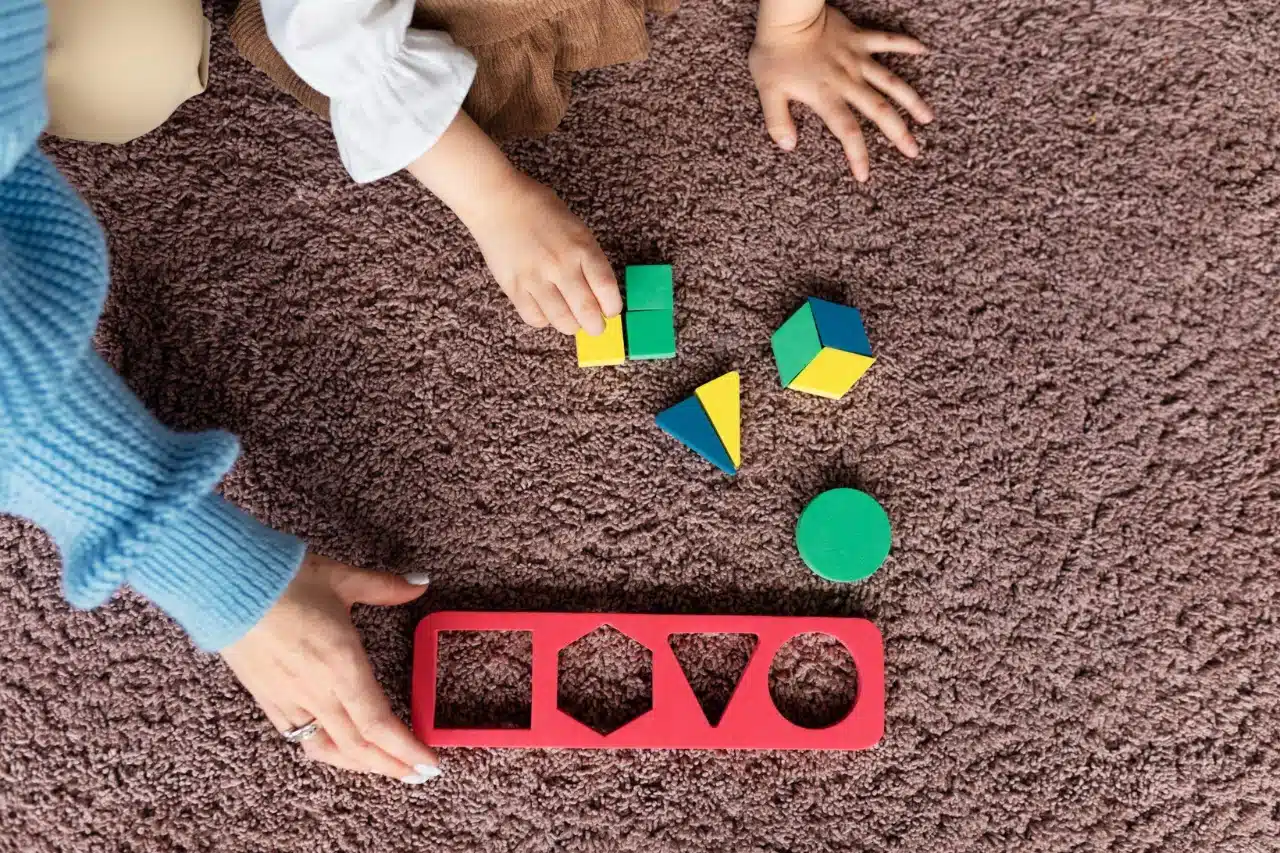
Sensory Ideas for Infants to Encourage Early Brain Development
Key Takeaways
- Infant sensory play supports brain development, motor skills, and emotional growth.
- You can start with newborn sensory activities from birth using simple, safe interactions.
- The best sensory activities for infants 6-12 months involve movement, texture, and exploration.
- Everyday items can be turned into engaging sensory ideas for infants.
Finding simple ways to keep your baby engaged throughout the day? Those little moments of curiosity, like reaching, staring, or kicking, are actually powerful learning opportunities. Infant sensory play is one of the most effective ways to support early brain development while strengthening your bond.
This guide breaks down safe, practical, and engaging sensory activities for infants, helping you support your baby’s growth from day one through their first year.
Sensory play can help nurture resilience and development. Download a free sensory play guide here.

If your child enjoys these types of activities, a Shichida trial class is a great way to see how structured play can support coordination, focus, memory and early learning confidence.
Book a trial class or contact us to find your nearest centre.
Why Sensory Play Matters for Infant Development
In the first year, your baby’s brain develops faster than at any other time. This is called the Golden Period. One of the most effective ways to support this growth is through infant sensory activities. These experiences help babies explore the world through touch, sight, sound, taste, and movement.
Regular sensory activities for infants strengthen neural connections, supporting early learning, coordination, and communication. They also help your baby feel safe, curious, and ready to explore.

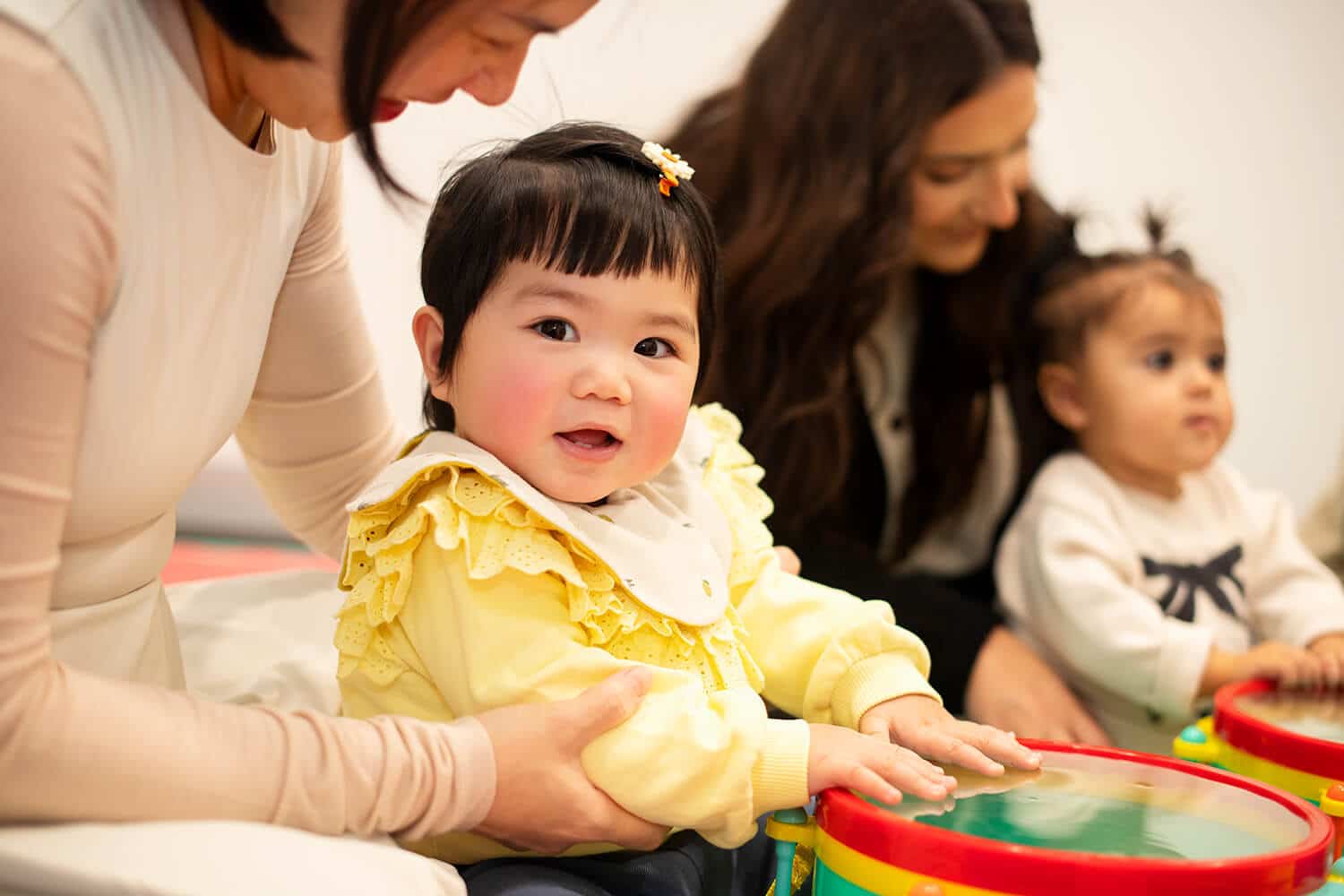
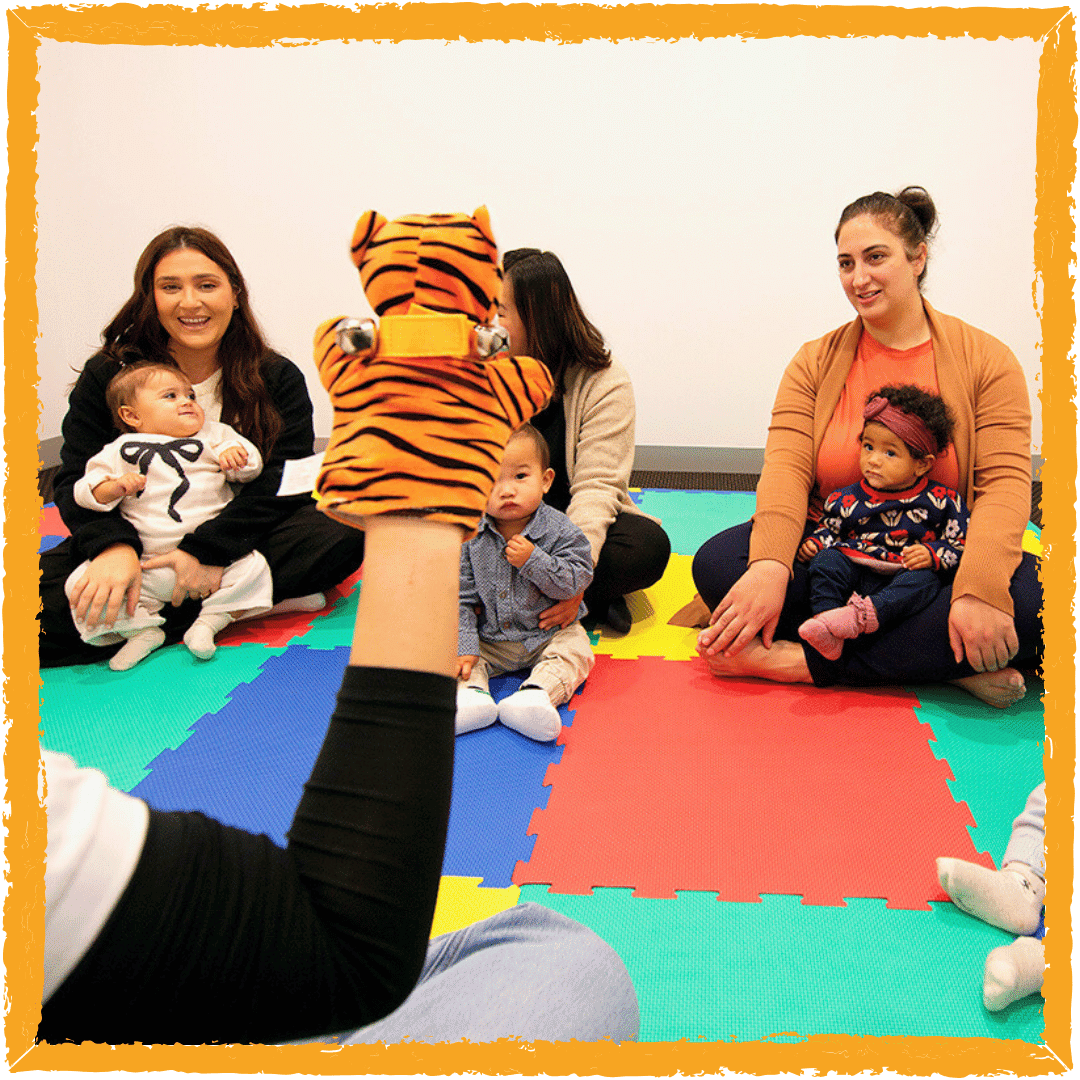
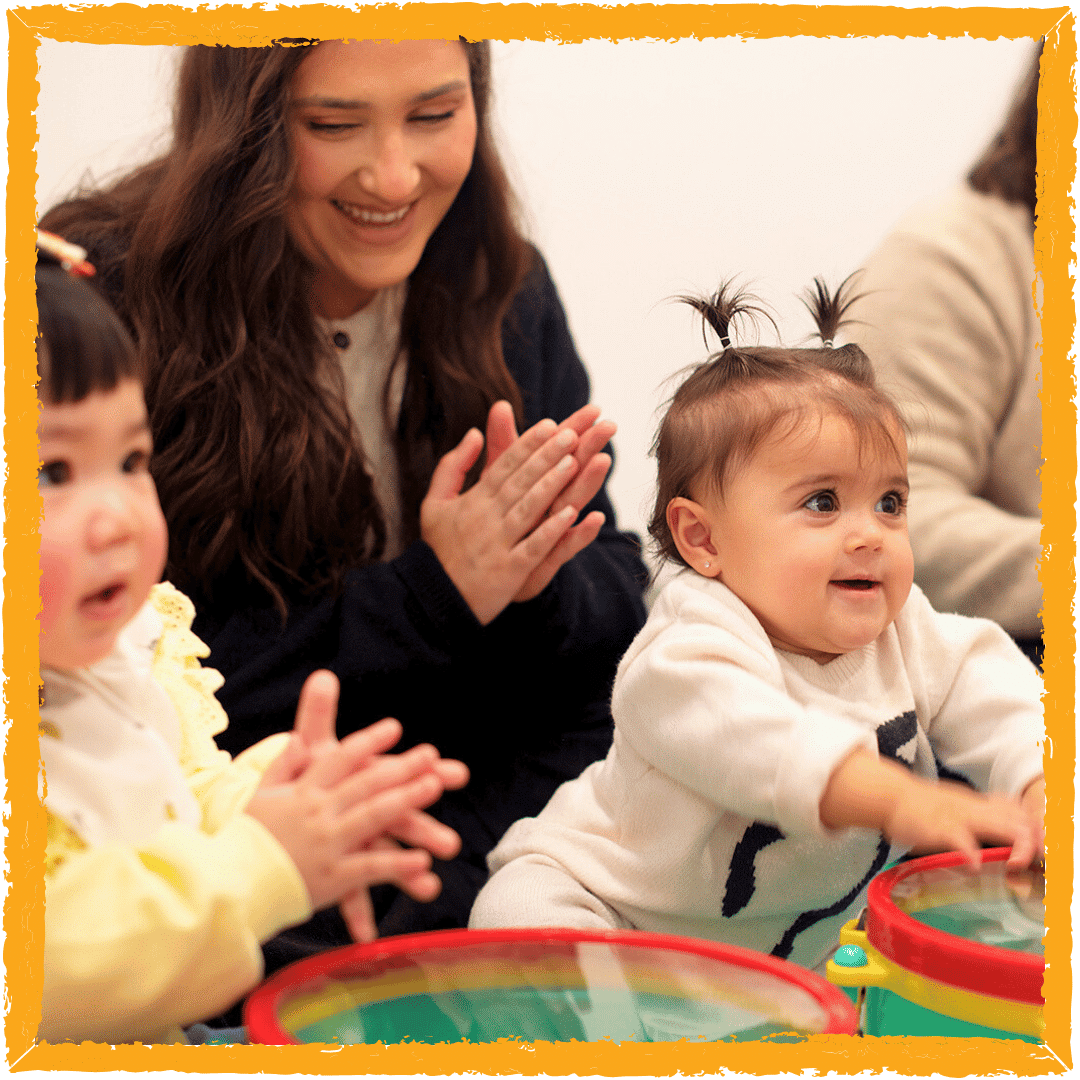
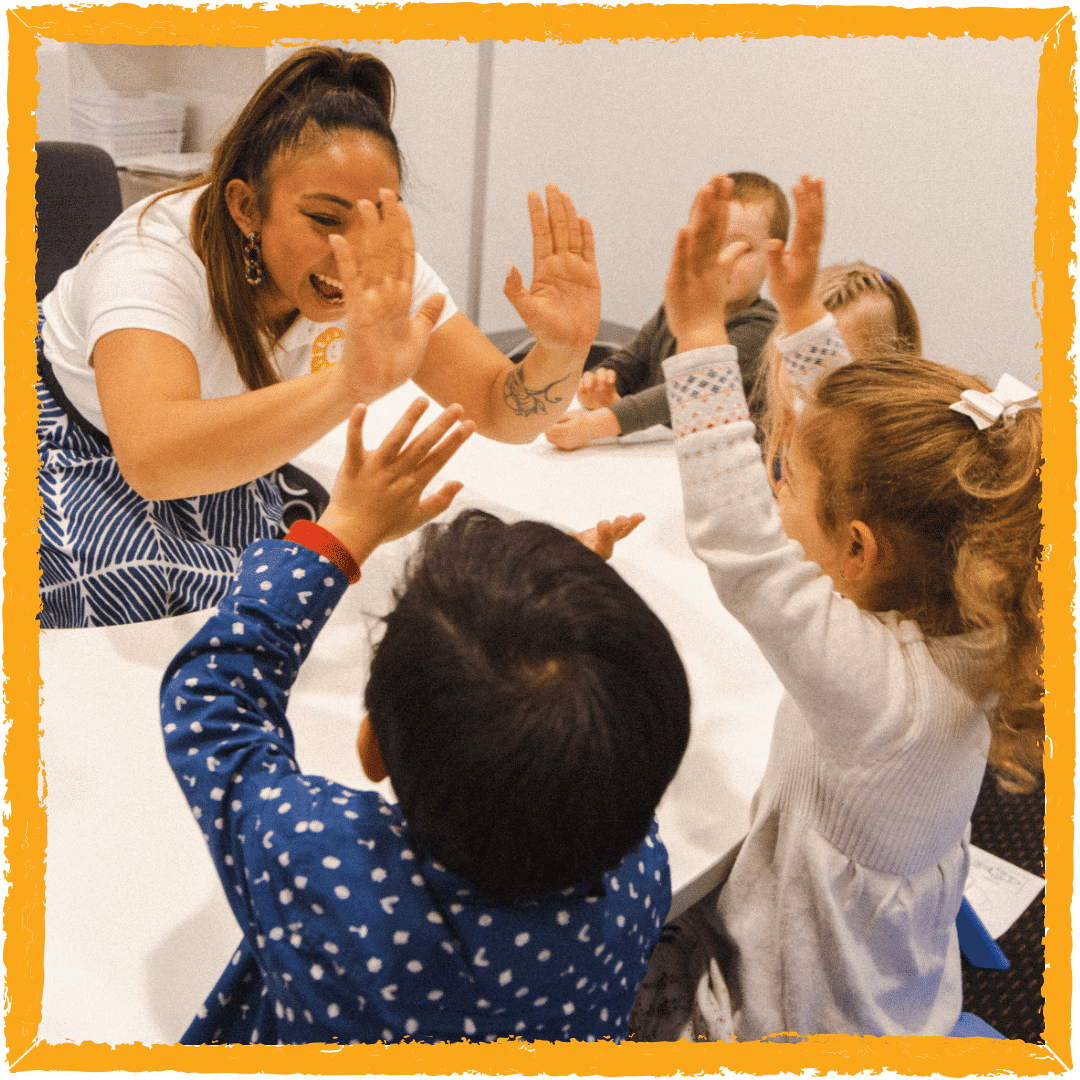
Photo from Shichida Australia: Babies enjoying rhythm and sound play with drums during a Shichida class, supporting sensory learning, listening skills, coordination and early musical awareness.
The Science Behind Sensory Development
Every time your baby hears your voice or touches a new texture, their brain is forming connections. This is why infant sensory play is so powerful in early development.
Touch builds awareness through the somatosensory system, sound supports language development, and visual stimulation strengthens focus and recognition. Even gentle movement plays a role in balance and coordination.
These repeated experiences build strong neural pathways, supporting long-term learning and emotional development for babies.

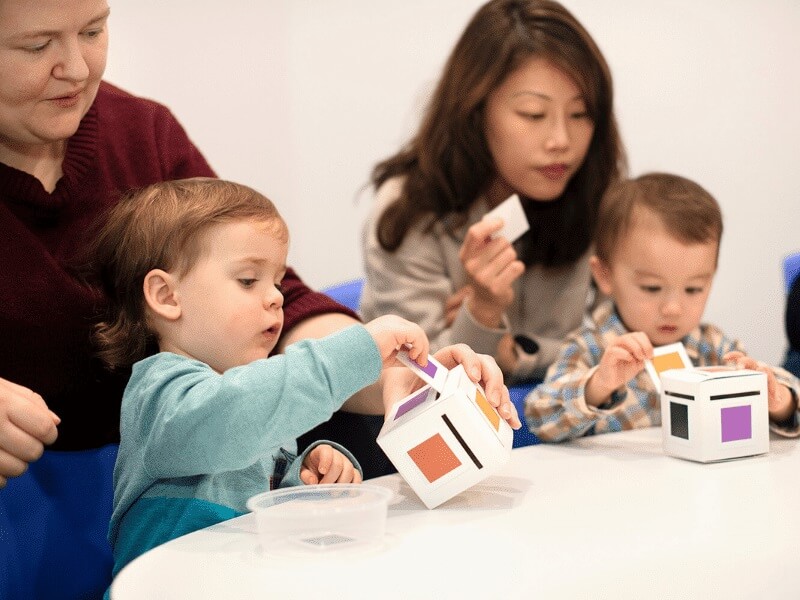
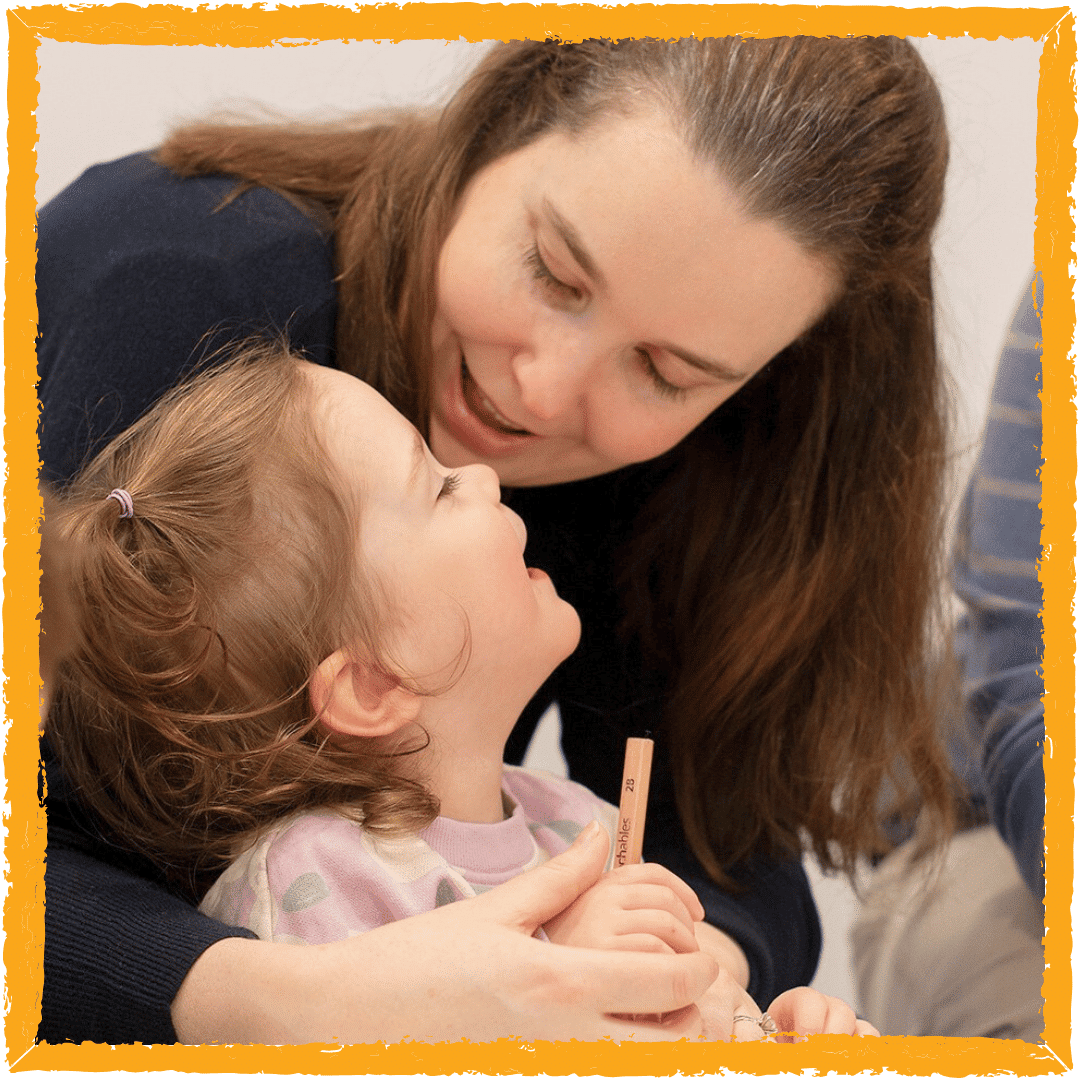
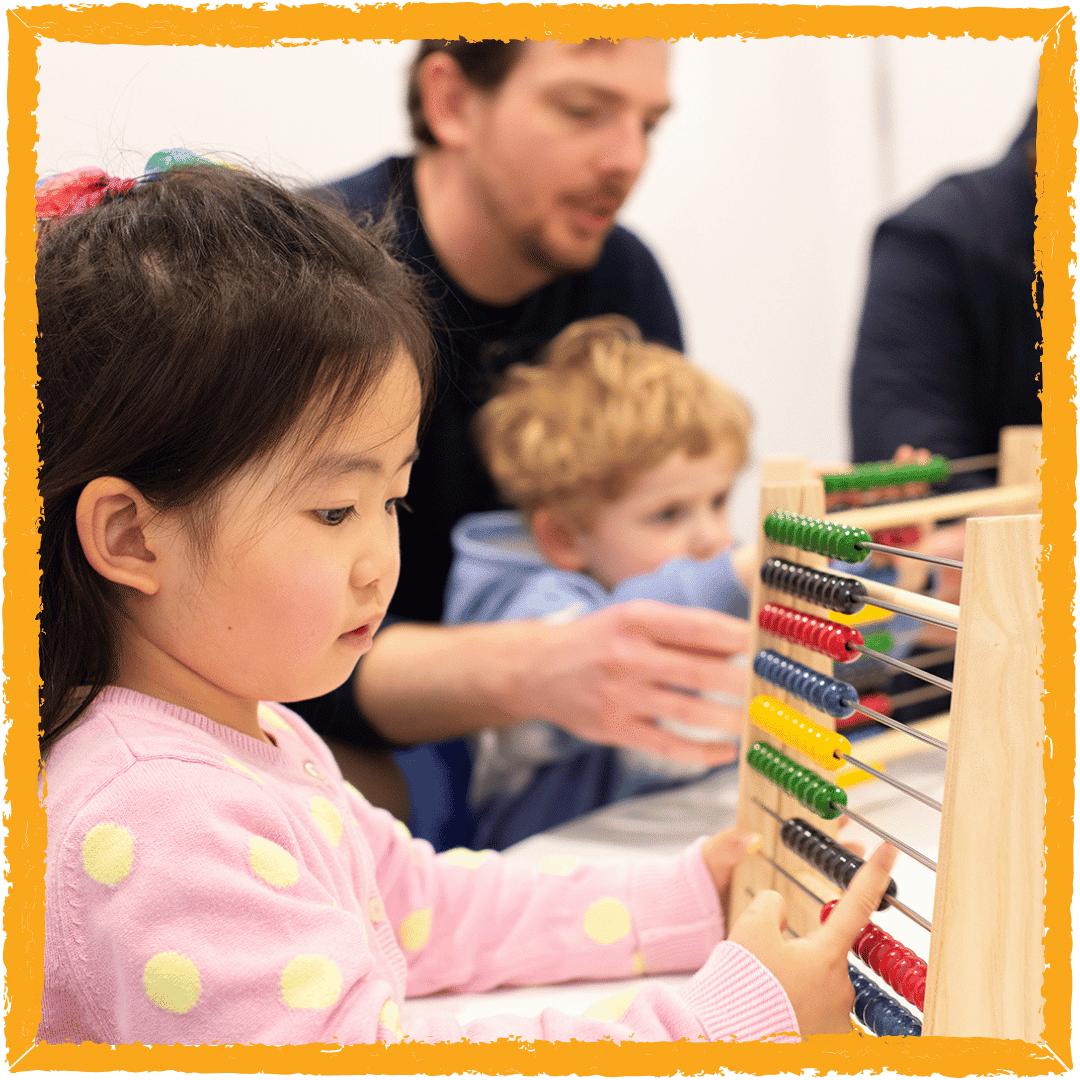
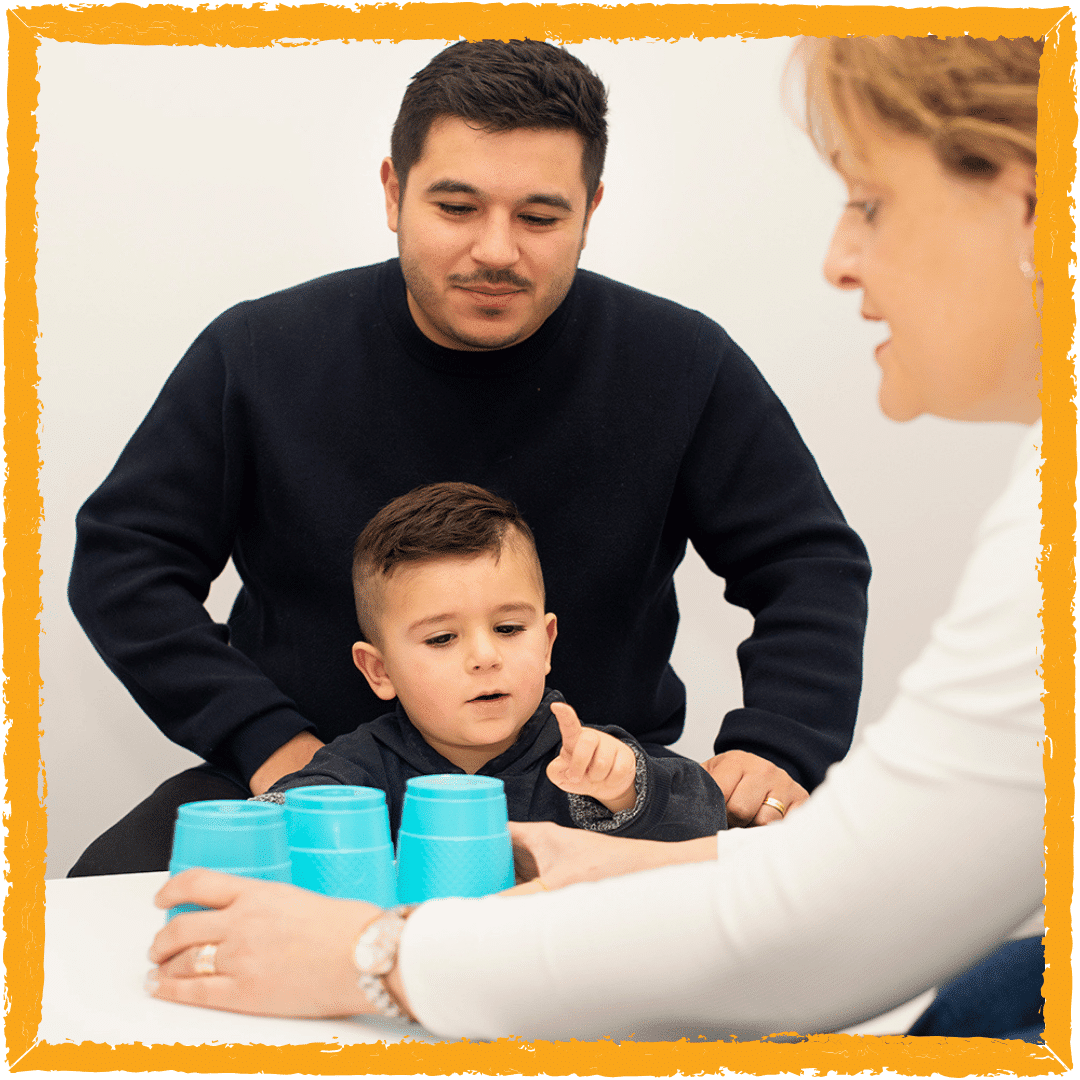
Photo from Shichida Australia: Baby enjoying a visual tracking activity in class, following colourful objects to support focus, eye coordination and early sensory learning.
Benefits of Sensory Activities in the First Year
Engaging in regular sensory activities for infants does far more than keep your baby entertained. It actively shapes how they learn and grow.
1. Builds Fine Motor Skills
Grasping toys and reaching during infant sensory play strengthens small muscles and fine motor skills.
2. Supports Language Development
Talking, music, singing, and listening during sensory activities for infants builds early communication skills.
3. Encourages Emotional Regulation
Gentle, calming sensory ideas for infants help babies feel secure and settle more easily.
4. Boosts Curiosity and Focus
Exploring textures, sounds, and movement encourages longer attention spans and engagement.
5. Strengthens Parent–Child Bond
Shared infant sensory activities create meaningful interaction and trust.
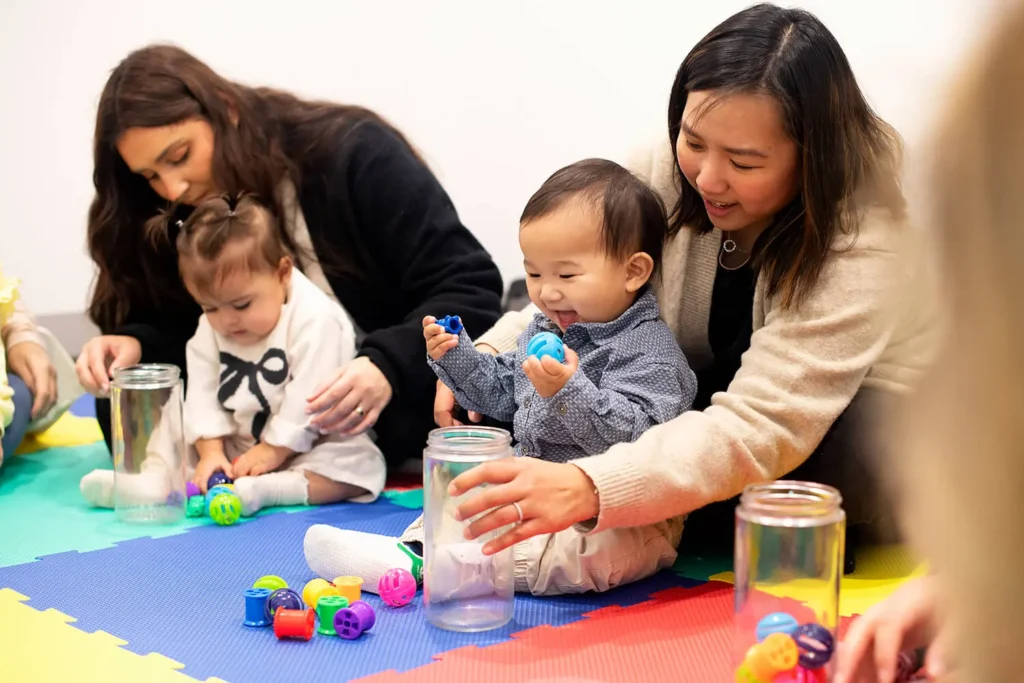
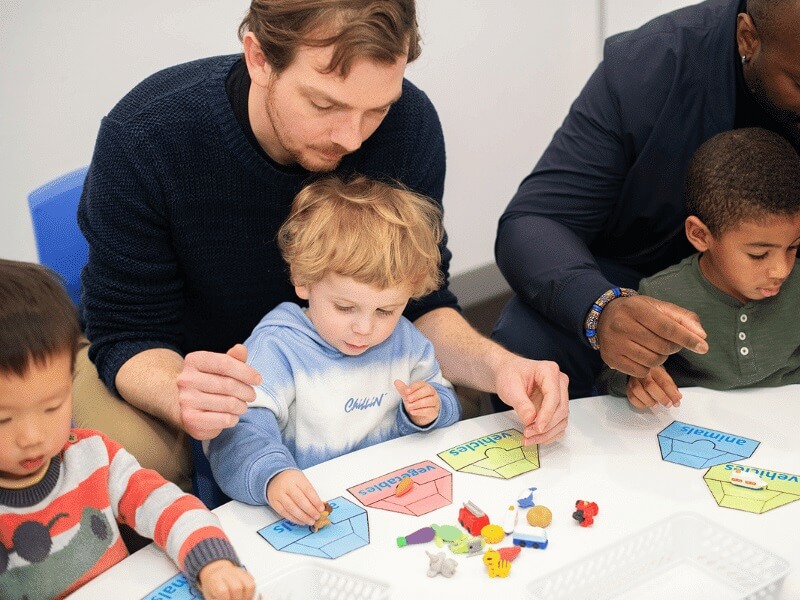
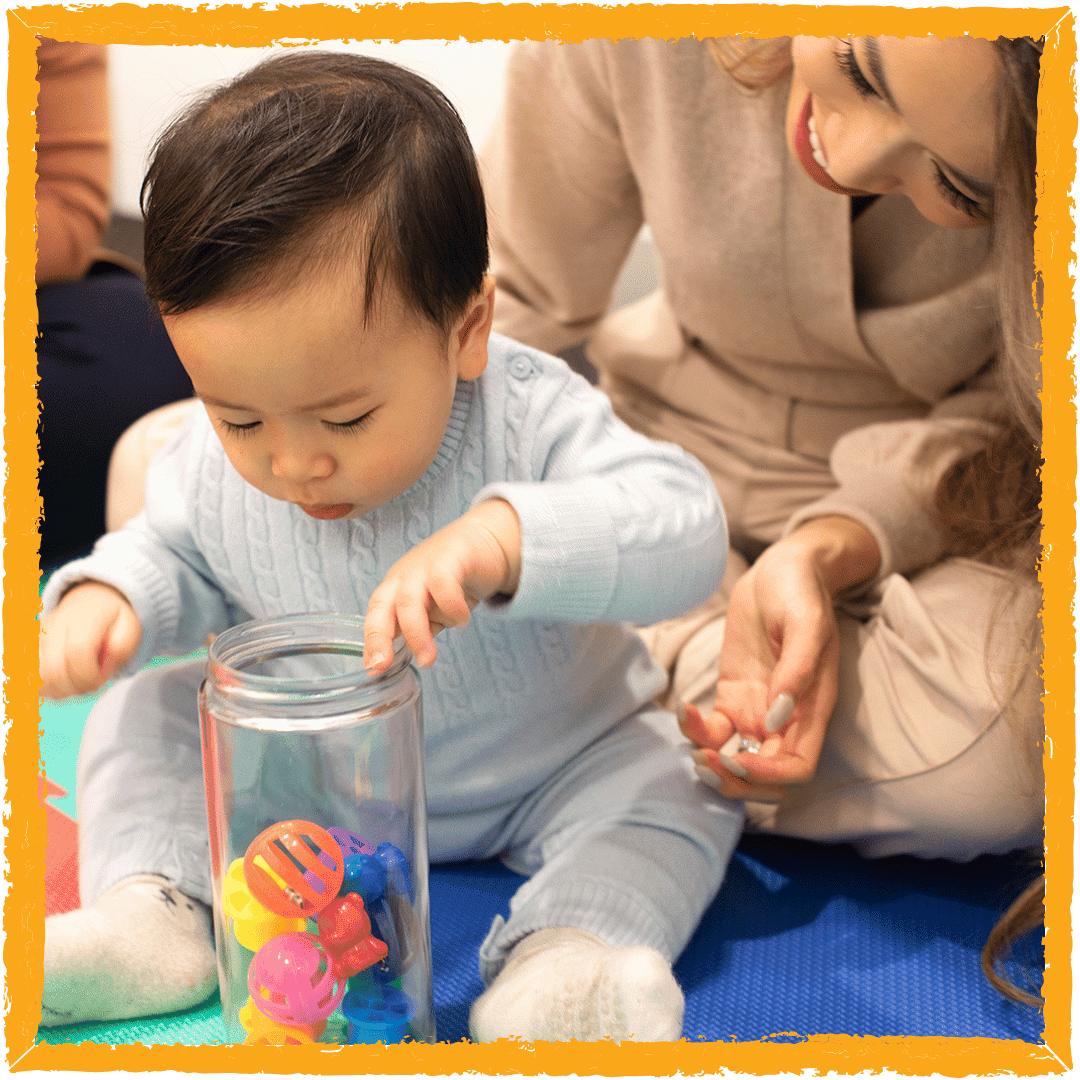
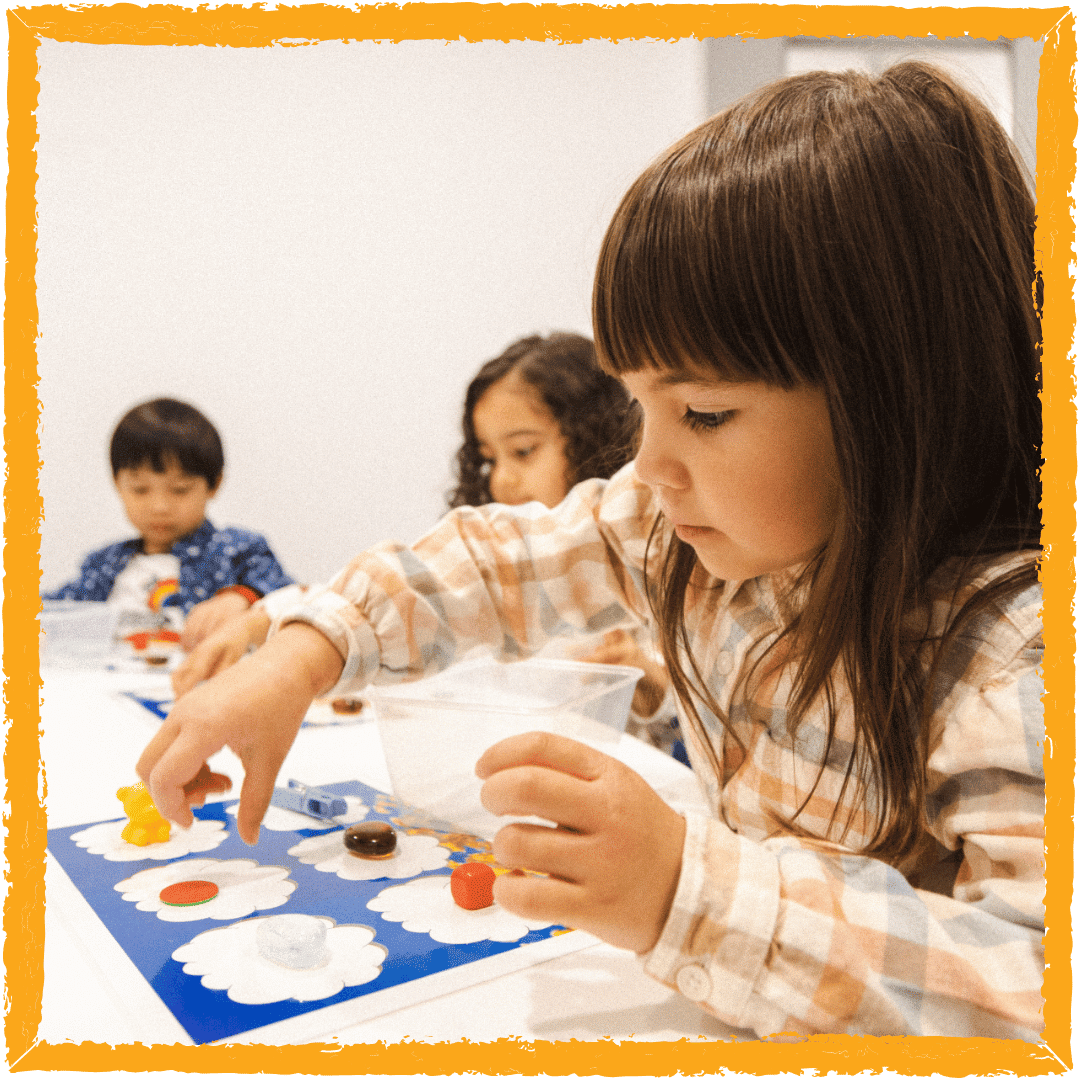
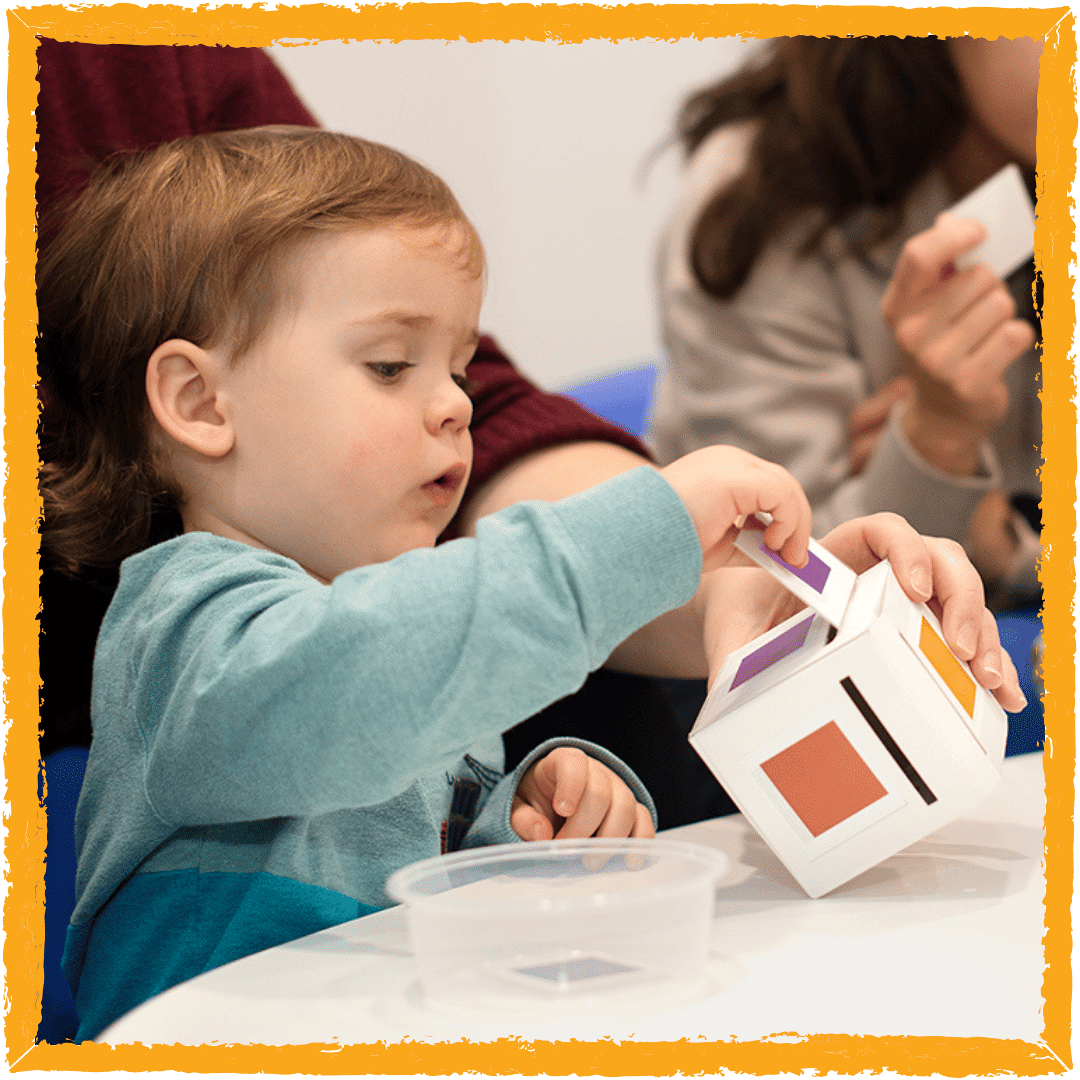
Photo from Shichida Australia: Through simple sorting games, babies practise picking up small objects, strengthening their pincer grip and building confidence with their hands.
When to Start Sensory Play with Your Baby
You can begin infant sensory play from birth. The key is to match activities to your baby’s stage and follow their cues.
Sensory Play by Age
Sensory Play for Newborns (0–3 Months)
At this stage, gentle newborn sensory activities are best. Focus on simple stimulation and bonding.
- High-contrast cards for visual development
- Skin-to-skin contact
- Soft talking and singing
- Gentle massage
These early sensory activities for infants help build comfort, awareness, and connection.
Sensory Play for Infants (4–6 Months)
As your baby becomes more alert, you can introduce more interactive sensory play ideas for infants.
- Tummy time on textured mats
- Graspable toys with different surfaces
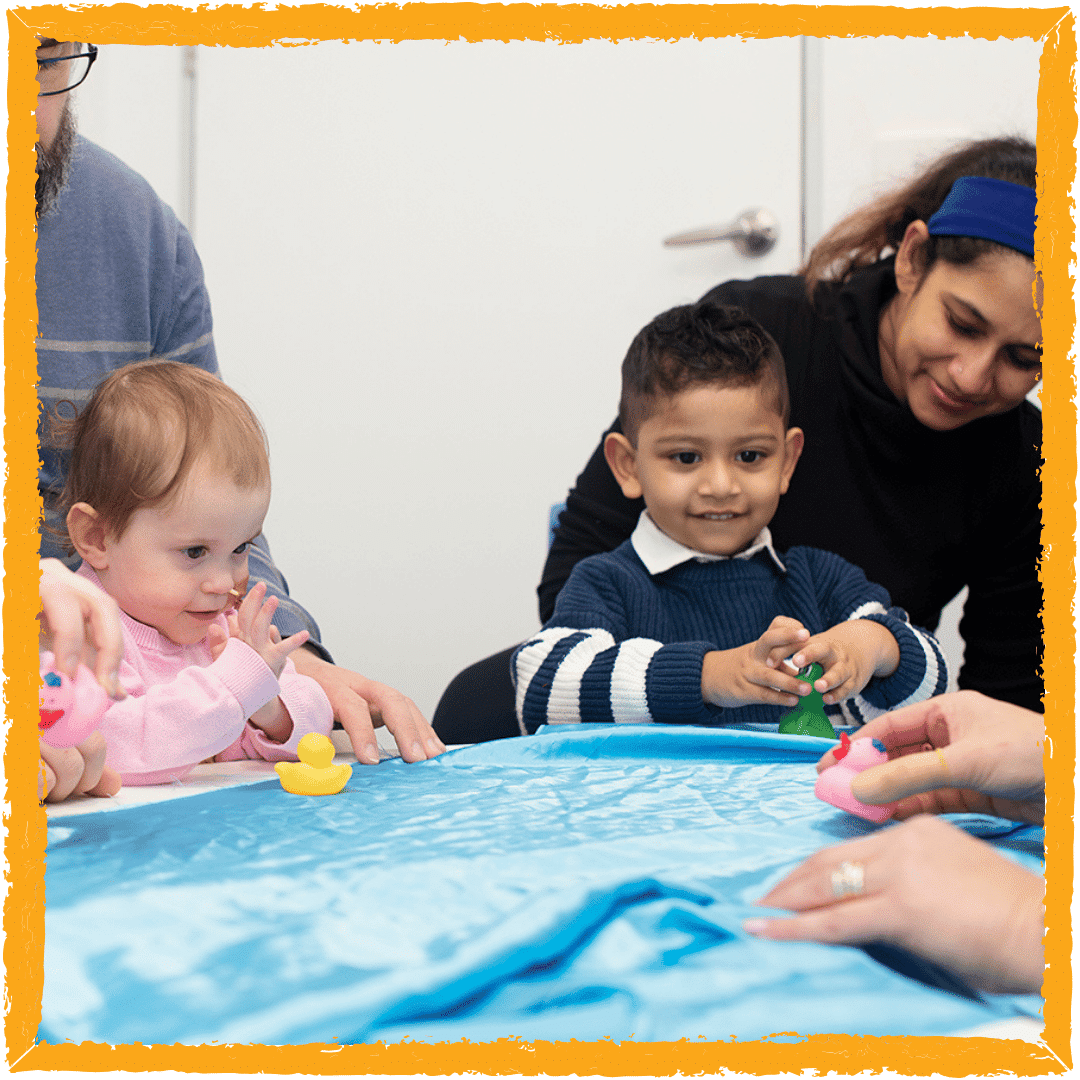
- Water play with supervision
- Taste-safe exploration
These sensory activities for infants support coordination and curiosity.
If you would like more guidance during this important stage of development, join a Shichida baby class, filled with sensory play ideas designed to support your baby’s learning, curiosity and growth. Classes are suitable for babies from 6 months old.
Sensory Play for Older Infants (7–12 Months)
This stage is all about movement and exploration. The best sensory activities for infants 6-12 months encourage active discovery.
- Crawling over cushions
- Musical toys and sound play
- DIY sensory bottles
- Safe messy play (like edible textures)
These experiences build confidence, coordination, and independence.
Sensory Activity Ideas for Infants
Here are practical and engaging sensory ideas for infants you can try at home.
Tactile (Touch-Based)
- Fabric swatches with different textures
- Cooked pasta or rice for messy play
- Baby-safe dough
These hands-on infant sensory activities build tactile awareness.
Auditory (Sound-Based)
- Homemade rattles
- Singing and music time
- Listening walks
Sound-based sensory play ideas for infants support early language skills.
Visual Sensory Ideas
- High-contrast cards
- Mirrors for self-recognition
- Colourful mobiles
These visual sensory activities for infants help develop focus and tracking.
Smell-Based Sensory Ideas
- Gentle scents like vanilla or lavender
- Fresh fruit smells
These simple sensory ideas for infants help build memory and emotional connections.
Taste-Safe Sensory Play
- Yoghurt-based edible paints
- Mashed fruits for texture play
Taste-safe infant sensory play encourages safe exploration.
Movement-Based Sensory Activities
- Rocking and bouncing
- Tummy time variations
- Dancing together
These sensory activities for infants 6-12 months support balance and coordination.
Want more ideas? See what babies do in a Shichida baby class.
Setting Up a Sensory-Friendly Environment
Creating a space for infant sensory play does not need to be complicated. Focus on safety, variety, and comfort.
Safety Tips for Sensory Play
- Always supervise sensory activities for infants
- Use non-toxic materials
- Avoid choking hazards
- Keep sessions short to prevent overstimulation
Tools and Toys to Support Sensory Exploration
You can support infant sensory activities with simple tools:
- Textured balls
- Baby-safe mirrors
- Musical toys
- Sensory mats
Rotating these items keeps your baby engaged without overwhelming them.
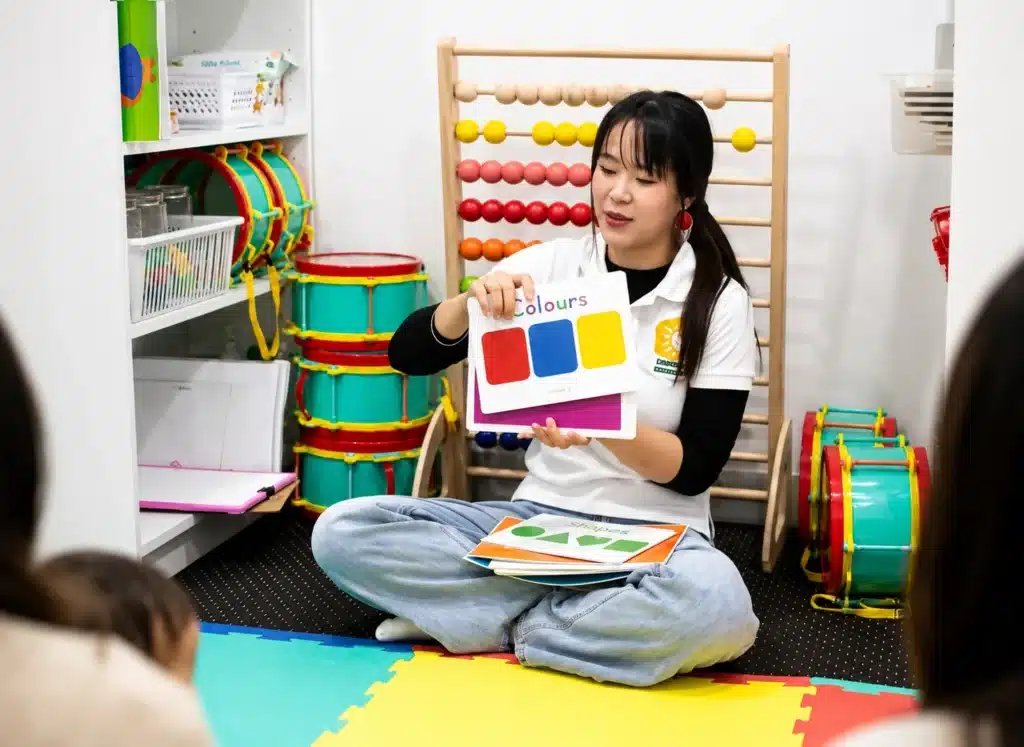
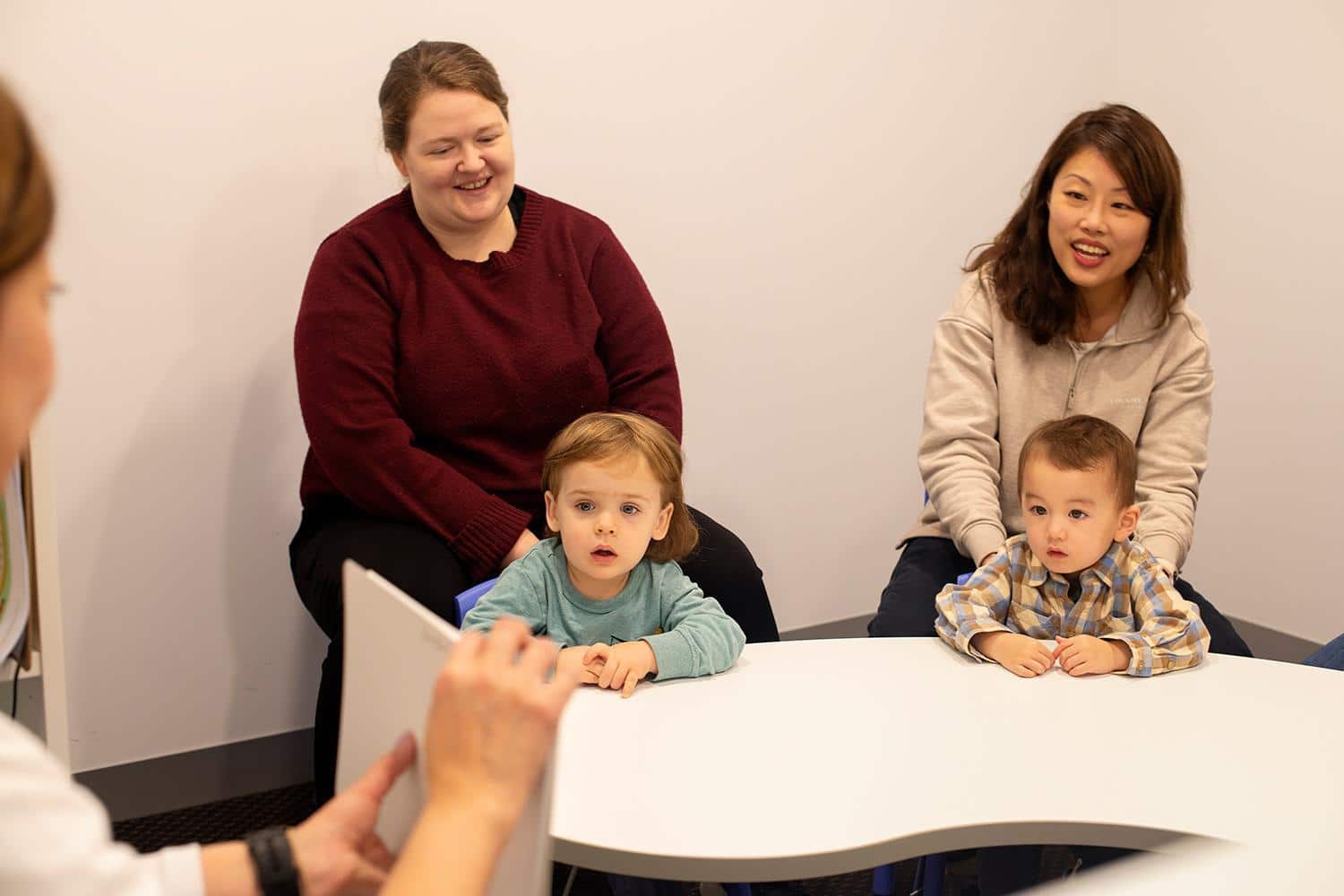
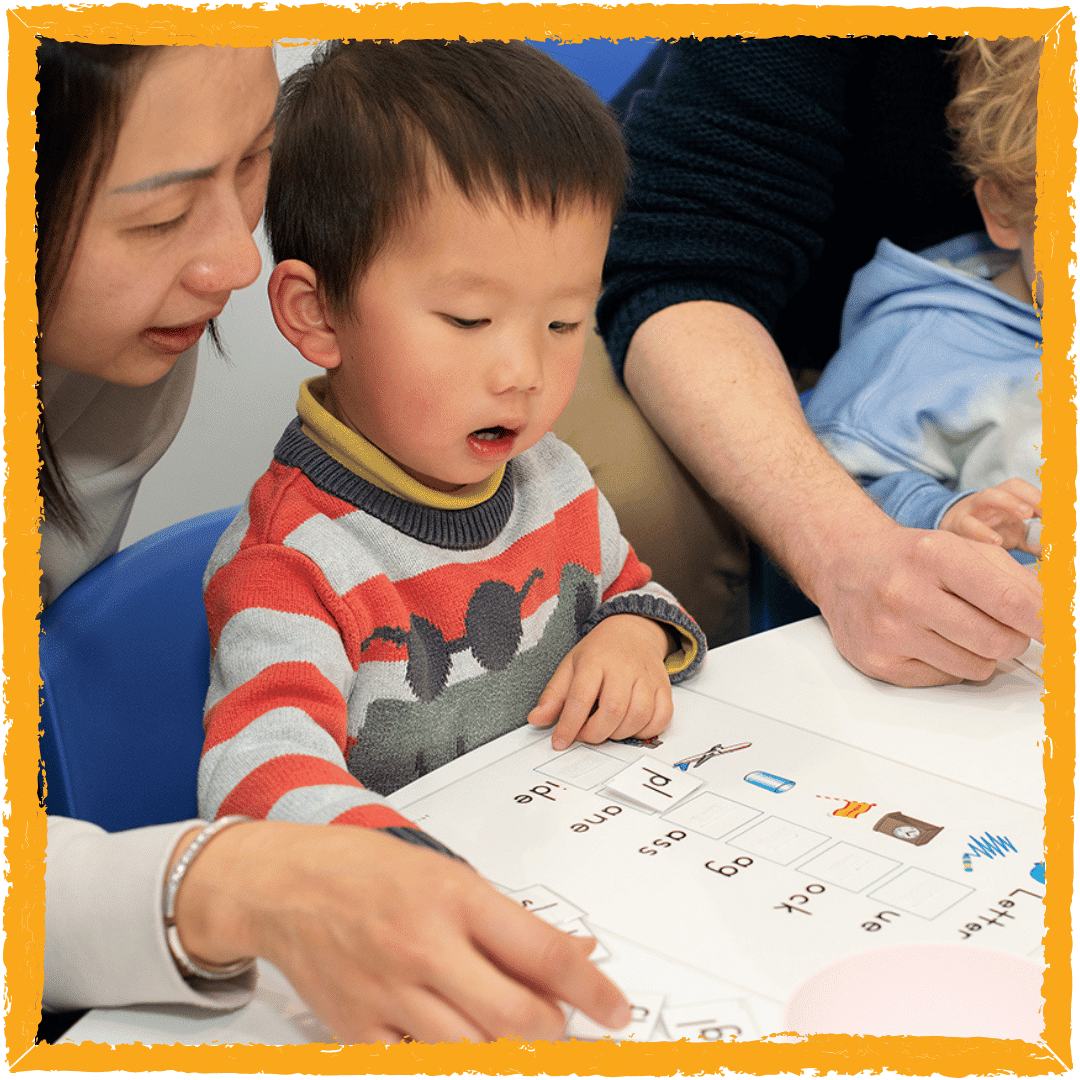
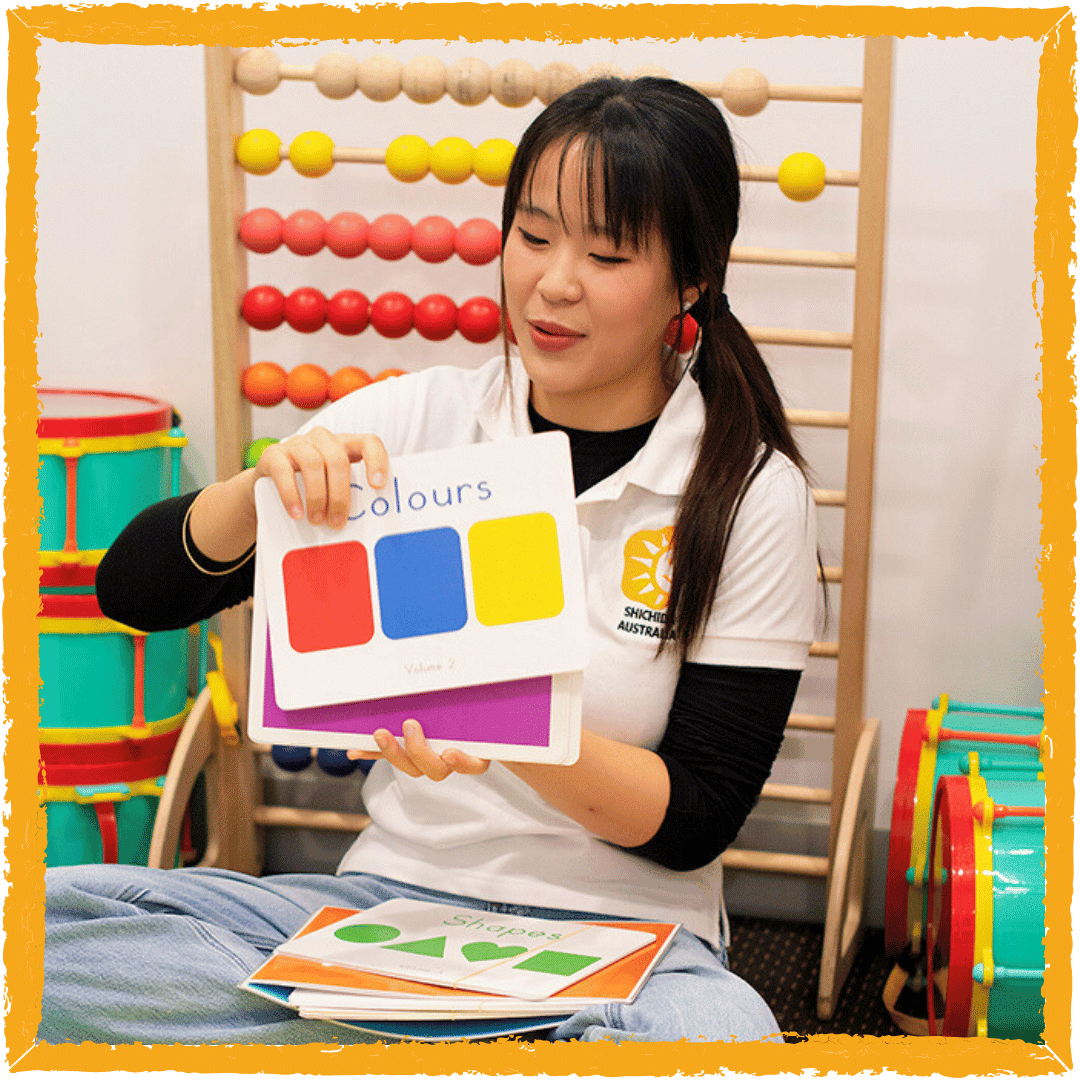
Photo by Shichida Australia: The popular baby flashcards activity in Shichida class supports early language development, memory, focus, visual learning and sensory stimulation.
Signs Your Baby Is Benefiting from Sensory Play
You may notice positive changes as you introduce regular infant sensory play.
What to Look For
- Increased curiosity and engagement
- Longer focus during play
- More sounds and interaction
- Calmer mood after activities
When to Speak to a GP
Consider professional advice if your baby:
- Avoids most textures
- Shows limited interest in sensory activities for infants
- Does not respond to sound or visual cues
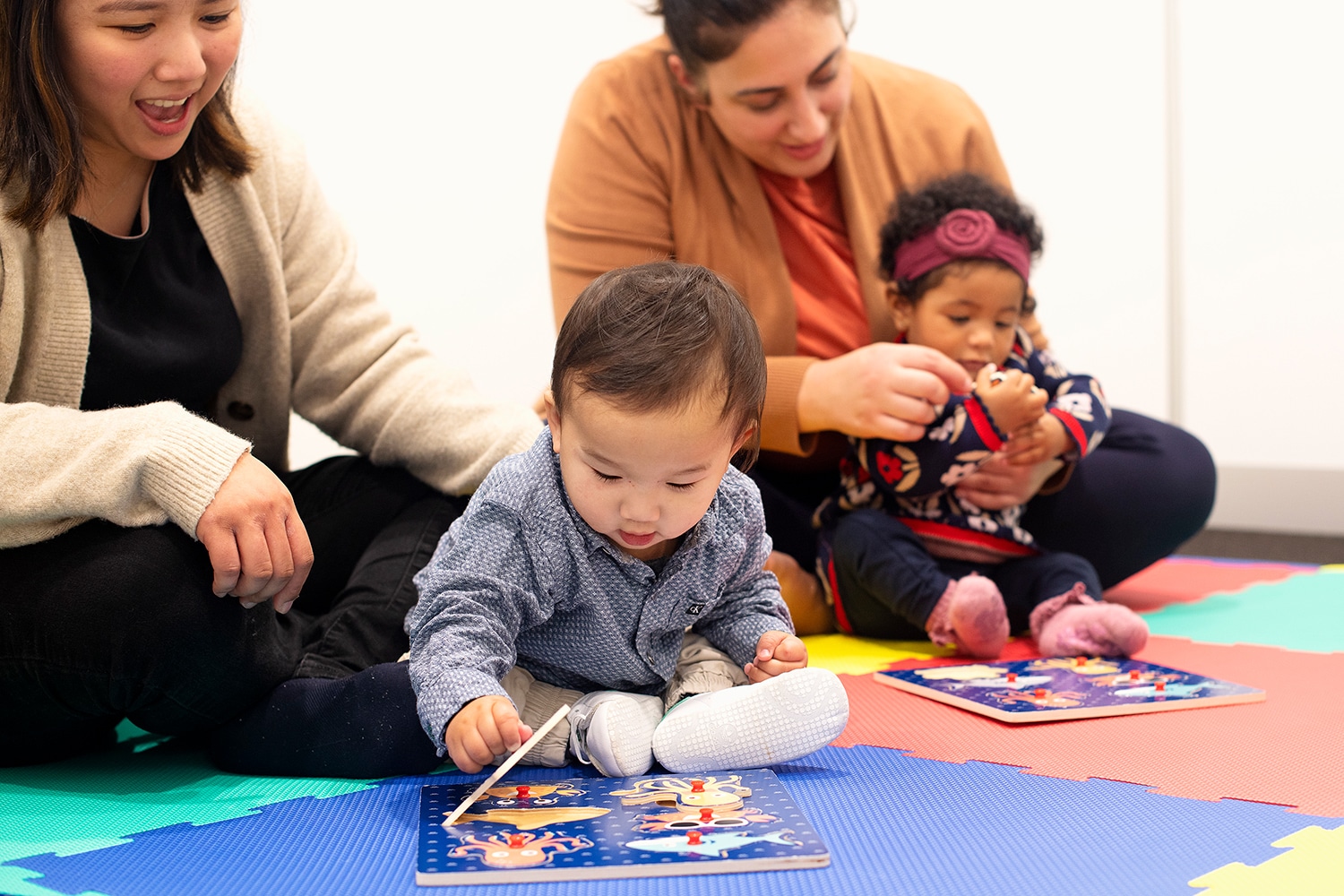
Nurture Your Baby’s Development with Shichida
It is amazing how much learning happens in those small, playful moments, isn’t it? The right mix of infant sensory play and connection can make a big difference in how your baby grows and explores the world.
At Shichida, we incorporate structured sensory activities for infants into our program to support early brain development in a fun and engaging way. If you want to see how this works in practice, join us for a session. Book a trial class and experience the difference early learning can make.
FAQs About Sensory Ideas for Infants
Sensory play for infants includes simple activities that engage your baby’s senses, such as touch, sight, sound, movement, smell and taste-safe exploration. It can include singing, tummy time, textured toys, water play, visual tracking games, baby-safe mirrors and gentle movement activities.
Sensory play helps infants build early brain connections while supporting movement, focus, communication, curiosity and emotional regulation. Activities such as grasping toys, listening to songs, exploring textures and following colourful objects can also support fine motor skills, visual tracking and parent-child bonding.
Yes. Sensory play can support baby brain development because babies learn through repeated experiences involving touch, sound, sight, movement and interaction. These everyday moments help babies notice patterns, respond to their environment, strengthen neural pathways and build early learning confidence.
The best sensory activities for infants 6–12 months include tummy time, crawling over cushions, water play, sensory bottles, soft musical instruments, textured balls, baby-safe mirrors, simple sorting games and edible messy play. These activities support movement, coordination, curiosity and hands-on learning.
Sensory play for babies does not need to be long. A few minutes at a time is often enough, especially for younger infants. Watch your baby’s cues and stop if they seem tired, unsettled, overwhelmed or no longer interested. Short, regular moments are usually more helpful than long sessions.
Your baby may be overstimulated if they turn away, cry, arch their back, rub their eyes, become fussy, avoid eye contact or seem unusually unsettled. If this happens, pause the activity, reduce noise and movement, and offer comfort through cuddles, soft talking or a calm environment.
Sensory activities that support fine motor skills include grasping textured toys, reaching for objects, picking up soft blocks, exploring fabric pieces, finger painting with taste-safe materials and simple sorting games. These activities help babies strengthen their hands, fingers and hand-eye coordination.
Visual tracking activities for babies include slowly moving a colourful toy from side to side, using high-contrast cards, playing with bubbles, exploring baby-safe mirrors and following scarves or ribbons with their eyes. These activities help babies practise focus, eye coordination and attention.
Songs, nursery rhymes, rhythm games, talking during play, naming objects, reading board books and using baby flashcards can support early language development. Babies benefit from hearing repeated words, sounds, rhythms and facial expressions during warm, responsive interactions.
Avoid sensory activities that include choking hazards, sharp objects, toxic materials, unsafe water play, strong scents, small loose parts or anything your baby could swallow. Always supervise sensory play closely and choose age-appropriate, baby-safe materials. Taste-safe does not mean unsupervised.