When Do Babies See Colour? Understanding Infant Visual Development
Key Takeaways
- High contrast is best for newborns. In the first few weeks, babies primarily see in black, white, and shades of grey.
- Red and green appear first. These are the first distinguishable hues your baby will recognise as their colour vision matures.
- Focus is limited at birth. Newborns can only focus on objects about 20 to 30 centimetres away, which is roughly the distance to your face during a feed.
- Visual stimulation matters. Using tools like high-contrast flashcards helps strengthen the neural pathways responsible for sight.
When can babies see colour? Many parents wonder when can babies see colour, especially as their little ones begin to respond to bright toys and bold patterns.
Babies begin to see colour between one and three months, starting with red and green before moving to a full spectrum by the time they’re five months old. While newborns don’t see the world in high definition yet, their vision develops rapidly as their eyes and brain learn to work together. Understanding these milestones helps you choose the right activities to support your child’s growth.
Understanding How Newborn Vision Works
You may be curious about how your newborn’s sight compares to that of an older infant or an adult. Immediately after birth, babies see mainly in black, white and shades of grey because the retinal cones (the cells that absorb colour) are immature. Your baby is able to sense contrast between light and dark, but their colour vision is very restricted. Light and distance also play a significant role: newborns focus best on objects 20-30 cm, or 8-12 inches away and are sensitive to brightness, so low‑contrast or soft lighting is most appropriate for them.
What Do Newborns See in the First Few Weeks?
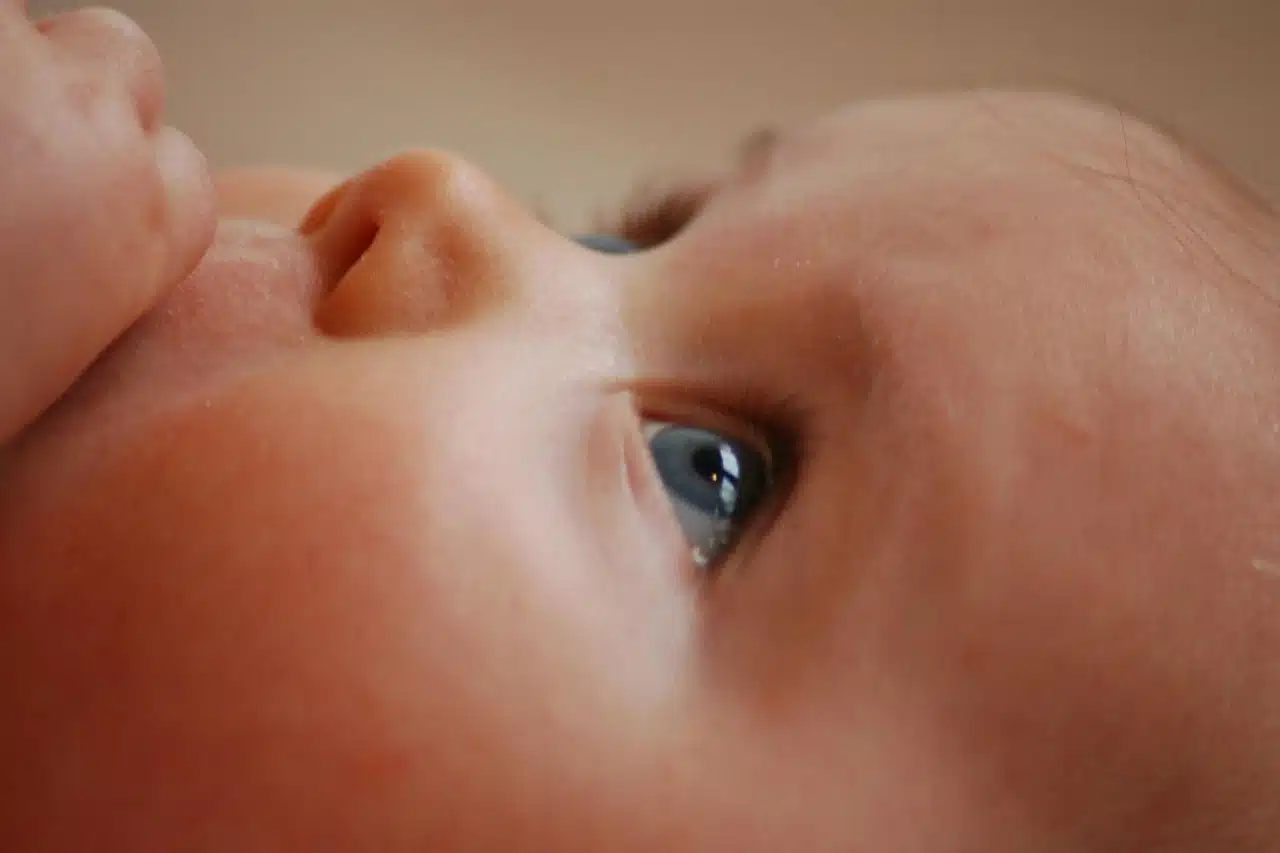
During the initial weeks, your baby’s universe is slightly fuzzy. They are only able to see things that are between 20-30 cm, or 8-12 inches from their eyes. That’s why when you cradle your baby in your arms, they are able to see your face – it’s right in front of them. Facial recognition is very important at this early point, helping your infant bond and feel soothed by your presence. They might not yet be able to discern fine details, but they recognise shapes and patterns – particularly your face.
Why Can’t Babies See Colour at Birth?
Babies can’t see colour at birth because their cone cells in the retina aren’t yet mature. Cones are needed for colour vision, and at birth, they are still developing and sparse. As these cells mature over the weeks, babies gradually begin to see colour – first high‑contrast colours and then subtler shades.
Download your free DIY high-contrast flashcards for babies and give your little one a simple, engaging way to enjoy early visual stimulation at home.

Timeline of Colour Vision Development in Babies
Here’s a month‑by‑month guide from birth to around six months, covering key newborn vision milestones – especially related to colour recognition.
0 – 1 Month: Seeing in Black, White and Gray
From birth until about four weeks old, babies see mostly black, white and shades of grey. At this stage, cone activity is minimal, so visual contrast is more noticeable than colour. High‑contrast images like bold black‑and‑white patterns are most appealing to your newborn. Their visual world is built around contrast rather than hue. It’s also around this time that they begin to develop more sensitivity to brightness and form as retinal cells mature.
2 – 3 Months: Introduction to Reds and Bright Colours
By around eight weeks, your baby begins detecting reds, some greens, and lighter blues. They start to track coloured objects with their eyes and show interest in bright toys and books. Research shows infants at two months prefer longer‑wavelength colours like red, as those cones mature more rapidly. Their visual engagement increases – they follow moving objects and gaze more at colourful items.
4 – 6 Months: Full Colour Spectrum Develops
By four to five months, most babies perceive nearly the full range of colours, though not quite as vividly as adults. Their depth perception improves and they can distinguish subtle hues. By six months, infants typically have adult‑like trichromatic vision and good colour constancy despite illumination changes. At this point, your baby visually explores the world with more clarity and recognition – with increased field of vision development.
This is the perfect age to try a Shichida baby class, designed to encourage early brain development, reaching milestones through fun and games. Book a Shichida trial class – you and your baby will love it!
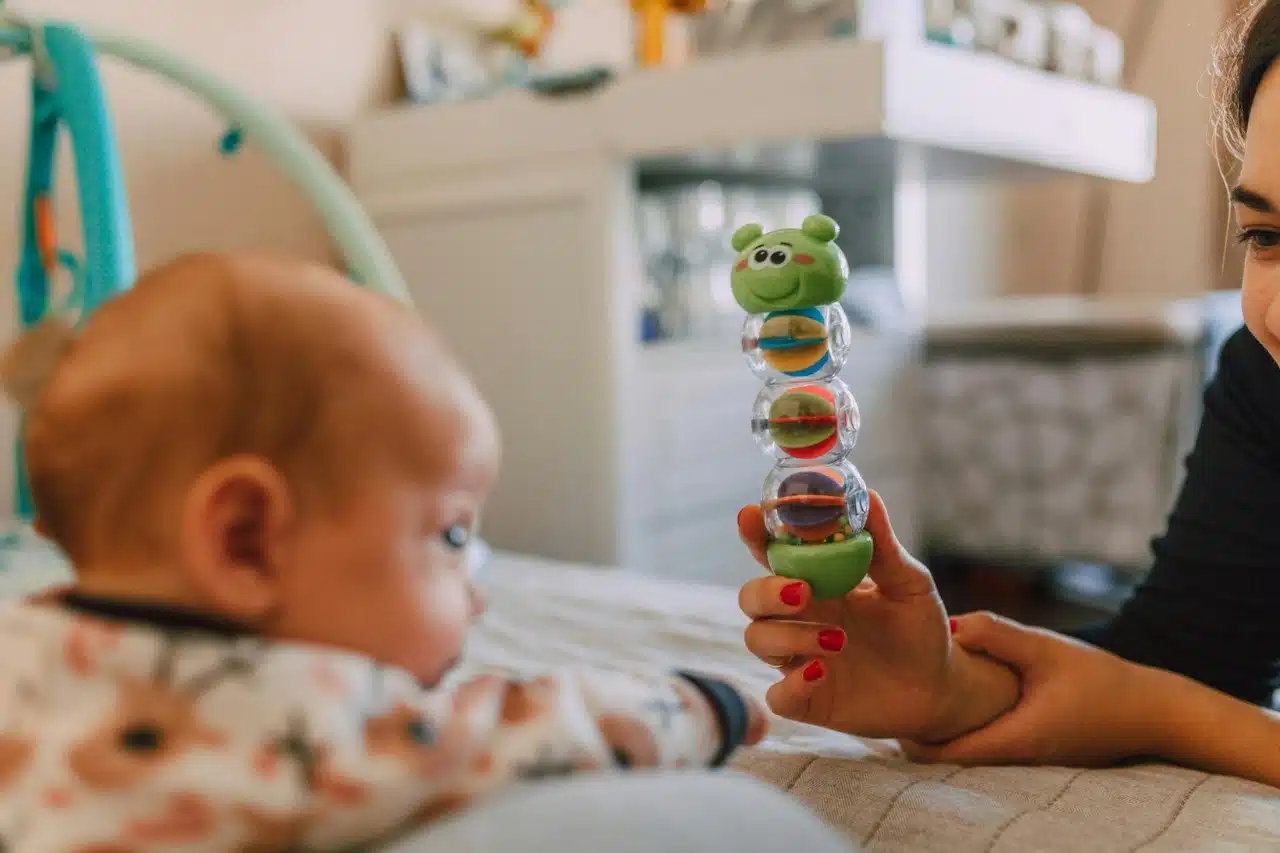
If you’re asking when can babies see colour, research shows that by around 3 to 4 months, their vision sharpens enough to distinguish vibrant hues like red, blue and yellow.
The Role of Colour in Early Learning and Brain Development
How Colour Stimulates Neural Pathways
Colour perception contributes to development by activating neural circuits tied to recognition and memory. When your baby sees distinct colours, their brain links visual input to mental categories. Early colour processing strengthens their ability to discriminate between objects and build perceptual constancy. By six months, they’re categorising colours and noticing consistency even in changing light.
Using Colour to Boost Sensory Learning
To support your child’s infant sensory development, incorporate age‑appropriate sensory play:
- 0 – 2 months: high‑contrast mobiles, black‑and‑white soft toys, simple high‑contrast books
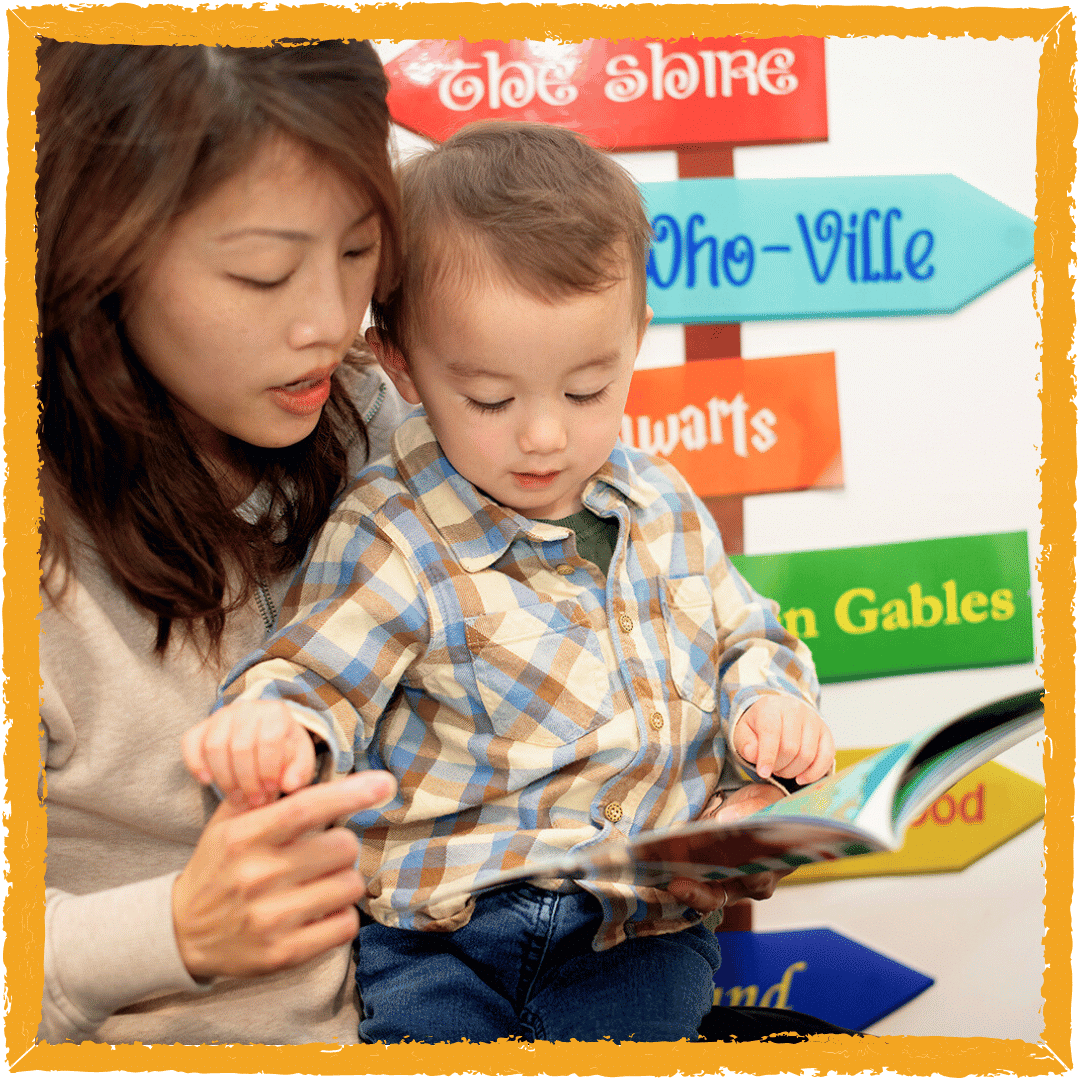
- 3 – 6 months: colourful picture books, bright stacking toys, playmats and mobiles in reds, greens and yellows
These visually stimulating items encourage your baby to track movement, recognise shapes, and build visual memory. Colourful toys also encourage reaching, grasping, and associating colours with actions or objects.

What If My Baby Doesn’t React to Colour?
Common Visual Development Delays
Most babies follow a predictable timetable, but there is variation. If your baby, by around four months, is not tracking objects, avoids eye contact, or doesn’t react to brightness or colours, that may be a sign of delayed visual development. Be attentive if one eye drifts regularly or if your baby doesn’t follow moving objects with their gaze. Consistent crossed eyes beyond two or three months could indicate a condition such as strabismus.
Signs of Colour Blindness in Infants
Though rare, signs of colour blindness might emerge later when your child uses crayons and describes colours. Early indirect signs may include difficulty distinguishing red from green around toddler age, or general confusion during colour-naming tasks. A family history of colour vision deficiency increases the likelihood. For infants, a lack of reaction to brightly coloured toys by four months could warrant further attention.
Supporting Your Baby’s Visual Milestones
Visual Play Activities for Each Age Stage
Birth to 2 months
- Hold high‑contrast images or toys close (about 20-25cm or 8-10 inches) to your baby’s face.
- Use mobiles or cards with stripes or simple geometric patterns.
3 to 4 months
- Introduce bright toys or picture books in reds, greens and blues.
- Encourage eye tracking: slowly move objects side to side and observe whether your baby follows them.
5 to 6 months
- Offer interactive colourful toys like stacking rings, teething toys in varied hues.
- Play simple games like peek‑a‑boo and mirror look‑and‑find activities.
This play‑based approach engages baby sensory development, encouraging both visual and motor skills.
Importance of Light and Environment
The question of when can babies see colour often comes up when choosing nursery décor or books – rest assured, their ability to see the full spectrum develops quite early.
Natural daylight that fills a room gently is ideal for visual growth – avoid harsh overhead lighting or deep shadows. Keep the nursery uncluttered and use colourful decor in moderation. Provide visual variety in angles and distances during tummy time or feeding. Changing positions, such as switching which side you feed on, helps balance your baby’s visual load. Avoid overstimulation: babies process information slowly, so give them time between colourful sessions.

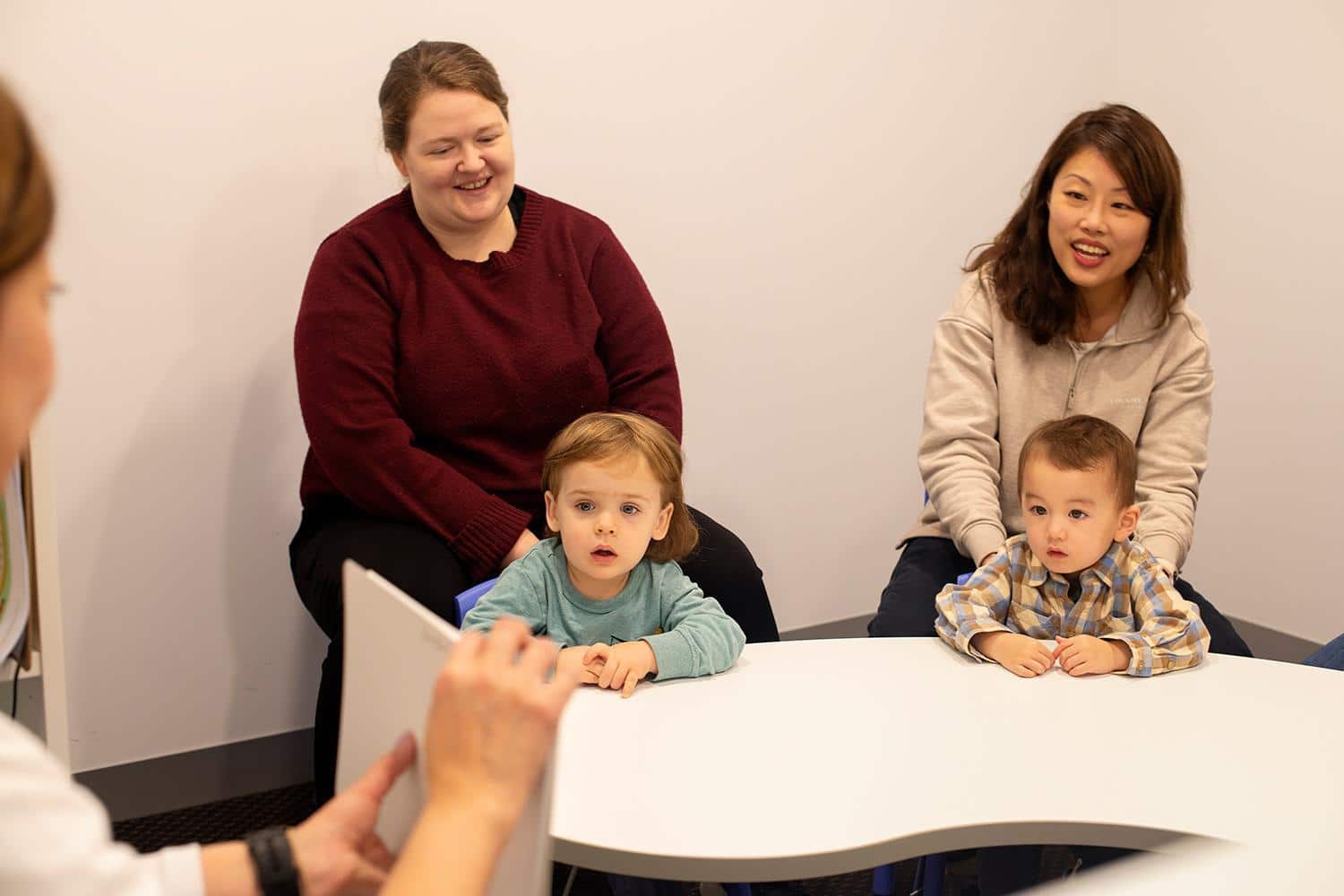
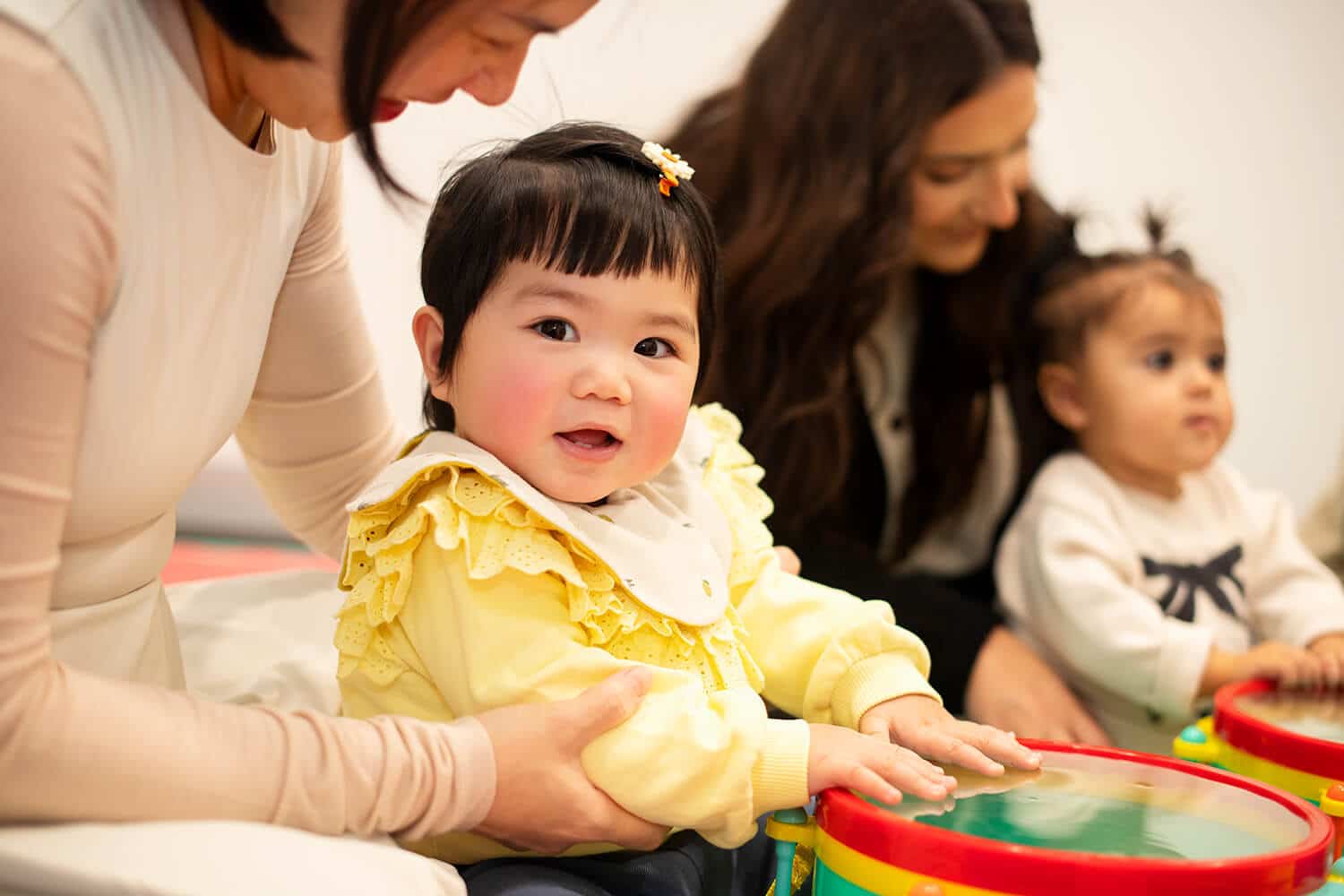
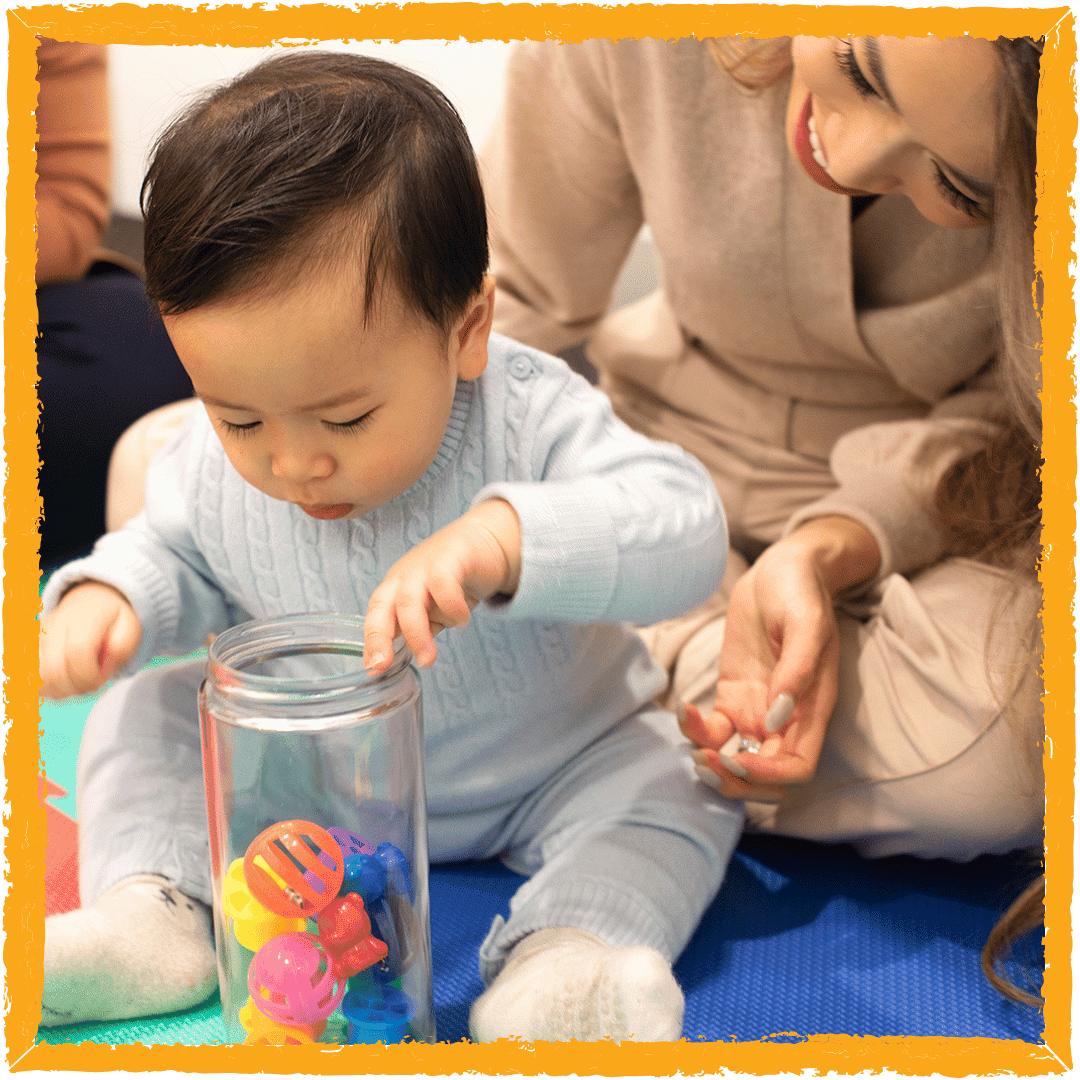
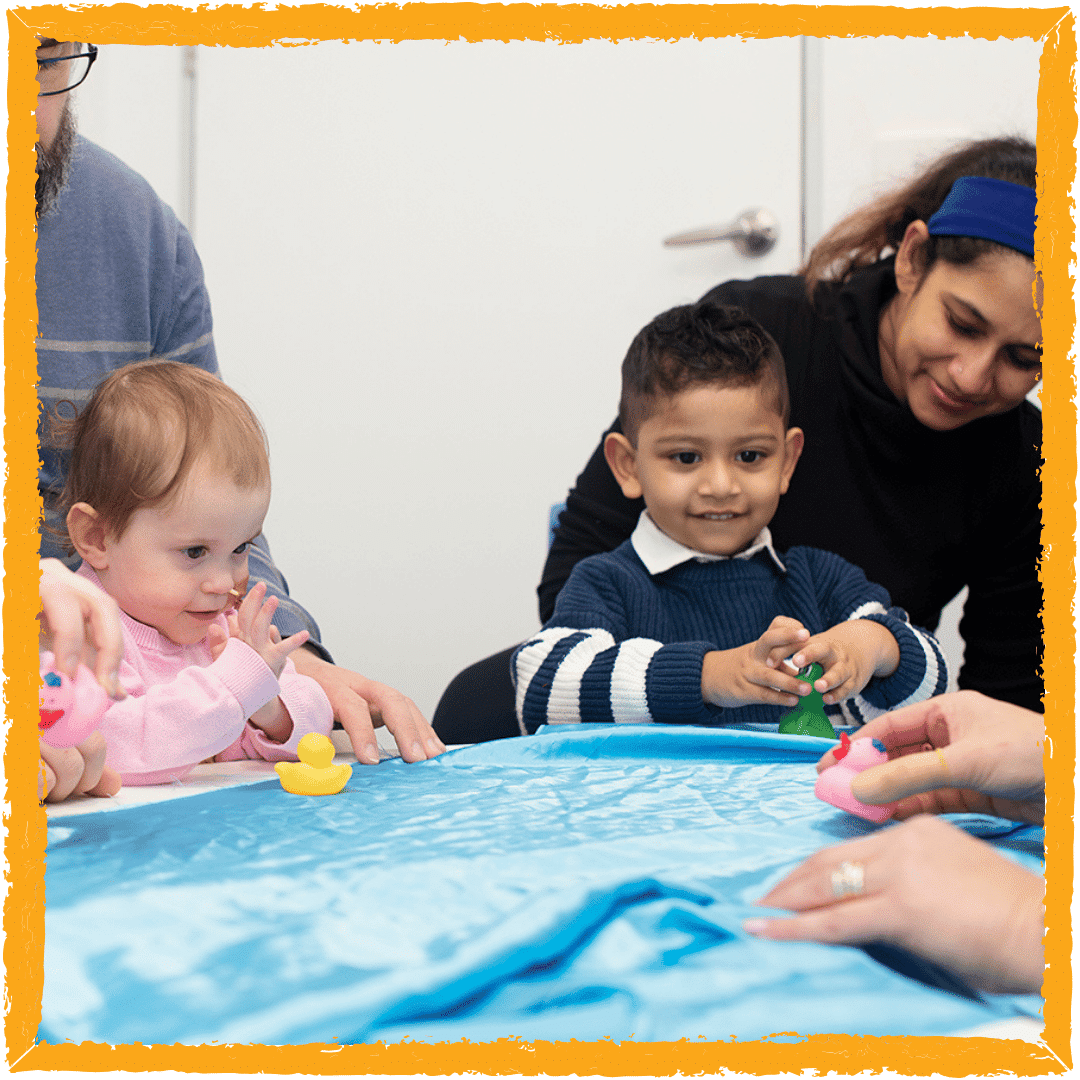
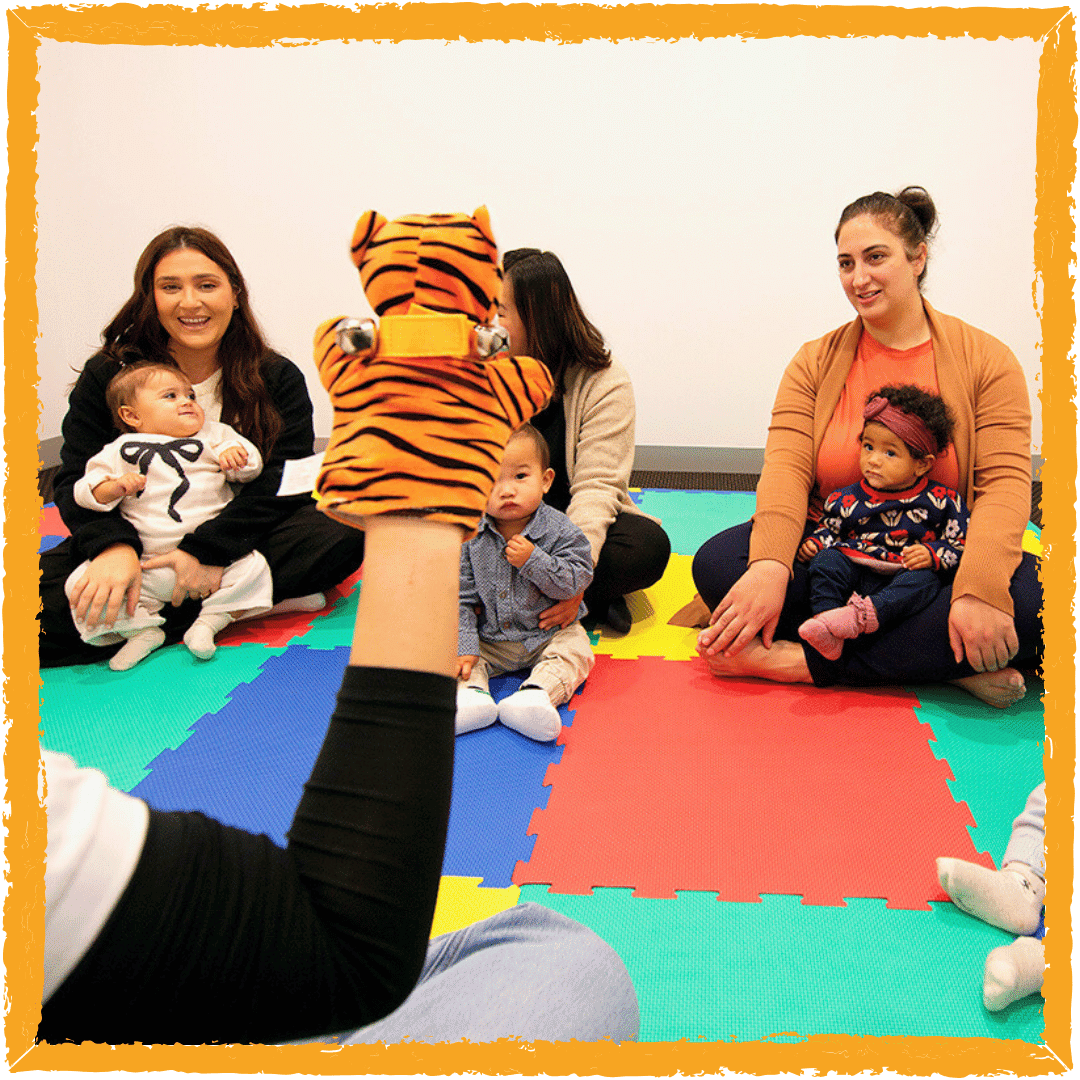
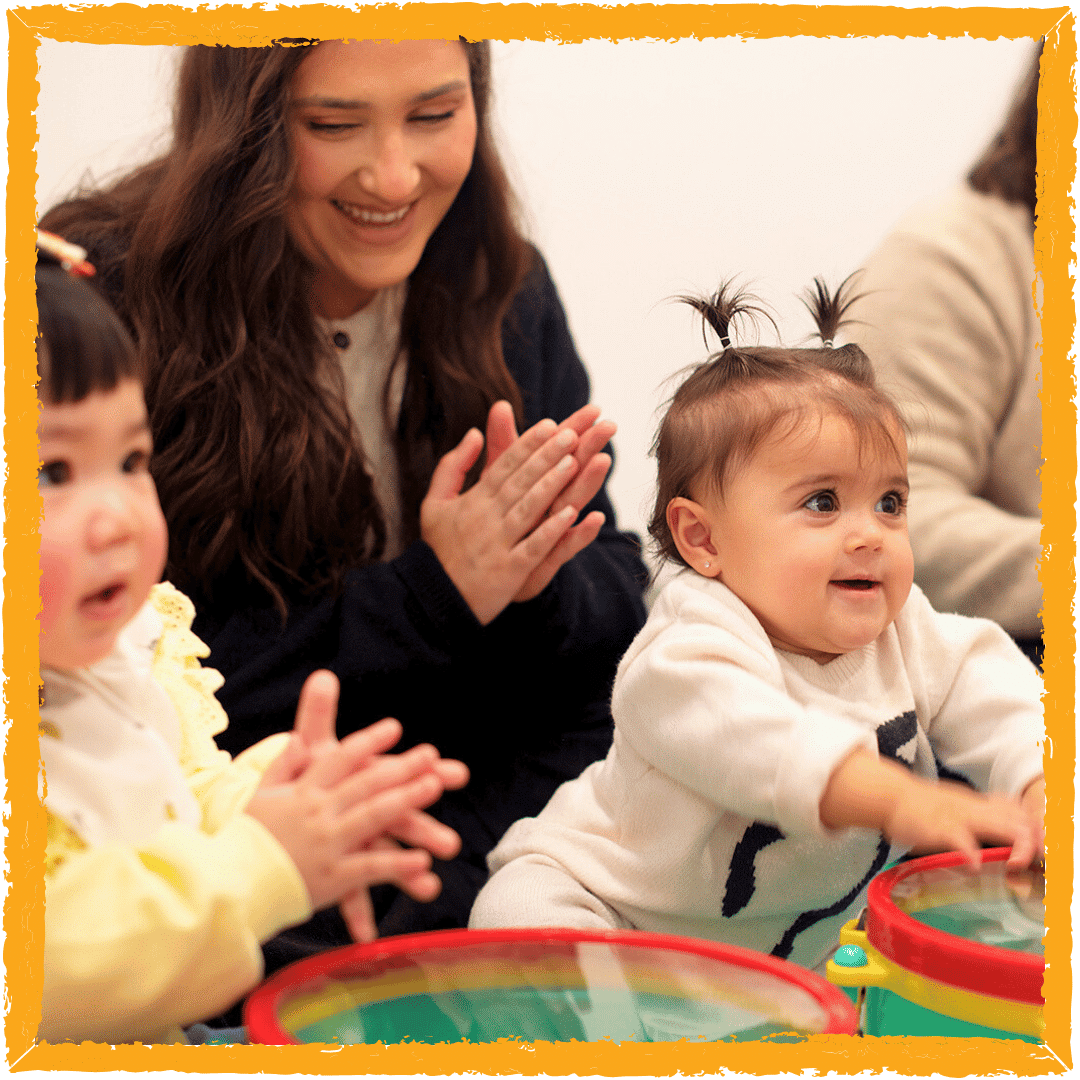
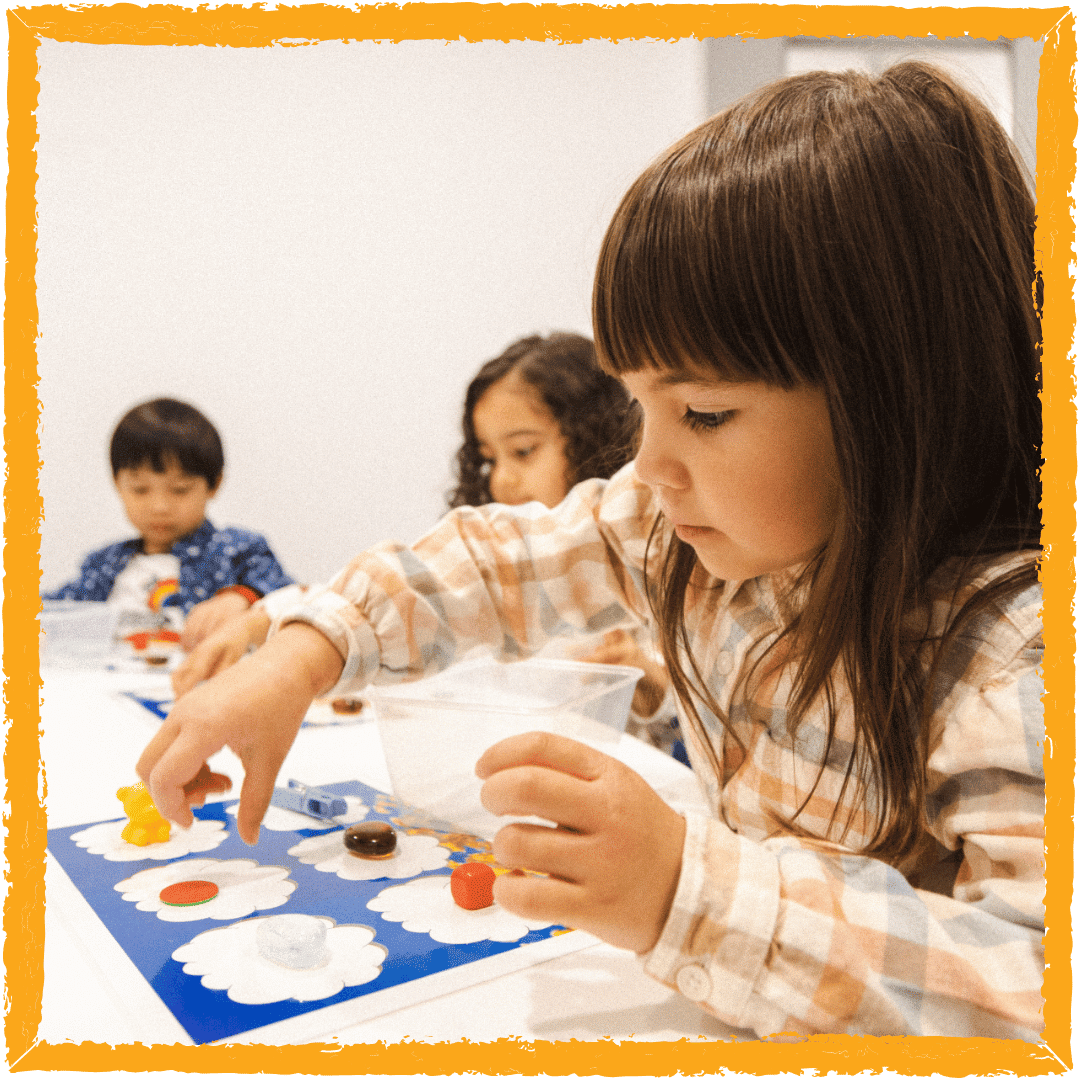
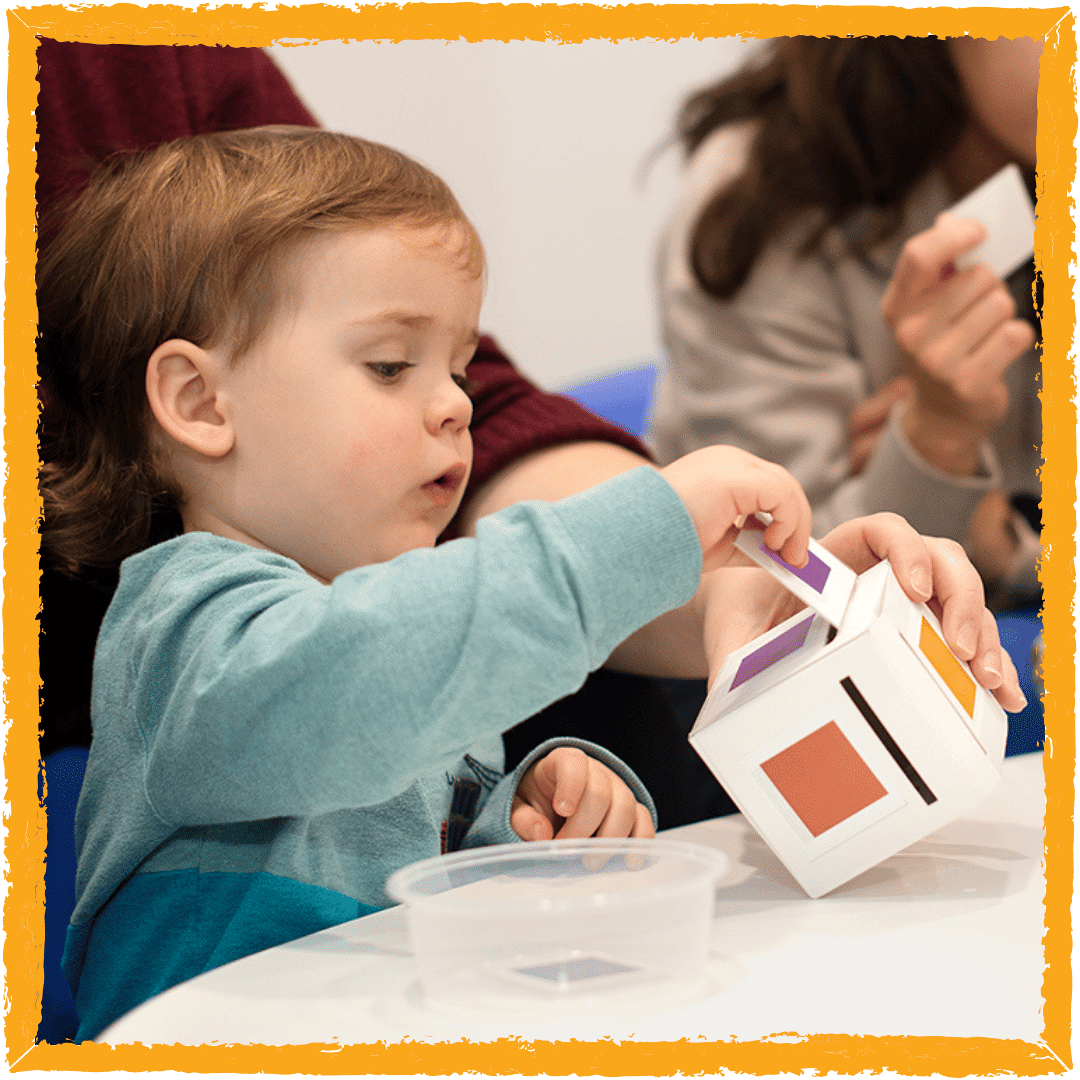
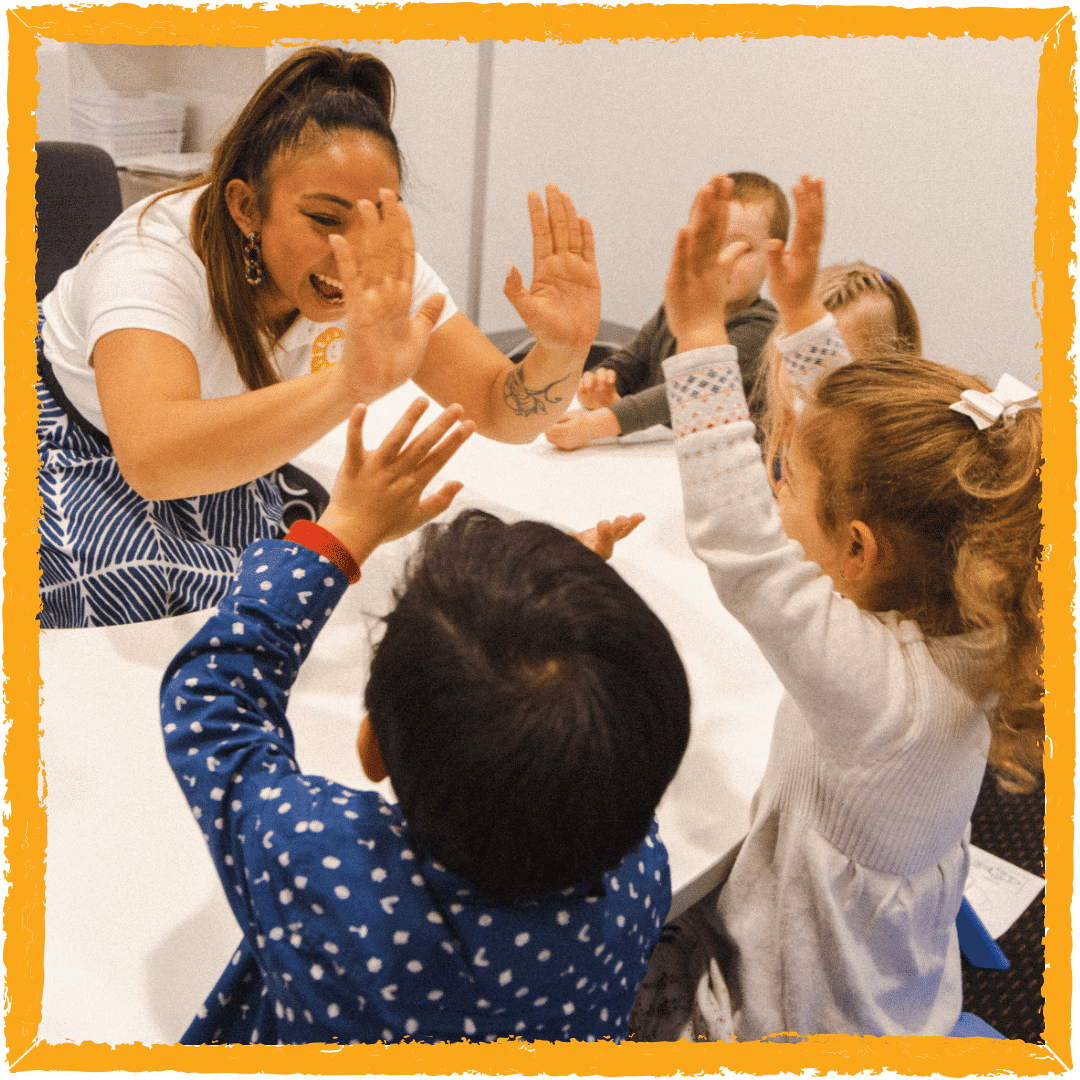
Photo by Shichida Australia: Baby classes include fun activities for training the field of vision – important for eye development during the early years.
When to Consult a Doctor About Your Baby’s Vision
Key Red Flags to Watch Out For
Consult your GP or health visitor (and consider seeing a paediatric eye specialist) if your baby shows any of the following by about four months:
- No eye contact or reaction to your face
- No following of moving objects
- Eyes remain crossed or misaligned consistently
- No interest in or response to bright or coloured toys
- Excessive tearing or sensitivity to light
Early screening is important. Paediatric eye examinations are often included in routine check‑ups at 1, 2, 4, 6 and 12 months, and many optometric associations recommend a full eye exam by six months.
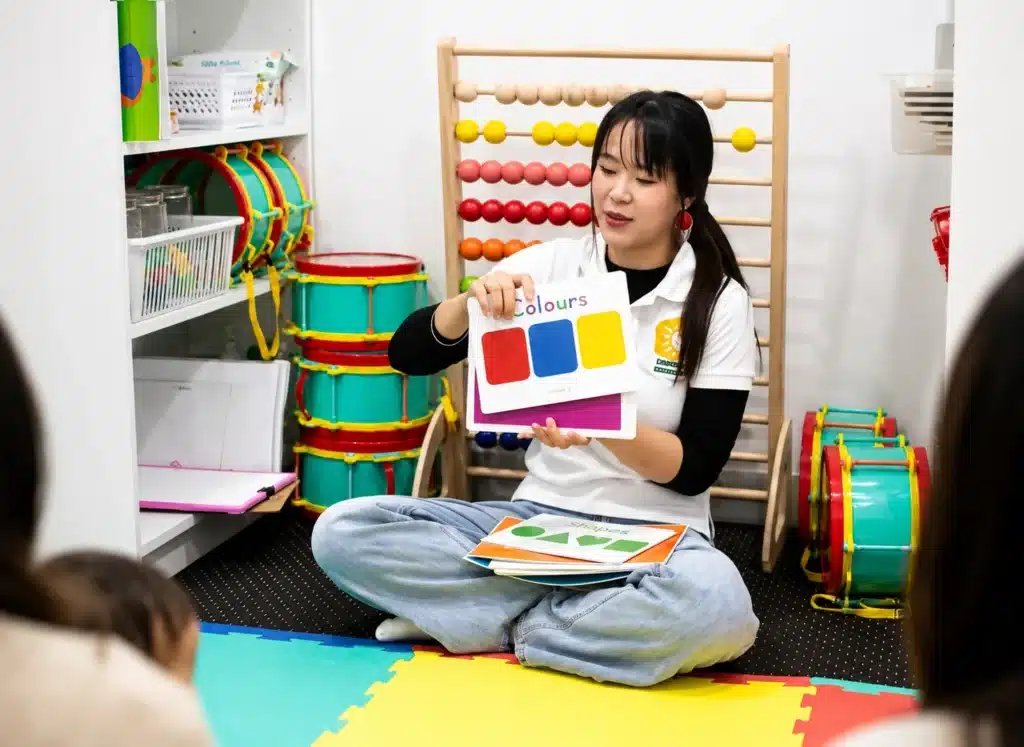
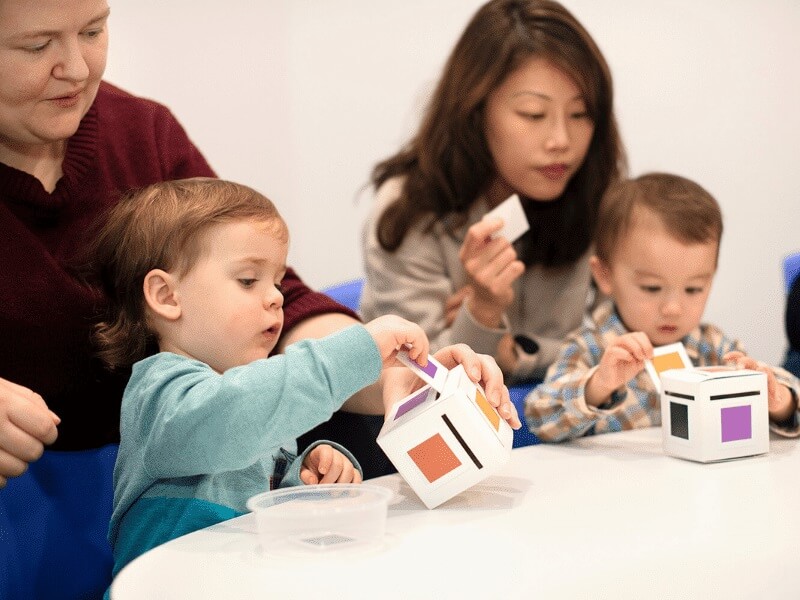
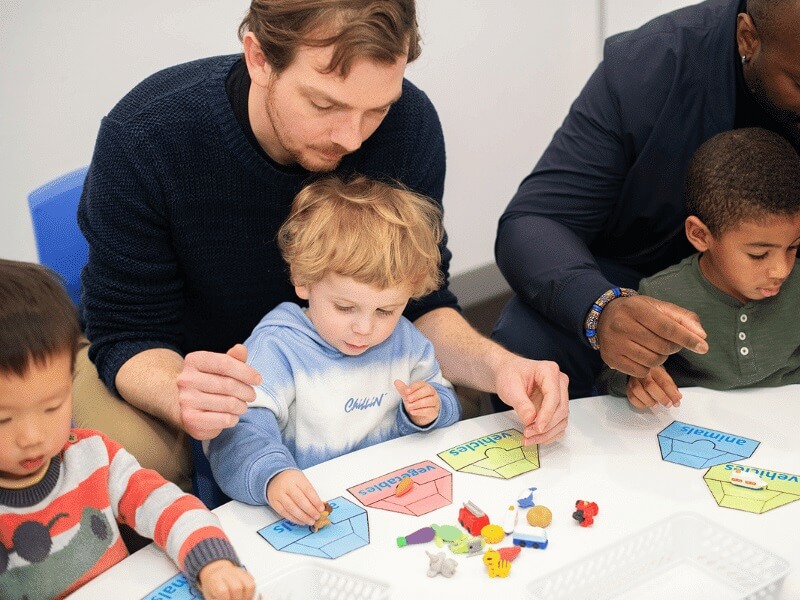
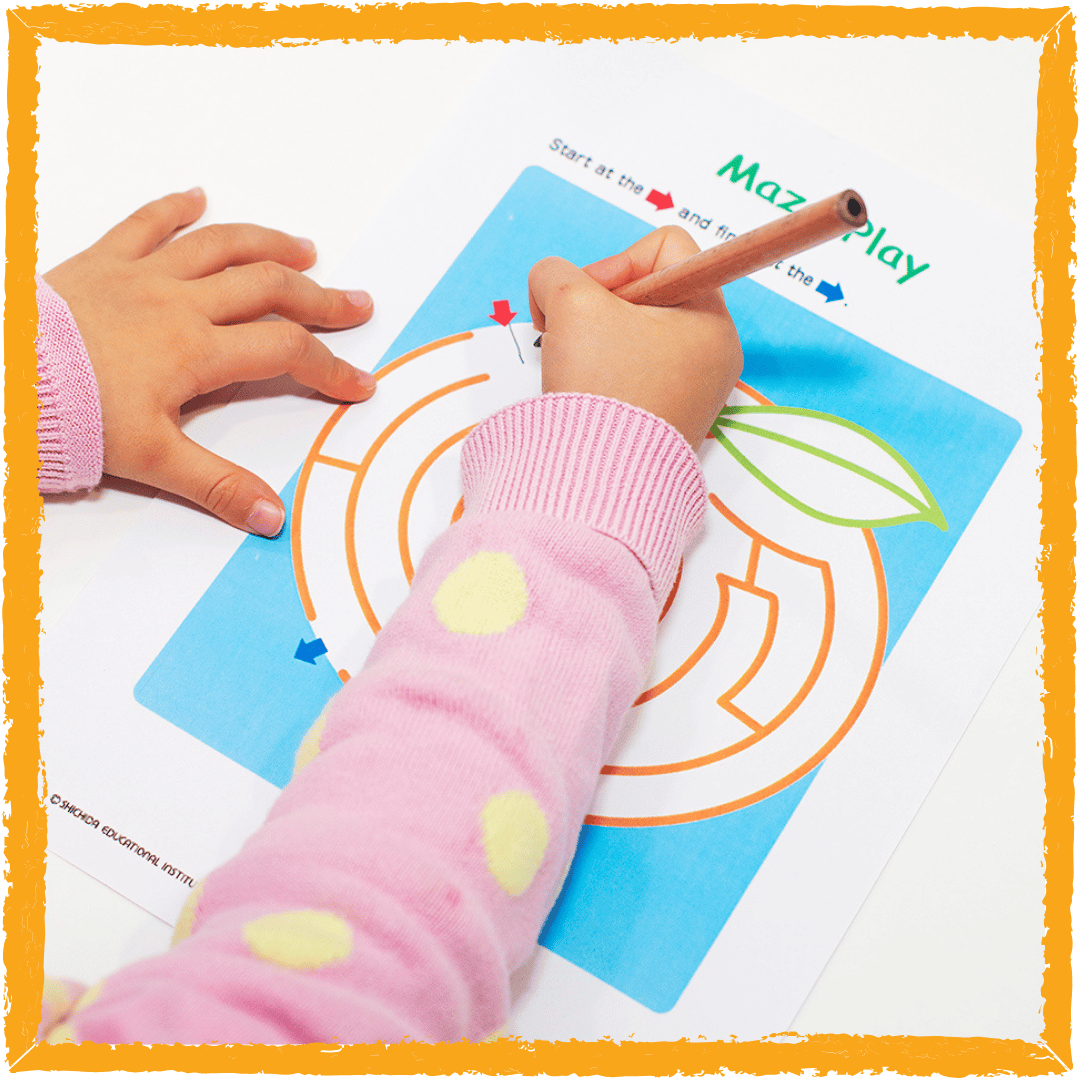
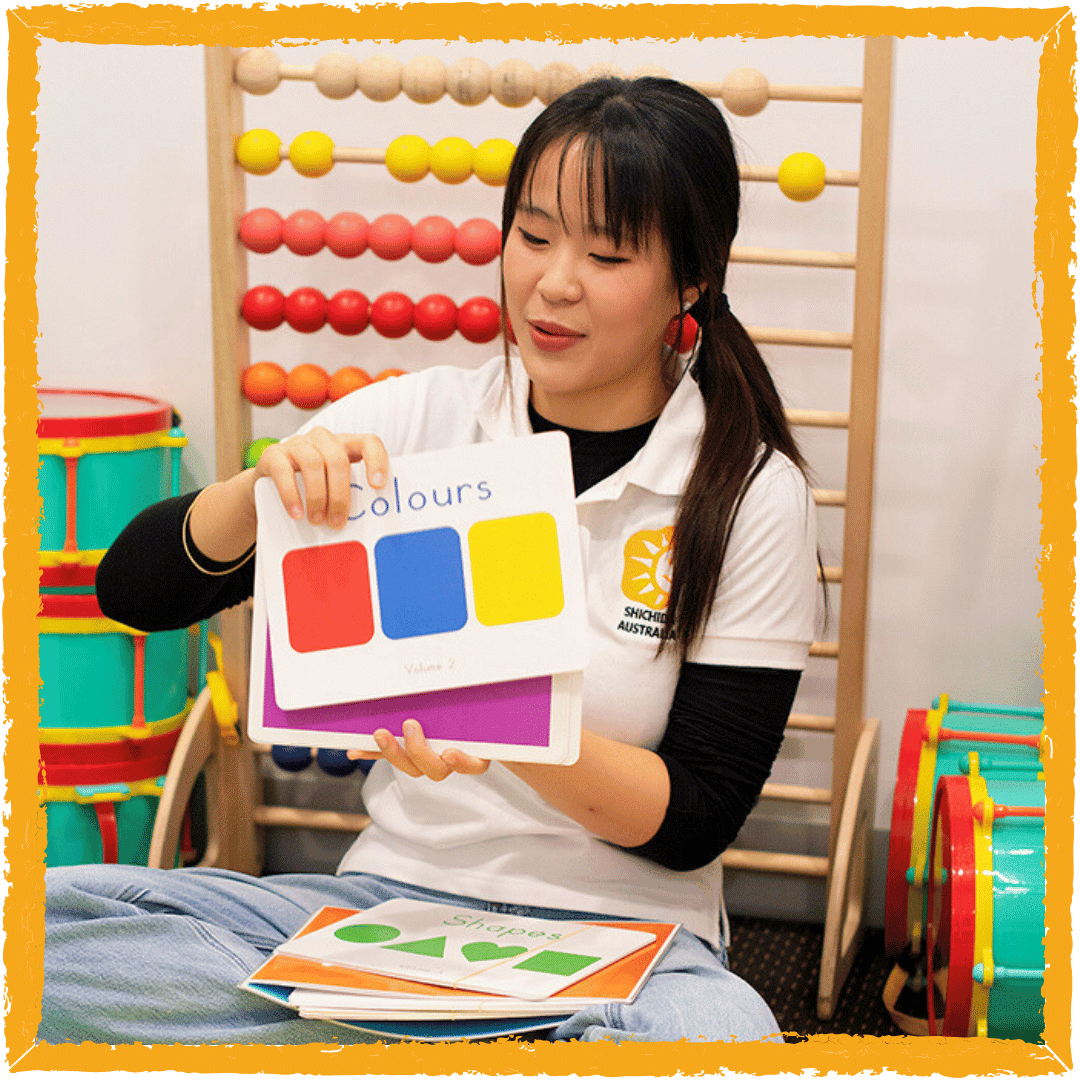
Photo by Shichida Australia: Babies thrive on bold visuals – the Shichida baby class uses high-contrast flashcards and engaging colour-based activities to help develop visual tracking, focus, and early colour recognition in a fun, supportive setting.
Fun Baby Classes with Shichida
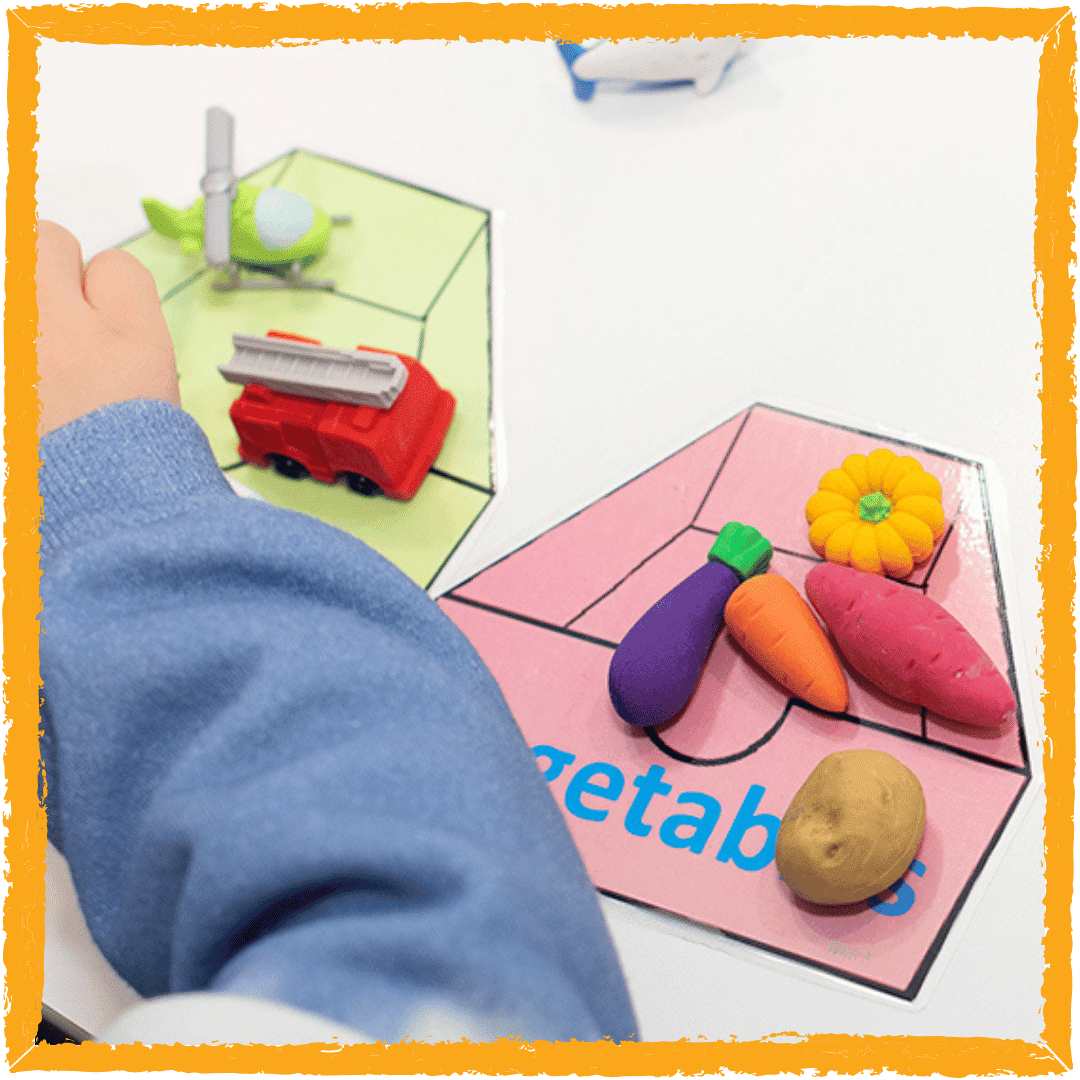
If you’re eager to support your baby’s visual development and nurture their growing senses, the Shichida Method offers the perfect approach. Shichida classes use high-contrast flashcards, colourful materials, and multi-sensory activities designed to stimulate your baby’s colour perception, memory, and overall brain development from an early age.
Give your child the right tools to build strong visual milestones while making learning fun and engaging. Book a Shichida trial class today and experience how simple, colourful play can support your baby’s bright future.
FAQs: When can babies see colour?
Babies begin to detect reds and bright hues by around 2–3 months. By 4–6 months, their colour vision resembles that of adults, though not quite as vivid at first.
Red (long‑wavelength colours) tends to be the first babies reliably distinguish, followed by greens and yellows. Blues and purples are recognised later as the relevant cone cells mature.
Newborns perceive high contrast – like black‑and‑white patterns – more easily, as their immature visual system struggles with low contrast. These images stimulate the developing retina and encourage tracking.
Use age‑appropriate visual play: mobiles and high‑contrast patterns early on; colourful toys and books later. Hold toys within 20-25cm or 8-12 inches, switch positions, use natural light, and encourage eye tracking during play.
Colour blindness is rare in infancy and hard to spot early. Signs often appear when toddlers mislabel colours or confuse reds and greens. A family history increases the risk. If your baby doesn’t track coloured objects or react to bright hues by four months, speak with your doctor.
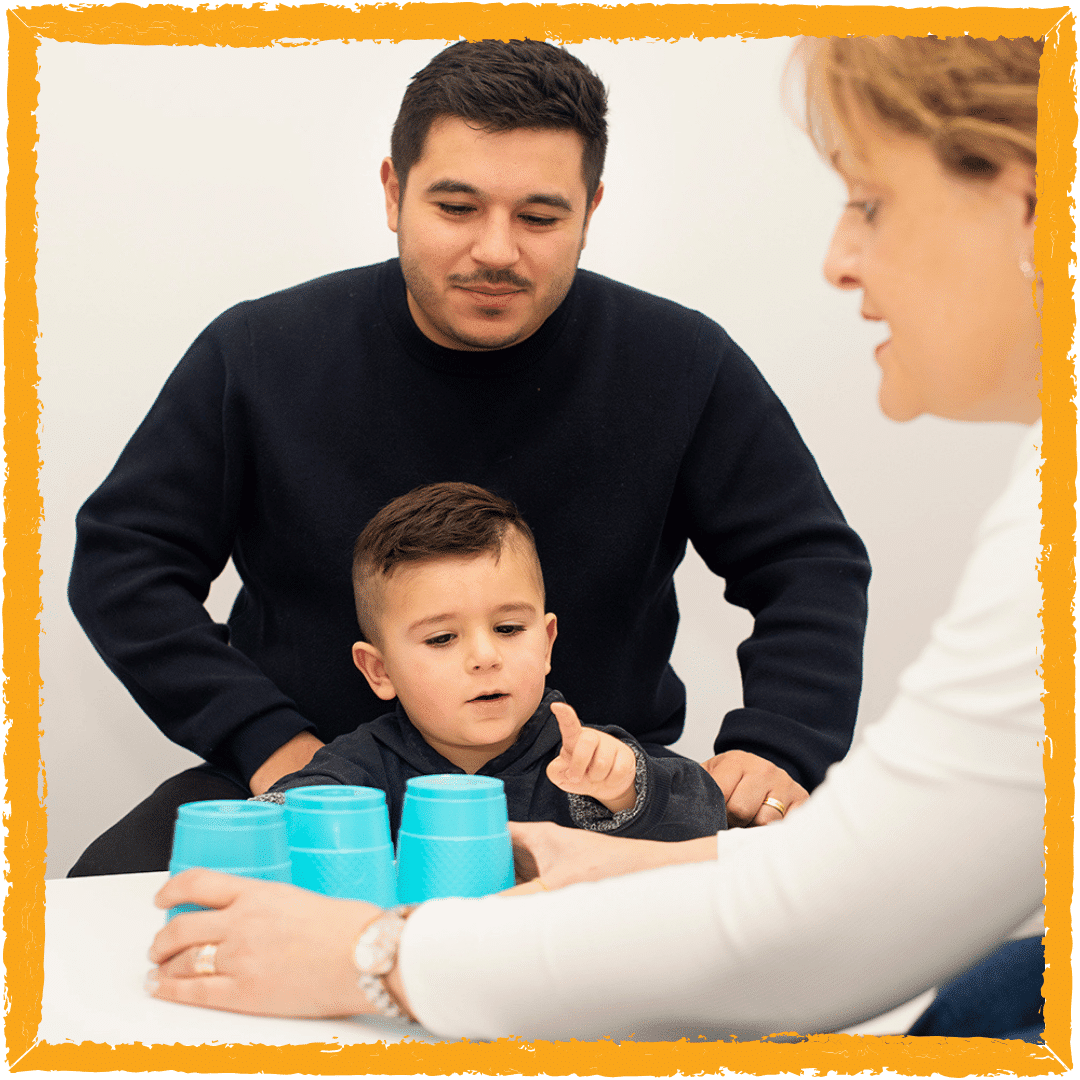
High‑contrast flashcards, colourful picture books, and visually engaging toys are great for supporting your baby’s developing vision. You can also join a weekly Shichida class, where babies and parents attend together. Each session includes research‑backed activities designed to boost colour perception, visual tracking and memory in a nurturing, fun environment. It’s a great way to strengthen your baby’s visual milestones while learning new ideas to try at home.