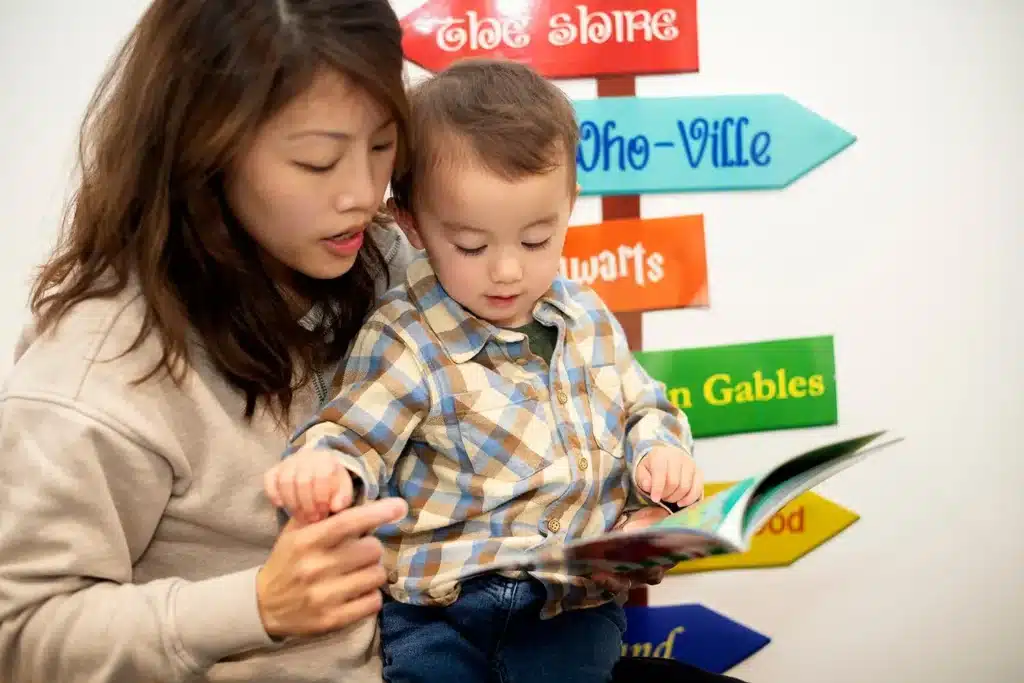
7 Benefits of Reading for Kids
Key Takeaways
- Reading to children supports language, brain, and emotional development.
- The benefits of reading books for toddlers include improved vocabulary and focus.
- Daily kids reading habits strengthen learning and confidence.
- Building a love of reading for kids starts with making books feel enjoyable, achievable and pressure-free.
- When children can choose stories they like, re-read favourites and share reading moments with adults, they are more likely to grow in confidence and develop positive reading habits over time.
Reading plays a powerful role in a child’s development long before school begins. From the first picture books to bedtime stories, early kids reading experiences lay the foundation for language, learning, and emotional connection.
More than just recognising letters, reading to children opens a world of ideas, emotions, and imagination. When books become part of daily life, children grow into curious, confident learners who are ready to explore and express themselves.
The benefits of reading to children begin from infancy and continue well into their school years.
Take a FREE Shichida Quiz
Designed for families with children up to 5 years old.
7 Benefits of Reading for Kids
Reading with your child is not just about entertainment. It builds the foundation for lifelong learning. The benefits of reading to children support cognitive, emotional, and social development.
A landmark Australian study published in SAGE Open found that children who experienced reading to children from infancy showed stronger vocabulary and thinking skills by school entry. The earlier you start, the greater the impact.
Here are seven important benefits of reading to children:
1. Builds Early Language Skills
One of the most important benefits of reading books for toddlers is exposure to new words, sounds, and sentence structures.
Through consistent reading of children’s books, children develop stronger vocabulary and communication skills. Even before they speak, babies absorb language patterns through reading to children aloud.
2. Supports Brain Development
Kids reading activates multiple areas of the brain, strengthening connections related to memory, language, and comprehension.
These early experiences support cognitive growth, especially during the first five years when brain development is at its peak (called the Golden Period of child development).
3. Strengthens the Parent Child Bond
The simple act of reading to children creates moments of connection and trust.
Reading together builds emotional security and strengthens your relationship. These shared experiences are one of the most meaningful benefits of reading to children.
4. Encourages Focus and Listening
Regular reading kids activities help children develop attention and listening skills.
As they engage with stories, they learn to follow narratives, stay focused, and process information. These are essential skills for school readiness.
5. Fuels Imagination and Creativity
Through reading children’s stories, children explore new ideas and perspectives.
Books encourage imagination, helping children visualise characters and situations beyond their everyday experiences. This is one of the key benefits of reading books for toddlers and young children.
6. Boosts Emotional Understanding
Stories help children understand emotions, relationships, and social situations.
By reading to children, you give them the tools to recognise feelings, build empathy, and respond to others more effectively.
7. Sets the Foundation for Academic Success
The long-term benefits of reading to children include stronger academic performance.
Children who engage in regular kids reading tend to develop better literacy, comprehension, and confidence in learning environments.
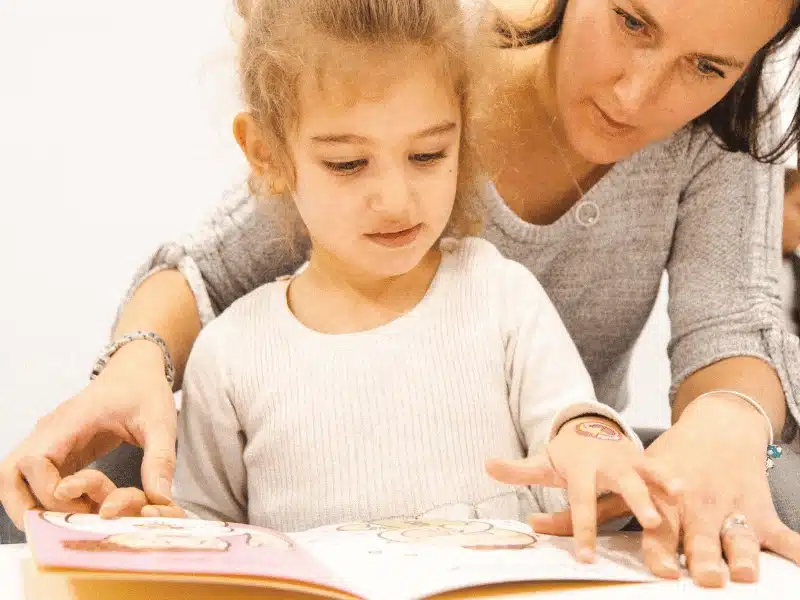
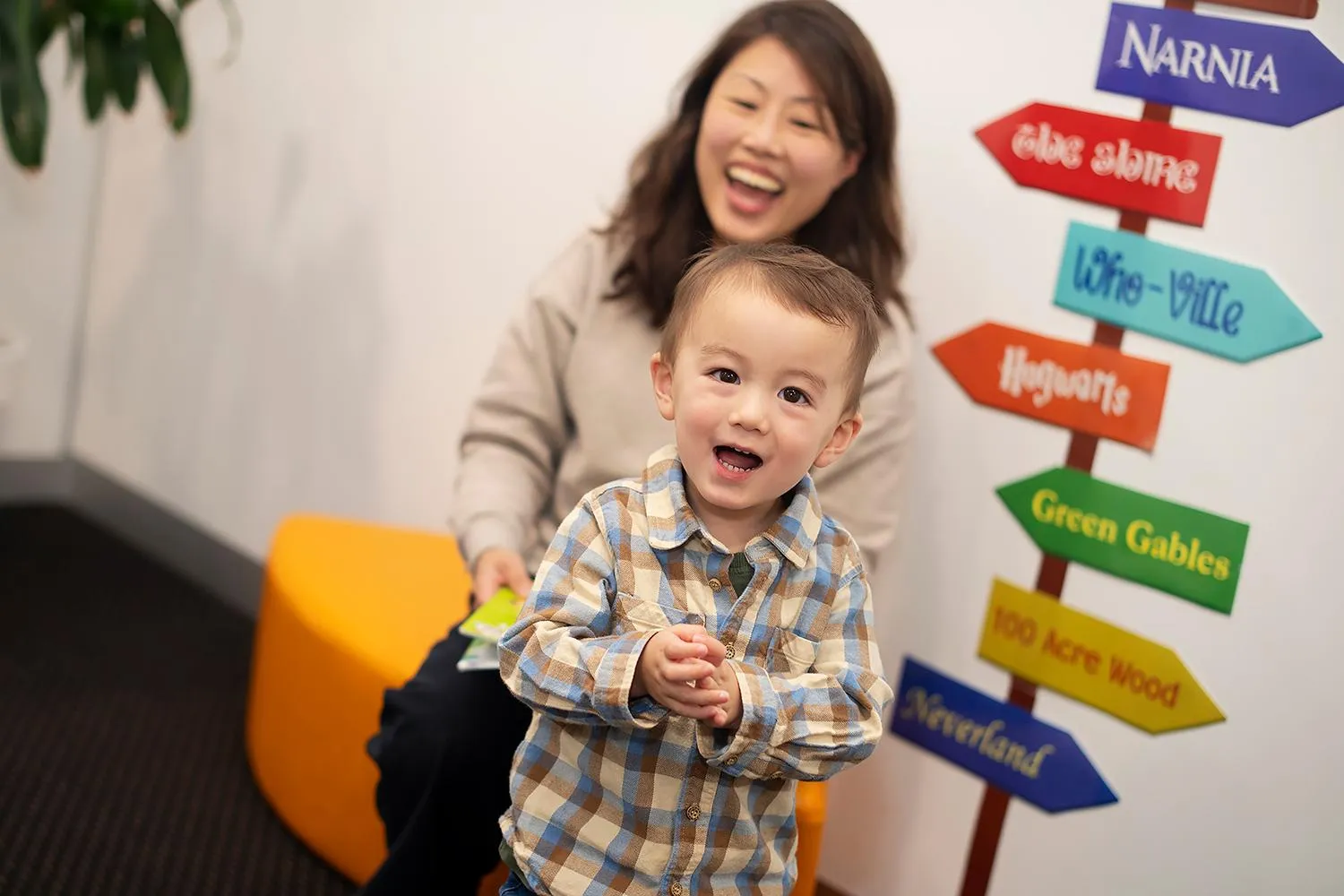
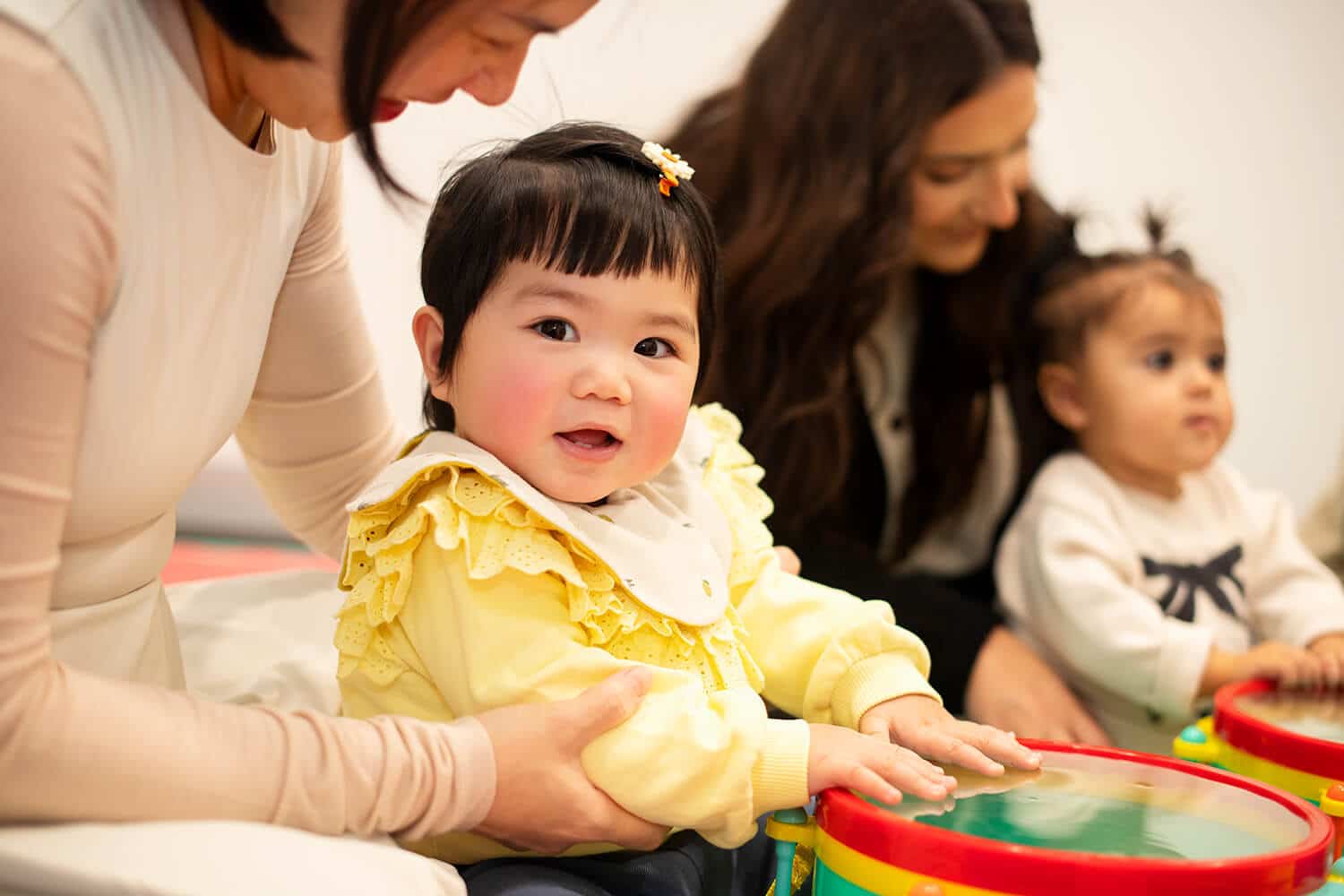
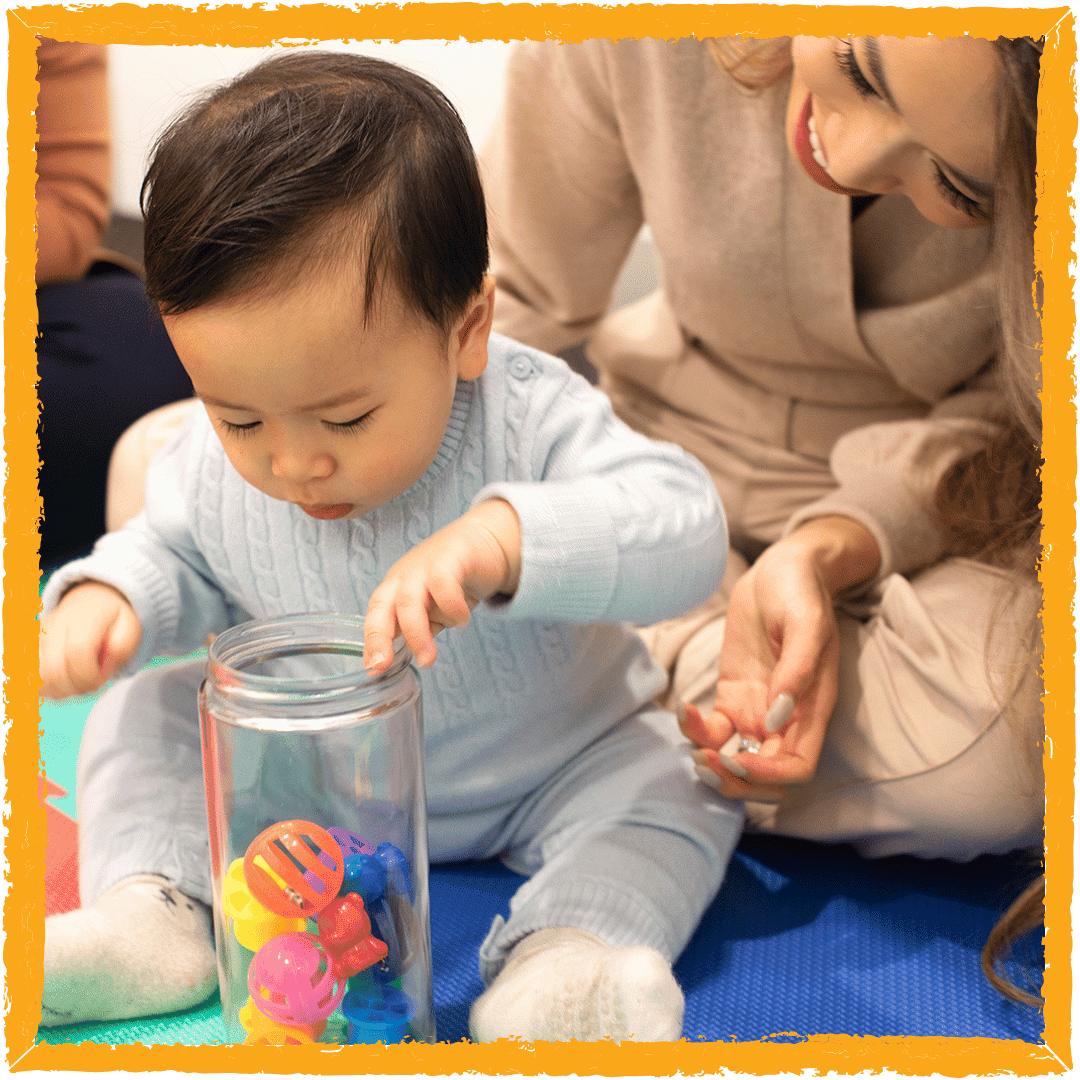
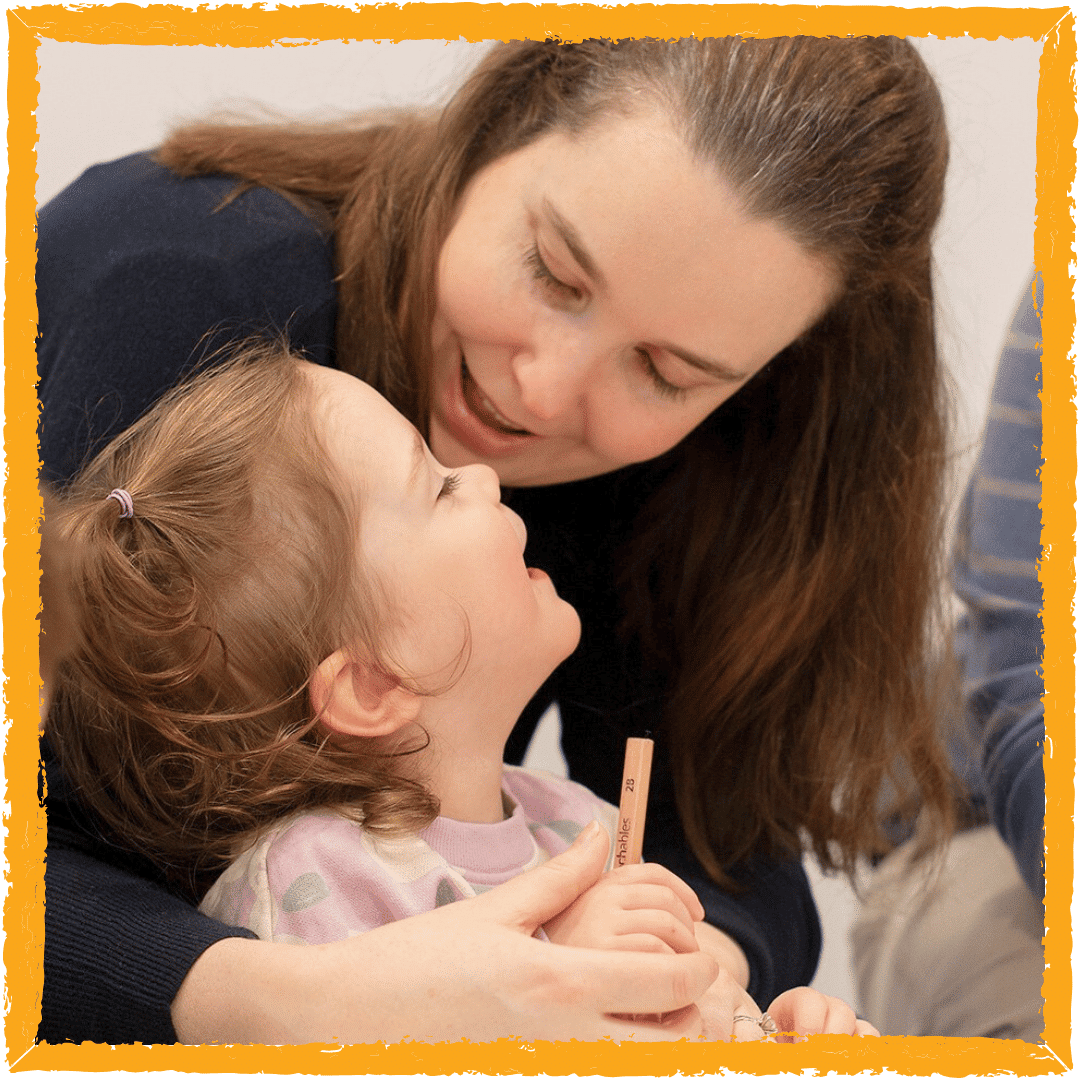
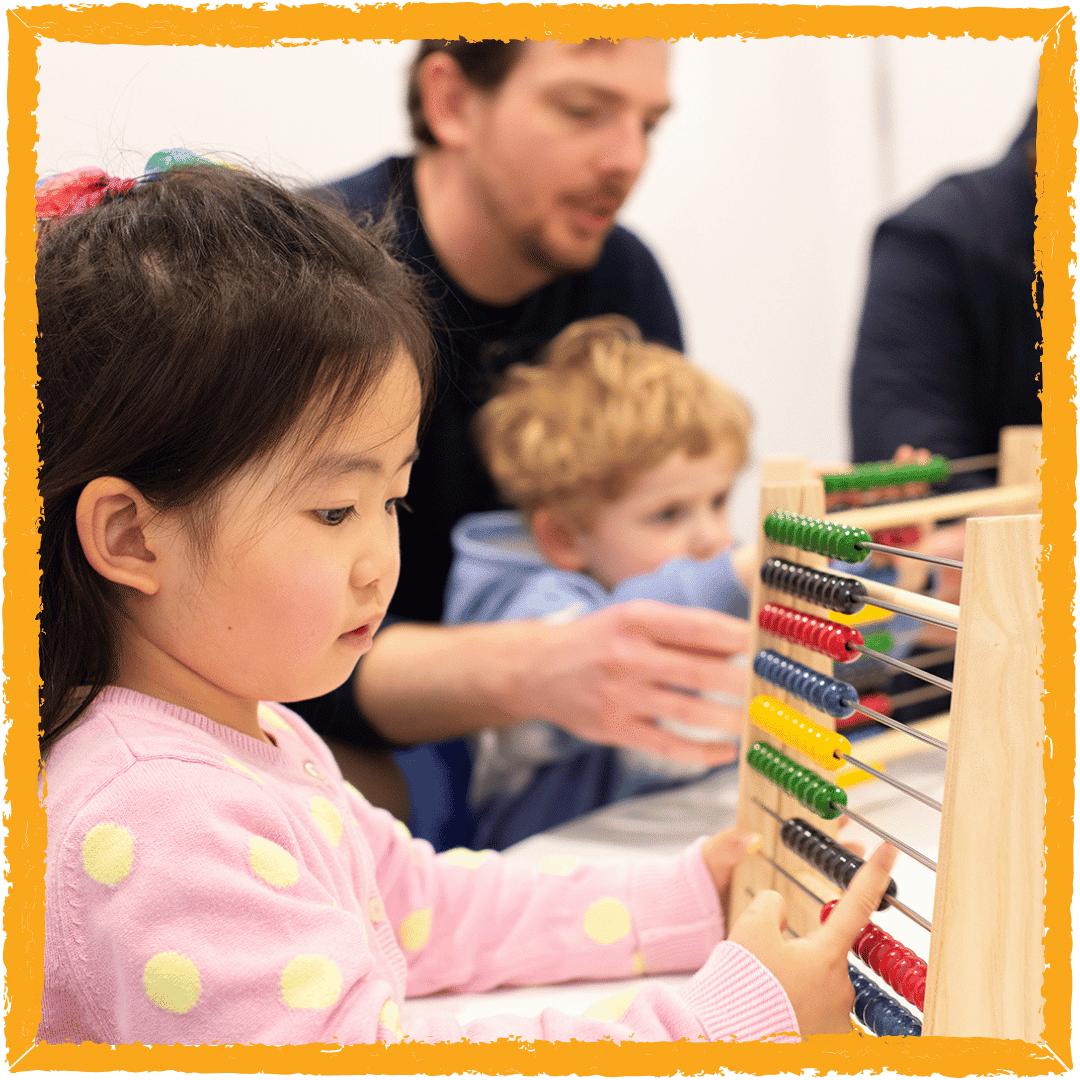
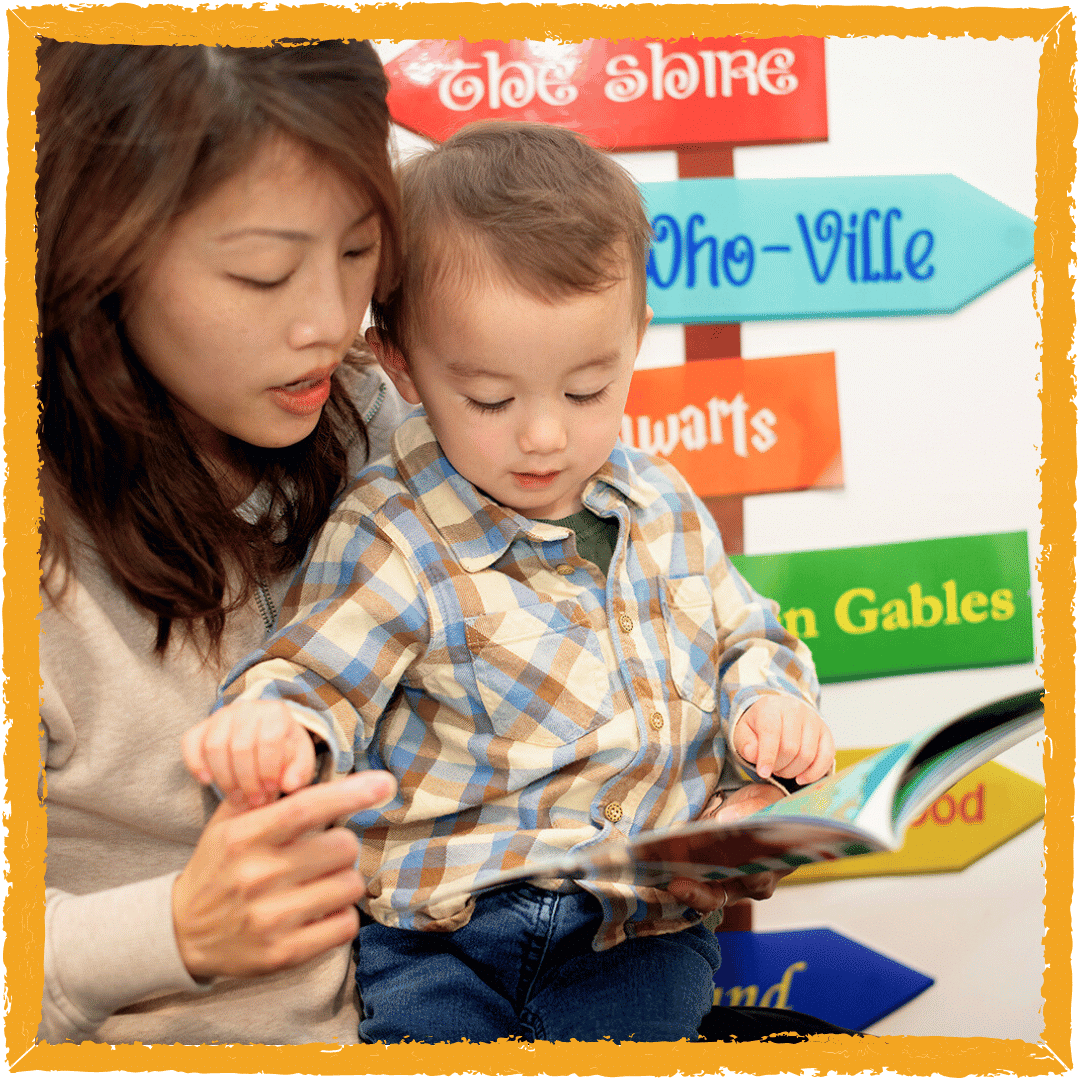
Image by Shichida Australia: Reading to your child from an early age can help language development – here a mum and preschooler are doing a reading activity together during a Shichida enrichment class.
Why Speed Reading Helps Children Enjoy Reading
At Shichida, children’s reading skills are supported through engaging, brain-based techniques, including speed reading.
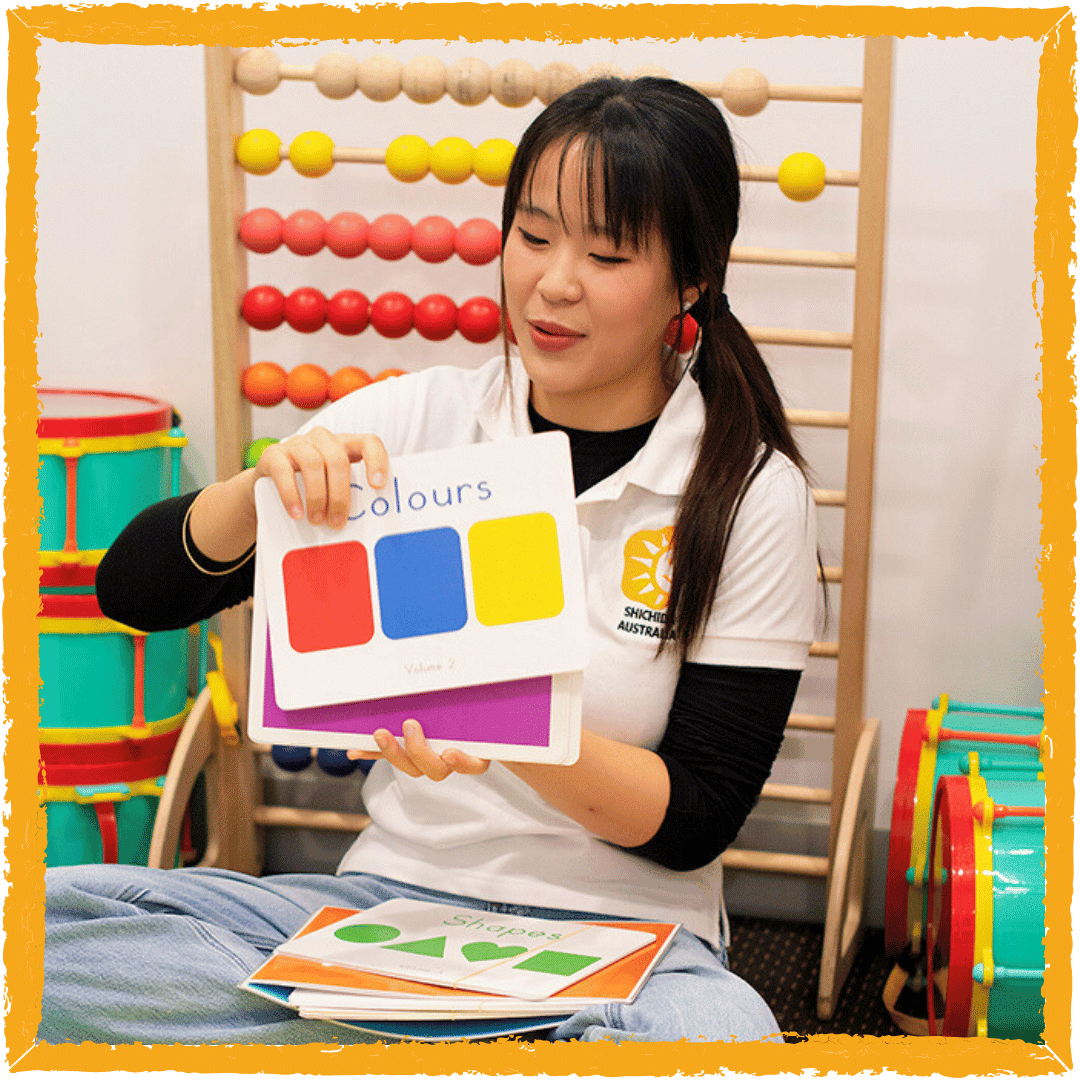
Children are first introduced to phonics, letter recognition, sight words, writing and reading before gradually practising speed reading. These skills are developed through a variety of fun learning tools, including flashcards, songs, hands-on games, speed listening activities and worksheets.
This step-by-step approach helps children build confidence, recognise words more quickly and experience reading as something enjoyable rather than overwhelming. By making reading feel fun, active and achievable, children are more likely to develop a positive relationship with books and learning.
What Is Speed Reading in Early Childhood
Speed reading introduces children to large volumes of words through visual and auditory stimulation.
This method strengthens recognition, memory, and language processing, which are key components of effective reading kids development.
How It Helps
Builds Word Recognition Fast
Frequent exposure through reading children’s materials helps children recognise words quickly.
Increases Concentration
Fast-paced sessions keep children engaged during kids reading activities.
Boosts Processing Speed
Children learn to understand language faster through structured reading to children techniques.
Improves Confidence
As children become more fluent, they feel more confident in reading kids environments, like primary school.
Want to make reading for kids more fun and engaging? Book a Shichida trial class and see how our brain-based activities help children build confidence, focus and early reading skills.
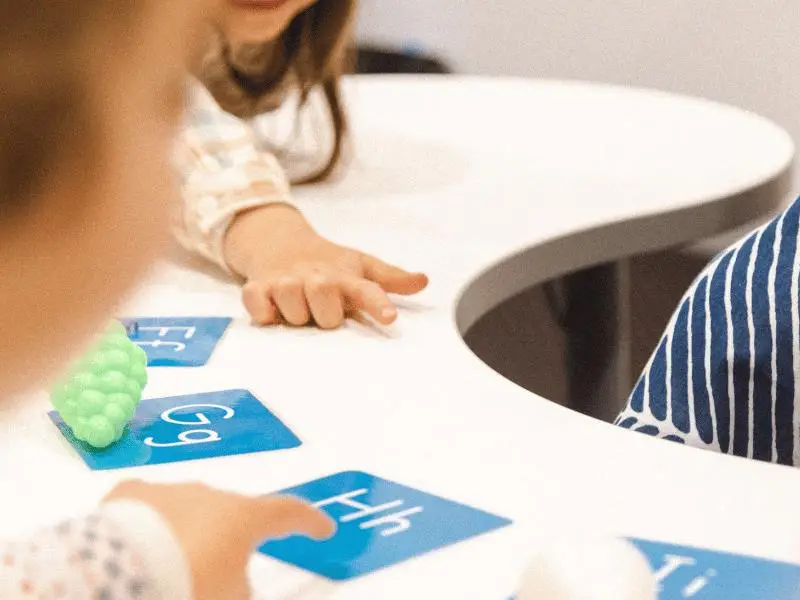
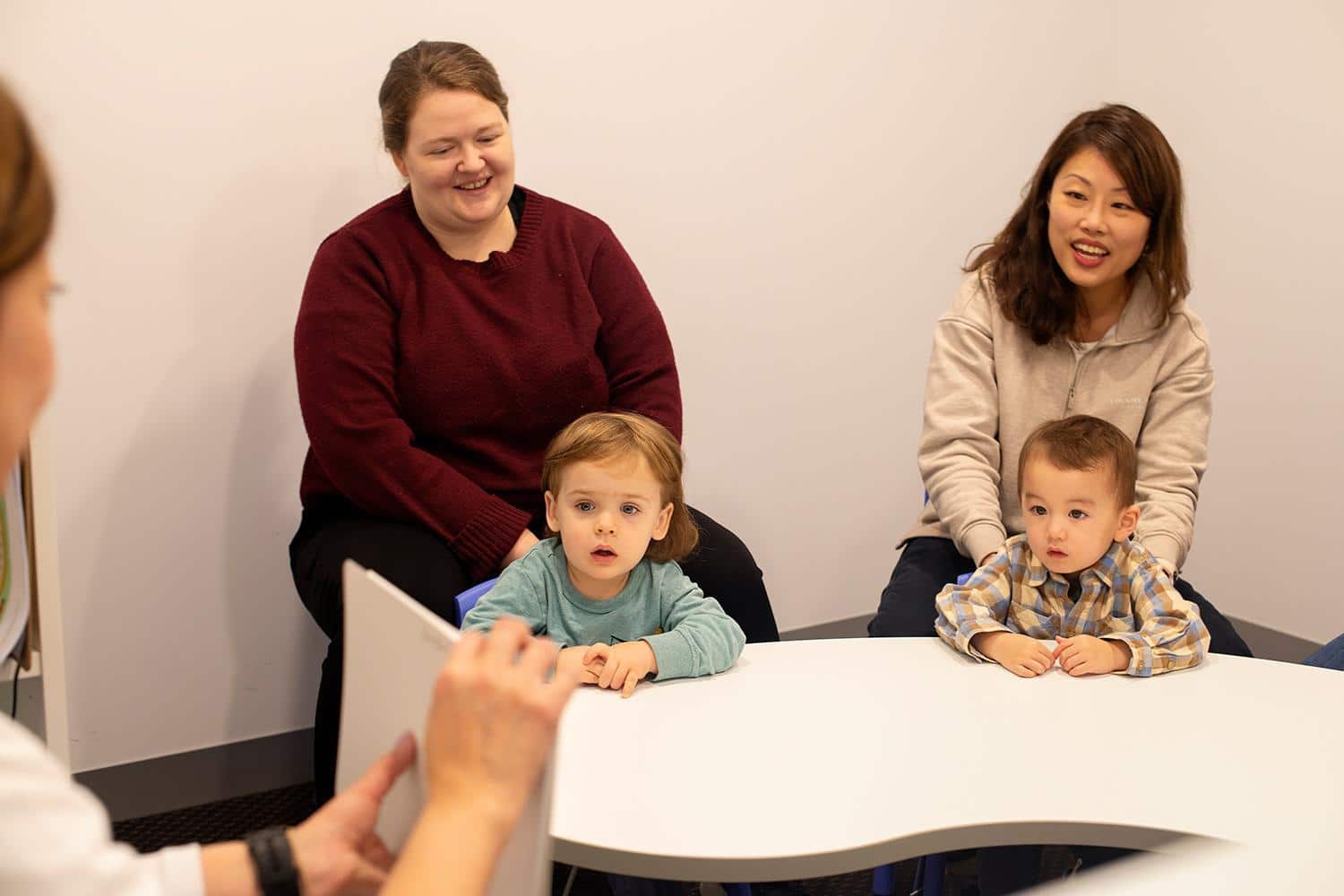
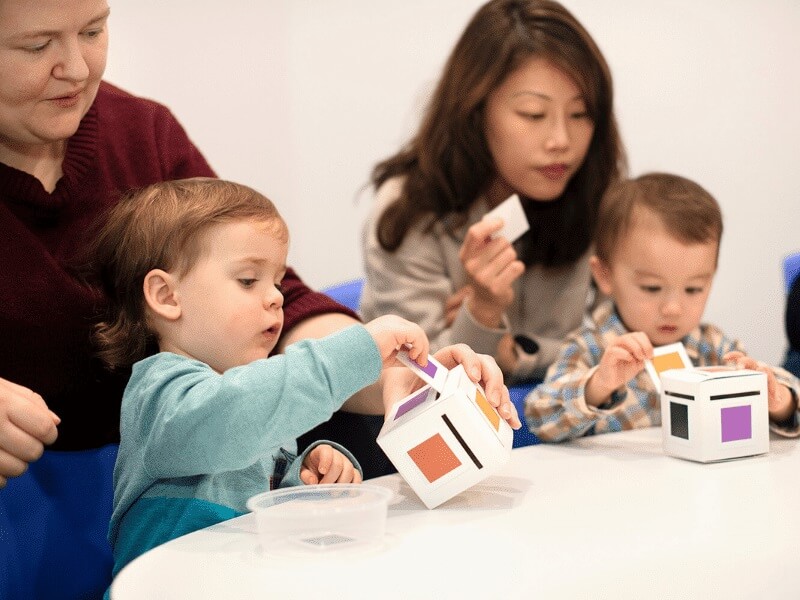
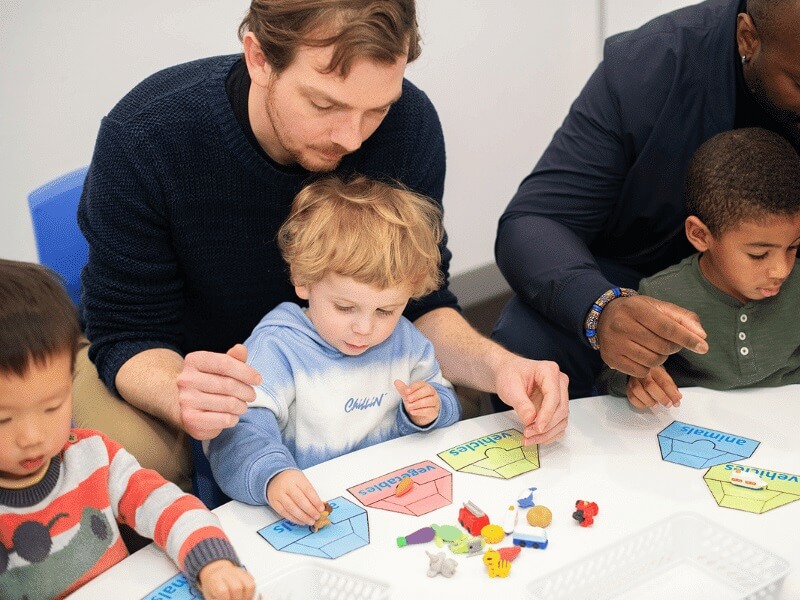
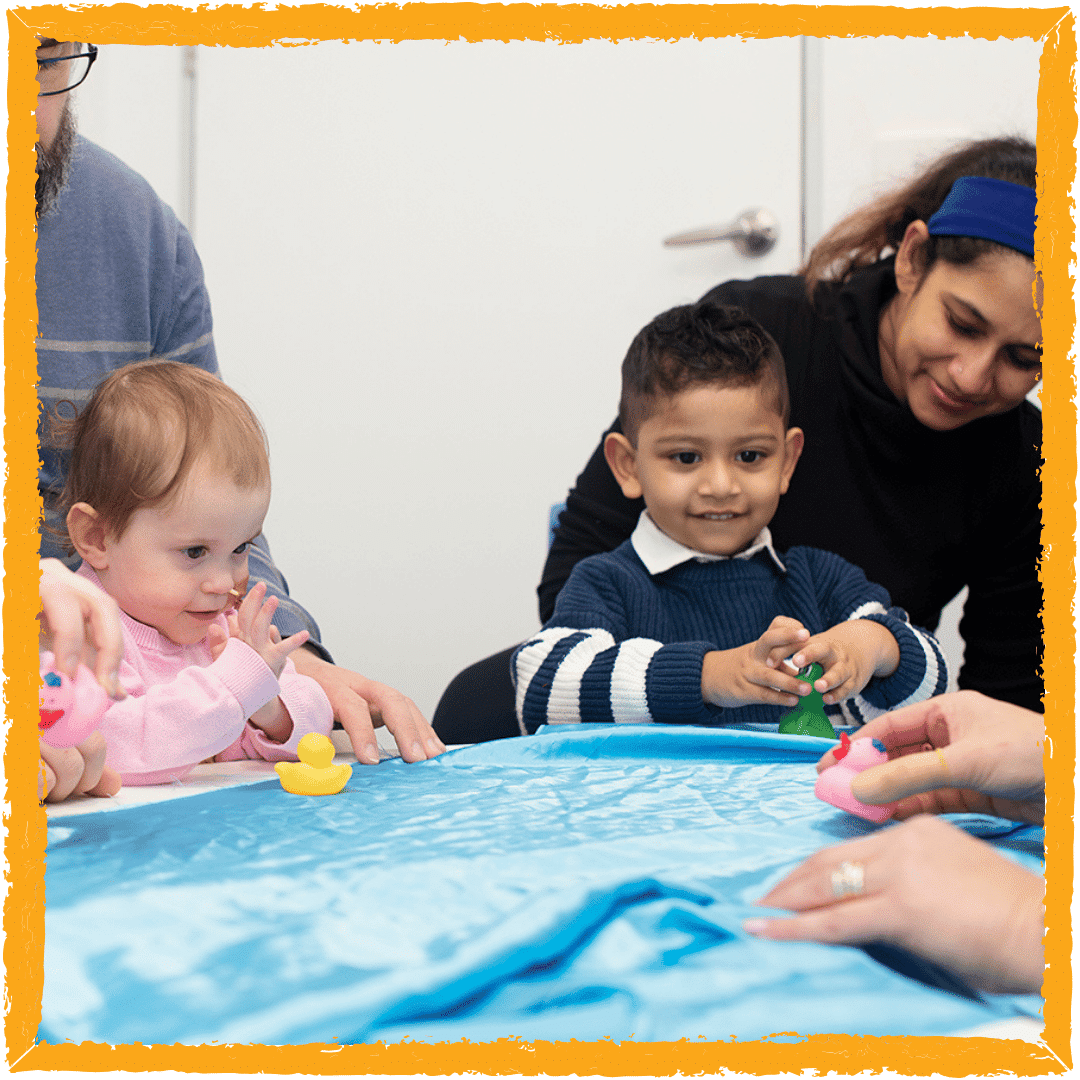
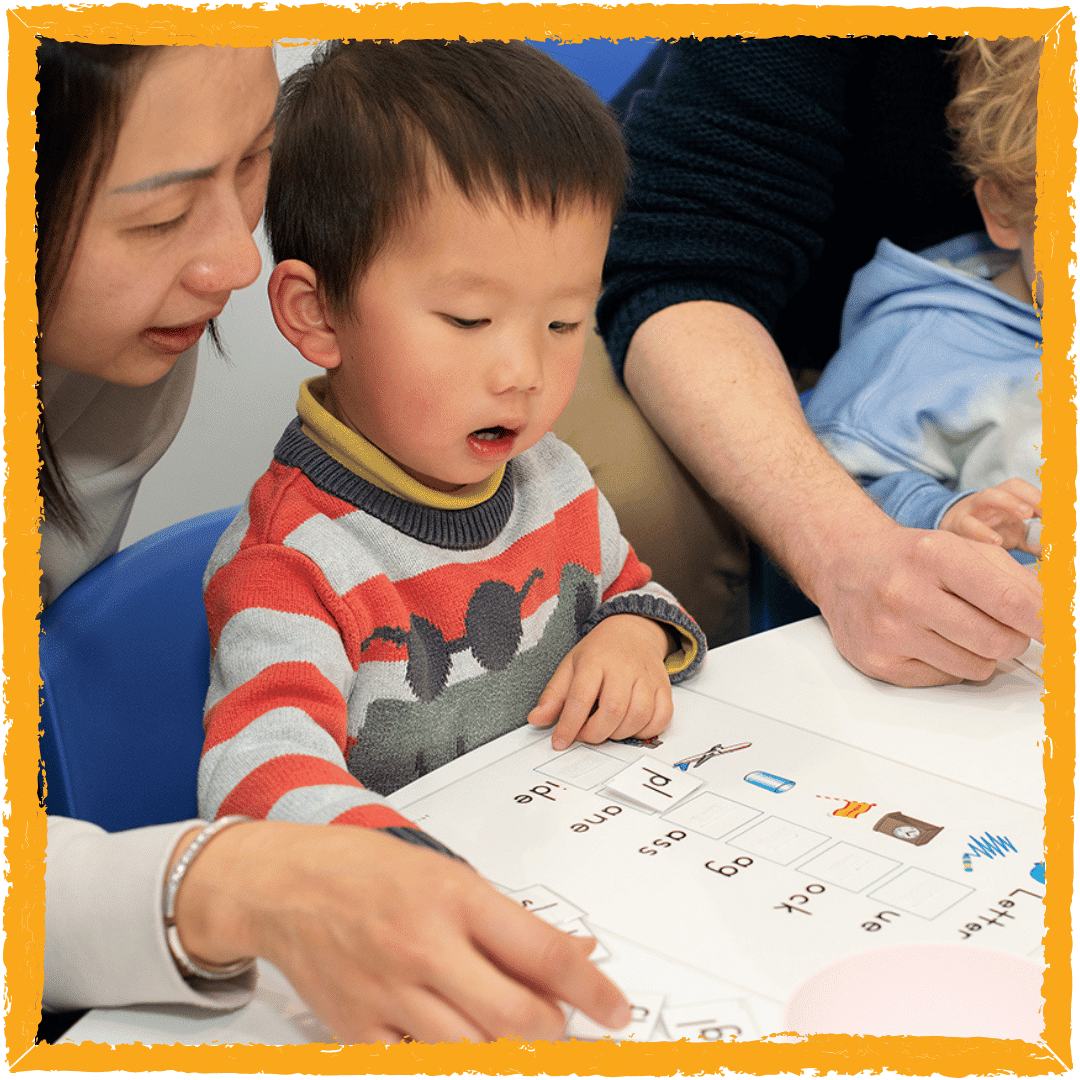
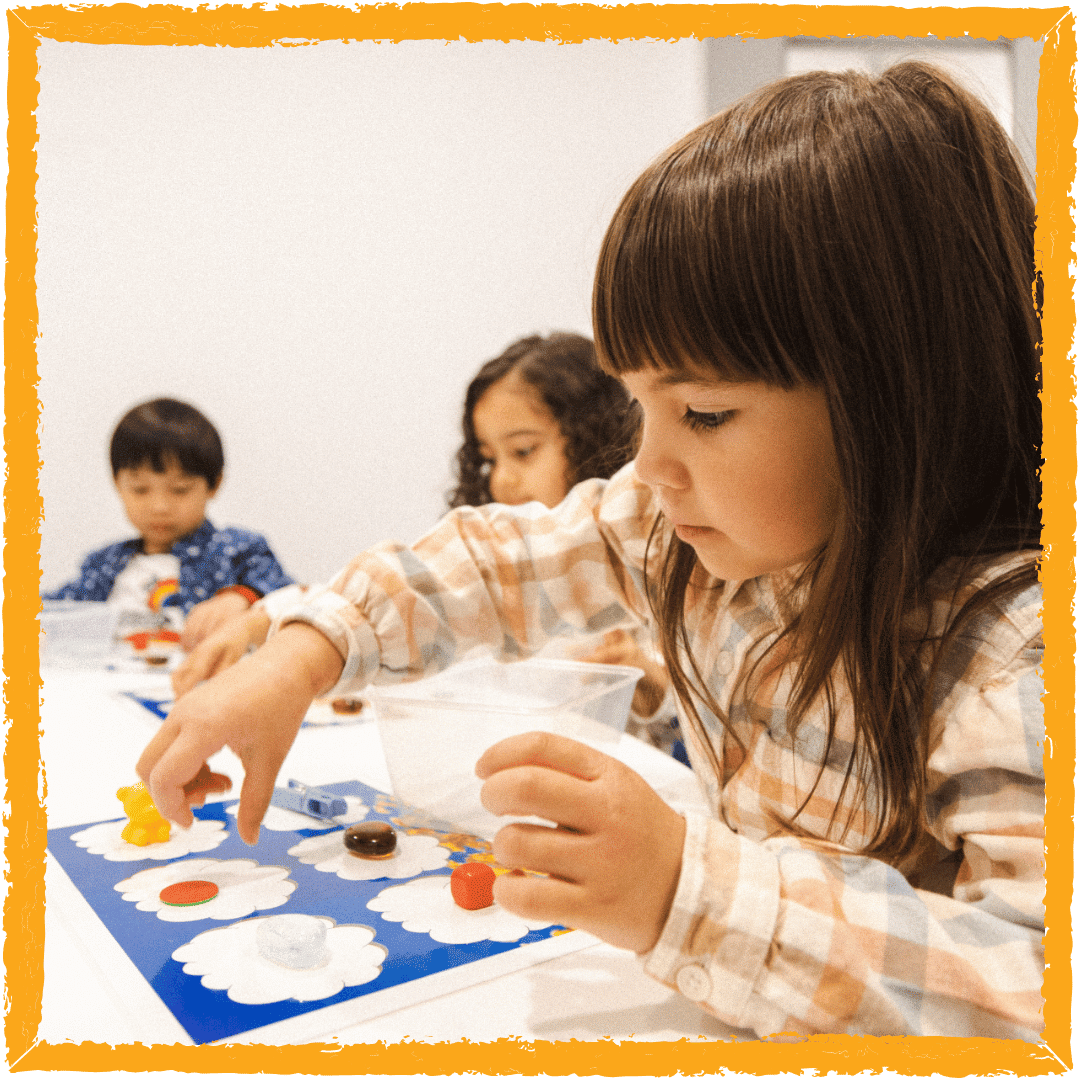
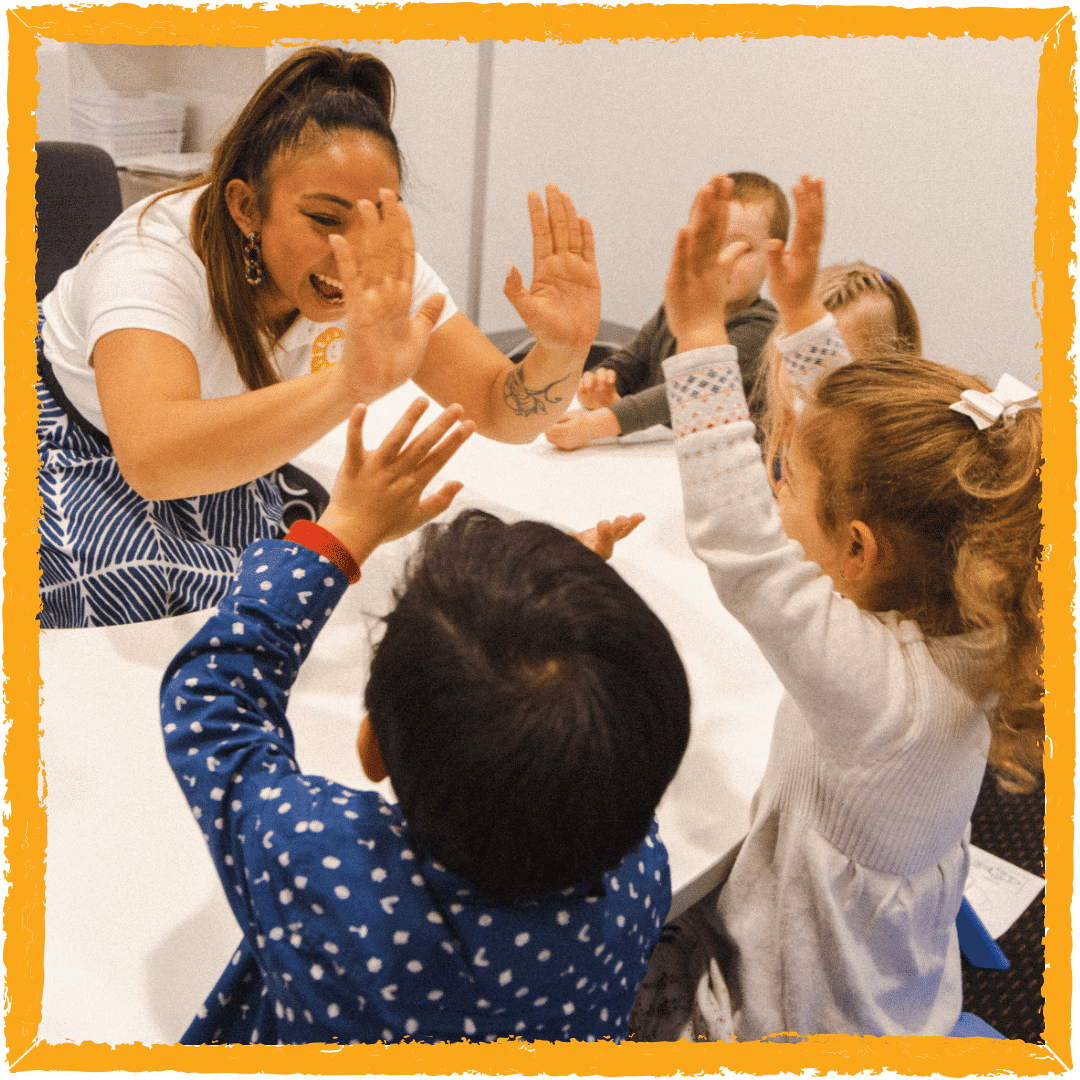
Image by Shichida Australia: Supporting early reading development for preschoolers, by playing fun phonics games during a Shichida class.
Common Reading Challenges and How to Gently Navigate Them
Even with the many benefits of reading to children, challenges can arise.
1. Short Attention Spans
Young children may struggle to stay engaged during kids reading sessions.
Try this: Choose shorter books and keep reading sessions flexible and enjoyable. You do not have to finish the whole book in one sitting. Reading a few pages, talking about the pictures or acting out part of the story can still be valuable.
2. Hesitance to Read Independently
Moving from listening to reading kids independently can feel overwhelming.
Try this: Read together and make children’s books a shared activity. You can take turns reading pages, let your child read the words they recognise, or ask them to “help” you with familiar parts of the story.
3. Low Interest in Books
Not every child connects with the same stories.
Try this: Let them choose books they genuinely enjoy. Interest is key to building consistent kids’ reading habits. Re-reading the same book over and over is also fine. In fact, repetition is a foundation of learning. It helps children become familiar with words, sentence patterns and story structure, which can make reading feel more natural and enjoyable over time.
Supporting a Love of Reading at Home
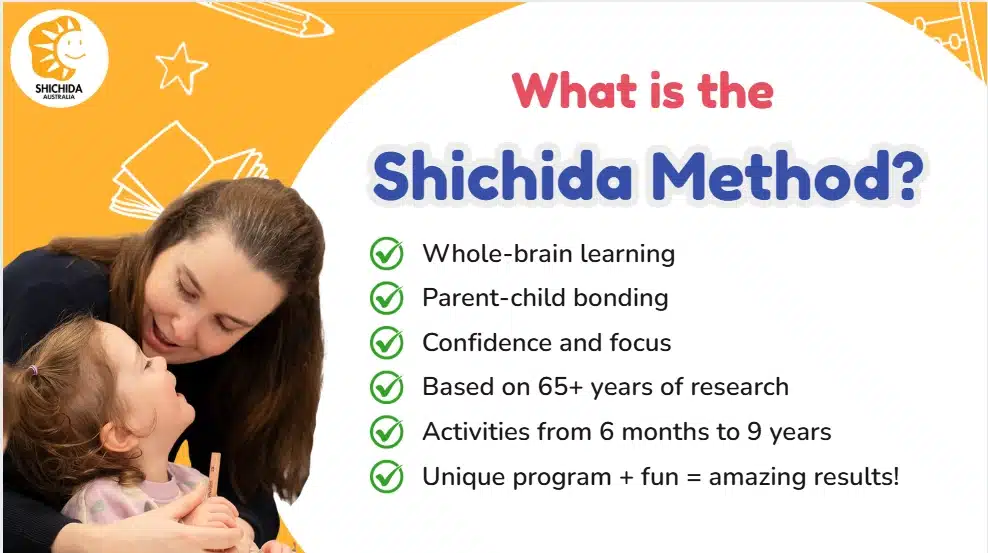
Simple daily habits make a big difference over time.
- Make reading kids part of your routine
- Choose engaging, age-appropriate books
- Ask questions to build understanding
- Celebrate progress in kids reading
- Reading time can be something to look forward to at the end of the day
These steps reinforce the long-term benefits of reading books for toddlers and young children.
Babies also enjoy hearing your voice and looking at picture books.
Want more ideas? Shichida has plenty!
Reading for Kids at Shichida
At Shichida Australia, kids reading is more than learning words. It is an engaging and immersive experience.
Our approach includes:
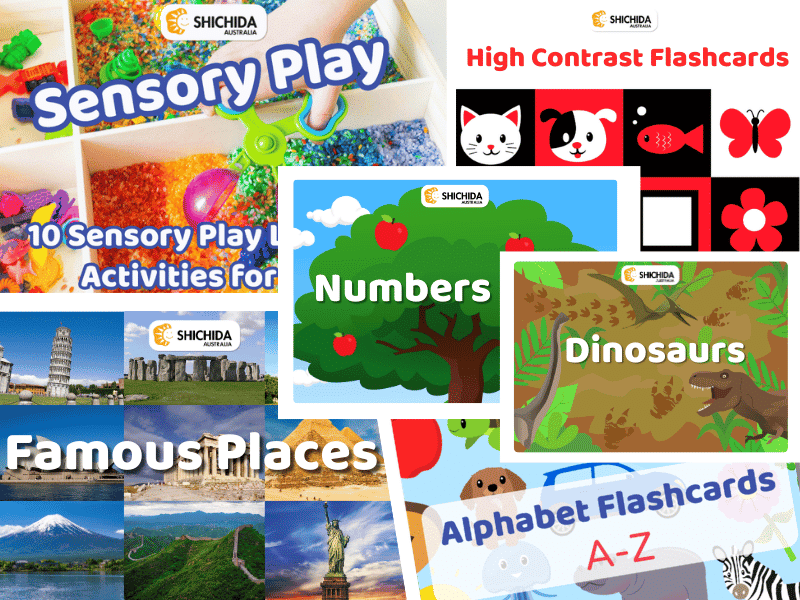
- High-speed flashcards for word recognition
- Fun activities designed to support emotional and cognitive growth
- Parent involvement to reinforce reading to children at home
Whether your child is just starting or building confidence, we support every stage of reading kids development. This helps them grow into capable and enthusiastic readers.
Experience Shichida Today
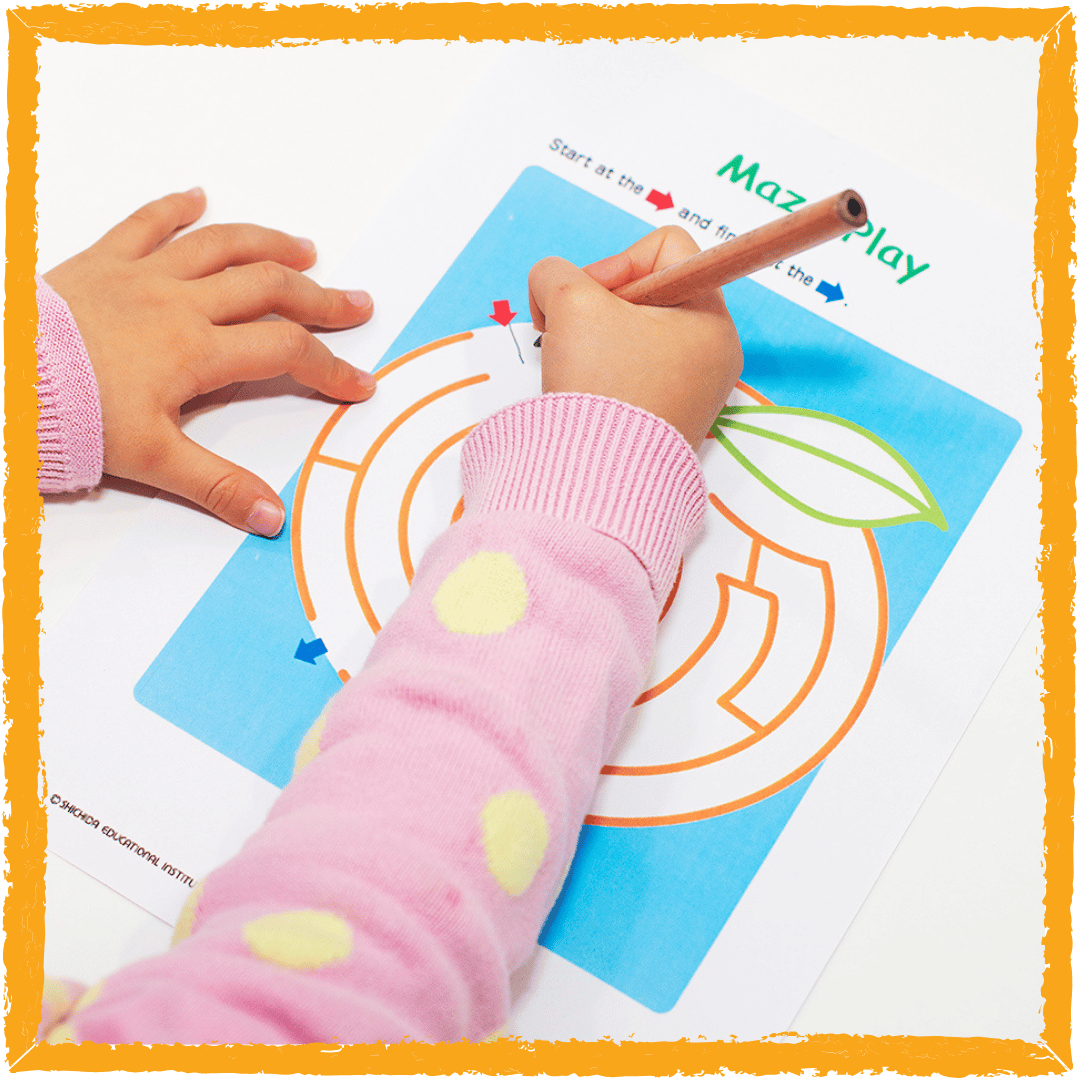
Help your child build strong fine motor skills with Shichida Australia’s hands-on, fun brain-boosting activities! Our gentle approach supports coordination, confidence, early maths, reading, writing and more!
Book a trial class and see how these strategies come to life!
FAQs: Reading For Kids
Reading is important for kids because it supports language development, vocabulary, focus, imagination, emotional understanding and confidence. Regular reading also helps children build the early literacy skills they need before and during school.
The benefits of reading to children include stronger vocabulary, better listening skills, improved concentration, emotional connection with parents and a greater love of learning. Reading also helps children understand stories, emotions and the world around them.
You can start reading to your child from infancy. Babies may not understand every word at first, but they benefit from hearing your voice, seeing pictures and becoming familiar with the rhythm of language.
You can make reading for kids more enjoyable by choosing books your child is interested in, using funny voices, talking about the pictures and keeping reading sessions short and relaxed. Reading should feel like a shared moment, not a test.
Yes. Re-reading the same book is completely fine. Repetition helps children become familiar with words, sentence patterns and story structure. It can also build confidence because children know what to expect.
Young children do not need long reading sessions. A few minutes of enjoyable reading each day can be valuable, especially for babies, toddlers and preschoolers. The goal is to build a positive habit rather than force a set amount of time.
Choose shorter books, let your child move, point to pictures or talk about the story as you read. You do not have to finish the whole book in one sitting. Small, positive reading moments still support learning.
Reading helps toddlers learn by introducing new words, sounds, ideas and emotions. It also supports listening skills, memory, focus and early communication, which are important foundations for later reading and learning.
The best books for toddlers are usually simple, colourful and engaging. Picture books, rhyming books, lift-the-flap books and stories with repetition can help toddlers stay interested and enjoy reading time.
You can help your child become more confident by reading together, letting them recognise familiar words, praising effort and keeping the experience pressure-free. Shared reading helps children feel supported as they move towards independent reading.
Shichida supports reading for kids through brain-based activities such as flashcards, songs, phonics games, speed listening, hands-on learning and worksheets. These activities help children build word recognition, focus, confidence and a positive relationship with reading.
Speed reading for kids introduces children to words, sounds and language patterns at a faster pace through structured activities. At Shichida, speed reading is introduced gradually after children have been exposed to phonics, letter recognition, sight words, writing and reading.