
Teaching Emotional Regulation to Children
Meltdowns and tantrums are a part of growing up, but they’re also key moments for teaching emotional regulation to kids. It’s not just about calming down in the moment; it’s about helping them understand and handle their feelings in a healthy way. This skill is vital for their friendships, self-confidence, and learning.
What is Emotional Regulation?
Emotional regulation is all about understanding and managing our feelings. It’s knowing what we’re feeling, why we’re feeling it, and what we can do about those feelings in a healthy way. This isn’t just about keeping our emotions under control, but also about expressing them in the right way at the right time.
This skill involves a few different things: recognising emotions in ourselves and others, understanding how and why emotions happen, and learning ways to cope with both positive and negative feelings. When kids learn emotional regulation, they’re learning how to calm down when they’re upset, cheer up when they’re sad, and stay cool when they’re angry.
Why Kids Need to Learn About Handling Their Feelings
When kids get the hang of managing their feelings, they can deal with day-to-day ups and downs much better.
Good emotional regulation helps kids not to have big reactions to small problems, like melting down over a broken toy.
They find it easier to concentrate in school, make friends, and understand how others feel. Knowing how to handle emotions also makes kids feel more confident and good about themselves. They can handle tricky situations like disagreements with friends a lot better.
Having control over their emotions also means kids are less likely to act out, feel really worried, or get too sad. They learn to solve problems without getting upset, which is a big deal when they’re with other kids at school or playing.
Teaching kids how to deal with their emotions isn’t just about right now. It sets them up for a future where they’re better at making friends, doing well in school, and even in their jobs later on. It’s a big part of helping them grow up to be happy, understanding, and well-rounded adults.

Examples of Emotional Regulation in Action for Children
To further illustrate the concept of emotional regulation, here are five examples showcasing how children can effectively manage and express their emotions in various situations:
Overcoming Disappointment at a Game Loss
Situation: A child loses a board game and feels upset.
Emotional Regulation in Action: Instead of throwing a tantrum, the child takes a few deep breaths and says, “I’m sad I lost, but it was a good game”. The child acknowledges their feeling of disappointment but also recognises the value of participating in the game.
Handling Frustration with a Difficult Task
Situation: A child struggles with a challenging puzzle and starts feeling frustrated.
Emotional Regulation in Action: The child stops, takes a moment to express their frustration by saying, “This is hard for me”, and then asks an adult or a peer for help. By doing so, the child doesn’t let frustration overwhelm them and seeks a constructive way to deal with the situation.
Reacting to a Sibling’s Provocation
Situation: A younger sibling knocks over a tower the child was building.
Emotional Regulation in Action: The child feels angry but instead of lashing out, they express their feelings by saying, “That made me really mad”. They then take a few moments to calm down before deciding to rebuild the tower, possibly inviting the sibling to help, turning a moment of conflict into an opportunity for cooperation.
Dealing with a Cancelled Playdate
Situation: A much-anticipated playdate is cancelled last minute.
Emotional Regulation in Action: The child initially feels disappointed and expresses their sadness to a parent. After talking about it and understanding the reason for the cancellation, the child decides to engage in a favourite solo activity, redirecting their focus and managing their disappointment effectively.
Responding to challenges at school
Situation: A child receives a lower grade than expected on a school project.
Emotional Regulation in Action: The child feels upset but instead of giving up, they ask the teacher for feedback. They listen to the feedback, understand where improvements are needed, and set a plan to do better next time, demonstrating resilience and a constructive response to criticism.
These real-life examples demonstrate how children can learn to process and express their emotions healthily and constructively. Each situation provides an opportunity for children to practise emotional regulation, paving the way for more effective coping strategies as they grow.
Age-Appropriate Emotional Regulation Strategies
Toddlers (1-3 years)
Challenges: Toddlers often experience intense emotions but lack the language to express them. This can lead to frustration and tantrums.
Strategies
- Help toddlers identify feelings by naming them during emotional moments
- Create a safe space with comforting items for toddlers to go to when they feel overwhelmed
- Teach simple breathing techniques to help them calm down
- Use drawing or playdough to help them express their emotions
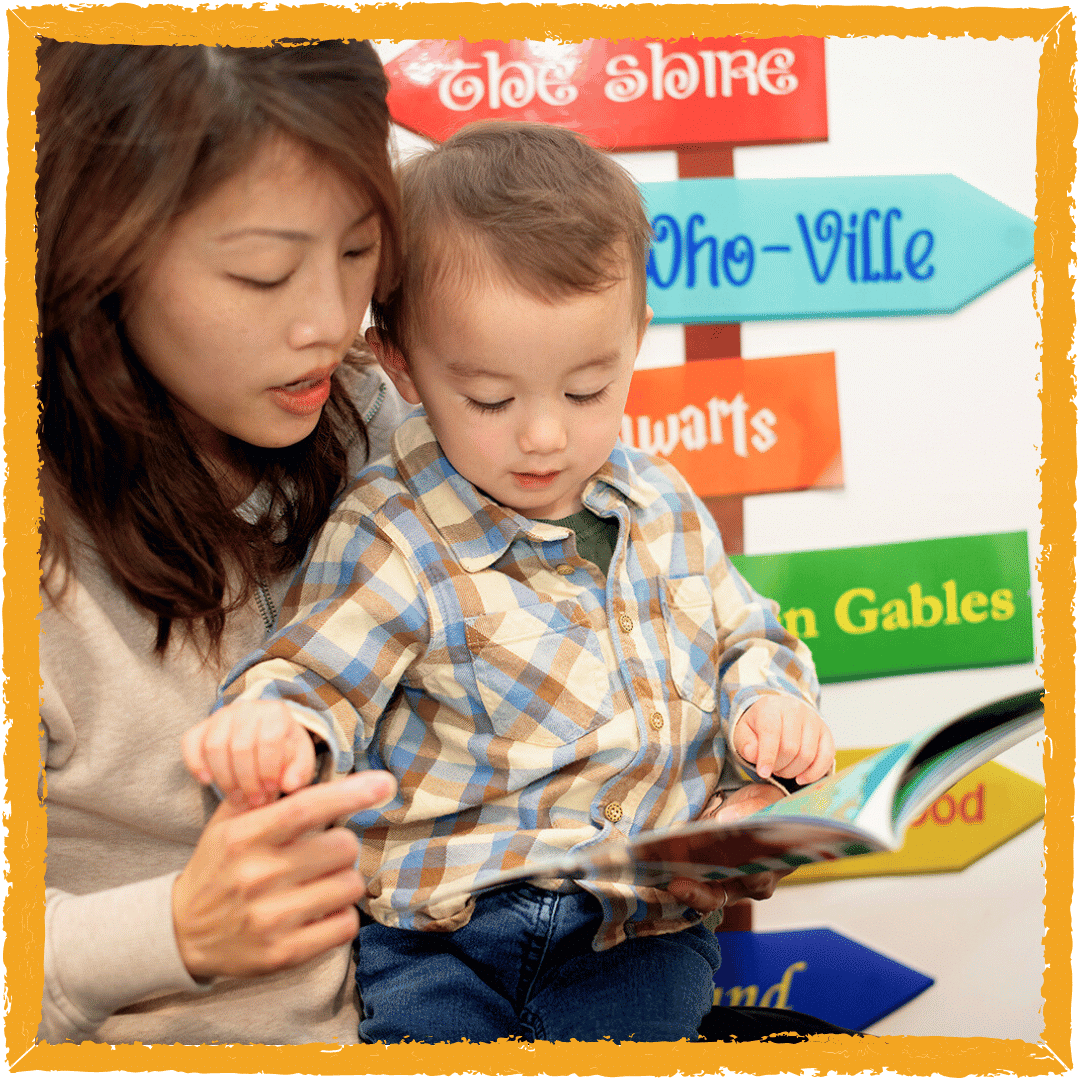
- Read books about feelings and discuss the characters’ emotions
Preschoolers (3-5 years)
Challenges: At this preschool and kinder age, children begin to understand others’ emotions but may still struggle with impulse control.
Strategies:
- Use role-playing games to explore different emotional scenarios
- Use charts with different emotions to help them identify and talk about their feelings
- Simple mindfulness exercises can teach self-awareness and emotional control
- Stories and discussions that focus on understanding others’ feelings
- Encourage them to come up with solutions when emotional challenges arise
School-Aged Children (5-12 years)
Challenges: Pre-primary and primary aged kids experience more complex emotions and social dynamics.
Strategies:
- Encourage writing about their daily experiences and feelings
- Facilitate group conversations about emotions and empathy
- Teach them to reframe negative thoughts into positive ones
- Gentle exercise or meditation can help in managing stress and emotions
- Activities like drama, music, or art can be outlets for emotional expression
What to Do If Your Child Is Struggling to Regulate Their Emotions
If you notice your child is having a tough time managing their emotions, resist discussing emotions or have difficulty identifying them, there are several steps you can take to help them. Emotional regulation is a skill that can be developed over time, and with patience and understanding, you can support your child through this learning process.
Create a Safe Space for Expression: Let your child know that it’s okay to have and express emotions. Encourage open communication where they feel safe to talk about what they’re feeling.
Model Emotional Regulation: Children learn a lot by watching adults. Show them how you manage your own emotions in a healthy way. When you’re feeling frustrated or upset, verbalise these emotions and demonstrate calm ways of handling them.
Teach Identification of Emotions: Help your child recognise and name their feelings. Younger children might benefit from emotion charts or storybooks about feelings, while older children can be encouraged to talk about what they’re experiencing.
Practise Deep Breathing and Relaxation Techniques: Teach your child simple breathing exercises or relaxation techniques they can use when they feel overwhelmed. Techniques such as counting to ten, taking deep breaths, or visualising a calm place can be effective.
Encourage Physical Activity: Physical activity is a great way for children to manage excess energy and emotions. Encourage them to engage in activities they enjoy, like sports, dancing, or just playing outside.
Establish Routines: Consistent routines can provide a sense of security and predictability, which can be comforting for children struggling with emotional regulation.
Use Positive Reinforcement: When your child successfully manages their emotions in a challenging situation, acknowledge and praise their effort. Positive reinforcement can motivate them to continue using the strategies they’ve learned.
Seek Professional Help if Needed: If your child’s emotional struggles are persistent and interfere with their daily life, it may be helpful to consult a child psychologist or therapist. Professionals can offer tailored strategies and support for both you and your child.
Remember, learning to regulate emotions is a process, and every child develops this skill at their own pace. Your support, understanding, and guidance are key to helping your child navigate their emotional world.

Shichida’s Role in Helping Children Regulate Emotions
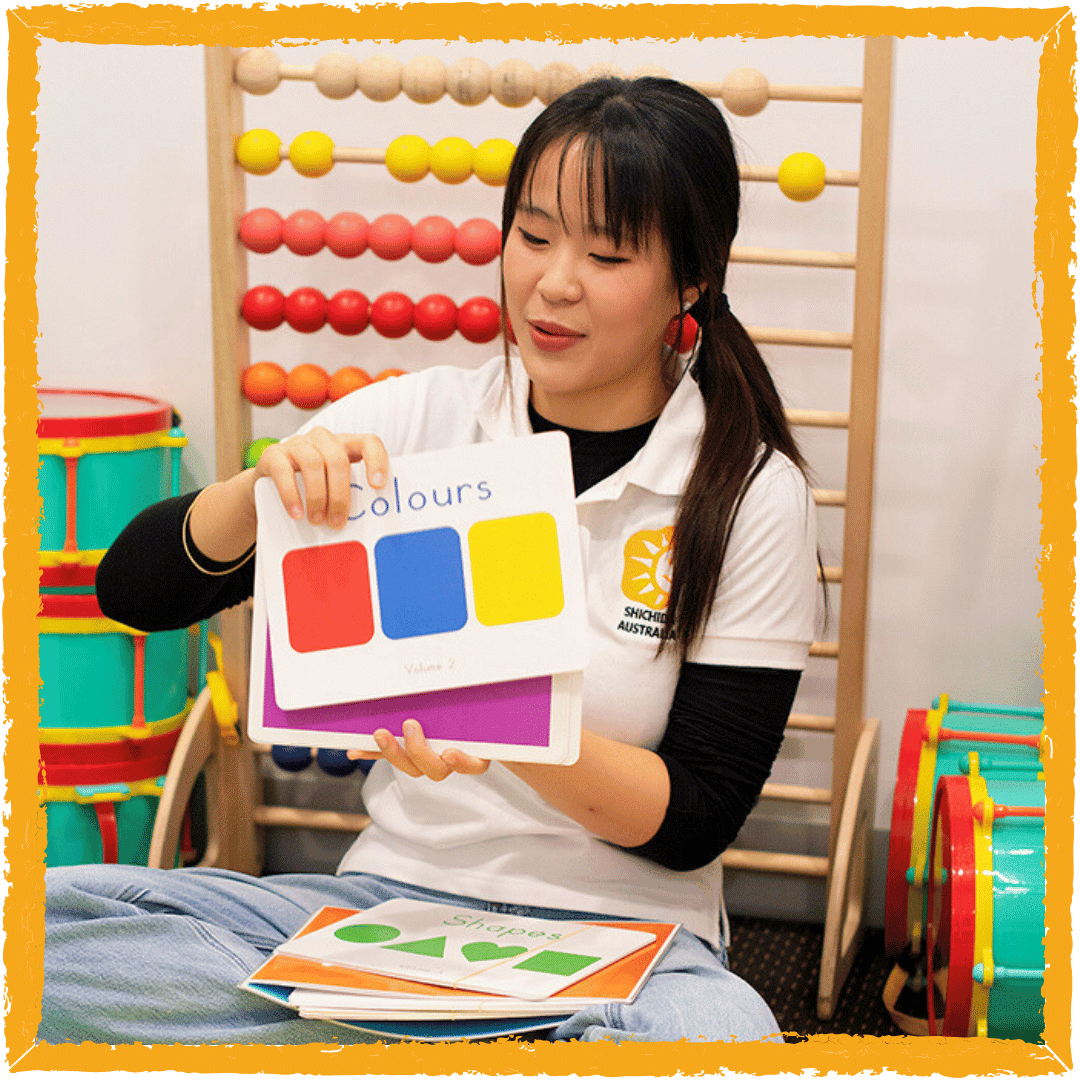
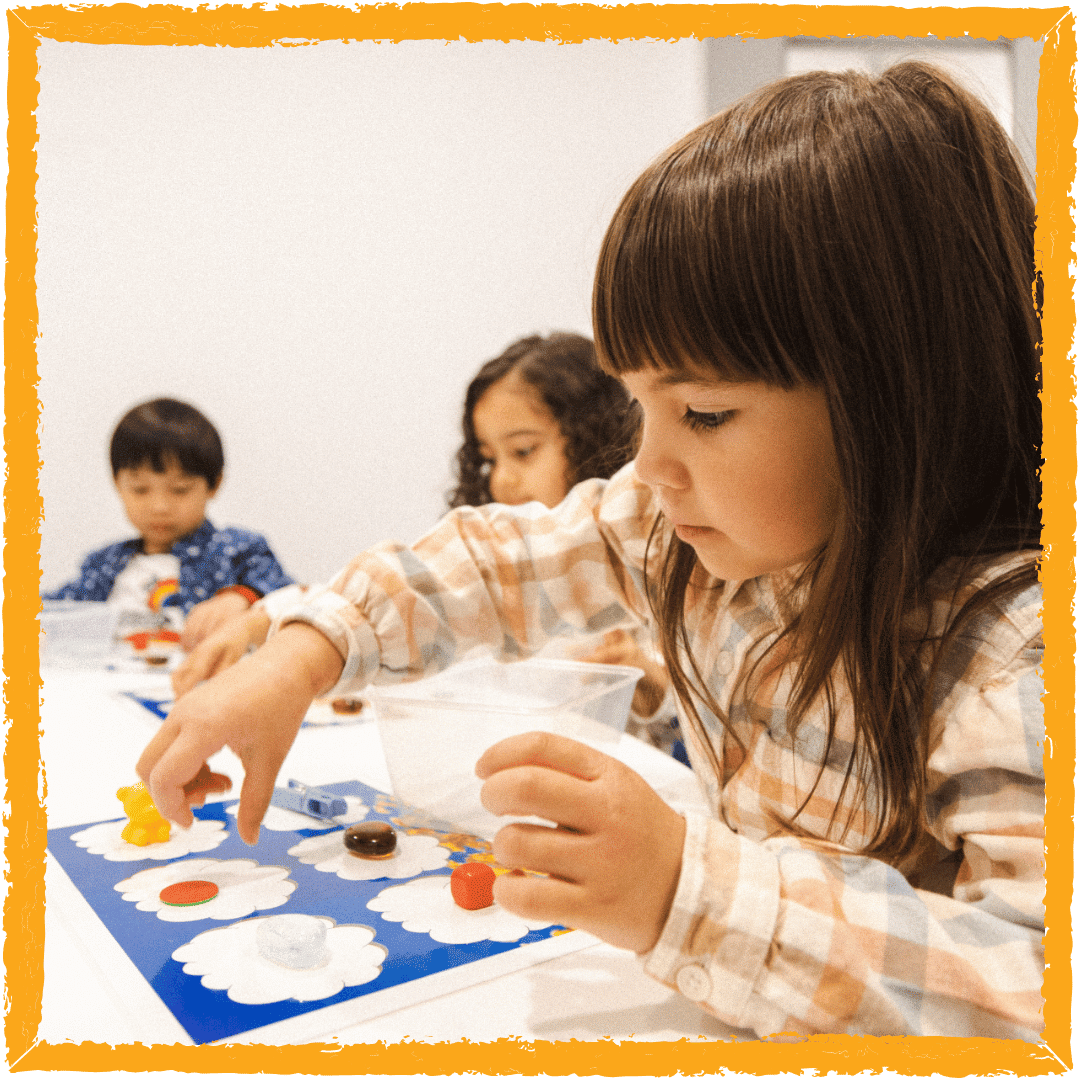
At Shichida, we’re dedicated to helping children develop the crucial skill of emotional regulation. Our program is designed to nurture the whole child, blending academic learning with the growth of emotional intelligence. A key part of our approach is incorporating mindfulness and social emotional problem-solving activities into our curriculum.
Mindfulness activities, such as deep breathing exercises, are integral in our program and we start teaching this at an early age. They teach children how to calm their minds and bodies, giving them the tools to manage their emotions effectively. This practice of mindfulness aids in developing self-awareness and emotional control, skills essential for emotional regulation.
Additionally, we focus on social emotional problem-solving in our curriculum. Through group discussions and debates, older pre-primary and primary aged children learn to navigate complex emotions and social situations. These activities encourage children to work together, understand different perspectives, and respond to challenges with empathy and cooperation. By working through problems collaboratively and practising mindfulness, they learn practical ways to manage their emotions in various contexts.
Book a trial class at a Shichida early learning centre today!