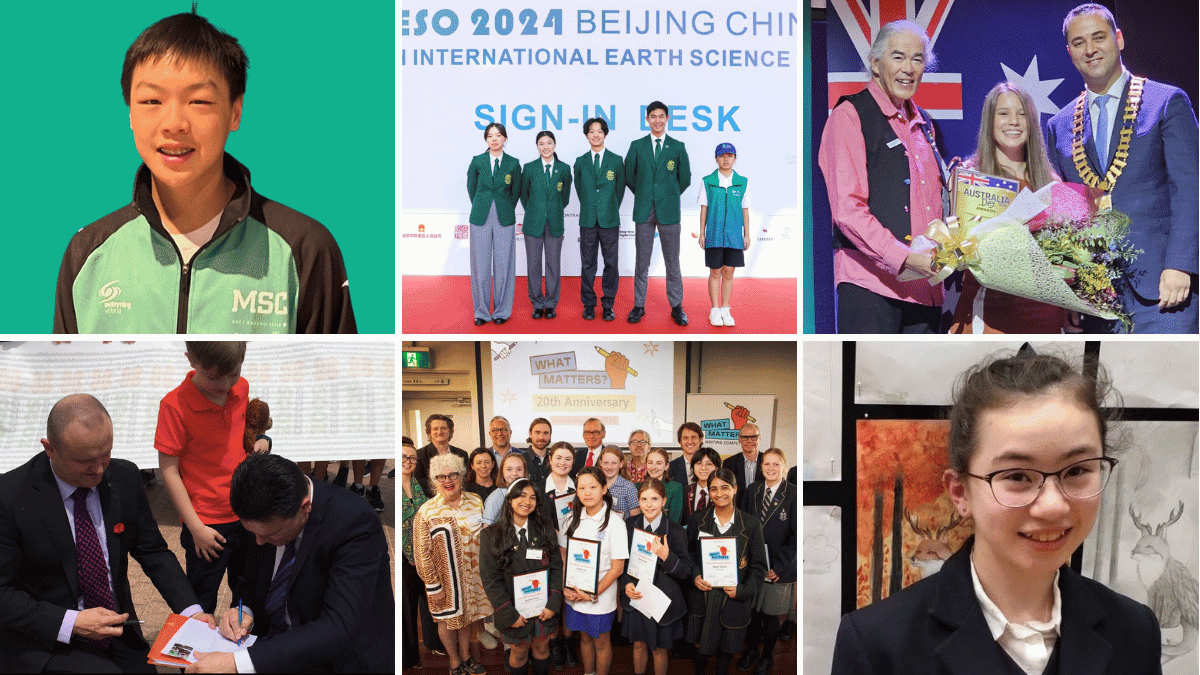
From Early Whole Brain Training to Global Academic Excellence
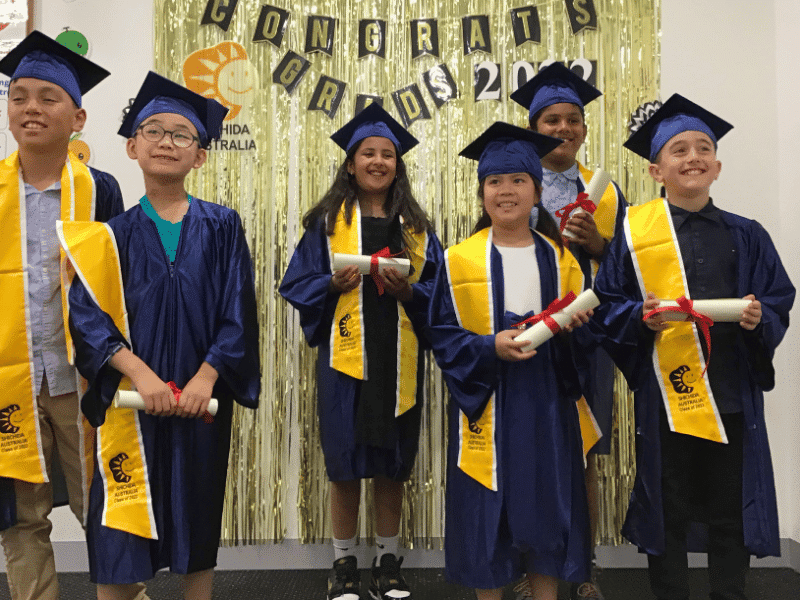
Joel Tan began his journey with Shichida in his early years and graduated from the program in 2016.
Even then, Joel showed a natural curiosity, strong focus and a genuine love of learning. These qualities would continue to grow as he explored robotics, mathematics and earth science through school competitions and international programs.
Today, Joel has represented Australia on the global stage in robotics, mathematics and geoscience. His journey reflects the long term impact of building strong cognitive foundations early.
Early Passion for Robotics and Engineering
Joel’s curiosity for engineering and robotics began during primary school, where he competed in two major international robotics programs: Robocup Junior and FIRST LEGO League.
These competitions challenged students to design, build and program autonomous robots capable of solving complex real world problems.
Robocup Junior Rescue
In the Robocup Junior Rescue challenge, students must design a robot to navigate a simulated disaster environment where humans cannot safely enter.
The robot must autonomously follow a line through turns and obstacles to reach a simulated chemical spill zone and extract a victim. Teams are judged on accuracy, speed and problem solving.
Joel competed at multiple levels of this competition during primary school:
Year 3 to 4
Regional and State competitions
Year 5 to 6
Regional, State and National competitions
This experience strengthened Joel’s early interest in engineering, robotics and analytical problem solving.
FIRST LEGO League
Joel also competed in the internationally recognised FIRST LEGO League robotics program.
This competition combines robotics engineering, research and teamwork through three key areas:
Robotics Missions
Teams design and program robots to complete multiple engineering challenges on a mission board within two minutes and thirty seconds.
Innovation Project
Students research a real world problem and develop a solution using the engineering design process.
Core Values
Teams are assessed on collaboration, sportsmanship and teamwork.
Joel’s school team achieved remarkable consistency.
They qualified for the National Finals every year from Year 3 to Year 6.
In April 2017, Joel was selected to represent Australia at the FIRST LEGO League World Championship in Houston, Texas.
Joel’s team received the Innovative Project Award at the Australian National Championships in 2016, recognising creativity, research depth and effective communication.
Champion of the Singapore International Mathematical and Computational Challenge
Joel later attended John Monash Science School, one of Australia’s leading specialist schools for mathematics and science.
In 2024, Joel and his team made history by winning the Singapore International Mathematical and Computational Challenge.
This prestigious competition is held at the National University of Singapore Science School and invites only 42 schools from around the world to compete. Participating countries included Singapore, Korea, Thailand, Japan, Australia, Russia, Poland, Hungary, England, Malaysia, China, Vietnam, Philippines, USA, Nepal, Indonesia, Netherlands and India.
Joel competed alongside two Year 12 students as part of the JMSS team.
The challenge required teams to solve a complex mathematical modelling problem designed by university academics. The 2024 problem focused on Single Particle Imaging and the three dimensional structure of proteins.
Students were required to sort, rotate, compare and analyse pixelated protein image sets. Teams had 30 hours to develop their solutions before presenting them to a panel of judges and answering technical questions about their methods.
The JMSS team went beyond standard techniques.
Rather than relying solely on Principal Component Analysis and the K Means algorithm while working with vectors in 625 dimensions, they explored additional approaches such as Factor Analysis and the Gaussian Mixture Model. When these approaches did not fully solve the problem, they developed their own Heuristic Reconstruction Algorithm to further optimise the data and reduce noise.
For the first time ever, a school from Australia won the Singapore International Mathematical and Computational Challenge.
Joel Tan was part of the team declared Champions of the Challenge.
Read more: International Earth Science Olympiad at JMSS
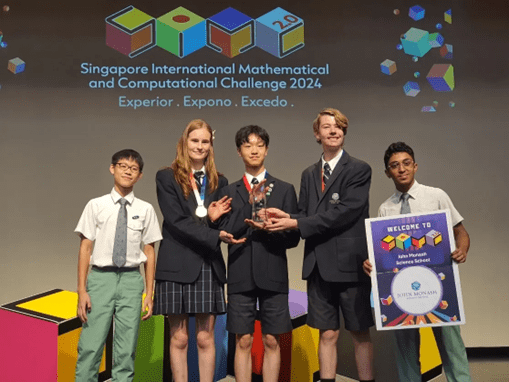
Photo from John Monash Science School: Joel Tan and the JMSS team from Australia won the Singapore International Mathematical and Computational Challenge 2024 and were declared Champions of the Challenge.
International Earth Science Olympiad Medallist
Joel was also selected as a member of the Australian team for the International Earth Science Olympiad held in Beijing, China.
The Olympiad is organised by the International Geoscience Education Organization and brings together top secondary students from around the world to promote geoscience education and collaboration.
Joel returned from the competition with three medals across different stages of the event:
Gold
Silver
Bronze
This achievement highlights both scientific expertise and the ability to perform under the pressure of international competition.
Read more: International Earth Science Olympiad at JMSS
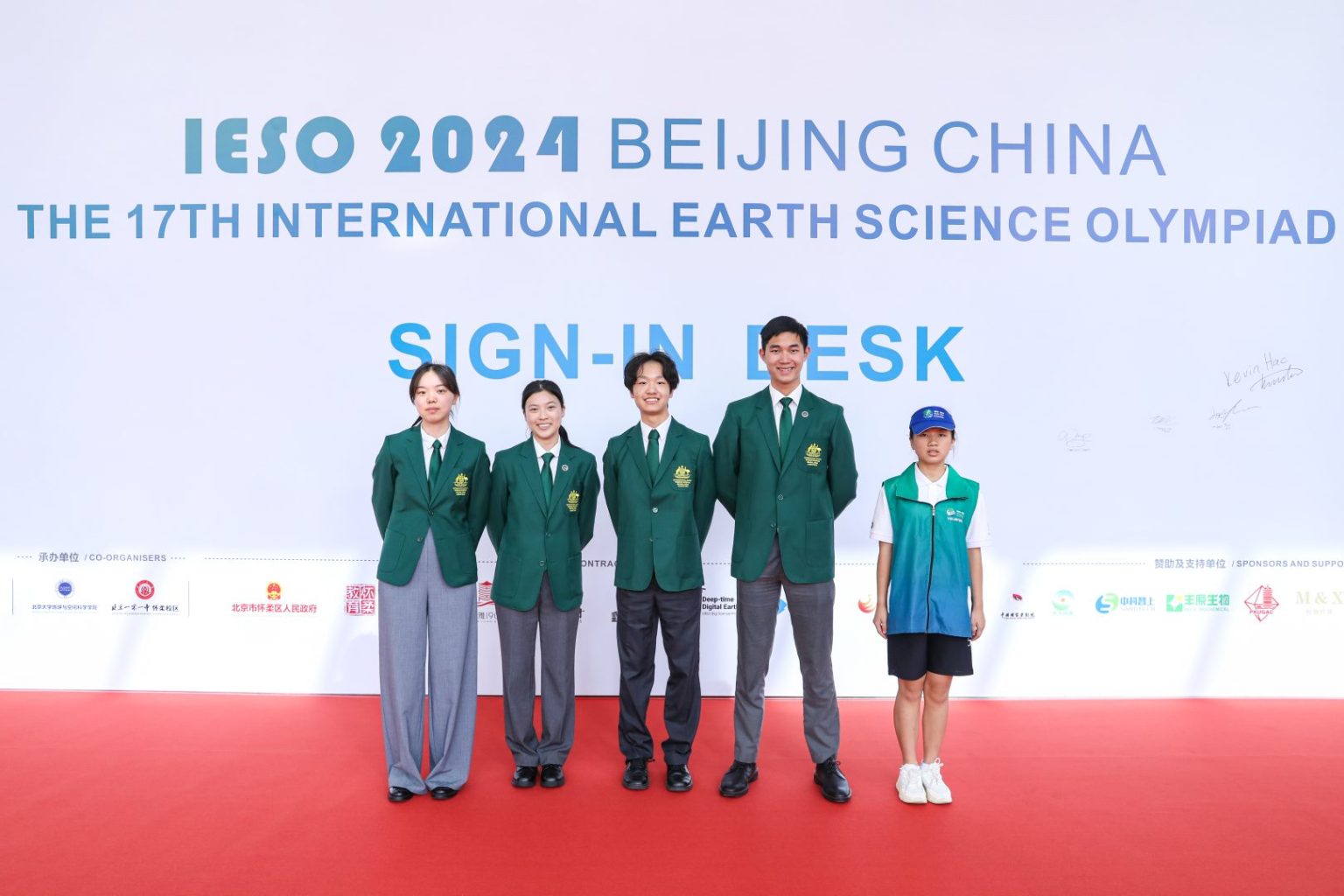
Photo from John Monash Science School: Members of the Australian team for the International Earth Science Olympiad in Beijing China.
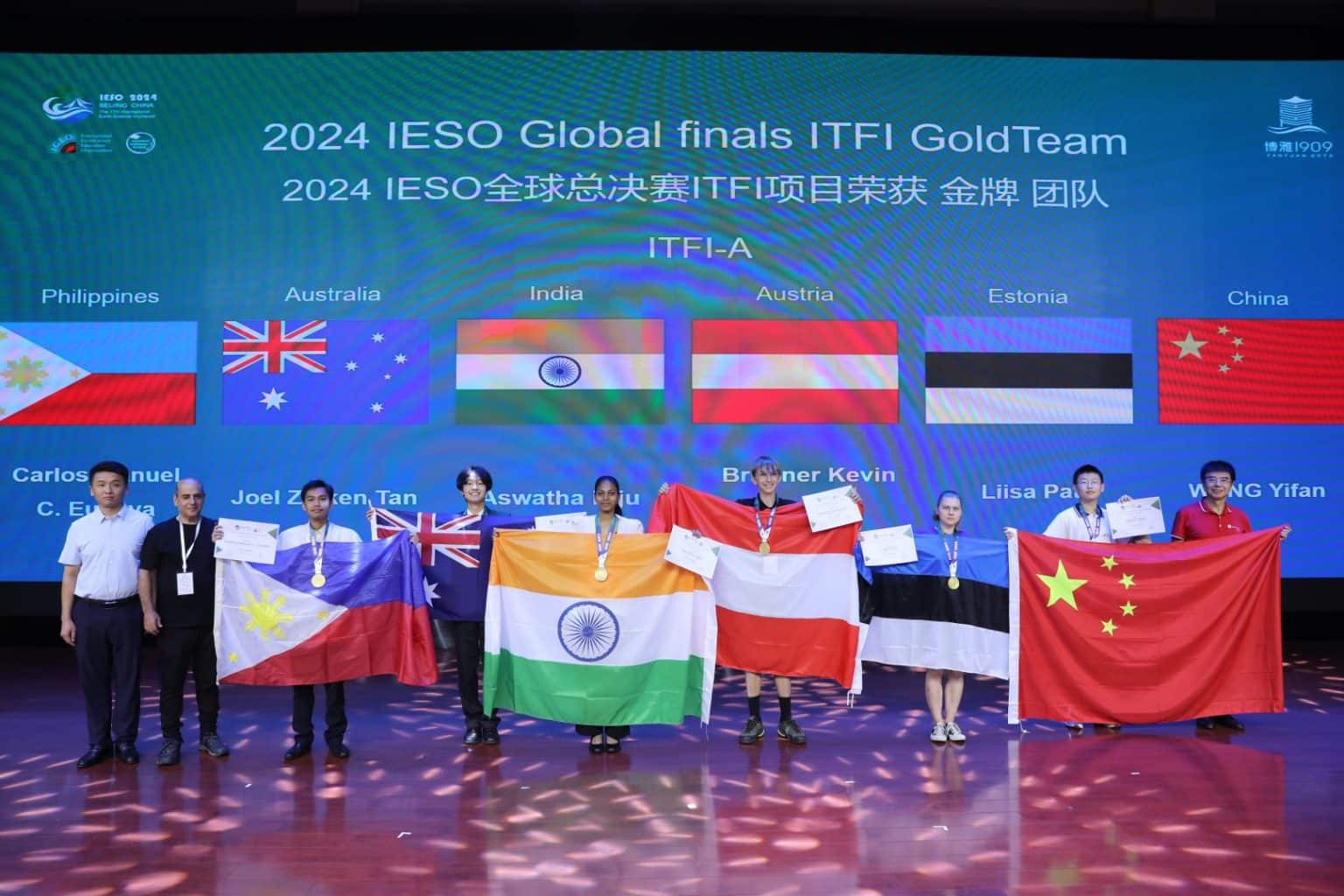
Photo from John Monash Science School: Joel Tan representing the Australian team.
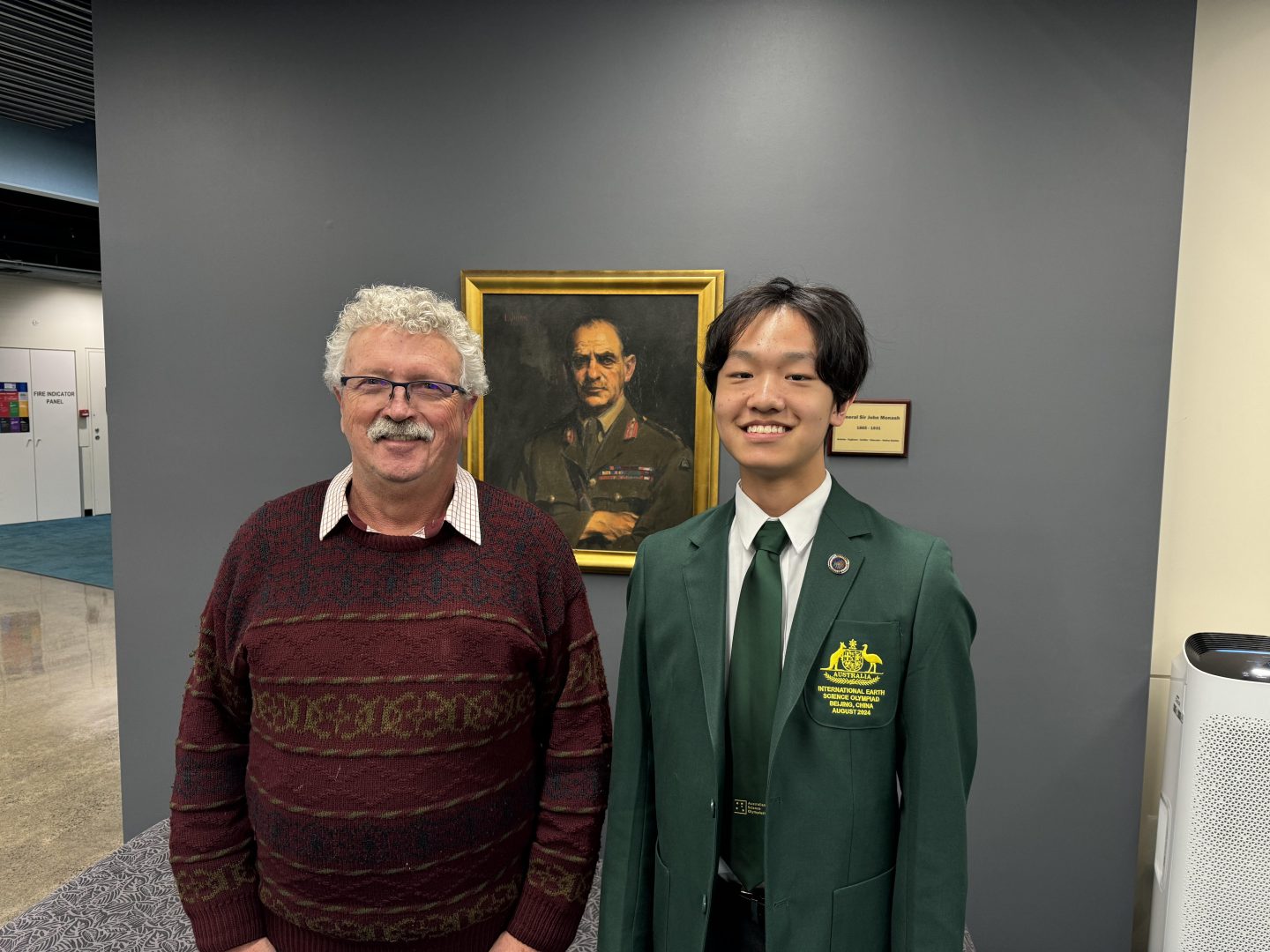
Photo from John Monash Science School: The International Earth Science Olympiad (IESO) is an educational event for secondary school students globally, organized by the International Geoscience Education Organization (IGEO).
Giving Back as a Mentor
Joel has continued his involvement with the Olympiad program by returning as a mentor for younger students.
In this role, he works with a group of six selected students as part of a training program for future Olympiad competitors.
His responsibilities include:
Delivering lectures on advanced topics such as astronomy and wave physics at Year 12 level
Designing assessment questions to track student progress
Leading educational field trips to study geology in Canberra
Supporting students with research and problem solving
Through mentorship, Joel helps inspire the next generation of scientists.
Leadership and Creative Contributions
Joel has also been involved in a variety of school initiatives and extracurricular activities.
He helped organise a hackathon in Sydney that gave younger students the opportunity to experiment with electronics and software development.
He also contributed to his school community as part of the Year 12 video team, directing filming and editing videos that captured memories for his graduating cohort.
These activities reflect Joel’s ability to combine technical thinking with creativity and teamwork.
Recognition for Excellence
Joel’s achievements across competitions, leadership and extracurricular activities have been widely recognised.
He was awarded the JMSS Platinum Diploma, an honour given to only one or two students each year who demonstrate exceptional contributions beyond academic study.
Joel also received the Ampol All Rounder Award, which recognises students nominated by teachers for outstanding achievements outside of their formal VCE studies.
In His Own Words
Joel has also shared his experiences in interviews and presentations where he speaks about his passion for robotics, science and learning.
Watch Joel speak here:
https://www.youtube.com/watch?v=pfRqRrMAkT4
These appearances demonstrate his ability to communicate complex ideas clearly and confidently.
The Shichida Foundation
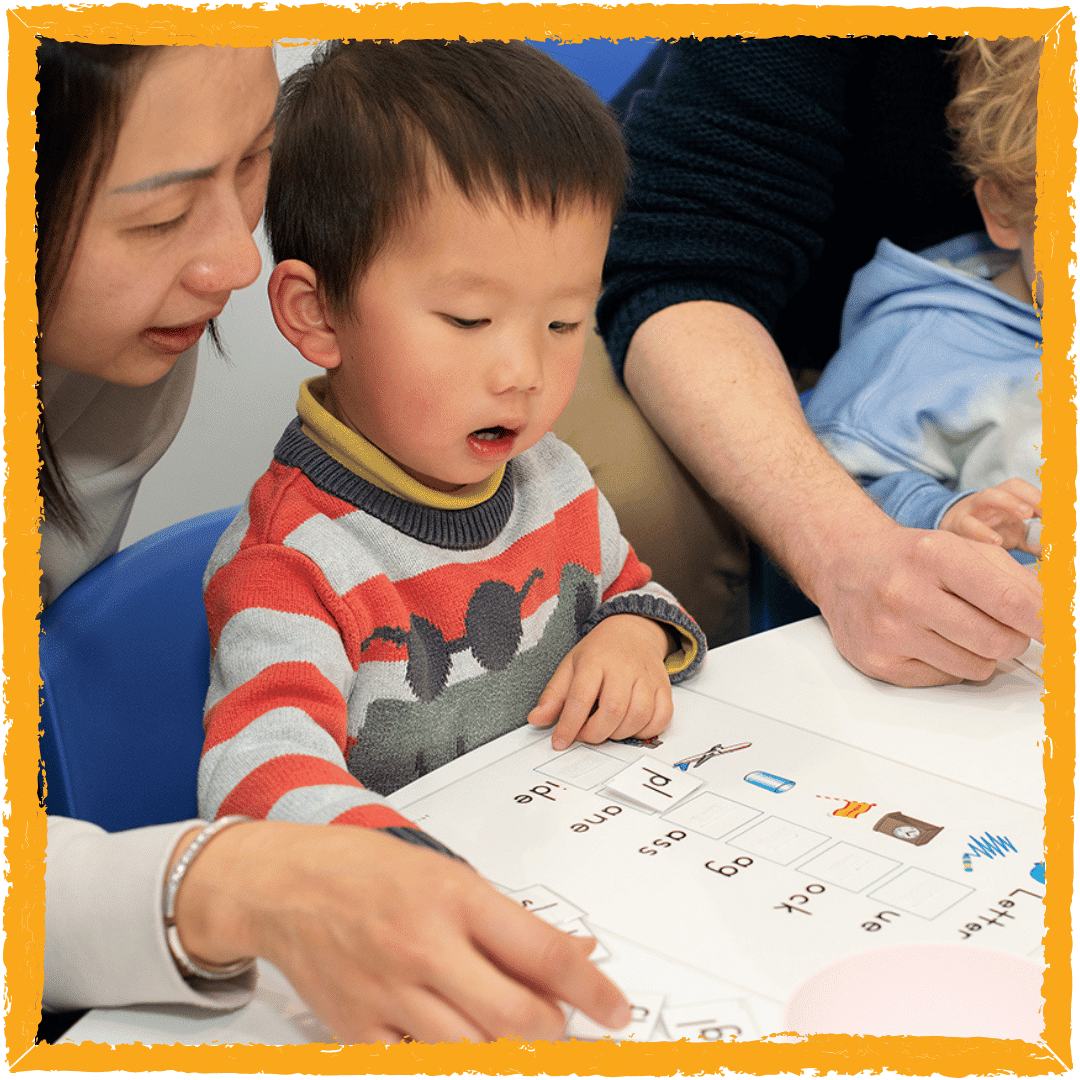
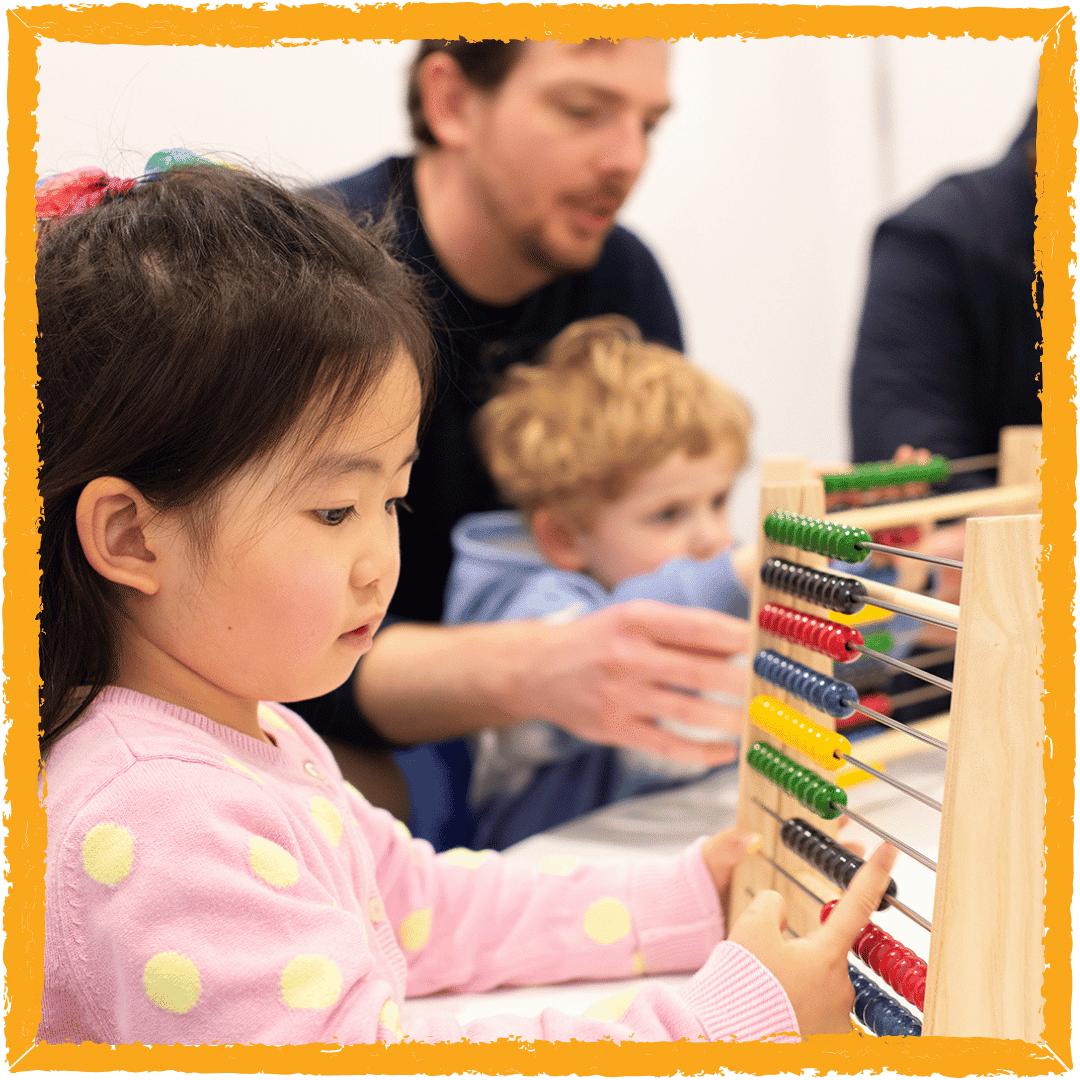
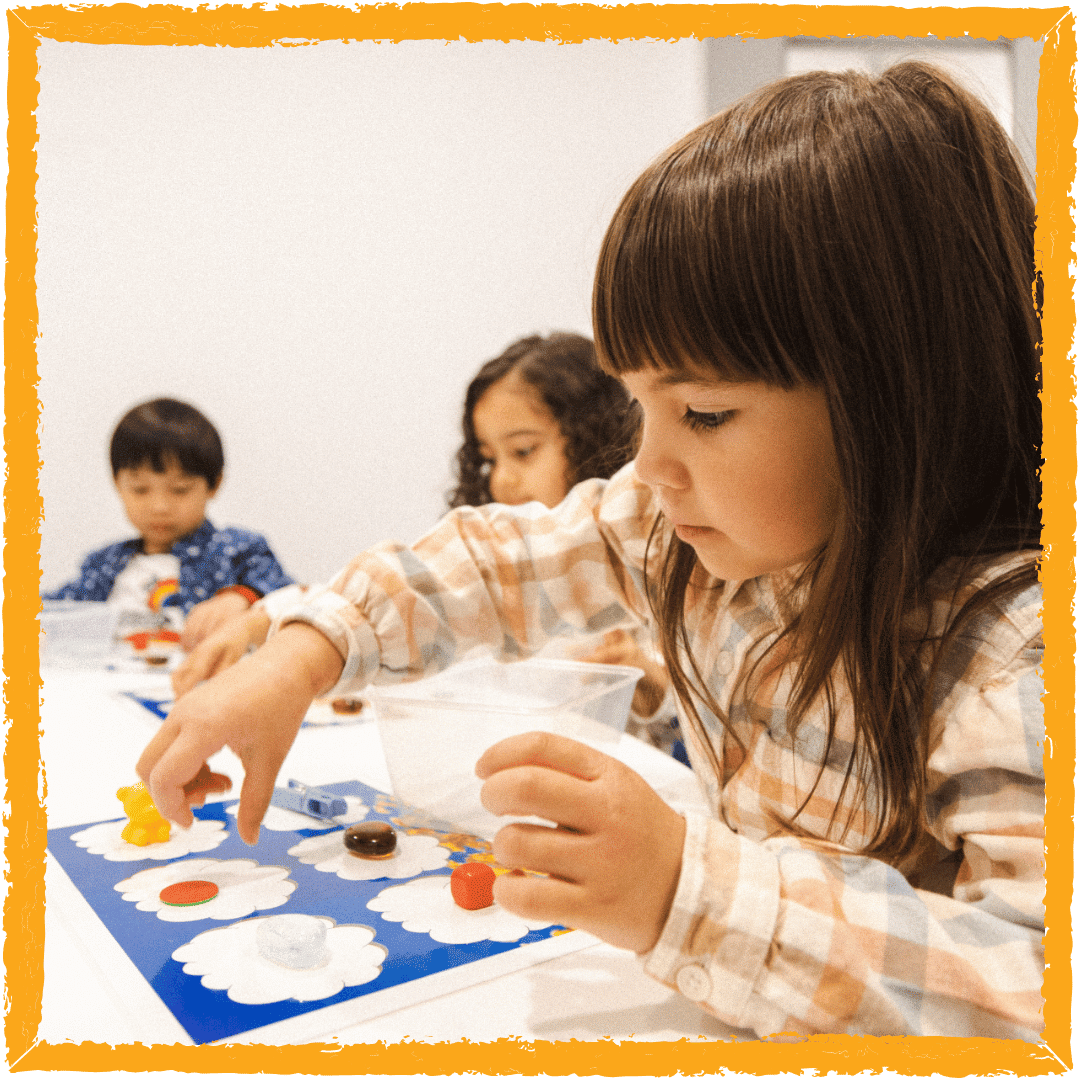
During early childhood, Joel developed foundational abilities through Shichida’s structured weekly program, including:
- Rapid memory recall
- Mental mathematics
- Advanced listening and processing
- Logical sequencing
- Analytical reasoning
- Focus and emotional balance
These early neural developments support high level problem solving later in life.
Joel’s ability to analyse multidimensional vectors, evaluate statistical models and construct original algorithms is built upon early cognitive strengthening during the most critical developmental years.
The Shichida Method builds brain capacity first. Results follow later.
Strong Foundations. Global Results.
Joel Tan’s story demonstrates that whole brain training in early childhood can translate into international level academic excellence years later.
From Shichida classrooms to global science and mathematics competitions, his journey reflects the long term power of structured brain development.
The foundations built early matter.
Discover how the Shichida Method can support your child’s lifelong learning journey.
Start Your Shichida Journey.
Joel Tan
Accepted into: John Monash Science School from Year 10
Shichida Student: Age 2–9
What inspired you to apply?
I had heard about JMSS from my primary school science teacher, and immediately felt that going into an environment with a strong science focus would be best for me. Of course it’s important to be a well-rounded person and I had very good exposure to sports/arts/music when I was in Y7-9, but felt that I missed going to a place where science was valued more and where we had access to unique opportunities not found anywhere else.
Admission Process
JMSS administers their own test, similar to other selective schools, testing math ability and science reasoning. Questions are written that science knowledge isn’t necessarily required, but critical thinking and being able to quickly use the sources they give you is very important.
There’s also an interview where teachers will ask you a couple of questions, to gauge how you approach learning and science and see if you would be a good fit socially for the school. Strong emphasis on being able to communicate effectively and break the stereotype of the ‘1800s prodigy scientist’ that only works alone. They really like to see a natural curiosity and appreciation for the beauty of the world — which is what enables scientists to be self-motivated.
Preparation
I did get coaching to help with both parts of these processes, particularly with getting my maths and writing skills to a competitive standard, but felt as though the interview came really naturally to me.