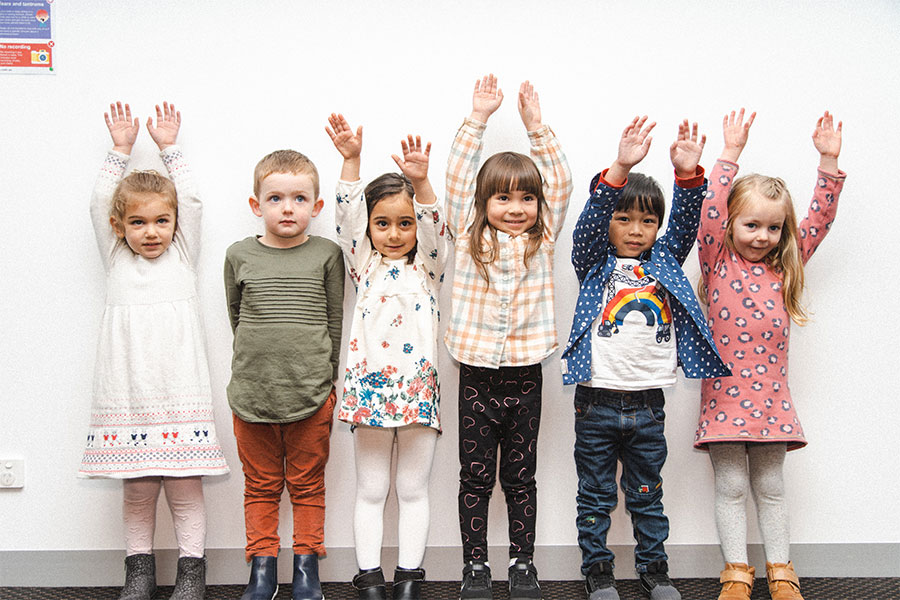
Fine Motor Skills
Fine motor skills and the development of the pincer grip during early education is crucial to mental development.
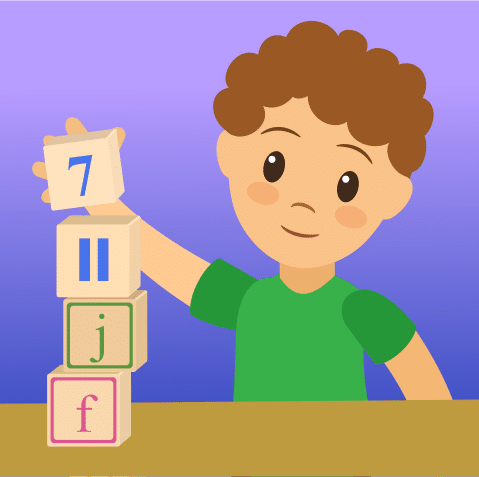
Sensory and fine motor skills development are closely connected to a child’s speech and overall cognitive development. The Shichida Australia program focuses on nurturing both these essential skills from an early age, setting the foundation for future learning and growth.
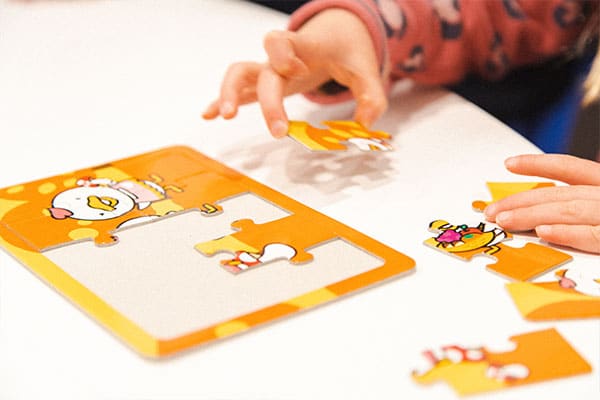
Developing Dexterity
From baby classes to early toddler years, we focus on developing the dexterity of young children’s hands and fingers. Mastering fine motor skills early on prepares them for essential tasks like self-feeding, drawing, writing, and even brushing their teeth.
Proficiency in fine motor skills develops faster when babies are given frequent opportunities to touch, explore, and experiment with various objects, which helps them strengthen their hand movements and coordination.
Fine Motor Skills Development Activity Examples
Examples of fingertip and sensory training activities you will find in our baby classes are feeling textures such as rice or jelly as well as placing and removing objects out of small compartments.
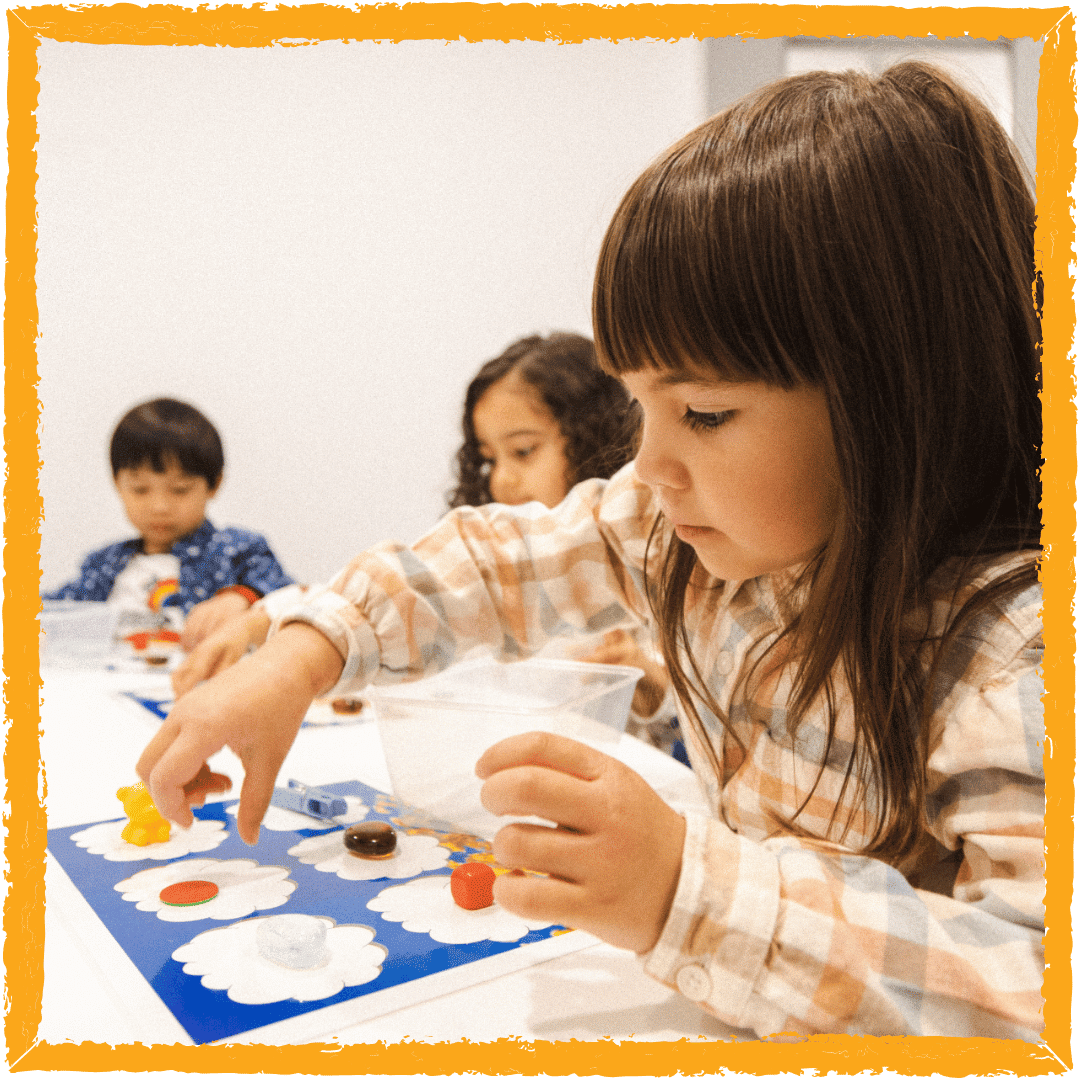
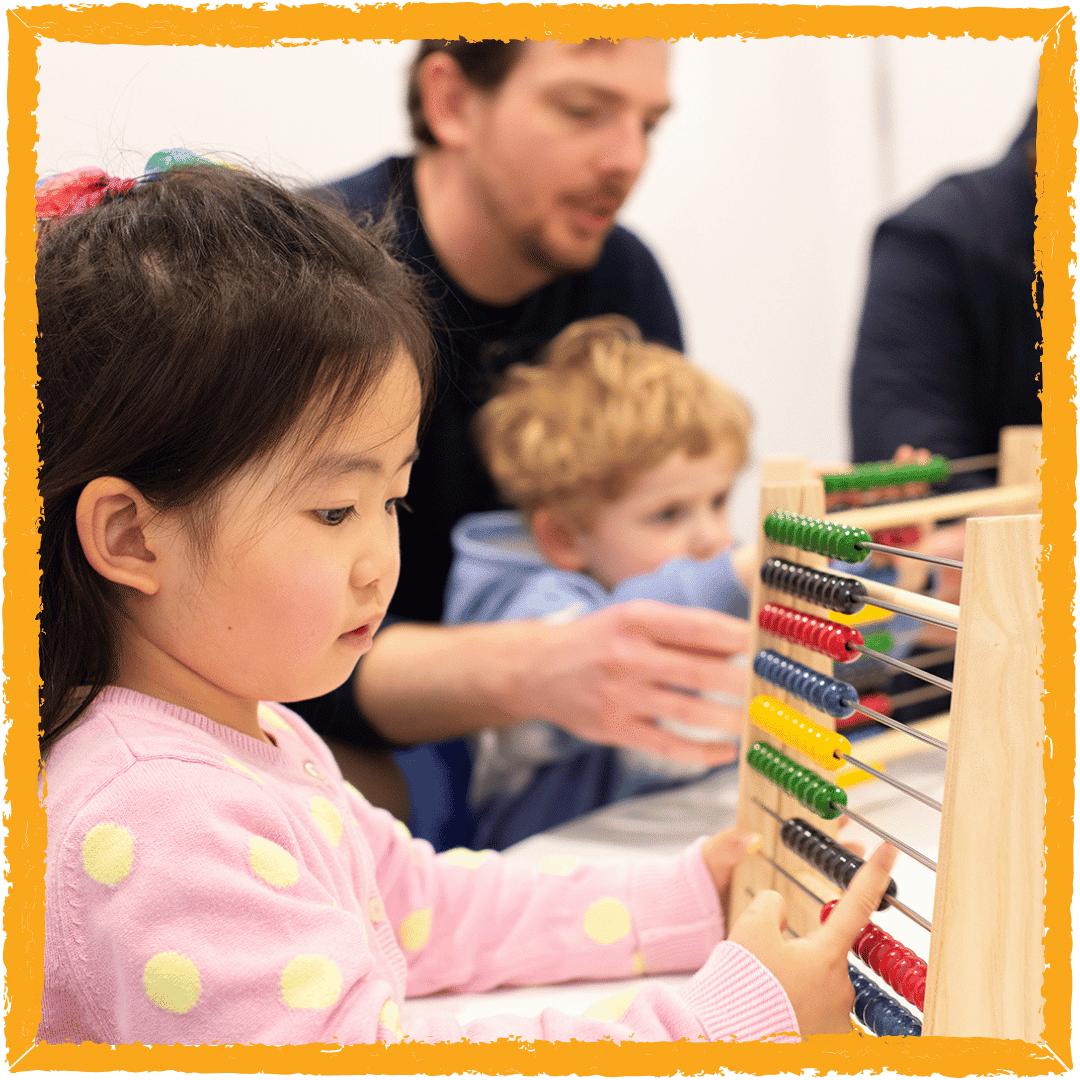
Examples of fine motor skills activities in our toddler classes are using chopsticks and tweezers as well as stringing, cutting and paper folding (origami).
The Benefits
Developing fine motor skills from a young age provides numerous benefits, including enhanced hand-eye coordination, improved precision in movements, and greater control over tasks that require fine motor abilities. Engaging in activities like stacking blocks and grasping toys aids in their overall development. These activities promote hand-eye coordination, helping them build precise movements and better control over their hands.
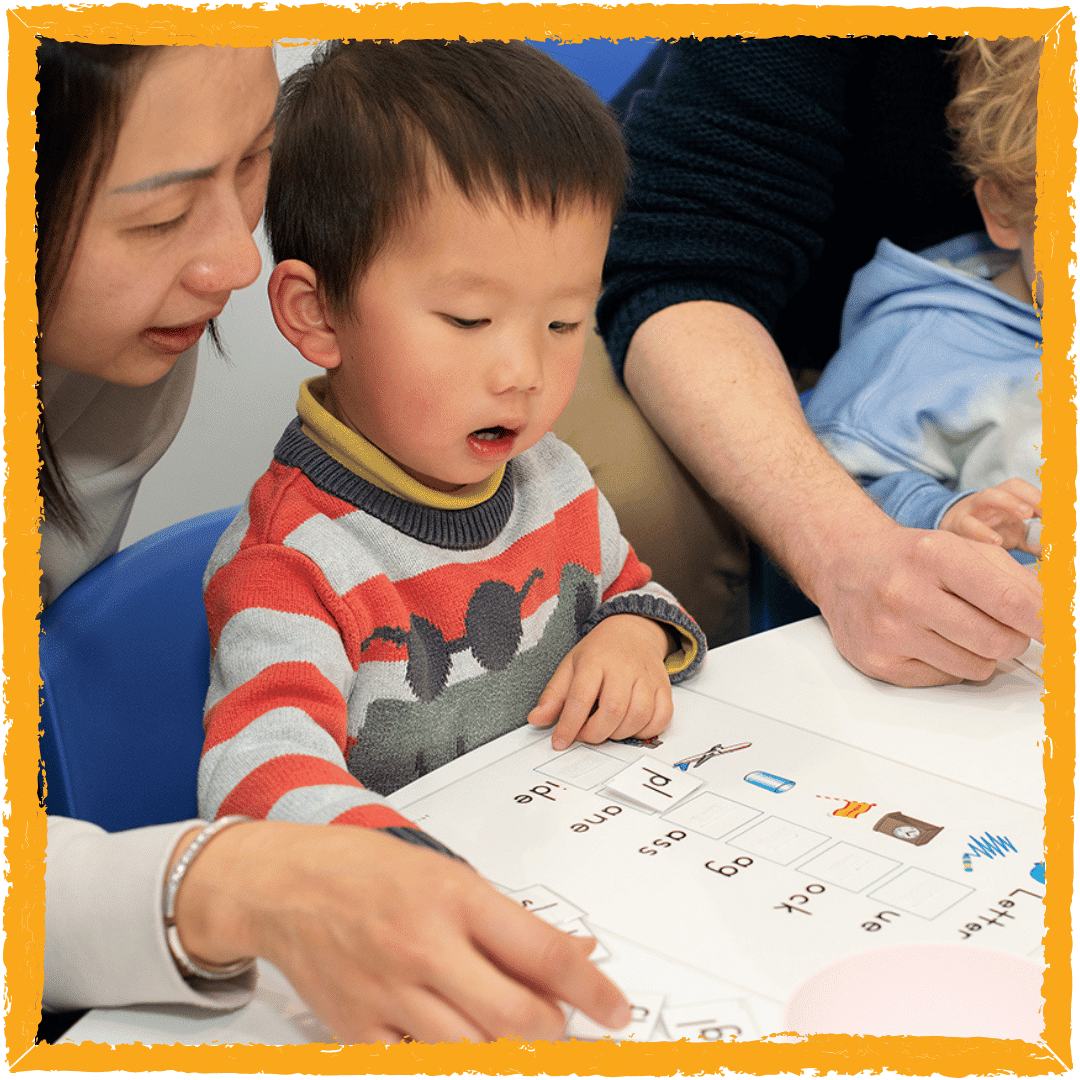
As children progress, fine motor skill training contributes to improved handwriting, cutting with scissors, and other essential academic tasks. By mastering these skills, they gain confidence and independence in daily activities.
Beyond physical coordination, fine motor development also stimulates cognitive functions, as children learn problem-solving and creative thinking through hands-on activities and challenges. It also lays the foundation for future artistic endeavors and various hobbies.
Provide Opportunities to Practice
Parents and educators are essential in providing children with consistent opportunities to practice and refine their fine motor skills. Through play and guided activities, babies and children can develop these skills, setting them up for success in both academic and everyday life.
Give your child the advantage of fine motor skill development with our specialized training.
Through fun, purposeful activities, we help develop precise movements for little learners. Book a trial class today and watch your child grow!
FAQ’s: Fine Motor Skills Development
Fine motor skills refer to the ability to use the small muscles in the hands and fingers to perform tasks like drawing, writing, and manipulating objects. These skills are essential for academic tasks and daily activities, such as self-feeding, buttoning clothes, and using scissors.
Fine motor skills begin developing from infancy. The Shichida program starts working on these skills from babyhood, with appropriate activities for each developmental stage, so your child can build a solid foundation early on.
Children engage in various activities designed to enhance their fine motor skills, such as sensory play (feeling textures), using chopsticks or tweezers, stringing beads, and even origami. These activities are fun and educational, helping children build dexterity and coordination.
Fine motor skills play a significant role in academic success by helping children with tasks like writing, cutting, drawing, and problem-solving. As children refine their motor skills, they also develop confidence and independence in academic and social settings.
You can support your child’s fine motor development by providing opportunities for them to engage in hands-on activities at home. Simple activities like drawing, building with blocks, or practicing with tweezers can all contribute to their skill development.
Yes, developing fine motor skills can enhance other areas of development, including cognitive function, creative thinking, and emotional intelligence. These skills encourage independence and develop a child’s ability to engage in various activities, both academically and socially.
Most children show noticeable improvements in their fine motor skills within a few months of starting the Shichida program. Regular practice and engagement with fine motor activities will lead to continuous development.
Yes, the Shichida fine motor skills activities are designed to be adaptable, and it can be beneficial for children with various learning needs. Our approach is gentle and personalized, ensuring all children can progress at their own pace.
Skills Your Child Will Build in Every Class
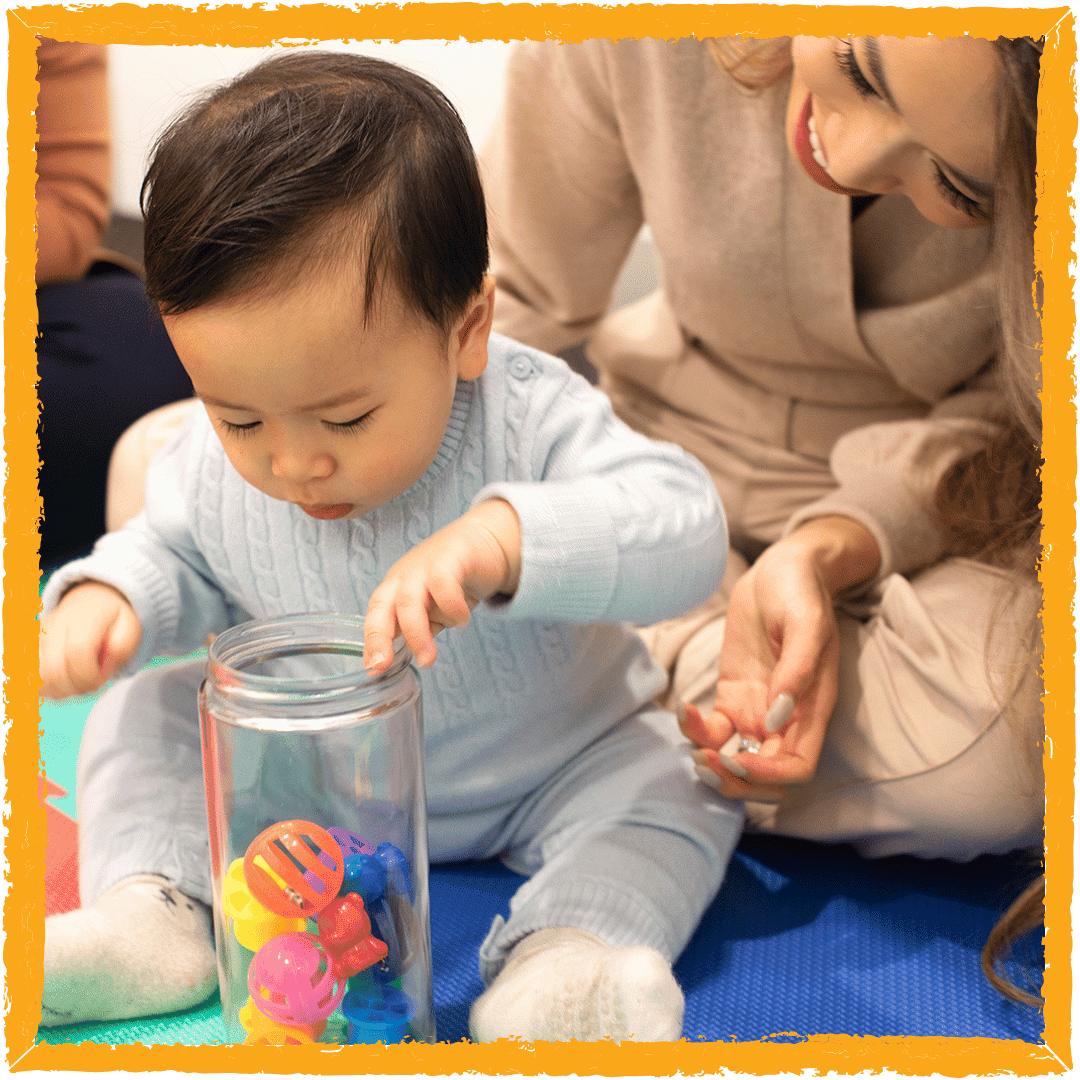
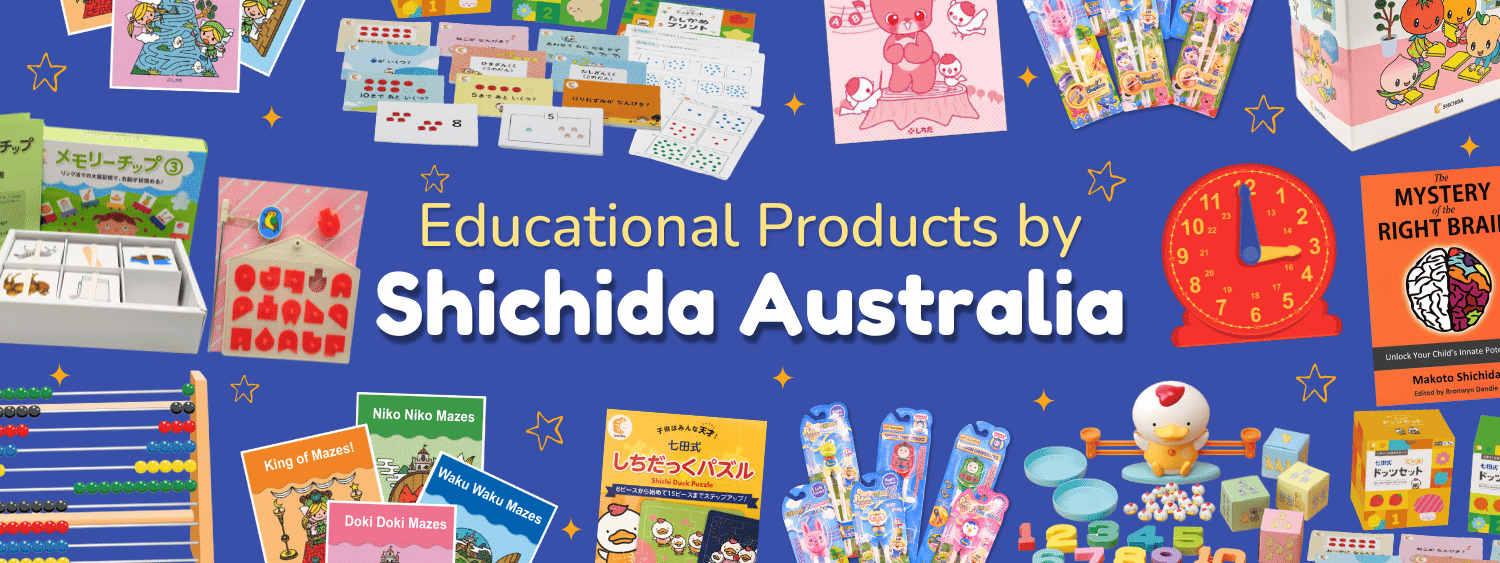
Fine Motor Skills Educational Products by Shichida Australia
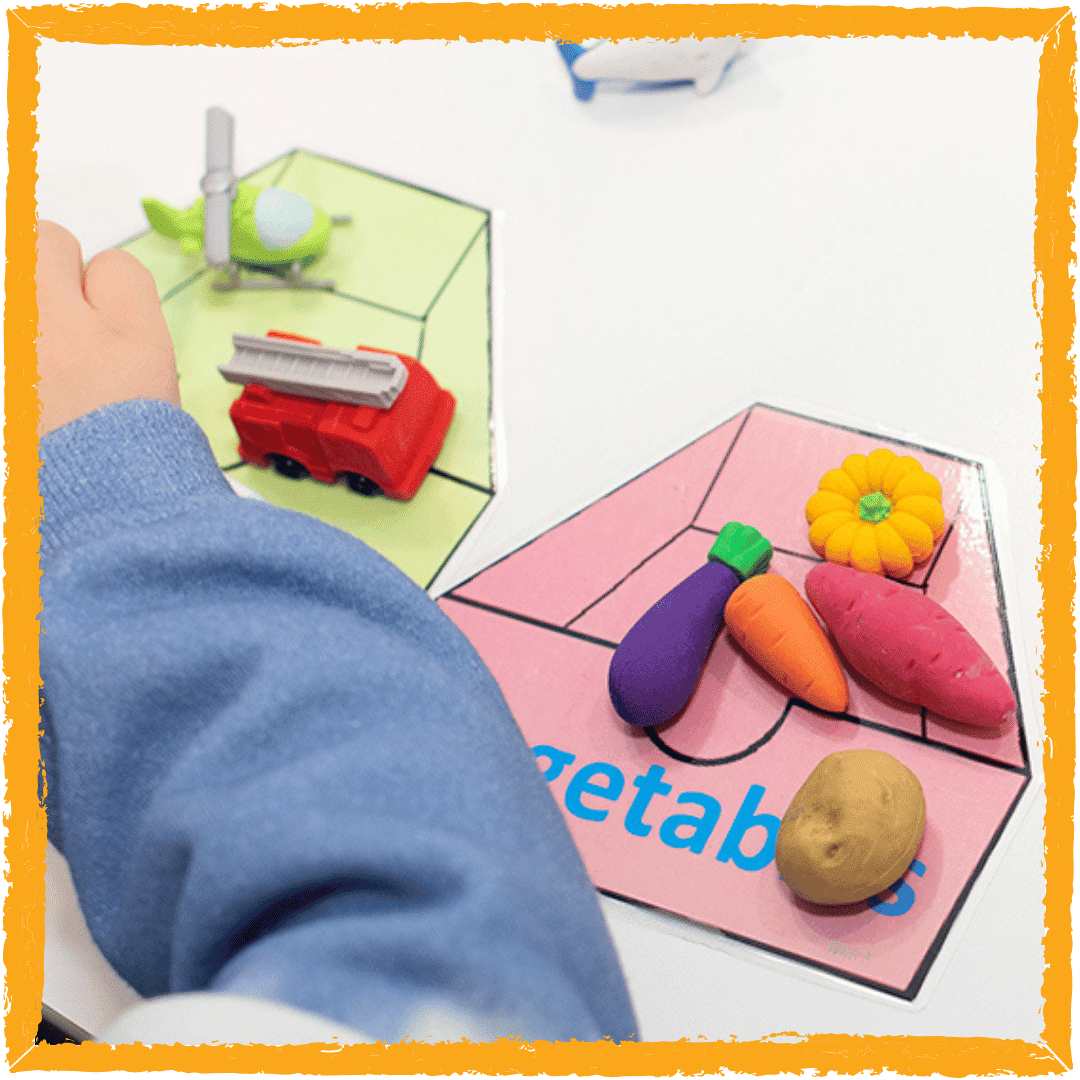
Looking to strengthen your child’s fine motor development in a fun and purposeful way? At Shichida Australia, we offer a range of carefully designed educational products that support hand-eye coordination, grip strength, dexterity, and precision – crucial skills for writing, self-care, and everyday tasks. Each tool is aligned with the Shichida Method, promoting brain development through hands-on activities.

Learn More By Age

Prenatal Education
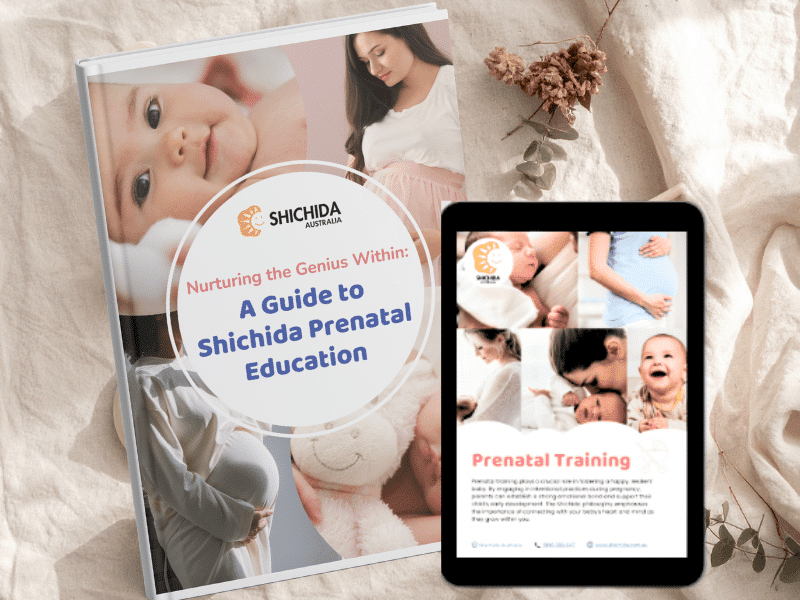
During Pregnancy
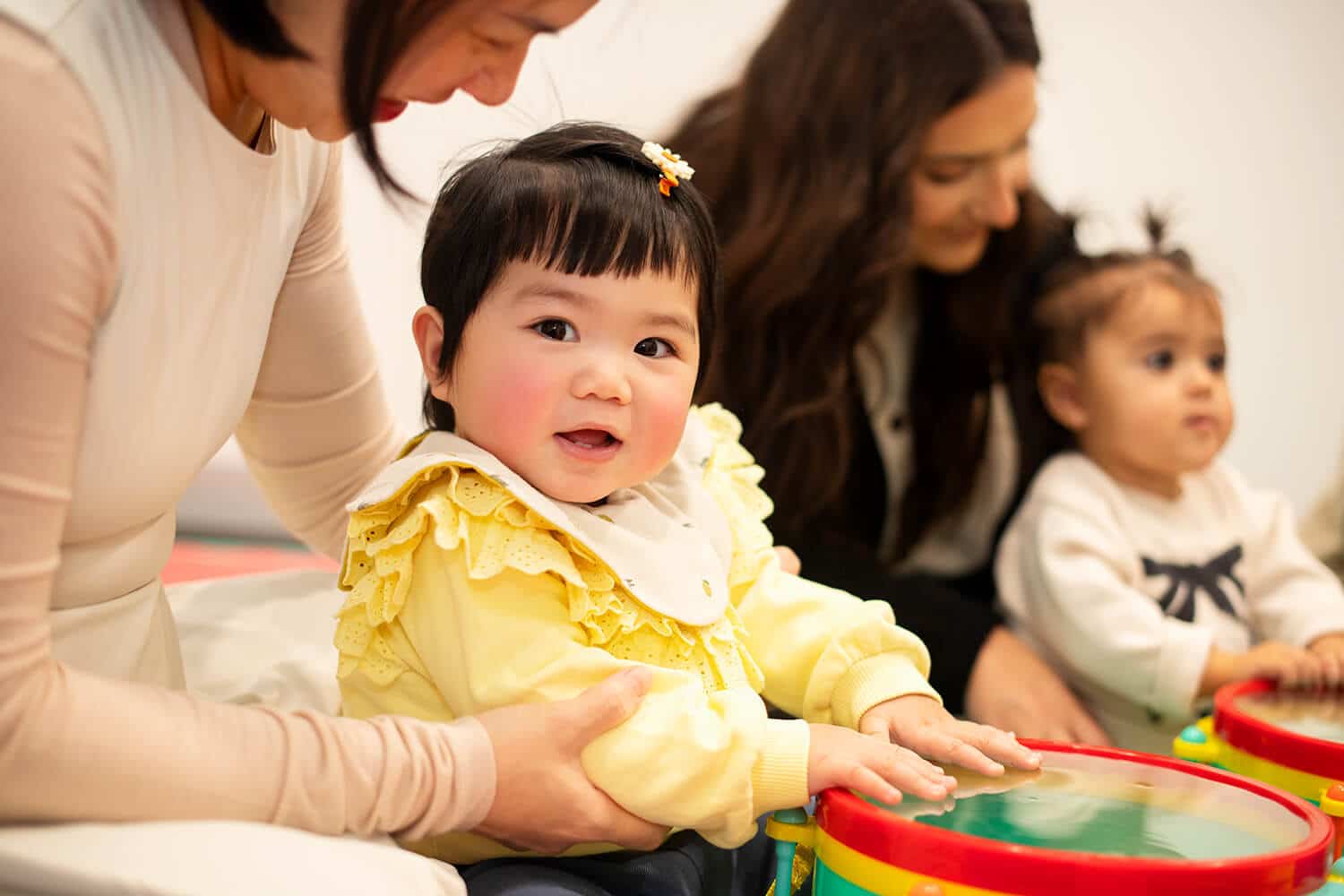
Baby Classes
6 months - 1 year
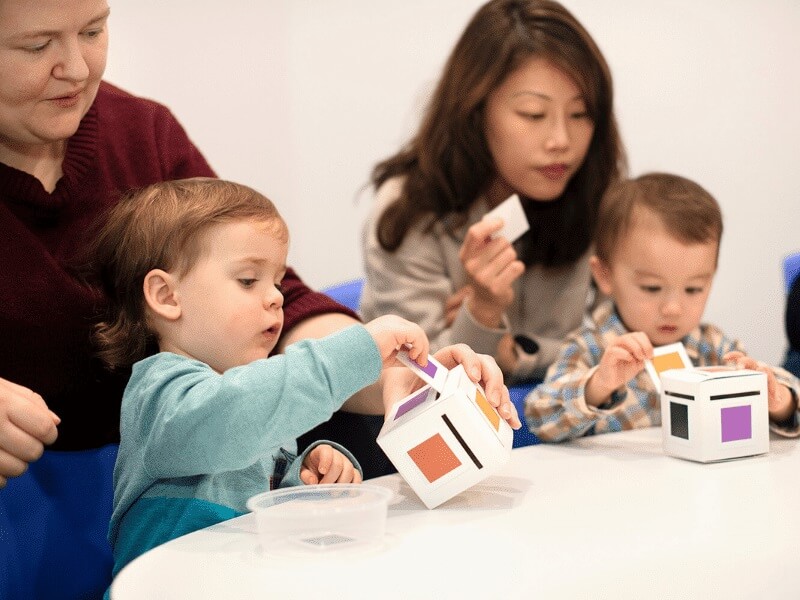
Toddler Classes
1 - 3 years
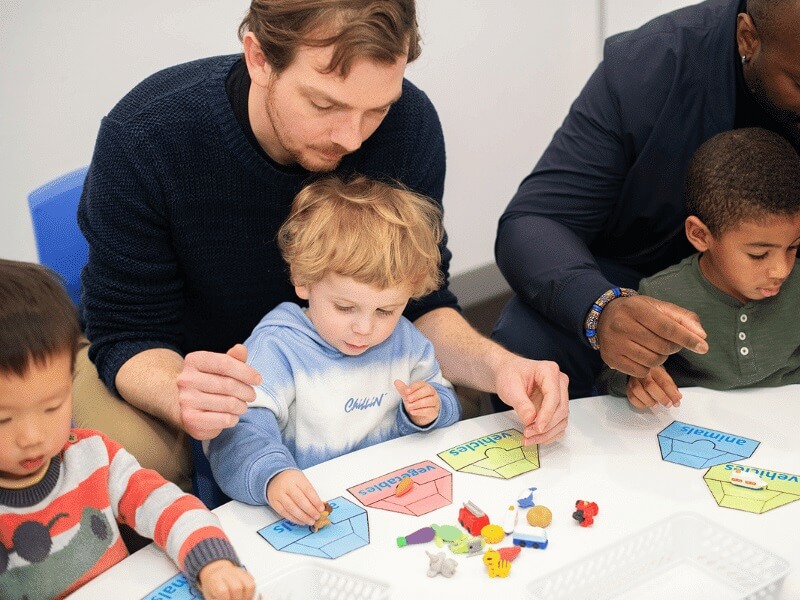
Kinder Classes
3 - 5 years
Pre-Primary Classes
5 - 7 years
Primary Classes
7 - 9 years