
Memory Training for Kids: Tips to Boost Focus & Recall
Key Takeaways
- Memory training for kids can significantly improve focus, learning, and confidence from an early age.
- Working memory training for kids supports reading, maths, comprehension, and following instructions at school.
- Early memory-building activities help strengthen brain development and boost long-term academic success.
- Fun, daily exercises like visualisation, songs, and storytelling enhance memory without pressure.
- Brain-based methods like the Shichida programme offer proven tools to improve memory and attention in young children.
Does your child struggle to remember instructions, retain new information, or stay focused during tasks?
You’re not alone. In today’s distraction-filled world, many children find it challenging to keep up. But here’s the good news – memory isn’t just an inborn talent. It’s a skill that can be developed.
Memory training for kids is one of the most effective ways to boost learning, focus, and confidence. And the earlier you start, the better! With the right approach, your child can improve their memory in fun, engaging ways that feel like play, not pressure.
Why Memory Matters in Childhood Learning
Memory plays a central role in how children learn and function both in and out of school. One key type of memory, working memory, is especially important in everyday learning tasks. It allows your child to hold and use information while doing things like solving a maths problem, reading a sentence, or following a sequence of instructions.
When working memory is strong, your child can:
- Understand what they read
- Solve multi-step maths problems
- Follow routines and classroom instructions
- Focus on tasks for longer periods of time
According to research, working memory is a better predictor of academic success than IQ, especially in subjects like reading and mathematics. This is why working memory training for kids has become a growing area of focus for educators and parents alike.
What Is Working Memory and How Is It Different From Other Memory?
Think of working memory as your child’s mental workspace. It’s where they temporarily store and manipulate information. For example, when your child tries to remember the steps to brush their teeth or solve 7 + 3 in their head, they’re using working memory.
Here’s how it compares to other types of memory:
- Short-term memory holds small bits of information briefly (like remembering a phone number for a few seconds).
- Long-term memory stores knowledge and experiences for days, years, or even a lifetime.
- Working memory holds and processes information in real time – it’s key for learning and reasoning.
Children with a strong working memory tend to perform better at school because they can hold instructions in mind, make sense of lessons, and retain what they learn.
Signs Your Child May Benefit from Memory Training
Some children have a natural ability to recall information, but many need a little extra support.
Here are a few signs that your child might benefit from memory training:
- Frequently forgets instructions or tasks
- Struggles to follow more than one or two steps at a time
- Has trouble remembering names, dates, or new concepts
- Loses track of what they’re doing or gets easily distracted
- Shows frustration or lack of confidence during learning
If you’ve noticed any of these, don’t worry. There are simple, proven ways to strengthen your child’s memory skills and make learning easier and more enjoyable.
Effective Memory Training for Kids: Techniques That Work

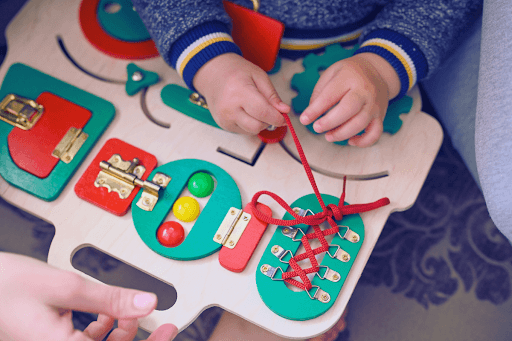
Photo from Pexels: Memory Training for Kids made easy through games!
Memory training doesn’t have to feel like work. In fact, the best strategies feel like games. Here are some techniques to try at home:
- Visualisation games: Ask your child to imagine a scene or object and describe it in detail. This builds mental imagery and recall.
- Story sequencing: Tell a story in parts and let your child arrange them in order. You can also create your own “linking” stories with silly connections.
- Number recall games: Use tools like memory matrices, where your child sees a grid of numbers or pictures for a few seconds, then tries to recall them in order.
- Songs and rhymes: These are powerful for memory because rhythm and repetition help the brain retain information.
- Matching games: Use flashcards or create your own memory card games to boost association and recall.
These activities make memory training for kids something they look forward to. And by turning it into play, you create positive associations with learning.
How to Make Memory Training a Daily Habit
The key to progress is consistency, but that doesn’t mean hours of work. Just a few minutes a day can make a difference.
Here are some easy ways to add memory-building to your daily routine:
- Repeat instructions: After giving a task, ask your child to repeat it back to you. This helps reinforce understanding.
- Play on the go: Use car rides or walks as a chance to play memory games, like recalling what you saw on the way to school.
- Encourage storytelling: Ask your child to tell a story from their day, or recall what happened in a favourite book or film.
- Use visual aids: Charts, lists, and drawings help reinforce steps and routines visually.
By incorporating these small habits, you make working memory training for kids a seamless part of everyday life.
How Shichida’s Programs Build Strong Memory in Kids

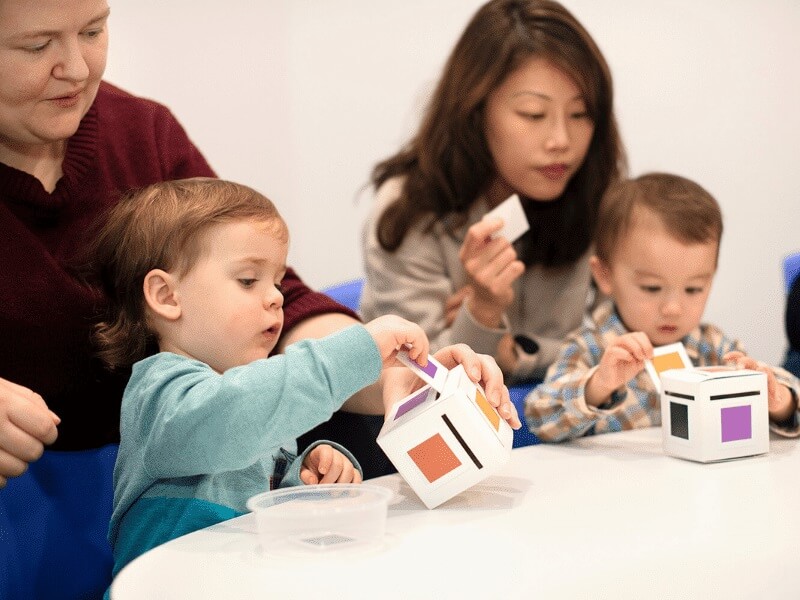
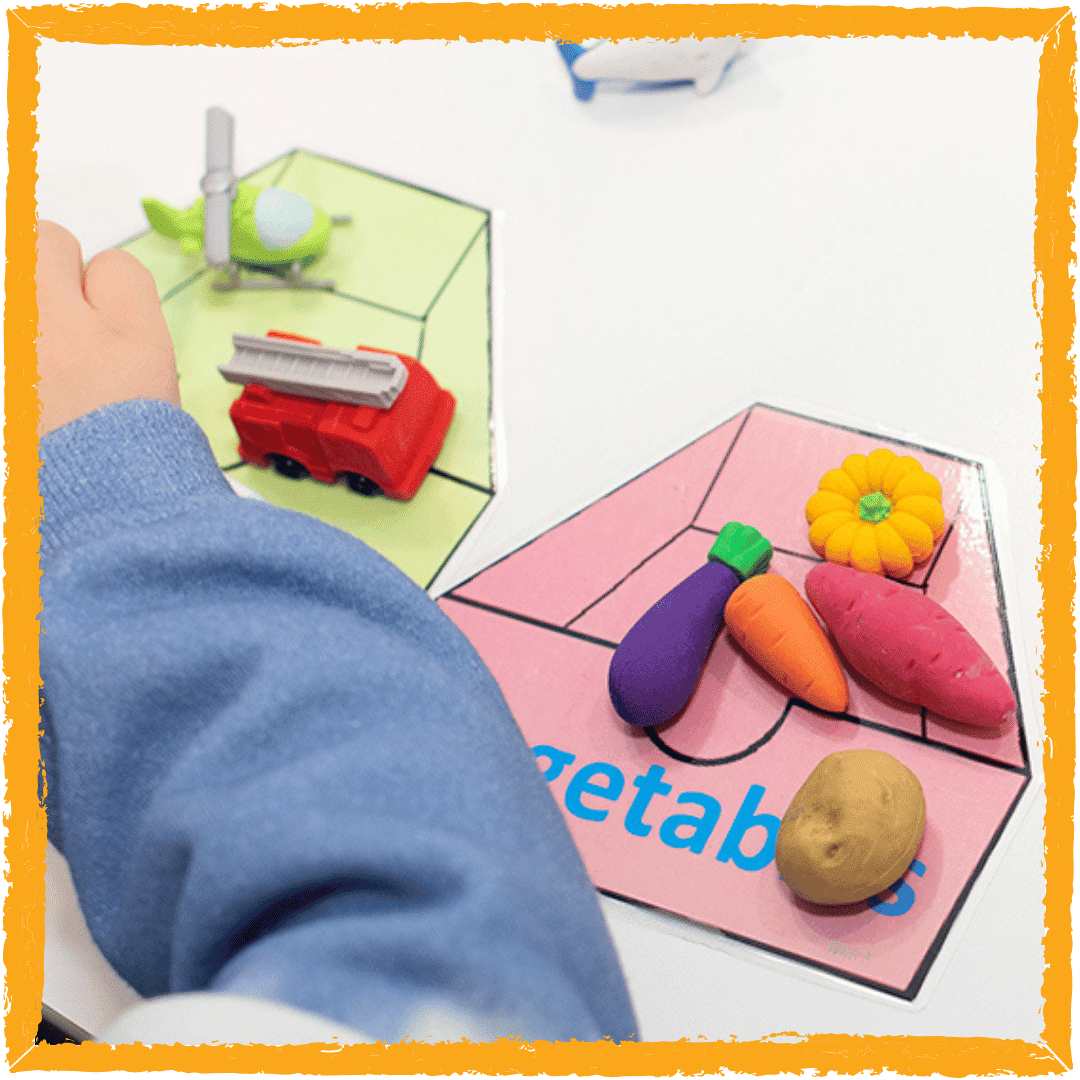
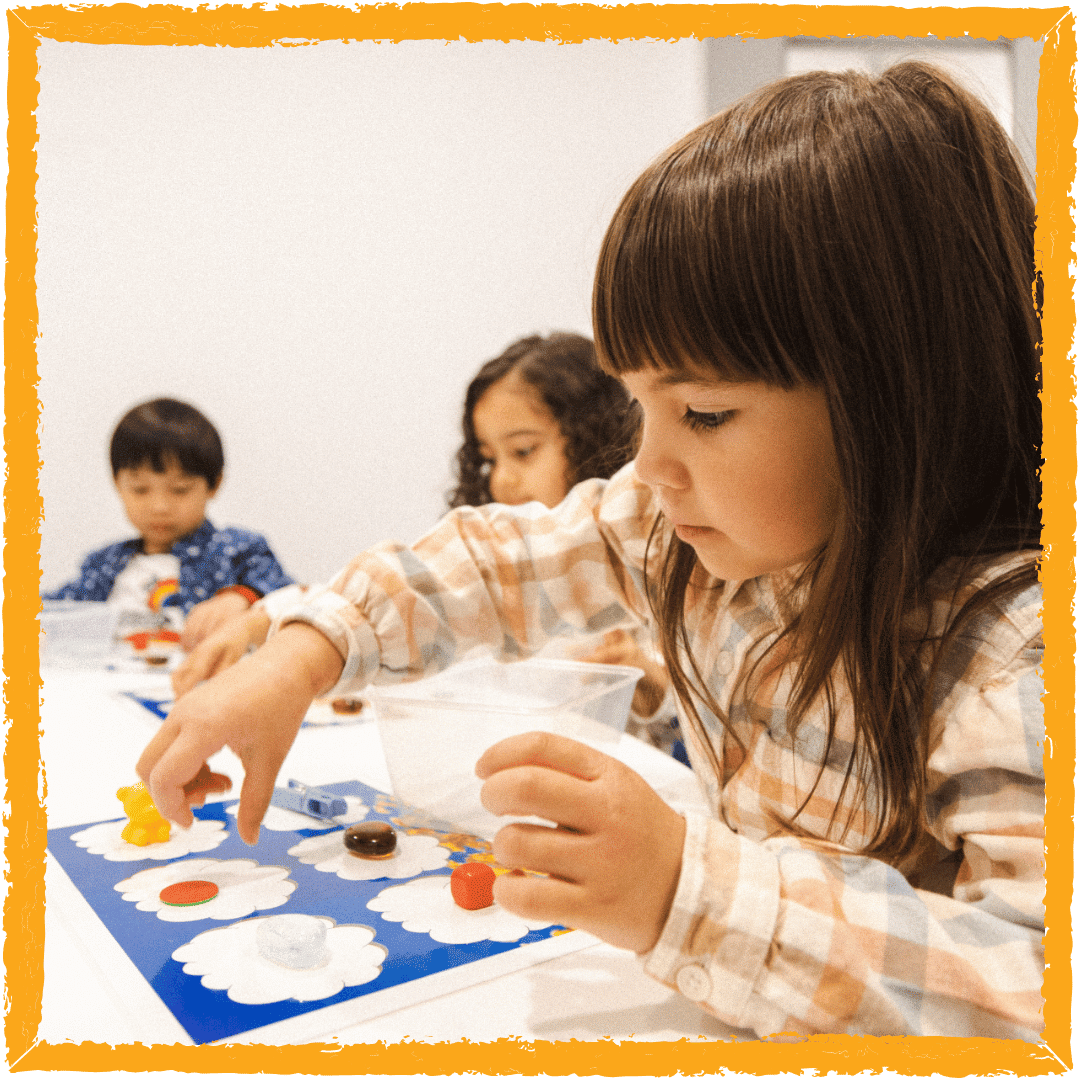
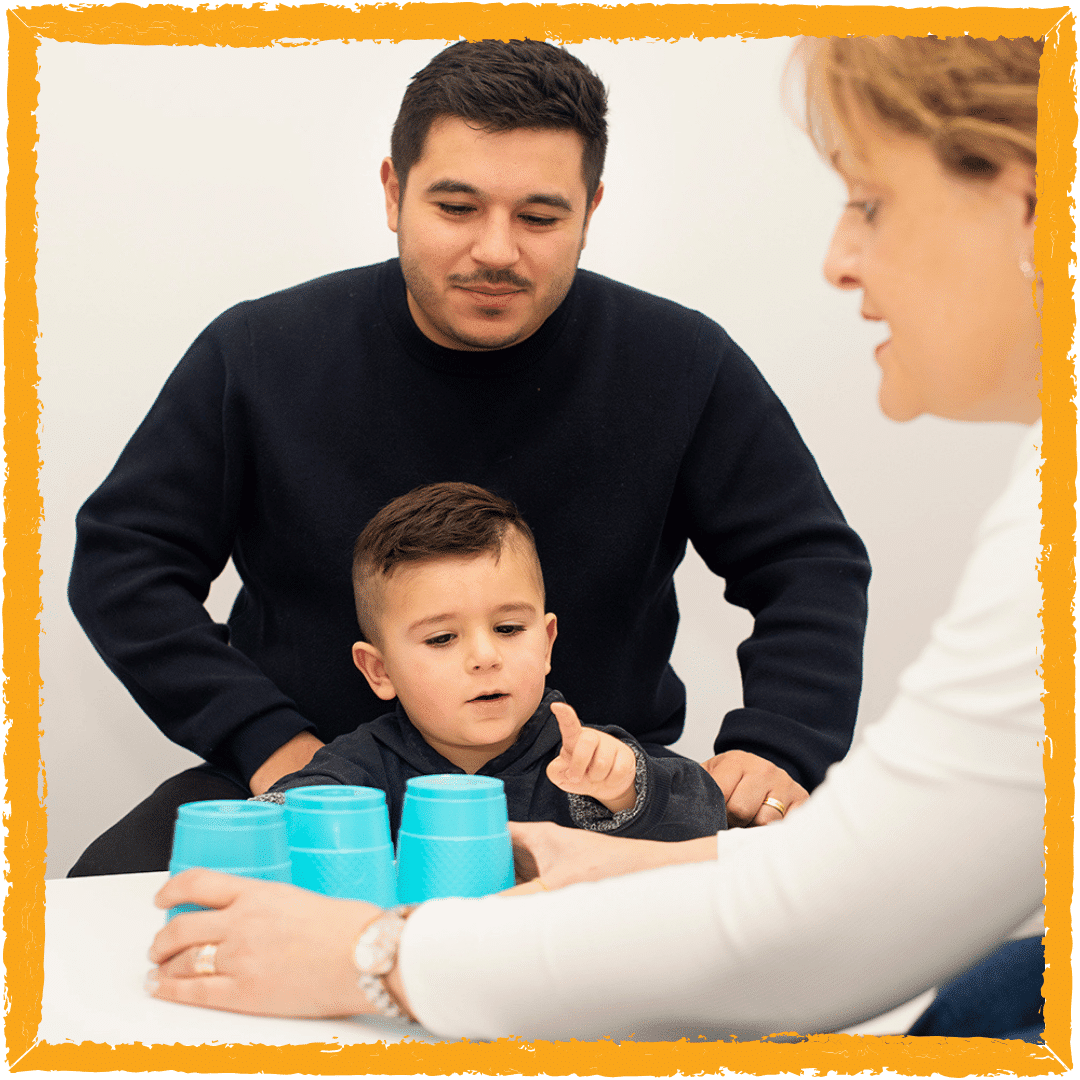
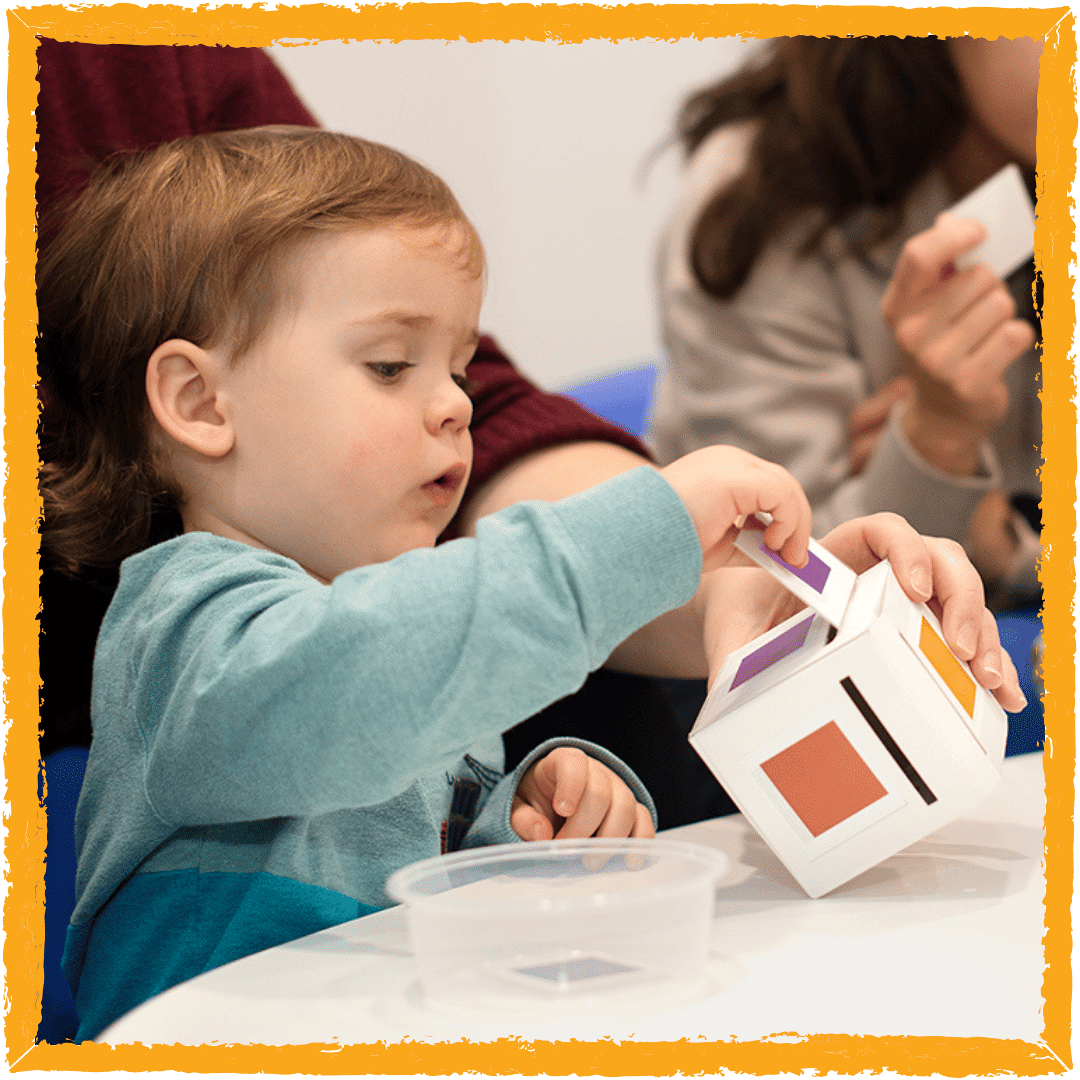
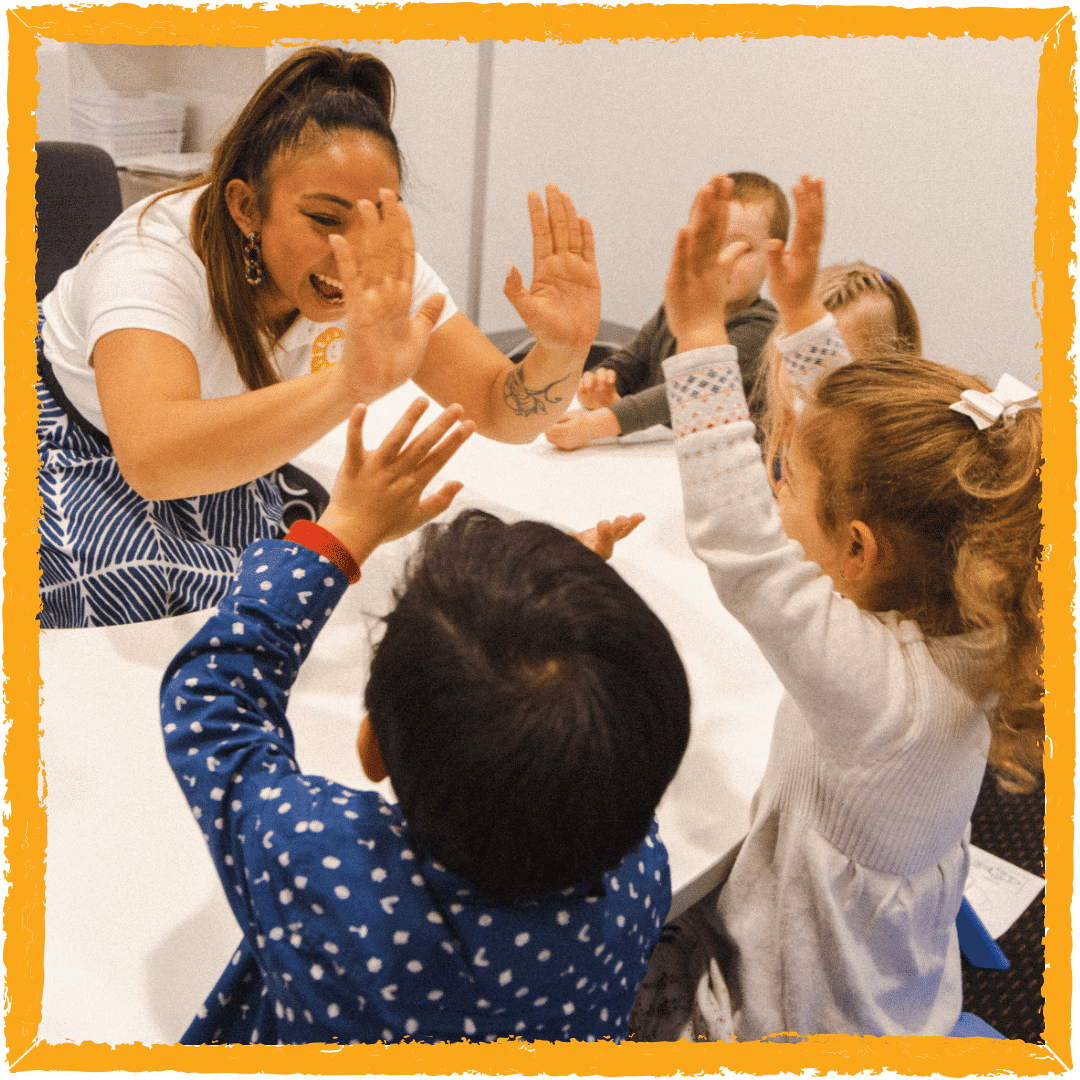
Photo from Shichida Australia: Shichida uses mnemonic-style activities like story-based memory games, linking cards, and image association to build memory while keeping kids engaged.
If you’re looking for structured support, the Shichida Method offers a unique, brain-based approach to memory training. Designed for children aged 6 months to 9 years, it’s built on decades of neuroscience and early education research.

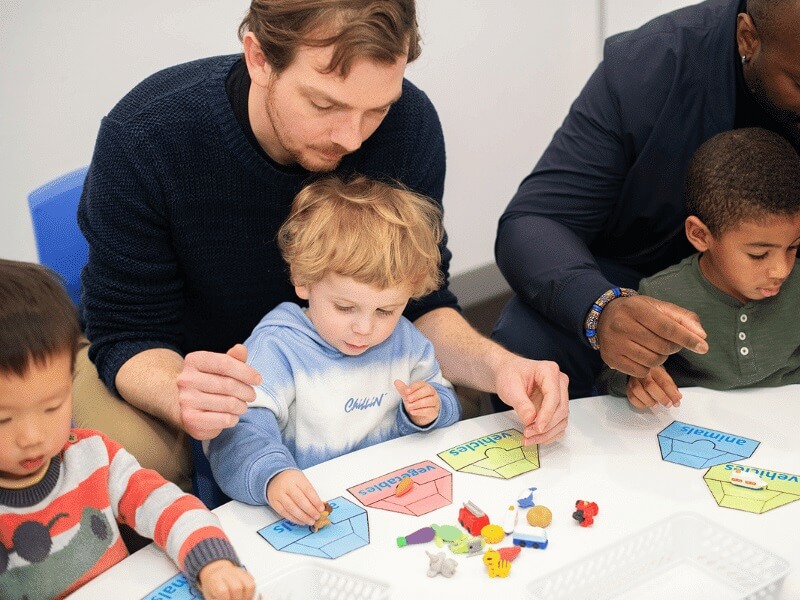
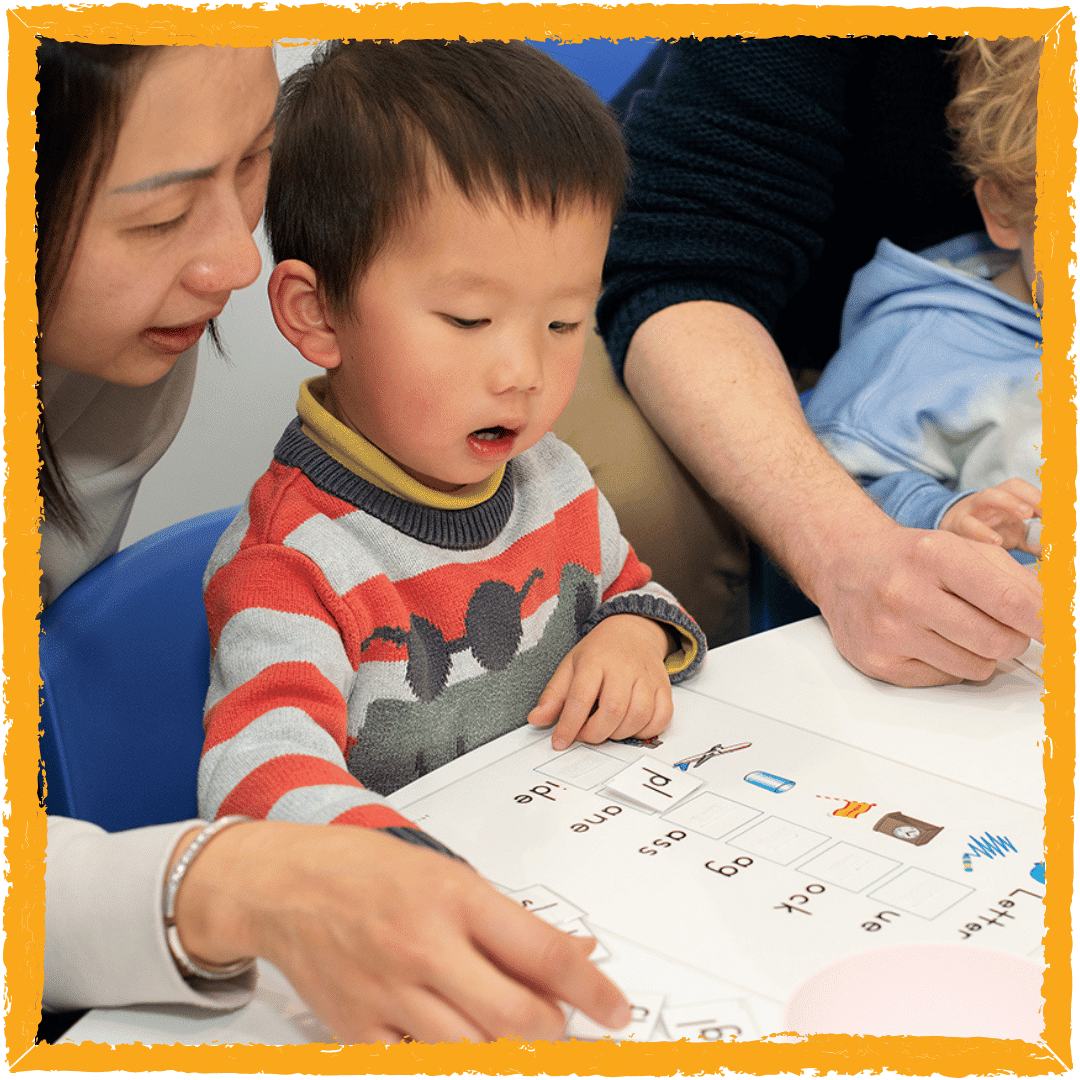
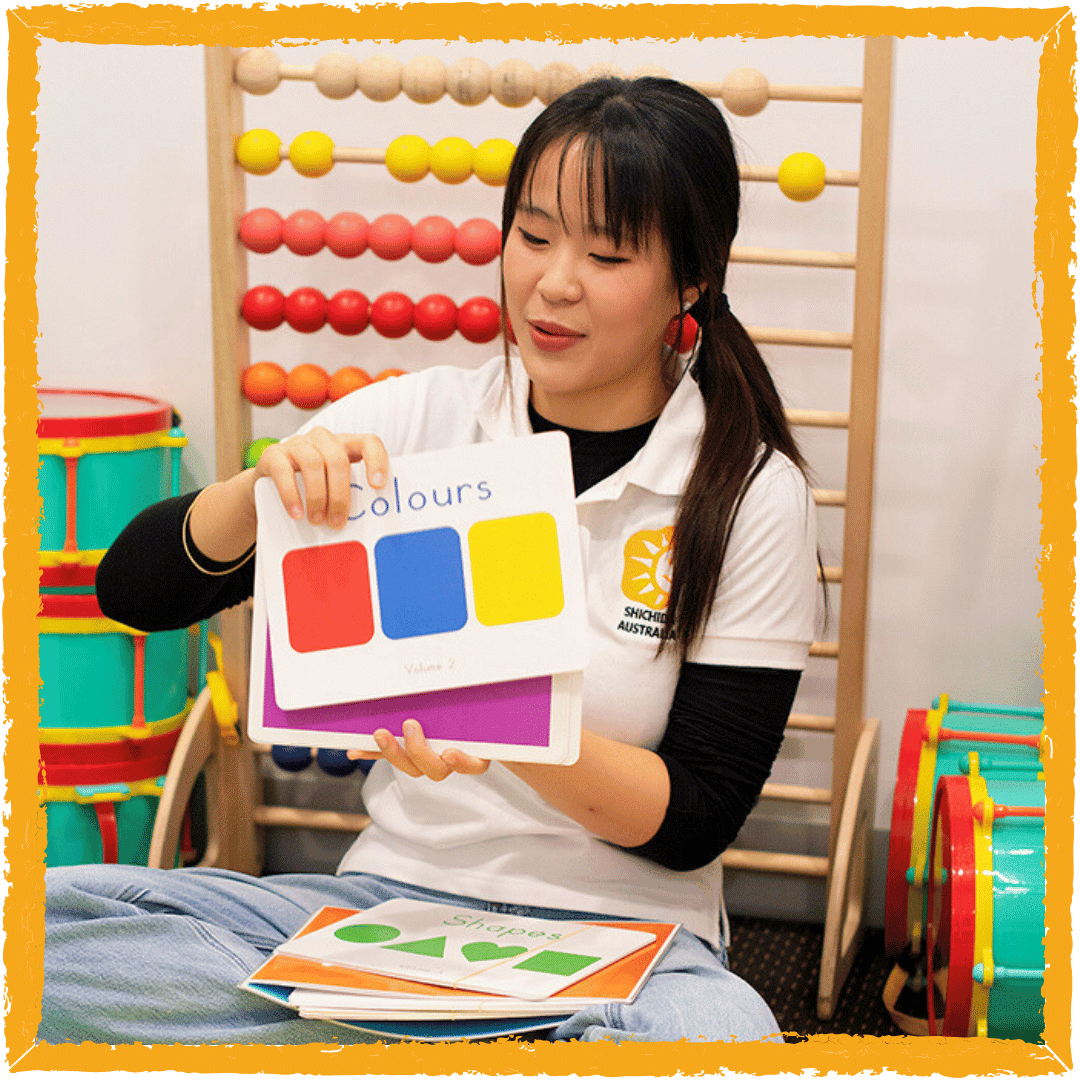
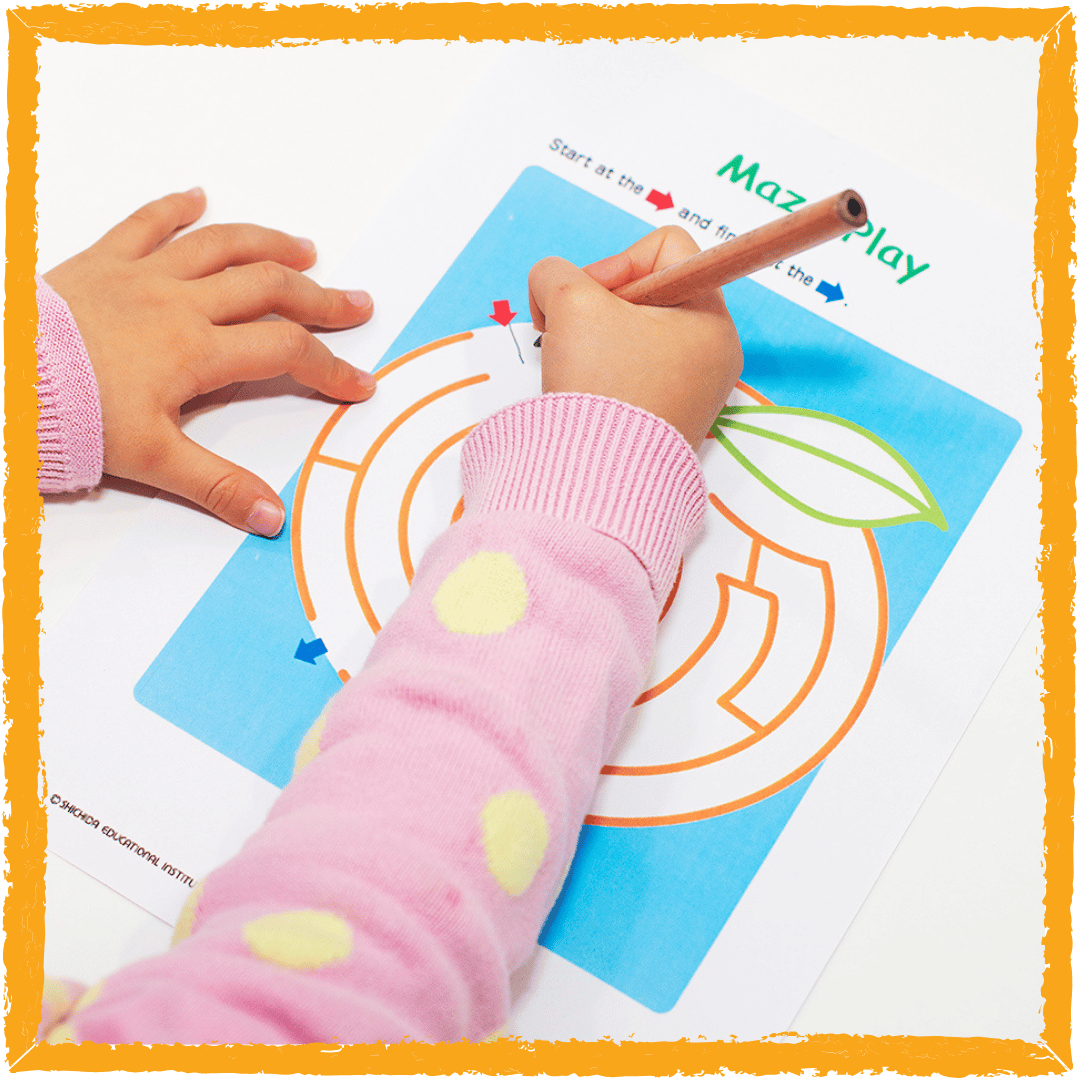
Photo from Shichida Australia: Learning the digits of Pi using song and flashcards strengthens visual, auditory, and working memory – turning complex information into something easy (and fun) to recall.
Shichida’s memory training includes:
- Right-brain visualisation: Activities that strengthen photographic and image memory
- Flashcard sessions: Rapid-fire recall that boosts processing speed
- Image linking stories: Using story chains to help children recall large amounts of information
- Whole-brain stimulation: Combining visual, auditory, and kinaesthetic learning for deeper memory formation
Shichida’s approach goes beyond surface-level learning. It builds core skills like focus, comprehension, and recall, all in a joyful, nurturing environment.
Real Results: The Impact of Memory Training
With regular practice, memory training can lead to real improvements in many areas of your child’s life:
- Stronger focus and attention
- Better academic performance
- Faster processing and problem-solving
- Greater emotional confidence and independence
You’ll likely notice fewer reminders, smoother mornings, and more enthusiasm for learning.
Conclusion
Memory isn’t just a skill for school – it’s a life skill. From brushing teeth in the right order to solving tricky maths problems, recalling times tables, doing complex mental maths, delivering a speech, or confidently debating – a strong memory underpins your child’s success.

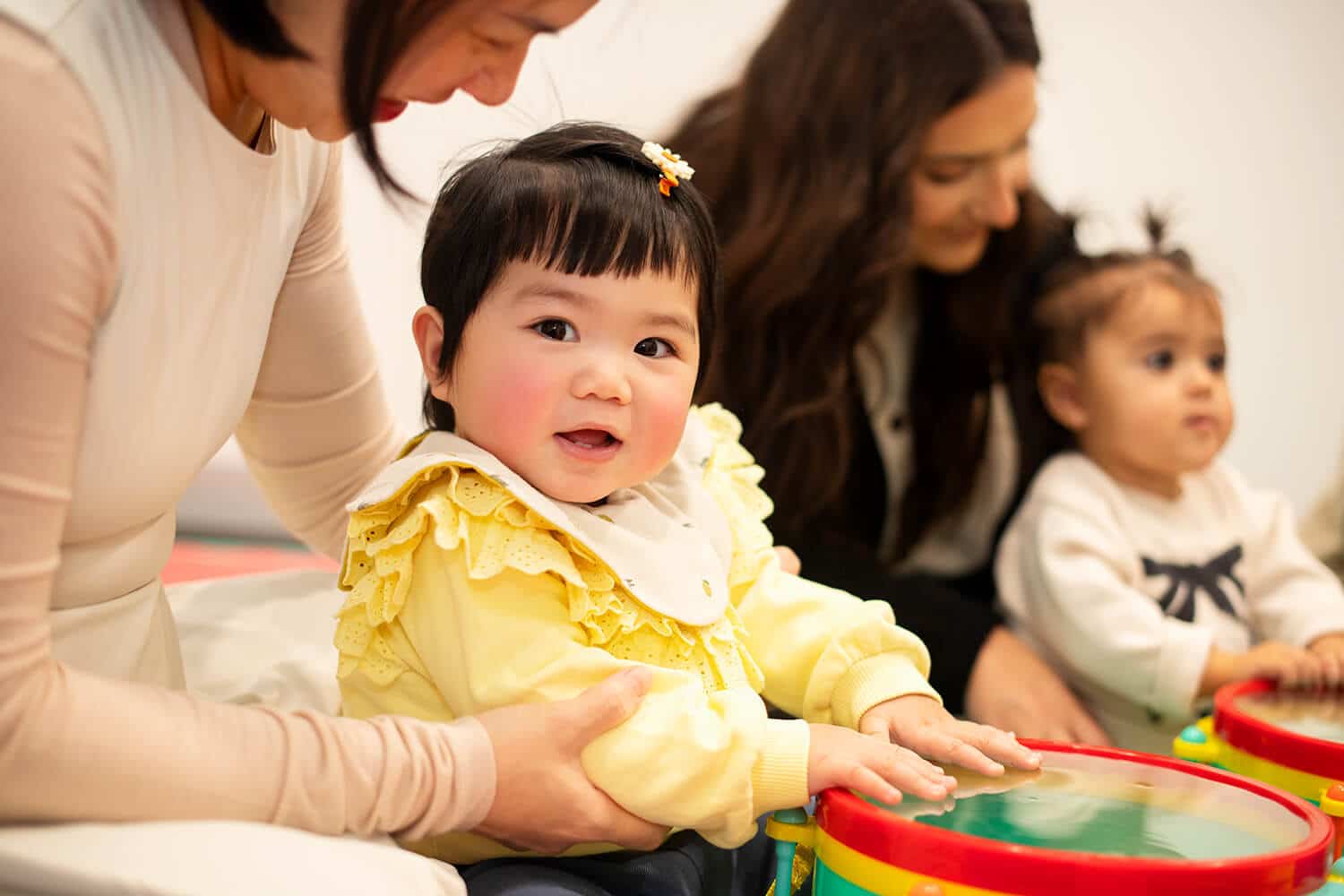
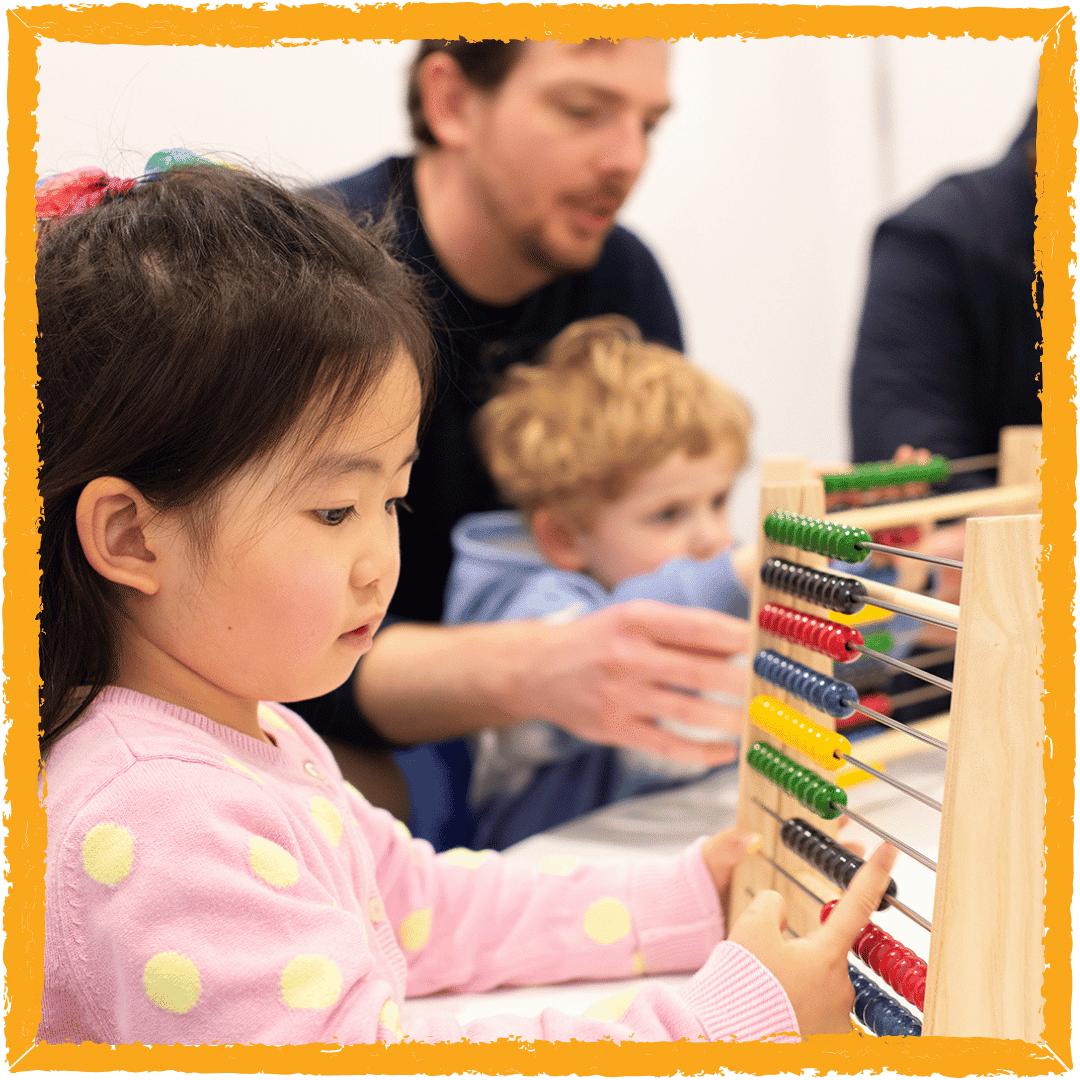
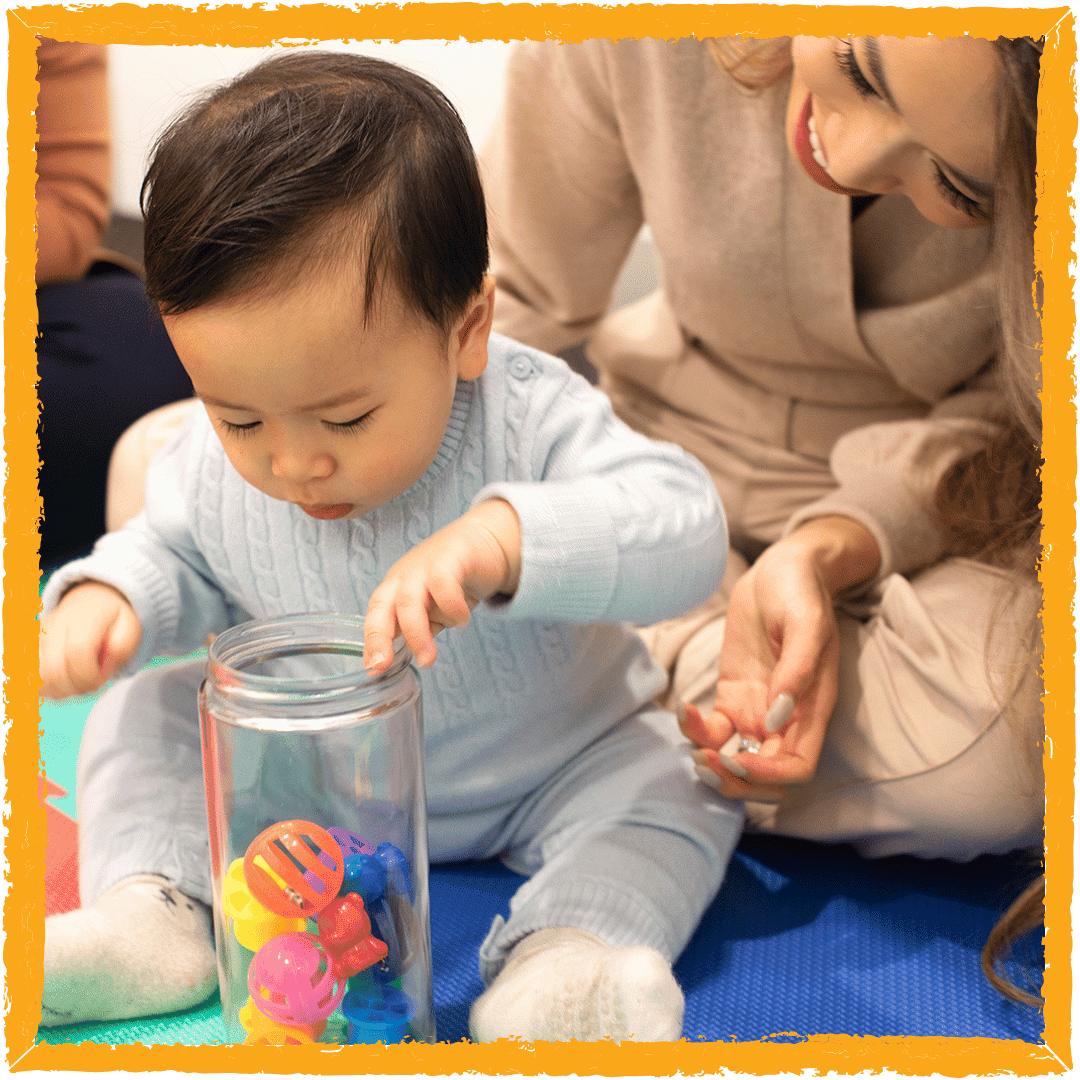
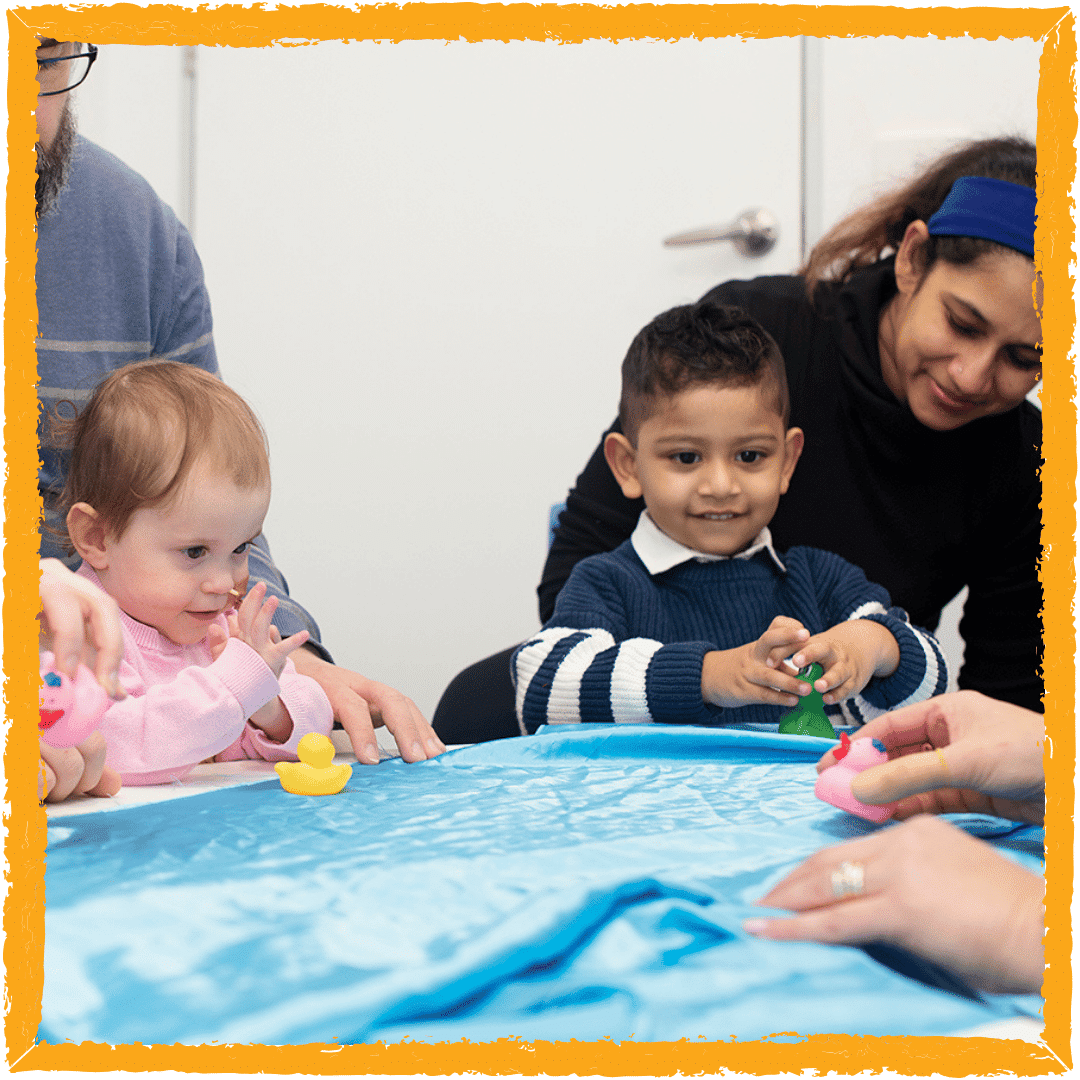
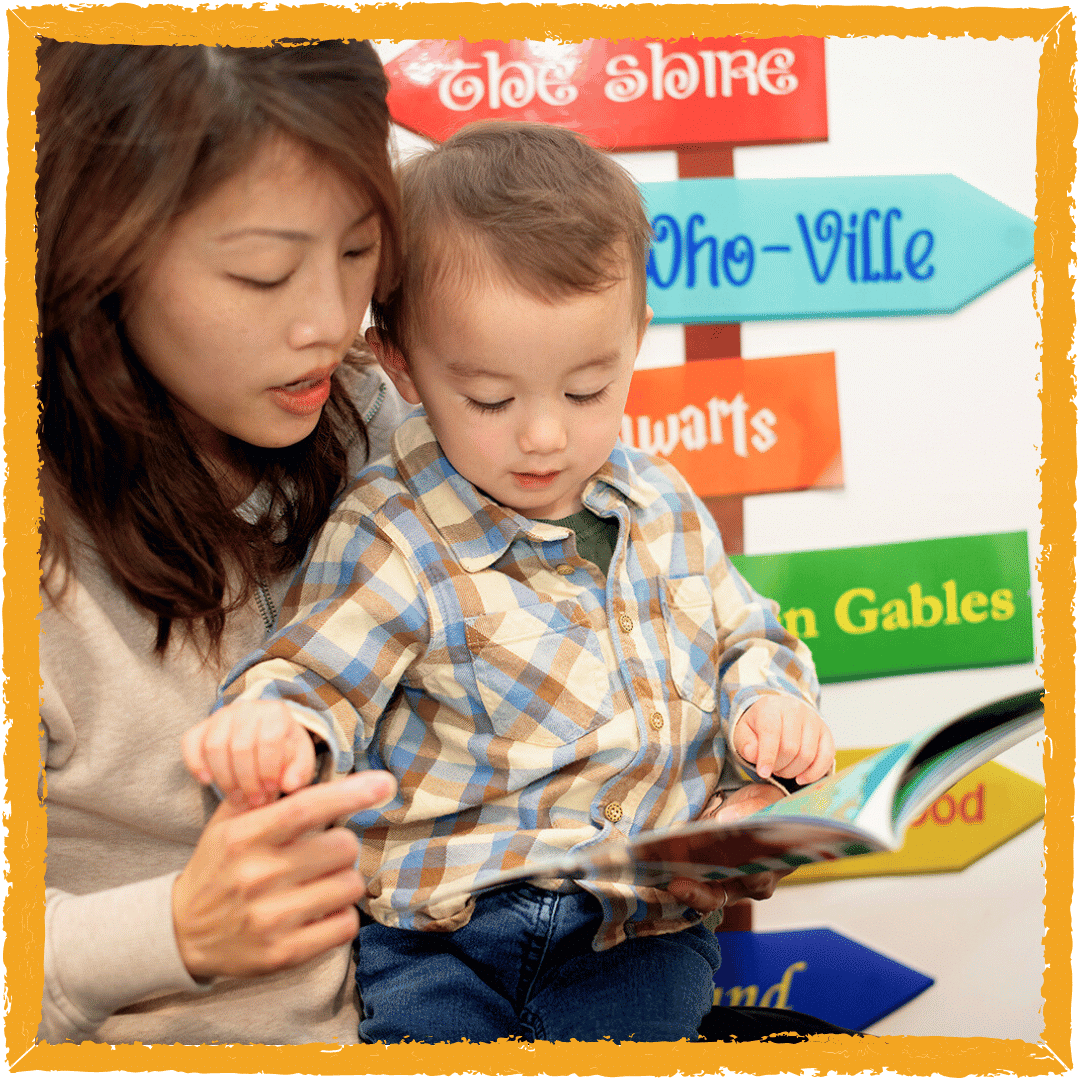
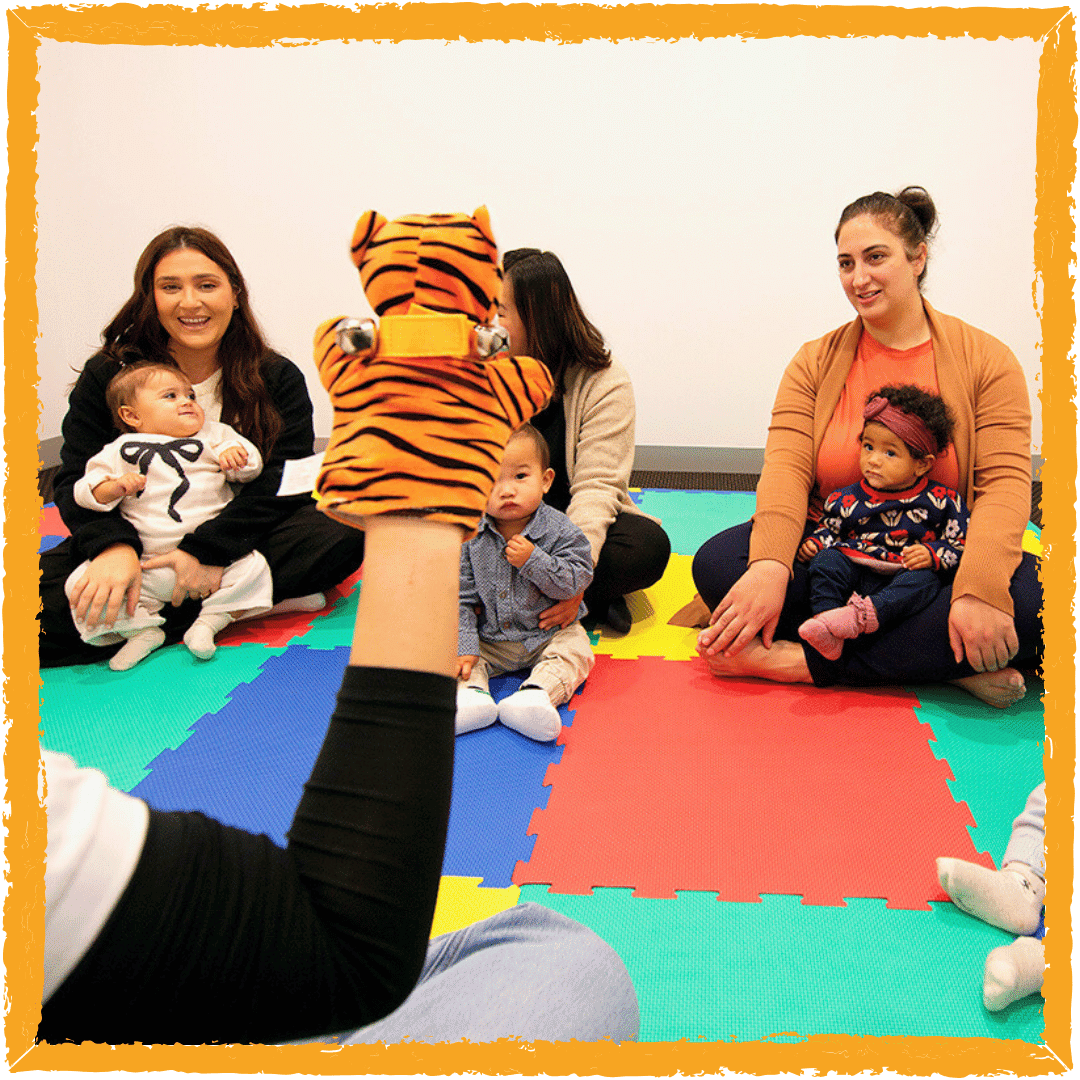
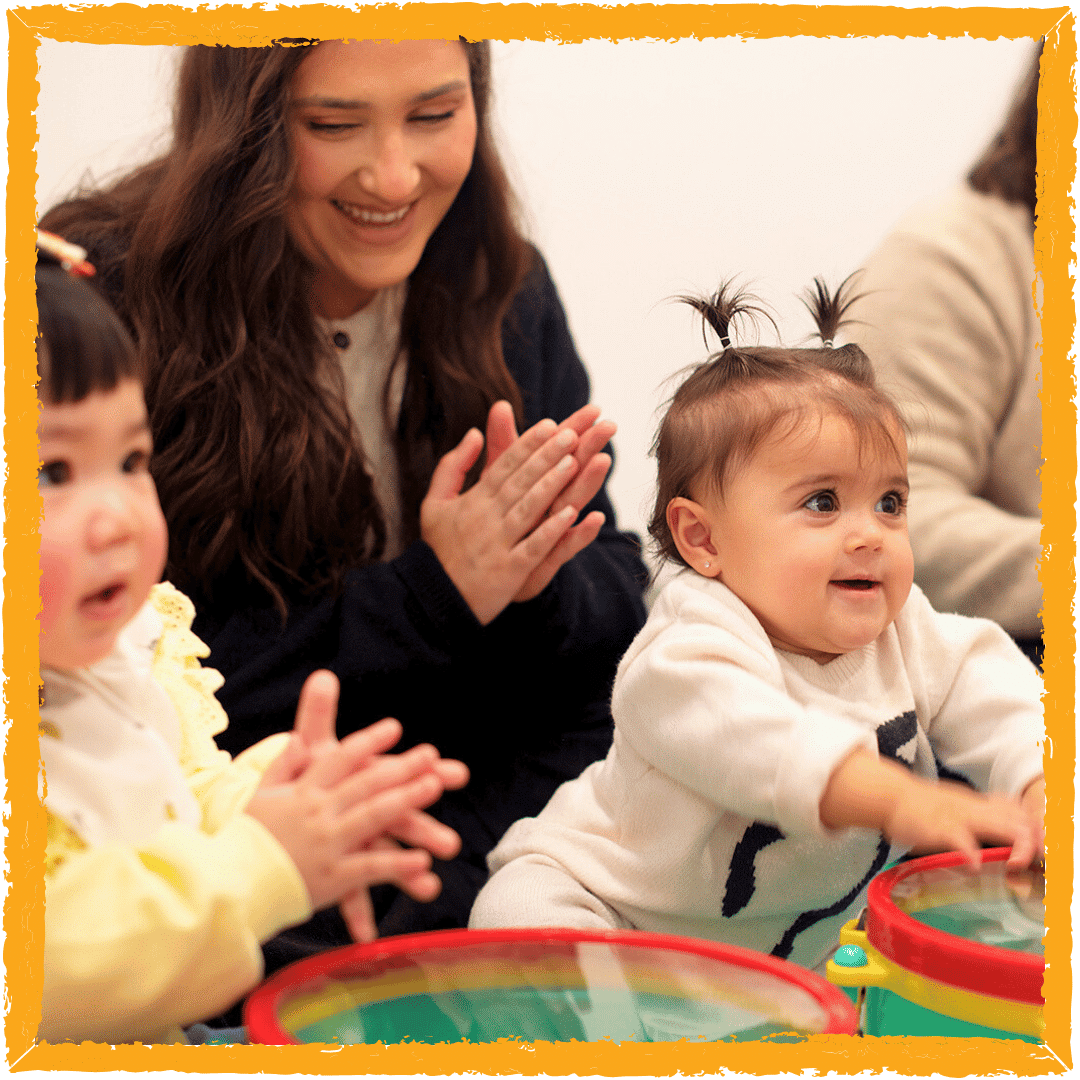
Photo from Shichida Australia: Parents and kids play a memory game together in a Shichida toddler class.
With the right support, memory training for kids can be fun, effective, and deeply rewarding. Whether you start with simple games at home or enrol in a structured program like Shichida, your child has the potential to grow, thrive, and enjoy learning like never before.
Discover how your child can improve focus, recall, and confidence. Book your trial class today!
FAQs: Memory Training for Kids
Improving memory is a gradual process, and results vary depending on your child’s age and how regularly you practise. With consistent daily activities – even just 10–15 minutes a day – many parents notice better focus and recall within a few weeks. Structured programs like Shichida often show measurable progress within a few months.
Yes, memory games are especially helpful for preschool-aged children. At this stage, their brains are developing rapidly, and fun, hands-on games using visuals, sounds, and storytelling can significantly strengthen memory skills. The key is to keep activities short, playful, and engaging.
You can start as early as infancy. From six months, babies can begin engaging in visual and auditory memory games through simple flashcards or listening exercises. For toddlers and preschoolers, games that involve matching, sequencing, and recall work particularly well. The earlier the brain is stimulated, the better the long-term impact.
Short-term memory temporarily holds information – like remembering a phone number just long enough to dial it. Working memory, however, allows your child to hold and use information at the same time, such as recalling steps while solving a puzzle. Working memory is crucial for learning, reading, maths, and attention.
Absolutely. Children with weak working memory often struggle with reading comprehension, following instructions, retaining new concepts, and even staying focused in class. This can lead to lower confidence and academic performance. Targeted memory training can help address these challenges and support your child’s overall development.
Some common signs include:
- Forgetting multi-step instructions
- Difficulty staying focused
- Trouble recalling recent lessons
- Frequent daydreaming
If your child seems capable but struggles to keep up with tasks, working memory may be the issue – and with the right support, it can absolutely be strengthened.
Shichida’s memory training is built into every class through a series of fun, fast-paced activities that stimulate both sides of the brain. Children learn to recall images, numbers, stories, and patterns using flashcards, songs, linking techniques, and visualisation – all designed to feel like play. The program strengthens working memory, attention span, and recall from as early as six months old. With consistent weekly classes and home support, many families see noticeable improvements in memory, focus, and confidence.