In the second year of life, pre-toddlers learn most effectively when they feel emotionally safe, engaged, and curious. When their hearts are engaged, their minds naturally follow. This stage of pre-toddler developmental milestones is marked by growing independence, expanding language, and emerging memory.
How Toddlers Grow in the Second Year
Development between 12–24 months is not just about walking and talking.
The second year is centred on:
- Growing independence and confidence.
- Understanding language before speaking clearly.
- Memory develops through repetition and routine.
- Learning through imitation and observation.
- Curiosity, imagination, and early problem-solving.
- Emotional connection guiding behaviour and learning.
Parent Foundations and Development Support Checklist
These everyday experiences help nurture your toddler’s healthy brain, emotional, and learning development:
- I create moments of warm connection before guiding or teaching.
- I engage my child emotionally before asking them to focus.
- I keep activities short, playful, and age-appropriate.
- I follow my child’s interest rather than forcing attention.
- I understand that my child’s natural concentration is brief, often their age plus one minute.
- I repeat activities across days instead of expecting immediate results.
- I turn daily routines into learning moments.
- I focus on joy and curiosity rather than performance or outcomes.
- I allow learning to happen through play, movement, and interaction.
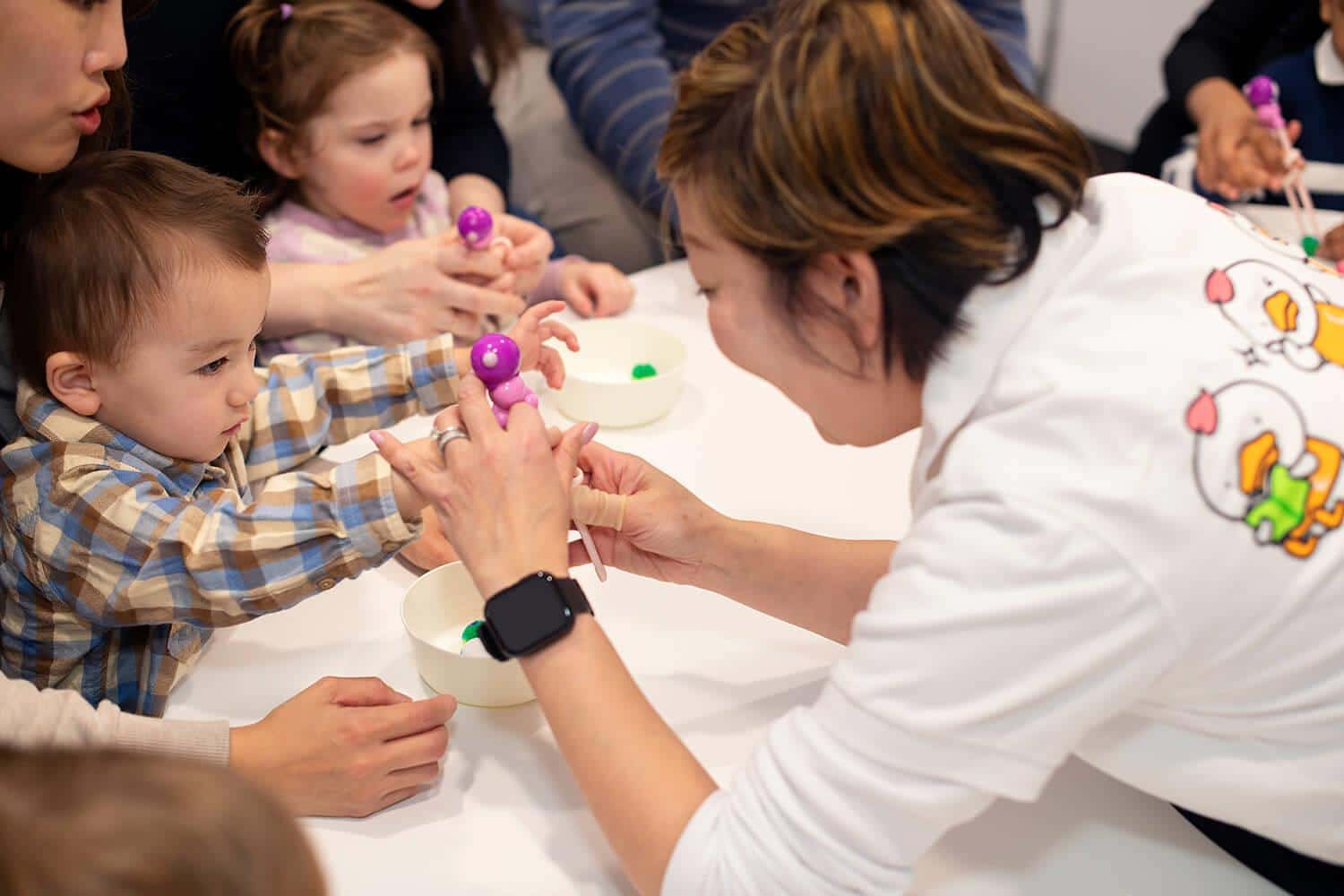
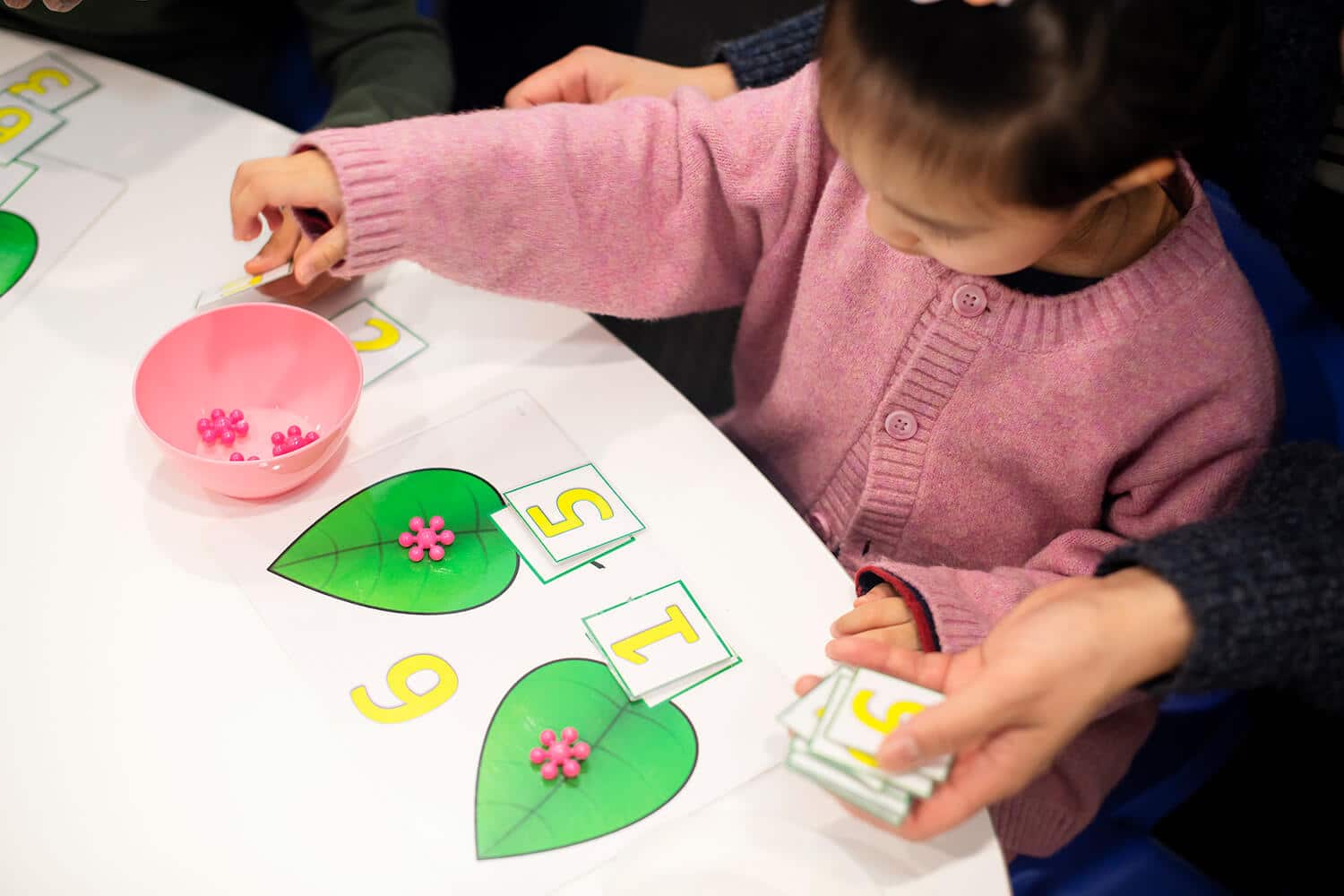
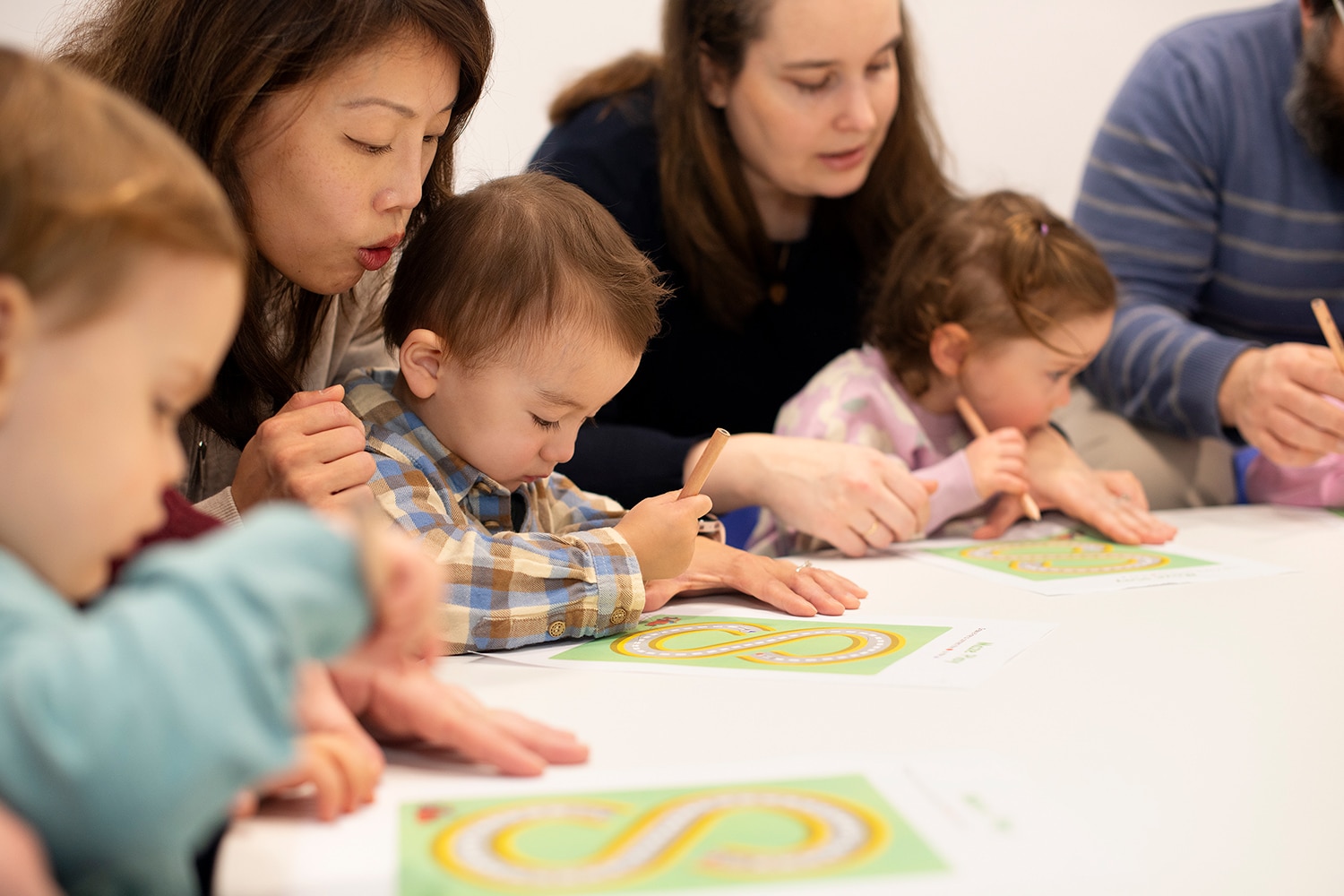
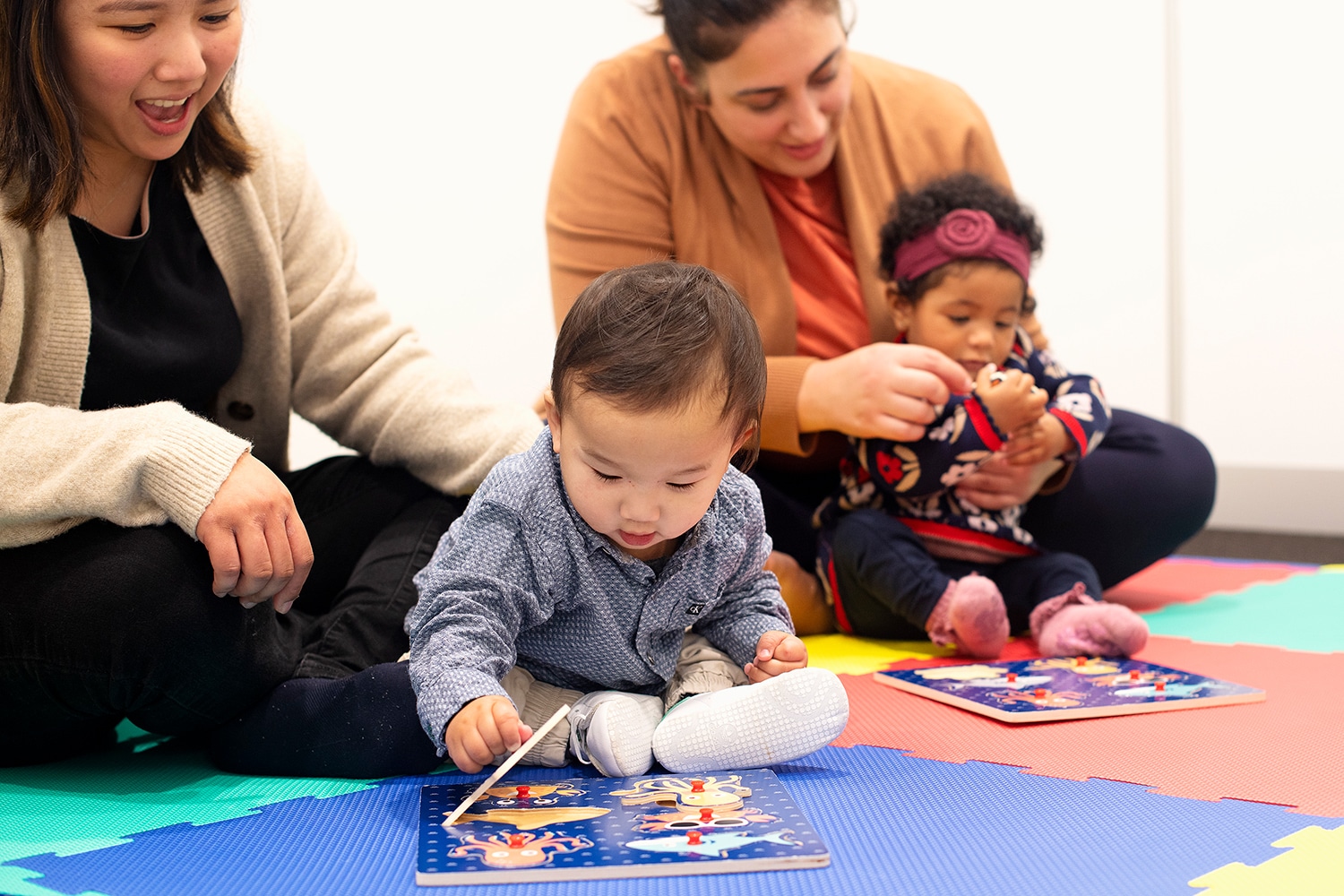
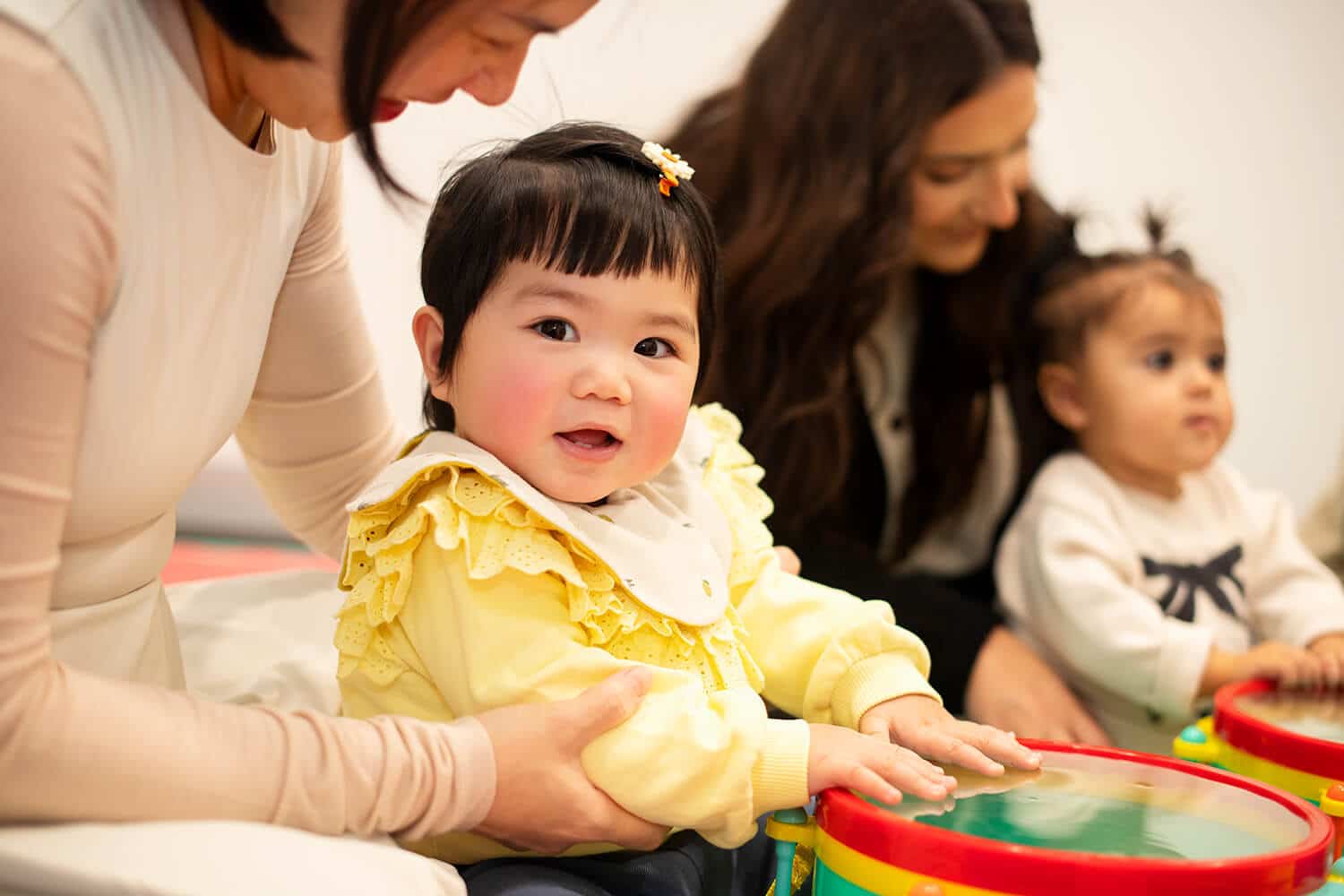
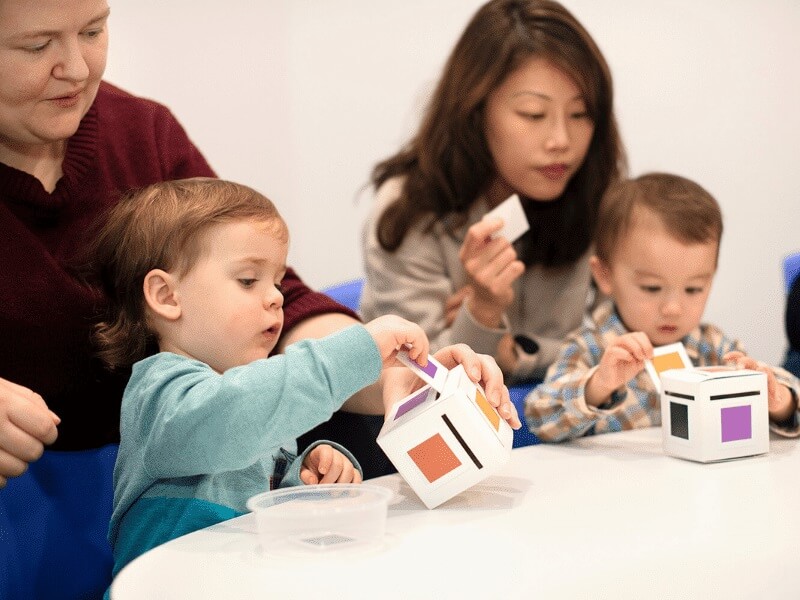
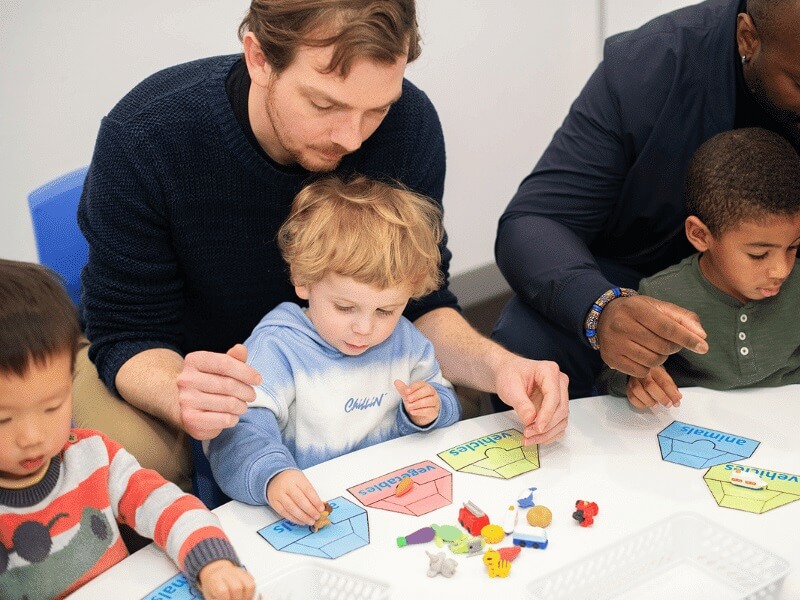
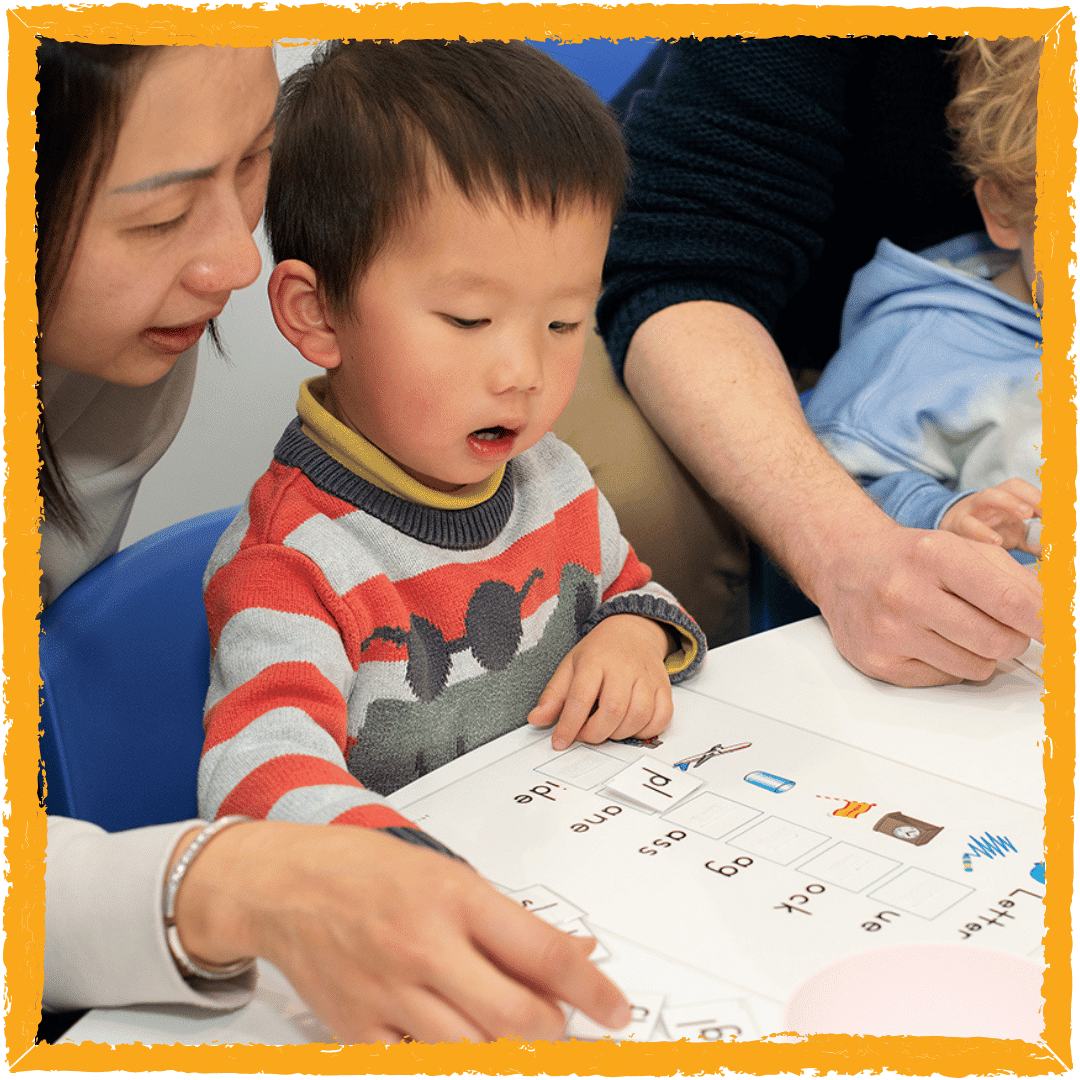
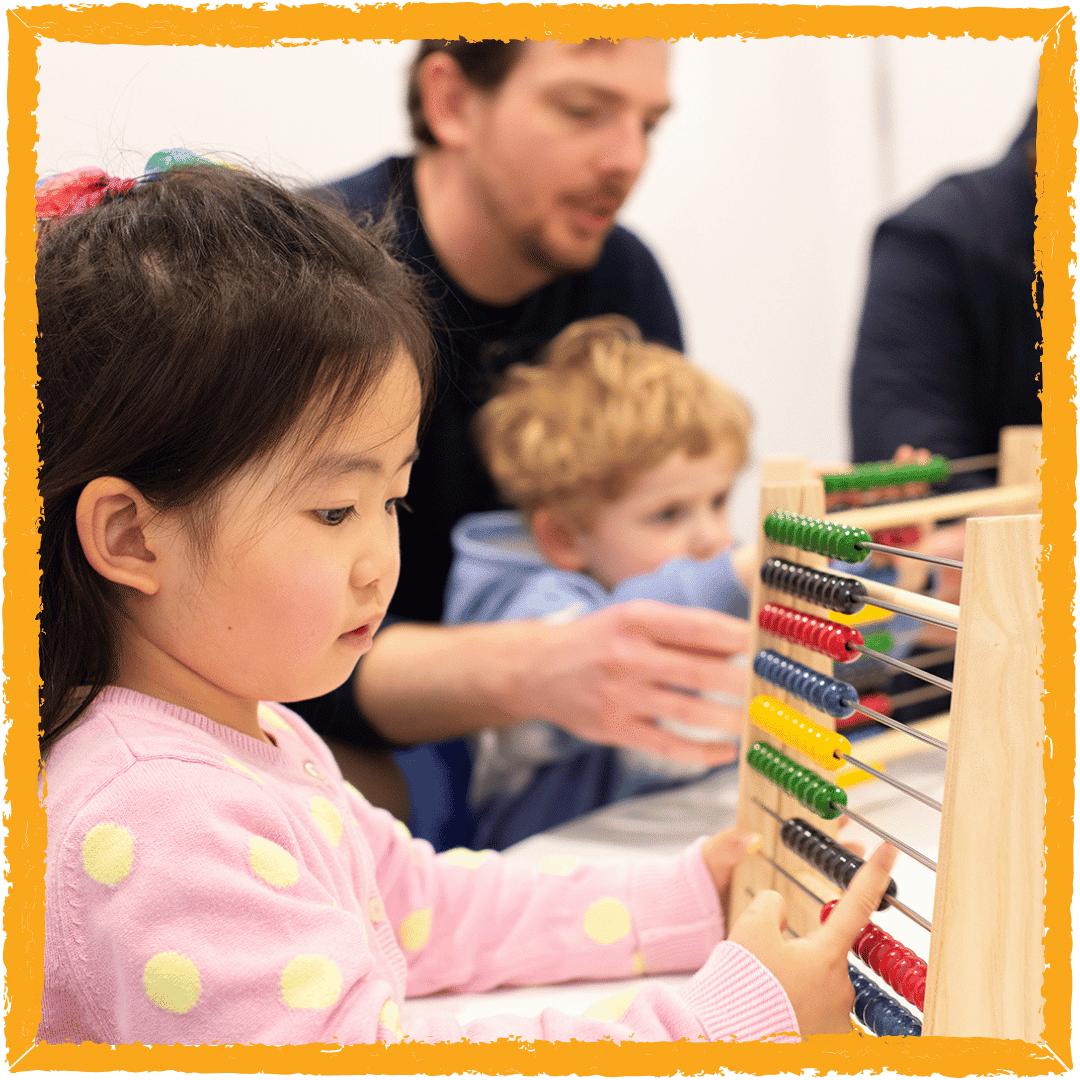
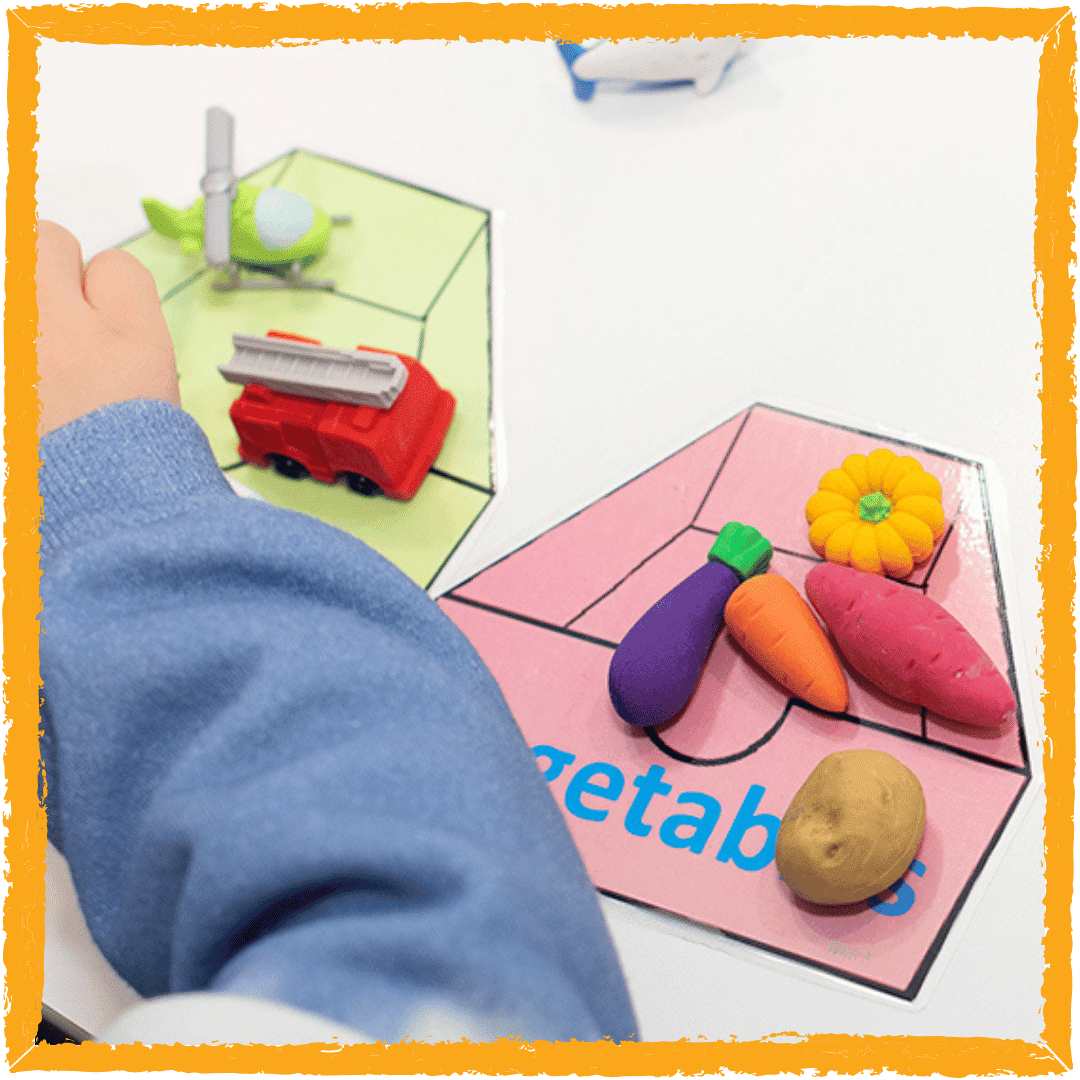
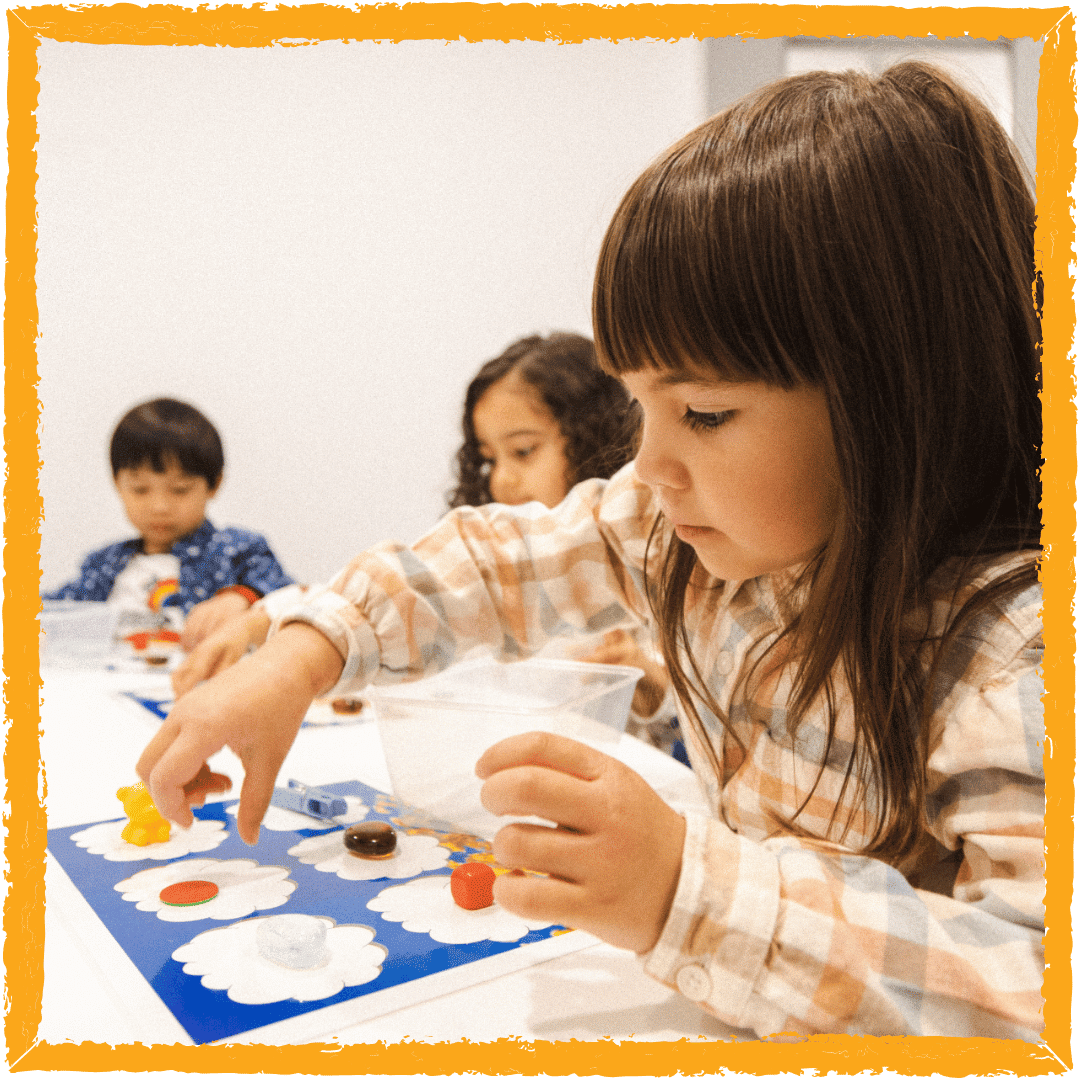
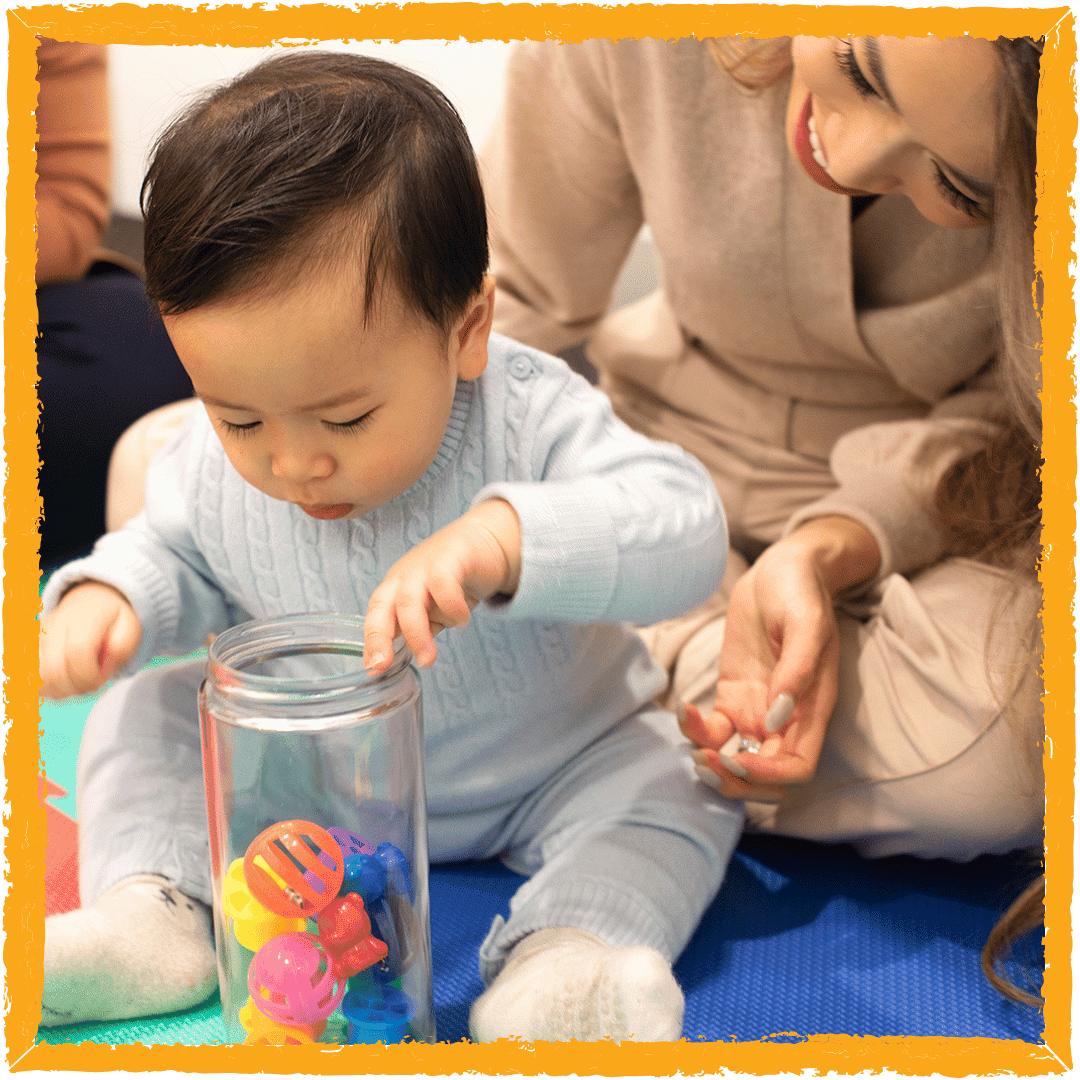
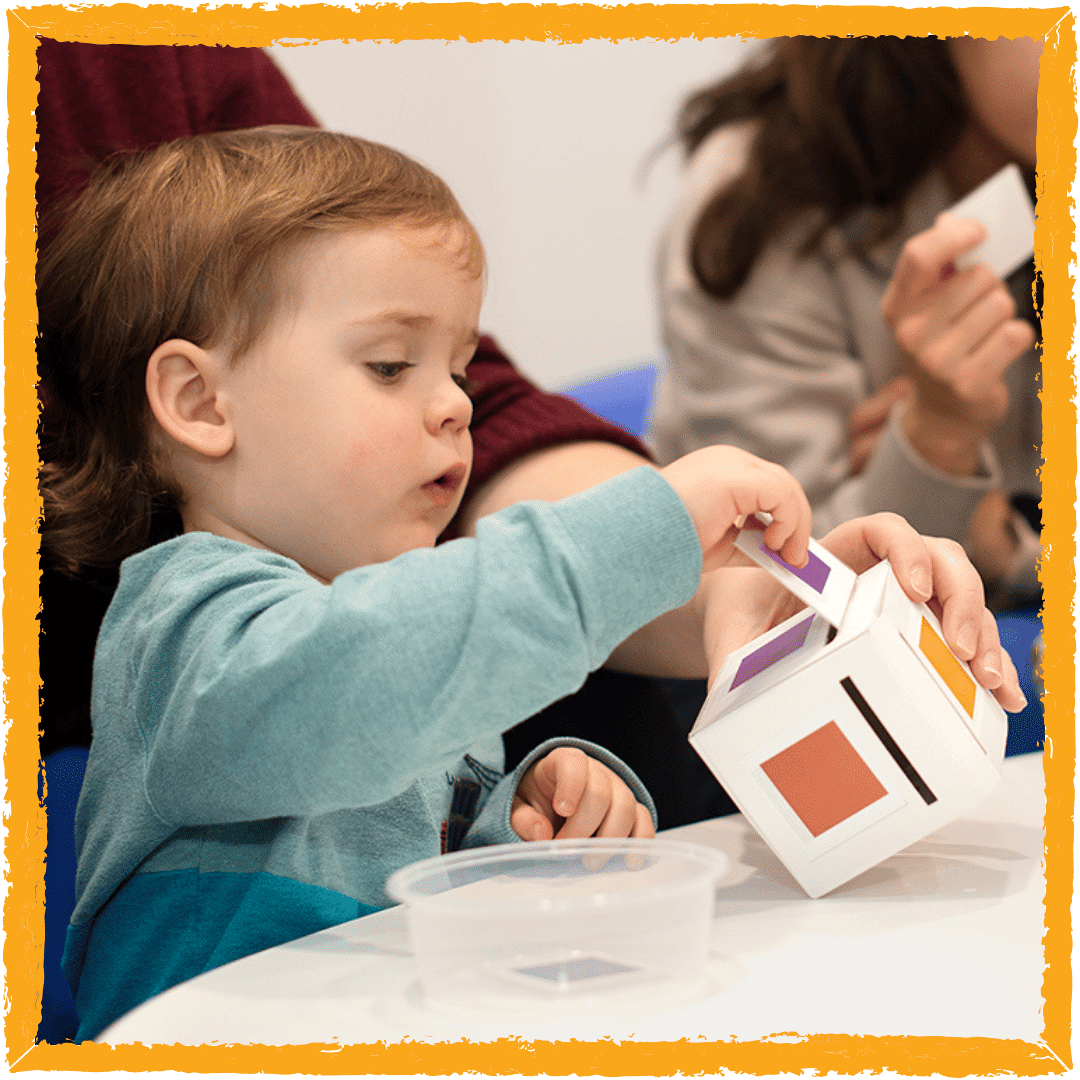
Practising skills through play! In our Shichida Toddler Class, little hands learn to grasp and release small objects using chopsticks – strengthening fine motor control, hand-eye coordination, and early concentration skills.
12-15 Months: Confidence in Movement & Connection
In the second year, toddlers learn most effectively when they feel emotionally safe and curious. Walking becomes steadier and your child will show a strong interest in people and shared attention.
Developmental Focus:
- Walking is becoming steadier and more intentional.
- Strong interest in people and shared attention.
- Pointing to express needs and curiosity.
- Understanding simple words and routines.
- Repeating favourite actions, gestures or sounds.
Parents’ Checklist:
- My child walks with growing confidence.
- My child points to show interest or need.
- I talk gently about what we are doing together.
- I offer safe objects with different textures.
- We repeat favourite songs, games and routines.
15-18 Months: Understanding Before Speaking
Toddlers at this stage understand far more words than they can actually speak. You will see them imitating your actions during play and using their hands purposefully to stack or push objects.
Developmental Focus:
- Understanding far more words than can be spoken.
- Following very simple instructions.
- Showing preferences for familiar people and objects.
- Imitating actions during play.
- Using hands purposefully, such as stacking, placing, or pushing.
Parents’ Checklist:
- My child follows simple directions.
- I model actions for my child to copy.
- My child shows interest in books.
- I give time to try things independently.
- I name objects slowly and clearly.
18-21 Months: Memory, Language & Imagination Emerging
This stage is characterised by the emergence of pretend play and an improved memory for where objects are stored. Your toddler will begin to use more words with meaning as their vocabulary expands.
Developmental Focus:
- Using more words with meaning.
- Remembering where favourite objects are kept.
- Recognising familiar routines.
- Beginning pretend play, like feeding dolls or driving cars.
- Sorting or grouping objects in simple ways.
Parents’ Checklist:
- My child uses some meaningful words.
- I encourage pretend play.
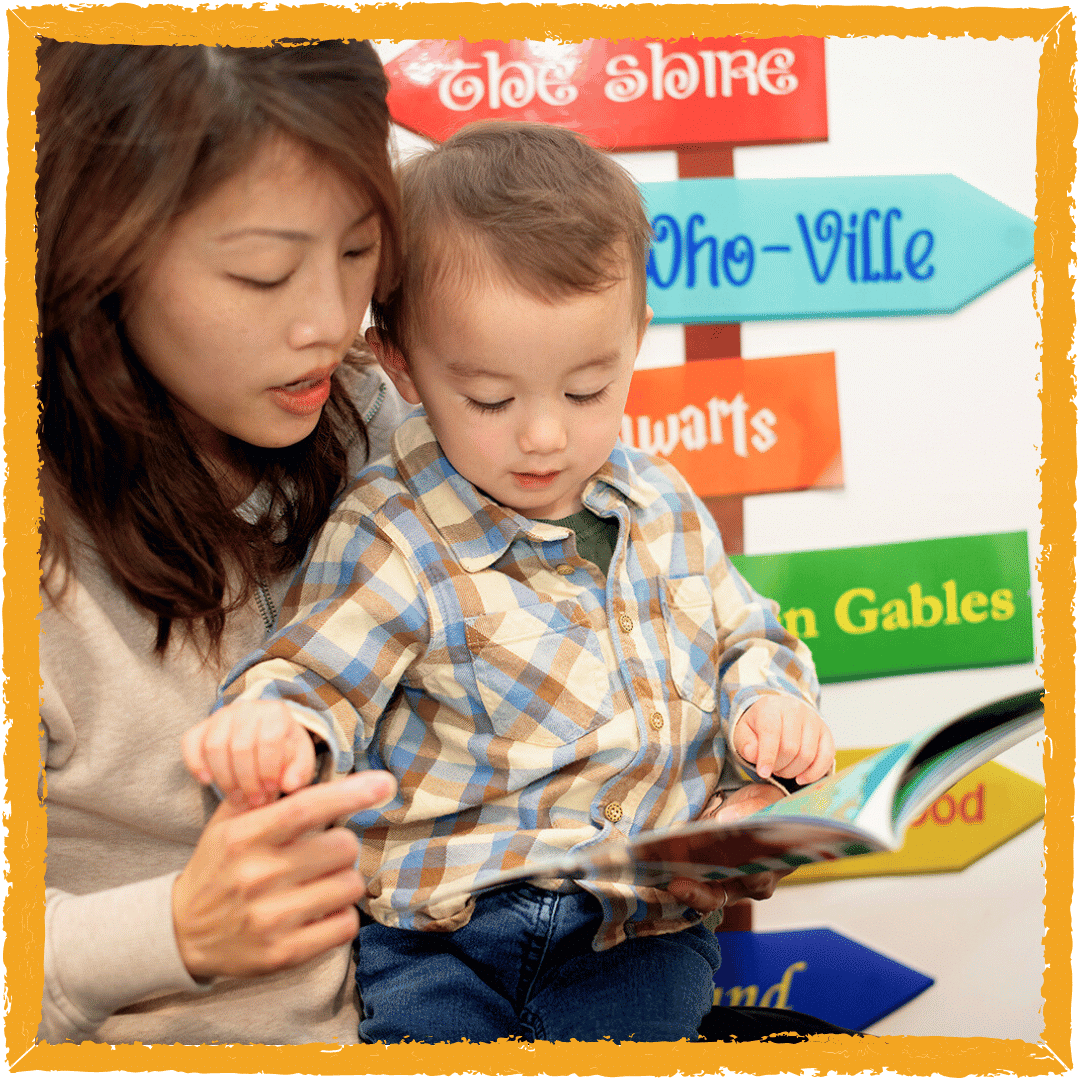
- We look at picture books daily.
- My child recognises familiar routines.
- I praise effort rather than correctness.
21-24 Months: Thinking, Story & Social Awareness
As they approach two years, toddlers start combining words into short phrases. They develop a longer attention span during shared reading and show more curiosity about playing near other children.
Developmental Focus:
- Combining words into short phrases.
- Longer attention during shared reading.
- Curiosity about other children.
- Better movement control.
- Early problem-solving through play.
Parents’ Checklist:
- My child tries to use short phrases.
- I read interactively every day.
- My child enjoys playing near other children.
- I allow trial and error.
- We celebrate effort, not speed.
Toddler Classes That Support Early Brain Development
Early learning does not need to be academic or pressured. It can be joyful, play-based, and deeply connected. The Shichida program focuses on nurturing:
- Memory and attention.
- Imagination and curiosity.
- Emotional security.
- Parent-child connection.
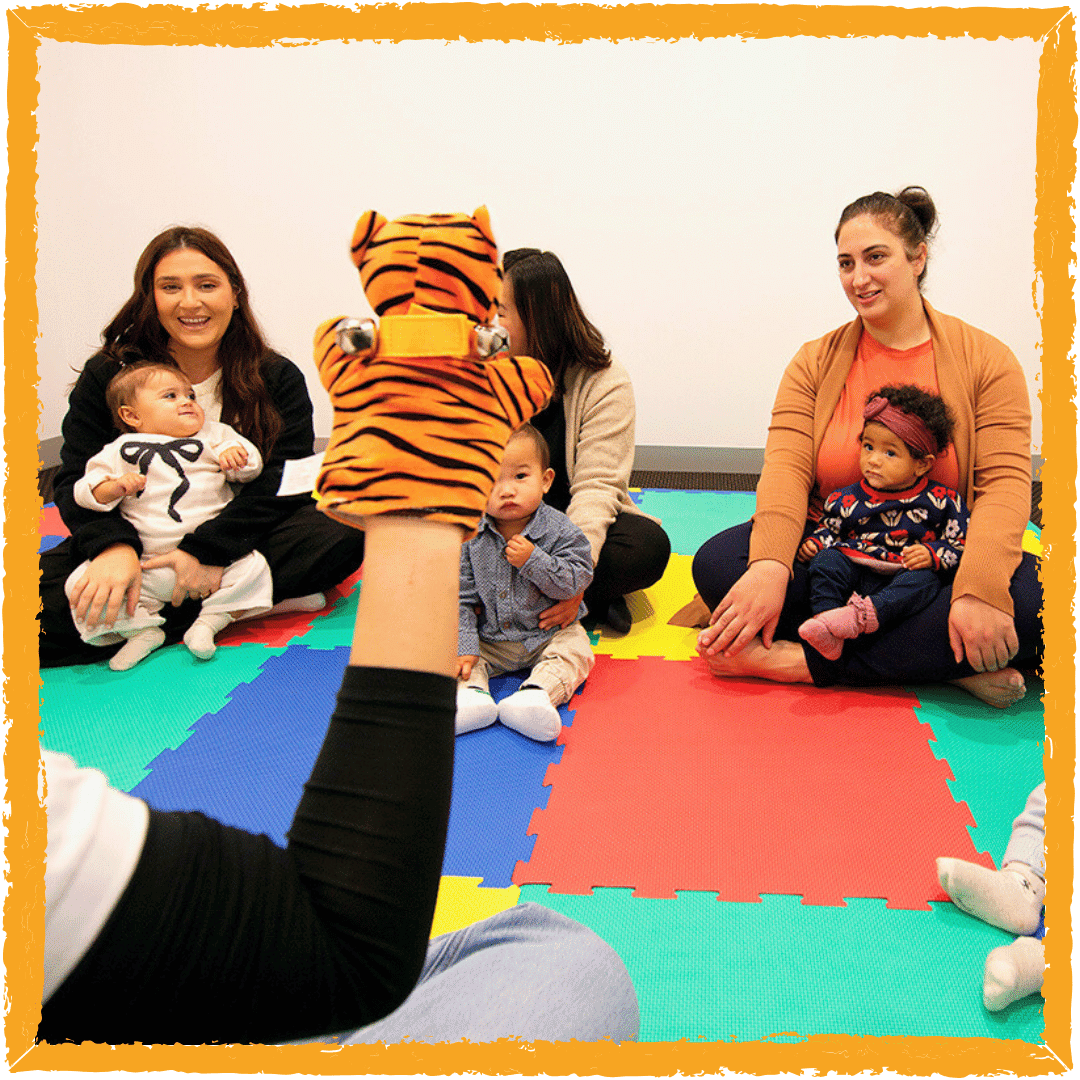
Our classes are designed around these principles, supporting toddlers through guided, joyful experiences that build strong foundations for learning.
FAQ's: Pre-Toddler Developmental Milestones
Children in the second year develop at different speeds. Some focus more on movement first, while others progress quickly in language. Look for steady growth in curiosity, communication, interaction, and independence over time. If you ever feel unsure, speak with a child-health professional for reassurance.
Many toddlers begin using single words around 12-18 months and start combining short phrases closer to 24 months. Understanding usually develops before clear speech. If your child is not attempting words by 18 months, consider seeking guidance.
Talk frequently, read daily, sing repetitive songs, and involve your child in simple routines. Naming objects, repeating familiar activities, and encouraging pretend play all help strengthen memory, language, and early problem-solving skills.
Attention spans at this age are naturally short. A helpful guide is roughly their age in minutes plus one. Short, engaging activities repeated often are more effective than long sessions.
Yes. Short attention spans are completely age-appropriate at this stage. Toddlers learn best in brief, engaging bursts of activity, especially when movement and interaction are involved. Repetition over time is more effective than expecting long periods of concentration.
Toddlers in their second year naturally seek independence while still needing emotional security. Allow safe opportunities to try, explore, and problem-solve – even if it takes longer. Stepping back slightly while staying emotionally present helps build confidence and resilience.
Resources to Support Pre-Toddler Developmental Milestones
Supporting your pre-toddler’s developmental milestones happens in everyday moments. Short, playful interactions at home build independence, strengthen language and memory, and deepen your connection.

Emotions Flashcards
Emotion flashcards help pre-toddlers recognise facial expressions and begin attaching words to feelings. Used in short, playful moments, they support pre-toddler developmental milestones by strengthening language development, emotional awareness, and meaningful parent-child connection.
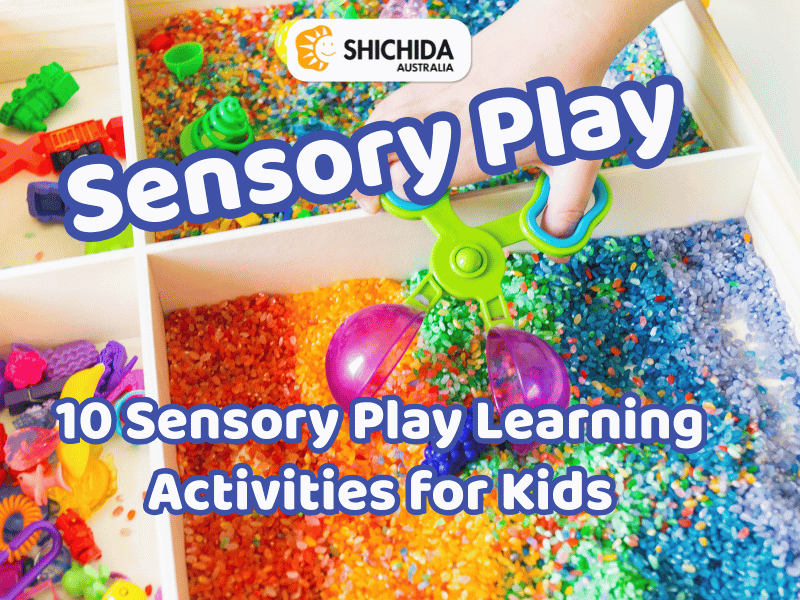
Sensory Play Guide
Through touch, movement, sound, and hands-on exploration, sensory play plays an important role in supporting pre-toddler developmental milestones. Our sensory play guide offers safe, age-appropriate activities that build coordination, language, and curiosity during this critical stage.
Shichida Toddler Classes
Shichida Toddler Classes offer guided, milestone-focused experiences that support your child’s expanding language, movement, and curiosity. Structured around toddler developmental milestones, our classes nurture confidence, connection, and joyful learning.