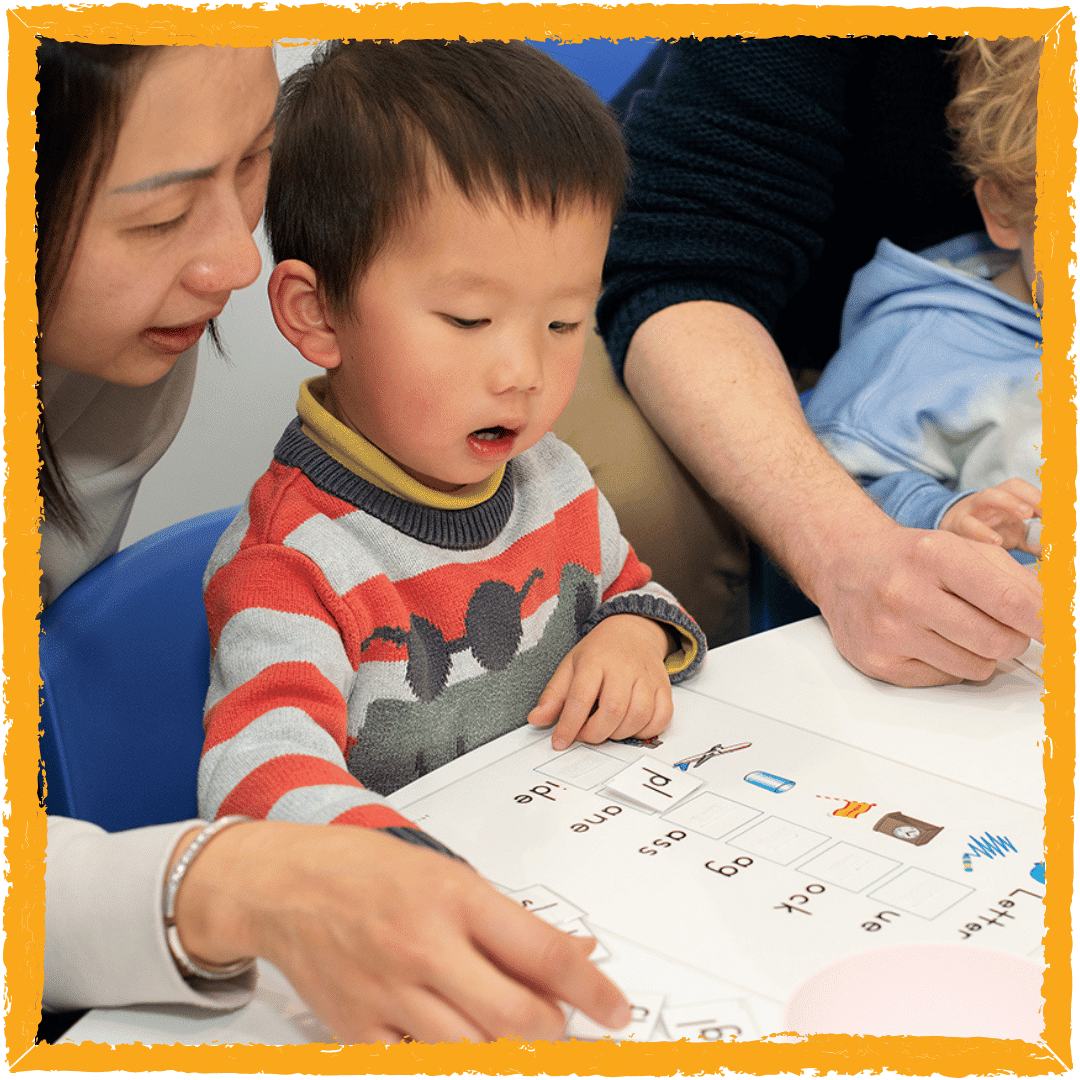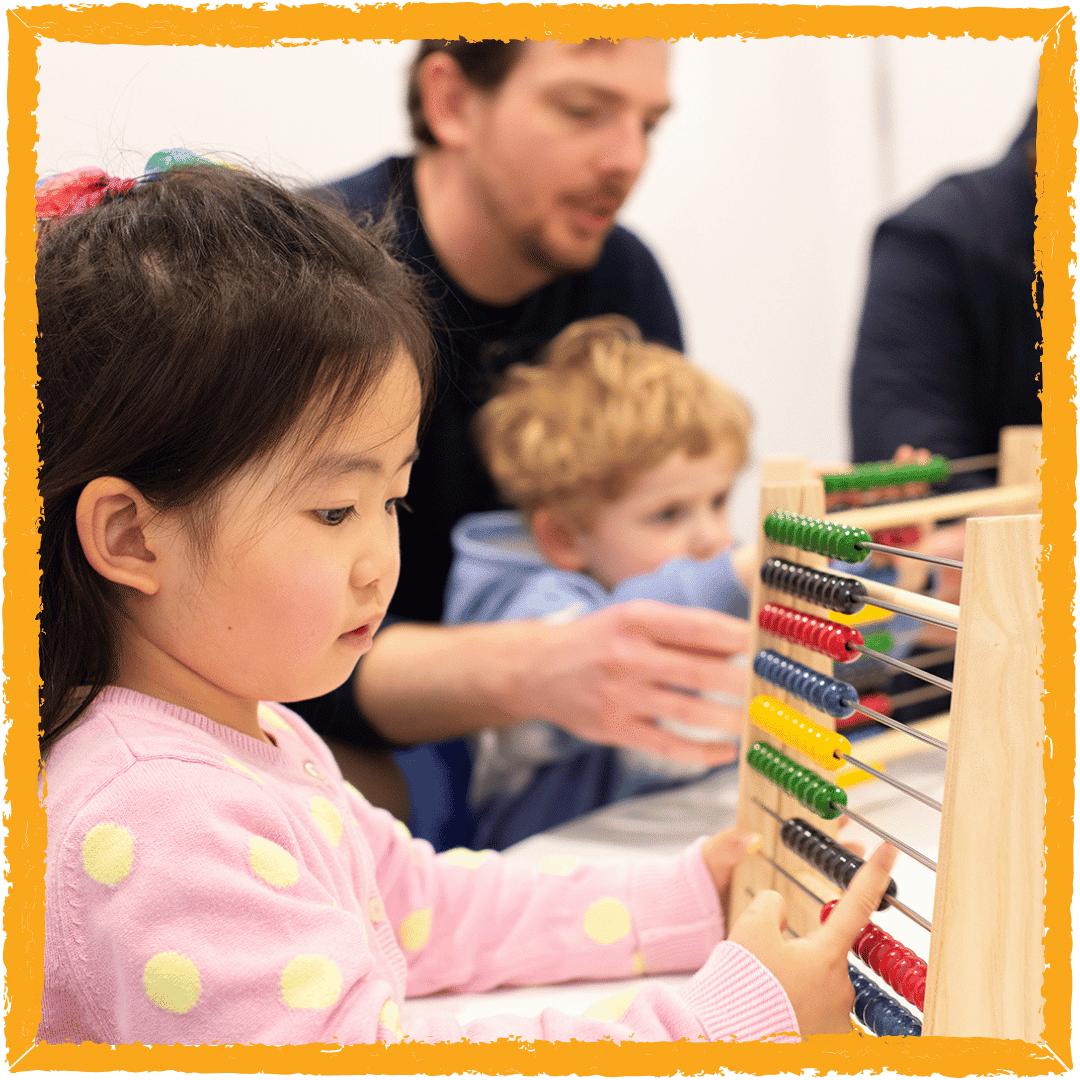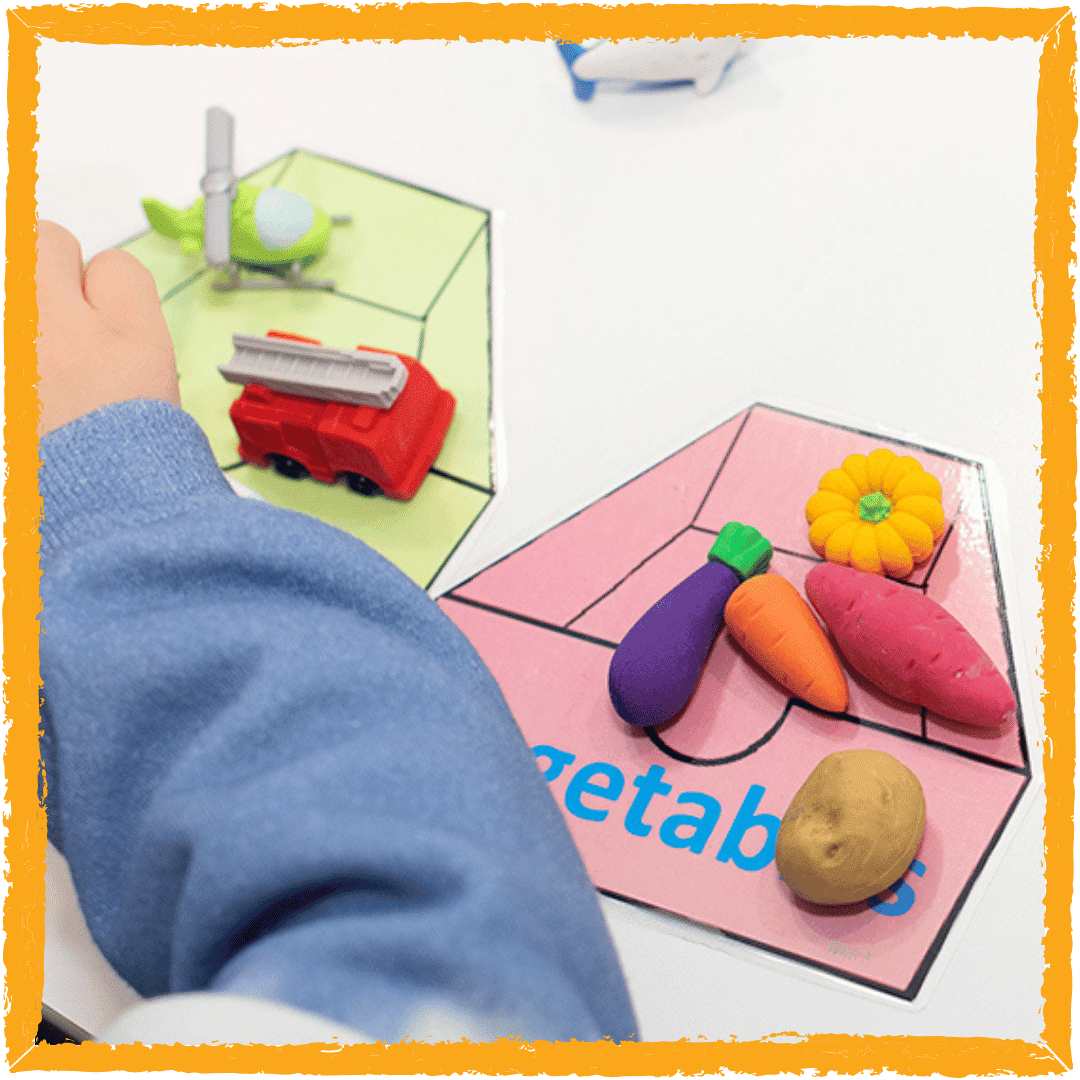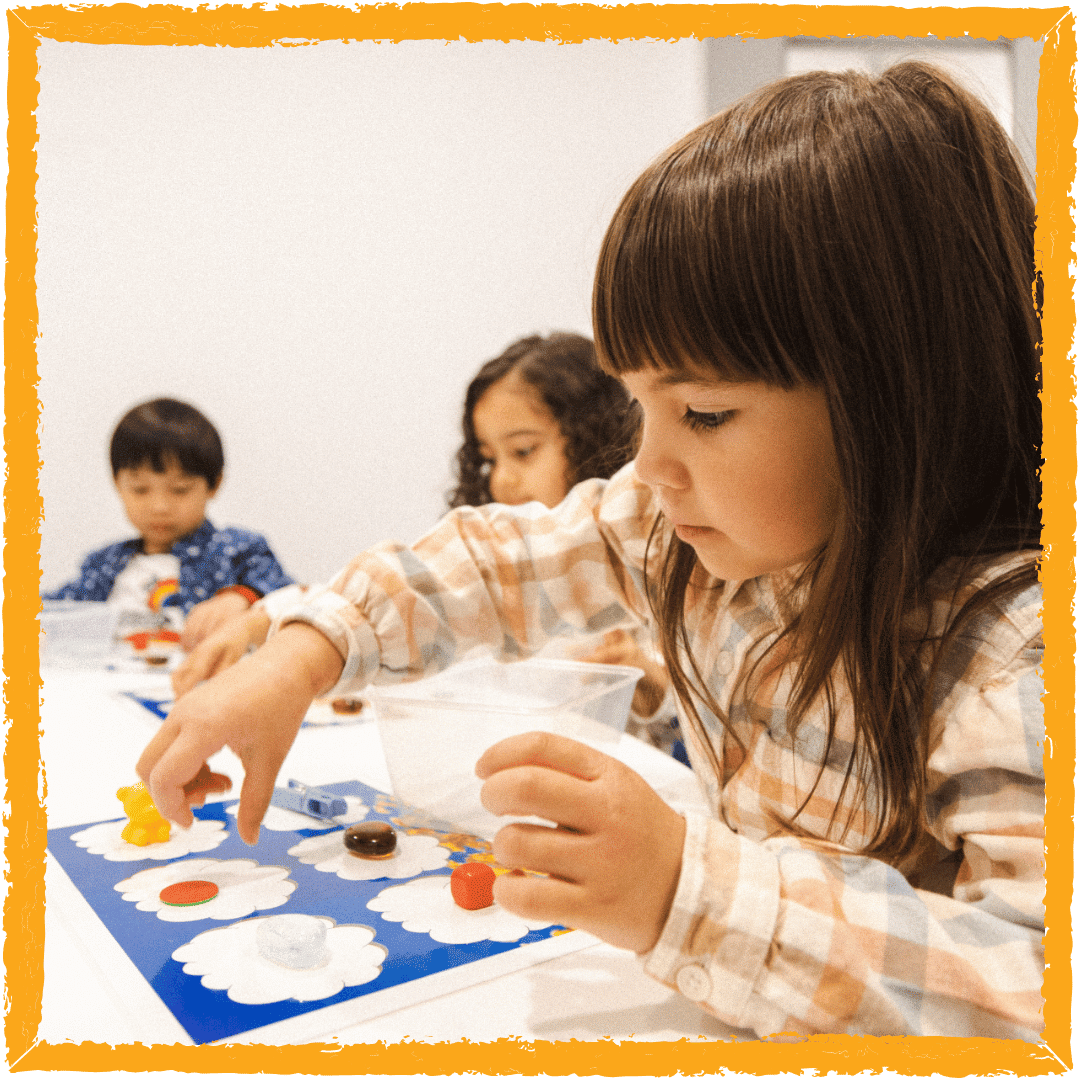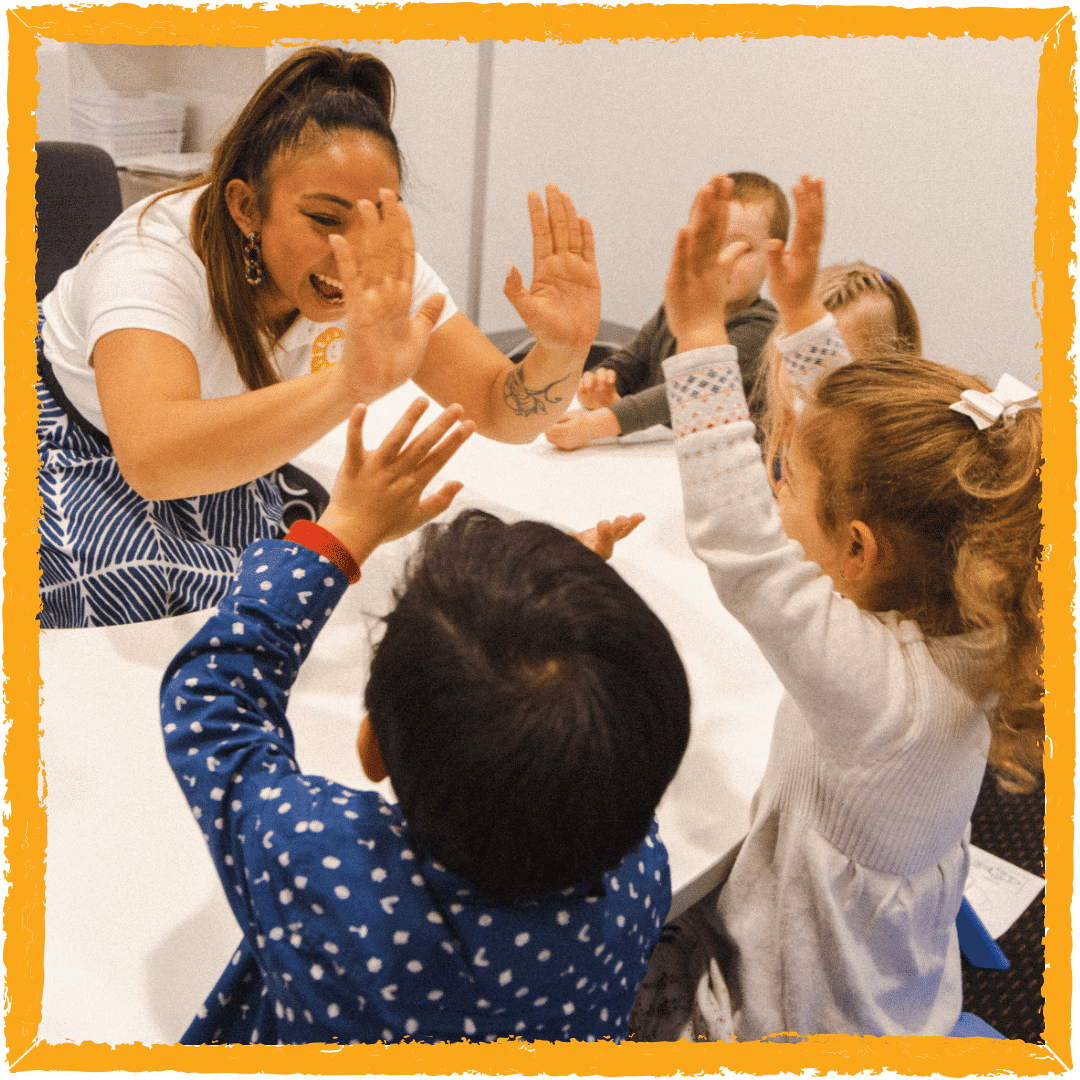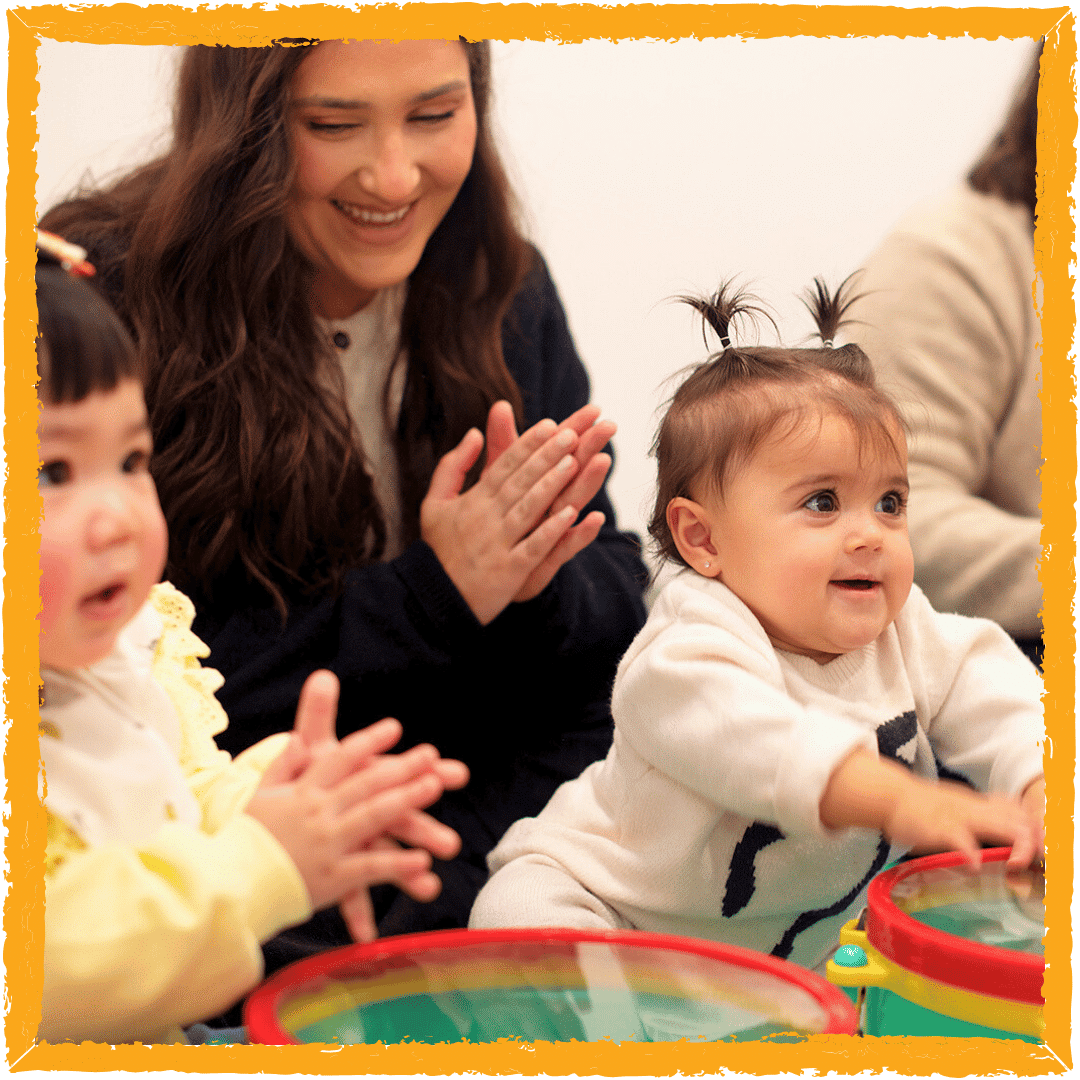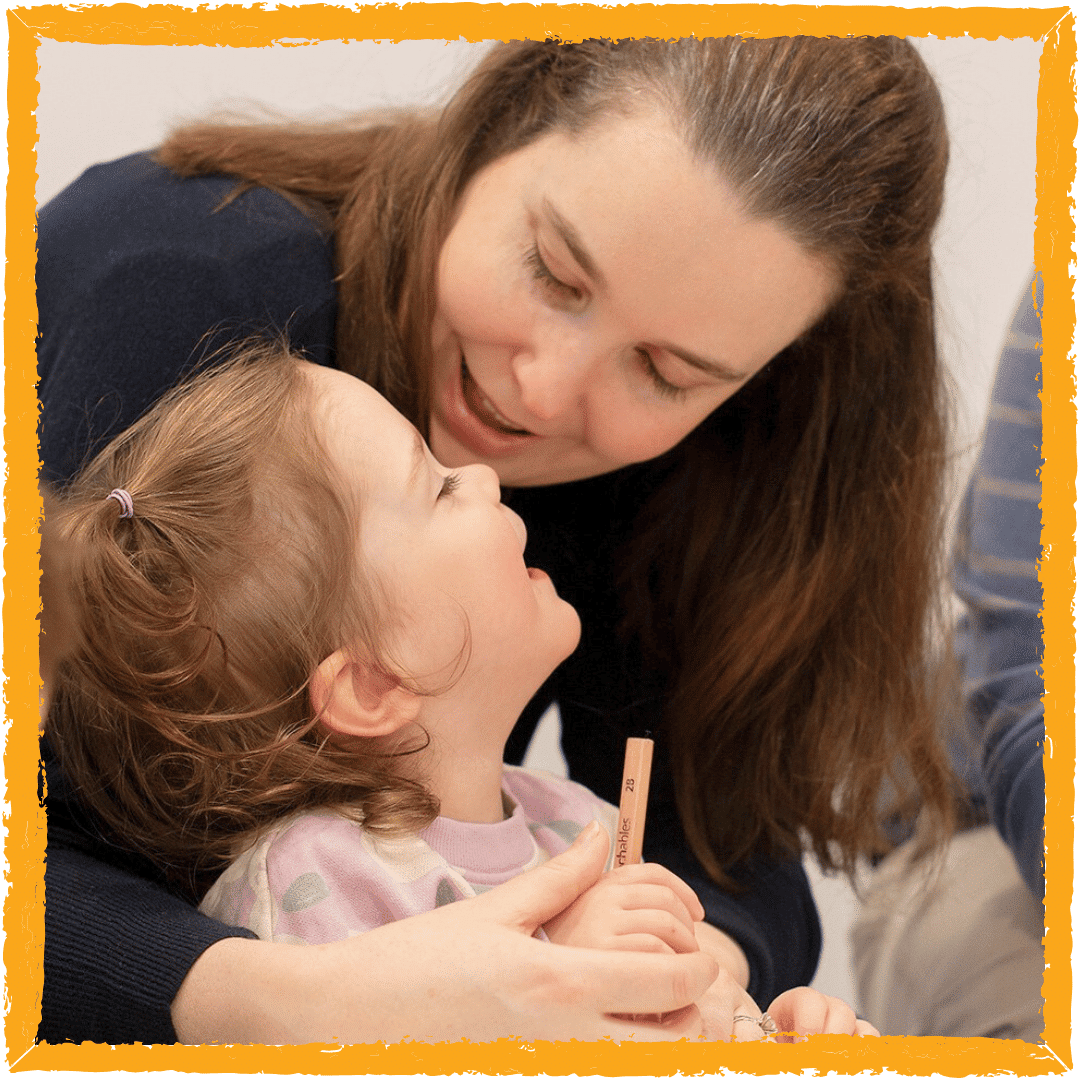

Understanding toddler developmental milestones helps parents recognise whether their child is building the language, motor, memory and problem-solving skills needed for confident learning in the years ahead.
Between two and three years of age, toddlers move from early independence into a stage of fast growth in language, thinking, play, and everyday confidence. Rather than only exploring through movement and single words, toddlers begin linking ideas, following simple routines, and using language more clearly to express what they want and understand.
When toddlers feel safe, connected, and interested, learning becomes much easier. At this age, warm repetition, simple routines, and playful interaction help build strong foundations for later learning.
How Toddlers Grow Between 2 and 3 Years
This stage is about building the early brain foundations that support speech, understanding, focus, confidence, and independence.
Development at this age centres on:
- Listening to simple instructions
- Using more words and short phrases
- Understanding routines and familiar requests
- Pretend play and imitation
- Early problem-solving
- Recognising simple colours, pictures, and objects
- Growing independence in everyday tasks
- Playing alongside, and gradually with, other children
Many toddlers understand far more than they can say. Even when speech is still developing, they are taking in language, routines, and patterns all the time.

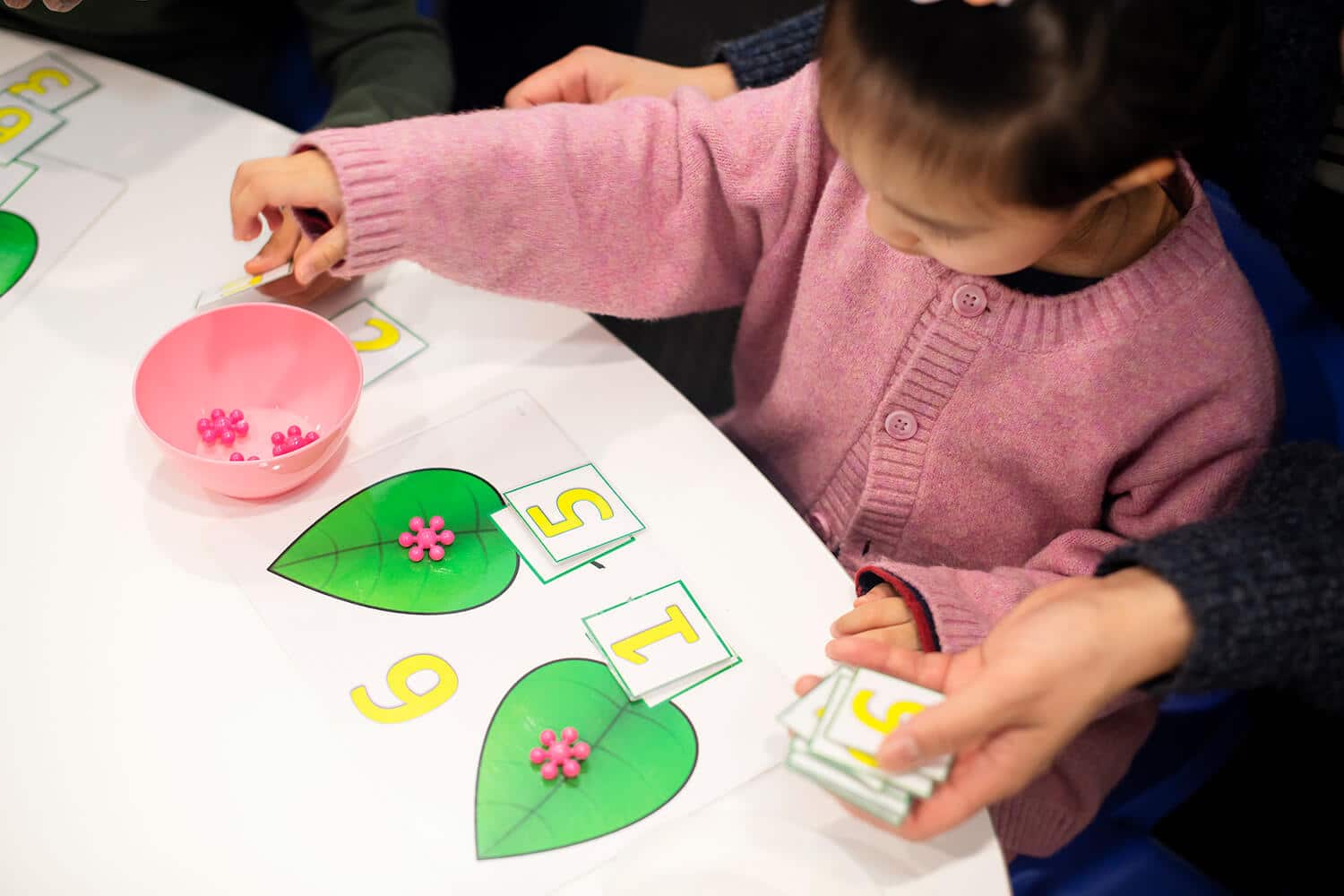
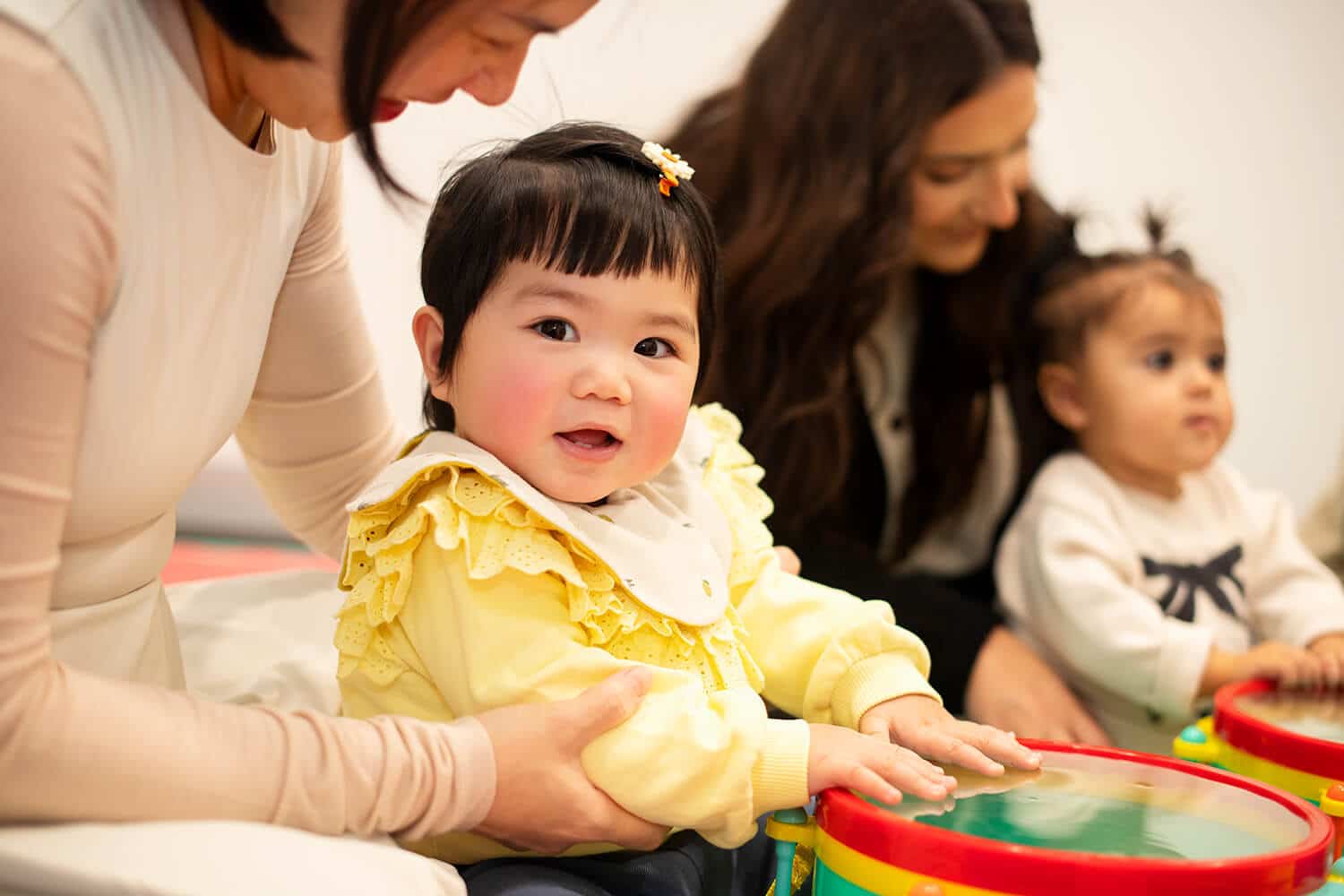
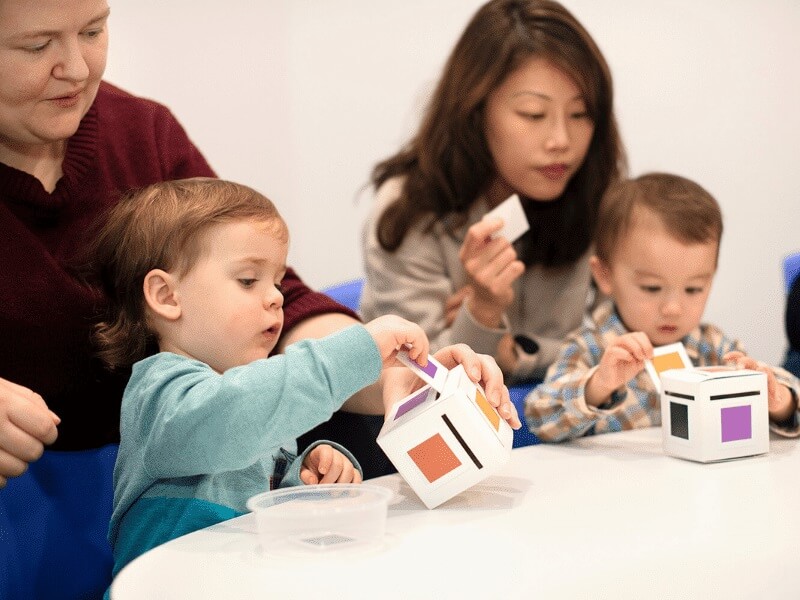
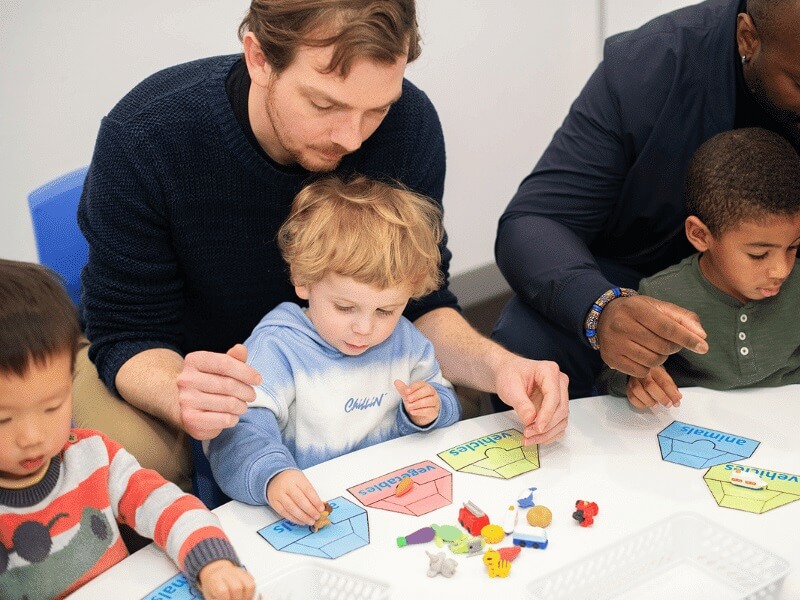
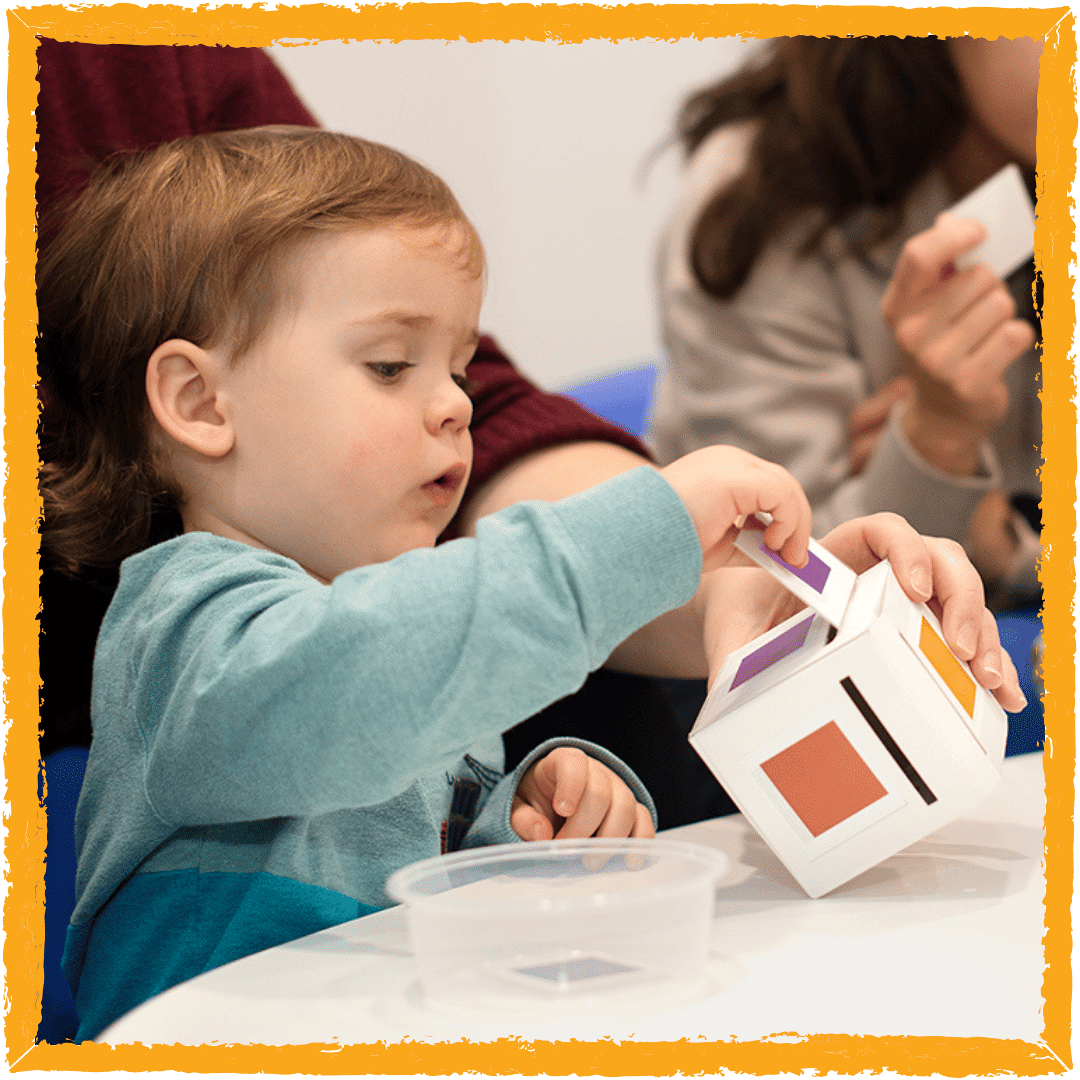
Practising skills through play! In this Shichida toddler class, children match numbered carrots to numbered rabbits alongside a parent. This activity builds number recognition, one-to-one correspondence, concentration, and fine motor control.
Parent Foundations and Development Support Checklist
Children between 2 and 3 learn best when learning feels calm, playful, and achievable.
These everyday experiences support healthy development:
- I connect warmly with my child before guiding learning
- I keep activities short and simple
- I repeat favourite books, songs, and games often
- I use clear, simple instructions
- I allow my child time to respond
- I model language during daily routines
- I encourage pretend play and exploration
- I praise effort and participation
- I keep expectations realistic for my child’s age
- Our environment feels calm, safe, and encouraging
Toddler Development at a Glance
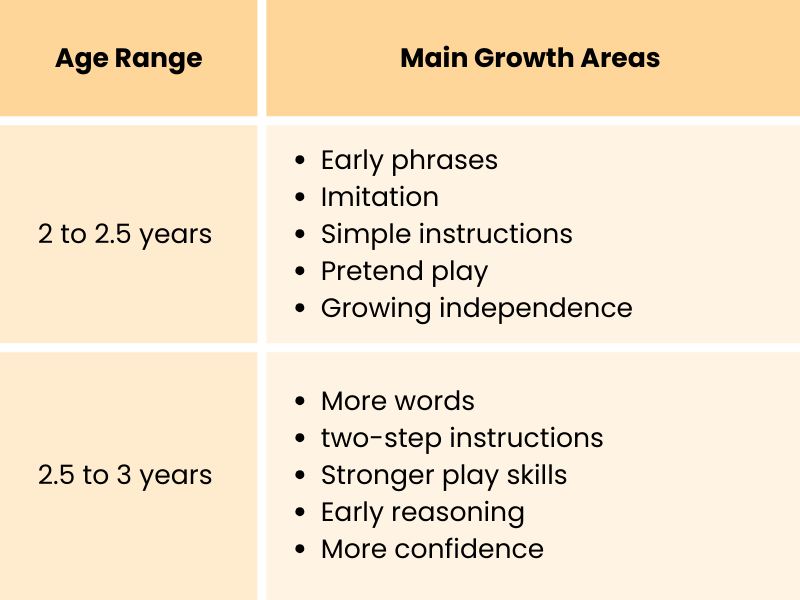
2 to 2.5 Years: Language, Imitation and Early Independence Growing
At this stage, toddlers begin understanding more of what is said to them and using words more purposefully.
Developmental Focus
- Using simple words and early two-word phrases
- Pointing to familiar things in books
- Following simple one-step instructions
- Using gestures alongside words
- Showing awareness of other people’s feelings
- Beginning pretend play
- Trying simple problem-solving during play
- Growing confidence with basic self-help tasks
Parent’s Checklist
- My child uses simple words or short phrases
- My child points to familiar objects in books
- My child follows simple one-step instructions
- My child uses gestures to communicate
- My child copies everyday actions
- My child shows interest in pretend play
- I give my child time to listen and respond
Helpful Tips
- Name objects during everyday routines
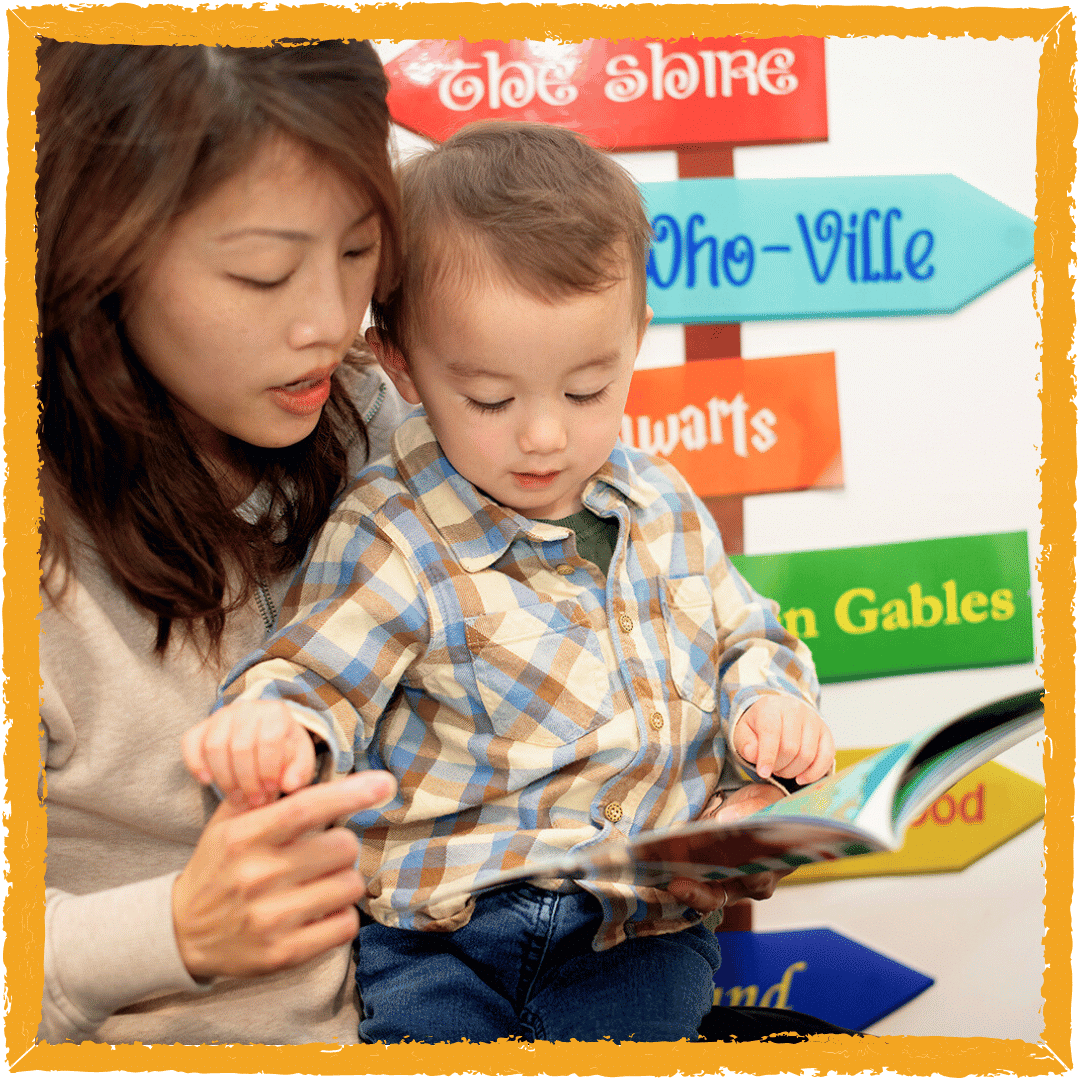
- Read simple books and point to pictures together
- Use short phrases your child can copy
- Play imitation games
- Encourage pretend play with familiar objects
- Keep repetition positive and relaxed
2.5 to 3 Years: Sentences, Thinking and Confidence Expanding
Children now begin connecting ideas more clearly and becoming more capable in everyday routines.
Developmental Focus
- Using more words and combining them more often
- Following simple two-step instructions
- Naming familiar objects in books
- Using pretend play more imaginatively
- Beginning to identify simple colours
- Joining or noticing other children during play
- Showing early reasoning and simple problem-solving
- Growing independence with dressing, routines, and play
Parent’s Checklist
- My child uses more words to express wants and ideas
- My child follows simple two-step instructions
- My child names familiar things in books
- My child enjoys pretend play
- My child plays near or with other children
- My child shows growing independence in simple tasks
- I focus on progress, not perfection
Helpful Tips
- Use daily routines to build language
- Give short instructions with two simple steps
- Ask simple questions during play and reading
- Encourage turn-taking in conversation
- Let your child try tasks before stepping in
- Praise effort, participation, and curiosity
What Is Normal at This Age
It is typical for toddlers to:
- Repeat the same activity many times
- Become frustrated when they cannot communicate clearly
- Understand more than they can say
- Move quickly between activities
- Show uneven development across different skills
- Learn best through repetition, play, and routine
This does not mean they are falling behind if they are not ticking these boxes. It is a normal part of toddler development, and each child develops at their own pace.
Some toddlers may be ready to start toilet training.
When to Seek Developmental Guidance and Support
You may consider seeking advice if your child:
- Rarely responds to simple instructions
- Shows very limited interest in communication or interaction
- Has very few words by this stage
- Loses skills they had already developed
- Or if you would simply like reassurance
Toddler Classes That Nurture Early Brain Development
You do not need to manage every part of your child’s development alone.
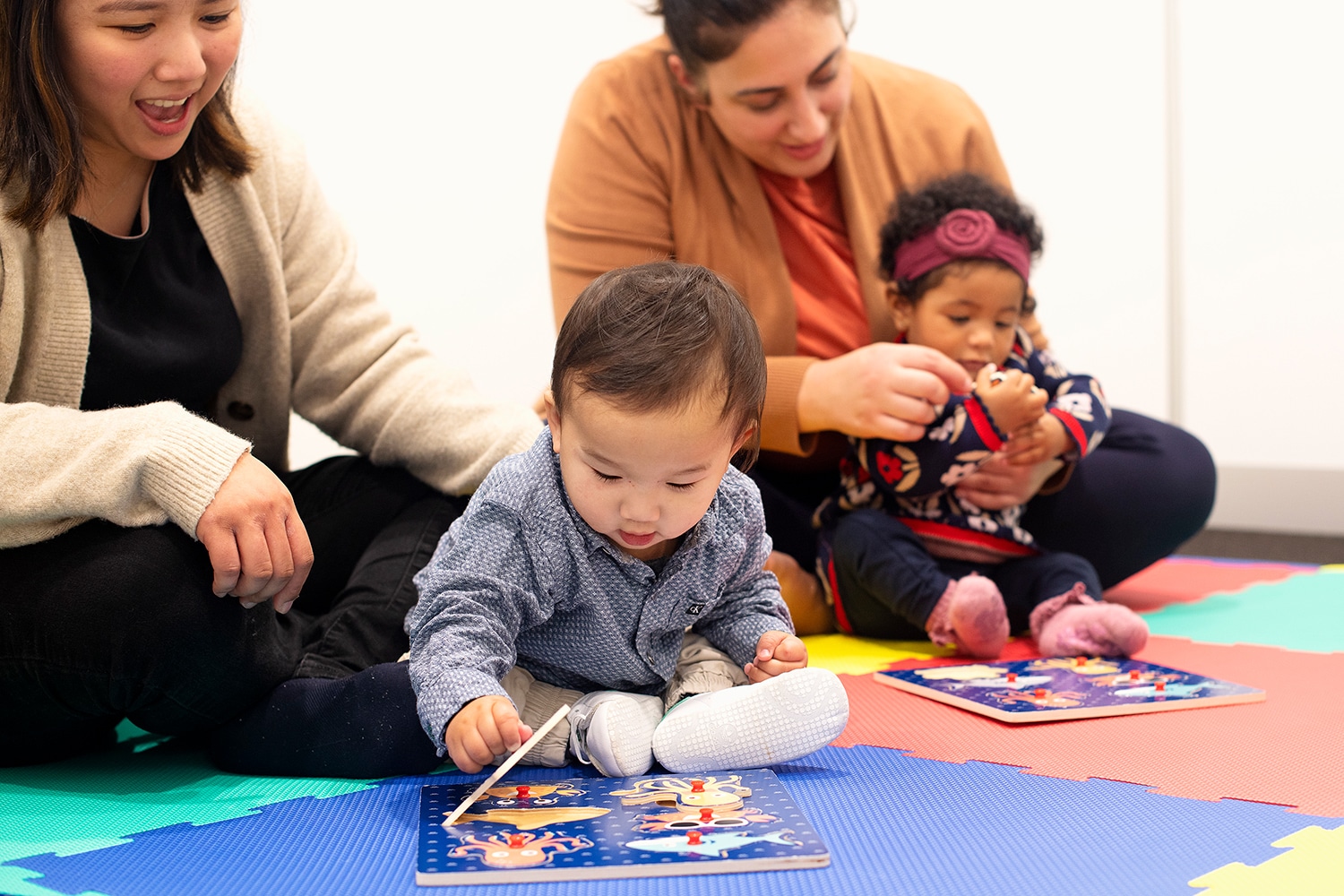
The Shichida program is designed around how young children naturally learn, using short, joyful, structured activities that support listening, language, memory, focus, and confidence.
Inspired by decades of educational research, the program supports both children and parents so learning can remain connected, positive, and pressure-free.
FAQ's: Toddler Developmental Milestones
Between ages two and three, toddlers are developing early language, understanding, play, and independence. Common areas of growth include following simple instructions, using more words and short phrases, pretend play, recognising familiar objects, early problem-solving, and growing confidence in daily routines.
Toddlers learn best through calm, playful, and repeated experiences. You can support them by speaking simply, reading often, using songs and routines, encouraging pretend play, allowing time for responses, and praising effort rather than expecting perfect results.
Yes. Toddlers often need repetition and usually move quickly between activities. They are still building attention, language, and self-control. Repeating familiar books, games, and routines is a normal and helpful part of learning.
Consider guidance if your child rarely responds to simple instructions, has very limited interest in communication or play, loses previously learned skills, or if you would like reassurance. Gentle support can help you understand what is typical and what may need extra attention.
Resources to Support Toddler Developmental Milestones
Supporting toddler developmental milestones happens in a variety of ways. Short, playful interactions at home build independence, strengthen language and memory, and deepen your parent-child bond.

Emotions Flashcards
Emotion flashcards help toddlers recognise facial expressions and begin attaching words to feelings. Used in short, playful bursts, flashcards can support toddler developmental milestones by strengthening language development, emotional awareness, and meaningful parent-child connection.
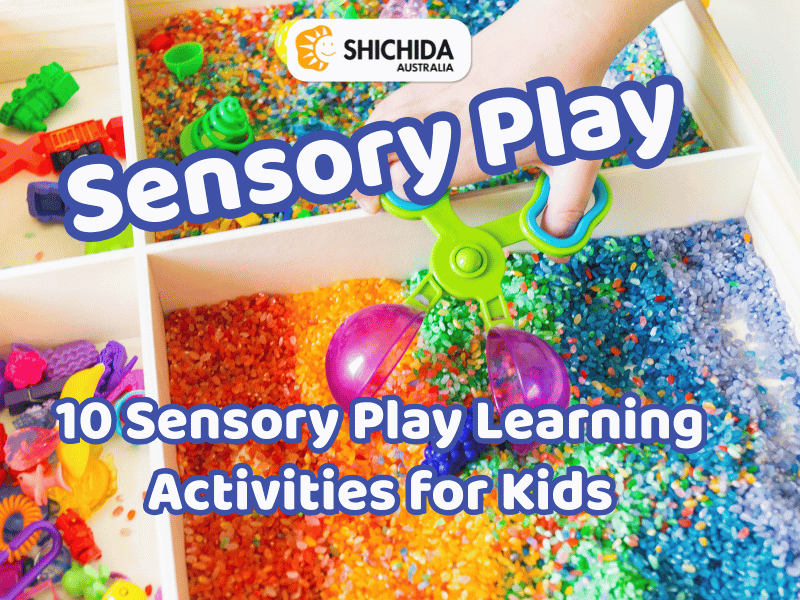
Sensory Play Guide
Through touch, movement, sound, and hands-on exploration, sensory play plays an important role in supporting toddler developmental milestones. Our Shichida sensory play guide offers safe, age-appropriate activities that build coordination, language, and curiosity during this critical developmental stage.
Shichida Toddler Classes
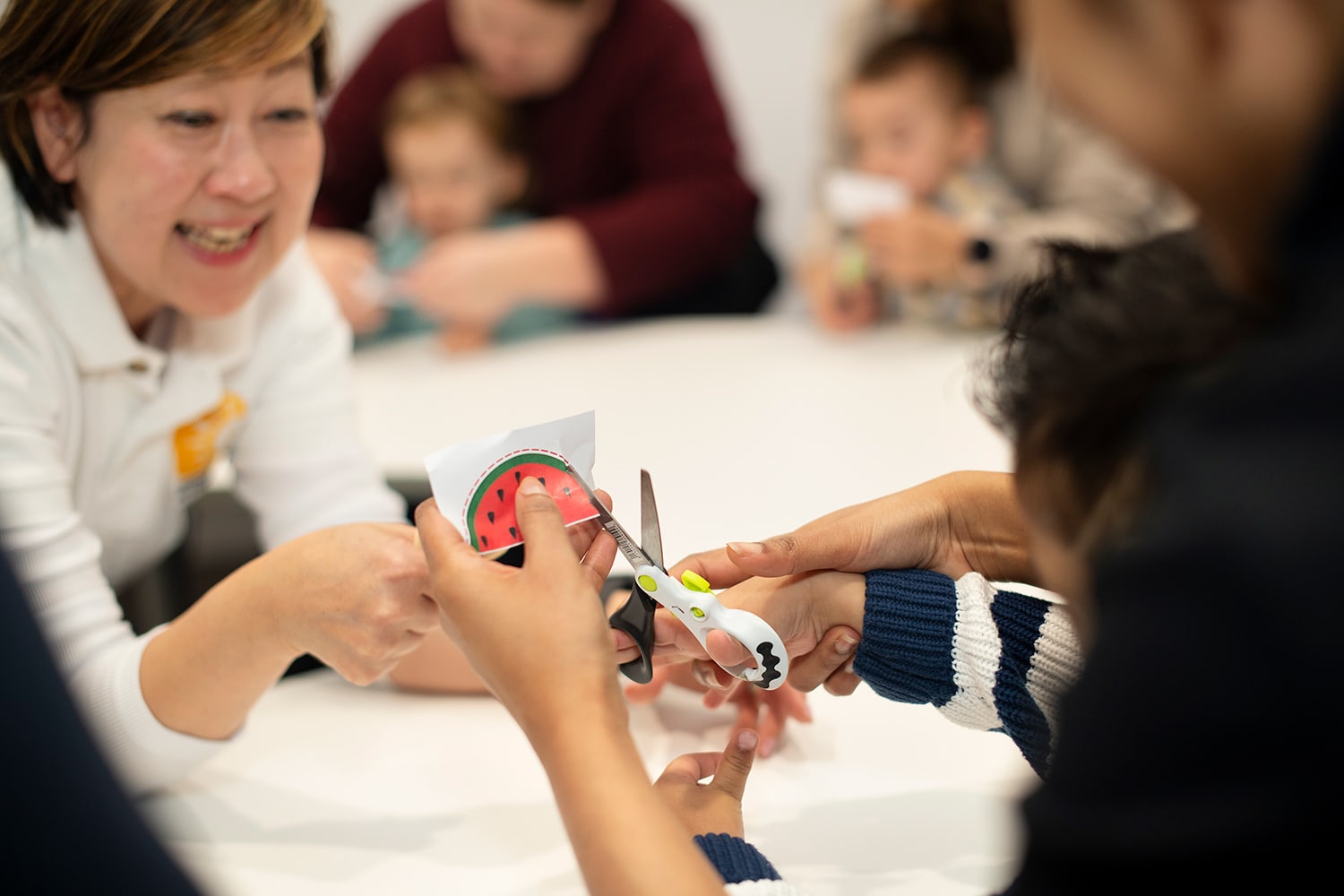
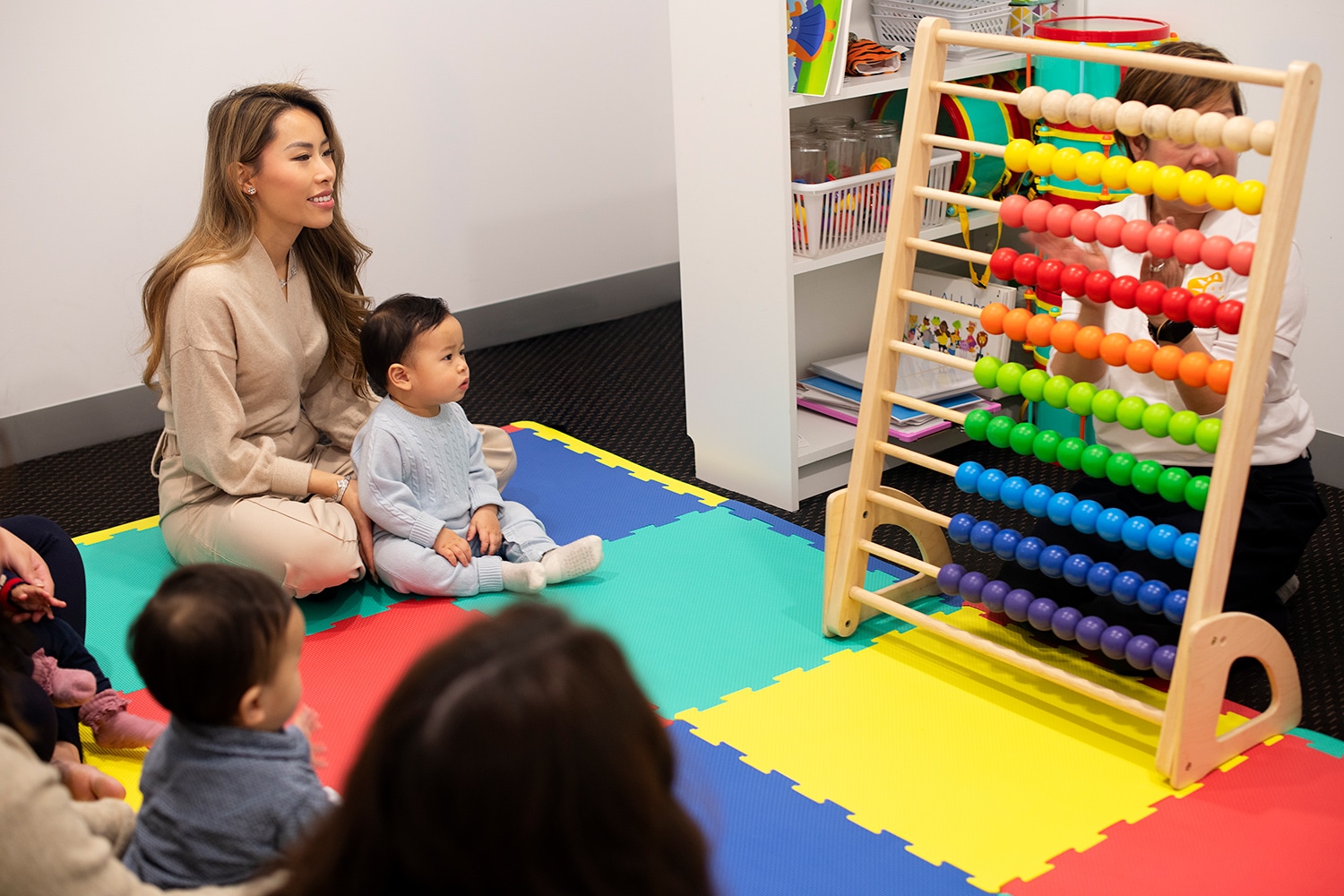
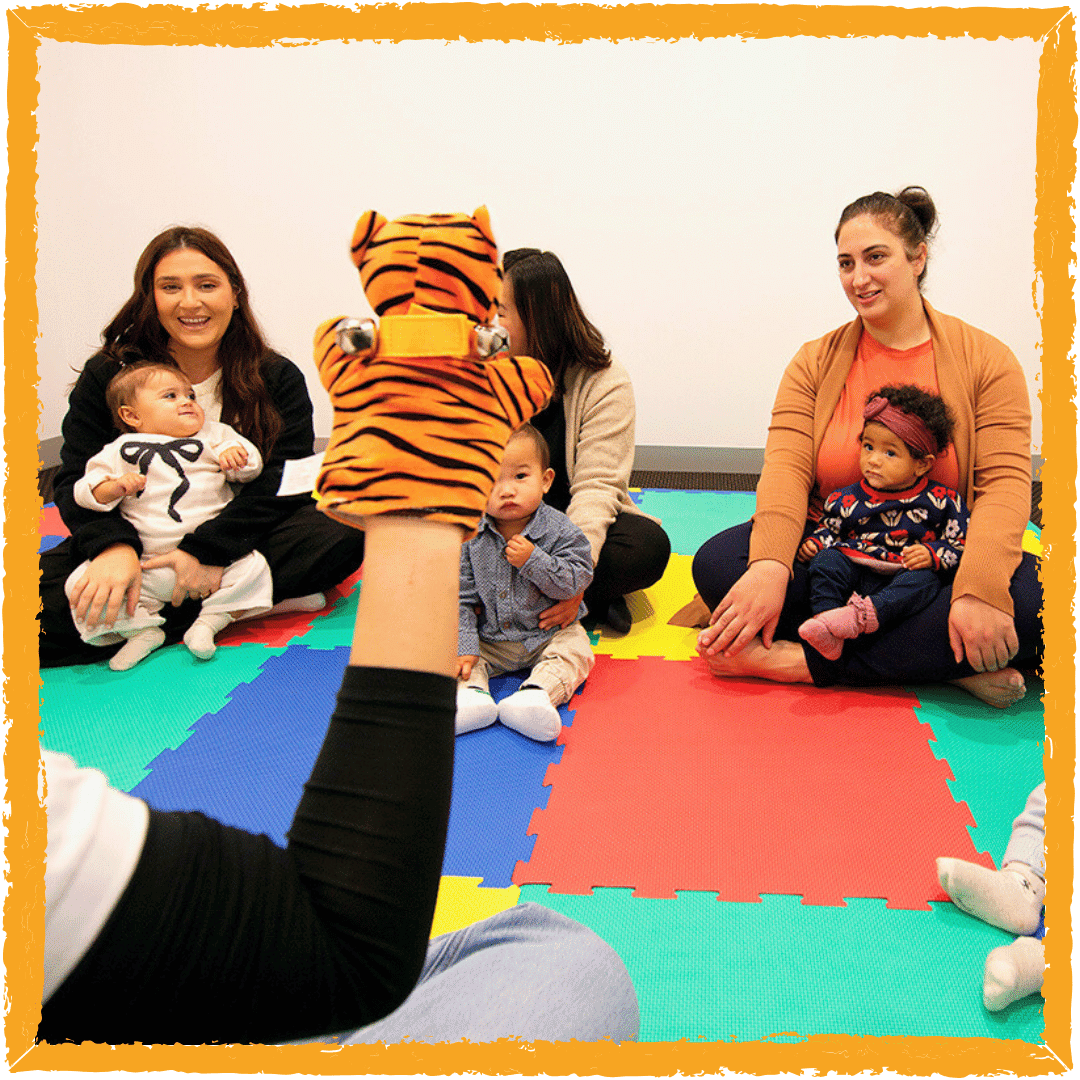
Shichida Toddler Classes offer guided, milestone-focused experiences that support your child’s expanding language, movement, and curiosity. Structured around toddler developmental milestones, our classes nurture confidence, connection, and joyful learning through fun games, songs, flashcards and hands-on activities.