
Between three and five years of age, children begin preparing for learning in a very different way from younger children. Understanding preschooler developmental milestones helps parents recognise how thinking, language, motor skills and confidence begin to strengthen during this growth period.
Rather than simply exploring movement and first words, preschoolers develop the thinking skills that make school feel natural, enjoyable, and less overwhelming. When children feel emotionally safe, interested, and capable, learning happens far more easily. When their hearts are engaged, their minds naturally follow.
How Preschoolers Grow Between 3 and 5 Years
This stage is not mainly about memorising letters or writing neatly.
It is about developing the brain foundations that allow academic learning to make sense later.
Development at this age centres on:
- Listening to and processing longer information
- Remembering images, stories, and sequences
- Visual thinking and imagination
- Early reasoning and recognising patterns
- Using language to explain ideas
- Understanding numbers beyond counting
- Confidence and independence in learning
Children can often absorb far more than they can explain. Much of their learning is happening quietly beneath the surface.
Parent Foundations and Development Support Checklist
Children between 3 and 5 learn best when learning feels calm, interesting, and achievable.
These everyday experiences support healthy development:
- I connect warmly with my child before guiding learning
- I keep activities short and varied
- I repeat favourite activities across weeks
- I allow my child to observe without pressure to answer
- I value listening as part of learning
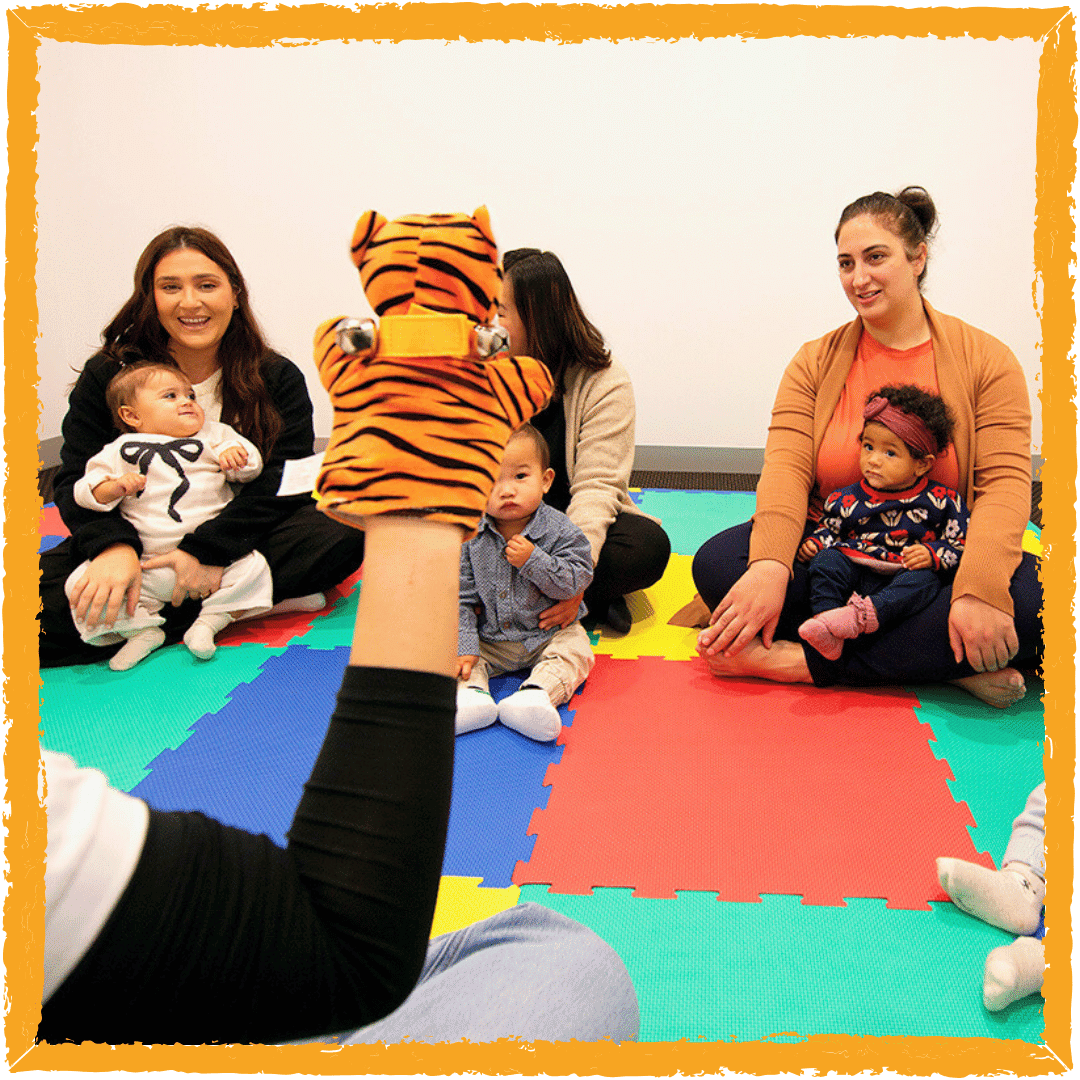
- I use rhythm, songs, and stories
- I praise effort rather than correctness
- I allow mistakes as part of learning
- Our environment feels calm and encouraging
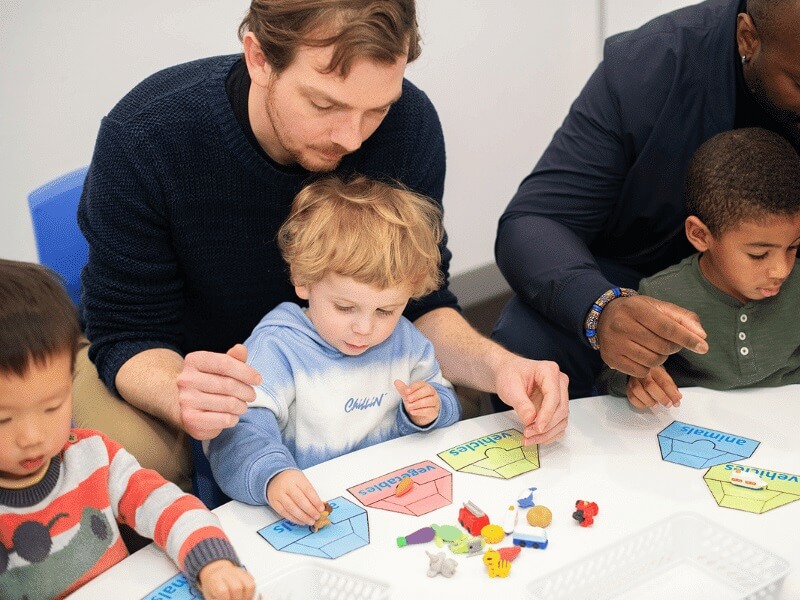
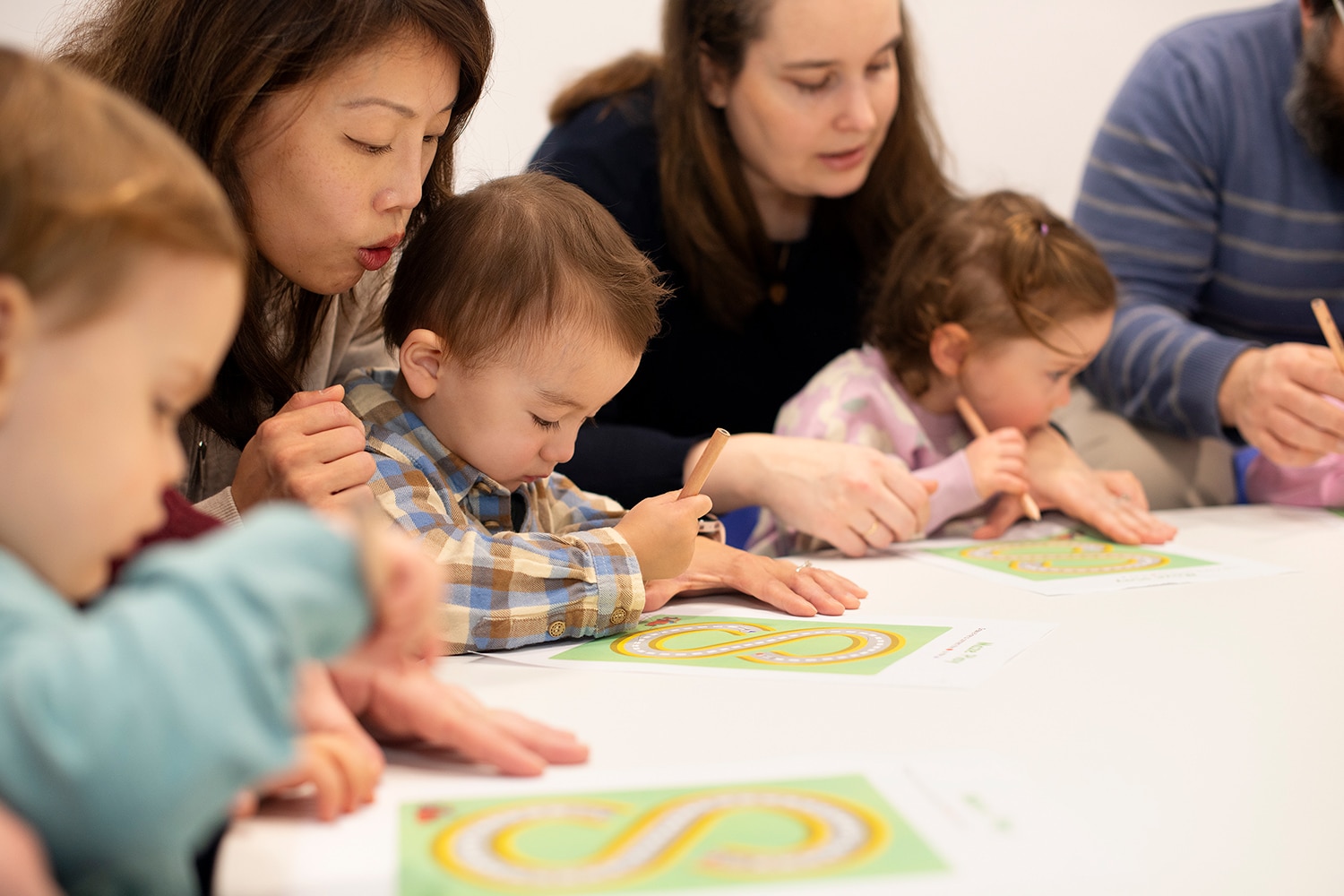
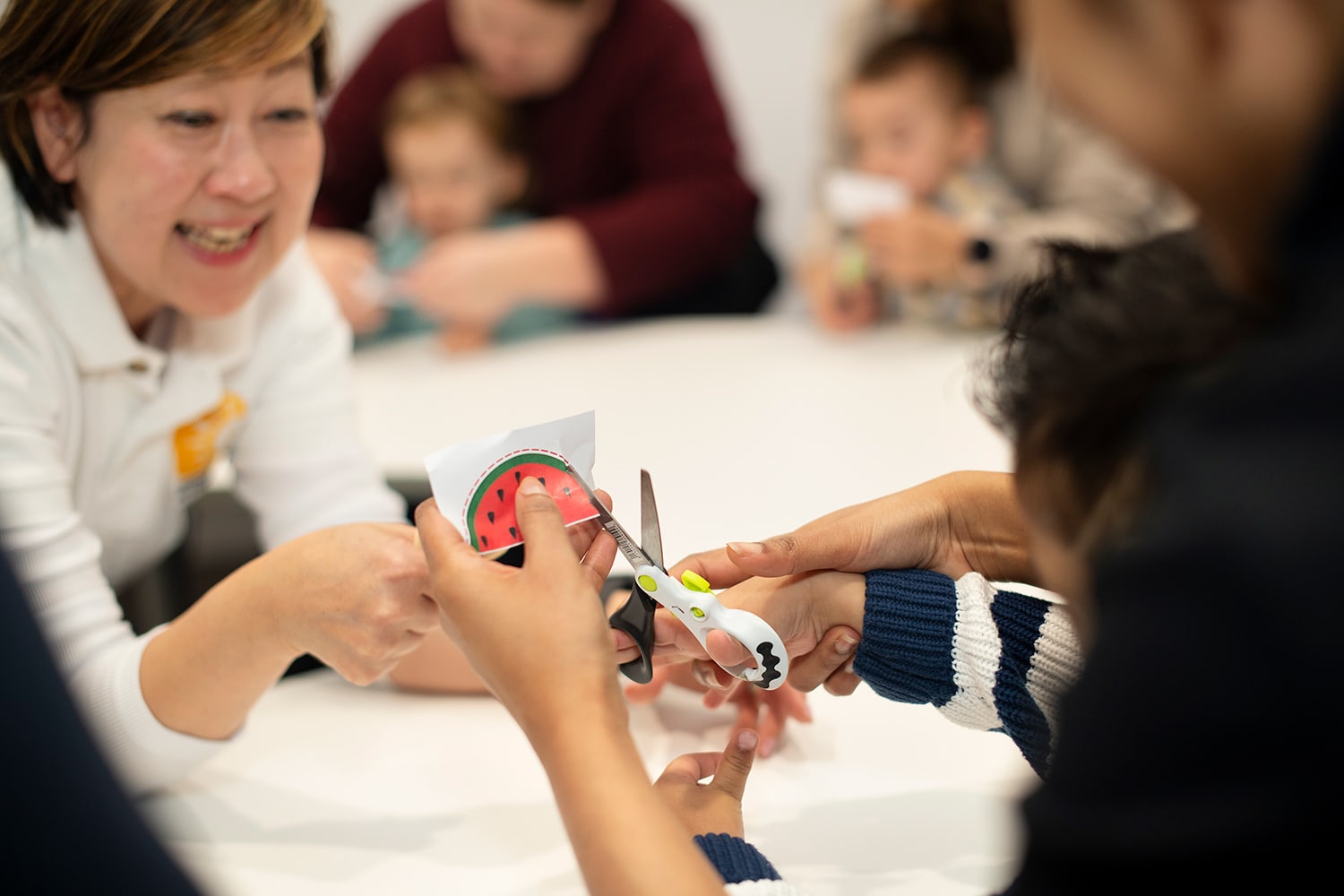
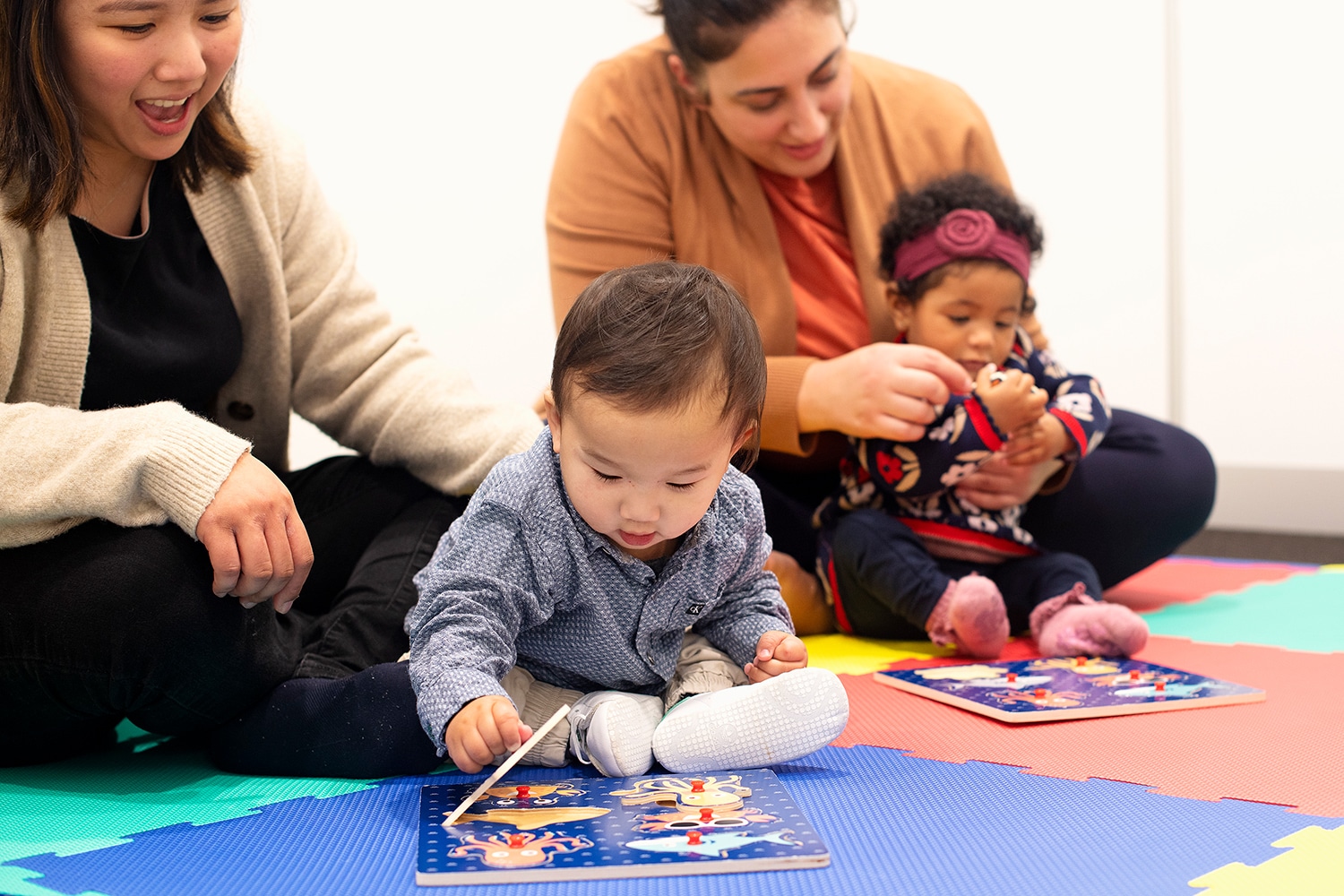
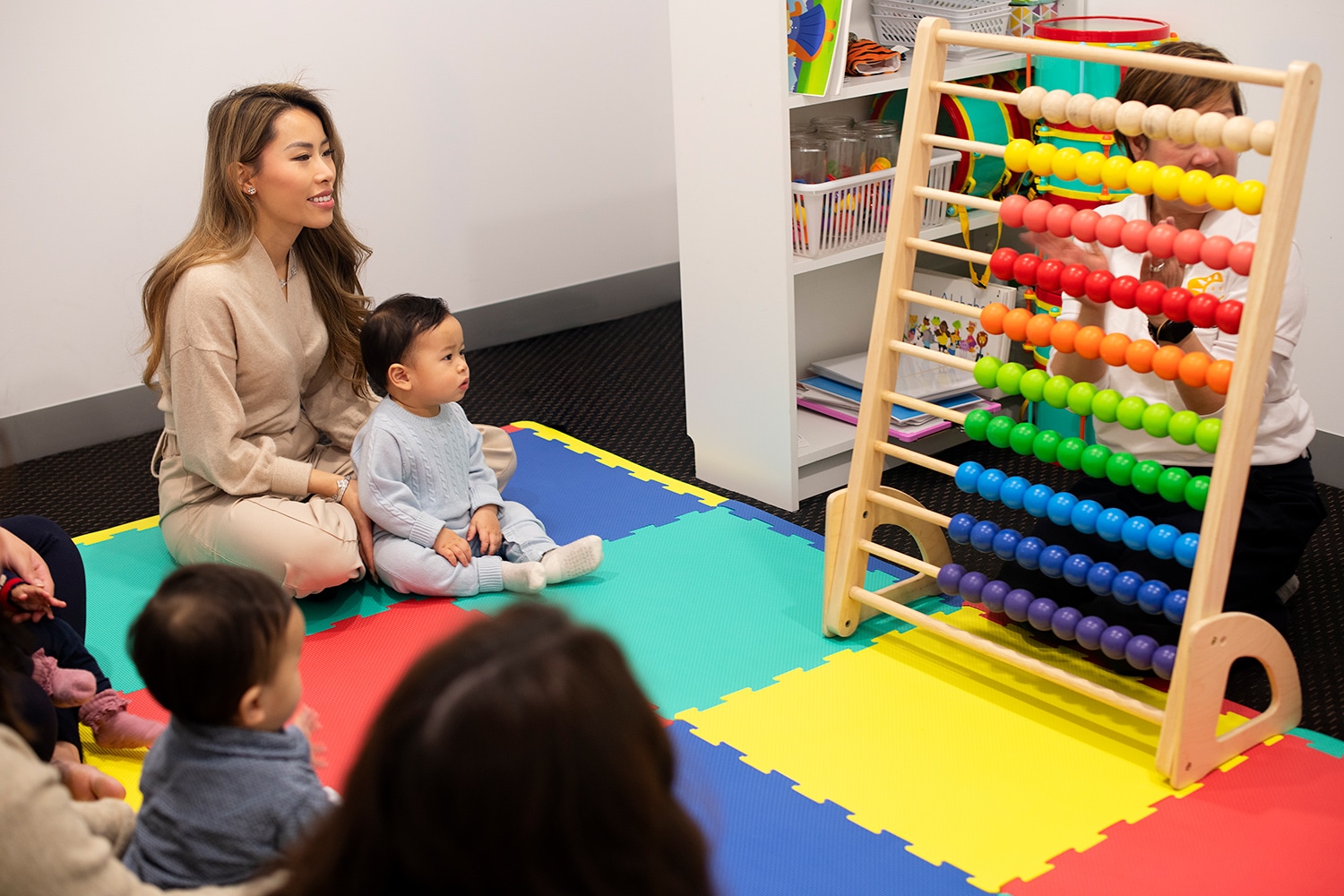
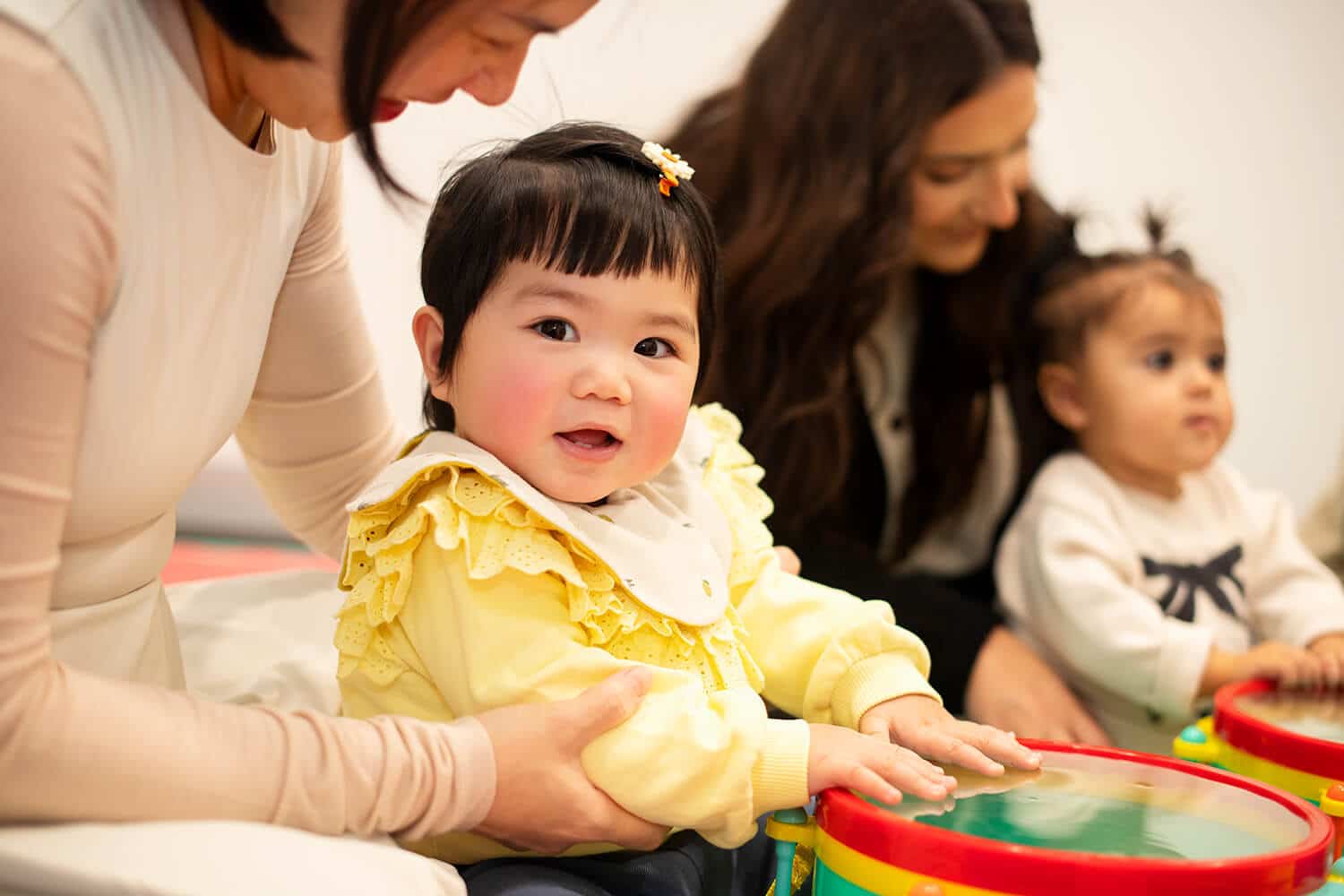
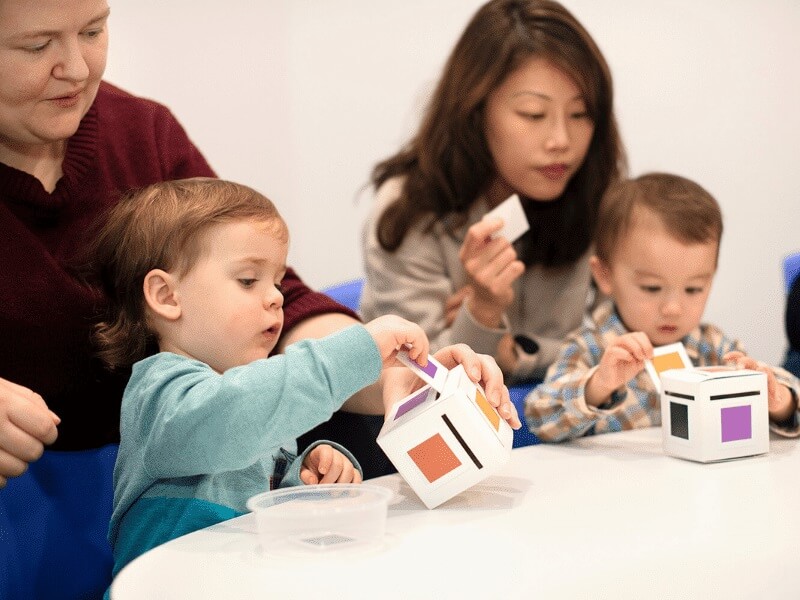
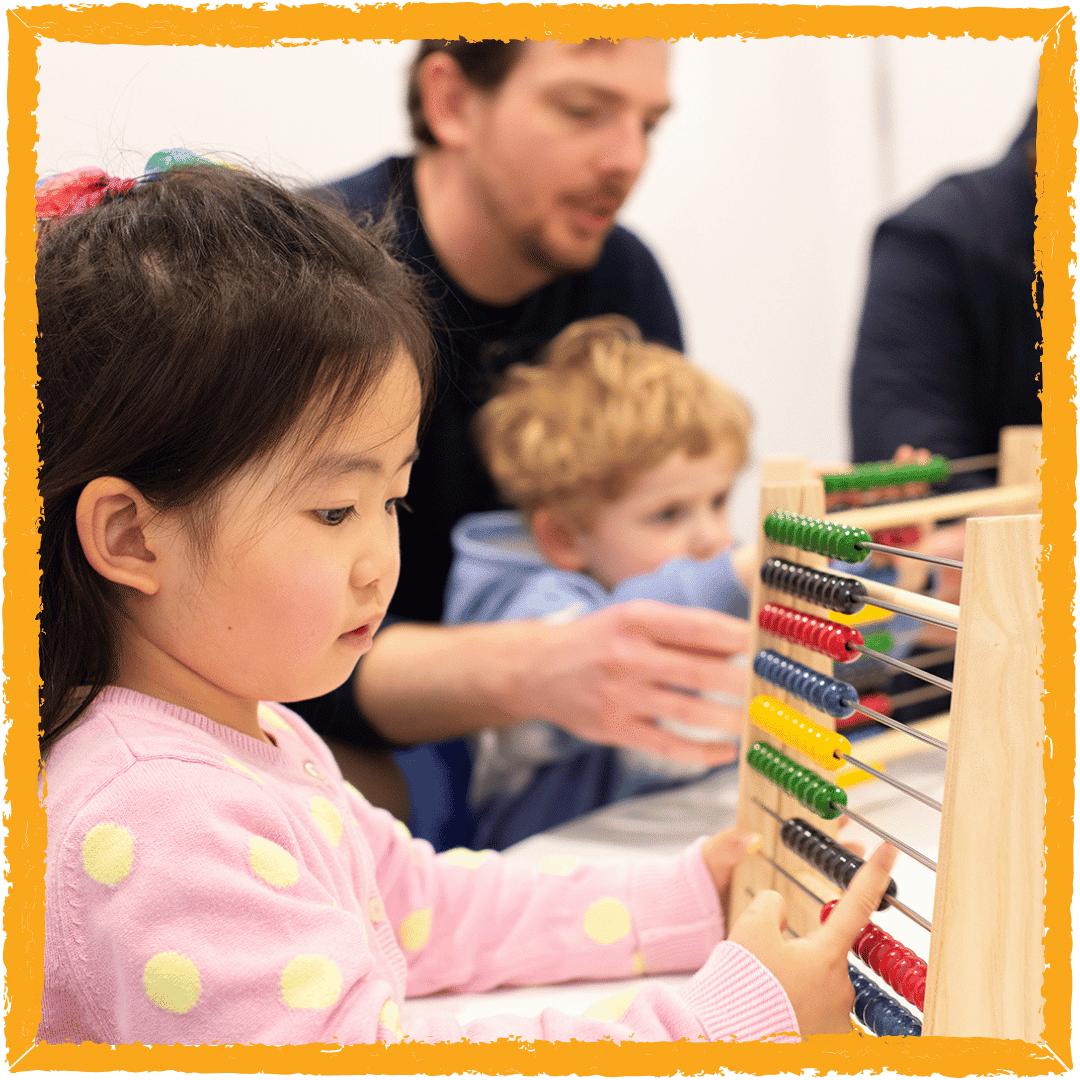
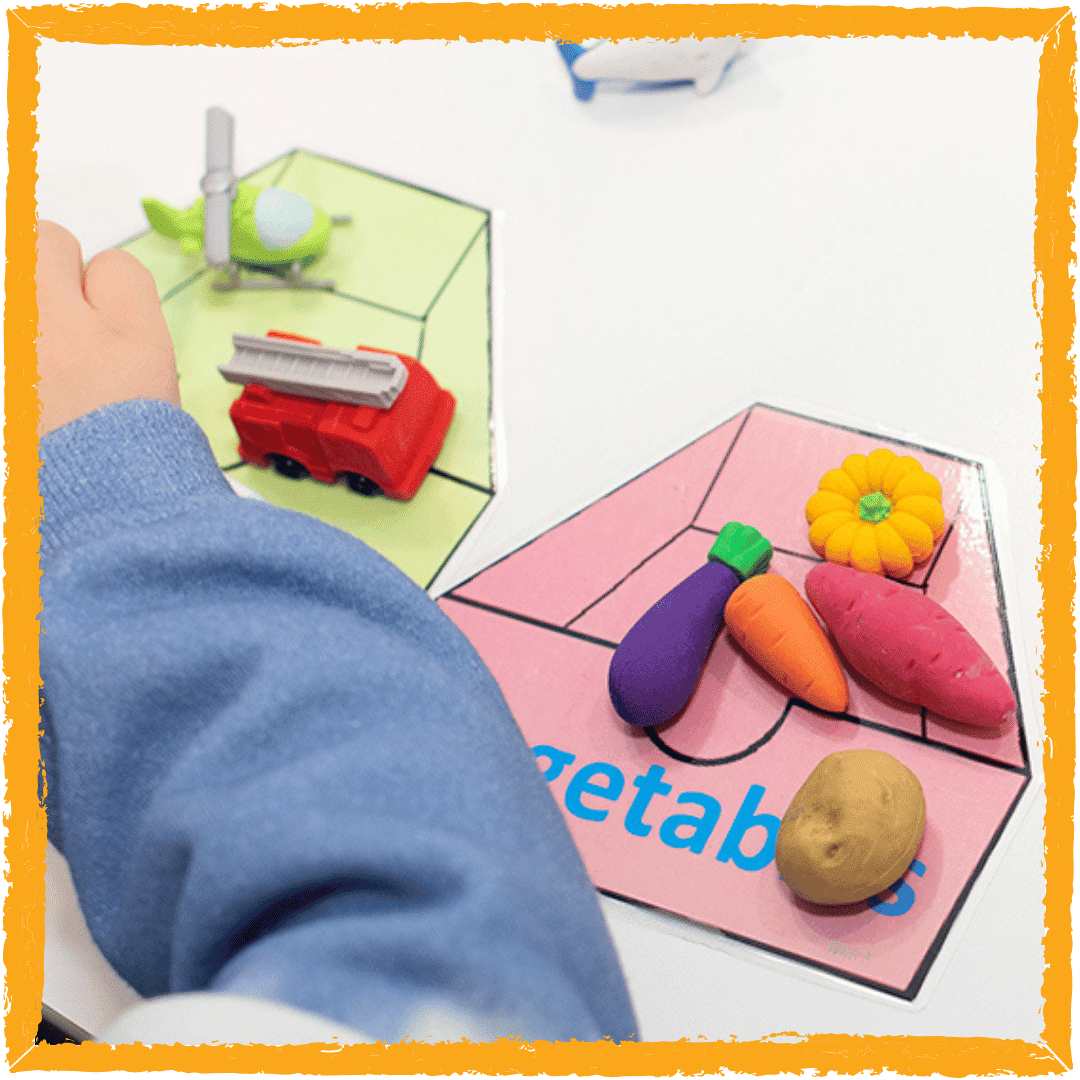
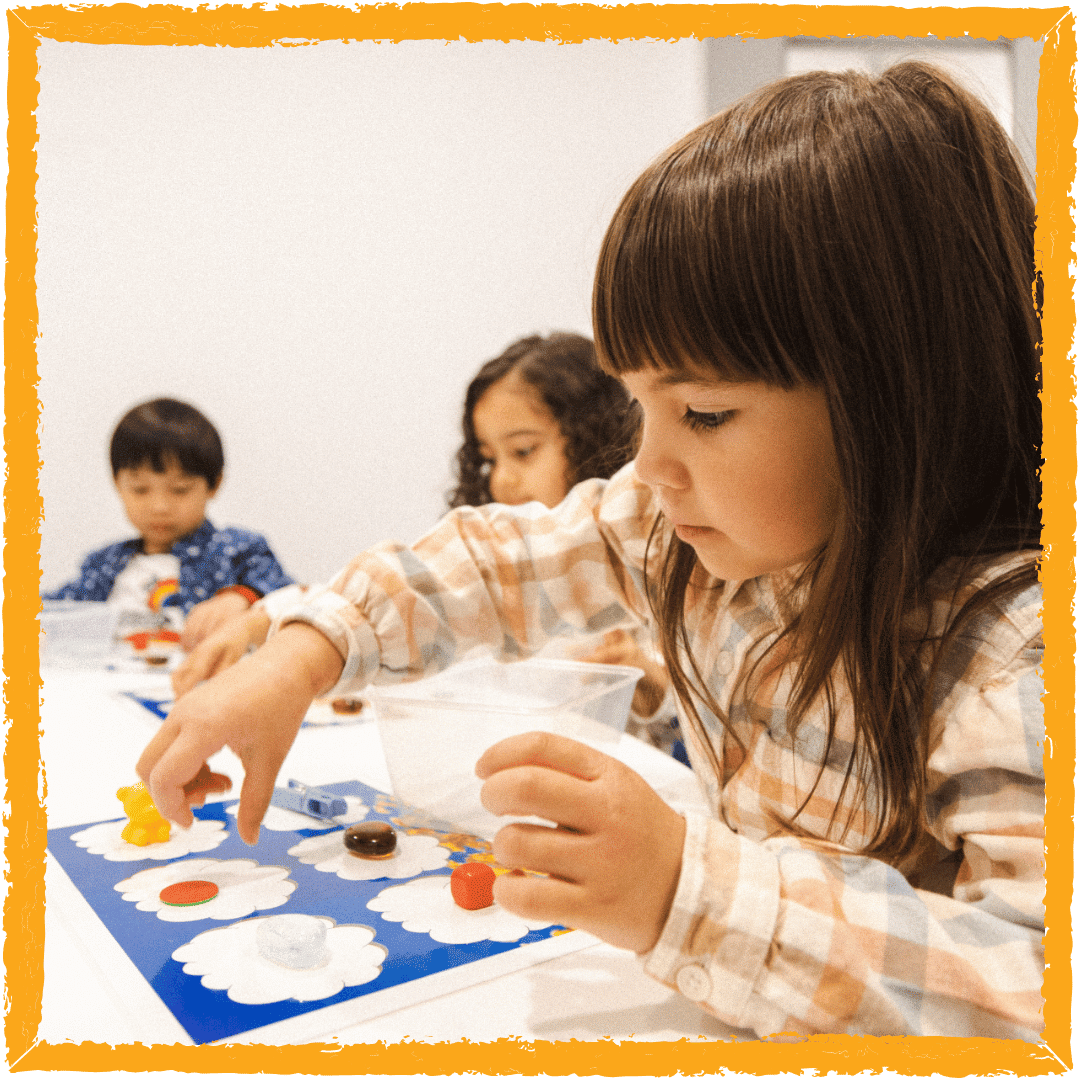
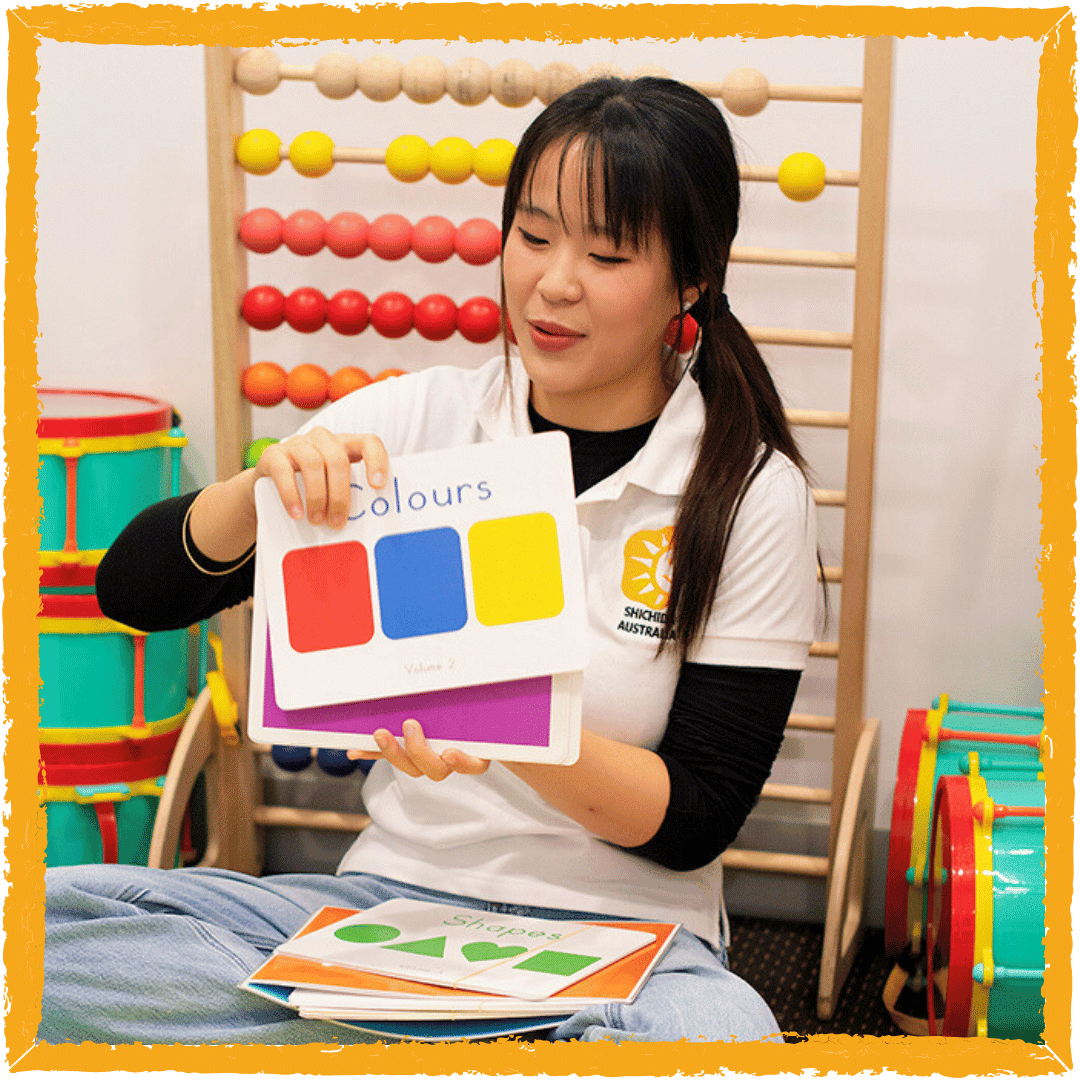
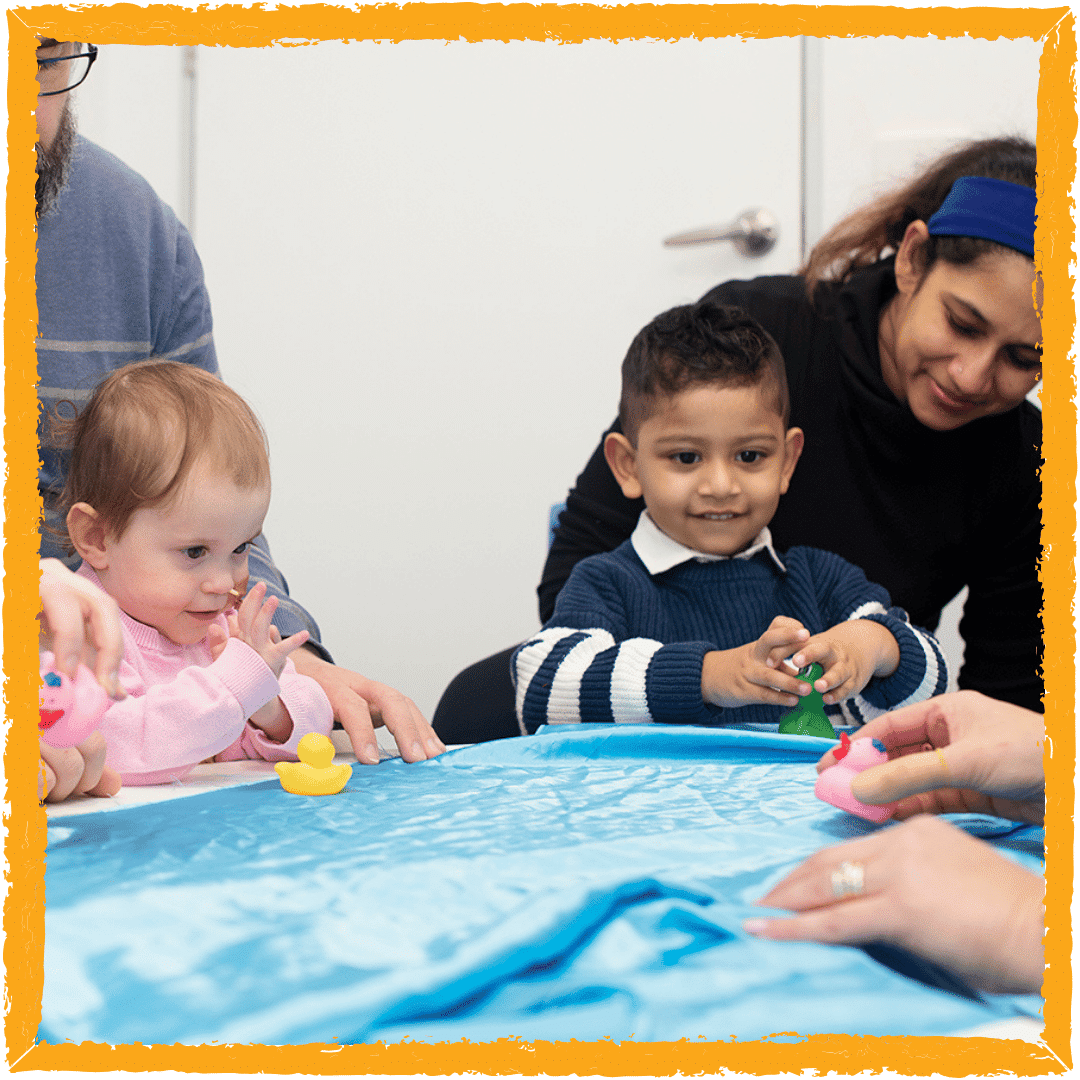
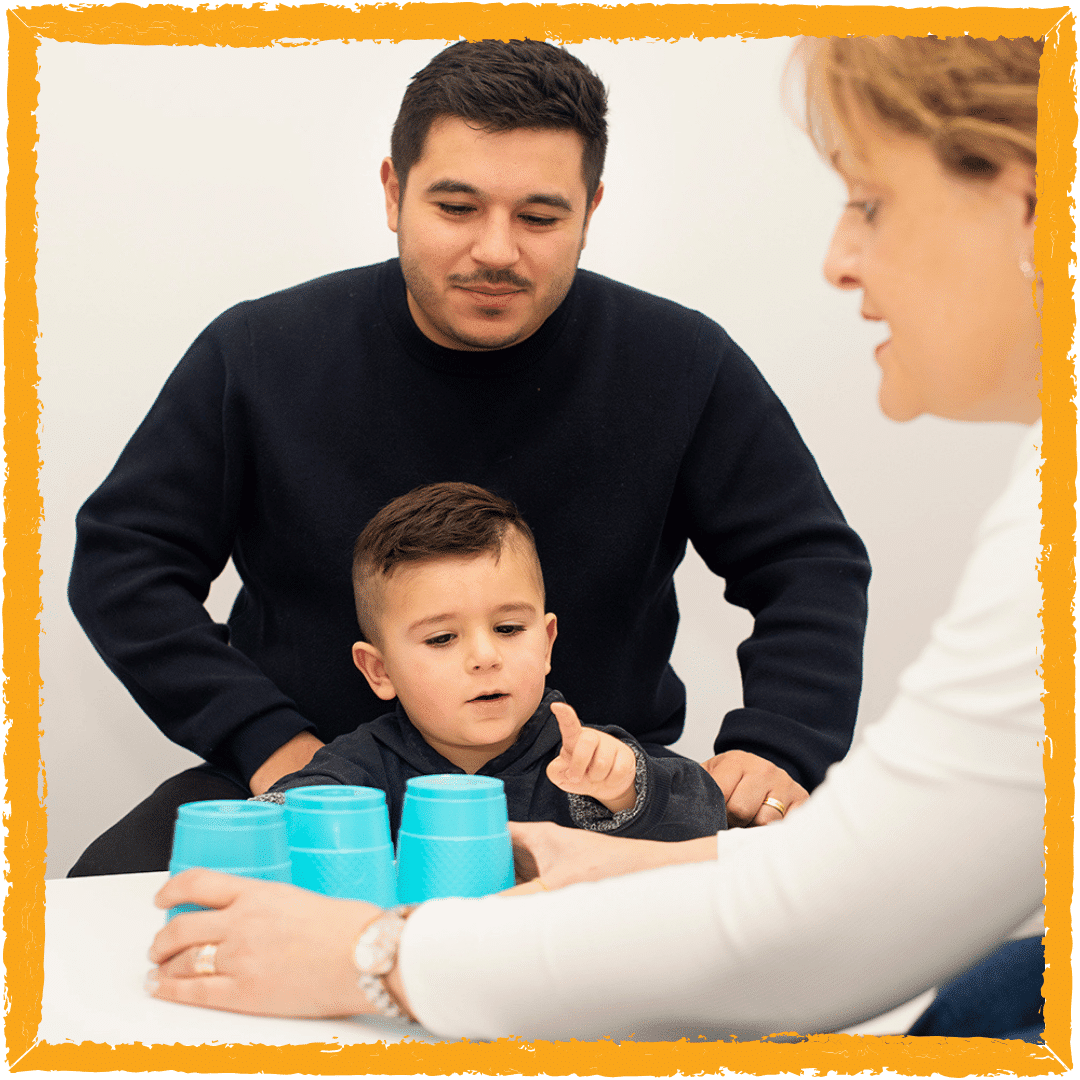
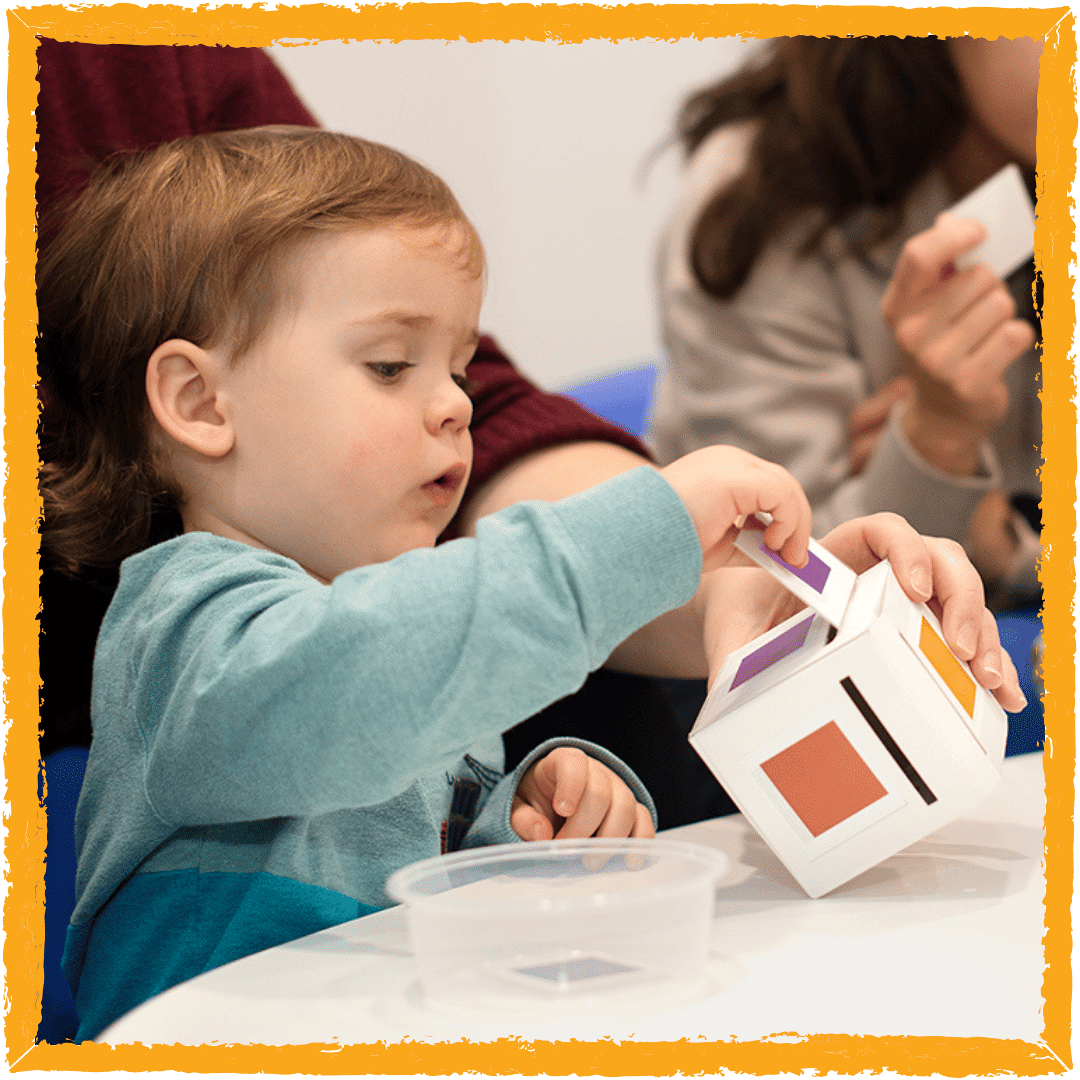
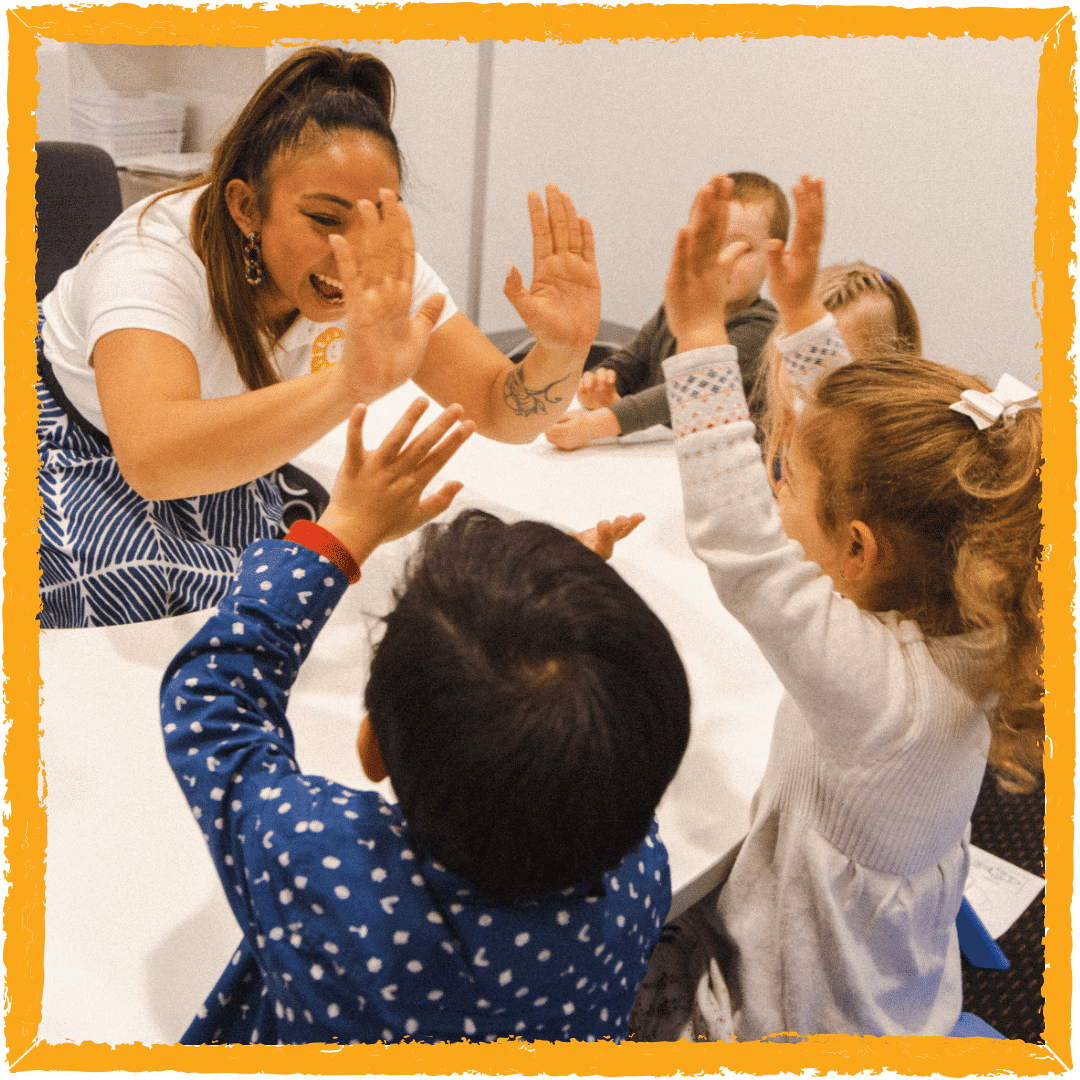
Preschoolers during a Kinder Class, engaging in category sorting alongside their parents, building critical thinking, language skills and early logical reasoning through hands-on play.
3-4 Years: Memory, Listening & Thinking Expanding
At this stage, children begin holding more information in their minds and connecting ideas together.
Developmental Focus
- Better memory for stories and visual information
- Following two-step instructions
- Recognising patterns and similarities
- Imaginative pretend play
- Interest in letters, sounds, and symbols
- Understanding simple number ideas such as more and less
- Listening longer during engaging activities
Parent’s Checklist
- My child remembers parts of stories
- My child follows two-step instructions
- My child enjoys imaginative play
- My child recognises familiar pictures or patterns
- My child listens during songs and stories
- I allow observation without requiring answers
Helpful Tips
- Retell stories together
- Play memory and matching games
- Use rhythm and songs for learning
- Keep activities short and positive
- Repeat familiar games regularly
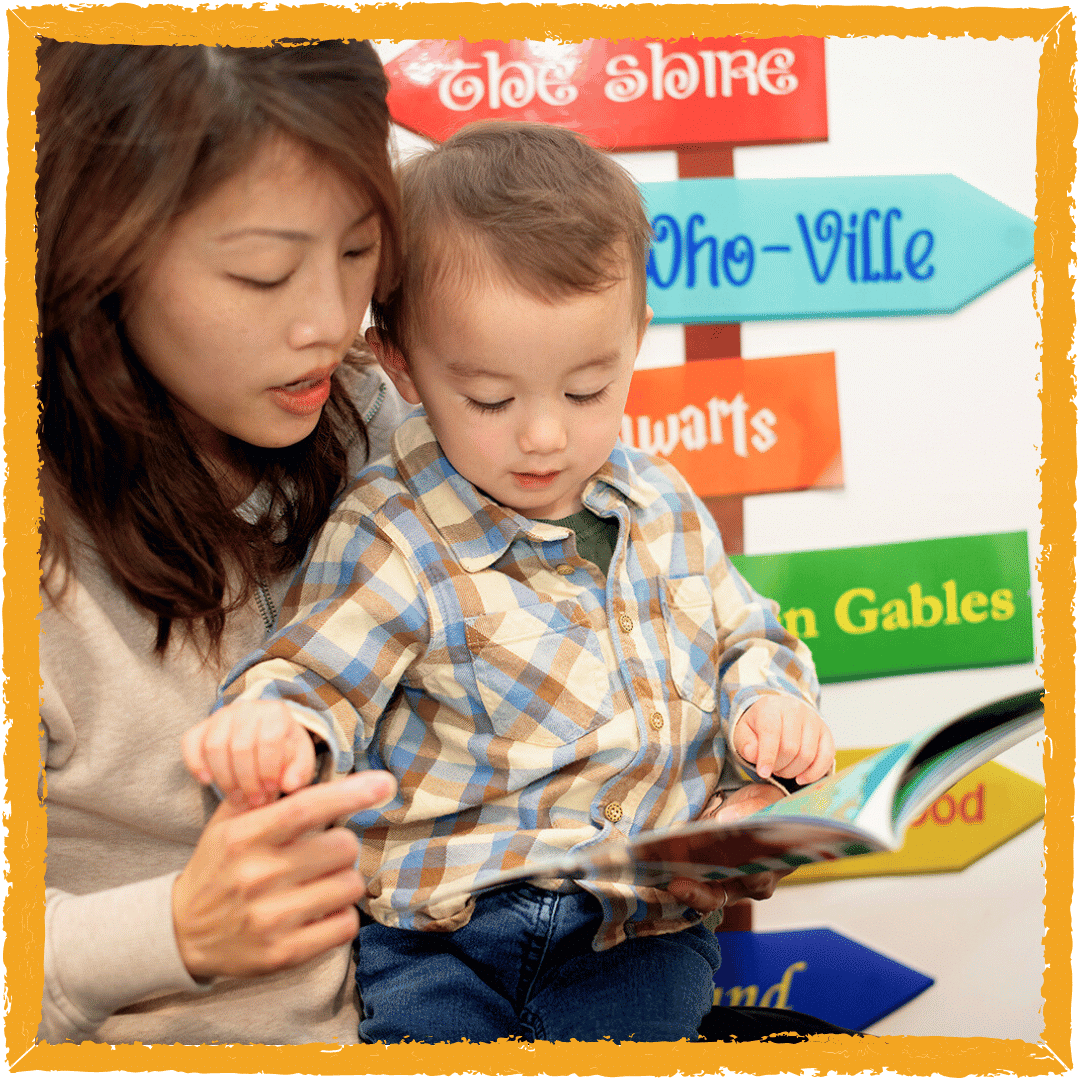
- Re-read favourite books often
4-5 Years: Concentration, Reasoning & School Confidence Growing
Children now begin linking ideas together and explaining simple thinking.
Developmental Focus
- Longer listening stamina
- Recalling sequences and linking events in stories
- Beginning to explain reasoning
- Recognising order and relationships
- Interest in early writing and numbers
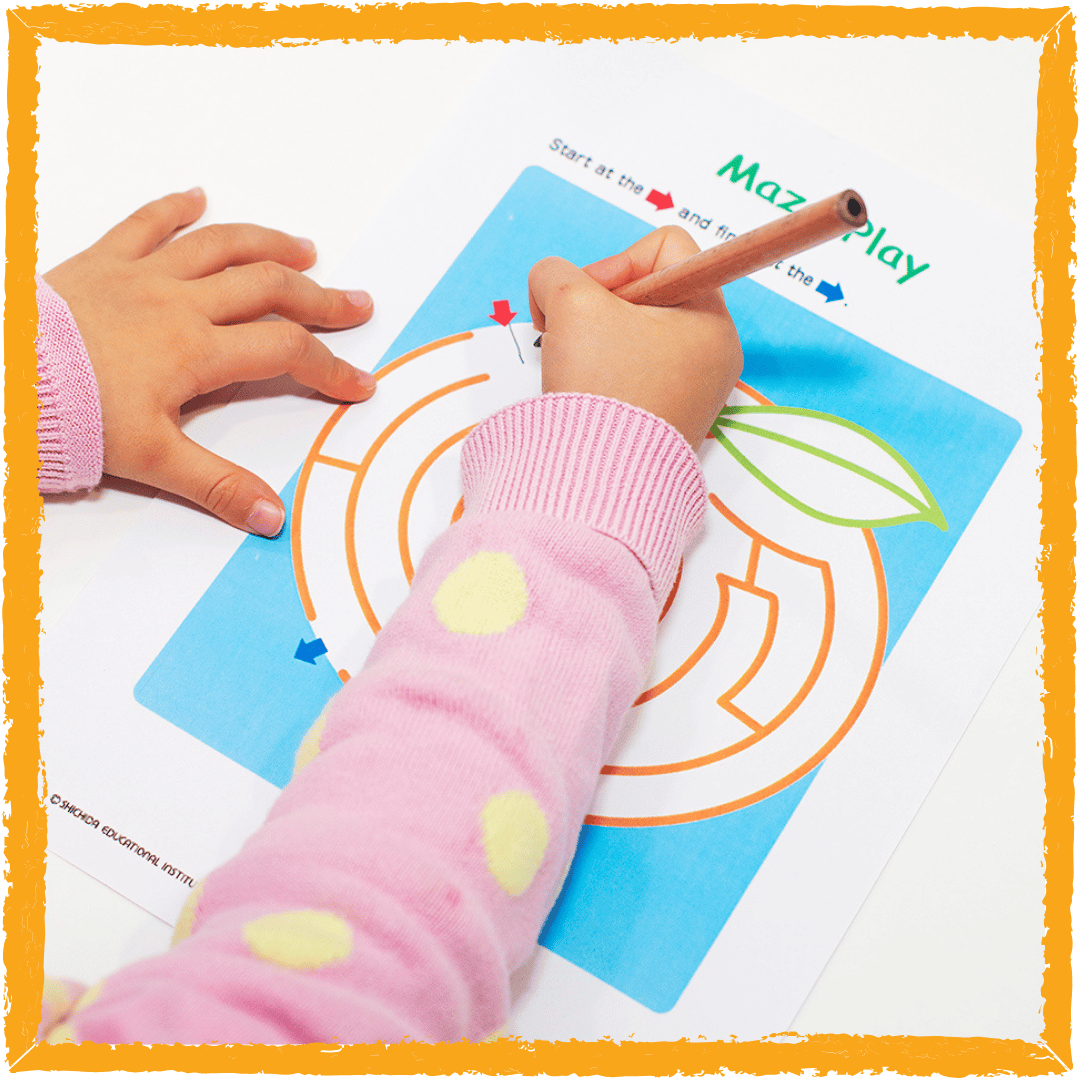
- Enjoying puzzles and thinking challenges
- Growing independence and confidence
Parent’s Checklist
- My child stays with enjoyable tasks longer
- My child explains ideas simply
- My child enjoys puzzles or problem-solving
- My child remembers routines and sequences
- My child shows interest in symbols, letters, or numbers
- I focus on joy rather than performance
Helpful Tips
- Give short instructions and increase steps gradually
- Encourage “try again” when tasks feel tricky
- Use daily routines to practise thinking skills
- Allow independent problem-solving
- Praise participation and effort
What Is Normal at This Age
It is typical for preschoolers to:
- Lose focus if activities are too long
- Need repetition
- Learn best through play
- Develop unevenly across different skills
This does not mean they are not learning.
When to Seek Developmental Guidance
You may consider seeking advice if your child:
- Rarely engages in listening or play
- Struggles significantly to understand simple instructions
- Loses previously developed skills
- Or if you would simply like reassurance
Curious to Learn More?
You do not need to manage every part of your child’s development alone.
The Shichida program is designed around how children naturally learn, using short, joyful, structured activities that nurture memory, listening, thinking, and confidence.
Based on decades of educational research, the program supports both children and parents so learning can remain connected, positive, and pressure-free.
FAQ's: Preschooler Developmental Milestones
Between ages three and five, preschoolers are developing foundational thinking, memory, and social skills that prepare them for school. Key areas include: listening and processing longer information, remembering stories and sequences, imaginative play, early reasoning and pattern recognition, using language to explain ideas, understanding basic numbers, and building confidence and independence in learning.
Children learn best through calm, engaging, and achievable experiences. You can support them by connecting warmly before activities, keeping sessions short and varied, repeating favourite games, using songs and stories, praising effort over correctness, allowing observation without pressure to respond, and creating a calm, encouraging environment.
Yes. Young children often have short attention spans and develop skills at different rates. They learn best through play, benefit from repetition, and may progress unevenly across different abilities. These patterns are typical and do not usually indicate a problem.
Consider guidance if your child rarely engages in listening or play, struggles to follow simple instructions, or loses previously learned skills. Even if development is generally on track, advice can provide reassurance and support. Programs like Shichida offer structured, joyful activities that nurture memory, listening, thinking, and confidence.
Shichida classes are designed to strengthen the very skills preschoolers are developing between ages three and five. Through structured yet playful activities, children practise listening for longer periods, remembering sequences, recognising patterns, building early numeracy skills, expressing ideas clearly, and developing confidence in speaking and learning.
The program also nurtures focus, memory, problem-solving, and social awareness in a calm and encouraging environment. Parents are guided on how to continue these activities at home, helping children build strong foundations for school and beyond.
Resources to Support Preschooler Developmental Milestones
Supporting your preschooler’s developmental milestones happens in everyday moments. Short, playful interactions at home build independence, strengthen language and memory, and enhance your parent-child bond.

Alphabet Flashcards
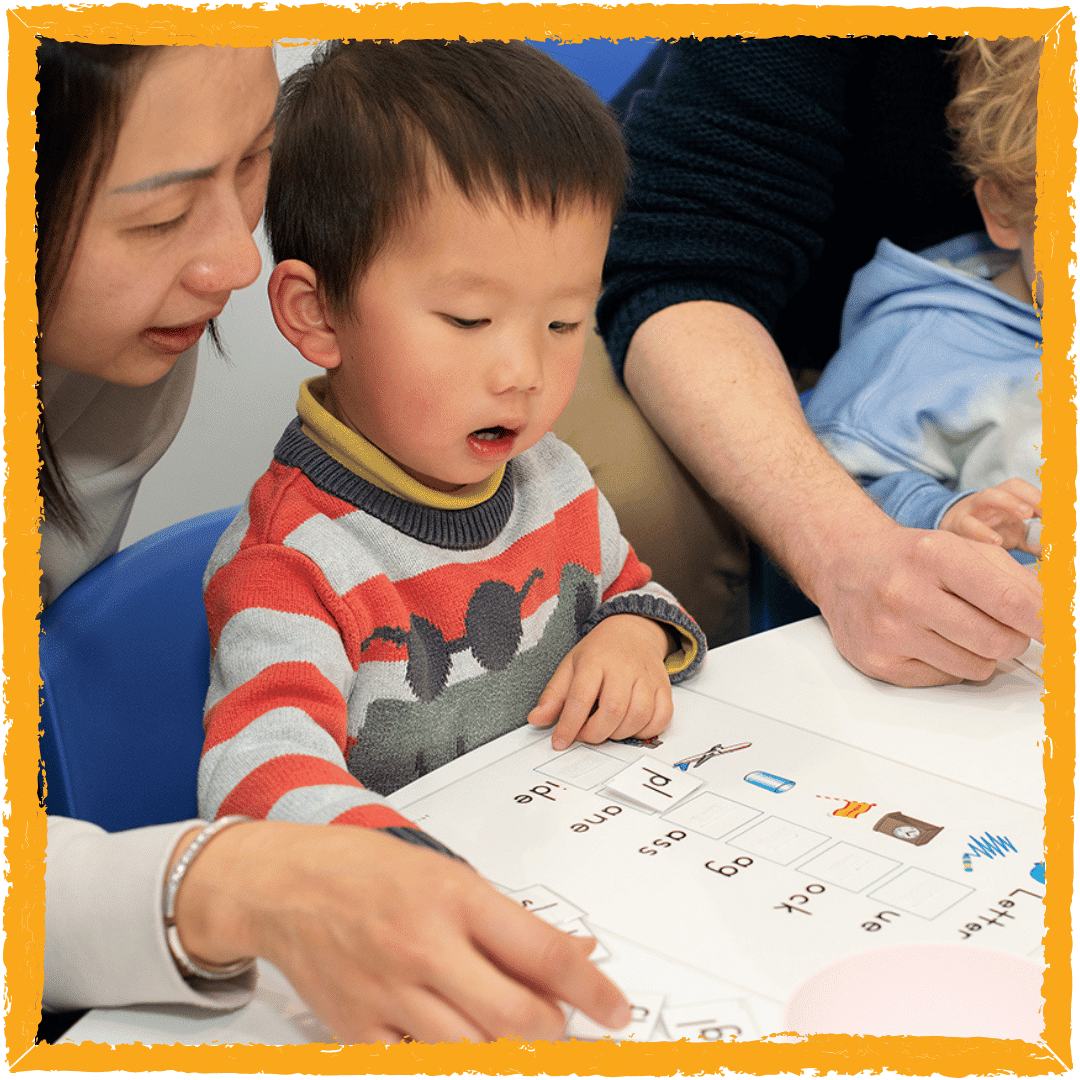
Alphabet flashcards help preschoolers recognise letters and begin connecting them to sounds and words. Used in short, lively moments, they support preschool developmental milestones by strengthening early literacy skills, listening ability, visual memory, and confidence with print.
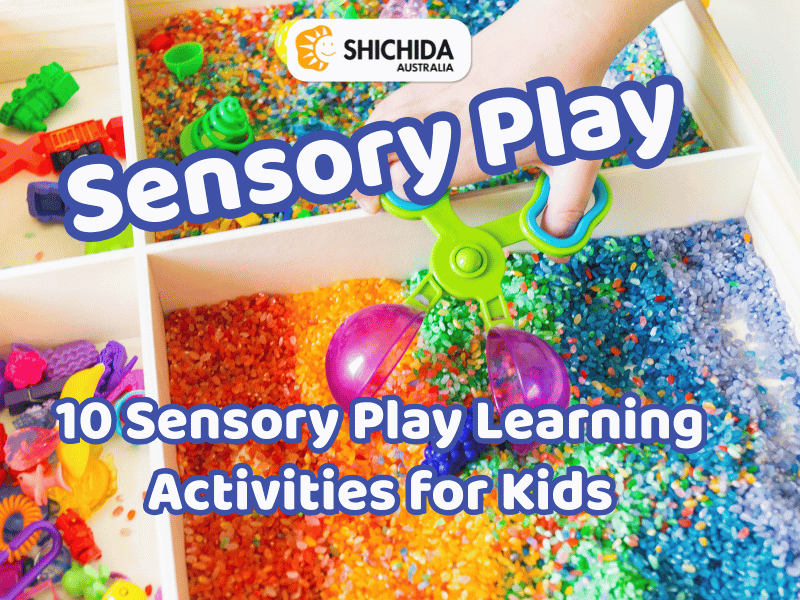
Sensory Play Guide
Through touch, movement, sound, and hands-on discovery, sensory play plays an important role in supporting preschooler developmental milestones. Our sensory play guide offers safe, age-appropriate activities that strengthen coordination, expand language, and build problem-solving skills during this important stage of development.
Shichida Preschooler Classes
Shichida Preschooler Classes offer guided, milestone-focused experiences that support your child’s growing independence, reasoning skills, and love of learning. Structured around preschool developmental milestones, our classes strengthen memory, early literacy and numeracy, focus, and confident self-expression – all within a calm, encouraging environment.