Whole Child Development: Definition, Key Domains & Support Strategies
Key Points
- Whole child development nurtures growth across multiple interrelated domains
- Growth is influenced by biological, environmental, and social factors
- Play and responsive caregiving are central to holistic development
- Frameworks provide structure for supporting multiple domains effectively
- Everyday routines and interactions can meaningfully promote development
You are raising a whole human being. Not just a future reader. Not just a future student. But a thinker, a feeler, a problem-solver, a friend, and a resilient adult.
You may have wondered: Am I doing enough? Am I supporting the right skills? Should I focus on academics?
This is where whole child development changes the conversation.
Instead of asking how to raise a “smart” child, it asks how to support a thriving one. It recognises that learning is not just about letters and numbers. It is much more than that. And when you understand this holistic approach, you start nurturing lifelong growth.
What Is Whole Child Development?
Whole child development is a holistic approach to child growth that recognises children develop across multiple interconnected domains, including cognitive, emotional, social, physical, and language development.
Whole child development focuses on nurturing every aspect of a child’s growth rather than prioritising academic skills alone.
It goes beyond academic readiness. It focuses on wellbeing, resilience, relationships, curiosity, and lifelong learning.
Modern development frameworks and educational research increasingly emphasise “measuring what matters.” This means valuing emotional security, social competence, and adaptability alongside literacy and numeracy.
When you support your child holistically, you are not choosing between play and learning. You are building the foundation for both.
Origins of the Concept
The idea of child holistic growth comes from early developmental psychology, progressive education models, and decades of child development research. Theories from developmental psychologists such as Piaget and Vygotsky, along with research in attachment theory all contributed to the understanding that children grow through interaction, exploration, and relationships.
Over time, educators and researchers shifted from isolated skill tracking toward integrated models that value the “whole child.”
Why It Matters Across Contexts
Whole child approaches are used in families, early learning centres, and schools. They support emotional wellbeing, social competence, cognitive readiness, and long-term adaptability. When development is balanced, children are more likely to regulate emotions, build strong relationships, and approach challenges with confidence.
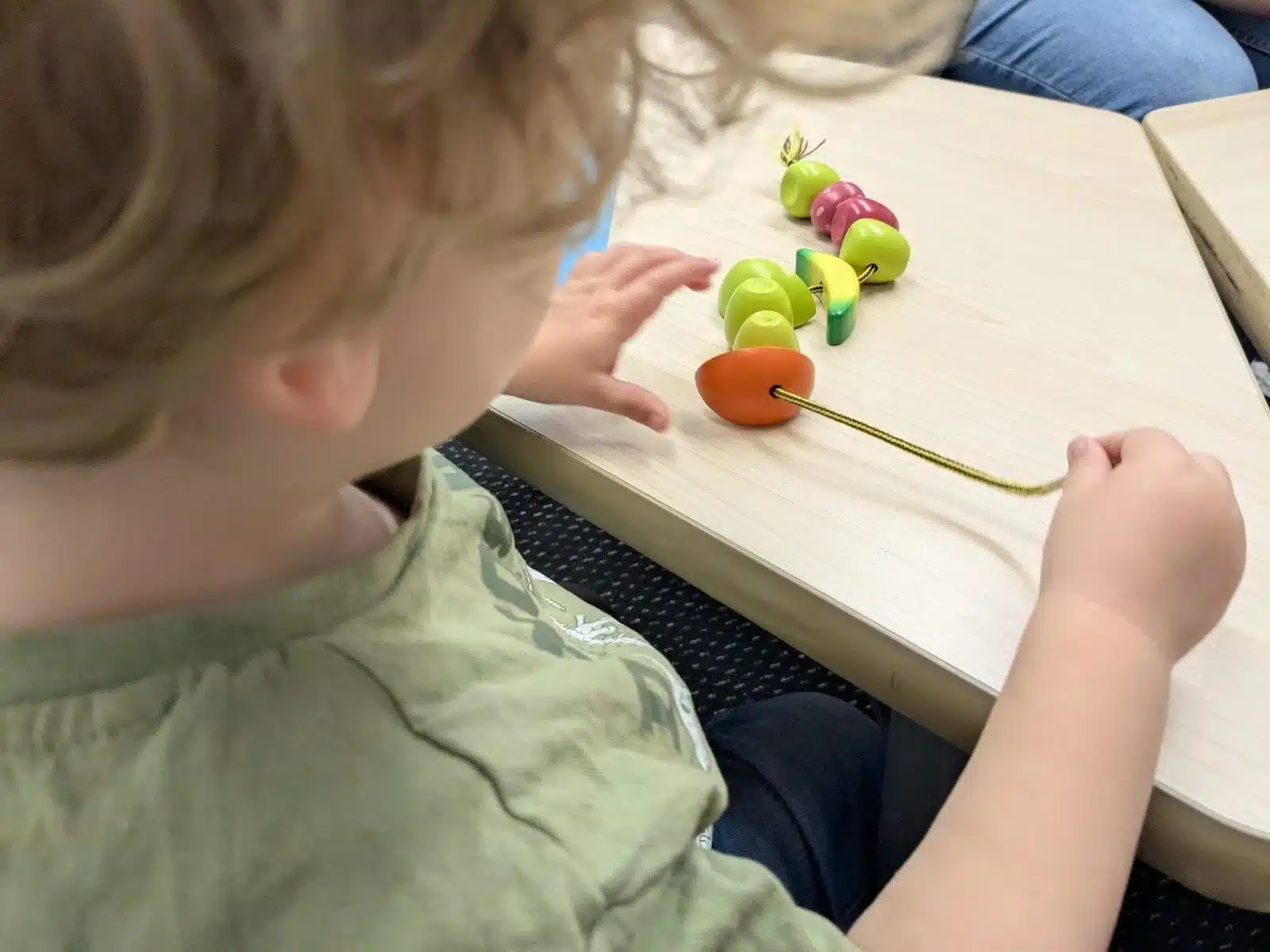
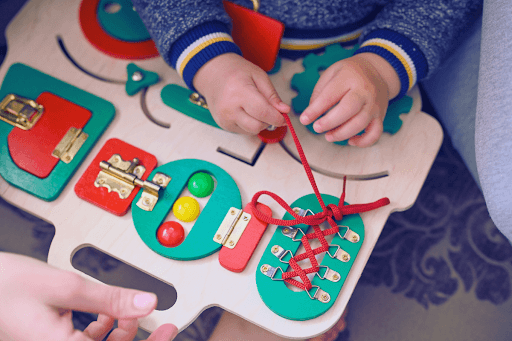
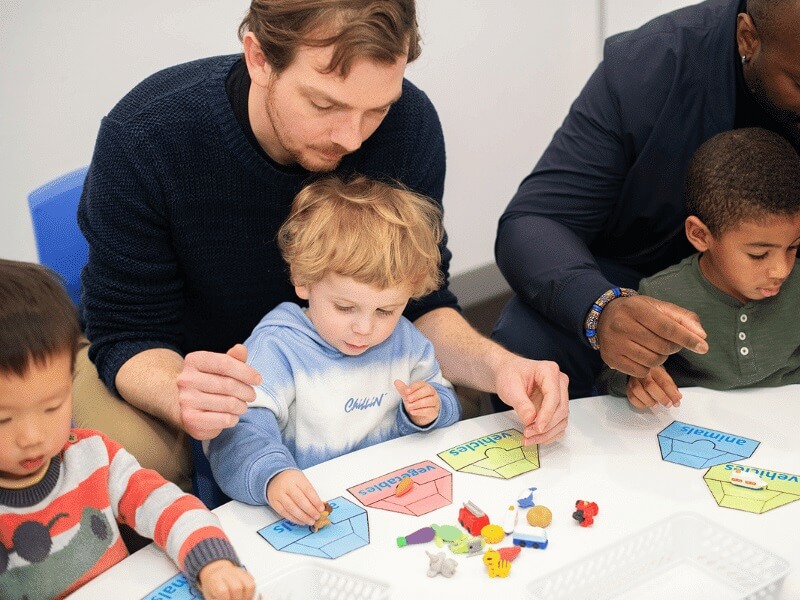
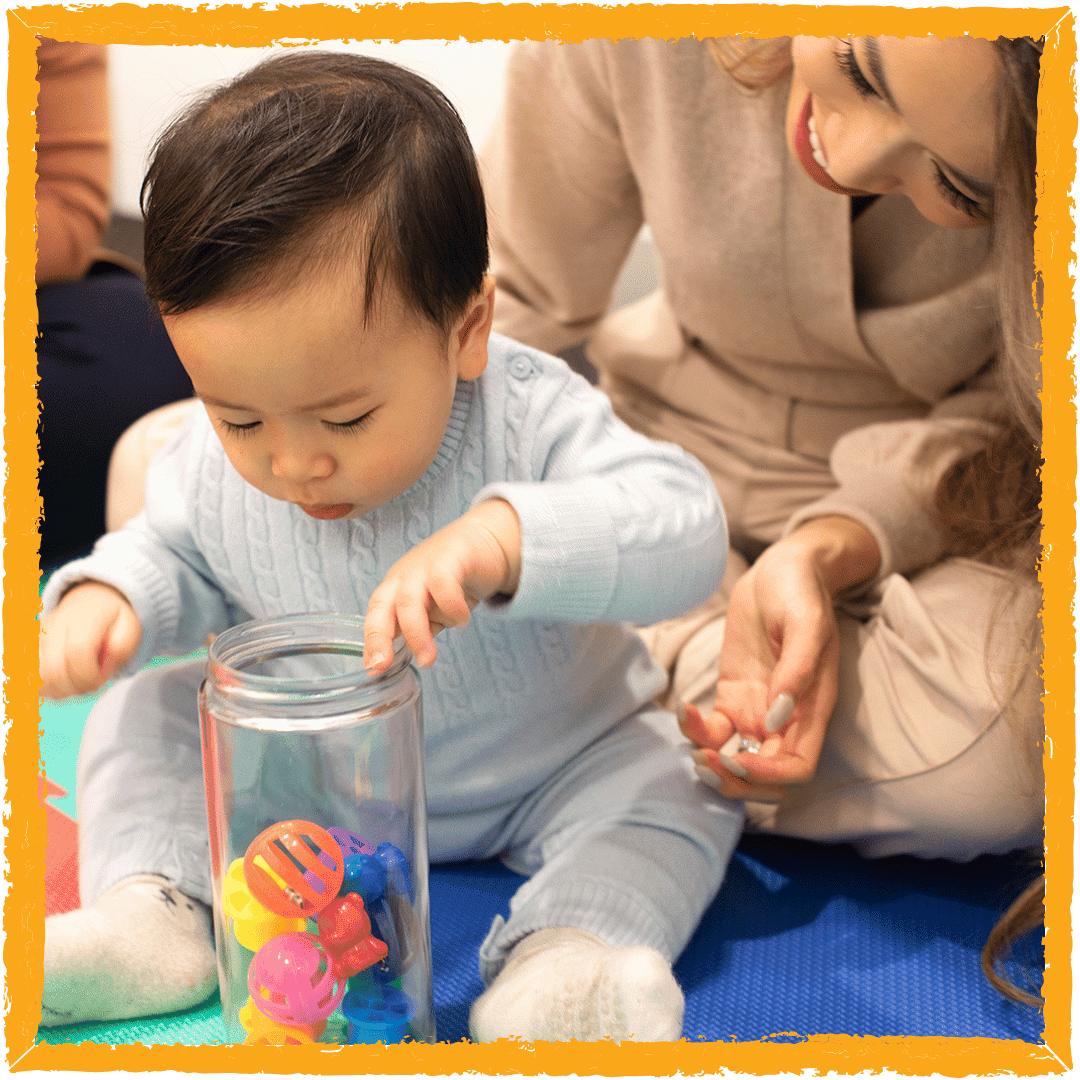
Image by Shichida Australia: Threading activities help develop fine motor skills, hand-eye coordination, and concentration – important developmental milestones that support whole child development.
The Core Domains of Whole Child Development
At the heart of whole child development are the core development domains:
- Physical development
- Cognitive growth
- Emotional development
- Social skills
- Language and communication
These domains do not grow in isolation. They influence each other constantly. Emotional security supports cognitive growth. Physical movement enhances brain development. Language strengthens social connection.
When you understand these links, your daily interactions become opportunities for development.
Physical Development
Physical development includes growth, motor skills, coordination, strength, and overall health. From tummy time in infancy to climbing and running in toddlerhood, movement builds neural connections. Active play supports balance, coordination, and even cognitive function. Nutrition and sleep also play critical roles in healthy development.
Cognitive Development
Cognitive growth involves thinking, memory, problem-solving, curiosity, and exploration. When your child experiments with stacking blocks or asks endless “why” questions, they are building mental frameworks. Exploration, trial and error, and guided discovery strengthen learning pathways.
Social Development
Social skills include sharing, cooperating, forming friendships, and understanding social cues. Through play and interaction, children learn empathy, negotiation, and relationship-building. These abilities strongly predict later success in school and life.
Emotional Development
Emotional development includes self-awareness, emotional regulation, resilience, and empathy. When children can identify feelings and manage frustration, they are better equipped to learn and connect with others. Emotional competence directly supports academic and social success.
Language & Communication
Language development includes speaking, listening, nonverbal cues, and early literacy. Communication skills influence every other domain. Strong language supports cognitive growth, emotional expression, and social interaction. Even newborns begin developing communication skills through responsive interaction.
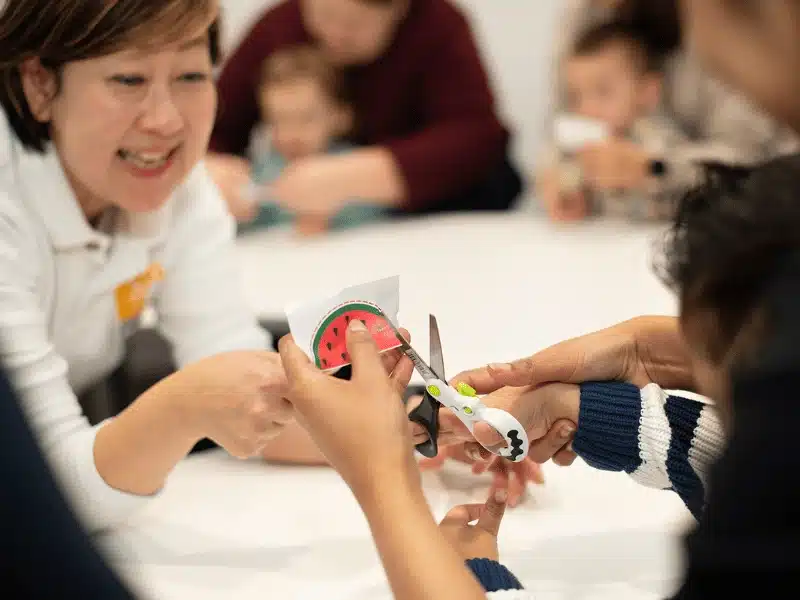
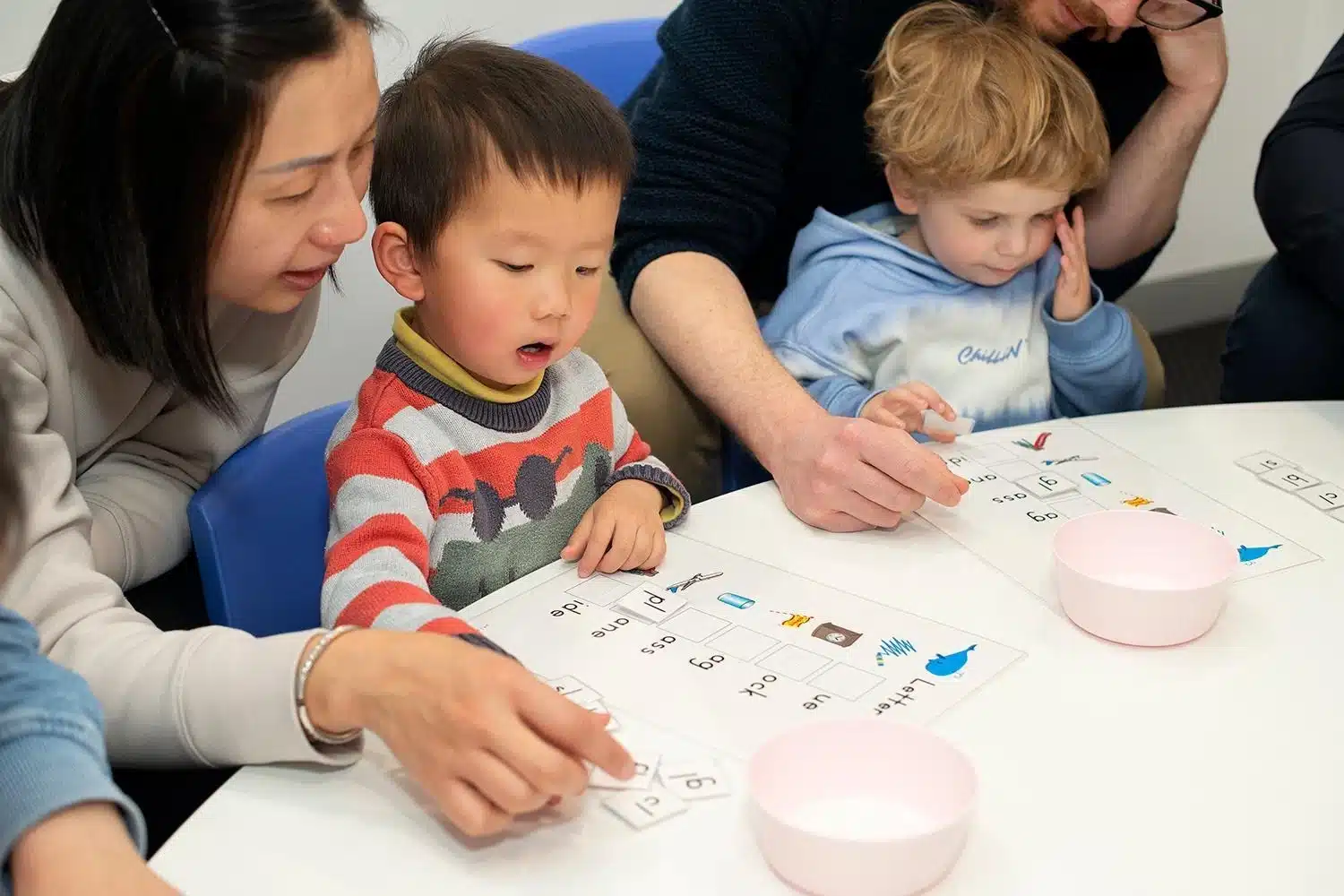
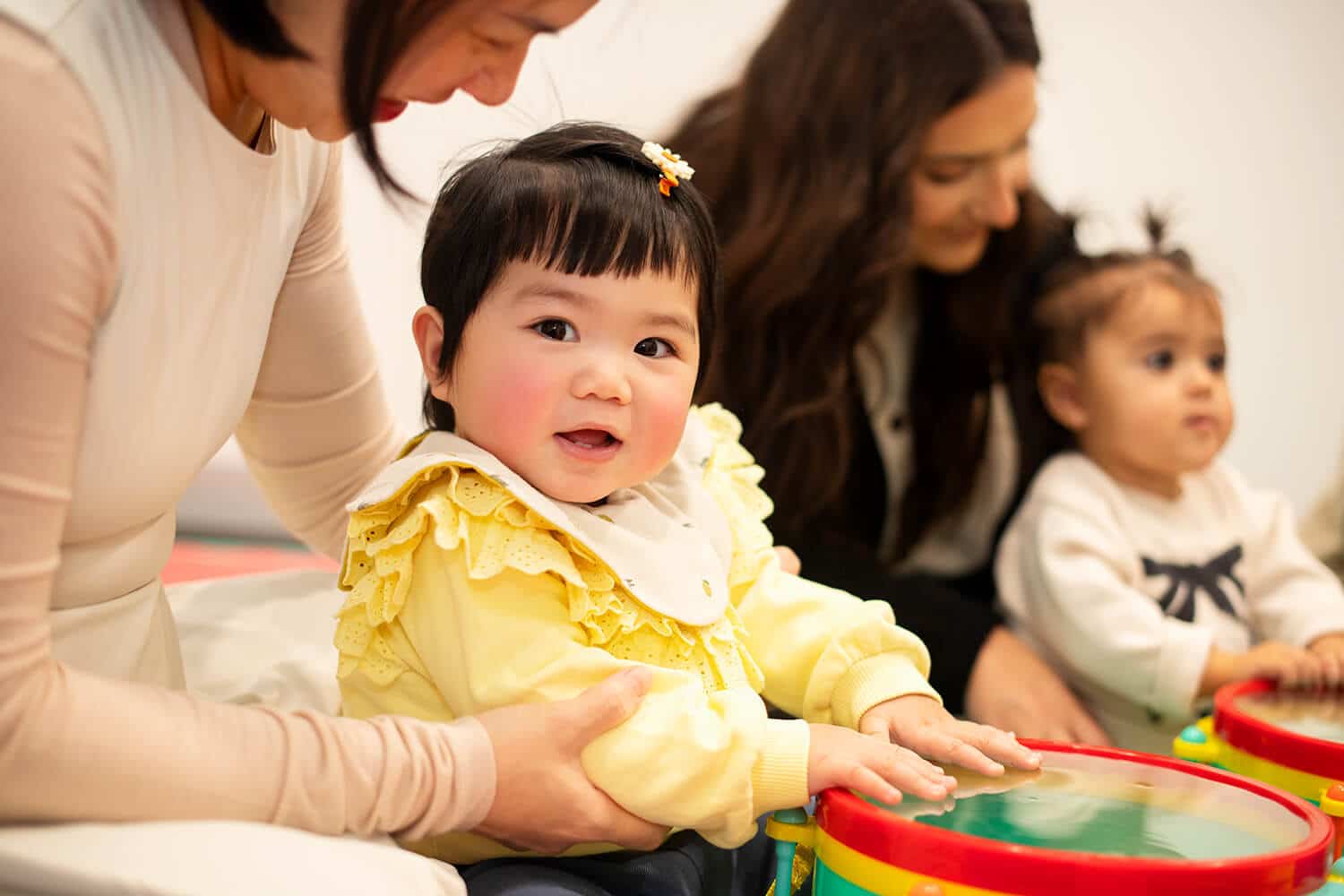
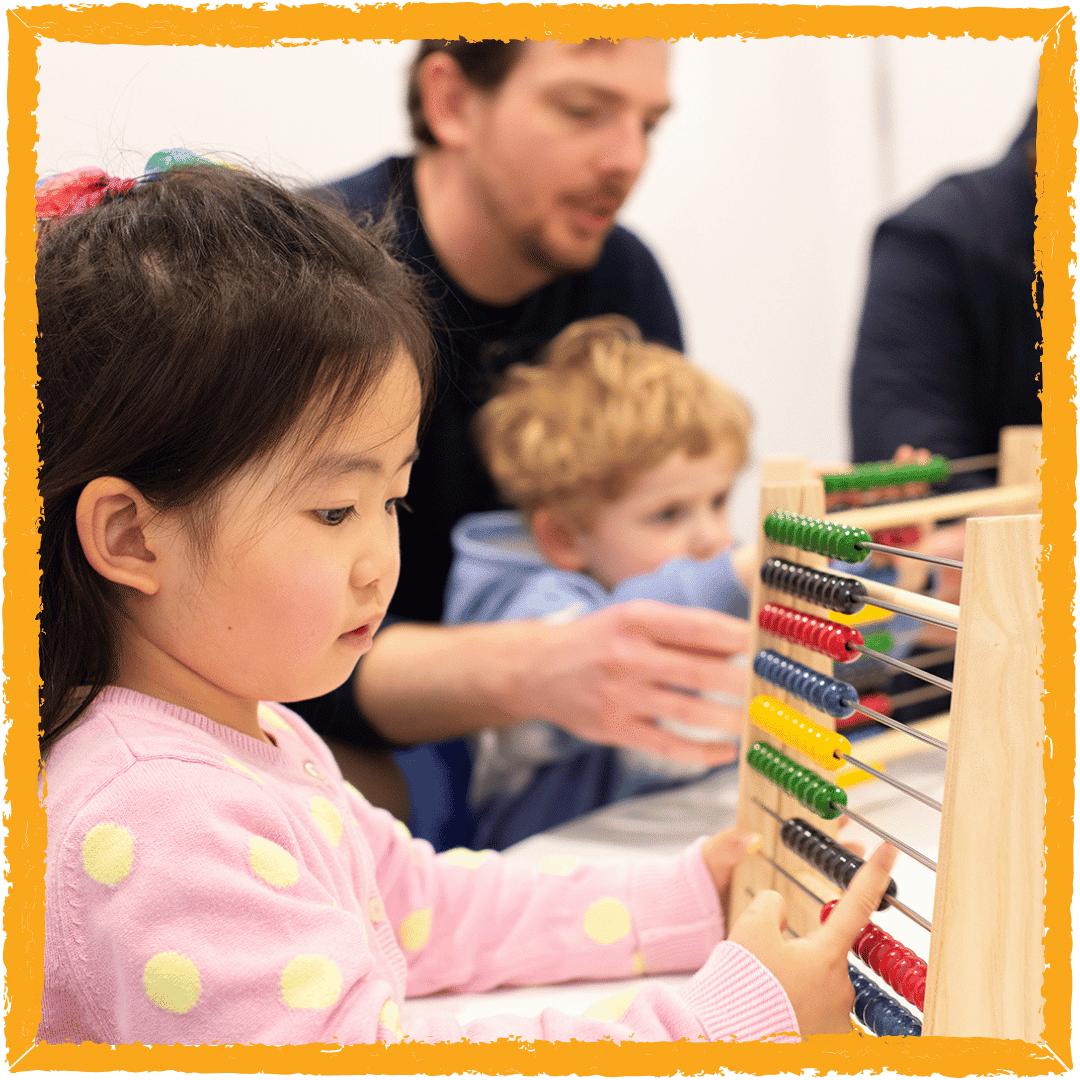
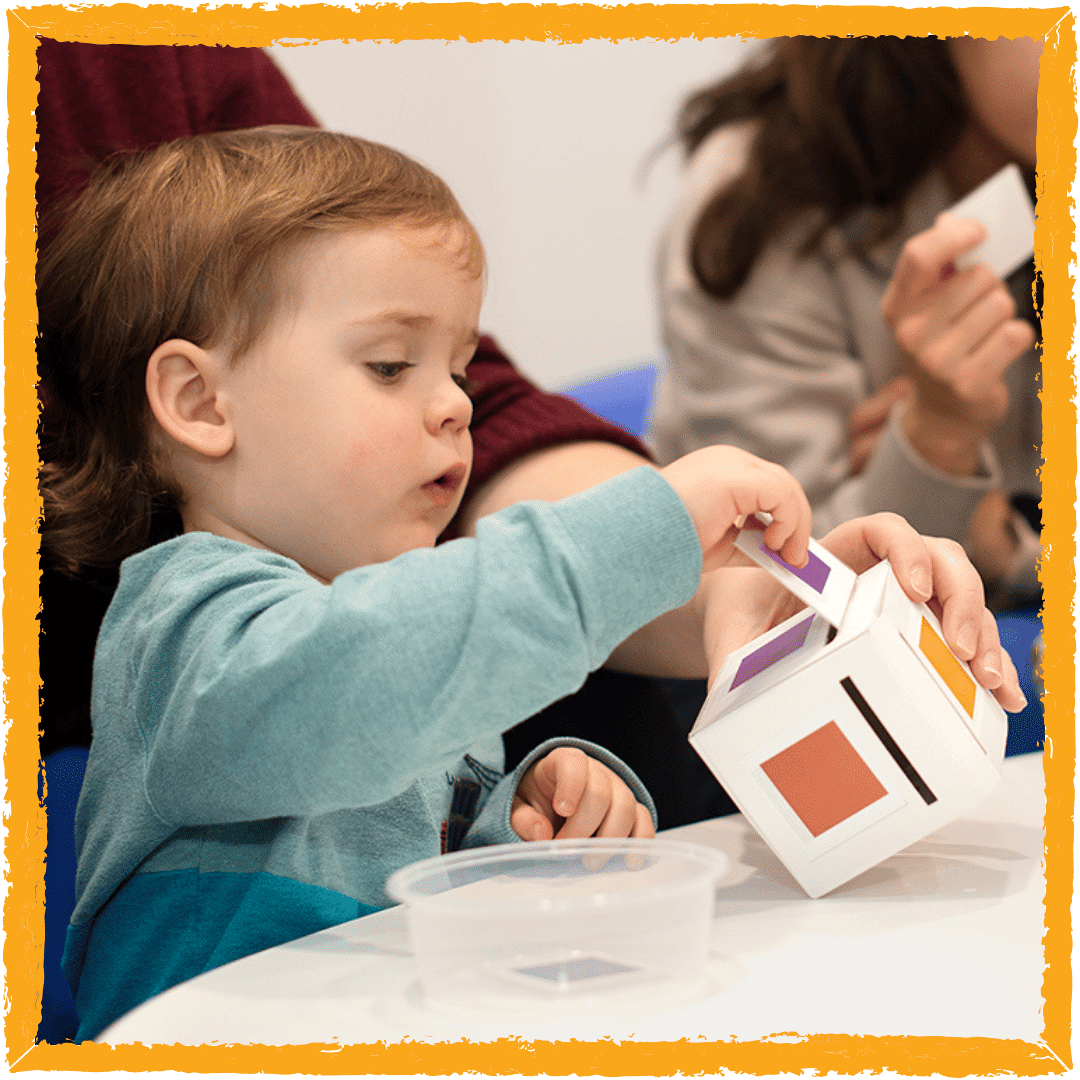
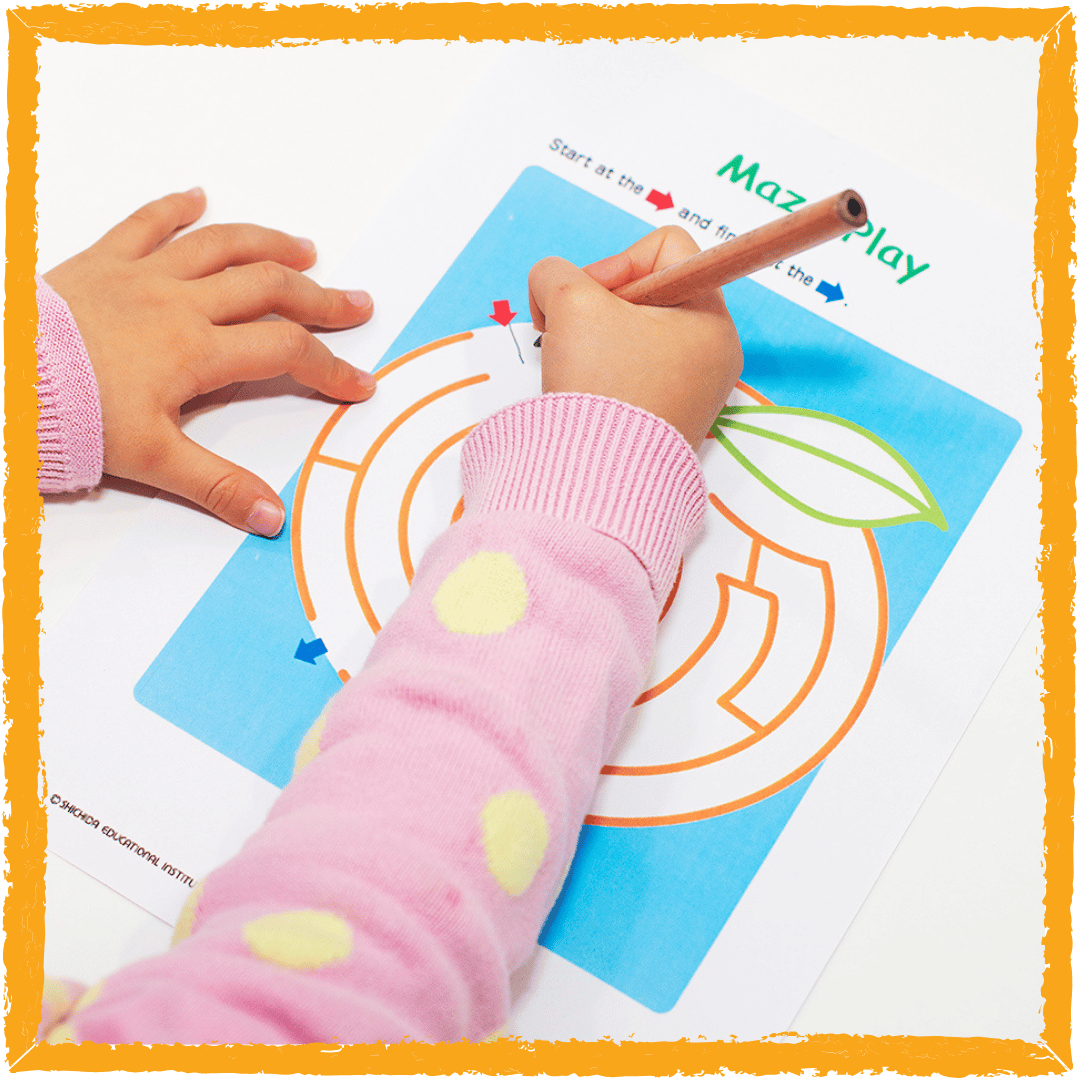
Image by Shichida Australia: Activities that build fine motor skills also support broader developmental milestones in whole child development.
Emerging Research on Whole Child Development
Recent child development research supports multidomain approaches. The Australian Council for Educational Research highlights the importance of measuring cognitive, social, emotional, and physical growth together rather than focusing on academics alone. Longitudinal research published in the American Journal of Public Health shows that early social competence strongly predicts later academic success, mental health, and overall wellbeing.
Evidence synthesised by the Collaborative for Academic, Social, and Emotional Learning further demonstrates that programmes integrating emotional skills, social interaction, and cognitive challenge lead to more sustainable academic and life outcomes than narrow academic instruction.
When multiple developmental domains are nurtured together, children build stronger foundations for learning, relationships, and emotional wellbeing.
Measuring What Matters
Measuring holistic growth is complex. Standardised tests often capture academic performance but miss emotional development or social skills. Observational tools, caregiver reports, and developmental checklists provide a more complete picture. Modern early learning frameworks increasingly combine qualitative and quantitative methods to assess wellbeing alongside academic progress.
Biological and Environmental Interactions
Development is shaped by both biology and environment. Genetics influence temperament and potential, but relationships, stimulation, and emotional safety shape how those traits unfold. Brain development research shows that responsive caregiving, play, and stable environments can positively influence neural pathways across all domains.
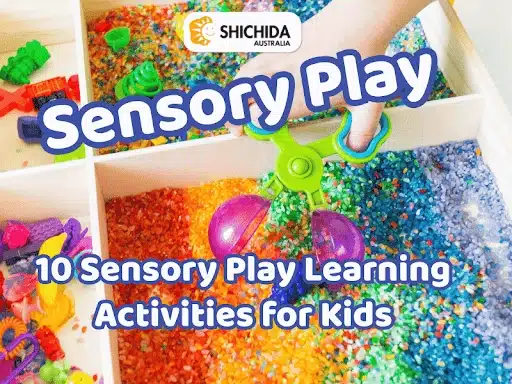
Free Sensory Play Guide for Babies, Toddlers & Preschoolers
Sensory play is a great way to support whole child development. Activities that involve textures, movement, and exploration stimulate multiple areas of the brain while strengthening fine motor skills, language development, and emotional regulation.
Download our free Sensory Play Guide for simple activities you can try at home.
Practical Strategies to Support Whole Child Development
Simple caregiver strategies include:
- Maintaining consistent routines
- Engaging in play-based learning
- Encouraging exploration
- Responding sensitively to emotions
- Providing language-rich conversations
- Supporting emotional regulation through guidance and modelling
These daily practices nurture physical development, cognitive growth, emotional development, social skills, and language development simultaneously.
Play-Based Learning
Play-based learning is one of the most powerful tools for holistic child support. Open-ended play builds creativity and problem-solving. Structured games build self-regulation and cooperation. Physical play enhances coordination and cognitive function. Through play, children integrate multiple domains naturally.
Responsive Communication
Responsive communication means tuning into your child’s cues and responding thoughtfully. Narrate daily routines, label emotions, ask open-ended questions, and model empathy. Language-rich, emotionally attuned interactions strengthen both cognitive and emotional development.
Safe and Stimulating Environments
Children thrive in spaces that are safe yet allow exploration. Provide materials that invite curiosity, such as books, blocks, art supplies, and outdoor opportunities. Balance structure with autonomy so your child feels secure yet empowered.
Whole Child Development Frameworks & Models
Five Foundations of Development
The Five Foundations emphasise:
- Cognitive
- Emotional
- Social
- Language
- Physical skills
Each foundation supports the others. For example, emotional security strengthens language learning, while physical movement enhances cognitive growth. Together, they form a comprehensive early learning framework.
Ackermann’s Four Natural Forces
Ackermann describes four natural forces shaping development:
- biological predispositions
- relationships
- environment
- self-driven exploration
These forces remind you that development is not passive. Children actively engage with their world, and caregiving practices influence how these forces unfold.
Supporting Whole Child Development at Home
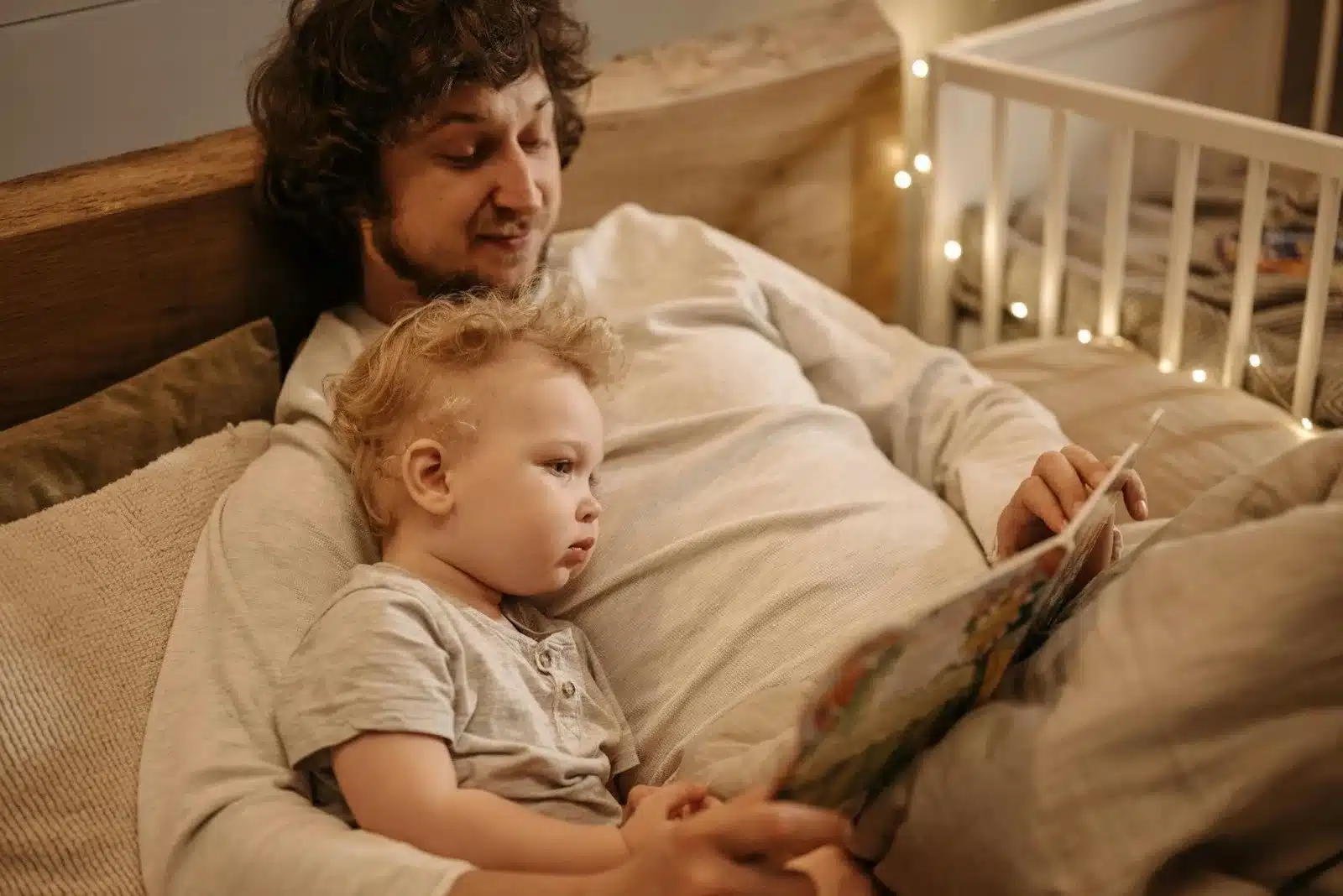
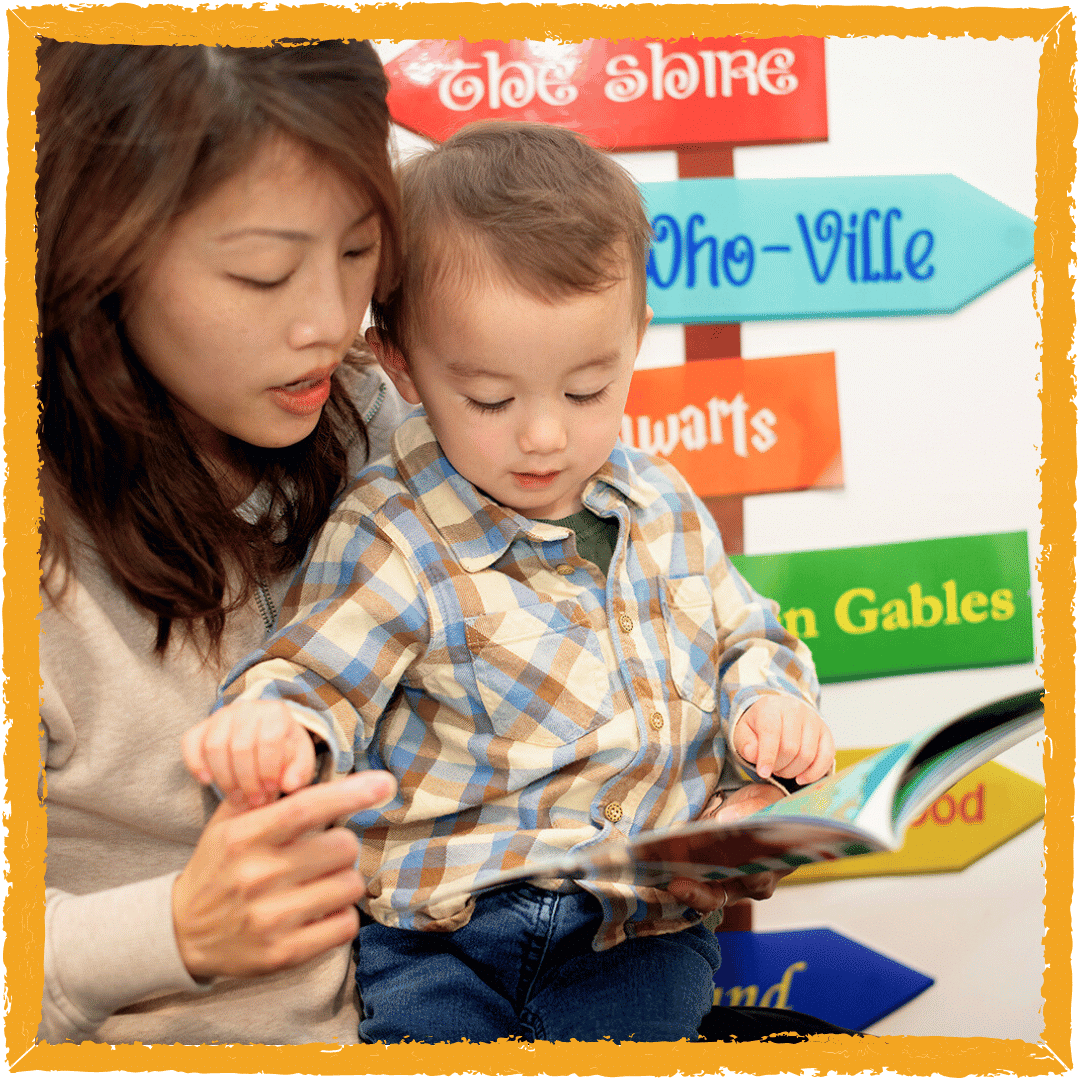
Photo from Pexels: Responsive storytelling nurtures language, emotional understanding, and curiosity, vital for whole child development.
Parents often wonder how early whole child development begins. The answer is from birth.
Holistic child support starts with secure attachment, responsive feeding, gentle communication, and sensory exploration. As your child grows, daily routines and shared experiences become developmental opportunities.
Focus on encouraging independence, emotional regulation, curiosity, and connection.
Daily Routines with Purpose
Consistent routines create emotional security. Predictable mealtimes, bedtime rituals, and family conversations build responsibility and confidence. Simple tasks such as tidying toys or helping prepare meals support physical coordination, language development, and independence.
Partaking in scheduled activities together is a great way to set aside dedicated time to focus on each other while creating a routine your child can look forward to.
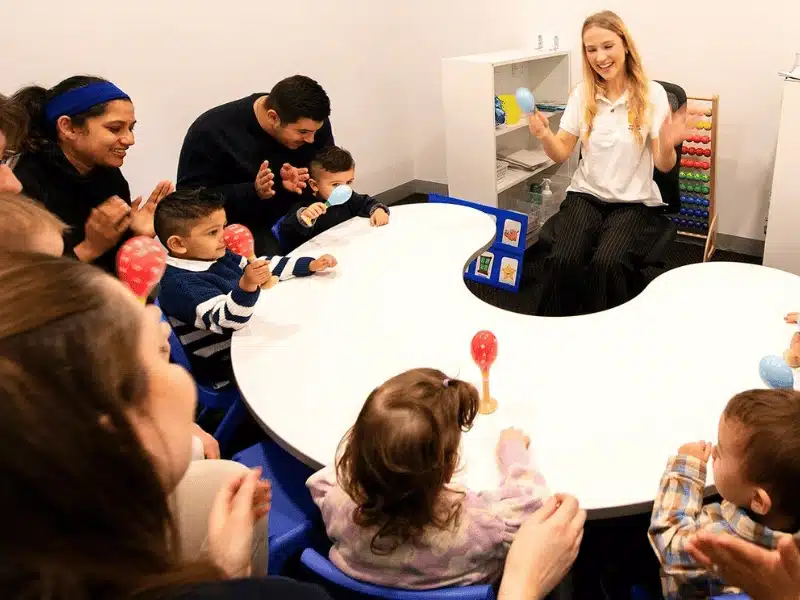
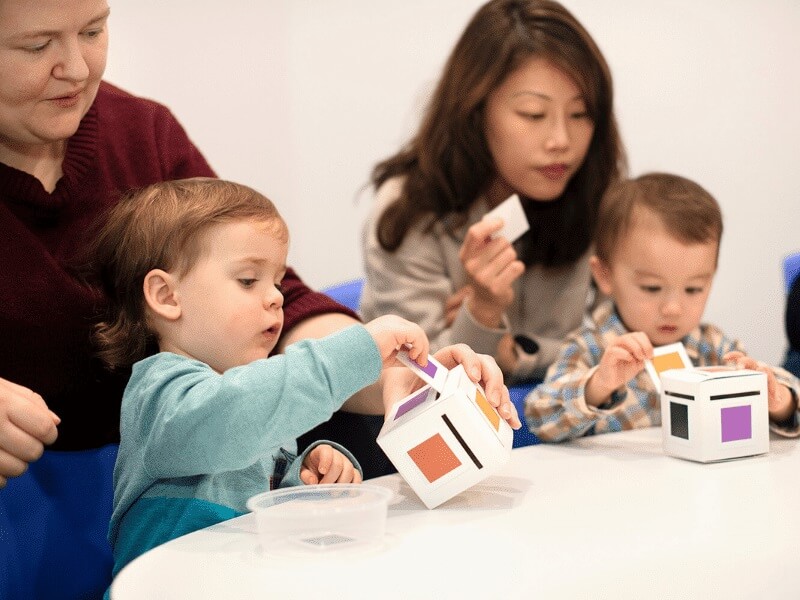
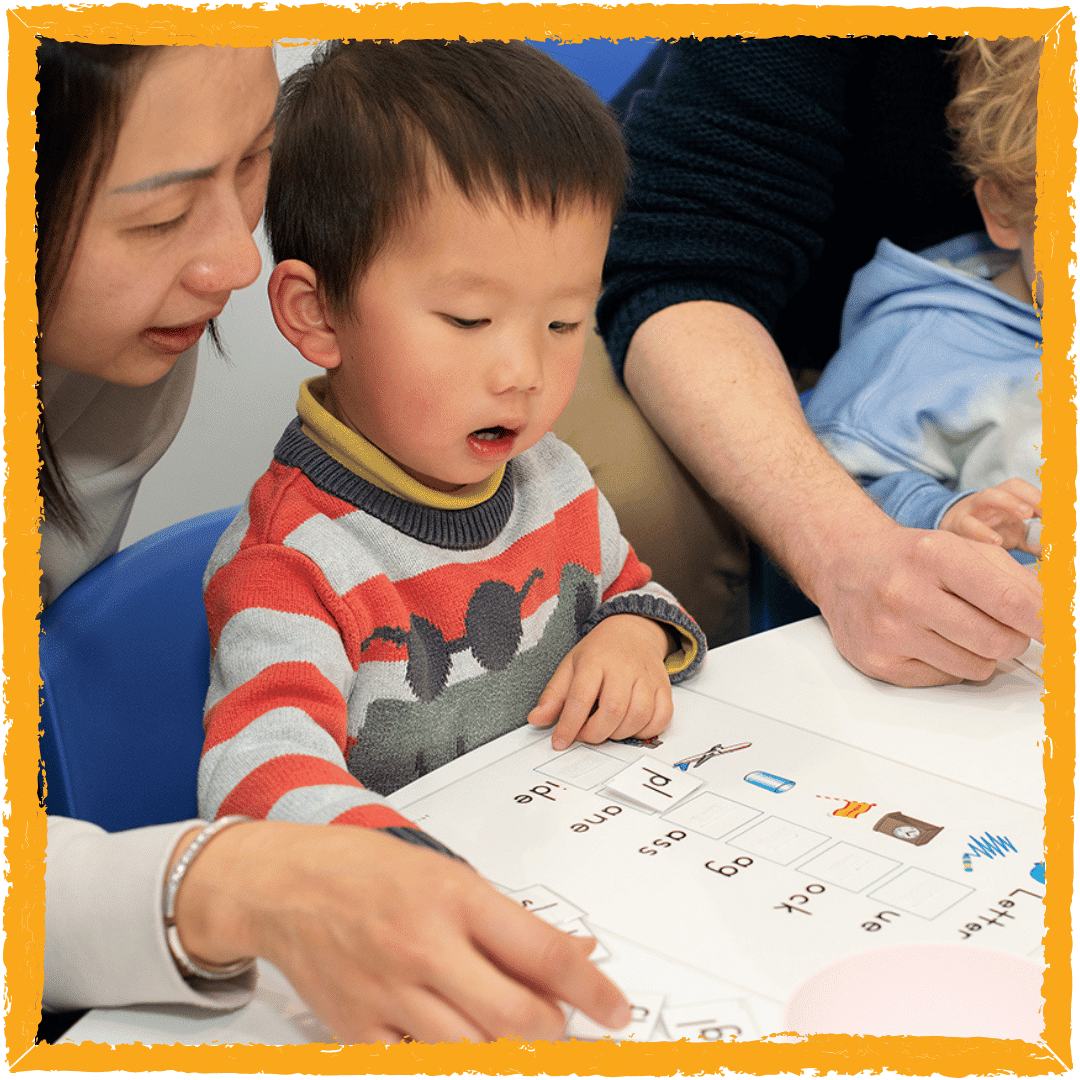
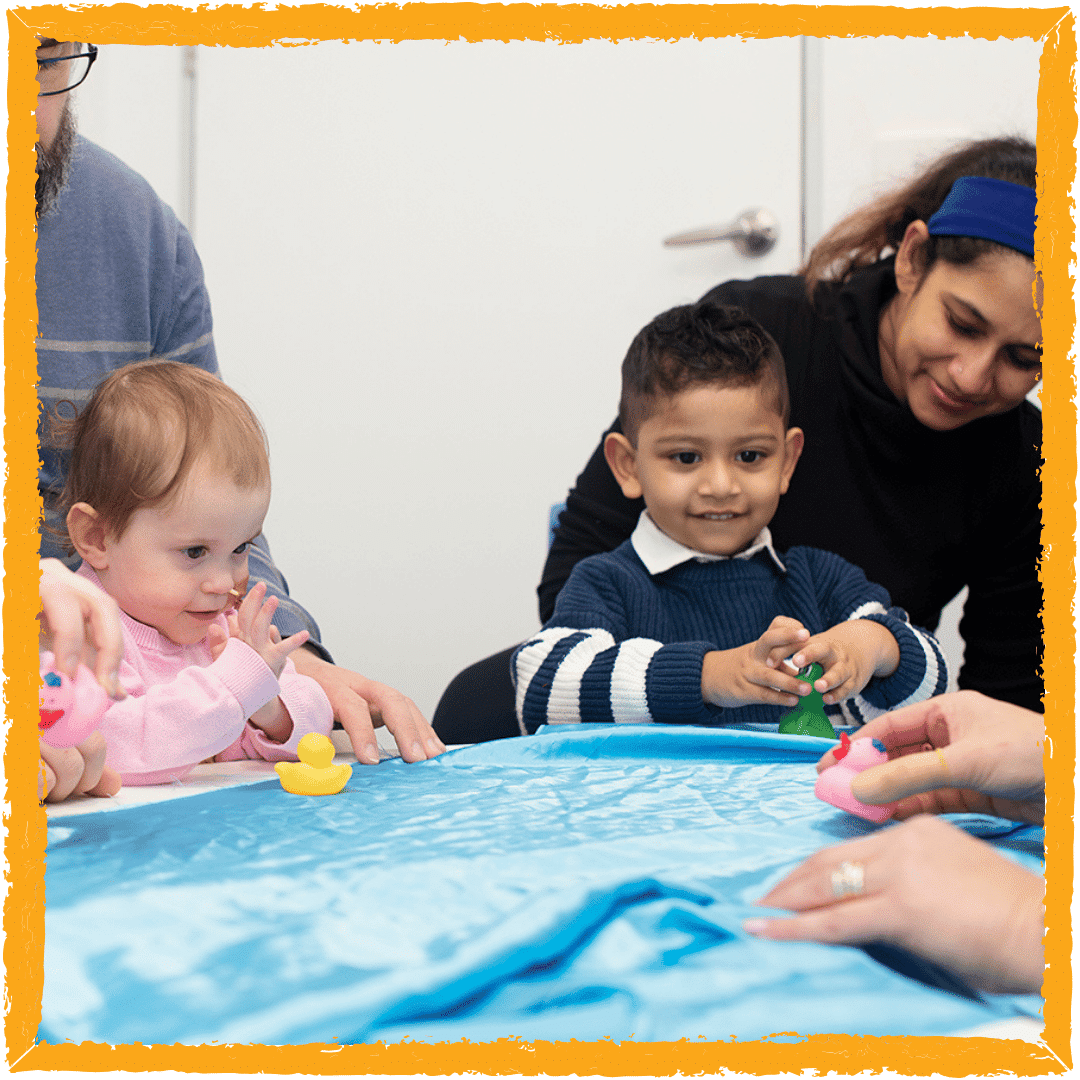
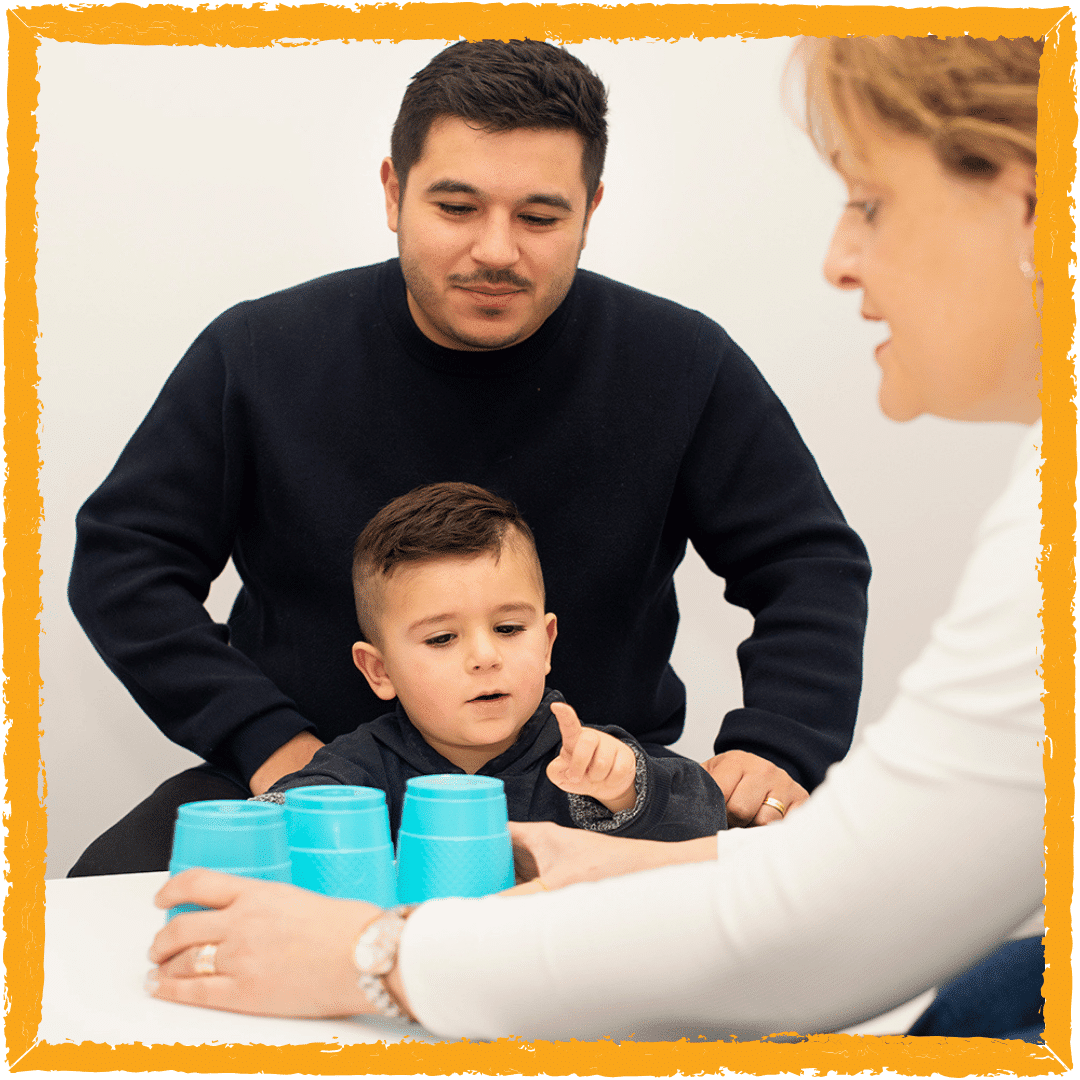
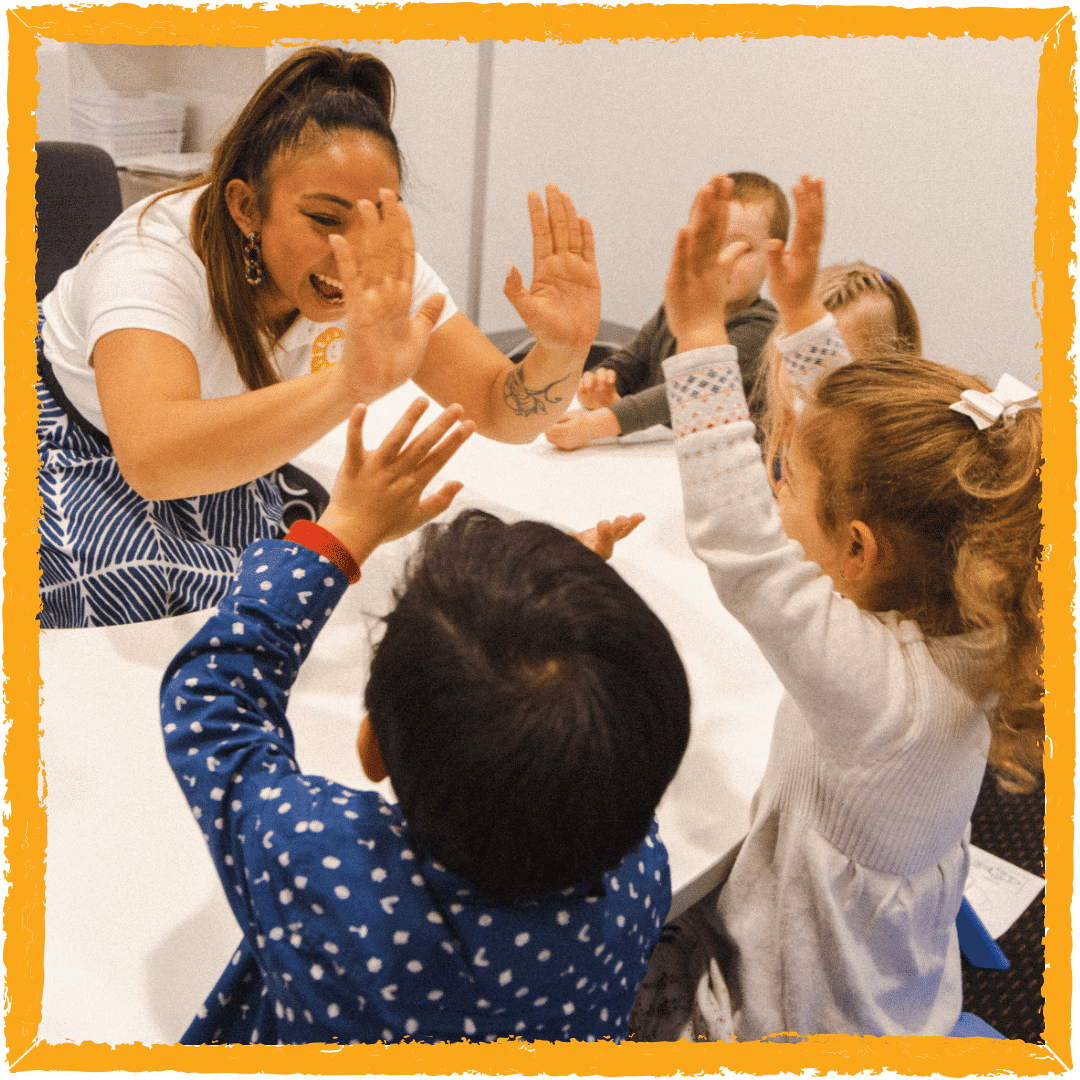
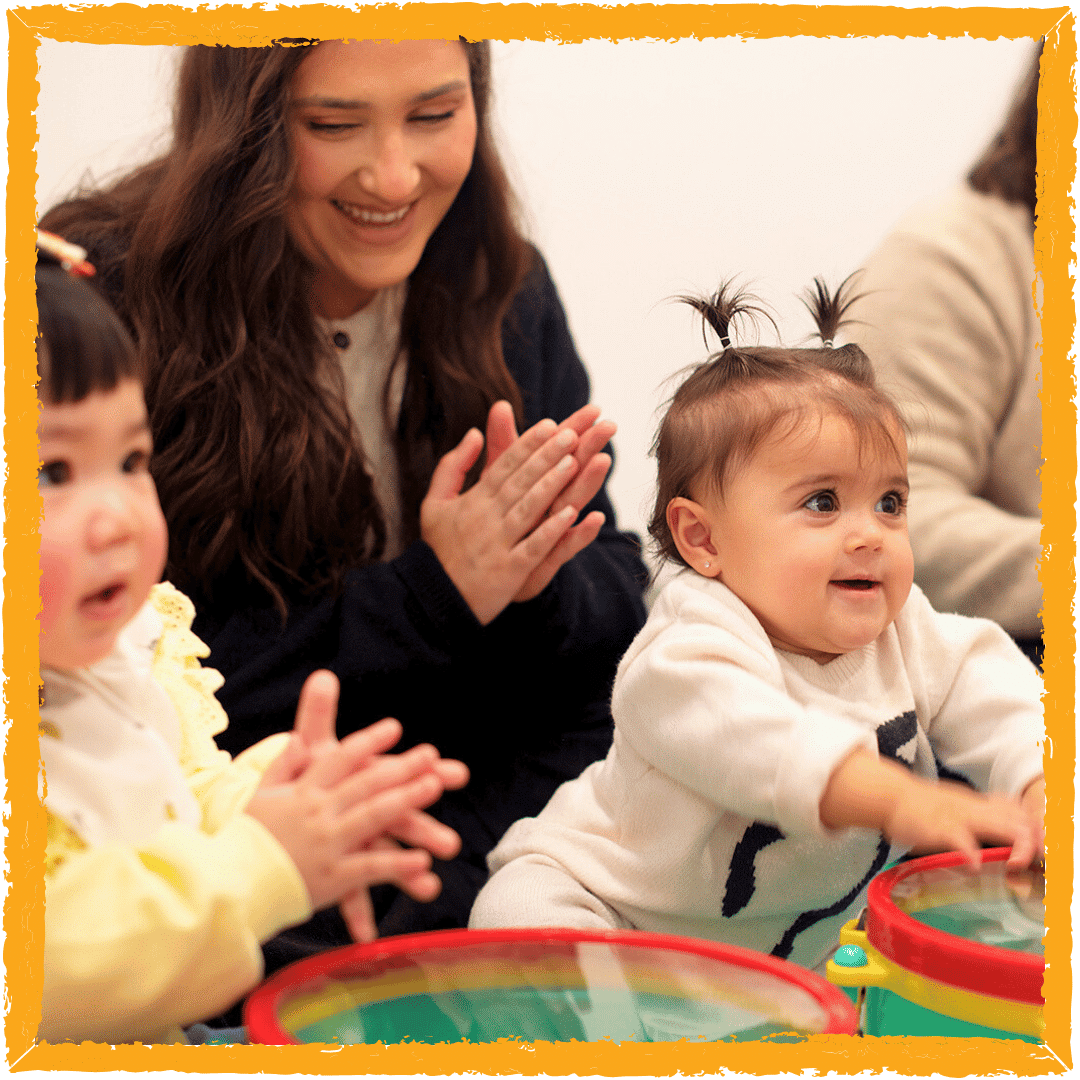
Image by Shichida Australia: Shared learning activities support parent-child bonding while helping children develop social, emotional, and cognitive skills.
Activities That Encourage Growth
Choose activities that support multiple developmental domains at once:
- Building blocks for cognitive and physical skills
- Pretend play for emotional and social development
- Outdoor exploration for physical and language growth
- Storytime for cognitive and emotional connection
Common Misconceptions About Whole Child Development
- One common myth is that development equals academics. In reality, overemphasising early academic drilling can neglect emotional development and social skills.
- Another misconception is obsessing over milestones. Children develop at different paces. Healthy growth is not a race!
- Some parents assume readiness means mastering worksheets. True readiness includes emotional regulation, social confidence, and curiosity.
- Standardised testing alone cannot measure holistic growth. Balanced development predicts long-term success more accurately.
- When you shift your focus from performance to development, you create space for authentic growth.
Examples of Whole Child Development in Everyday Life
Whole child development often happens during ordinary daily activities. When children play, communicate, explore, and interact with others, multiple developmental domains are strengthened at the same time.
For example:
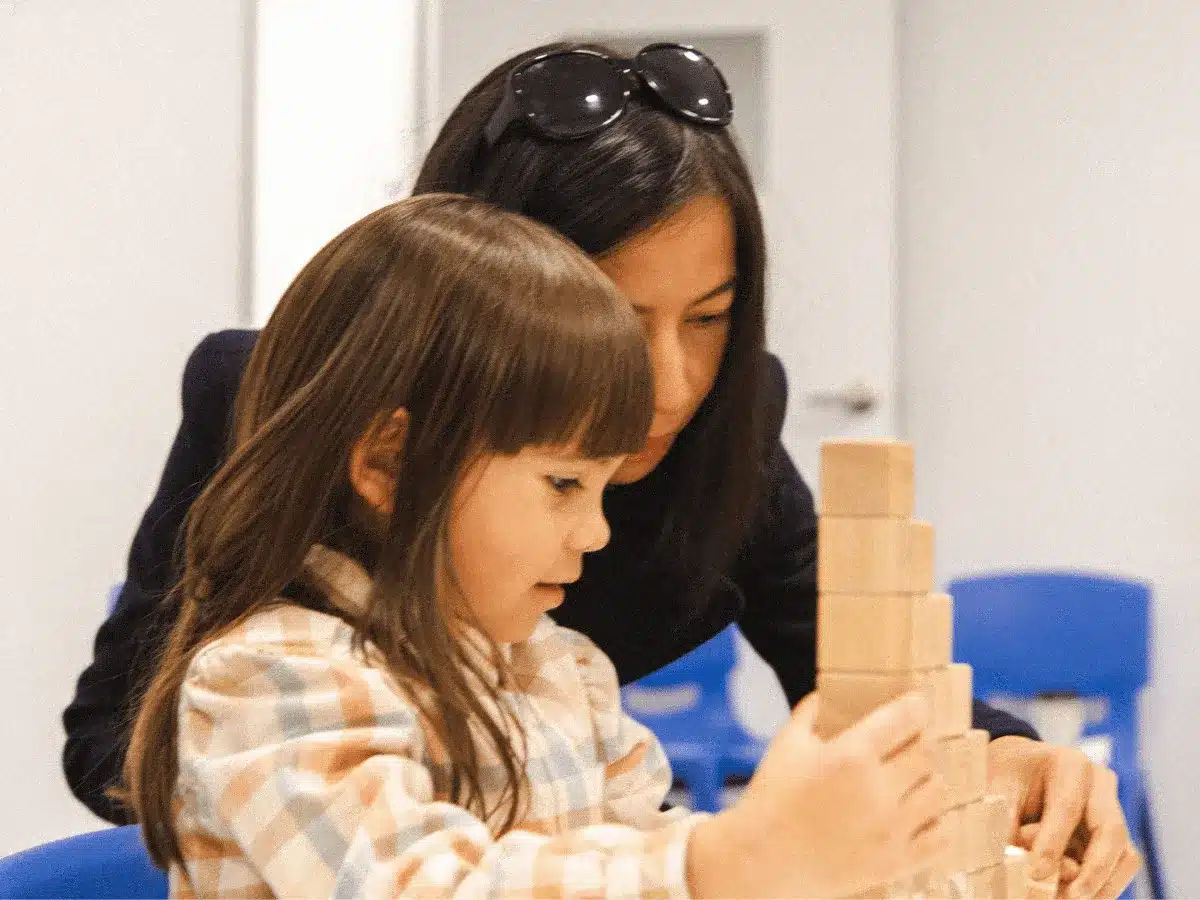
- Building blocks: Stacking or building towers strengthens fine motor skills, problem-solving, and spatial awareness, while also encouraging persistence and focus.
- Storytime with a parent: Reading together supports language development, emotional bonding, imagination, and listening skills.
- Outdoor play: Climbing, running, and balancing improve physical development, coordination, and confidence while also encouraging social interaction with peers.
- Pretend play: Role-playing games help children practise emotional expression, social skills, and creative thinking.
These everyday activities show how children naturally develop across multiple domains at once when they are given opportunities to explore, interact, and learn through play.
Supporting Whole Child Development in the Early Years
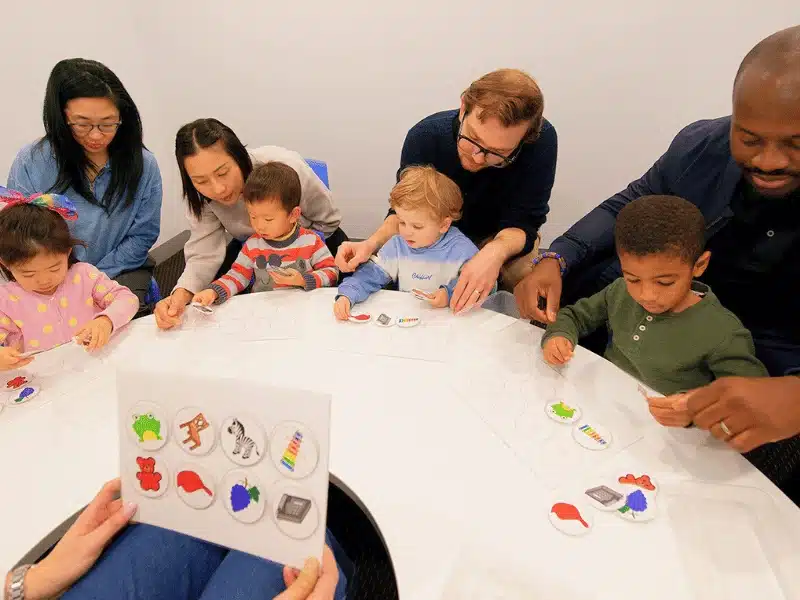
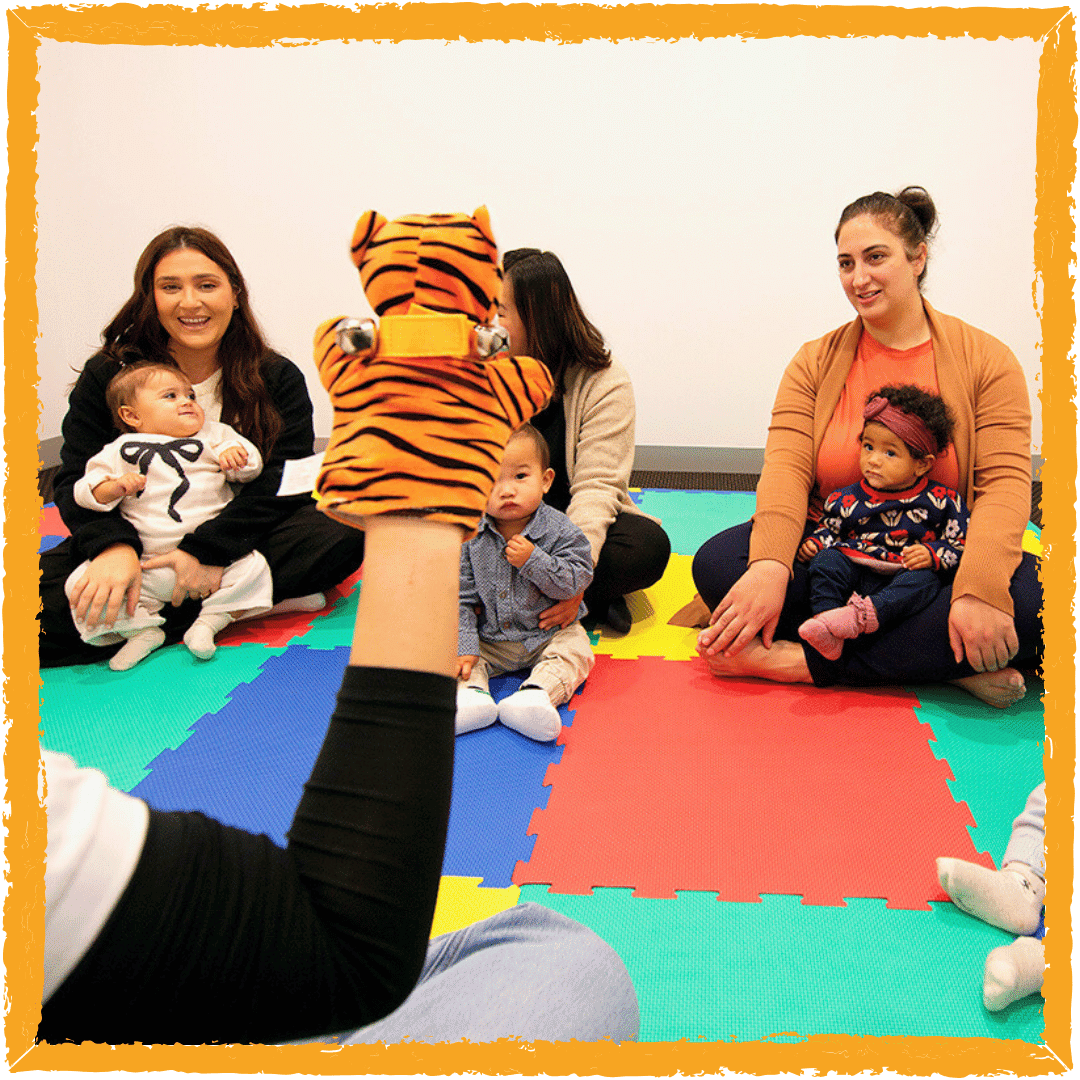
As you prepare for your child’s future, consider a learning approach that nurtures every core development domain. At Shichida Australia, children develop cognitive, social, emotional, physical, and language skills together through engaging activities designed for the early years. These interactive classes also give parents and children meaningful time to learn and grow together.
Book a trial class and discover how a holistic approach can help your child build strong foundations for lifelong learning.
FAQ’s: Whole Child Development
The five core domains of whole child development are physical development, cognitive development, emotional development, social development, and language and communication development. These domains are interconnected and influence each other throughout childhood. Growth in one area often supports progress in another.
Yes. Some early learning programmes are designed specifically to support whole child development by integrating cognitive, social, emotional, and physical learning. The Shichida Method, for example, combines structured learning activities, parent-child interaction, and play-based techniques to support holistic development during the early years.
Whole child development means supporting a child’s physical, cognitive, emotional, social, and language growth together rather than focusing on just one area. This holistic approach recognises that learning, behaviour, and wellbeing are closely connected.
Whole child development supports balanced growth across emotional, social, cognitive, and physical domains. Children who develop across multiple areas tend to build resilience, adaptability, strong relationships, and academic confidence, which are important for long-term success in school and life.
Parents can support whole child development at home through consistent routines, play-based learning, responsive communication, and safe exploration. Everyday interactions like storytelling, outdoor play, problem-solving games, and emotional conversations naturally support multiple developmental domains at once.
They are closely related concepts. Whole child development focuses on how children grow across different developmental domains, while holistic parenting focuses on nurturing those domains through everyday caregiving practices and family routines.
Activities that support whole child development include open-ended play, storytelling, outdoor exploration, cooperative games, creative activities, and meaningful conversations. These experiences strengthen cognitive skills, emotional awareness, social interaction, and language development simultaneously.
Schools support whole child development by integrating social-emotional learning, physical activity, collaborative learning, and inquiry-based teaching alongside traditional academic subjects. This approach encourages children to develop problem-solving skills, resilience, and confidence.
Research in developmental psychology and education consistently shows that multidomain development leads to stronger long-term outcomes. Longitudinal studies demonstrate that social competence, emotional regulation, and cognitive skills together predict later academic success, wellbeing, and career outcomes.