
Whole Brain Teaching Explained: Strategies & Classroom Benefits
Key Points
- Whole Brain Teaching activates multiple learning systems
- Whole Brain Teaching rules create structure and emotional safety
- WBT strategies reinforce memory and attention
- Behaviour management is relationship-based
- Consistency and reflection are essential
If you’ve ever wondered why some classrooms keep children engaged while others struggle with attention, teaching methods play an important role. One approach that has gained attention among educators is Whole Brain Teaching.
Students come with varied attention spans, learning styles, and social-emotional needs. The question for educators is not just “Will they pay attention?” but “How can every student stay engaged, actively process content, and practise skills daily?” Whole Brain Teaching offers a framework to meet these challenges head-on.
Whole Brain Teaching (WBT) is a structured, research-informed system that combines academic instruction with behavioural routines, movement, and interactive techniques. It is designed to increase engagement, support classroom management, and encourage deep cognitive processing.
WBT is not a set of gimmicks. It is a structured approach designed to increase engagement and support how students process and practise new information.
Are you a parent? You can apply whole-brain learning principles at home too.
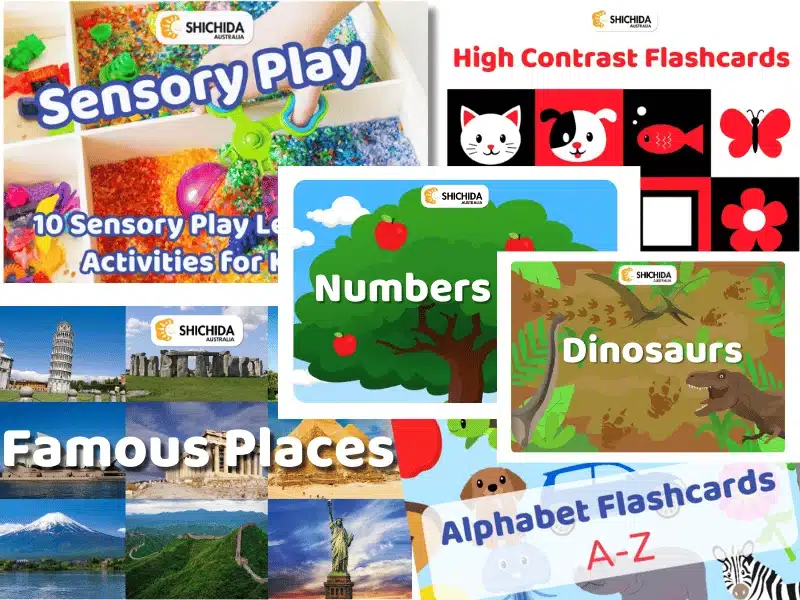
Activities like flashcards, songs, movement games, and storytelling help engage multiple learning pathways at once. If you’d like to try it, you can download free flashcards, sensory play guides and more from Shichida and explore simple learning activities with your child.
What Is Whole Brain Teaching (WBT)?
Although the name suggests neuroscience, Whole Brain Teaching is primarily a classroom management and instructional system rather than a direct model of brain anatomy. The term “whole brain” refers to engaging multiple learning pathways such as speech, movement, emotion, and social interaction during lessons.
Whole Brain Teaching, developed in the late 1990s by Chris Biffle and colleagues, is a holistic teaching framework designed to engage multiple learning systems at once. It integrates:
- Academic instruction
- Behavioural routines
- Movement and gestures
- Choral response learning
- Peer teaching methods
Unlike traditional lecture-based instruction, WBT transforms lessons into participatory learning experiences. Students speak, move, mirror, and explain concepts constantly. Behaviour management is embedded directly into instruction, making classroom expectations clear and consistent. WBT is therefore a full instructional system rather than an isolated strategy.
Core Principles of Whole Brain Teaching
Whole Brain Teaching is built on five key principles:
- Active participation – Students are fully involved in lessons through movement, speech, and response, keeping them cognitively engaged.
- Multisensory teaching – Sight, sound, and movement are combined to strengthen understanding and memory retention.
- Immediate feedback – Teachers provide quick guidance on learning and behaviour, reinforcing correct responses and supporting growth.
- Social interaction – Peer teaching, discussion, and group work build collaboration, communication, and confidence.
- Shared responsibility – Teachers and students work together to maintain a positive, accountable learning environment.
These principles create classrooms where students are alert, focused, and actively processing information instead of zoning out.

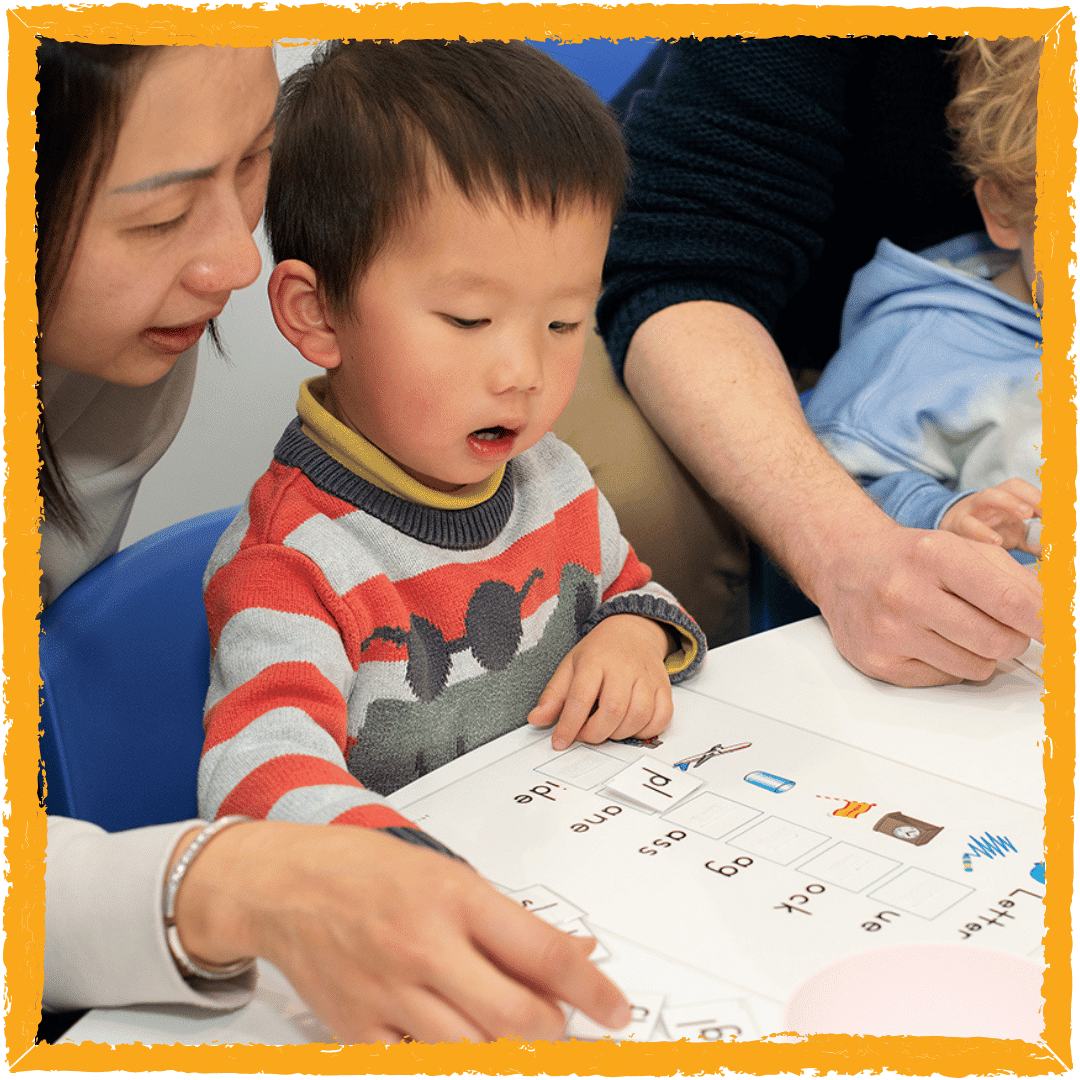
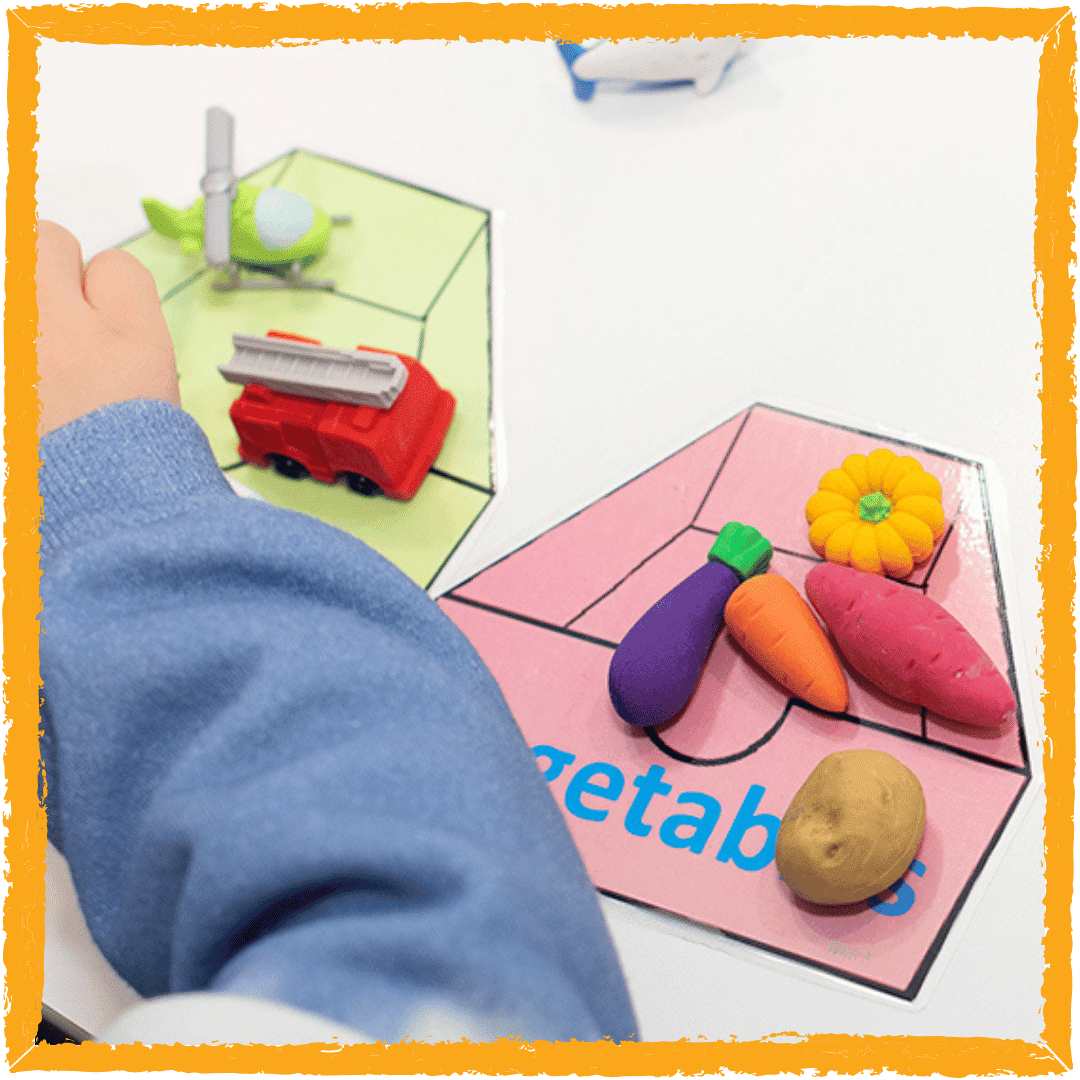
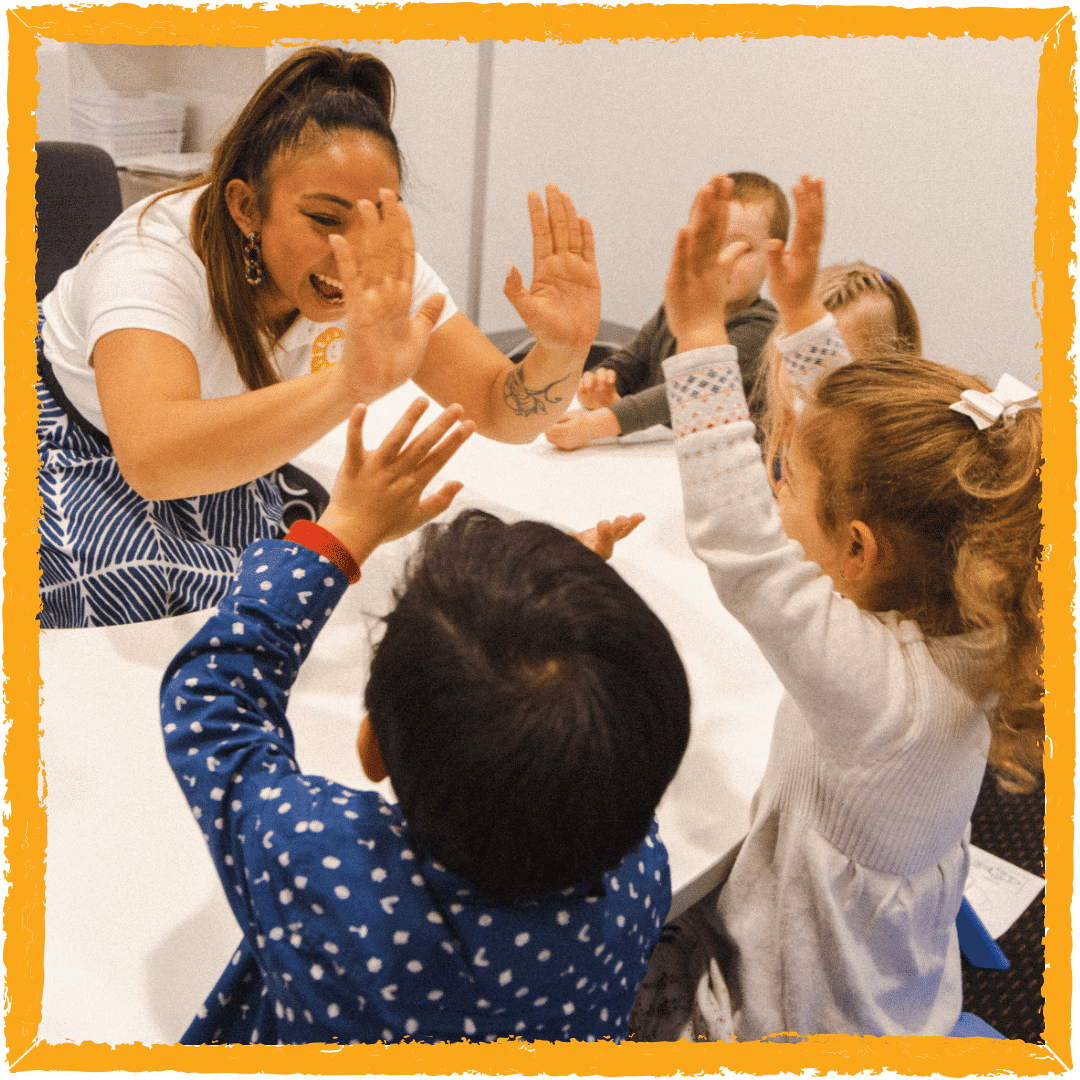
Image by Shichida Australia: Children practise phonics through hands-on activities, helping them stay engaged while building early reading skills.
How Whole Brain Teaching Differs From Other Methods
Traditional instruction often relies on teacher talk and passive note-taking. Standard classroom management systems typically focus on rules and consequences. WBT differs because it embeds behaviour management into instruction itself. Its coordinated use of gestures, call-and-response signals, peer teaching, and rehearsed routines makes it more systematic than other active learning models.
The Rules of Whole Brain Teaching
The famous Whole Brain Teaching rules are central to the system. They are not delivered through punishment or fear. They are taught through gestures, repetition, and student participation.
Because children rehearse them daily, the rules become automatic behavioural anchors.
Rule #1 – Follow Directions Quickly
This builds attentional control and responsiveness. Children learn to shift focus immediately, reducing lost learning time and supporting attentional control and classroom focus.
Rule #2 – Raise Your Hand for Permission to Speak
This supports impulse control and respectful communication. Turn-taking becomes routine, improving social skills and emotional regulation.
Rule #3 – Make Smart Choices
This encourages intrinsic motivation. Instead of reacting to external rewards or punishments, children practise evaluating their own behaviour.
Rule #4 – Make Smart Body Choices
Posture and movement influence attention. Smart body positioning increases focus and reduces distractions.
Rule #5 – Keep Your Dear Teacher Happy
This rule promotes emotional intelligence and relationship-based discipline. Children become aware that their actions affect others, strengthening classroom culture.
Whole Brain Teaching Strategies & Techniques

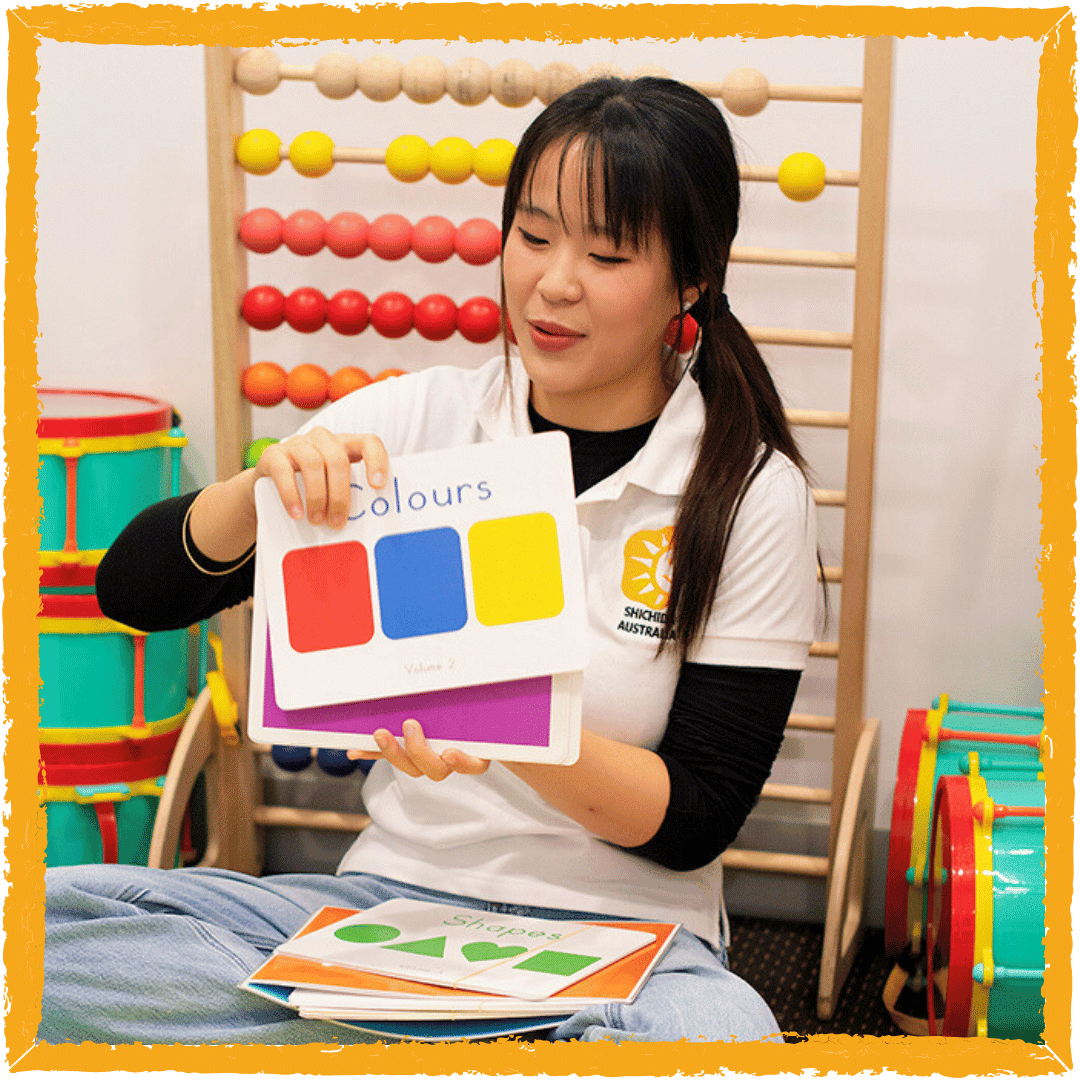
Photo from Pexels: Peer teaching is a core part of Whole Brain Teaching, helping children strengthen memory and confidence through active explanation.
These Whole Brain Teaching strategies help teachers maintain attention, reinforce memory, and keep students actively involved in learning.
“Class – Yes” and Attention Signals
The teacher says “Class!” Students respond “Yes!” in matching tone. This immediate call-and-response resets attention within seconds and activates listening pathways.
Mirror Words and Gestures
Students mirror the teacher’s words and movements. Multisensory teaching strengthens neural encoding because children process information visually, verbally, and physically.
Teach- OK Method
After short instruction, students reteach the concept to a partner. Peer teaching methods reinforce memory through verbal rehearsal and active explanation.
Scoreboard System
The scoreboard is a simple gamified feedback tool. It tracks positive and negative behaviours in real time, encouraging accountability without harsh discipline.
Whole Brain Teaching in Practice: Real Classroom Examples
A typical lesson includes attention signals, instruction, student interaction, immediate feedback, and reflection.
Sample Math Lesson Using WBT
Students mirror gestures for addition and equality. They explain problem-solving steps to peers using the Teach-OK method. Quick choral responses and the scoreboard maintain focus and motivation.
Sample Reading Lesson Using WBT
Vocabulary is introduced with expressive gestures. Students mirror words, discuss meanings with partners, and answer comprehension questions through structured call-and-response.
Classroom Transitions Using WBT
Transitions are guided with attention signals and countdown gestures. Practised routines reduce noise, save instructional time, and keep students on task.
Benefits and Evidence Behind Whole Brain Teaching
Large-scale academic studies are still developing, but teacher reports and classroom observations suggest meaningful outcomes.
Cognitive Engagement Benefits
- Improved memory retention
- Increased attention span
- Faster processing speed
Multisensory engagement can strengthen learning and memory retention.
Behaviour and Classroom Culture
Because expectations are clear and rehearsed, disruptions decrease. Immediate playful feedback strengthens teacher-student relationships.
Social and Emotional Learning
Students practise collaboration, communication, and emotional regulation daily. Confidence grows through structured participation.
Challenges and Misconceptions About Whole Brain Teaching
Misconception: WBT Is Just Noise
Yes, classrooms may sound energetic. But structured choral response learning requires active processing. It is purposeful engagement, not chaos.
Misconception: WBT Lacks Academic Rigor
Whole Brain Teaching supports curriculum standards. The strategies enhance delivery rather than replace content.
Challenge: Teacher Energy
WBT requires enthusiasm and consistency. However, many teachers adapt it to their personality and teaching style for sustainability.
Implementation Tips for Educators

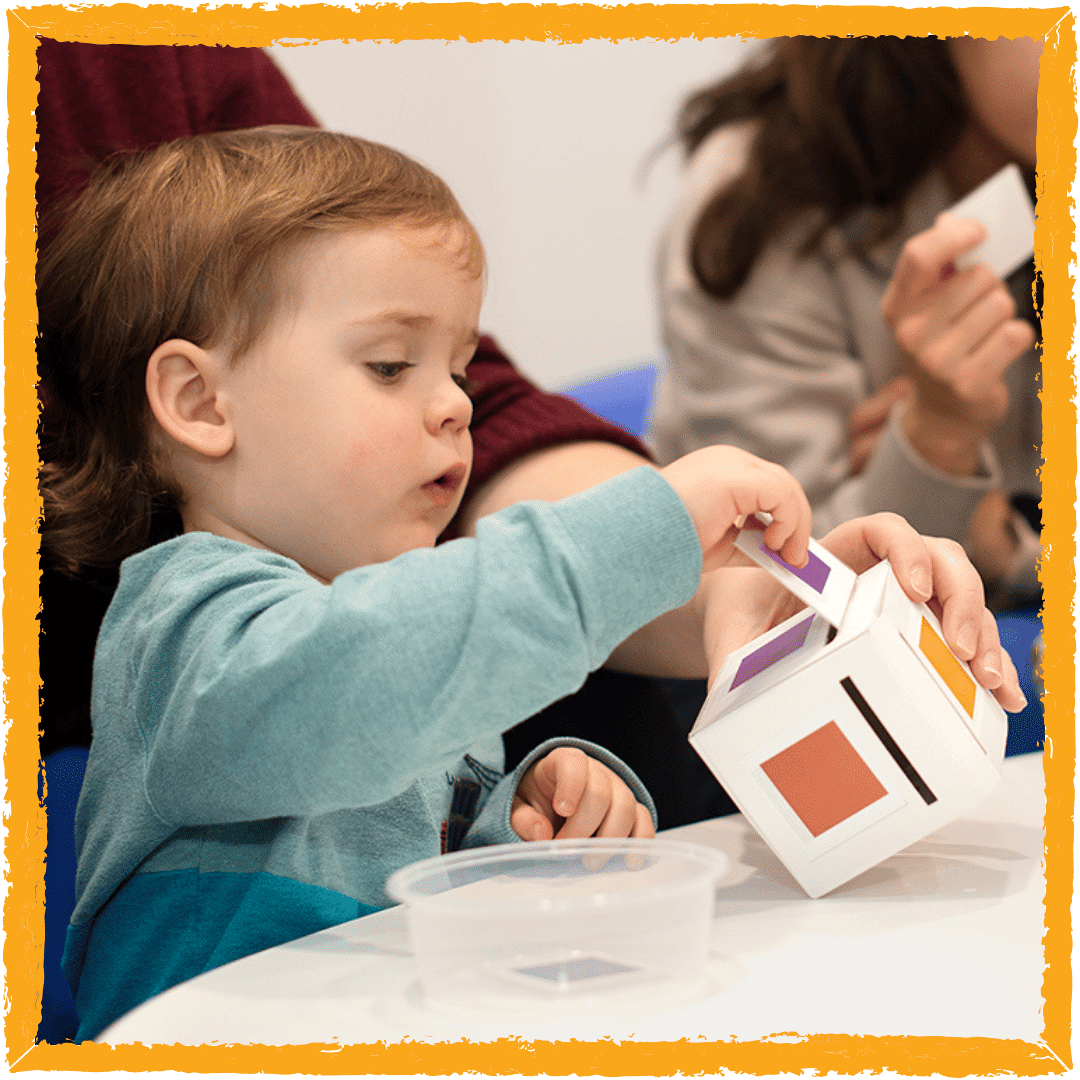
Photo from Pexels: Students engage, move, and collaborate while teachers guide learning, bringing Whole Brain teaching to life.
If your school is considering Whole Brain Teaching, successful implementation starts with a strategic, step-by-step approach.
Starting Small
Begin by introducing two core strategies, such as Class-Yes and Teach-OK, before gradually layering in additional routines and techniques. Starting small allows both staff and students to build confidence and familiarity with the system.
Classroom Culture and Consistency
Prioritise the teaching and rehearsal of behavioural routines before expecting academic gains. Consistent practice of rules and attention signals establishes structure, emotional safety, and accountability, creating the foundation for effective instruction.
Training and Professional Development
Engage with WBT communities, workshops, and peer coaching opportunities. Reflection and collaborative learning support sustained implementation and ensure that strategies are adapted effectively to your school’s context.

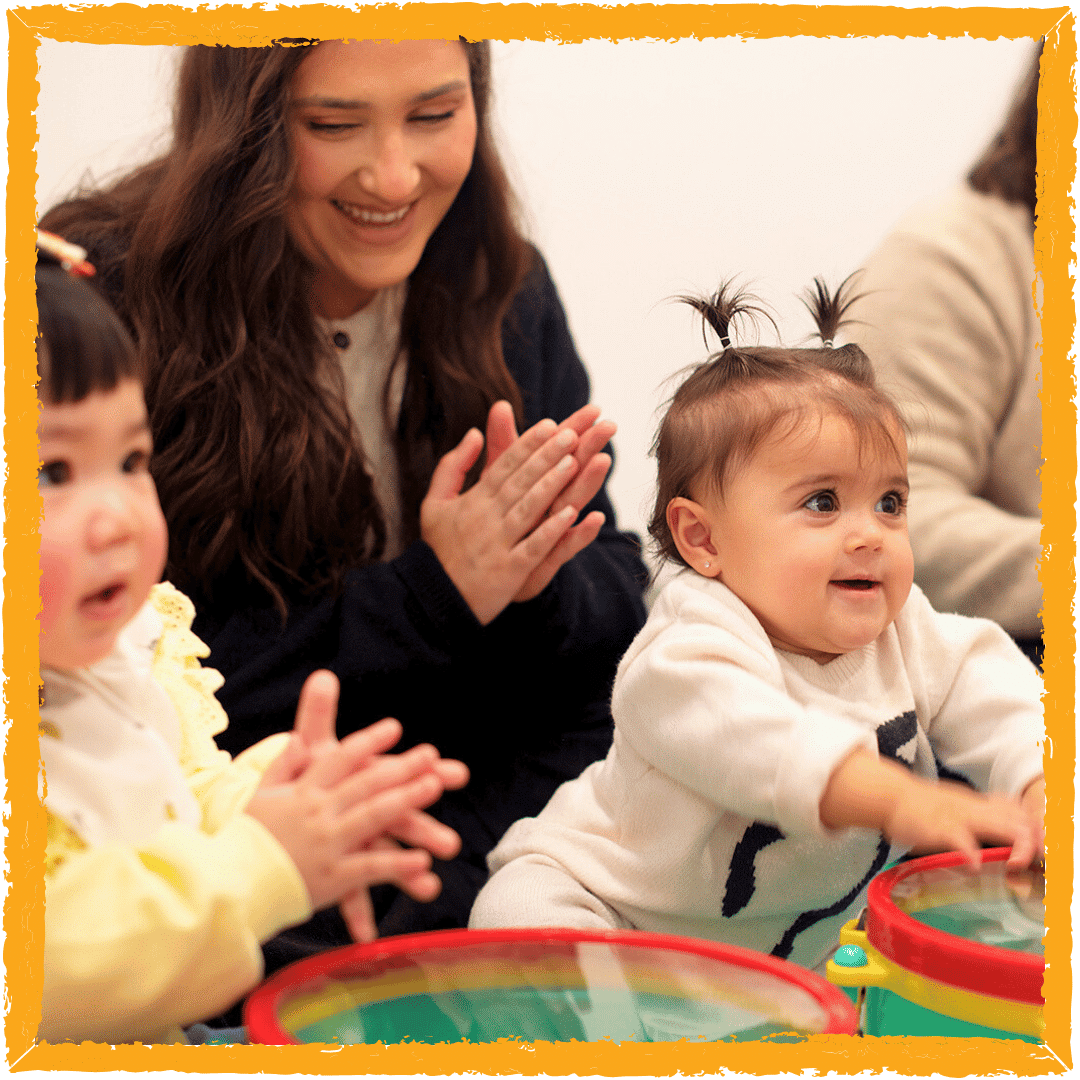
Image by Shichida Australia: Toddlers practise rhythm, coordination, and listening skills by copying the teacher while playing instruments.
Integrating Whole Brain Teaching With Curriculum Standards
Whole Brain Teaching does not replace literacy or numeracy frameworks; it enhances delivery. Students continue to follow national and state curriculum standards for reading, writing, and maths, but lessons become active and participatory. By combining speech, gestures, movement, and peer discussion, WBT increases engagement, strengthens memory retention, and accelerates comprehension.
When students interact with content in multiple ways, they focus more, retain more, and build confidence in their abilities. Over time, this active approach can help educators deliver curriculum content while maintaining student engagement.
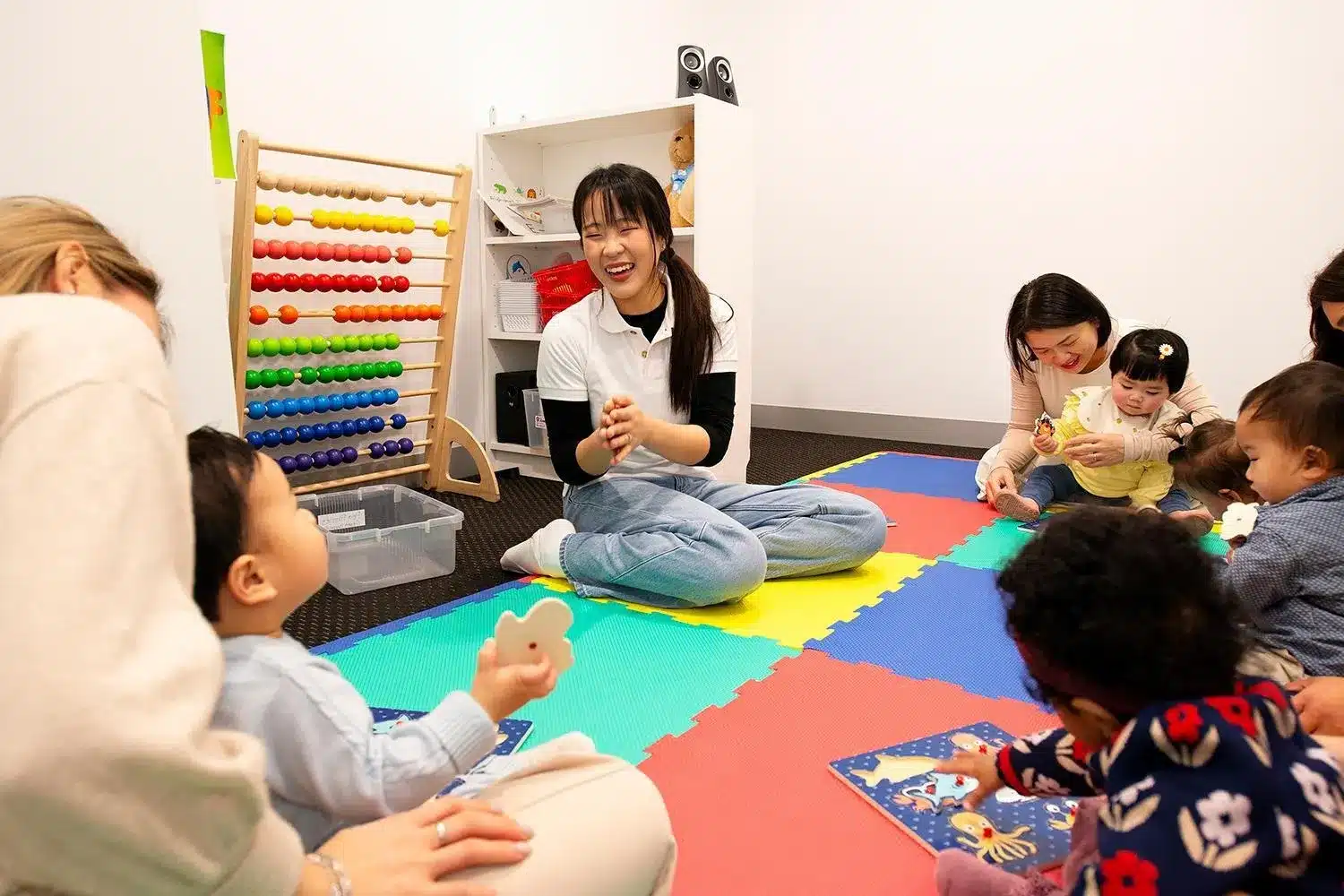
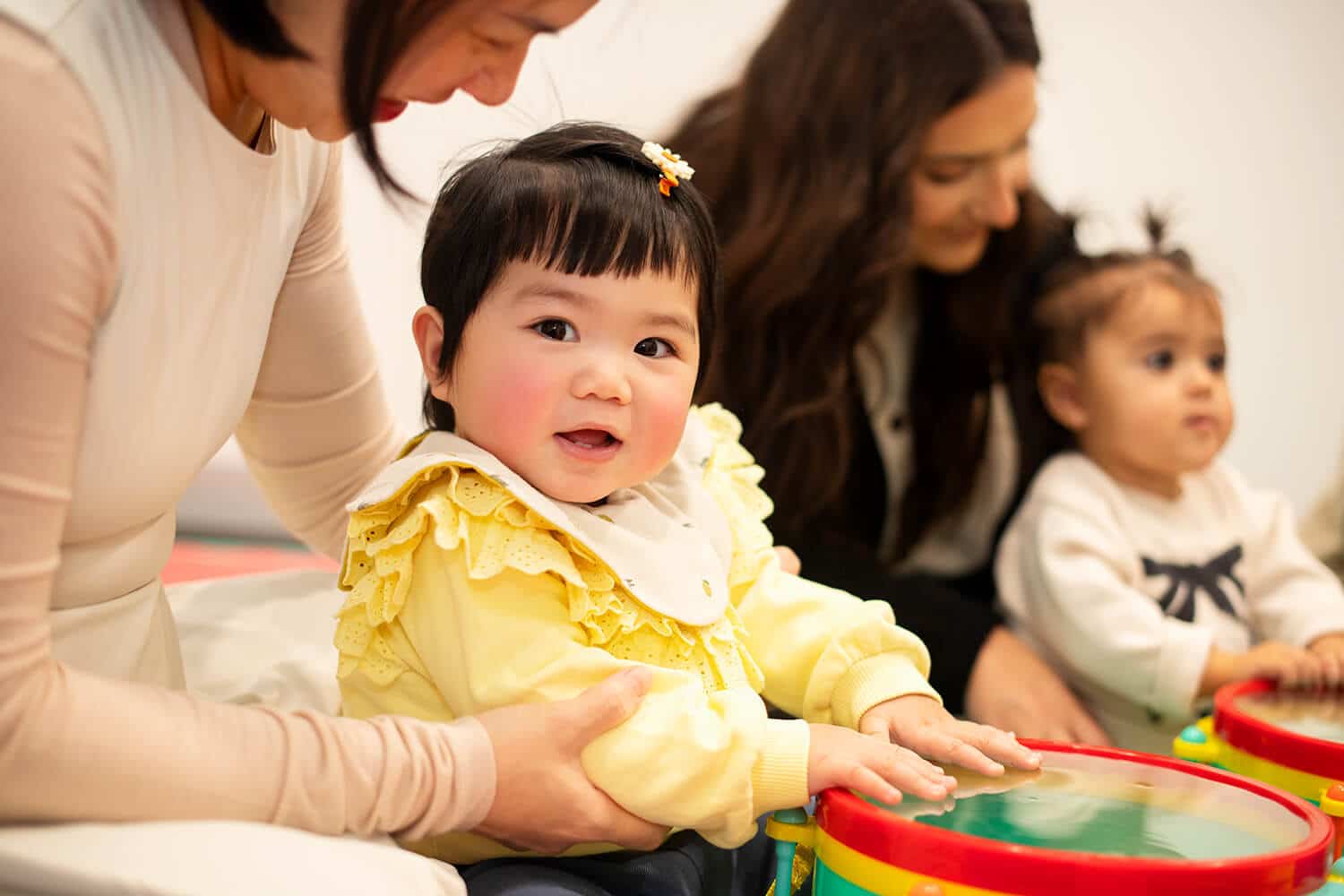
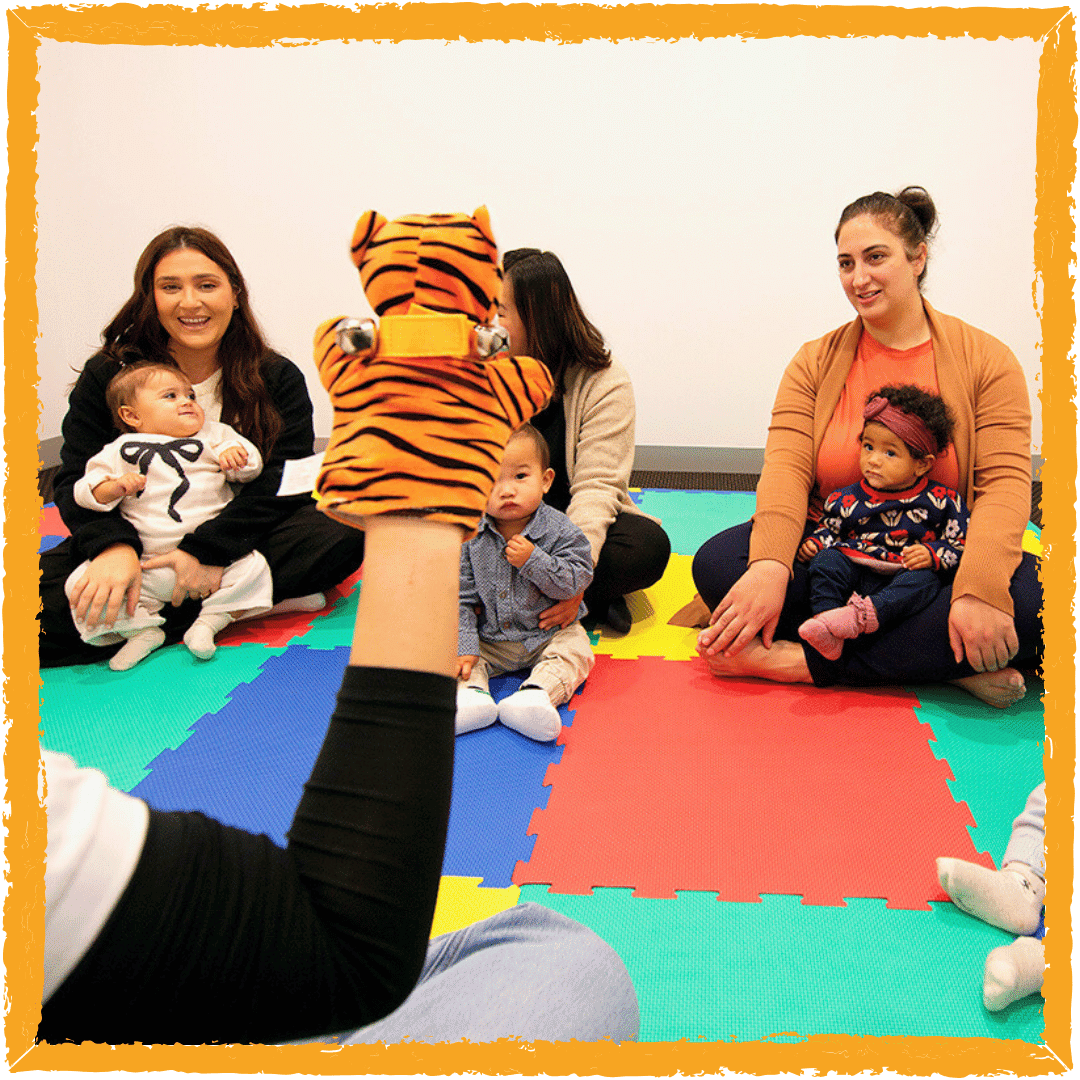
Image by Shichida Australia: Babies participate in interactive learning activities with their parents and teacher during a Shichida class.
See Whole Brain Learning in Action
Whole Brain Teaching emphasises movement, engagement, and active participation in learning. These principles also appear in early childhood programs designed to support brain development through interactive experiences.
At Shichida Australia, children participate in fast-paced, multisensory activities that combine memory training, language development, music, and problem-solving. If you’d like to see how active, whole-brain learning works in practice, book a trial class and experience the Shichida Method firsthand.
FAQs About Whole Brain Teaching
Whole Brain Teaching is a classroom instruction method developed by Chris Biffle that combines movement, gestures, call-and-response techniques, and peer teaching to keep students actively engaged while learning.
Whole Brain Teaching works by combining instruction with interactive routines such as gestures, choral responses, and peer teaching. These strategies keep students actively involved so they listen, speak, move, and practise concepts during lessons.
Many teachers report improved engagement, classroom behaviour, and memory retention when using Whole Brain Teaching strategies. While large-scale academic studies are still developing, the approach aligns with principles of active and multisensory learning.
Whole Brain Teaching is most commonly used in primary school classrooms but can be adapted for early childhood and older students. Teachers often modify gestures and routines to suit different developmental levels.
Whole Brain Teaching typically uses five classroom rules that are taught with gestures and repetition. These rules help establish clear expectations, encourage positive behaviour, and maintain an organised learning environment.
Yes. Some early learning programs use activities designed to stimulate multiple areas of the brain at once. For example, the Shichida Method combines memory games, flashcards, music, movement, and interactive learning to support whole brain development in young children.