Whole Brain Development: Science & Learning
Key Points
- Whole brain learning means engaging multiple brain systems such as emotion, logic, memory, and movement at the same time.
- The brain functions through interconnected neural networks, not separate “left brain” or “right brain” modes.
- Whole brain thinking models encourage people to use analytical, creative, interpersonal, and structured thinking together.
- Learning improves when emotion, movement, and active participation are involved.
- In early childhood, positive experiences strengthen neural connections that support lifelong learning.
You might be preparing to meet your baby, caring for a newborn, or watching your toddler explore the world with growing curiosity. Meanwhile, something extraordinary is happening inside that small but powerful brain. Neural connections are forming rapidly, building the foundation for how your child will think, feel, move, and connect with the world.
When you understand how the whole brain works, your child’s learning and behaviour begin to make more sense. Instead of thinking in labels like “left-brained” or “right-brained,” you can see how different systems work together. Emotion, logic, movement, memory, and creativity are all connected. Whether you’re preparing for your first baby or raising young children, understanding whole brain development helps you support learning, emotional growth, and curiosity from the very beginning.
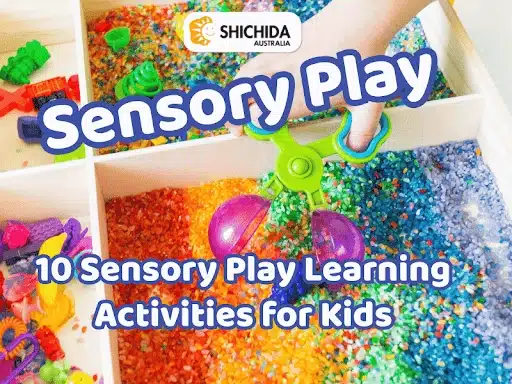
If you’re looking for simple ways to support whole brain development at home, sensory play activities provide powerful stimulation for memory, movement, emotional engagement, and curiosity.
What Does “Whole Brain” Mean?
The term “whole brain” is often used in two ways.
First, the scientific meaning. The whole brain refers to the entire brain functioning as an integrated system. Thinking, emotions, memory, movement, and regulation all depend on coordinated neural connectivity across multiple regions.
Second, the applied meaning. In education and psychology, whole brain thinking describes cognitive models that encourage balanced use of logic, creativity, emotion, and structured thinking. These frameworks are tools to support flexible decision-making strategies and learning engagement.
It’s important to clarify what whole brain does not mean. It is not about using 100 percent of the brain. It is not about choosing between left or right hemispheres. It is about coordination across systems.
Your child’s future learning depends on integration, not isolated skills.
The Human Brain: A Quick Overview
The brain includes the cerebral hemispheres, which support higher thinking and language, the cerebellum for coordination, and the brainstem for essential survival functions. Together, these systems regulate cognition, emotion, and movement from infancy onward.
Whole Brain as a Thinking & Teaching Framework
In education, whole brain teaching and cognitive models promote engaging multiple systems at once. Instead of passive memorisation, children learn best when logic, emotion, movement, and social interaction work together. This approach reflects principles from brain-based learning research that emphasise active engagement, emotion, and multi-sensory experiences.
Anatomy of the Whole Brain
Modern neuroscience shows that cognition is network-based. Neuroscience shows that the cortex works in constant communication with subcortical structures responsible for memory, emotion, and regulation.
This integration explains why emotional safety affects attention, and why stress can impact learning. Neural development in infancy depends on positive experiences that strengthen connections across systems.
Cerebral Cortex & Hemispheres
While the left hemisphere is often linked to analytical processing and the right to creativity, this distinction is oversimplified. The two hemispheres constantly communicate through the corpus callosum. Complex tasks require collaboration between both sides.
Your child is not wired to be “one type” of thinker. Brain integration supports flexible thinking styles.
Subcortical Structures
Below the cortex are vital systems like the thalamus, hippocampus, amygdala, and brainstem. These areas regulate sensory processing, memory, emotion, and survival responses. They quietly shape how your child experiences the world.
Brain Connectivity & Integration
Cognition emerges from dynamic neural networks. Through neuroplasticity, repeated experiences strengthen connections. Every cuddle, song, and experience supports neural connectivity and cognitive growth strategies that last a lifetime.
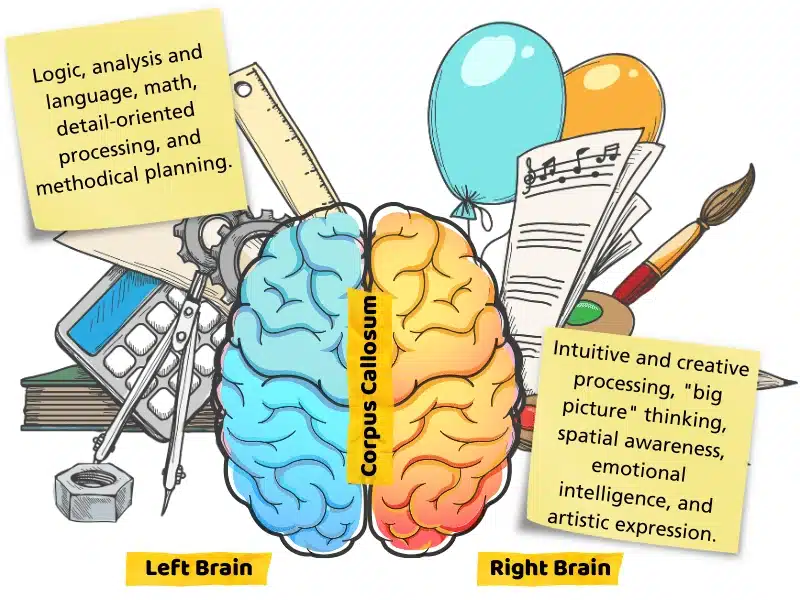
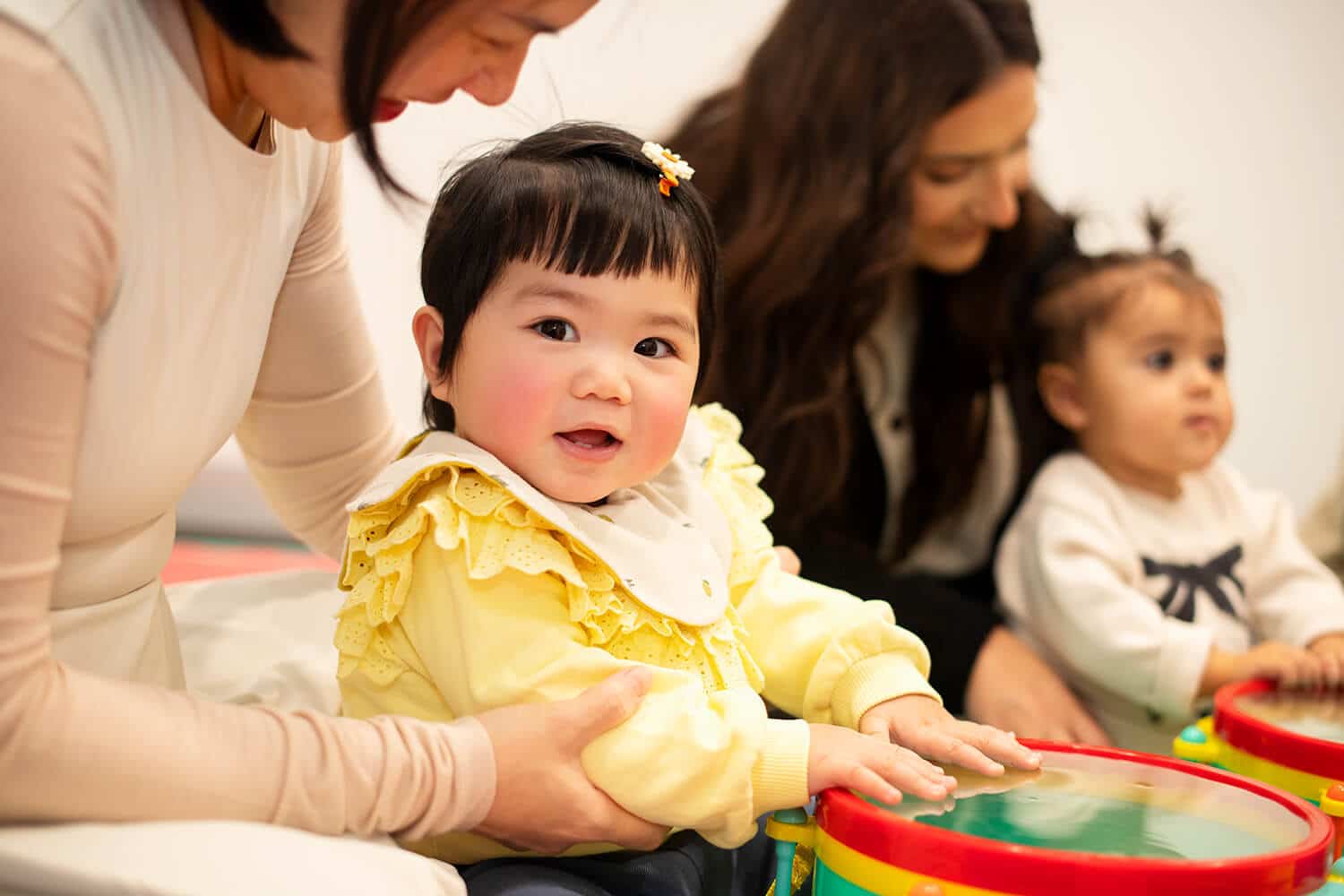
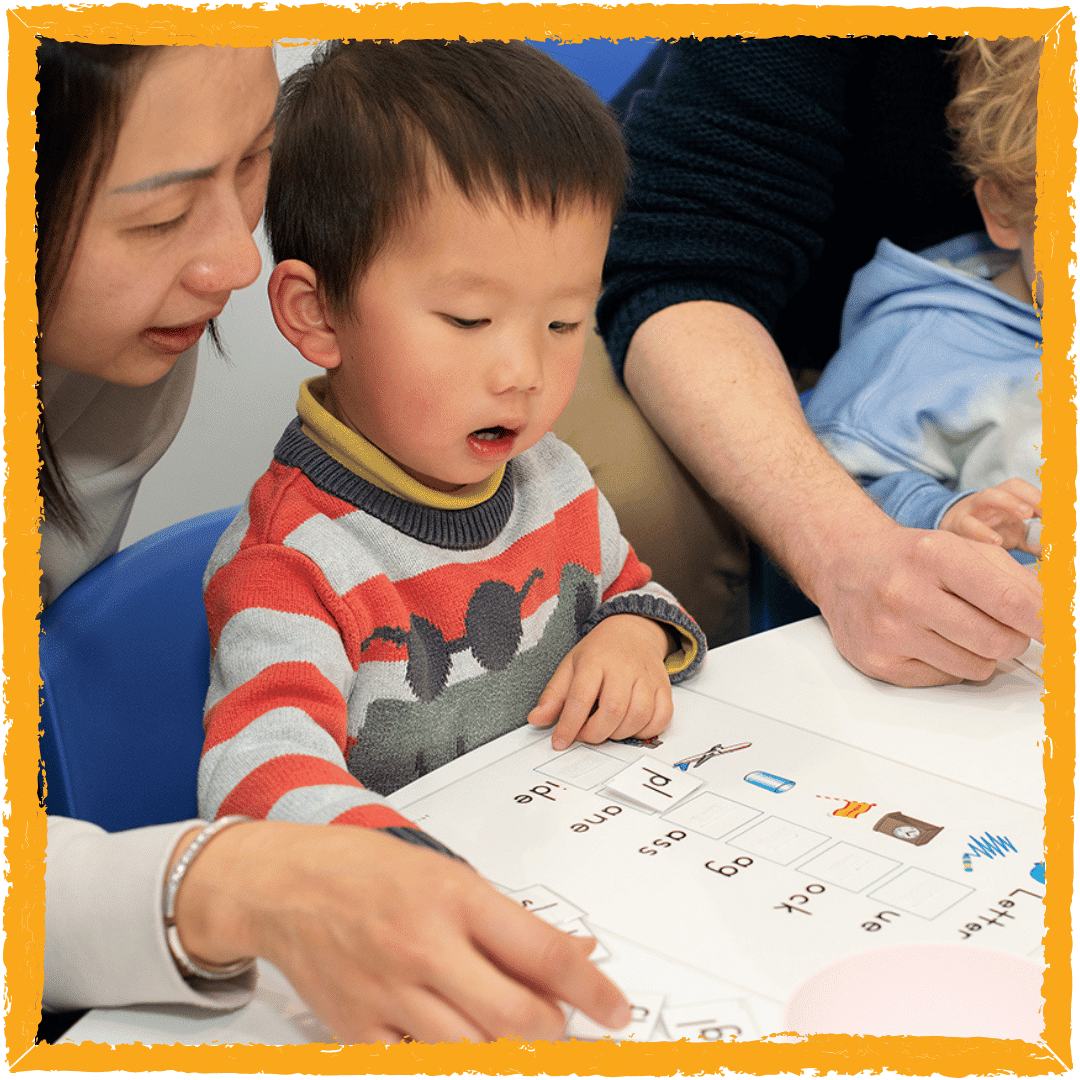
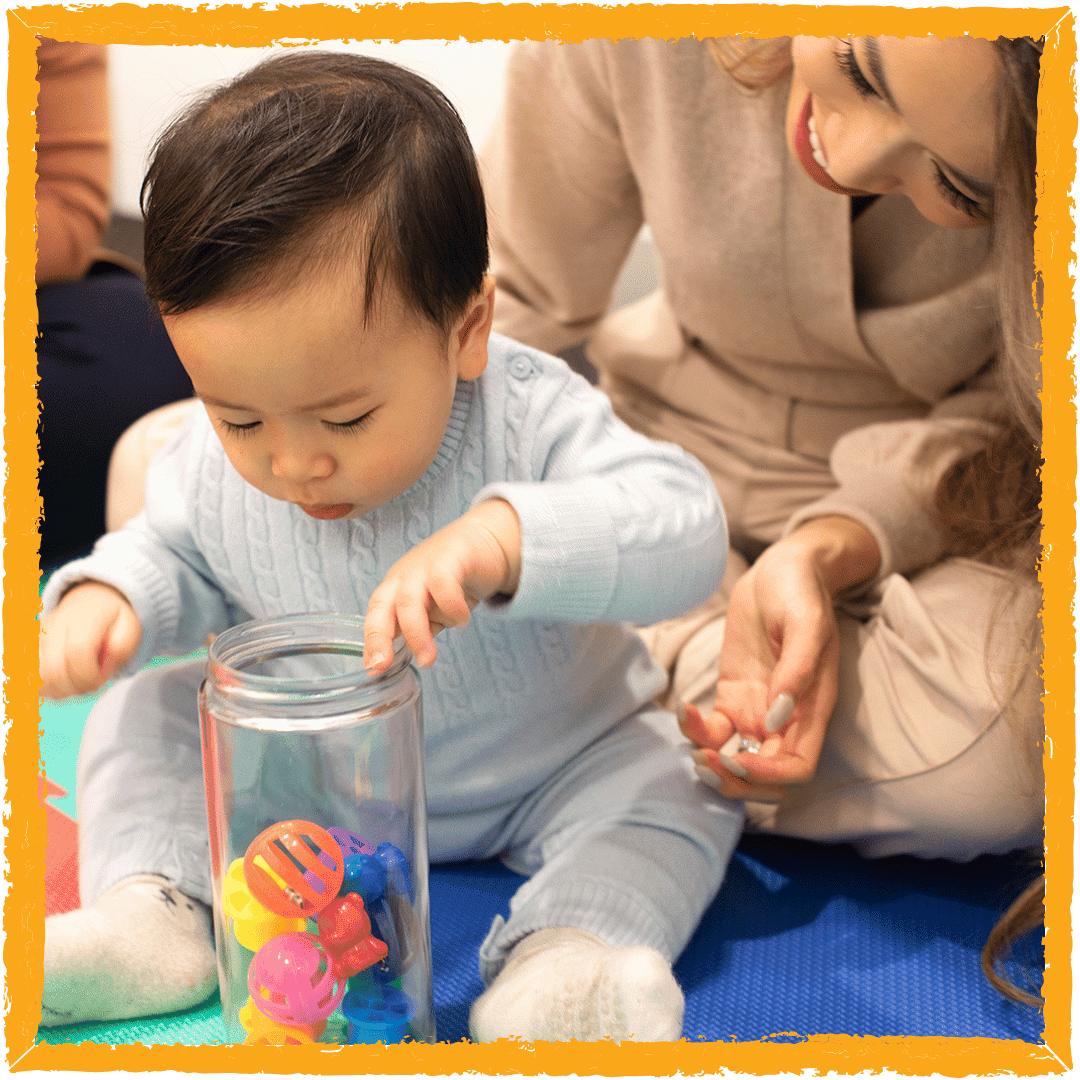
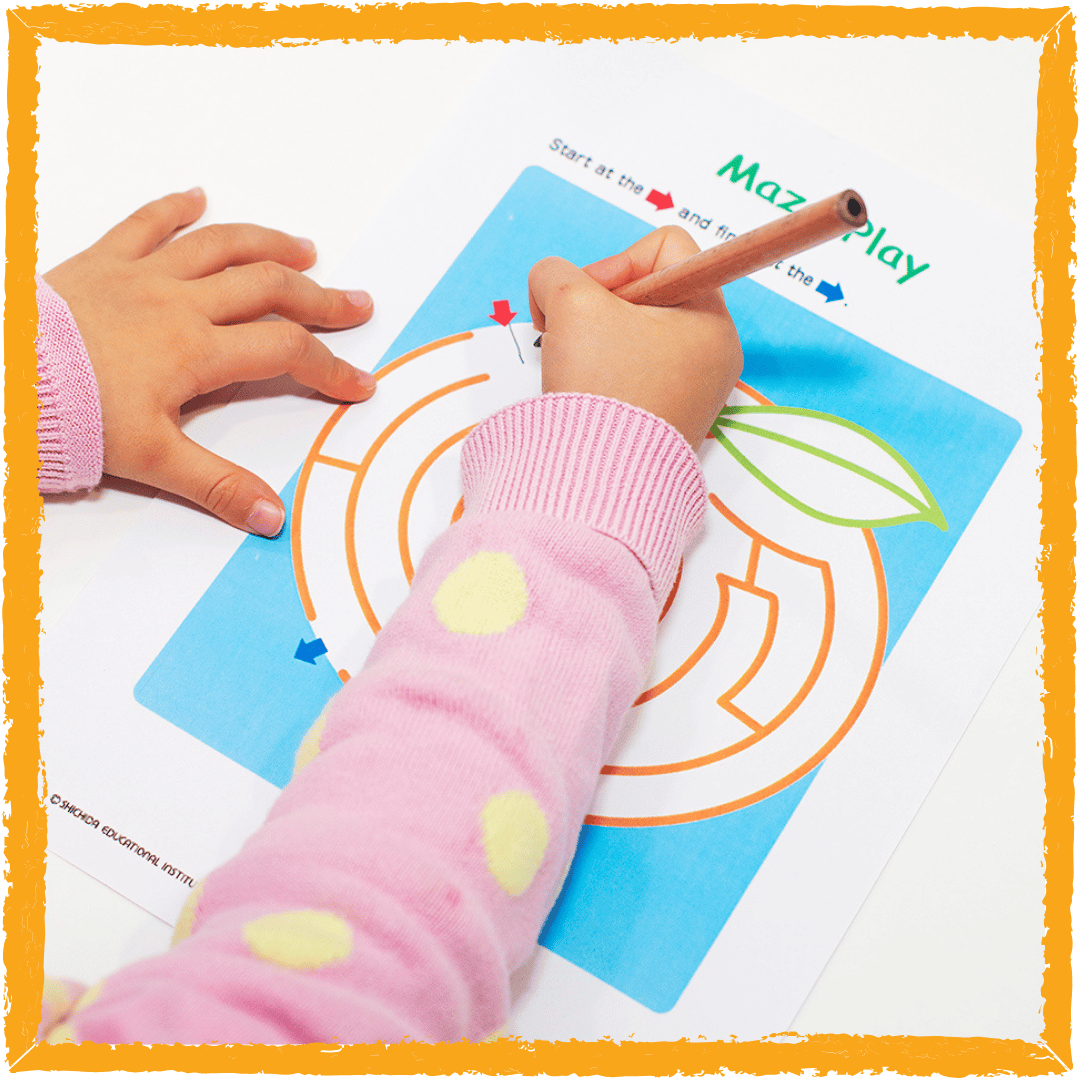
Image by Shichida Australia: While the left and right hemispheres are often associated with different strengths, modern neuroscience shows that the brain works as an integrated system. Whole brain learning engages logic, creativity, emotion, and movement together.
Whole Brain Thinking Models
Beyond physical brain anatomy, applied cognitive models use the language of whole brain thinking to promote balanced cognition. These are conceptual tools, not literal neurological maps.
Herrmann Whole Brain Model
One widely known framework is the Herrmann Whole Brain Model, developed by Ned Herrmann and later expanded through Herrmann International. It categorises thinking preferences into four quadrants: analytical, sequential, interpersonal, and imaginative.
The goal is not to label people, but to encourage flexible thinking across styles.
Whole Brain Thinking in Decision-Making
Imagine choosing a new pet.
You review research and data. That’s analytical thinking.
You organise schedules. That’s sequential thinking.
You consider emotional needs. That’s interpersonal awareness.
You imagine creative solutions. That’s imaginative thinking.
Whole brain thinking blends all four, leading to stronger and more balanced decisions.
Whole Brain Teaching Approaches
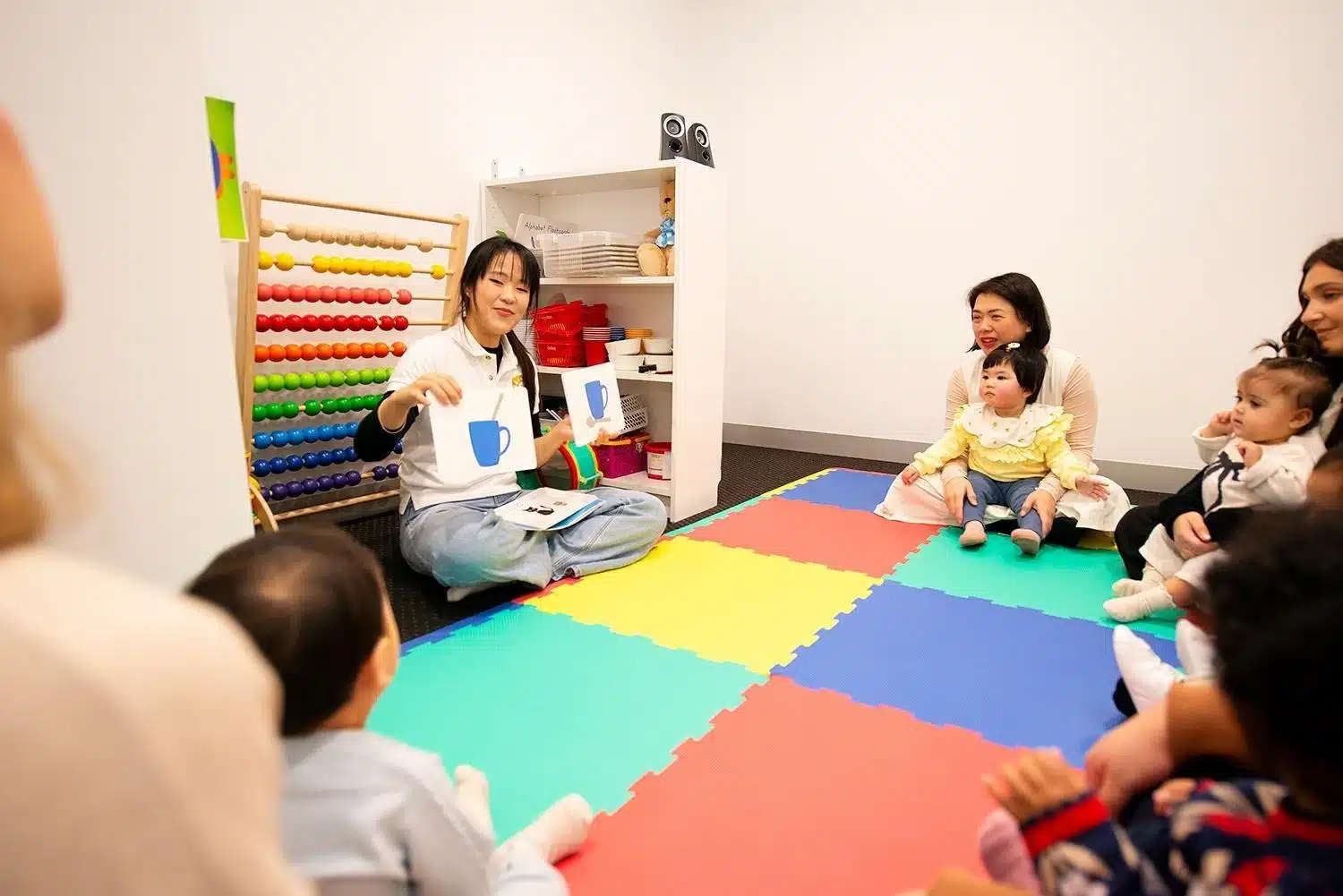
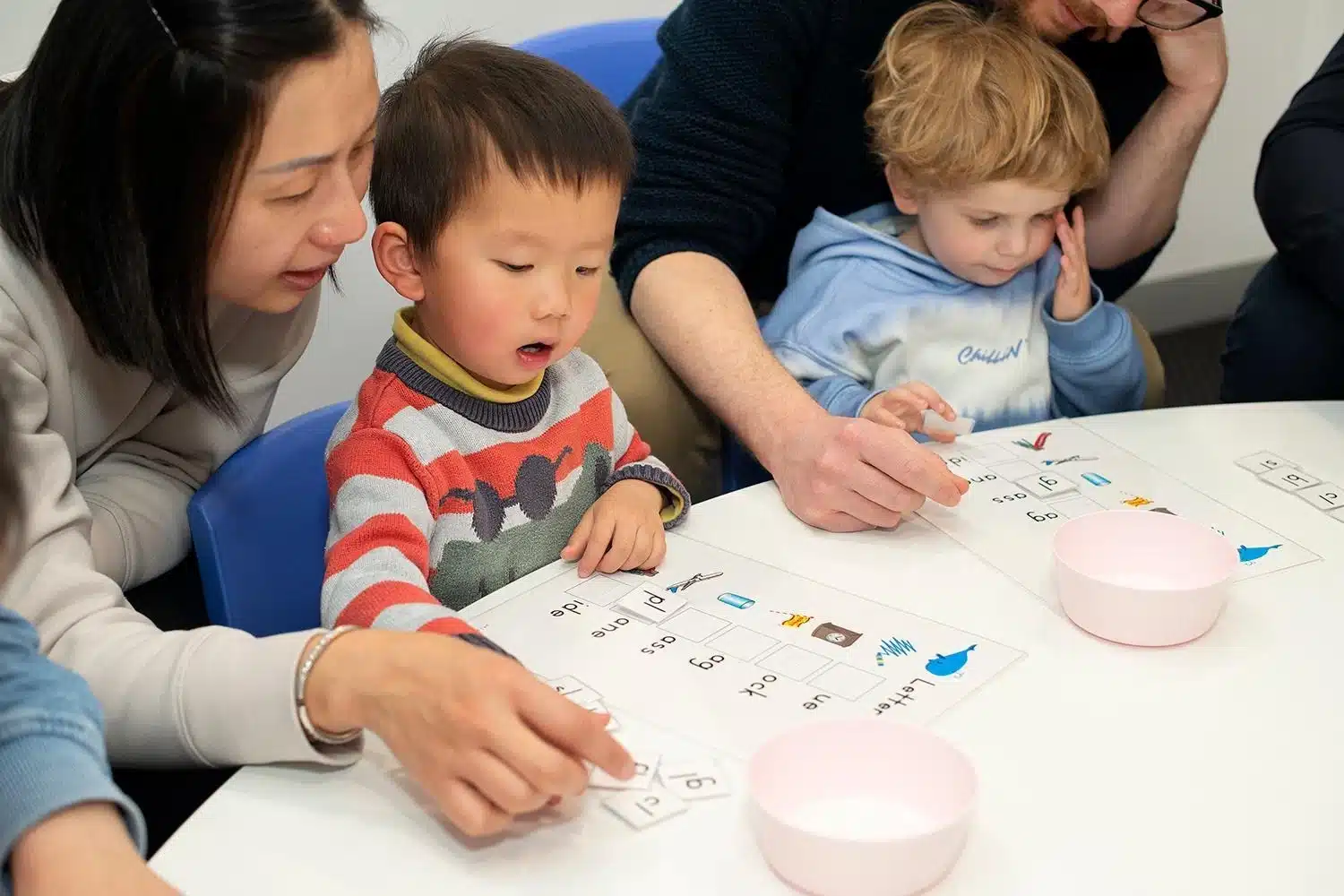
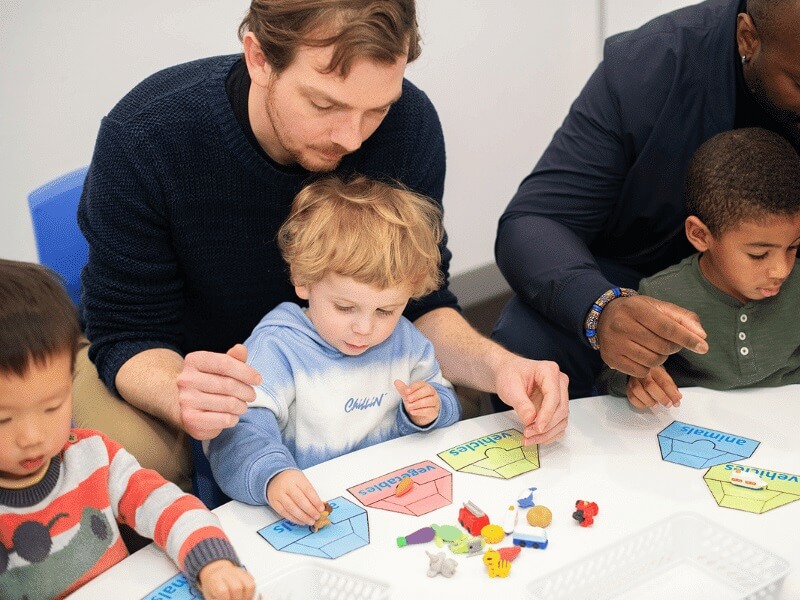
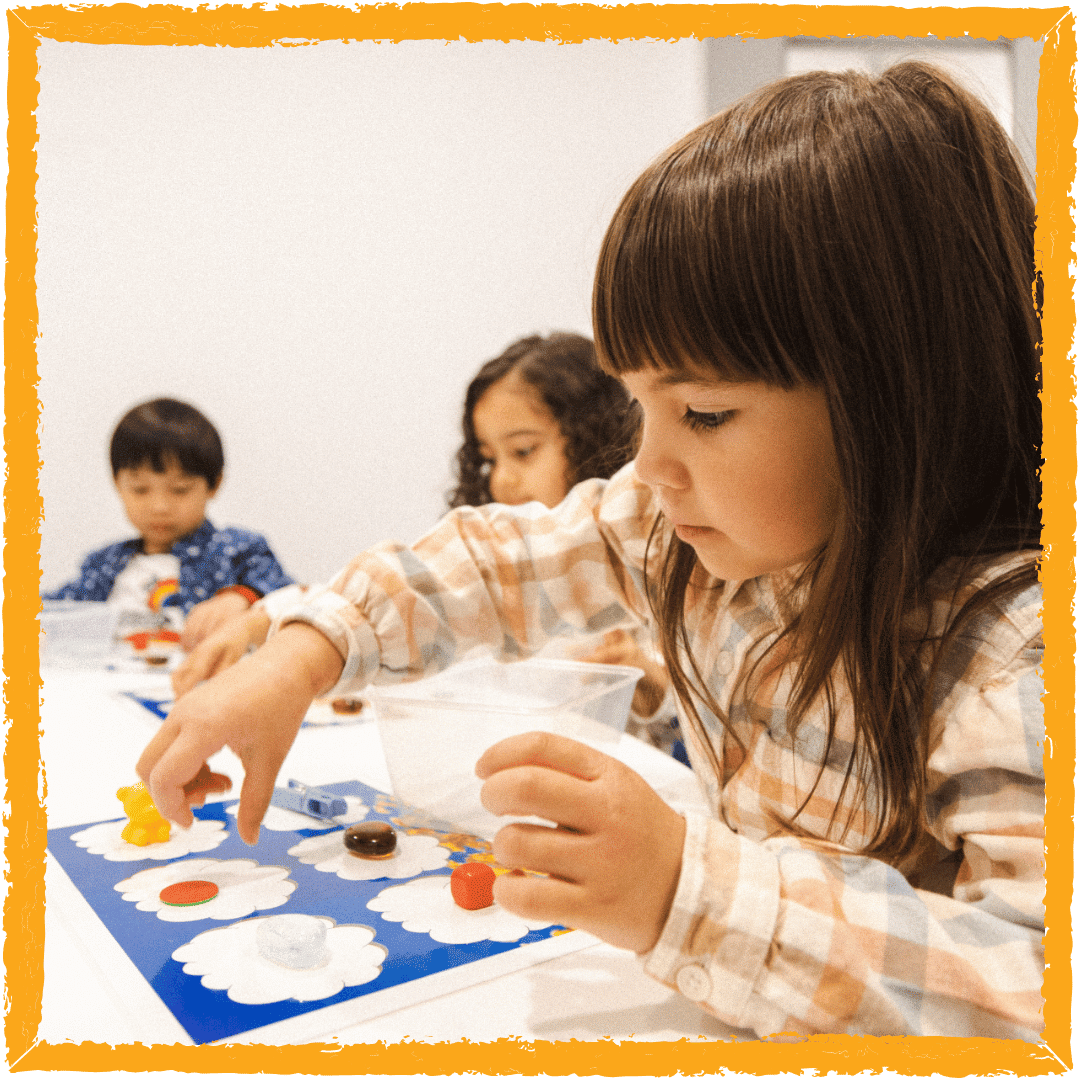
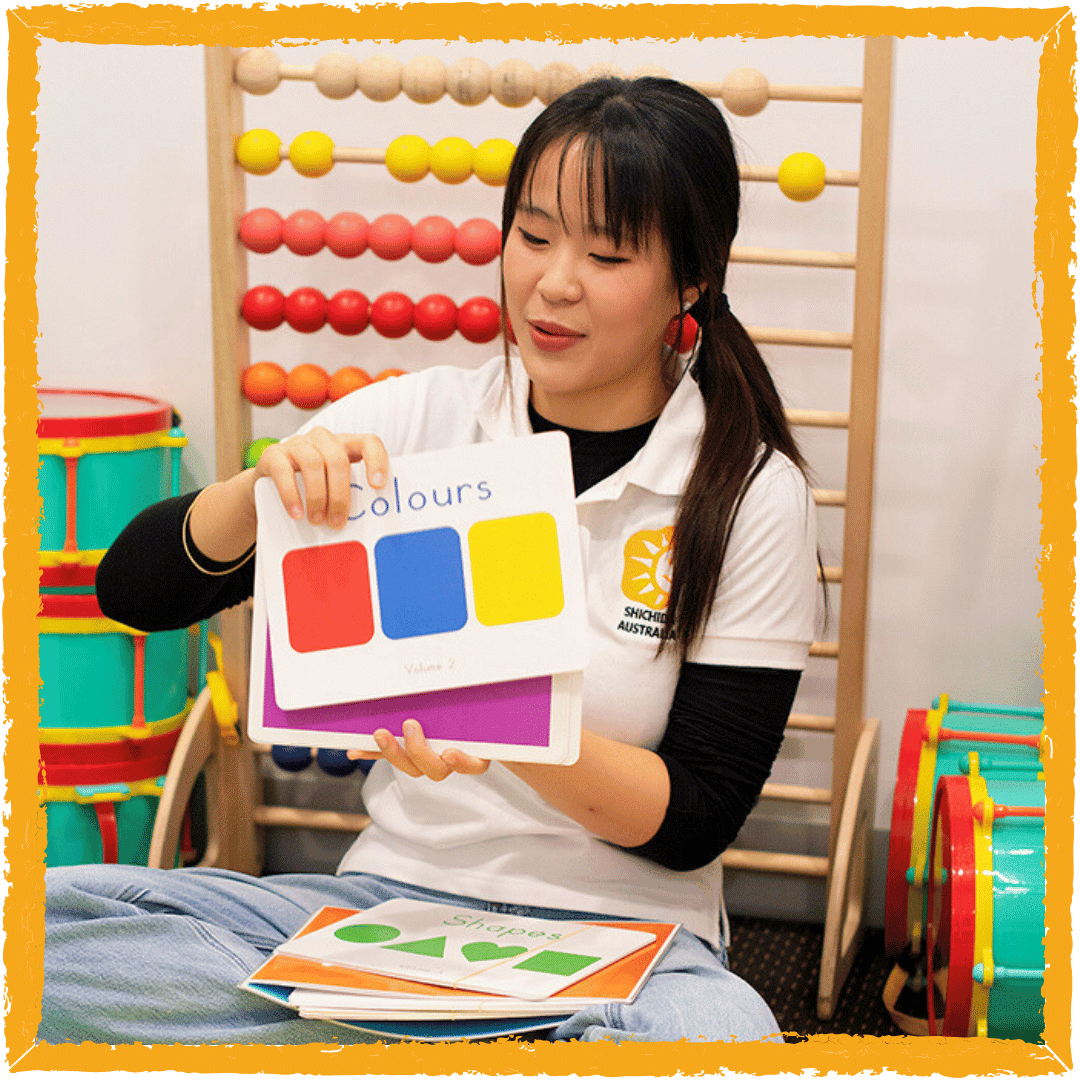
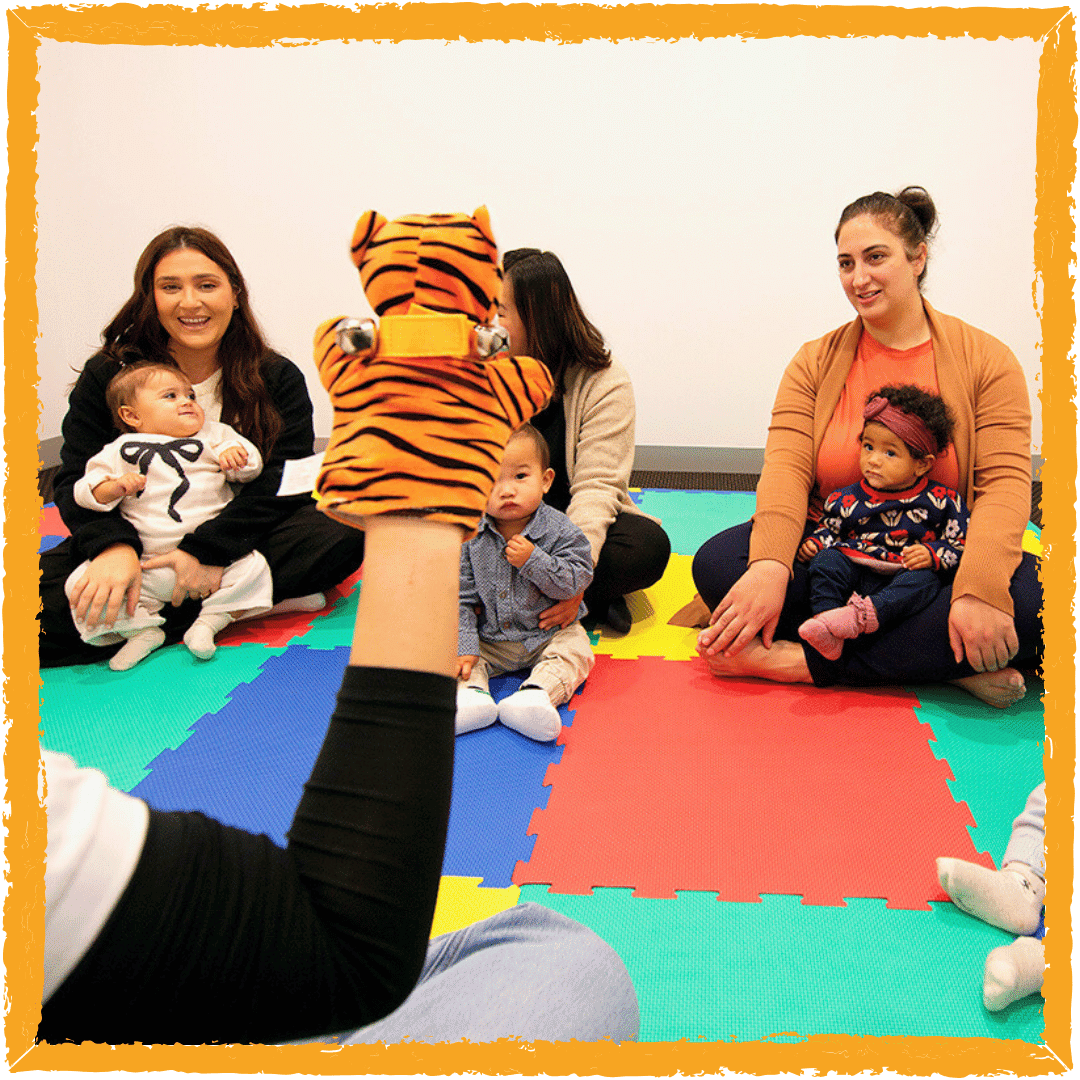
Photo from Shichida Australia: Whole brain learning engages movement, emotion, logic, and creativity together to strengthen neural connections and memory.
Some educational approaches described as “whole brain teaching” aim to engage cognitive, emotional, and physical systems simultaneously. Movement, repetition, and interactive instruction strengthen memory and engagement.
This philosophy aligns closely with the Shichida Method, which activates both hemispheres through fast-paced, multi-sensory learning experiences tailored to early childhood development.
Whole brain development connects many areas of early learning, including sensory play, memory activities, language exposure, and problem-solving games.
Key Principles of Whole Brain Teaching
- Interactive instruction
- Movement and gestures
- Emotional engagement
- Active recall
- Structured repetition
These methods reflect how the brain naturally strengthens neural connectivity.
Benefits for Learners
When multiple systems are activated, your child’s brain works in a more connected and powerful way. Instead of learning through just one channel, they are engaging several pathways at once. Here is what that means for your child:
- Deeper understanding – When your child listens, speaks, moves, and thinks at the same time, they process information more actively instead of passively absorbing it.
- Stronger memory retention – Learning that involves movement and emotion creates more pathways in the brain, making it easier for your child to remember later.
- Increased motivation – Children naturally stay more focused and interested when they are involved and physically engaged.
- Support for different learning styles – Whether your child learns best through movement, visuals, or sound, activating multiple systems helps them connect in a way that feels natural and enjoyable.
Whole Brain Development in Children
In the Shichida Method, the early years are sometimes described as the “Golden Period” of brain development because neural growth happens at an extraordinary pace. During this stage, experience shapes brain architecture.
Shichida Australia provides a helpful explanation of this rapid developmental window and how parents can support it intentionally in their Golden Period guide.
As a parent, this means your daily interactions matter more than you might realise.
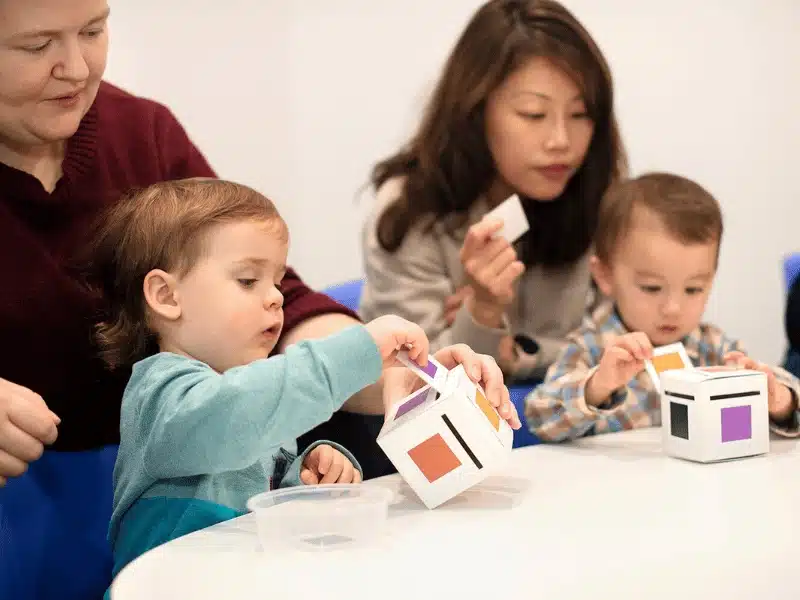
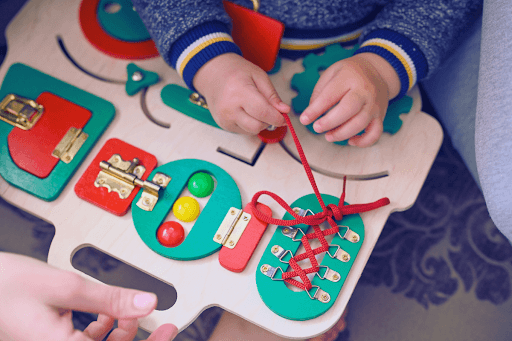
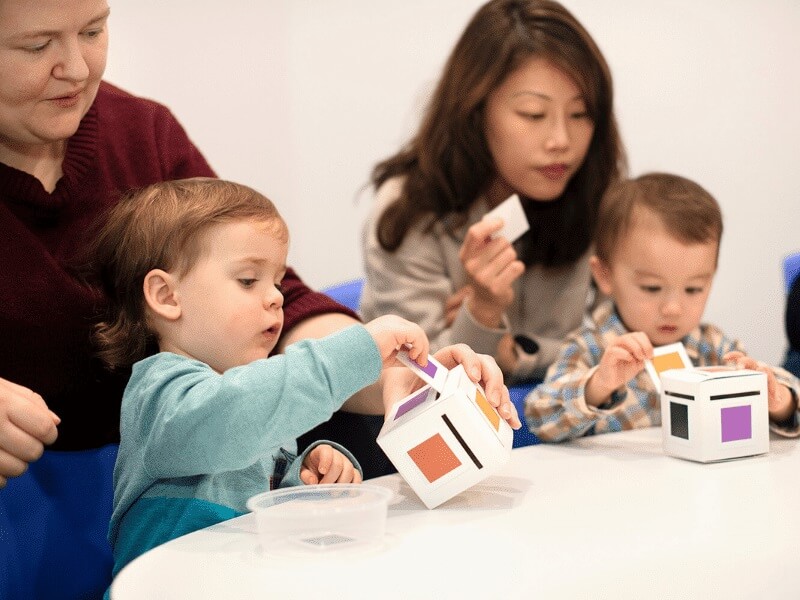
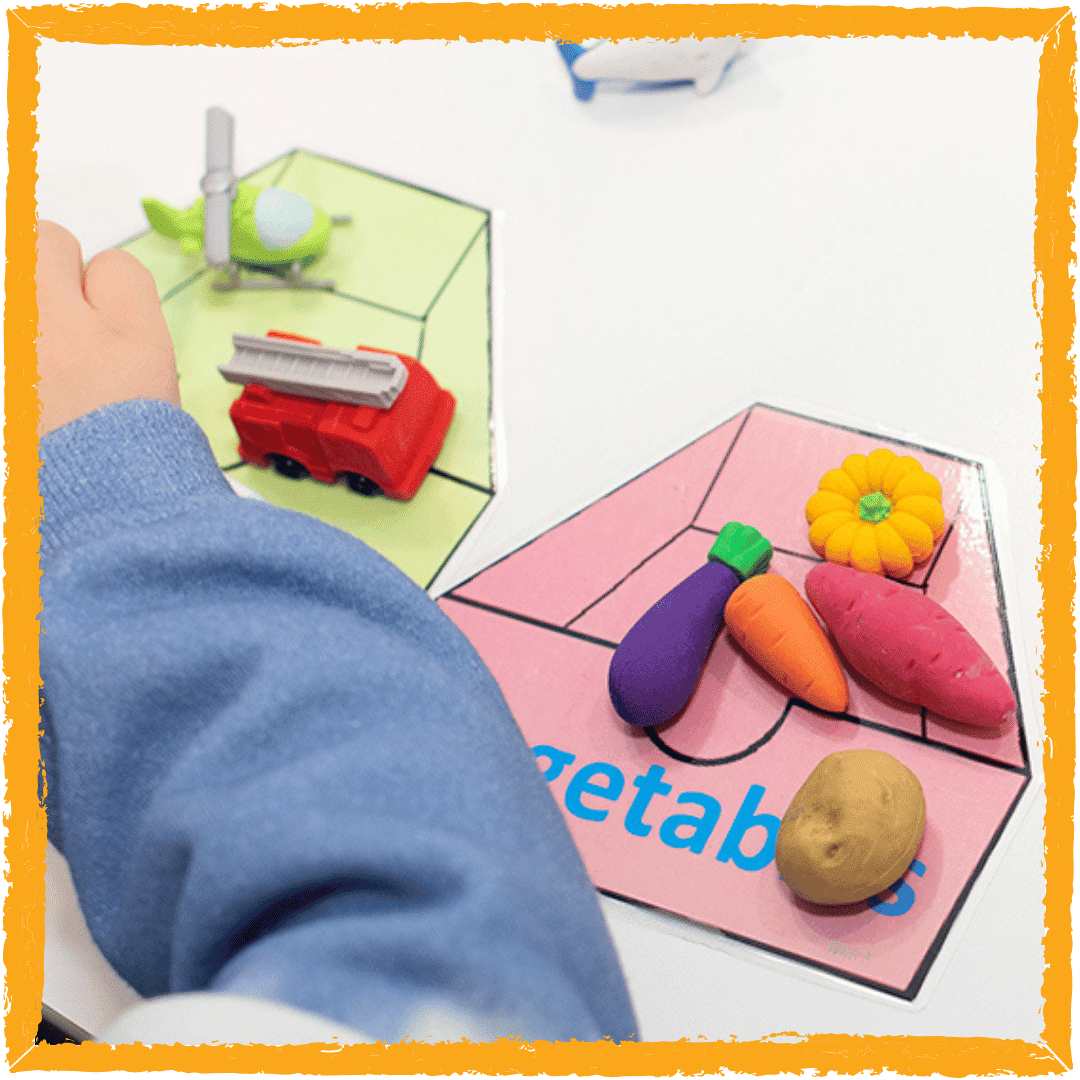
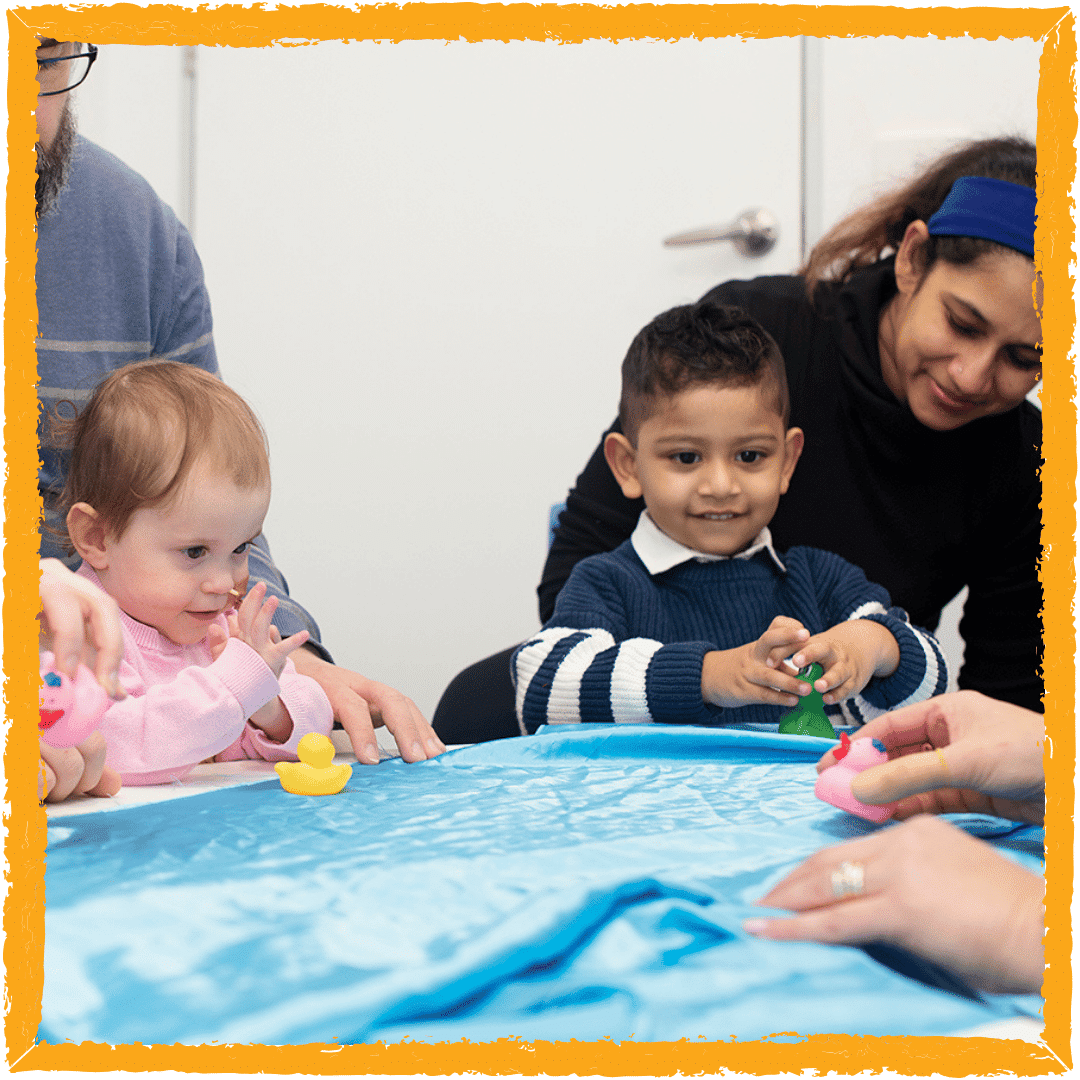
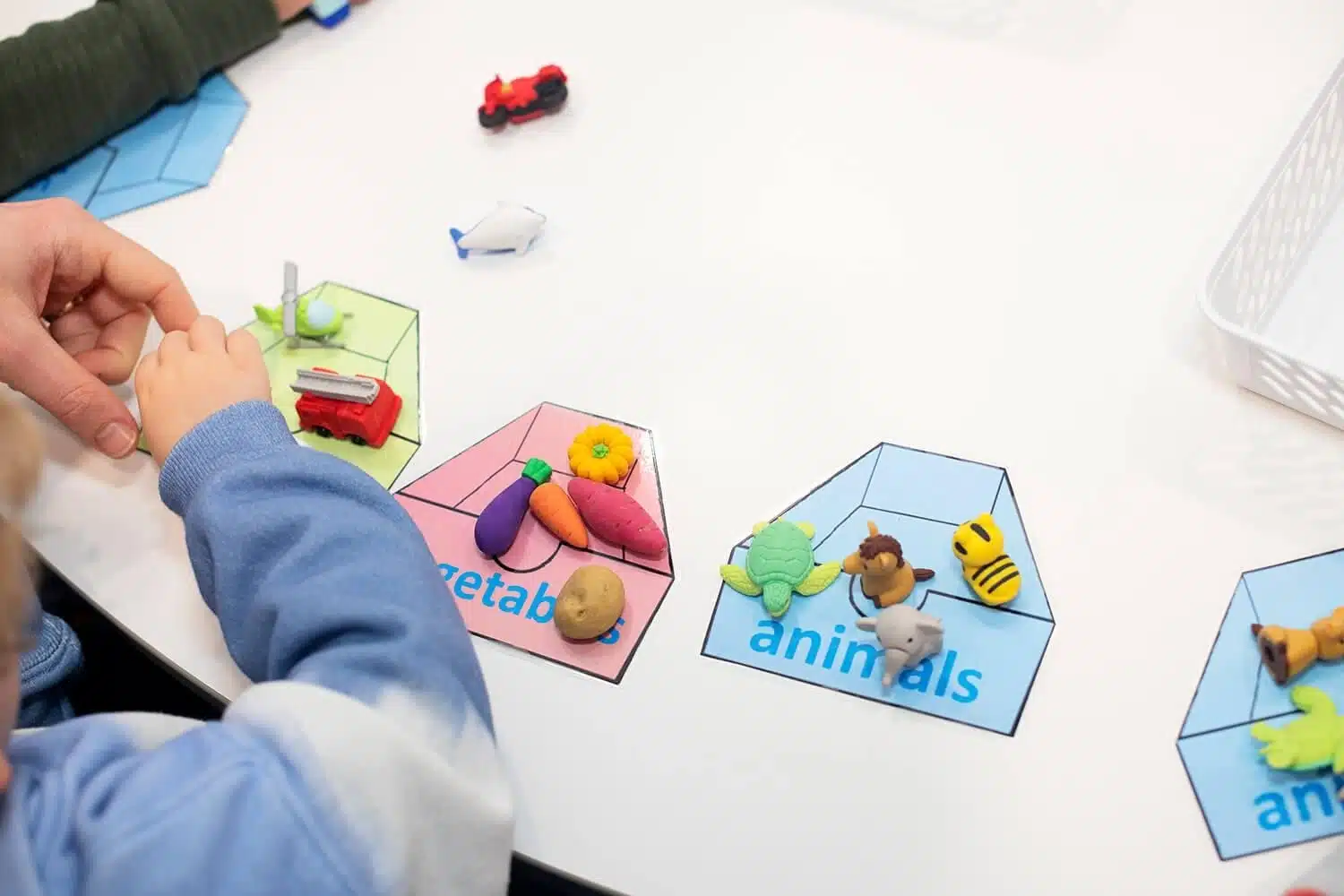
Image by Shichida Australia: Matching colours through play helps toddlers develop visual recognition, attention, and early problem-solving skills – supporting whole brain learning.
Emotional Integration
Emotional safety supports cognitive growth. When children feel secure, the brain is more receptive to learning. Naming emotions, offering comfort, and modelling calm responses help integrate emotional and thinking systems.
Cognitive & Social Development
Language exposure, storytelling, problem-solving games, and cooperative play strengthen executive function and empathy.
If you’re curious how structured programs combine these elements into practical sessions, you can explore Shichida’s whole brain early learning classes.
Applying Whole Brain Concepts in Daily Life
There are many simple ways to support whole brain development.
For Everyday Decision-Making
Blend analytical planning with creative brainstorming. Reflect emotionally before major decisions. Balanced cognitive models improve clarity and reduce rigid thinking.
For Parents & Family Interaction
Read stories. Sing songs. Encourage imaginative play. Solve small problems together. Movement and emotional connection strengthen learning engagement.
For simple activities you can try at home, Shichida’s blog on Right Brain Development Activities for Babies offers practical ideas grounded in early learning neuroscience.
Whole Brain vs. Specialised Brain Approaches
Statements like “I’m just not creative” or “I’m more logical” can limit growth. While some natural preferences exist, the brain is designed for integration.
Flexible cognition consistently outperforms rigid thinking. Encouraging both creativity and logic in your child supports resilience, adaptability, and stronger decision-making skills.
Limitations & Critiques of Whole Brain Models
Whole brain models are helpful metaphors, but they simplify complex neural systems. Oversimplification can lead to stereotyping thinking styles.
Cultural context and individual differences influence cognition. Evidence-based application matters. Use these frameworks as supportive guides rather than strict labels.
The science supports integration. The models support reflection.

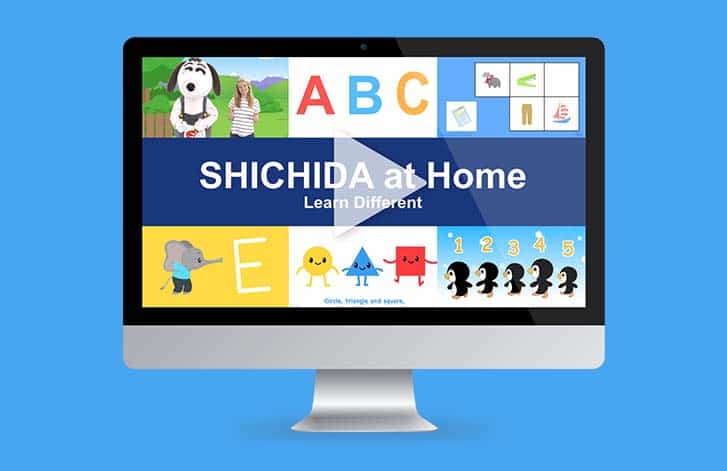
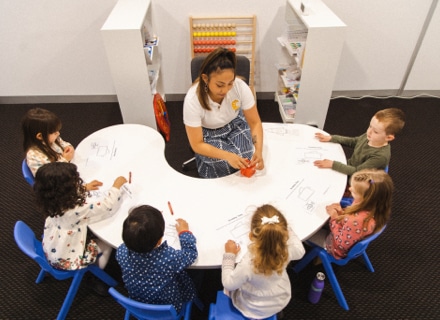
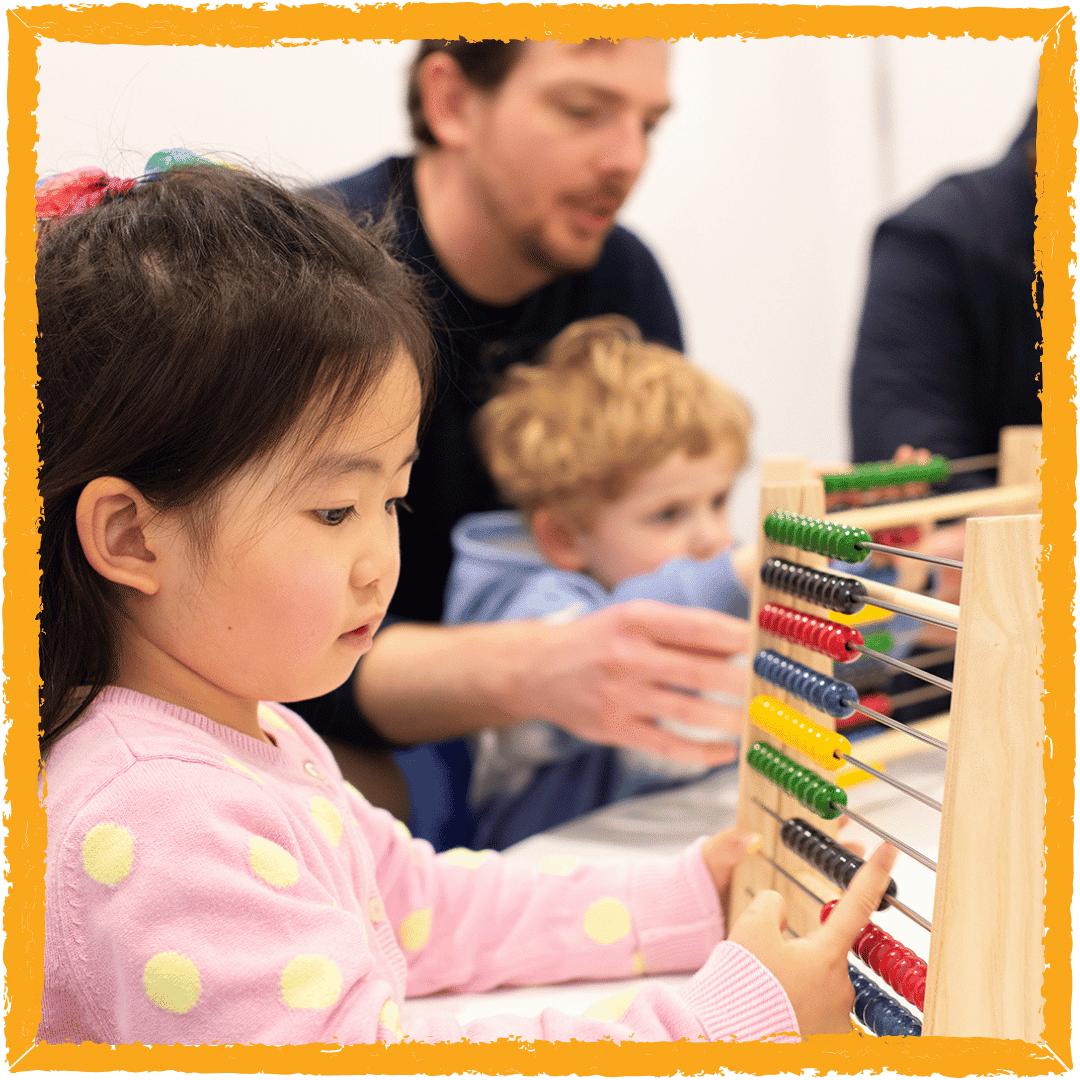
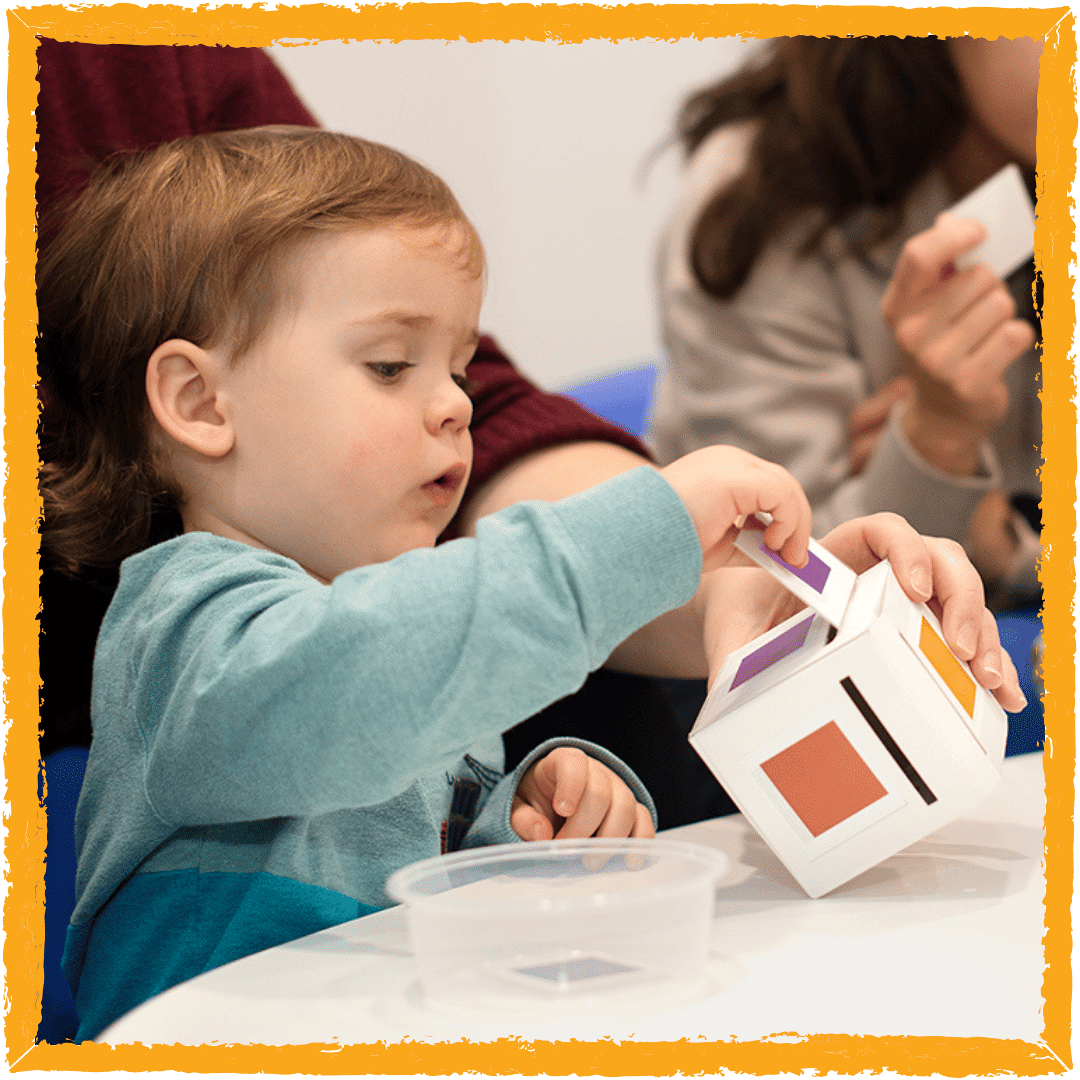
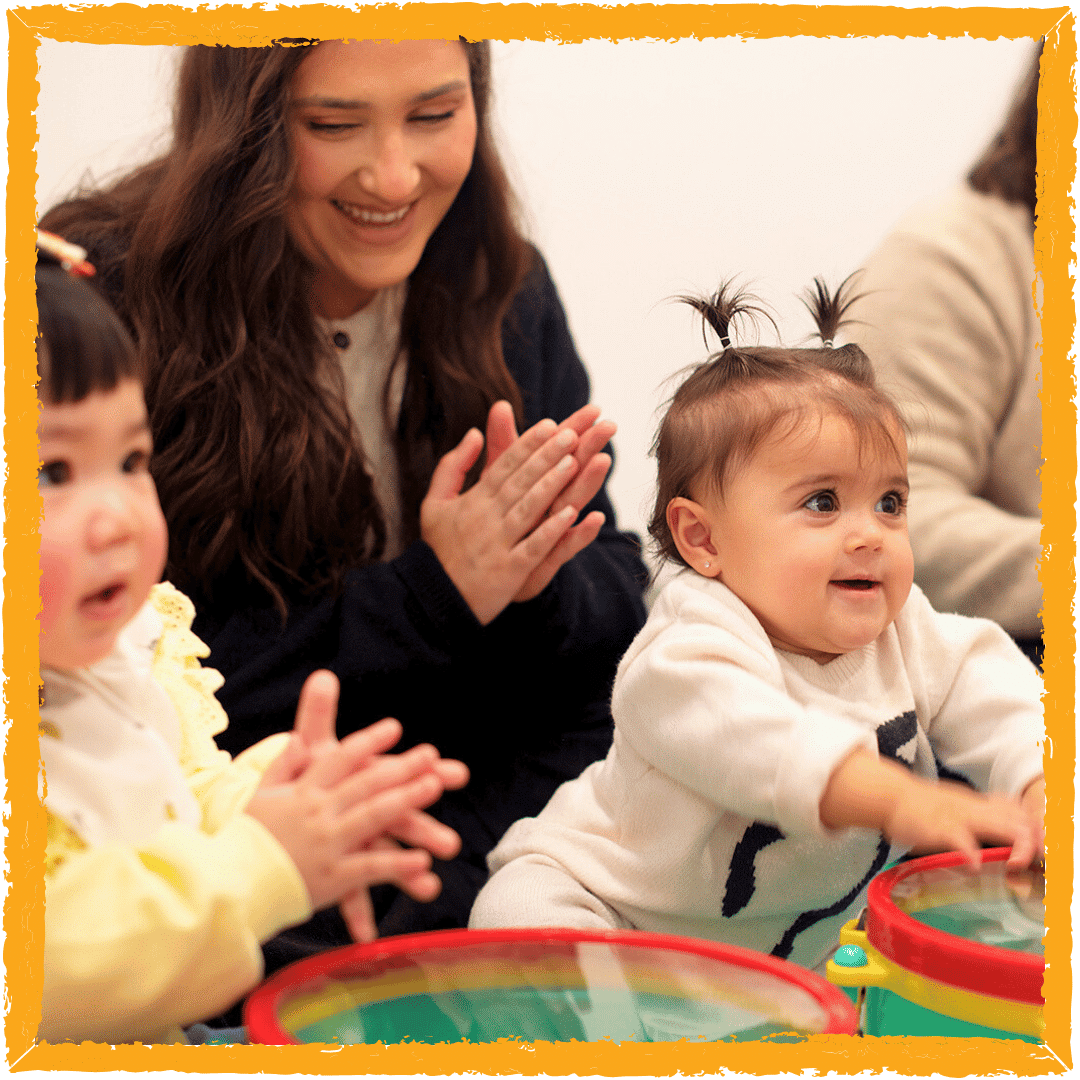
Image by Shichida Australia: When parents sing number songs with their children, they support language development, memory, and early numeracy all at once.
Give Your Child a Strong Start to Whole Brain Learning
A child’s brain develops rapidly in the early years, and the experiences they have during this time shape how they think, learn, and interact with the world. At Shichida Australia, our classes are designed to support whole brain development, engaging memory, language, creativity, logic, and emotional awareness through interactive, multi-sensory activities.
Our fun, engaging classes for children aged 6 months to 5 years combine songs, flashcards, games, and hands-on activities to support early brain development while making learning enjoyable
If you’d like to see how this approach works in practice, book a trial class and experience how structured, engaging lessons can help your child build confidence, focus, and a love of learning during their most important developmental years.
FAQ’s: Whole Brain Learning
Whole brain thinking is an approach that integrates analytical, creative, emotional, and structured thinking so different cognitive strengths work together rather than operating separately.
Whole brain development refers to how different parts of the brain work together to support thinking, memory, emotion, movement, and learning. In early childhood, experiences such as play, conversation, music, and problem-solving strengthen connections between brain systems and support balanced development.
Early childhood is a period of rapid brain growth. When children experience activities that engage multiple senses and skills, such as movement, language, creativity, and emotional interaction, they build stronger neural connections that support learning, behaviour, and confidence.
Yes. Some early learning programs use activities designed to stimulate different brain systems together. For example, the Shichida Method uses memory games, flashcards, sensory activities, and interactive learning to support whole brain development in young children.
The brain’s hemispheres have some specialised functions, but most real-world thinking and learning require strong cooperation between both sides of the brain.
The Herrmann Whole Brain Model describes four thinking preferences: analytical, sequential, interpersonal, and imaginative. It is a conceptual framework designed to encourage flexible thinking across different styles.
Yes. Whole brain learning engages multiple systems such as emotion, movement, language, and logic at the same time. This can strengthen memory, increase motivation, and support deeper understanding.
Many principles used in whole brain teaching align with neuroscience research, including multi-sensory learning, repetition, emotional engagement, and active recall.
Parents can support whole brain development through everyday activities such as talking, reading stories, singing songs, imaginative play, and problem-solving games that engage multiple senses and thinking skills.
Yes. Some assessments measure thinking preferences or cognitive styles. However, these tools describe how people tend to process information rather than mapping the brain’s physical structure.
Yes. Creativity develops best when imagination works alongside analytical thinking, emotional awareness, and problem-solving skills.