Toys for Toddlers: Educational Toys Used in Shichida Class
Want to support your toddler’s development without adding pressure or overwhelm?
At Shichida Australia, we believe learning should feel like play. That’s why our classes use carefully chosen educational toys that spark curiosity, build brain connections, and make every moment fun and meaningful.
If you’ve ever wondered what toys are used in a Shichida class – and how you can bring that experience home – you’re in the right place.
This guide explores the top Shichida toys for toddlers used in their early learning classes and explains how these powerful tools support right-brain development, communication skills, focus, and more. Whether your child attends a Shichida class or you’re simply seeking high-quality educational toys for toddlers, this article offers practical insight and play-based learning strategies you can start today.
Introduction to the Shichida Method and Right-Brain Learning
The Shichida Method is a renowned Japanese early childhood education method that prioritises right-brain development in the formative years, typically from birth to age six. While most traditional education focuses on the left brain (logic, language, order), the Shichida Method believes that nurturing the right brain, responsible for creativity, intuition, memory, and empathy, lays the foundation for a more holistic learner.
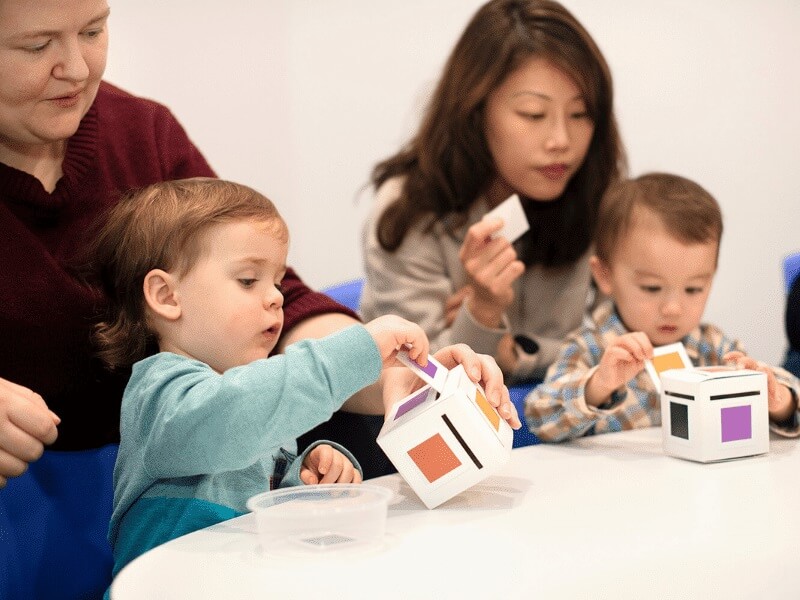
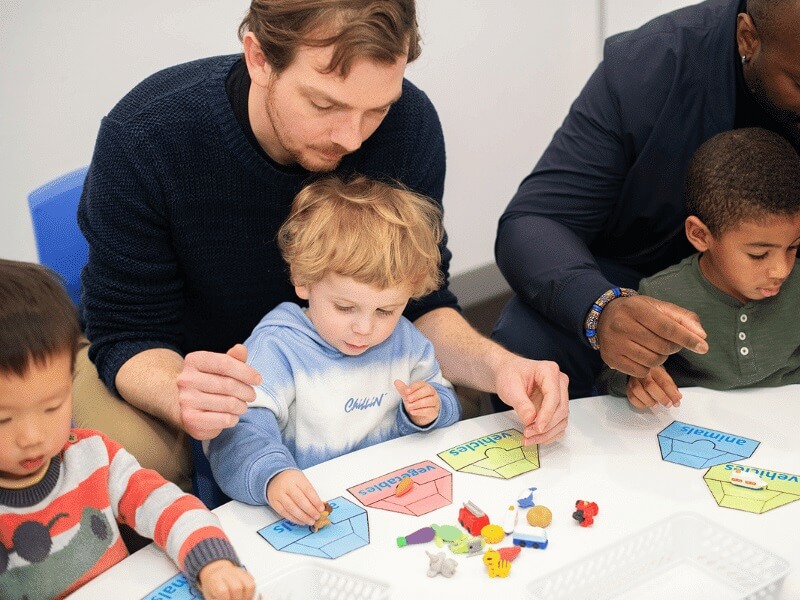
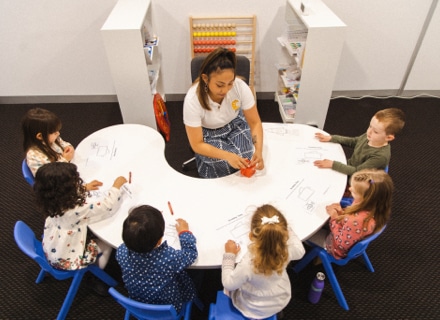
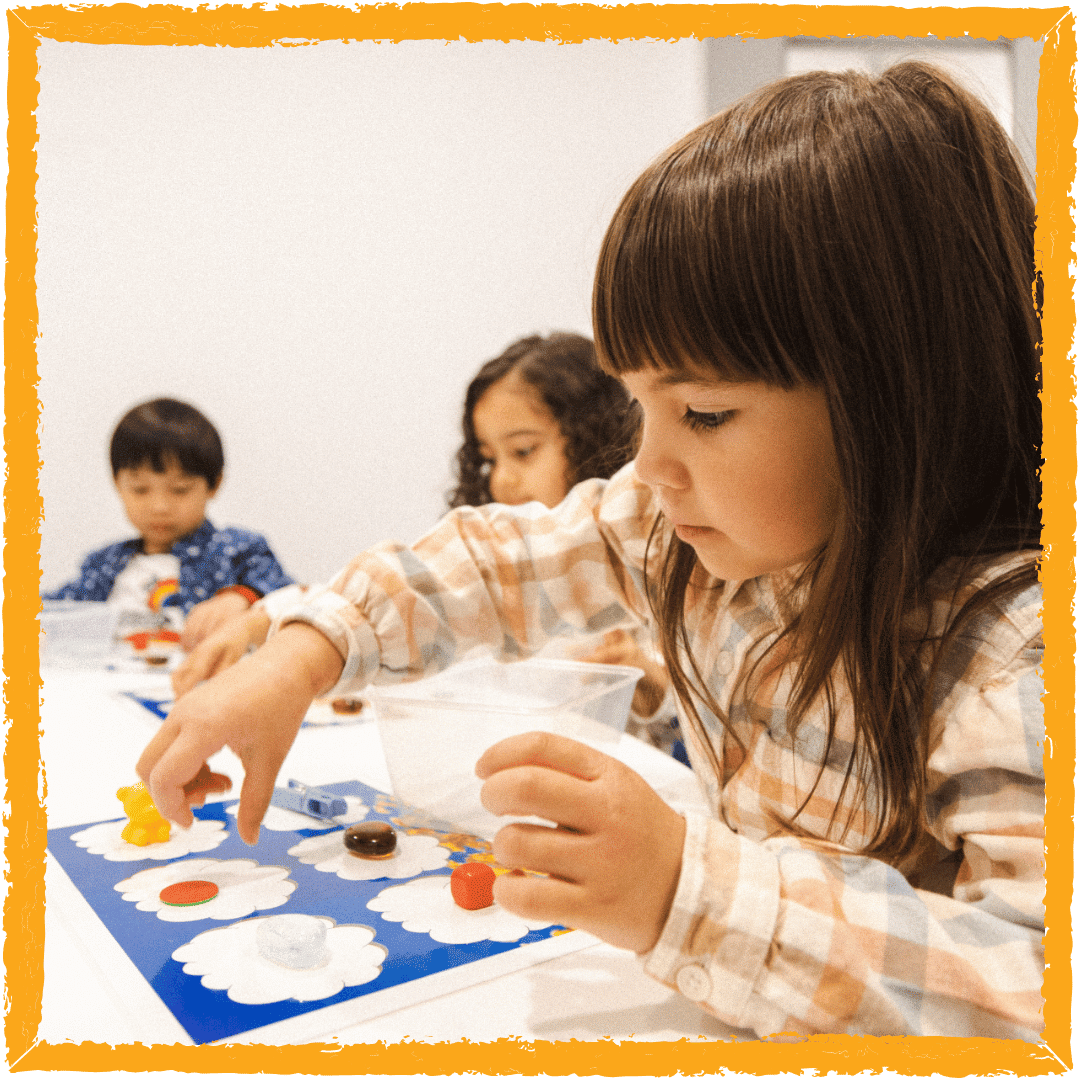
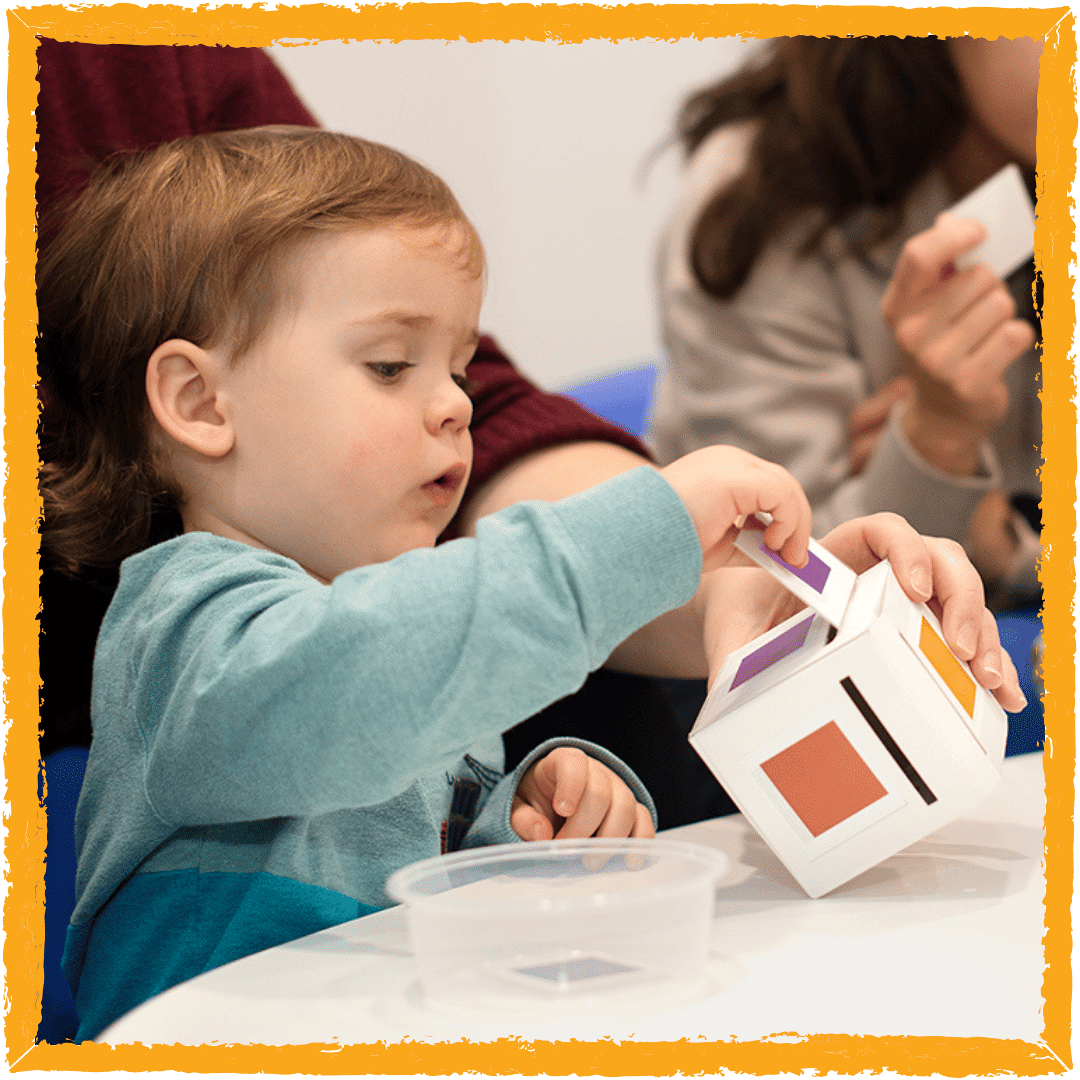
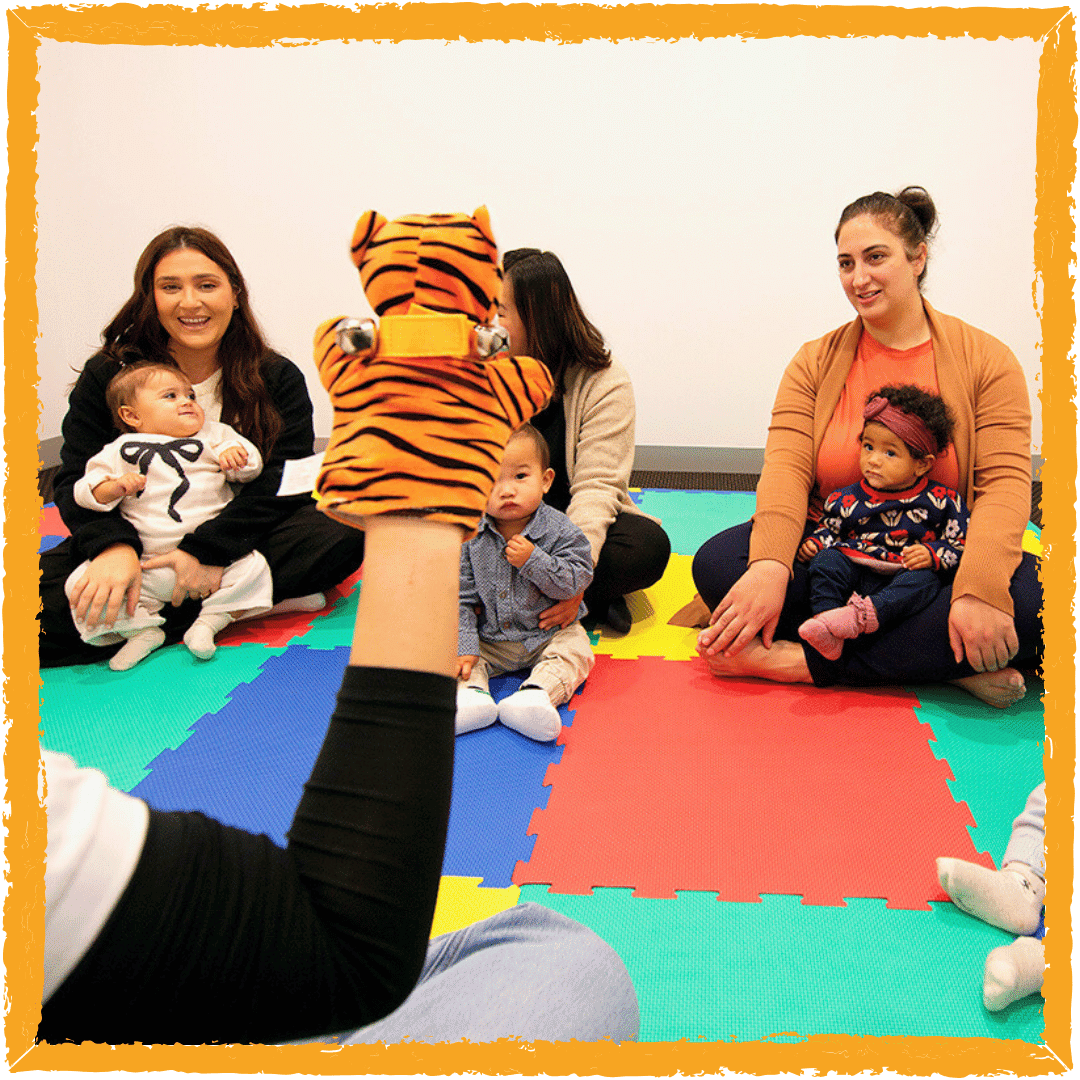
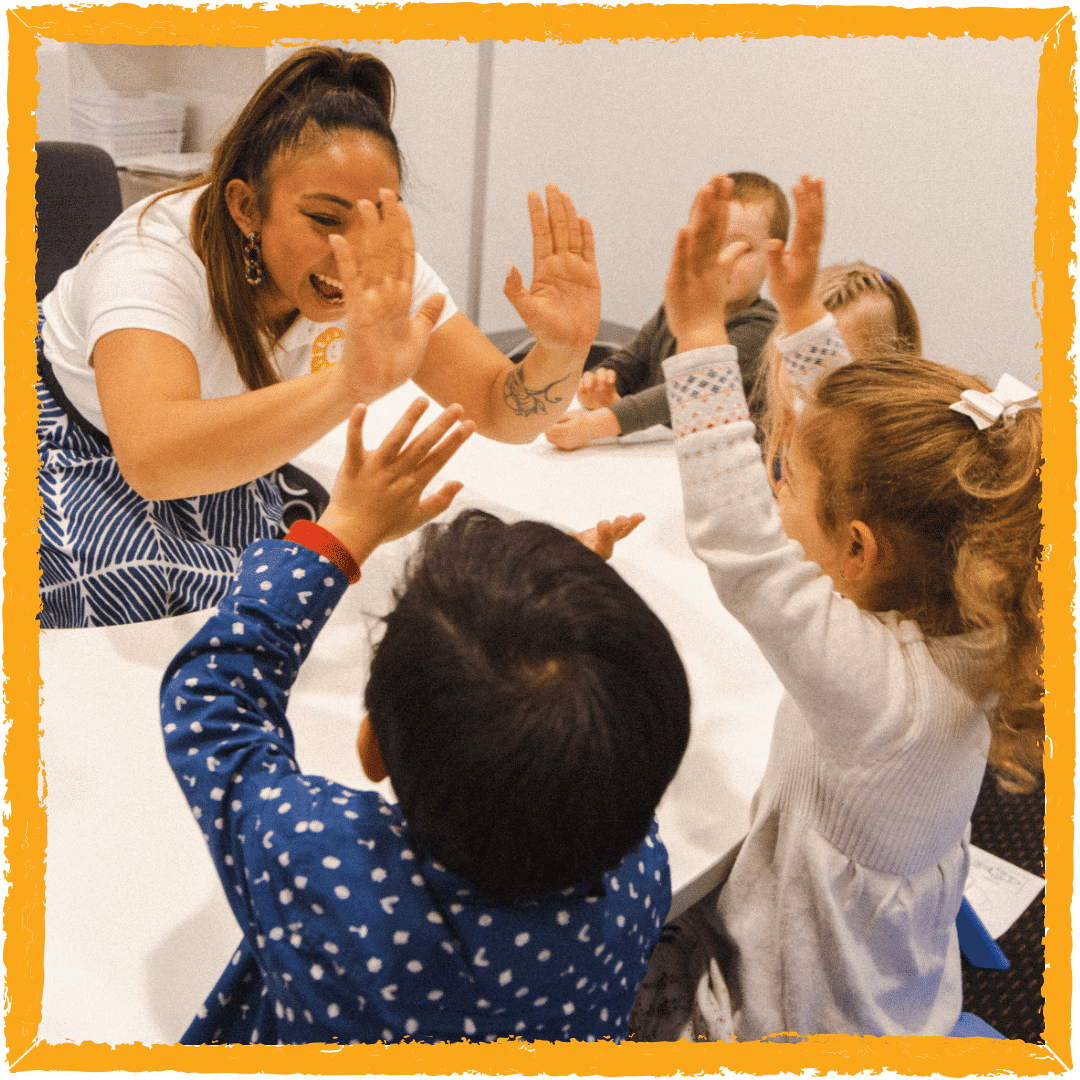
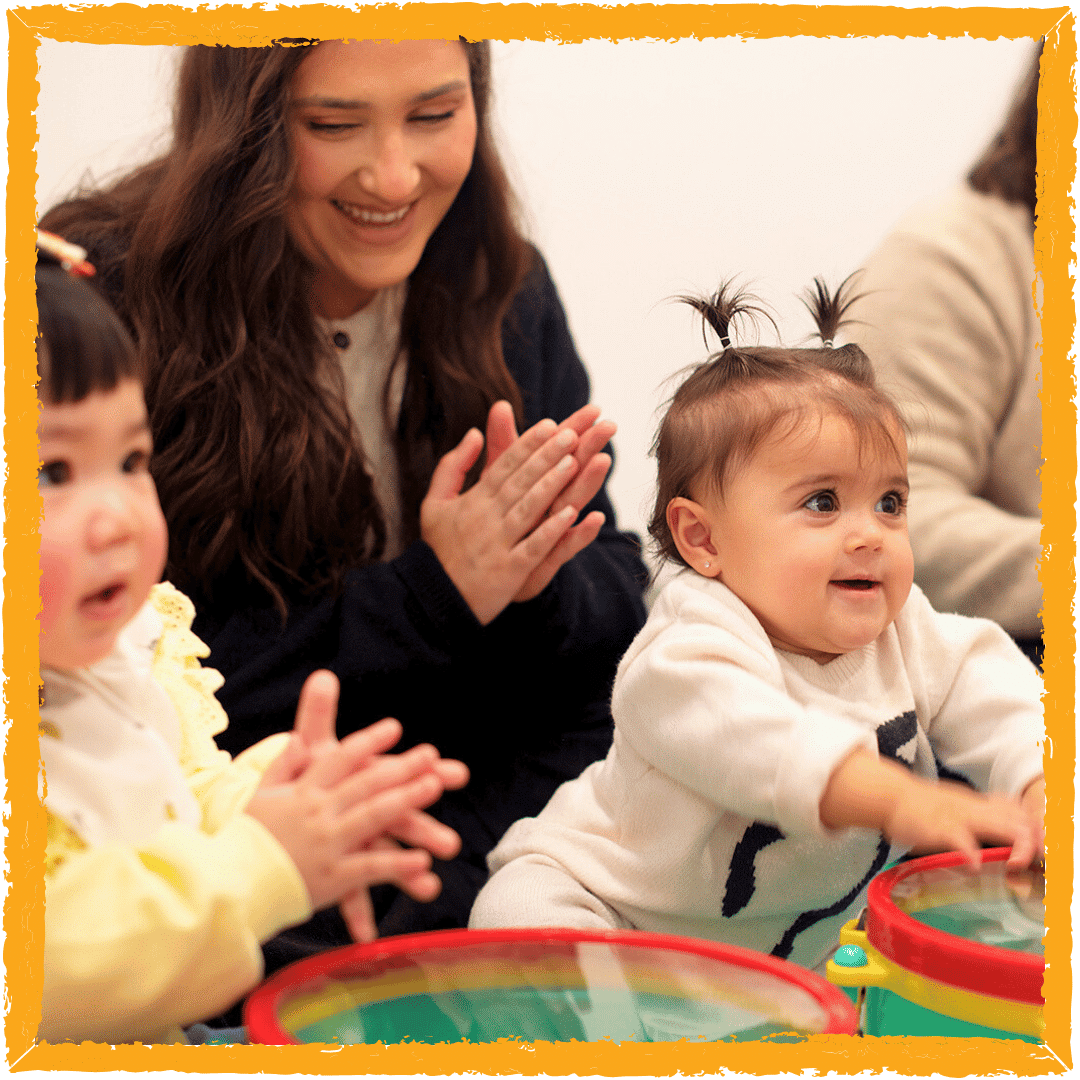
In a Shichida class, you’ll often see toddlers immersed in sensory-based activities, memory recall games, storytelling, music, and tactile puzzles. These aren’t your average toys. They’re carefully chosen Shichida method toys designed to stimulate both sides of the brain, create emotional connection, and unlock a child’s learning potential through play. In essence, every toy in a Shichida classroom is a tool, and every play session in class is a brain workout.
Why Educational Toys Matter in Early Childhood Development
During the toddler years, your child’s brain is in a state of rapid growth and adaptability, known as neuroplasticity. Early childhood experiences play a big role in how a child’s brain develops. Supportive relationships and a rich learning environment help build a strong foundation for thinking, learning, and behaviour.
That’s where educational toys for toddlers come in. These toys do more than occupy your child; they support language development, fine motor skills, emotional regulation, memory retention, and critical thinking. When children engage in learning through play, they explore, make choices, solve problems, and develop confidence, all in a natural, stress-free environment.
Choosing toddler learning toys that are intentionally designed for brain development ensures your child gets the most out of their playtime.
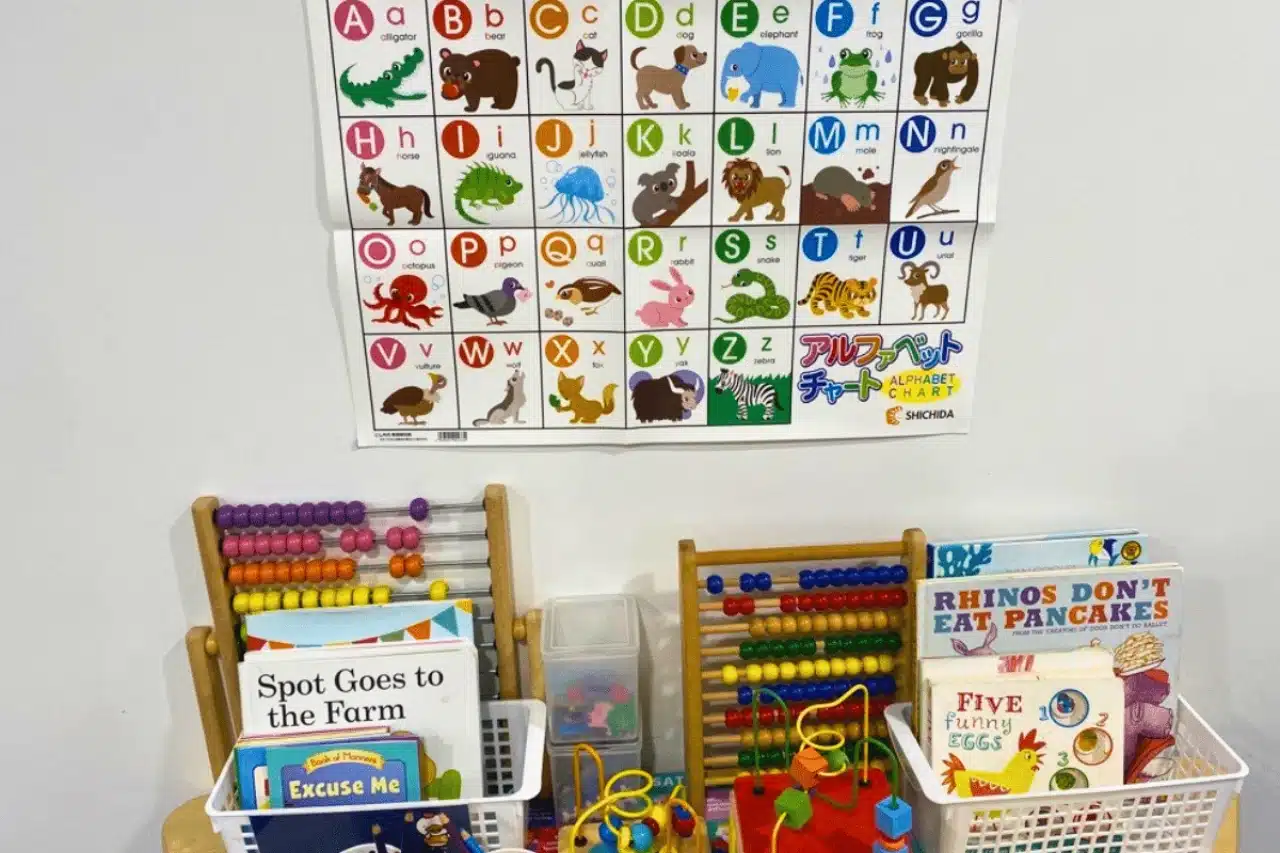
Overview of Toys Commonly Used in Shichida Classes
Toys used in Shichida classes are far from random. Each one is selected to activate a specific developmental domain, from logic skills to sensory awareness. You’ll find:
- Puzzles and mazes that enhance spatial reasoning
- Memory cards that sharpen recall and visual retention
- Language tools that support verbal fluency and listening skills
- Sensory toys that foster emotional awareness and motor control
- Brain training toys that improve concentration, sequencing, and reaction speed
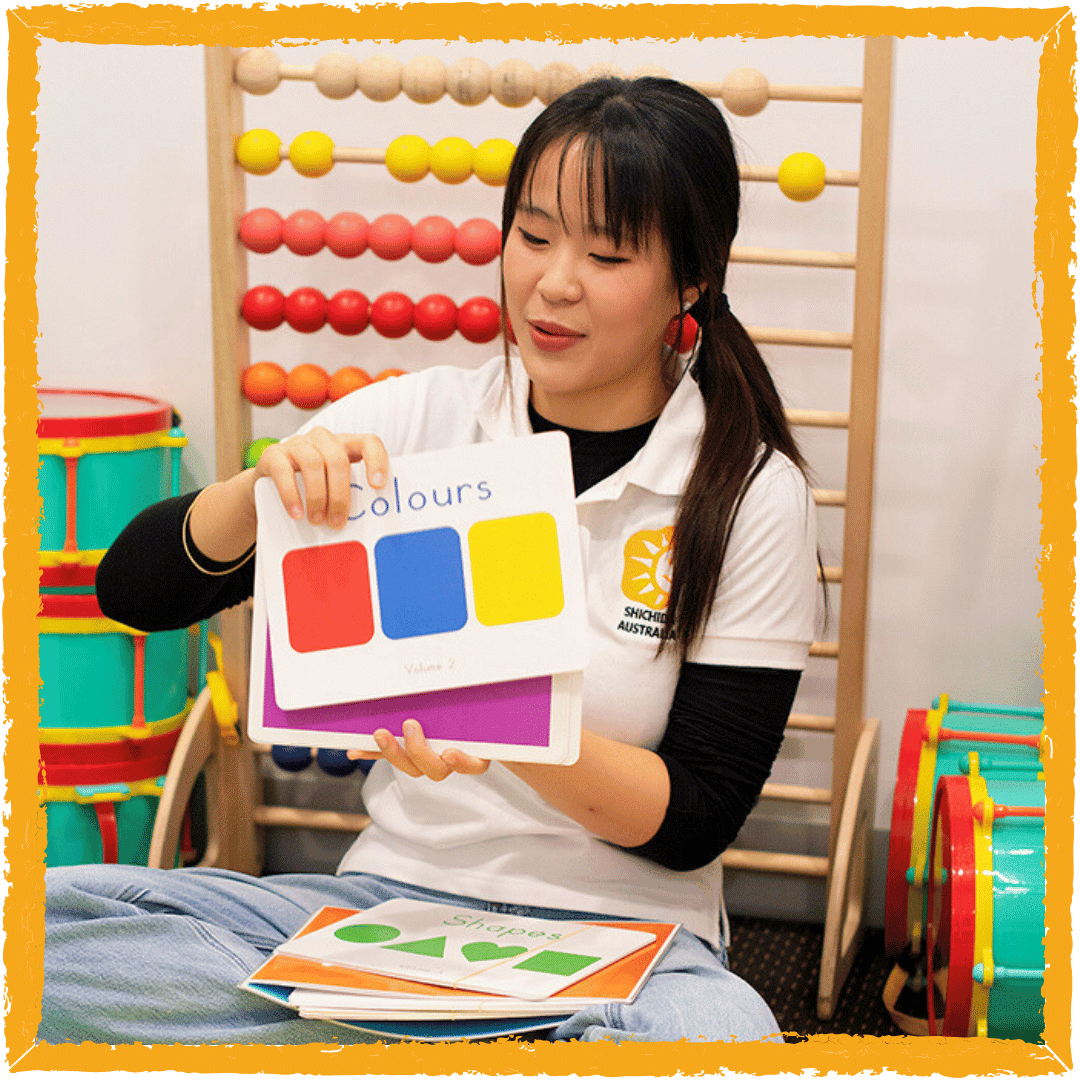
- Flashcards that activate the right brain, train memory, expand vocabulary and general knowledge
These tools align with Shichida’s goals of nurturing the whole brain, emotional and intellectual, imaginative and analytical.
Featured Shichida Toys for Toddlers and Their Learning Benefits
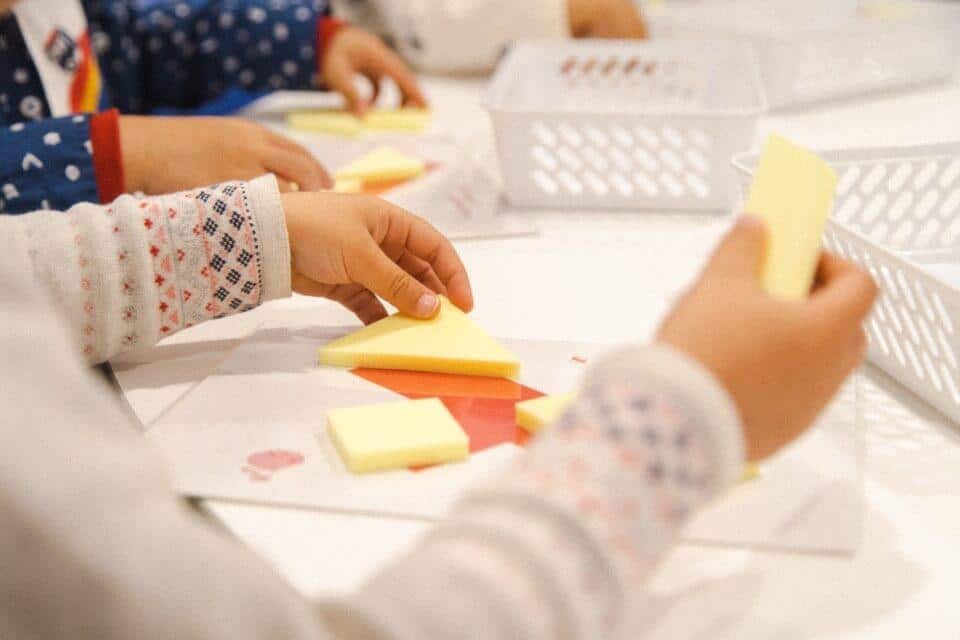
Boost thinking skills, focus, and coordination – all through play.
Cho Cho Ban is a hands-on, tangram-style puzzle that transforms screen-free play into brain-building fun. As children arrange colourful pieces to complete various shapes and patterns, they develop critical skills that support long-term learning.
Learning benefits:
- Problem-solving: Learn to think logically to complete puzzles.
- Critical thinking: Analyse, test, and explore different solutions.
- Fine motor skills: Strengthen hand-eye coordination and dexterity.
- Spatial awareness: Understand how shapes and spaces relate.
- Shape recognition: Identify and manipulate geometric forms.
- Focus & patience: Build concentration and perseverance through play.
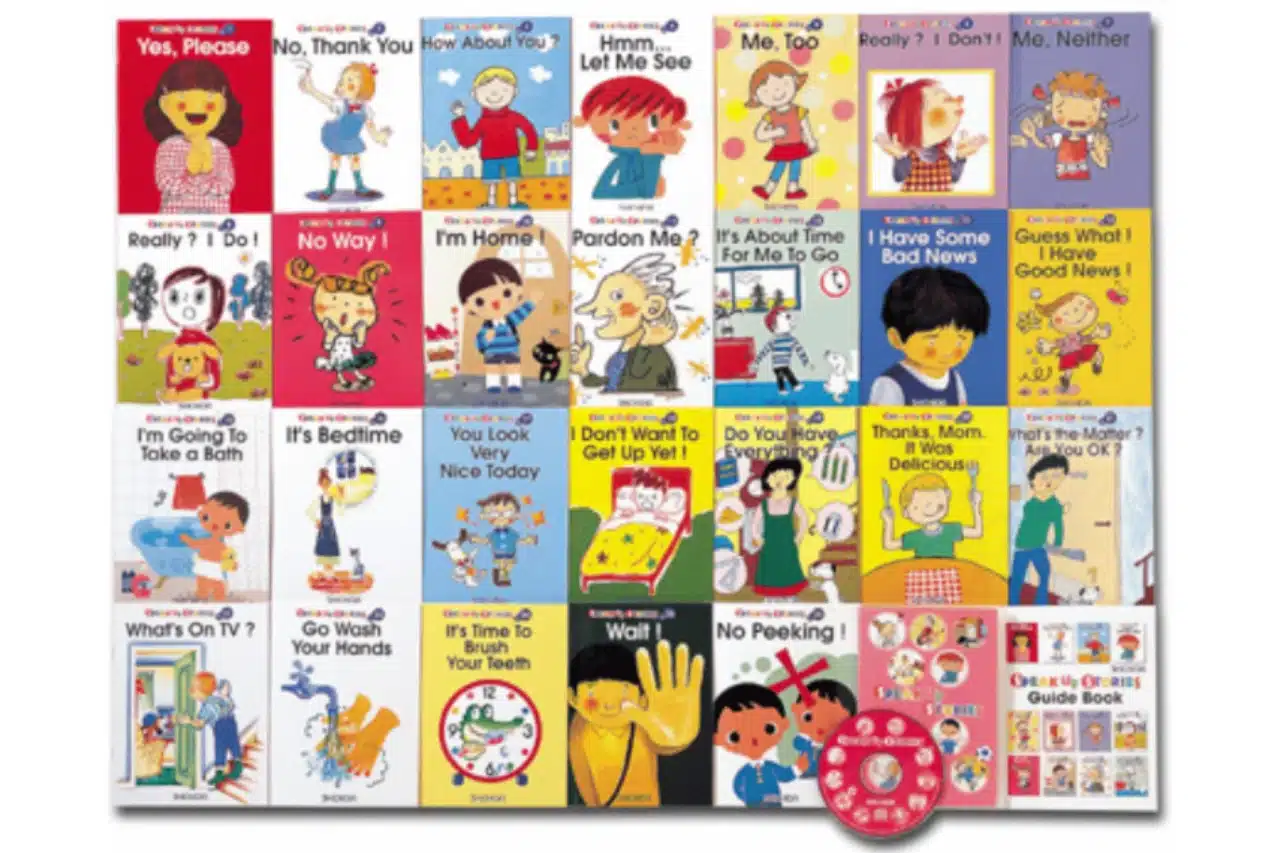
A fun way to boost reading and speaking skills.
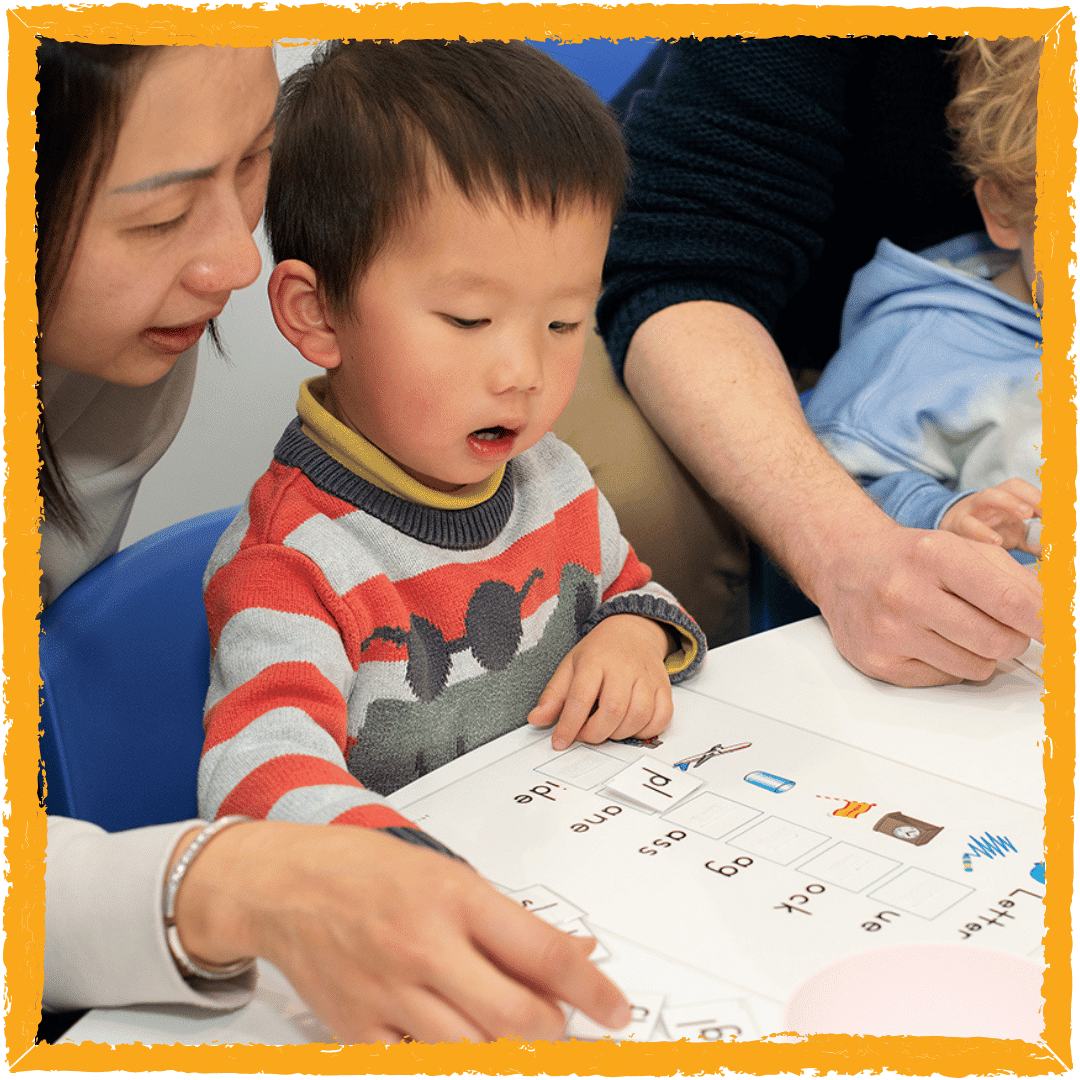
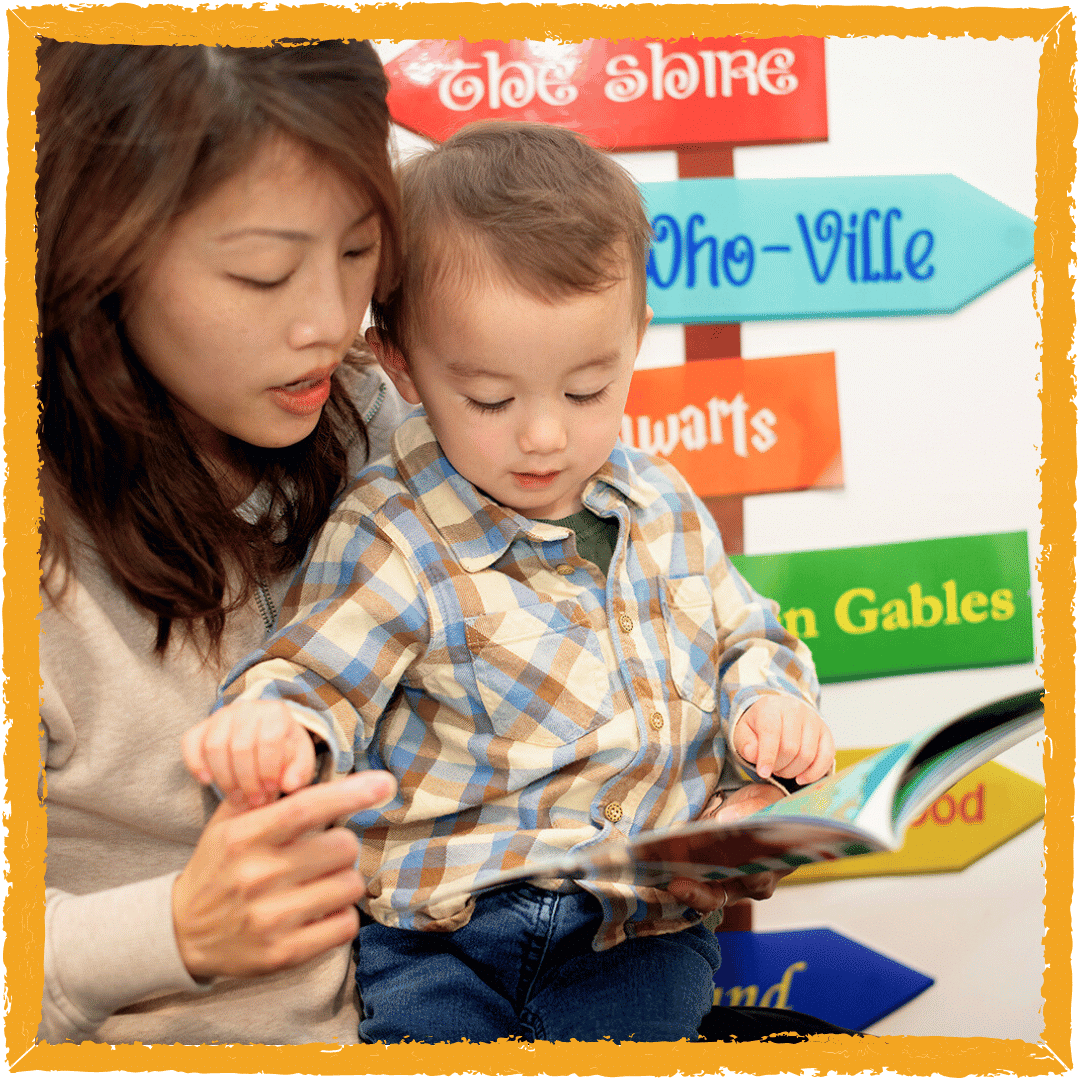
Speak Up Stories helps children grow in confidence with reading, listening, and speaking. These short, engaging storybooks are designed to make language learning feel natural and enjoyable. As your child reads along, they’ll begin to pick up English sentence patterns, everyday expressions, and storytelling skills – perfect for building communication from an early age.
Learning benefits:
- Confident verbal expression: Practise speaking clearly by repeating and retelling familiar stories.
- Listening skills: Improve focus and auditory processing with varied audio speeds.
- Creative thinking: Use visuals and dialogue to inspire imagination and flexible thinking.
- Reading comprehension: Understand sentence flow and follow simple story structure.
- Memory and recall: Strengthen vocabulary and recall through repetition of key phrases.
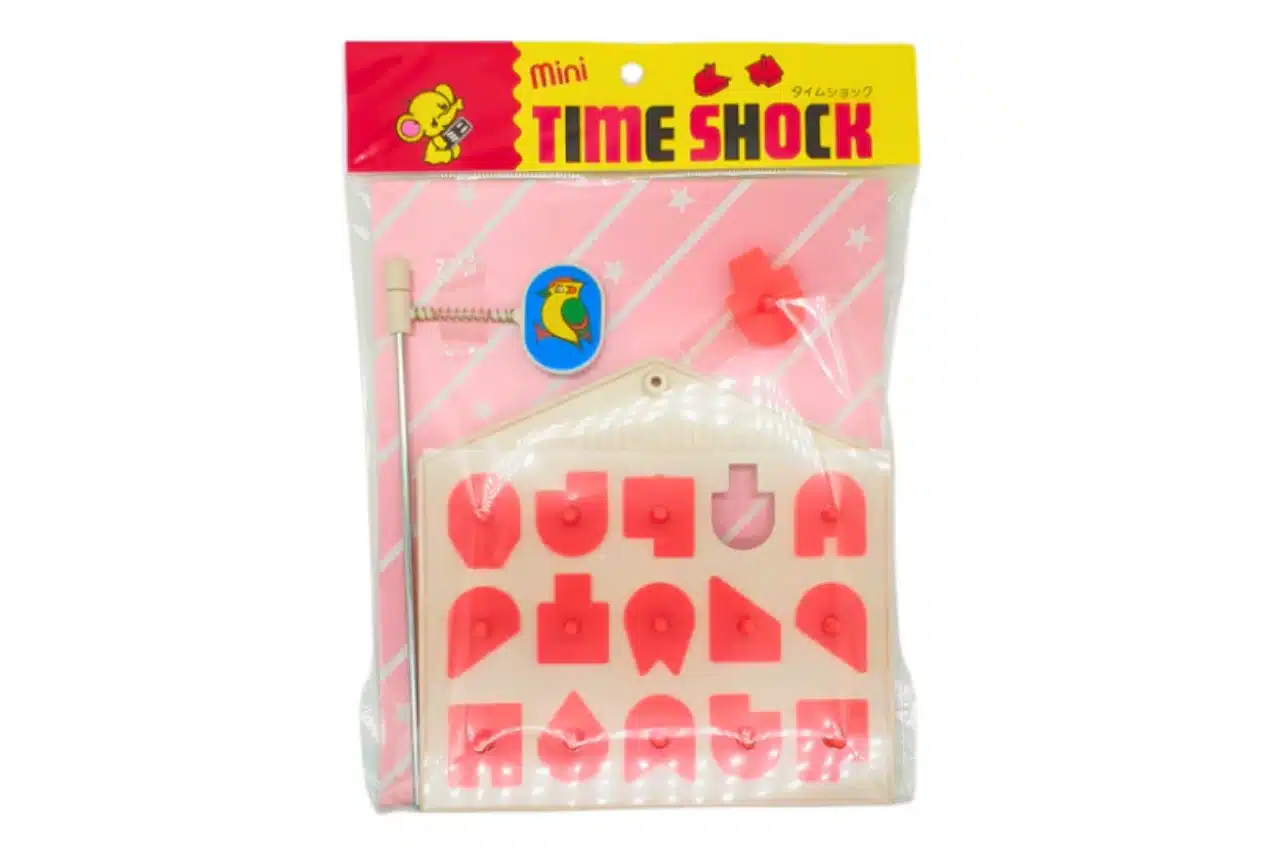
Time Shock is a fast-paced shape-sorting game where your child races against the clock to match shapes to their correct slots.
Can your child fit all 15 pieces into place before time runs out? With every round, they’ll sharpen their focus, speed up their thinking, and strengthen shape recognition – while having a blast racing against the pop-up timer. It’s the perfect mix of fun and brain training.
Learning benefits:
- Critical thinking: Match shapes using logic and problem-solving.
- Concentration: Stay focused under time pressure.
- Spatial awareness: See how shapes and spaces connect.
- Fine motor skills: Build coordination and finger control.
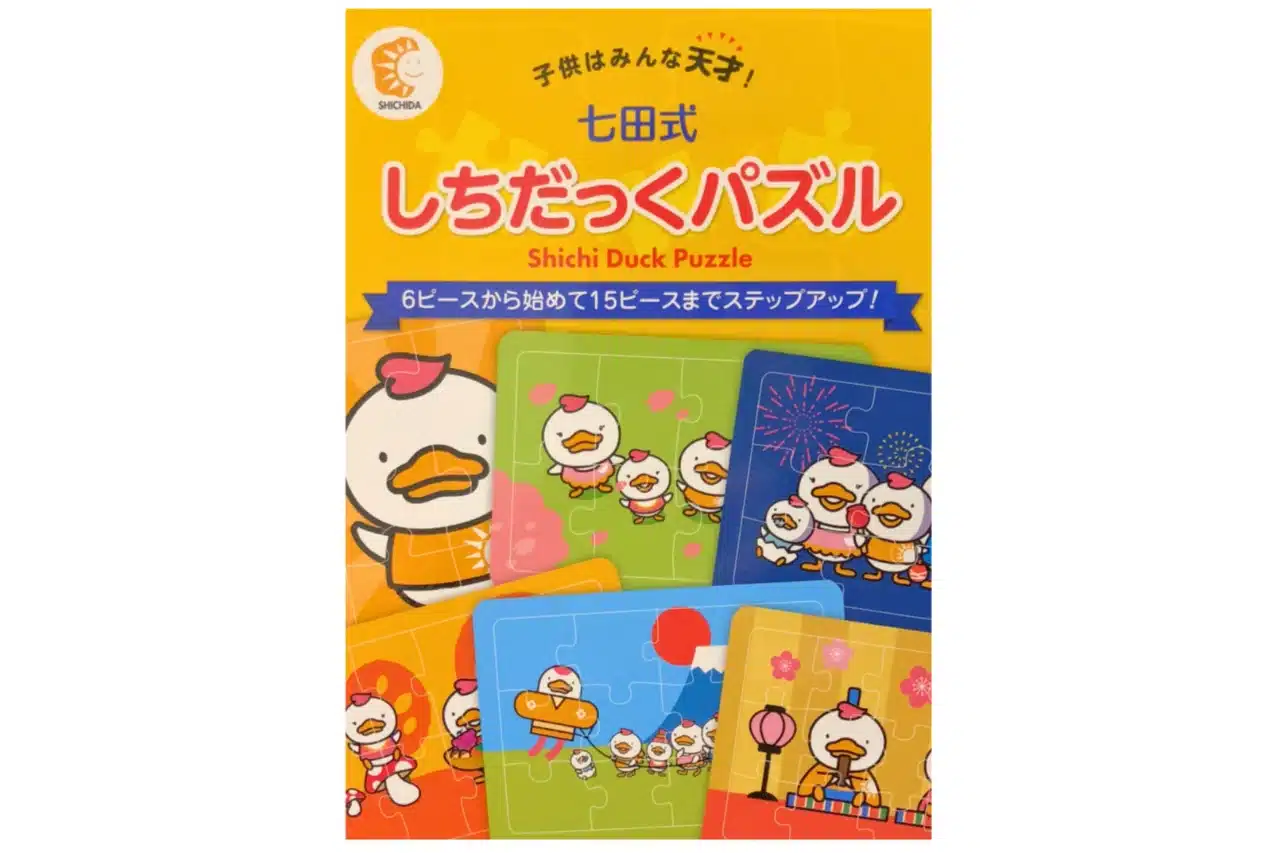
Boost your child’s visual skills and spatial thinking through playful puzzle time! The Shichi Duck Puzzle set includes 6 bright and cheerful jigsaws, gradually increasing in difficulty from 6 to 15 pieces.
Each puzzle features Shichi Duck and her family, offering an engaging way for little hands to strengthen fine motor control, focus, and early problem-solving skills.
Learning benefits:
- Fine motor skills: Strengthen grip and hand control while placing puzzle pieces.
- Problem-solving: Build perseverance by figuring out how pieces fit together.
- Visual recognition: Boost spatial awareness, pattern spotting, and shape matching.
- Creativity: Develop abstract thinking through playful visualisation.
- Language skills: Support early naming of objects and colours through guided play.
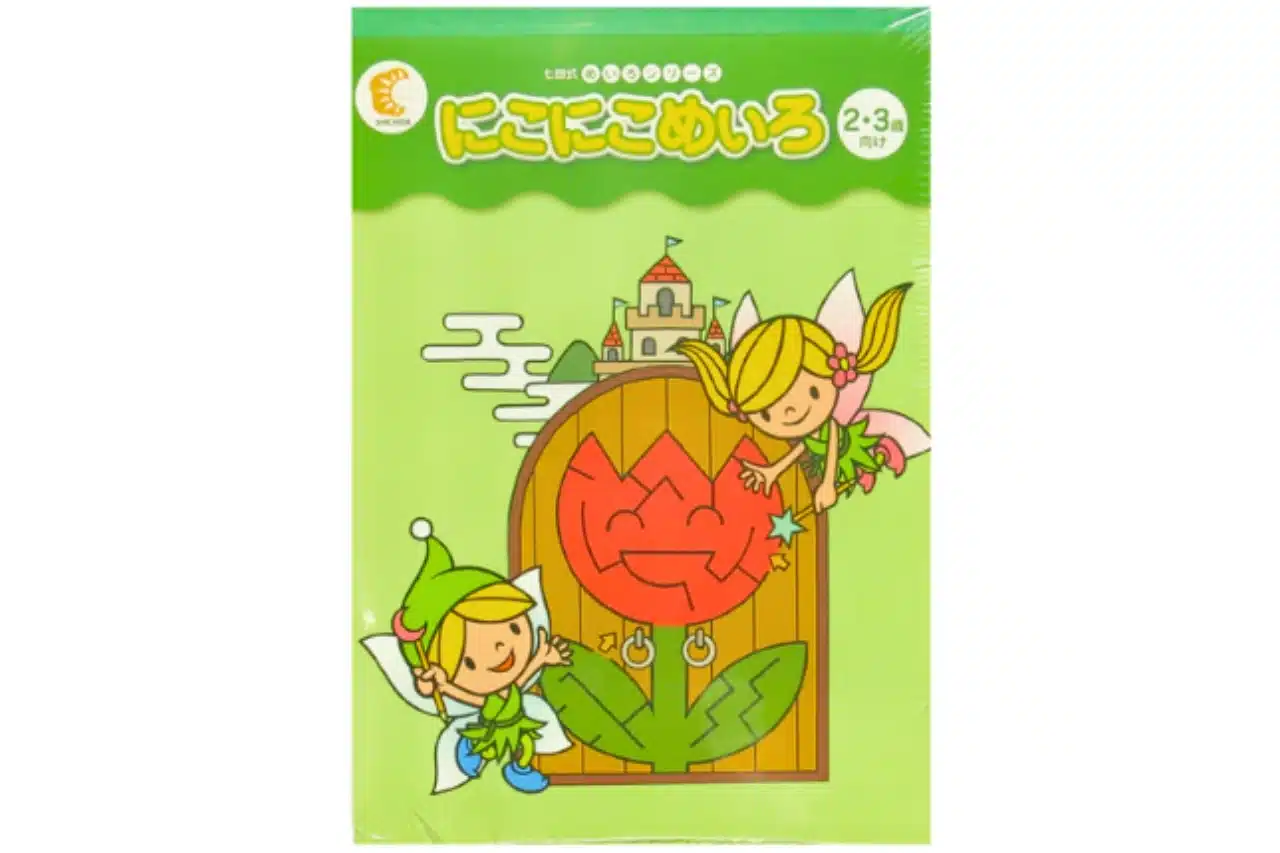
A gentle and fun introduction to writing, drawing, and thinking.
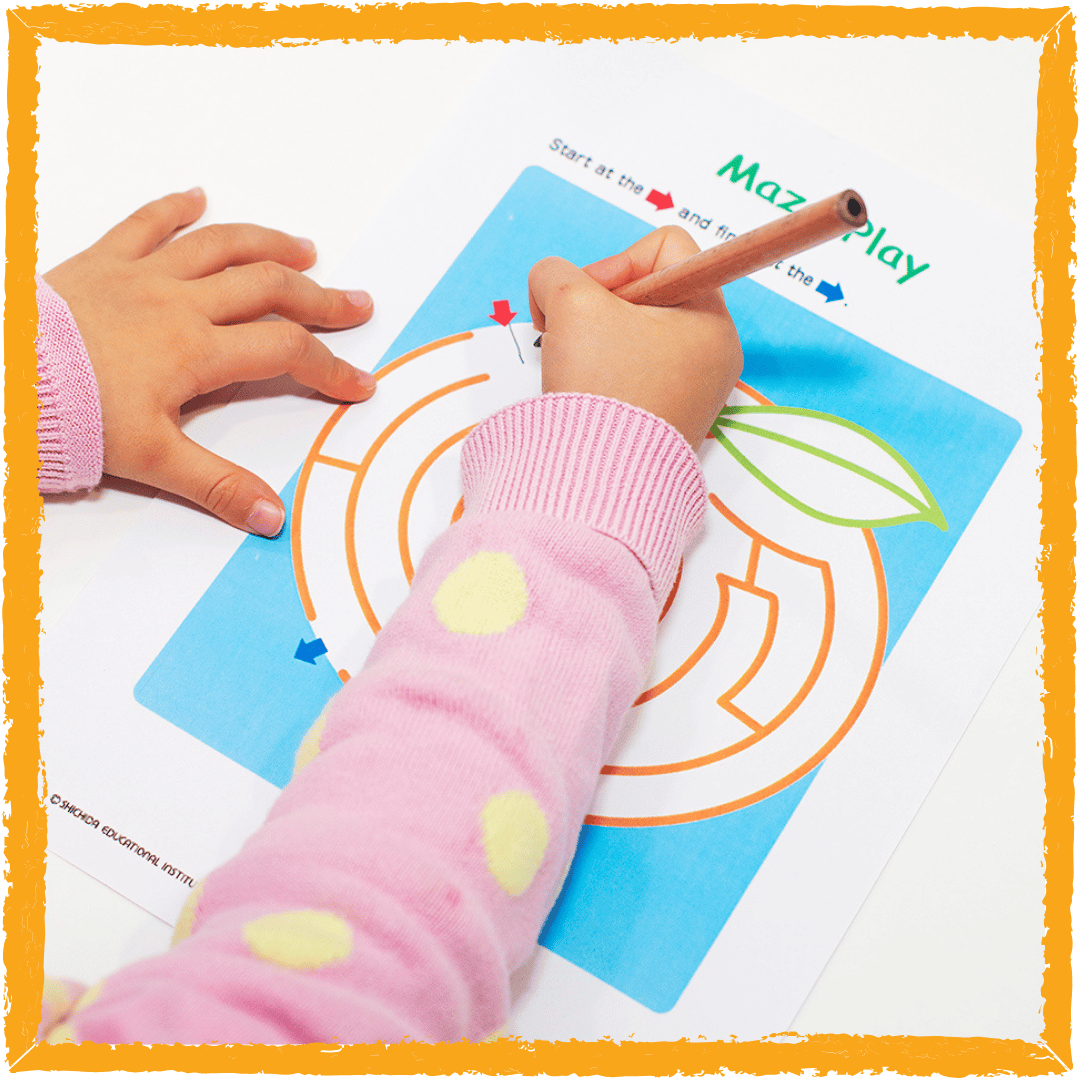
The Niko Niko Maze is a playful first maze workbook that helps toddlers build early pencil control, concentration, and visual processing skills.
Created using the trusted Shichida Method, each maze encourages children to practise hand movements, apply the right writing pressure, and stay focused, while enjoying the journey through simple, engaging paths.
Learning benefits:
- Pencil control: Build steady hand movements and apply the right writing pressure.
- Visual processing: Strengthen pattern recognition and spatial awareness.
- Logical thinking: Plan ahead and solve simple maze challenges.
- Focus: Improve attention span through quiet, goal-based play.
- Motor skills: Develop hand-eye coordination and finger strength.
- Intuition: Practise anticipating paths and outcomes.
- Perseverance: Learn to stick with tasks and try again.
How to Use These Toys Effectively at Home
You don’t need to replicate a classroom to get the benefits of these toys at home. The key is intentional play, structured yet joyful sessions that fit naturally into your child’s day.
Tips for effective use:
- Start with 10 – 15 minutes of focused play per toy
- Join in. Parent involvement boosts emotional connection and motivation
- Celebrate effort, not just success
- Let your child take the lead where possible
- Use toys to prompt questions, stories, or problem-solving tasks
Don’t worry if your child doesn’t master a toy right away. These tools are designed to grow with your child, offering new challenges as they develop.
Shichida-Inspired Toy Selection Tips for Parents
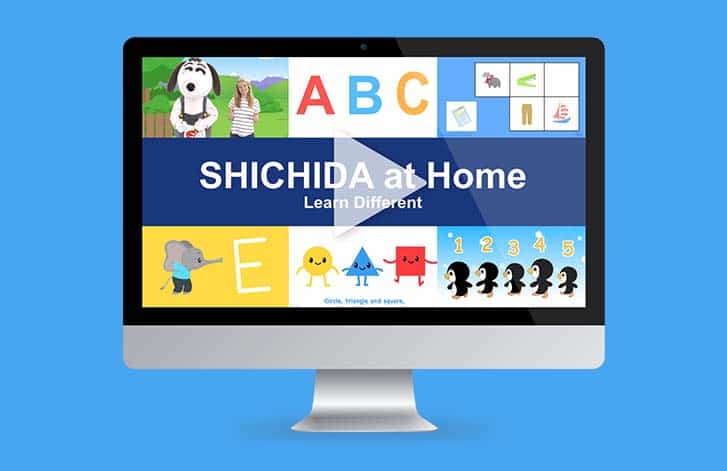
Even if your child isn’t enrolled in a Shichida programme, you can still bring its benefits home by choosing toys that reflect the same principles – or by using resources from SHICHIDA at Home.
Here’s what to look for in Shichida-inspired toddler learning toys:
- Multi-sensory features – toys that engage touch, sight, and sound
- Open-ended play – encourages imagination rather than fixed outcomes
- Progressive difficulty – allows for growth over time
- Emotional engagement – look for toys that spark joy and curiosity
- Right-brain stimulation – visual memory games, creative puzzles, sensory experiences
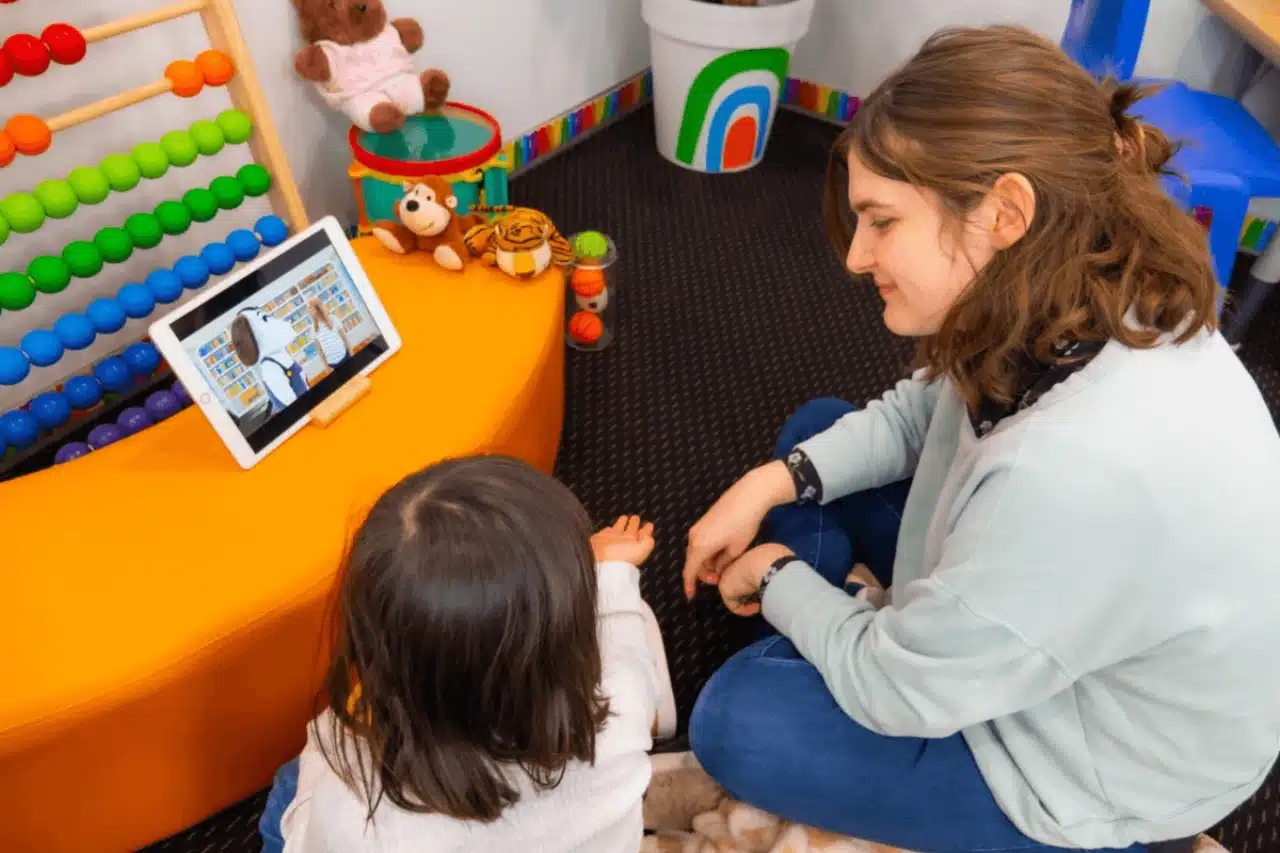
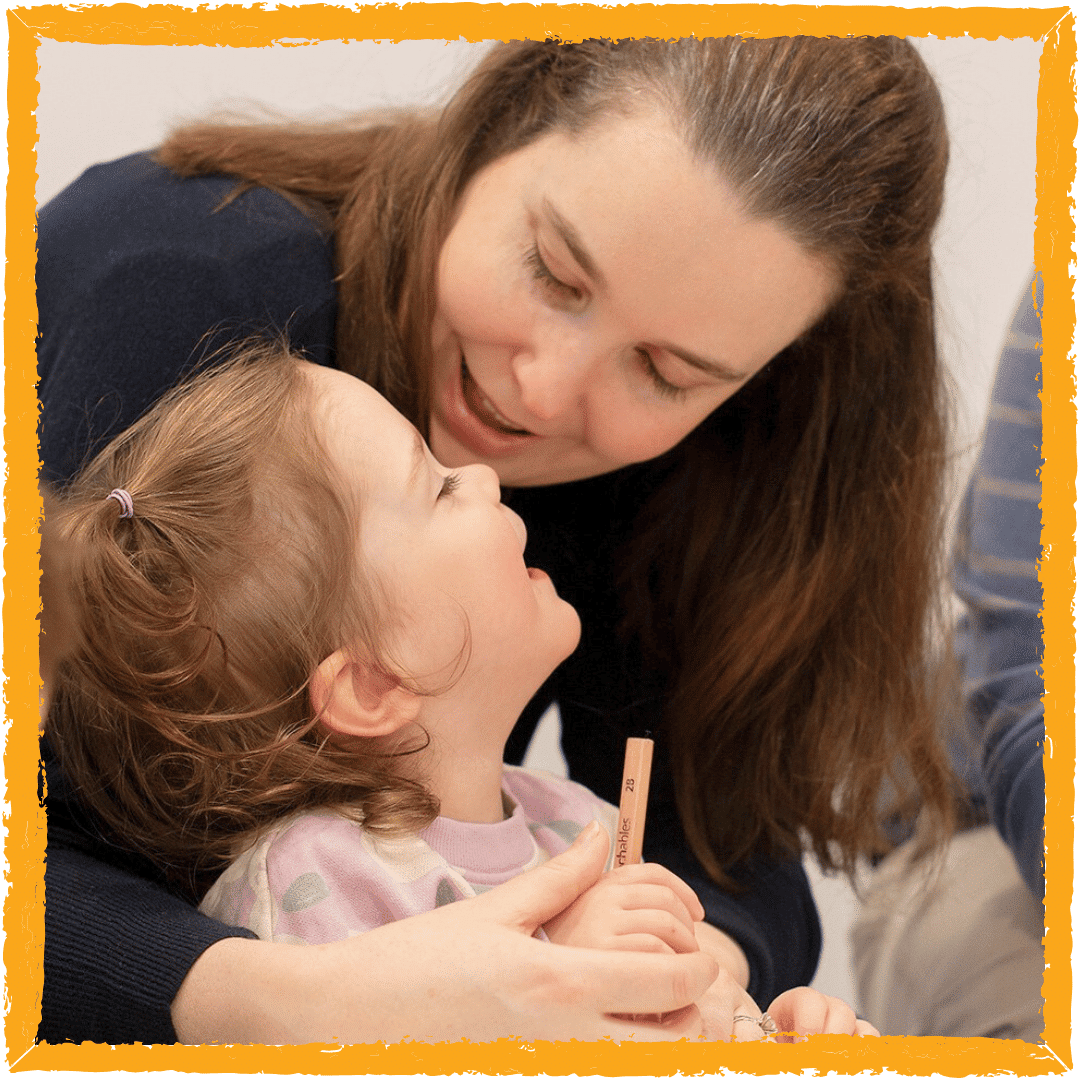
Photo from SHICHIDA at Home Sneak peek: Mom and daughter incorporating Shichida activity at home.
Conclusion: Building a Right-Brain Learning Environment at Home
The toddler years are precious and powerful. With the right tools, you can transform everyday play into moments of deep learning, emotional bonding, and meaningful discovery. The Shichida Method reminds us that learning through play isn’t just fun, it’s foundational!
By introducing your child to well-designed right-brain development toys like Cho Cho Ban, Speak Up Stories, and the Niko Niko Maze, you’re giving them more than entertainment. You’re helping shape memory, focus, creativity, and confidence for life.
So whether you’re exploring new learning methods like the Shichida approach, or just looking for tried-and-tested toddler puzzle learning tools, take a cue from Shichida classrooms and let purposeful play lead the way.
Curious to try a Shichida class? Book a trial class here.
Want to check out Shichida Educational Toys? Browse here.
FAQ: Shichida Toys for Toddlers
The Shichida Method is a holistic early learning approach that nurtures both the left and right sides of the brain. It uses sensory-rich toys and memory-based activities to support cognitive, emotional, and creative development. Toys are carefully chosen to engage visual, auditory, and tactile senses – making learning fun and deeply effective.
Absolutely. While these toys are used in Shichida classes, they’re just as effective at home. Any parent can use them to support early brain development, especially in areas like memory, focus, and problem-solving.
Cho Cho Ban encourages children to practise sequencing, visual mapping, and planning. As they figure out how to complete the tangram-style puzzles, they build spatial awareness and decision-making skills – through hands-on play.
Shichida toys are designed to support a wide range of developmental stages, from infancy through to around age 9. Some toys are suitable for babies, while others grow with your child, offering new challenges as they develop. We recommend checking each product’s developmental guidelines to find the best fit for your child’s age and stage.
Yes. Toys like Speak Up Stories and other language-based tools encourage verbal expression, storytelling, and listening skills, essential for strong language and communication development.