
The Shichida Method: Maximising Early Childhood Development
This educational approach has gained worldwide recognition for its unique approach to early childhood development. This article aims to bridge insights with practical advice for parents eager to incorporate the Shichida Method into their children’s daily learning.
The Core Principles of the Shichida Method
The Shichida Method, developed by Dr. Makoto Shichida, is a teaching method that emphasises early childhood education and aims to maximise the full potential of children’s brains. It focuses on nurturing a balanced development of the right and left hemispheres of the brain. Here are some of the core principles that underpin the Shichida Method:
1. Right Brain Development
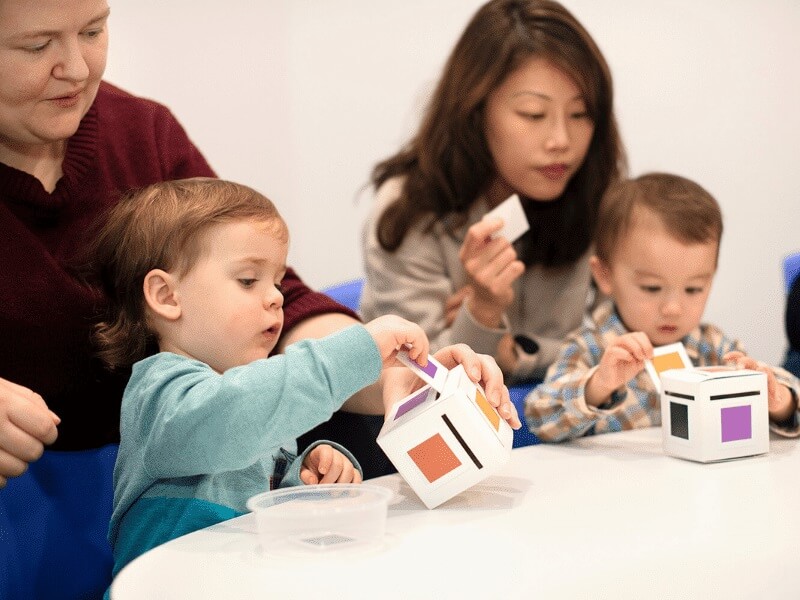
Unlike conventional education methods that often focus on the analytical left brain, the Shichida Method places significant emphasis on stimulating the right brain. This part of the brain is responsible for creativity, intuition, and holistic thinking. Activities that promote right brain functions include memory games, visualisation, flashcards and sensory stimulation.
2. Early Learning
The Shichida Method advocates starting education early, capitalising on the “sensitive periods” of development in early childhood. This is a time when children can absorb information quickly and with little effort. The method uses age-appropriate materials to teach reading, math, problem solving, creativity and language skills from a very young age.
3. Love of Learning
Dr. Shichida believed that fostering a love of learning is crucial. The method encourages learning environments that are positive, supportive, and fun, allowing children to enjoy their educational activities and develop a lifelong passion for learning.
4. Parental Involvement
A key aspect of the Shichida Method is the active role of parents in their children’s learning. Parents are encouraged to engage with their children in educational activities, supporting their learning at home and ensuring continuity in their developmental activities.
5. Heart Education
Emotional well-being is considered just as important as intellectual development in the Shichida Method. The approach promotes education of the heart, with a focus on empathy, kindness, and understanding, aiming to nurture children who are not only intellectually gifted but also emotionally intelligent and compassionate.
6. Imaginative Play and Creativity
Dr. Shichida promoted the use of imaginative play to enhance creativity and problem-solving skills. Children are encouraged to use their imagination through play, art, and storytelling, which helps in developing both cognitive and creative capacities.
7. Routine and Repetition
The method utilises repeated exposure to certain activities and concepts to reinforce learning and memory. This repetition helps to solidify connections in the brain, making recall easier and more natural for children.
8. Holistic Education
These principles combine to create a holistic education method that aims to develop a child’s full potential, nurturing not only their intellectual capabilities but also their emotional and creative abilities.

The Benefits of the Shichida Method
The Shichida Method is not just about academic achievements; it’s about developing well-rounded individuals. Here are some additional benefits:
Enhanced Communication Skills
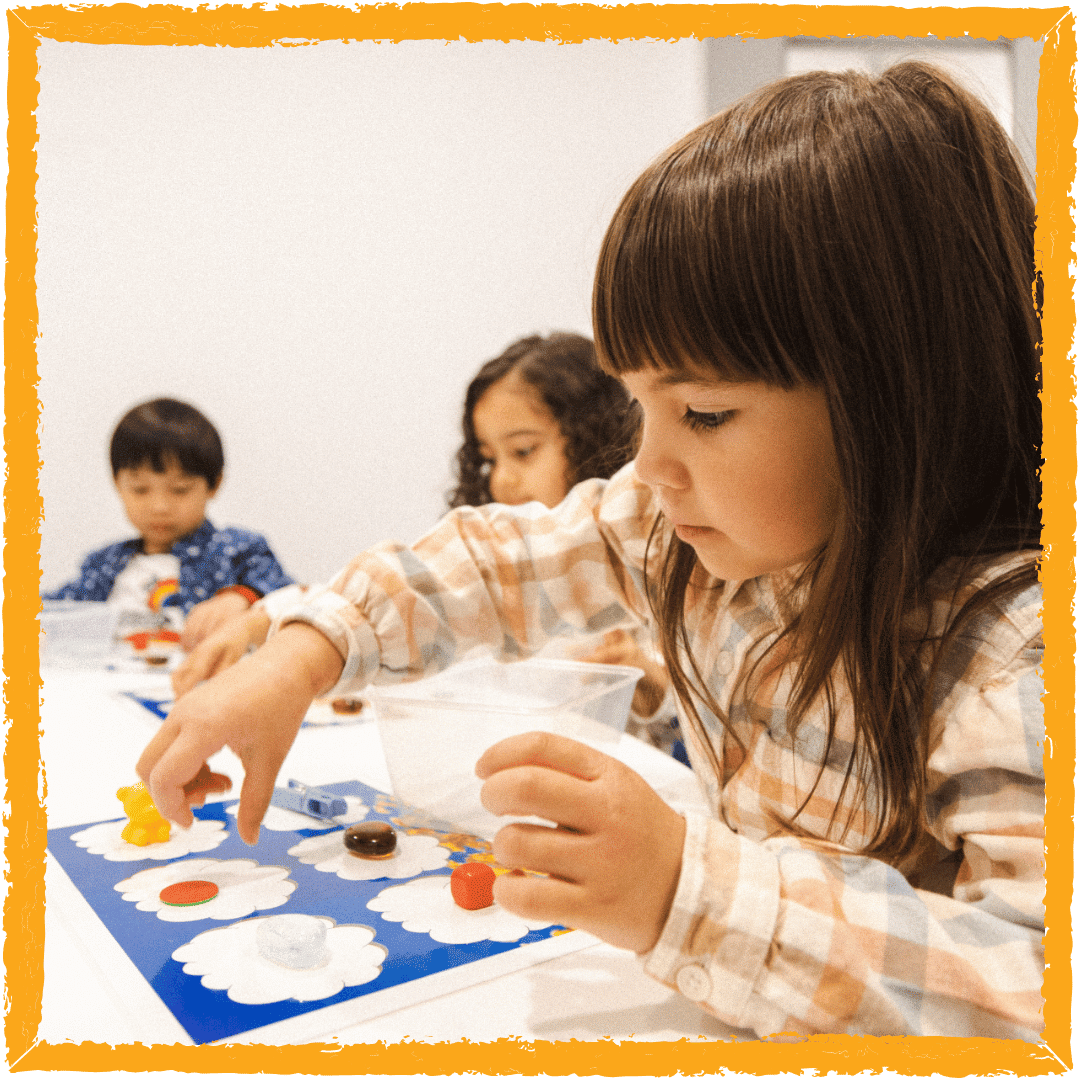
Through observation, engagement and participation in skill-targeted games and activities, children develop advanced communication skills early in life, enabling them to express themselves clearly and confidently.
Increased Emotional Intelligence
Activities that promote observation, empathy and emotional understanding contribute to a child’s ability to relate to others, fostering healthier interpersonal relationships throughout their lives.
Superior Problem-Solving Abilities
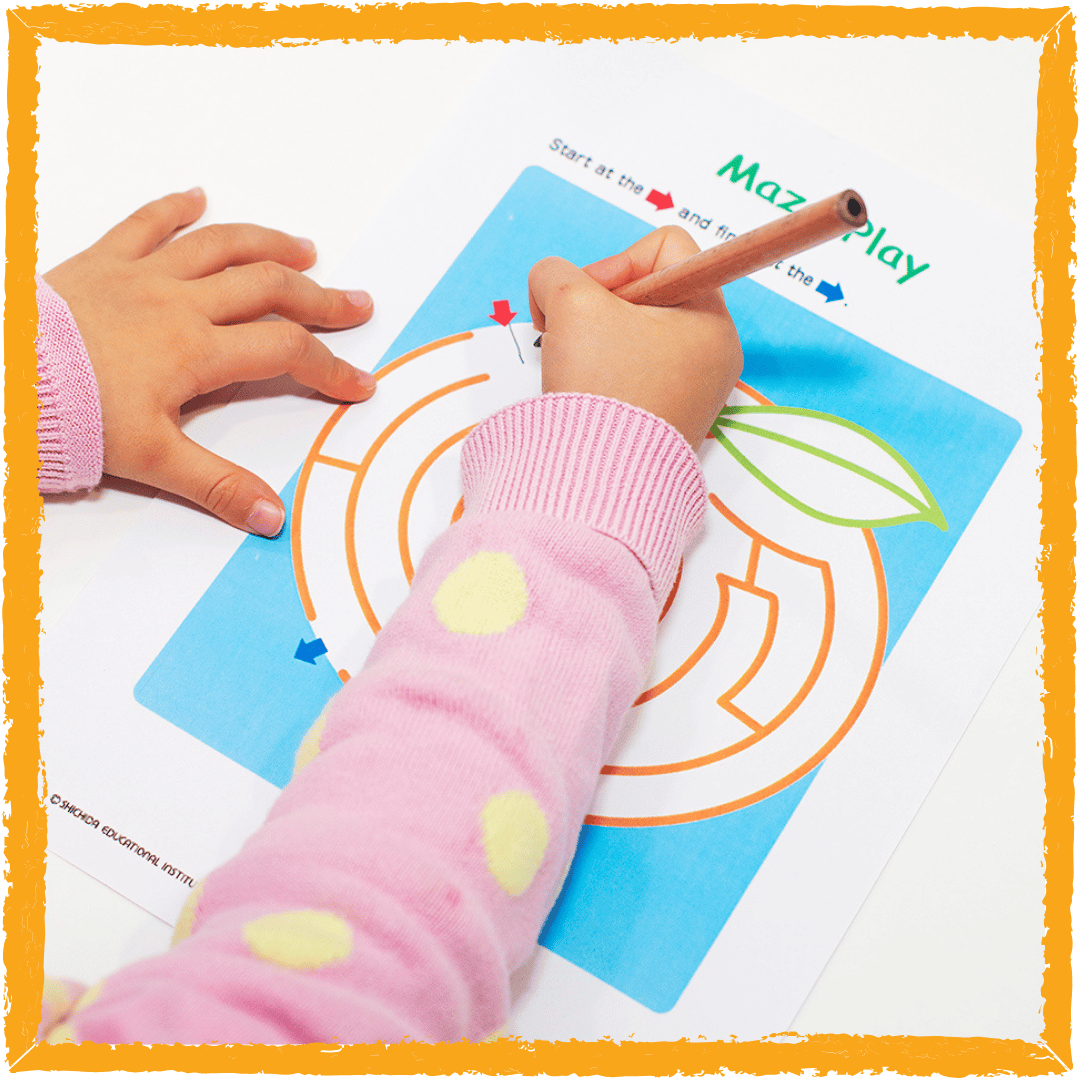
By engaging in games that require critical thinking and problem-solving, children develop sophisticated cognitive abilities that enable them to navigate complex situations effectively.
Amazing Memory
The Shichida Method incorporates unique memory-enhancing exercises that boost both short-term and long-term memory capacities in children. These memory exercises encourage active mental recall and information processing.

Implementing the Shichida Method at Home: Practical Tips
To bring the principles of the Shichida Method into your home effectively, consider these detailed strategies that can be easily integrated into your daily routine:
Sensory and memory Development
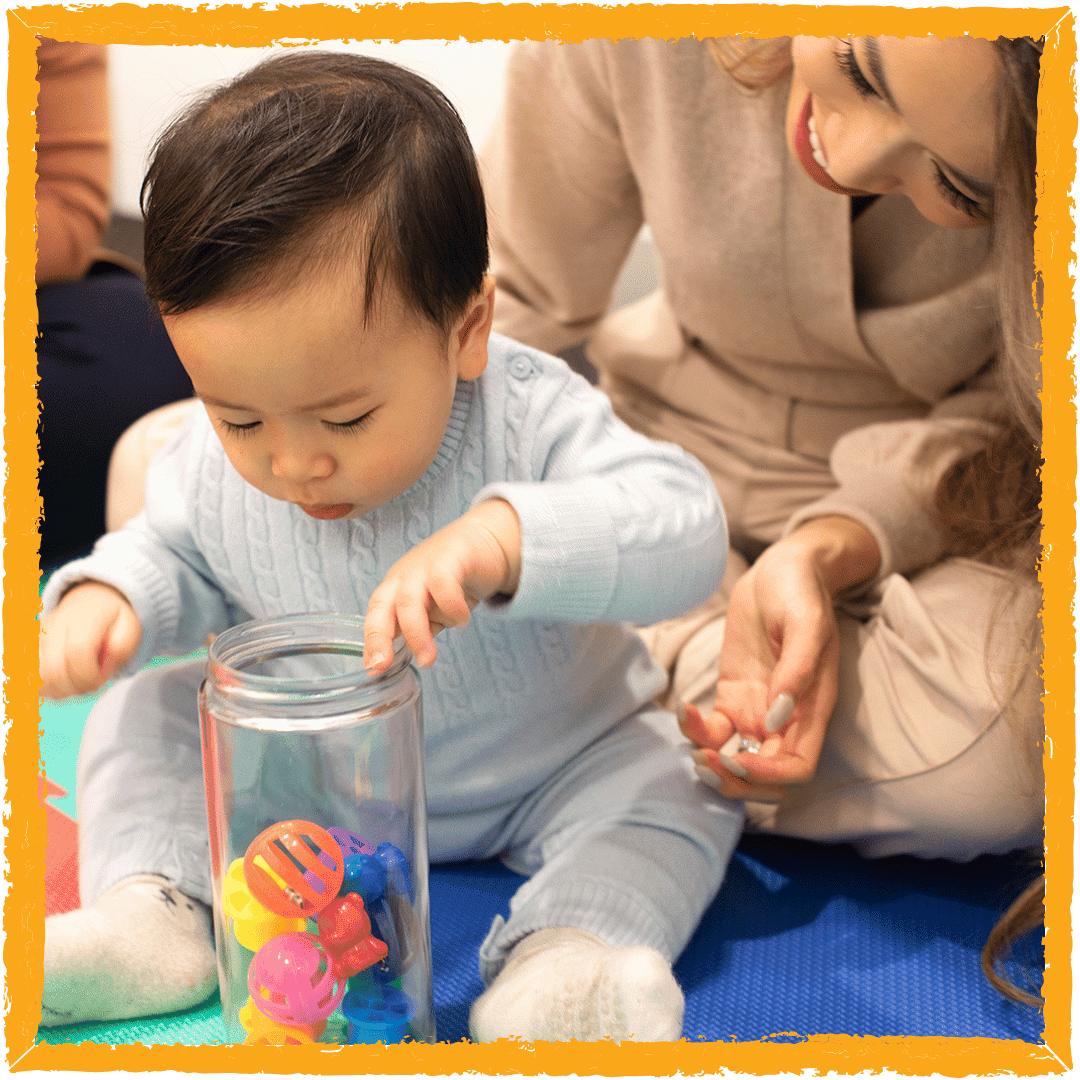
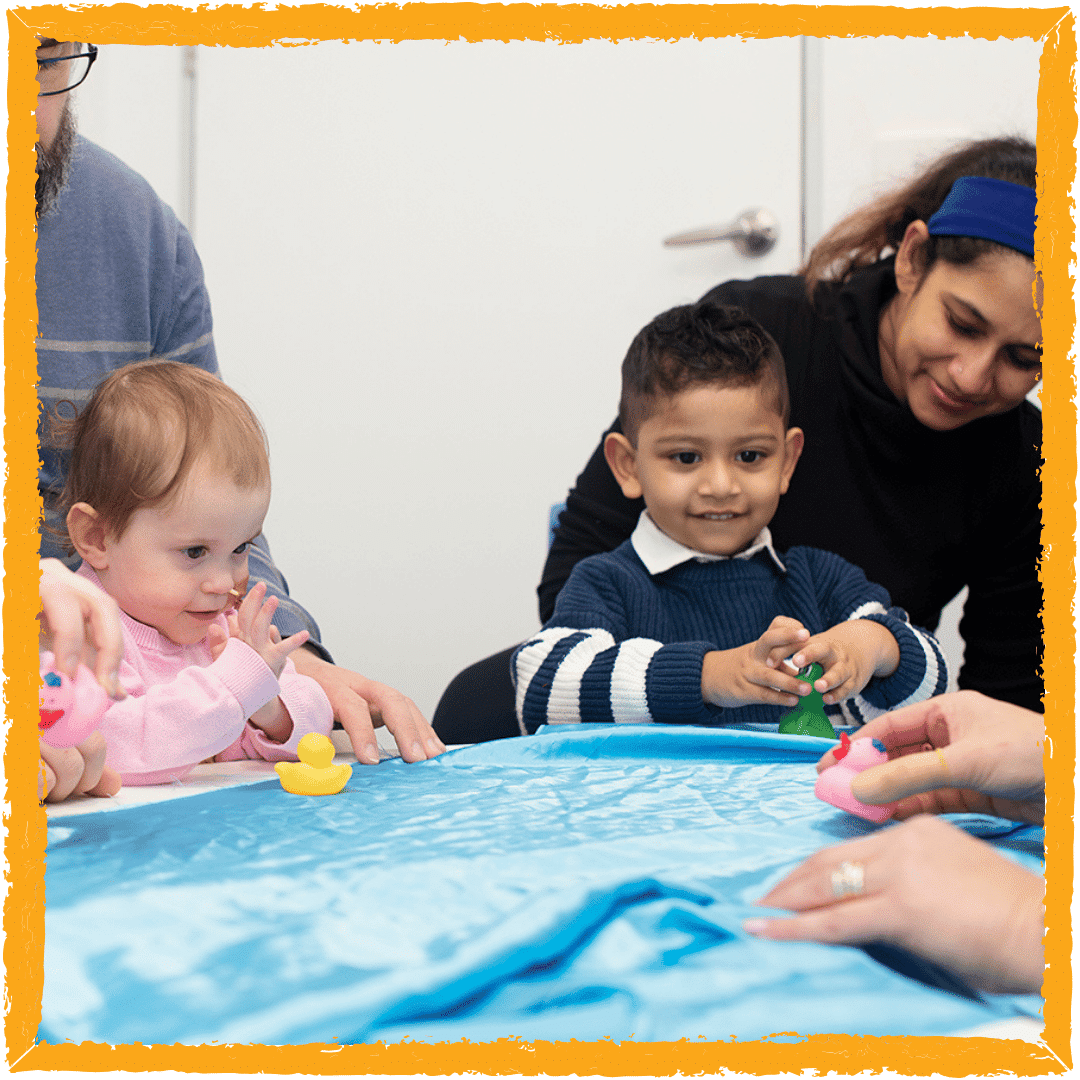
- Sensory Play: Enhance tactile senses by introducing a variety of sensory bins that include items such as rice, beans, or water beads mixed with various toys and objects. This activity allows children to explore different textures and shapes, fostering sensory development which is crucial for brain growth. For instance, a ‘nature bin’ could contain items like leaves, twigs, smooth pebbles, and scented flowers to stimulate different senses.
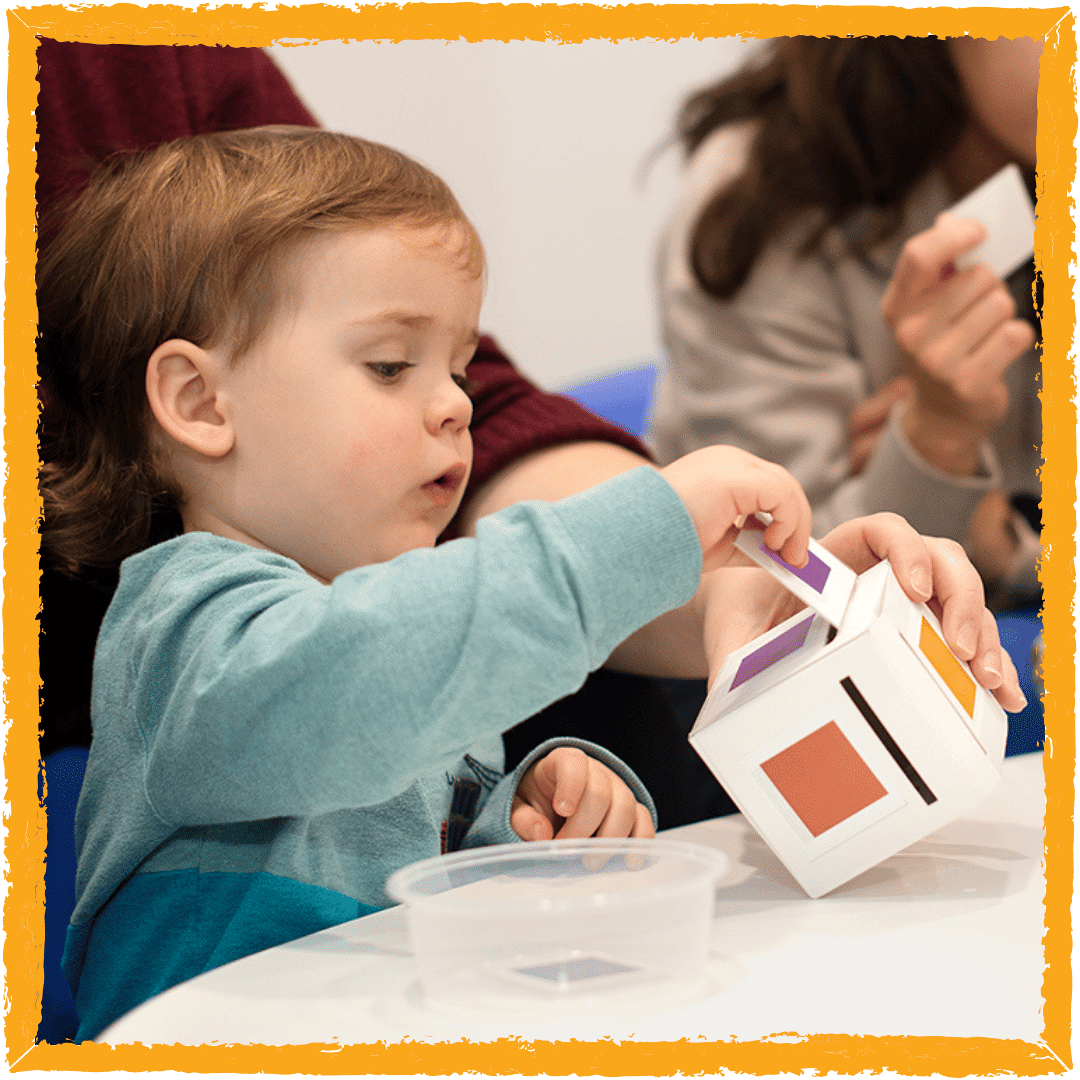
- Memory Training: Develop your child’s memory and concentration through simple yet effective games like “I Spy” with variations. You can also use homemade flashcards for memory exercises. For example, after showing a card with an image of an apple, ask your child to recall details about the card. Increasing the complexity over time helps in enhancing their visual memory and attention to detail.
Emotional and Cognitive Skills
- Emotional Bonding: Engage in regular ’emotion talks’ where you discuss different emotions using stories or real-life situations. This could involve discussing how a character from a story might feel in certain situations or asking your child how they felt during various parts of their day. Such discussions help children understand and express their emotions more clearly, promoting emotional intelligence.
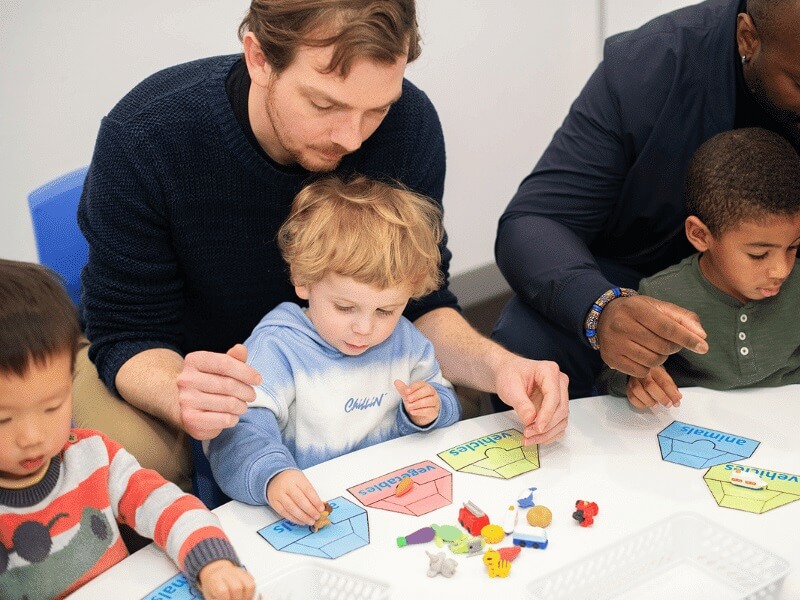
- Critical Thinking: Encourage analytical thinking with activities like sorting and categorizing objects based on different characteristics. This could involve sorting toys by colour, size, or type, and discussing why items belong to certain groups. These tasks help children understand attributes and relationships, key components of critical thinking.
Creative Learning and Environmental Structuring
- Curiosity and a Love of Learning: Foster curiosity by setting up ‘discovery stations’ around your home where your child can engage in experiments or exploration activities. For instance, a simple science station might include magnifying glasses, magnets, and various household items to test magnetism. This not only stimulates curiosity but also encourages self-directed learning.
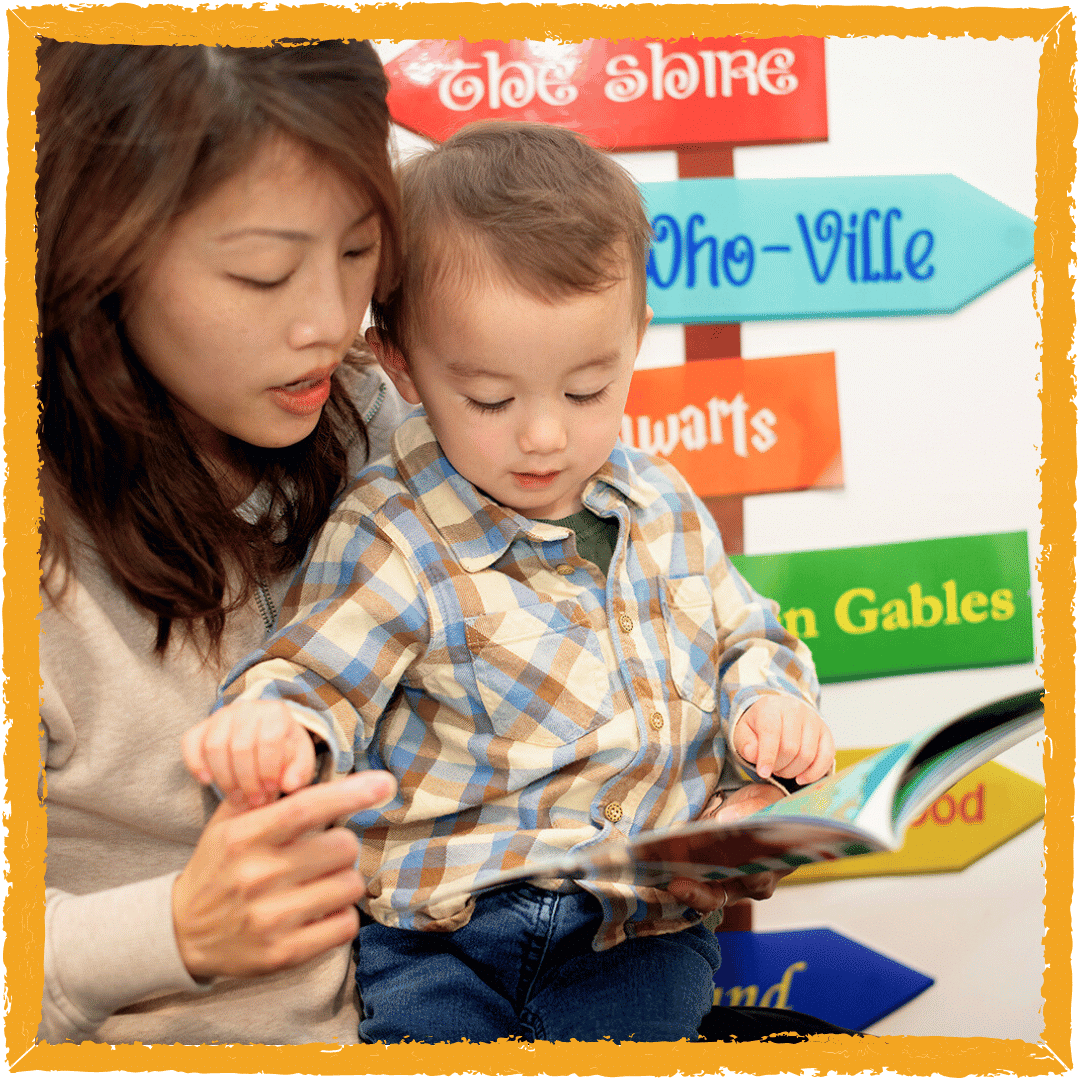
- Story Extensions: After reading a book, engage your child in creating a sequel or drawing alternative endings. This not only enhances their creativity but also helps them understand the narrative structure and encourages them to think critically about story progression and character development.
- Comparative Discussions: Utilise everyday moments to engage in comparative discussions. For example, while grocery shopping, discuss the differences between various fruits and vegetables in terms of texture, taste, and colour, and how they grow. Such discussions enrich vocabulary and critical thinking skills.
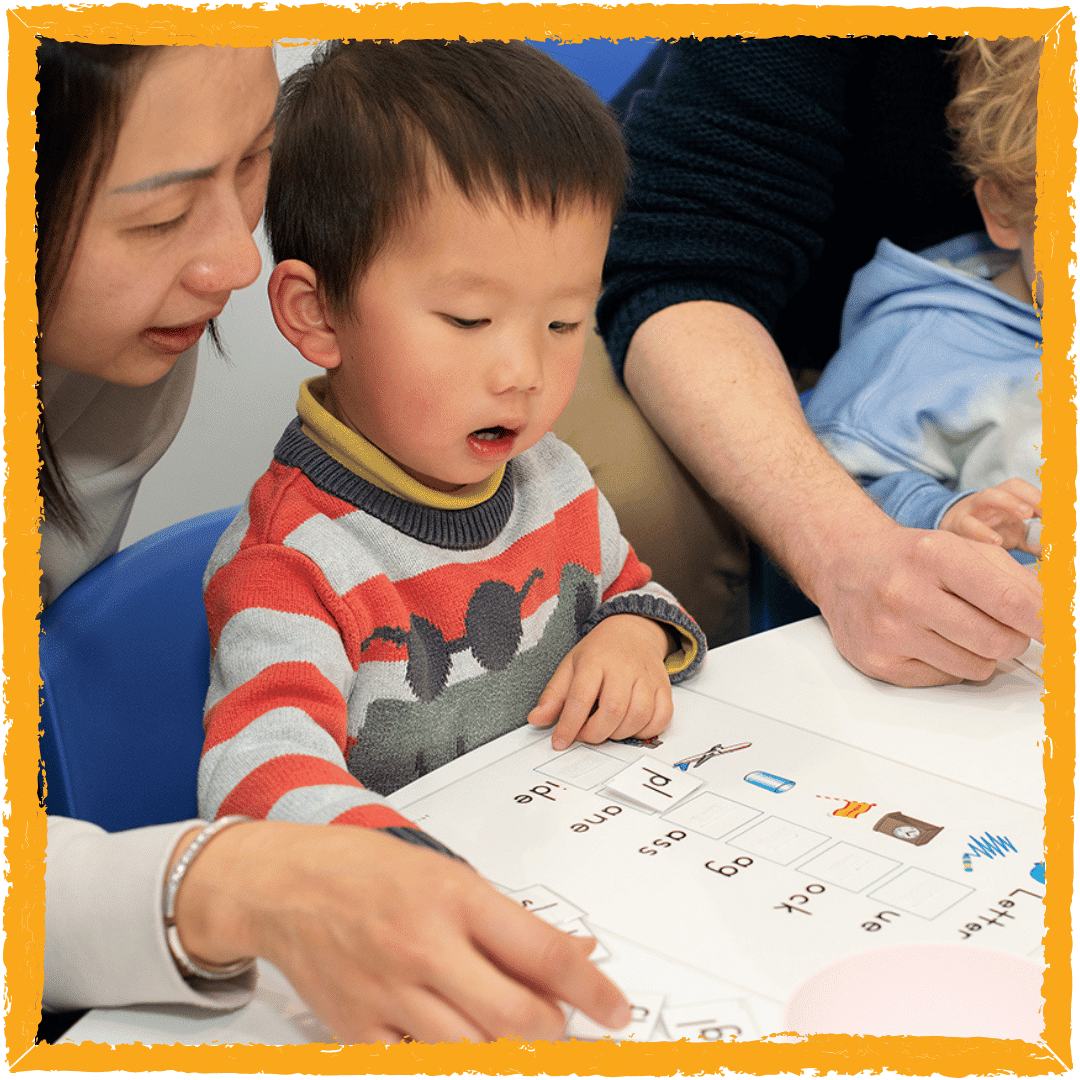
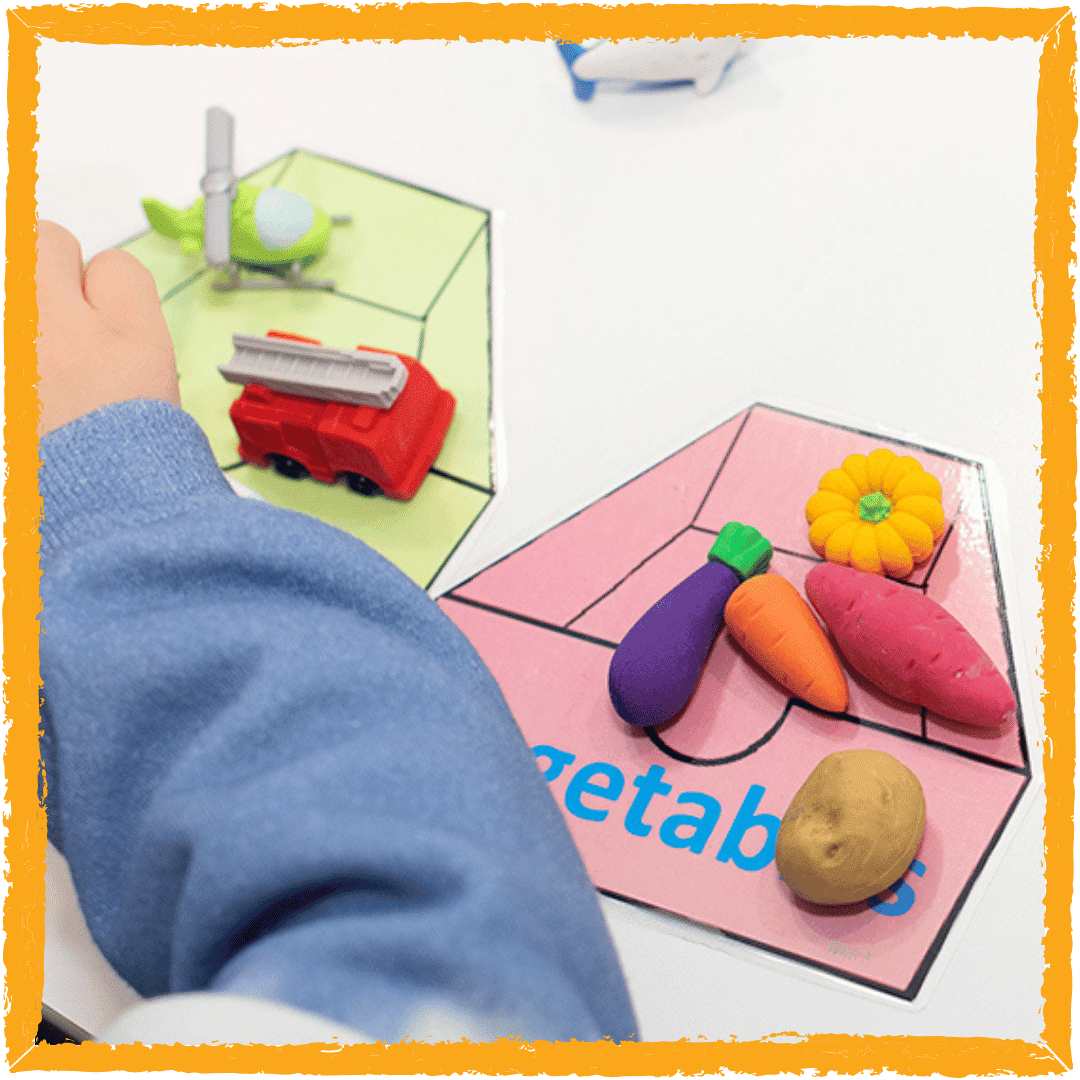
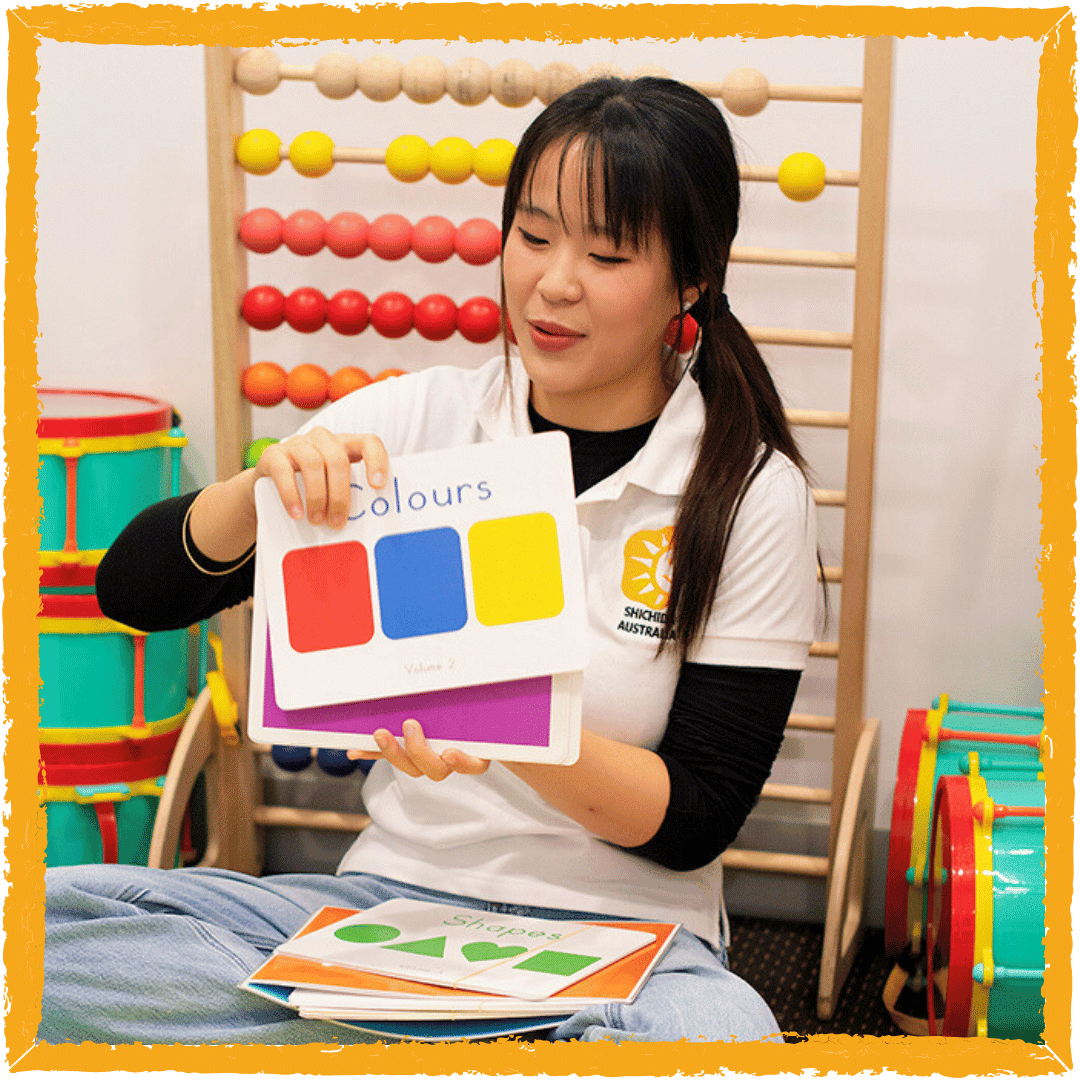
- Flashcards Beyond Basics: Elevate the use of flashcards by incorporating complex concepts as your child progresses. Start with basic shapes and colours, and gradually introduce cards with mathematical symbols or words in different languages. You can also use flashcards for matching games where children match a word to the correct picture, enhancing both language skills and memory.
- Routine and Environment: Create a structured daily schedule that includes dedicated time for Shichida activities. This consistency helps children feel secure and enhances their ability to focus during learning time. Additionally, ensure that the learning environment is free from distractions, organized, and filled with positive affirmations and artwork created by your child to encourage a sense of pride and ownership.
Resources for Further Learning
Read more about the Shichida Method
For those keen to dive deeper, numerous resources are available. Books by Makoto Shichida, such as “Mystery of the Right Brain,” provide a comprehensive guide.
Listen to the Shichida Australia Podcast
Additionally, listen to “Growing Up as a Shichida” for more firsthand insights from Kodai Shichida. In this episode of “The SHICHIDA Shining Stars Podcast”, Kodai Shichida, the grandson of the esteemed Makoto Shichida, shares his unique experiences with the Shichida Method.
Do Shichida Worksheets
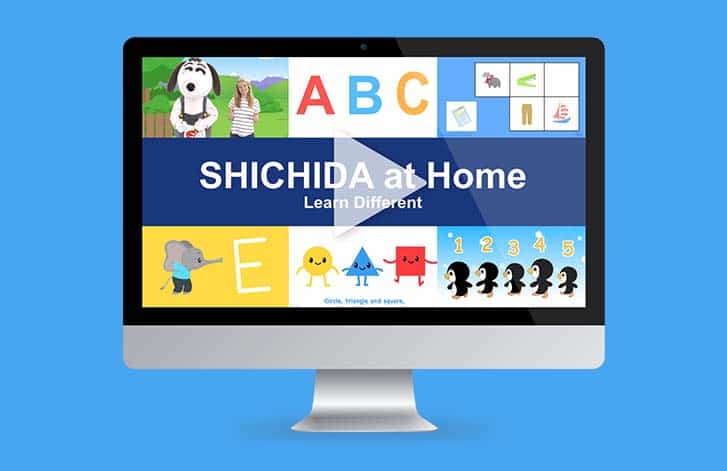
Visit The Shichida Australia Free Resources page for worksheets, videos, and learning-based game ideas.
Try a Shichida Class
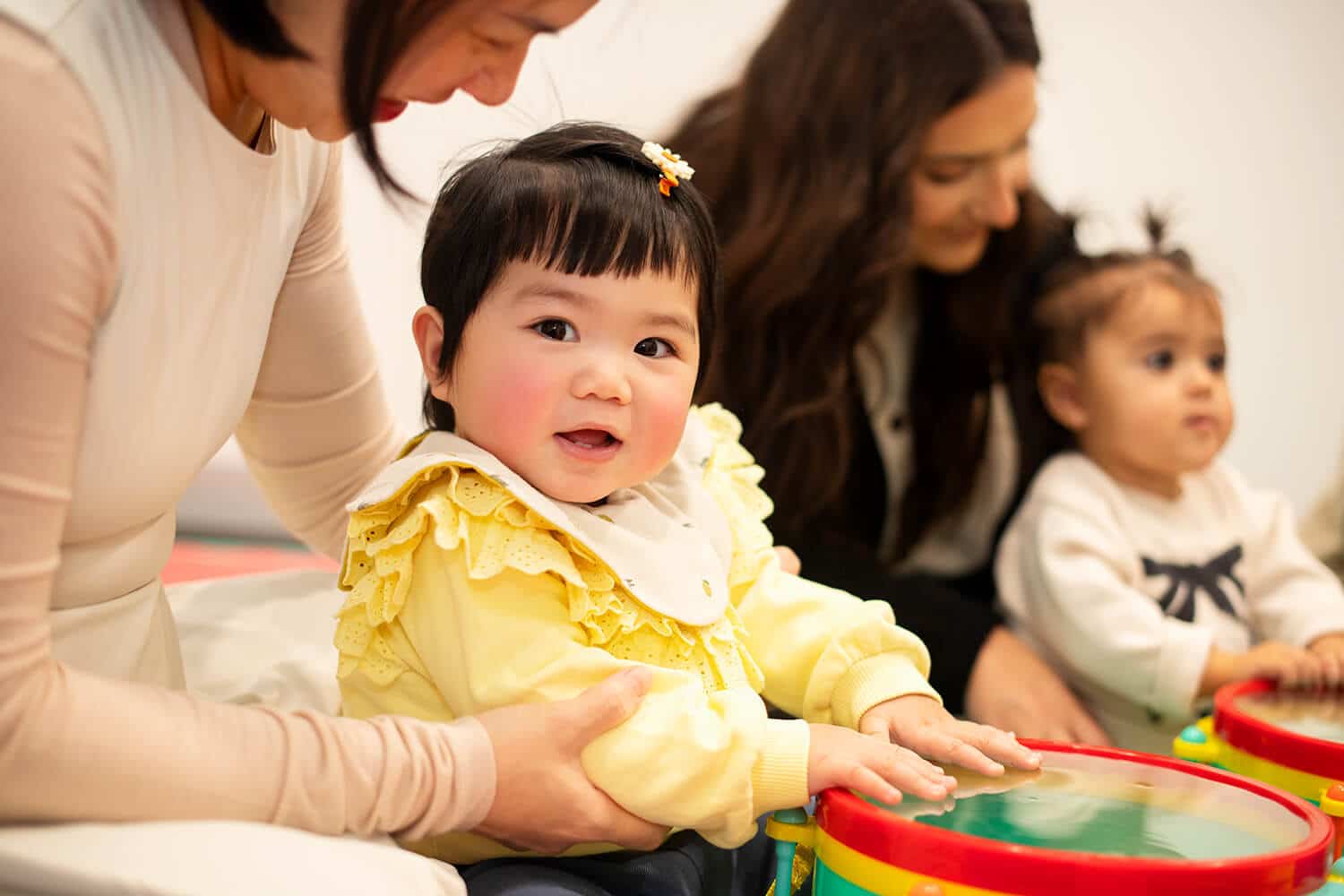
Join a Shichida class and experience the Shichida Method for yourself – book a trial class here.
By incorporating the Shichida Method into your daily interactions with your child, you can play a pivotal role in shaping their future. This holistic approach not only advances cognitive and emotional development but also instils a profound love of learning that lasts a lifetime.