
The Power Of Flashcards: How They Are Used To Boost Learning
Early learning flashcards are a valuable tool for children’s cognitive development, offering a versatile and engaging way to teach various subjects. By using the power of flashcards regularly and effectively at home you can help lay the foundation for a lifetime of learning and curiosity.
Top 5 Key Takeaways: The Power of Flashcards
-
Flashcards activate both left and right brain functions, improving memory, focus, creativity, and critical thinking from as early as 6 months.
-
Fast-paced, consistent flashcard sessions (1–2 seconds per card, daily) boost learning speed, attention span, and retention.
-
Flashcards help build vocabulary, early reading, number sense, and general knowledge, laying the foundation for school readiness.
-
Physical flashcards are better for young learners than apps, offering tactile, hands-on learning and deeper parent-child connection.
-
The Shichida Method uses flashcards in multi-sensory, playful sessions – including stories, songs and games – to create an engaging and brain-boosting experience.

What are early learning flashcards?
Early learning flashcards are educational cards that have instructions and contain information, such as words or numbers on one side. They typically feature visually appealing text or images that capture the attention of children as young as 6 months old.
You can introduce new concepts and a wide range of subjects to promote learning in a fun and engaging way. Therefore, flashcards are great versatile learning aids. Learn to read flashcards and alphabet learning flashcards, for example, can showcase letters, phonics, or words.
This helps your child build their vocabulary while developing reading and comprehension skills. Flashcards can be used in mathematics to teach numbers, counting, basic arithmetic, shapes, and patterns.
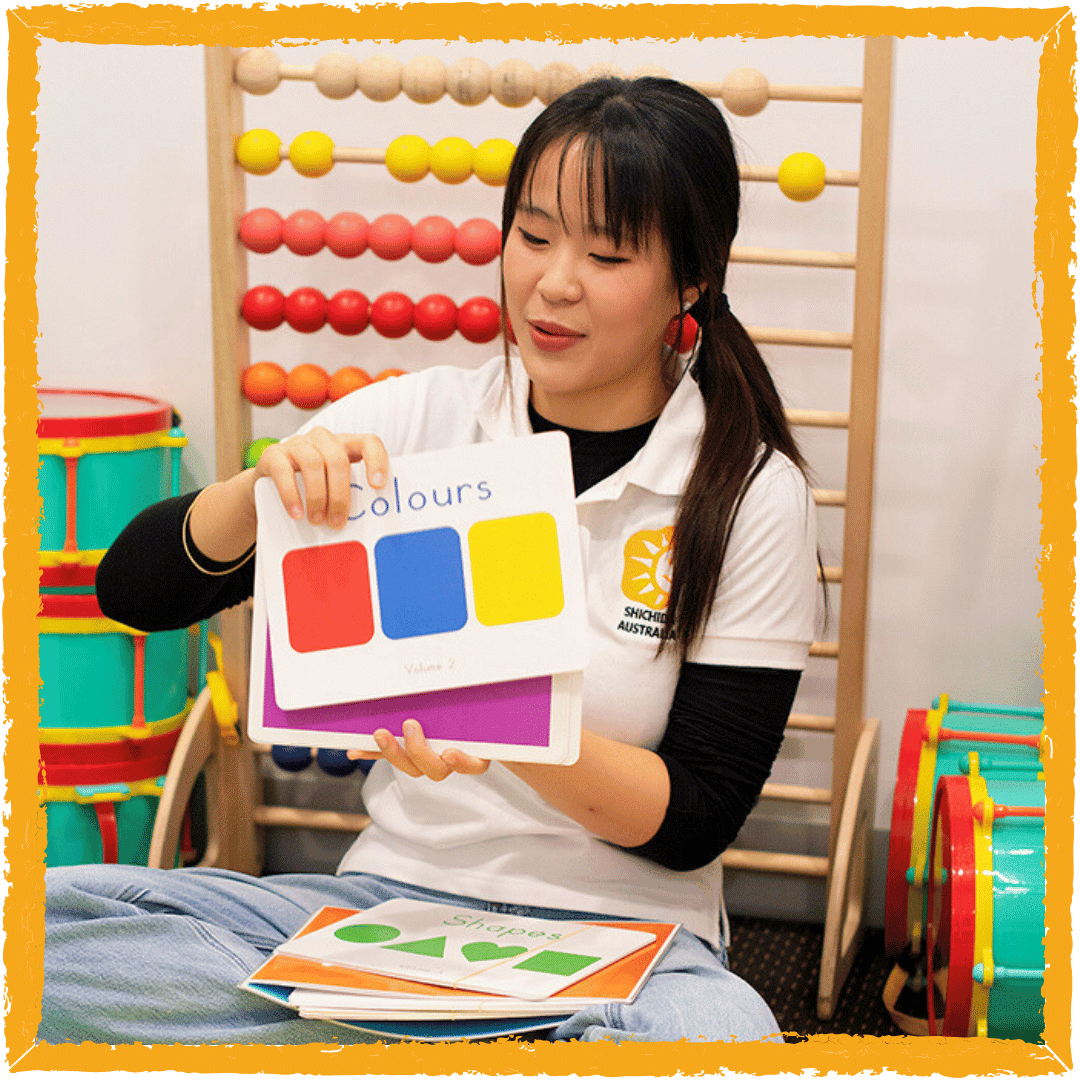
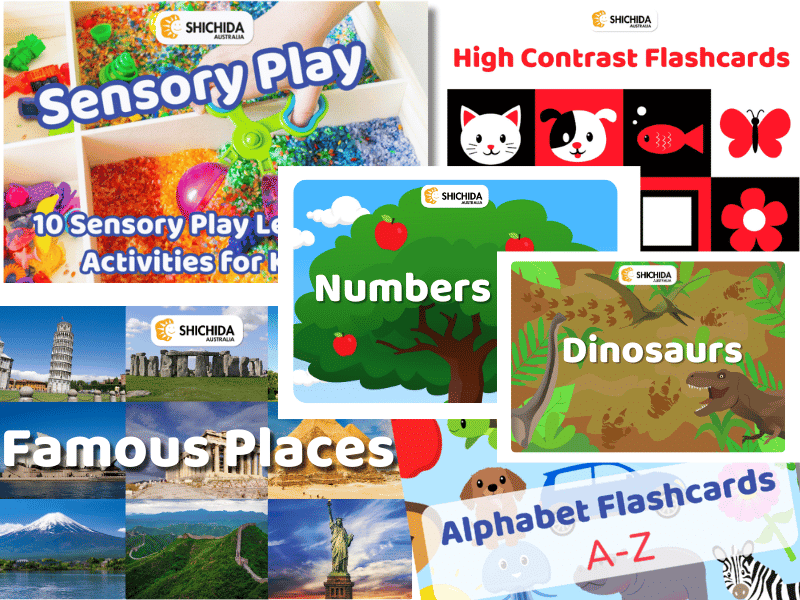
Learning flashcards can also help your child explore colours, animals, emotions, and daily routines. These cards often include colourful images that appeal to children. Notably, this is useful to help children make associations between the visuals and the information they’re being taught.
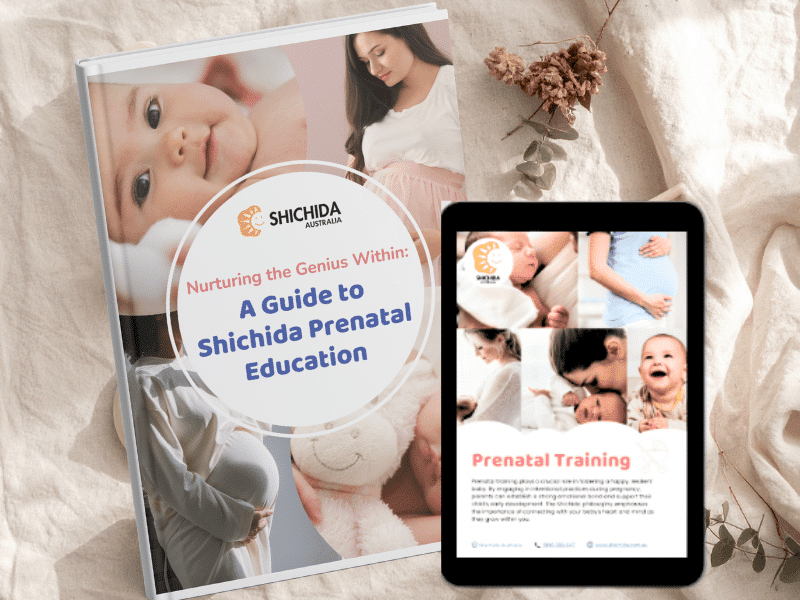
Download your free DIY flashcards and try a little Shichida magic at home.
What are the benefits of flashcard learning?
The human brain is divided into two hemispheres – the left and right.
The right brain is responsible for creativity, arts, music, visual imagery, and imagination. The left brain is responsible for reasoning, critical thinking, analysis, numbers, and language. Flashcards are designed to activate both sides of a child’s brain.
When the cards are flashed at high speeds, the entire brain is engaged, which promotes;
Improved Memory
Flashcard learning stimulates the brain to retain information by engaging the visual and auditory senses. When the cards are flashed quickly, the brain is forced to process and store the information rapidly.
This method strengthens neural connections and encourages the development of long-term memory, as children are repeatedly exposed to the material in a short time.
Enhanced Concentration
Flashcard learning demands the child’s full attention by rapidly displaying information in a focused manner. This trains the brain to concentrate and filter out distractions, leading to better focus and an increased ability to absorb information. Over time, children can develop stronger concentration skills that will benefit them in various aspects of their education and daily life.
Accelerated Learning Speed
The fast-paced nature of flashcard learning encourages the brain to process information more quickly, accelerating the learning process. As a child becomes more familiar with the content on the cards, they can progress through the material faster, building upon their prior knowledge and quickly advancing their understanding of the subject matter.
Enriched Vocabulary
The power of flashcards learning can expand vocabulary, exposing children to new words and phrases in a concise and accessible format. By repeatedly viewing and processing the vocabulary on the flashcards, kids internalise the words and their meanings, which can lead to a deeper understanding of the language and improved communication skills.

Flashcard learning method

The Shichida early learning method emphasises using flash cards as a key learning tool.
To get the most out of the power of flashcards, follow these steps:
Discover the power of flashcards as a fun and effective tool to enhance your child’s vocabulary, recall skills, and overall cognitive development.
Start early: Introduce flash cards to your child as early as possible, preferably around six months.
Speed and consistency: Show the flash cards quickly, spending about 1-2 seconds per card. Maintain a consistent pace and routine.
Keep sessions short: Limit flash card sessions to 5-10 minutes to maintain your child’s interest and focus.
Regular practice: Conduct flash card sessions daily or multiple times a day to reinforce learning and memory.
Use various subjects: Include flash cards on various topics to stimulate different areas of your child’s brain. Explore our range of children’s learning flashcards.
Gradually increase difficulty: Introduce more complex and challenging cards as your child becomes familiar with the content.
Engage multiple senses: Use flash cards incorporating visuals, sounds, and textures to stimulate multiple senses and enhance learning.
Positive reinforcement: Praise and encourage your child during the sessions to boost motivation and create a positive learning experience.
Review and revise: Regularly revisit previously learned flash cards to reinforce your child’s memory and understanding.
Interactive learning: Incorporate flash cards into games or activities to make learning enjoyable and engaging.

Tips for teaming cards with other activities
To maximise the effectiveness of your teaching tools and create a comprehensive learning experience, here are some suggestions on how to integrate early learning flashcards with other educational resources:
Storytelling and books
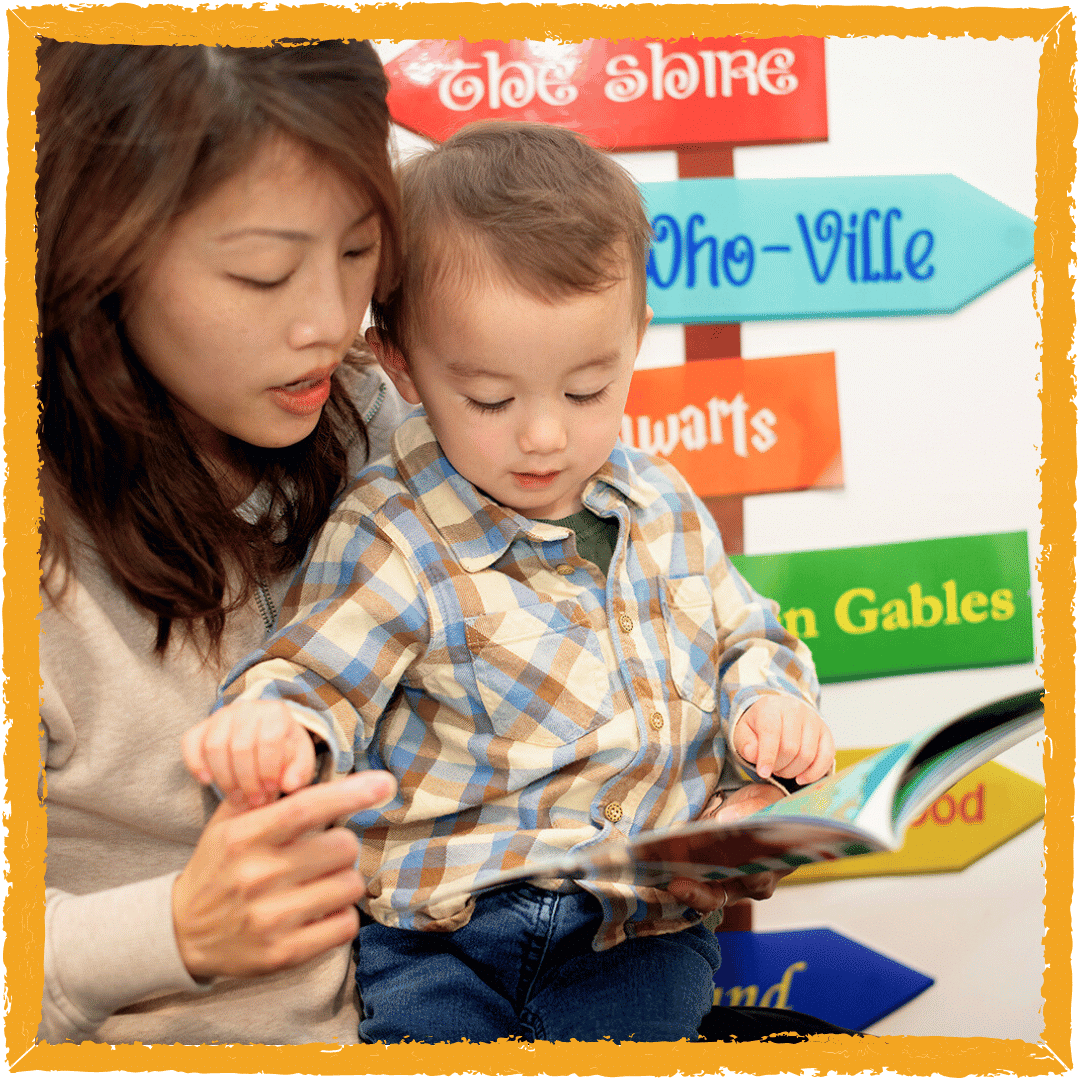
Use flashcards alongside storybooks to reinforce vocabulary, characters, or themes. For example, while reading a story about animals, you could use animal flashcards to help your child visualise and identify the animals in the story. This can also be an opportunity to teach new words, sounds, or facts about the animals.
Flashcards in puzzles and matching games
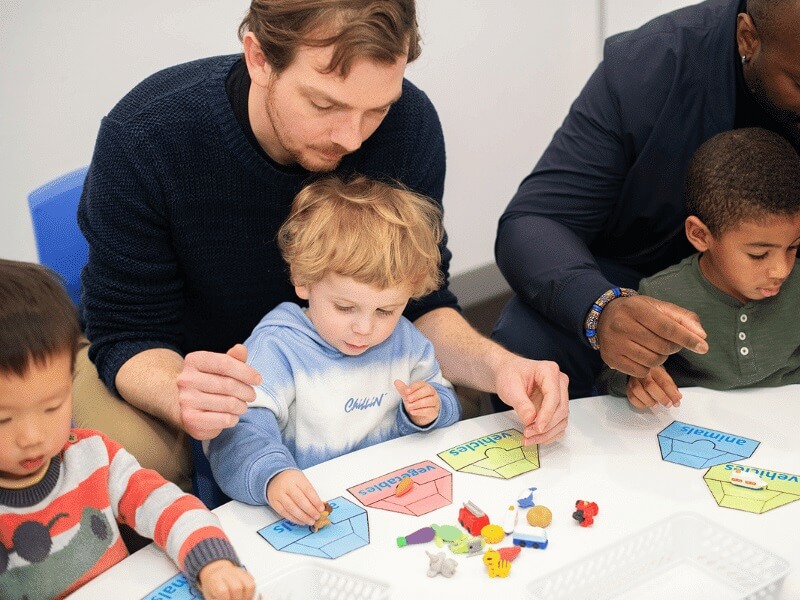
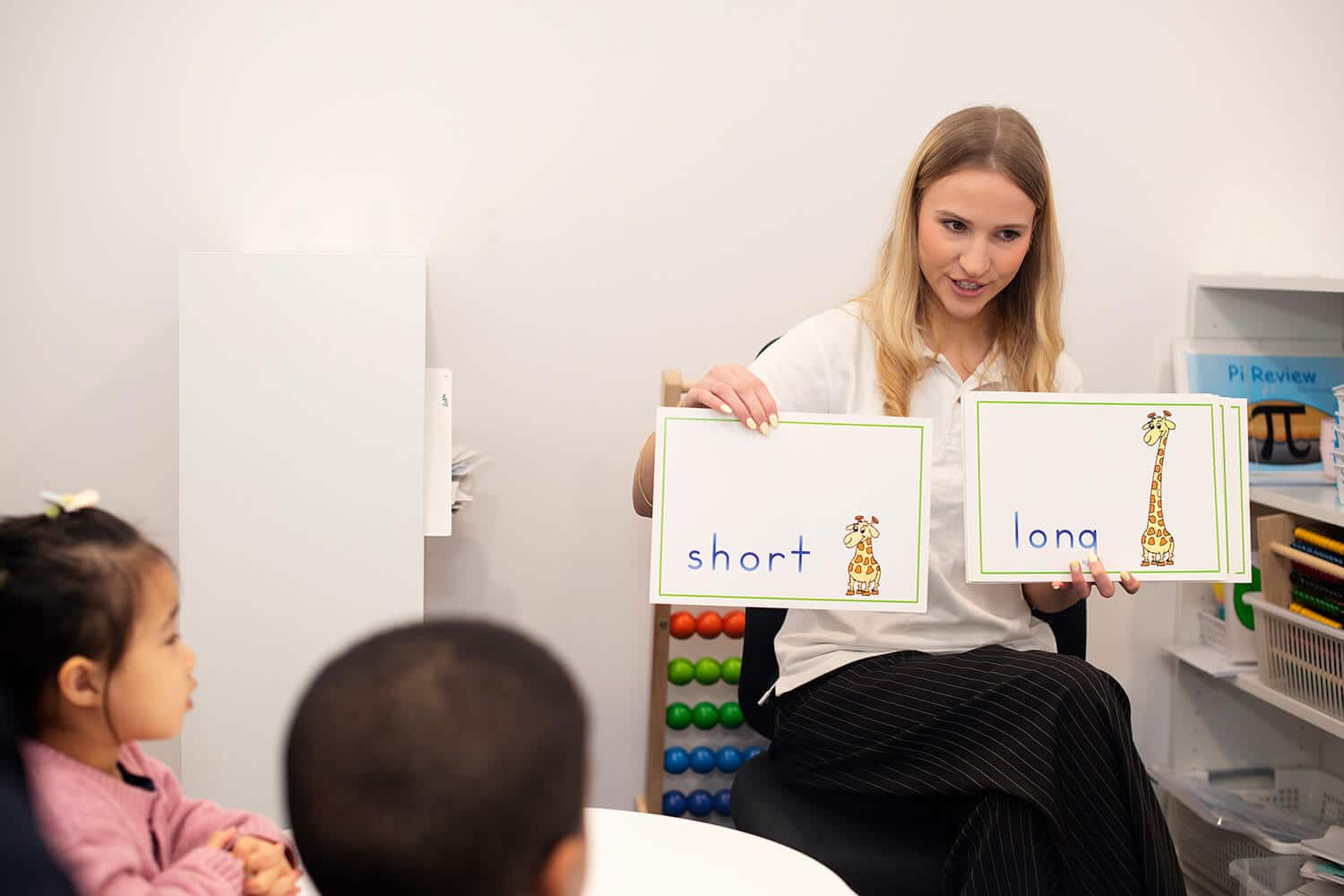
Design a simple matching game where your child must pair a word flashcard with its corresponding image card. This activity reinforces memory and enhances the child’s problem-solving skills and hand-eye coordination.
Power Of Flashcards in Art and Crafts
Combine flashcards with art and craft activities to encourage creativity and learning. Why not encourage your child to draw or create their own cards or artwork based on the learned concepts flashcard learning to teach colours, shapes, or objects.
Music and songs
Teach musical concepts, such as notes, instruments, or song lyrics. You could create simple songs or rhymes based on the content of the cards to make learning more enjoyable and memorable.
Role-playing and pretend play
Integrate the cards into role-playing and pretend-play activities. For example, when playing “store” or “restaurant,” use flashcards to introduce new words, like food items or currency, helping children learn while engaging in imaginative play.
Educational videos and apps
Pair flashcards with educational videos or apps that cover similar topics to reinforce learning. For example, after using flashcards to teach about the solar system, you can show your child an educational video or use an interactive app to explore the planets in greater detail.
Flashcard learning app vs flashcard deck
Though both flashcard learning apps and physical flashcard decks are effective, physical flashcards offer unique advantages for young learners.
Physical cards provide a tactile, hands-on experience, promoting active learning and enhancing memory retention. They also help minimise screen time and encourage more connection with your child as you do the flashcard activities together.
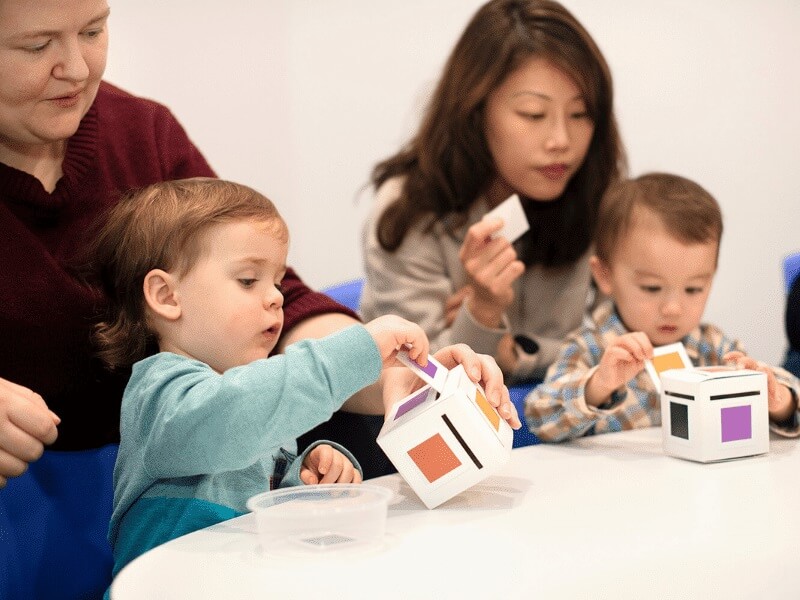
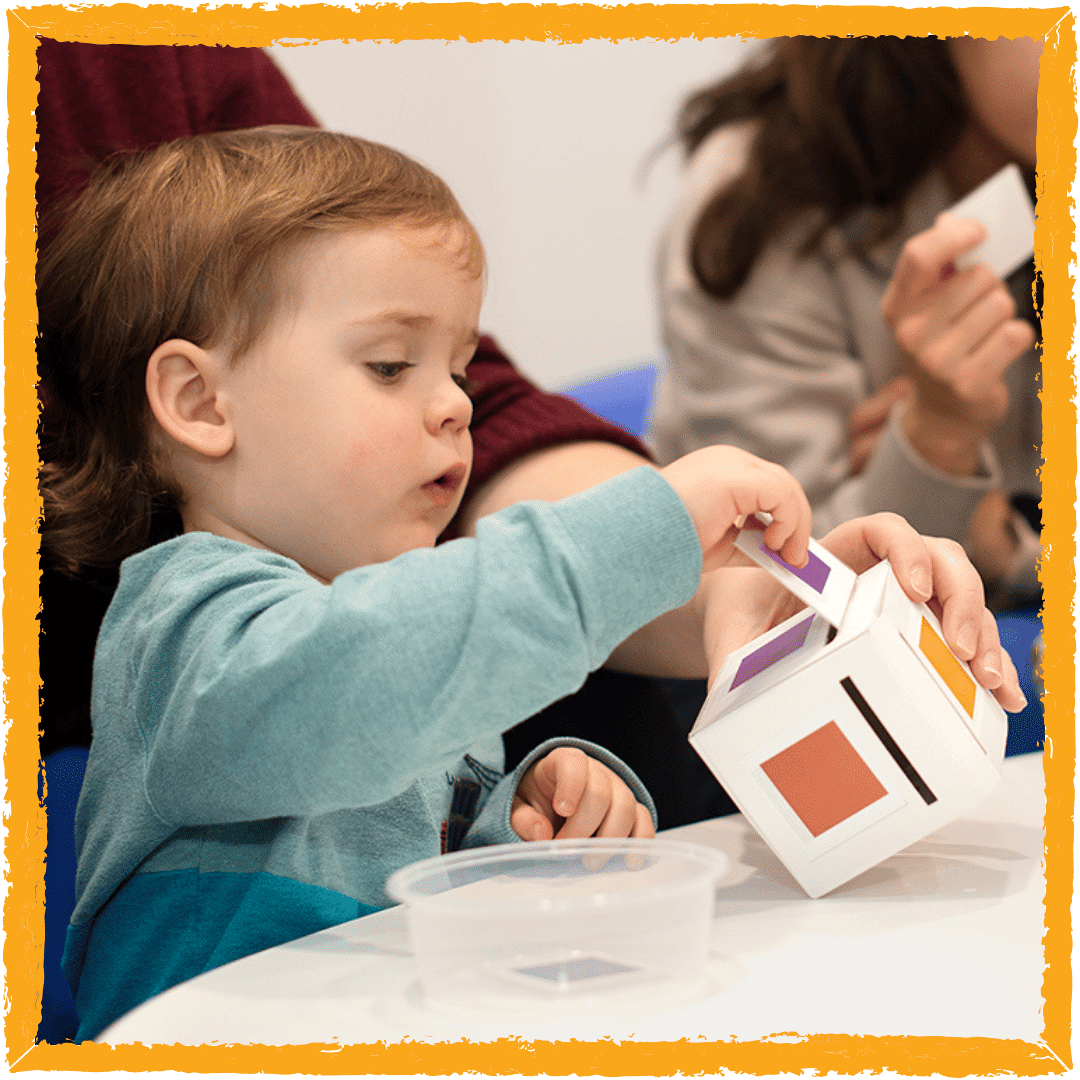
Another option are ‘Slide and Learn’ flash cards – an interactive variation of traditional flash cards, designed to engage children in a more hands-on learning experience. These cards typically feature a sliding or movable component that reveals the answer or additional information related to the content on the card.
The Shichida Method
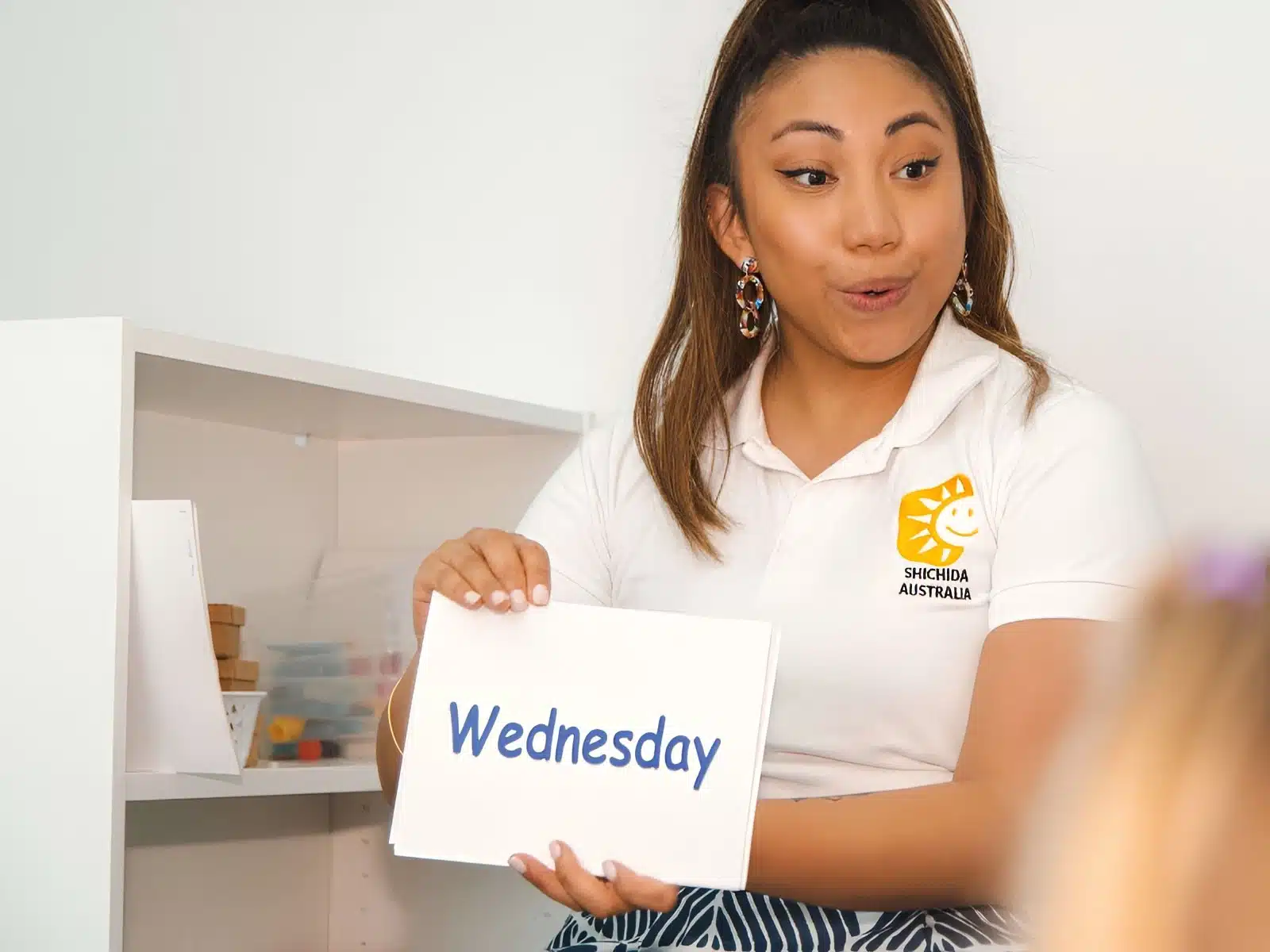
Unlock the power of flashcards to boost memory, concentration, and learning speed in young children!
The Shichida Method incorporates various teaching tools, but flashcards remain a key component in our comprehensive program designed to nurture children’s full potential in an enjoyable and stimulating environment.
Our flashcards cover an extensive range of modern and captivating subjects, such as animals, food items, national flags, countries, sight words, colours, and shapes.
Visit Shichida Australia’s online store to purchase our flashcards and recreate the Shichida learning experience at home with your child.
Alternatively, you can book a trial class at your closest center to experience Shichida flashcards firsthand. You and your child will love it!
FAQs About Flashcards for Early Learning
You can begin using early learning flashcards from as early as 6 months old. At this age, babies are developing visual focus, memory, and attention, making it an ideal time to introduce simple, high-contrast images and vocabulary flashcards. The Shichida Method recommends starting early to take advantage of rapid right-brain development in the first years of life.
Flashcards support memory development, focus, problem-solving, language skills, and number sense. Because they activate both left-brain and right-brain functions, they encourage faster processing, stronger recall, and more efficient learning. Fast-paced flashcard sessions also strengthen attention span and promote early academic readiness.
For best results, present each flashcard for 1–2 seconds. The human brain processes information much faster than adults realise, especially in young children. Speed-reading the cards keeps the brain engaged, prevents boredom, and promotes rapid learning – a core part of the Shichida high-speed flashcard method.
Short, consistent sessions work best. Aim for 5–10 minutes once or twice a day. Frequent exposure helps strengthen neural connections, boosts memory retention, and makes learning feel natural and enjoyable.
Keep sessions fun, fast, and pressure-free. Use an excited voice, add songs, play matching games, and rotate subjects to keep things fresh. Stop before your child loses interest – stopping early keeps them eager for the next session.
Absolutely. Flashcards help children build vocabulary, phonics awareness, visual discrimination, and word recognition, all of which are essential foundations for reading. When paired with storytelling and daily reading routines, flashcards can significantly support early literacy development.
The Shichida Method uses fast-paced, multisensory flashcard sessions that stimulate both sides of the brain. Flashcards are paired with songs, stories, movement, and high engagement to create a joyful, brain-boosting learning experience. This method emphasises memory, intuition training, focus, and whole-brain development.
You can purchase a wide range of Shichida flashcards through Shichida Australia’s online store. You can also download free DIY flashcards linked in this blog or try a Shichida trial class to experience the method firsthand.
Yes. Fast-paced flashcard sessions help the brain process information more quickly, strengthening neural pathways linked to rapid recall, processing speed, and concentration. Over time, children develop faster learning habits that support success in school and everyday tasks.
Flashcards benefit visual, auditory, and kinaesthetic learners when used creatively. Visual learners respond to images, auditory learners thrive when flashcards are paired with spoken words or songs, and kinaesthetic learners benefit when flashcards are combined with movement, matching games, or hands-on activities.
The best place for your child to learn flashcards effectively is a Shichida class. Shichida teachers use a proven whole-brain method that pairs fast-paced flashcards with songs, stories, memory games and sensory activities. This approach activates both left- and right-brain functions, improves focus and recall, and helps children as young as 6 months learn in a joyful, pressure-free environment. Parents also learn the correct flashcard technique, making it easier to continue the learning at home.