
Speed Reading for Kids: How to Improve Fluency & Focus
Key Takeaways
- Speed Reading Builds Fluency and Confidence: It’s not about rushing – it’s about helping kids read smoothly, with strong comprehension, focus, and enjoyment.
- Techniques Make a Difference: Tools like timed reading, summarising, and eye-tracking exercises help children read faster without losing meaning.
- Daily Practice Is Key: Just 15 minutes a day of focused, fun reading can significantly improve your child’s reading speed and overall learning success.
It’s a common worry for many parents when a child stumbles over words, reads slowly, or struggles to keep up with classmates. You might wonder if it’s just a phase or whether there’s more you could do to help. The good news? You can support your child in becoming a more fluent, confident reader – and speed reading for kids may be part of the solution.
Reading fluency isn’t just about racing through books. It’s about helping your child read efficiently, with strong comprehension and memory. Boosting reading speed, while still understanding the text, can improve your child’s focus, confidence, and performance in school.
What Is Speed Reading for Kids?
Speed reading is often misunderstood as reading as fast as possible. But for children, it’s not about rushing – it’s about developing the ability to read smoothly, fluently, and with good comprehension. True speed reading involves techniques that train the brain to process words more quickly without losing meaning.
For young readers, building speed reading for kids skills can support:
- Improved focus while reading longer texts
- Better comprehension by reducing time spent decoding each word
- Increased confidence when reading aloud or finishing schoolwork on time
Children who build speed reading habits are often more engaged and less likely to feel frustrated when encountering new material in class.
Why Is Speed Reading Important for Kids?
Improving reading speed isn’t just a nice-to-have – it can have a big impact on academic success. Here are some of the benefits of speed reading.
- Enhanced focus: Slow reading can lead to wandering attention. Speed reading keeps the brain engaged and helps children stay present with the material.
- Better comprehension: Contrary to popular belief, reading faster – when done correctly – can actually improve understanding. Children begin to grasp the bigger picture instead of getting stuck on individual words.
- Confidence boost: A child who reads fluently is more likely to feel confident in class. Speed reduces anxiety when reading aloud or completing timed assignments.
What Is the Average Reading Speed for Kids?
Reading speed varies depending on age and reading level, but here are some general benchmarks to give you a guide:
- Ages 6–8 (Years 1–3): Around 50–120 words per minute (wpm)
- Ages 9–12 (Years 4–6): Around 120–180 wpm
- Secondary school: Typically 180–250 wpm
(Source: Iris Reading)
Keep in mind these are just averages. Some children will naturally read faster or slower based on their background, experience, and interest in the material. Instead of focusing on numbers alone, look for steady improvement over time.
How to Improve Reading Speed in Kids
There are plenty of simple strategies you can use at home to help increase your child’s reading fluency. Here’s how to support speed reading for kids:
- Practice regularly
Daily reading – even just 15 to 20 minutes – helps build consistency and stamina. The more children read, the more fluent and confident they become. - Use a pointer or finger
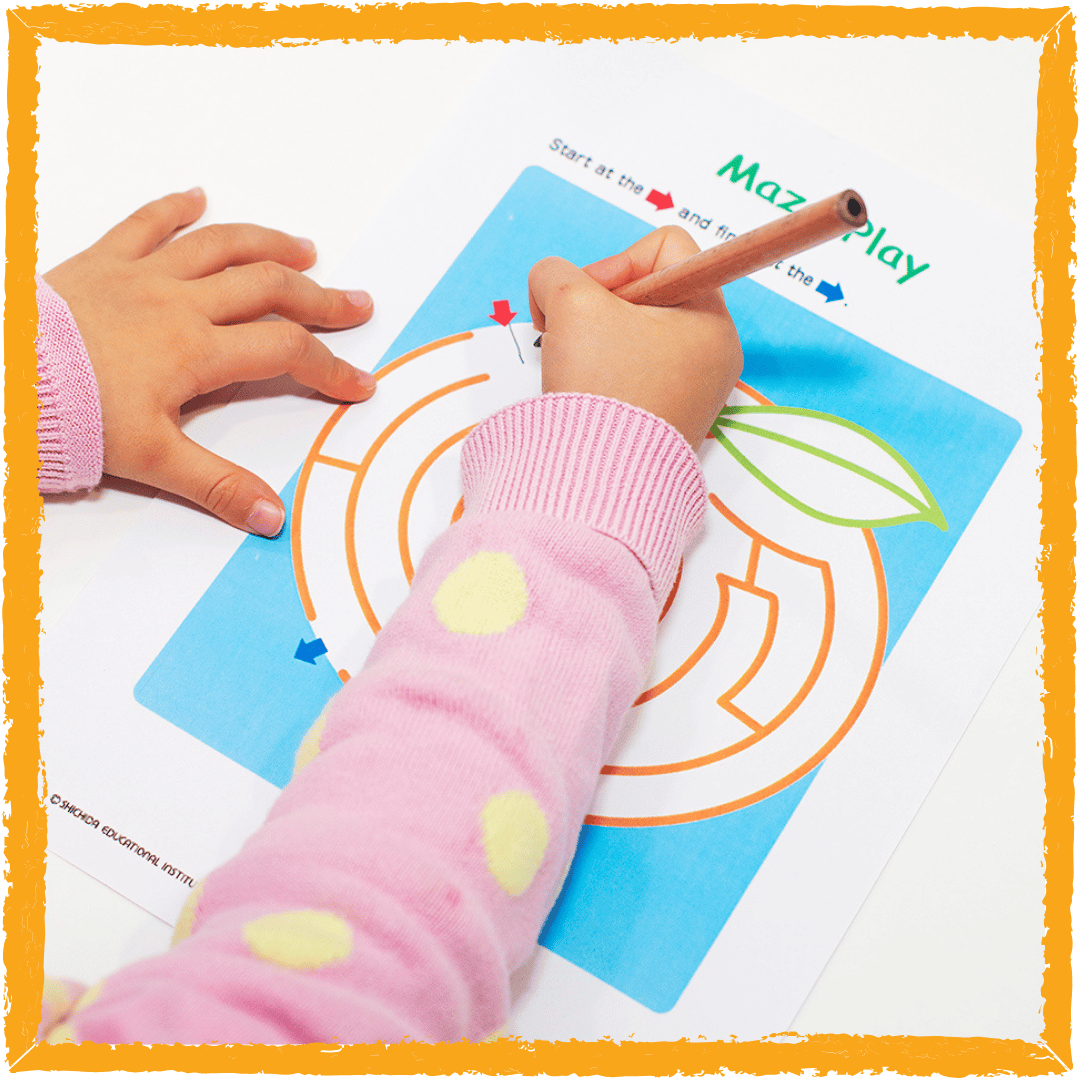
Encourage your child to guide their eyes with their finger or a pen. This keeps their eyes tracking smoothly and helps prevent skipping or re-reading lines. - Limit subvocalisation
Subvocalisation is when children “say” each word in their head as they read. Teaching them to scan words without vocalising can reduce the time spent on each sentence and boost speed. - Expand eye span
Help your child practise reading phrases or groups of words at once, rather than reading one word at a time. This trains the brain to absorb more information per glance. - Read aloud together
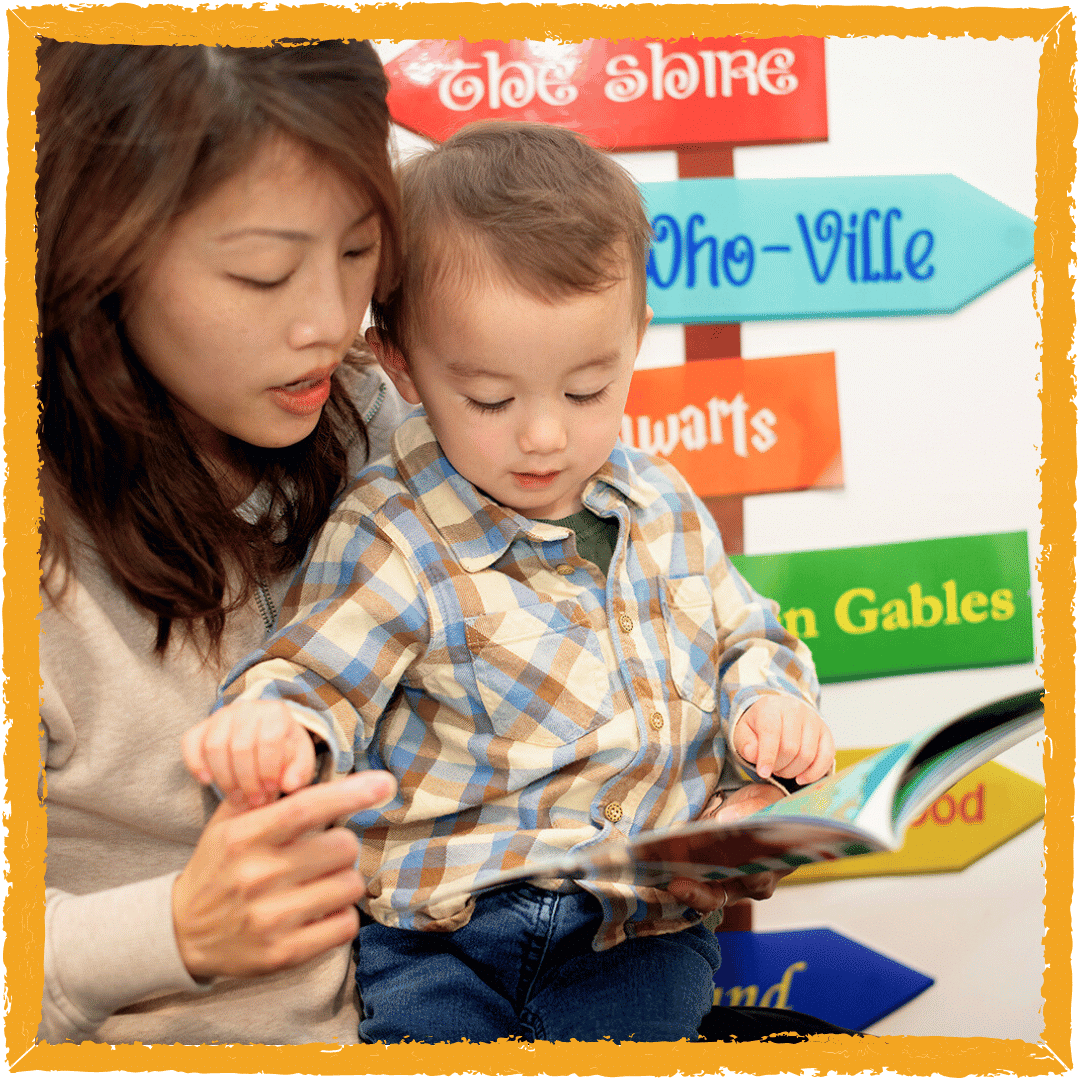
Shared reading time improves fluency, builds vocabulary, and creates a safe space for your child to practise – especially when they’re still developing confidence.

How to Increase Reading Speed Without Losing Comprehension
Speed without understanding is pointless. These strategies ensure your child is learning to read faster and smarter:
- Comprehension comes first
Before encouraging faster reading, ensure your child understands what they’re reading. Use questions like, “What happened in that paragraph?” or “What do you think will happen next?” to check comprehension. - Preview the text
Teach your child to scan headings, bold words, and pictures before reading. This provides context and helps them anticipate key information. - Summarise regularly
Encourage your child to pause after each paragraph or page and explain what they’ve just read in their own words. This strengthens understanding and memory.
Speed Reading Techniques to Try with Kids
Learning to speed read can be fun and interactive. These simple activities can make speed reading for kids more engaging:
- Timed reading sessions:
Set a timer for 1–3 minutes and see how much your child can read. Gradually increase the word count goal while checking comprehension after each round. - Reading progress charts:
Track how long it takes to read a page or short chapter and celebrate improvements. Visual progress keeps kids motivated and focused. - Flash reading:
Show your child a sentence or short paragraph on a card or screen for a few seconds, then remove it and ask them to recall what they read. This helps improve reading speed and recall under time pressure. - Reading games:
Turn reading into a challenge! Try scavenger hunts like “Find three adjectives in the next two minutes” to keep your child engaged and focused on content and speed.

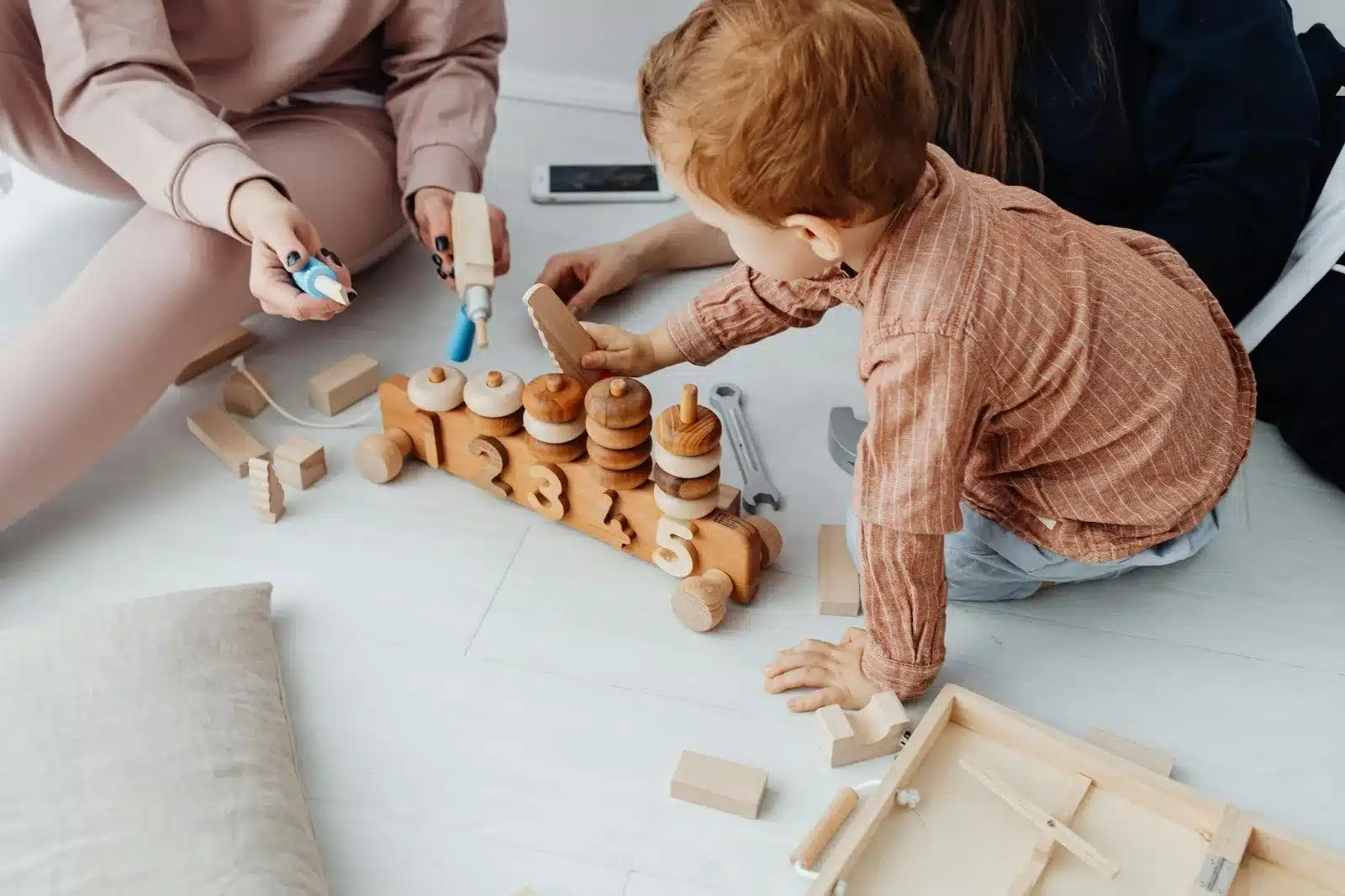
Photo from Pexels: Reading together as a family not only builds stronger bonds but also helps children develop fluency, focus, and a love of books – essential foundations for speed reading success.
Common Challenges in Speed Reading and How to Overcome Them
It’s completely normal for children to face hurdles when learning speed reading. Here’s how to help them through the most common struggles:
- Loss of focus
Create a quiet, distraction-free reading corner. Minimise background noise, screens, and other interruptions to help your child concentrate during reading time. - Struggling to retain information
Break the reading into smaller sections with short pauses in between. Use memory techniques like rhyming, visualising scenes, or drawing quick story maps. Ask your child to summarise key points aloud. - Feeling frustrated
Speed reading is a skill that takes time to develop. Reassure your child that it’s okay to go slow while learning. Celebrate small wins – like reading one extra sentence per minute – and acknowledge their effort regularly.
Conclusion
Improving your child’s reading speed isn’t about pressure or perfection – it’s about giving them tools to read more smoothly, enjoyably, and effectively. With consistent practice and the right techniques, kids can learn to read faster and understand more.

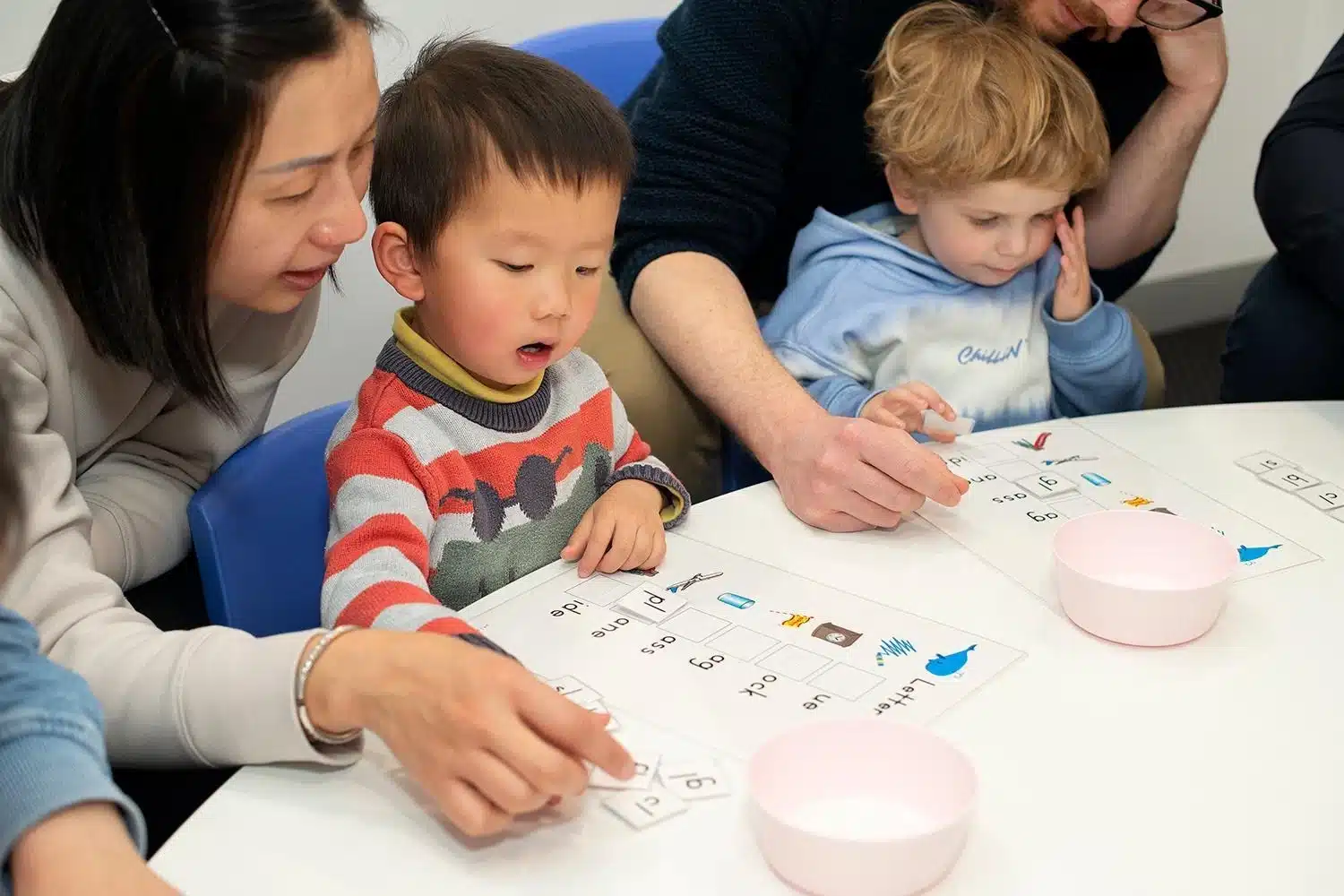
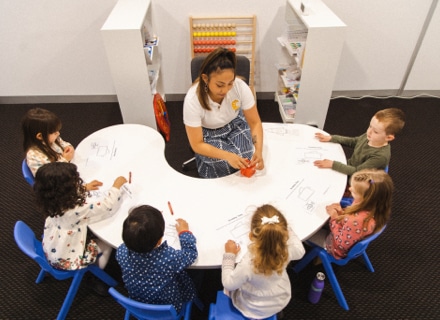
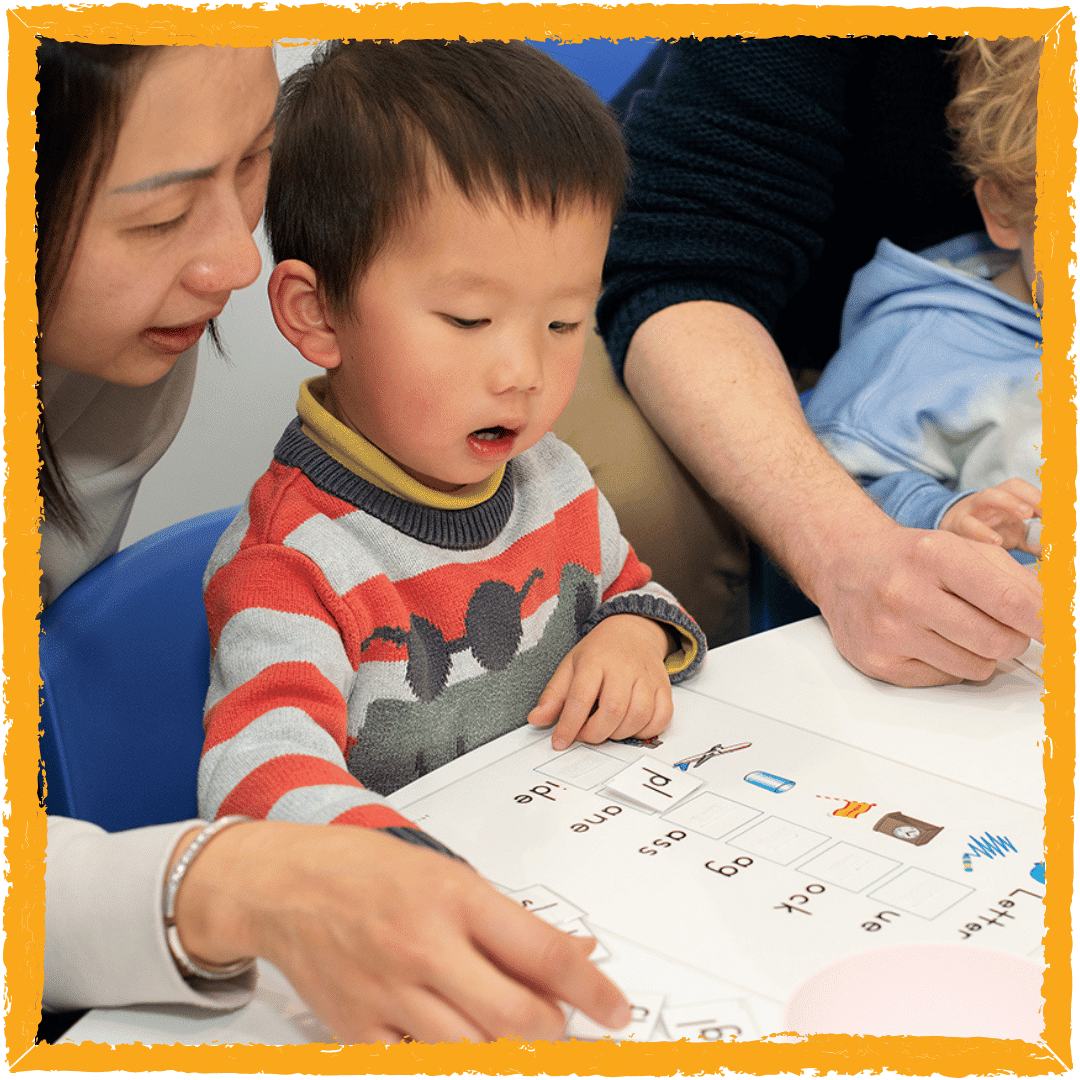
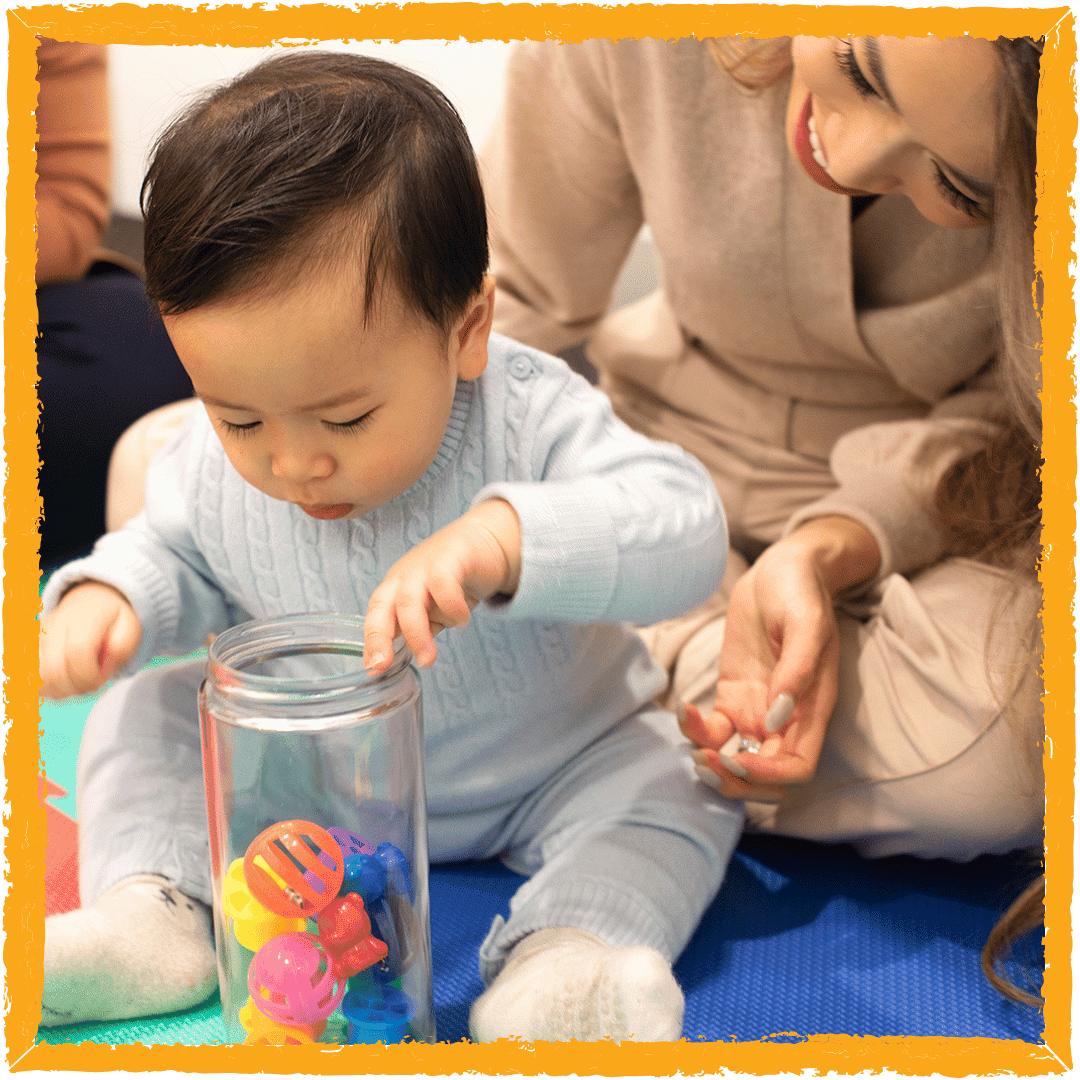
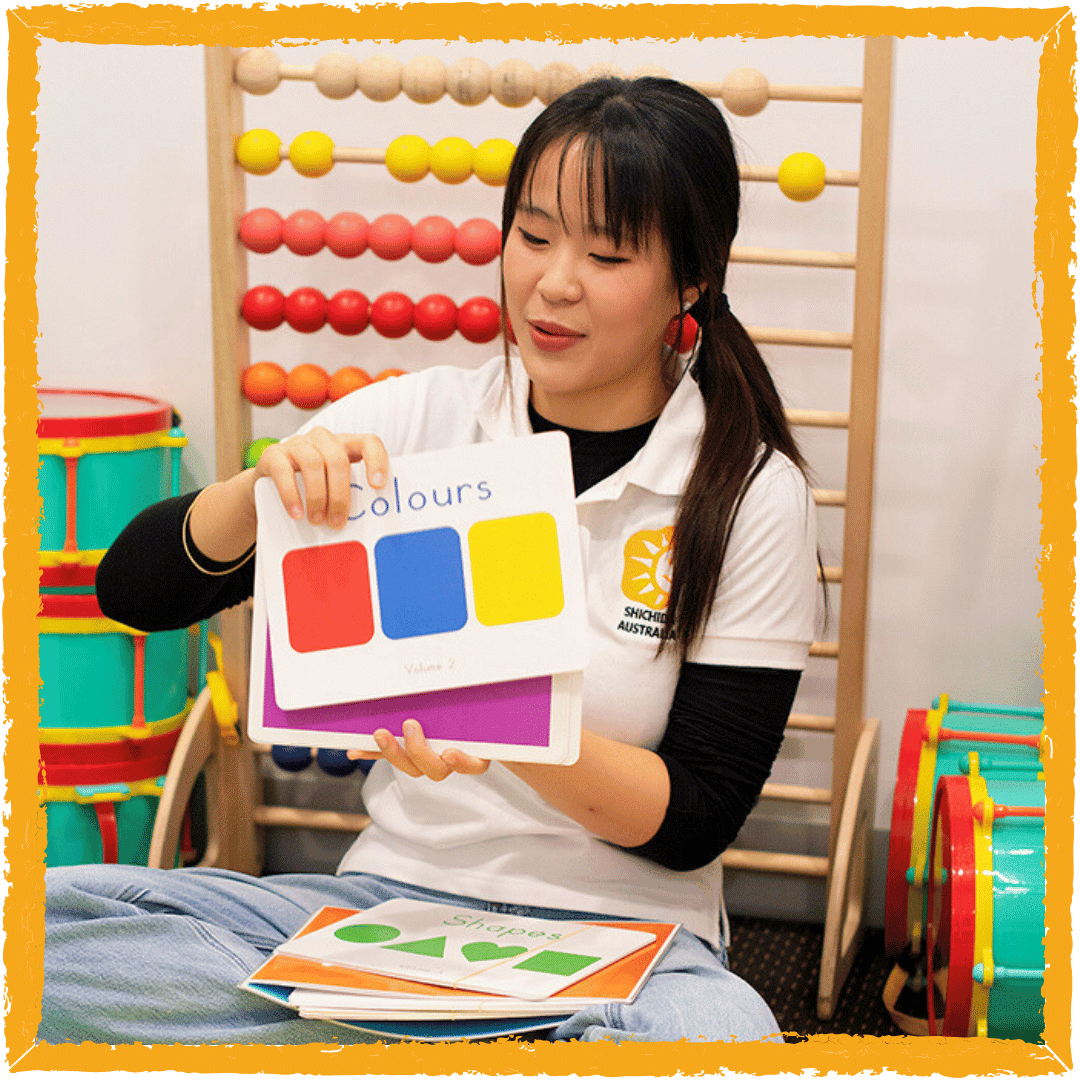
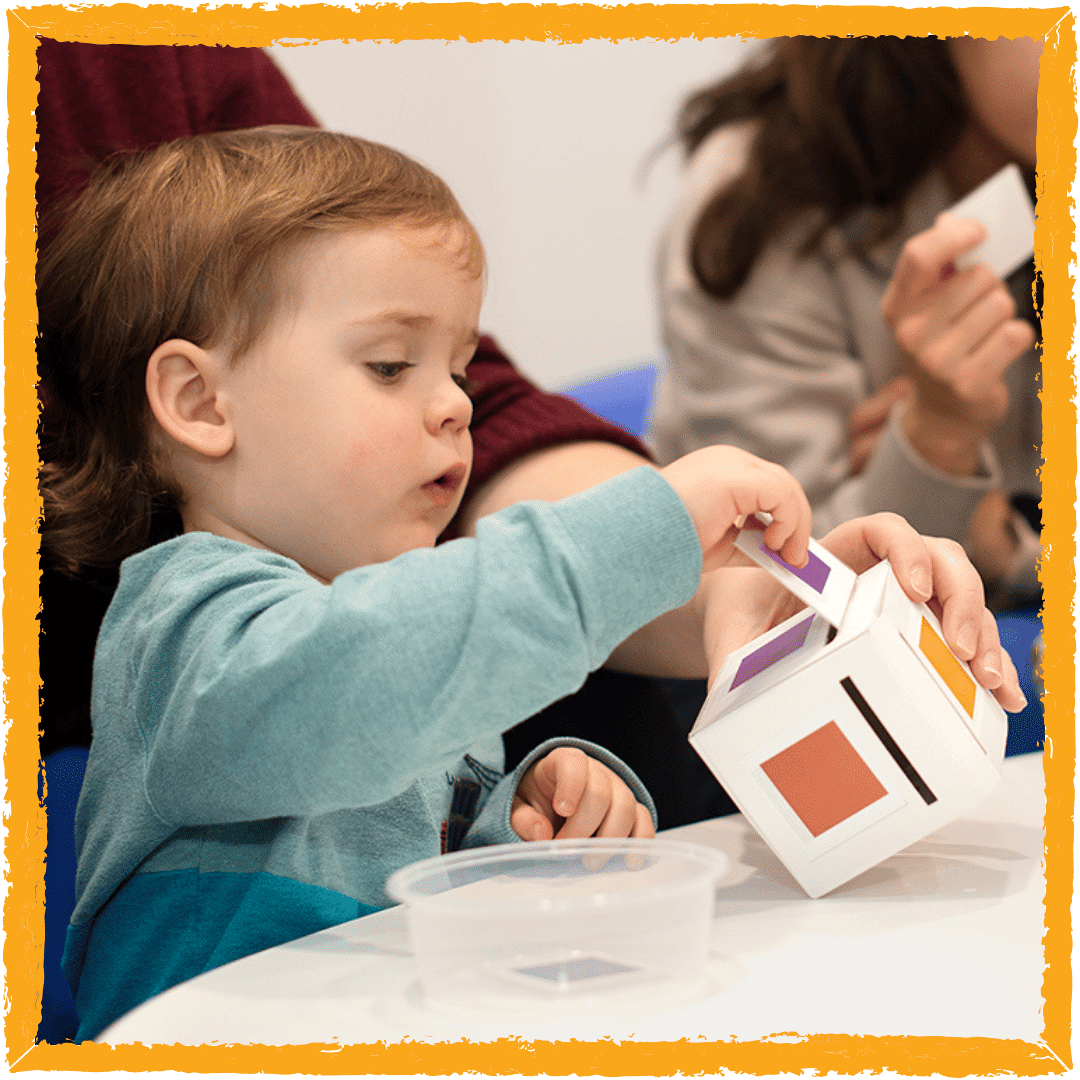
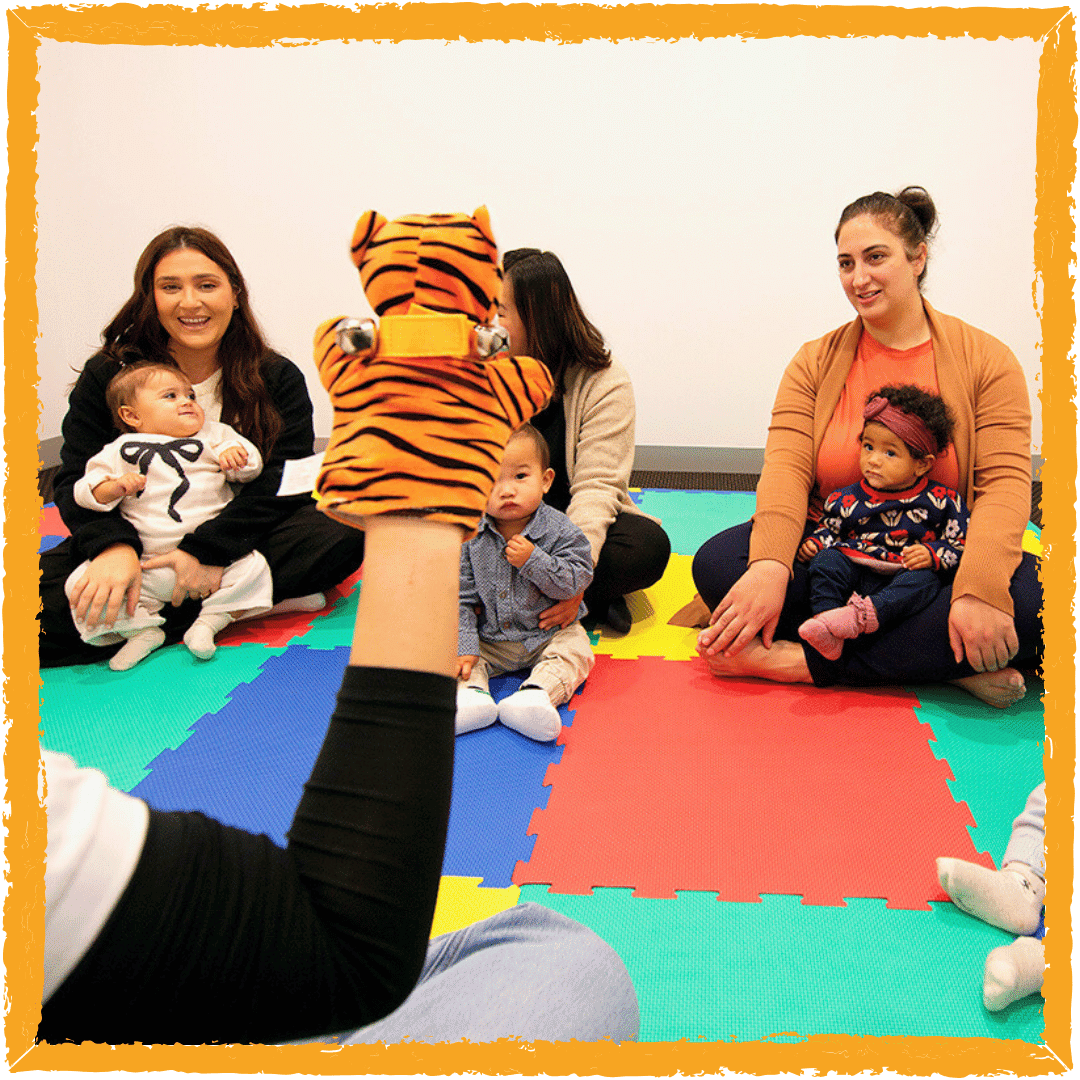
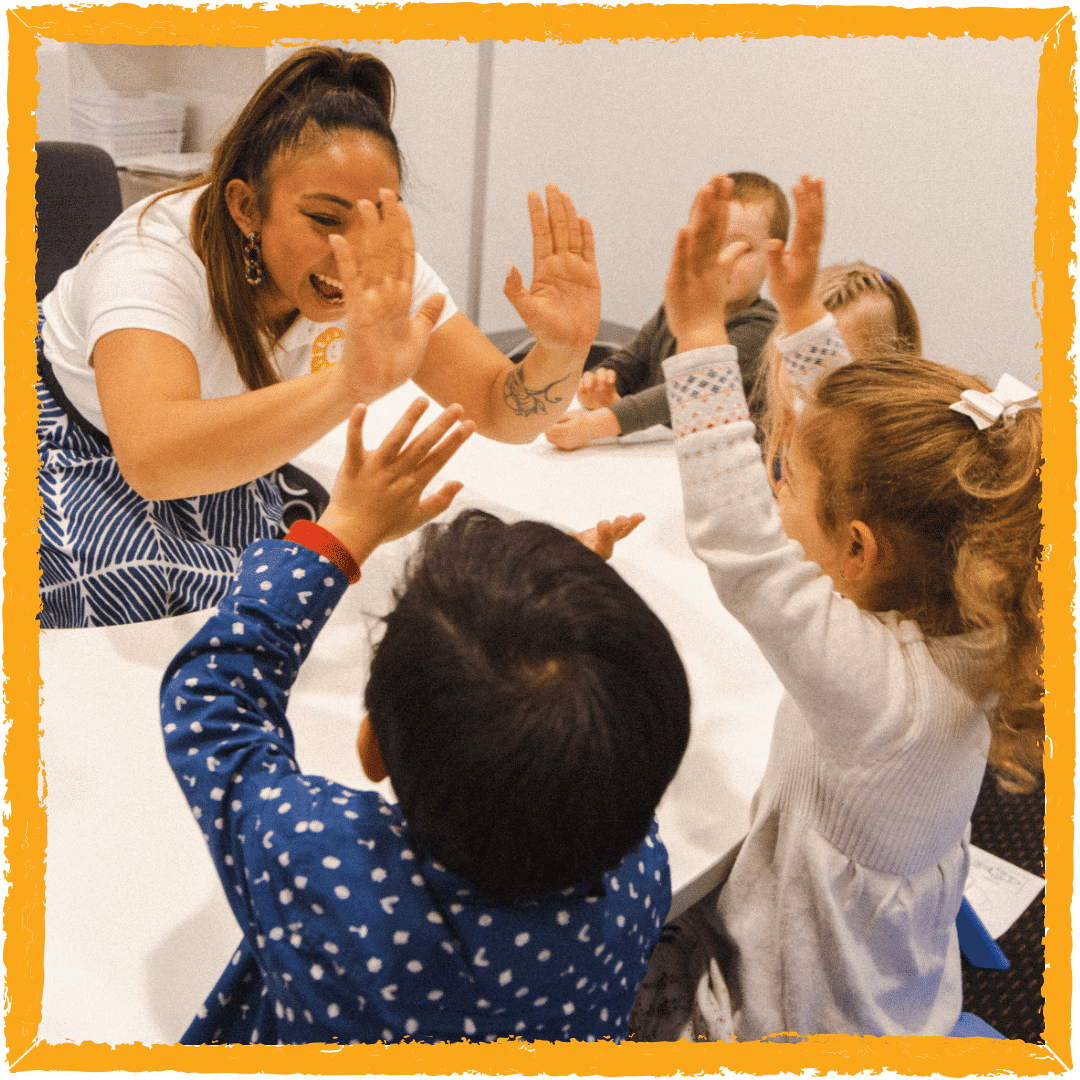
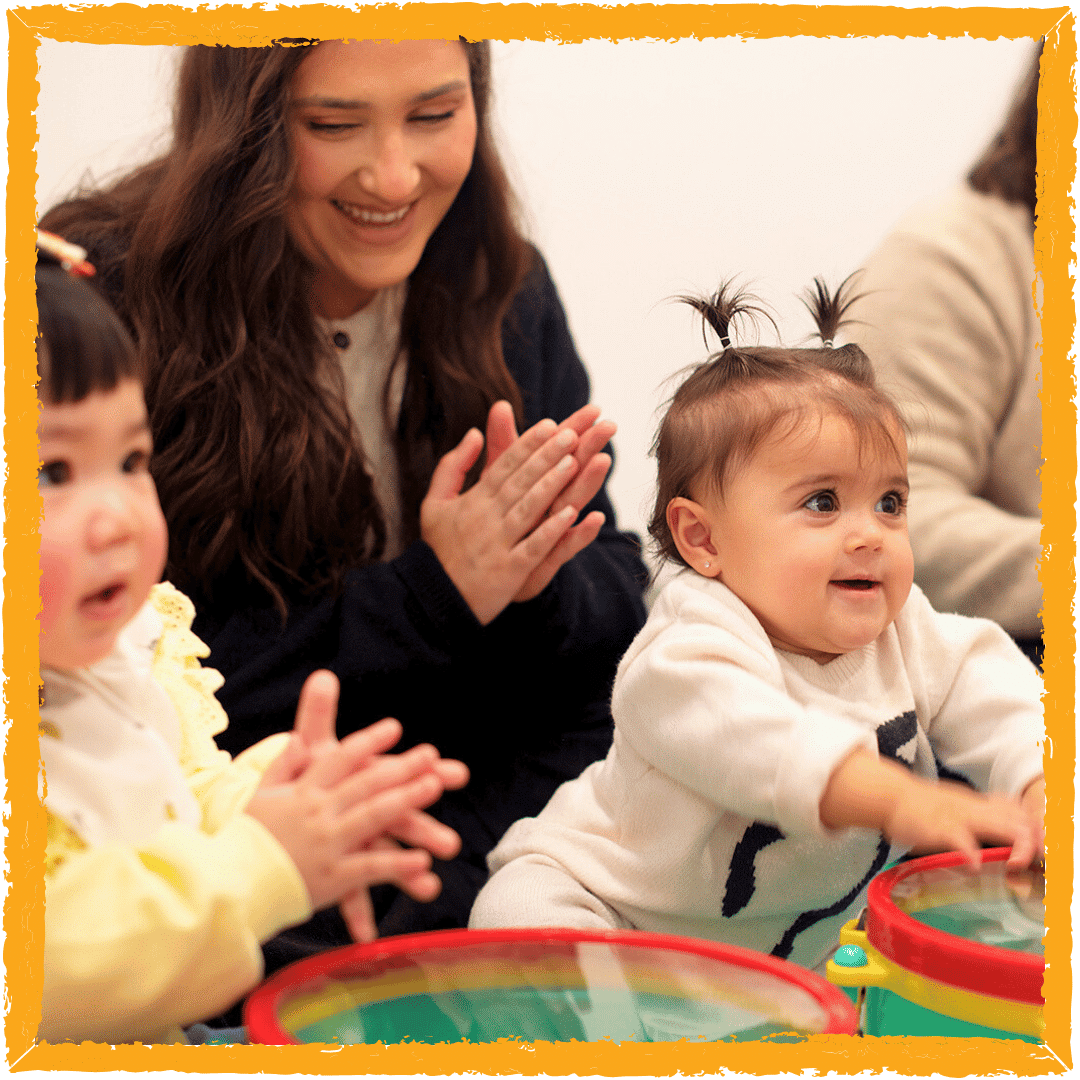
Photo by Shichida Australia: Laying the foundations for strong reading skills in the early years – building focus, vocabulary, and confidence before progressing to advanced techniques like speed reading in the primary years.
Shichida Australia‘s holistic early learning programs support essential skills like reading fluency, comprehension, memory, and focus. Backed by decades of research, the Shichida Method nurtures whole-brain development in a fun, age-appropriate way – helping your child thrive in and out of the classroom.
Book your trial class and see how speed reading for kids fits into our proven approach.
FAQs About Speed Reading for Kids
Reading speed varies by age. Children aged 6 to 8 typically read between 50-120 words per minute, while older children may reach 120-250 words per minute.
Encourage daily practice, use a finger or pointer to guide their eyes, read aloud together, and try timed reading games to gradually build fluency.
Not if it’s taught correctly. Start with understanding first, then increase speed. Techniques like previewing the text and summarising regularly help children stay focused on meaning.
Slow things down and keep it fun. Celebrate small wins and focus on progress rather than perfection. Every child learns at their own pace.
Yes. With the right support and techniques, most children can improve their reading speed. It’s not about talent – it’s about practice, patience, and consistency.
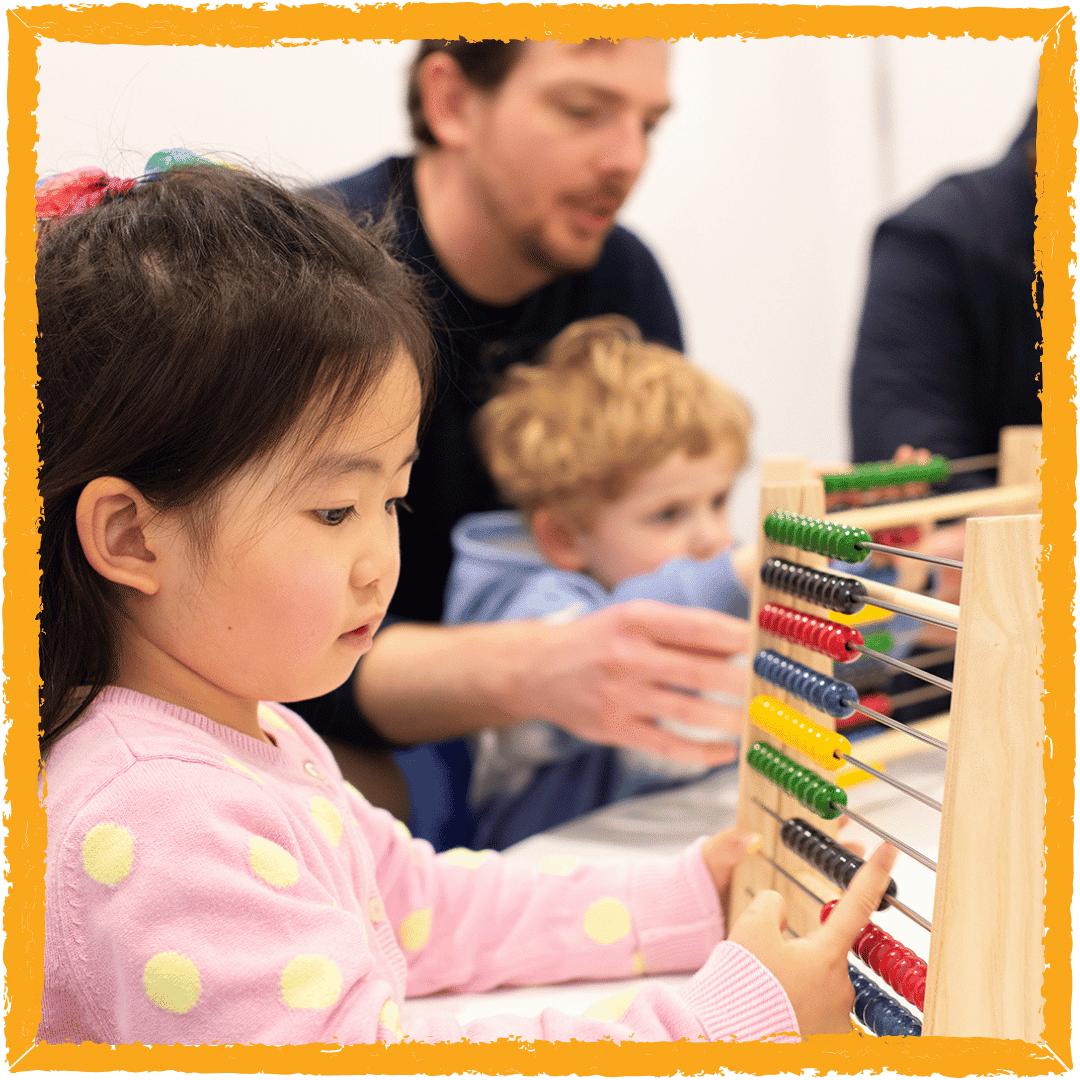
Yes, and the right class can make a big difference. At Shichida Australia, we lay the foundation for reading from the early years with memory, visual tracking, and phonics. As children progress through our program, they develop the skills needed for speed reading – including focus, vocabulary, comprehension, and eye span. Our primary-age classes introduce speed reading in a fun, brain-friendly way, helping children read faster and understand more.