
Shichida Classes vs SHICHIDA at Home: Which Is Best?
Key Takeaways: Shichida Classes vs SHICHIDA at Home
- Both options are based on the same Shichida Method
Shichida classes and SHICHIDA at Home follow the same educational philosophy, focusing on early learning, memory, attention, and strong parent–child connection. - Shichida Australia classes offer face-to-face guidance and structure
In-centre classes provide live teacher support, age-based progression, and a consistent weekly routine in a group learning environment. - SHICHIDA at Home offers flexibility and parent-led learning
The digital program allows families to learn at their own pace, at home, and around their own schedule, with digital guidance and resources. - Different families benefit from different learning formats
Some families prefer structured, in-person classes, while others need the flexibility of digital learning. - Many families choose to combine both
Using SHICHIDA at Home alongside Shichida Australia classes helps reinforce learning and maintain consistency between weekly sessions.
Parents exploring the Shichida Method often ask the same question:
Should we attend Shichida classes, or is SHICHIDA at Home enough?
Both options are built on the same educational philosophy, but they serve families in different ways. Understanding how they differ can help you choose the option that best fits your child’s age, learning style, and your family’s routine.
This guide explains the key differences between Shichida Australia face-to-face classes and the SHICHIDA at Home (online program), so you can make a confident, informed decision.
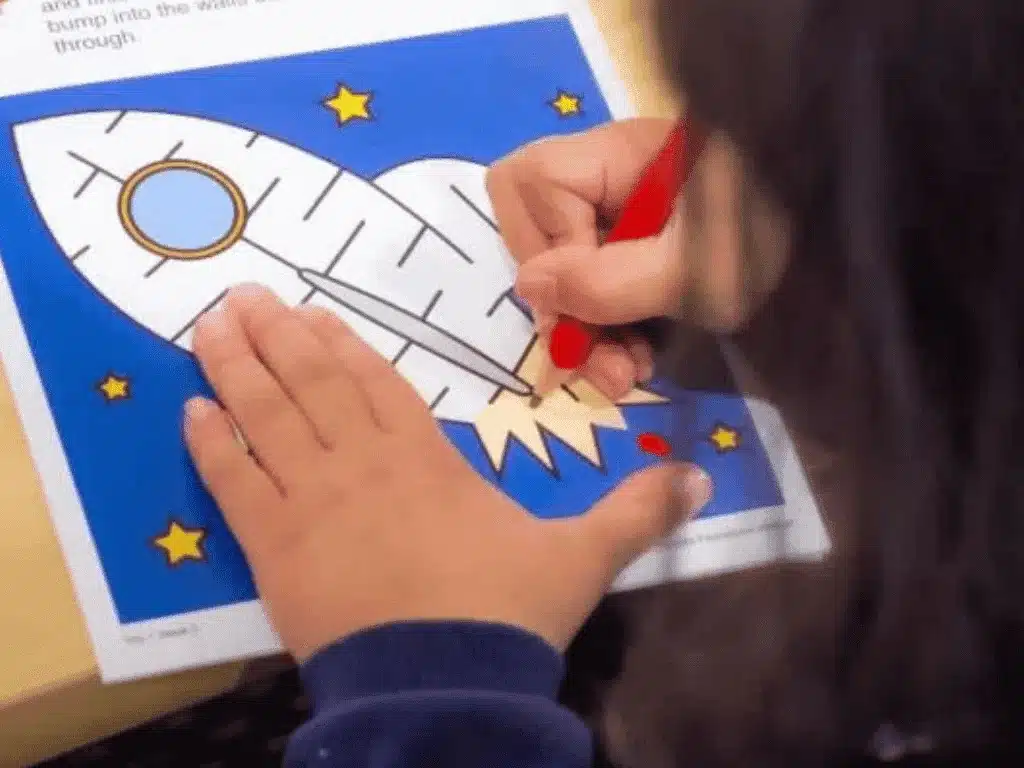
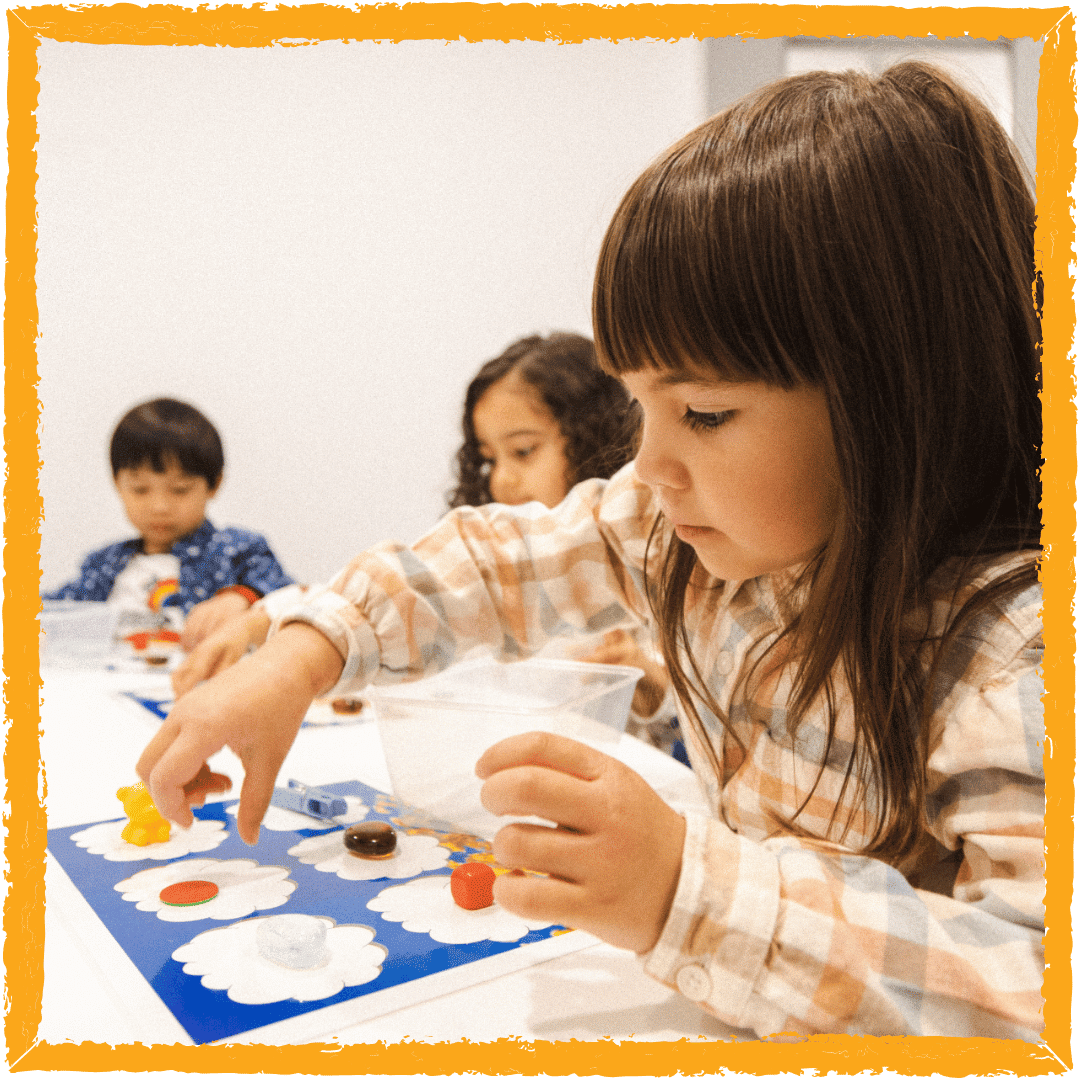
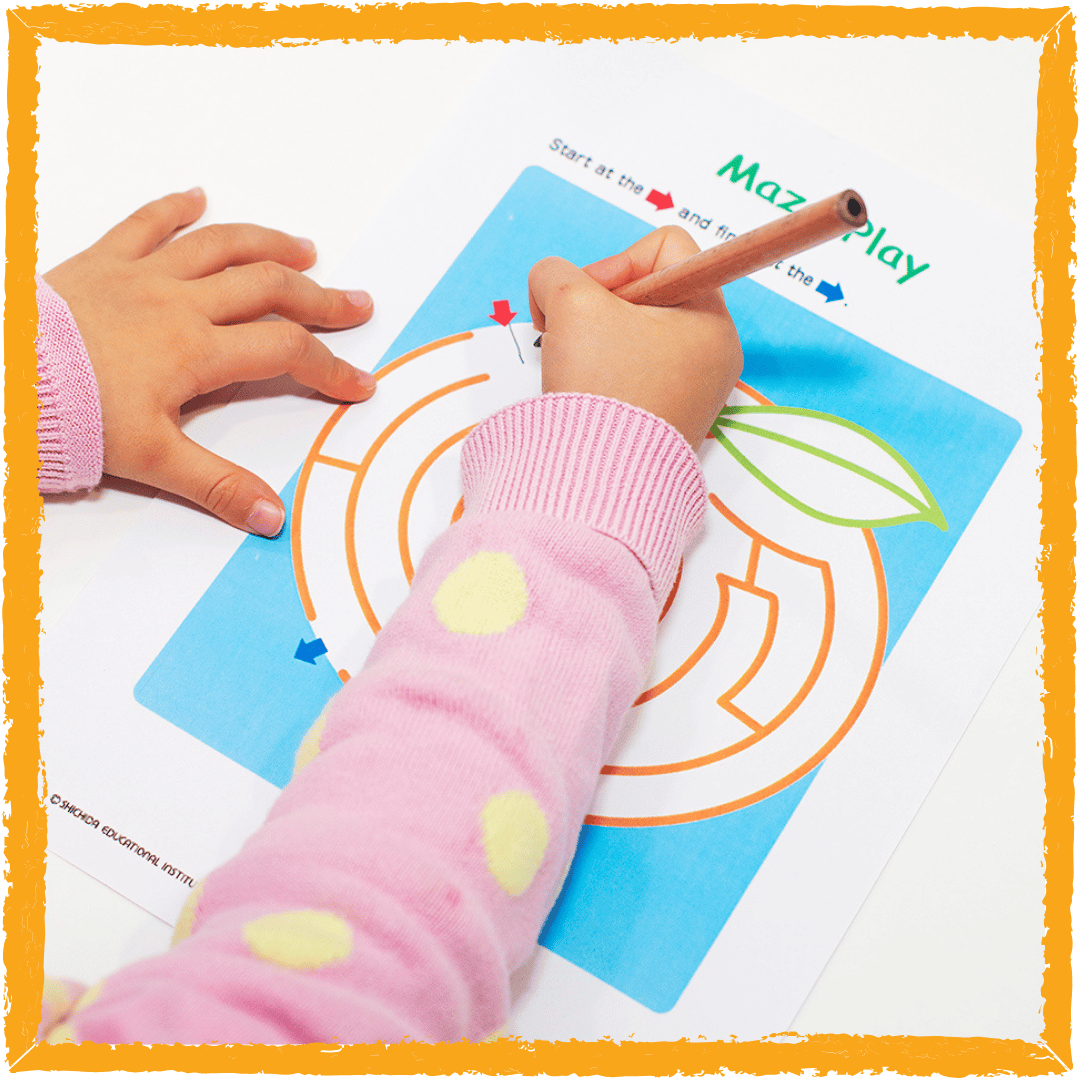
Image by SHICHIDA at Home: Maze play is used in both Shichida Australia classes and SHICHIDA at Home to support problem-solving, focus, and early thinking skills.
What Both Programs Have in Common
Before comparing the differences, it helps to understand what both options share.
Both Shichida Australia classes and SHICHIDA at Home are based on the Shichida Method, developed in Japan by Professor Makoto Shichida. The method focuses on early learning through memory, imagery, repetition, rhythm, and strong parent–child connection.
Both options aim to support:
- Early learning foundations
- Memory and attention
- Language exposure
- Confidence and positive learning habits
- Parent involvement in learning
The difference lies not in what children learn, but in how that learning is delivered.
What Are Shichida Australia Classes?
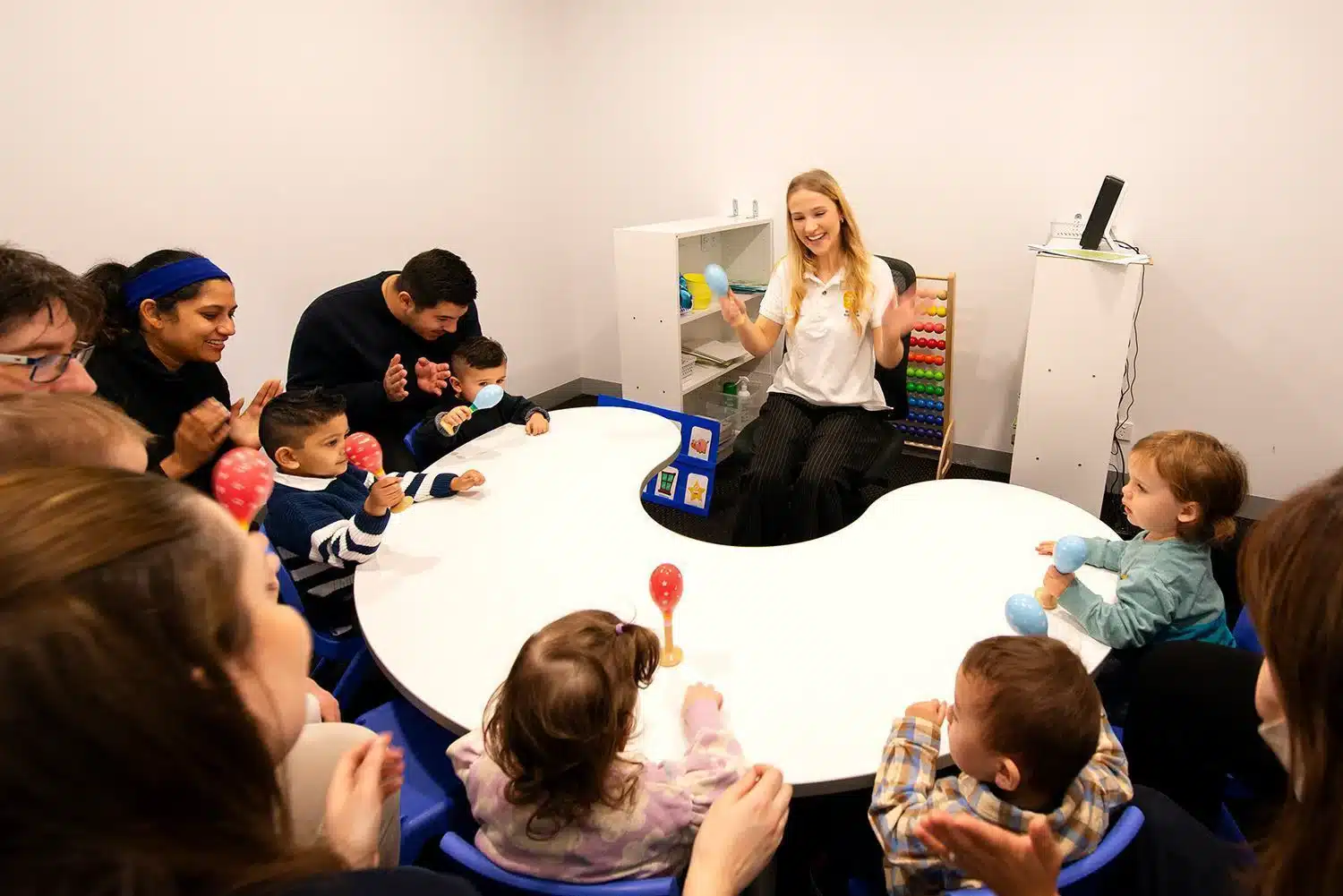
Shichida classes are face-to-face, parent-and-child classes held weekly at Shichida centres across Australia.
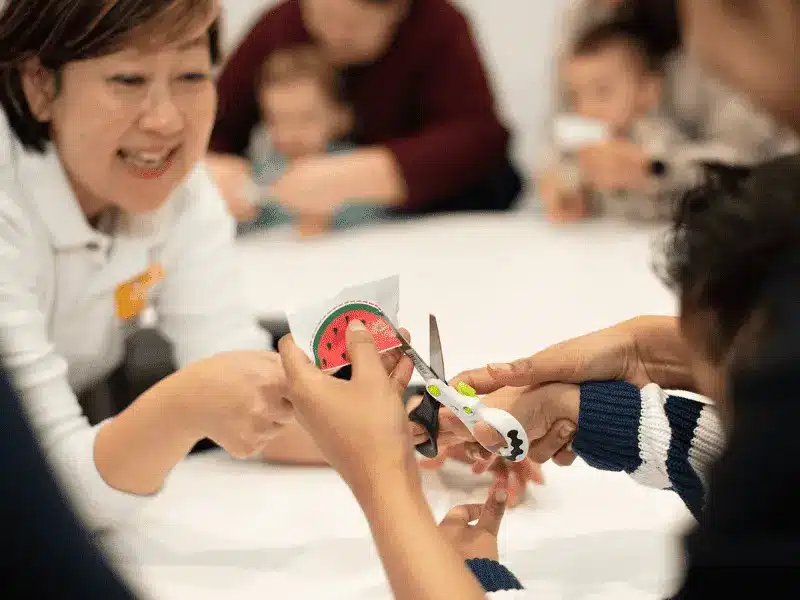
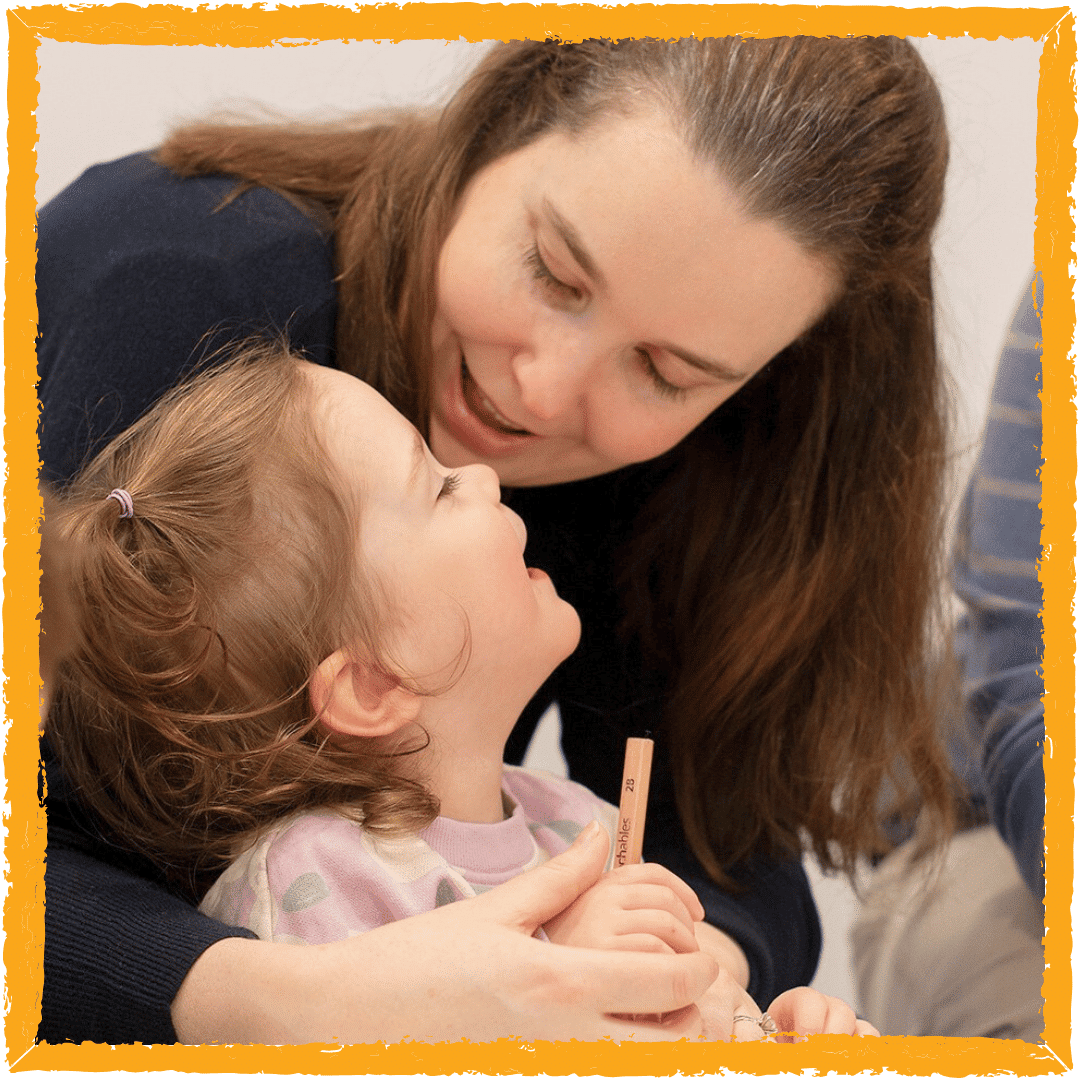
Image by Shichida Australia: A toddler practises cutting rounded shapes, guided by a parent and a certified Shichida instructor to support fine motor skills and safe scissor use.
Each class is:
- Led by a trained Shichida teacher
- Structured and age-specific
- Attended by one parent or caregiver with the child
- Delivered in a group learning environment
- Limited to 6 children each
- 50-minutes in duration, once a week
Classes include a carefully sequenced mix of activities such as memory games, visual imagery, early numeracy and literacy exposure, music, fine motor tasks, and confidence-building routines.
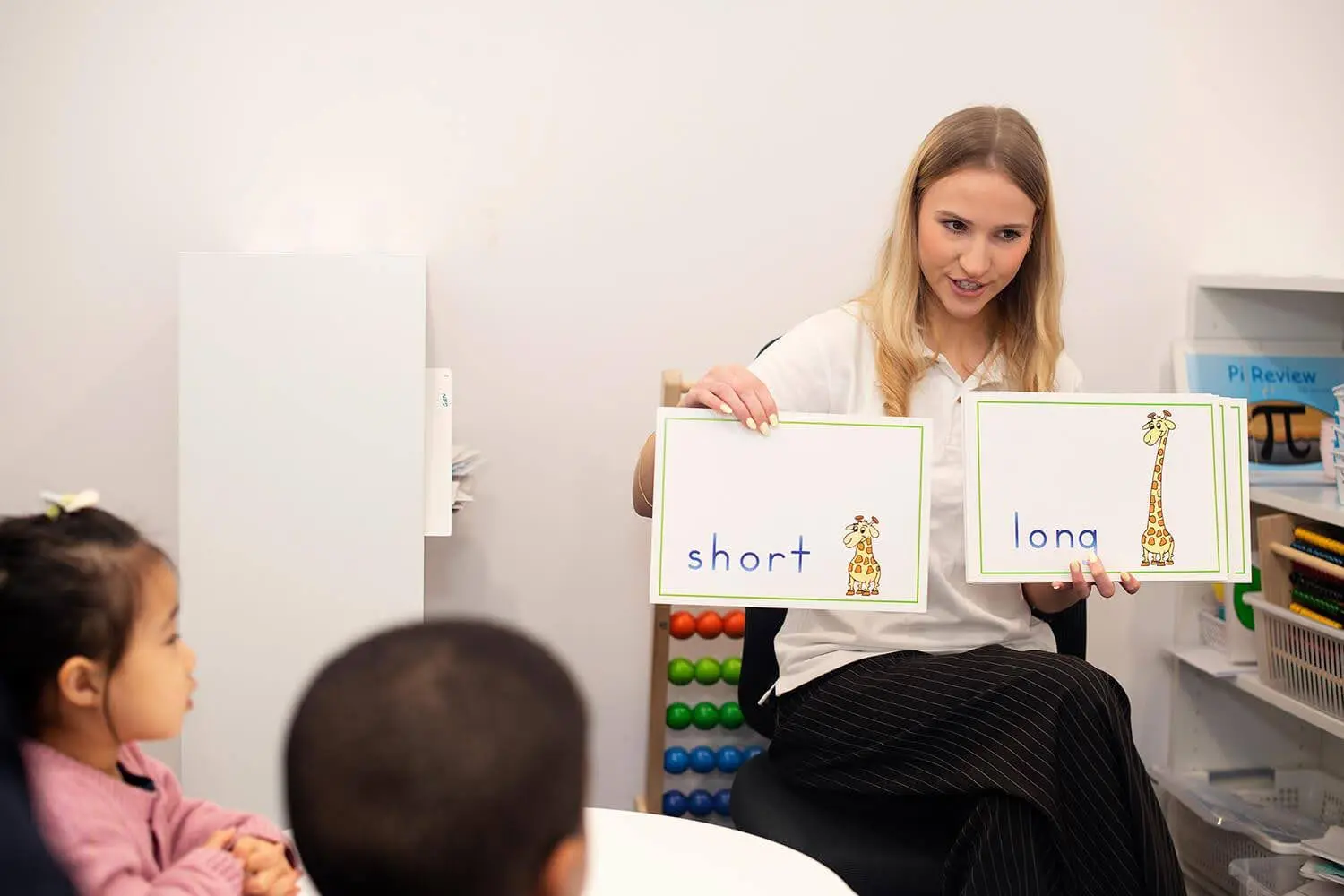
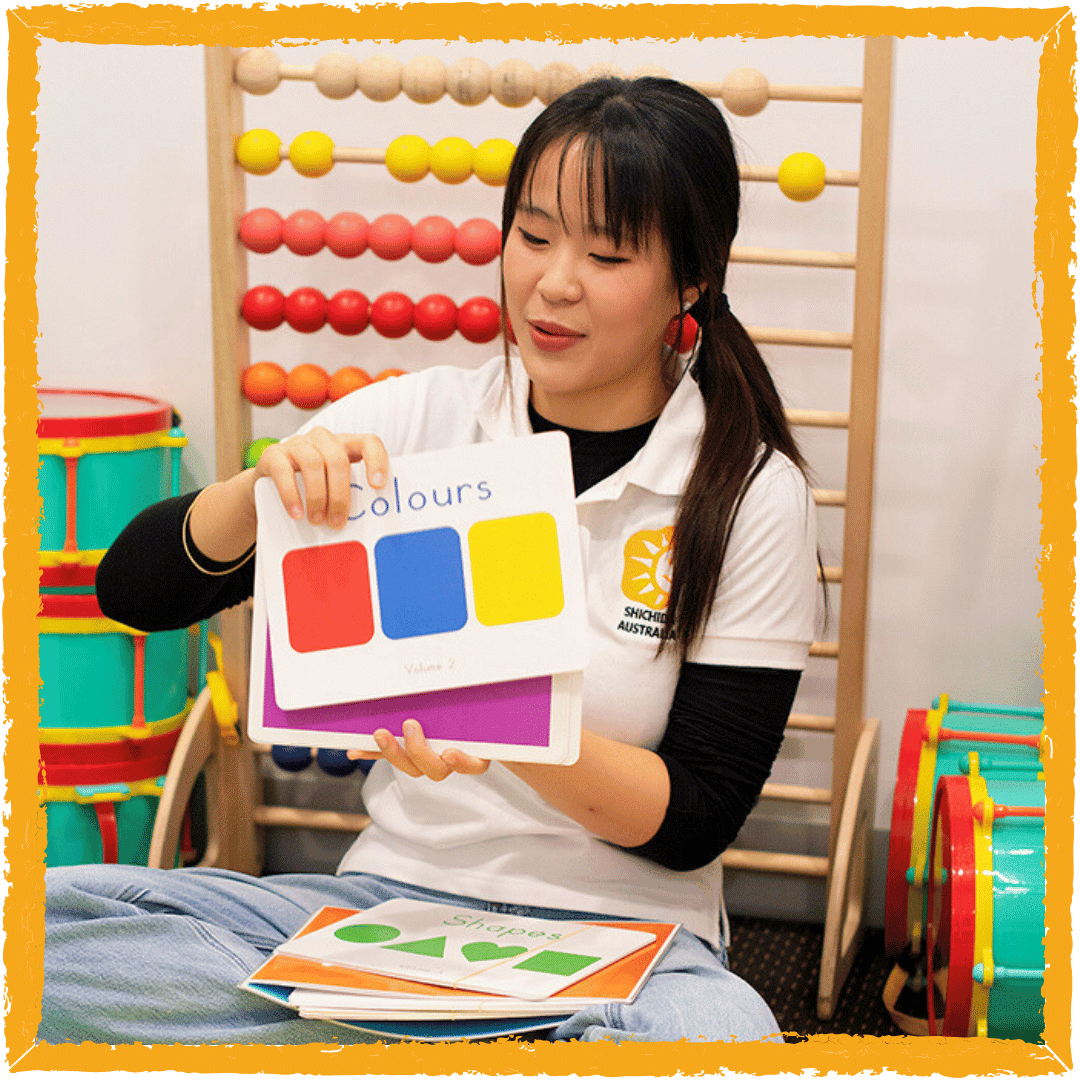
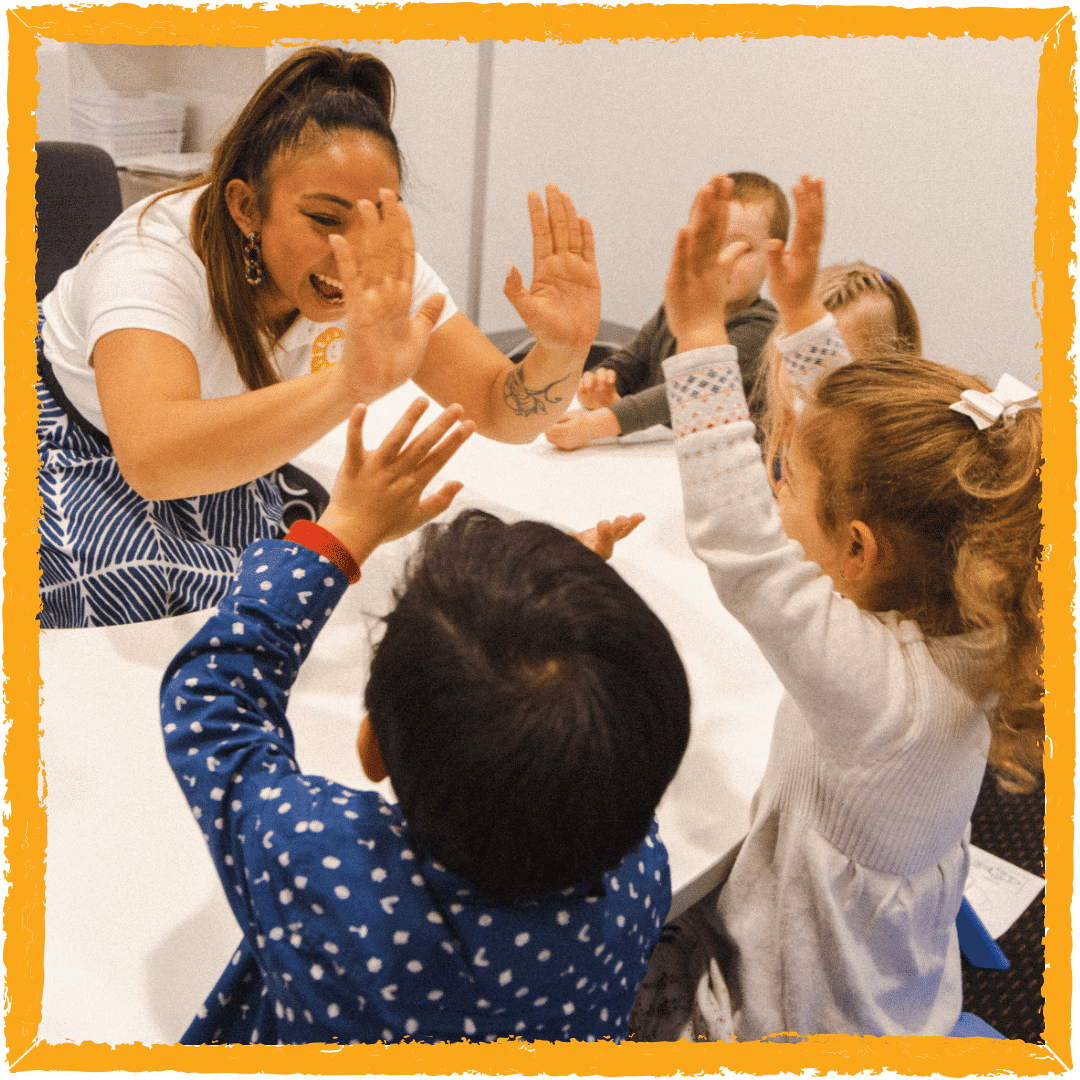
Image by Shichida Australia: Preschoolers learn about opposites through songs and flashcards, combining movement, rhythm, and visual learning.
Key Features of Shichida Australia Classes
- In-person guidance from trained teachers
- Structured weekly routine
- Peer interaction and group learning
- Live demonstrations of activities
- Immediate feedback and adjustment
- Strong focus on parent confidence and understanding
These classes are particularly helpful for families who value structure, consistency, and professional guidance.
Shichida recommends attending a class if you can access a Shichida centre.
What Is SHICHIDA at Home?
SHICHIDA at Home is a digital, self-paced early learning program designed for parents to use at home.
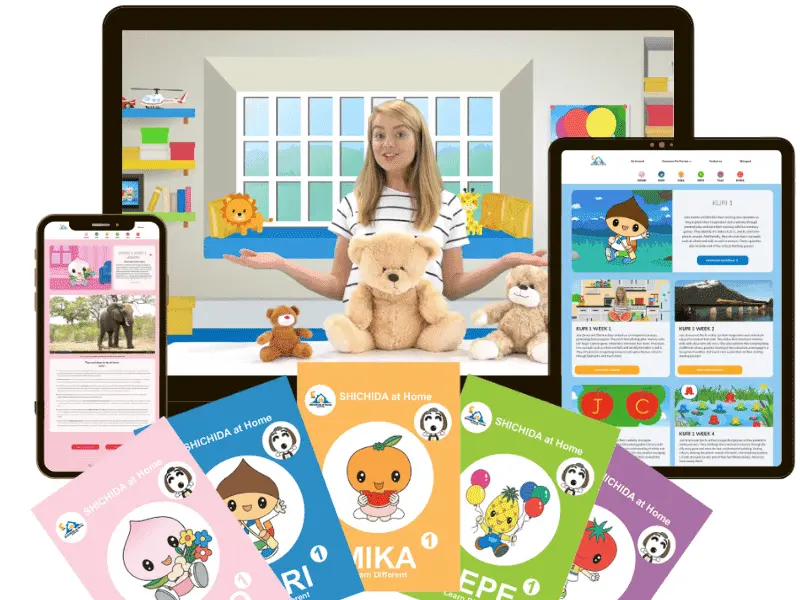
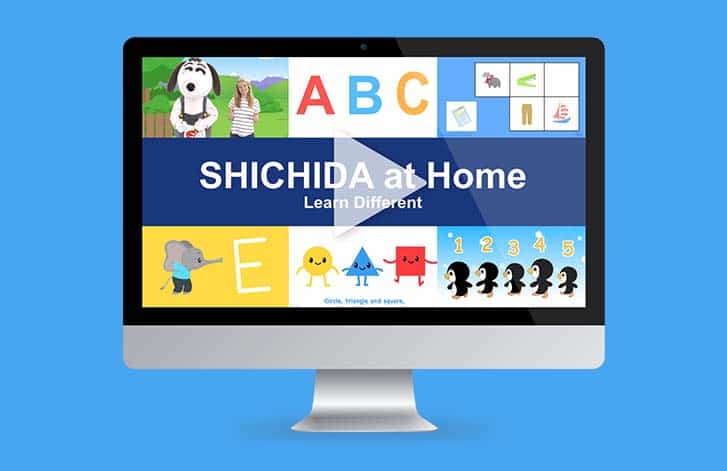
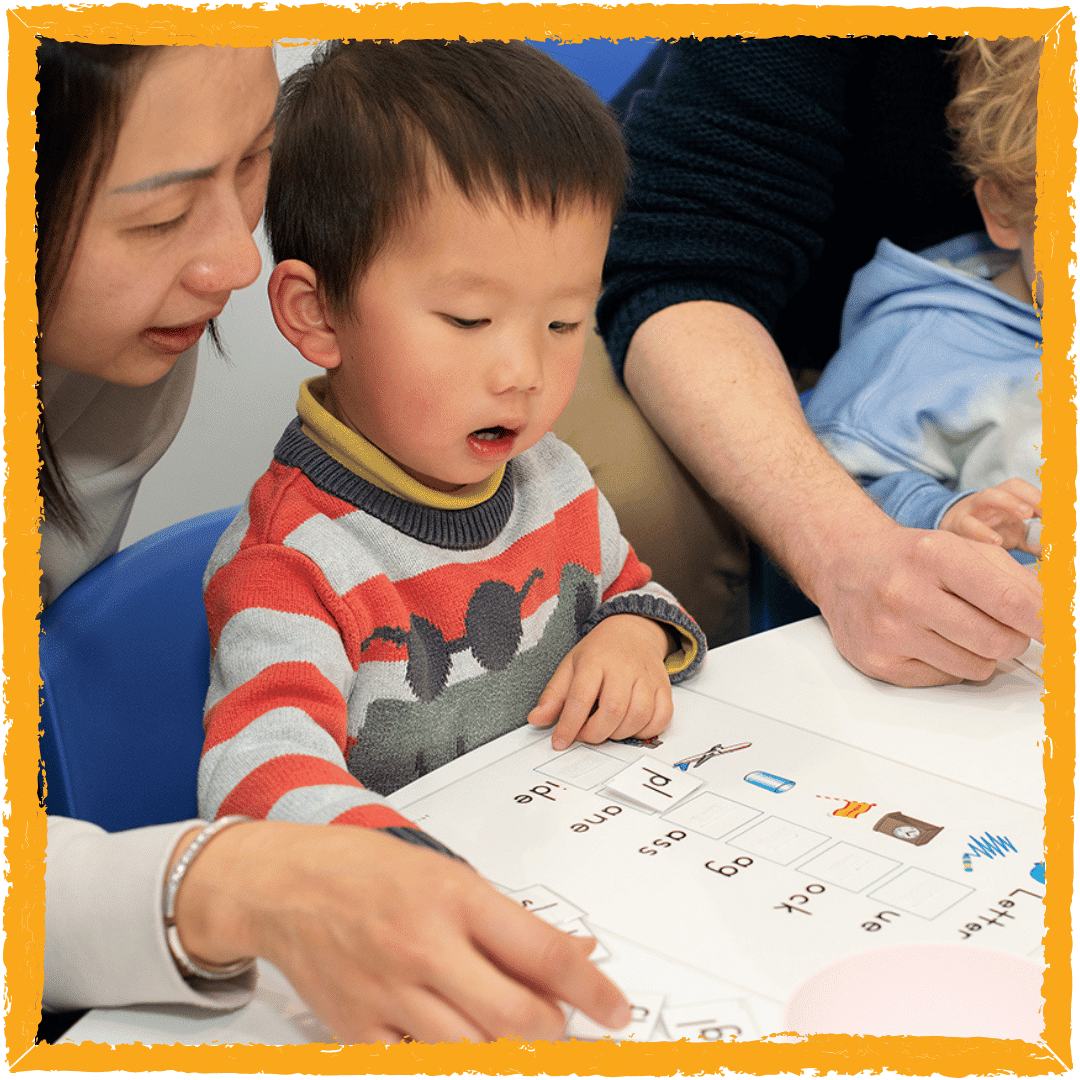
Image by SHICHIDA at Home: Learning at home is supported through mobile-friendly lessons, downloadable workbooks, songs, and digital flashcards.
It includes:
- Pre-recorded lessons and guidance
- Demonstration videos and wholesome content
- Printable resources and activities
- A digital flashcard library
- A collection of educational songs for young children
- Flexible access anytime, anywhere
- Ad-free, and 100% child safe
Parents lead the learning sessions themselves, choosing when and how often to engage with the material.
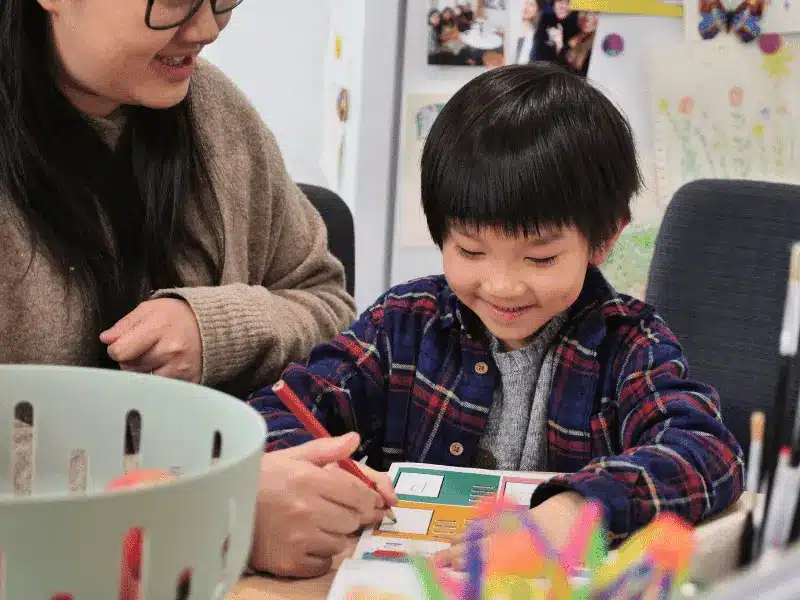
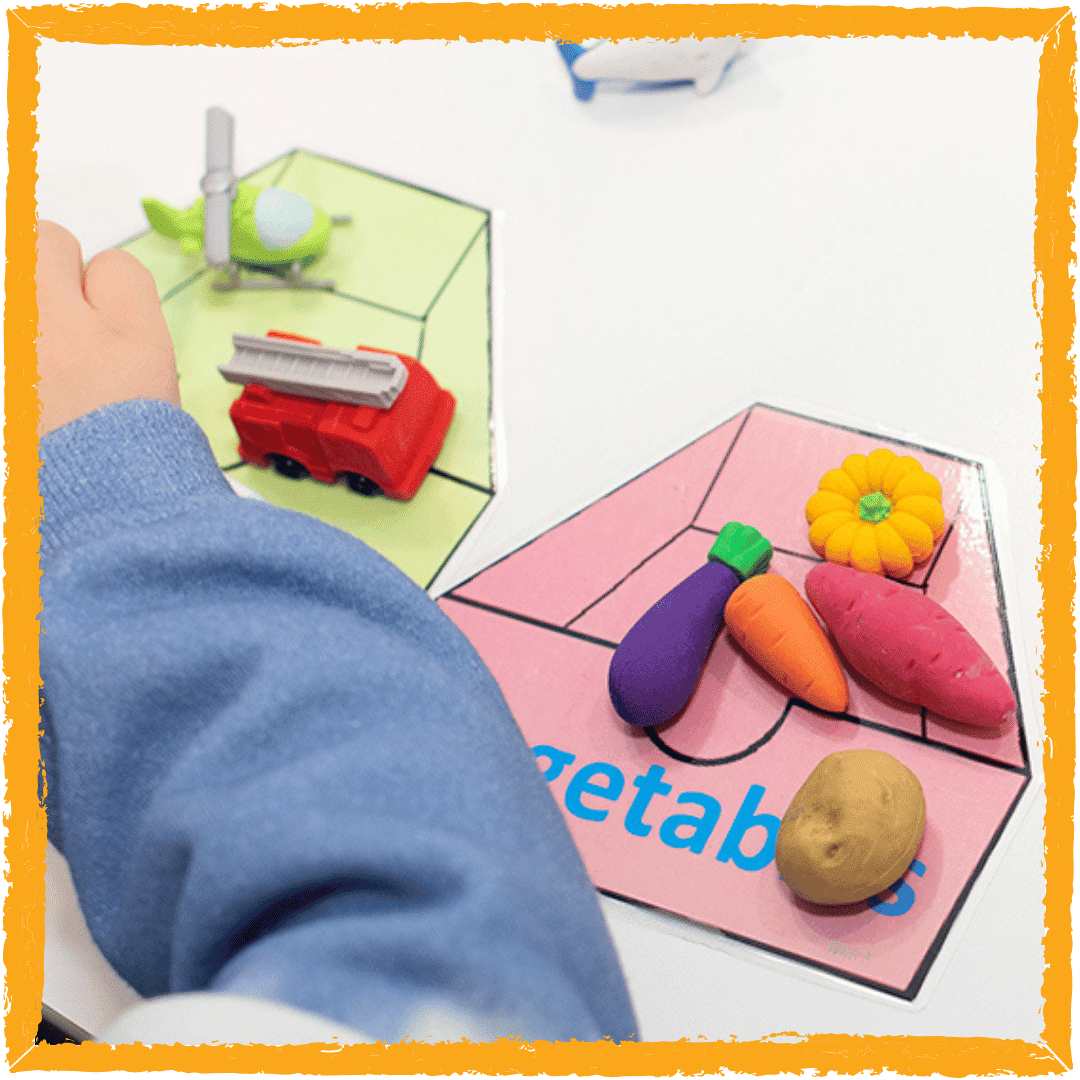
Image by SHICHIDA at Home: Learning isn’t only screen-based – activity guides support hands-on learning through worksheets and practical tasks, guided by parents to encourage balance and real-world skill building.
Key Features of SHICHIDA at Home
- Flexible scheduling
- No travel required
- Parent-led learning
- Re-playable lessons and resources
- Suitable for families without access to a centre
- Supports consistency at home
This option works well for families who need flexibility or who want to supplement in-person learning.
Shichida recommends this product for families who cannot access a Shichida centre.
Key Differences at a Glance
Learning Environment
- Shichida Classes: In-centre, group-based learning
- SHICHIDA at Home: Home-based, individual learning
Guidance
- Shichida Classes: Live teacher guidance and real-time support
- SHICHIDA at Home: Pre-recorded guidance, parent-led
Structure & Duration
- Shichida Classes: Structured 50-minute weekly classes with a full sequence of activities
- SHICHIDA at Home: Shorter 20-minute digital lessons designed for focused, flexible use
Learning Scope
- Shichida Classes: Broader learning experience, including activities that rely on group interaction, live demonstration, pacing, and teacher-led adjustment
- SHICHIDA at Home: Focused learning segments that support key concepts but do not replace the full in-class experience
Parent Support
- Shichida Classes: Ongoing teacher feedback, modelling, and reassurance
- SHICHIDA at Home: Independent learning with digital guidance and re-playable content
Social Interaction
- Shichida Classes: Peer learning, group dynamics, and shared routines
- SHICHIDA at Home: One-on-one parent–child interaction
Age Range
- Shichida Classes: From 6 months to 5 years for new enrolments, with children who start before age 5 able to continue through to age 9
- SHICHIDA at Home: Designed for children aged 1 to 5 years
Which Option Is Better for Babies?
For babies, parent confidence and correct pacing matter most.
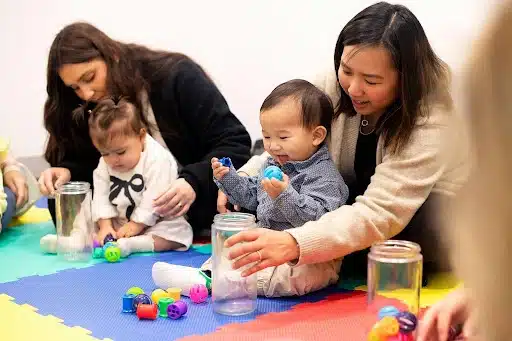
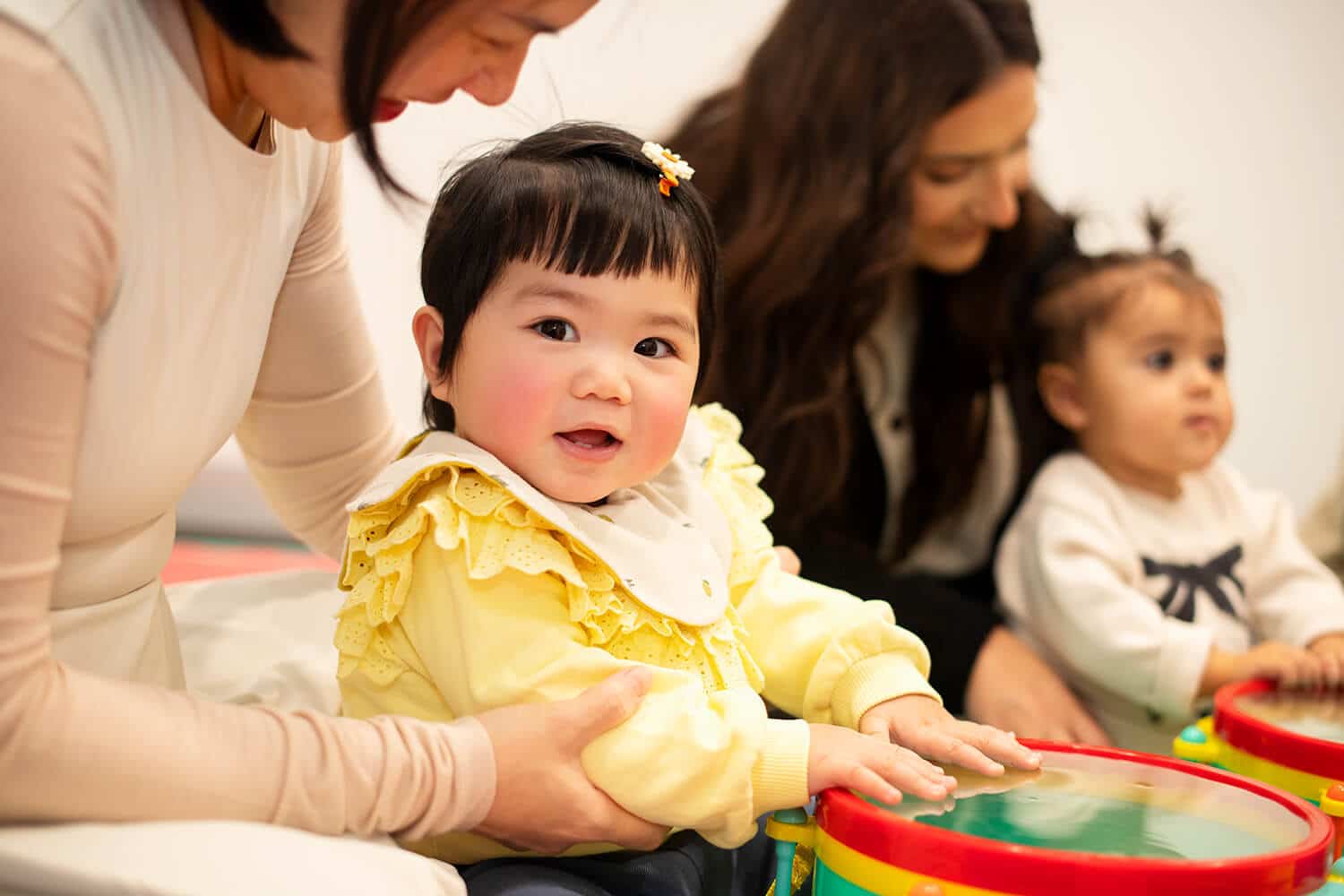
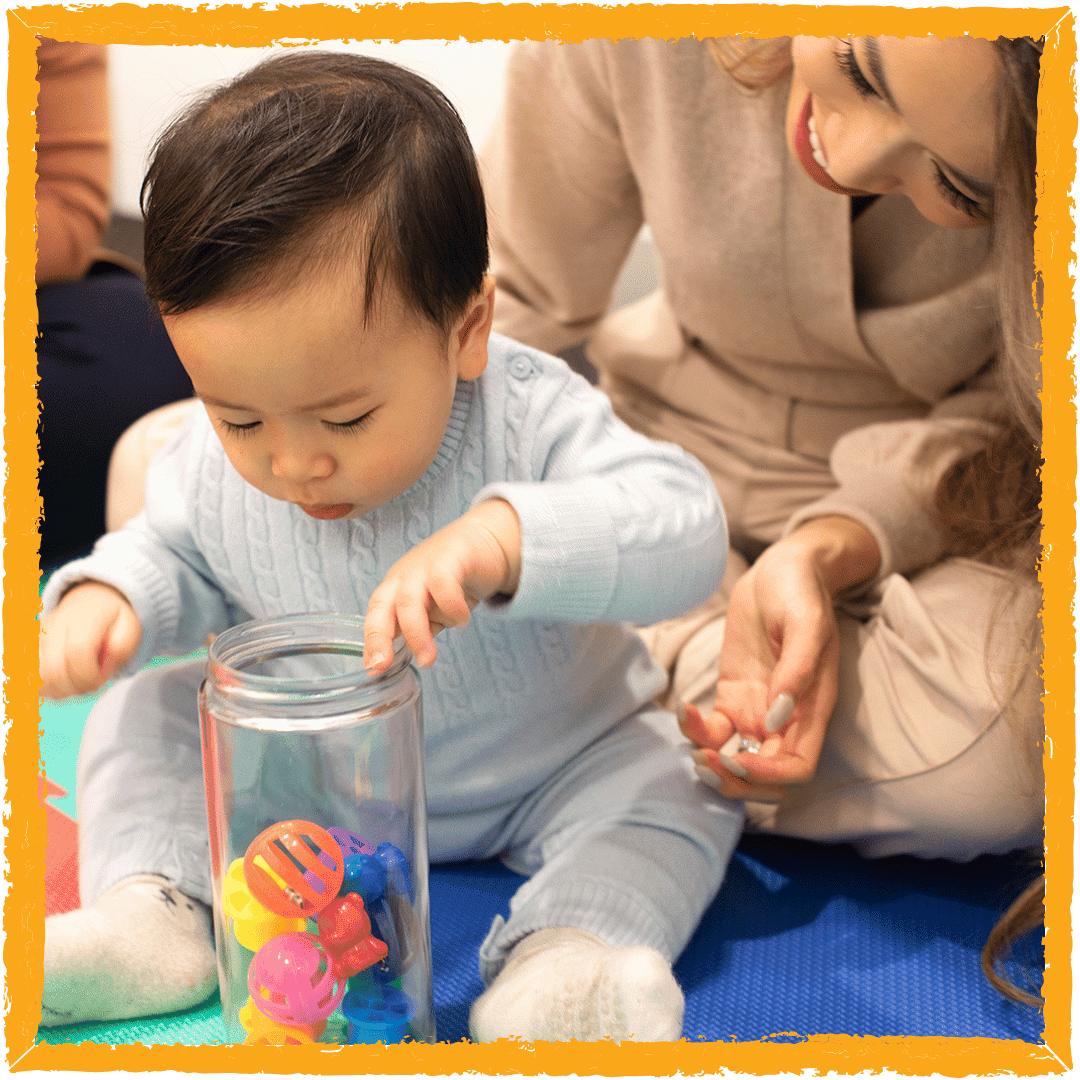
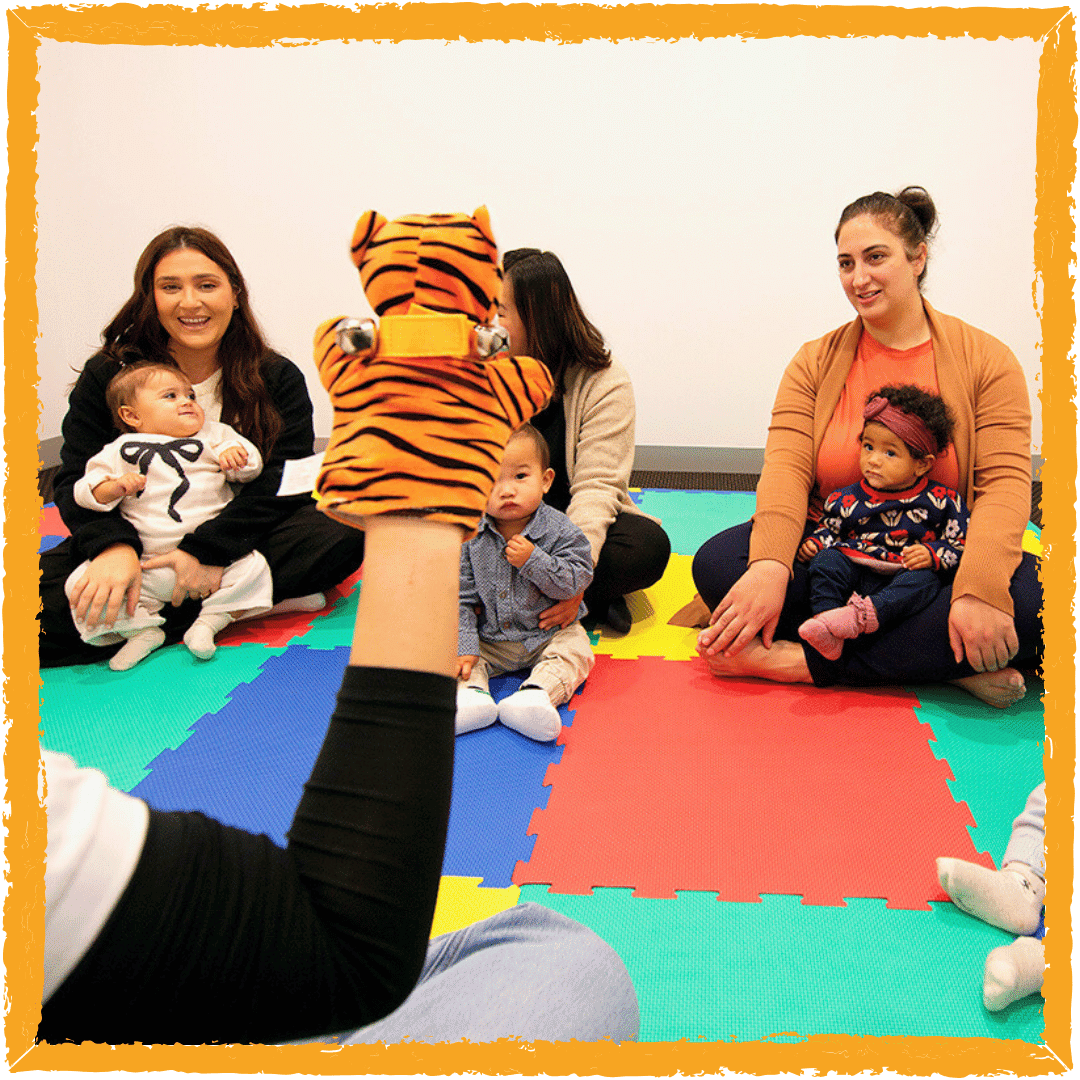
Image by Shichida Australia: Baby classes offer an engaging way for parents and babies to spend time with purpose, building connection, bonding, and early learning together.
Many families choose Shichida Australia baby classes because:
- Teachers model gentle, age-appropriate interaction
- Parents learn how to do activities, not just what to do
- Babies benefit from routine, rhythm, and calm structure
SHICHIDA at Home can still be helpful for babies, especially for:
- Families in regional areas
- Parents wanting reinforcement between classes
- Parents comfortable leading activities independently
Which Option Is Better for Toddlers and Preschoolers?
Toddlers and preschoolers often benefit from both structure and flexibility.
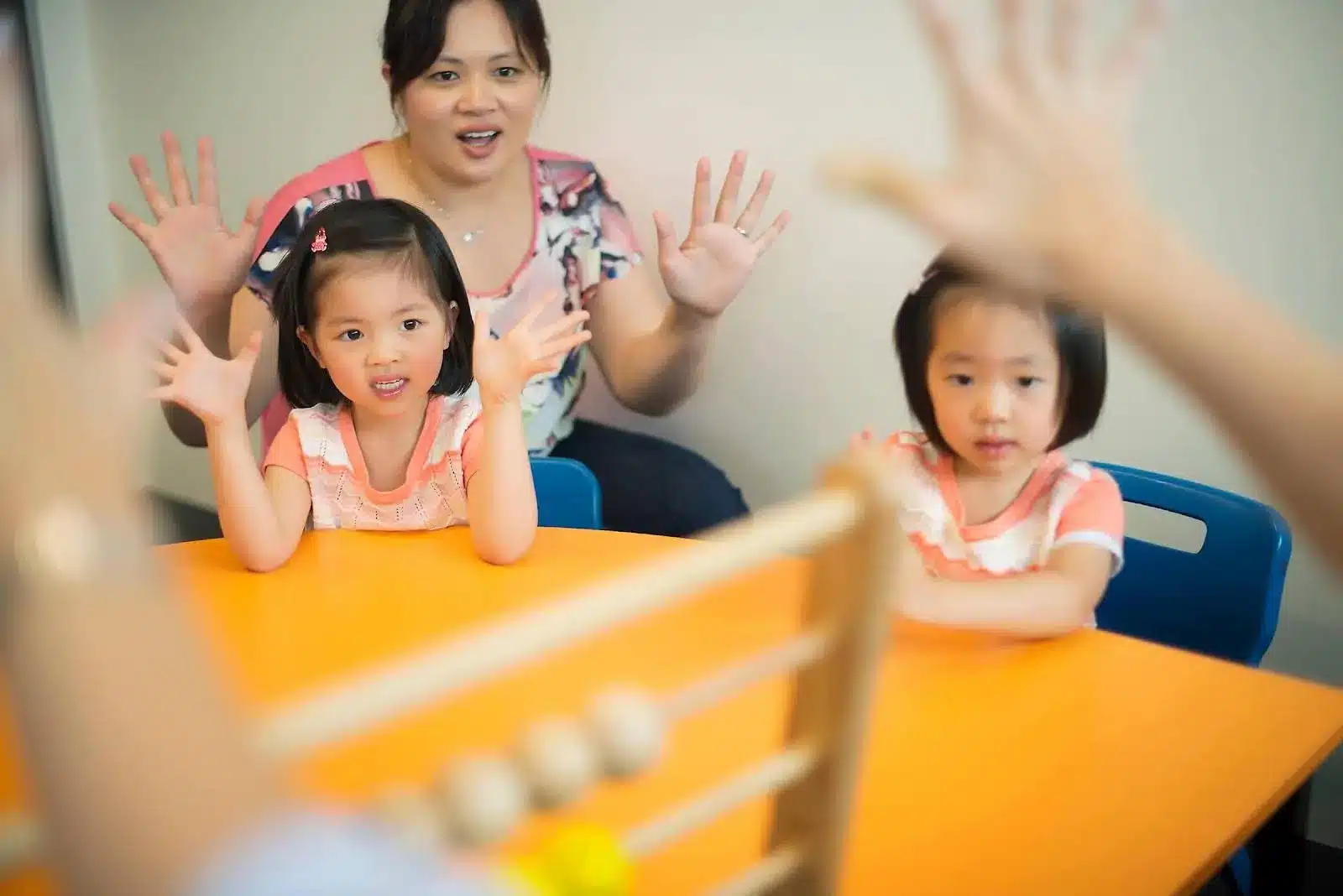
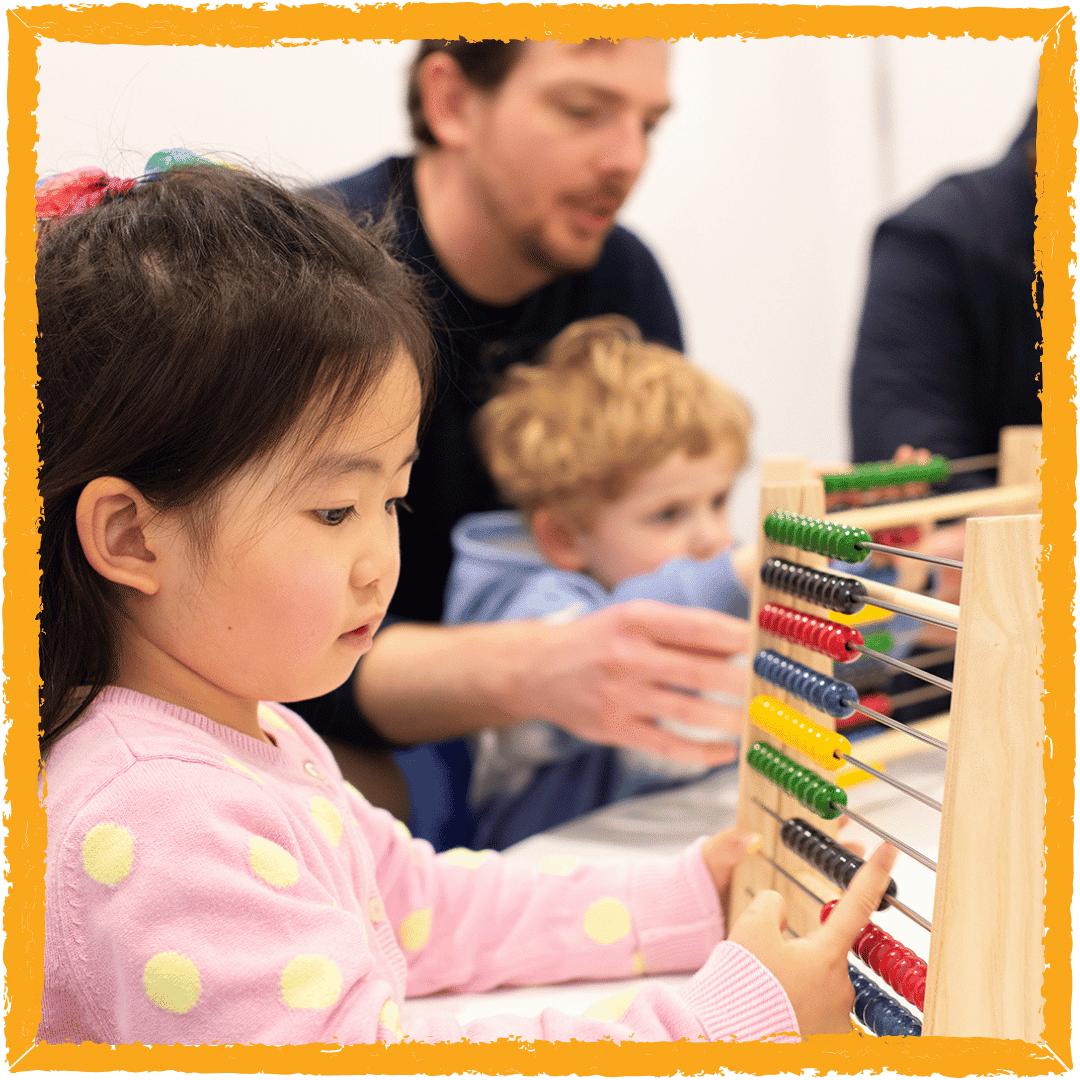
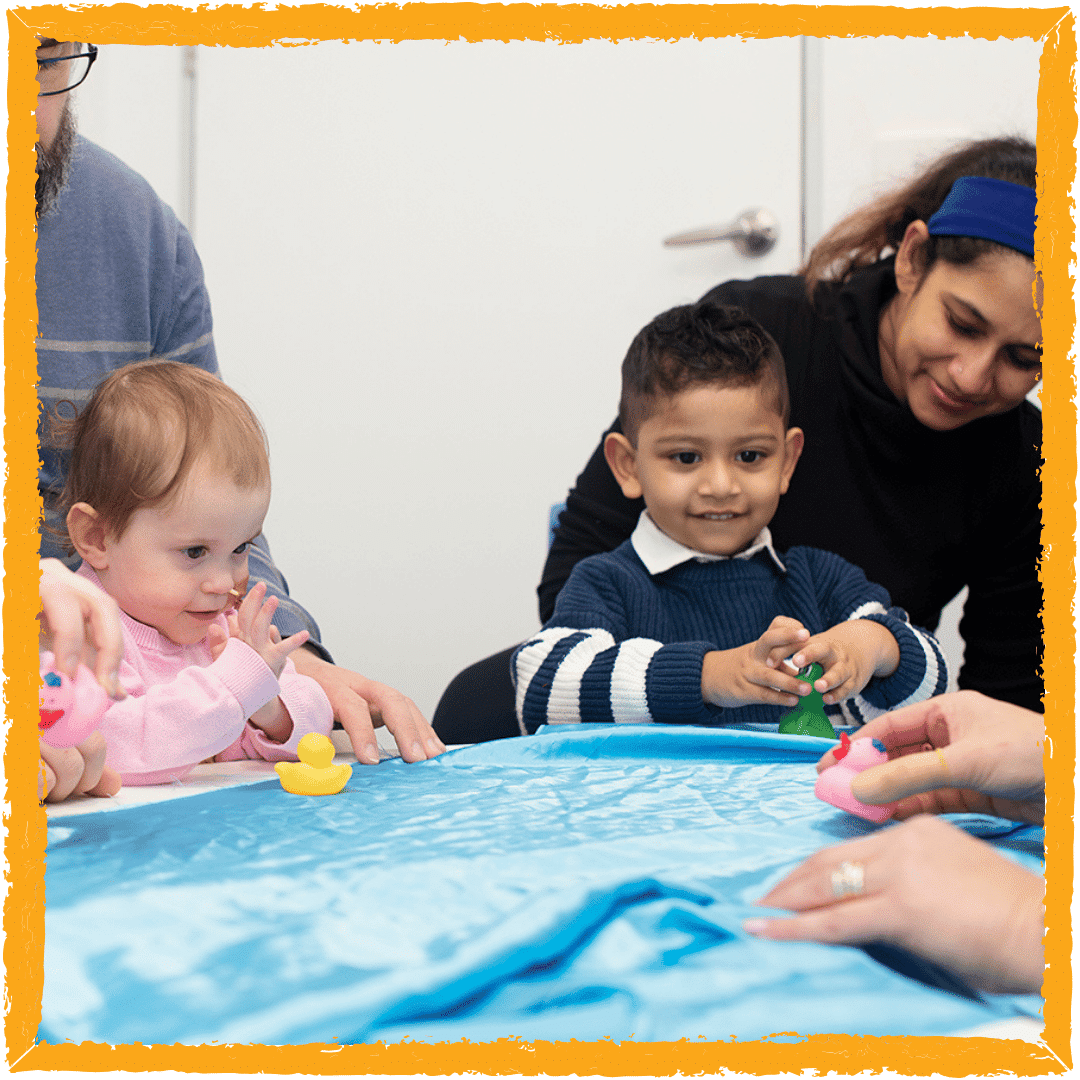
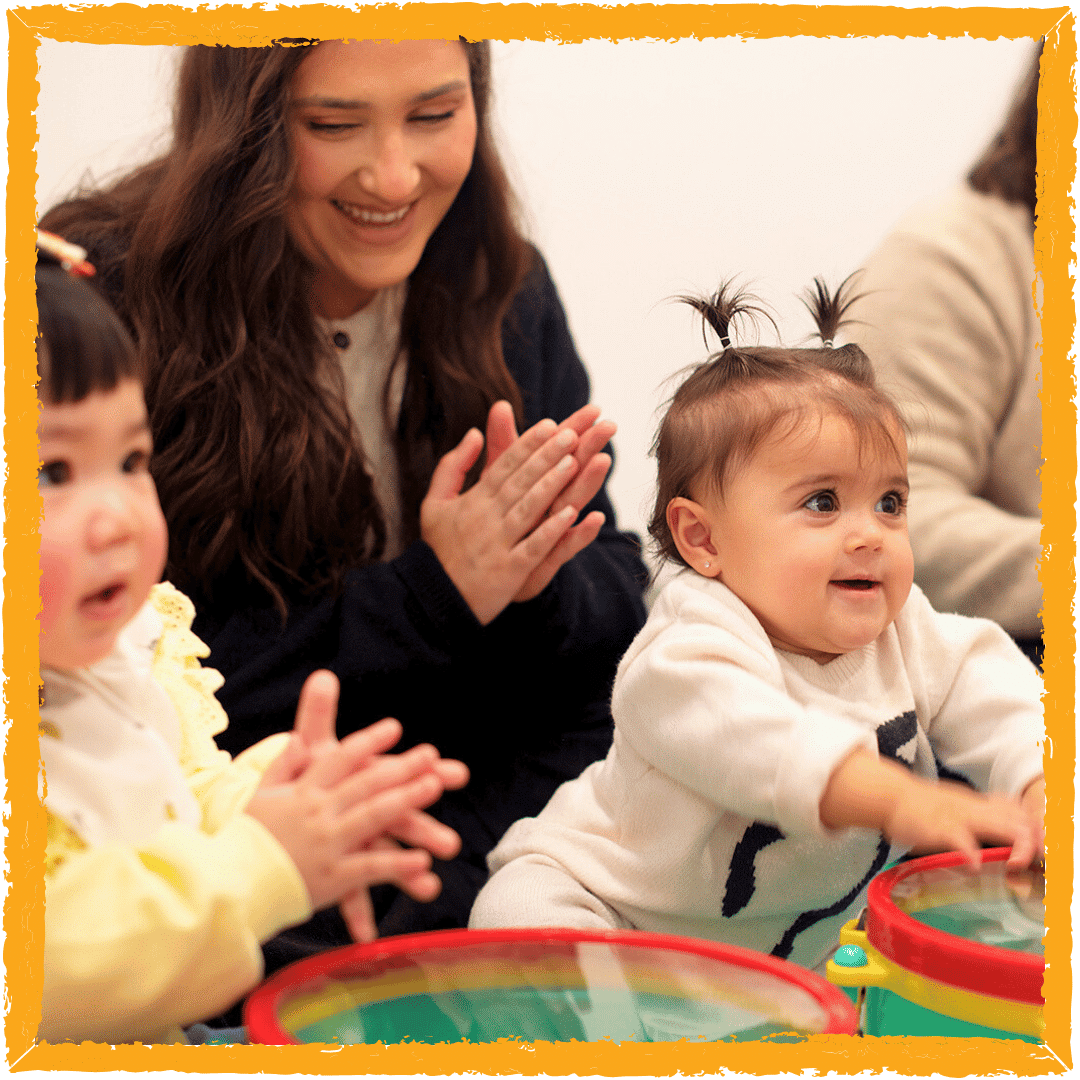
Image by Shichida Australia: A mum and her toddlers enjoy number songs during a Shichida class, learning early numeracy through rhythm, music, and shared interaction.
- Shichida Australia classes support focus, routine, and learning alongside peers
- SHICHIDA at Home supports repetition, practice, and learning on busy days
Some families use SHICHIDA at Home as a supplement, while others rely on it as their main option when weekly classes are not accessible.
Can Families Use Both Shichida Classes and SHICHIDA at Home?
Yes – and many do.
Shichida Australia classes provide:
- Structure
- Professional guidance
- Consistent progression
SHICHIDA at Home provides:
- Reinforcement
- Flexibility
- Additional practice
Used together, they can support learning both inside and outside the classroom.
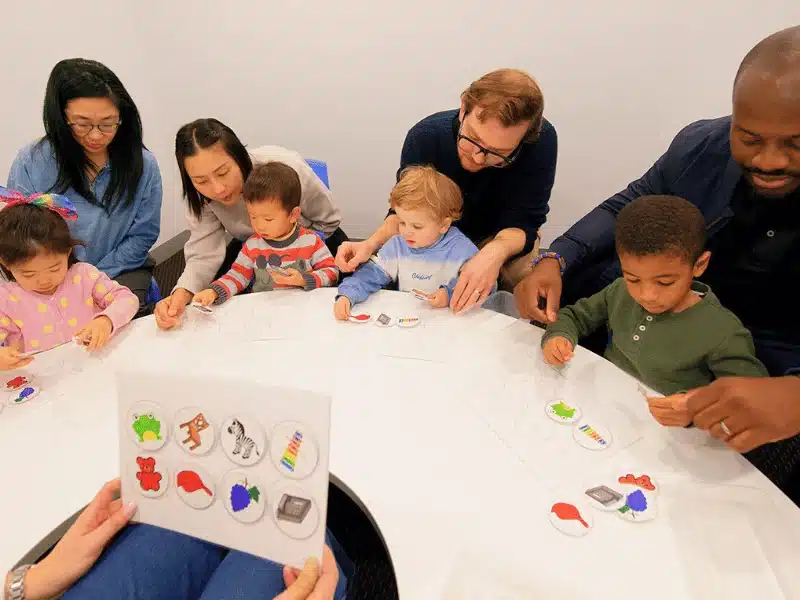
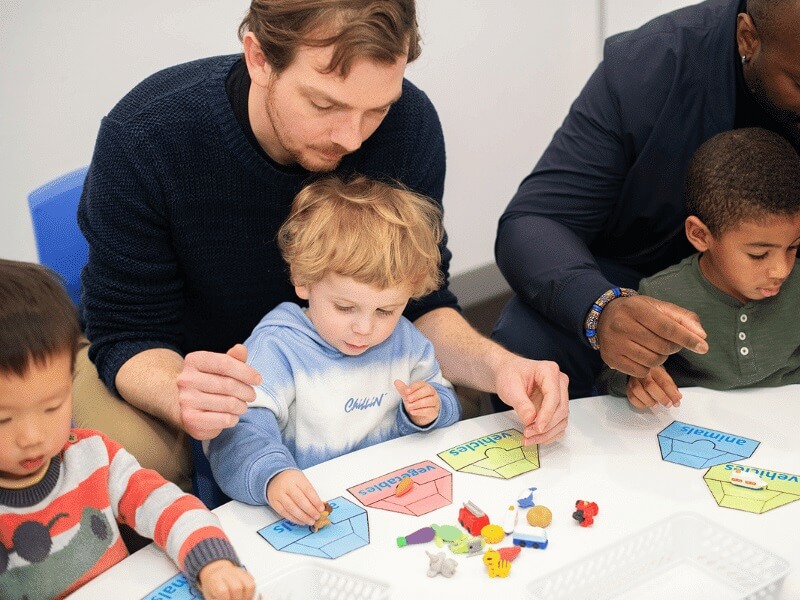
Image by Shichida Australia: Preschoolers play a memory game alongside a parent, building concentration, recall, and confidence through shared learning.
Final Thoughts
Both Shichida Australia classes and SHICHIDA at Home are designed to support early learning through connection, repetition, and positive experiences.
If you have access to a Shichida centre, value live guidance, structure, and group learning, Shichida Australia classes may be the right fit.
If flexibility and home-based learning suit your family better, SHICHIDA at Home offers a supportive alternative. Try a 30-day free SHICHIDA at Home trial here.
Many families find value in combining both!
If you have access to a centre, we highly recommend booking a Shichida Australia trial class to experience the Shichida method firsthand!
FAQs: Shichida Classes vs SHICHIDA at Home
Shichida Australia offers face-to-face classes led by trained teachers in a group setting, while SHICHIDA at Home is a digital, parent-led program designed for flexible learning at home.
No. While both use the same method, SHICHIDA at Home does not replace in-person classes. It provides guidance and resources for parents to lead learning themselves, without live teacher support.
Many families prefer Shichida Australia baby classes because teachers model gentle interaction and help parents feel confident with pacing and activities. SHICHIDA at Home can still support babies, especially for families needing flexibility.
Yes. Many families use SHICHIDA at Home to reinforce learning between classes or when they cannot attend in person.
SHICHIDA at Home suits families who need flexible scheduling or cannot attend weekly classes. Shichida Australia suits families who value routine, structure, and professional guidance.
No. The program is designed for parents, with clear demonstrations and guidance. However, some parents feel more confident learning techniques through face-to-face classes.
No. Social interaction happens naturally in Shichida Australia classes through group activities. SHICHIDA at Home focuses on one-on-one parent–child learning.
Consider your schedule, learning preferences, access to a centre, and how confident you feel leading activities at home. There is no single right choice.
SHICHIDA at Home supports early learning but does not replace the experience of live teacher guidance, group learning, and in-person interaction offered in Shichida Australia classes.
Many families start with a Shichida Australia trial class to experience the method in person, then decide whether to continue with classes, add SHICHIDA at Home, or use the digital program independently.
Compare Shichida With Other Popular Learning Methods
You may also want to explore how Shichida compares with other popular learning approaches such as Montessori or Glenn Doman.
Shichida vs Kumon: Which Early Learning Program is Best?
Early Childhood Development Methods: Shichida vs Montessori
Early Childhood Development Methods: Shichida vs Heguru
Shichida vs Reggio Emilia: Understanding the Differences
Shichida Classes vs SHICHIDA at Home: Which Is Best?
Sydney Shichida vs Preschool: Which Is Best for Your Child?
Shichida vs Kinder: Navigate Early Learning in Melbourne