Sensory Play for Babies, Infants & Toddlers: A Parent’s Guide
Key Takeaways
- Sensory Play is Foundational Development: These activities engage each sense to stimulate healthy brain and body development from infancy.
- Age-Appropriate Activities: From simple textured toys for babies to more complex and creative play for toddlers, match activities to your child’s developmental stage.
- Everyday Opportunities: Sensory play for babies doesn’t require special toys. It can be easily integrated into daily routines like bath time, meal prep, and nature walks.
Sensory play for babies is a fantastic way for your little one to explore the world, engage their senses, and stimulate healthy development. These rich, hands-on experiences are essential for early childhood growth and future learning. Discover why adding simple sensory play for babies to their daily routine is one of the best gifts you can give them.
Sensory play can help nurture resilience and development. Download a free sensory play guide here.

What is Sensory Play?
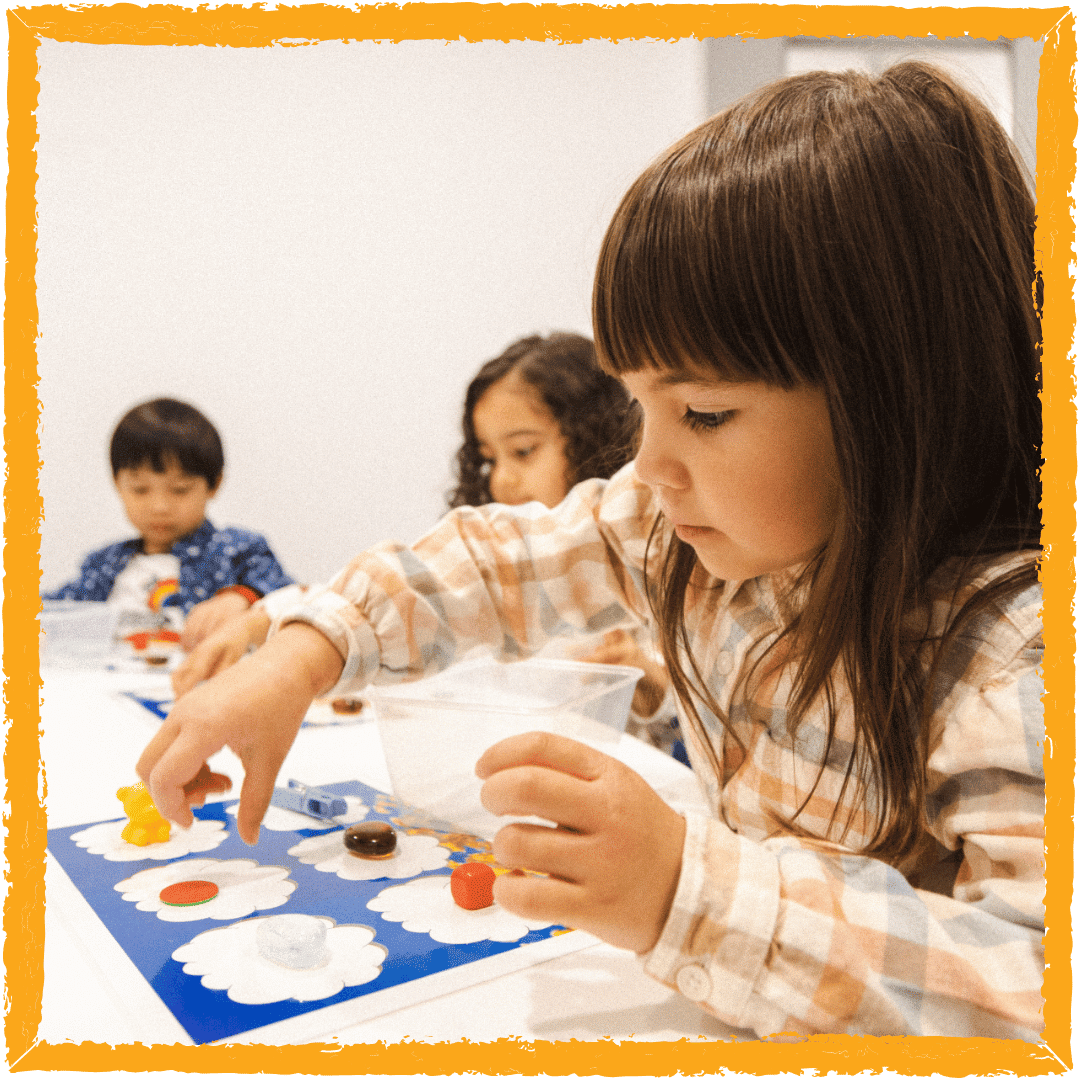
Sensory play refers to any activity that engages a child’s five senses, alongside balance, movement, and bodily awareness. Here are the different forms of sensory play.
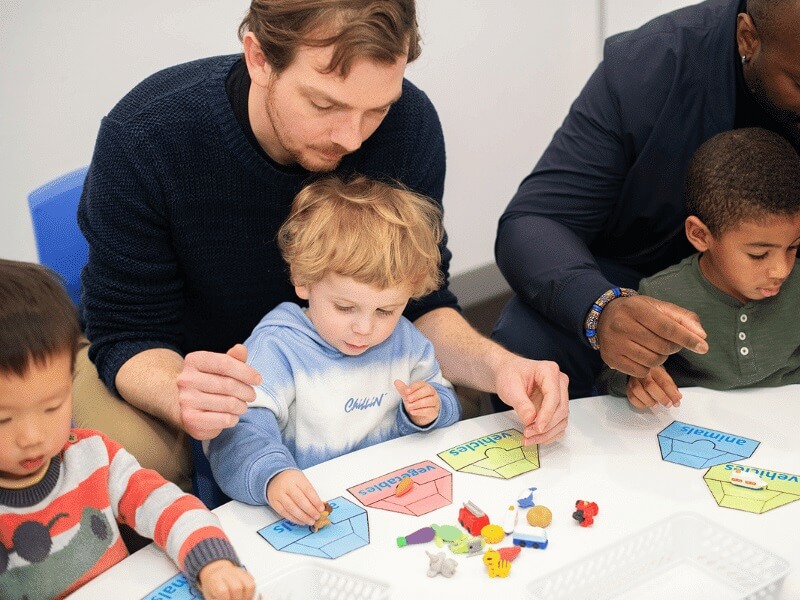
- Tactile (Touch): Activities involving various textures like sand, water, play dough, fabrics, or rice.
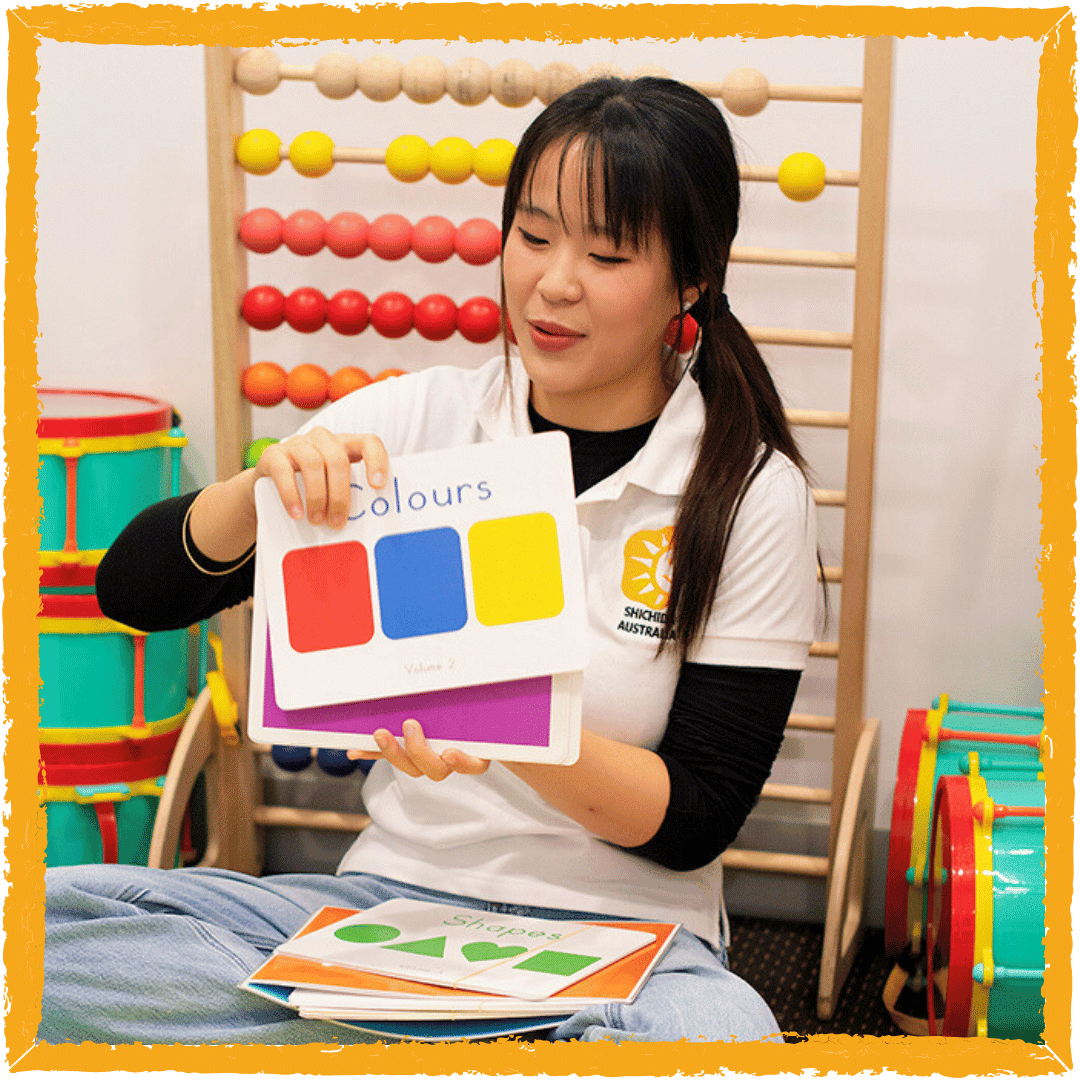
- Visual (Sight): Engaging with bright colours, contrasting patterns, light tables, or discovery bottles.
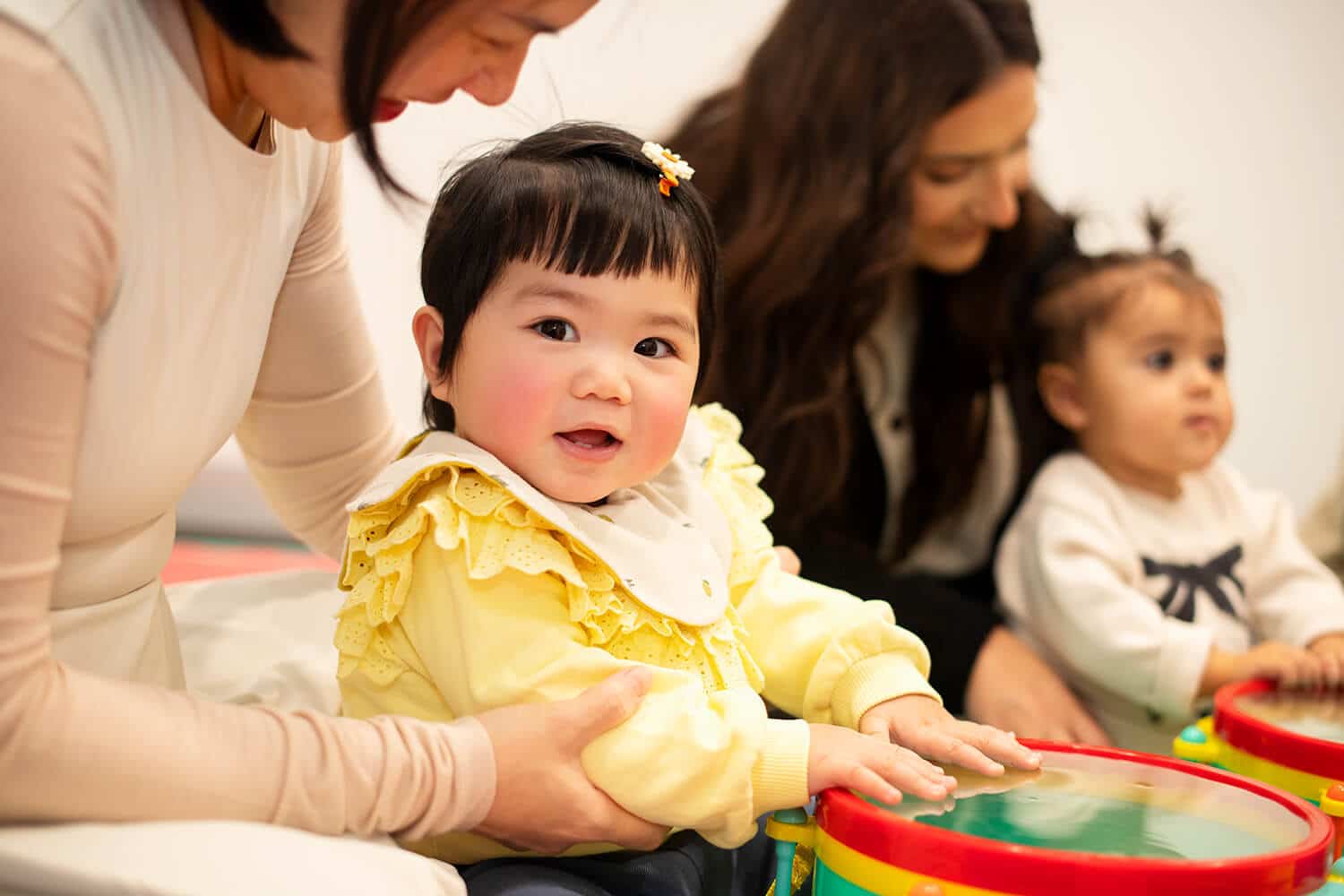
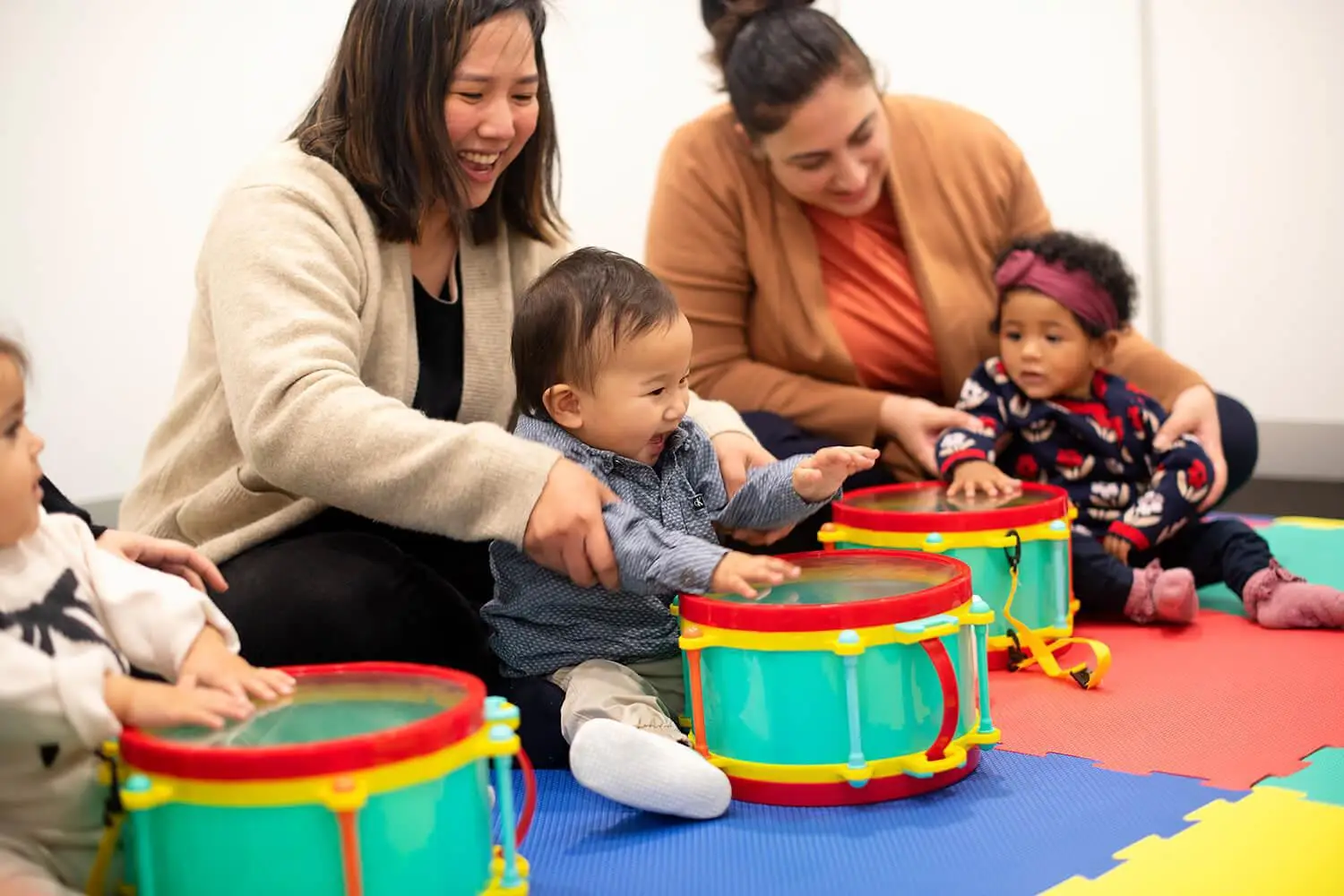
- Auditory (Sound): Exploring musical instruments, shakers, singing, or listening to different environmental sounds.
- Olfactory (Smell): Incorporating aromatic elements like scented play dough or natural items like flowers and herbs.
- Gustatory (Taste): Safe exploration of different tastes and textures of food, like purees and soft fruits.
- Vestibular (Balance & Movement): Activities that involve movement, balance, and spatial awareness, such as swinging, spinning, rocking, or rolling.
- Proprioceptive (Body Awareness): Pushing, pulling, and lifting activities, like crawling through tunnels, squeezing soft toys, or pushing a heavy cart.
These hands-on experiences work together to stimulate healthy brain and body development, helping children make sense of the world around them.
Why Sensory Play for Babies is Essential for Development
Beyond everyday enjoyment, here’s how sensory play for babies has a tangible effect on their physical and mental development.
- Boosts Cognitive Skills: Exploring textures, sounds, and sights helps babies develop neural pathways, learn cause-and-effect, and improve memory.
- Develops Emotional Well-being: Sensory play for babies can be calming and self-regulating, helping them process emotions and express themselves.
- Enhances Motor Skills: Manipulating sensory materials refines both fine (small muscle control) and gross (larger body movements) motor skills.
- Supports Language Development: Discussing sensory experiences (“This is rough!”) expands vocabulary and encourages communication.
- Encourages Problem-Solving: Figuring out how to interact with different materials stimulates critical thinking and adaptive skills.
A 2023 study found that these sensory experiences, within carefully considered physical and emotional environments, can boost a child’s abilities from infancy, profoundly impacting their social and emotional development.
Top Sensory Play Activities for Babies, Infants, and Toddlers
Getting your little one involved in these fun, age-appropriate activities is a fantastic way to help them explore their sensory world.
Infants and Babies (0–12 months)
- Tummy Time on a Play Mat: Place your baby on a colourful, textured mat for tactile and visual input, stimulating their senses as they build strength.
- Black and White Shapes: Hang high-contrast images near your baby’s play area to engage their visual sense, enhance focus and support early brain development.
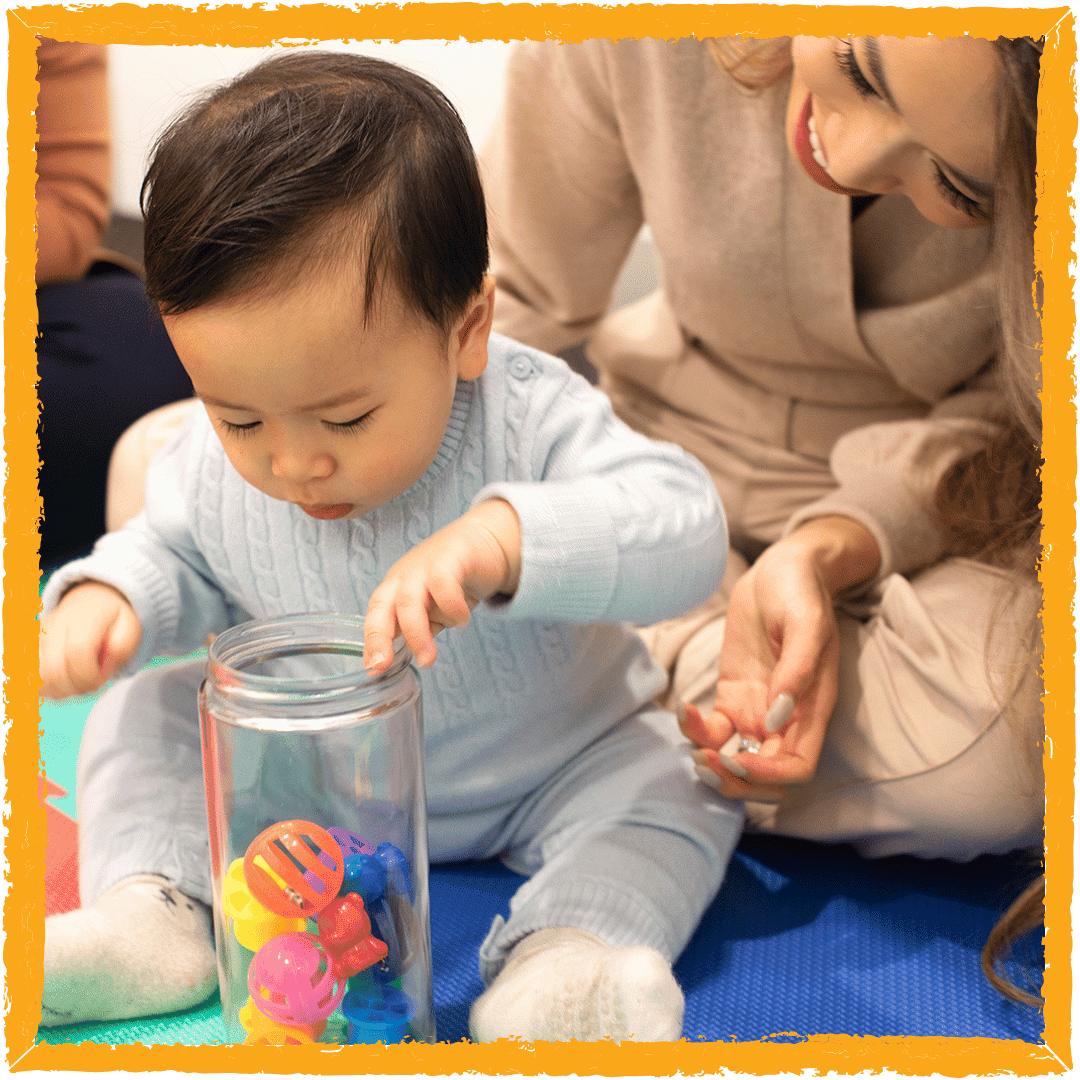
- Textured Soft Toys: Encourage your baby to touch and explore, using textured toys with different materials to promote sensory awareness.
Toddlers (12–18 months)
- Sponge and Water Play: Let your toddler squeeze and splash with sponges in a shallow bin of water, providing tactile experiences with wetness, temperature and texture.
- Texture Boards: Create a board using safe materials like cotton, foil, felt, or wood for your toddler to touch and explore, encouraging tactile learning with many textures.
- Mirror Games: Place a baby-safe mirror for your toddler to look at and interact with their reflection, which develops self-awareness and visual tracking.
Toddlers (18 months–3 years)
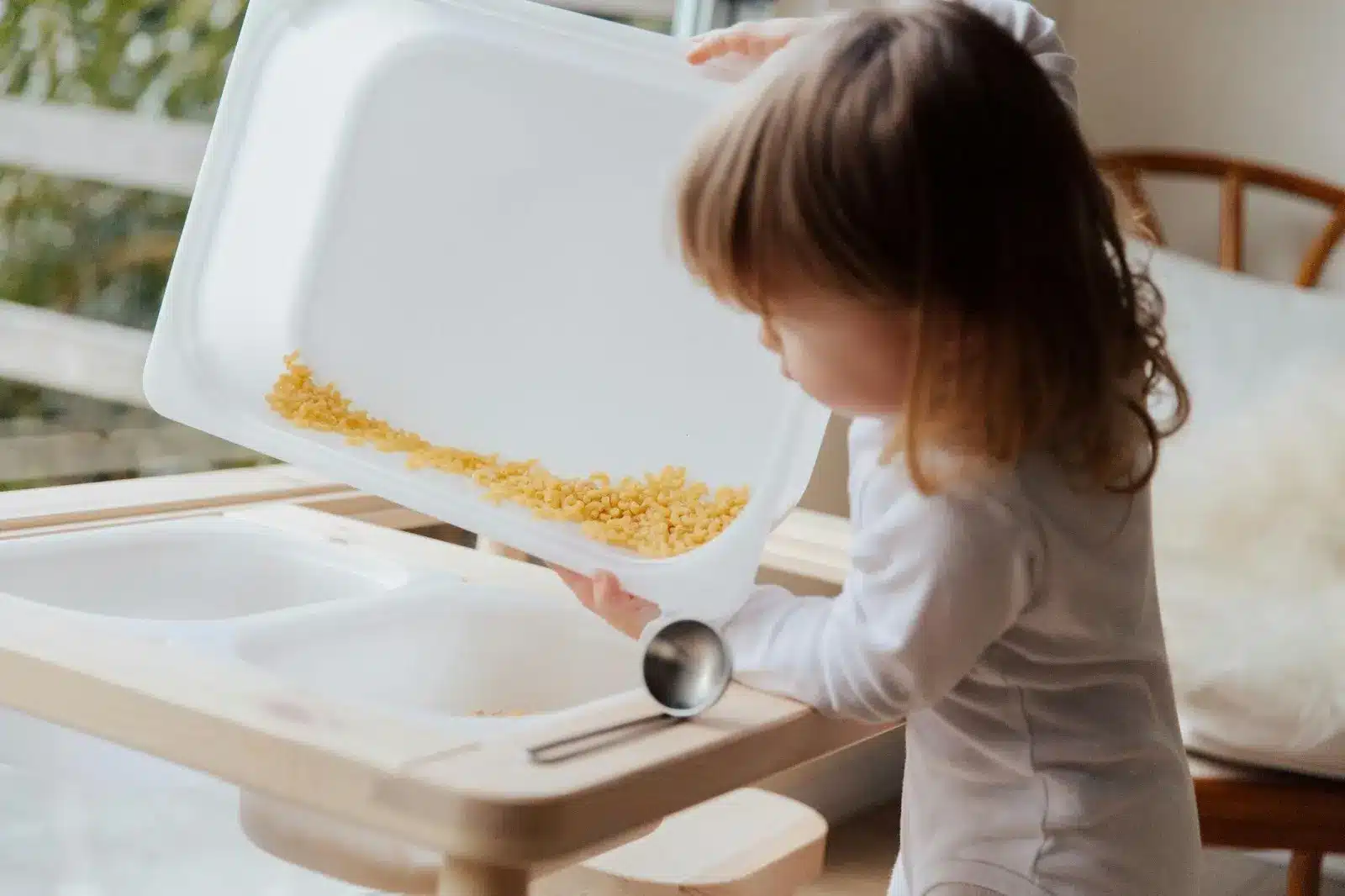
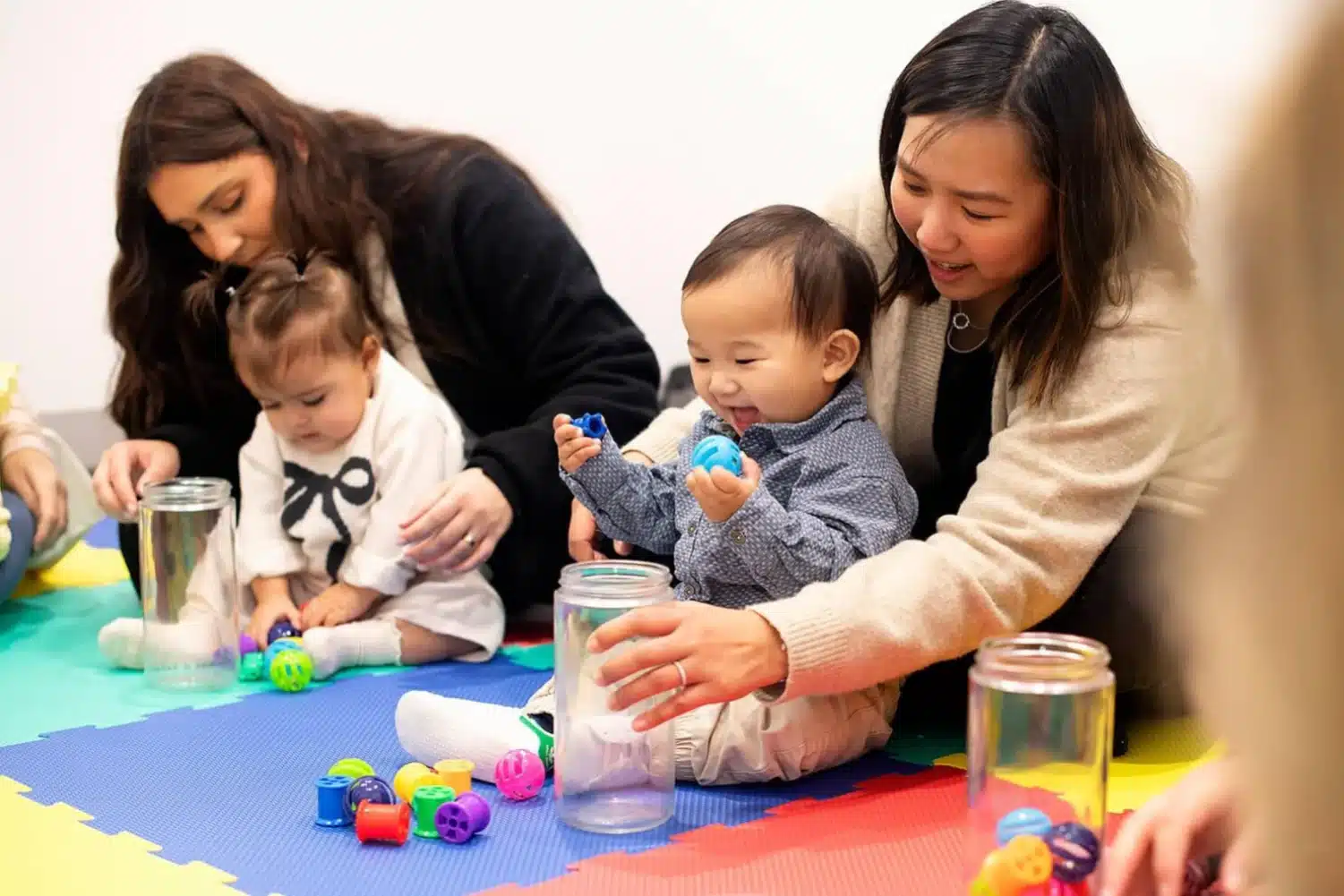
- Sensory Containers: Fill a plastic bowl with rice, beans, or water beads for scooping, pouring, and sifting, providing lots of fun tactile and auditory experiences.
- Art in a Bag: Put paint inside a securely sealed plastic bag for your toddler to squish and mix without the mess. It’s a safe and exciting way to explore colours and pressure sensations.
- Smell and Guess Games: Prepare containers with scented items like cotton balls with vanilla extract, cinnamon sticks, or orange peels for your toddler to sniff and guess, developing their olfactory sense and linking smells to language.
Remember to always supervise your child during sensory play and ensure all materials are safe and non-toxic.
How to Add Sensory Play to Everyday Life
Integrating sensory play doesn’t require elaborate equipment or expensive toys. Here are simple tips to bring sensory experiences to your everyday.
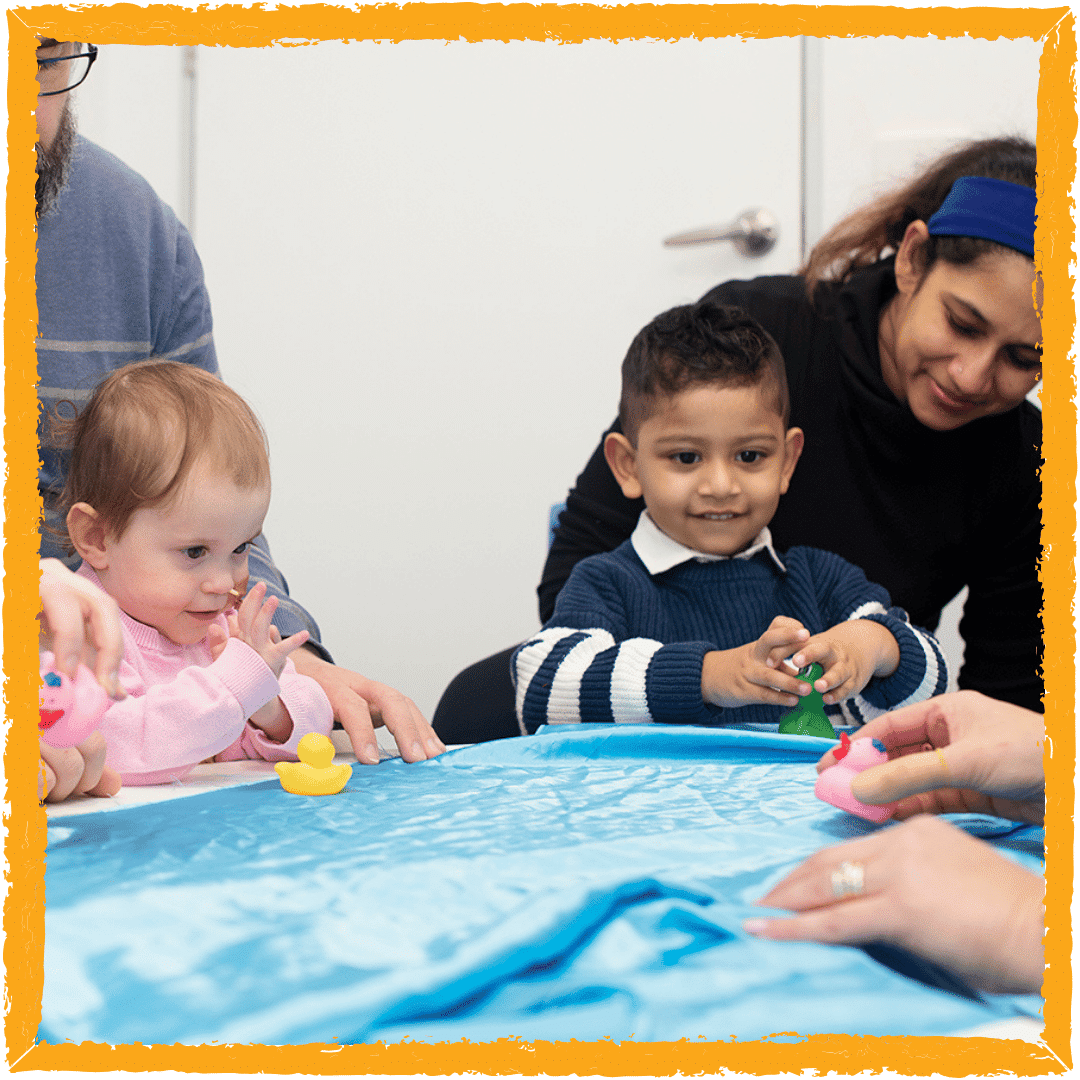
- Bath Time Fun: Encourage splashing, squeezing sponges, and playing with floating toys for rich tactile and auditory experiences.
- Kitchen Explorers: Let them safely touch and explore different food textures (like squishy avocado or gritty oats) during meal prep or snack time.
- Nature Walks: Engage their senses on walks by pointing out bird sounds, letting them touch leaves or rough bark, and feeling the wind or sun.
- Sensory-Friendly Home Touches: Provide a variety of textures with toys and blankets, allow safe exploration of different temperatures (like a cold spoon, warm towel), and consider a calming corner with soft lighting or gentle music for quiet time.
Safety Considerations for Sensory Play
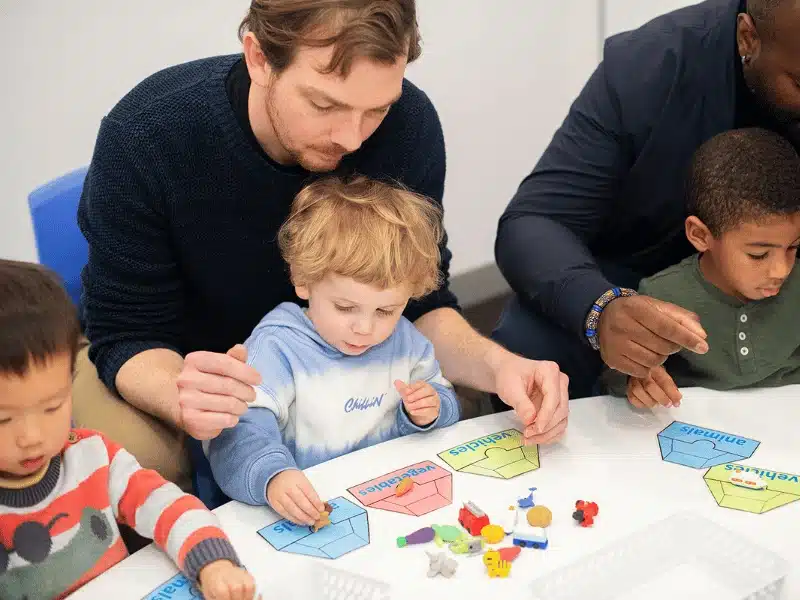
To keep tots safe during sensory play, always provide constant supervision and age-appropriate materials. Make sure everything they interact with is non-toxic and free from choking hazards, so you can both enjoy these learning moments without worry.
Ready to Play, Learn, and Grow? Discover Shichida Australia!
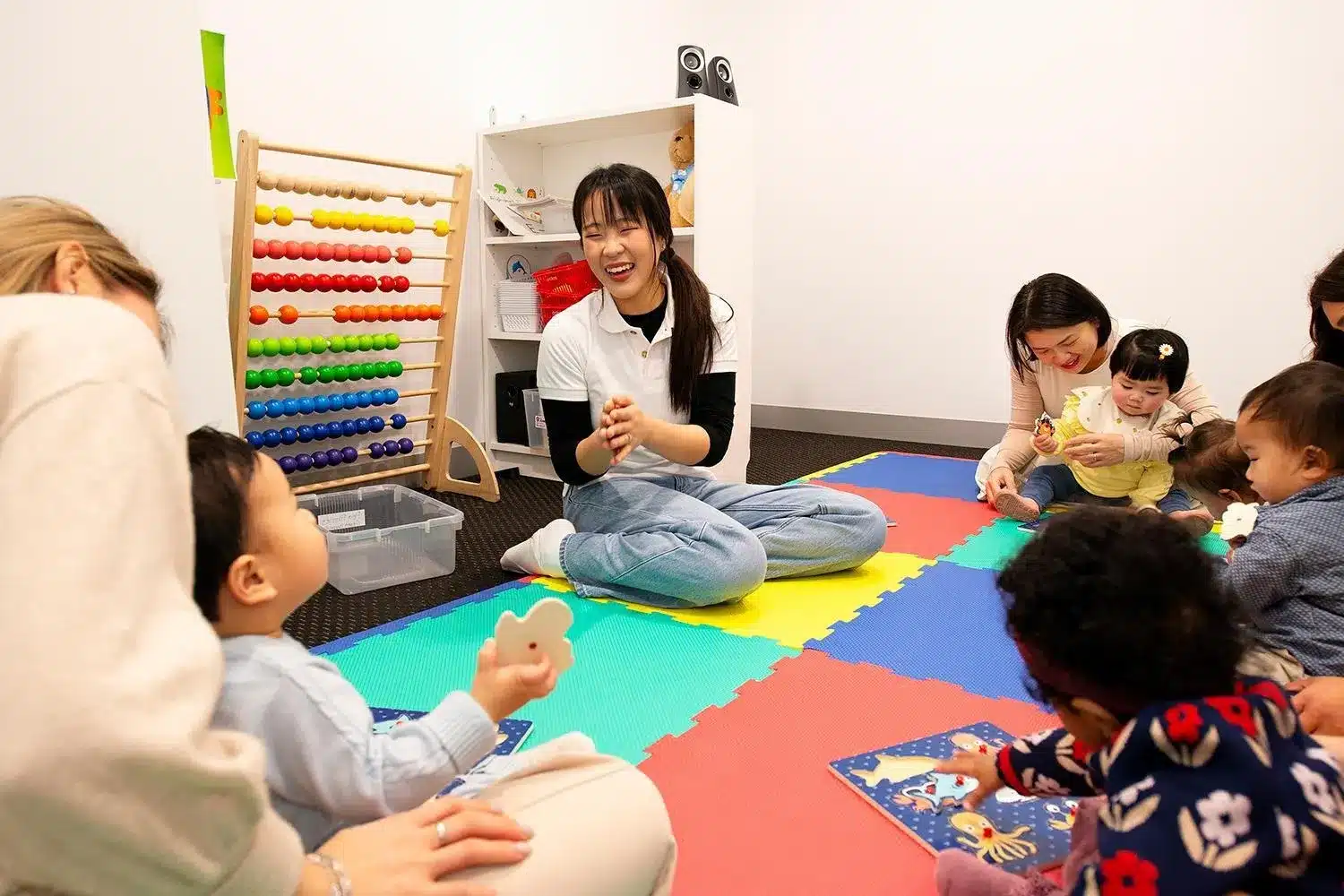
Sensory play for babies is a magical way to help them explore and understand their world. Every touch, sound, and texture helps to develop cognitive, emotional, and motor skills, building a strong foundation for future learning.
Integrate these simple sensory activities into your family’s daily routine with help from Shichida Australia. Our programs can unlock your child’s full potential, with a holistic approach that nurtures their sensory development. Book a trial class today!
FAQ: Sensory Play for Babies, Infants & Toddlers
Sensory play is any activity that engages your baby’s senses through sight, sound, smell, taste, and touch. It also includes movement and balance tasks that help your infant understand where their body is in space. We use these simple games to build the brain’s foundation for logic.
These activities directly stimulate the neural pathways in your baby’s growing brain. Every time your child touches a new texture or hears a different sound, they’re building a mental map of their world. This early sensory input is necessary for developing memory and social confidence.
You can start with simple high-contrast black-and-white cards to help a newborn focus their vision. As they grow, try using bags filled with hair gel and glitter. This allows your baby to explore squishy textures and bright colours without any mess or a big cleanup.
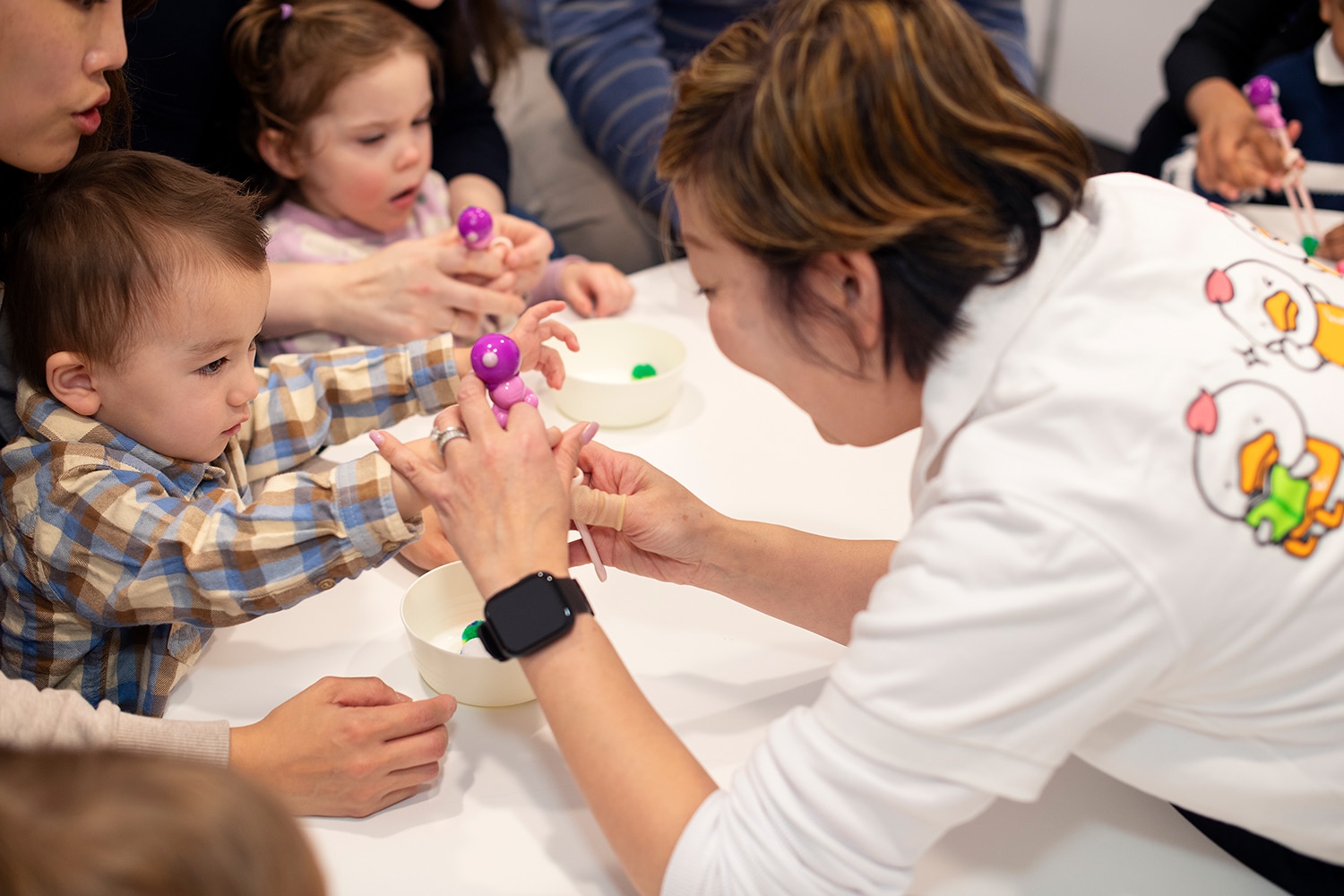
You can use mess-free alternatives like putting paint inside a securely sealed zip-lock bag. This gives your infant the tactile experience of squishing and mixing colours while keeping your floors perfectly clean. It’s a great way to encourage curiosity and build those fine motor skills.
You can begin from birth with gentle skin-to-skin contact and soft singing. By three months, your baby’s eyesight has improved enough to enjoy looking at colourful toys. We recommend introducing one new texture or sound at a time to avoid overstimulating their developing nervous system.
Playing together helps your baby learn to read your facial expressions and respond to your tone of voice. This builds the emotional security they need to interact with others as they grow. Plus, simple games like peek-a-boo teach them about turn-taking and shared attention.