Sensory Activities for Toddlers: Benefits and Play Ideas
Key Points:
- Support your toddler’s growth with regular sensory experiences that nurture cognitive, social, and emotional skills.
- Engage the senses of sight, sound, touch, taste, smell, balance, and movement for a complete learning experience.
- Choose simple, affordable activities you can set up at home without special equipment.
- Balance stimulation with calm by offering quiet sensory play when your toddler feels overwhelmed.
- Use sensory play as a foundation to prepare your child for lifelong creativity, problem-solving, and learning.
What Are Sensory Experiences in Early Childhood?
A sensory experience for toddlers is any play or activity that stimulates the senses. These experiences give children the chance to touch, taste, listen, move, and explore the world in ways that build both their brain and body.
When your toddler presses their hands into a bowl of rice, sways to music, or tastes a new fruit, they’re creating new brain connections, practising problem-solving, and learning how their body works.
Most people think only of the five senses – sight, sound, touch, taste, and smell- but child development experts recognise two more:
- Vestibular sense (balance and movement)
- Proprioception (awareness of body position)
Together, these seven senses form the building blocks of toddler learning activities.

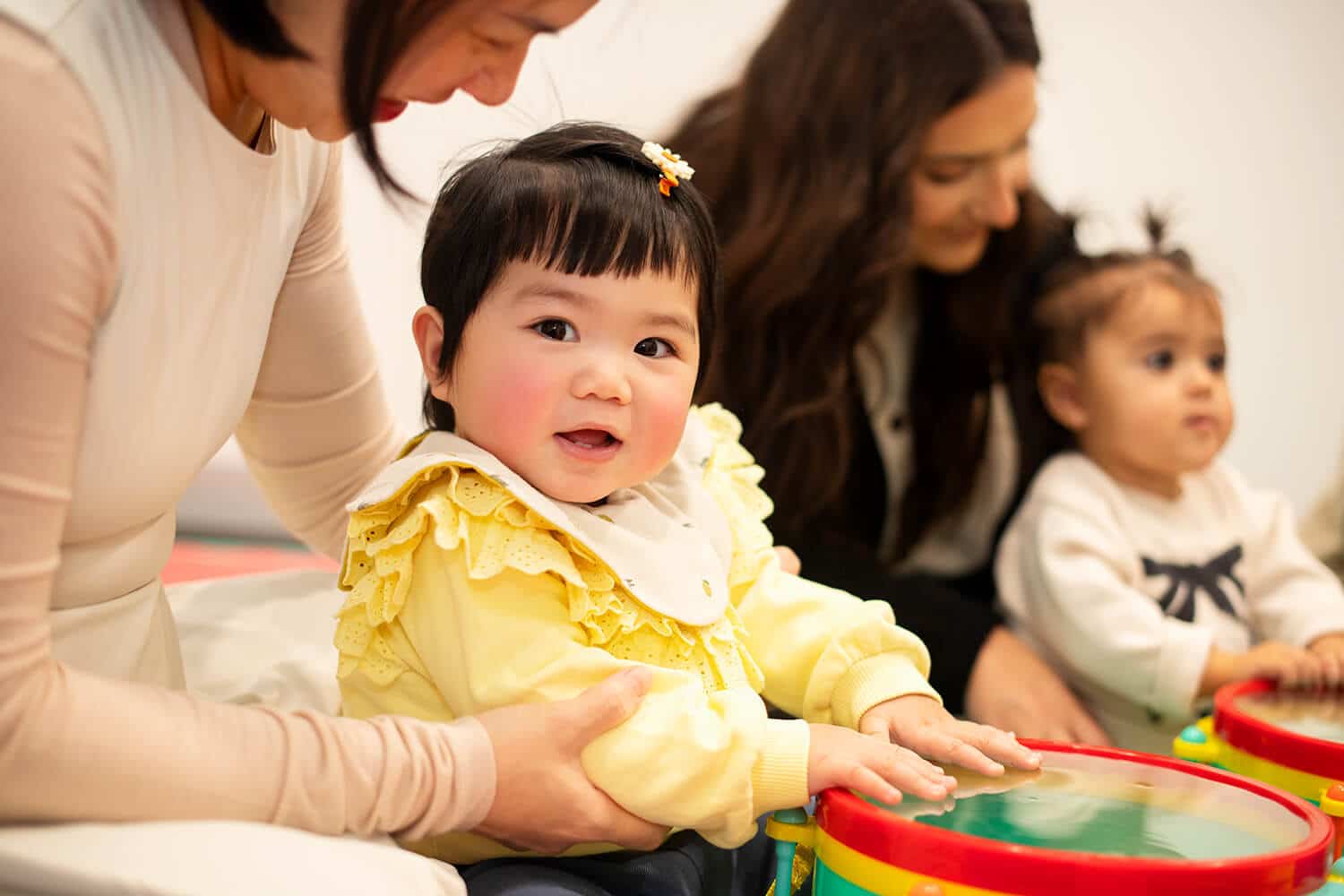
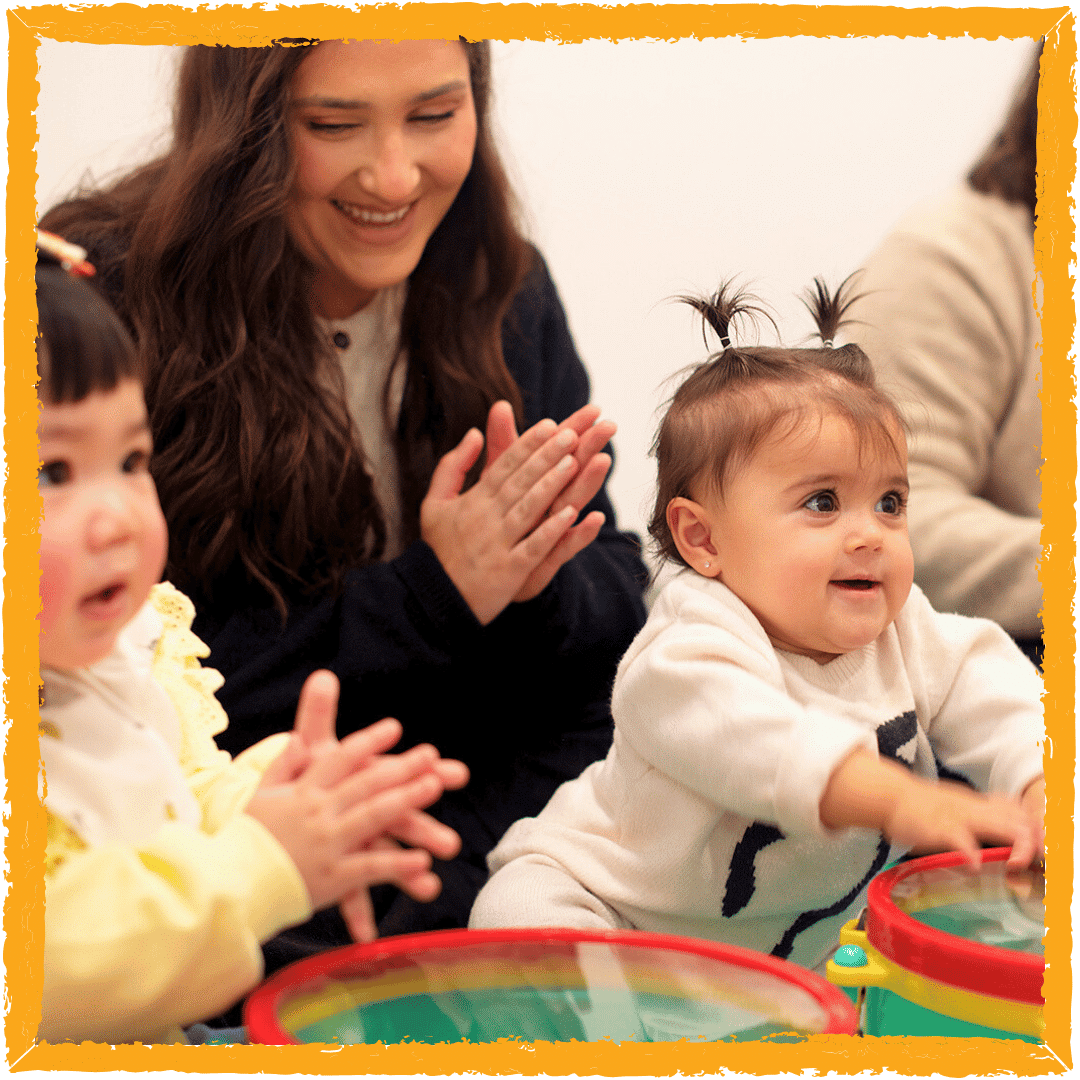
Photo by Shichida Australia: Exploring sound and rhythm through drumming is an engaging sensory experience that builds hearing, touch, coordination and joy in learning.
The Five Traditional Senses in Toddlers’ Learning
Here are some everyday toddler sensory play ideas you may already be doing without even realizing it:
- Sight: Looking at picture books, sorting colorful blocks, or watching bubbles float.
- Hearing: Listening to nursery rhymes, shaking a rattle, or copying animal sounds.
- Touch: Feeling the softness of a teddy bear, pressing playdough, or running fingers through sand.
- Taste: Exploring slices of fruit, licking a spoon after baking, or trying a crunchy cracker.
- Smell: Sniffing flowers in the garden, smelling herbs while cooking, or noticing the scent of rain.
Each of these small moments helps your child’s brain make sense of the world.
Beyond the Basics: Vestibular and Proprioceptive Senses
Two often-overlooked senses are equally important for toddler sensory development:
- Vestibular sense: Relates to balance and movement. Swinging, rolling down a hill, spinning slowly, or balancing on a beam all strengthen this sense. Children with a well-developed vestibular system tend to have better coordination and confidence in physical play.
- Proprioception: Awareness of the body in space. Pushing a heavy toy box, climbing stairs, or crawling through tunnels support proprioceptive learning. It helps toddlers carry objects safely and navigate their environment confidently.
Including balance and body-awareness activities gives your toddler a full spectrum of sensory development—not just the basics.
Why Sensory Experiences Matter for Toddlers’ Development
Sensory play might look like simple fun, but it’s one of the most powerful tools for toddler brain development. Research shows that children learn best when they use their bodies and senses to explore. Every new sight, sound, or texture sparks neural connections that support future learning.
The benefits of sensory activities extend across cognitive, emotional, social, and physical development.
Cognitive and Brain Development
Every splash, scoop, and puzzle piece is a brain workout for toddlers. Pouring water teaches cause and effect. Solving puzzles builds memory and reasoning. Each sensory experience strengthens neural pathways—helping little brains grow sharper, faster, and more adaptable. The more senses your toddler uses in play, the stronger those connections become.
Emotional and Social Growth
Messy play with friends teaches toddlers about sharing and cooperation. Sensory play can also soothe emotions; kneading dough or running hands through water can be calming after a busy day.
These activities highlight the benefits of sensory activities for emotional regulation.
Motor Skills and Physical Development
Fine and gross motor skills both flourish through sensory activities. Scooping sand builds hand strength, while climbing cushions develops balance and coordination. These skills feed into everyday tasks like dressing, eating, and writing.
Practical Sensory Activities for Toddlers at Home
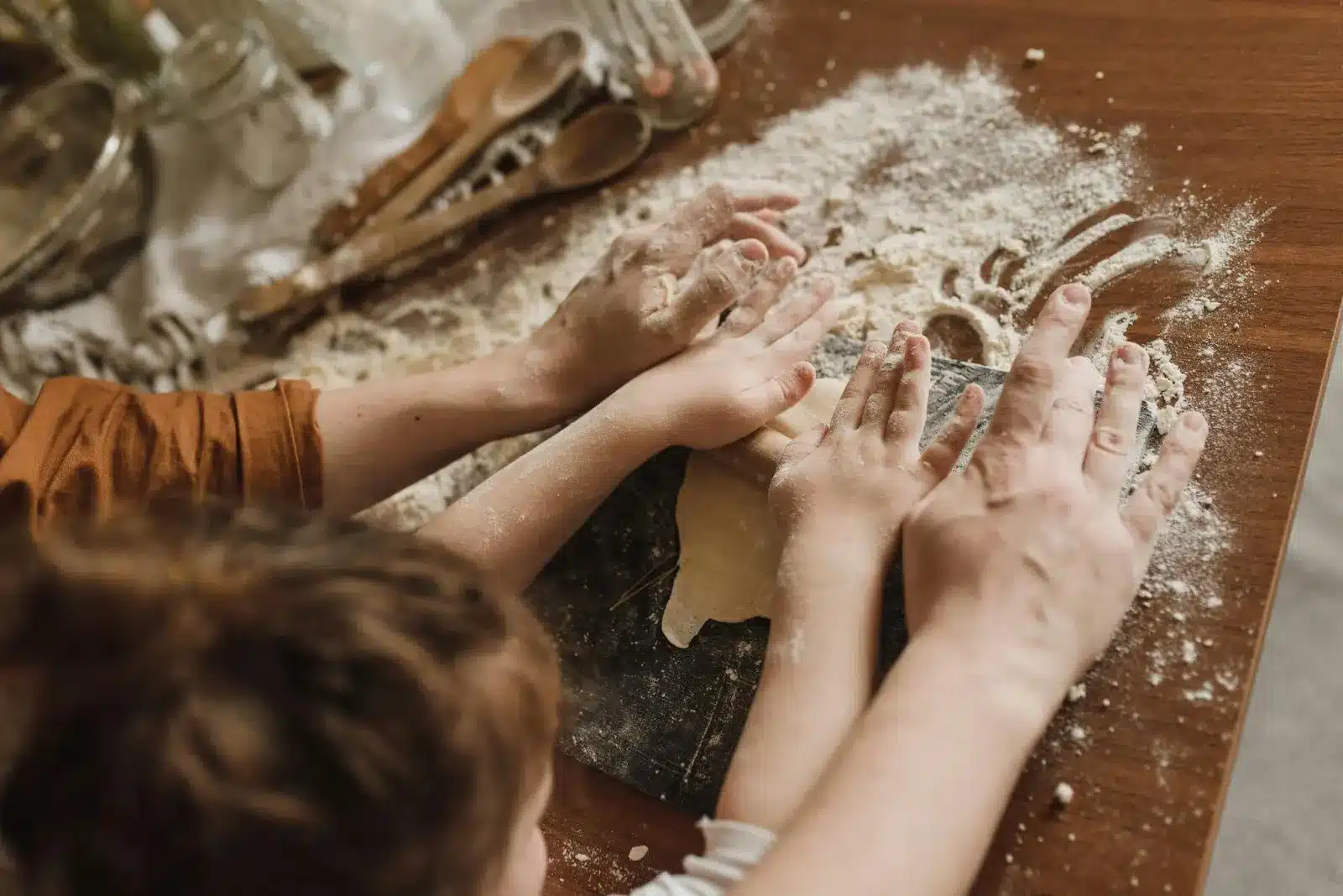
Photo from Pexels: Homemade playdough is a classic choice when looking for practical sensory activities for toddlers at home
With a little creativity, your home and garden can become a treasure trove of sensory experiences. These sensory activities for toddlers provide endless opportunities for creativity while strengthening fine motor control.
Touch-Based Activities
- Homemade playdough: Add food colouring or scents like vanilla for extra sensory stimulation.
- Texture bins: Fill tubs with rice, pasta, dried beans, or fabric scraps. Encourage scooping, pouring, and sorting.
- Nature baskets: Collect leaves, feathers, shells, and pinecones for your child to explore.
Tip for parents: Always supervise bins with small items to prevent choking.
EXPLORE SENSORY RICE PLAY IDEAS
Sound and Music Activities
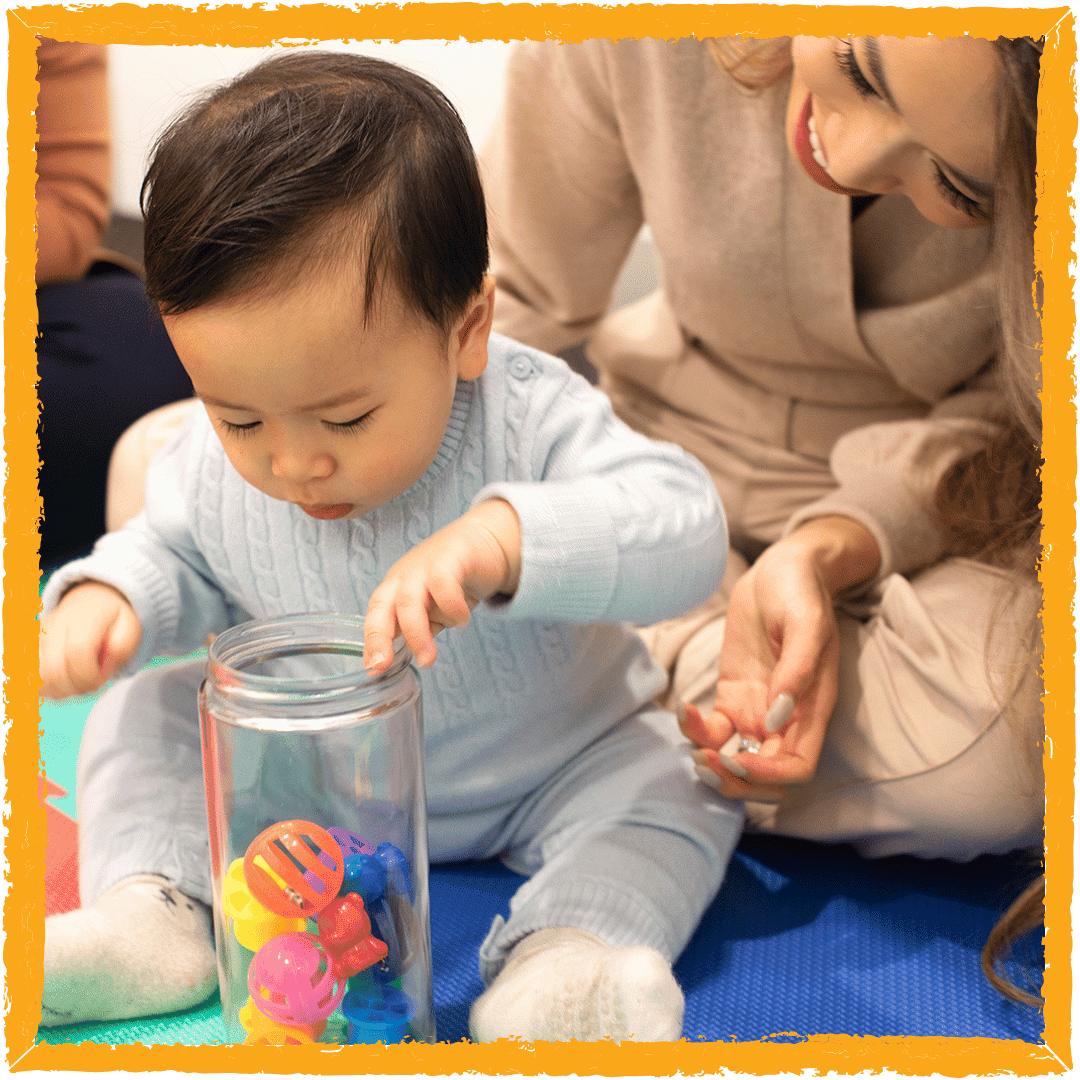
- Homemade instruments: Fill bottles with rice or pasta, or bang on pots and pans.
- Guess the sound: Hide objects behind a screen, make a sound, and let your toddler guess.
- Clapping games: Create rhythms and encourage your toddler to clap them back
Tip for parents: Varying volume and tempo helps toddlers improve listening skills and concentration.
Taste and Food Exploration
- Fruit tasting: Offer safe slices of fruits with different textures and flavours.
- Texture play: Mashed potato, jelly, or yoghurt make excellent exploration foods.
- Cooking together: Let toddlers stir, pour, and sprinkle while you supervise.
This kind of sensory play at home can ease toddler picky eating by making food exploration enjoyable instead of stressful.
EXPLORE ACTIVITY IDEAS WITH SNACKS
Visual Play Ideas
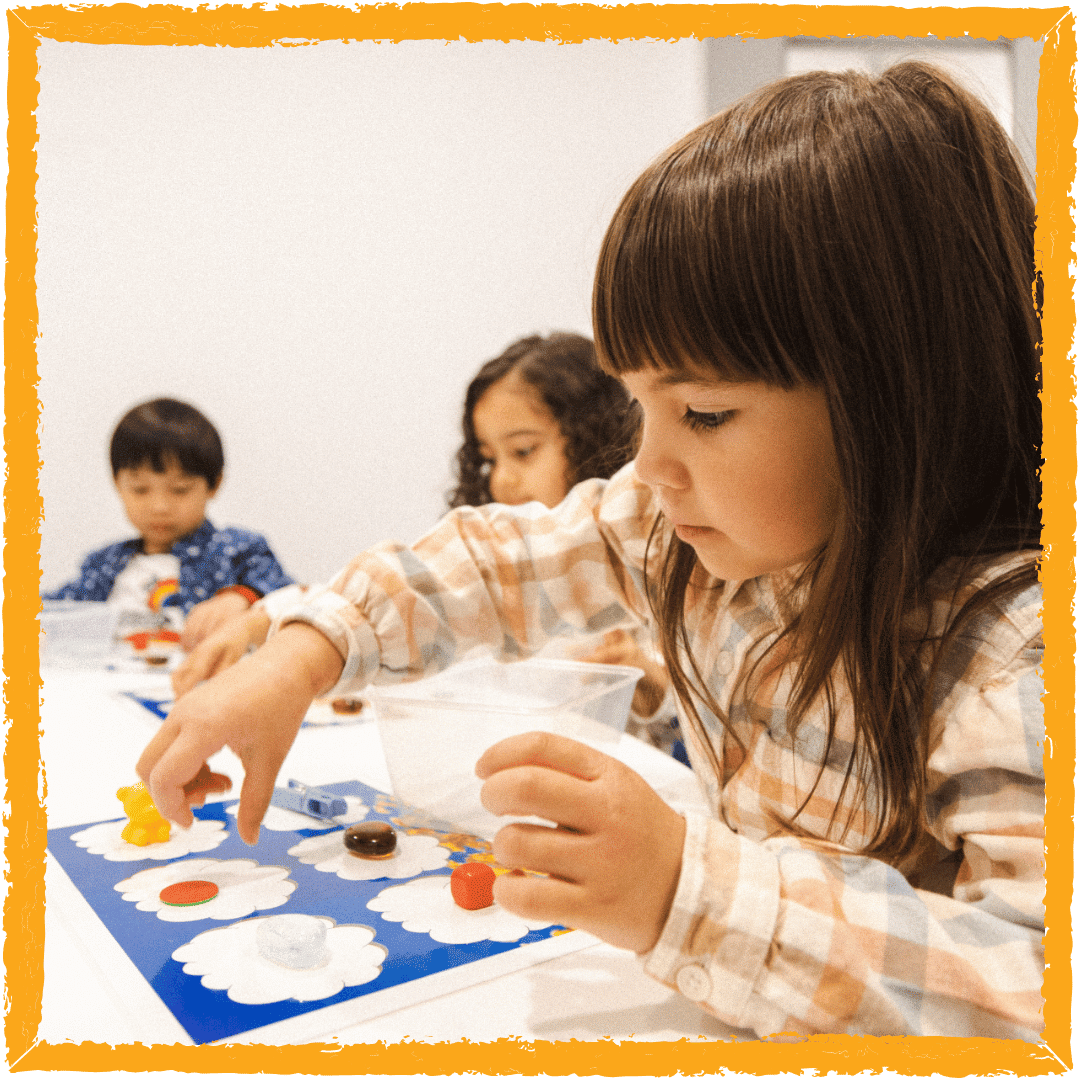
- Colour sorting: Sort buttons, blocks, or paper cut-outs.
- Light and shadow play: Use torches, coloured filters, or create shadow puppets on the wall.
- Treasure hunts: Hide colourful objects in a room or garden for your child to find.
Tip for parents: Keep visual activities short to avoid overstimulation.
EXPLORE VISUAL ACTIVITIES USING PAPER PLATES
Movement and Balance Activities
- Indoor obstacle courses: Use cushions, tunnels, and low furniture.
- Rolling and tumbling: Place soft mats on the floor for safe movement play.
- Balance beams: A strip of masking tape on the floor can be a safe practice path.
These activities strengthen muscles, improve coordination, and promote sensory development in toddlers.
How to Create a Sensory-Friendly Environment at Home
Your home doesn’t need to look like a preschool classroom to support sensory play. With a few adjustments, you can create an environment where children feel safe, calm, and curious.
Choosing the Right Materials and Tools
- Opt for natural, non-toxic, and washable materials.
- Everyday items like scarves, spoons, boxes, and recycled containers are ideal.
- Rotate materials regularly to keep activities fresh
Safety Considerations for Sensory Play
Parents often ask: Are sensory activities safe for toddlers? The answer is yes, with a few precautions.
- Always supervise activities with small objects or food.
- Avoid sharp, toxic, or breakable items.
- Use washable mats or play outdoors to reduce stress about mess.
Overcoming Common Challenges with Sensory Play
Even the best activities can come with challenges. Parents often mention three hurdles: mess, overstimulation, and picky participation.
Managing Mess and Clean-Up
Messy play can feel overwhelming. To make it manageable:
- Use trays, shallow bins, or waterproof mats.
- Choose outdoor spaces when possible.
- Start small, try easy sensory play ideas at home like stickers, sponges, or simple water play.
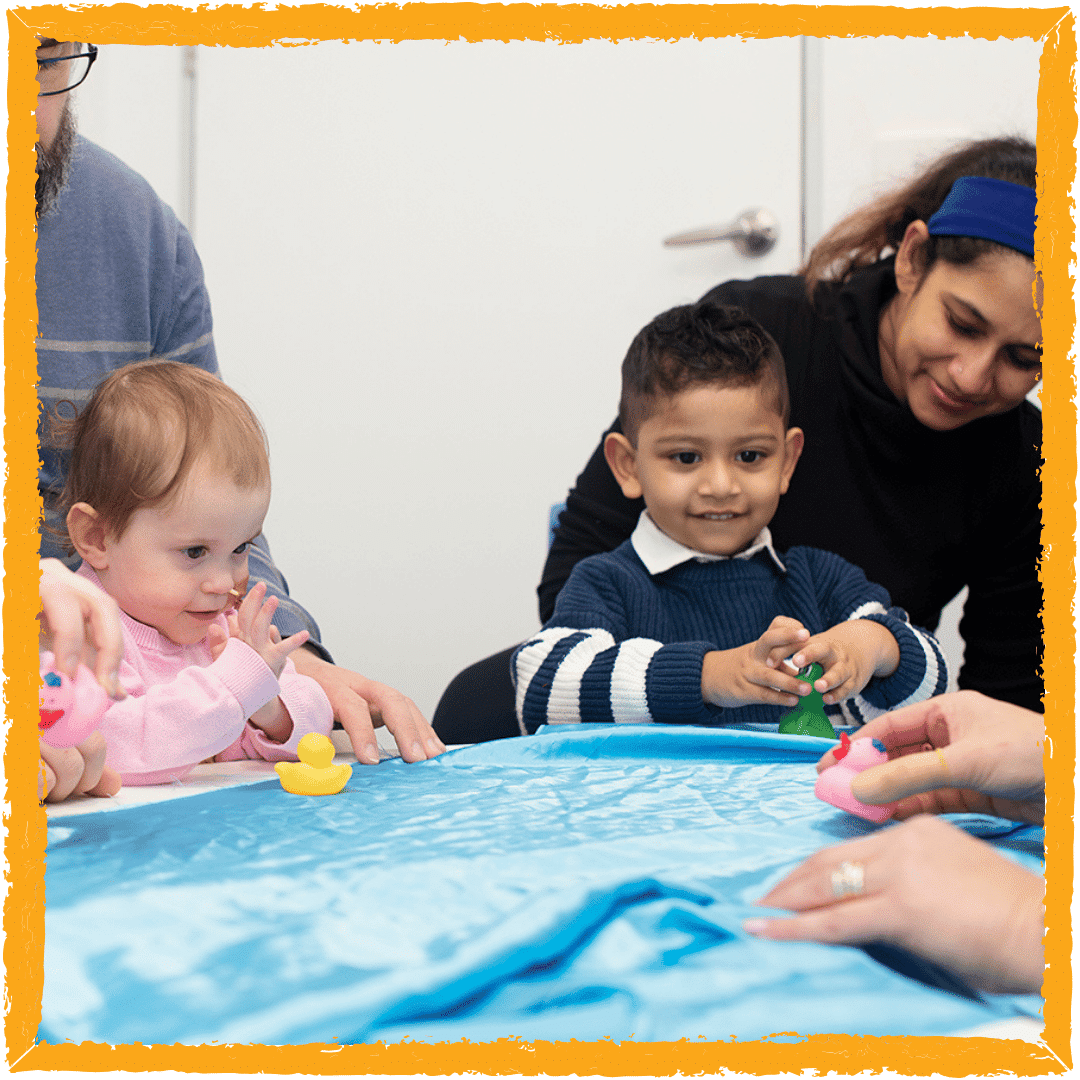
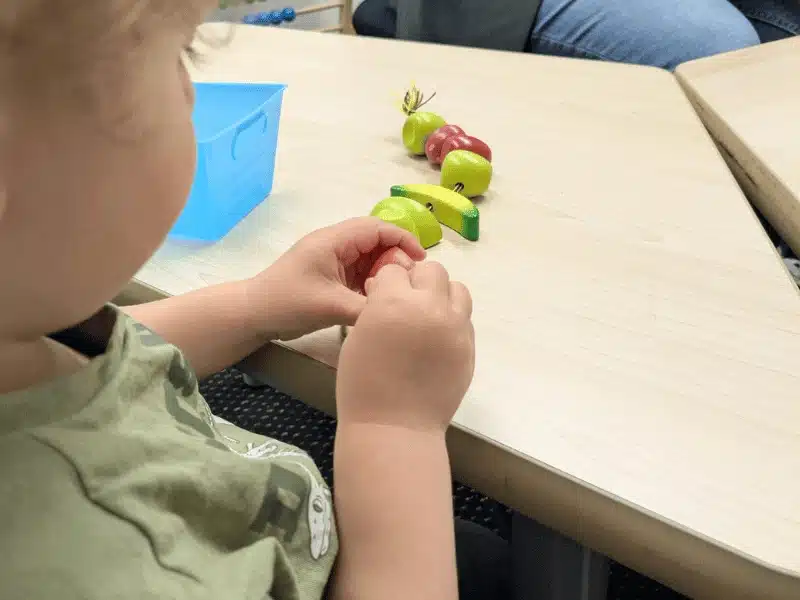
Parental Tip: Sensory play doesn’t have to be messy play! Stacking blocks, threading beads, playing with musical instruments and completing puzzles are all sensory play activities.
Supporting Sensitive or Overstimulated Toddlers
Some children love sensory play instantly, while others find it overwhelming. Look out for toddler overstimulation signs like covering ears, turning away, or sudden tears.
To help:
- Keep sessions short and calm.
- Offer breaks and quiet spaces.
- Introduce calming sensory activities like soft fabric play, gentle water pouring, or quiet music.
The Role of Sensory Experiences in Early Childhood Education
- Shichida Method sensory learning: This approach integrates memory, rhythm, visualisation, and right-brain activities, showing children how sensory learning supports thinking and creativity.
- Montessori sensory activities: These include bead chains, sandpaper letters, and practical life tools that refine touch, sight, and coordination.
Both show how early childhood sensory play nurtures independence, creativity, and academic readiness.
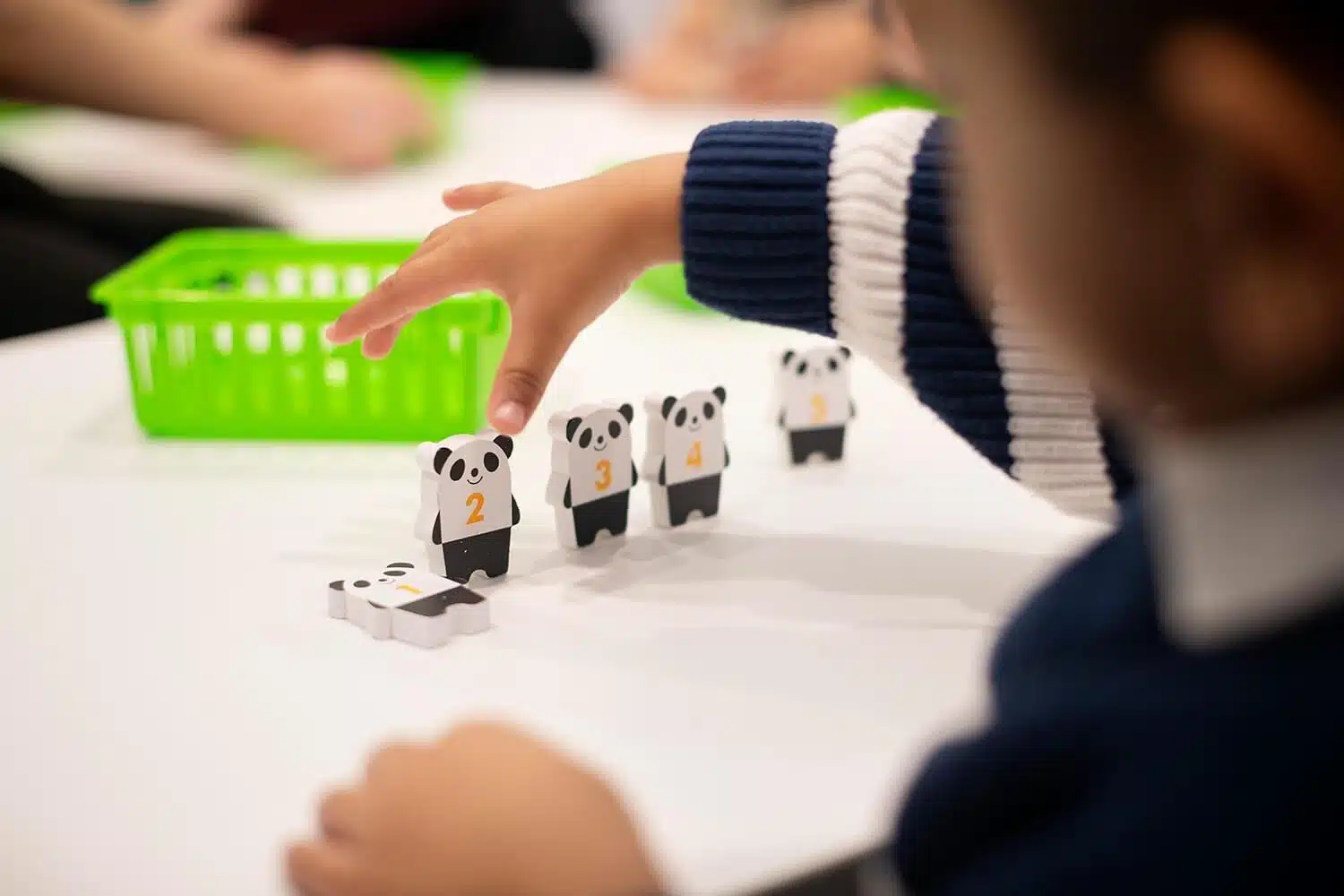
Book a trial class at Shichida to see sensory learning in action!
Long-Term Benefits of Sensory Experiences for Toddlers
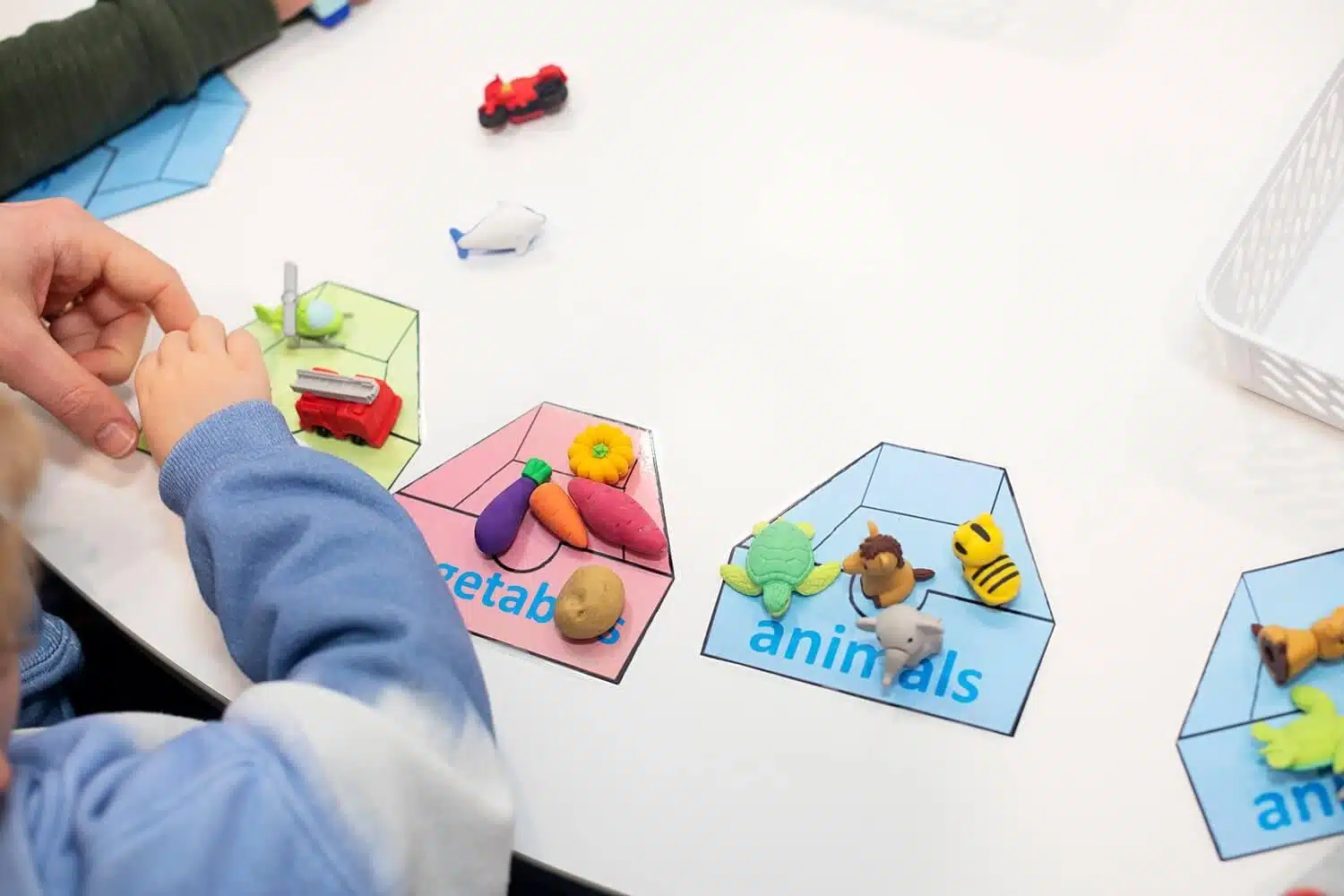
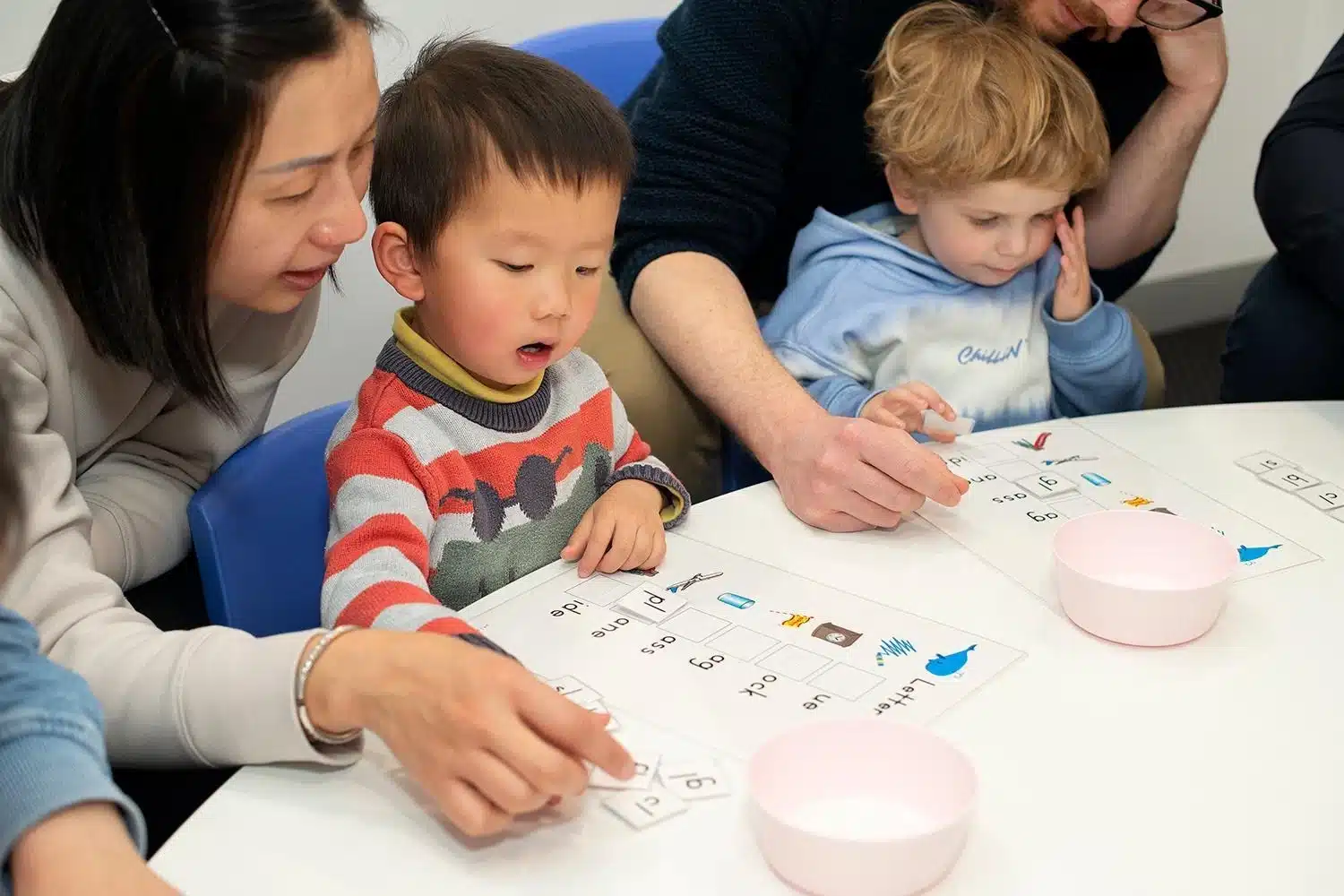
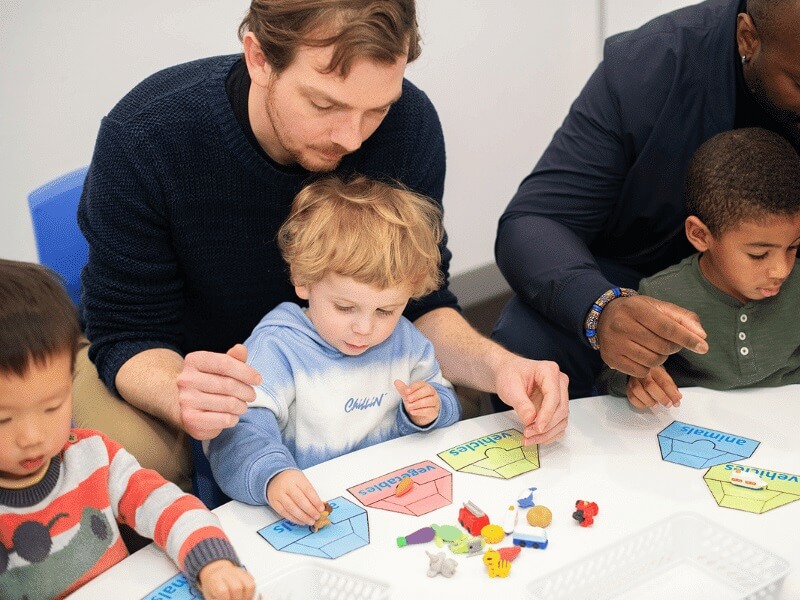
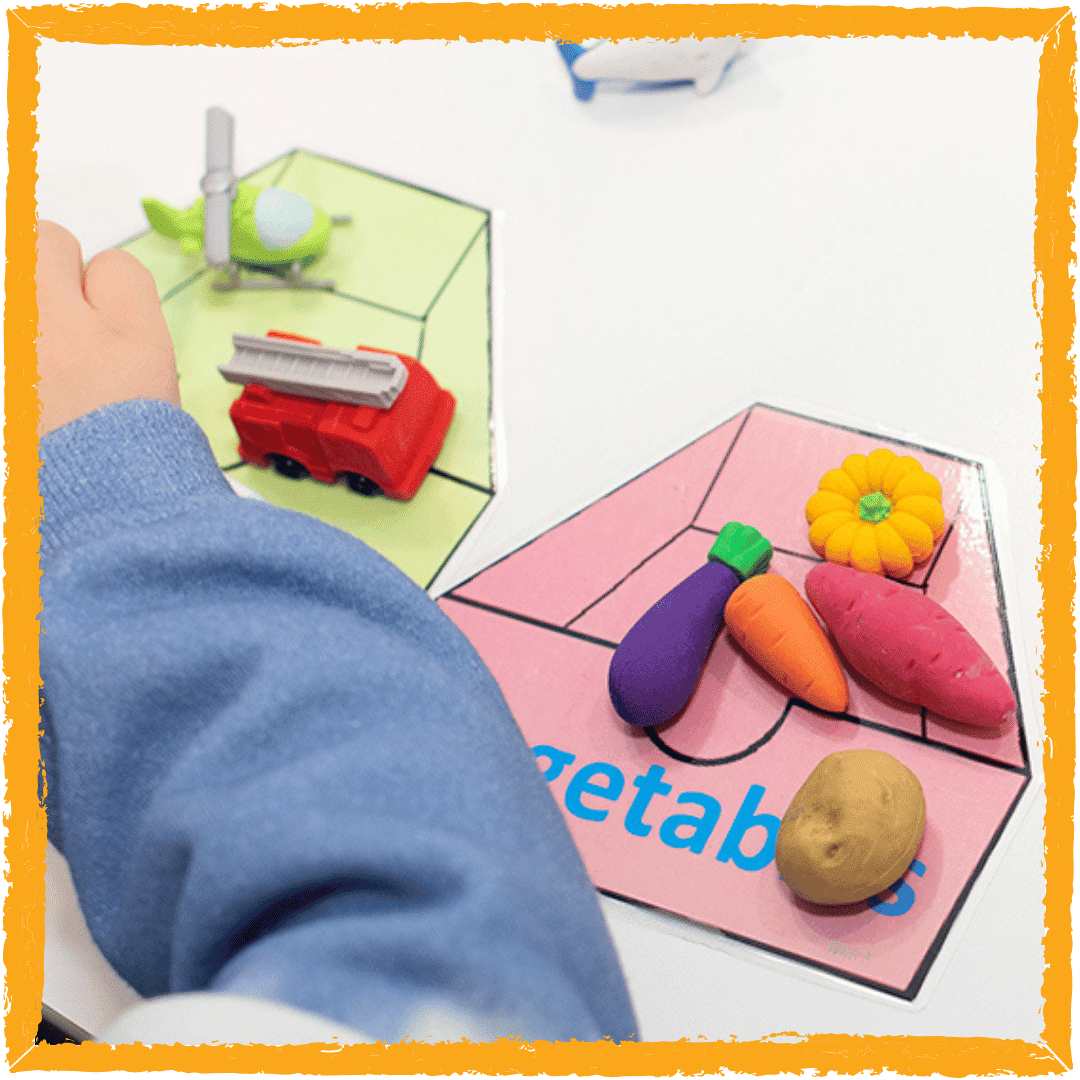
Image by Shichida Australia: Toddlers enjoy sorting activities that allow the exploration of interesting objects and textures.
Engaging your child in regular sensory play has lifelong benefits:
- Creativity: Children learn to think flexibly and solve problems.
- Adaptability: Exposure to different textures, tastes, and environments builds resilience.
- School readiness: Strong motor, social, and cognitive skills prepare toddlers for structured learning.
The benefits of sensory activities don’t stop at playtime. They influence how your child approaches learning, adapts to new environments, and expresses themselves in future years.
Toddler Activities that Stimulate the Brain
At Shichida, we know that sensory play is crucial for learning foundational skills. Examples of activities and games used by Shichida in toddler classes include:
- Stacking blocks – builds spatial awareness, hand-eye coordination, and fine motor control.
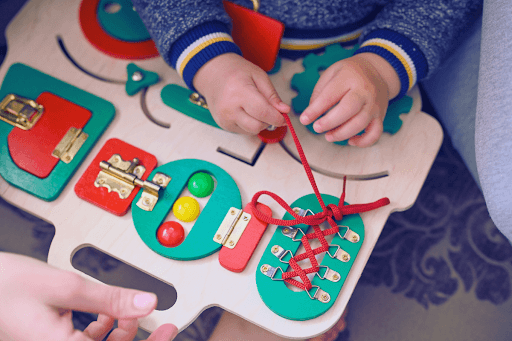
- Threading beads or lacing cards – develops tactile awareness, concentration, and dexterity.
- Puzzles and shape sorters – encourage problem-solving and visual discrimination.
- Sound shakers or musical toys – stimulate auditory senses and rhythm recognition.
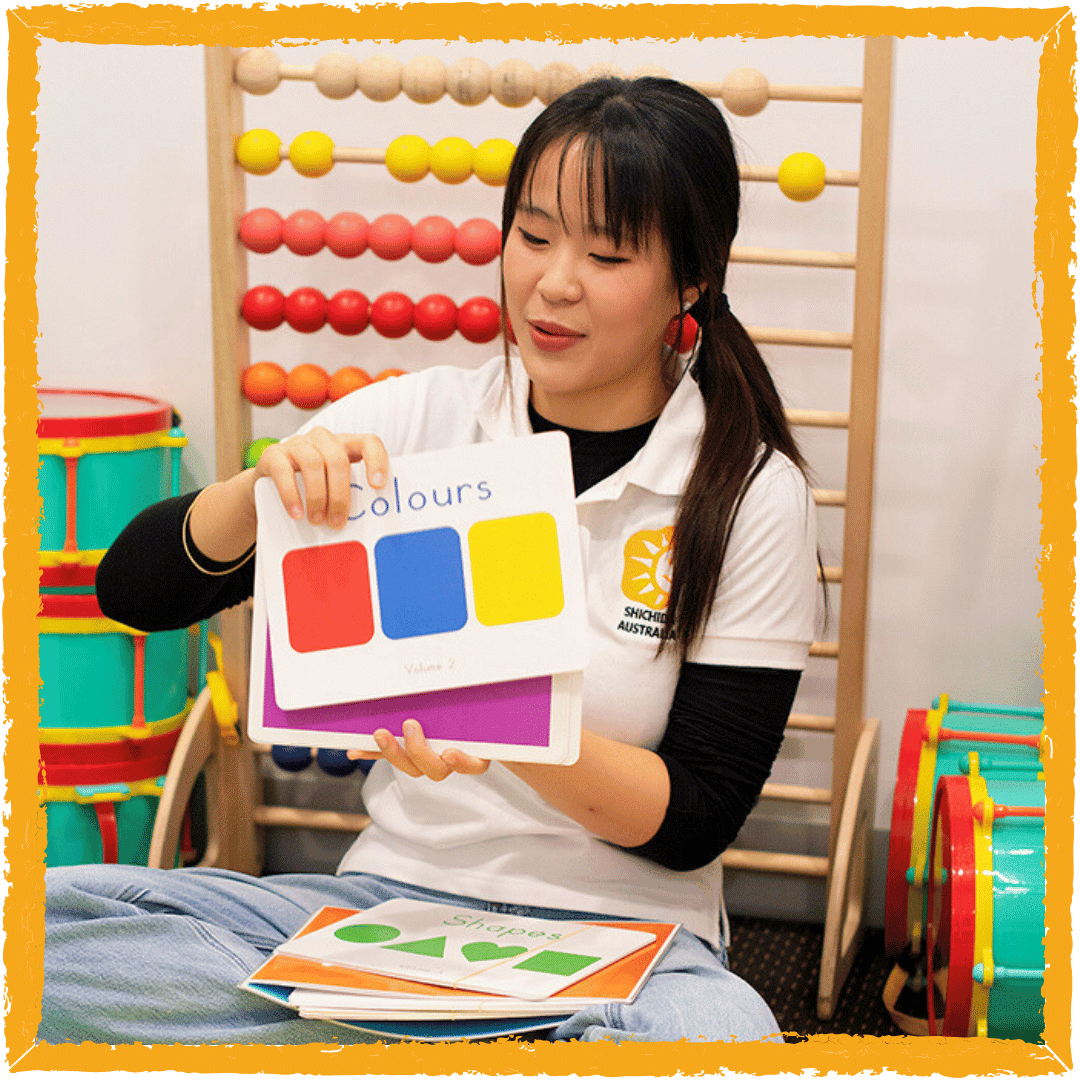
- High-speed flashcards – strengthen visual processing, memory, and focus, helping toddlers make quick neural connections between images and concepts.
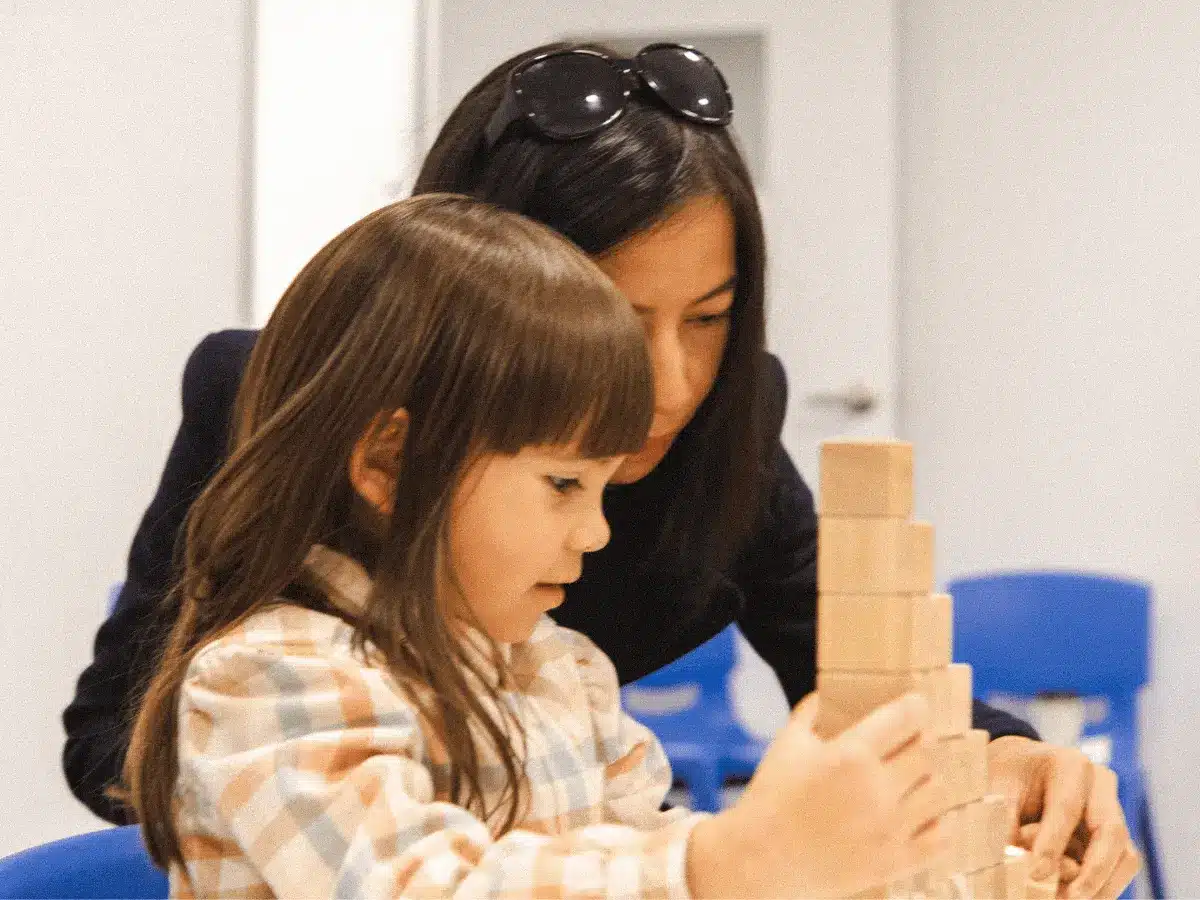
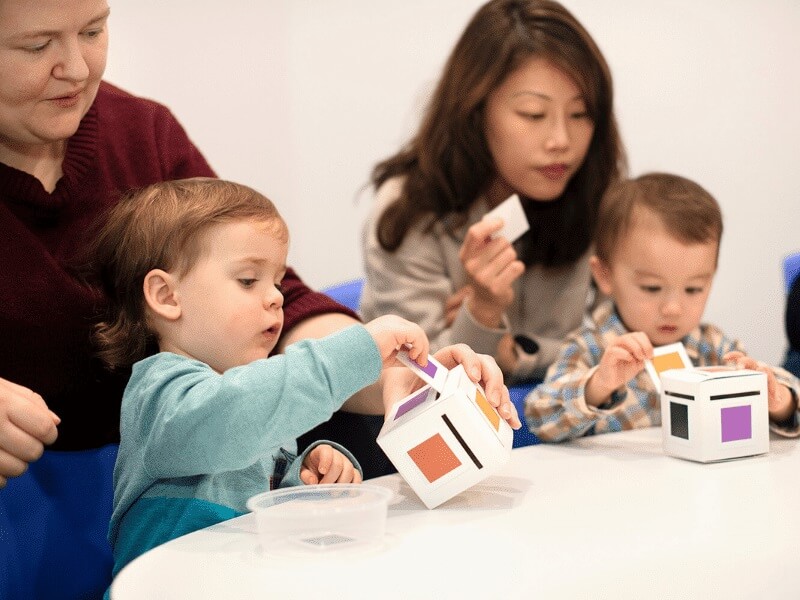
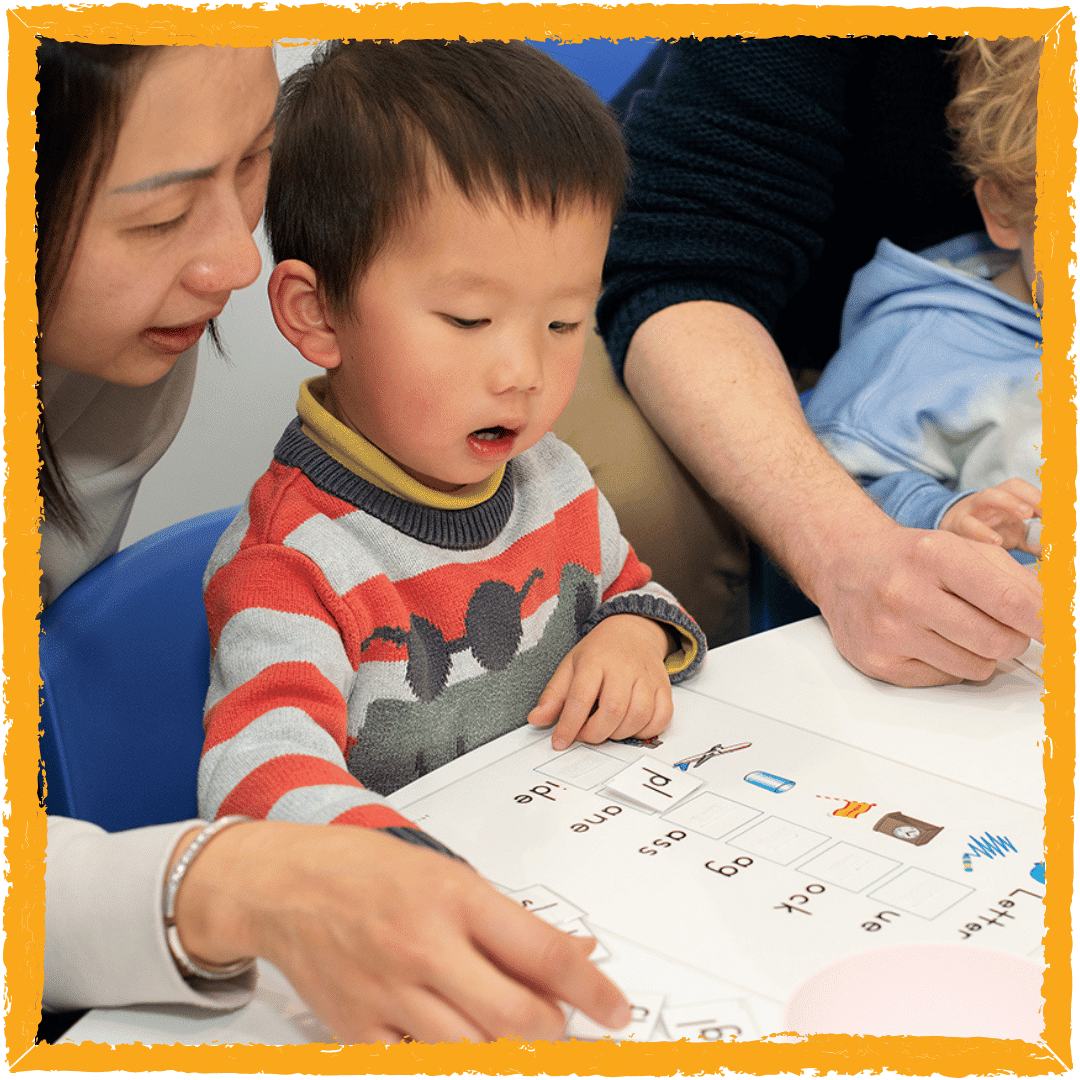
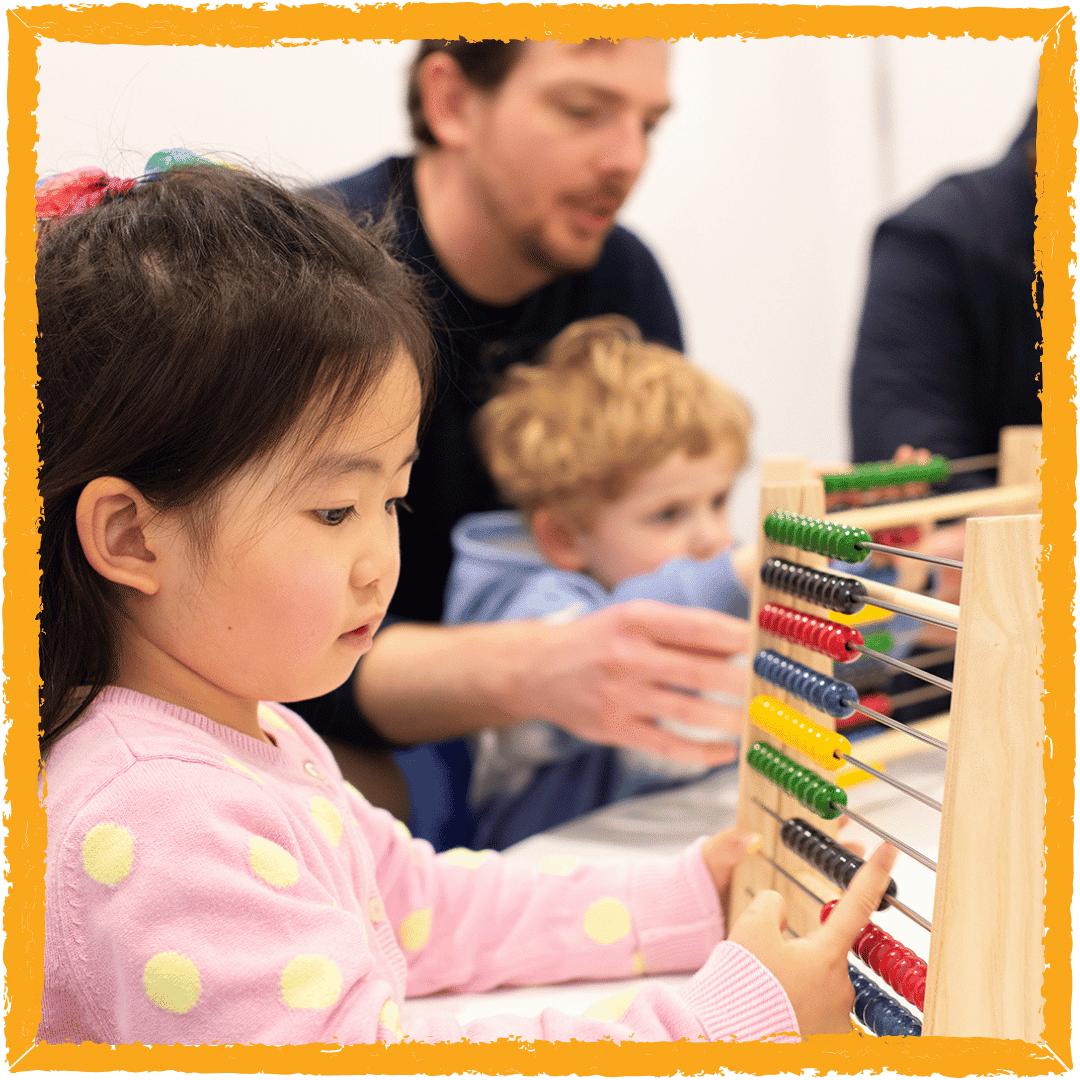
Image by Shichida Australia: Toddlers enjoy 20-25 fun hands-on-activities per toddler class. Here a young child and her mum complete a block building challenge, practising fine motor control and spatial and pattern recognition, and more.
Conclusion
A sensory experience for toddlers is much more than play, it’s a gateway to lifelong learning, confidence, and creativity. Sensory play is not always messy play – but includes stacking, threading and sorting.
Curious how structured sensory learning can accelerate your child’s growth? Book a Shichida trial class today and see the power of sensory play in action!
FAQs: Sensory Activities for Toddlers
It’s any play or activity that engages one or more senses, from sight and touch to balance and body awareness.
They support toddler sensory development by strengthening brain connections, improving motor skills, building emotional regulation, and encouraging problem-solving.
Try playdough, rice bins, clapping games, or light and shadow play. These simple sensory play at home ideas need little setup.
Yes, with supervision and safe materials. Stick to age-appropriate items and create a clean play space. Safe sensory activities for toddlers are both fun and enriching.
Yes. Engaging in sensory play for picky eaters, such as tasting different textures or playing with food during cooking, can make mealtimes less stressful.
Look for toddler overstimulation signs like irritability, covering ears, or withdrawing from play. If this happens, offer calming activities and breaks.
Yes. Sensory play language development occurs when toddlers describe textures, actions, and feelings during play, strengthening vocabulary and communication.
Yes. Offering calming sensory activities for toddlers such as water play, bubble blowing, or kneading dough can reduce stress and ease tantrums.