
School Readiness Checklist: A Complete Guide for Parents
Key Points
- School readiness is multi-domain and context-dependent
- Readiness includes motor, emotional, cognitive, and social skills
- Daily routines and play are powerful readiness builders
- Parents are vital partners in modelling and supporting skills
- The checklist is a guide, not a pass or fail test
Starting school is one of the most exciting milestones in your child’s early life. It is a moment filled with pride, anticipation, and, for many parents, a touch of worry.
You want your child to walk into the classroom feeling ready to learn, able to make friends, and confident in a new environment. But school readiness goes far beyond knowing the alphabet or counting to ten. It’s about building a broad set of skills, habits, and attitudes that help your child adjust to school life emotionally, socially, and cognitively.
This guide will walk you through a school readiness checklist that blends practical preparation with emotional and developmental support. You’ll find evidence-based advice, home-friendly tips, and reassurance that readiness is about steady progress – not perfection. The goal? To help your child feel capable, secure, and eager to learn.
What Is School Readiness?
School readiness is not a single skill or milestone. It’s a blend of physical abilities, emotional maturity, language development, social confidence, and cognitive understanding.
According to the Head Start Early Learning Outcomes Framework, school readiness isn’t just about ticking off a list of tasks. It’s about how prepared your child is to engage, participate, and thrive in a classroom setting – and how ready the school is to support them in return.
That means a child who can focus on a task for a few minutes, express their needs clearly, play alongside others, and follow instructions is already building a strong foundation. Readiness is just as much about emotional confidence as it is about early academic knowledge.
DOWNLOAD A FREE SCHOOL READINESS CHECKLIST HERE
Defining School Readiness
Put simply, school readiness means having the skills, behaviours, and knowledge that help your child adapt confidently from day one. According to Head Start there are five broad areas that contribute to readiness:
- Approaches to learning
- Social and emotional development
- Language and literacy
- Cognition (including early maths skills)
- Physical well-being and motor development
These areas work together to prepare your child for classroom routines, social interactions, and early learning experiences.
Why It Matters
Starting school is a big transition. A child who is well-prepared is more likely to enjoy the experience and feel confident in a new environment.
Research shows that children who enter school with stronger readiness skills often adapt more easily to routines, form positive relationships with teachers and peers, and are better positioned for long-term academic success.
Readiness isn’t about being “ahead.” It’s about being equipped to embrace the opportunities and challenges of school life with confidence and curiosity.
The Four Key Domains and Checklist Items
To understand school readiness in practical terms, it helps to break it down into four key domains. These categories are reflected in a range of educational frameworks – including those used in Australian early learning guidelines and international sources such as the Colorado Department of Education and Better Kid Care. They offer a balanced view of the skills children benefit from developing before starting school.
In Australia, the Early Years Learning Framework (EYLF) underpins early childhood education and care, focusing on a child’s sense of identity, wellbeing, confidence as a learner, and ability to communicate and connect with others. The domains below align closely with these principles and offer practical ways to support your child’s development at home.
Physical and Motor Skills
Physical readiness includes both gross motor skills like running, jumping and balancing, and fine motor skills such as holding a pencil, using scissors, or turning pages of a book.
Gross motor skills help children join in playground games, move confidently around the classroom, and participate in physical activities. Fine motor skills are essential for tasks like drawing, writing their name, opening lunch boxes, or fastening buttons.
Simple activities such as playing catch, threading beads, kneading playdough, or building with blocks can help strengthen these abilities at home.
Checklist examples:
✅Can run, jump, and climb safely
✅Holds a pencil or crayon with control
✅Cuts along a line with scissors
✅Manages zips, buttons, and laces with some independence
Social-Emotional Skills
Social-emotional development is at the heart of classroom life. It’s about understanding emotions, showing empathy, and working cooperatively with others. These skills include being able to take turns, share resources, manage frustration, and follow simple rules.
A child who can cope with small setbacks and express their feelings appropriately will find it easier to form friendships, build confidence, and respond to guidance from teachers.
Checklist examples:
✅ Waits for their turn in games or activities
✅ Recognises and talks about feelings
✅ Shares toys and plays cooperatively
✅ Responds positively to new routines
Language and Literacy Skills
Language readiness is more than just speaking. It includes listening, understanding, and using language to communicate ideas and needs. Children entering school benefit from a growing vocabulary, being able to speak in full sentences, and retelling simple stories.
Literacy readiness includes recognising their name in print, showing interest in books, and beginning to understand that text carries meaning.
Checklist examples:
✅ Understands and follows two-step instructions
✅ Uses complete sentences to express needs or ideas
✅ Recognises own name in print
✅ Enjoys listening to and talking about stories
Cognitive and Numeracy Skills
Cognitive readiness includes curiosity, problem-solving, memory and early numeracy skills. These include recognising patterns, sorting objects, and understanding simple counting and comparisons.
A child who matches shapes, names colours, or groups items by size is already practising foundational thinking skills. Curiosity about how things work and a willingness to try are just as important as getting the answer right.
Checklist examples:
✅ Counts to at least ten
✅ Names basic shapes and colours
✅ Sorts objects into simple categories
✅ Tries different ways to solve a problem
Everyday Readiness Routines and Practical Tips

Photo from Freepik: She’s not just packing a backpack – she’s packing the confidence, independence, and skills from the school readiness checklist.
You don’t need special equipment or expensive resources to prepare your child for school. Many school readiness skills develop naturally through everyday routines.
Simple daily moments – like setting the table, choosing clothes, or helping in the kitchen – teach independence, problem-solving, and cooperation. The UK’s Early Years Foundation Stage (EYFS) framework encourages parents to focus on play-based learning, conversation, and practical life skills.
Here are a few everyday activities that build school readiness:
✅ Letting your child help pack their own bag in the morning
✅ Involving them in cooking by measuring and pouring ingredients
✅ Practising patience by waiting in line at the shops
✅ Giving simple responsibilities like feeding a pet or tidying up toys
These small tasks nurture responsibility, build confidence, and teach valuable skills that translate to classroom success.
Self-Care and Independence
Personal care skills make the school day much smoother for your child. These include using the toilet independently, washing hands properly, getting dressed, and managing their belongings. Encourage your child to take responsibility for small tasks, such as hanging up their coat or tidying their toys. These simple actions build confidence and reduce reliance on adults in the classroom.
Checklist examples:
✅ Uses the toilet without reminders
✅ Dresses and undresses with minimal help
✅ Brushes teeth independently
✅ Packs and unpacks their own bag
Emotional and Focus Skills
Focus is a skill that develops gradually over time. You can support this by offering activities that stretch your child’s attention span a little more each time – like puzzles, building towers, or listening to stories. Talk openly about emotions and model calm ways to handle frustration. Simple turn-taking games are also great for building patience and cooperation.
Checklist examples:
✅ Stays with one activity for at least 10 minutes
✅ Names basic emotions and talks about them
✅ Waits for their turn without becoming upset
✅ Accepts small changes to plans
Building Readiness Through Play and Family Involvement
Play is one of the most powerful tools for building readiness. Through play, children practise language, develop social skills, solve problems, and explore their creativity. It also gives you a chance to connect with your child and observe their strengths.
The Power of Play
Pretend play, such as running a make-believe shop or playing school, helps children understand social roles and daily routines. Storytelling games improve vocabulary and comprehension. Creative activities like painting, building, and music encourage self-expression and fine motor skills.
Play ideas to support readiness:
✅Role-play classroom scenarios
✅Make up stories together and act them out
✅Play board games that involve counting and turn-taking
✅Build obstacle courses to develop gross motor skills
Parent as First Teacher

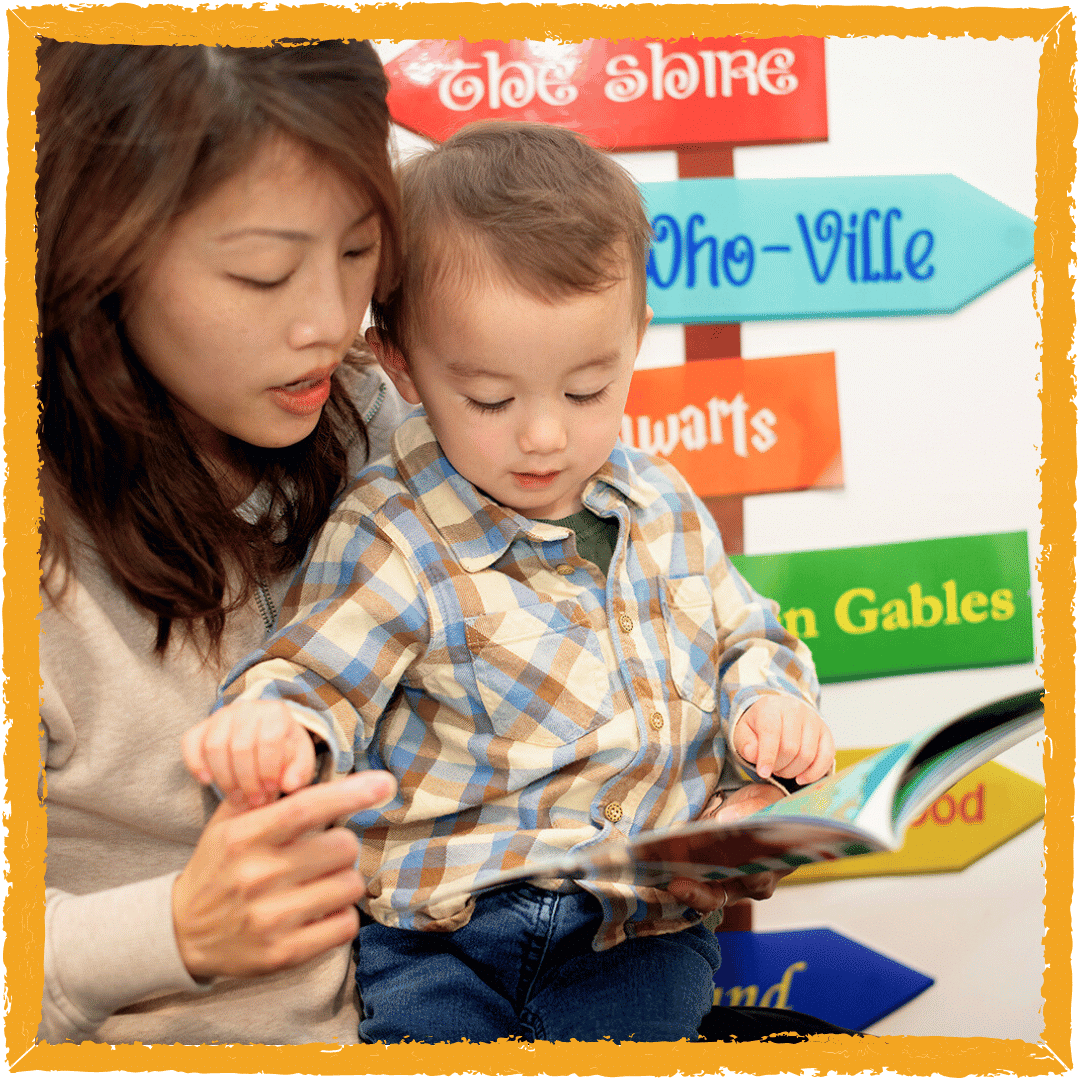
Photo from Pexels: Parents are a child’s first teacher – building school readiness skills from day one.
Your involvement is the single most important influence on your child’s school readiness. Reading together every day builds language and literacy skills. Talking through daily routines helps children understand sequencing and responsibility. Modelling positive behaviour shows them how to treat others with kindness and respect.
Tips for parents:
✅Narrate what you are doing during everyday tasks
✅Ask open-ended questions to encourage thinking
✅Praise effort, not just results
✅Show interest in your child’s ideas and creations
Click here to download a School Readiness Checklist
Click here to download a School Readiness Parent Sheet
How to Use This Checklist Effectively
The school readiness checklist is a guide to support your child’s development, not a test they must pass. Use it to identify strengths, notice areas to practise, and plan meaningful activities together. Every child develops at their own pace, and there is no single “perfect” readiness profile.
If you notice areas where your child is less confident, introduce small, fun activities to practise those skills. For example, if your child struggles with using scissors, try crafts that involve cutting coloured paper into shapes. If they are shy in group settings, arrange short playdates with one or two peers to gently build social confidence.
Tracking Progress
Keep a simple record of your child’s skills. You could use a notebook, a wall chart, or even a set of sticky notes. Mark achievements as “mastered” or “still practising” and celebrate progress. The aim is to encourage confidence, not create pressure.
When to Seek Support
If you have concerns about your child’s development in speech, self-care, motor skills, or social interaction, speak to your child’s preschool teacher or a healthcare professional. Early support makes a big difference to how smoothly they transition into school.

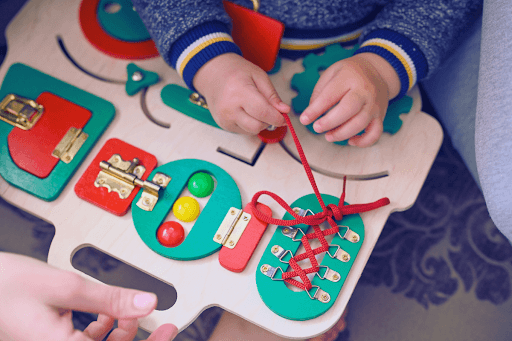
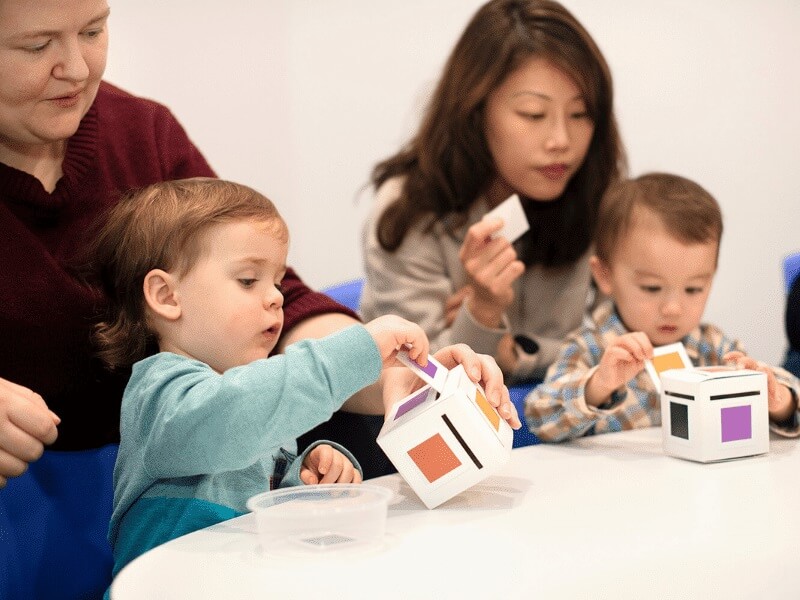
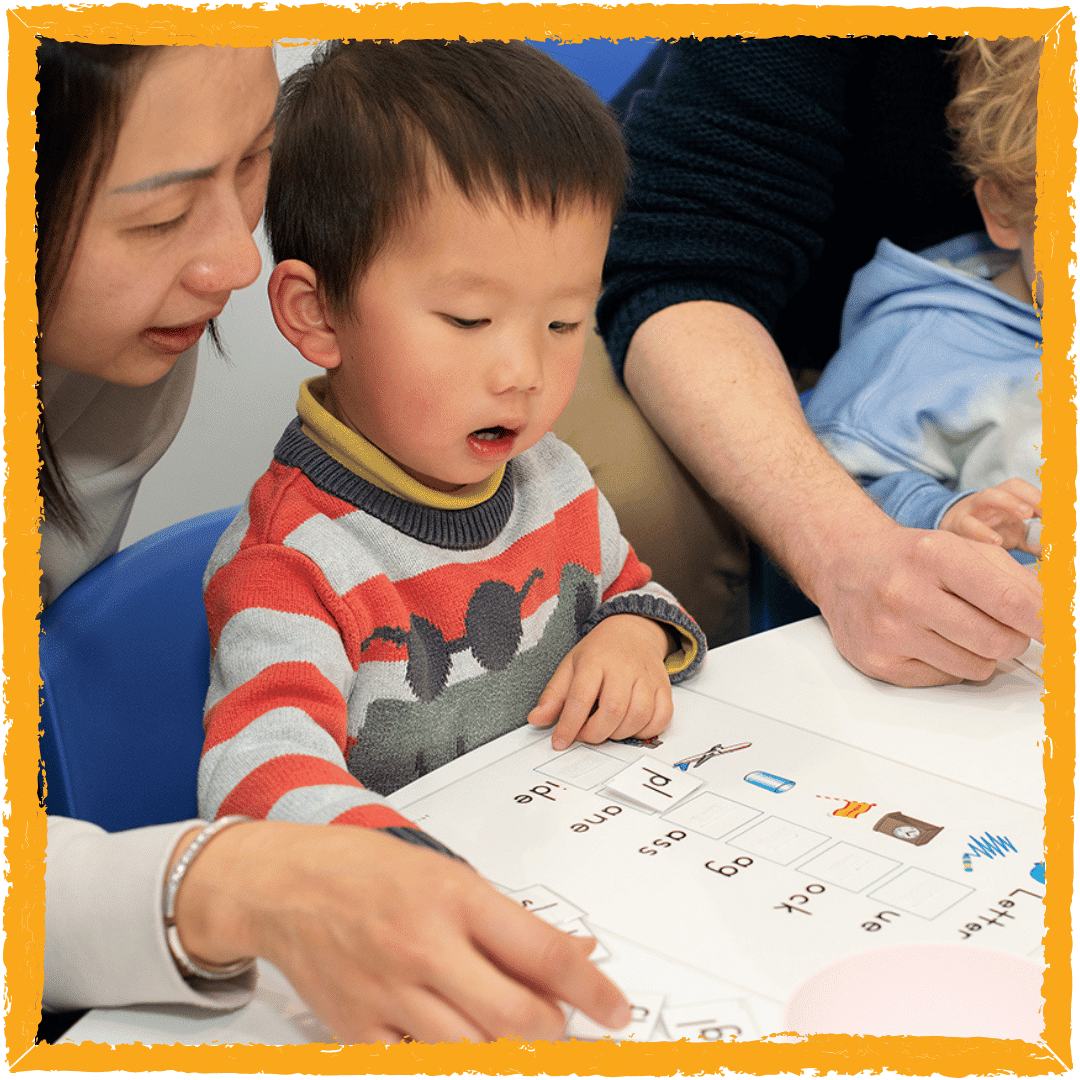
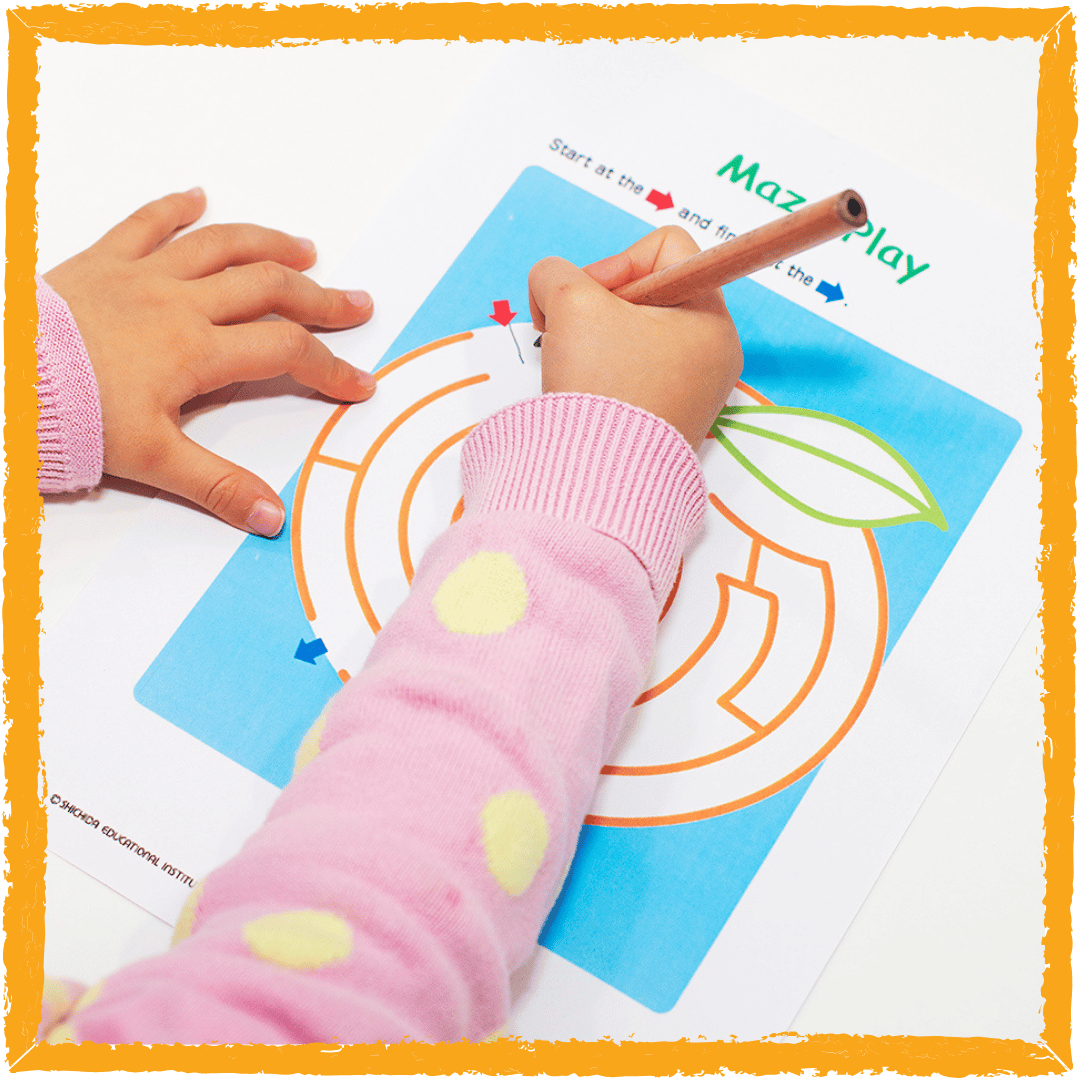
Photo by Shichida Australia: Fine motor skills like pencil grip and line tracing are often part of a typical school readiness checklist.
Getting ready for school can feel like a big step…
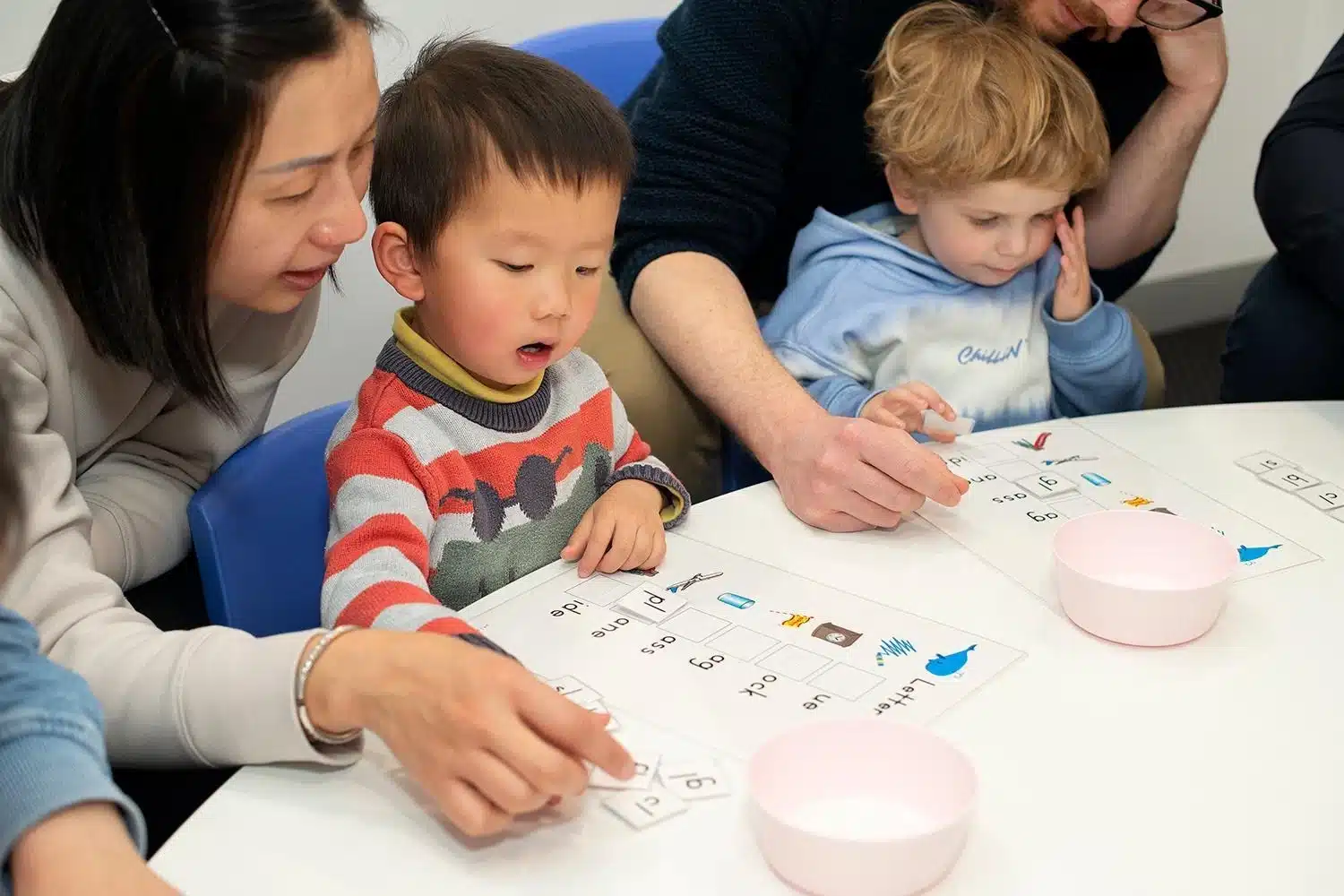
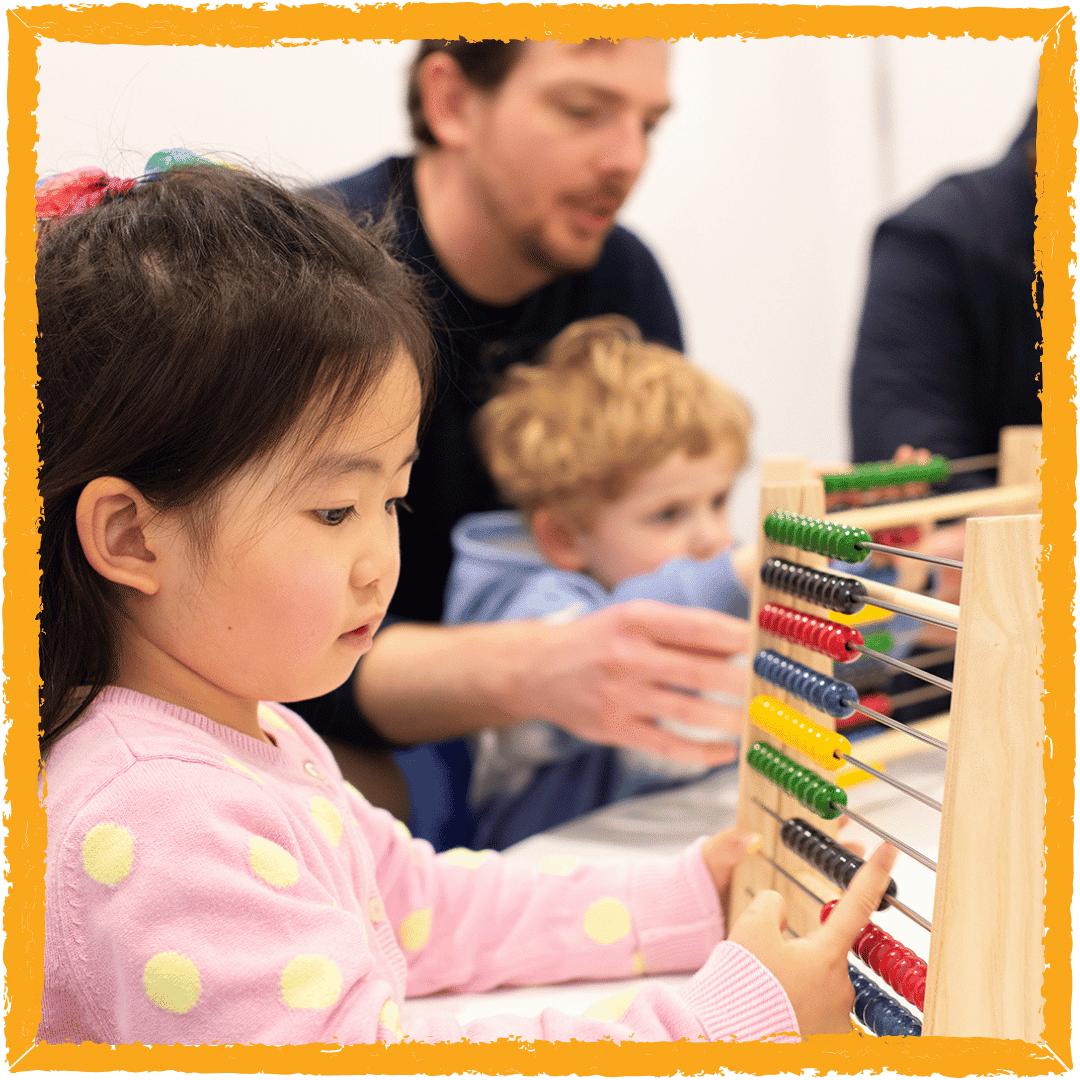
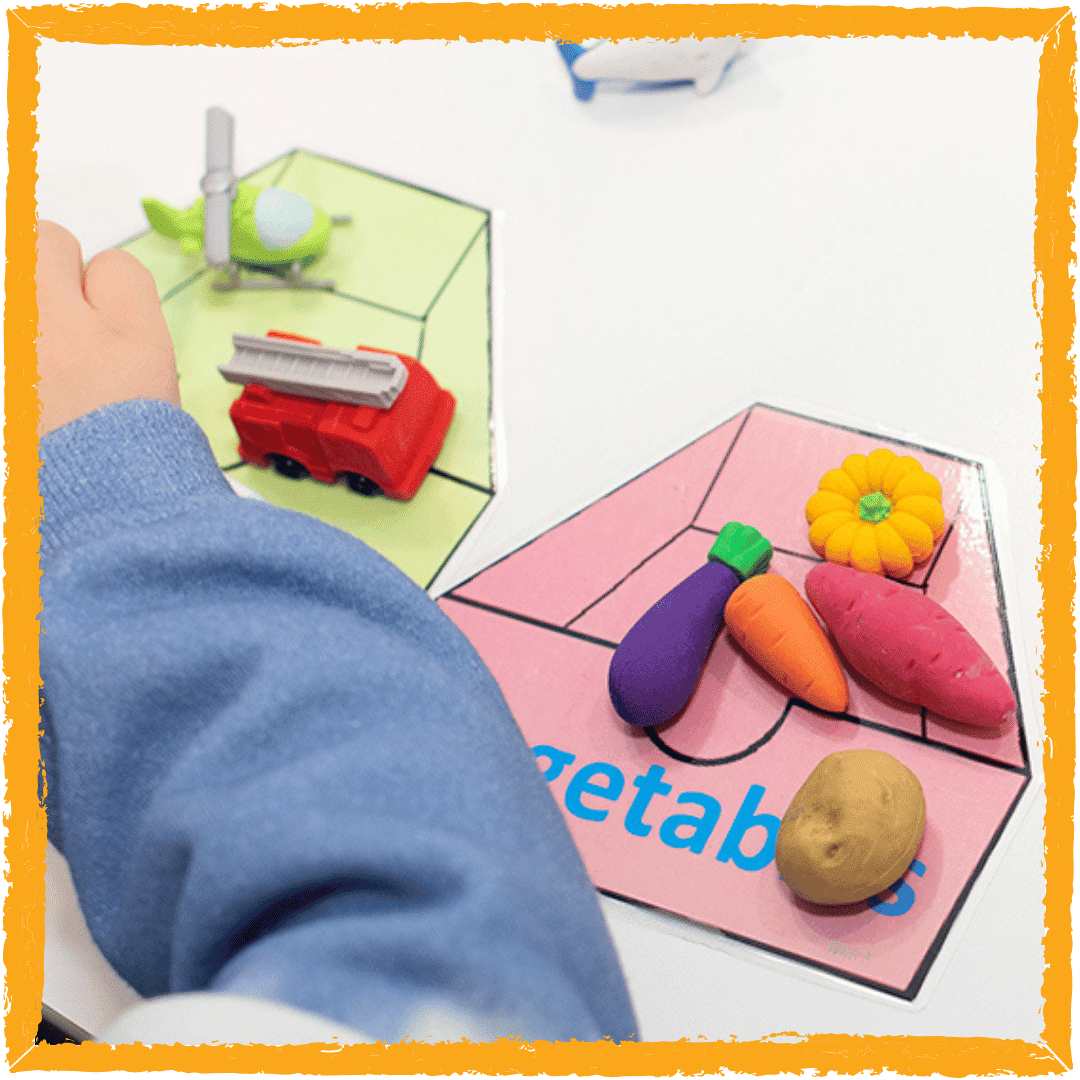
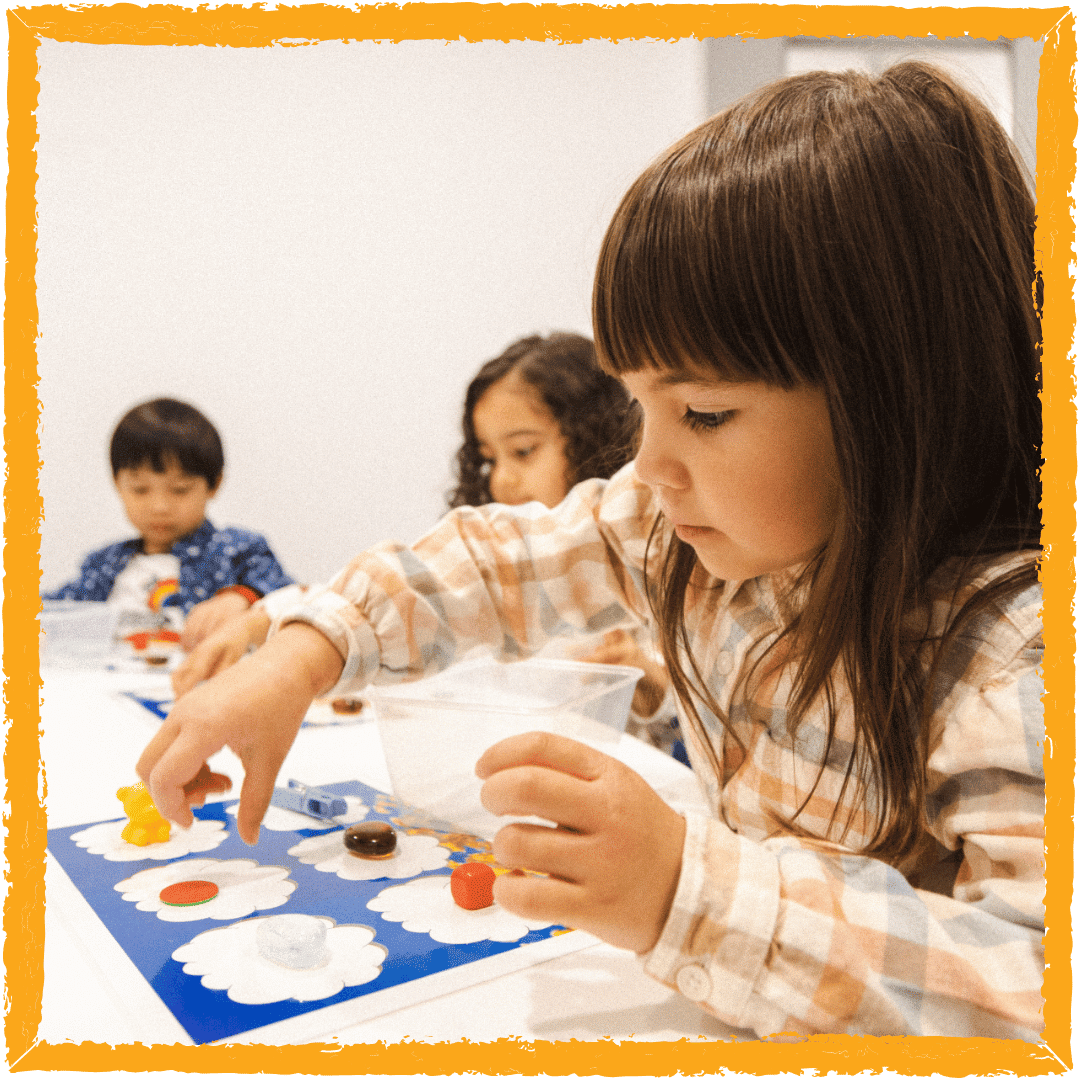
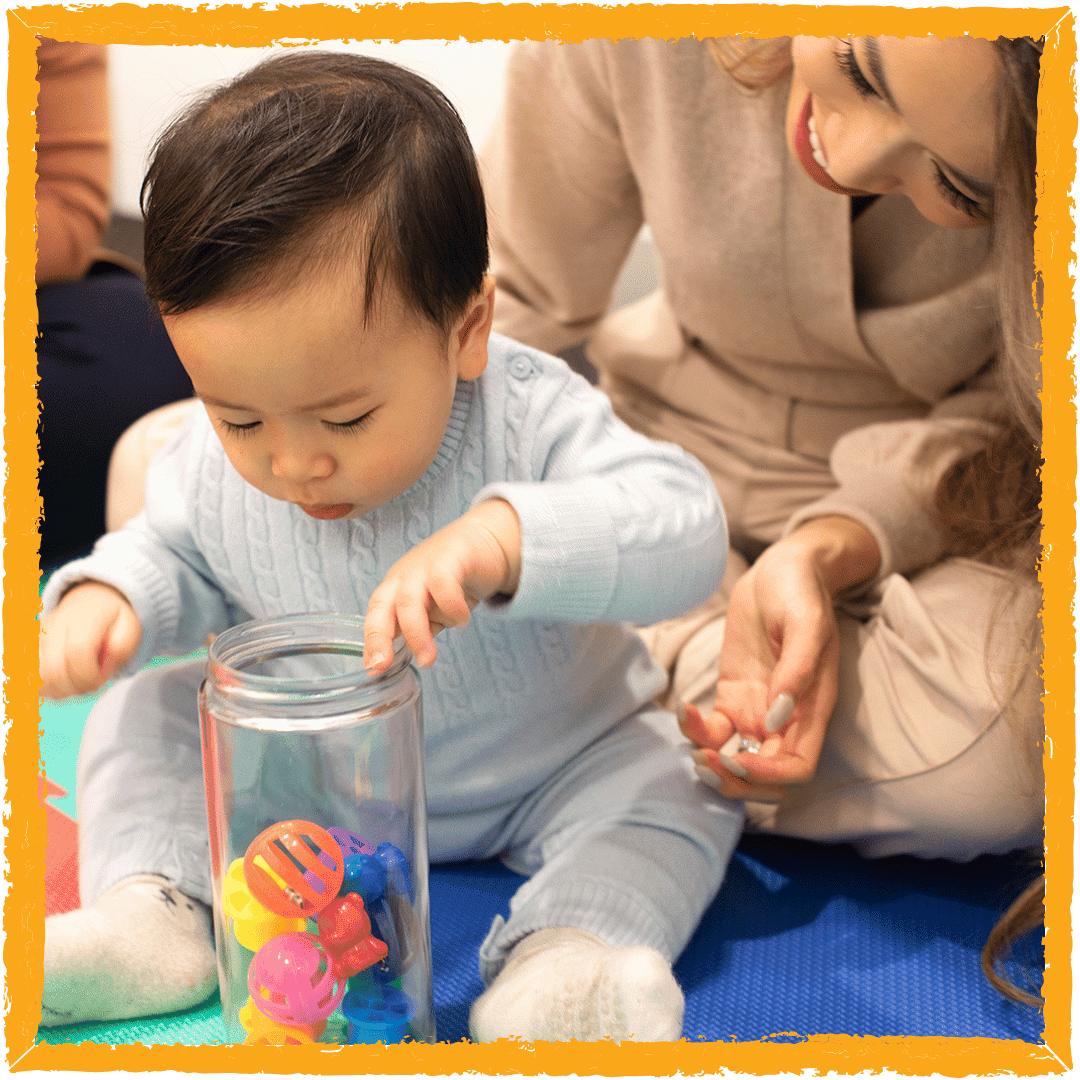
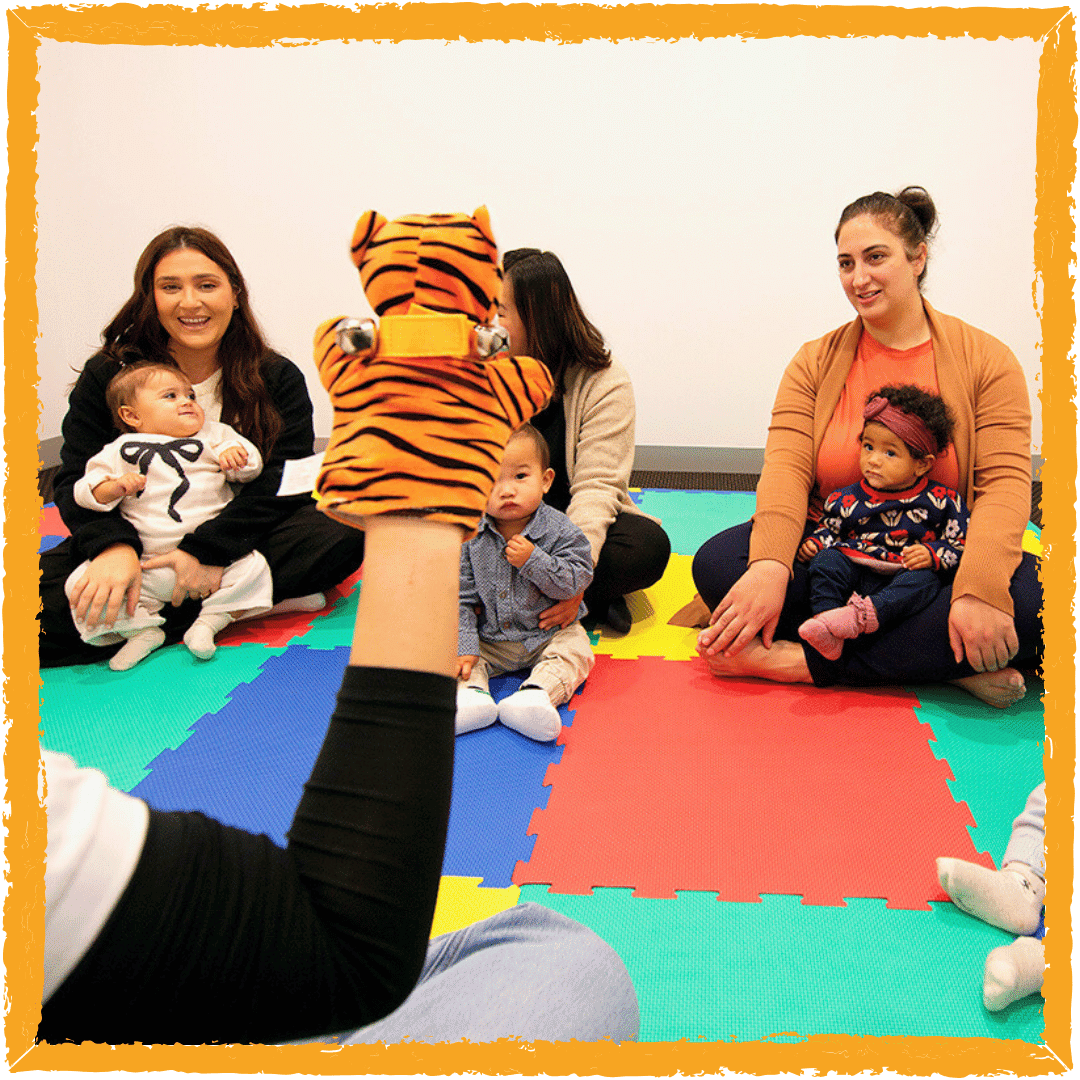
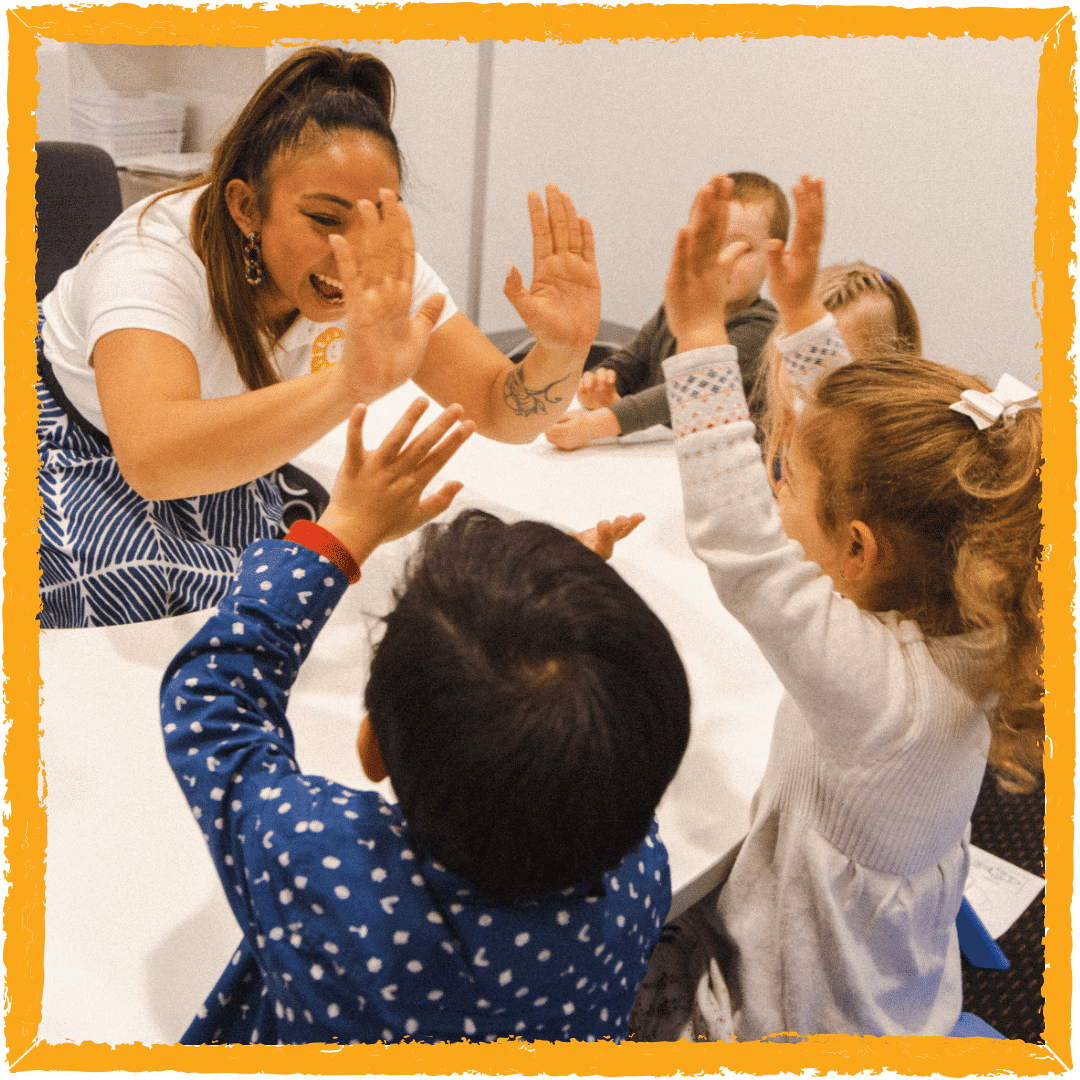
…but you do not have to do it alone! At Shichida Australia, we make learning feel like play while building the skills your child needs for a confident, happy start. From focus and memory to social confidence, our classes support every part of their development. Parents love seeing their children light up with excitement for learning.
Shichida supports kids from 6 months to 5 years old with the development of:
- Fine motor skills
- Early math
- Early phonics and literature
- Memory
- Focus
- Problem-solving skills and more!
Come and experience it for yourself – book a trial class today!
FAQ: School Readiness Checklist
Most parents find it useful to start checking readiness in the year or two before school starts, usually around four years old.
Very important. Being able to use the toilet independently supports your child’s confidence and helps them settle into school routines.
Yes, if it replaces active play, conversation, or creative activities. Balance is key, and interactive, educational content is better than passive watching.
Social skills are just as important as academic skills. Encourage small group activities, role-play, and opportunities to meet new children.
Play should make up the majority of your child’s learning at this age. Any structured practice should be short, fun, and often woven into play.
Yes, absolutely. Children develop at their own pace. Focus on steady progress rather than comparing your child to others.
You can speak to your child’s early years educator, your GP, or a speech and language therapist. They can guide you and suggest next steps if any assessments are needed.