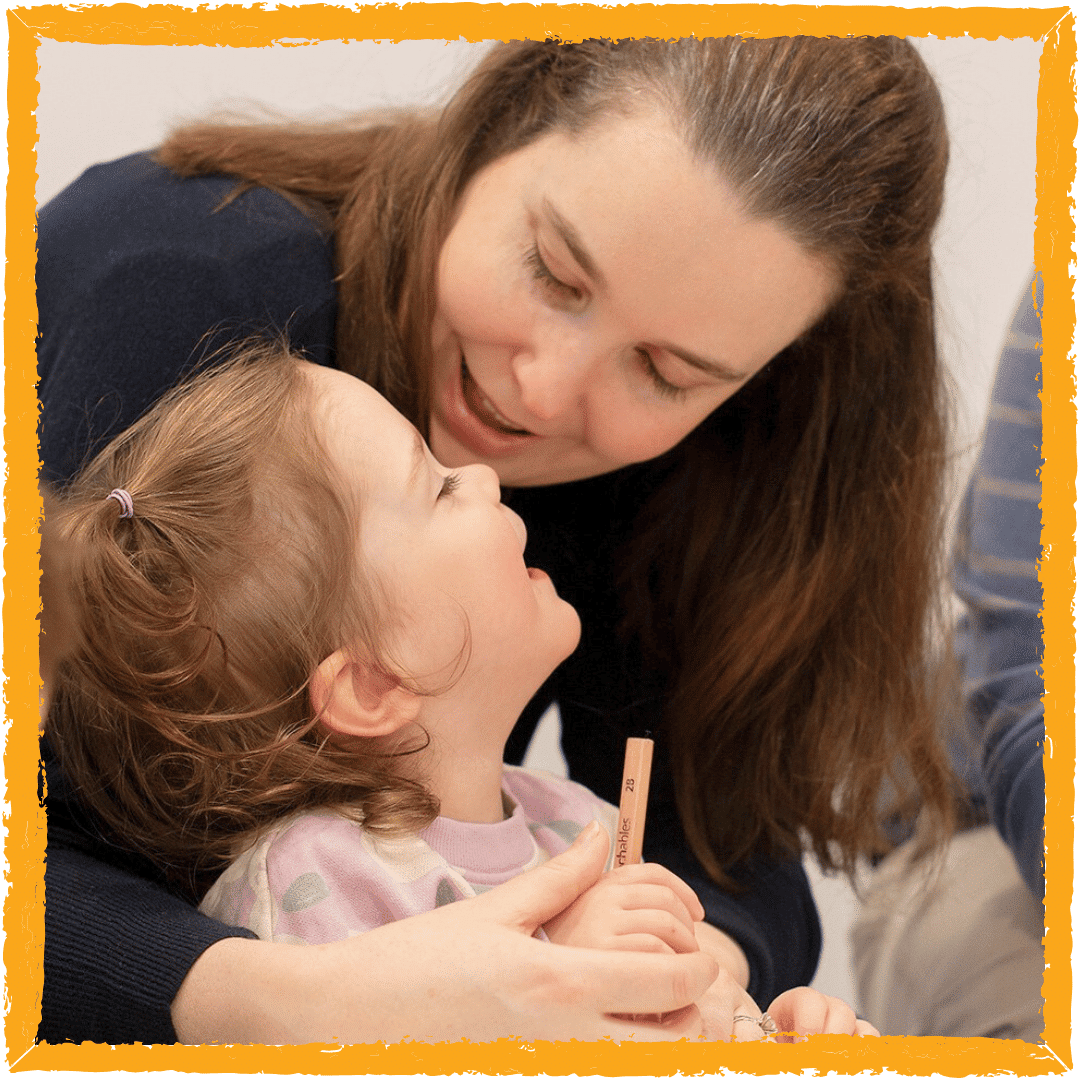
Reading Readiness: How to Support Kids’ Early Literacy
Key Points for Parents
- Reading readiness is about being prepared to learn, not reading early
- Strong language, sound awareness, and comprehension come before decoding words
- Children build reading readiness through play, conversation, and shared reading
- Repetition, storytelling, and pretend reading are important learning signs
- Reading readiness develops differently for every child and cannot be rushed
Long before children sound out letters or read sentences, they are quietly learning how reading works. They learn it when you answer their endless questions, when you read the same story for the tenth time, and when they “read” a book by telling the story themselves while paging through the book, looking at the pictures.
This early stage is known as reading readiness.
It is a developmental process that helps your child feel confident, curious, and prepared to learn when the time is right. Understanding it can help you support early literacy without pressure or comparison.
What Is Reading Readiness?
Reading readiness refers to the collection of foundational skills that show your child is prepared to learn how to read. It includes cognitive, language, and social-emotional abilities that develop naturally over time. It is not the same as being able to read words or sentences.
As a parent, it helps to think of reading readiness as part of developmental literacy. Your child’s journey toward reading begins long before school. It starts when you talk to them, sing songs, read picture books, and respond to their curiosity. Through play, conversation, and exposure to print, your child slowly builds the skills needed for reading.
What matters most is readiness, not performance. Every child develops at their own pace, and early literacy grows through connection and experience, not pressure.
Origins of the Concept
The idea of reading readiness comes from early childhood education and developmental psychology. Educators noticed that children who entered school with strong language, listening, and attention skills found learning to read easier and less stressful. Over time, literacy research confirmed that these early foundations are essential for long-term reading success.
Reading Readiness vs. Reading Ability
Reading readiness means your child is ready to learn. Reading ability means they already know how to decode words and understand text. A child can be fully ready for reading instruction without being able to read yet. Understanding this difference helps you avoid unnecessary worry or comparison.
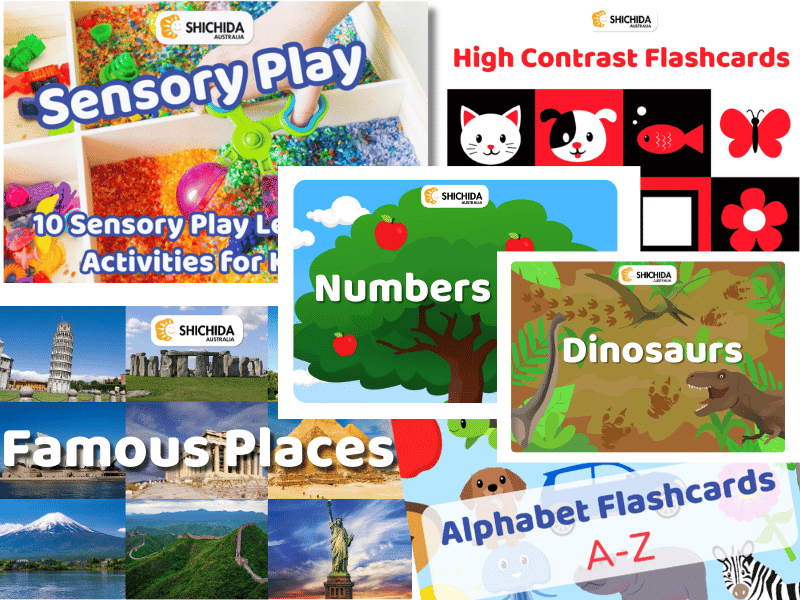
If you’d like simple, screen-free ways to support reading readiness at home, we’ve created free parent resources – designed to support language, attention, and early literacy through play.
Key Skills That Indicate Reading Readiness
When you hear about early literacy skills, it can feel overwhelming. The good news is that these skills develop together and naturally through daily life. There is no test your child needs to pass.
Oral Language and Vocabulary
Your child’s ability to understand and use spoken language is one of the strongest predictors of reading success. When you chat with your child, listen to their stories, and name objects together, you are building vocabulary and comprehension. These skills help your child understand words when they later see them in print.
Phonological Awareness
Phonological awareness is your child’s ability to hear and play with sounds in language. This includes enjoying rhymes, noticing similar sounds, or clapping syllables. These playful sound experiences prepare your child for phonics later, without formal instruction.
Print Awareness
Print awareness is your child’s understanding of how books and print work. This might look like holding a book the right way, turning pages, or recognising familiar letters like the first letter of their name. These moments often happen naturally during shared reading.
Listening and Comprehension
When your child listens to stories, follows simple directions, or talks about what happened in a book, they are developing comprehension. This helps them understand meaning, which is far more important than reading words quickly.
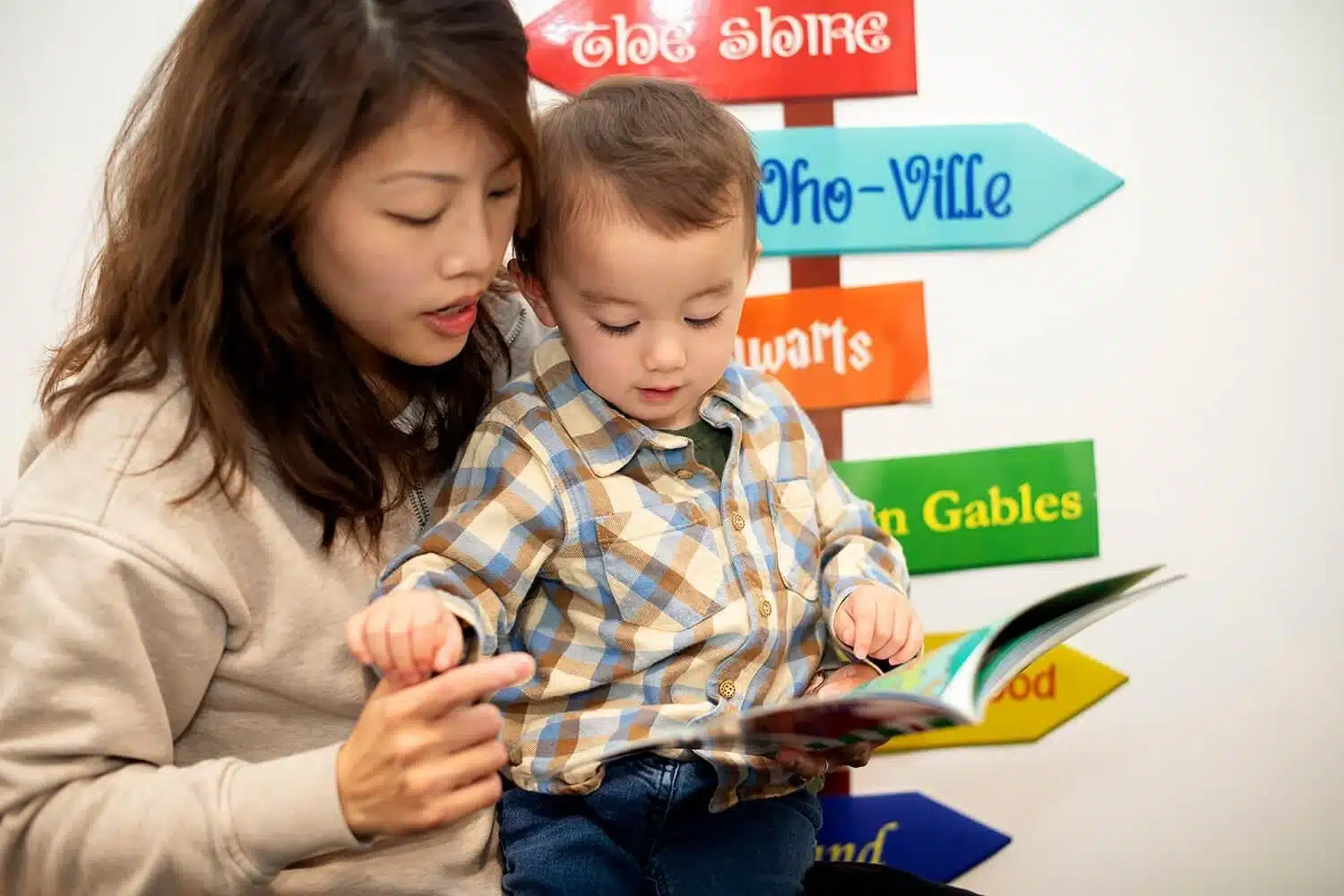
Image by Shichida Australia: A mum reading to her toddler, while waiting for their Shichida class to begin.
Signs Your Child Might Be Ready to Learn to Read
Many parents ask for a reading readiness checklist, but readiness shows up in everyday moments rather than strict milestones.
Interest in Books & Story Time
If your child asks you to read the same book again, points to pictures, or finishes sentences in familiar stories, these are strong signs of engagement. This interest shows your child is connecting with language and stories.
Recognising Letters or Sounds
Your child might notice letters on signs, ask what words say, or recognise the first letter of their name. These small moments of curiosity show growing awareness, not something you need to test or rush.
Pretend Reading and Storytelling
When your child “reads” a book by telling the story from pictures or creates stories during play, they are practising narrative skills. This kind of pretend reading is a powerful indicator of reading readiness.
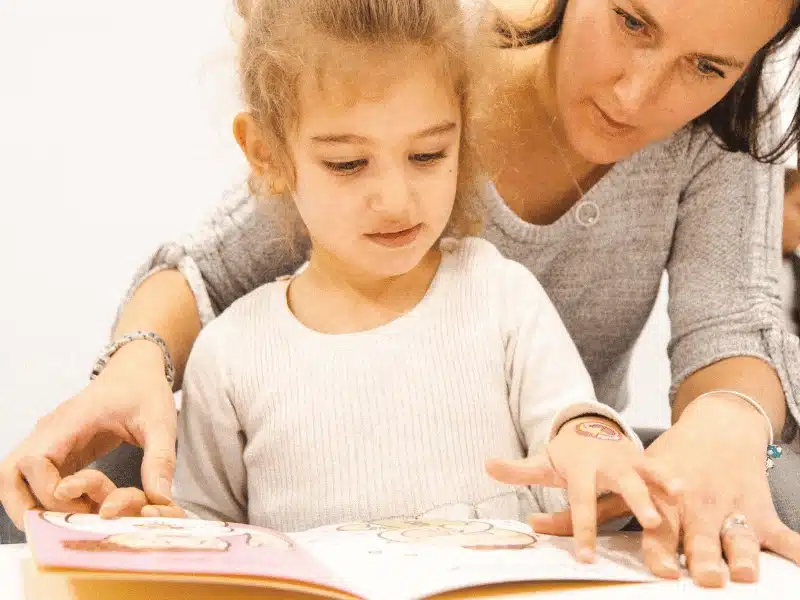
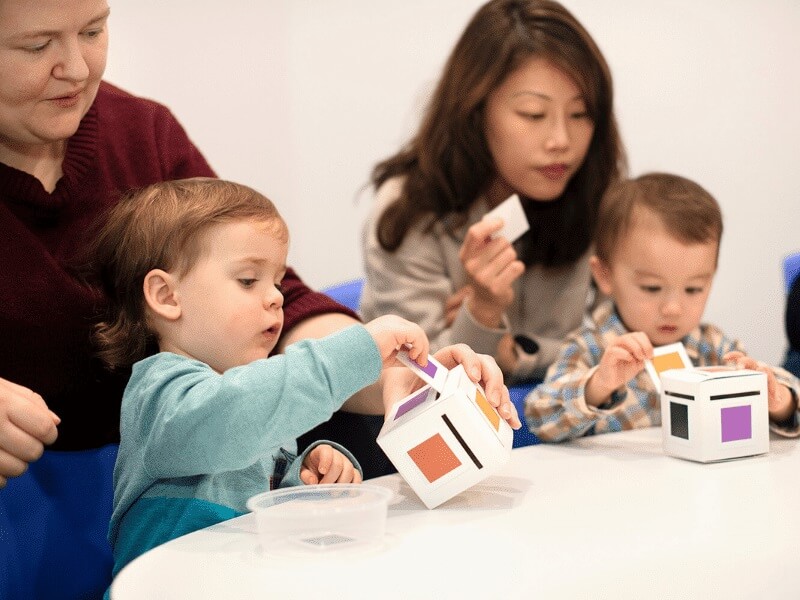
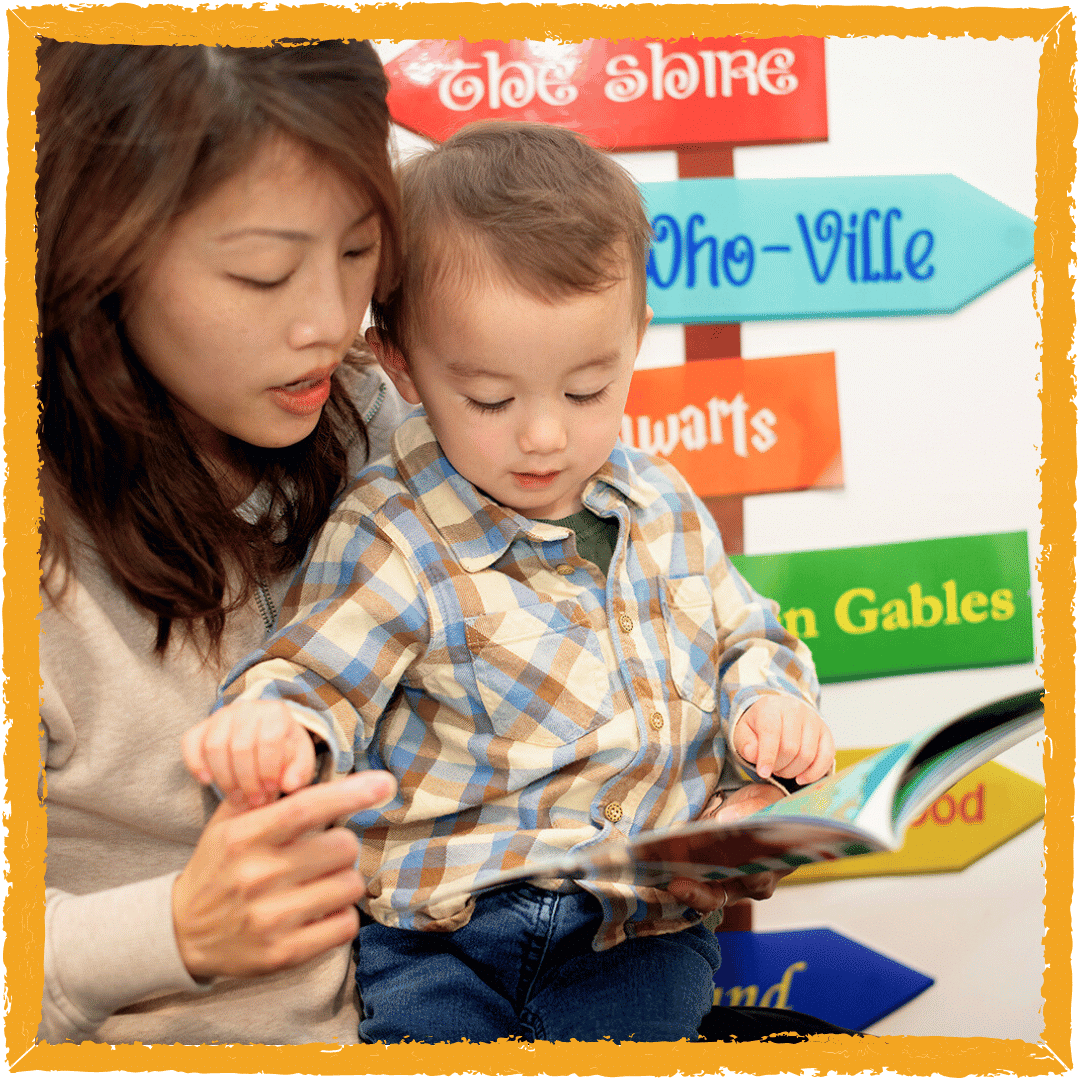
Image by Shichida Australia: A parent and child reading together in class, with the child practising turning pages and pointing to words as the story is read aloud. This shared experience helps children understand the rhythm of reading, how print works, and how words and sounds flow together.
Why Reading Readiness Matters
Supporting reading readiness helps your child approach learning with confidence rather than frustration. When the foundation is strong, learning to read feels exciting instead of overwhelming.
Academic Benefits
Children with strong preschool reading readiness often adjust more easily to school. They tend to understand instructions, engage with books, and develop reading skills more smoothly over time.
Social and Emotional Benefits
Reading readiness also supports your child’s emotional well-being. When learning feels achievable, children build self-esteem and motivation. Positive early experiences with books help your child see learning as enjoyable.
How Parents Can Support Reading Readiness at Home
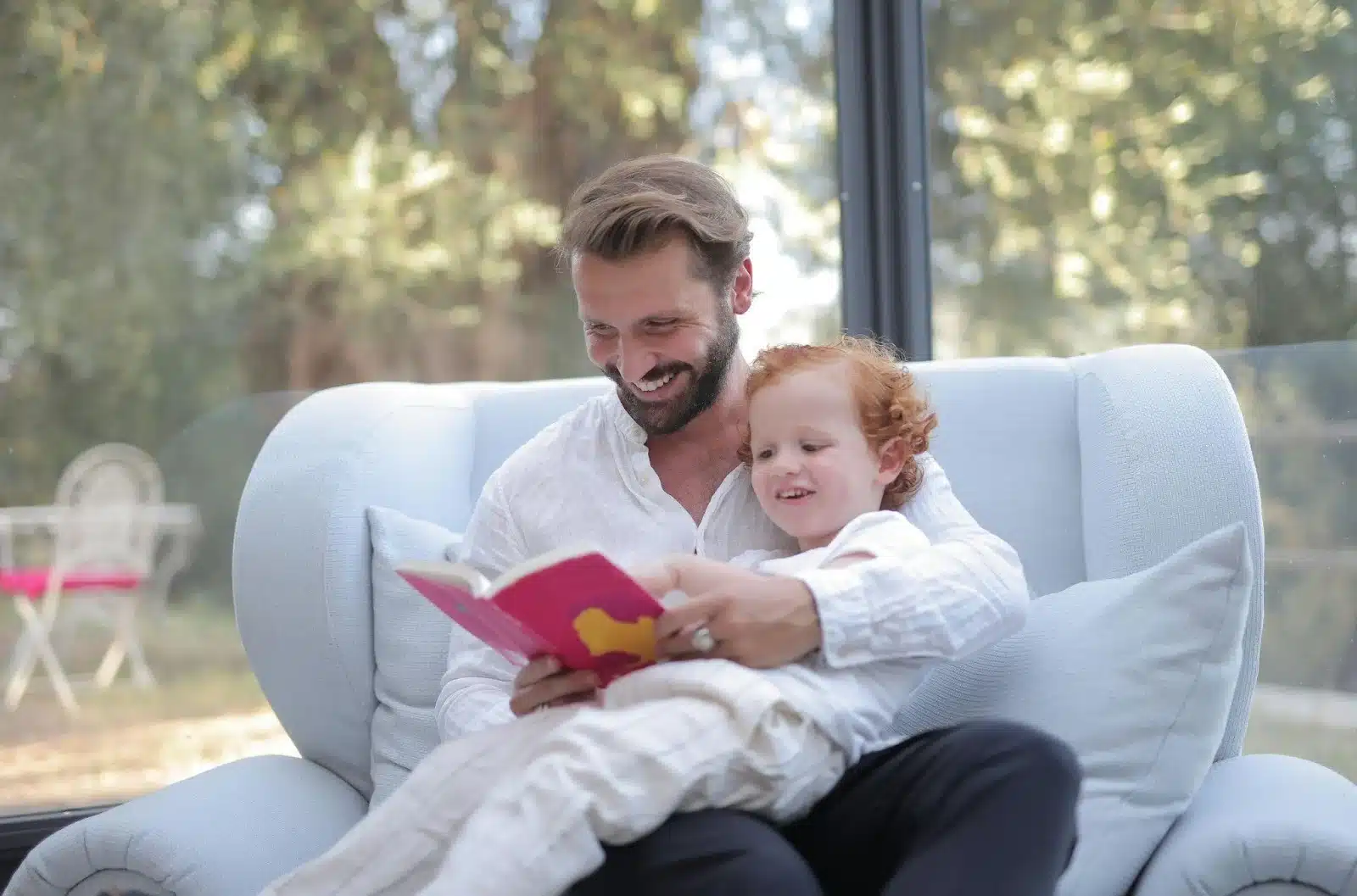
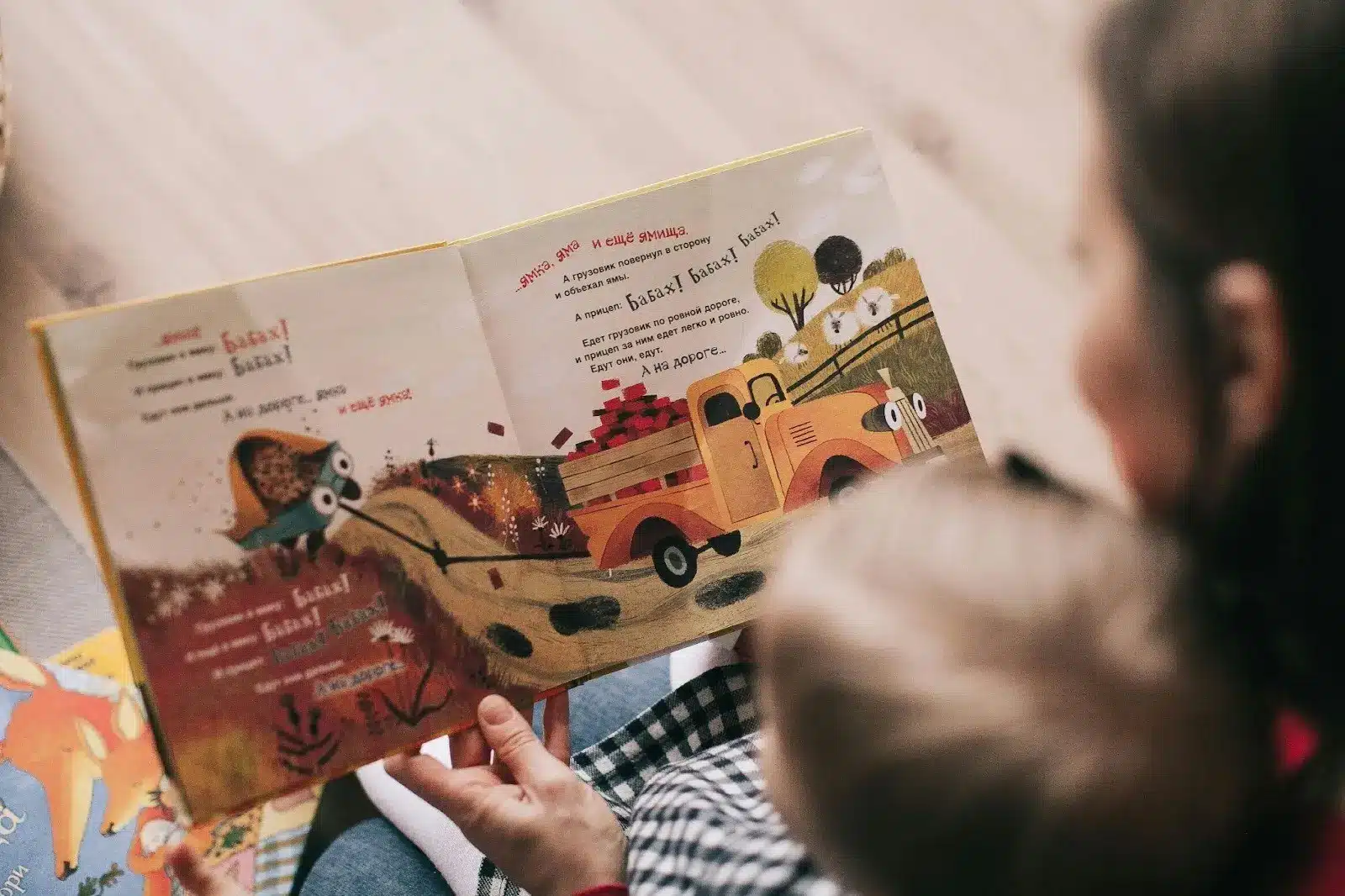
Photo from Pexels: Reading readiness grows through connection, conversation, and confidence, not pressure or early performance.
You already have everything you need to support reading readiness. Your voice, your time, and your attention matter most.
Read Aloud Daily
Reading aloud exposes your child to rich language and ideas. Ask questions, talk about pictures, and wonder aloud together. This type of shared reading builds comprehension and curiosity.
Play with Sounds & Rhymes
Sing songs, say nursery rhymes, and play sound games during daily routines. These playful moments strengthen phonological awareness without feeling like lessons.
Explore Letters and Print Together
Point out words on packaging, street signs, or labels around your home. Talk about letters naturally and keep it fun. This builds print awareness in a meaningful way.
Ask Questions & Talk Often
Every conversation builds literacy. When you listen, respond, and expand on your child’s ideas, you are supporting vocabulary and thinking skills that directly support reading.
Listen to a very informative podcast on this topic here!
Supporting Your Child’s Reading Journey by Age
Supporting Reading Readiness in Babies (0-12 months)
Reading readiness begins long before words. For babies, it’s about sound, rhythm, and connection.
What helps most:
- Talk, sing, and respond to your baby’s sounds
- Read aloud daily, even if your baby isn’t paying attention
- Use simple books with clear pictures and high contrast
- Let your baby explore books with their hands and mouth
- Use high-contrast flashcards to introduce basic concepts
These early experiences help babies tune into language, rhythm, and the emotional connection that makes reading feel safe and enjoyable later on.
Supporting Reading Readiness in Toddlers (1-3 years)
Toddlers learn through repetition, movement, and interaction.
Helpful ideas:
- Re-read favourite books again and again
- Point to pictures and name objects together
- Use simple questions like “Where is the dog?”
- Sing action songs and rhymes to build sound awareness
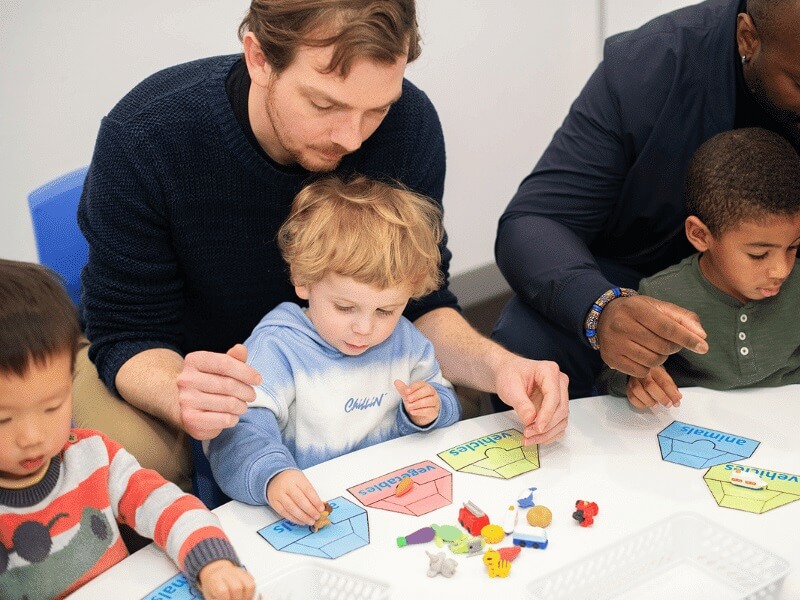
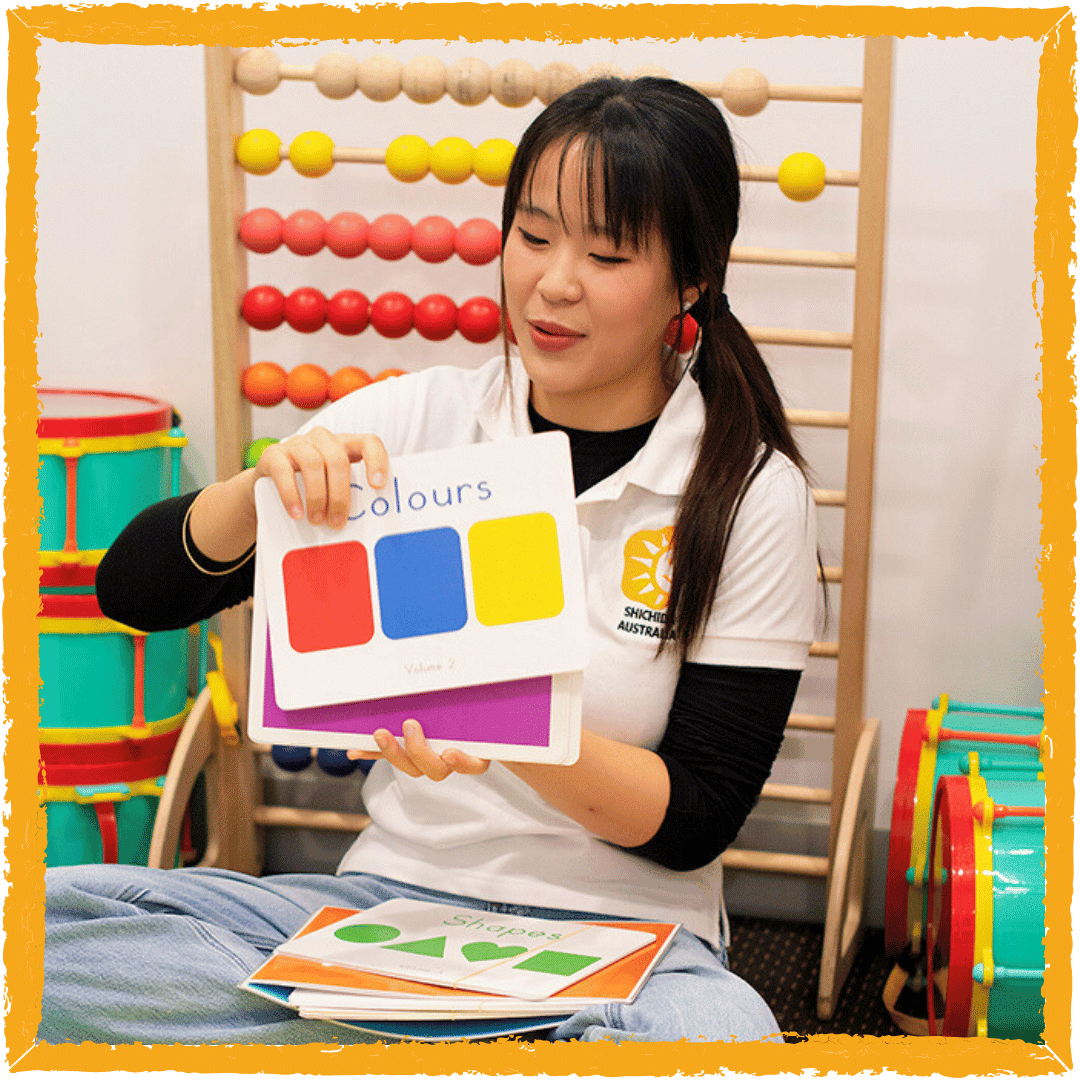
- Use flashcards to introduce concepts like animal names, emotions, shapes or colours
At this stage, understanding words matters more than saying them clearly. Curiosity and enjoyment are the strongest signs of progress.
Supporting Reading Readiness in Preschoolers (3-5 years)
Preschoolers start connecting stories, sounds, and meaning.
Ways to support:
- Let your child “read” books by telling the story
- Talk about characters and what might happen next
- Notice letters naturally, especially in their name
- Play rhyming and sound games without pressure
- Use flashcards to introduce your child to interesting concepts
Preschoolers build confidence when reading feels playful and achievable, not performance-based.
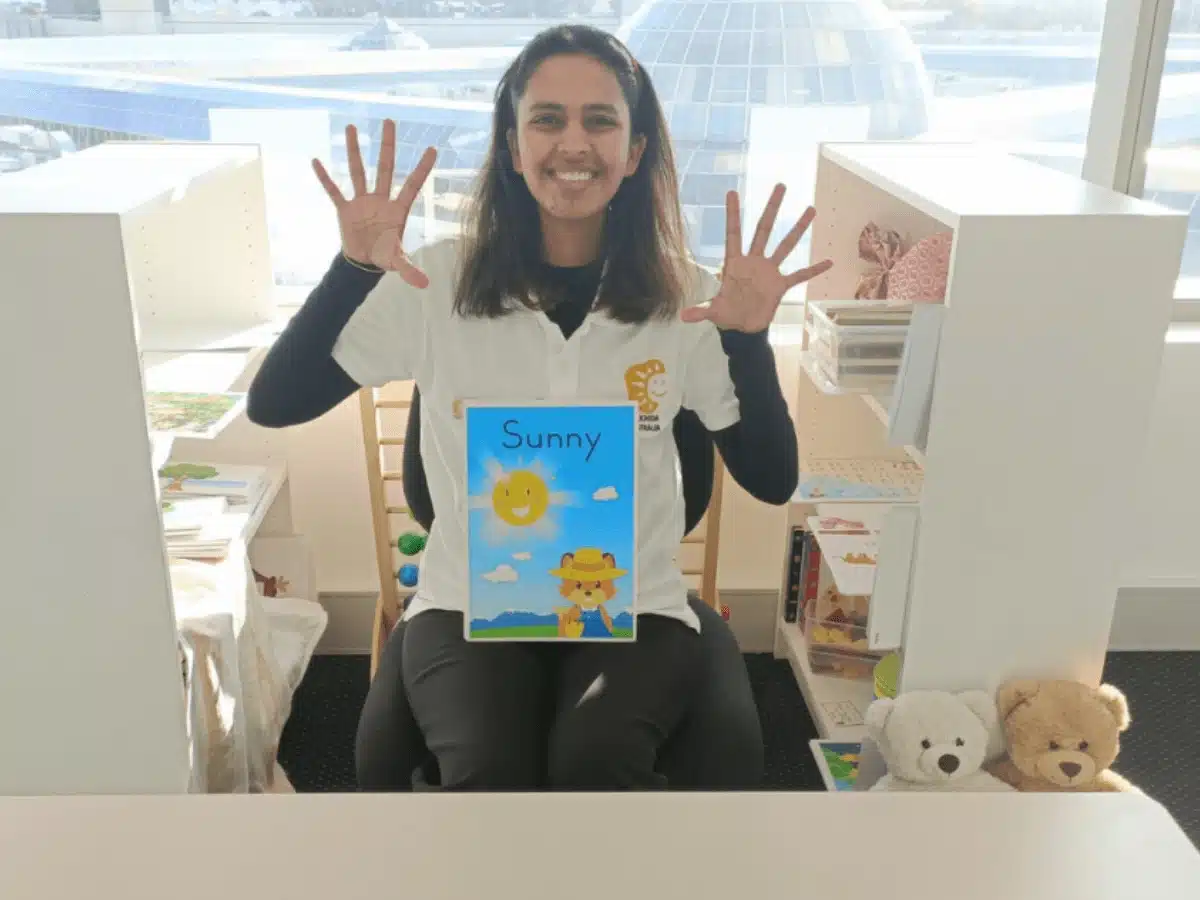
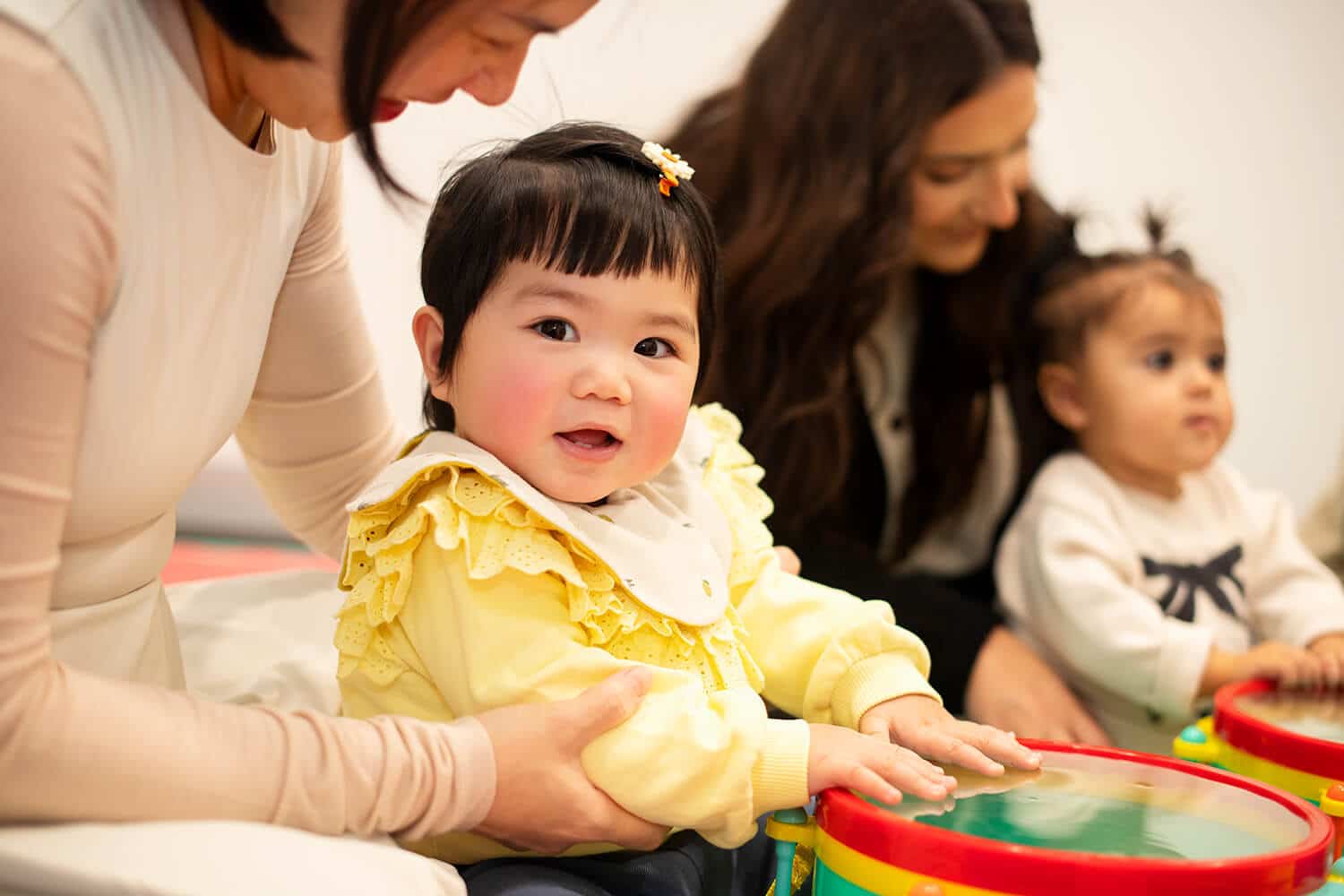
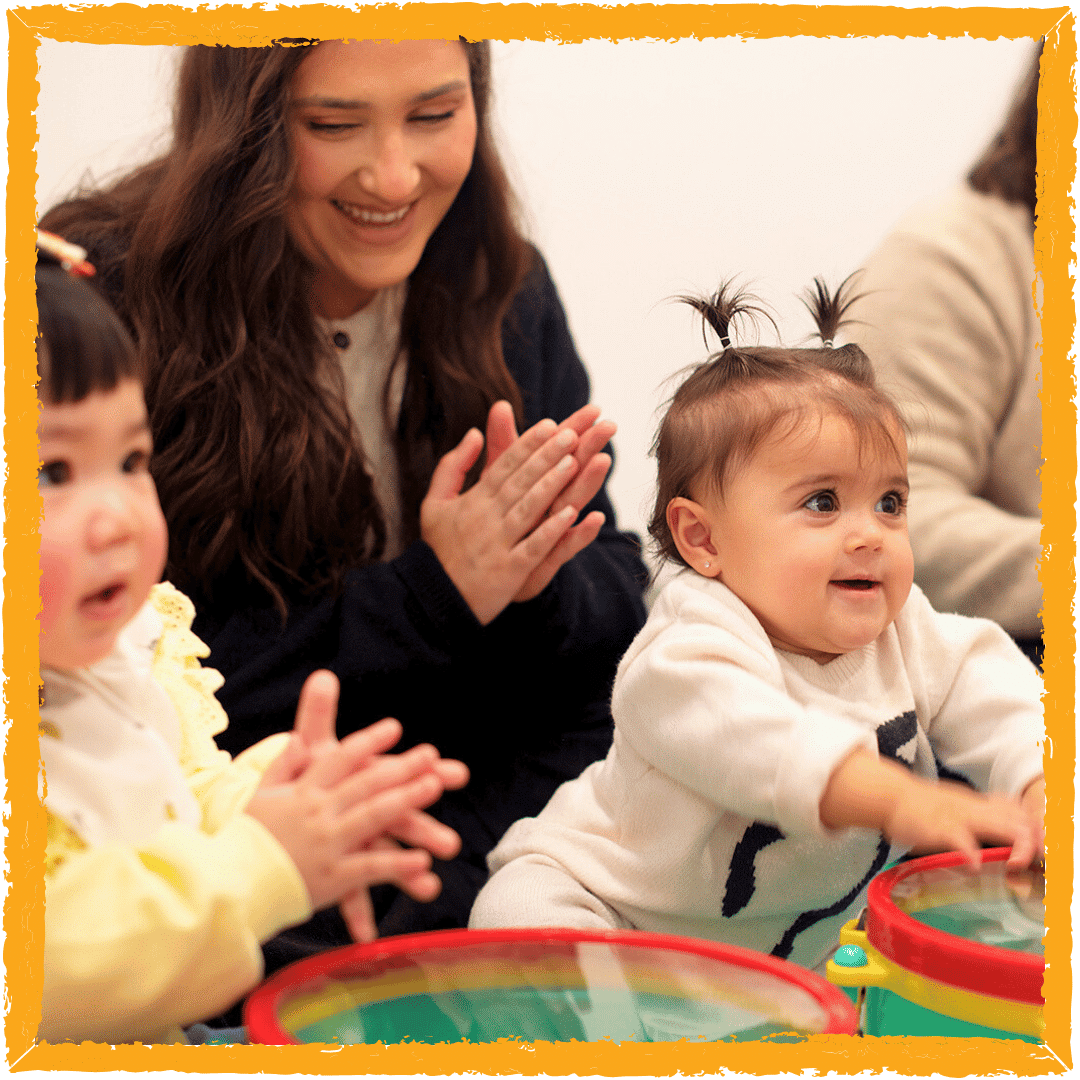
Image by Shichida Australia: A Shichida teacher sings a weather song, paired with movement, large picture cards and basic labels to introduce the concept of weather to babies and toddlers.
Reading Readiness Myths and Misconceptions
Myth: Reading Readiness Is Age-Based
There is no “right” age. Children develop at different rates, and readiness depends on experience and development, not birthdays.
Myth: Children Need to Know Letters Before They’re Ready to Read
Knowing letters can help, but it is not the starting point. Strong listening skills, vocabulary, and an understanding of stories are far more important foundations for reading success than letter recognition alone.
When to Seek Additional Support
Most children develop reading readiness naturally, but trust your instincts as a parent.
Early Signs of Concern
If your child consistently struggles with speech, understanding language, or attention, it may be helpful to seek guidance. Early support can make a positive difference.
How Educators Can Help
Early childhood educators and specialists can assess skills and suggest gentle, targeted support. Working together ensures your child feels supported, not labelled.
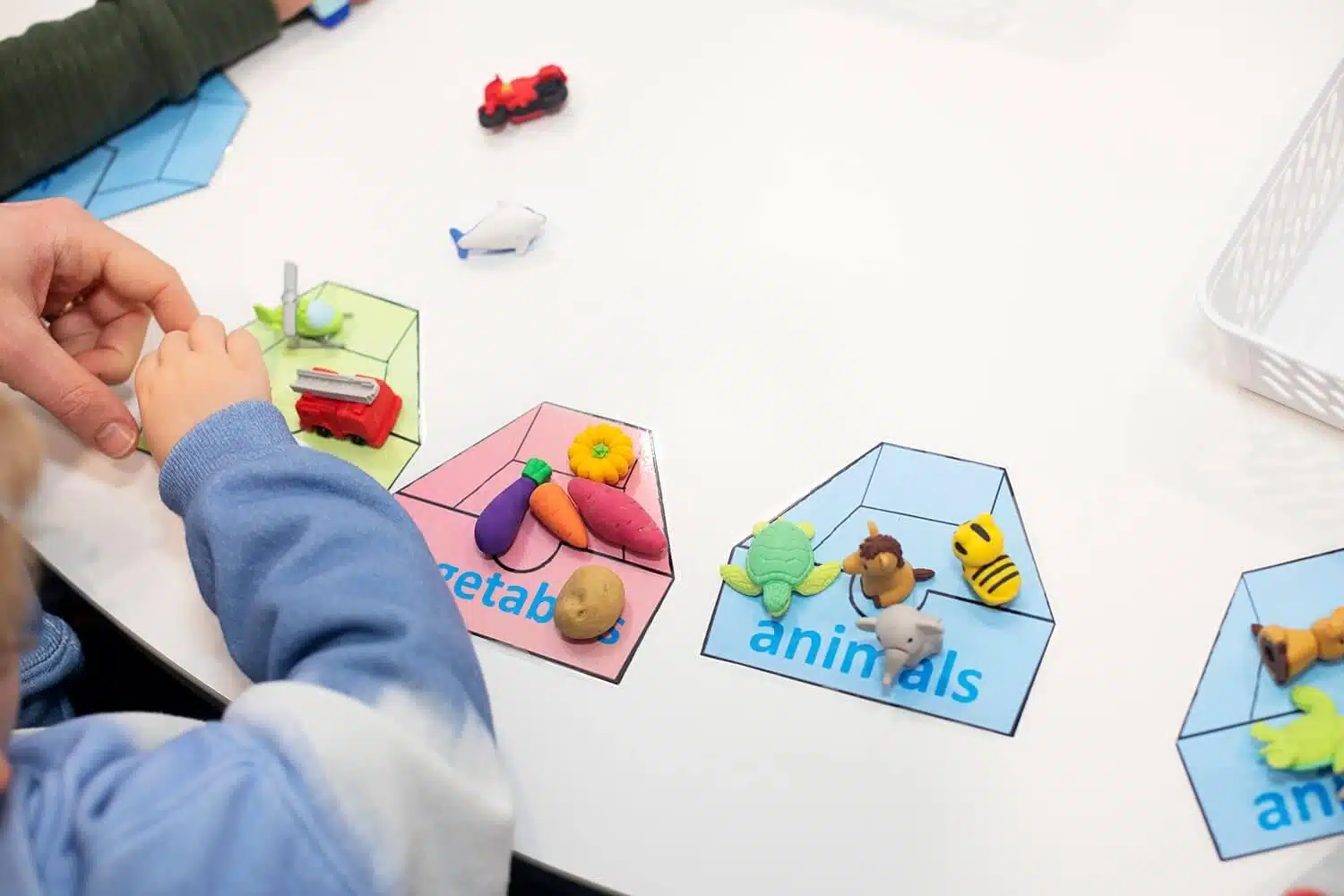
At Shichida Australia, reading readiness is nurtured through play, language, and connection, not pressure or early drills.
Shichida’s age-appropriate programs support early literacy by strengthening language, sound awareness, memory, and comprehension from the earliest years.
If you want to support your child’s reading readiness in a way that respects their development and builds confidence, Shichida offers a gentle, research-informed approach. Book a trial class with Shichida Australia and experience how early learning can feel calm, joyful, and meaningful for both you and your child!
FAQs: Reading Readiness
Reading readiness means a child has the foundational skills needed to learn how to read, such as language understanding, sound awareness, attention, and comprehension. It does not mean the child can already read words or sentences.
Reading readiness begins from birth and develops gradually through everyday interaction. Talking, reading aloud, singing, and play all support early literacy long before formal reading instruction begins.
Early signs include interest in books, strong spoken language, enjoyment of rhymes and songs, recognising familiar letters, and pretend reading or storytelling during play.
You can support reading readiness by reading aloud daily, talking often, playing with sounds and rhymes, and exploring print together in everyday environments like books, signage, and packaging.
No. Reading readiness activities such as talking, singing, and reading aloud are appropriate from infancy and support early language and literacy without formal teaching or pressure.
Programs, like Shichida Australia, that focus on language, memory, sound awareness, and comprehension through play and interaction are most effective. Children learn best when literacy foundations are built alongside confidence and enjoyment, not pressure or drills.
Phonological awareness involves hearing and playing with sounds in spoken language, such as rhymes and syllables. Phonics comes later and focuses on linking those sounds to written letters.
If your child has ongoing difficulties with understanding language, communicating clearly, or staying engaged with stories over time, it may be helpful to seek professional guidance for reassurance and support.
High-quality preschool programs support reading readiness by providing language-rich, play-based experiences that build early literacy skills, confidence, and a love of learning.