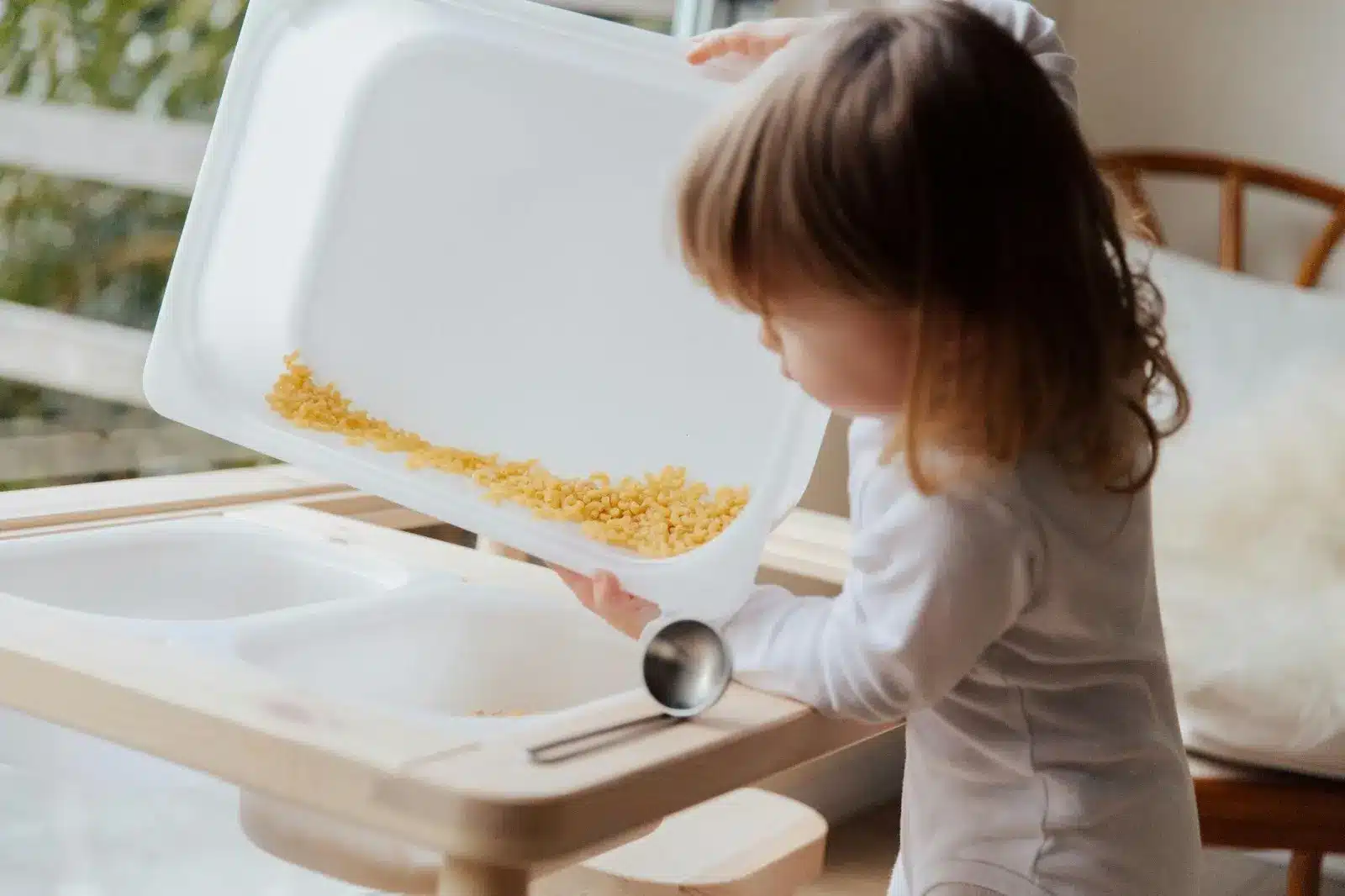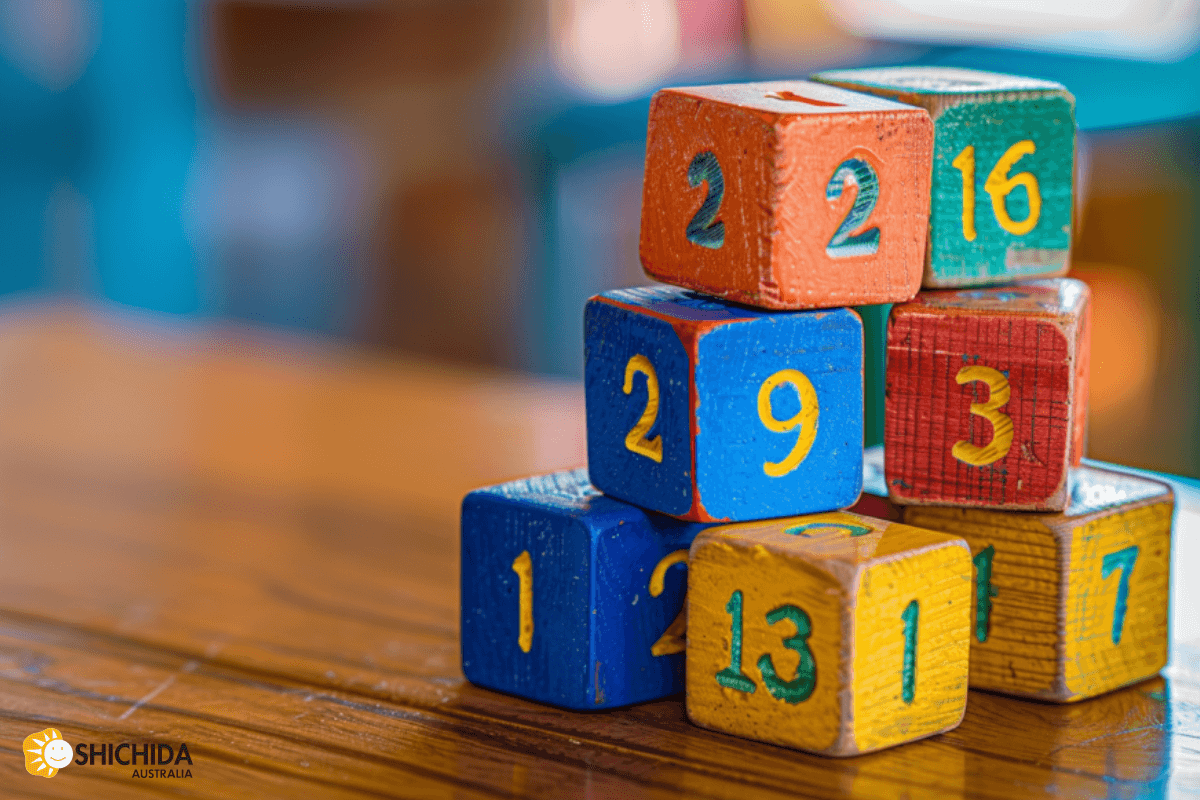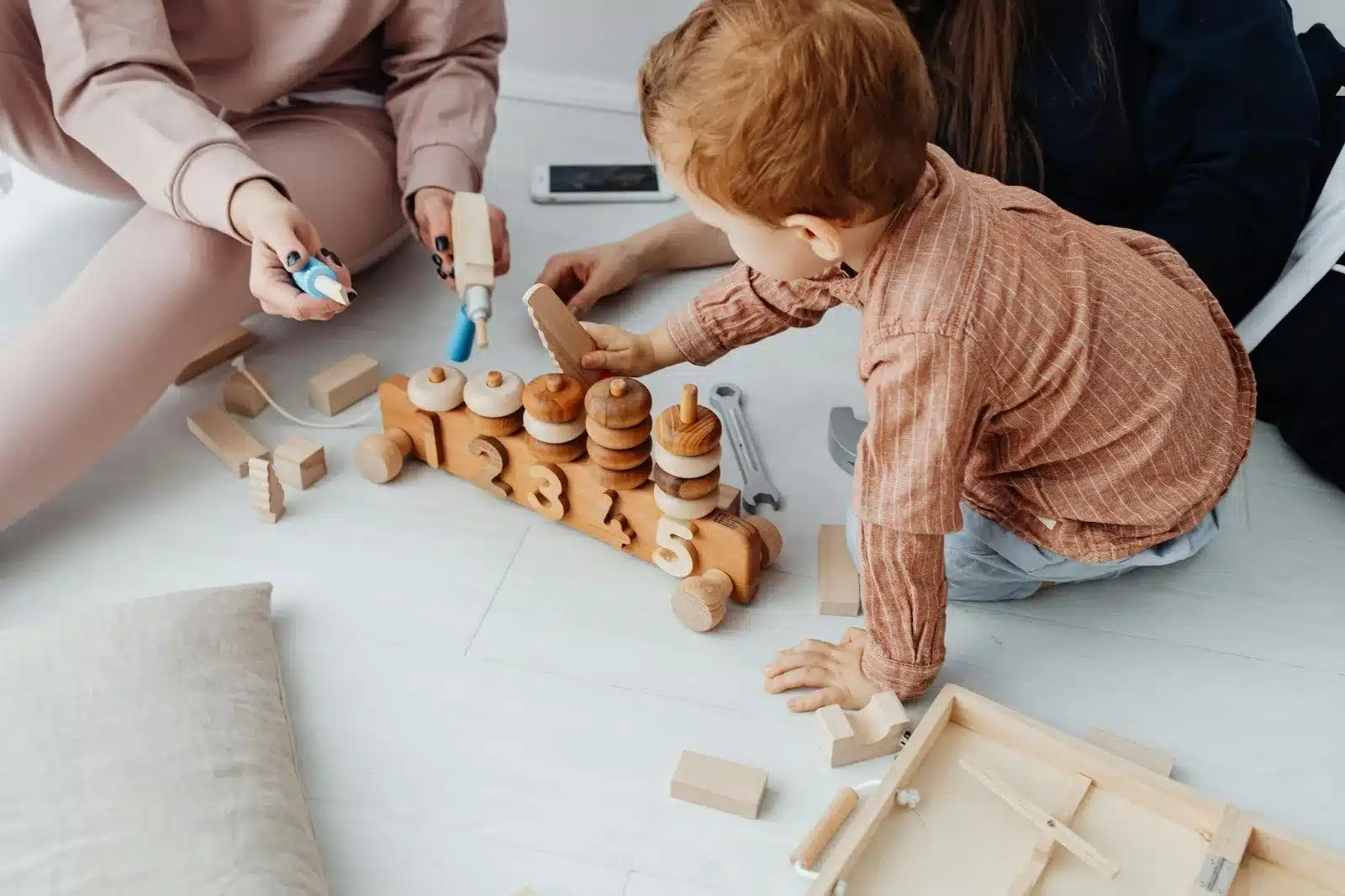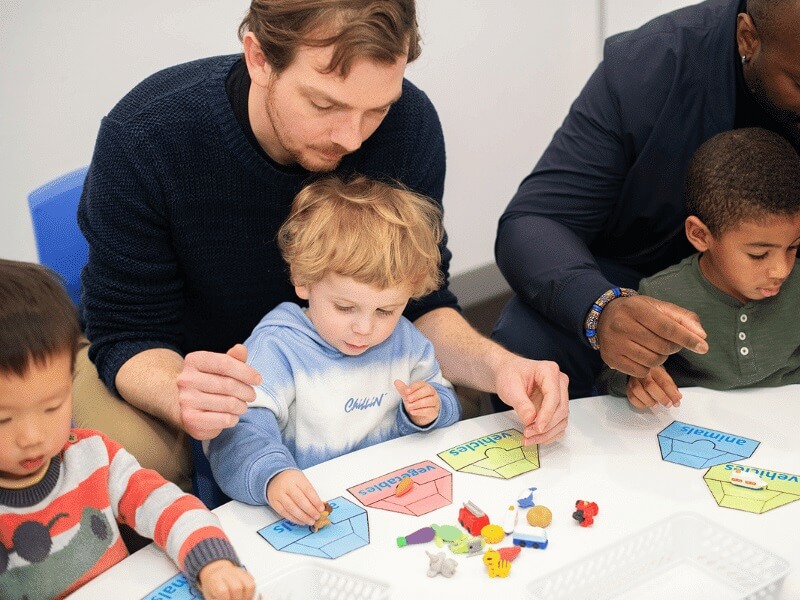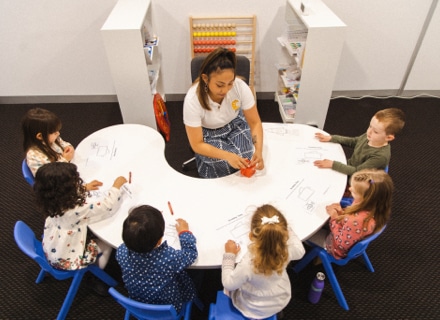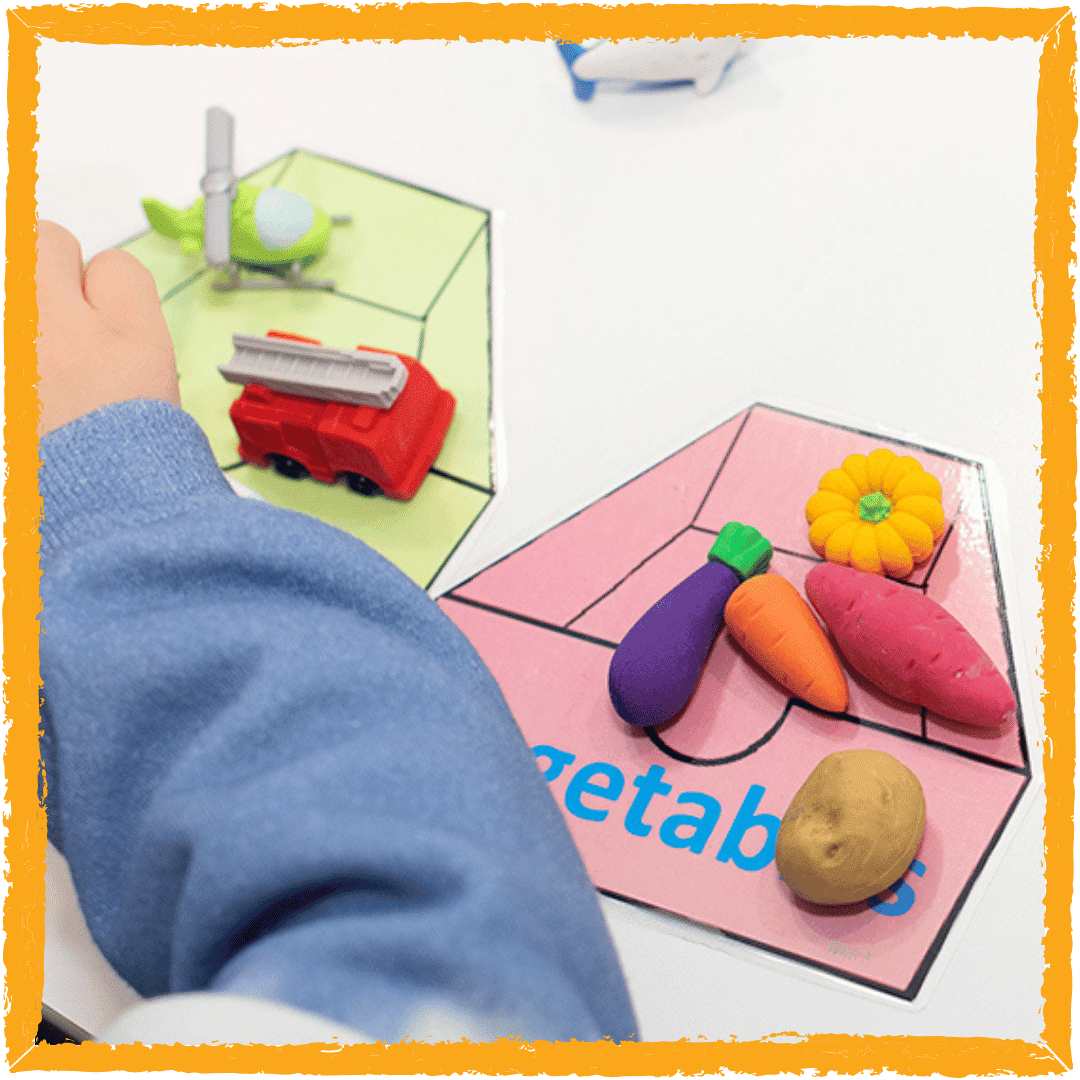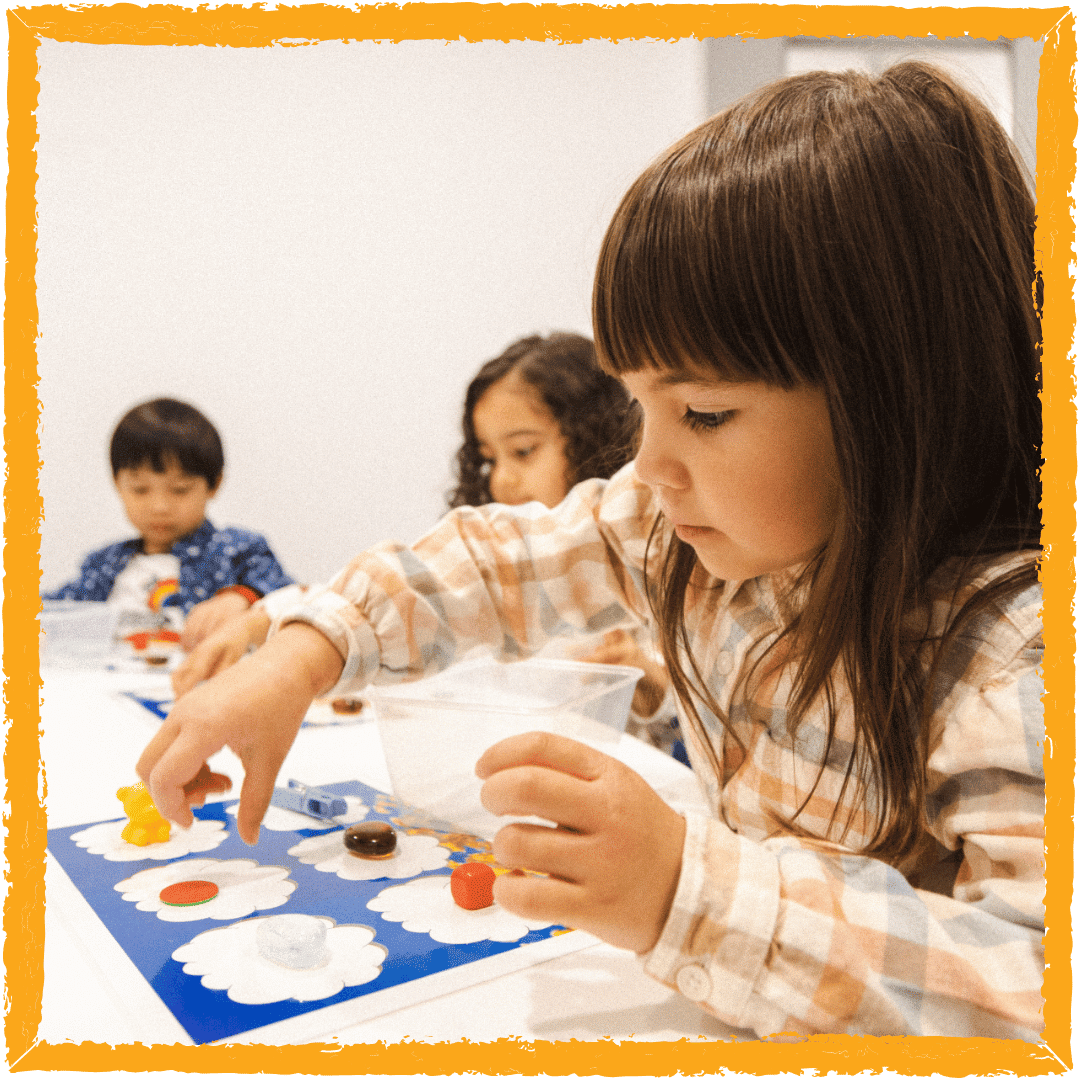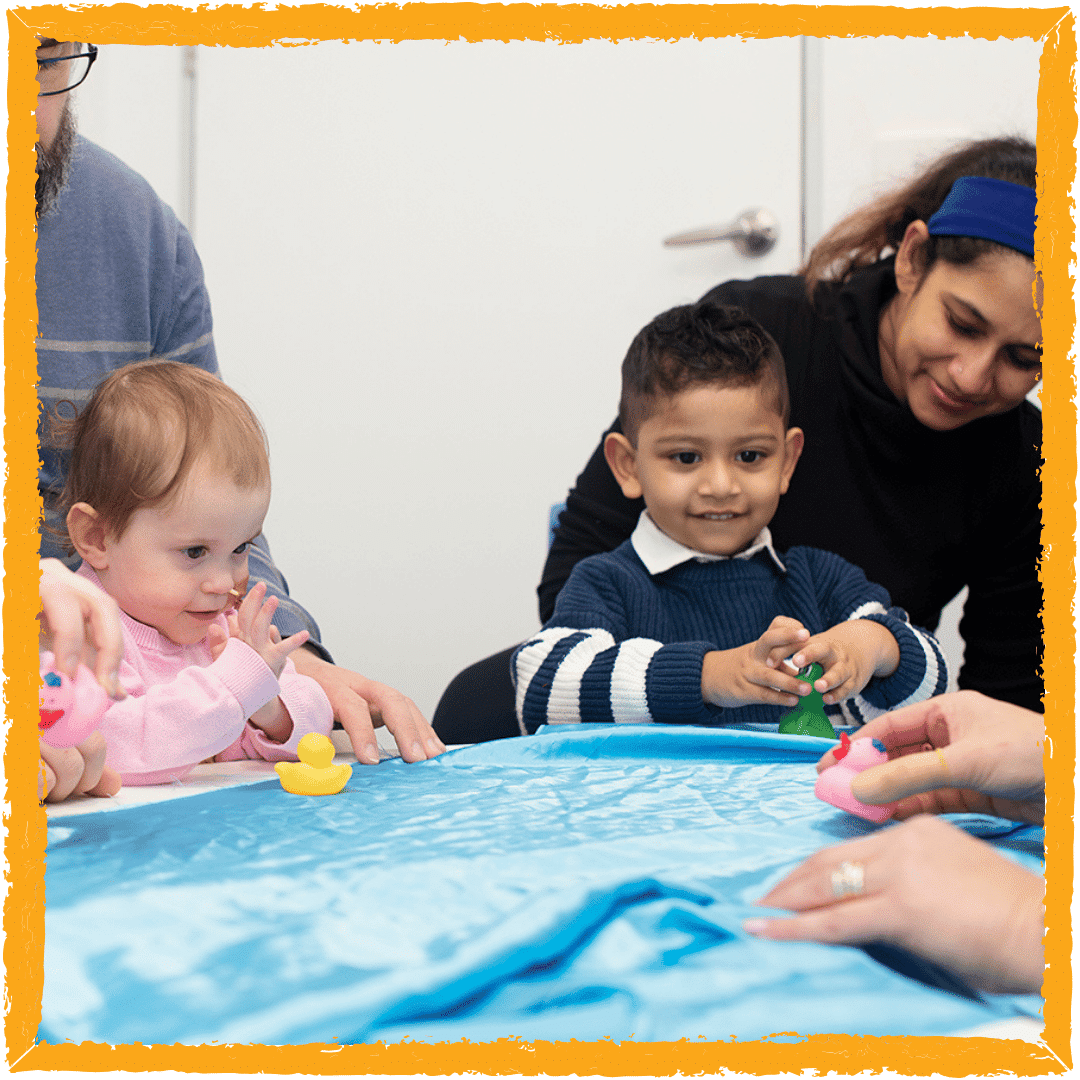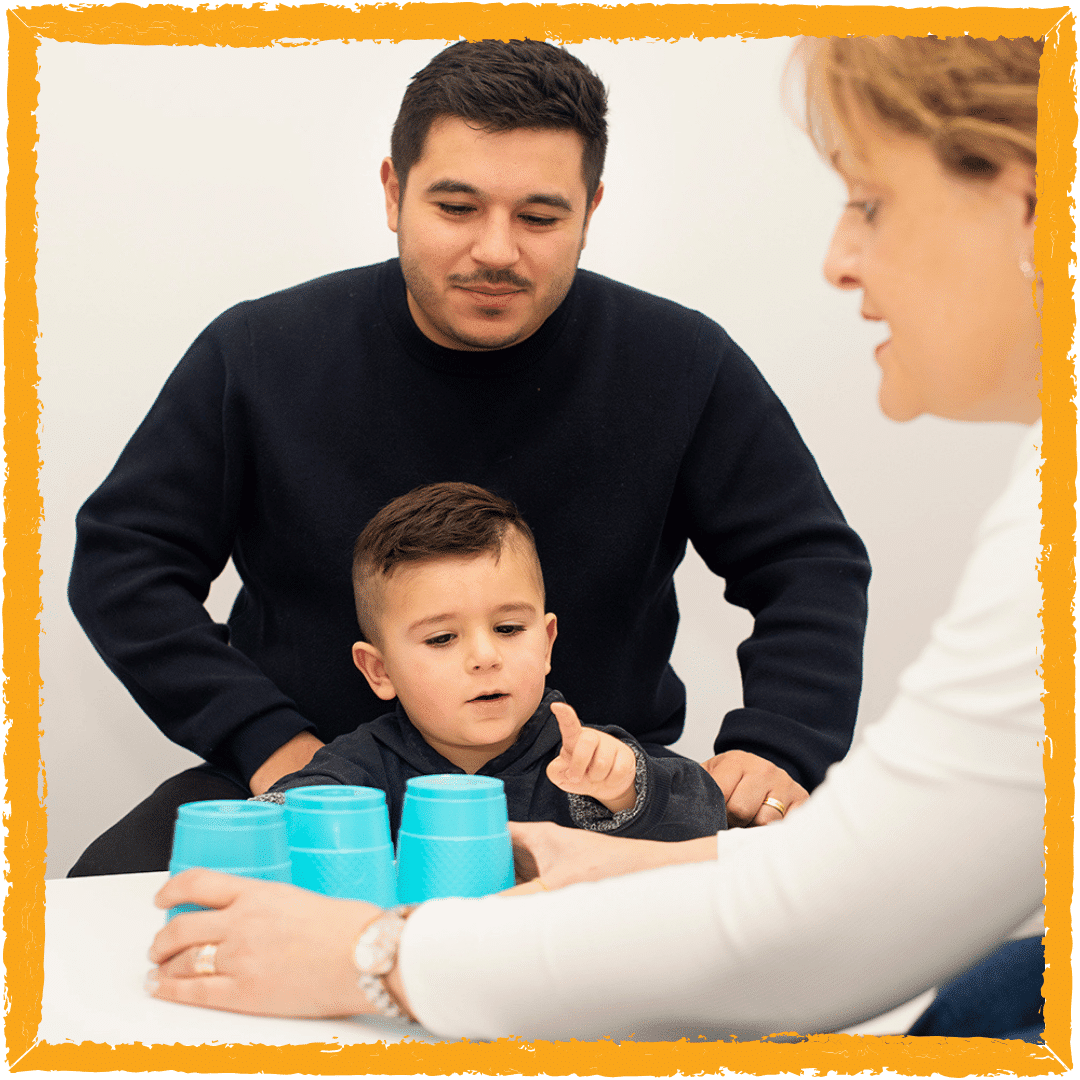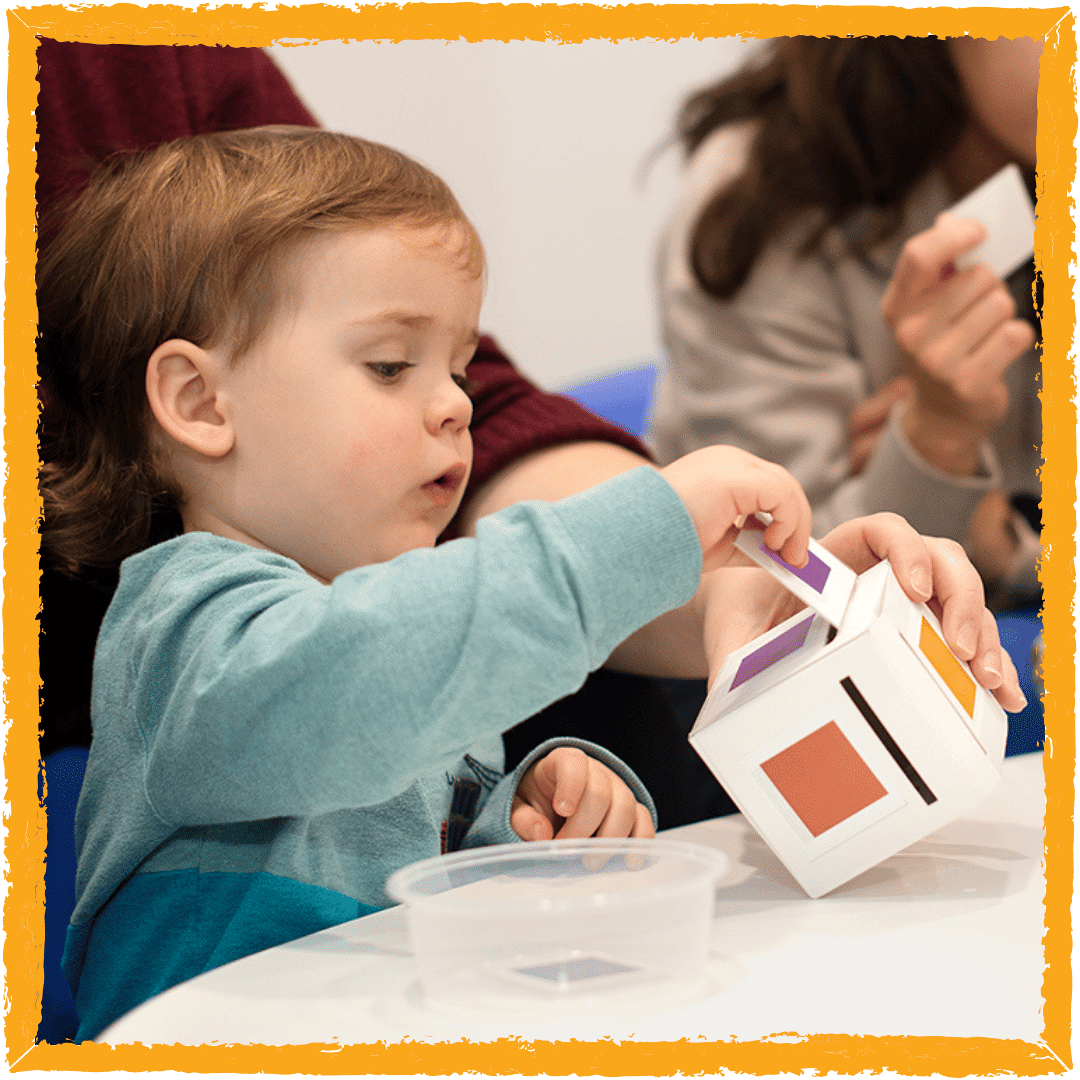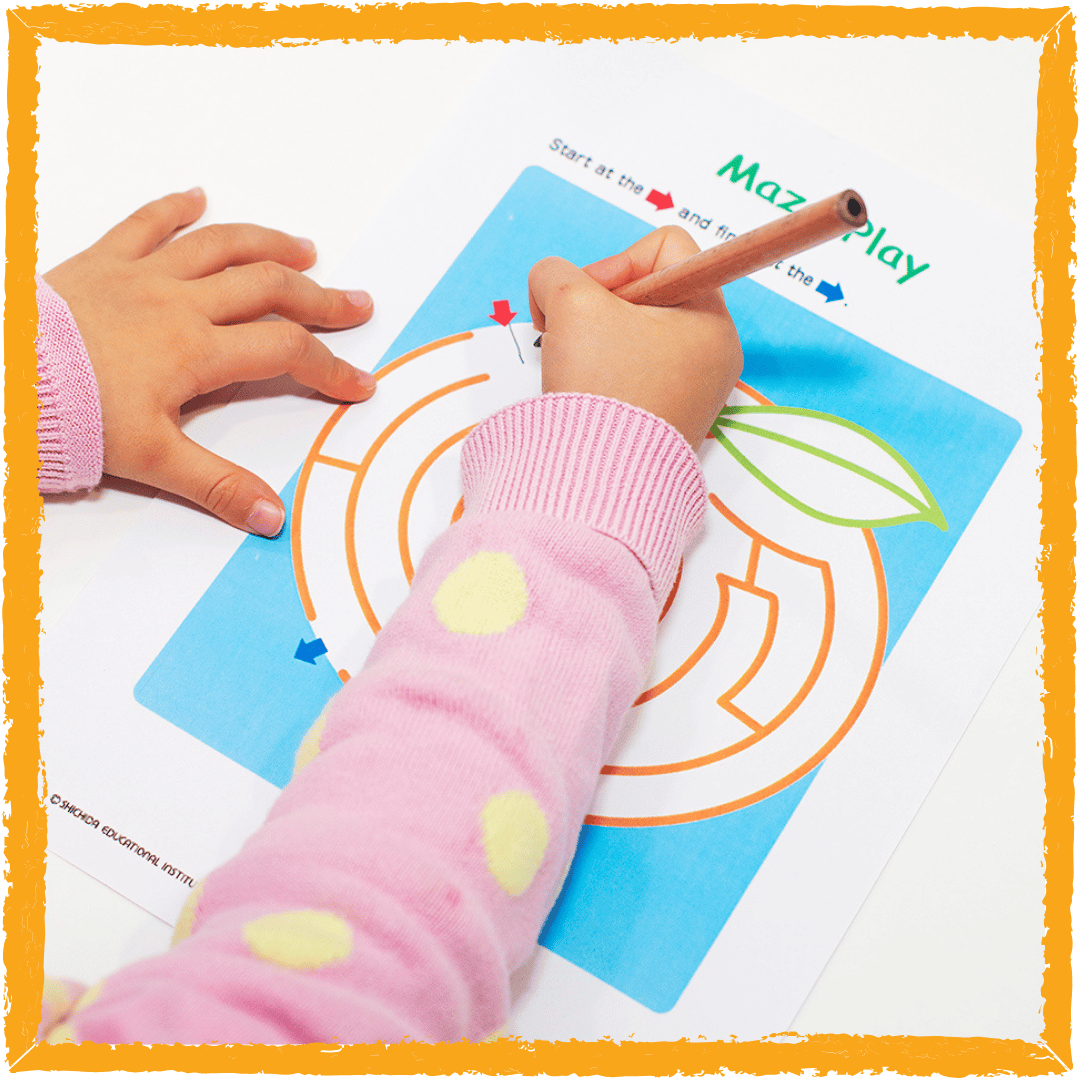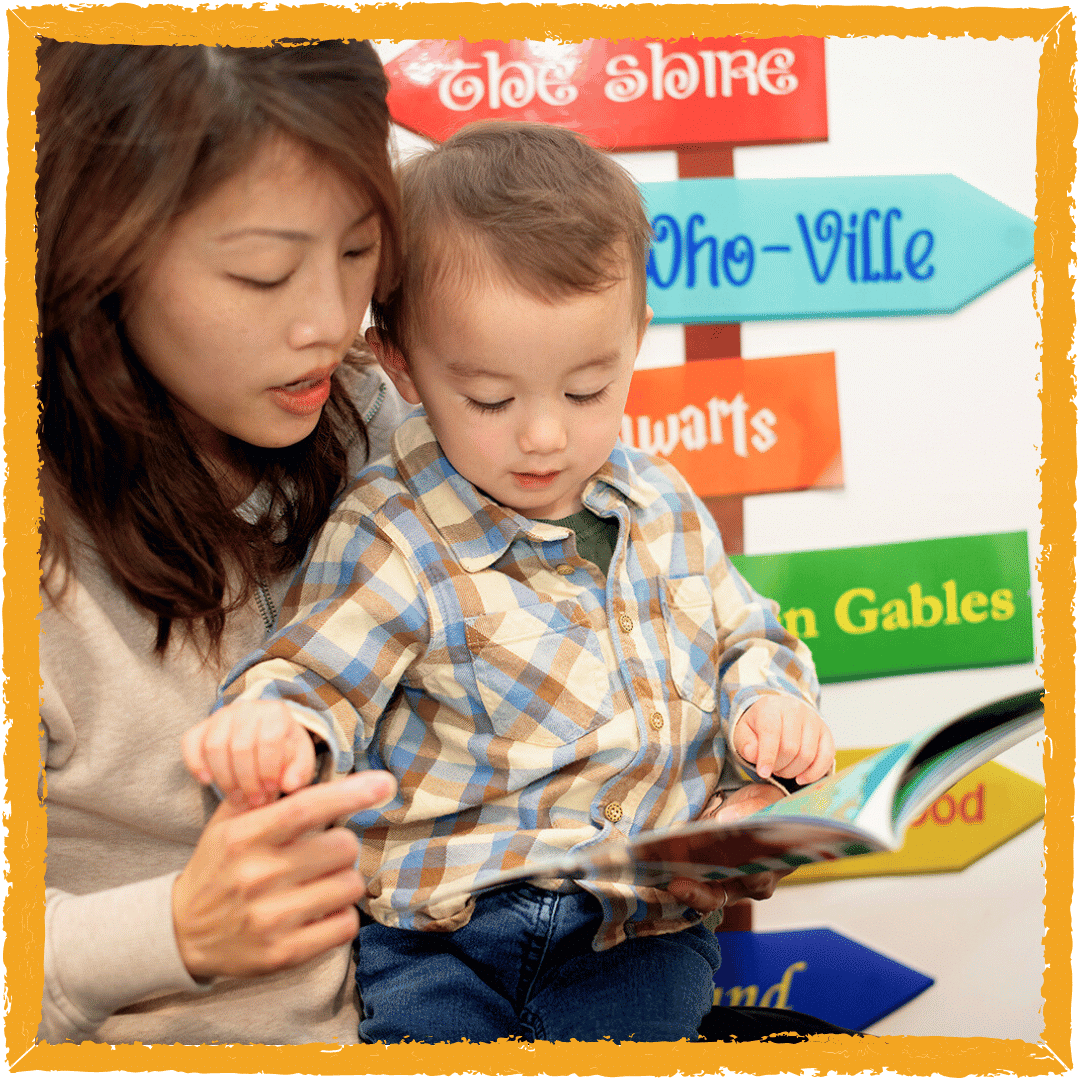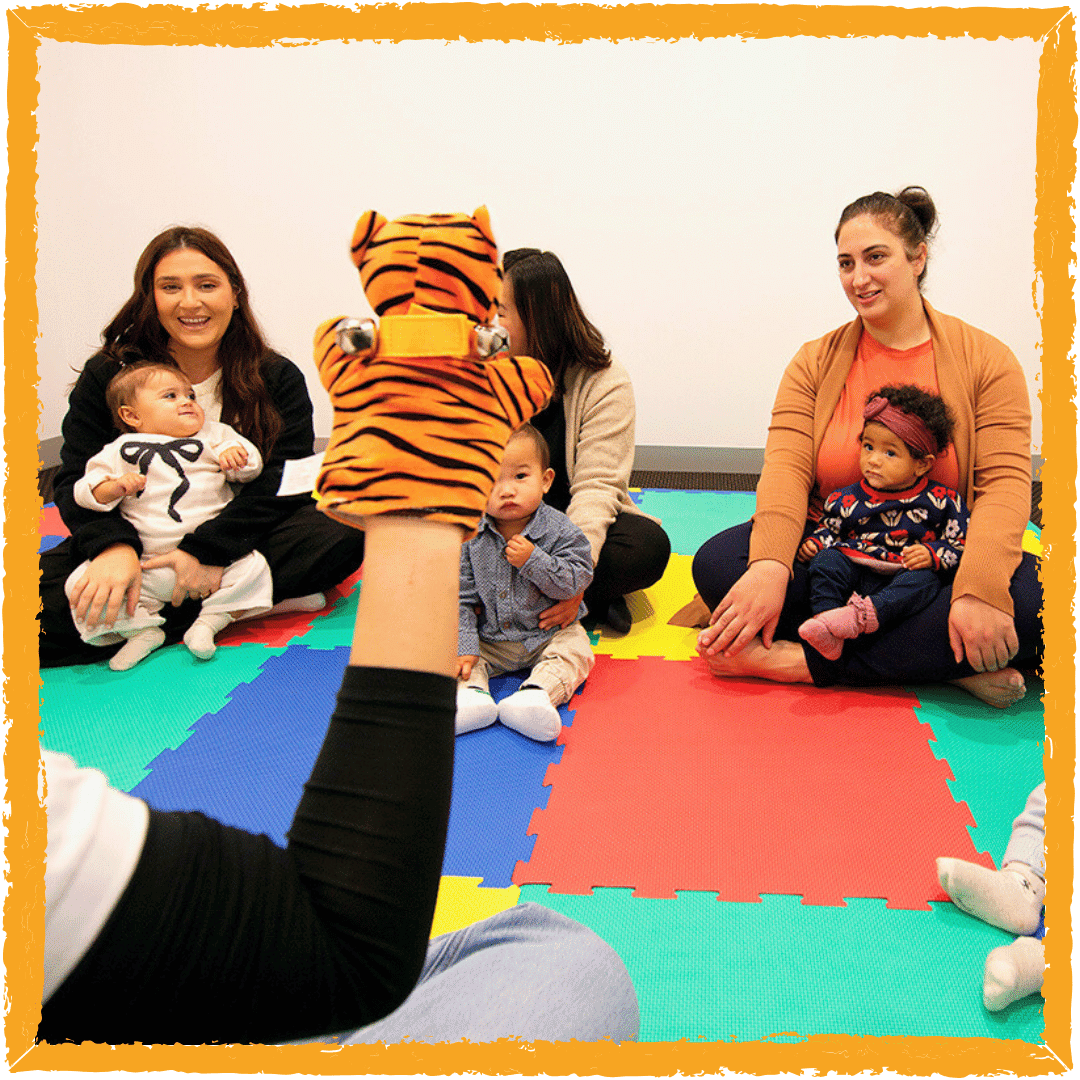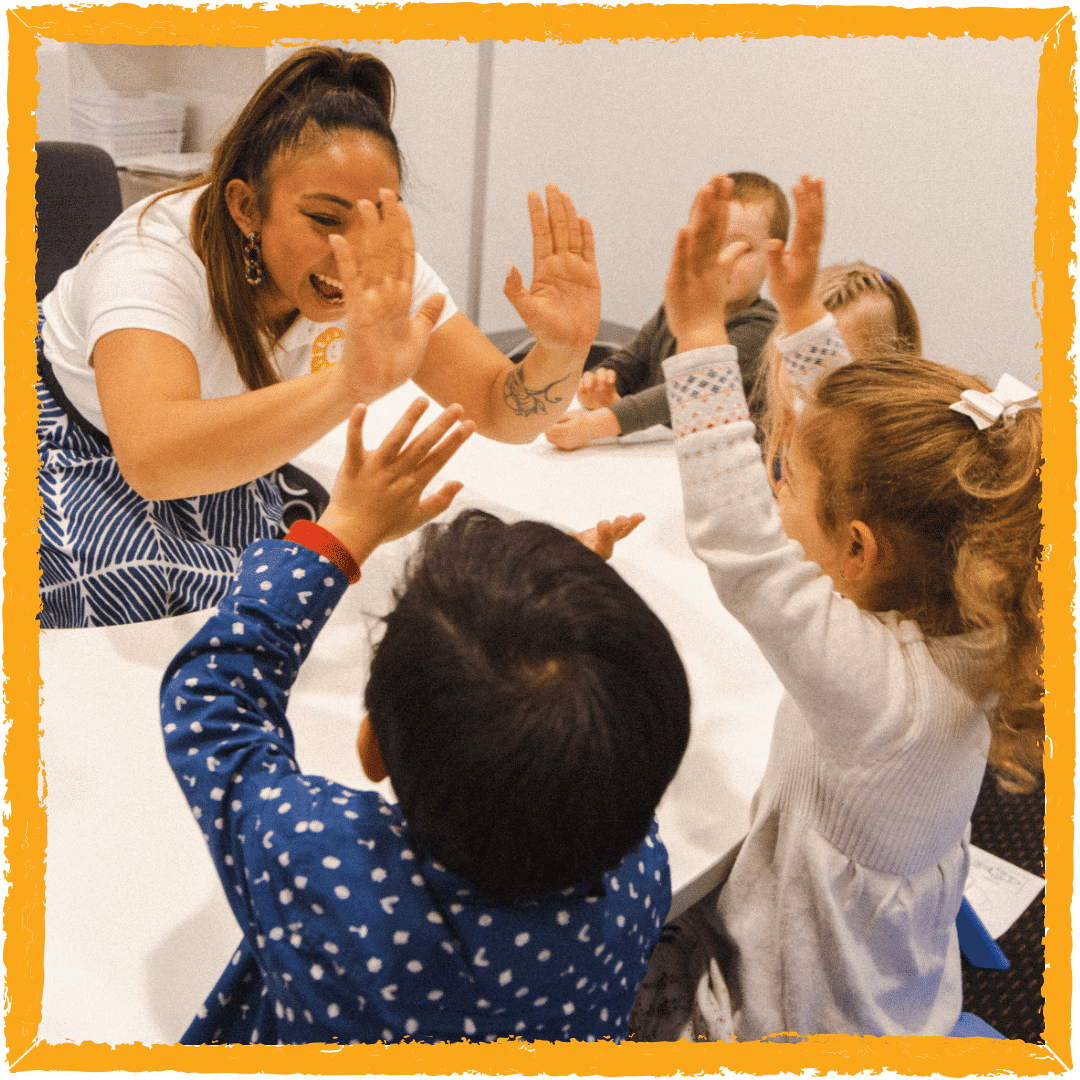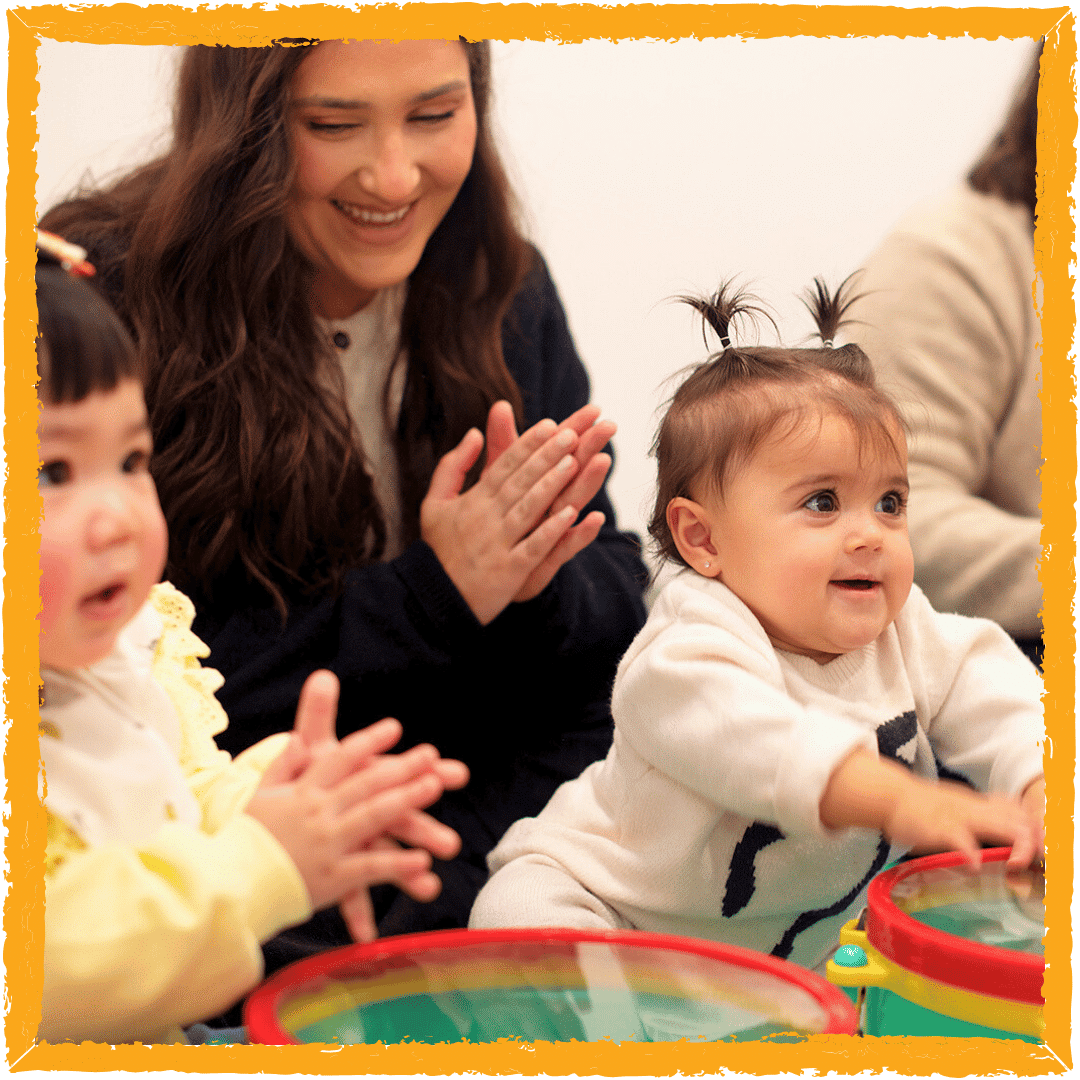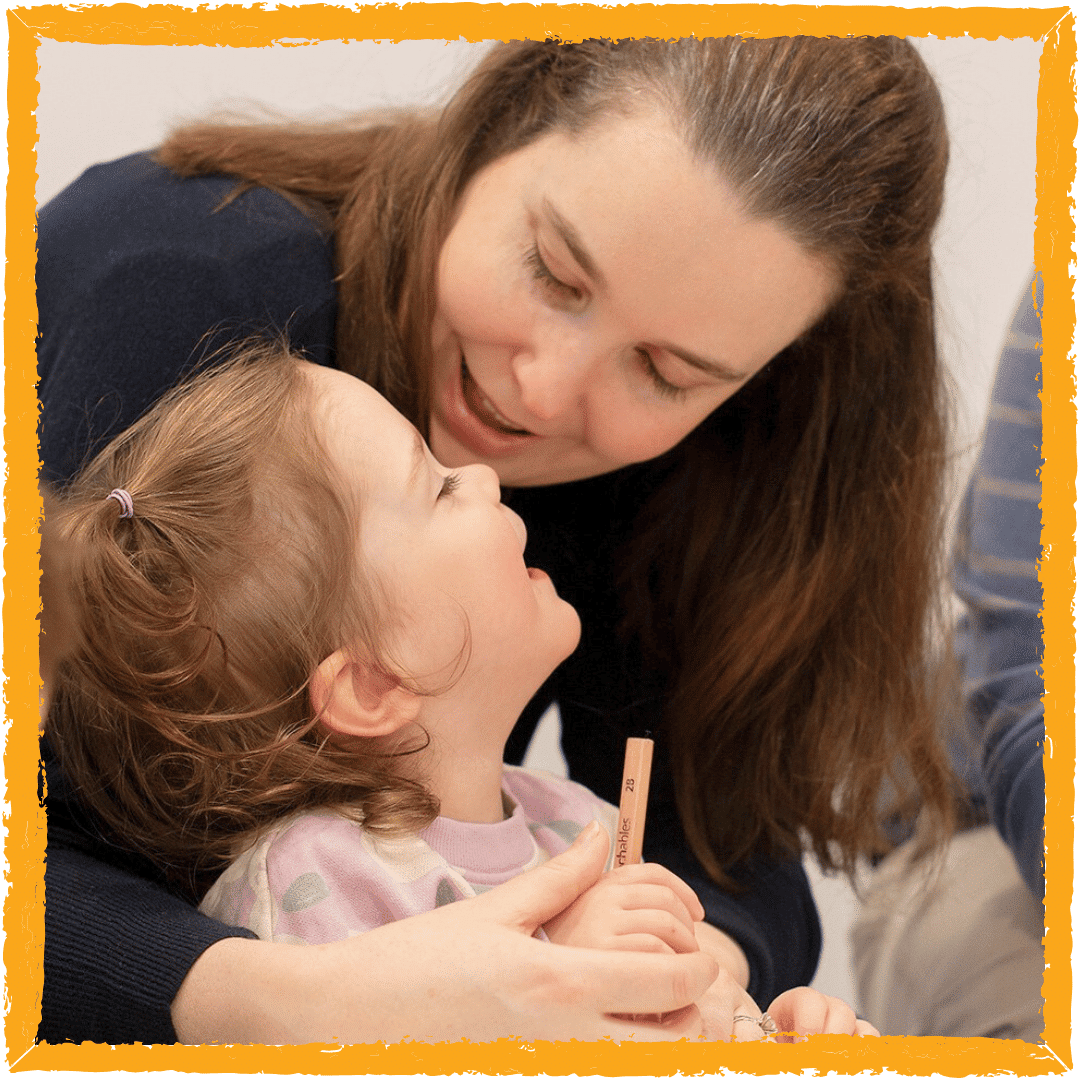
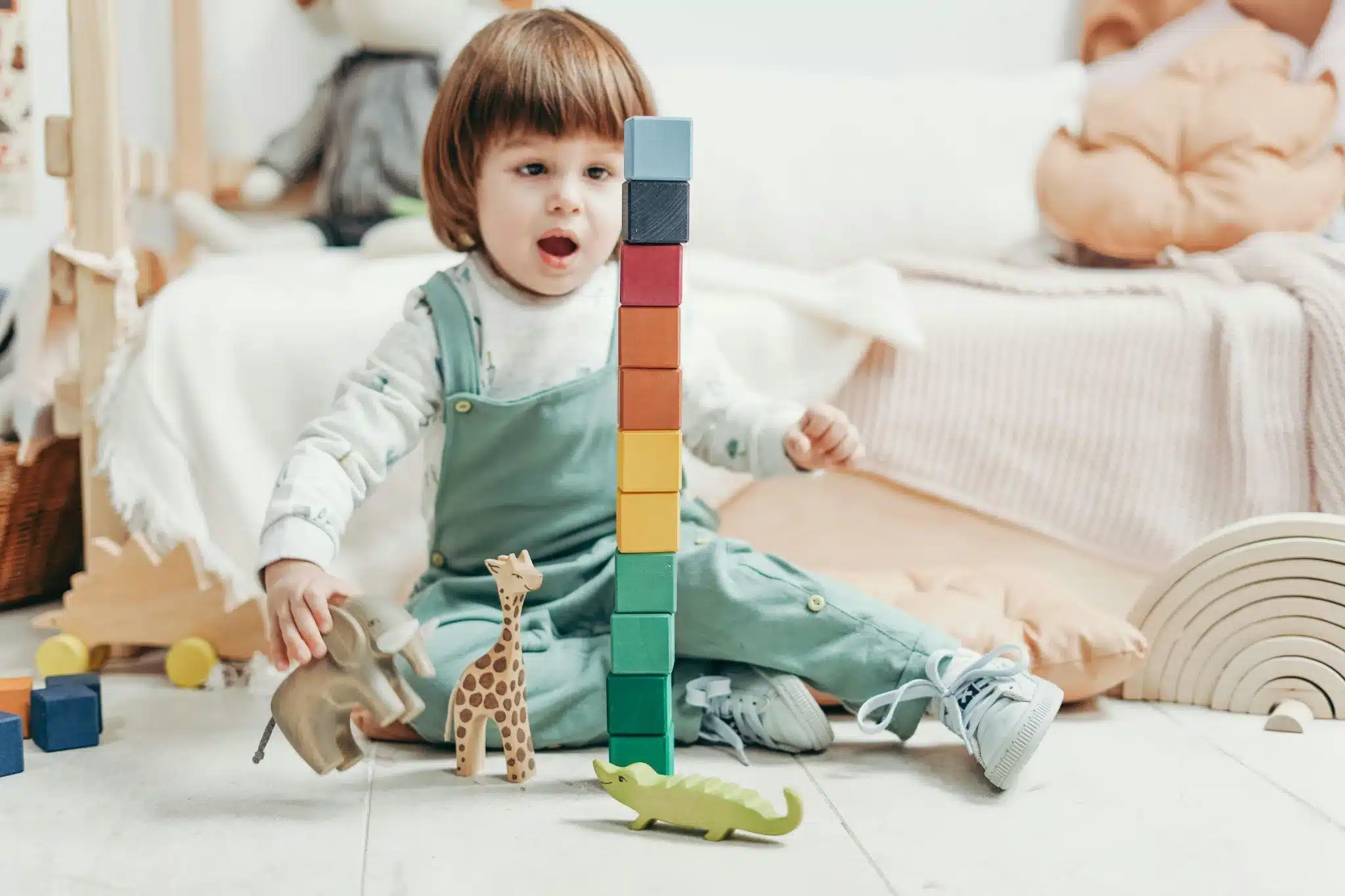
Photo from Pexels: Problem solving in math begins long before school, as young children explore size, quantity, and patterns through everyday play.
Problem Solving in Math: Games and Activities for Kids
Key Points
- Maths problem solving helps children learn how to think, not memorise answers
- Problem solving skills in maths begin from birth through play and exploration
- Games and real-life activities build confidence and reduce maths anxiety
- Making mistakes is essential for resilience and flexible thinking
- Age-appropriate structure supports long-term numeracy and reasoning skills
- Structured, age-based programmes support long-term maths confidence and reasoning skills.
If you have ever watched your toddler argue that one biscuit is bigger, seen your preschooler rebuild a block tower again and again, or noticed your child counting steps everywhere you go, you have already seen maths problem solving in action.
It may not look like maths. There are no worksheets or sums in sight. But in these everyday moments, your child is comparing, testing ideas, noticing patterns, and figuring things out.
That is what problem solving in maths really is. Not memorising answers, but learning how to think, explore, and understand why something works. When maths is introduced through games and simple activities, confidence grows, and those early foundations support learning right through primary school.
Want free maths activities to use at home?
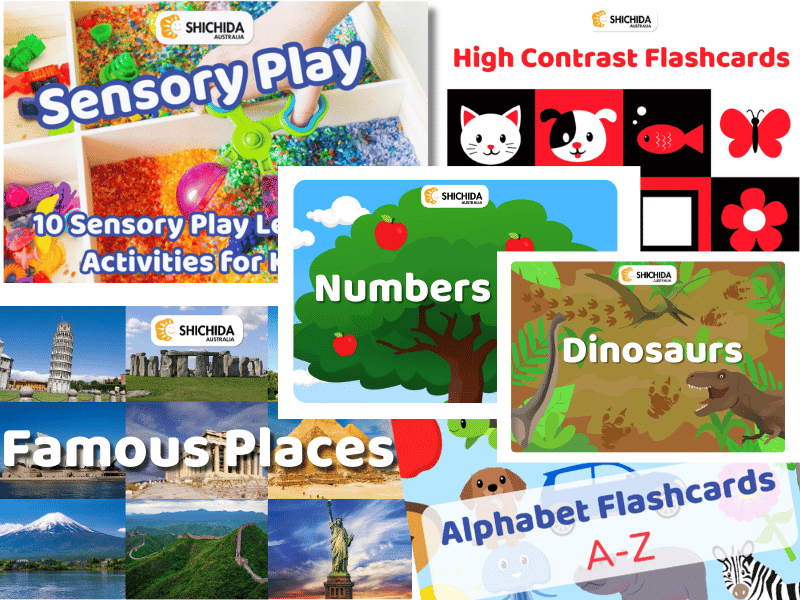
Access our free resources covering flashcards, shapes, numbers, and early time concepts, plus printable worksheets for older children to practise number tracing and writing order. You’ll also find sensory play ideas and other hands-on learning activities parents love.
What Is Problem Solving in Math?
Simply put, maths problem solving is your child’s ability to understand a problem, choose a way to approach it, and use numbers, patterns, or logic to find a solution.
For your child, this is about much more than being right. Math problem solving for kids involves thinking things through, trying different ideas, and learning from mistakes.
These skills include:
- Understanding quantity and number sense
- Recognising patterns and relationships
- Thinking flexibly and adjusting strategies
- Staying patient when answers are not immediate
When children feel safe to make mistakes, they learn faster. Mistakes are not setbacks. They are how children build confidence and resilience, skills that support learning well beyond maths.
Why Math Problem Solving Skills Matter for Children
As a parent, you might wonder why maths problem solving matters so much, especially in the early years. The reason is simple. These skills shape how your child approaches challenges in every area of learning.
When children are encouraged to reason instead of memorise, they:
- Feel more confident and less anxious about maths
- Develop strong logical and critical thinking skills
- Perform better across subjects like reading and science
- Learn to persist when something feels difficult
Children who know how to approach a problem are less likely to feel stress when they see something unfamiliar. For expectant parents, understanding this early helps set the tone for how maths is introduced from the very beginning.
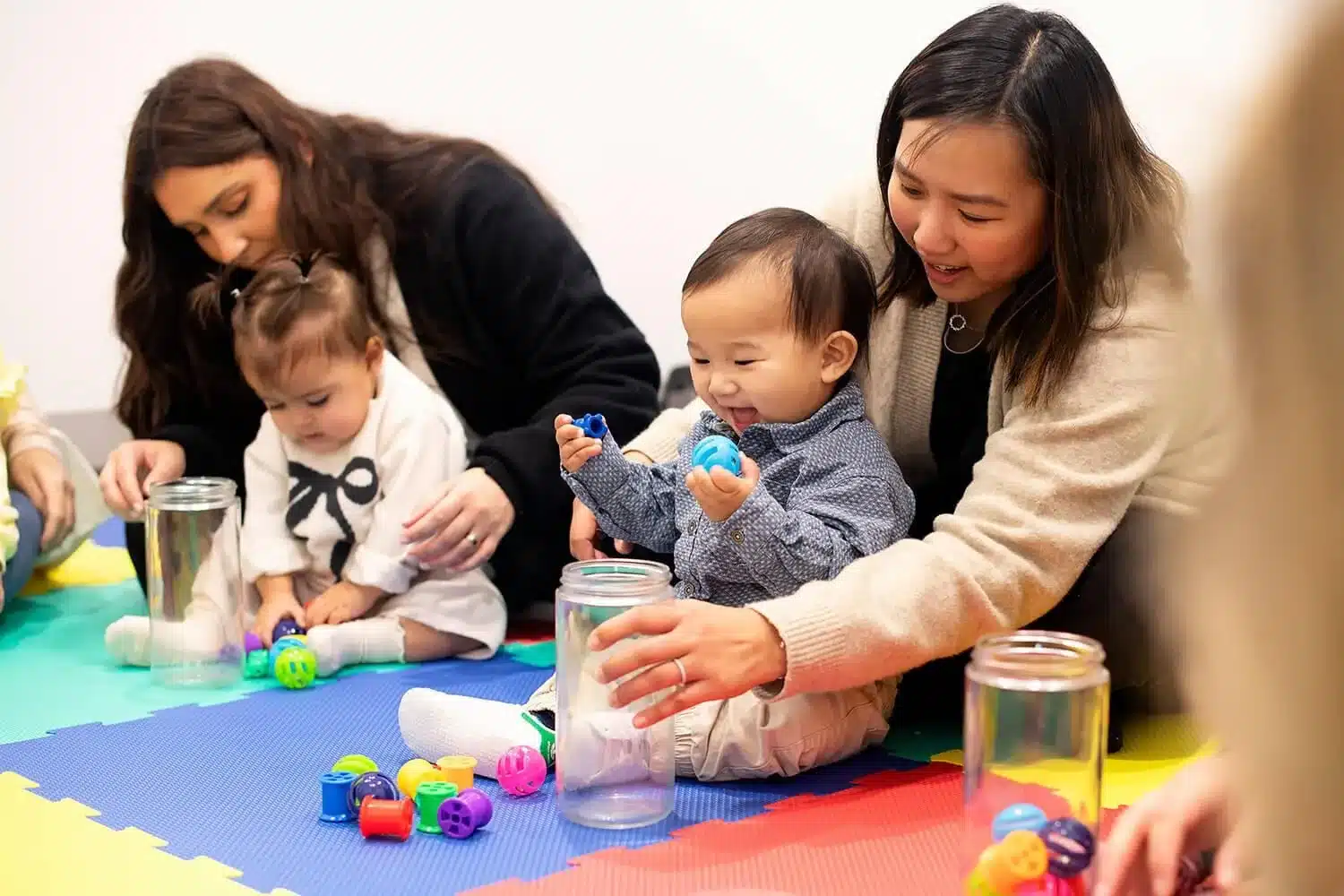
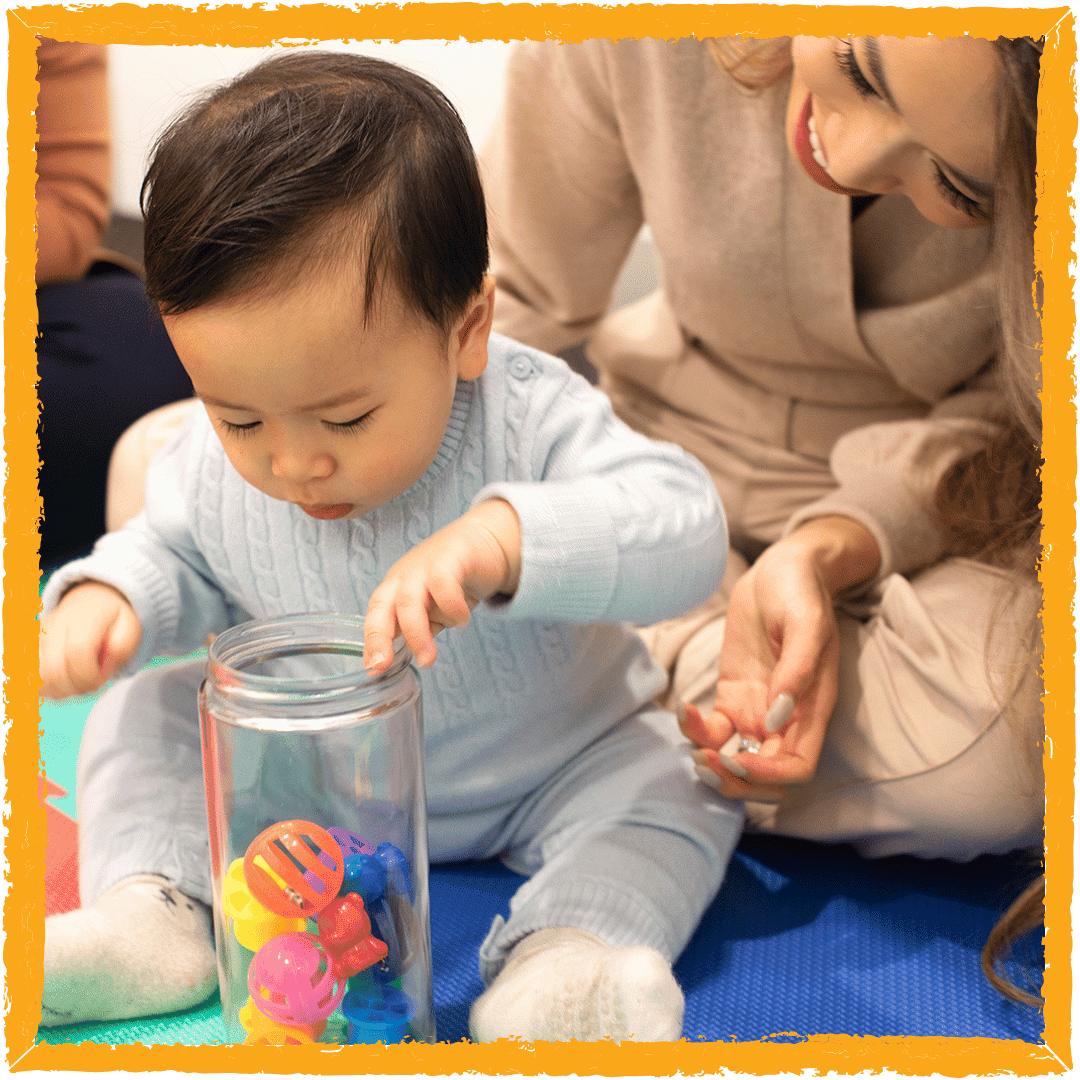
Image by Shichida Australia: Babies practise picking up and dropping objects into narrow bottles, building spatial awareness and fine motor control while learning early maths concepts such as cause and effect. These experiences support early concepts like quantity, comparison, and problem solving – which are core pre-numeracy skills.
Math Problem Solving Games and Activities by Age
One of the easiest ways to support maths learning at home is through play. Maths problem solving games help children practise thinking skills in ways that feel natural, enjoyable, and pressure-free.
What matters most is how children think, not how quickly they answer.
Babies (0-1 Year): Exploring Cause and Effect
At this stage, maths problem solving is sensory and physical. Babies learn by exploring what happens when they act on the world.
You can support this by:
- Letting your baby drop objects and watching them fall
- Offering stacking cups or rings to explore size and order
- Playing simple “in and out” or “on and off” games
- Singing counting songs with actions, even before numbers are understood
These experiences build early understanding of cause and effect, size, and quantity. There is no expectation of counting – simply observing patterns and changes is enough.
Toddlers (1-3 Years): Discovering Patterns and Quantity
Toddlers begin experimenting more intentionally. They love sorting, matching, and repeating activities as they test ideas.
Helpful activities include:
- Sorting toys by colour, shape, or size
- Stacking blocks and rebuilding when towers fall
- Matching everyday items such as socks, lids, or containers
- Counting objects together during play, without correction
At this stage, repetition is learning. Let your toddler try again and again. Problem solving grows when they are allowed to test ideas freely.
Preschoolers (3-5 Years): Trying Strategies and Thinking Aloud
Preschoolers start planning their actions and explaining their thinking. This is where maths problem solving becomes more visible.
Helpful math problem solving activities include:
- Board games that involve counting spaces
- Dice games that compare quantities or add small numbers
- Simple puzzles and pattern-building games
- Number scavenger hunts around the house
Trial and error is important here. Encourage your child to talk through their thinking and resist stepping in too quickly. The thinking process matters far more than the final answer.
Primary School Kids (6-9 Years): Developing Reasoning and Reflection
As children grow, they begin using more structured thinking.
Support them with:
- Logic games and number puzzles
- Maths riddles and brain teasers
- Real-life word problems using money or time
- Strategy-based board games
Encourage your child to explain how they reached an answer. This reflection builds deeper understanding than speed ever could.
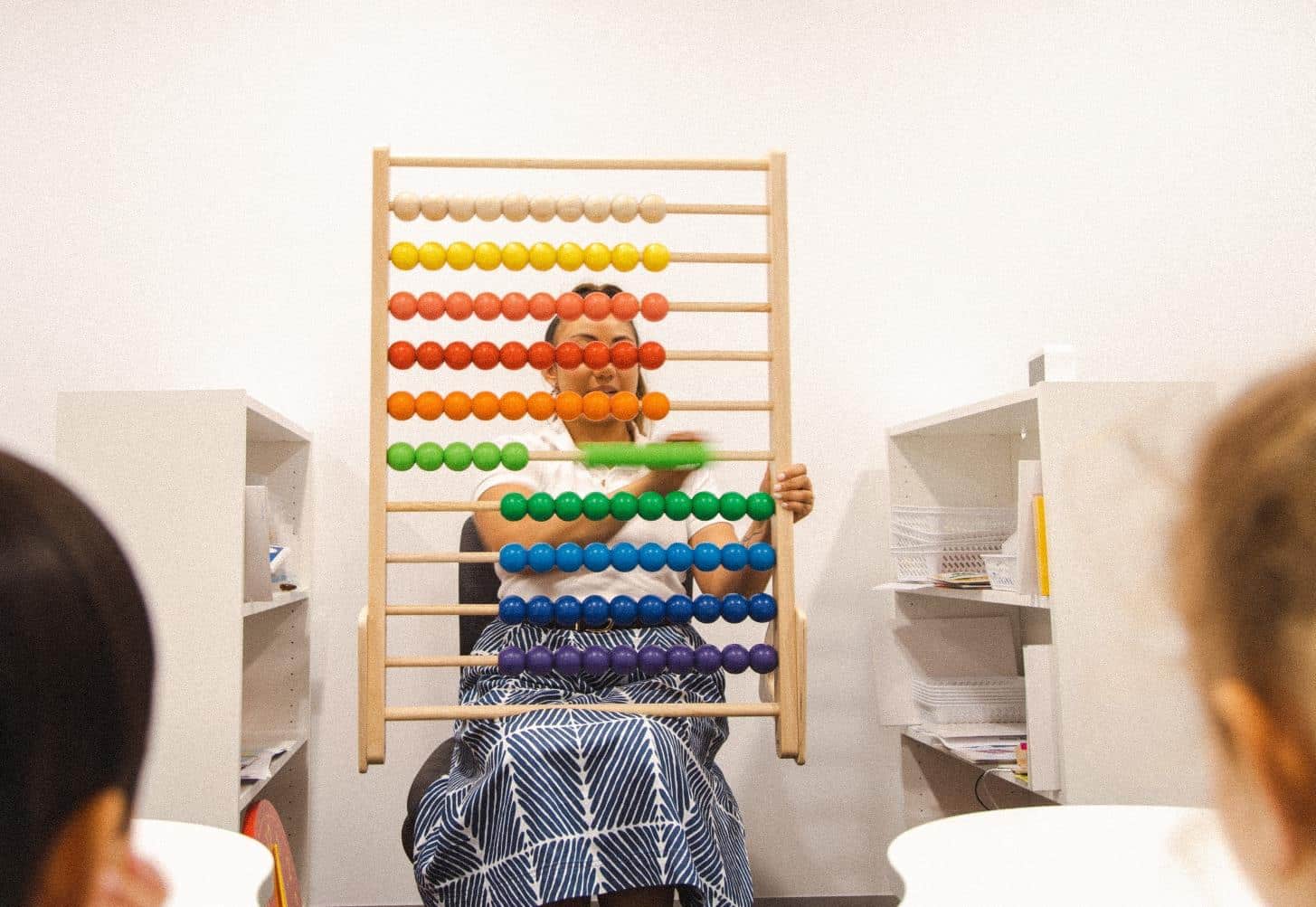
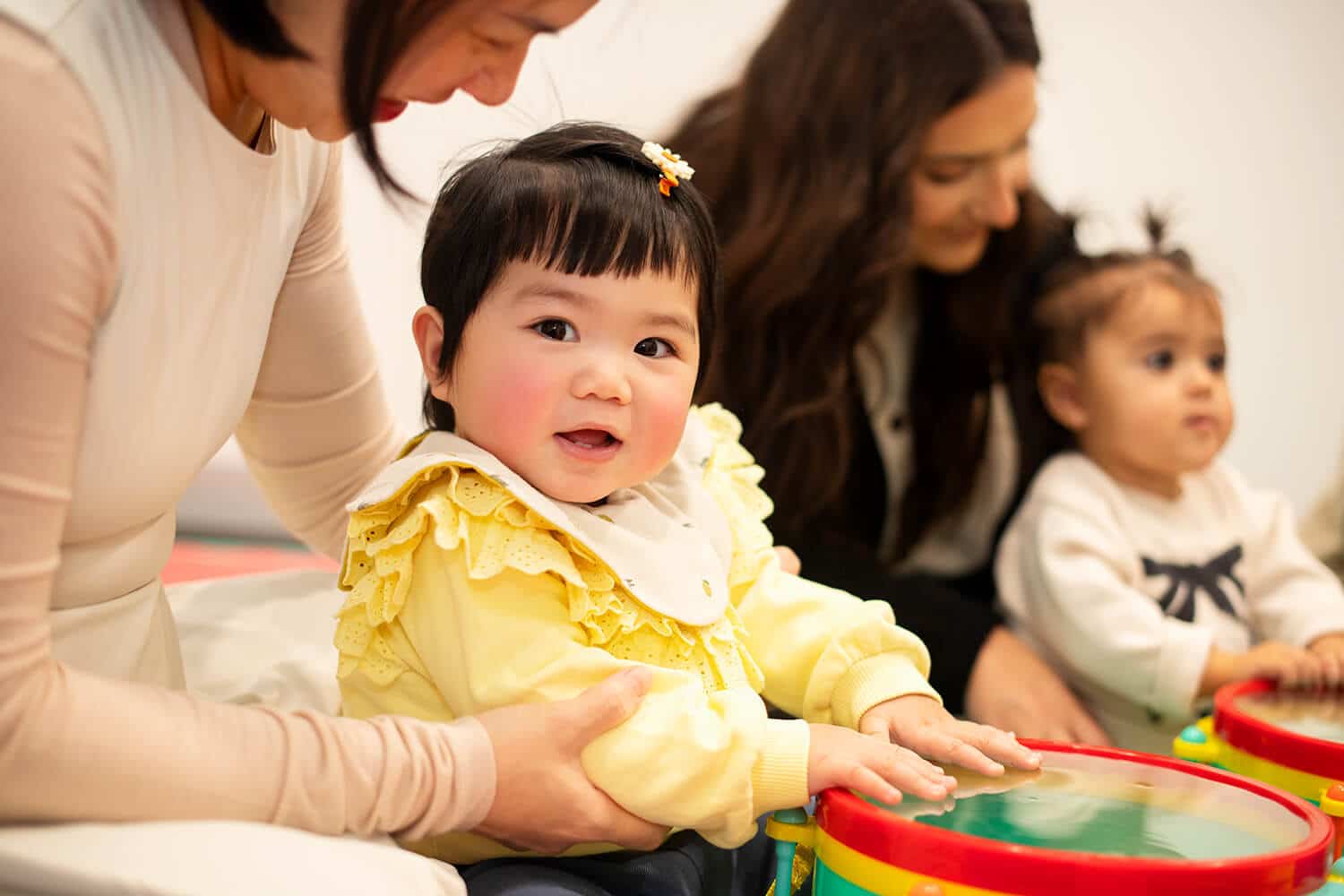
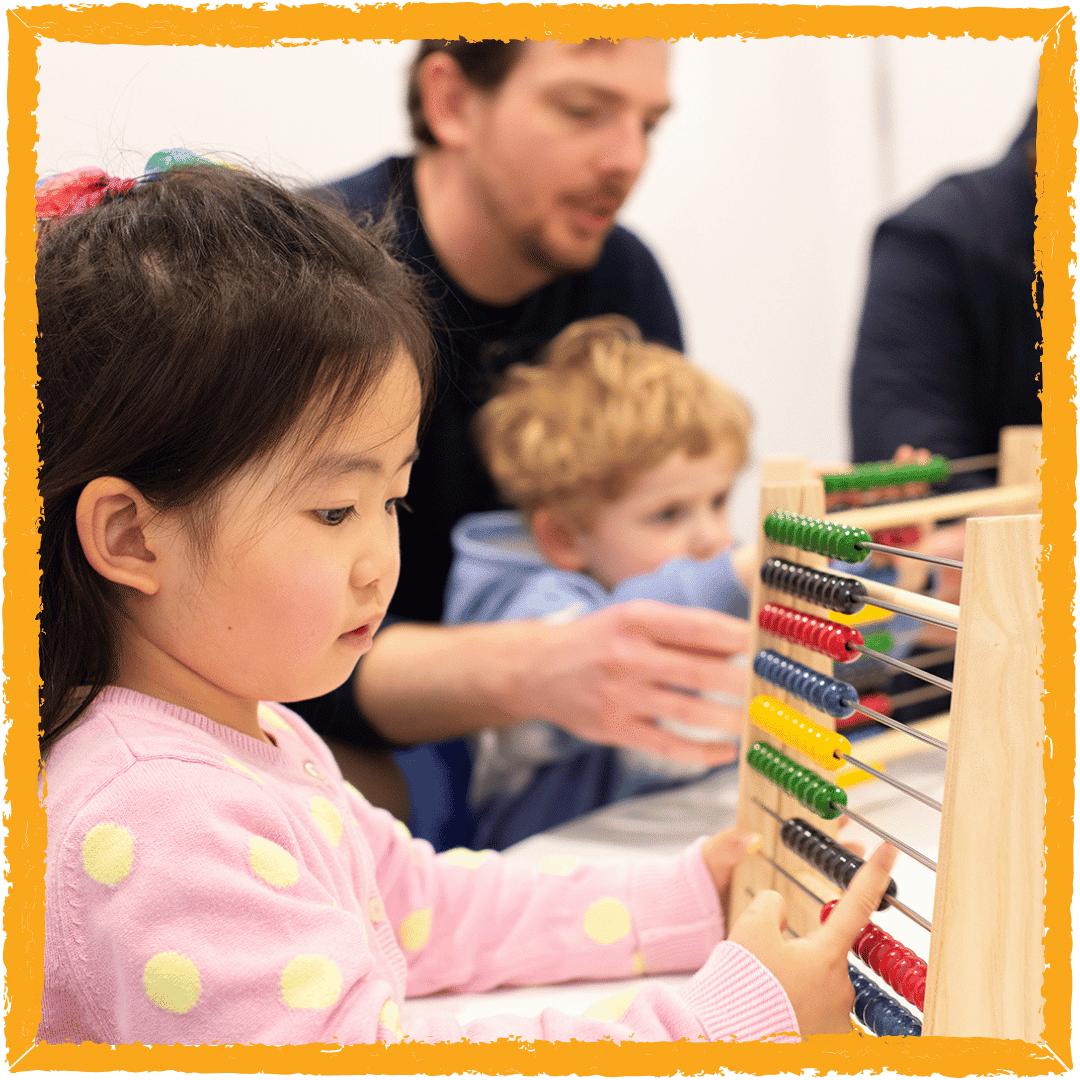
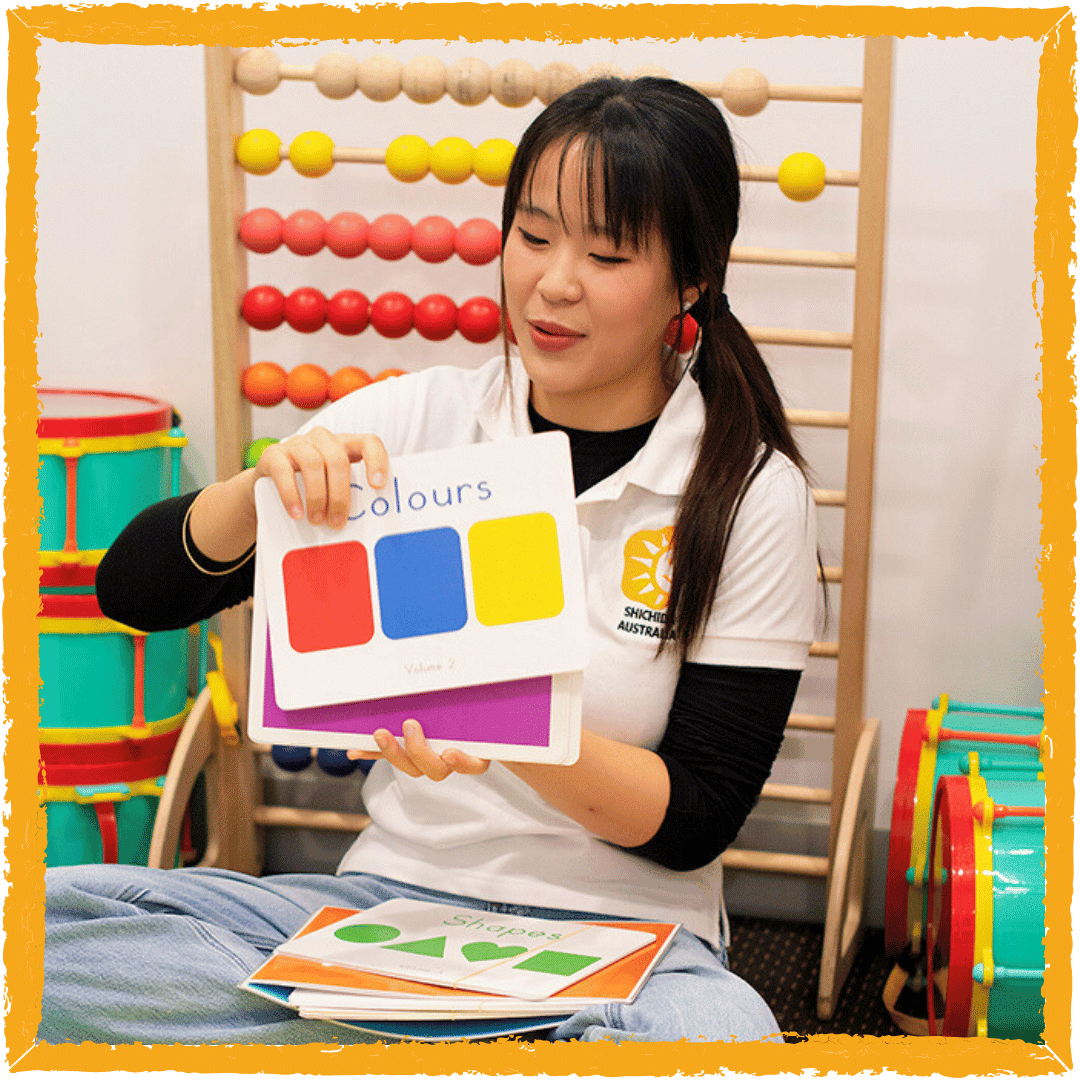
Image by Shichida Australia: Preschoolers observe skip counting demonstrated on an oversized abacus, paired with a memorable number song to support number patterns, rhythm, and early numeracy understanding.
How Math Problem Solving Develops Over Time
Babies (0-1 Year)
Maths problem solving begins through sensory play. Babies explore cause and effect by stacking, dropping, filling, and emptying objects. They start noticing size, space, and patterns without using numbers.
Toddlers (1-3 Years)
Toddlers experiment through repetition. Sorting, matching, counting during play, and rebuilding towers help them explore quantity and patterns. Trial and error is how learning happens at this stage.
Preschoolers (3-5 Years)
Preschoolers begin recognising numbers and sequences. They try different ways to solve simple problems and learn that mistakes are part of learning.
Primary School Children (6-9 Years)
Children start using logic and reasoning. They solve word problems, follow steps, and explain how they reached an answer. Confidence grows when understanding is valued over speed.
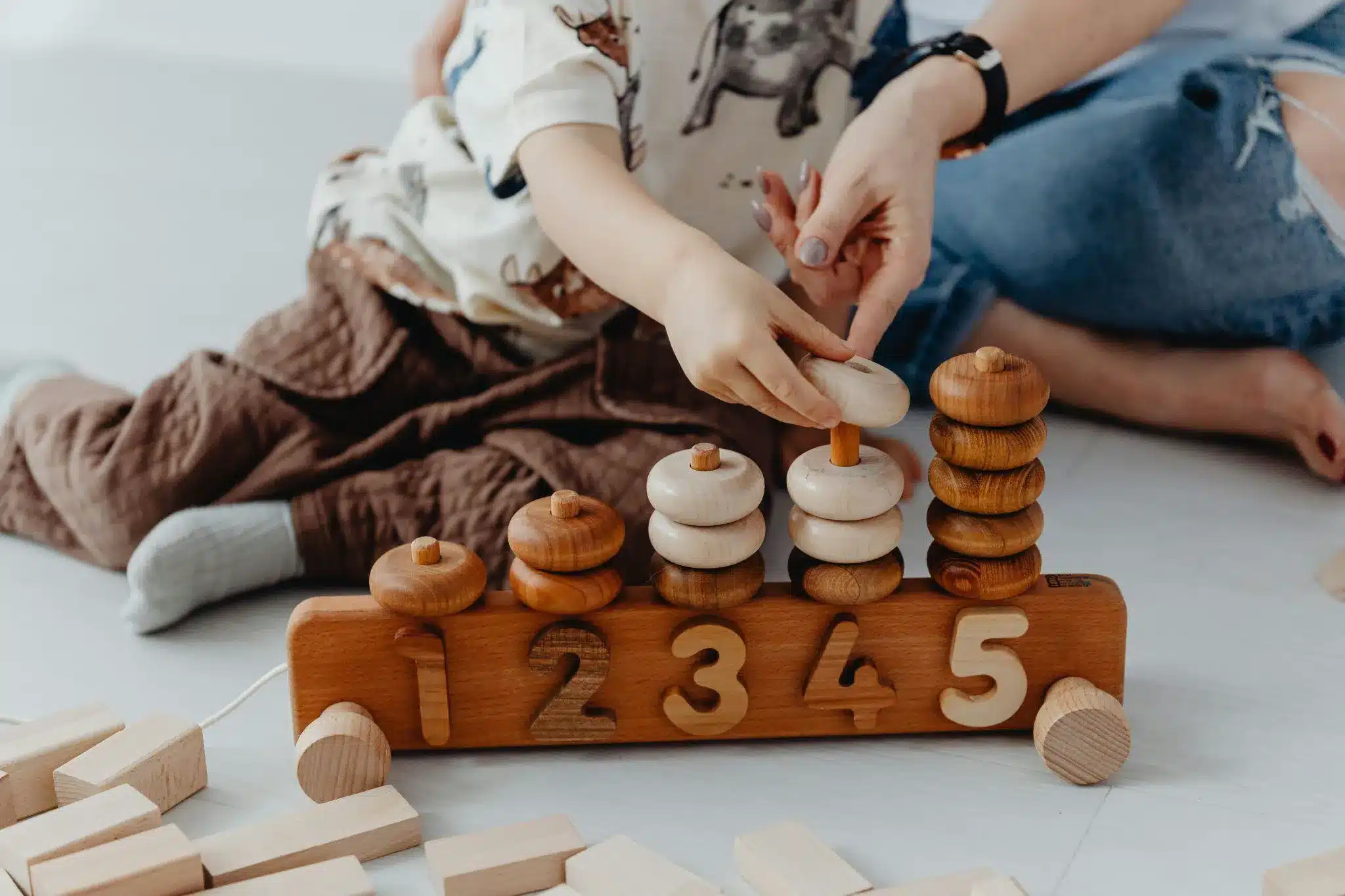
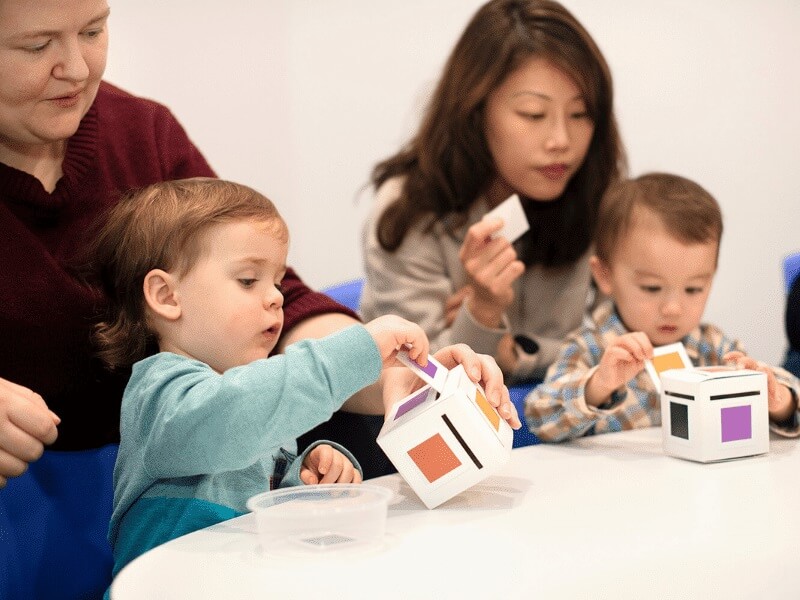
Photo from Pexels: Games turn problem solving in math into a positive experience, helping children build confidence, reasoning skills, and curiosity without pressure.
Everyday Activities That Build Math Problem Solving Skills
Daily life is full of opportunities to support maths at home.
Involve your child in:
- Cooking and measuring ingredients
- Choosing between two options or objects
- Simple games that sort, stack or match
- Building towers using plastic kitchen containers
- Sorting toys by colour or size
- Shopping and finding items on shelves
- Planning routines or timing activities
- Dividing snacks equally
Ask gentle questions like:
- “How did you work that out?”
- “What could you try next?”
- “Is there another way to do it?”
These questions encourage thinking without pressure.
Common Reasons Children Struggle with Maths Problem Solving
If your child finds maths challenging, you are not alone. Many struggles have nothing to do with ability.
Common reasons include:
- Rushing to answers without understanding the question
- Fear of being wrong or making mistakes
- Limited early exposure to number concepts
- Difficulty turning word problems into steps
Play-based learning helps remove fear and rebuild confidence in a gentle way.
Signs Your Child Is Improving at Math Problem Solving
Progress does not always show up on paper. Look for signs like:
- Greater confidence when faced with challenges
- Trying different strategies before asking for help
- Explaining their thinking more clearly
- Persisting even when tasks feel difficult
These behaviours show healthy problem solving development.
How Play-Based Learning Strengthens Math Problem Solving
When children enjoy learning, they practise more without realising it.
Through play, children:
- Practise skills without stress
- Strengthen memory through enjoyment
- Build strong foundational numeracy
Structured play, such as maths learning programs for kids, supports progression while keeping learning engaging.
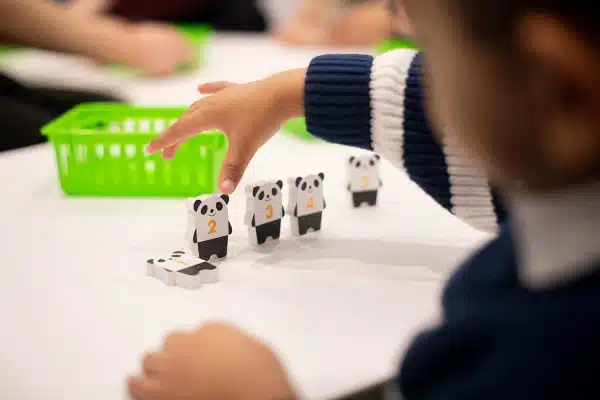
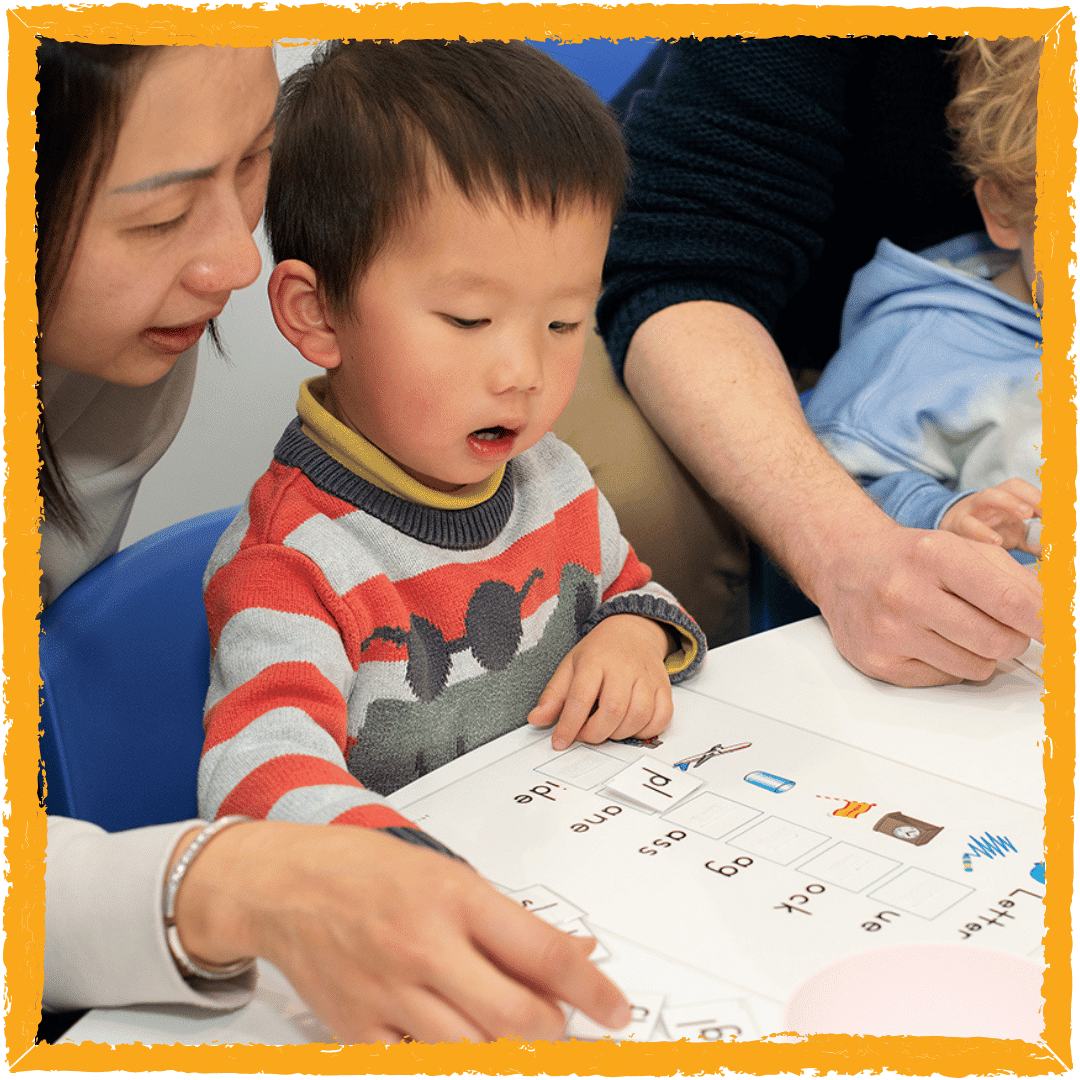
Image by Shichida Australia: A preschooler lining up panda number dominoes, practising number recognition, number order, spatial awareness and fine motor skills.
How Shichida Supports Mathematical Problem Solving
Shichida’s approach goes beyond traditional maths instruction.
The programme supports problem solving in math through:
- Whole-brain learning that balances right-brain patterning with left-brain logic
- Clear, age-based progression from intuitive number sense to structured reasoning
- Guided repetition that builds mastery without pressure
- A confidence-building approach that encourages independent thinking
Shichida helps children move from playful exploration to logical reasoning in a supportive, structured way. Many parents choose Problem Solving programs for kids to complement learning at home.
You may also find support and guidance on teaching problem solving to children at home.
Conclusion
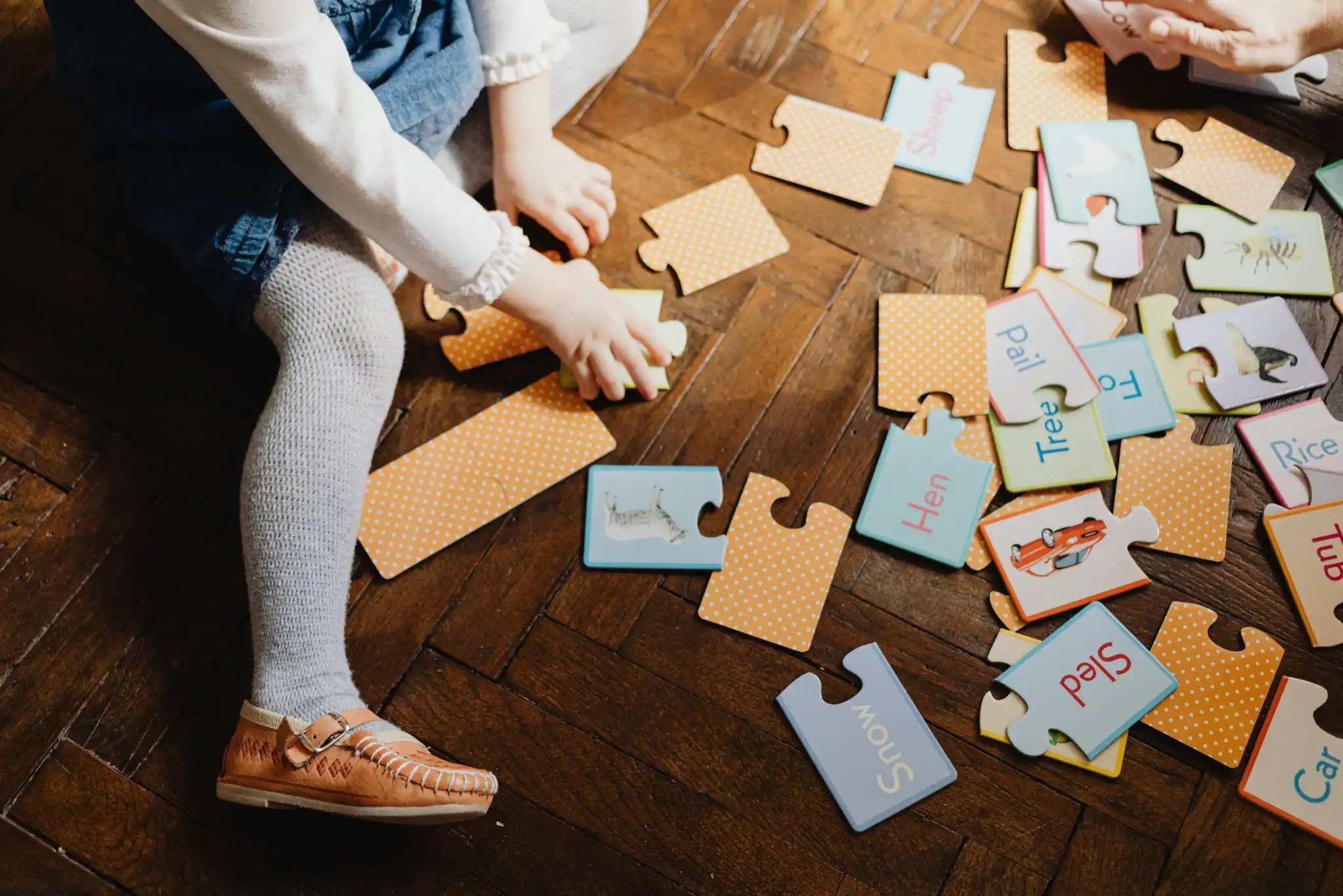
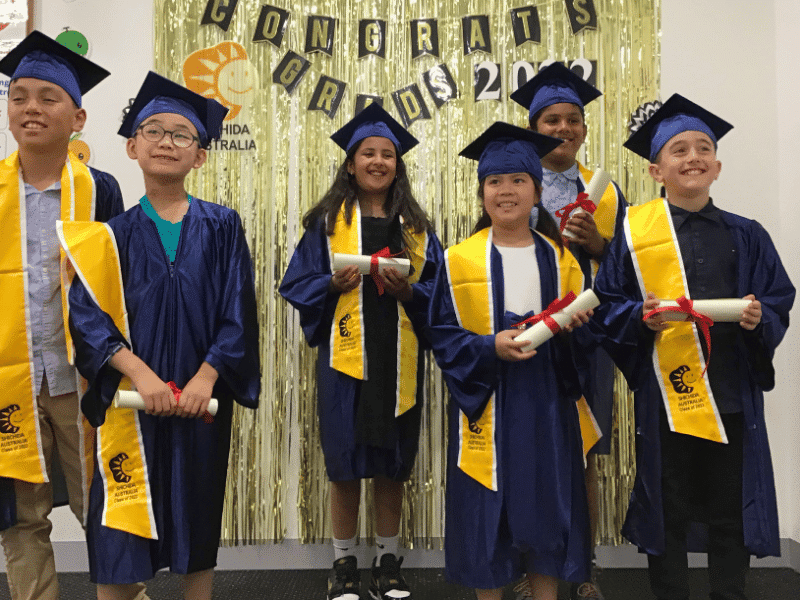
Photo from Pexels: When problem solving in math is built through play and encouragement, children grow into confident, resilient learners who enjoy thinking things through.
Maths problem solving is not something children are simply born knowing how to do. It develops through experience, encouragement, and play. When children are given time to explore, think, and make mistakes, confidence naturally follows.
As a parent, your role is not to provide all the answers. It is to support curiosity and create an environment where learning feels safe and enjoyable. Games, everyday activities, and structured programmes work together to raise confident, capable learners.
Explore Fun Math Play With Shichida
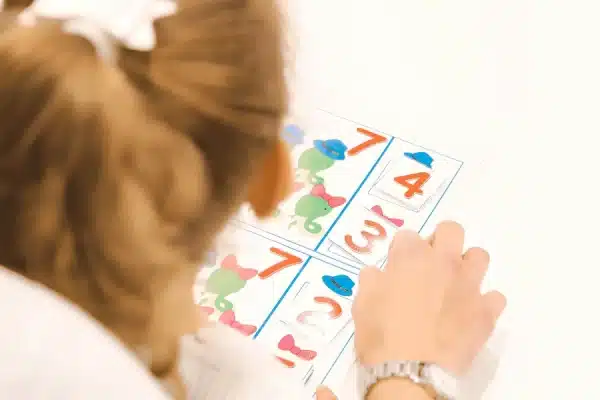
Math problem solving does not have to feel overwhelming. Shichida’s maths and problem-solving programmes use engaging, age-appropriate activities to build confidence, reasoning skills, and a strong numeracy foundation.
Try a Shichida Trial Class and support your child’s maths journey today!
FAQs About Problem Solving in Math
Maths problem solving in early childhood is how children learn to think about numbers, quantity, patterns, and logic through play and everyday experiences. It focuses on reasoning and understanding, not memorising answers.
Maths problem solving begins from birth. Babies explore size, quantity, and cause-and-effect through play, while toddlers and preschoolers begin comparing, sorting, counting, and testing ideas naturally.
You can support maths problem solving by using games, everyday activities, and open-ended questions. Encourage your child to explain their thinking, try different strategies, and learn from mistakes without rushing them.
For young children, maths games are often more effective than worksheets. Games reduce anxiety, encourage exploration, and help children practise reasoning skills in a meaningful and enjoyable way.
Many children struggle because word problems require both language understanding and logical thinking. Using real-life examples, breaking problems into steps, and encouraging children to talk through their thinking can help.
Yes. Making mistakes is a vital part of learning maths. Mistakes help children understand concepts more deeply, build resilience, and develop flexible thinking strategies.
Structured, age-based programs, like Shichida, provide consistent progression, guided challenges, and repetition without pressure. This helps children build confidence while strengthening reasoning and numeracy skills over time.
Shichida supports maths problem solving through play-based, whole-brain learning. Children develop number sense, memory, logic, and reasoning using hands-on activities, songs, games, and guided challenges. The approach focuses on confidence, thinking skills, and long-term understanding rather than speed or drills.
Yes. Shichida’s calm, encouraging environment helps reduce maths anxiety by valuing effort, exploration, and understanding. Children are supported to think independently and build confidence at their own pace.
If your child consistently avoids maths, feels anxious, or struggles to understand basic number concepts despite everyday support, structured guidance can be helpful. Early support builds confidence and prevents long-term frustration.