
Children Problem Solving Skills: A Parent-Educator’s Guide
Key Takeaways
- Problem Solving Builds Lifelong Skills: Learning how to tackle challenges helps children develop confidence, resilience, independence, and creativity from an early age.
- It Starts Earlier Than You Think: Even toddlers begin to experiment with problem-solving through trial and error, and these skills grow rapidly through play and guided interaction.
- Everyday Moments Are Opportunities: Simple activities like puzzles, pretend play, and open-ended questions during daily routines are powerful ways to grow children’s problem-solving skills at home.
As a parent, you probably already help your child solve little problems every day. Whether it’s figuring out how to stack blocks without them toppling over, choosing what to wear on a rainy day, or deciding how to share toys with a friend, these moments build something bigger – children problem solving skills that last a lifetime.
Understanding how to support your child’s ability to think critically and solve problems can have a huge impact on their confidence, resilience, and success in life. These skills don’t just show up overnight, they grow gradually, starting in toddlerhood and continuing into the teenage years. The good news? You can nurture them from home, every single day.
What Is Problem Solving for Kids?
What is problem solving for kids, exactly? Put simply, it’s the ability to recognise a challenge, think of possible ways to solve it, and try out solutions. For children, this might mean figuring out how to reach a toy on a high shelf, deciding what to do when they spill juice, or navigating a disagreement with a sibling.
Problem-solving is more than just a handy life skill. It’s a core part of critical thinking, a set of skills that help children analyse situations, make decisions, and understand cause and effect. These abilities support academic success, build strong social skills, and help children become more independent thinkers.
Why Is Problem Solving Important for Kids?
You may wonder, why is problem solving important for kids when they’re still young and dependent on adults? Here’s why it matters:
- Critical Thinking: Problem-solving develops the ability to assess situations, weigh options, and make informed choices. This is key for doing well in school and beyond.
- Resilience: When children try different solutions, they learn how to deal with setbacks. It helps them bounce back after things go wrong, instead of giving up.
- Creativity: Thinking through problems opens the door to creative thinking. Kids start to understand there isn’t always just one answer.
- Independence: When children feel confident solving problems, they become more self-reliant and capable in everyday life.
According to the NSPCC Learning Hub, promoting problem-solving in early childhood is also linked to better emotional regulation and decision-making later on in life (NSPCC, 2024).
The Stages of Problem Solving in Children
Children’s ability to solve problems changes as they grow. Understanding these stages helps you support them more effectively:
- Toddlers (1–3 years): At this stage, children begin exploring basic cause and effect. They might press buttons repeatedly or drop toys to see what happens. They often rely on trial and error.
- Preschoolers (3–5 years): Children start to think about solutions. For example, if a puzzle piece doesn’t fit, they might turn it around rather than give up.
- School-aged children (6+ years): This group starts using logical thinking. They can plan steps, predict outcomes, and consider multiple solutions to one problem.
Understanding how your child’s thinking is developing gives you a solid foundation for helping them at home.
How to Encourage Problem Solving in Young Children

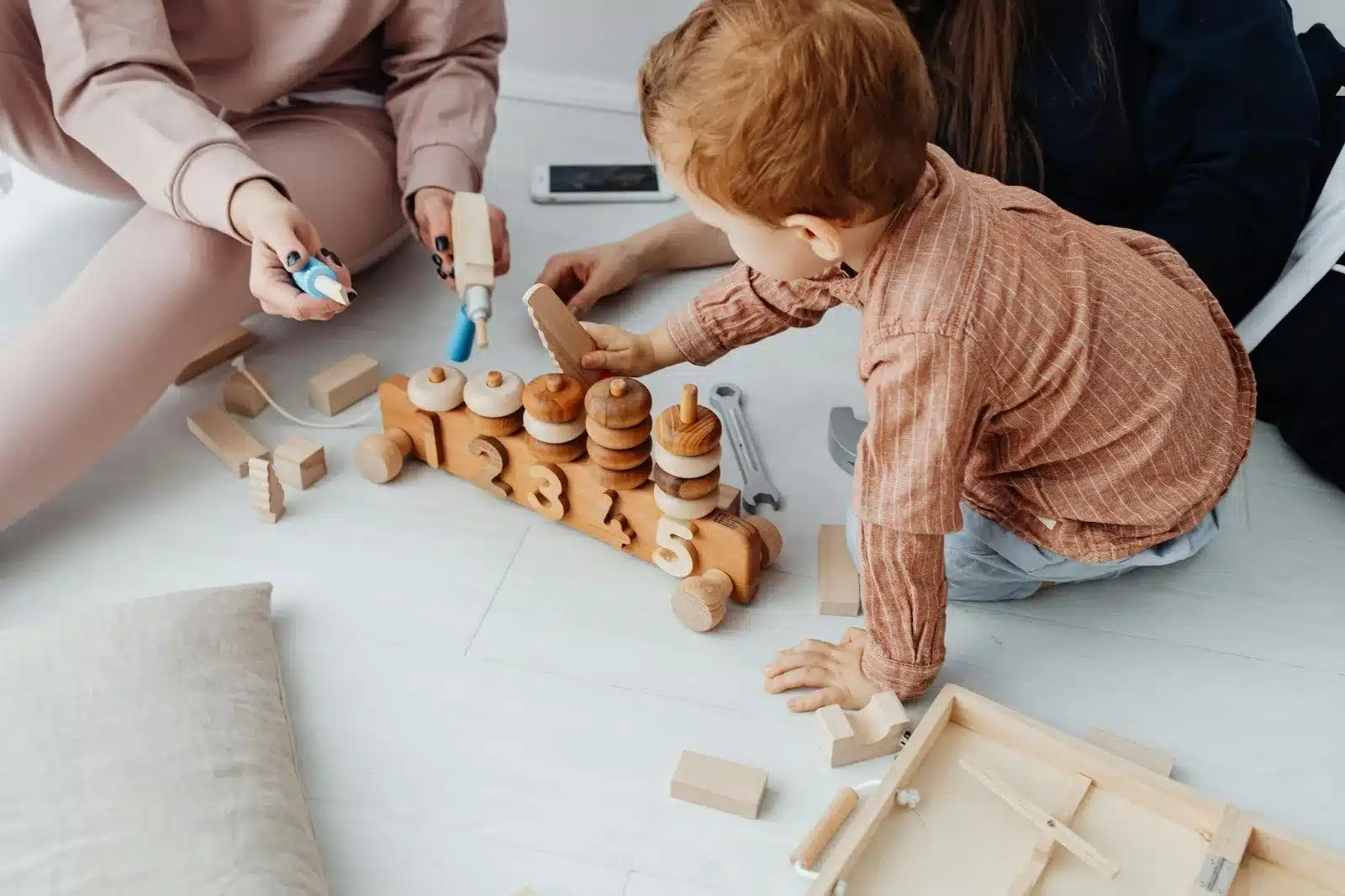
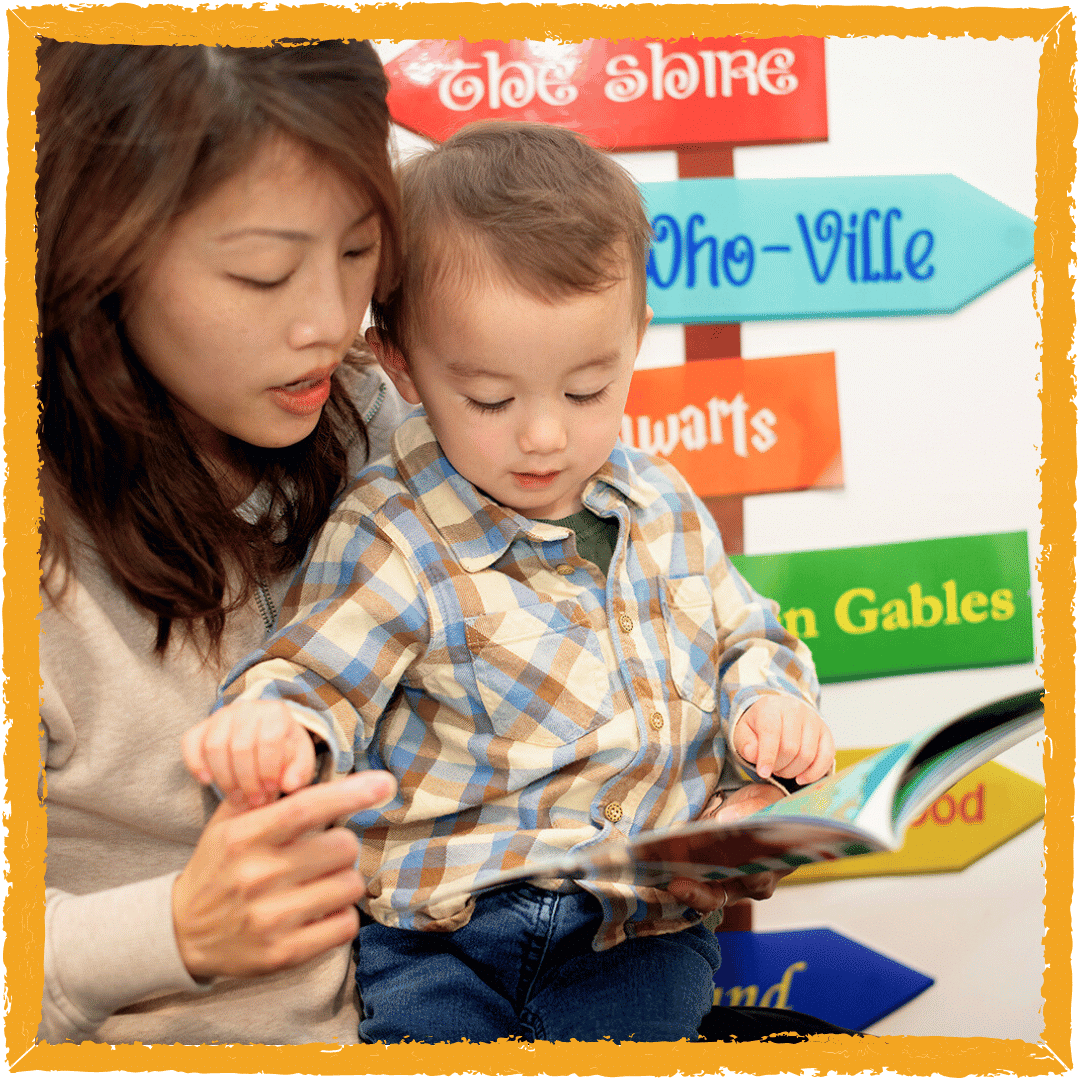
Photo from Pexels: Teach children problem solving, by asking simple questions during play.
Here are simple but powerful ways to help build problem solving kids will carry into adulthood:
- Ask Open-Ended Questions: Instead of giving answers, ask things like “What do you think we should do?” or “What might happen if we try this?”
- Provide Opportunities for Exploration: Let them experiment with blocks, puzzles, crafts, or nature. Hands-on learning is key.
- Model Problem-Solving Out Loud: Show them how you think through a problem. “Hmm, the drawer won’t close. Maybe there’s something blocking it?”
- Use Games and Puzzles: Classic board games, logic puzzles, and matching games teach children to think strategically.
- Encourage Reflection: After solving a problem, talk about what worked and what didn’t. This helps your child learn to adjust and improve.
A study by the Harvard Center on the Developing Child highlights that executive function skills, including problem-solving, can be nurtured from as early as toddlerhood through responsive interactions and structured play (Harvard University, 2021).
Fun Activities to Improve Problem Solving Skills
Teaching children problem solving skills doesn’t need to feel like a lesson. These activities are fun, interactive, and build thinking skills naturally:
- Building Projects: Using LEGO, wooden blocks or recycled materials to make structures teaches kids about planning and persistence.
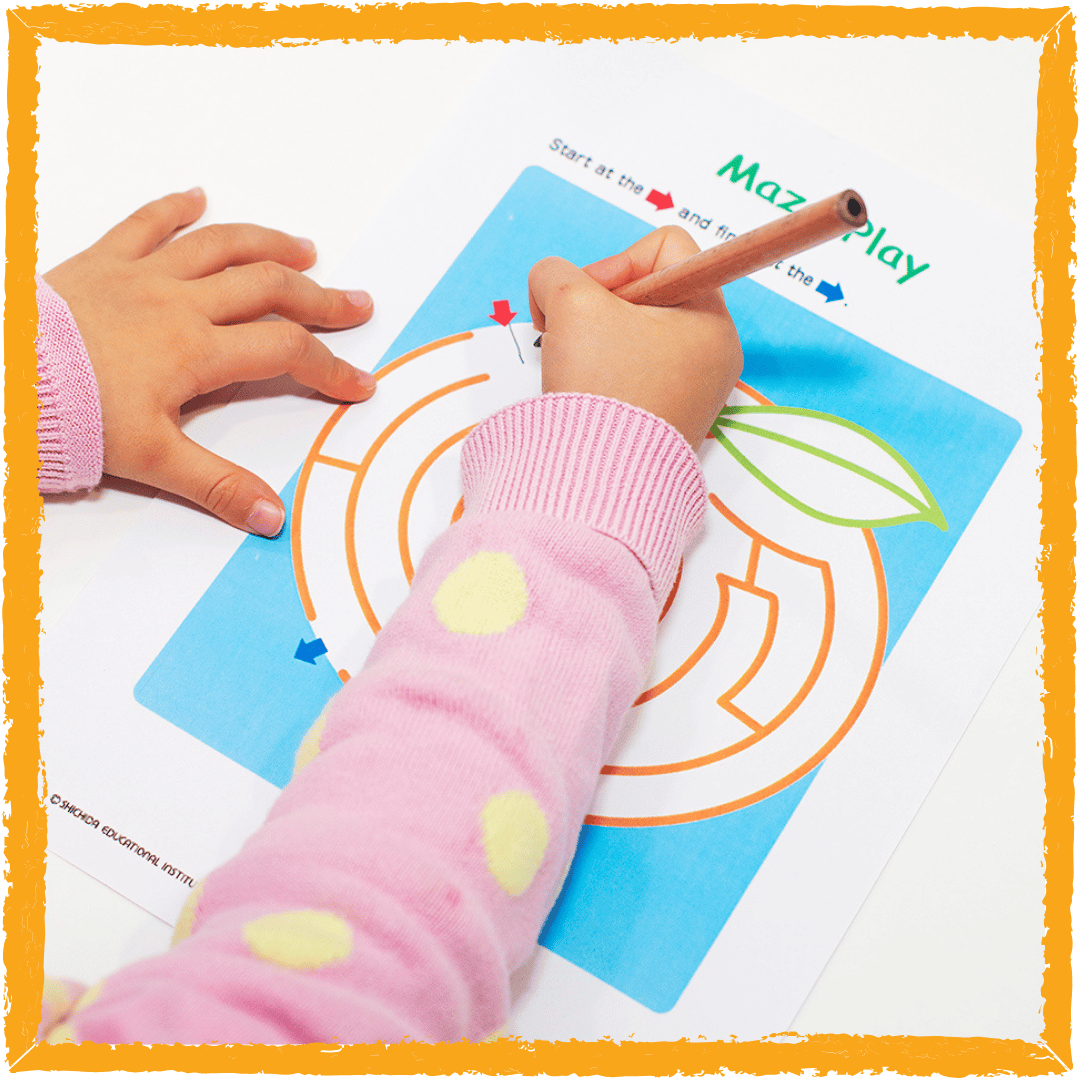
- Maze and Puzzle Games: Whether it’s a printed maze, a jigsaw puzzle or a logic app, these encourage your child to think ahead and adjust their strategies.
- Role-Playing Games: Set up pretend shops, hospitals or rescue missions. Ask your child how they would solve different problems within the scenario.
- Cooking or Baking Together: Following recipes, measuring ingredients, or fixing a mistake (like too much salt) are all great for real-world problem-solving.
- Treasure Hunts and Scavenger Hunts: Create simple clues or challenges your child needs to solve to find the next step. It builds logic, memory, and perseverance in a playful way.
How Parents and Educators Can Support Problem Solving in Real Life
Everyday moments are perfect for teaching children problem-solving:
- In the Kitchen: Ask your child to figure out how to divide the pizza evenly or sort ingredients into categories.
- On Nature Walks: Spot a blocked path? Encourage your child to find another way around. Let them observe how nature overcomes obstacles too.
- At the Grocery Store: Get your child to help plan meals or find items on a shopping list. Ask them to compare prices or pick the best value.
These everyday choices build confidence and decision-making without your child even realising they’re learning.

Common Challenges in Teaching Problem Solving and How to Overcome Them
While developing these skills is essential, it’s not always easy. Here are some common hurdles and how to manage them:
- Impatience: Many children want instant answers. Support them by staying calm and celebrating small steps, rather than focusing only on the outcome.
- Fear of Mistakes: Some children are afraid of getting things wrong. Remind them that mistakes are part of learning and not something to be ashamed of.
- Over-Reliance on Adults: It’s tempting to step in quickly. Instead, pause and ask guiding questions to help your child figure it out themselves.
Conclusion

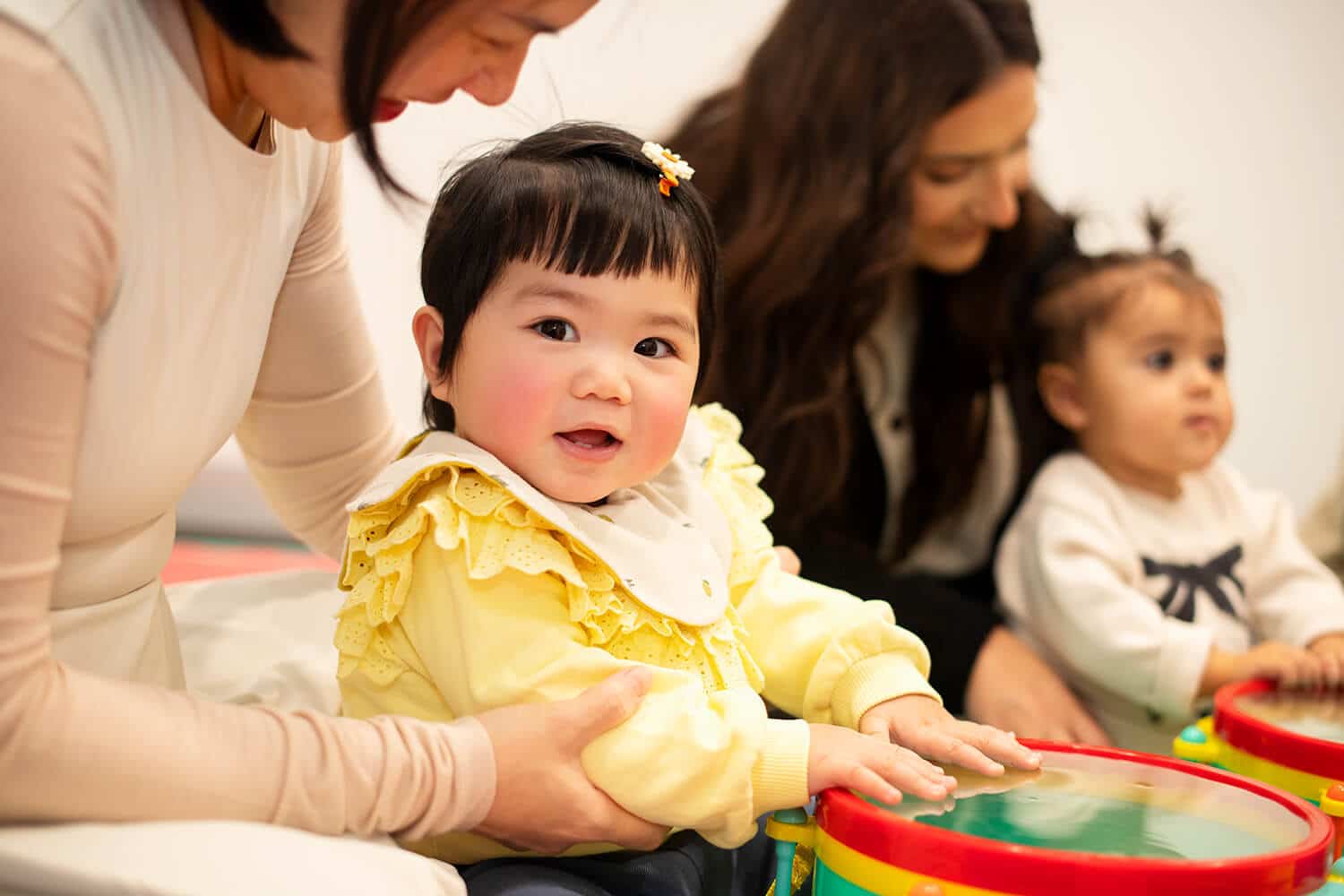
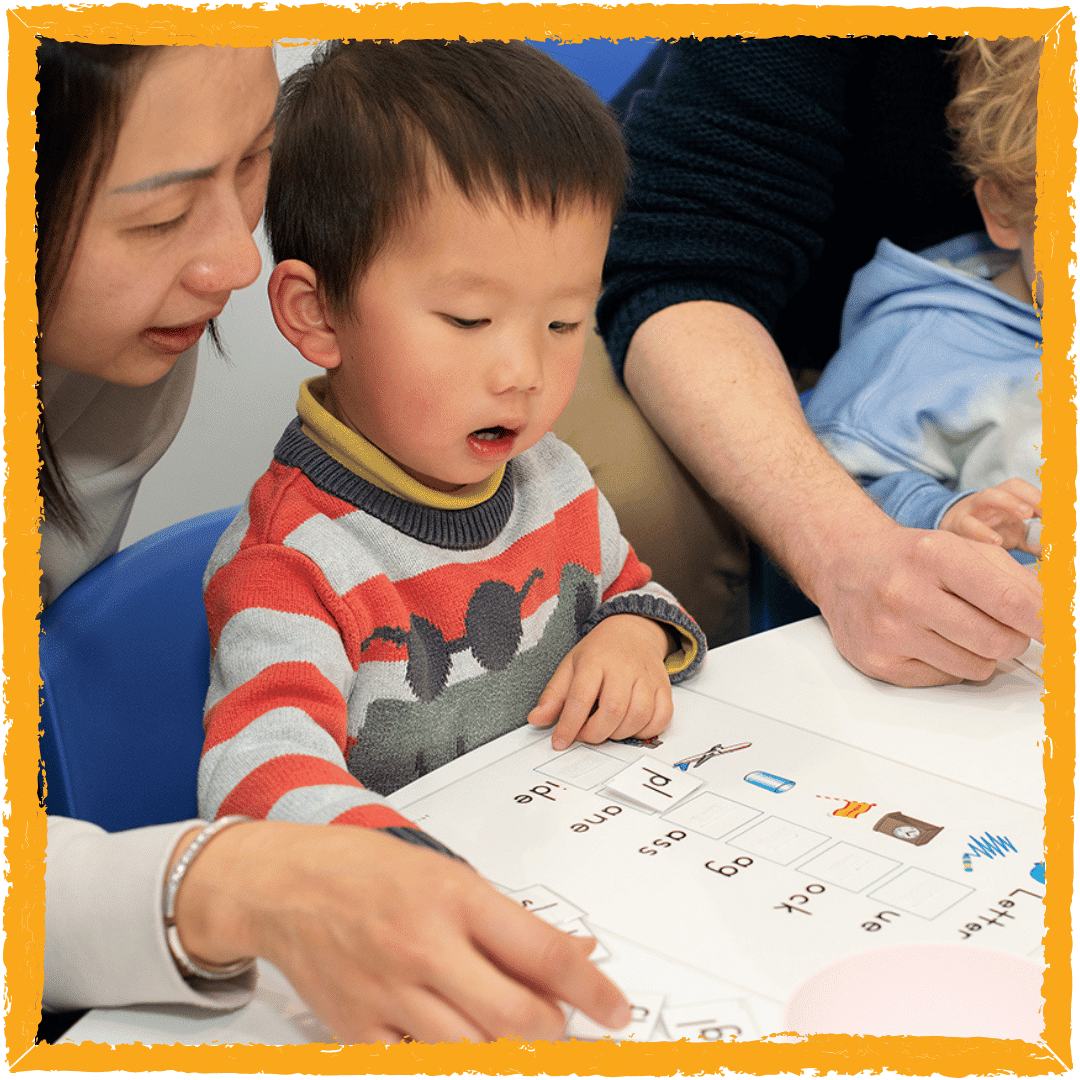
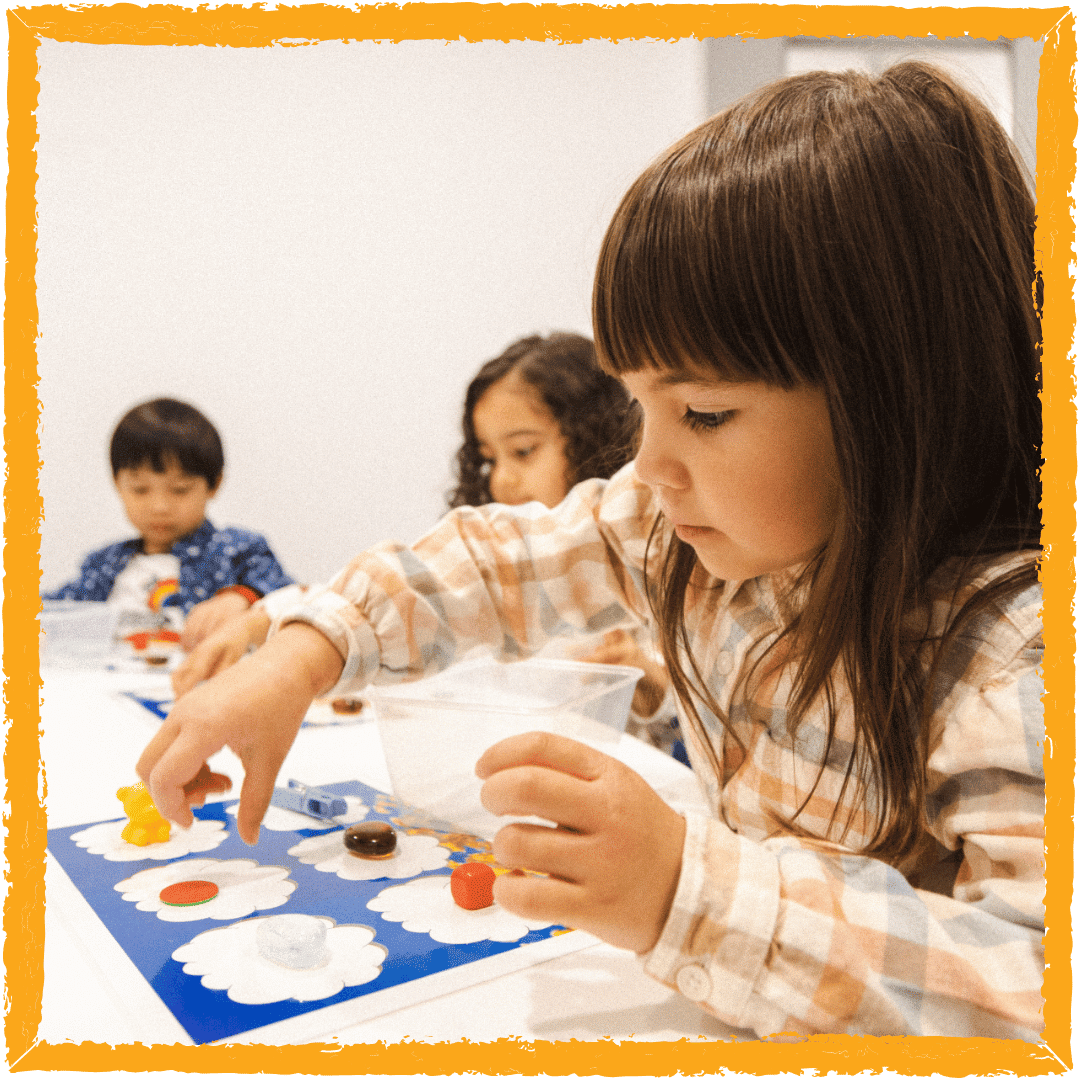
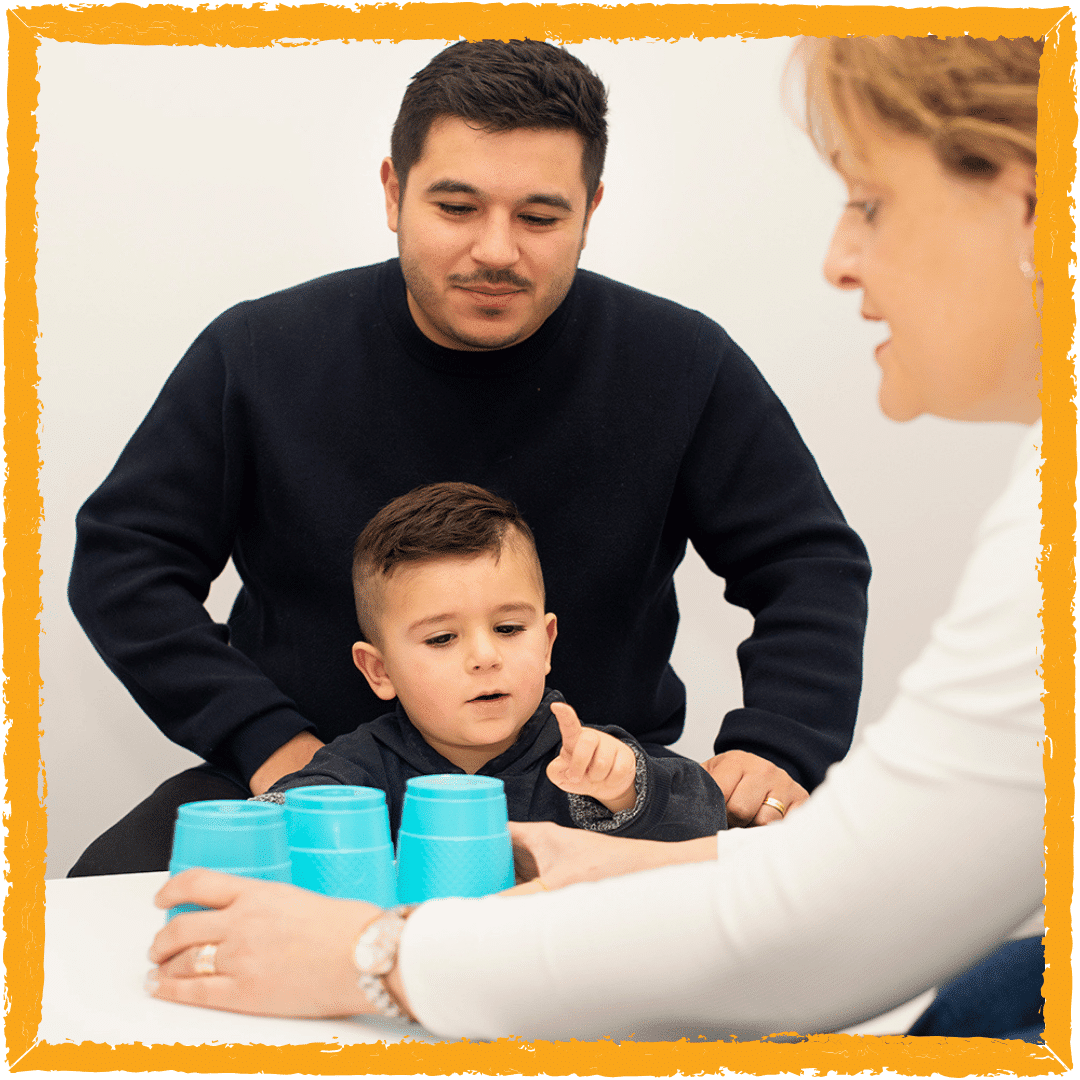
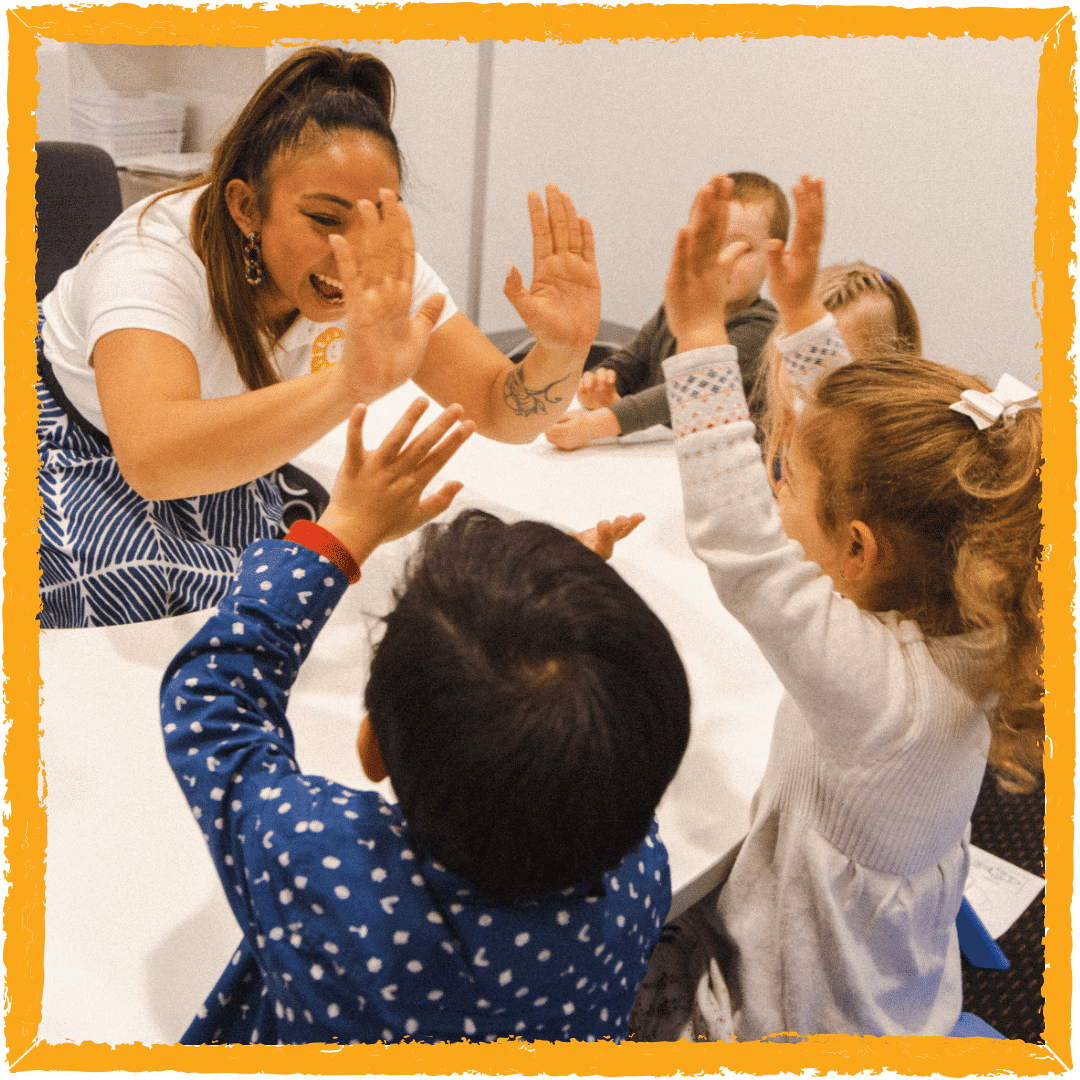
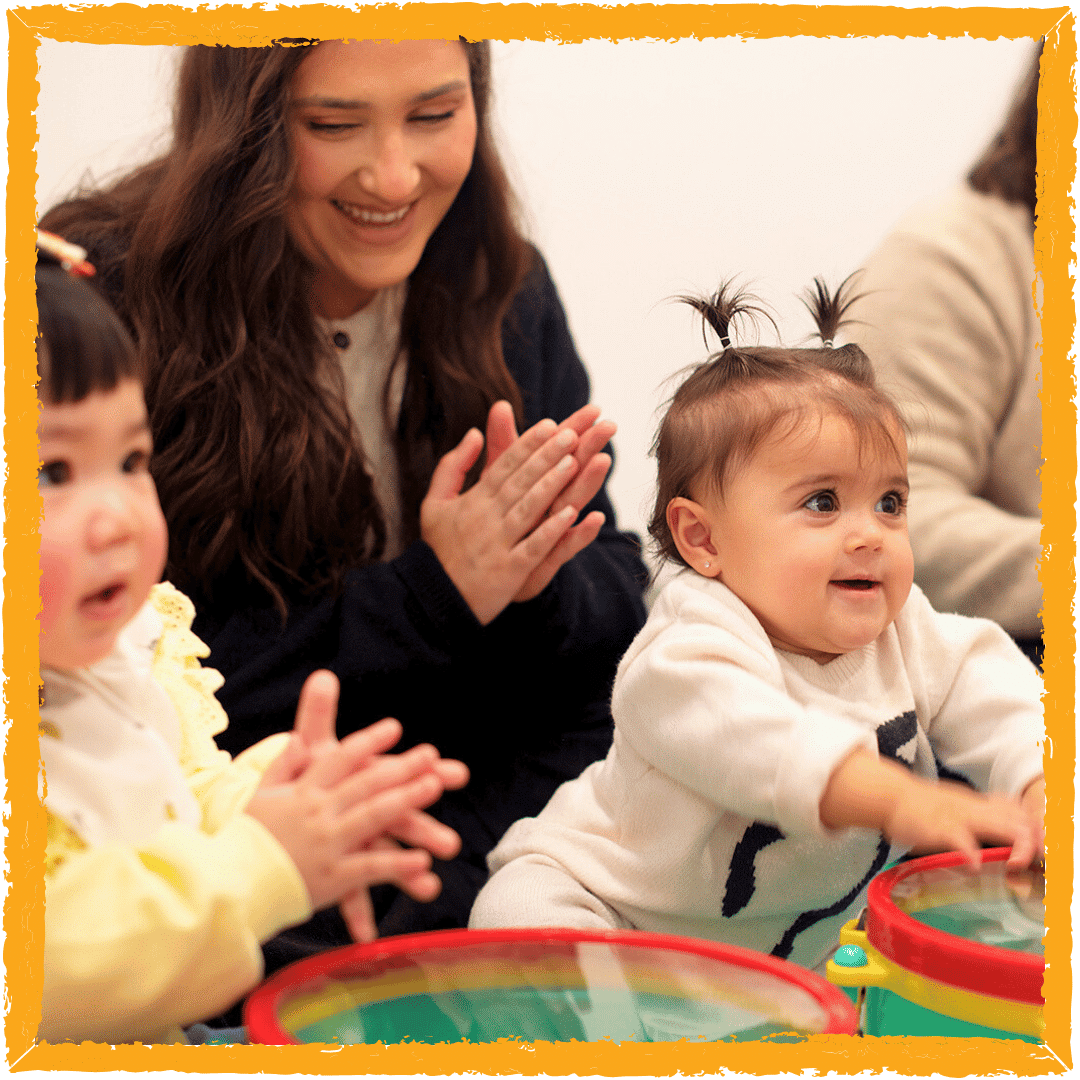
Photo by Shichida Australia: Guided games like this give parents simple, effective ways to strengthen children problem solving skills through play and connection.
Helping your child become a confident problem solver doesn’t require special tools or expensive resources. What matters most is how you encourage curiosity, support mistakes, and talk through challenges together.
As your child grows, so will their ability to analyse, adapt and think critically. These are the very skills that lead to success, not only in school, but in relationships, the workplace, and in everyday life.
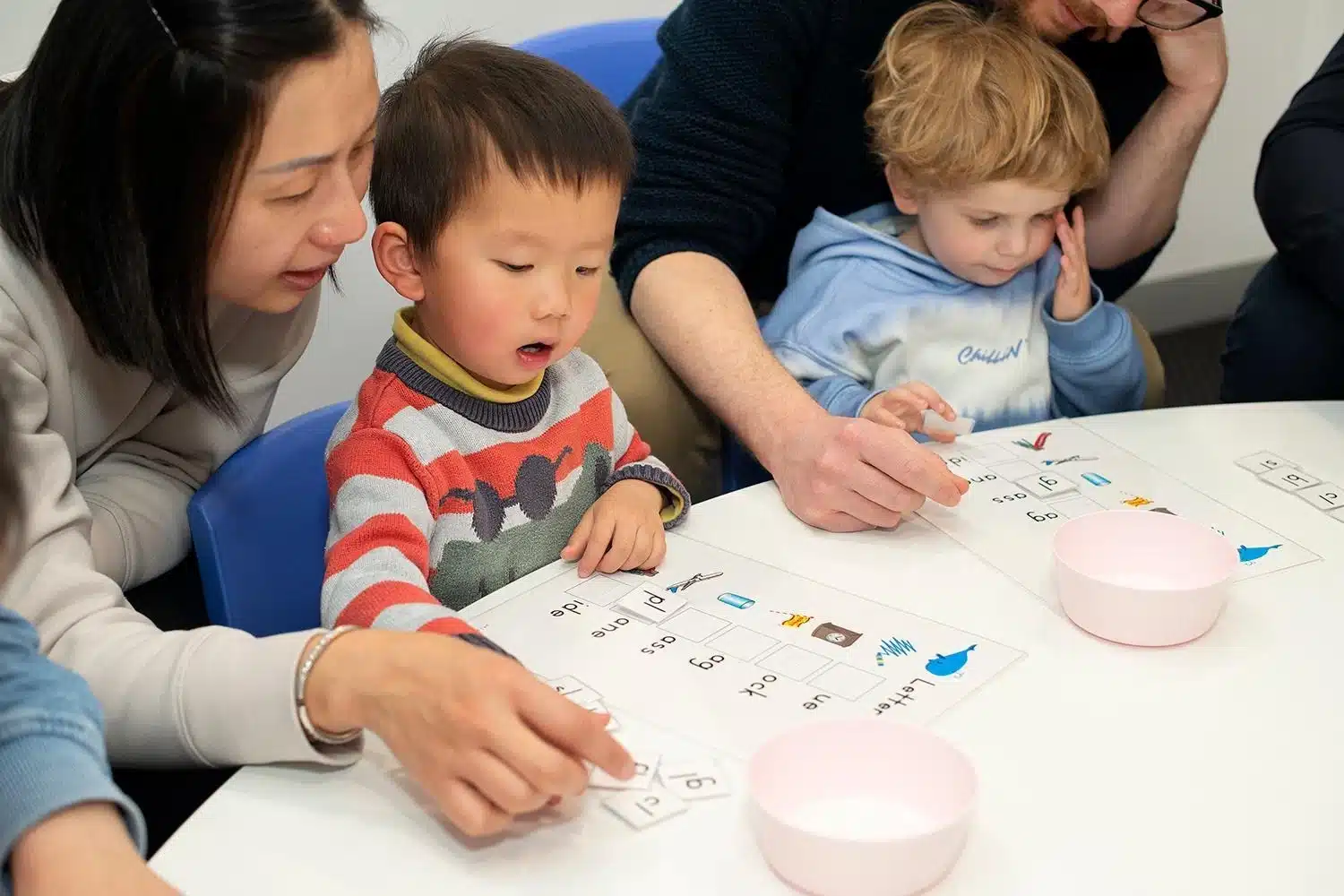
Shichida Australia understands that children’s problem-solving isn’t limited to academic learning – it’s a vital life skill. That’s why the Shichida learning program is designed to nurture thinking, creativity and emotional resilience from the earliest years.
If you’re looking for a structured, proven method to support your child’s cognitive development, explore how the Shichida Method can help. Book a trial class today!
FAQs About Children Problem Solving Skills
Problem-solving in early childhood is the ability of children to recognise a challenge, think through possible solutions, and act on them. It starts with simple actions like turning puzzle pieces or figuring out how to share toys and builds into complex decision-making as they grow.
Problem-solving helps children develop critical thinking, creativity, resilience, and independence. These skills support academic success and are essential for emotional development, social relationships, and everyday decision-making.
Children begin building basic problem-solving skills in toddlerhood (around age 1). They use trial and error to explore cause and effect. More advanced thinking, such as evaluating options or planning ahead, typically emerges during preschool and school-age years.
Teach young children problem solving skills by encouraging exploration through play, asking open-ended questions, and modelling how you solve everyday problems out loud. Simple activities like stacking blocks or finding a missing toy build a strong foundation.
Activities like puzzles, building with LEGO, scavenger hunts, cooking, and pretend play all support problem-solving. These hands-on tasks teach children how to think critically and work through challenges in an enjoyable way.
Signs include trying multiple solutions to a task, asking thoughtful questions, planning ahead, and being able to explain their reasoning. Confidence in tackling new situations is also a good indicator.
The Shichida Method uses structured games, memory training, and logic-based activities to strengthen a child’s ability to think critically and solve problems. These exercises also support emotional resilience and creativity, starting from a young age.
Yes. Strong problem-solving skills enhance performance in maths, science, reading comprehension, and group work. They also help children stay calm during tests, manage time, and handle setbacks effectively.
Validate their feelings, remind them that mistakes are part of learning, and guide them with questions instead of giving direct answers. Celebrate their effort, not just the outcome.
Shichida Australia offers weekly classes that focus on developing children’s whole-brain abilities – including memory, focus, logic, and emotional skills – through fun and interactive parent-child activities. Book a trial class to experience it firsthand.