Pincer Grasp in Early Childhood: Stages and Importance
Key Takeaways:
- The pincer grasp is a fine motor skill using the thumb and forefinger
It allows children to pick up and control small objects with precision.
- Pincer grip development supports independence and early learning
This skill is essential for self-feeding, using utensils, manipulating toys, and later skills such as drawing and early writing.
- Pincer grasp develops in predictable stages
Children typically progress from a raking grasp to an immature pincer grasp, then to a refined pincer grasp as coordination improves.
- Play-based activities safely strengthen the pincer grasp
Everyday play, finger foods, and simple hands-on activities help build fine motor control naturally.
- Development varies between children and progresses gradually
Differences in timing are normal. Observation, encouragement, and regular opportunities to practise are more important than rushing milestones.
Have you ever noticed your baby go completely quiet, eyes locked in concentration, as they try to pick up the tiniest crumb from the floor? That small but determined movement, when the thumb and forefinger come together, is more than just a cute moment. It is called the pincer grasp, and it marks a powerful step in early childhood development that supports how your child learns, explores, and becomes more independent.
As a parent, you are already strengthening this skill in simple, everyday ways, often without realising it. Offering finger foods, passing small toys, or encouraging self-feeding all help build fine motor control, hand-eye coordination, and the foundations for early writing.
Understanding how the pincer grasp develops, why it matters, and how to support it through play and daily routines can help you feel more confident as you support your child’s early milestones.
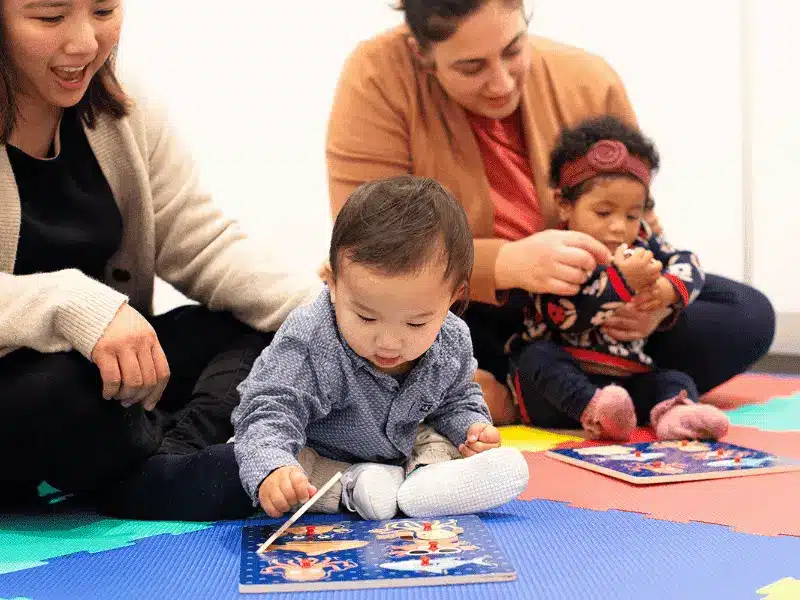
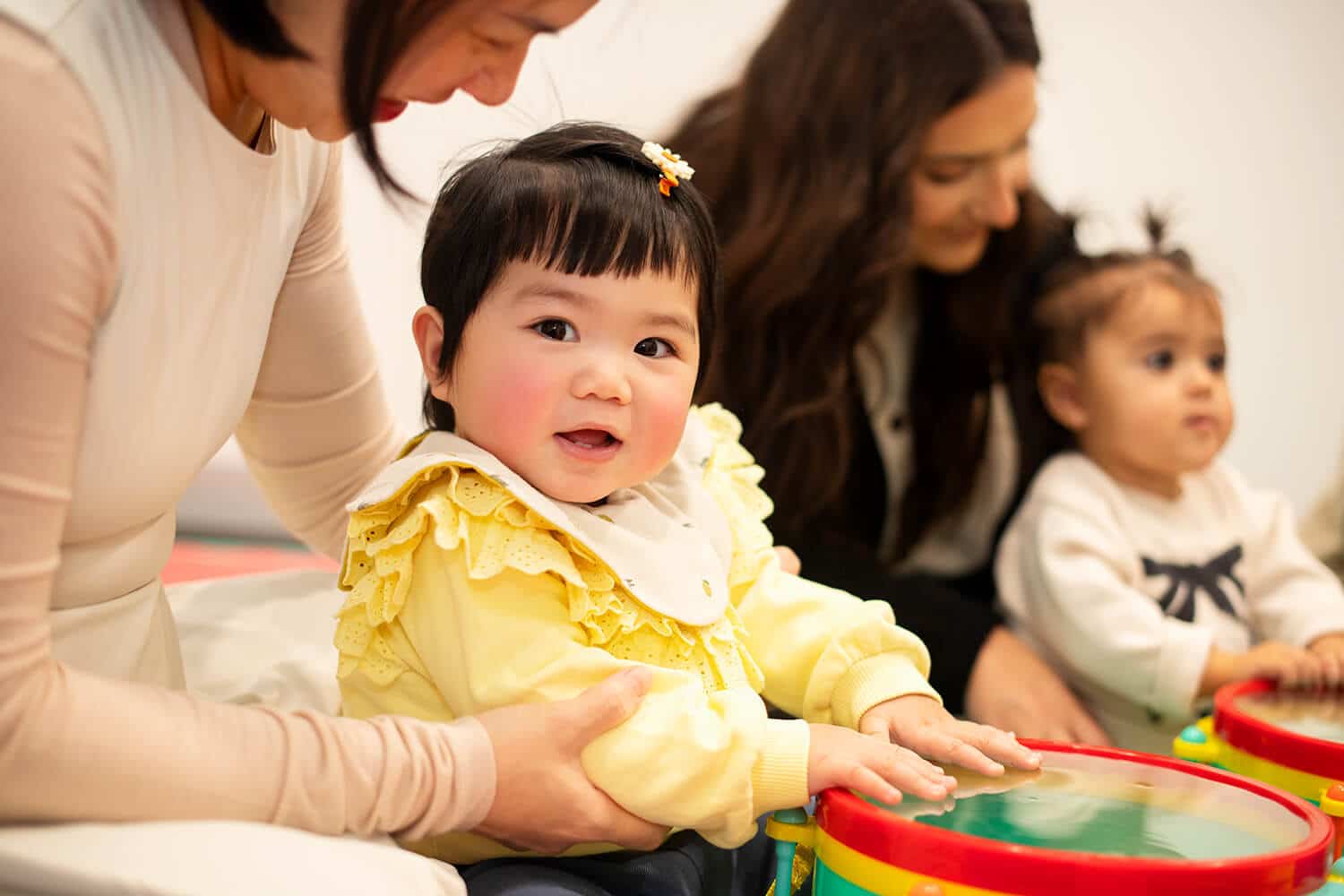
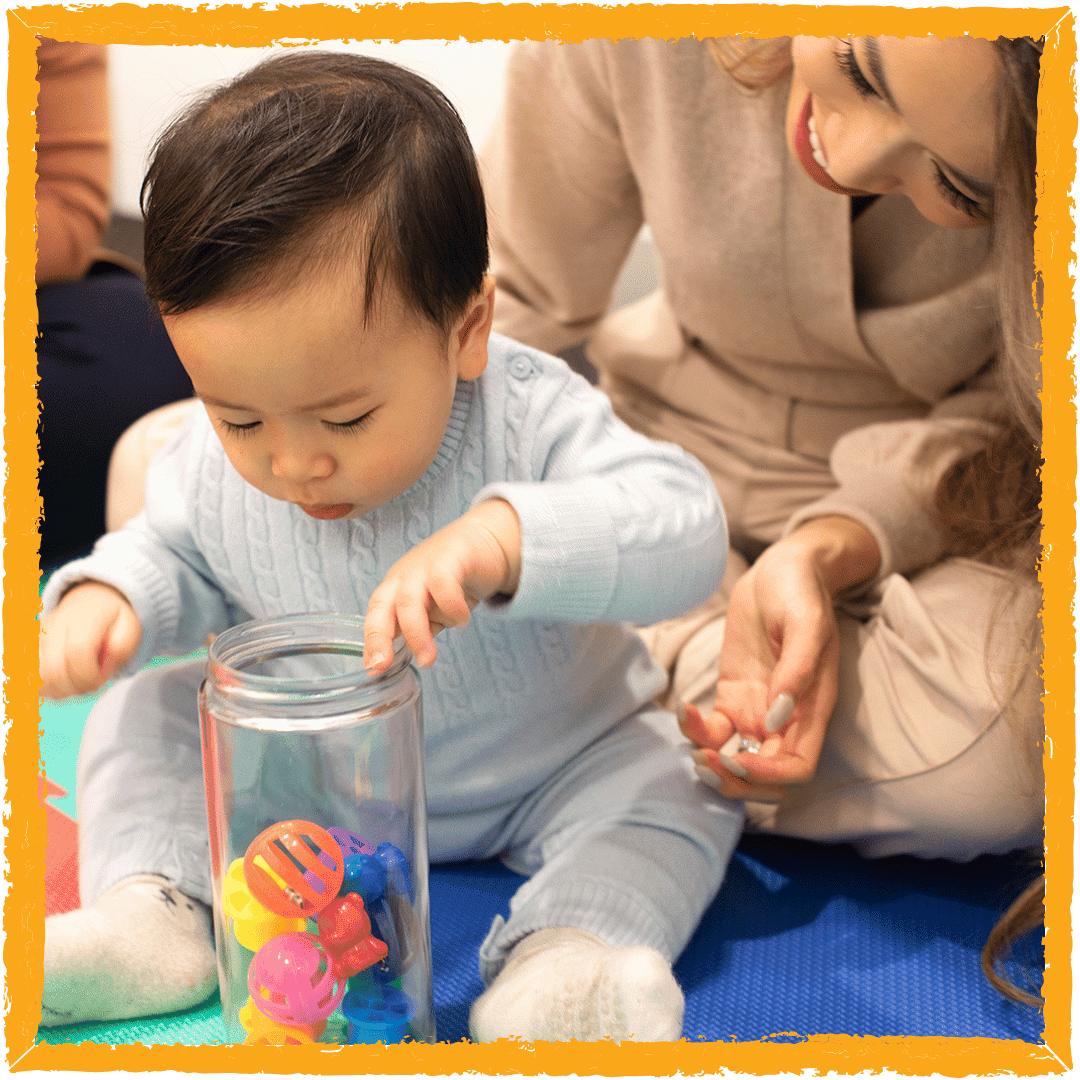
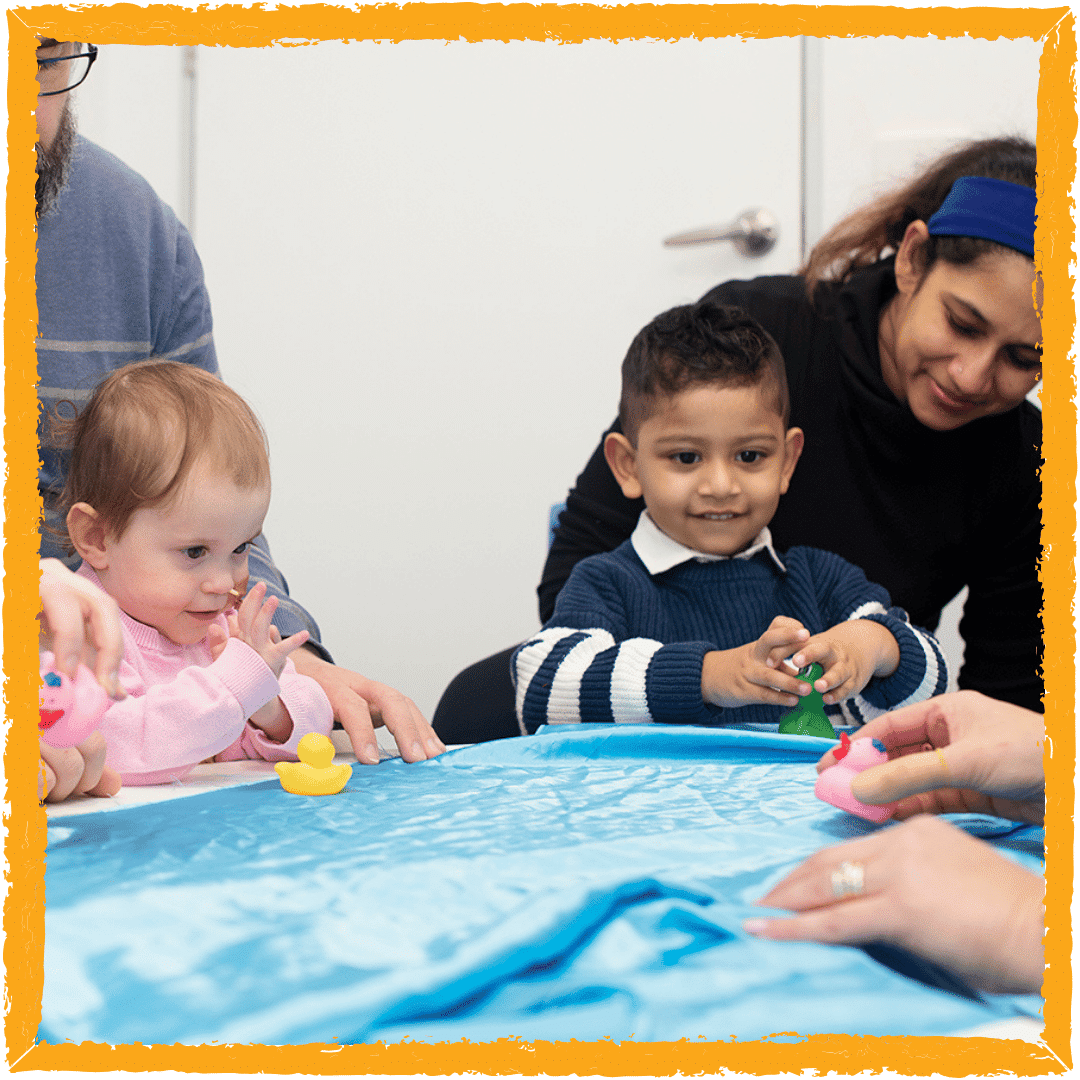
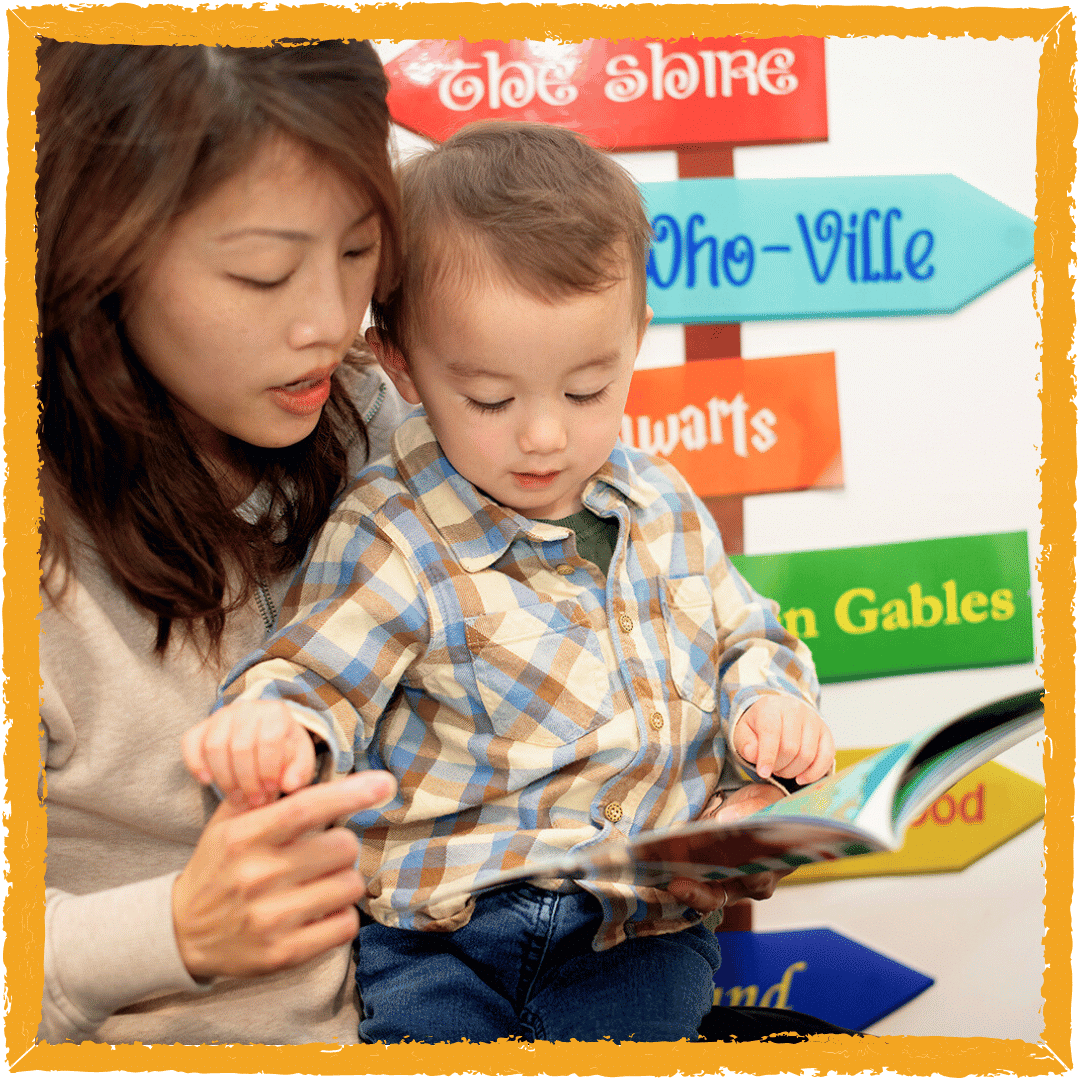
Image by Shichida Australia: Babies practising their fine motor skills development during a fun Shichida Baby Class.
What Is the Pincer Grasp?
The pincer grasp is a fine motor skill that allows your baby to pick up small objects using the thumb and forefinger together. Unlike earlier grasping skills that rely on the whole hand, this thumb and forefinger grasp requires precision, strength, and coordination.
In the early months, babies often use a raking motion, sweeping objects into their palm using their fingers. As baby dexterity improves, they begin to isolate the thumb and forefinger to pick up smaller items like pieces of food, beads, or tiny toys. This shift marks a key stage in pincer grasp development.
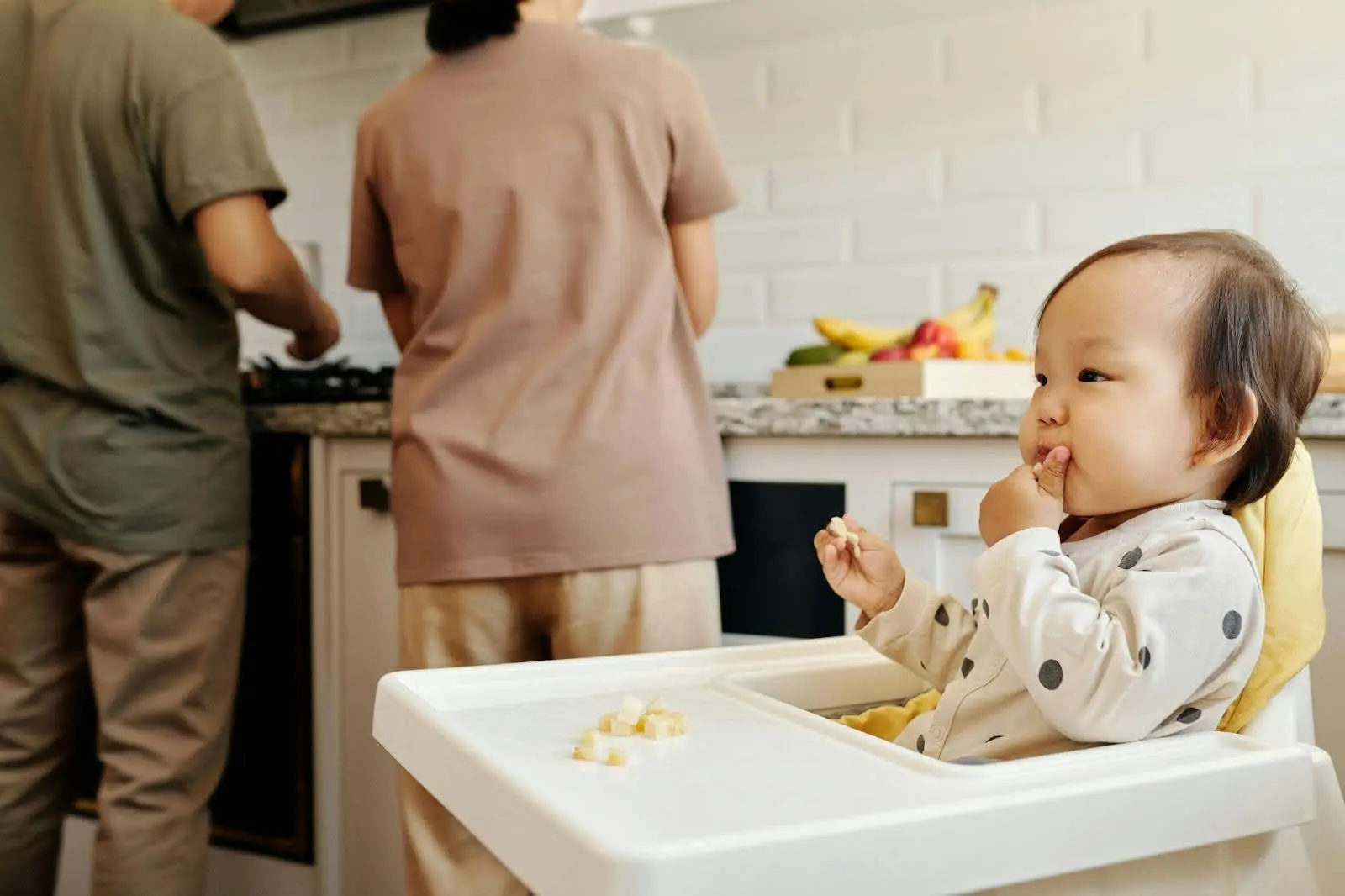
You will most often notice the pincer grasp during mealtimes. When your baby starts picking up small snacks one by one, rather than grabbing handfuls, it is a sign that their fine motor skills and hand-eye coordination are progressing. This skill also supports early play, problem-solving, and later tasks such as drawing and writing.
Types of Pincer Grasp
There are two main types of pincer grasp that develop over time.
- An immature pincer grasp uses the thumb and the side of the index finger to hold objects.
- A refined pincer grasp uses the tips of the thumb and forefinger with more control. You might notice your baby starting with clumsy attempts before gradually becoming more accurate and confident.
Pincer Grasp vs Other Grasping Skills
Before the pincer grasp appears, babies rely on palmar and raking grasps. The palmar grasp uses the whole hand to hold objects, while the raking grasp involves sweeping items into the palm. The pincer grasp stands out because it allows precise picking up of small objects and marks a major step in toddler fine motor development.
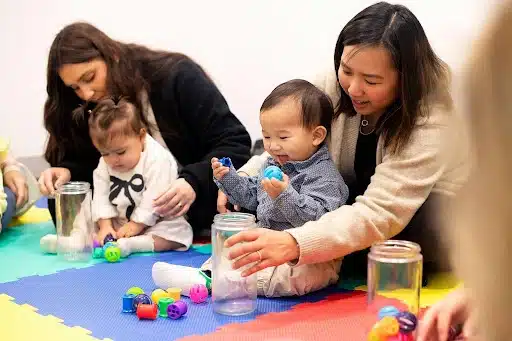
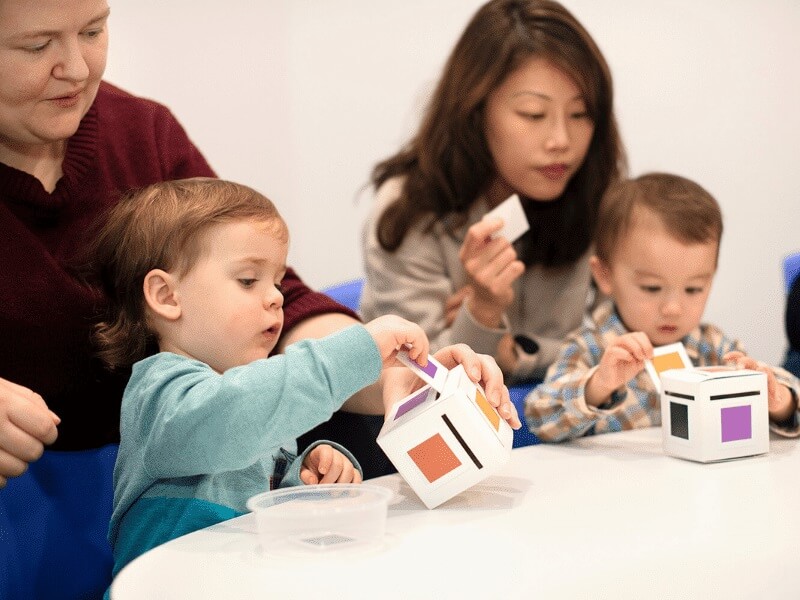
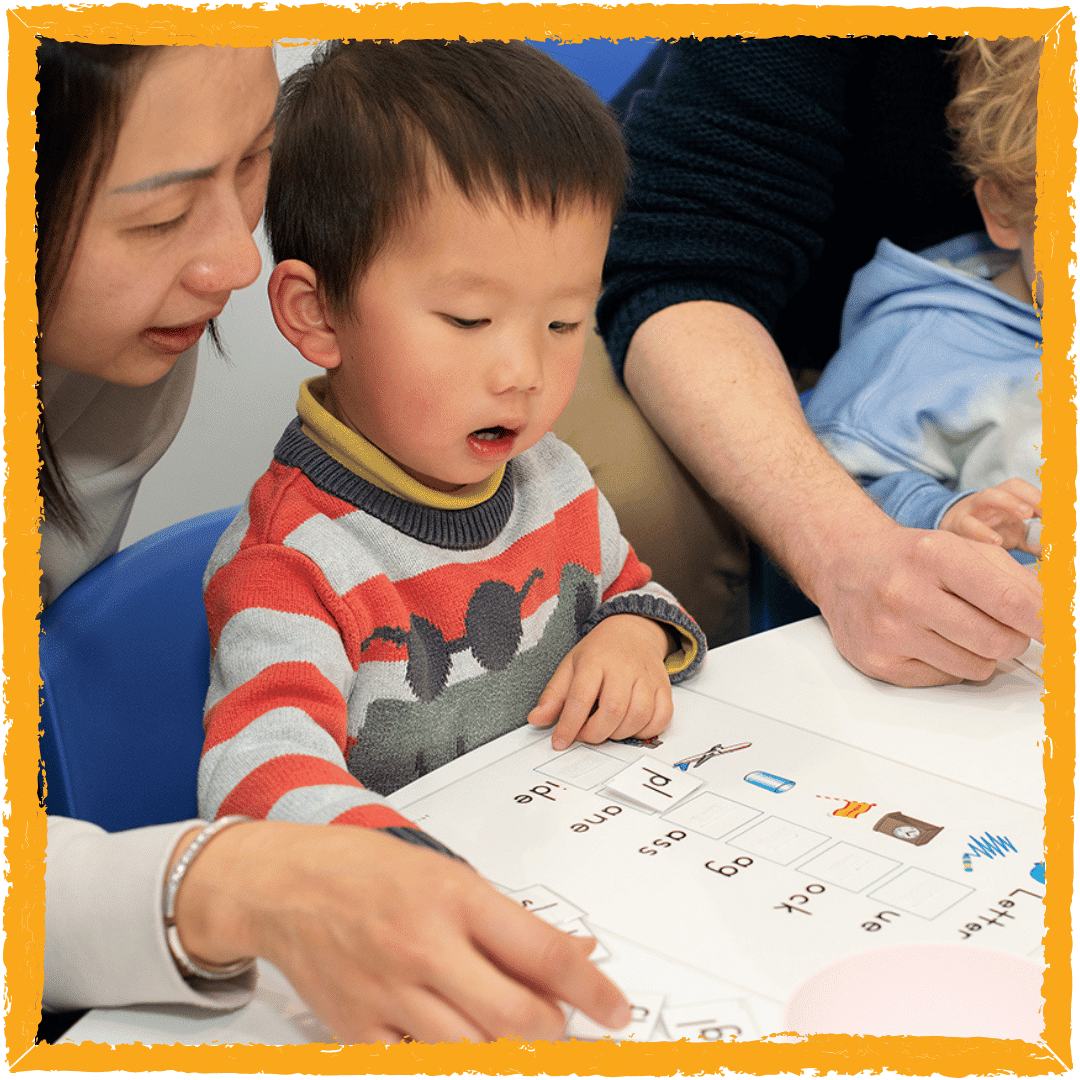
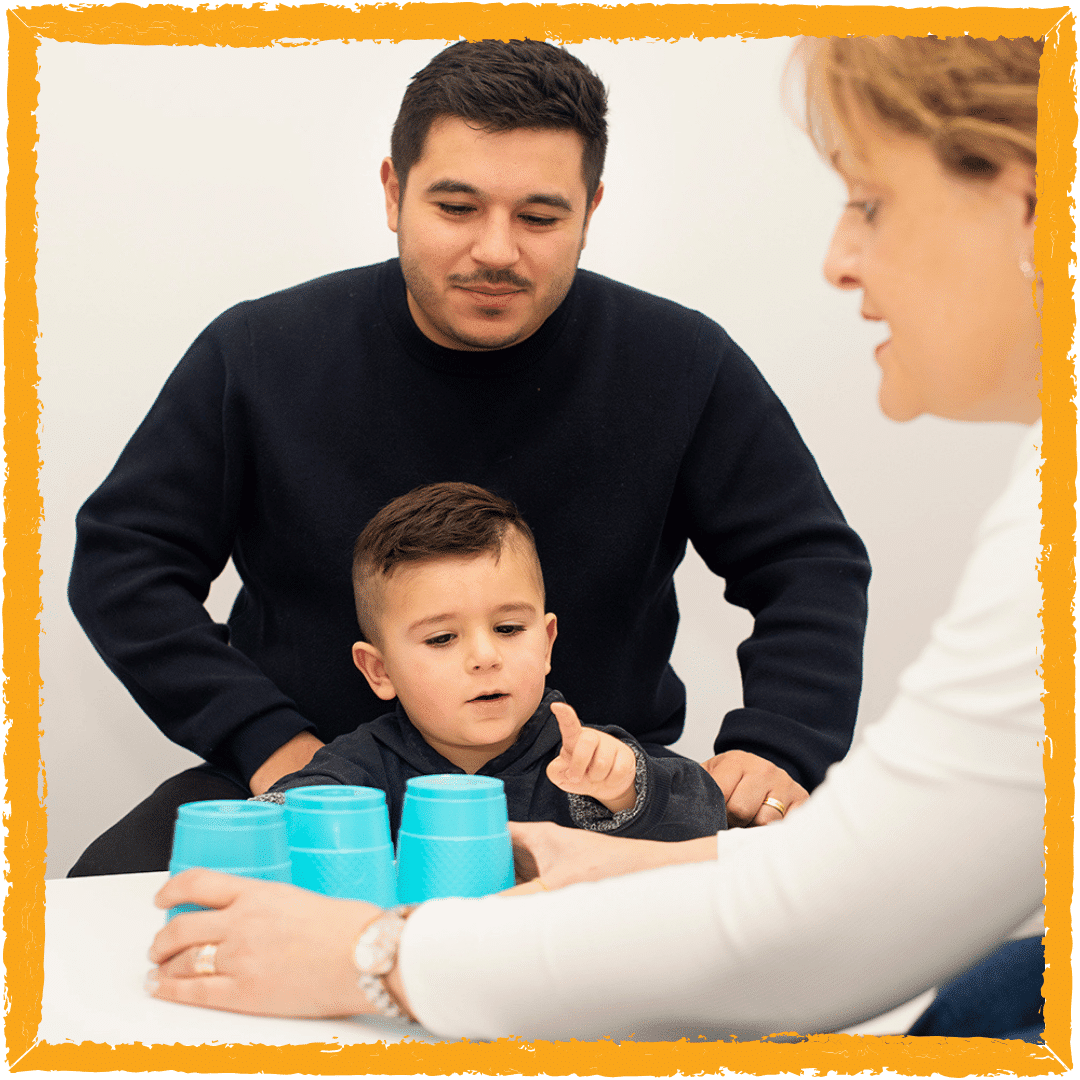
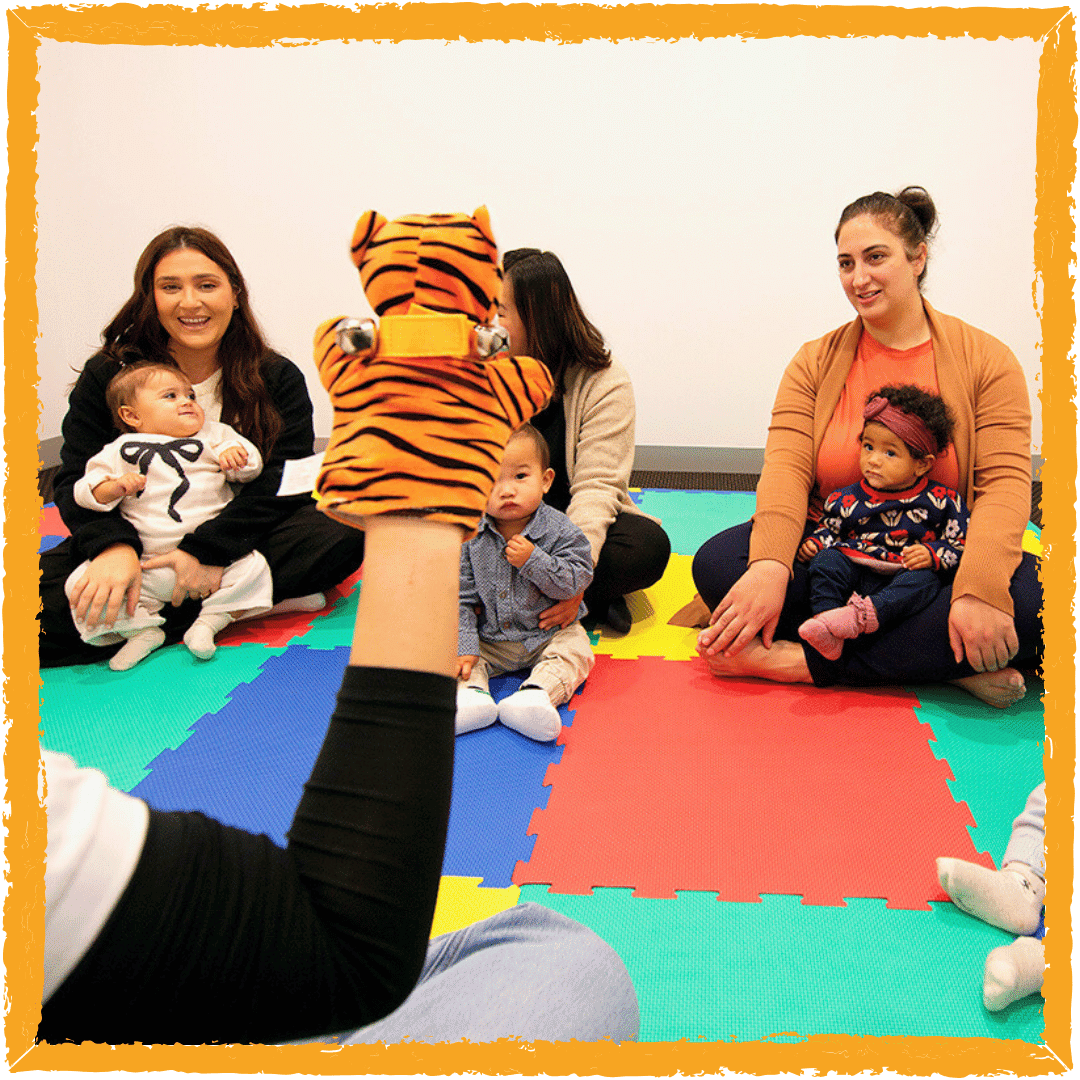
Image by Shichida Australia: Babies practise a pick-up-and-drop activity using gradually smaller objects, supporting fine motor development, hand–eye coordination, and the progression toward a refined pincer grasp over time.
Why the Pinching Grip Is Important
The pincer grasp is a gateway skill that supports independence, learning, and confidence. When your child masters this grasping skill, everyday tasks become easier and more enjoyable for them.
Strong fine motor skills help children feed themselves, manipulate toys, and explore their environment with purpose. The pincer grasp also strengthens hand muscles and improves coordination between the eyes and hands. These abilities are essential for early childhood development and school readiness, including a good pencil grip.
As your child grows, the same movements used in the pincer grasp are required for holding crayons, using cutlery, turning pages, and eventually writing letters. Supporting this skill early helps lay the groundwork for future learning.
Feeding and Self-Care Benefits
One of the earliest benefits of a developed pincer grasp is self-feeding. Being able to pick up small pieces of food supports independence and confidence at mealtimes. This skill also carries over into self-care tasks such as fastening buttons, pulling zips, and handling small objects during dressing.
Future Learning and Writing Skills
The movements involved in the pincer grasp closely mirror those used to hold a pencil. By strengthening thumb and forefinger control early, you are helping your child prepare for drawing, colouring, and early writing tasks that rely on precision and endurance.
Download a free sensory play guide with ideas that help develop fine motor skills and more!
Developmental Milestones for the Pincer Grasp
Every baby develops at their own pace, and variation is completely normal. Pincer grasp development follows a general pattern, but your child may reach milestones slightly earlier or later.
In the early months, grasping skills are more reflexive. Over time, babies gain voluntary control and coordination, allowing more refined movements. Observing progress rather than focusing on exact ages is key.
6-8 Months
At this stage, babies often rely on a raking grasp or use the whole hand to pick up objects. They may trap items between their fingers and palm or use the thumb against the side of the hand. These early attempts build strength and awareness needed for more precise movements later.
9-10 Months
Around this time, many babies begin showing an emerging pincer grasp. They may use the thumb and index finger together, though movements can still be awkward. Picking up small foods or toys becomes more intentional, even if items are sometimes dropped.
11-12 Months
By the end of the first year, many babies demonstrate a refined pincer grasp. They can pick up tiny objects using the tips of the thumb and forefinger with greater accuracy. This milestone supports improved self-feeding skills and more complex play.
Practical Activities to Encourage the Pincer Grasp
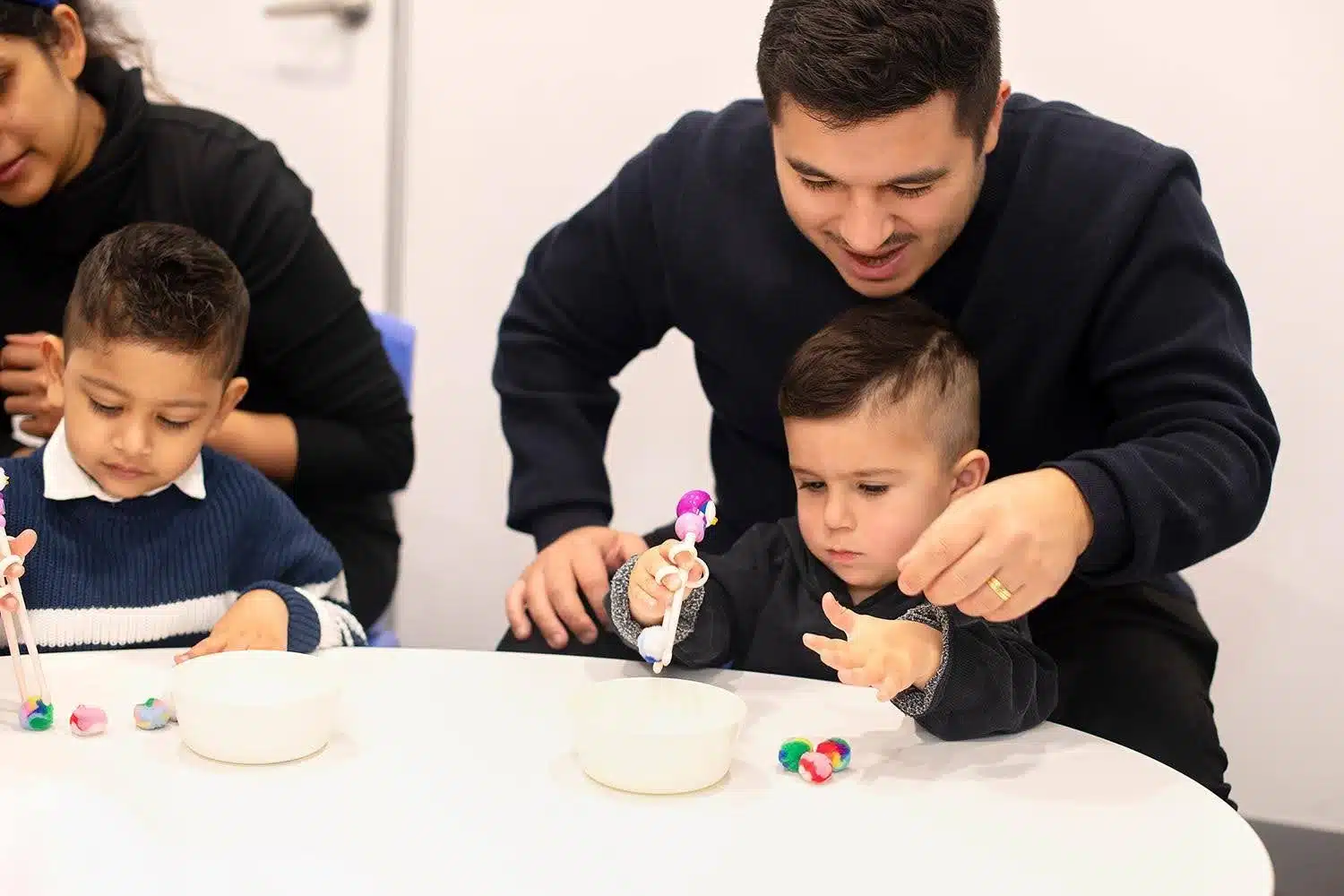
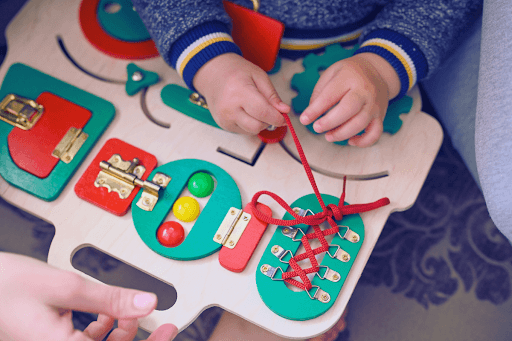
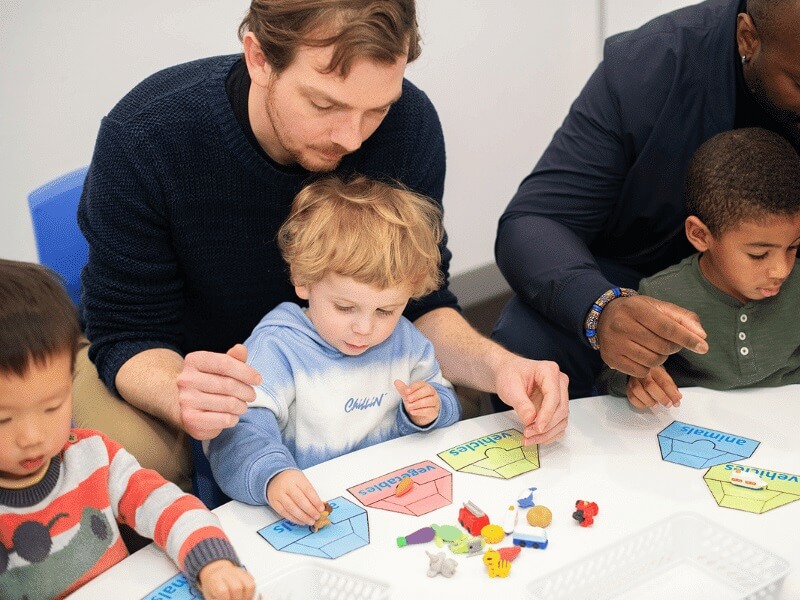
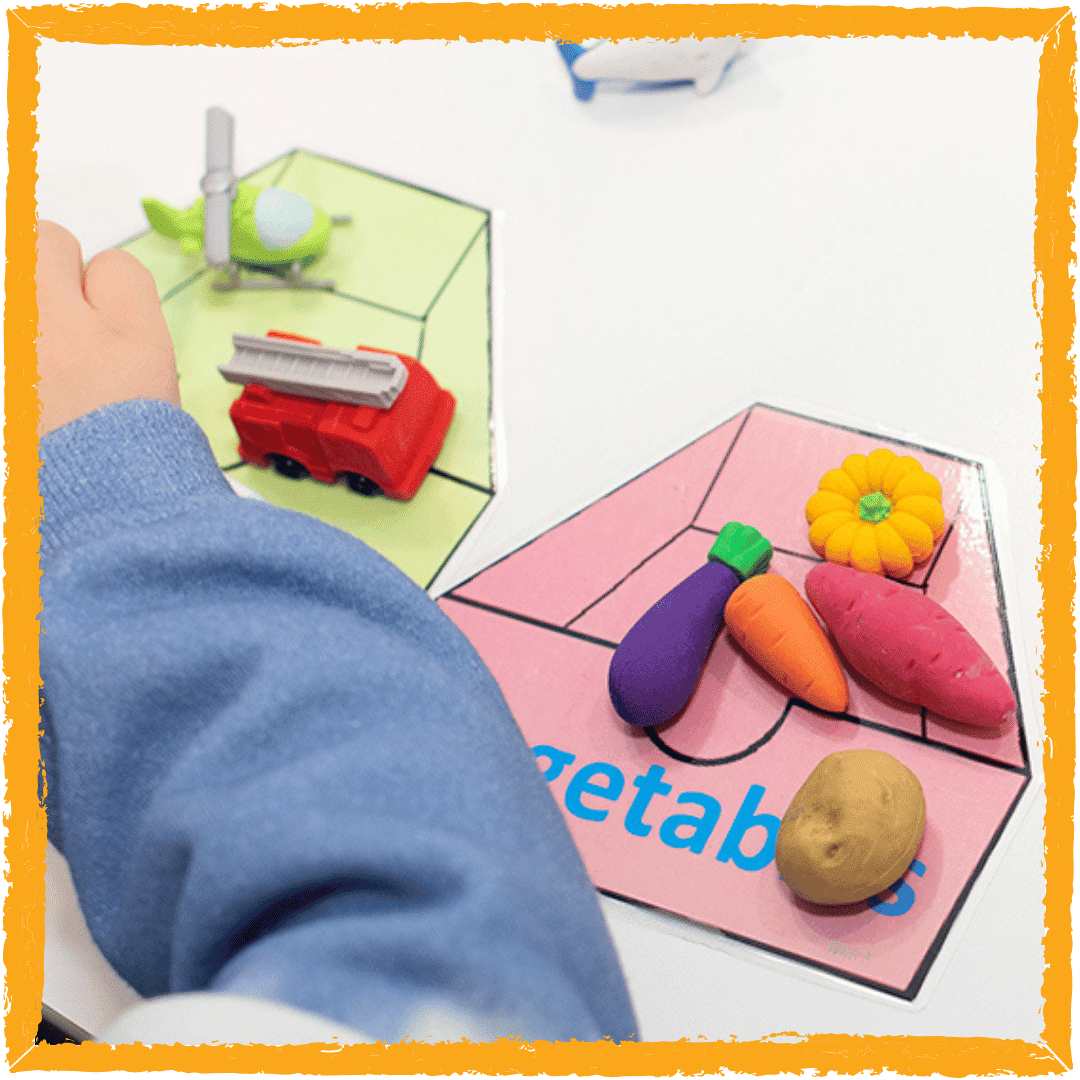
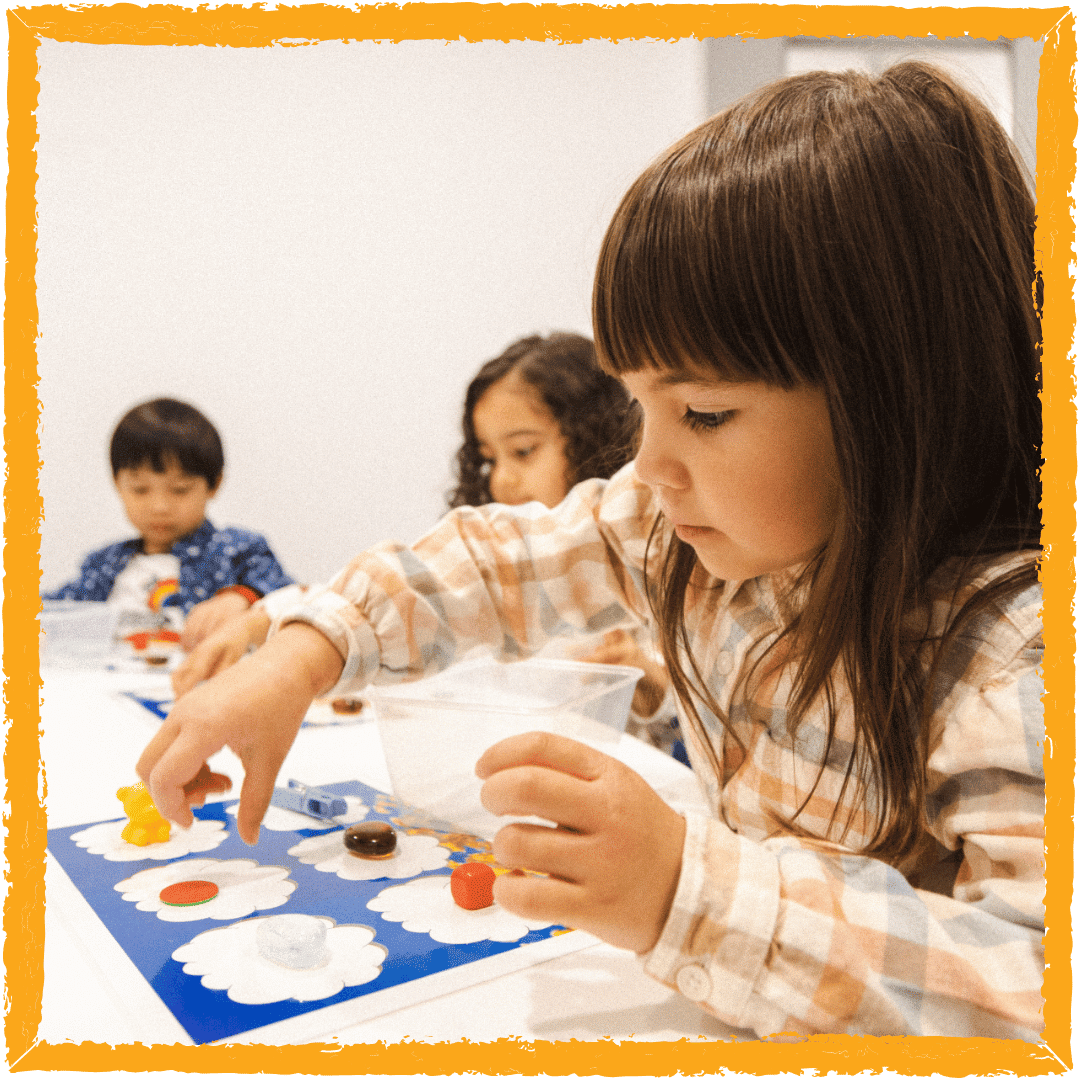
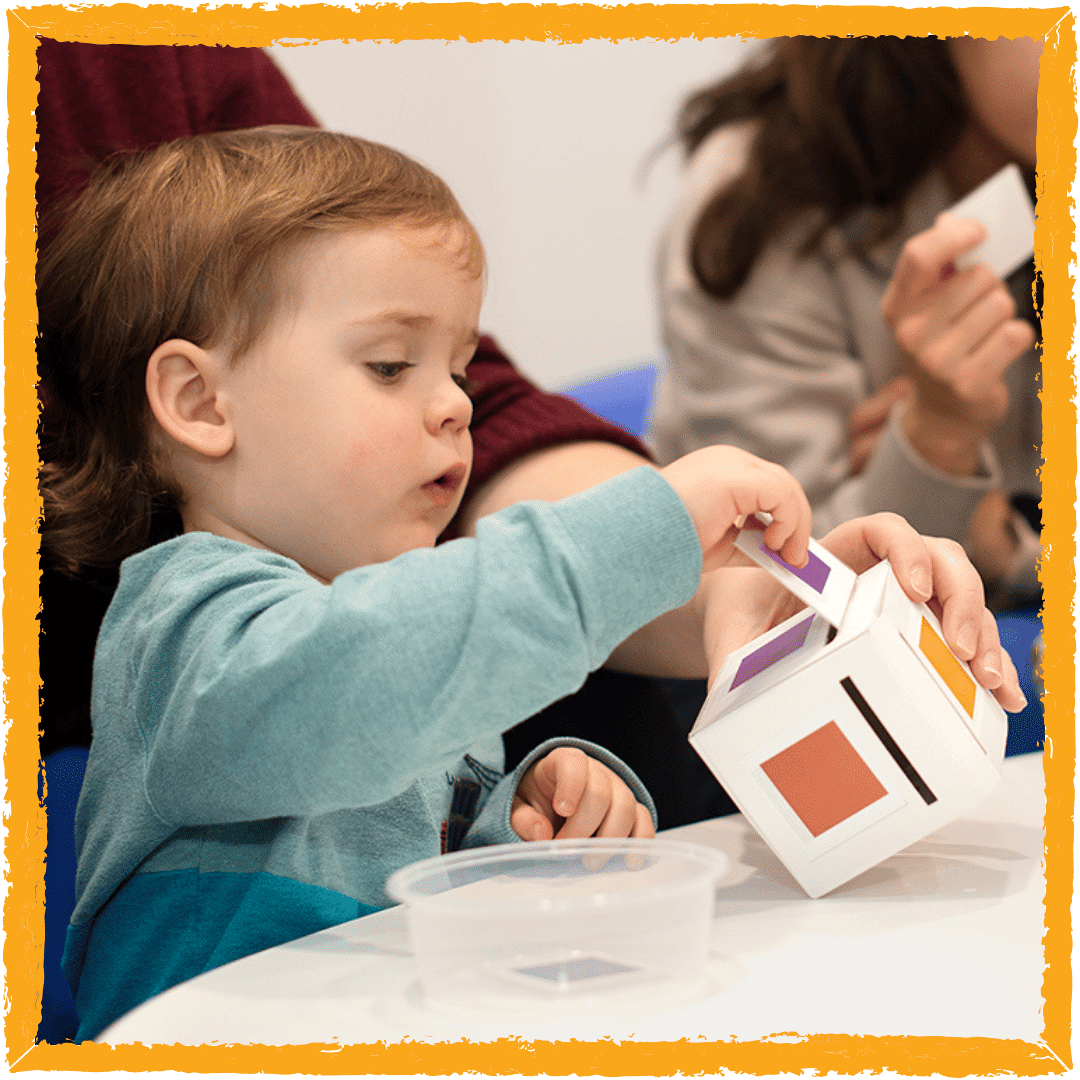
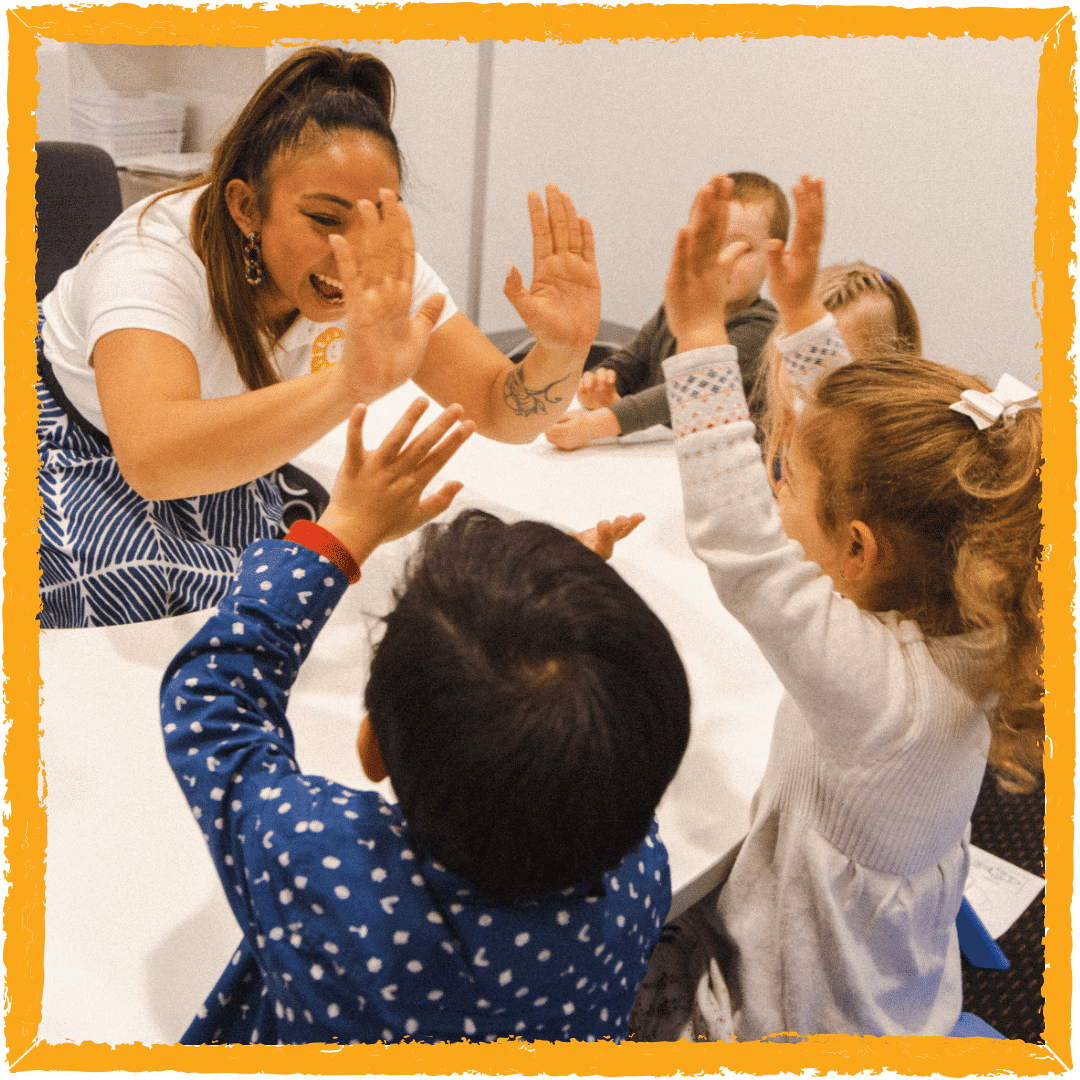
Photo from Shichida Australia Classroom: Play-based activities help strengthen the pincer grasp, supporting hand-eye coordination, baby dexterity, and early fine motor skills.
Simple, playful activities at home are very effective. The goal is to provide opportunities for practice while keeping experiences safe and enjoyable.
Always supervise closely when offering small objects, and choose age-appropriate items to reduce choking risks.
Everyday Household Items
- Small, soft foods like Cheerios or raisins to practise the pincer grasp during meals
- Safe household items such as small blocks, cotton balls, or large buttons for play
- Placing objects on a flat surface to encourage using thumb and forefinger rather than scooping
Sensory and Play-Based Activities
- Treasure baskets filled with items of different textures for exploration and grasping practice
- Pick-and-place games where objects are moved from one container to another
- Sensory play with dry rice or pasta to support dexterity, with close supervision
Structured Learning Tools
- High-quality toys designed to support fine motor development
- Pinching, posting, or stacking toys that encourage precise finger movements
- Engaging tools that strengthen grasping skills while keeping play enjoyable
Common Challenges and How to Support Your Baby
Some babies take longer to develop a refined pincer grasp, and this is often nothing to worry about. Development is influenced by opportunities for practice, muscle tone, and individual temperament.
If your baby prefers using their whole hand or avoids small objects, gentle encouragement and patience are usually enough to support progress.
Signs of Developmental Delay
If your baby consistently struggles to grasp small objects by the end of their first year, or shows limited interest in using their fingers individually, it may be worth discussing with a paediatrician or health professional. Persistent difficulties with grasping skills or hand-eye coordination can benefit from early support.
Tips for Encouragement
Offer repeated opportunities to practise without pressure. Model movements by picking up objects slowly and clearly. Praise effort rather than success, and keep activities short and positive. Creating a safe, stimulating environment encourages curiosity and exploration.
Integrating Pincer Grasp Practice into Daily Life
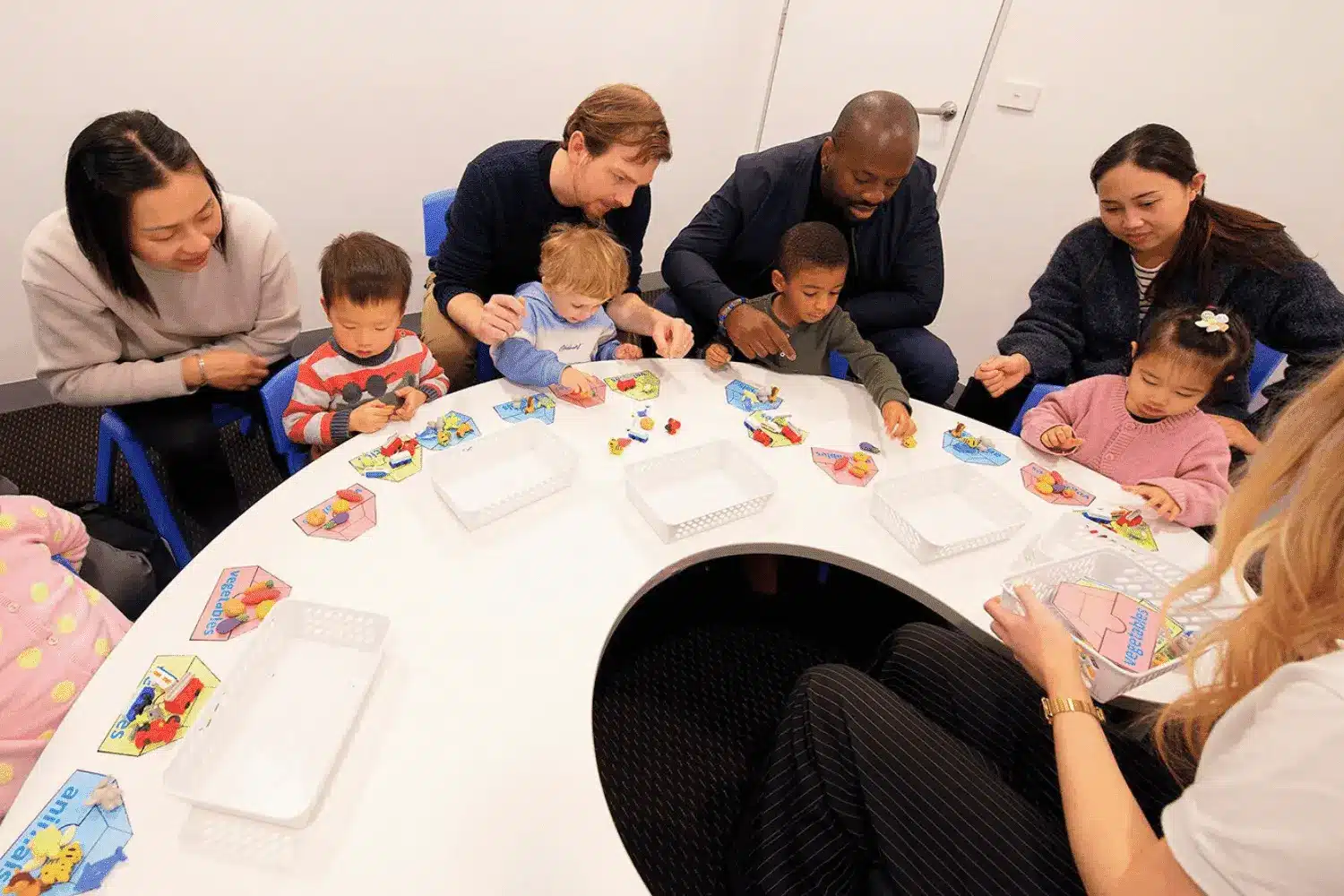
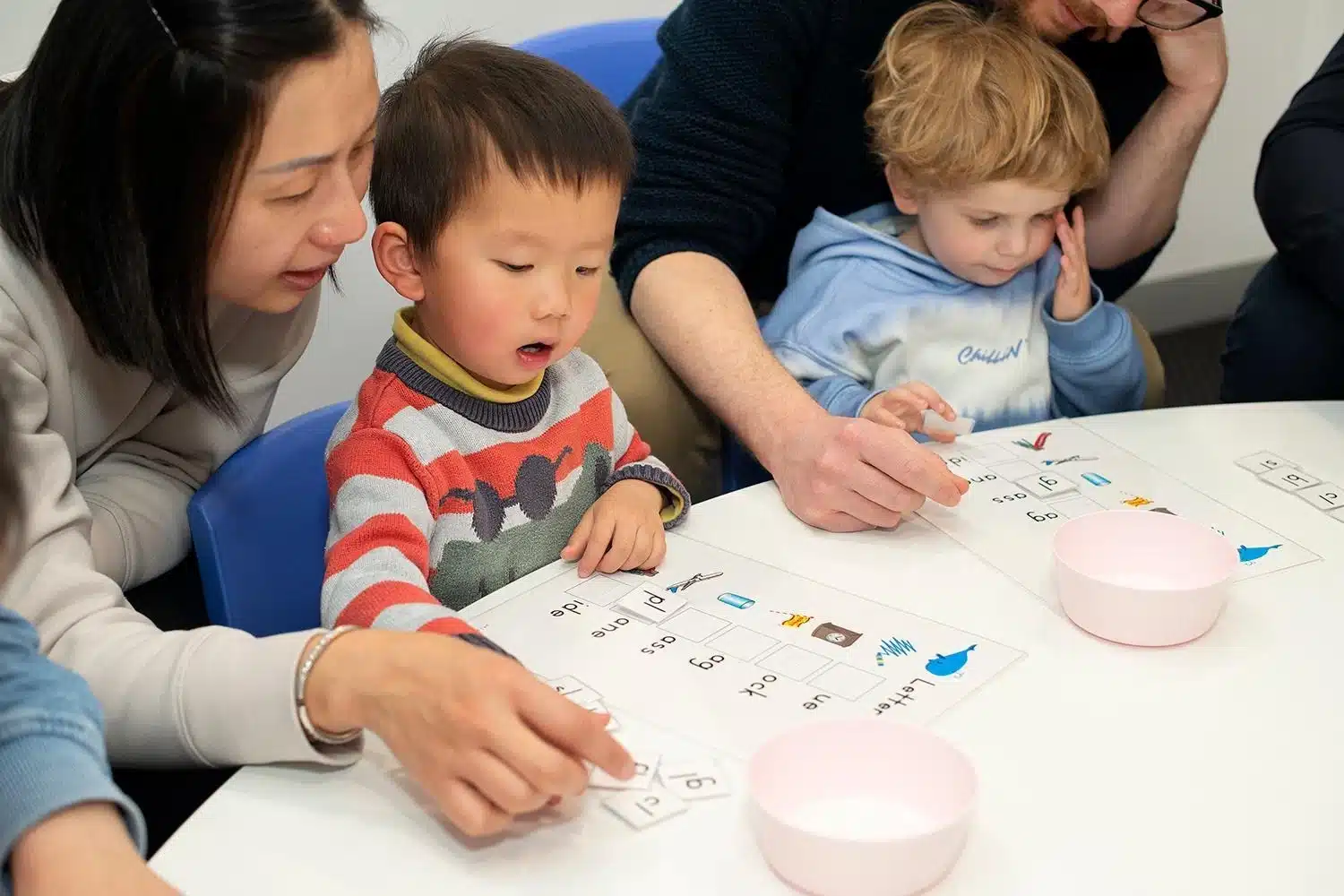
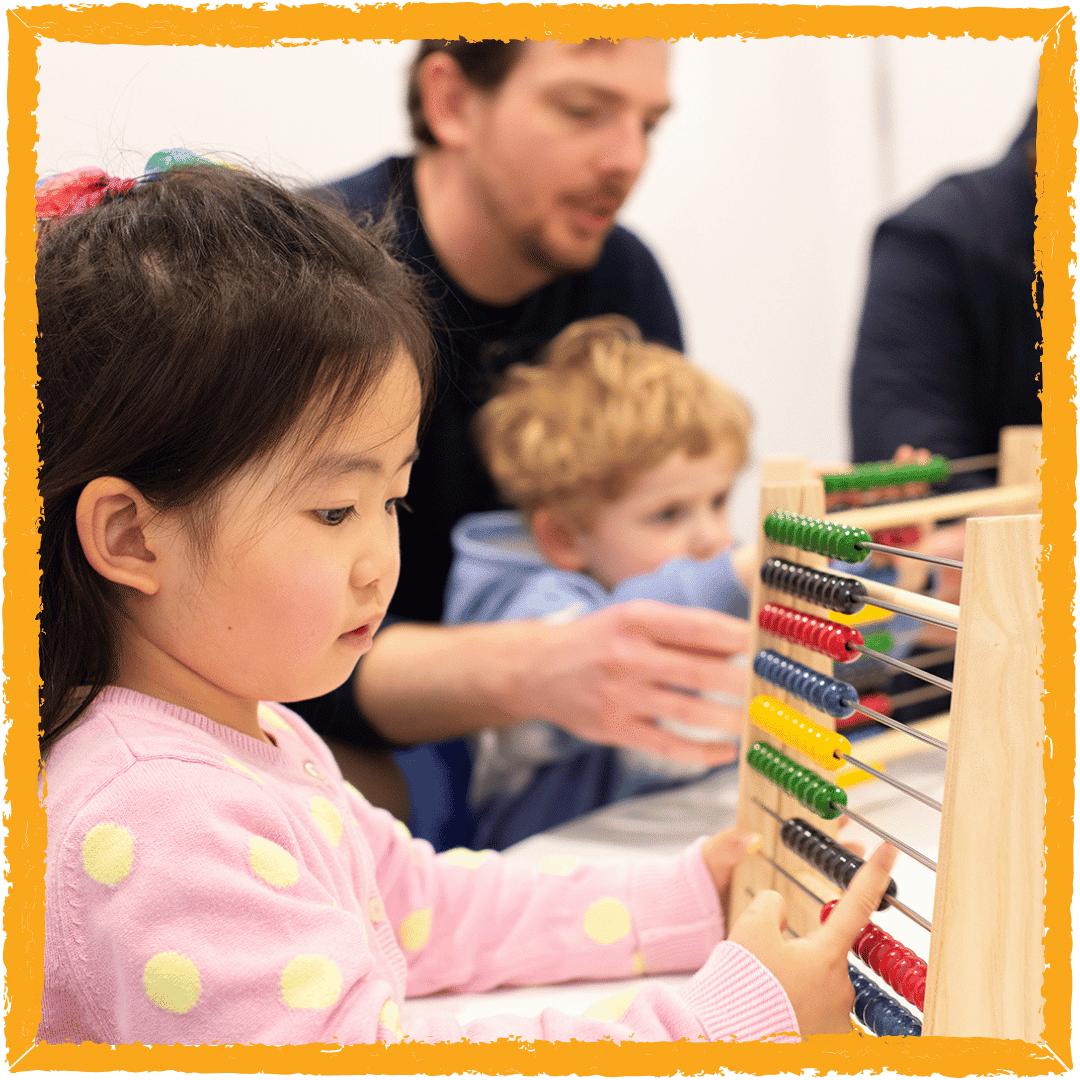
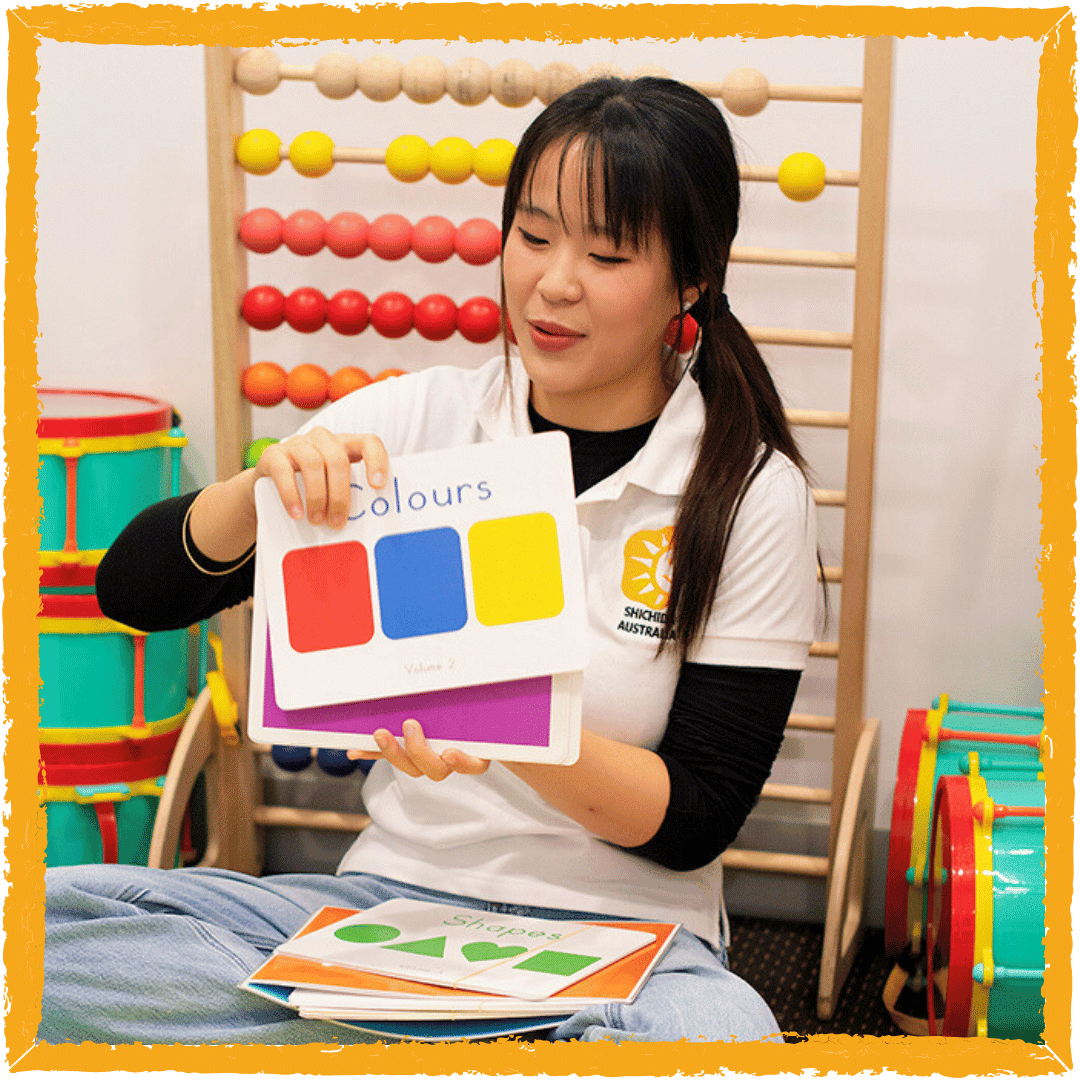
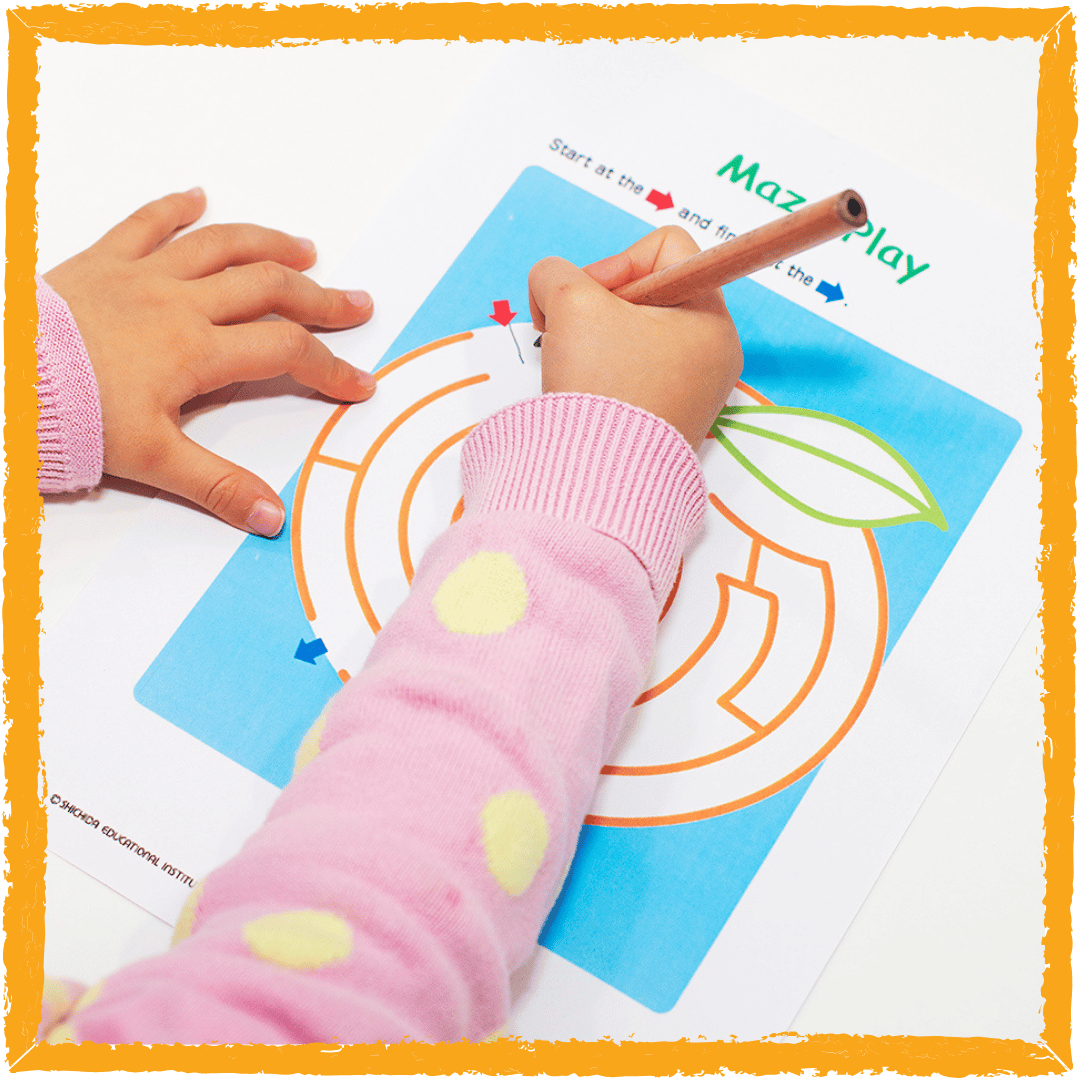
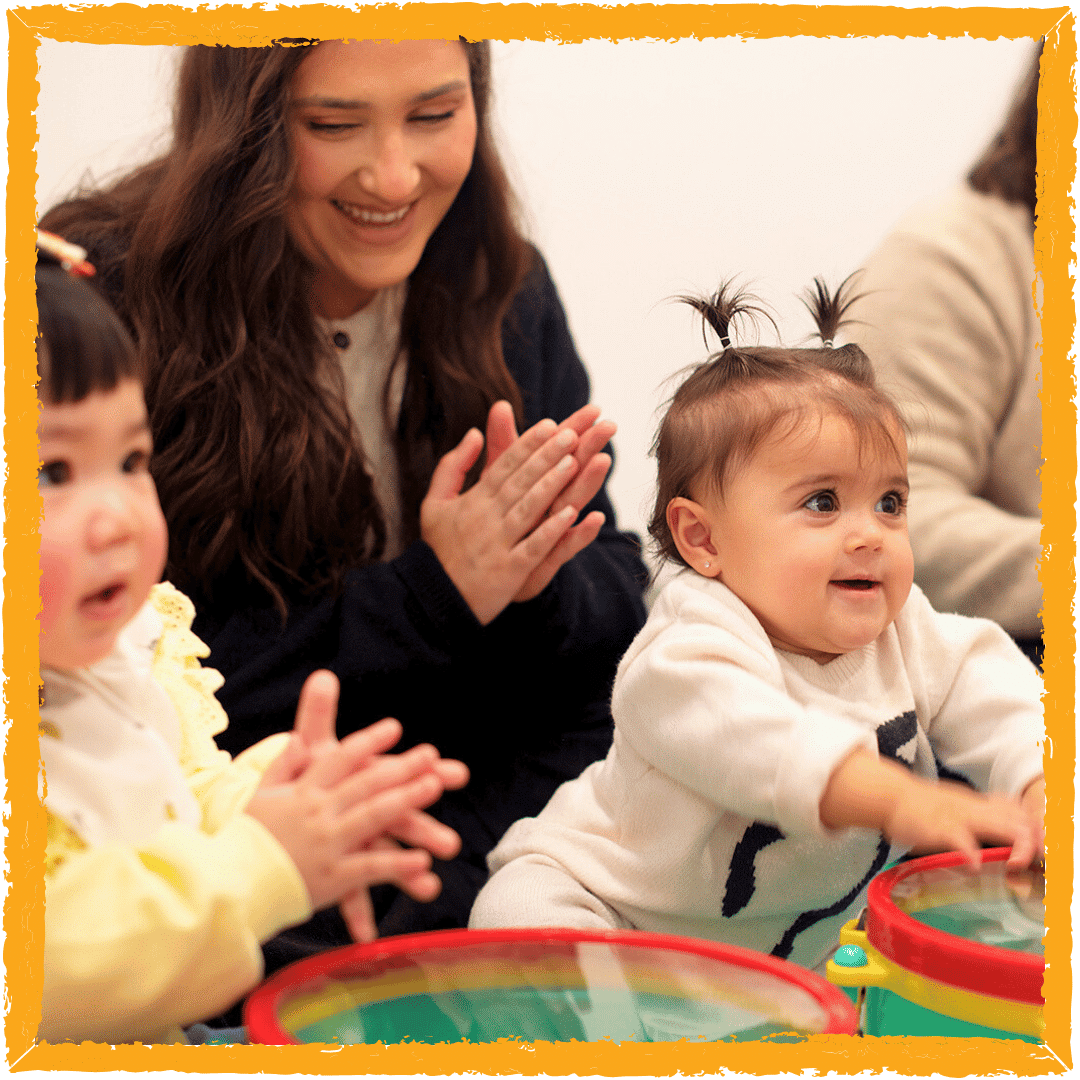
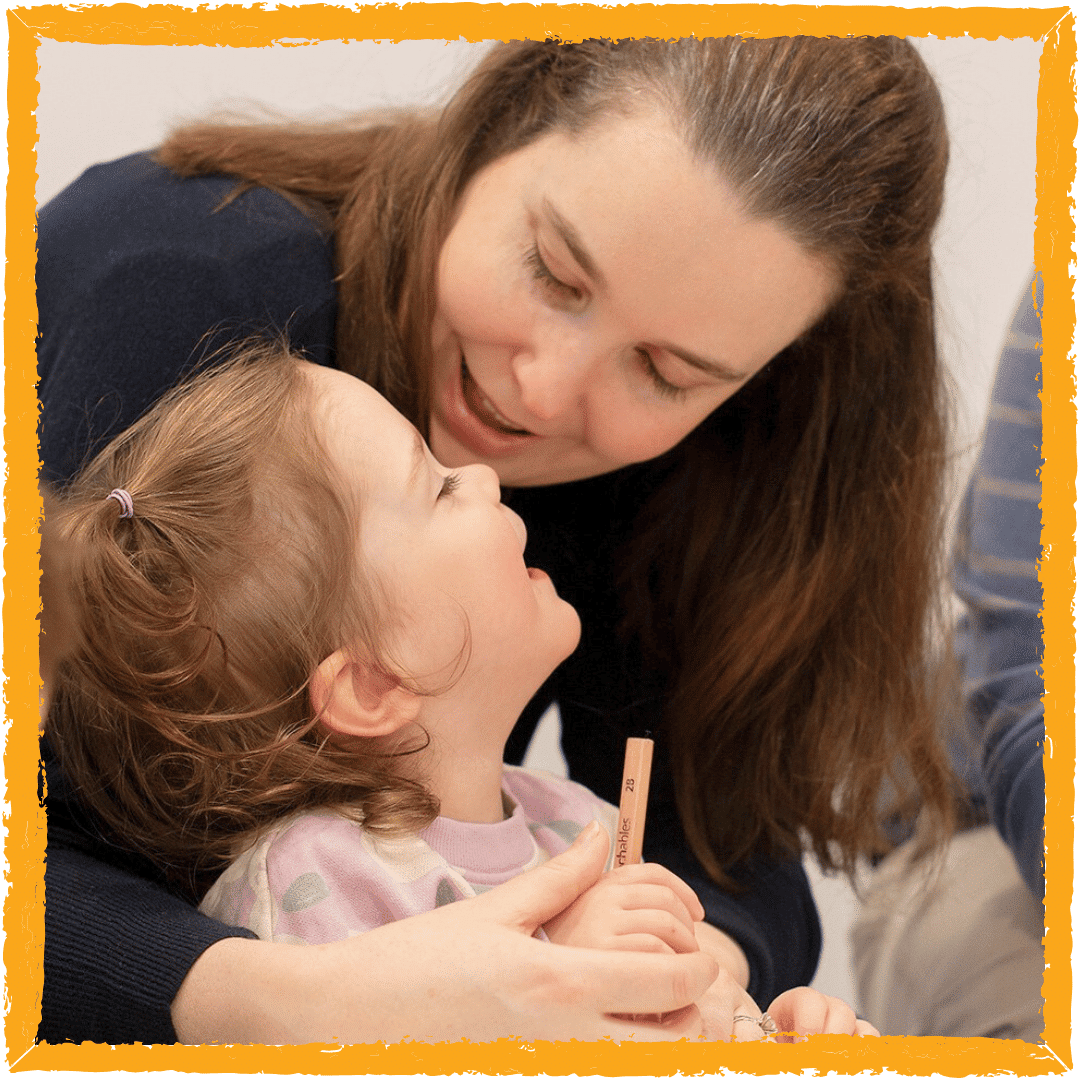
Photo from Shichida Australia Classroom:Everyday play and shared moments support the pincer grasp, showing how Shichida parents play an active role in guiding fine motor development.
The most effective way to support pincer grasp development is to weave it naturally into your daily routine. Mealtimes, playtime, and everyday tasks offer countless opportunities for practice.
During meals, allow your baby to explore finger foods at their own pace. During play, choose toys that invite grasping and manipulation. Even simple actions like turning pages of a board book or picking up dropped toys contribute to fine motor skills.
Remember that learning happens through repetition and enjoyment. When activities feel like play rather than practice, your child is more likely to engage and persist.
Supporting Fine Motor Progression with Shichida Classes
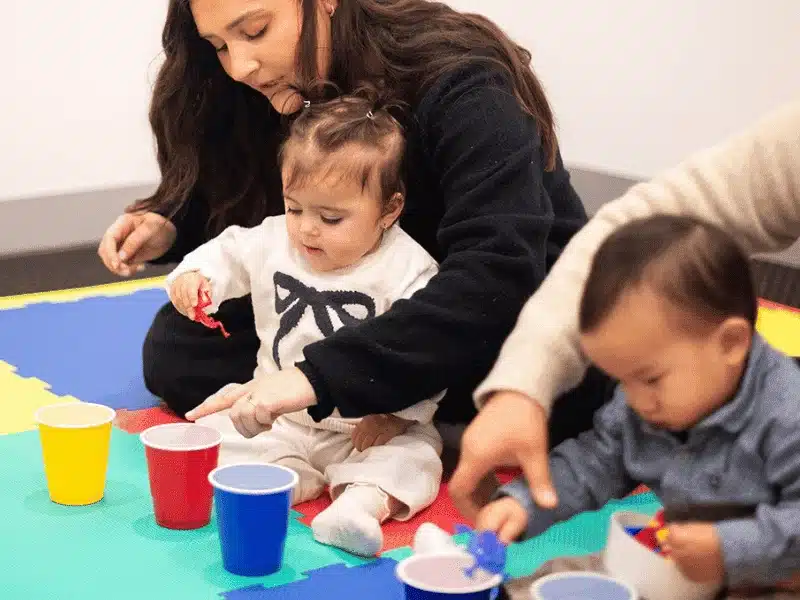
The early years are a powerful time to support skills like the pincer grasp that shape future learning. Shichida Australia provides parent-guided classes that strengthen fine motor skills, focus, and coordination through intentional play. These experiences help children build confidence while learning at their own pace.
Book a trial class today and see how Shichida supports your child’s development from the very start!
FAQs: Pincer Grasp in Early Childhood
It is a fine motor skill where babies use their thumb and forefinger together to pick up small objects with increasing control and precision.
Baby classes that offer hands-on, age-appropriate activities and gradual skill progression best support fine motor development. Shichida Australia baby classes include guided activities that strengthen finger control, hand-eye coordination, and fine motor foundations.
Most babies begin developing the pincer grasp between 9 and 12 months, although individual timelines can vary depending on opportunity and practice.
You can offer safe finger foods, small toys, and simple play-based activities that encourage pinching, picking up, and transferring objects.
A raking grasp involves using the whole hand to sweep objects into the palm, while a pincer grasp uses the thumb and forefinger for more precise control.
Delayed development can impact fine motor skills, but with early support, practice, and guidance, most children make steady progress.
Yes, toys that involve posting, pinching, stacking, or picking up small pieces can help strengthen fine motor control.
Normal development includes gradual improvement, better accuracy, and growing interest in picking up and exploring small objects.