Phonemic Awareness Explained, with Example Activities
Key Points
- Phonemic awareness is the ability to hear and work with speech sounds
It is an auditory skill that helps children recognise and manipulate individual sounds (phonemes) in spoken words - Strong phonemic awareness supports reading and spelling development
Children who develop phonemic awareness early are more likely to succeed in reading, spelling, and decoding words later on. - Phonemic awareness skills develop in a clear progression
Children typically move from recognising sounds in words to blending, segmenting, and manipulating individual sounds. - Letters and printed words are not required
Phonemic awareness develops through listening and speaking, not through reading or writing letters. - Short, playful oral activities are highly effective
Games, songs, rhymes, and sound play build phonemic awareness naturally during everyday interactions.
Before children recognise letters or read independently, they are learning to hear, notice, and play with the sounds in spoken language.
This ability is known as phonemic awareness, and it forms the foundation of early literacy skills, reading readiness, and confident reading later on. Talking together, singing, playing, and sharing simple sound games all help build phonemic awareness at home.
This guide explores phonemic awareness in a clear, parent-friendly way and shows how it fits naturally into daily family life.
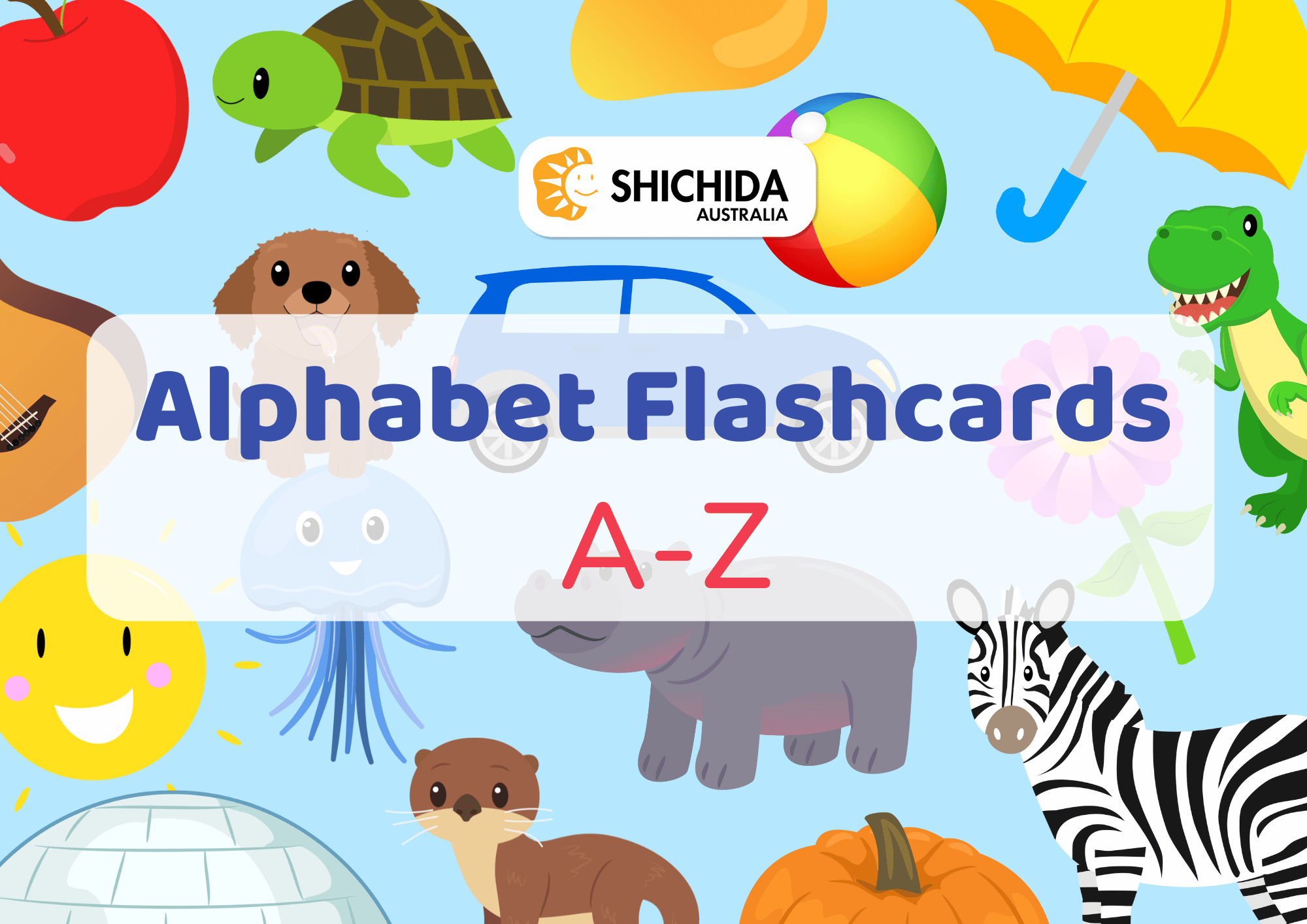
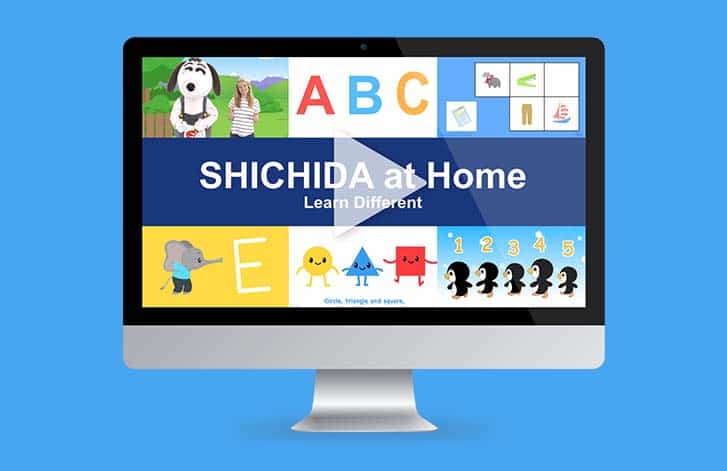
Download free alphabet flashcards – an easy-to-use DIY resource for home learning!
What Is Phonemic Awareness?
Phonemic awareness is your child’s ability to hear, identify, and manipulate individual sounds in spoken words. These individual sounds are called phonemes. For example, the word “cat” is made up of three phonemes: /c/ /a/ /t/.
Phonemic awareness sits within a broader skill called phonological awareness, which includes noticing larger sound units such as rhymes, syllables, and alliteration. Phonemic awareness focuses specifically on the smallest units of sound.
When your child claps syllables, enjoys rhyming songs, or plays with sounds in words, the foundation for phonemic awareness is being built. These early sound experiences prepare the brain for decoding skills later on, once letters are introduced.
What Are Phonemes?
Phonemes are the smallest units of sound in spoken language. Changing just one phoneme can completely change the meaning of a word. For example, changing the first sound in “cat” could create “bat”, while changing the final sound could create “cap”.
Phonemes are sounds. This is especially important in English, where there are more phonemes than letters. Some sounds are formed by combining letters, such as /sh/ or /ch/. Children learn to hear and recognise these sounds long before they see them written down.
Phonemic Awareness vs Phonics
This is a common source of confusion for many parents.
Phonemic awareness involves hearing and working with sounds in spoken words. Phonics focuses on connecting those sounds to written letters.
For example, blending the sounds /c/ /a/ /t/ to say “cat” is phonemic awareness. Recognising that the letter “c” represents the /c/ sound is phonics. Phonemic awareness comes first and makes learning phonics much easier later on.

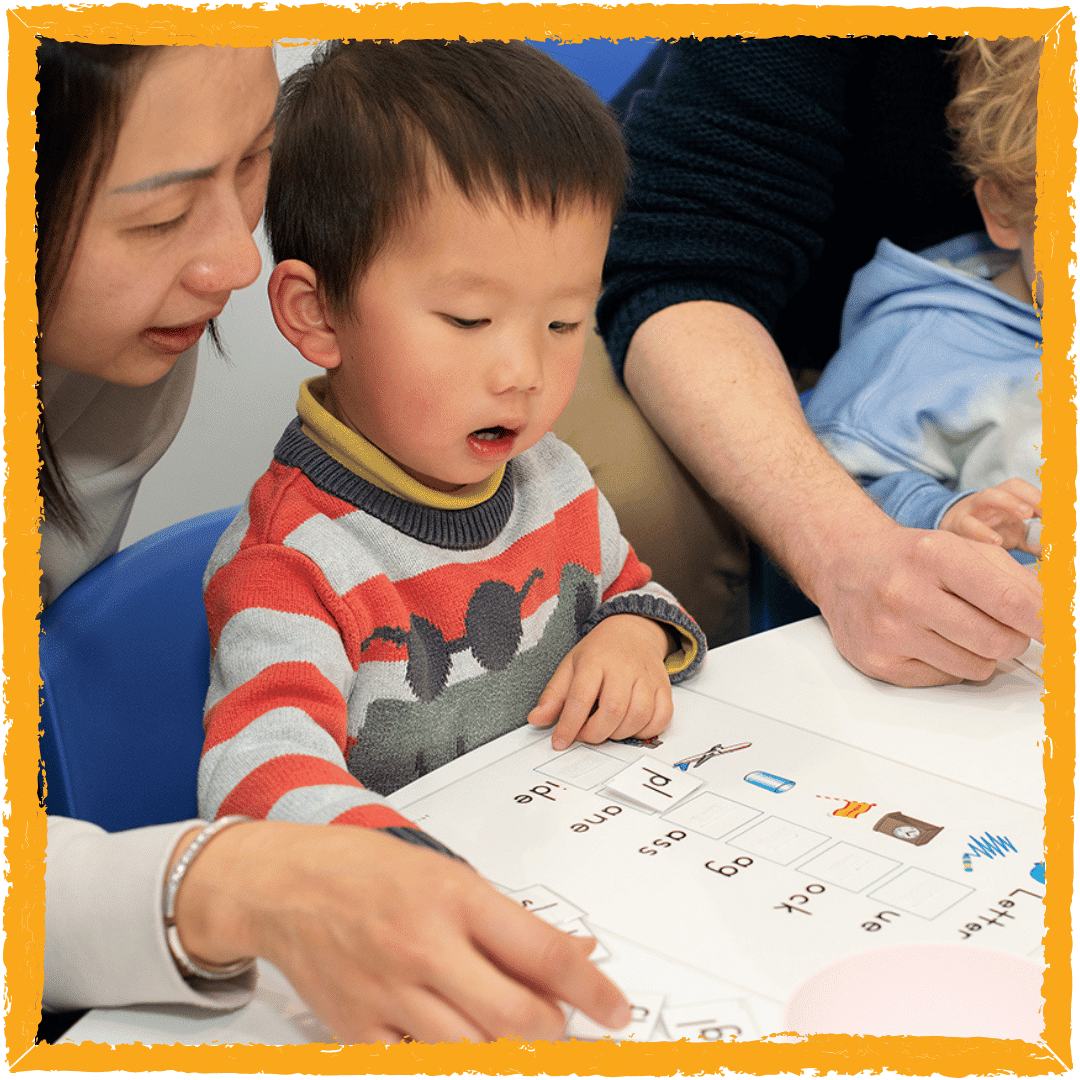
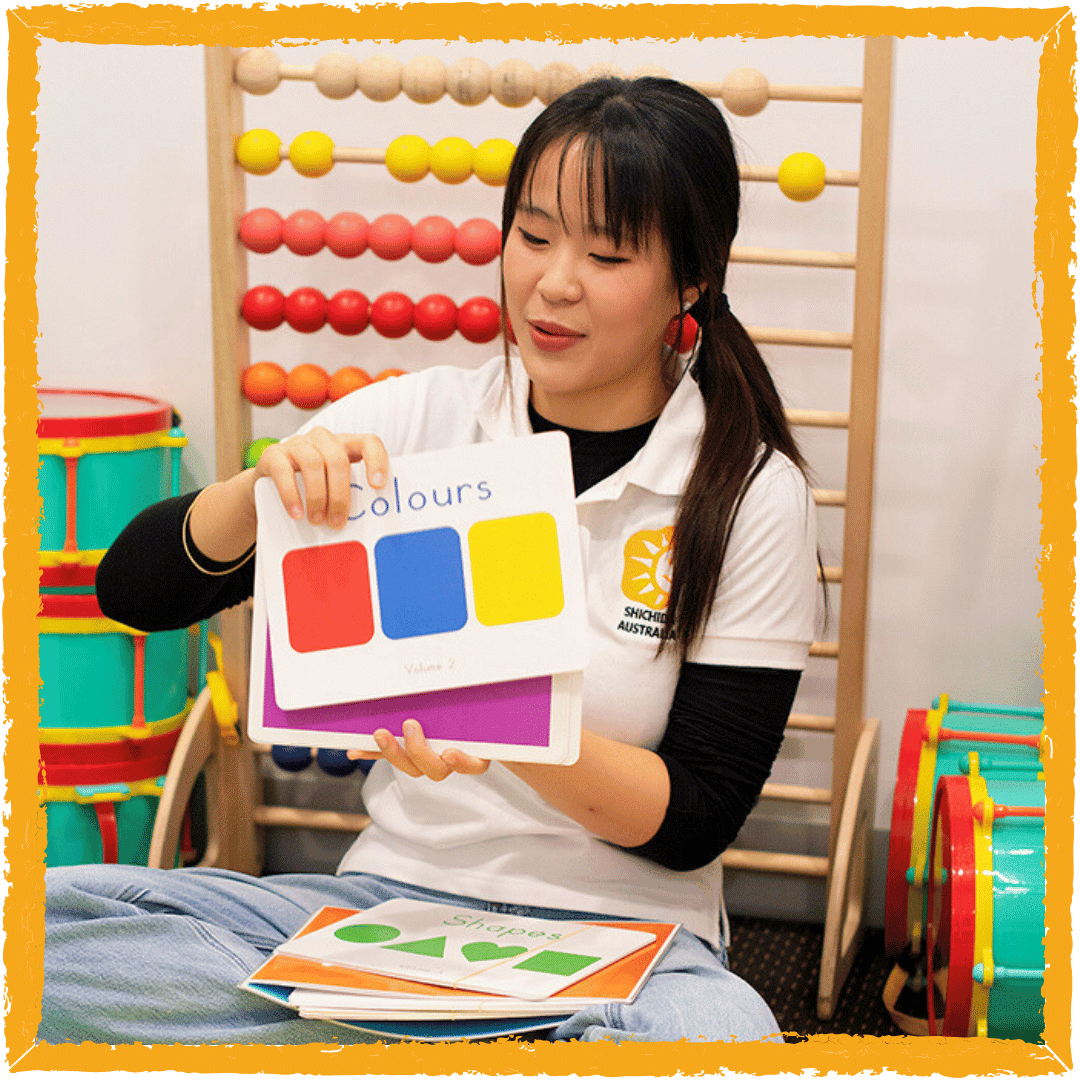
Image by Shichida Australia: Flashcards, paired with songs are a great way to introduce young children to literacy skills in playful ways. Other learning tools used by Shichida are age-appropriate reading literacy-based games and activities.
Why Phonemic Awareness Is Critical for Reading Success
Phonemic awareness is one of the strongest predictors of later reading and spelling success. When children can hear and manipulate sounds, they find it easier to decode words, spell accurately, and read with confidence.
When your child understands that words are made up of individual sounds, reading feels logical rather than confusing. Unfamiliar words can be sounded out, sounds can be blended together, and words can be broken apart when spelling.
Research consistently shows that children with strong phonemic awareness are less likely to experience reading difficulties. While children who struggle early can still catch up, early support often makes the learning journey smoother and more positive.
By supporting phonemic awareness, you are giving your child a powerful head start, even before formal reading instruction begins.
How the Brain Processes Speech Sounds
From birth, your child’s brain is tuned in to speech sounds. Through listening and interaction, the brain learns to sort, organise, and store phonemes.
When your child practises blending sounds or segmenting sounds, neural pathways used for reading are strengthened. These sound pathways help the brain connect spoken language with written language once letters are introduced.
Long-Term Literacy Benefits
Strong phonemic awareness supports decoding skills, spelling accuracy, and reading fluency. It also supports comprehension, as your child is not using all their mental energy simply to work out words. Over time, this leads to more confident, motivated readers who enjoy reading rather than avoid it.

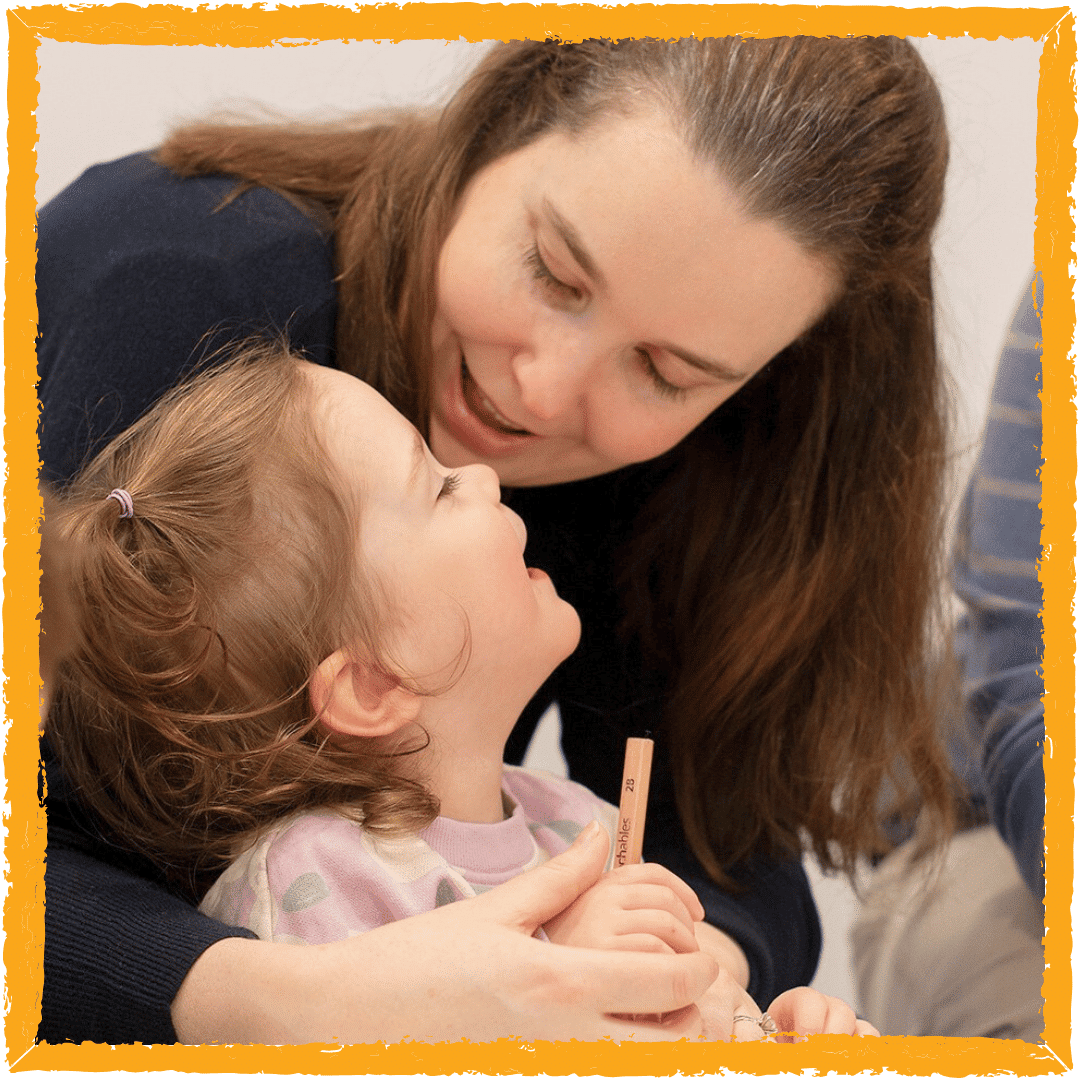
Image by Shichida Australia: Preschoolers read simple books with a parent, building familiarity with simple words, page-turning skills, and the natural rhythm of reading.
Core Phonemic Awareness Skills Children Develop
Phonemic awareness develops as a progression of skills, moving from simple listening tasks to more complex sound manipulation. Children move through these stages at different rates, and this variation is completely normal.
What matters most is consistent exposure and playful practice, not rushing or pressure.
Phoneme Isolation
Phoneme isolation is the ability to identify a sound at the beginning, middle, or end of a word. Asking questions such as “What sound do you hear at the start of ‘sun’?” helps your child focus on individual phonemes.
Phoneme Blending
Blending sounds involves combining individual phonemes to make a word. When you say /d/ /o/ /g/ and your child says “dog”, a key decoding skill used in reading is being practised.
Phoneme Segmentation
Segmenting sounds is the opposite of blending. Your child breaks a word into its individual sounds, such as /m/ /a/ /t/ for “mat”. This skill plays an important role in spelling and early writing.
Phoneme Manipulation
This more advanced skill includes adding, deleting, or changing sounds in words. Activities such as saying “cat” without the /c/ sound or changing the /m/ in “man” to /f/ strengthen sound manipulation and flexible thinking.

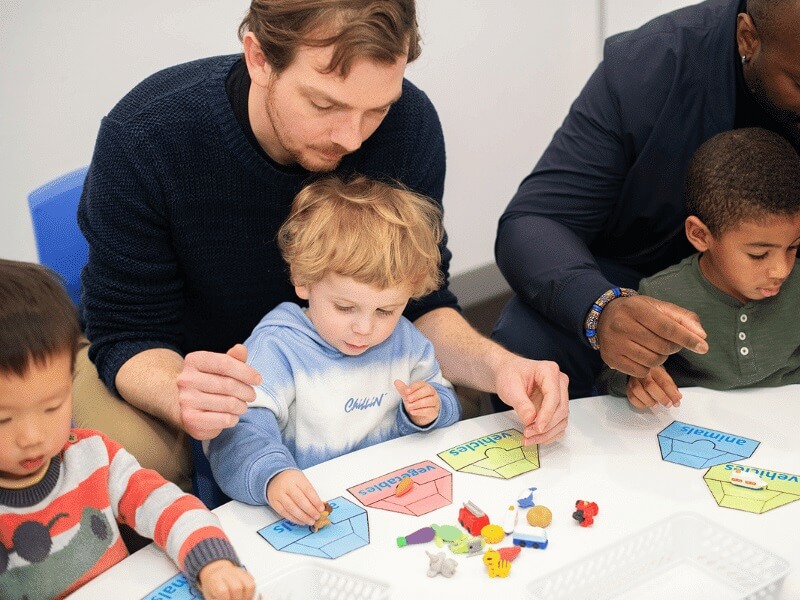
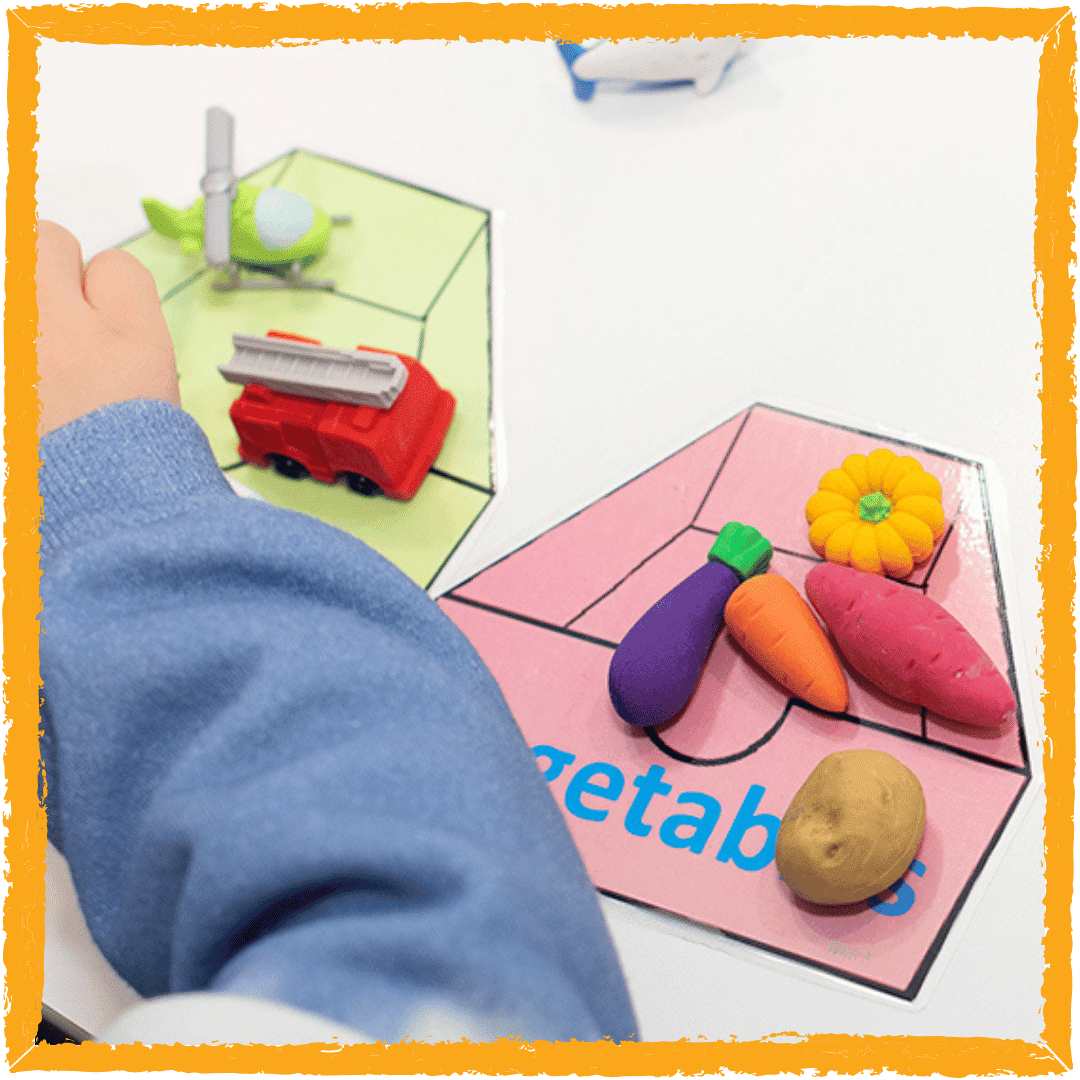
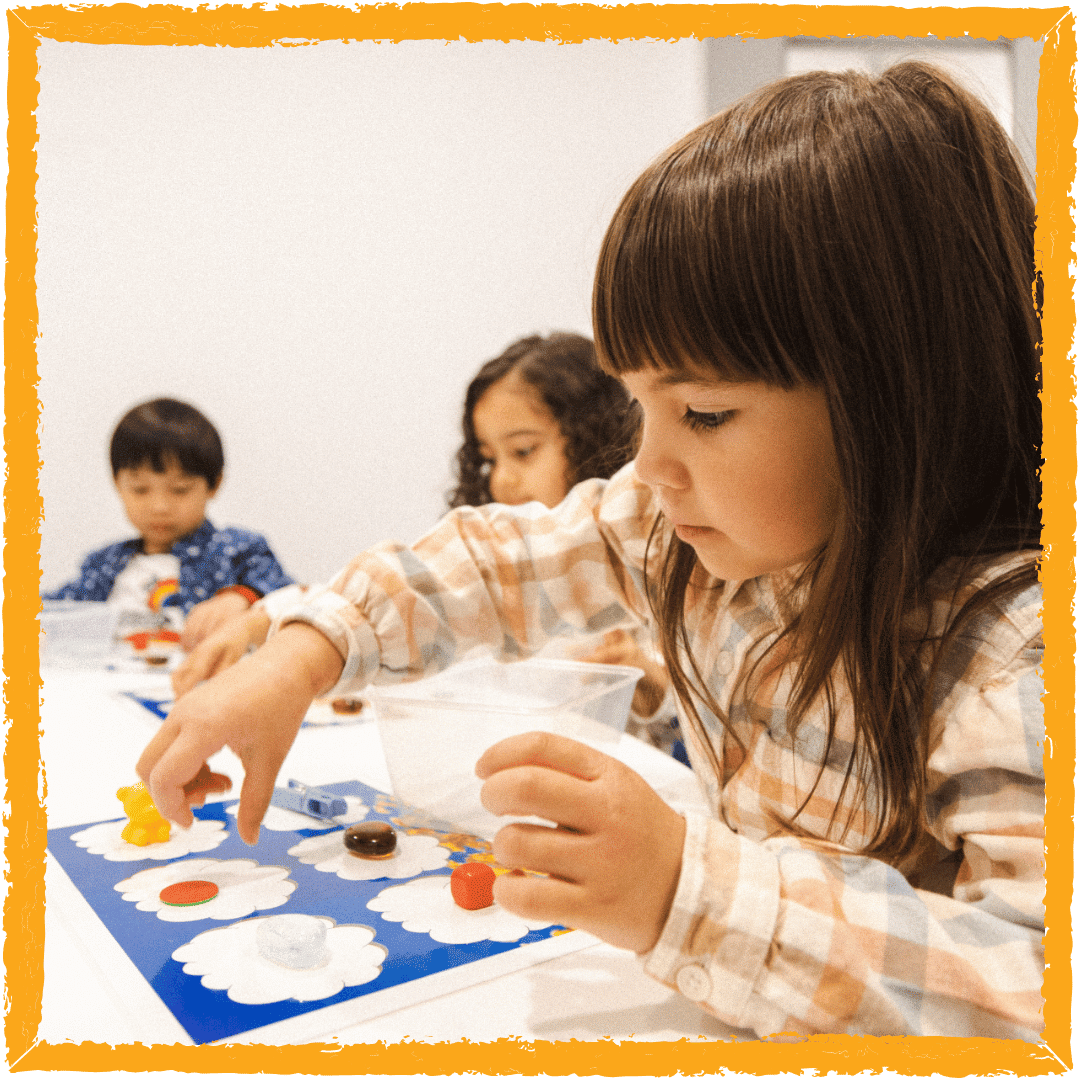
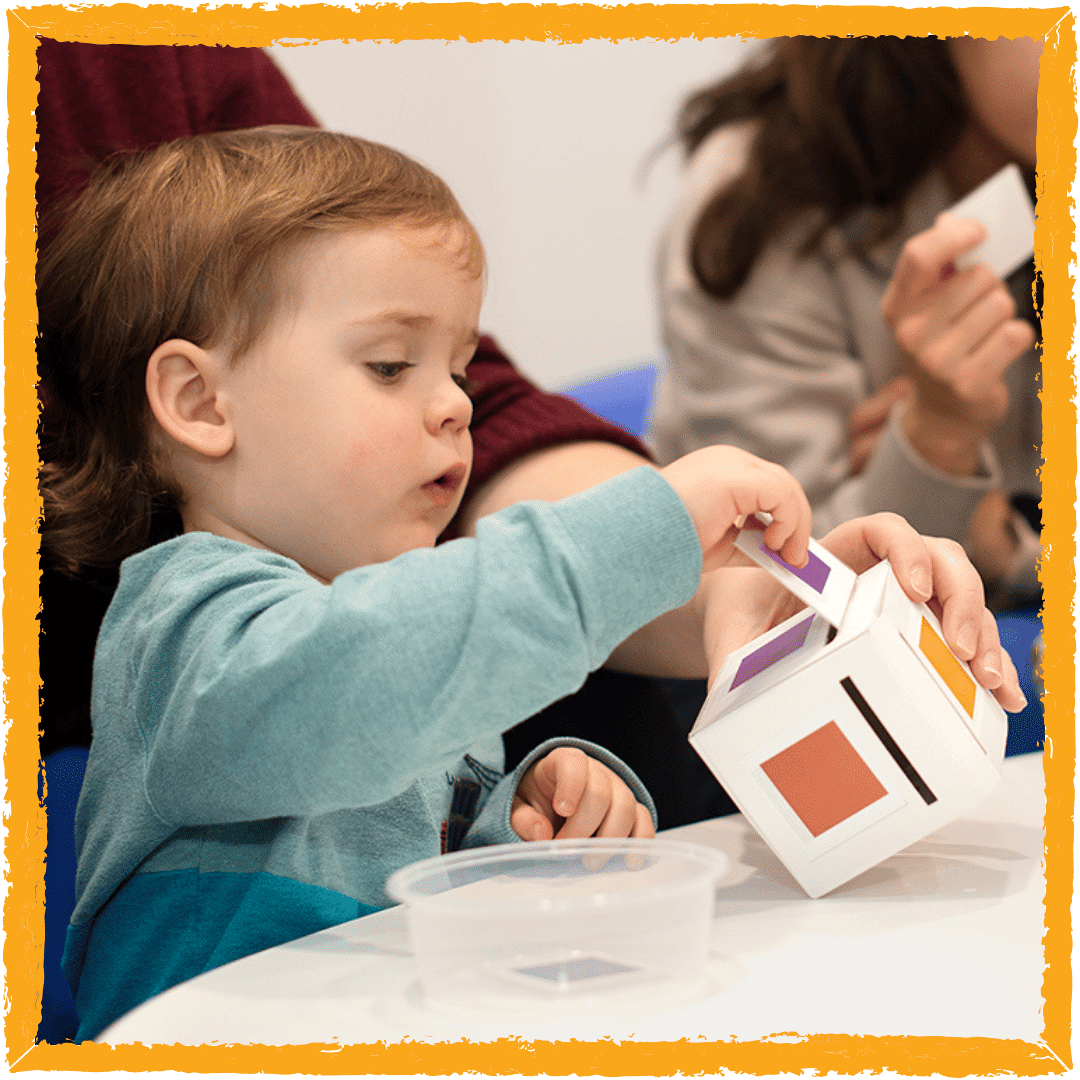
Image by Shichida Australia: matching objects to their starting sounds is a popular pre-schooler game at Shichida!
Phonemic Awareness Development by Age
Children develop phonemic awareness gradually, and age ranges remain flexible. What matters most is rich language exposure and playful sound experiences.
Toddler Years
During the preschool years, children benefit from listening games, rhymes, songs, and sound play. Rhyming words, silly sound games, and frequent conversation help lay the groundwork for phonological awareness.
Preschool Years
In the preschool years, blending and segmenting sounds often become more intentional. Simple phonemic awareness activities can support reading readiness without relying on formal worksheets.
Early Primary Years
As formal reading instruction begins, phonemic awareness works alongside phonics. Sound awareness helps your child decode unfamiliar words and strengthens spelling skills.

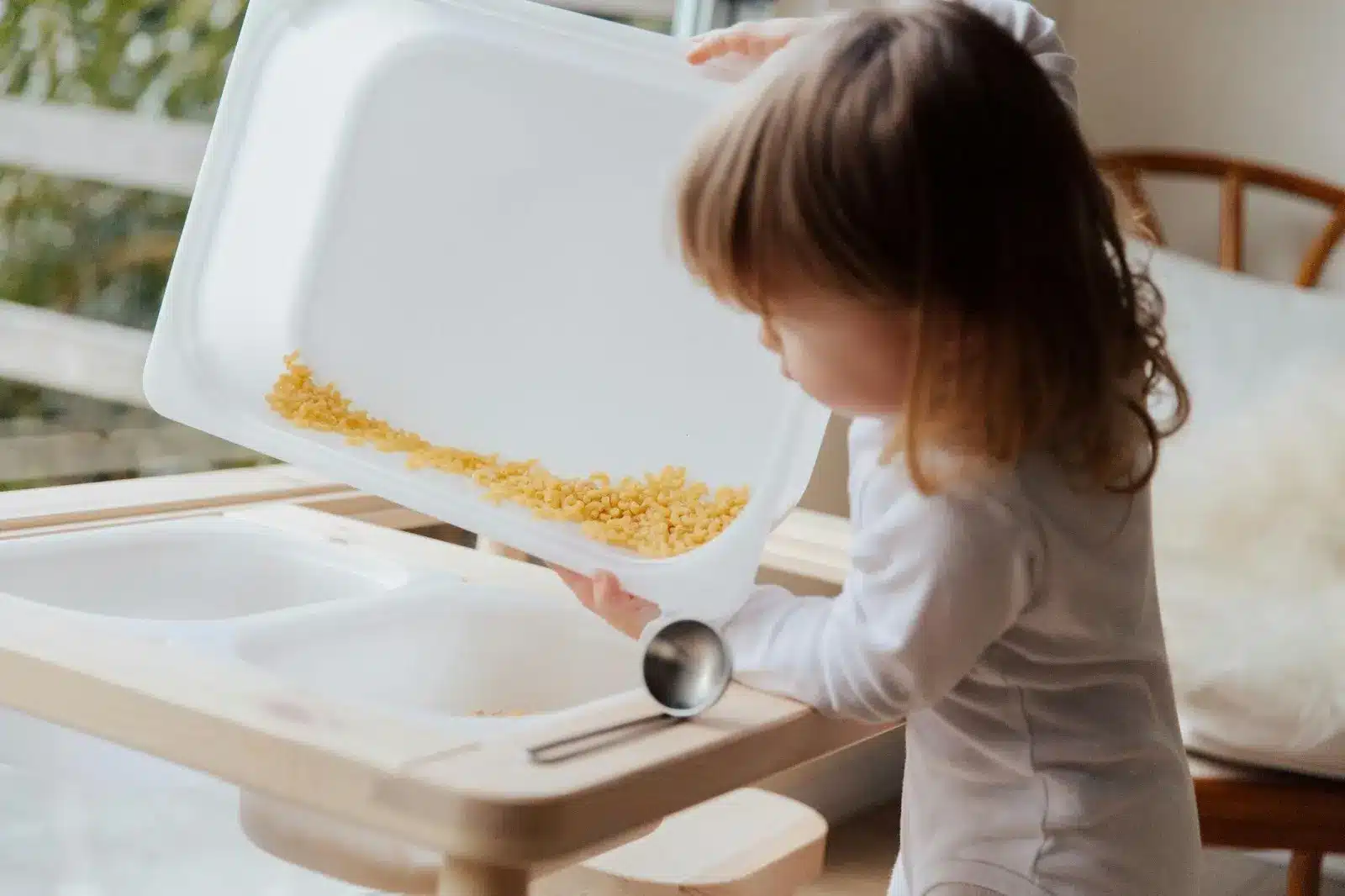
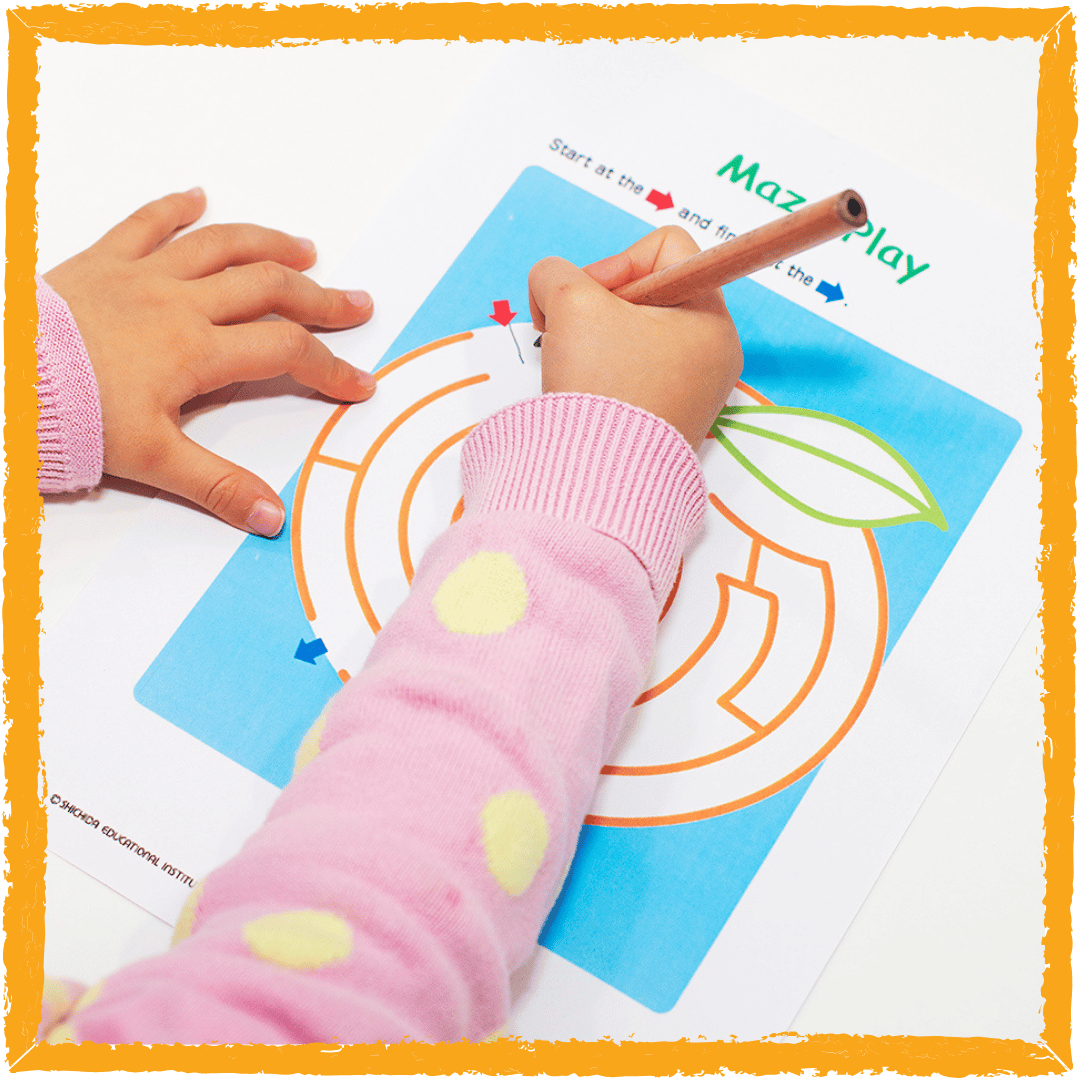
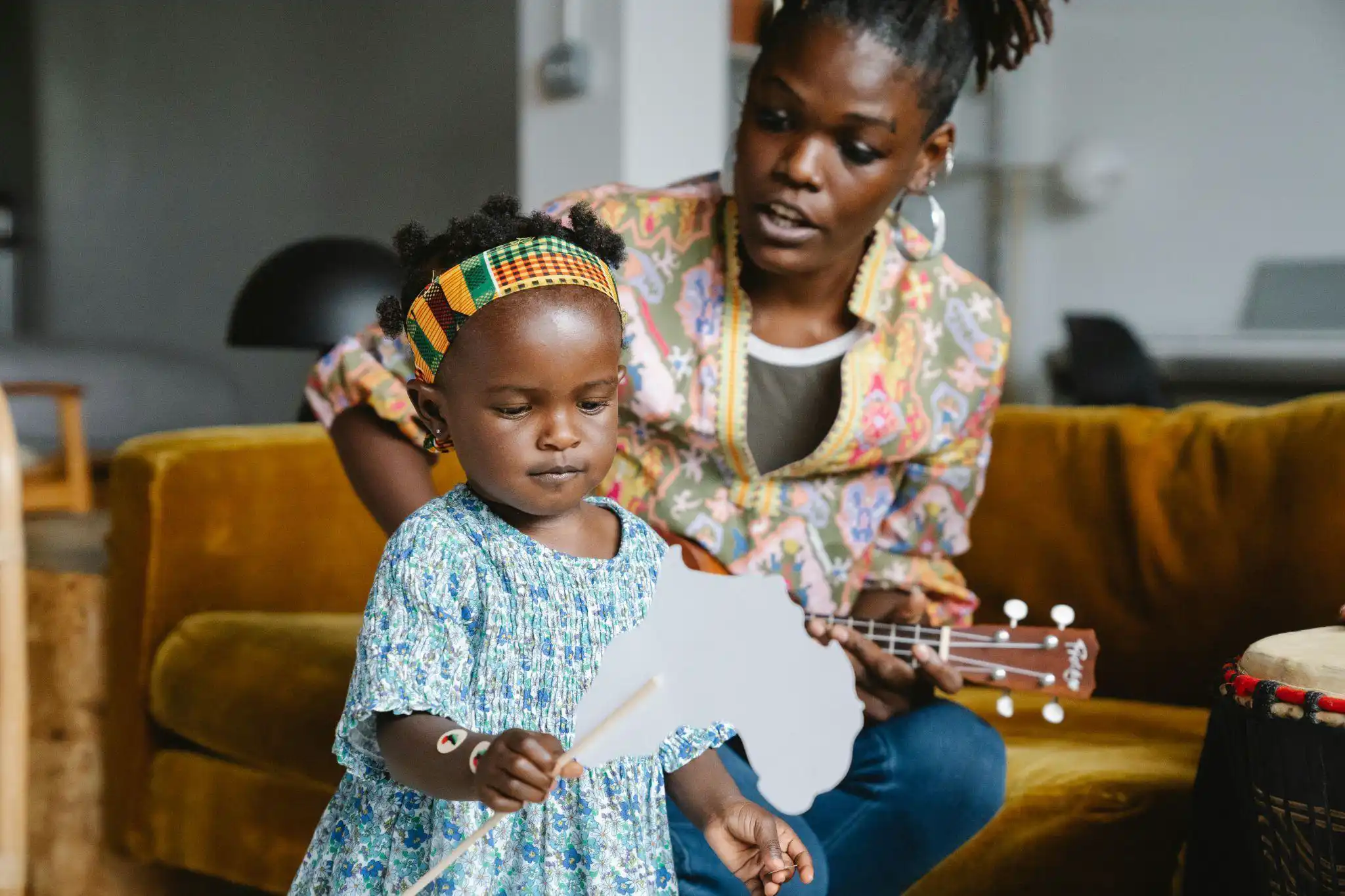
Photo from Pexels: Playful sound games help strengthen phonemic awareness by teaching children how to hear, blend, and separate sounds in words.
Practical Phonemic Awareness Activities
Phonemic awareness activities work best when they are short, oral, and playful, and can easily be built into everyday moments at home.
Everyday Sound Games
Simple listening games are a powerful way to build sound awareness without worksheets or screen time.
- “I Spy With My Ears”: Say, “I spy something that starts with /b/” and let your child guess.
- Sound spotting: Ask your child to listen for a target sound in words you say (“Can you hear /s/ in sun?”).
- Oral blending: Slowly say sounds (c-a-t) and have your child guess the word.
- Silly sound swaps: Change the first sound in a word (cat → bat → hat) and laugh together at how the word changes.
Music, Rhymes & Songs
Songs, nursery rhymes, and chants naturally highlight sound patterns and make repetition enjoyable.
- Clap or tap along to syllables in familiar songs.
- Pause before a rhyming word and let your child fill it in.
- Repeat favourite rhymes often – repetition strengthens sound recognition.
- Exaggerate sounds and facial expressions when singing to help your child notice how words are formed.
Structured Skill-Building Activities
Short, focused activities can support phonemic awareness when kept fun and pressure-free.
- Sound sorting: Say a mix of words and ask your child to group them by starting sound.
- Rhyming games: Ask, “What rhymes with cat?” (real words or silly ones both count).
- Syllable clapping: Clap out parts of names, animals, or food words.
- Sound isolation: Ask your child what sound they hear at the beginning or end of a word.
- Blending with movement: Say each sound while stepping or jumping, then say the whole word together.
These activities help children tune into sounds before letters are introduced – an important foundation for later reading and spelling.
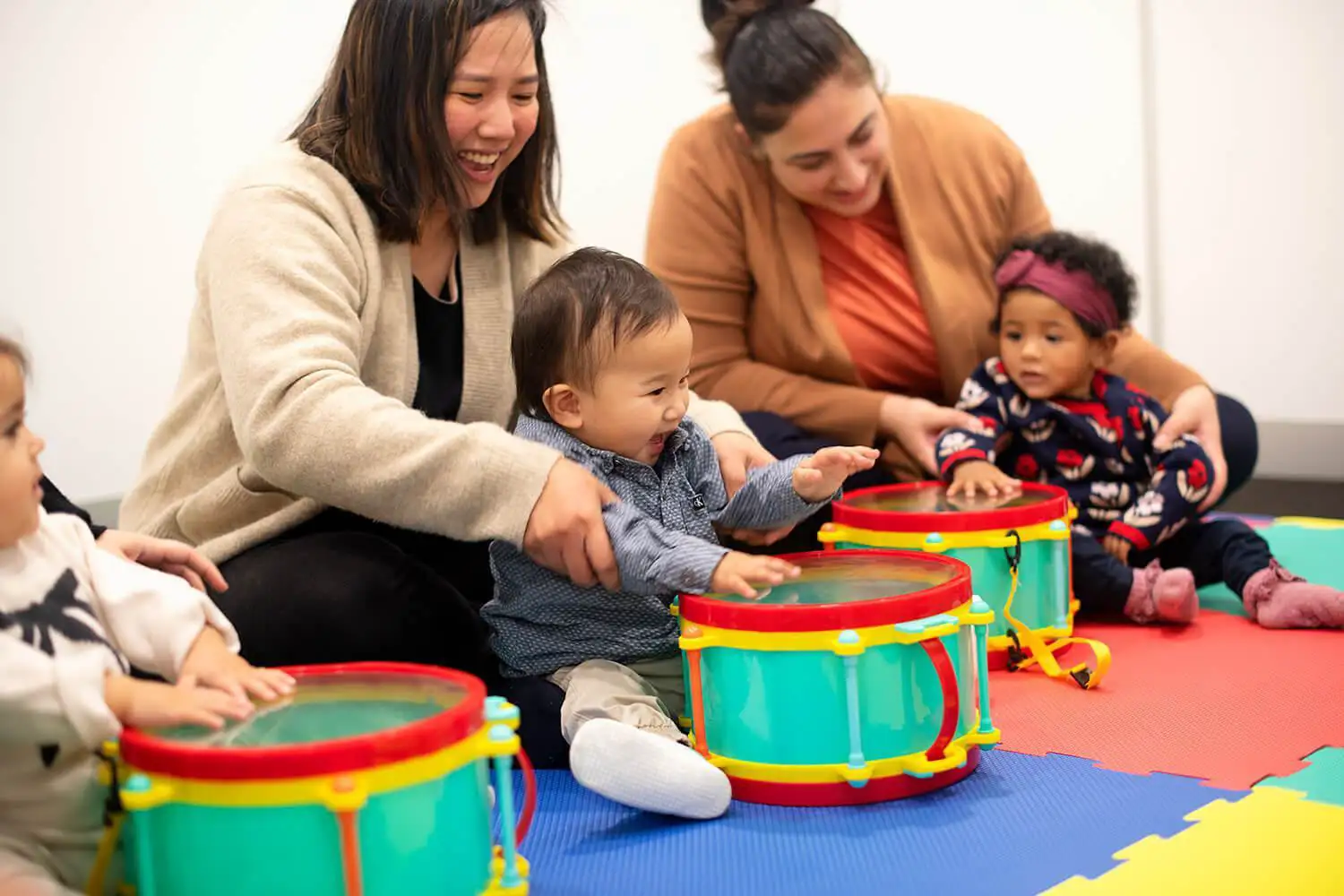
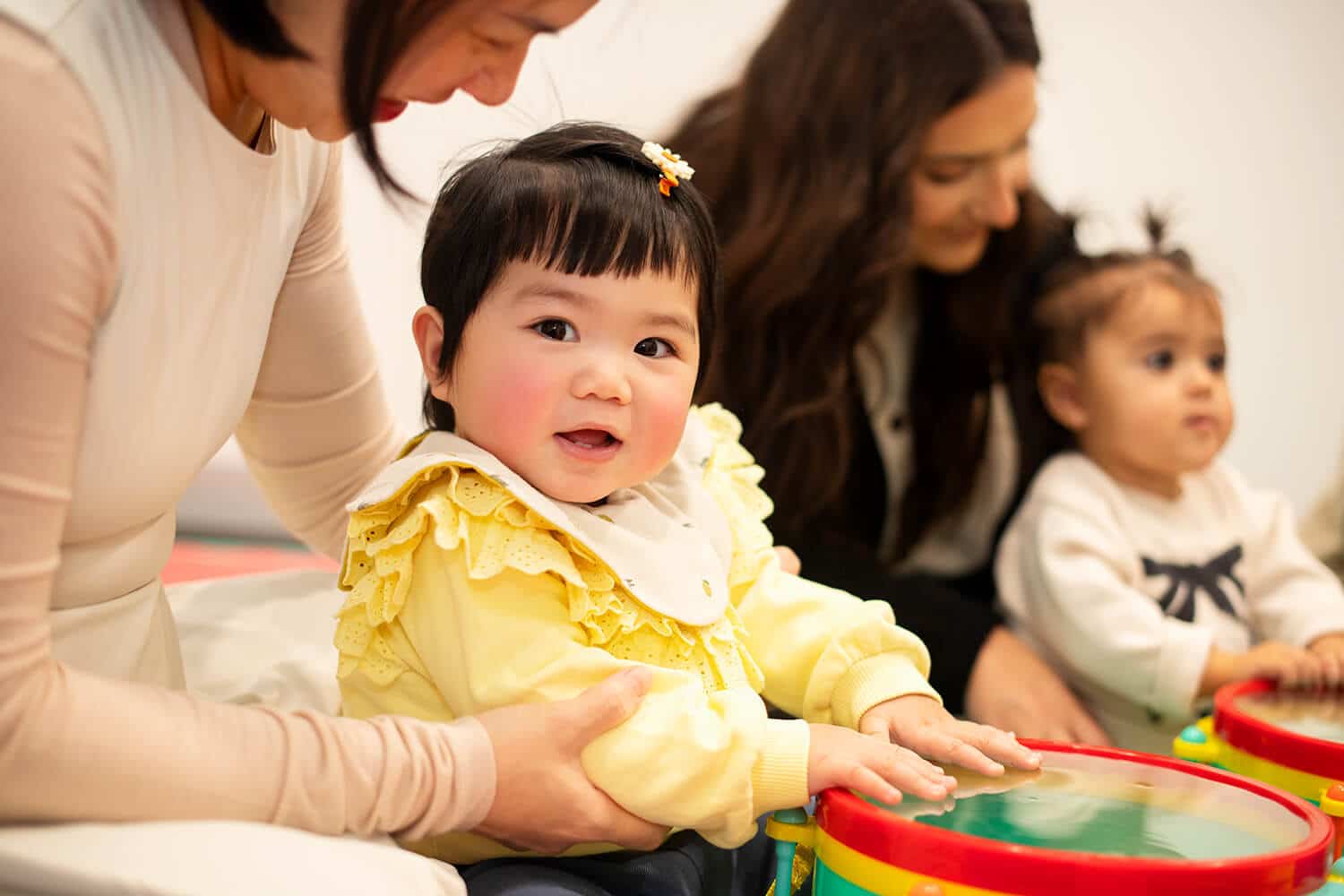
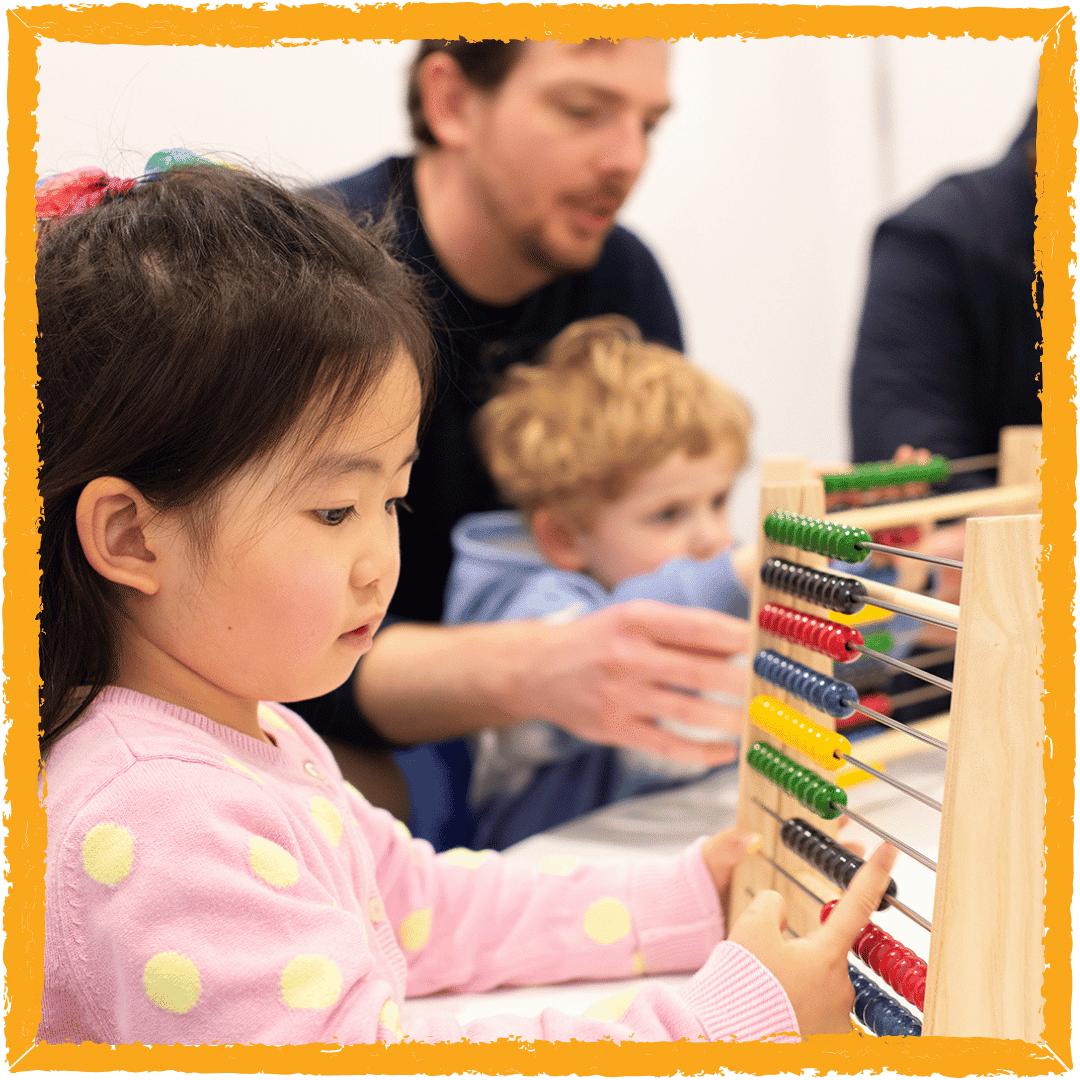
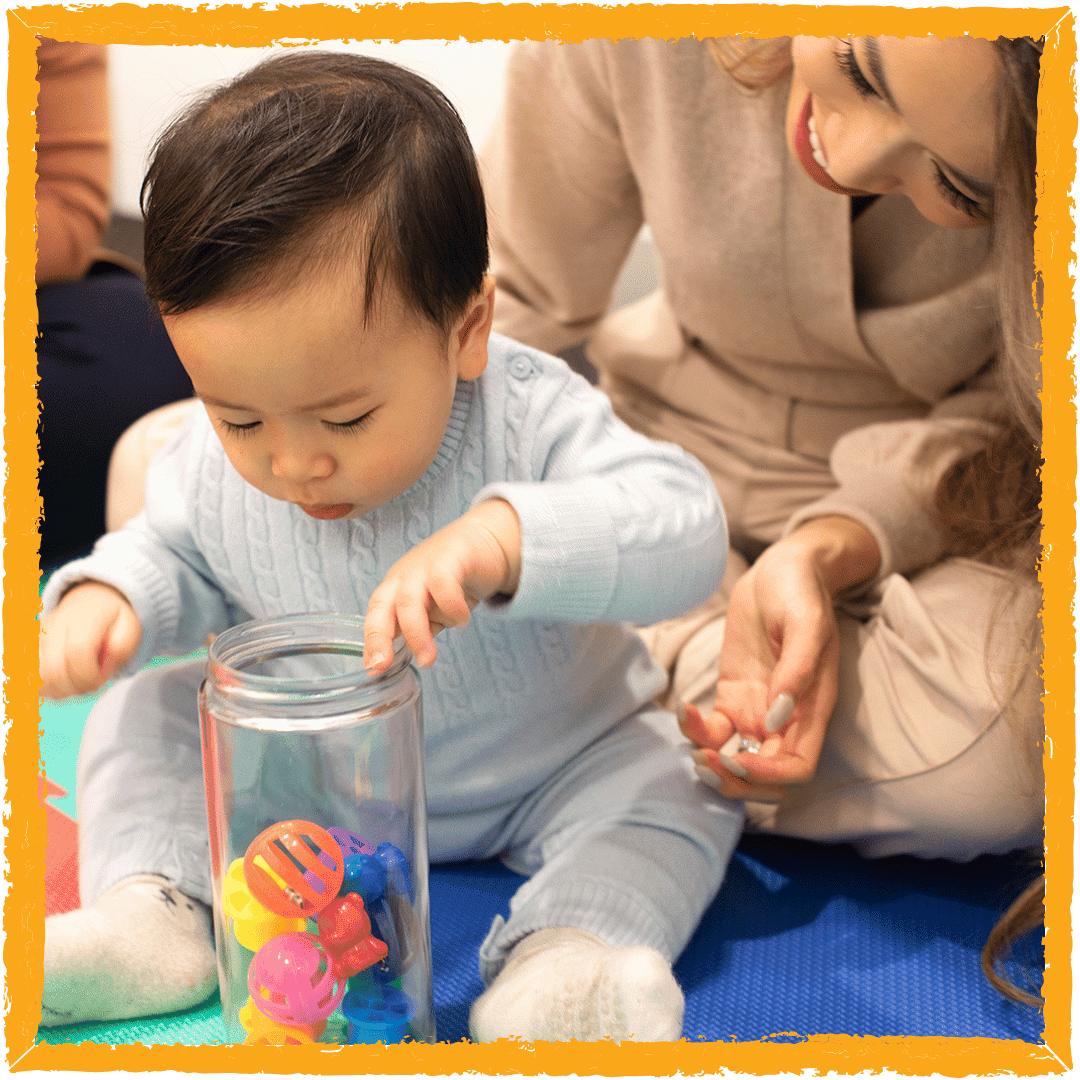
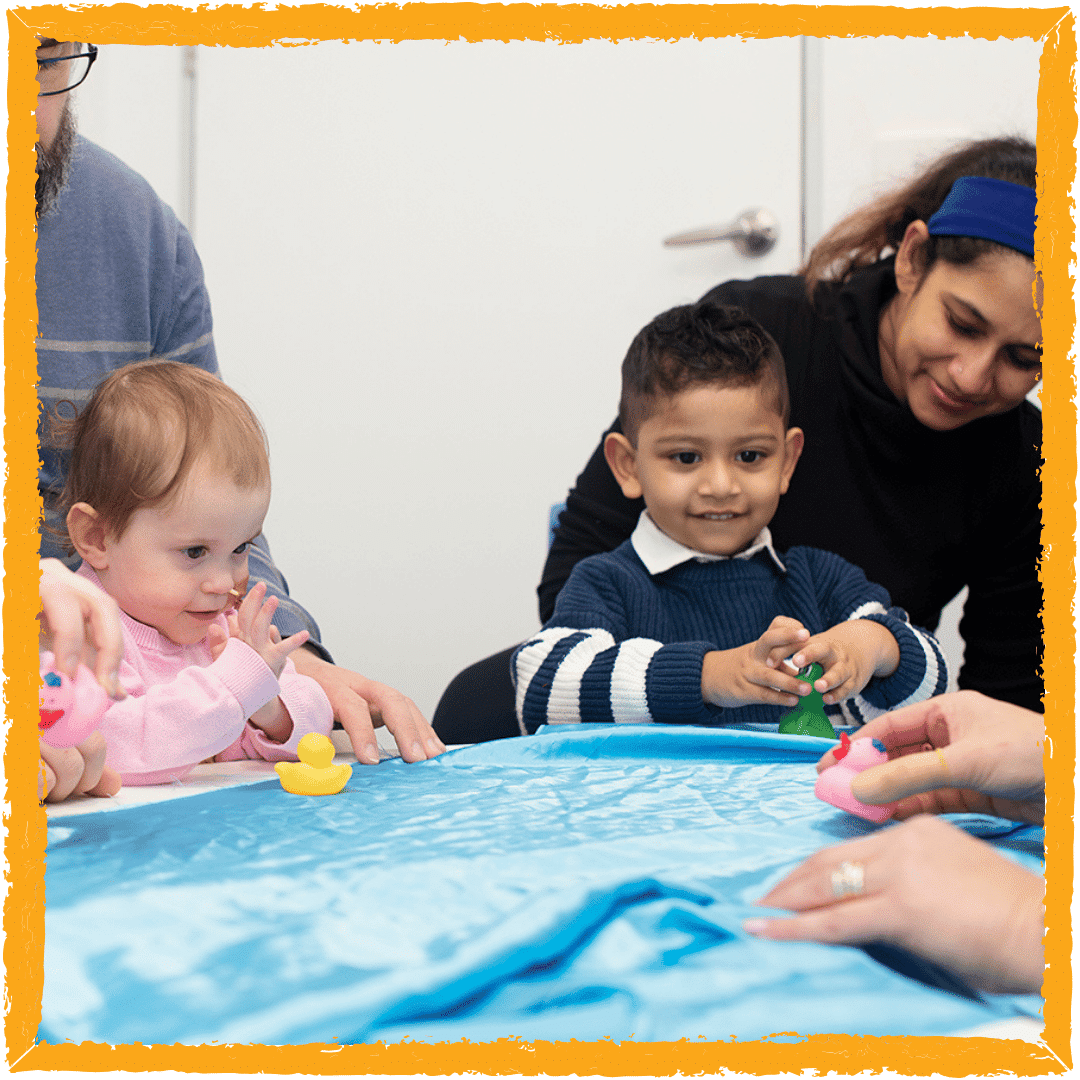
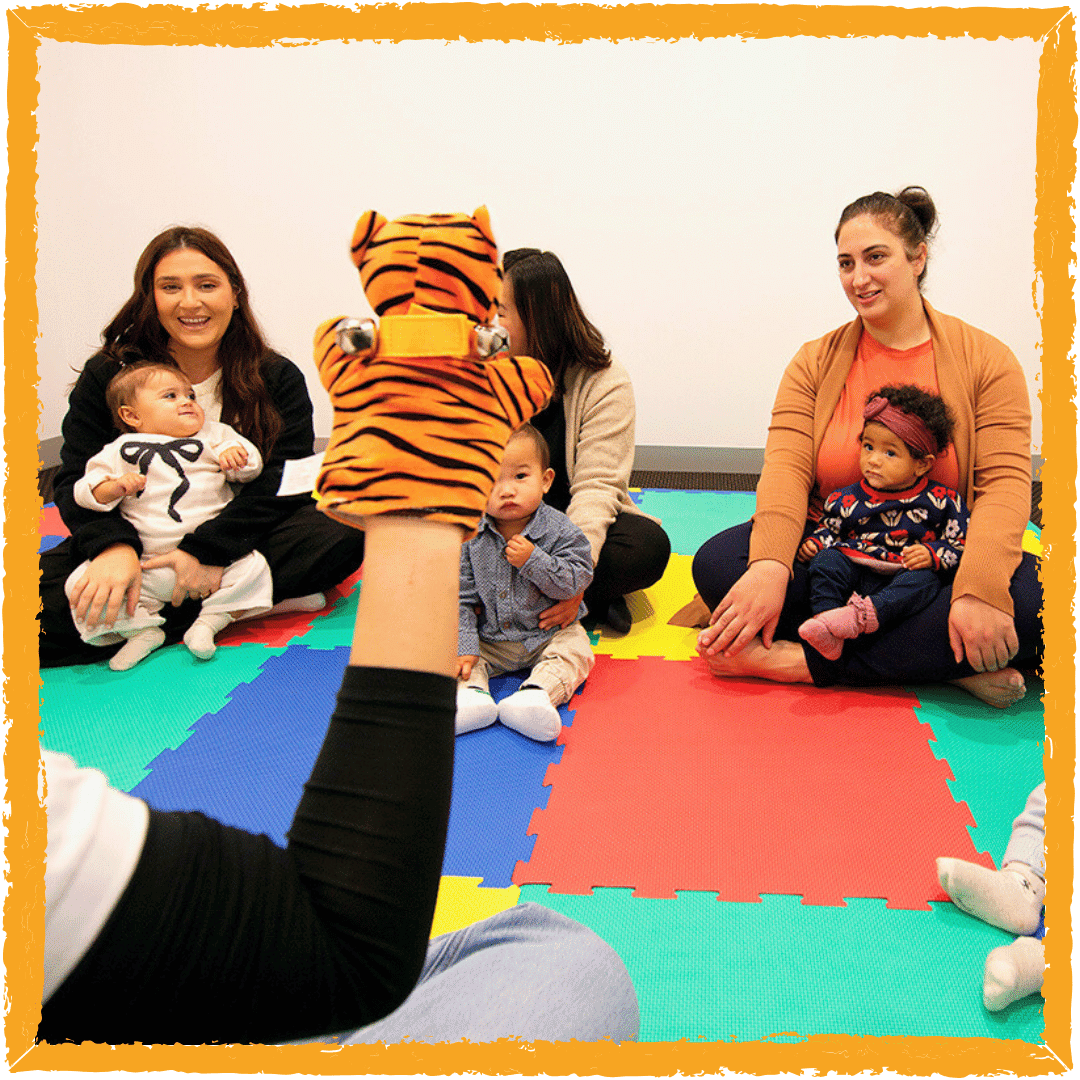
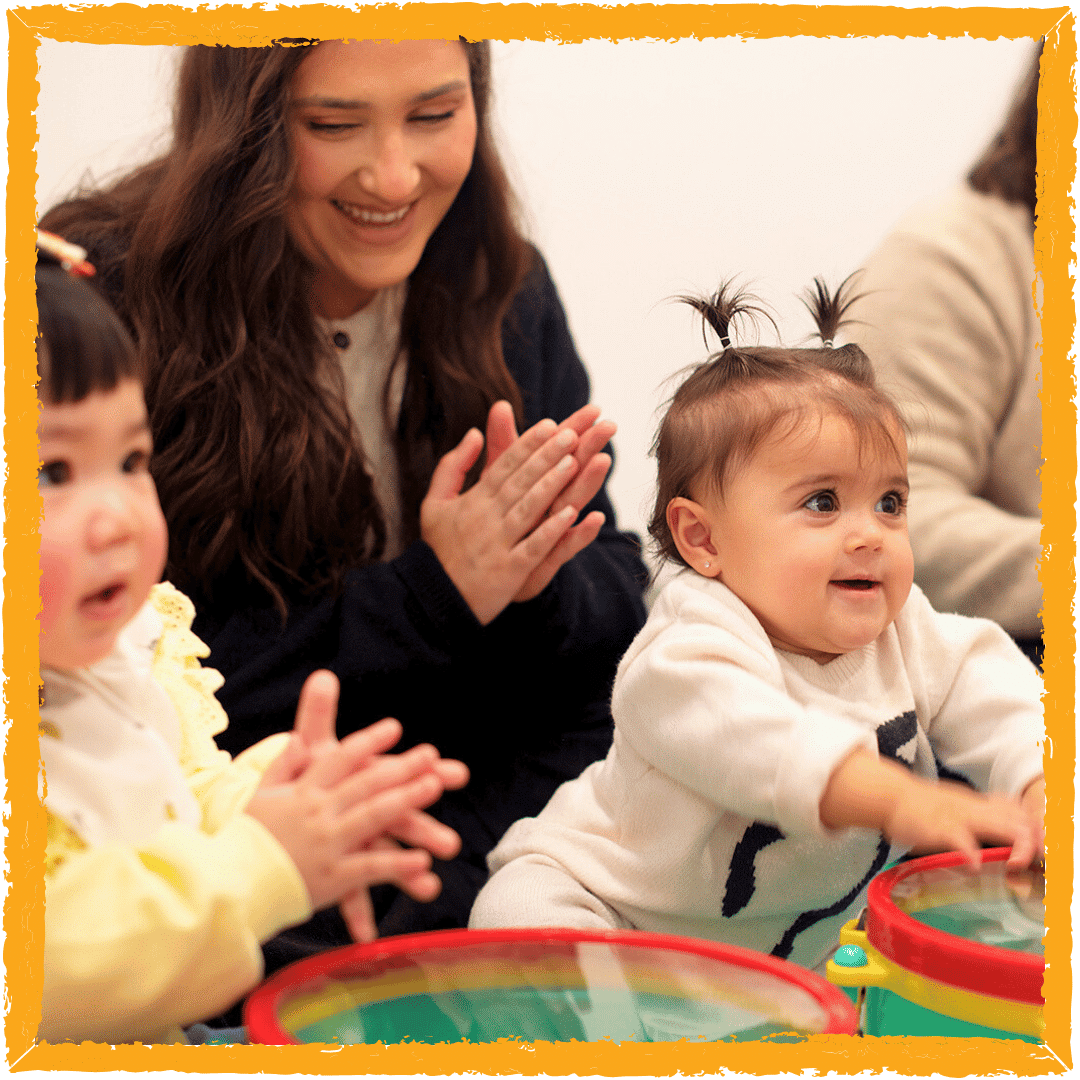
Image by Shichida Australia: Through songs, rhythm, and hands-on play, babies are introduced to language and early concepts in a way that feels natural, joyful, and fun.
Tools, Resources & Learning Supports
There are many phonemic awareness resources available, but quality matters more than quantity.
Digital & App-Based Tools
Apps can support phonemic awareness when used briefly and alongside real interaction. They should never replace talking, playing, and reading together.
Printable & Hands-On Resources
Educator-designed games, flashcards, and oral activities can be useful, especially when they focus on listening and speaking rather than writing.
Supporting Phonemic Awareness at Home
Phonemic awareness fits easily into daily life. Reading aloud, chatting during routines, singing in the car, and playing word games all support sound awareness.
Your role is to model language, enjoy sounds together, and keep learning joyful. Confidence grows when children feel safe to experiment with language.
For families who prefer additional guidance, there are also age-appropriate supports and classes available that build these skills through play and interaction.
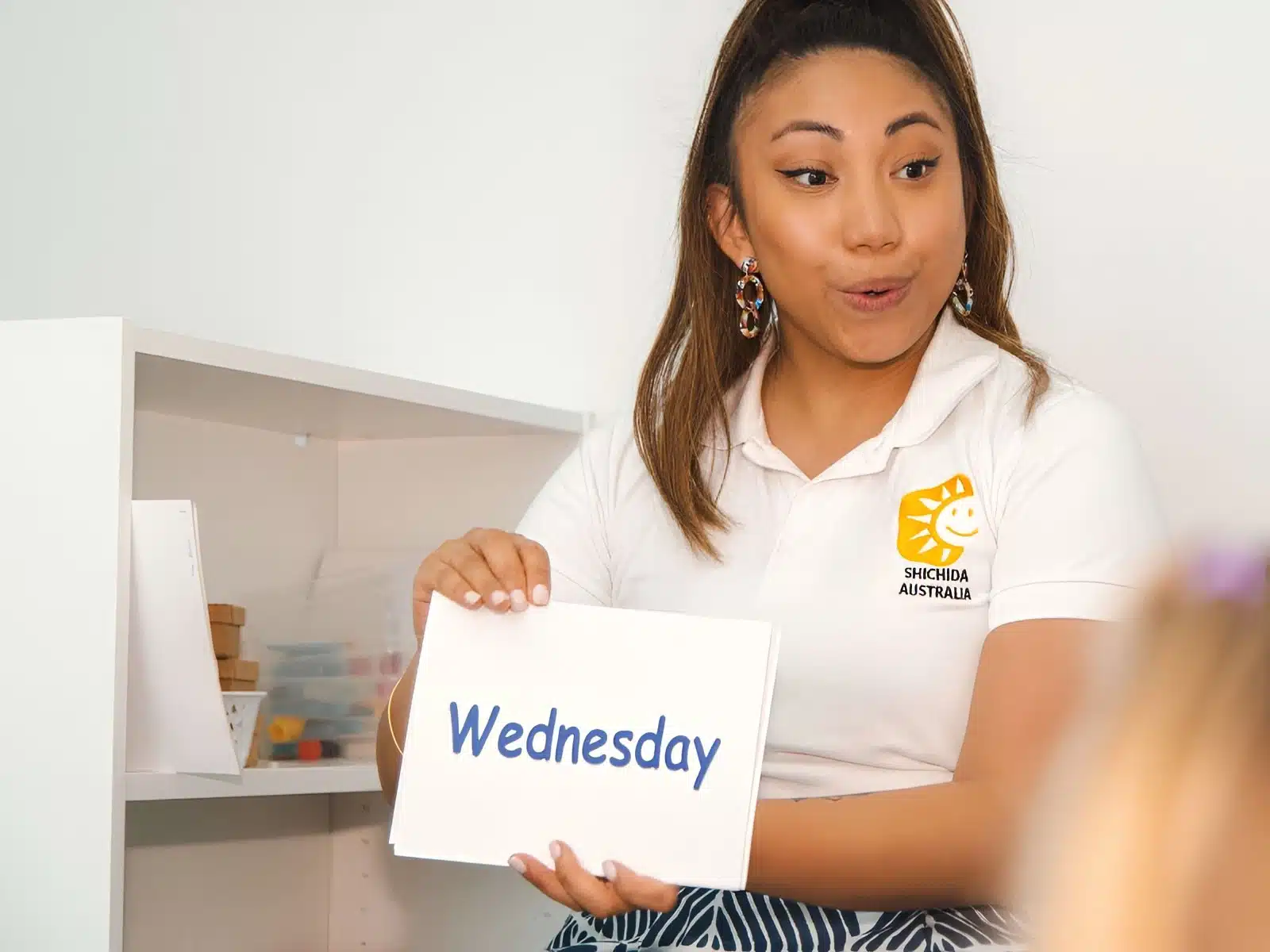
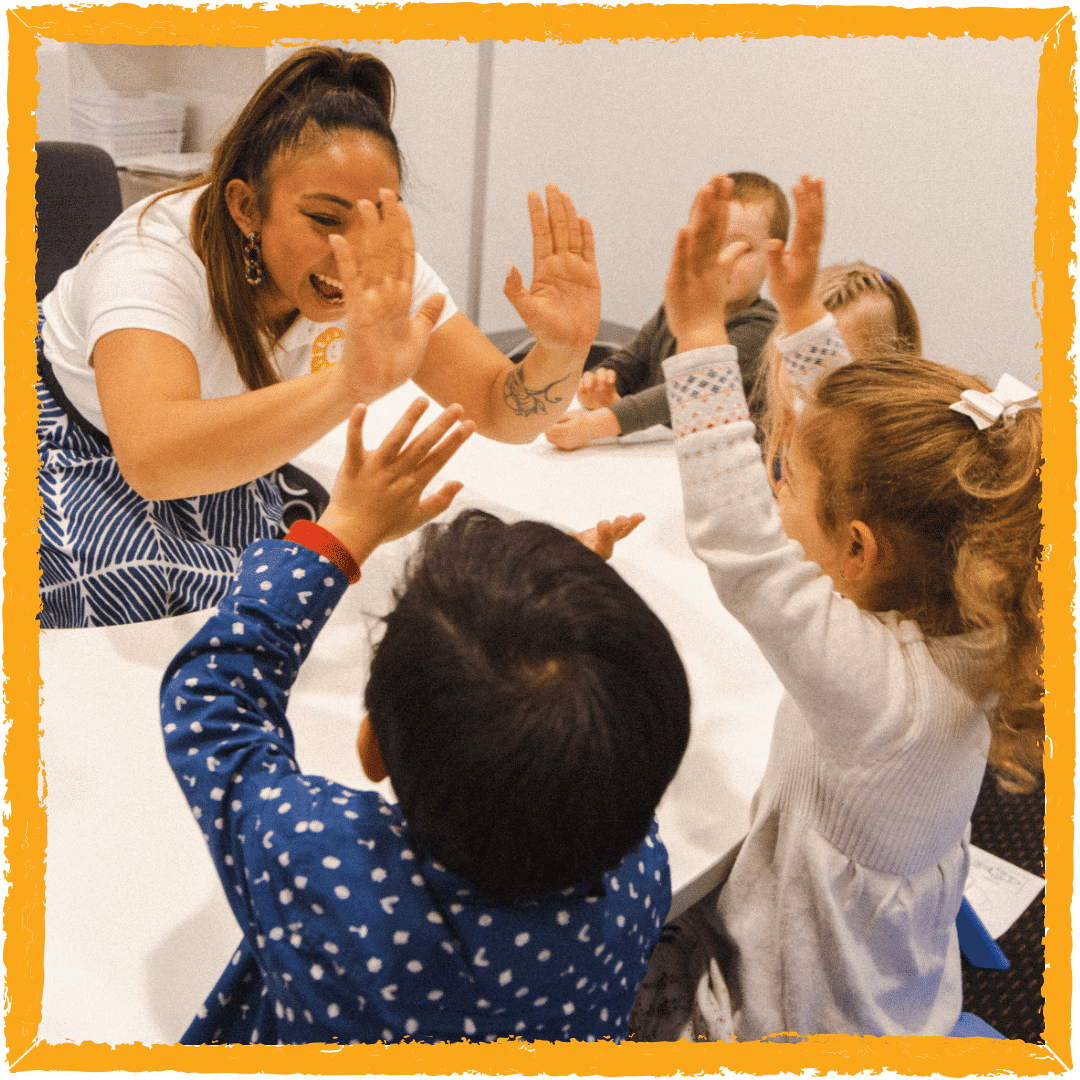
Image by Shichida Australia: Sightwords are introduced when children are developmentally ready. Kids love calling out the words on the flashcards during class!
How Shichida Supports Early Reading and Phonemic Awareness
Shichida Australia supports early literacy by strengthening phonemic awareness through listening, language, and play, in line with how young brains naturally learn.
The Shichida Method is research-informed, gentle, and designed to build strong reading foundations without pressure. With expert guidance and age-appropriate activities, children develop essential sound awareness skills in a calm and joyful environment.
Book a trial class with Shichida Australia and discover how everyday sound experiences can grow into confident reading skills for life!
FAQs: Phonemic Awareness for Kids
It is the ability to hear and play with individual sounds in spoken words.
Early learning programs that focus on sound awareness, repetition, and parent involvement are best for building phonemic awareness. Shichida Australia supports early literacy by helping children tune into sounds, rhythm, and language through short, age-appropriate activities that build listening skills before formal reading begins.
Phonological awareness includes all sound awareness skills, while phonemic awareness focuses only on individual sounds.
It begins in early childhood through listening and play, often before age three.
Blending, segmenting, and manipulating sounds are essential for reading and spelling.
It helps your child hear each sound in a word, making spelling more accurate.
Apps can help as a supplement, but should not replace real interaction and conversation.