Philosophy of Early Years Education: Choose the Right Fit
Key Points
- Explore what the philosophy of early years education means for your child’s growth.
- Apply core principles like individuality, play-based learning, and family involvement at home.
- Compare leading preschool approaches: Montessori, Reggio Emilia, Waldorf, HighScope, EYLF, and Shichida.
- Choose an early learning philosophy that matches your child’s needs and family values.
- Prepare for the future with approaches that embrace diversity, technology, and global skills.
Understanding Early Years Education Philosophy
At its heart, a philosophy is more than a teaching style. It reflects the values, beliefs, and practices that guide how your child is supported to learn and grow. Some philosophies emphasise independence, others creativity, structured learning, or holistic development.
For parents, understanding these differences can make it easier to choose an approach that fits your child’s personality and your family’s values.
This guide explores the major early years learning approaches, highlighting the core principles they share, the practical questions you can ask when visiting centres, and how educators develop their own teaching philosophies.
By the end, you’ll feel more confident in choosing a preschool education philosophy that nurtures not only learning but also curiosity, confidence, and a lifelong love of discovery.
Comparing Leading Preschool Approaches
Around the world, you’ll hear about a range of philosophies that influence early childhood education: Montessori, Reggio Emilia, Waldorf (Steiner), HighScope, the Early Years Learning Framework (EYLF), and the modern Shichida Method.
What’s Common in Australia?
- Montessori – Well established, with dedicated Montessori preschools and childcare centres across the country.
- Reggio Emilia – Commonly used as an inspiration in Australian centres, often described as “Reggio-inspired.”
- Waldorf (Steiner) – Has a strong presence in both preschools and schools nationwide.
- HighScope – Less common here than in the US, but some Australian centres draw on its active learning principles.
- EYLF (Early Years Learning Framework) – Australia’s official national framework. Every approved early childhood service must use it, though centres often blend it with other philosophies.
- Shichida – Available exclusively through Shichida Australia, with centres in Melbourne and Sydney.
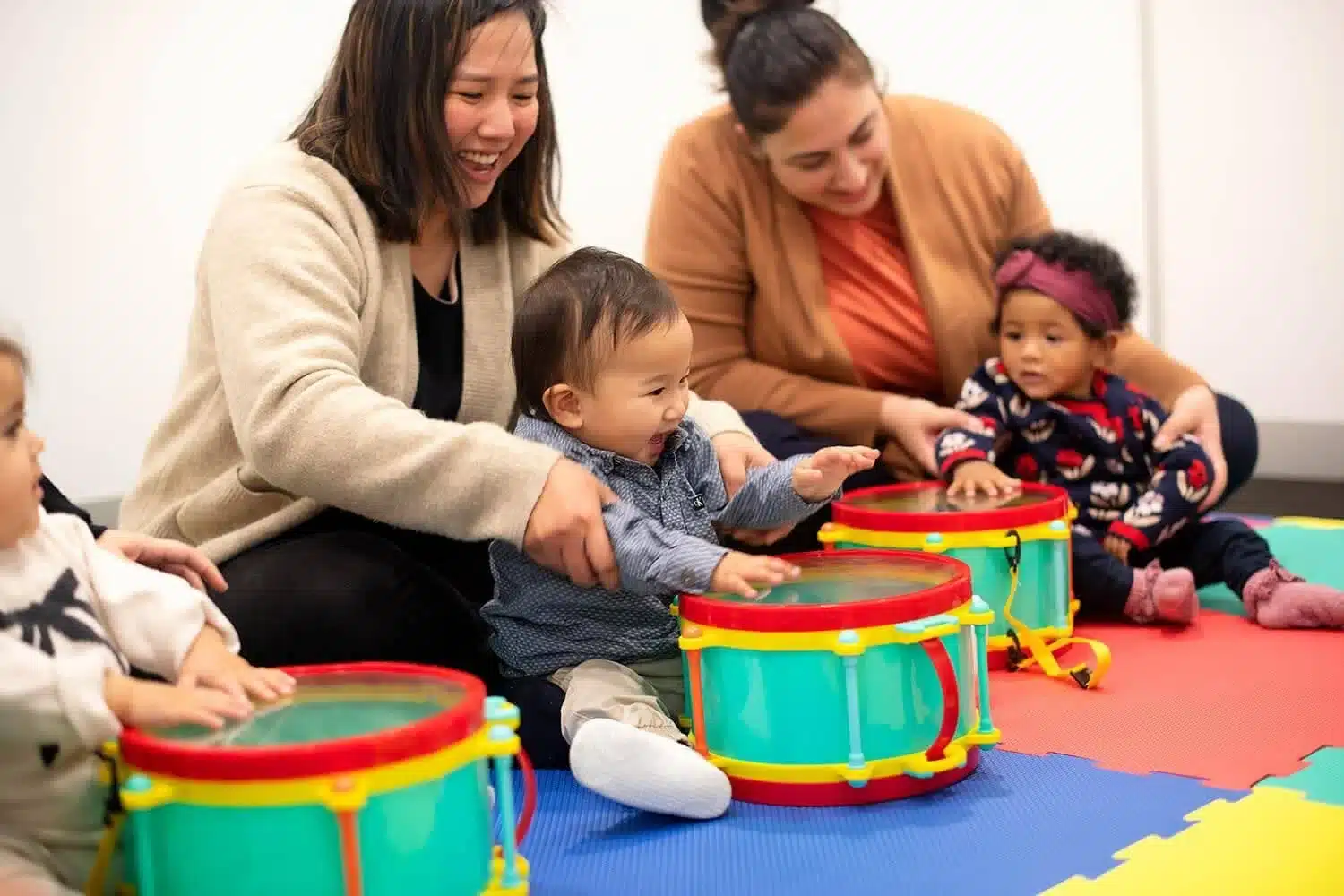
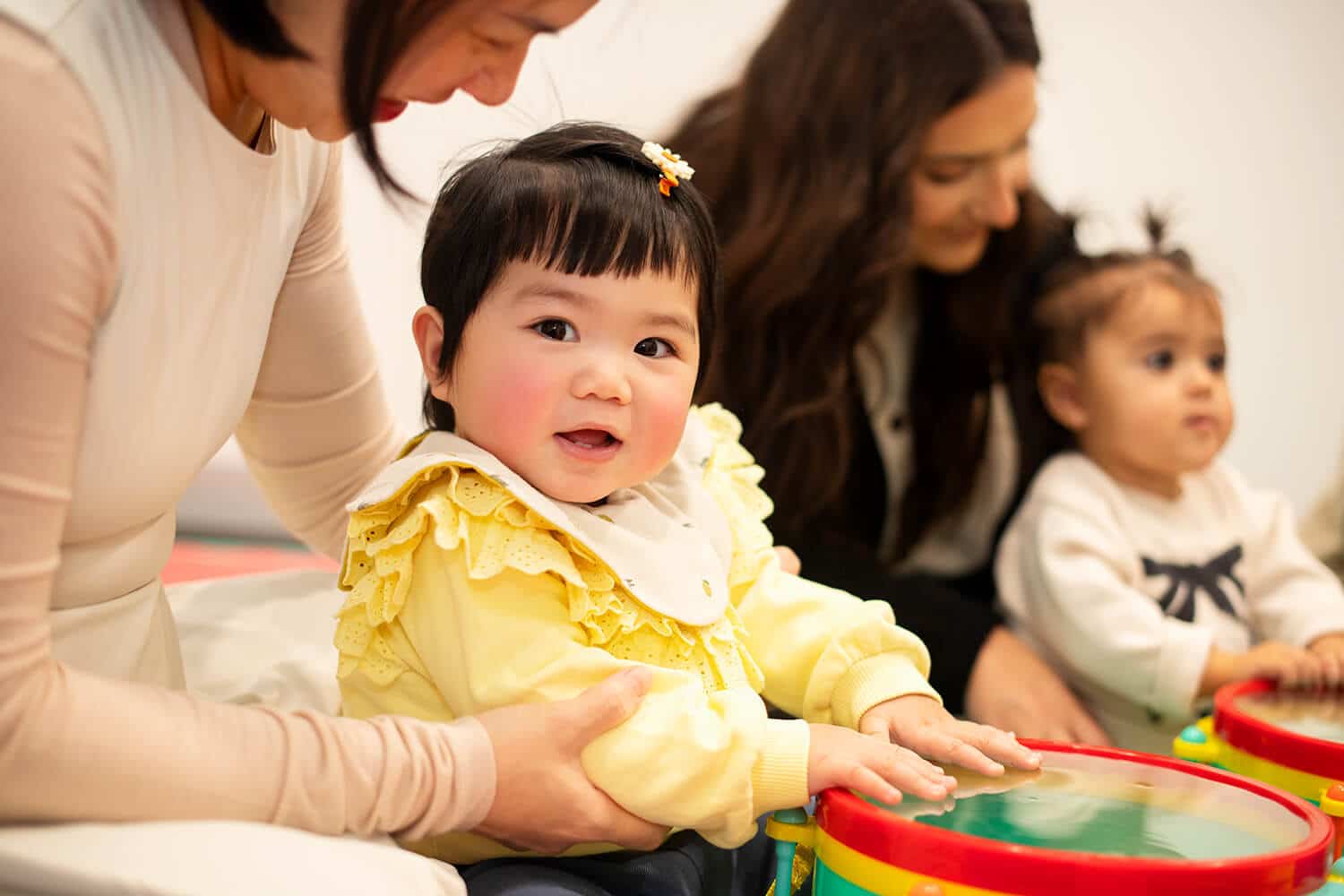
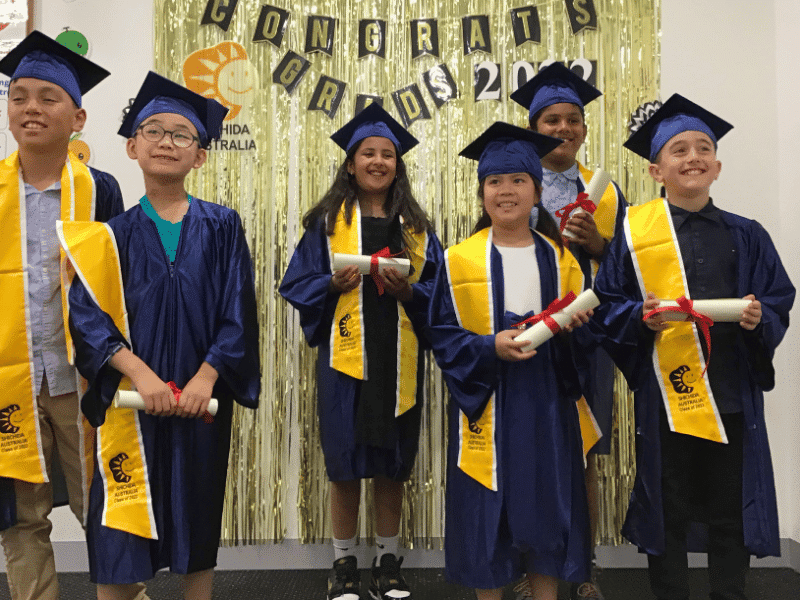
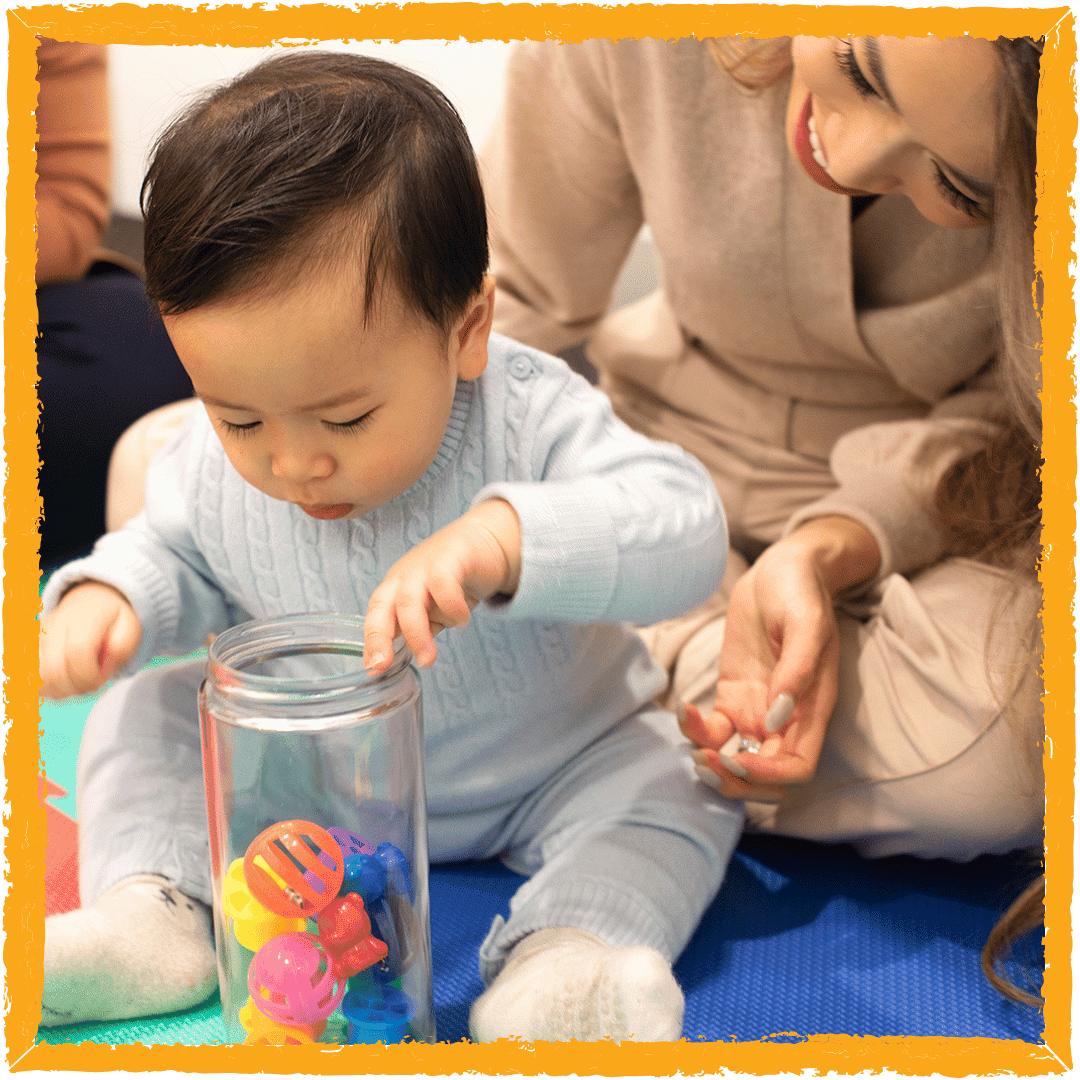
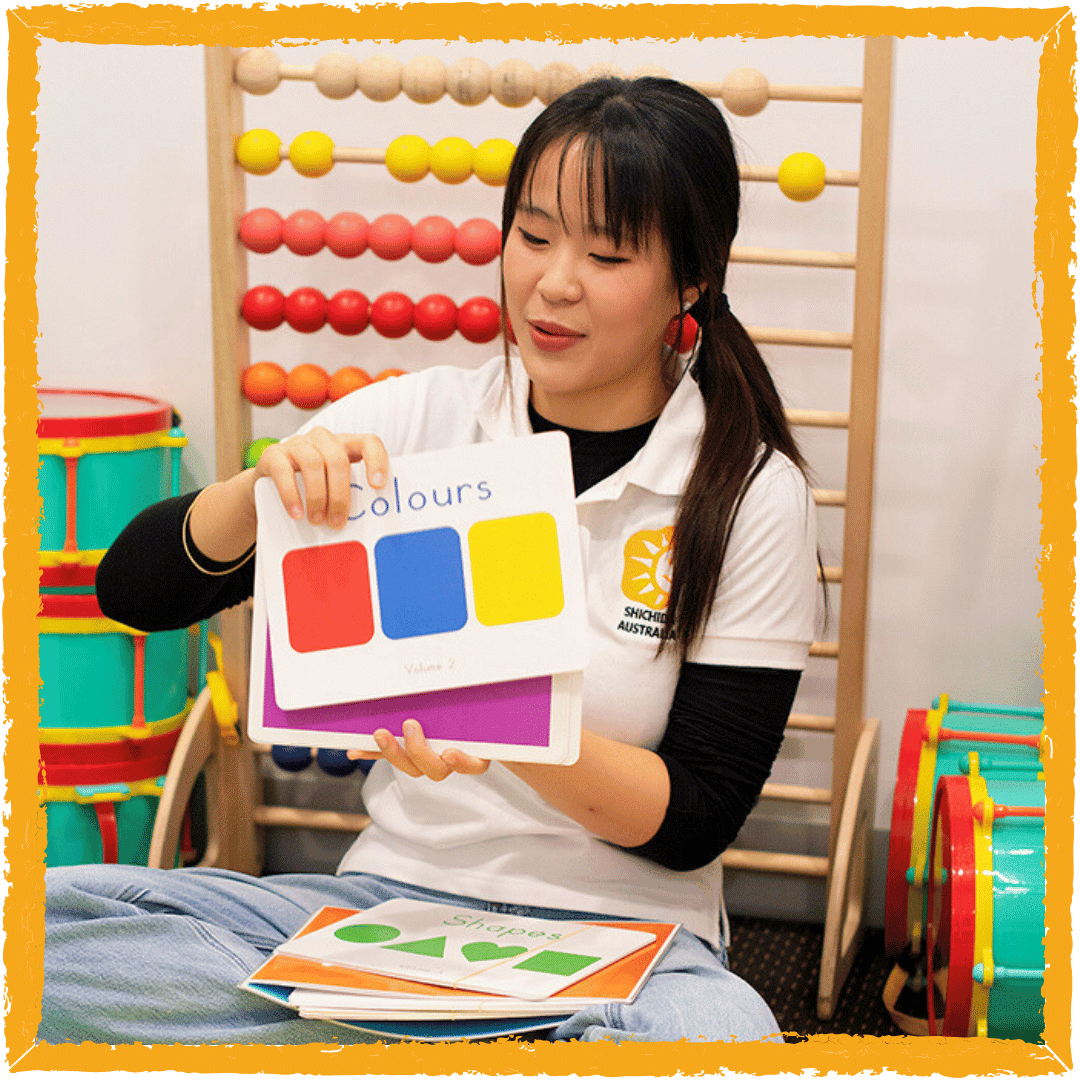
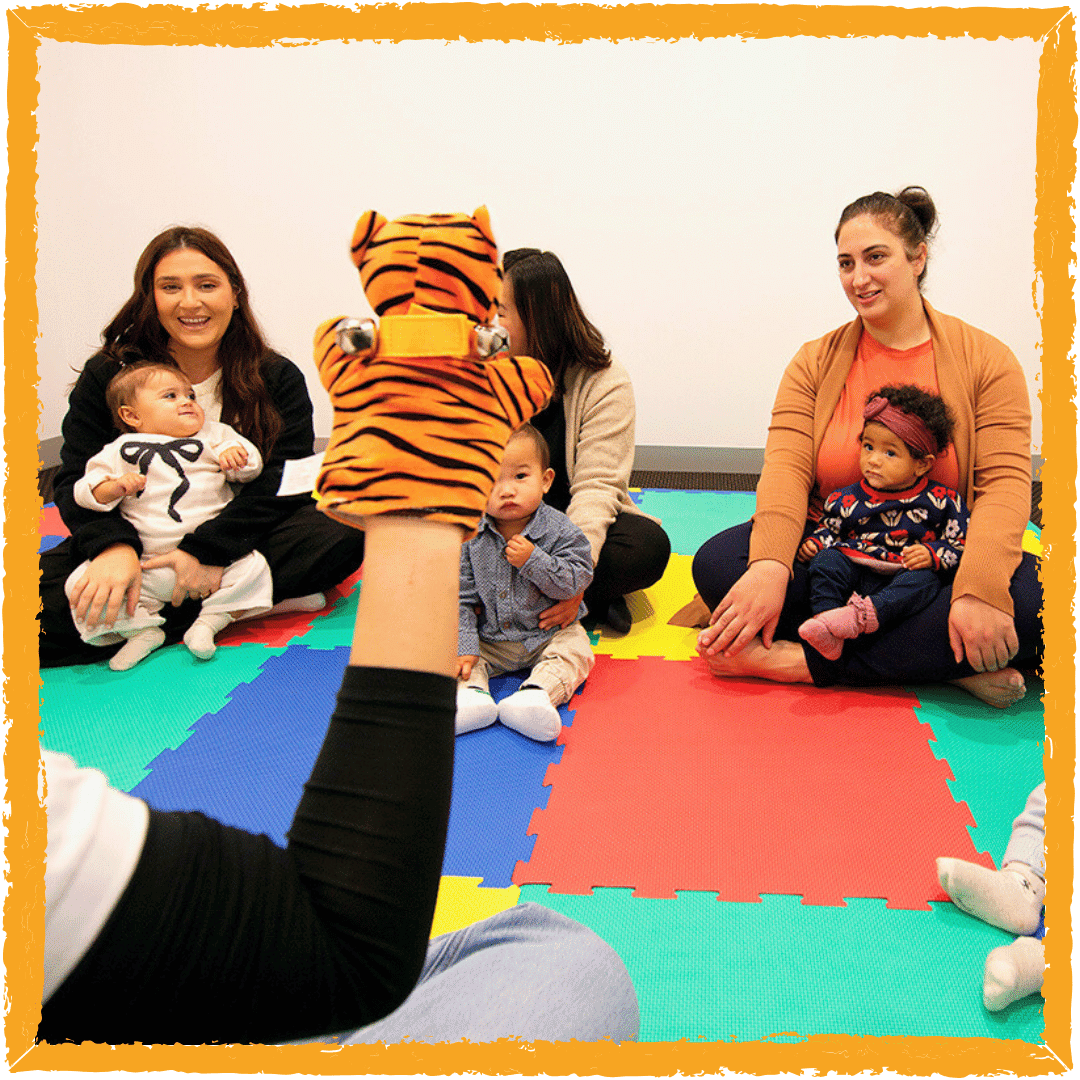
Photo by Shichida Australia: Learning through play is always fun in a Shichida class! Here we see babies practise rhythm through song.
What Is the Philosophy of Early Years Education?
When educators talk about the philosophy of early years education, they’re referring to the guiding beliefs and principles that shape how children are taught and cared for. A philosophy isn’t a rigid set of rules – it’s a framework for decision-making in the classroom. It reflects values about childhood, learning, and development.
It’s important to distinguish philosophy from curriculum. A curriculum sets out lessons, activities, and goals, while philosophy is the foundation beneath it. For example, two preschools might both use a play-based curriculum, but one may emphasise independence in the Montessori tradition, while another focuses on creativity in the Reggio Emilia approach.
For parents, this distinction matters. A centre’s early childhood philosophy influences everything: how teachers interact with children, what activities are offered, how the environment is set up, and how families are included in the learning process.
Understanding a centre’s philosophy helps you see whether its values align with your own, and whether its approach suits your child’s needs. It empowers you to look beyond glossy brochures and instead ask: “Does this philosophy nurture the kind of learning and growth I want for my child?”
Defining Early Childhood Philosophy
An institutional or personal philosophy of early years education reflects the values, beliefs, and intentions that guide how children are supported in their most formative years. It acts like a compass for educators, shaping everyday choices in teaching, play, and care. With a clear philosophy, children experience consistency and purpose in their learning journey.
Why Philosophy Matters in the Early Years
Between birth and age six, children develop at a remarkable pace, absorbing language, behaviours, and social cues that shape their future. A strong early childhood philosophy ensures this time is spent in nurturing environments that celebrate individuality, encourage curiosity, and promote resilience.
When learning is guided by thoughtful principles, children are better prepared to grow into confident, creative, and capable learners.
Core Principles of Early Years Education
Despite their differences, most early years education principles are built on common foundations. These principles reflect research in child development and best practices from across the world.
Respect for the Child as an Individual
Every child learns at their own pace, with unique traits and interests. A strong educational philosophy sees children as capable, curious learners who deserve respect and flexibility.
For parents, this means remembering that children aren’t projects to be rushed. By honouring their pace, supporting their strengths, and patiently guiding them through challenges, you help them build confidence and a genuine love of learning.
Play as the Foundation of Learning
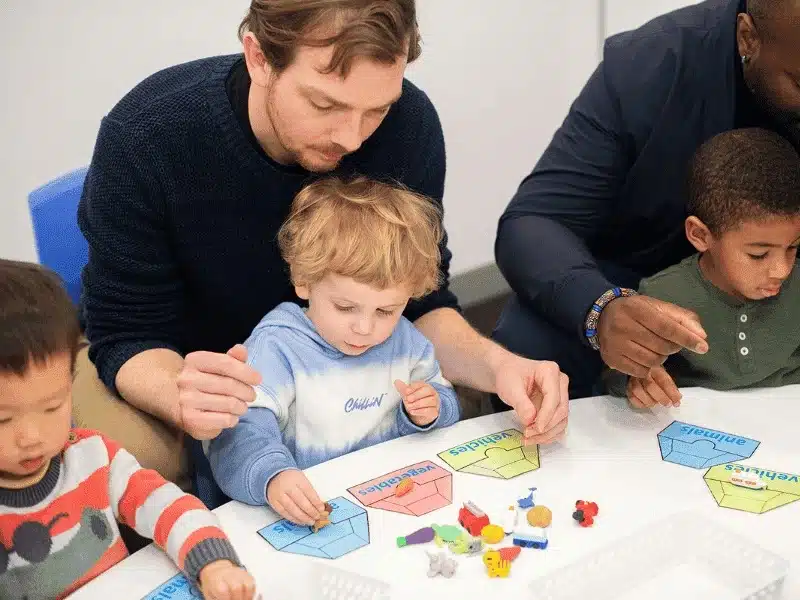
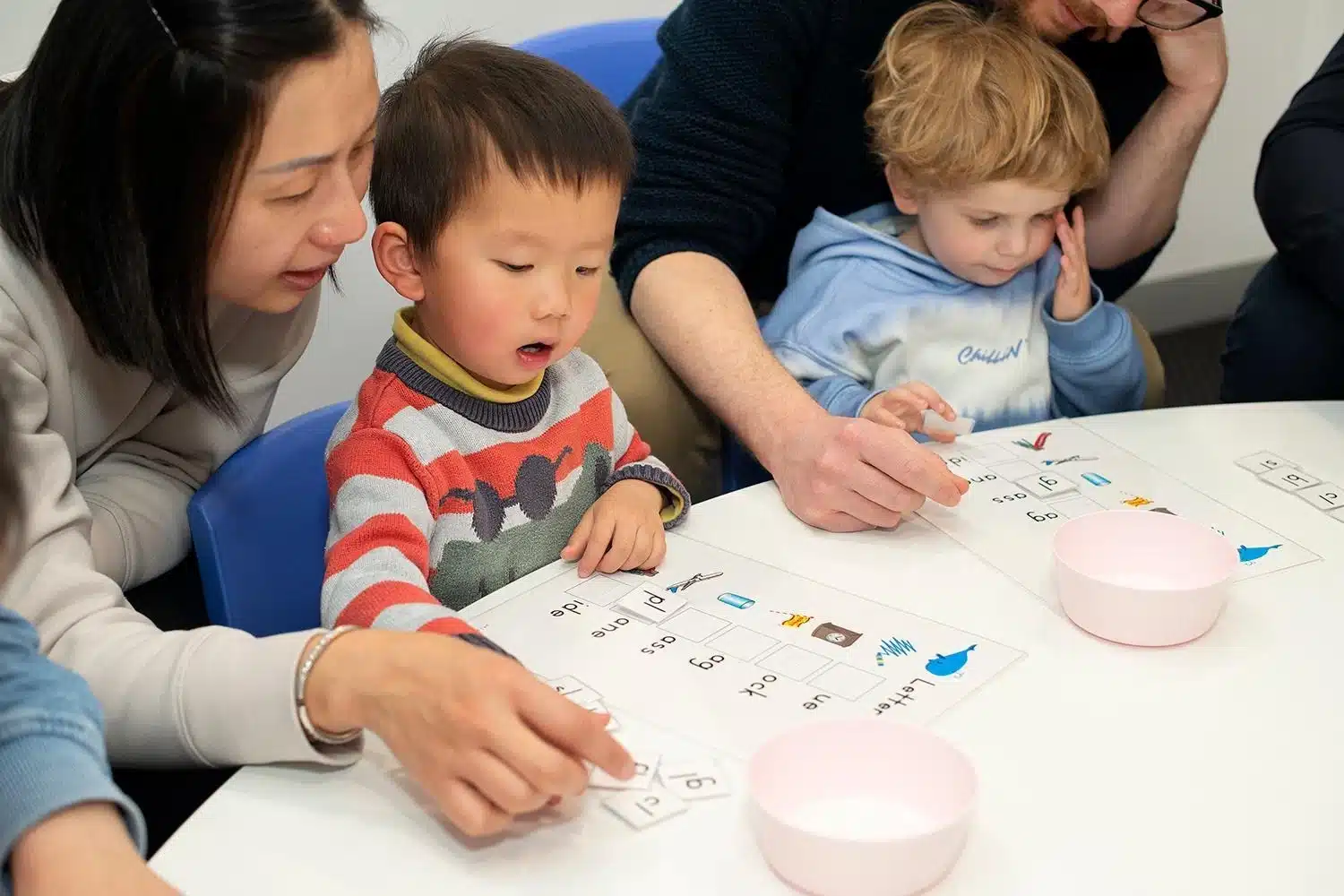
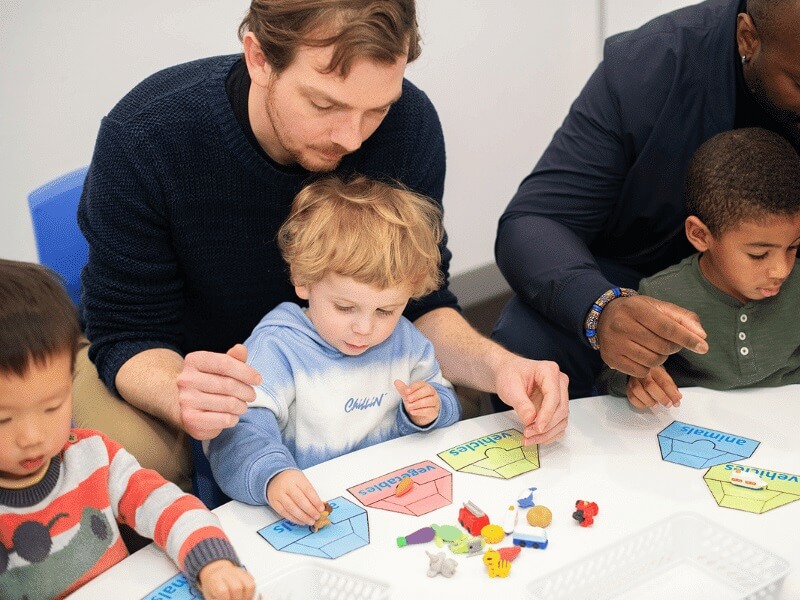
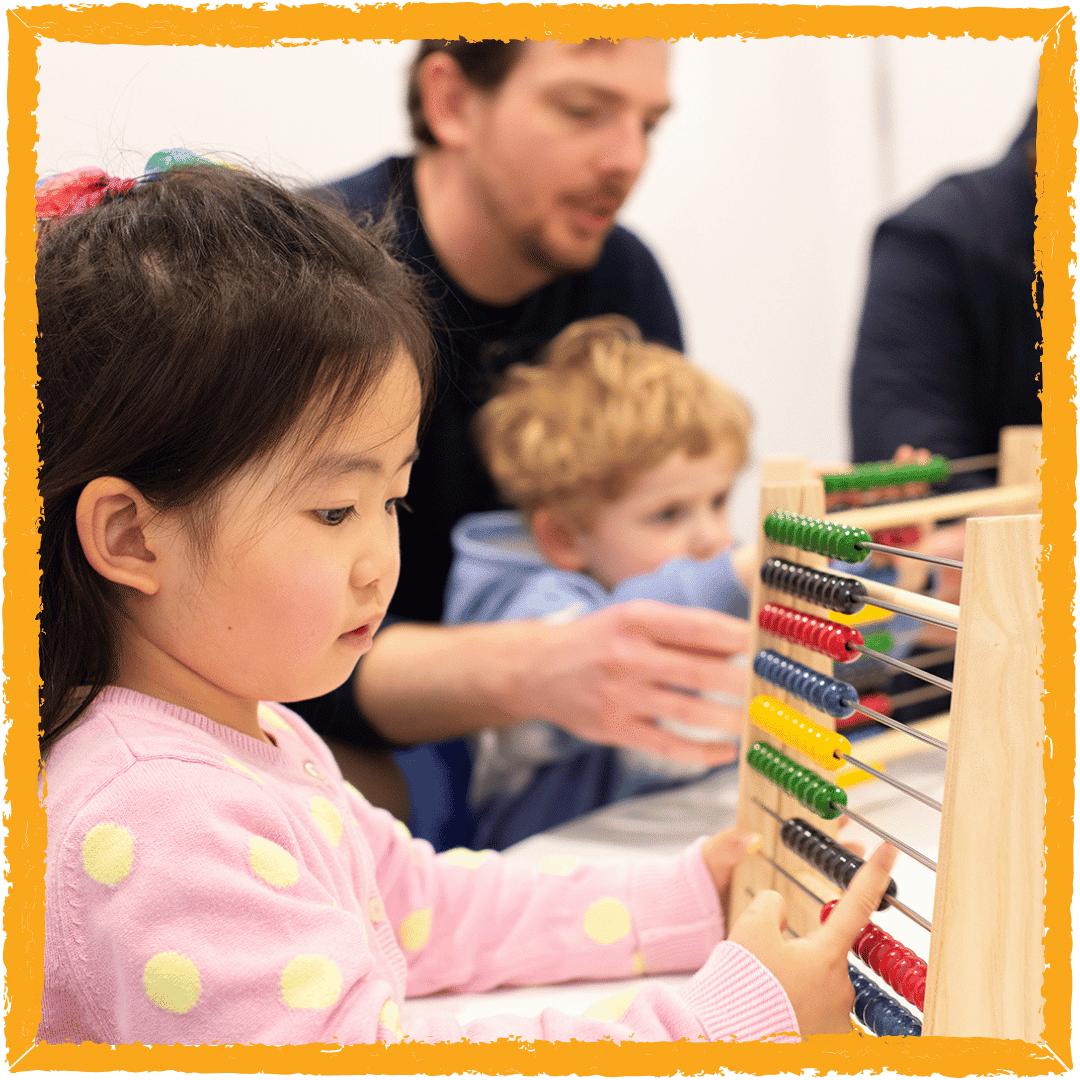
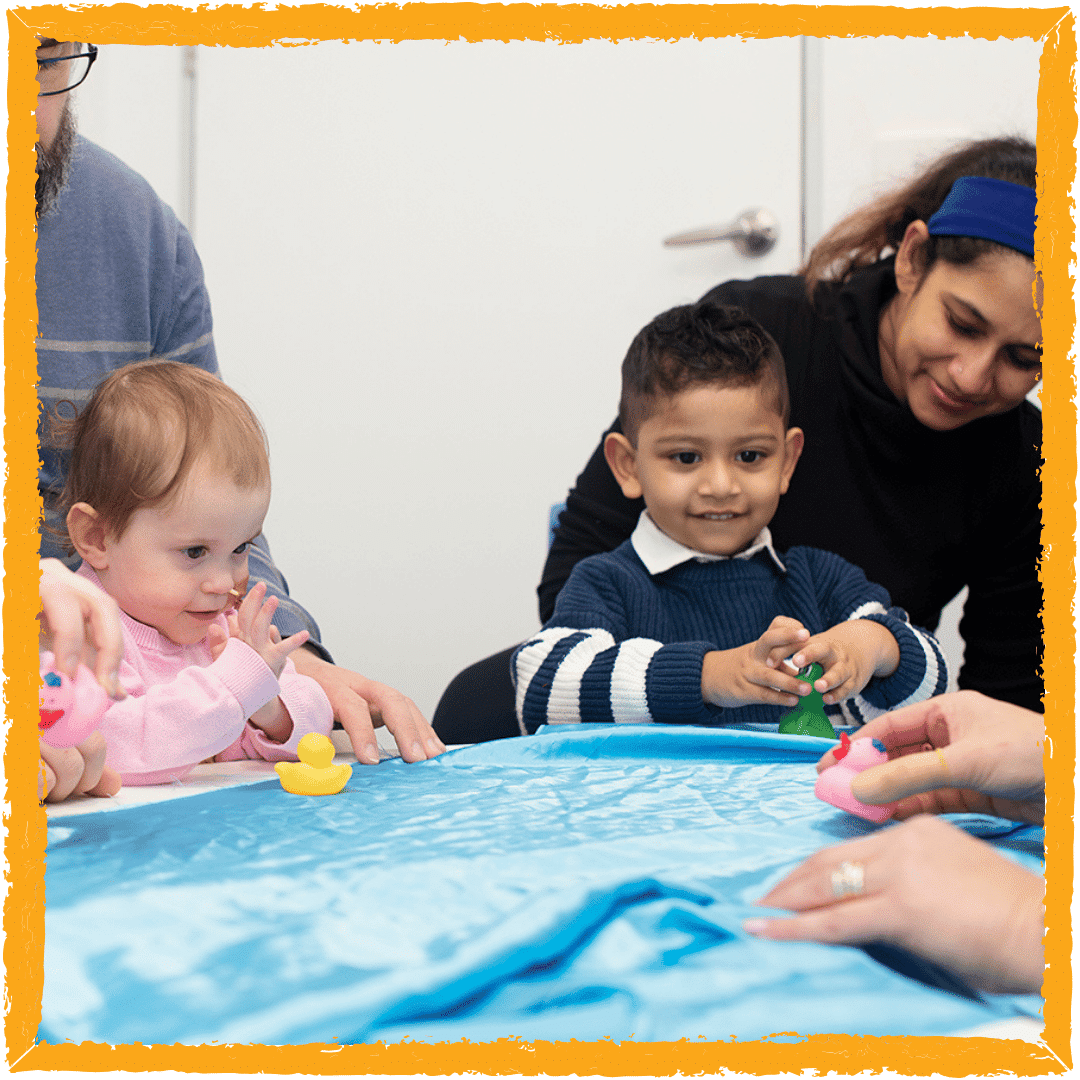
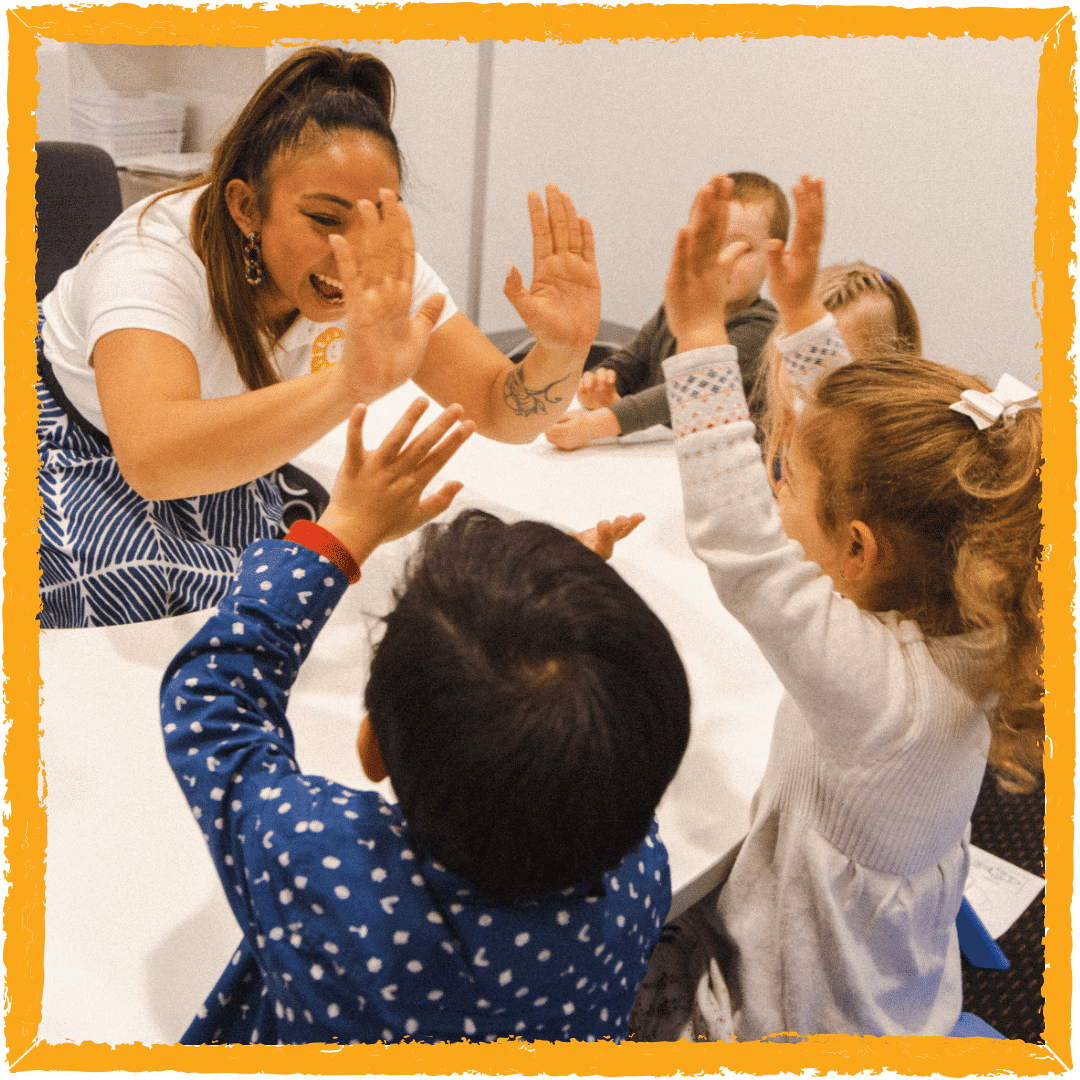
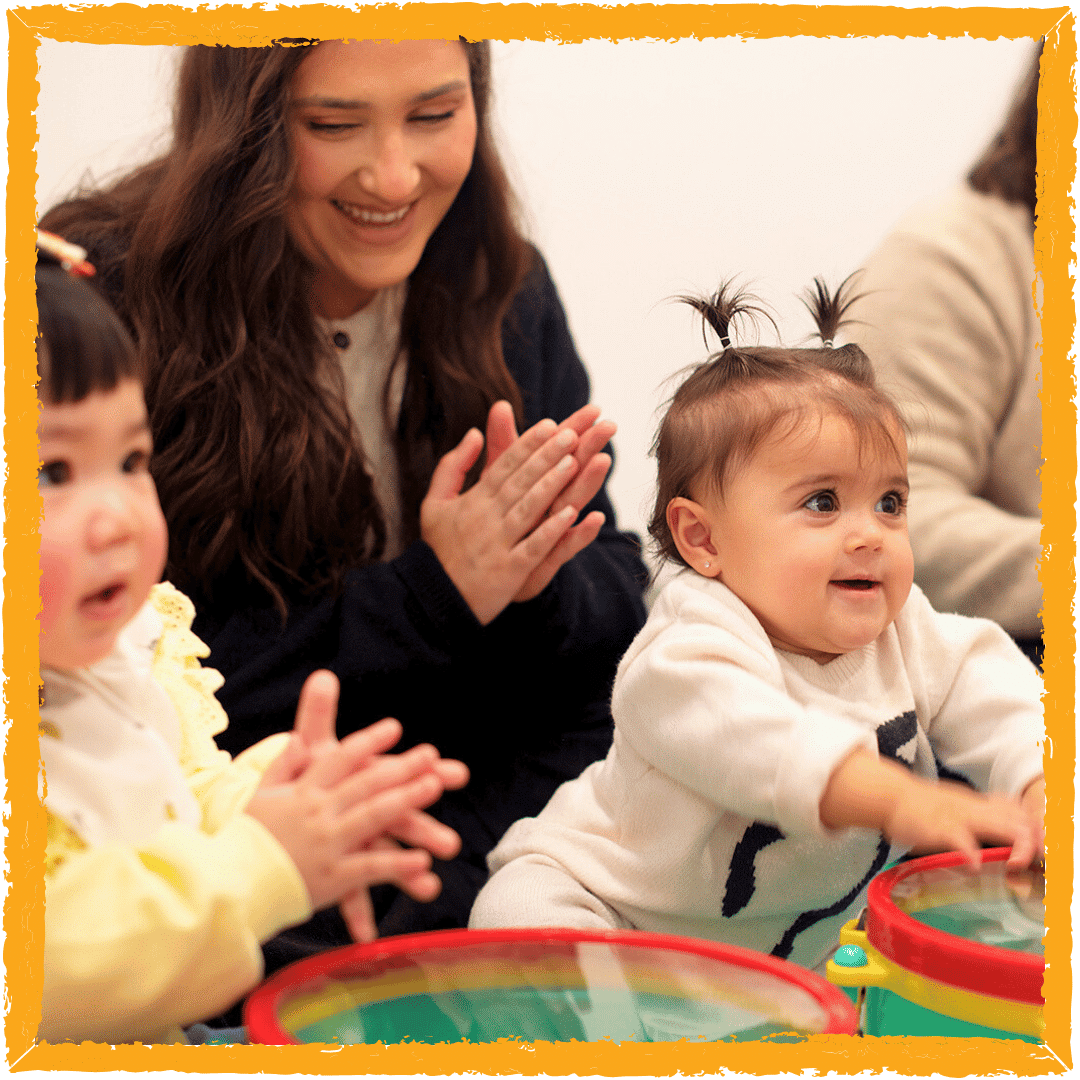
Photo from Shichida: Shichida classes show how early childhood philosophy blends play, learning and parent involvement for holistic development.
Play is essential for growth in the early years. Whether structured games or free exploration, play promotes problem-solving, creativity, emotional regulation, and social skills. Through play, children learn language, test ideas, and build resilience. Most early childhood philosophies embrace play as the most natural and effective way for children to make sense of the world around them.
As a parent, one of the best gifts you can give is the freedom for your child to play. Watch closely and you will see how much they are learning while they are laughing, building, and imagining.
Partnership with Families
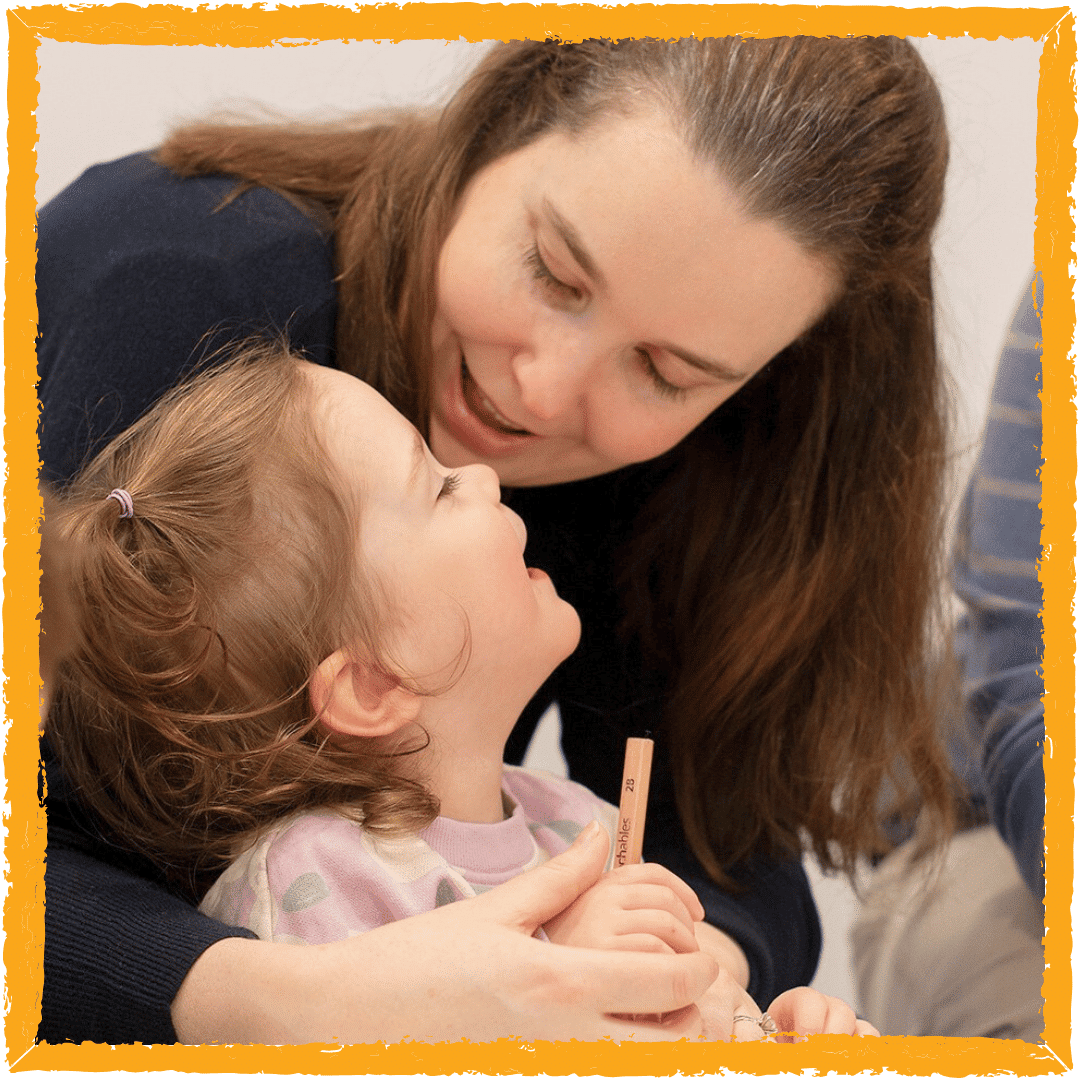
Children thrive when there is strong collaboration between families and educators. The best philosophies emphasise parental involvement, recognising parents as a child’s first and most influential teachers. By working together, families and schools create consistent support systems, reinforcing shared values and learning goals. This partnership ensures children feel secure, understood, and encouraged both at home and in the classroom.
Influential Philosophies & Approaches in Early Childhood Education
There is no single “best” philosophy of early years education. Each has its own strengths! What works well for one child may not fit another. Below are some of the most influential approaches:
Montessori Philosophy
The Montessori philosophy values independence, self-directed learning, and carefully prepared environments. Children choose activities that interest them, building focus and autonomy. Parents may love the independence, but should consider whether their child thrives in highly structured environments.
Reggio Emilia Approach
The Reggio Emilia approach sees children as curious explorers. Learning is project-based and collaborative, often involving art, storytelling, and community. Parents who want creativity and collaboration often find this philosophy appealing.
Waldorf Philosophy
Waldorf education emphasises imagination, rhythm, and holistic development. It often delays formal academics in favour of play, storytelling, and creative arts. This appeals to families seeking a gentle, nature-focused philosophy, though some may prefer earlier academic focus.
Shichida Method
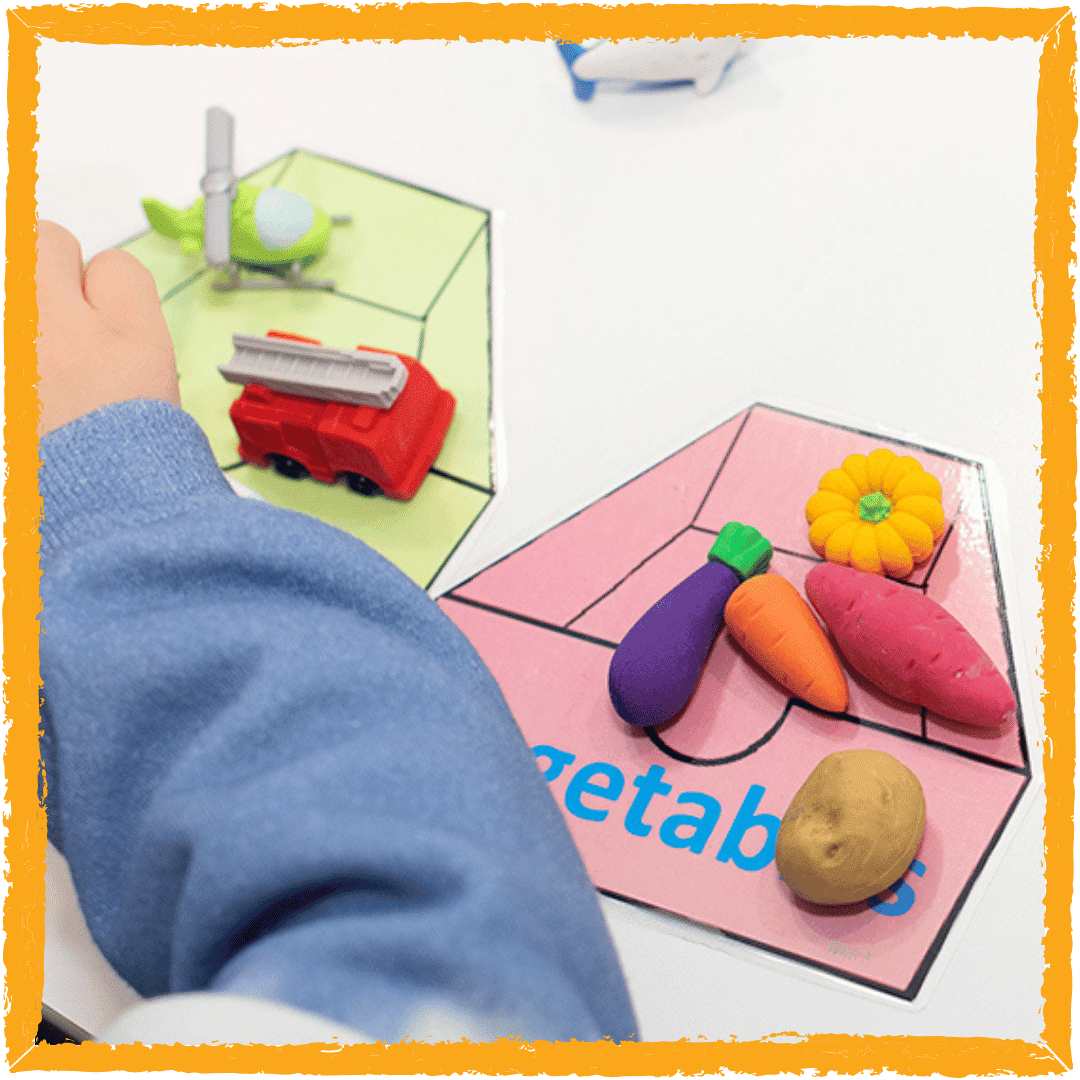
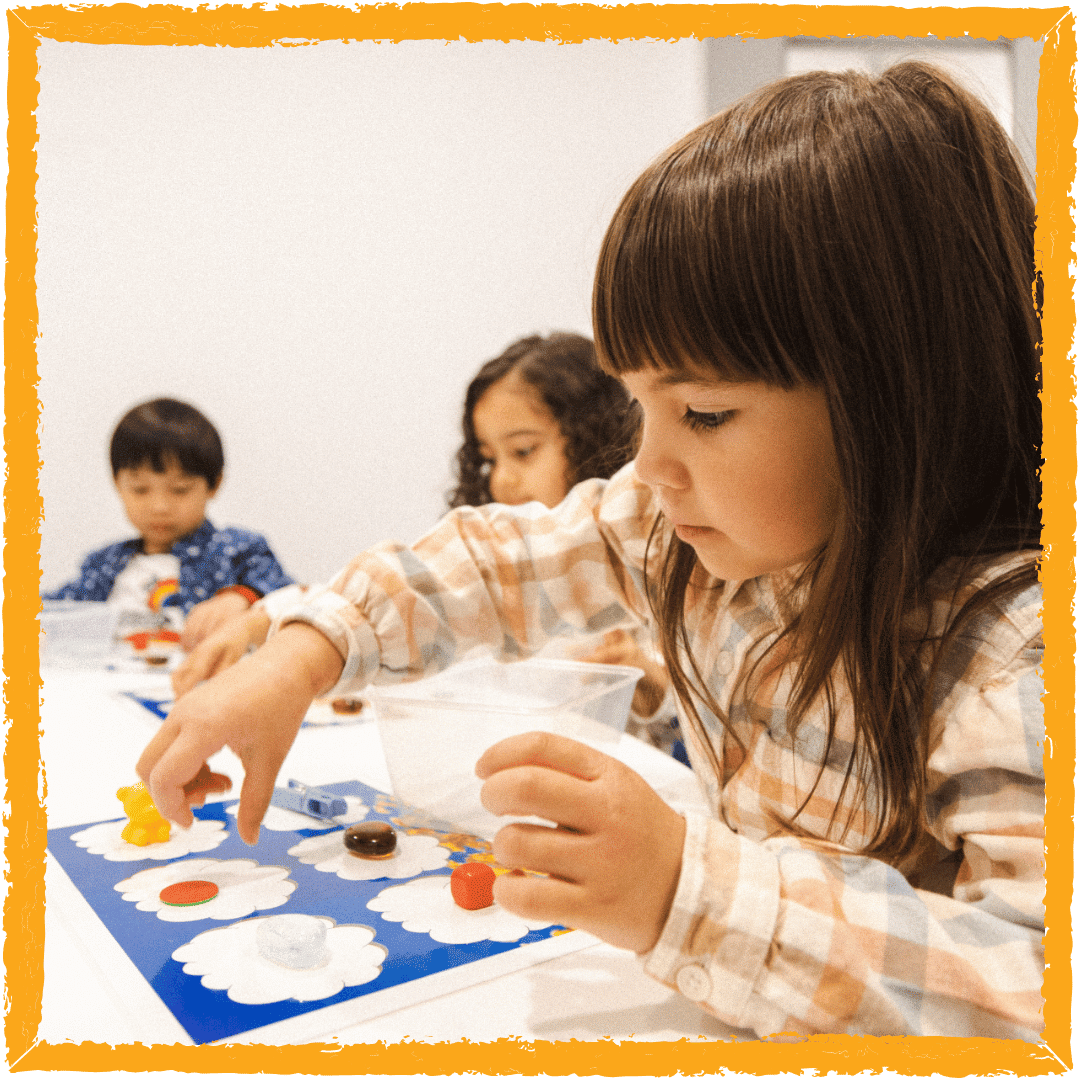
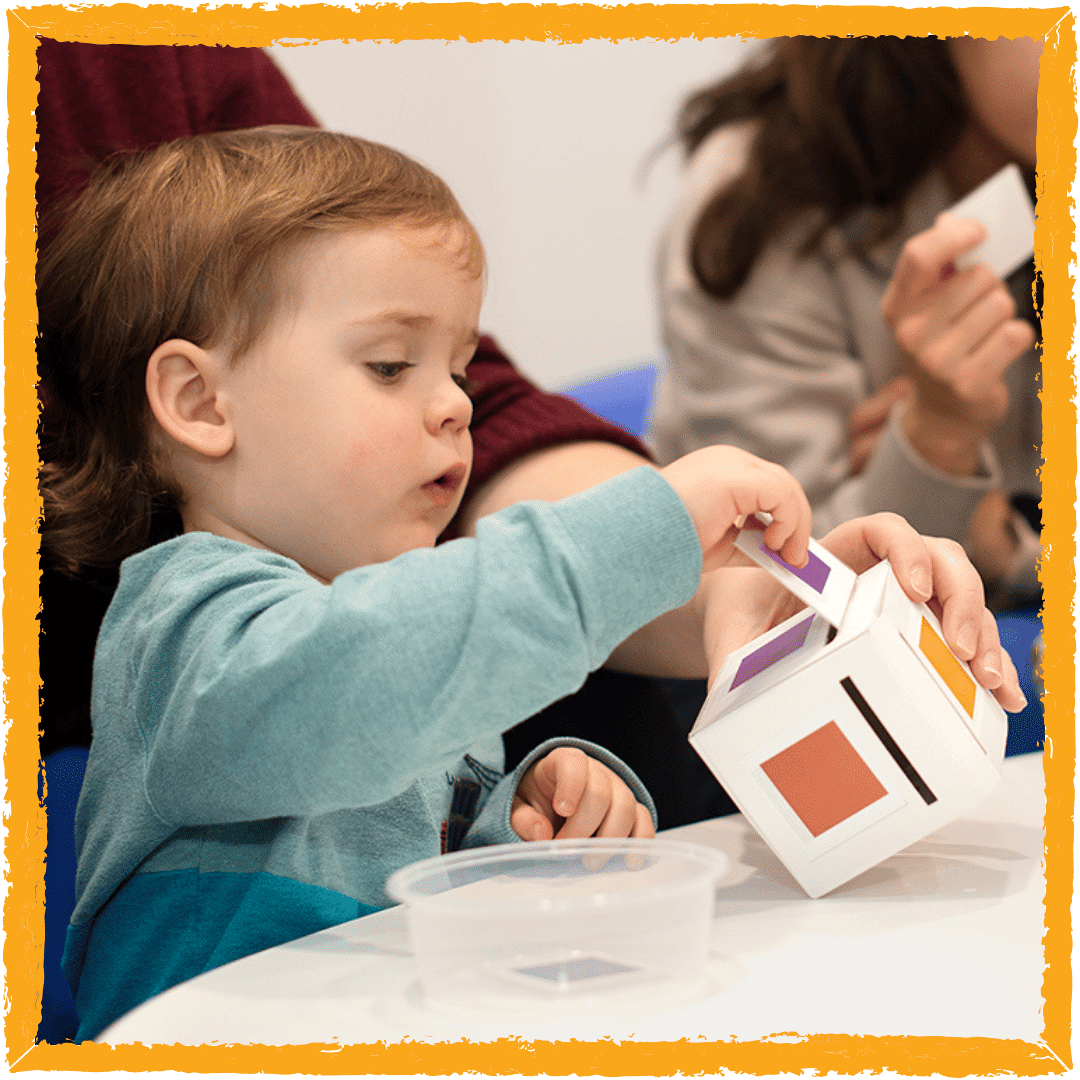
The Shichida Method blends play, sensory learning, memory training and parent involvement. Designed for early brain development, it emphasises right-brain training and holistic growth through songs, puzzles, fun challenging activities, and memory games. Parents are actively involved in every class, making this approach unique. It suits families who want structured brain training alongside creativity and bonding.
HighScope Curriculum
HighScope encourages active learning with a balance of child choice and teacher guidance. Children plan, do, and review activities daily, building independence and critical thinking. This philosophy is more popular in the US.
Early Years Learning Framework (EYLF)
The EYLF is an Australian framework that underpins many early years programmes. It promotes belonging, being, and becoming, ensuring inclusivity and consistency across centres.
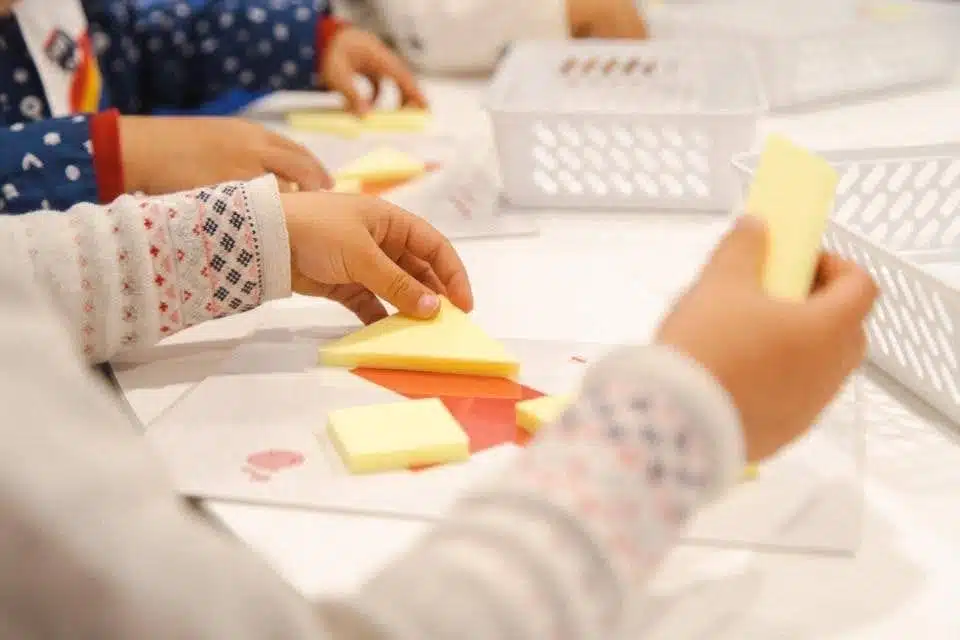
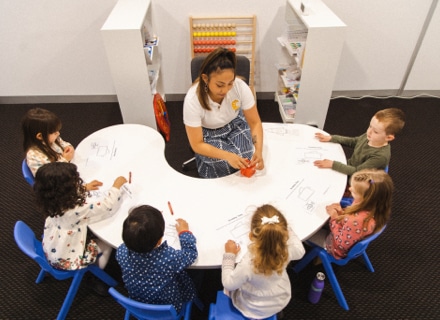
Photo from Shichida: Shichida classes show how early childhood philosophy blends play, learning and parent involvement for holistic development.
How Educators Develop Their Own Philosophy
No two classrooms are identical. While many teachers draw from established philosophies, they often adapt approaches to create a personal teaching philosophy. This involves reflecting on their beliefs about learning, considering cultural contexts, and aligning with frameworks such as the EYLF.
For parents, it’s valuable to ask educators: “What is your teaching philosophy, and how does it look in practice?” A thoughtful answer reveals whether the teacher has clarity, consistency, and passion for early childhood development.
Writing a Personal Philosophy Statement
Educators often write statements outlining their beliefs about childhood, learning, and teaching strategies. These guide everyday choices and ensure alignment with the centre’s overall approach.
Aligning Philosophy with Practice
The true test is whether philosophy is lived out in the classroom. A centre may claim to value creativity but rely heavily on worksheets. Observing the environment and teacher interactions helps parents spot whether philosophy and practice genuinely align.
Choosing the Right Philosophy for Your Child
Choosing a preschool or early learning programme can feel overwhelming. The good news is, you don’t have to be an expert in every philosophy! Instead, focus on aligning your child’s personality and your family’s values with the centre’s preschool education philosophy.
Questions to Ask Educators
- What is your philosophy, and how do you put it into practice?
- How do you involve parents in learning?
- How do you support individuality and creativity?
- How do you balance play and academic learning?
- What does a typical day look like here?
Matching Philosophy to Your Child’s Personality
- Independent learners often flourish in Montessori or HighScope environments.
- Creative children may thrive in Reggio Emilia or Waldorf settings.
- Families wanting structured play using brain training, with parent involvement, may find the Shichida Method the most rewarding.
Practical Examples of Philosophy in Action
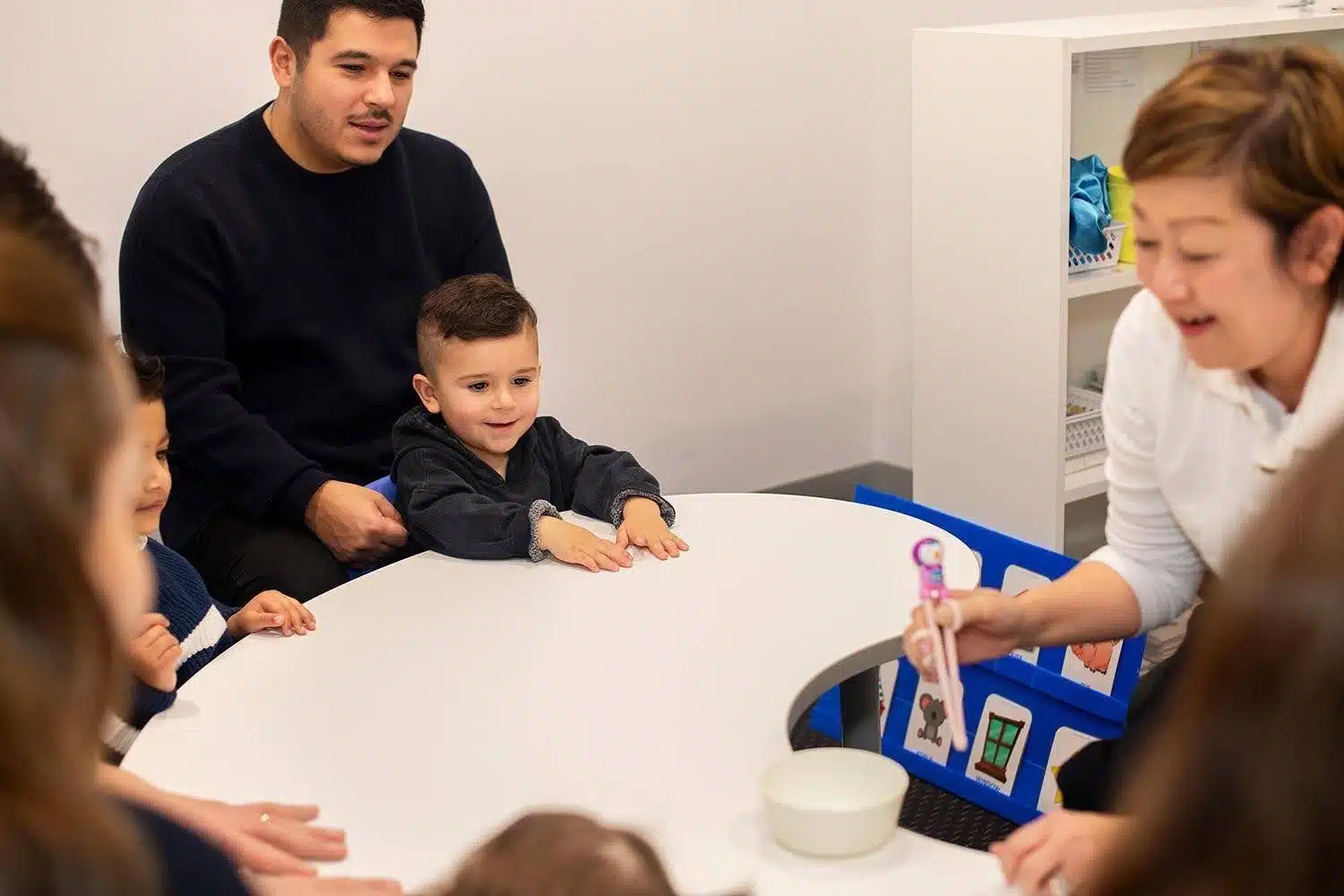
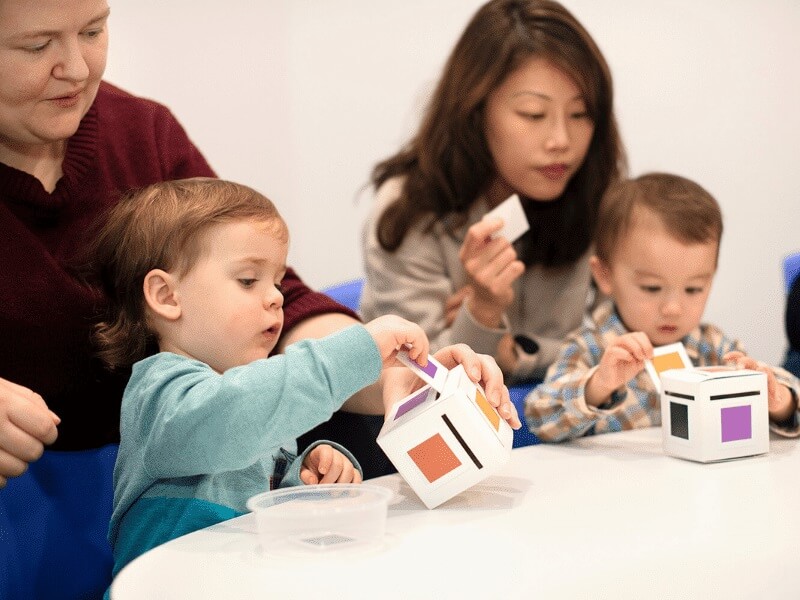
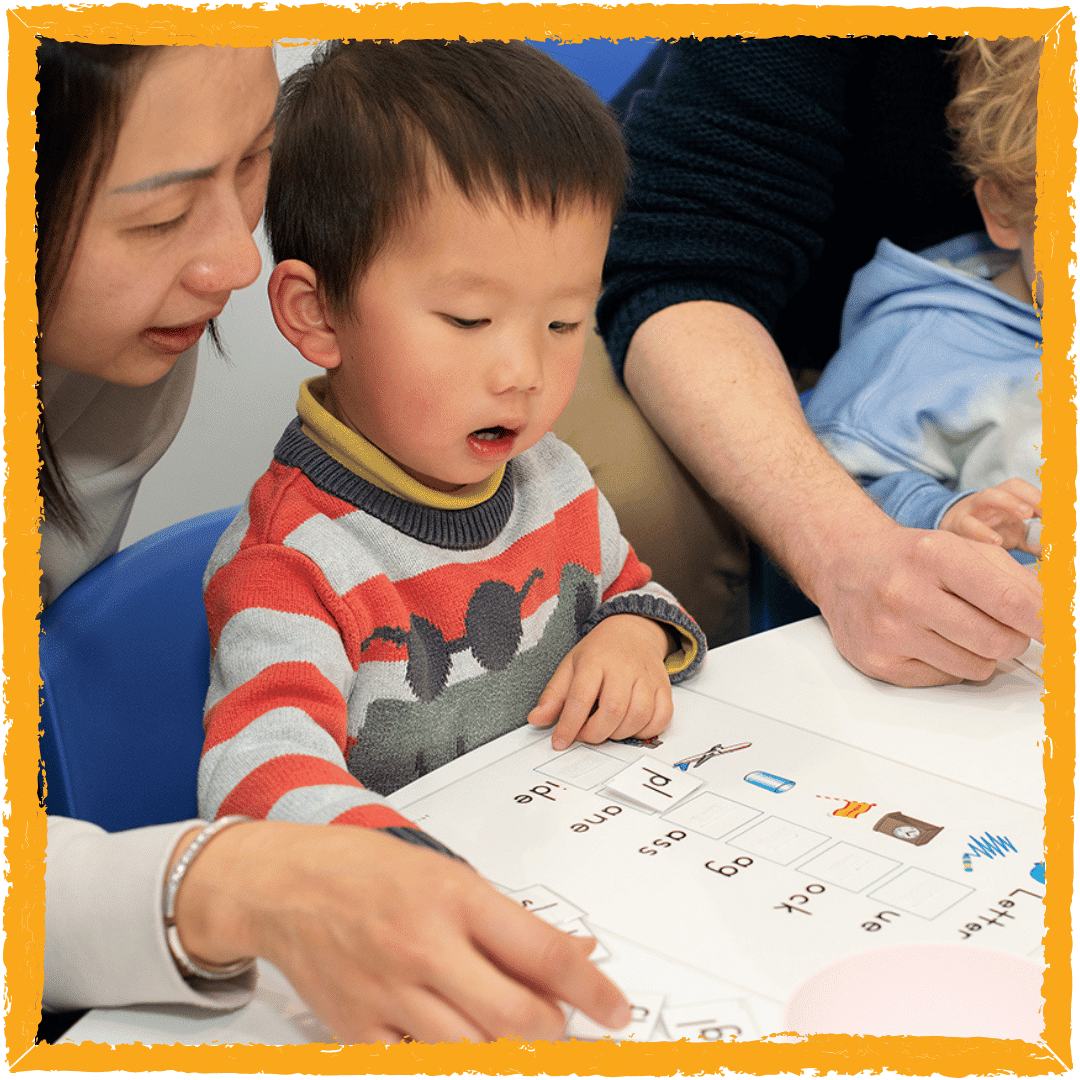
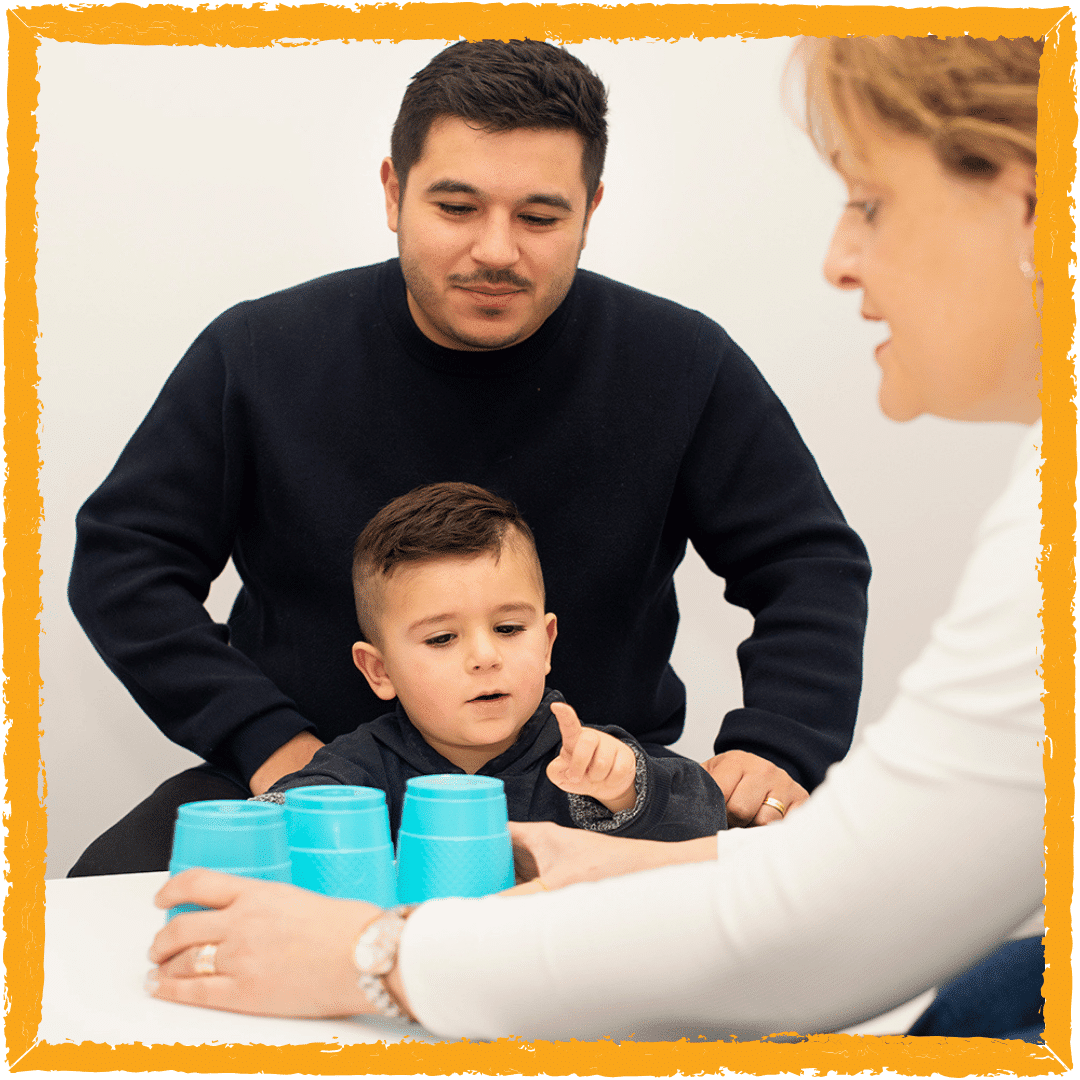
Photo from Shichida: Parents and children learning together at a Shichida centre, a real-life example of how the philosophy of early years education values family involvement, child-centred growth, and modern early childhood philosophy practices.
Daily Routines
In Montessori, children may independently choose activities from shelves. In Waldorf, teachers lead rhythm-based songs and storytelling. In Shichida, children engage in rapid, playful activities while parents join in, reinforcing learning at home.
Learning Through Environments
Reggio Emilia classrooms are filled with art materials and natural light. HighScope classrooms use clear areas for different activities. Shichida rooms are designed for sensory play, memory activities, and parent-child bonding.
The Future of Early Years Education Philosophy
As societies evolve, so do philosophies of education. Today’s challenges, from technology to cultural diversity, shape how centres approach learning.
Embracing Cultural Diversity
Modern philosophies increasingly value inclusivity, recognising that children bring unique languages, traditions, and perspectives to the classroom.
Integrating Technology Responsibly
Tablets and interactive screens can support learning, but philosophies must ensure technology is balanced with play, creativity, and social interaction.
Nurturing Global Citizens
Approaches like the Shichida Method prepare children not just for academics but for life skills, empathy, and adaptability in a global world. Parents can feel reassured that future-ready philosophies combine tradition with innovation.
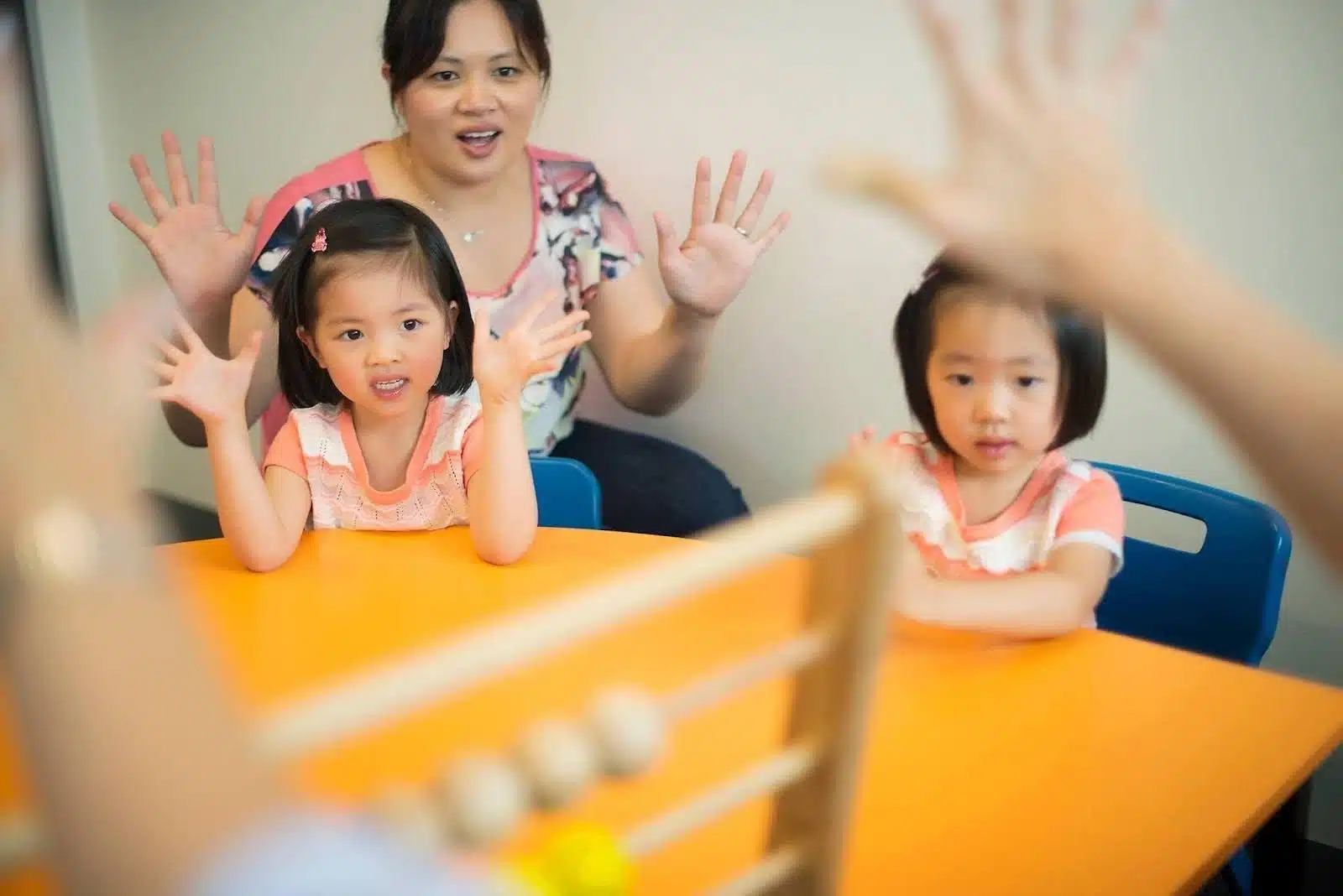
Photo from Shichida: Parents and children learning together at a Shichida centre, a real-life example of how the philosophy of early years education values family involvement, child-centred growth, and modern early childhood philosophy practices.
It is important to remember that you play the biggest role in your child’s early learning! At Shichida, classes are designed to help you guide and support your child in fun, engaging ways that spark their natural love of learning. Together, you’ll see real progress and lasting confidence. Take the first step, and book a trial class today!
FAQ’s: Philosophy of Early Years Education
It refers to the values and beliefs guiding how children are taught and supported in their early years.
It shapes how teachers interact, what children learn, and how families are involved.
Montessori emphasises independence and structure, while Reggio Emilia is more collaborative and creative.
Parents are seen as key partners, especially in approaches like Reggio Emilia and Shichida.
Yes. Many families combine elements that best suit their child’s needs.
It blends sensory play, right-brain training, and strong parent involvement, making it unique among philosophies.
Through reflection, professional training, and alignment with frameworks such as the EYLF.
It depends on your child’s personality, your family values, and the centre’s practices.
Play builds problem-solving, creativity, social skills, and confidence.
It’s becoming more inclusive, tech-aware, and globally minded, with modern approaches like Shichida leading the way.