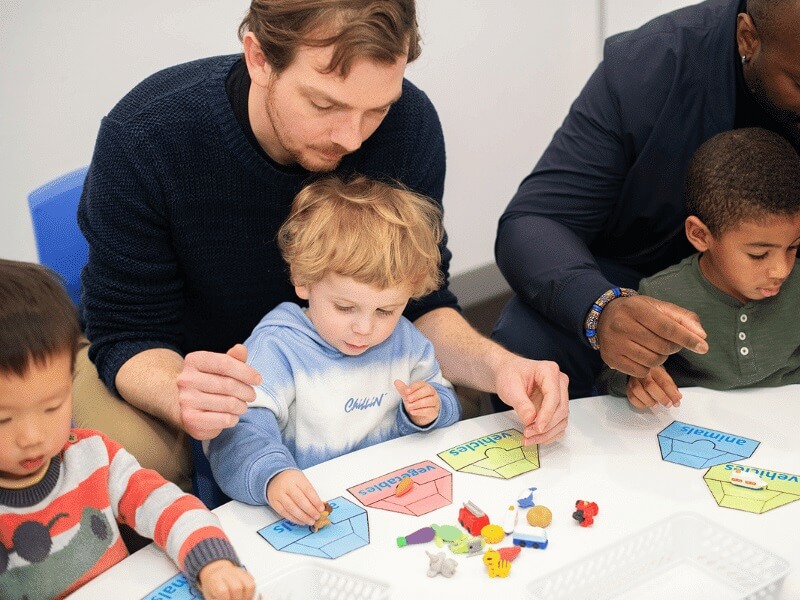
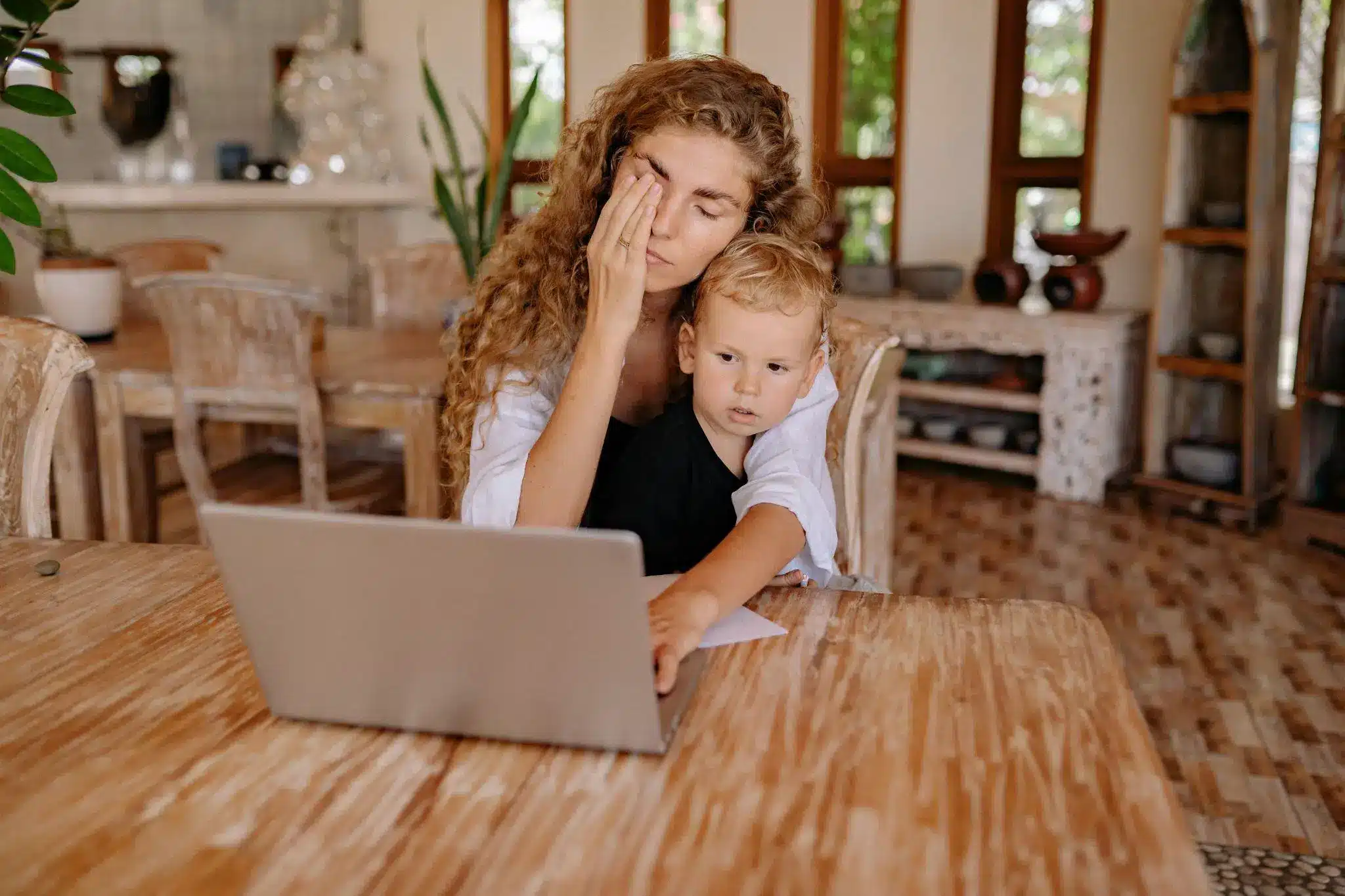
Photo from Pexels: Parental burnout symptoms often begin quietly, showing up as deep exhaustion and emotional overwhelm long before parents realise they need support.
Parental Burnout Symptoms: Insights & Practical Support
Key Points
- Parental burnout is chronic emotional and physical exhaustion caused by prolonged parenting demands.
- Parental burnout symptoms can affect your emotions, physical health, thinking, and behaviour.
- Common causes include accumulated stress, high personal expectations, and limited support.
- Recovery from parental burnout focuses on rest, realistic boundaries, and increased support.
- Professional support can help protect your mental health if burnout persists.
You love your children deeply. And yet, some days, you wake up already exhausted. You move through the hours on autopilot, snapping more easily than you want to, feeling numb when you wish you felt joy. You tell yourself you just need to push through, because this is what parenting looks like, especially right now.
If that sounds familiar, you are not failing. You may be experiencing parental burnout.
Parental burnout is becoming increasingly common for both expectant parents and experienced parents. Modern parenting often comes with relentless demands, high expectations, and very little space to rest or recover.
This guide is here to help you understand what is happening, recognise parental burnout symptoms early, and find realistic, compassionate ways to protect your mental health and your family’s wellbeing.
What Is Parental Burnout?
Parental burnout is a state of ongoing physical and emotional exhaustion caused by prolonged parenting stress. It happens when the demands of caring for children continue day after day without enough time, energy, or support to recover. This is not about being a bad parent. It is about being a human parent under sustained pressure.
Unlike normal tiredness, parental burnout does not disappear after a good night’s sleep or a quieter weekend. You may still feel drained even when nothing “big” is wrong. Many parents describe feeling emotionally empty, detached, or as though they are no longer the parent they used to be.
Parental burnout is different from depression or anxiety, although they can overlap. Burnout is closely tied to the parenting role itself and often improves when stress is reduced and support increases. If you have ever thought, “I love my kids, but parenting feels like too much right now,” that feeling deserves attention and care.
How Parental Burnout Differs From Everyday Stress
Every parent feels stressed at times, and you have probably felt it during sleepless nights, busy mornings, or overwhelming weeks. That kind of stress usually passes when things settle down. Burnout feels different. It lingers, leaving you emotionally exhausted, disconnected from parenting, and feeling as though you are no longer coping, no matter how much effort you put in.
Why Parental Burnout Matters
Recognising burnout early matters because it affects your mental health, your relationship with your children, and the well-being of your whole family. When burnout is ignored, patience wears thin, emotional connection becomes harder, and your physical health can suffer too. Getting support early can help you feel more like yourself again and protect the bond you share with your children.
Common Symptoms of Parental Burnout
Parental burnout symptoms often build quietly, and you may not notice them at first. Many parents only realise what is happening once they feel completely drained, overwhelmed, and running on empty.
Emotional Symptoms
Emotional exhaustion is often the first sign you notice. You may feel constantly drained, irritable, or emotionally flat. Moments that once brought joy now feel muted. Guilt is common, especially when you feel detached from your children. Some parents describe feeling empty, disconnected, or emotionally checked out, even while still meeting their children’s needs.
Physical Symptoms
Burnout affects your body as much as your emotions. You may feel chronically tired no matter how much you rest. Sleep may be light, broken, or unrefreshing. Headaches, muscle tension, and frequent minor illnesses can appear as ongoing stress weakens your immune system.
Cognitive and Behavioral Symptoms
Parenting stress symptoms can also affect how you think and behave. You may struggle to concentrate, forget things easily, or feel impatient over small issues. You might start avoiding parenting tasks, withdrawing from social contact, or relying on screens as a way to cope and shut down emotionally.
Common Causes and Triggers of Parental Burnout
Parental burnout rarely comes from one bad week. It usually develops through accumulated stress over time.
Major Life Stressors
Work demands, financial pressure, health concerns, and caring for more than one child can all weigh heavily on you. If you are an expectant parent, you may also be carrying uncertainty, physical changes, and disrupted sleep before your baby even arrives. When rest keeps being pushed aside, burnout becomes much more likely.
High Personal Expectations
Many parents place enormous pressure on themselves. Perfectionism, comparison with other families, and strong beliefs about what a “good parent” should be can quietly drain your energy. Trying to do everything right leaves little space to recover.
Lack of Support
Caregiver stress increases when you feel alone. Limited partner support, little family help, or isolation from community networks can make parenting feel relentless. Parenting was never meant to be done solo.
How Parental Burnout Affects You and Your Family

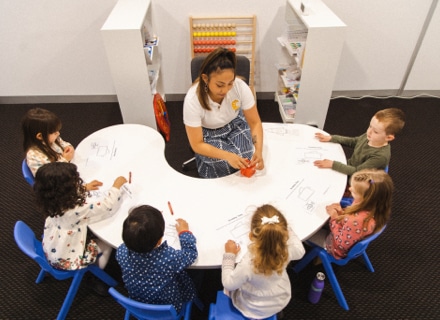
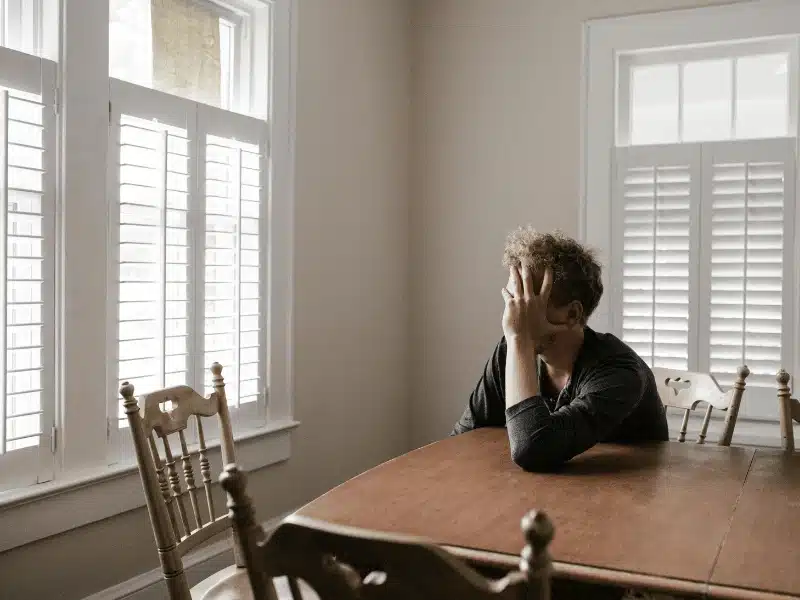
Photo from Pexels: Parental burnout symptoms can build over time when daily demands, high expectations, and limited support all pile up at once.
Burnout does not stay contained inside you. It shapes daily family life.
Emotional Distance and Irritability
When you are burned out, emotional connection becomes harder. Patience runs low, and small challenges feel overwhelming. You may feel resentful or numb, even though you still love your children deeply.
Impacts on Physical Health
Ongoing stress can disrupt your sleep, drain your energy, and weaken your immune system. When you are physically exhausted, even simple parenting tasks can start to feel heavy and difficult to manage.
Strained Relationships
Burnout often puts pressure on your relationship with your partner. Communication may start to break down, small issues can turn into conflict, and intimacy can feel harder to maintain. Co-parenting tension often increases when both of you feel stretched, tired, or unsupported.
How to Manage and Recover From Parental Burnout
Recovery from parental burnout is not about fixing everything all at once. It happens gradually, through small, realistic changes that give you space to rest and recharge.
Prioritise Rest and Restore Routines
Rest is not a luxury, it’s essential. Improving your sleep habits, carving out small moments to pause during the day, and scheduling intentional downtime can slowly restore your energy. Even brief breaks can help ease emotional exhaustion and bring a sense of calm.
Seeking Support
Support from others is one of the most powerful ways to protect yourself. Talking openly with your partner, trusted friends, or family can reduce feelings of isolation. Parent groups and community resources also remind you that you are not alone in this journey.
Setting Boundaries and Expectations
Recovery often begins with lowering the bar. Saying no to non-essential commitments, simplifying routines, and redefining what “good enough” parenting looks like protects your mental health.
When to Seek Professional Help
Sometimes parental burnout needs more than self-help strategies, and that is okay.
In Australia, parents can speak to their GP, contact Lifeline (13 11 14), or reach out to organisations such as PANDA (Perinatal Anxiety & Depression Australia) for specialised support.
Signs Professional Support Can Help
If exhaustion feels constant, hopelessness increases, emotional detachment does not ease, or daily functioning is affected, professional support can help you feel steadier and supported again.
Self-Care Isn’t Selfish – Practical Everyday Strategies

Photo from Pexels: With rest, support, and realistic expectations, parental burnout symptoms can ease, helping families reconnect and feel more balanced again.
Self-care for parents is basic maintenance. It supports you and your family.
Micro-Breaks and Mindfulness
Simple breathing exercises, grounding techniques, or brief pauses during the day help your nervous system reset. One intentional minute can change how the next hour feels.
Sharing the Load
Delegating tasks, rotating responsibilities, and accepting help reduces caregiver stress. You do not need to carry everything alone to be a loving parent.
Planning for Recharge
Scheduling rest time, parent-only space, and regular personal activities protects long-term energy. If recharge time is planned, it is more likely to happen.
Common Misconceptions About Parental Burnout
“Good Parents Don’t Get Burned Out”
Burnout often affects the most dedicated, caring parents because they give so much of themselves.
“Burnout Means You Don’t Love Your Kids”
Burnout reflects emotional exhaustion, not a lack of love or attachment.
“I Just Need to Try Harder”
Trying harder usually deepens burnout. Recovery comes from rest, support, and realistic expectations.
Summary Checklist – Recognising and Addressing Burnout
- Ongoing emotional and physical exhaustion
- Feeling detached, irritable, or numb
- Trouble concentrating and withdrawing socially
- High expectations combined with limited support
- First steps include rest, boundaries, and asking for help

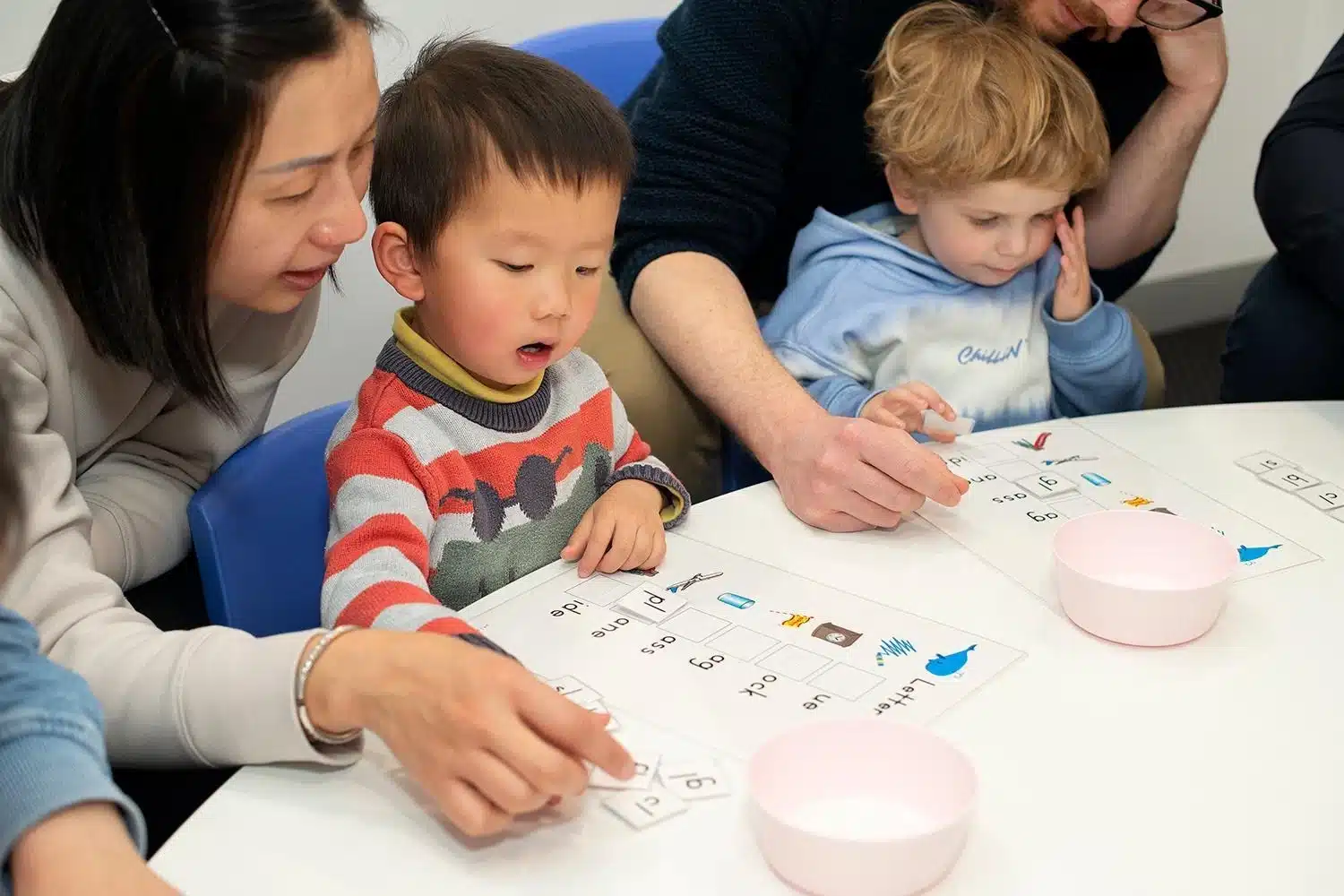
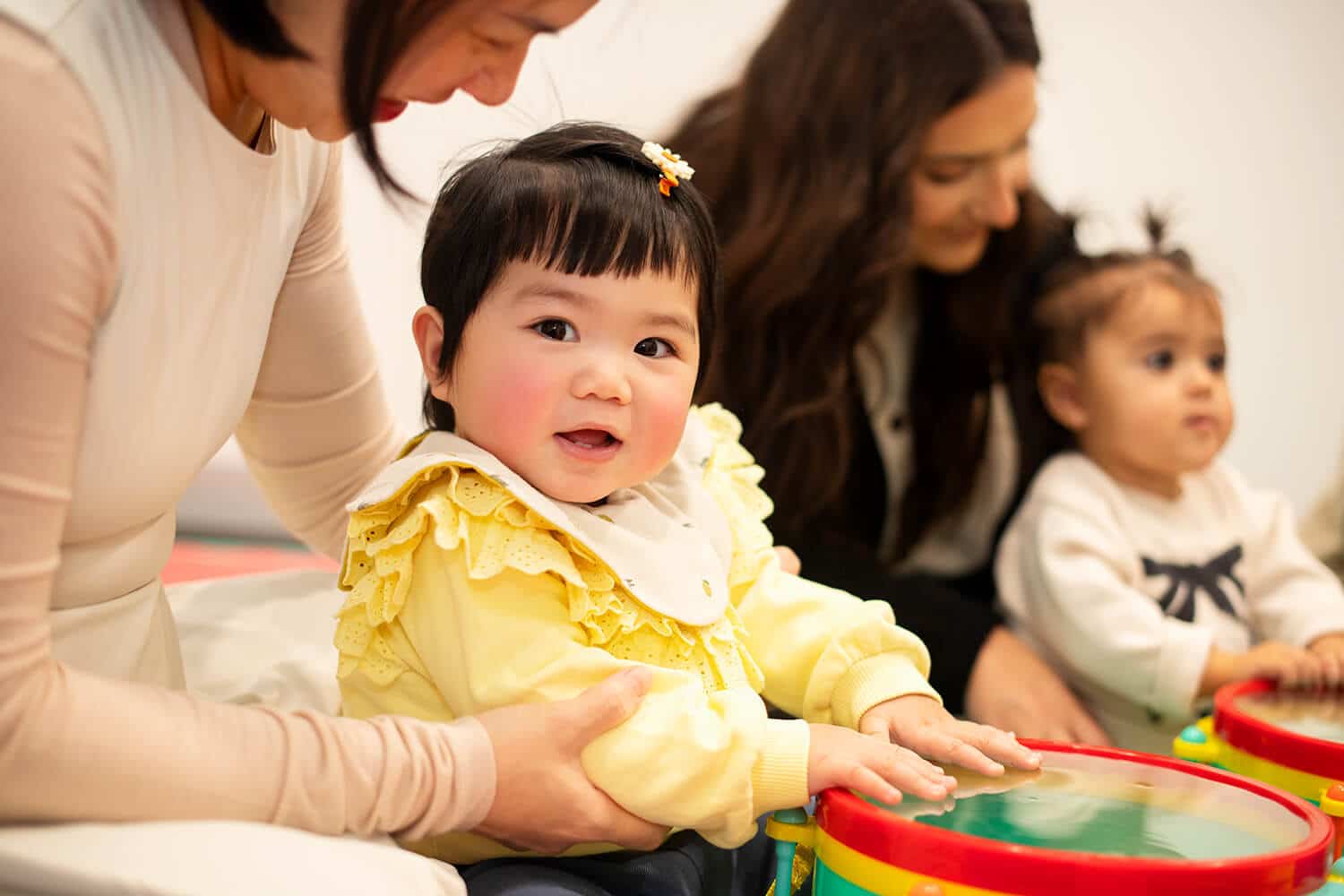
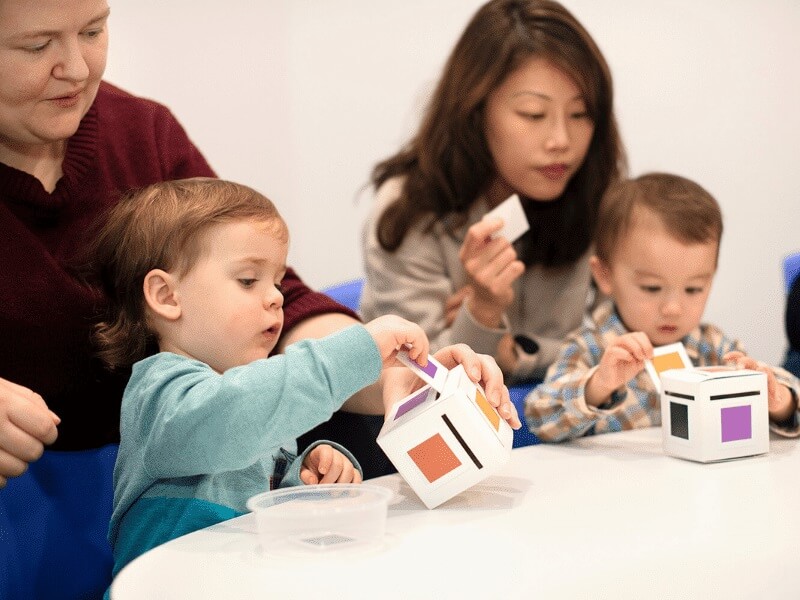
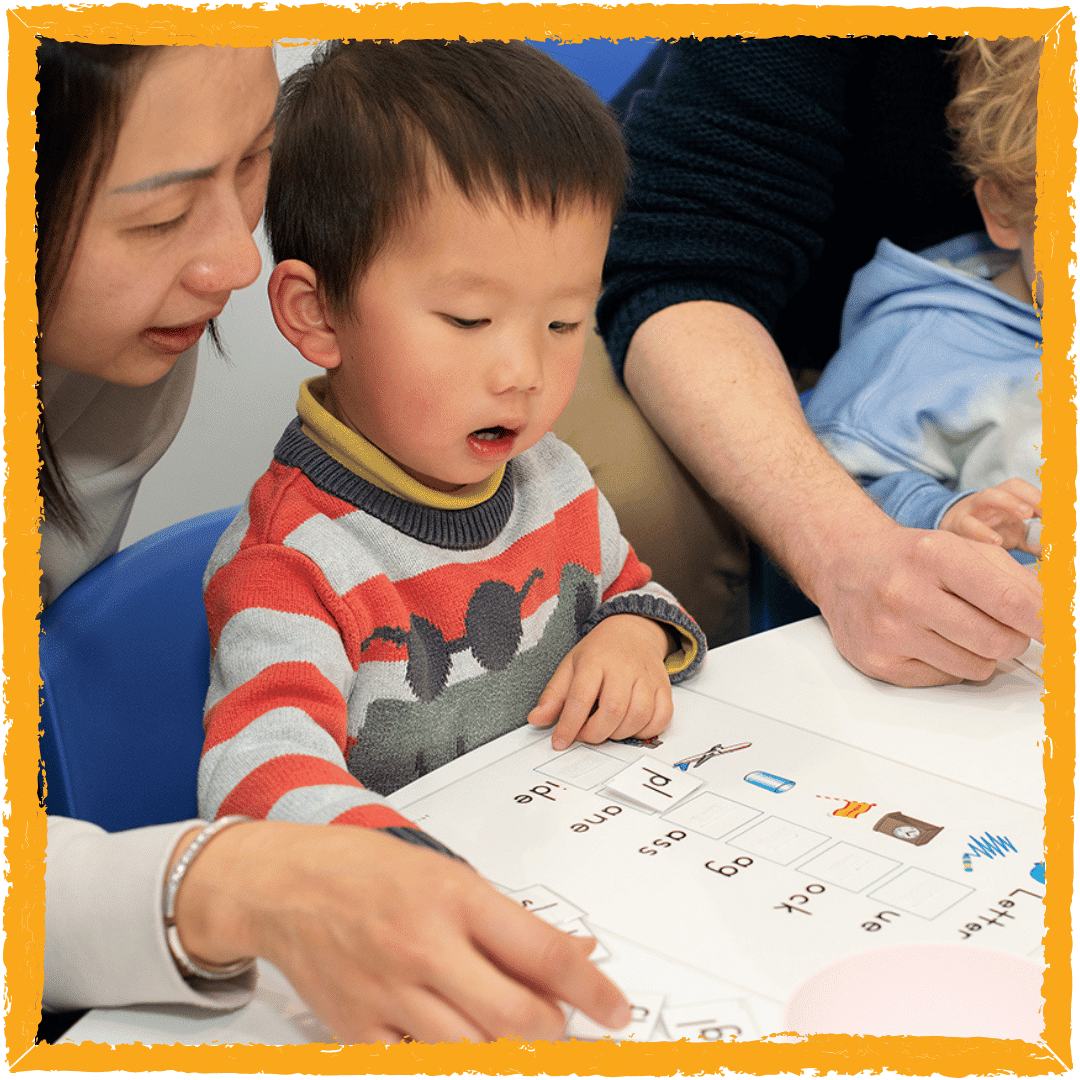
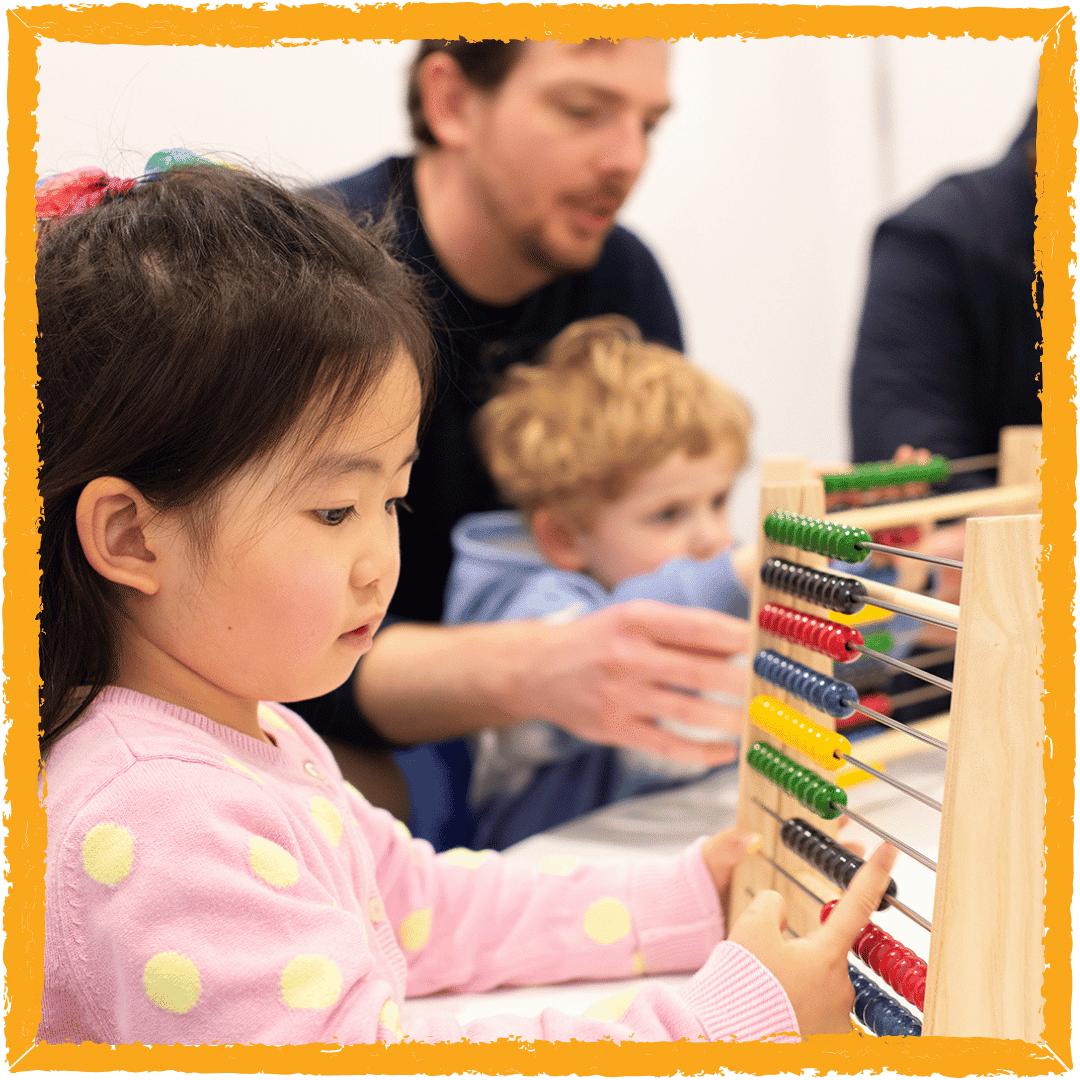
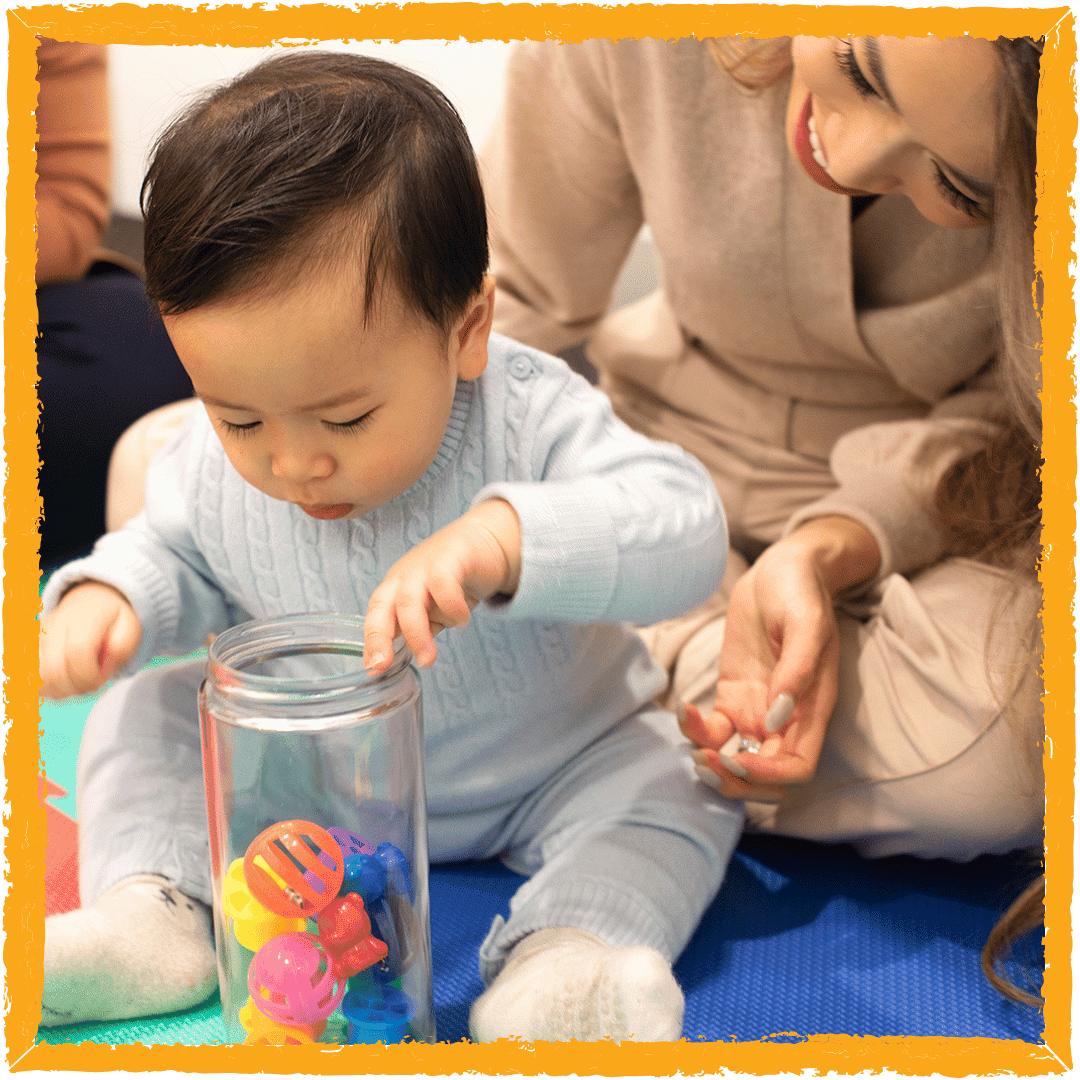
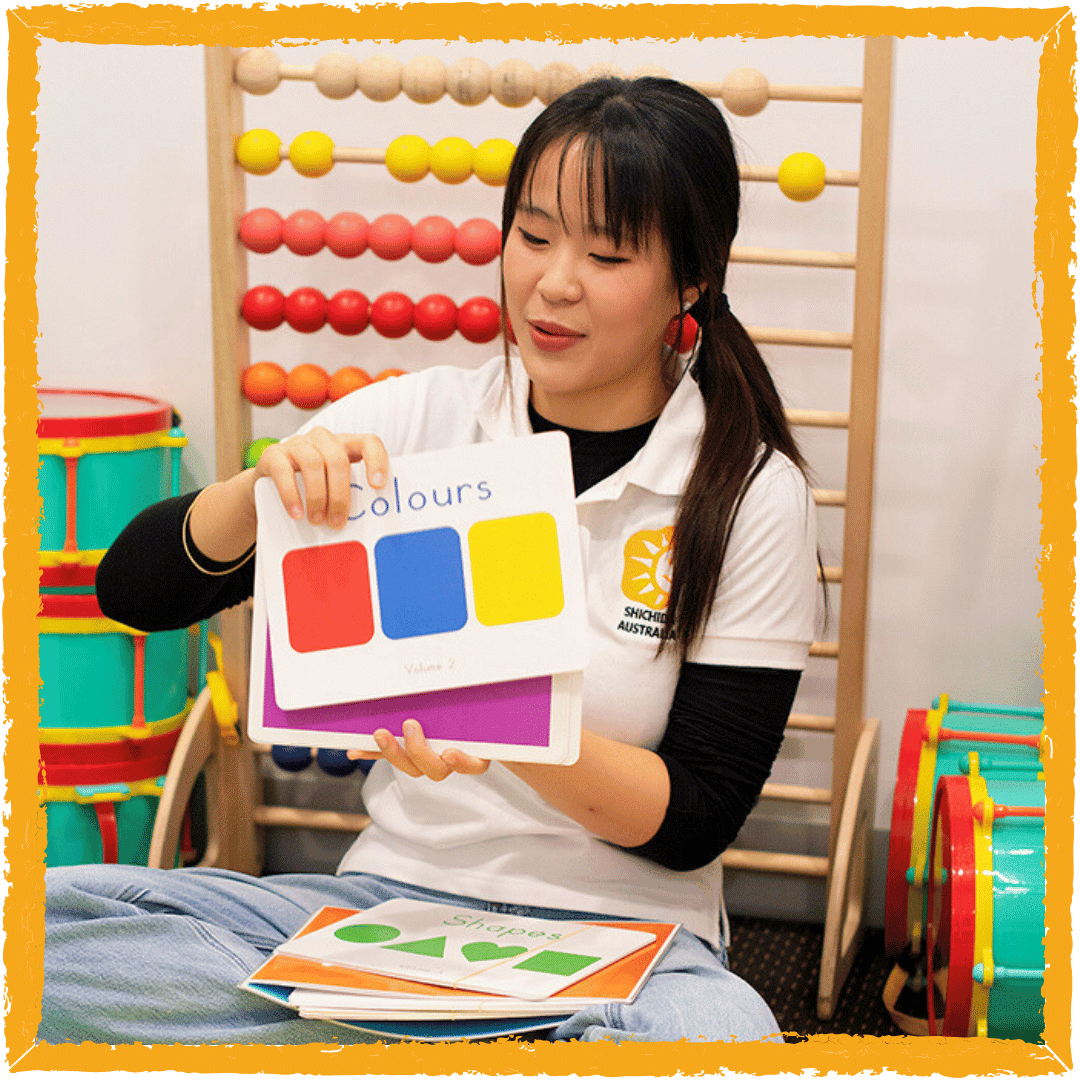
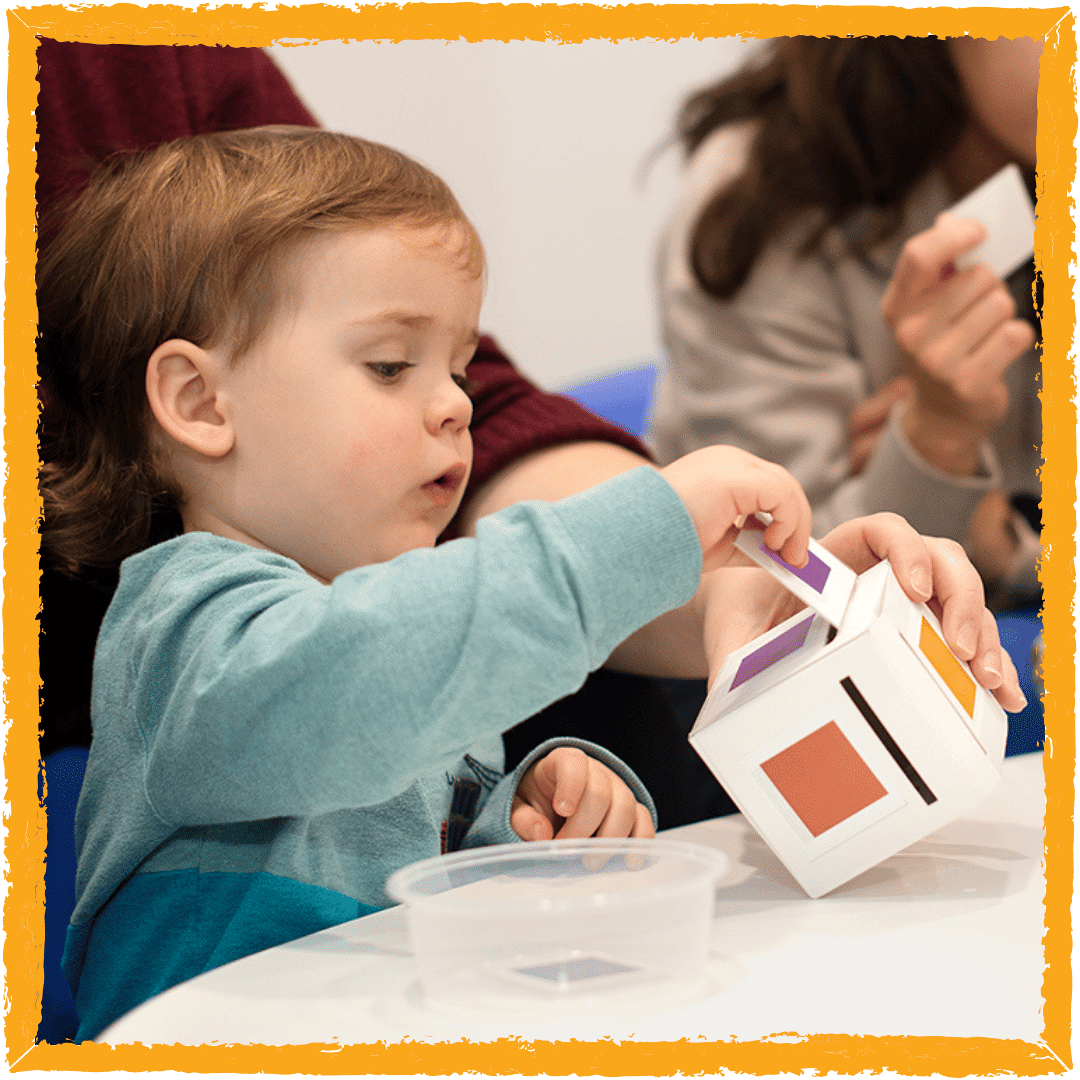
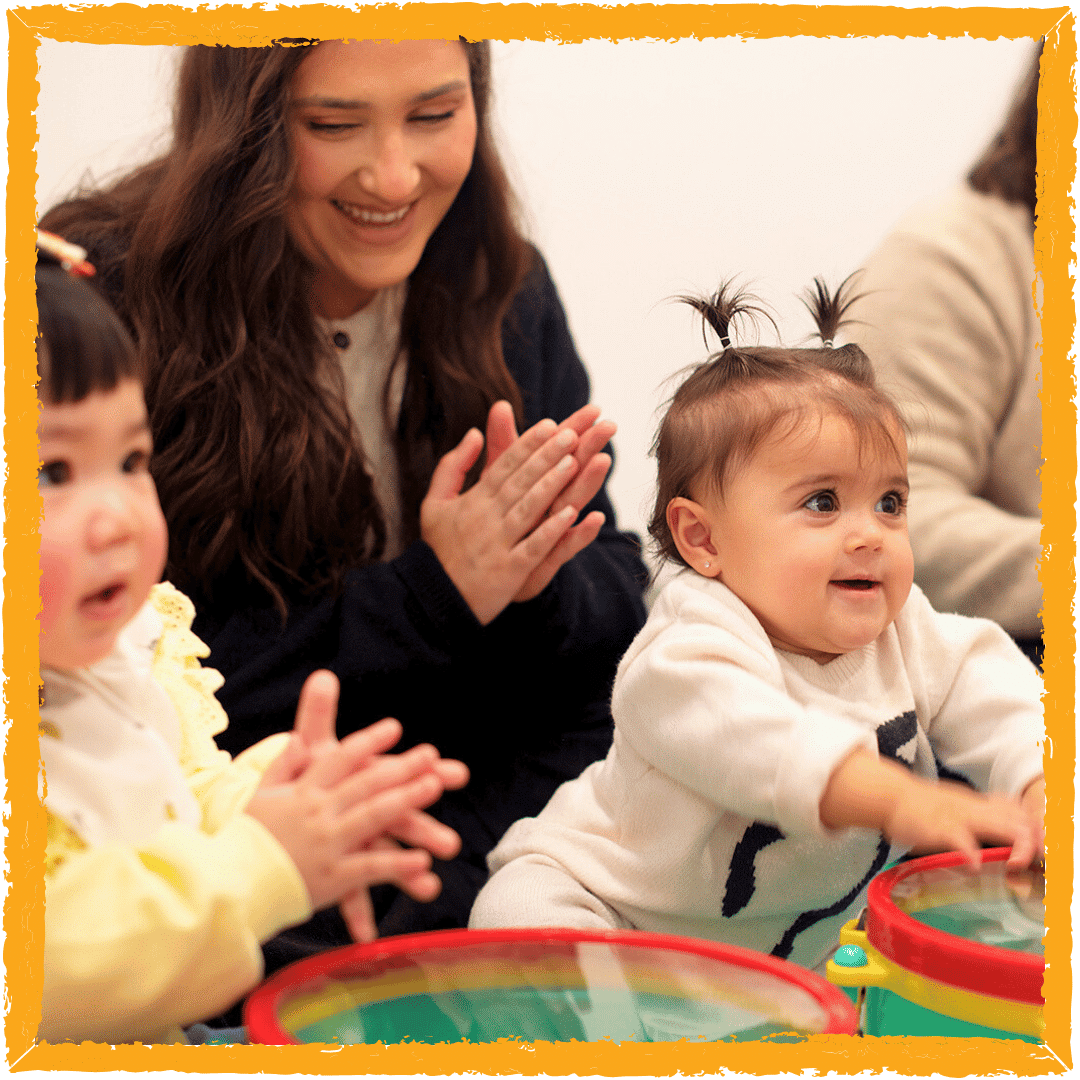
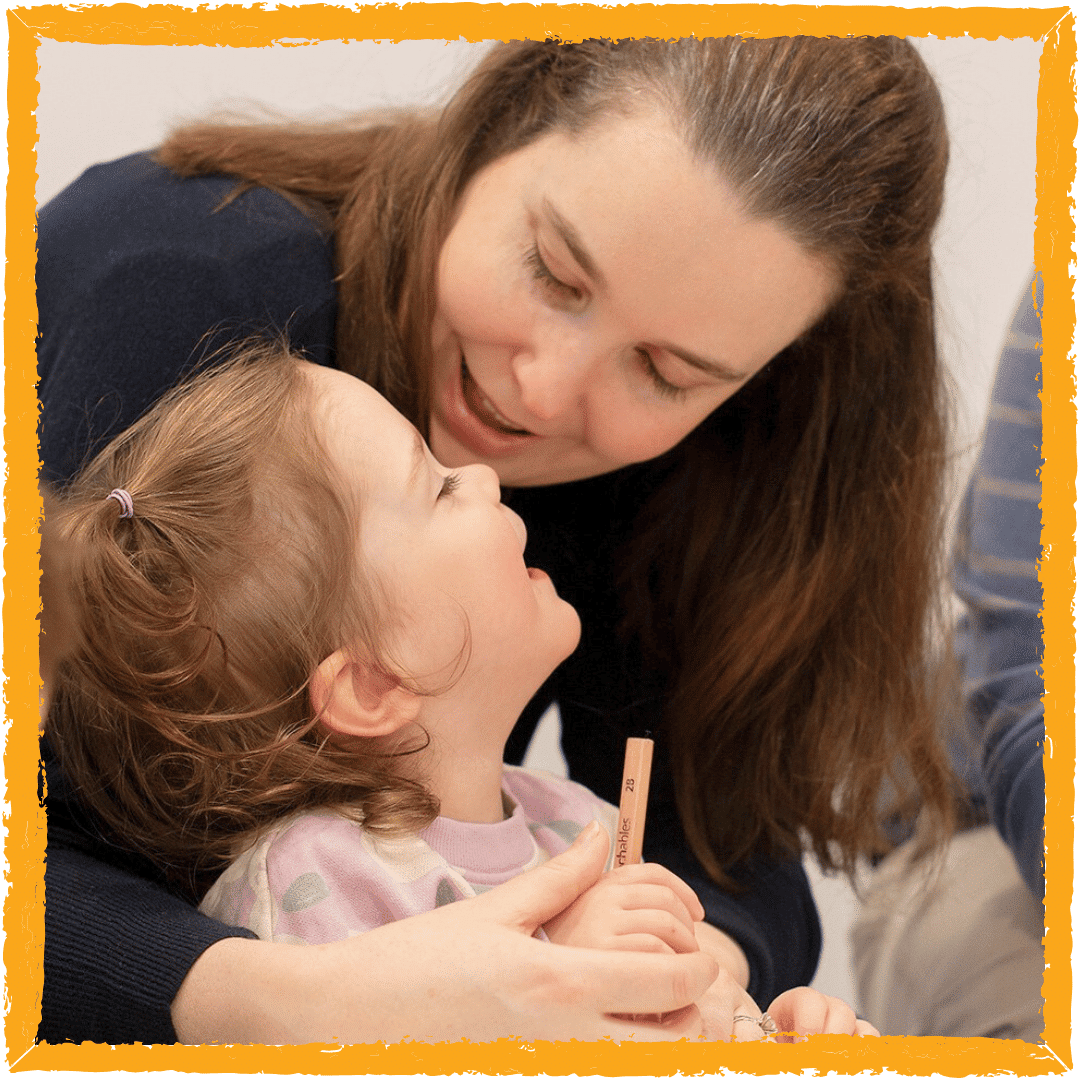
Image by Shichida Australia: Shichida classes provide a gentle pause from the busyness of everyday life – a space to slow down, be present, and reconnect with your child.
Let Shichida Take One Thing Off Your Plate
At Shichida, we believe parenting should feel supported, not pressured. Our weekly classes provide a calm, structured space where your child’s learning is intentionally guided by trained educators.
For just 50 minutes a week, you can know your child is building strong foundations in memory, focus, confidence, and critical thinking – and you can leave feeling reassured that you are doing a good job.
Sometimes reducing stress is not about doing more. It is about choosing the right support.
The Shichida Method supports early brain development for children aged 6 months to 9 years old, with enrolment available up to 5 years of age. Once enrolled, families attend a consistent weekly class designed to build strong foundations in both learning and confidence.
Book a trial class today and experience a supported approach to early learning.
FAQ’s: Parental Burnout Symptoms
Persistent exhaustion, irritability, emotional numbness, and feeling overwhelmed are common early parental burnout symptoms. These feelings often linger even after rest and can gradually intensify if left unaddressed.
Stress is usually temporary and linked to specific situations. Parental burnout is ongoing, more intense, and affects emotional connection, energy levels, and daily functioning over time.
Prolonged parental burnout can increase vulnerability to depression, particularly when emotional exhaustion and hopelessness continue over time without adequate support.
Recovery varies from parent to parent. With rest, realistic expectations, and the right support, many parents begin to feel better gradually, rather than overnight.
Yes. Parental burnout is far more common than many people realise, but it is often not openly discussed due to guilt, stigma, or fear of being judged.
Start by acknowledging how you feel without judgment. Reducing demands, setting boundaries, prioritising rest, and reaching out for support are important first steps.
Shared responsibilities, open communication, and emotional support from partners can significantly reduce the risk of burnout.
Yes. Community programs, helplines, peer support groups, and mental health professionals can all provide valuable support. In Australia, parents can speak with their GP or contact services such as PANDA or Lifeline for additional support.
Parental burnout can affect emotional connection in the short term, but with recovery and consistent support, balance and healthy family dynamics can be restored.