
The Bond of Parent and Child: Why It Matters
Keypoints:
- The bond of parent and child is crucial for emotional, social, and cognitive development.
- A secure attachment supports better behaviour, emotional regulation, and learning.
- Building a strong bond doesn’t require big gestures – daily routines and small, meaningful moments matter most.
- Distractions, disconnection, and harsh discipline can strain the bond – but repair is always possible.
- Programs like Shichida nurture the parent and child bond through shared learning, emotional connection, and quality time together.
A secure bond between parent and child lays the foundation for confidence, emotional wellbeing, and a lifelong love of learning. While love may come naturally, connection is something we build – moment by moment – through trust, communication, and presence.
This article explores the emotional and developmental importance of the bond of parent and child, and shares practical ways to strengthen it in everyday life. Whether you’re a new parent or supporting a growing child through big feelings, these insights will help you create a connection that lasts a lifetime.
What Is the Parent-Child Bond and Why Is It So Important?
The bond between parent and child is a deep emotional connection formed through consistent love, care, and trust. It’s more than simply spending time together, it’s how your child learns they are safe, valued, and understood.
A secure bond of parent and child has a powerful impact on your child’s development, influencing:
- Emotional security – Children who feel emotionally connected tend to be more confident and resilient.
- Learning ability – A calm, trusted environment supports better focus, curiosity, and memory.
- Behaviour regulation – When children feel connected, they’re better able to manage big emotions.
- Future relationships – Early bonds shape how children relate to others later in life.
According to the Harvard Center on the Developing Child, responsive relationships are essential to building strong brain architecture in early childhood. These emotional connections help shape the way children view themselves and the world around them.
Signs of a Strong (or Struggling) Parent and Child Bond
Every relationship has ups and downs, but certain signs can show whether the bond between child and parent is thriving or in need of support.
Signs of a strong parent-child bond:
- Your child seeks comfort from you when upset.
- They openly share their thoughts and emotions – even the tricky ones.
- You enjoy spending time together and feel a sense of mutual trust.
Signs the bond may be struggling:
- Frequent arguments or power struggles.
- Emotional withdrawal or excessive clinginess.
- Constant attention-seeking or testing of boundaries.
If you notice signs of disconnection, it doesn’t mean you’ve failed. It simply means it’s time to re-establish trust through intentional connection.
What Strengthens the Bond Between Parent and Child

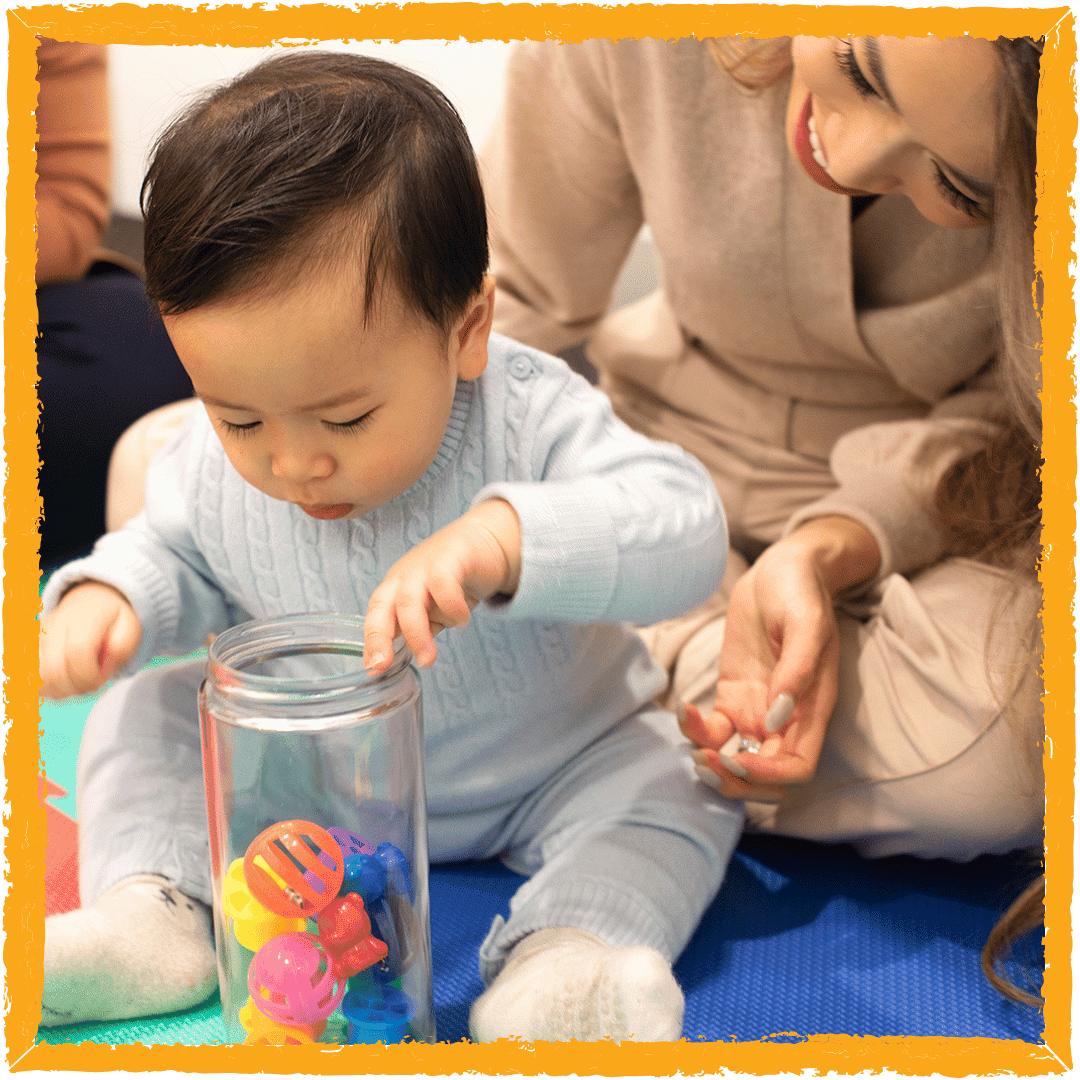
Photo from Pexels: Quality time deepens the bond of parent and child, one moment at a time.
The good news is that the parent and child bond can be strengthened with simple, daily habits. These intentional moments of connection tell your child: “I see you, I hear you, and I’m here for you.”
Here are practical ways to build a secure bond between parent and child:
- Quality time – Even 10 minutes of undivided attention (no phones) can go a long way.
- Eye contact – Looking into your child’s eyes shows you’re fully present.
- Positive discipline – Set boundaries with warmth and consistency, not punishment.
- Active listening – Reflect back what your child says to help them feel heard.
- Play together – Shared play is one of the most powerful ways to connect.
- Daily routines – Predictable rituals like bedtime stories provide comfort and connection.
What Can Weaken the Bond and How to Rebuild It
Modern life is full of distractions that can quietly weaken the bond of parent and child. The good news? Even if connection slips, it can be repaired.
Common causes of disconnection include:
- Digital distractions – Frequent phone use can make children feel invisible.
- Emotional unavailability – Stress or burnout may limit your ability to respond to their needs.
- Overly harsh discipline – Fear-based parenting can damage trust over time.
How to rebuild the bond:
- Reconnection rituals – Create a short “just us” moment after school or before bed.
- One-on-one time – Prioritise solo time with each child to make them feel special.
- Apologise when needed – Repair moments of conflict with honesty and affection.
- Be emotionally available – A calm, open presence is more important than having all the answers.
How the Parent-Child Bond Supports Brain Development
Beyond emotional wellbeing, the bond of parent and child plays a crucial role in brain development especially in the first five years.
A secure bond promotes:
- Stress regulation – Children learn to manage stress through co-regulation with a trusted adult.
- Language development – Conversations, even with toddlers, lay the groundwork for communication and literacy.
- Learning through safety – When children feel safe and connected, their brains are more open to learning.
How Shichida Programs Help Strengthen the Parent-Child Bond
A unique part of the Shichida Method is that parents take part in every class. It’s not just about learning – it’s about growing together.
Here’s how Shichida supports the bond between child and parent:
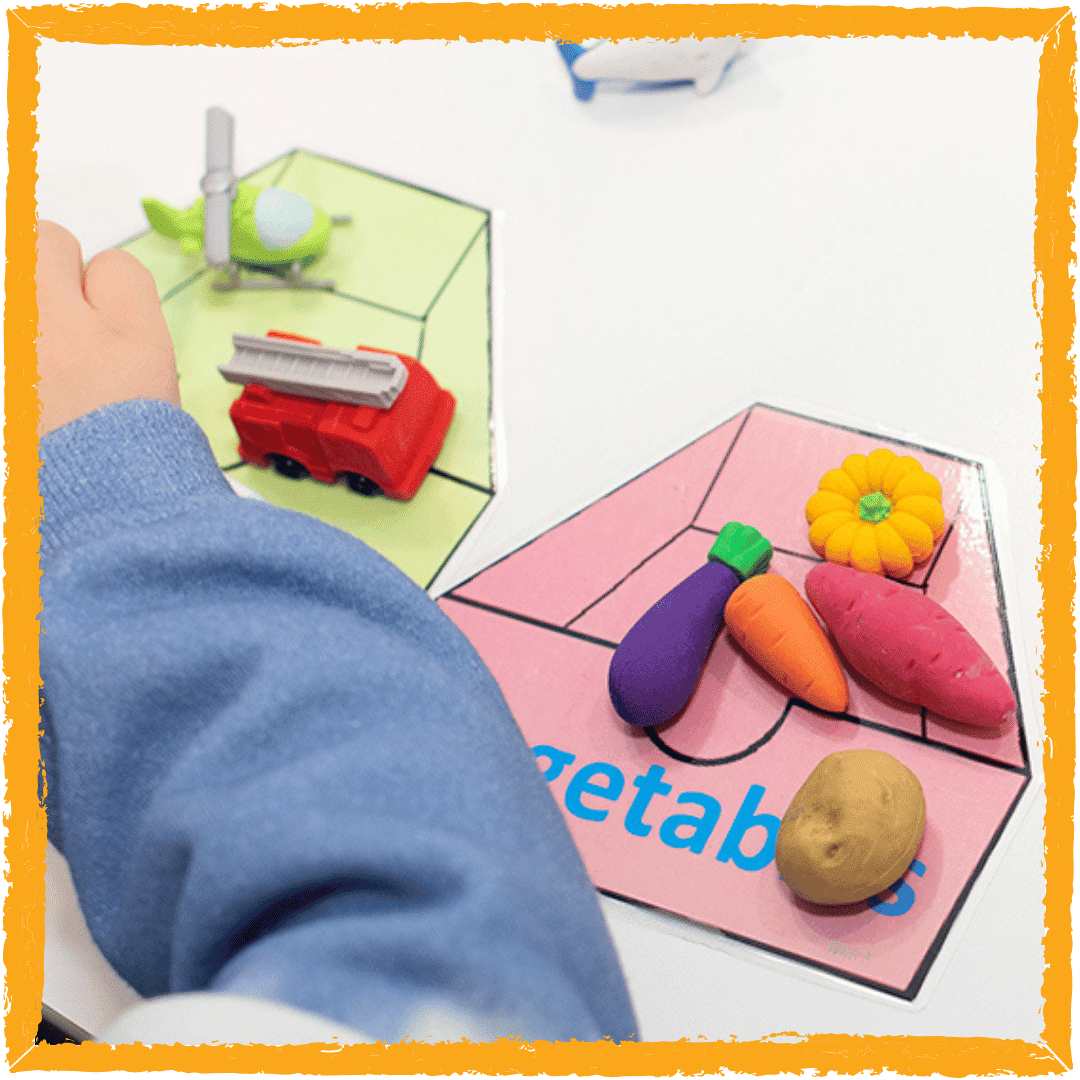
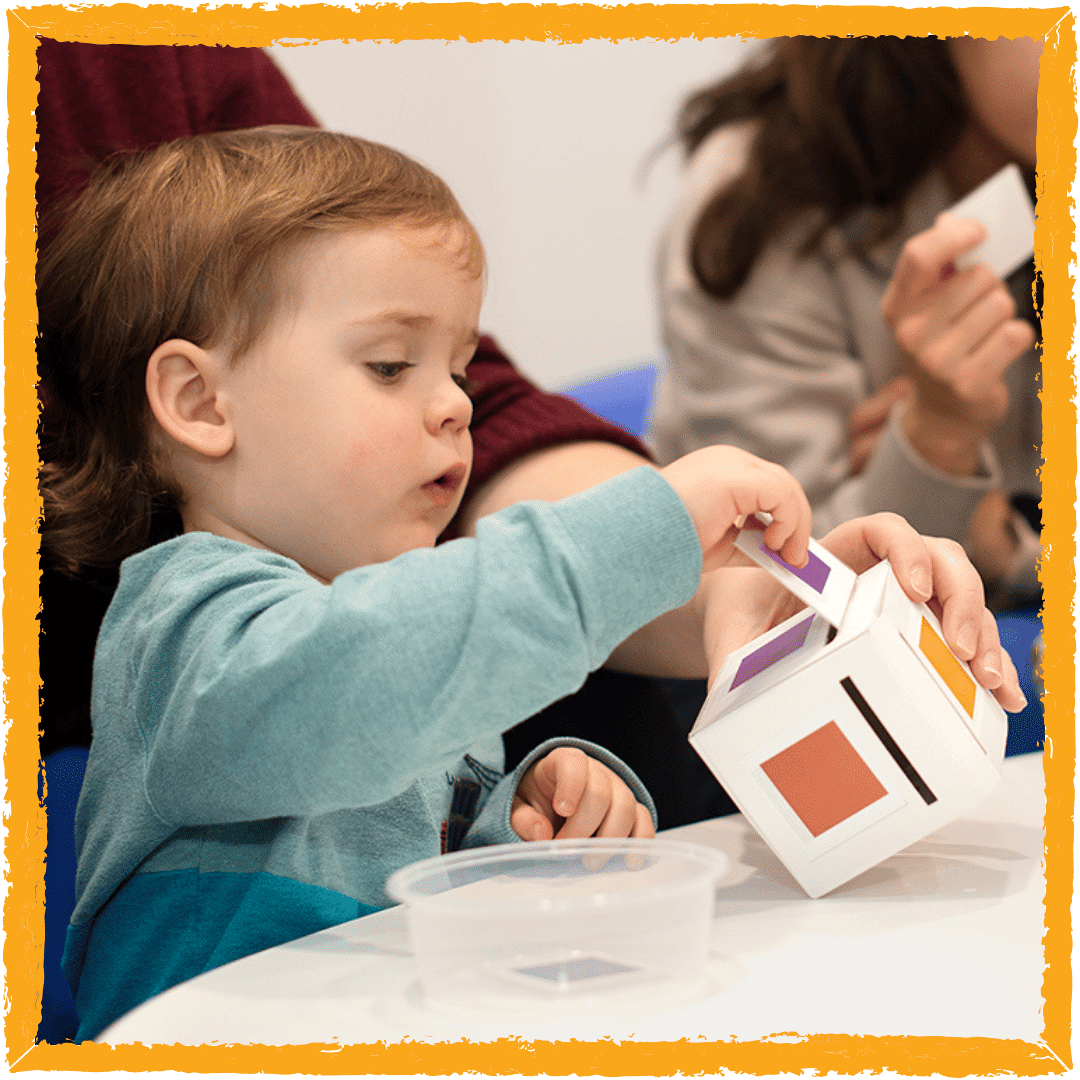
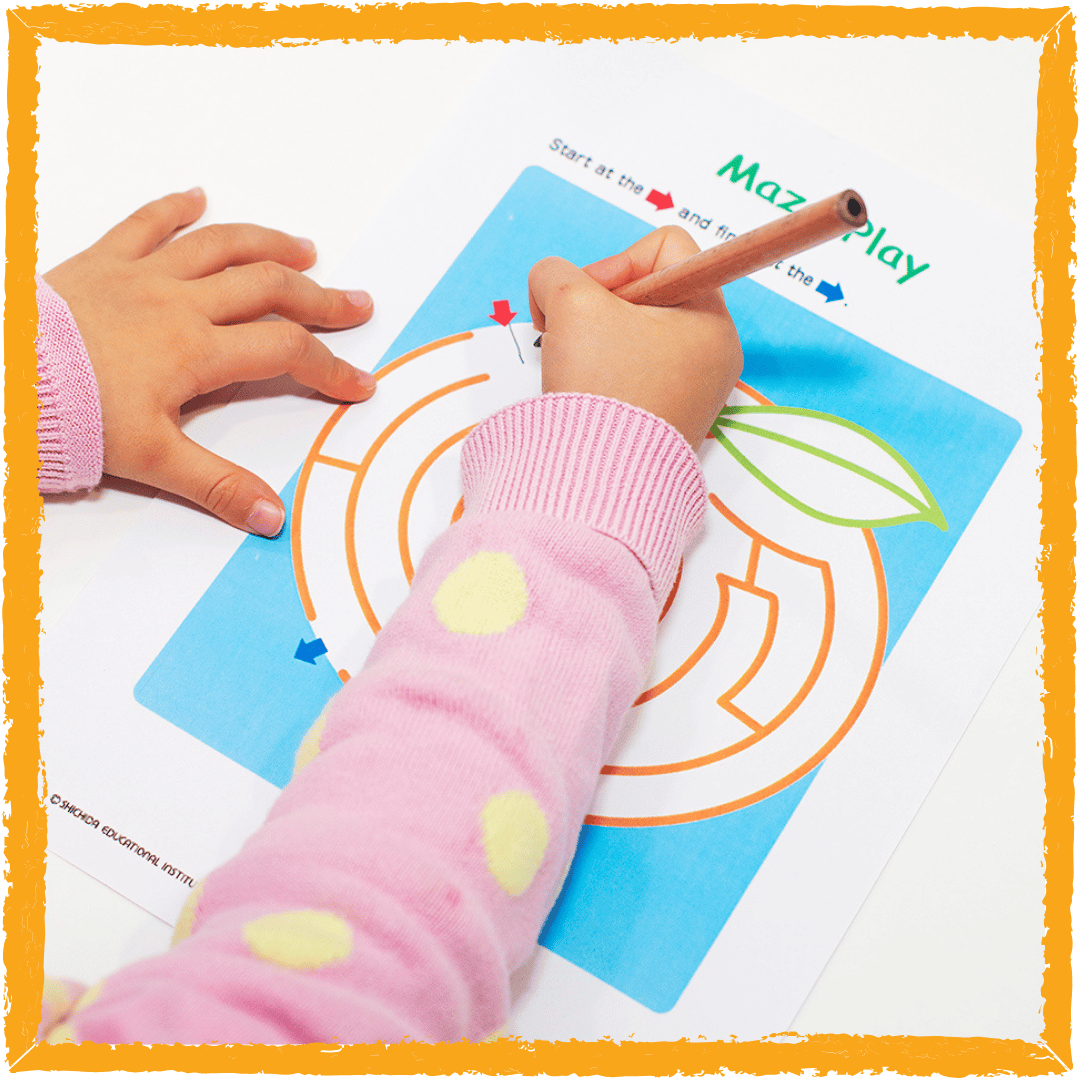
- Interactive activities – Parents join in memory games, visualisation, and hands-on tasks, learning side by side.
- Emotional communication – Children are taught to understand and express their feelings in a safe, nurturing space.
- Shared learning – Parents and children work together, reinforcing trust, cooperation, and joy.
Many families say their bond grew stronger as they learned new ways to connect emotionally and intellectually through the program.
Everyday Habits That Nurture a Strong Parent-Child Bond

You don’t need grand gestures or extra hours in the day to build a strong bond between parent and child. Small moments matter most.
Here are simple ways to stay emotionally connected:
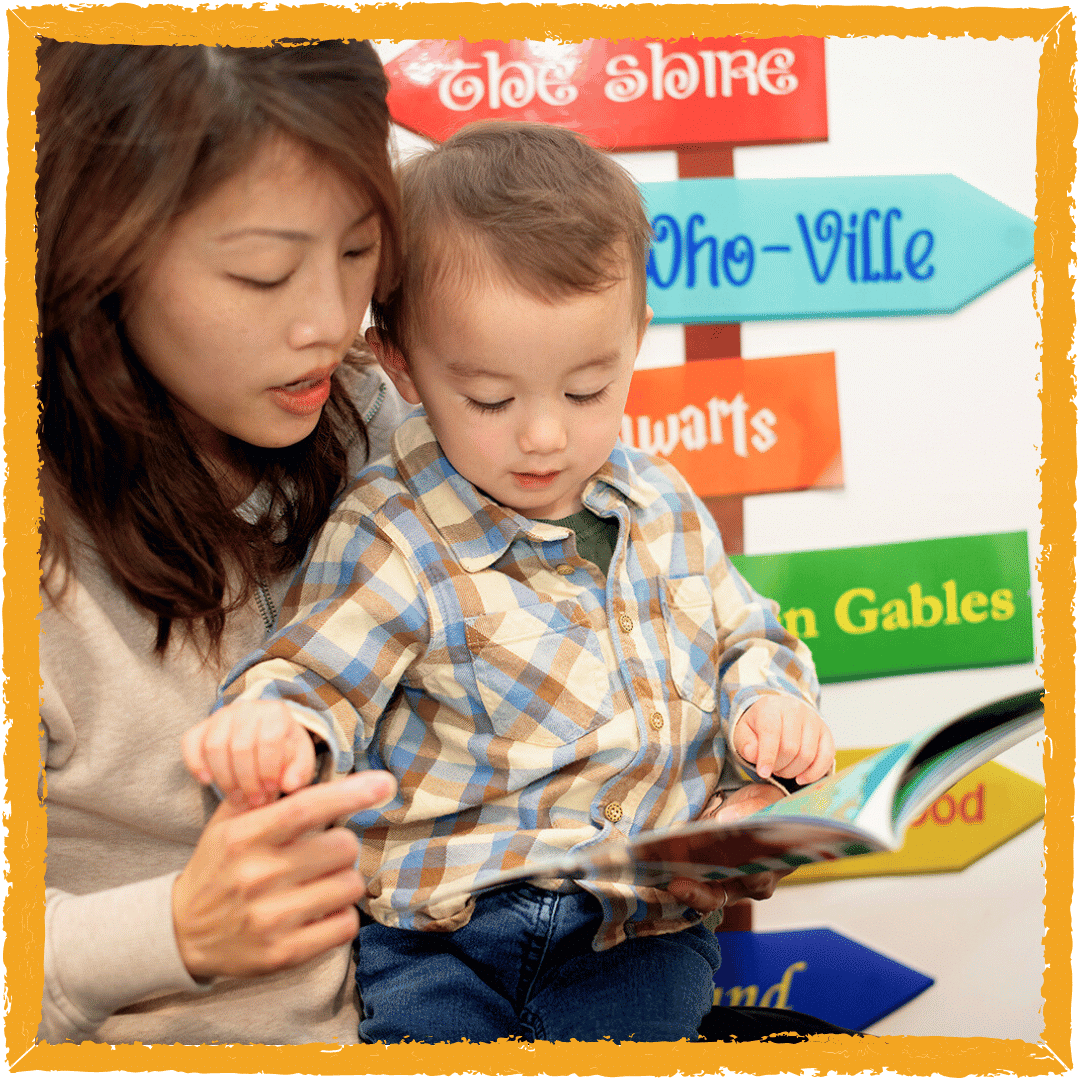
- Read together – Even five minutes before bed builds closeness.
- Use affectionate touch – Hugs, back rubs, or a gentle hand squeeze go a long way.
- Listen without interrupting – Give space for your child’s voice and emotions.
- Say “I love you” often – Verbal affection builds emotional security.
- Celebrate small things – Whether it’s a drawing or a new word, show genuine interest.
These habits teach your child: You matter, your feelings matter, and I’m here for you.
Parent Tip: Choose a regular activity you and your child can enjoy together. It creates a reliable routine and sets aside time just for the two of you. This is exactly where Shichida shines – our weekly classes become your shared time to connect, learn, and grow as a team.
Conclusion
Every parent-child relationship has its challenges, but it’s never too late or too early to strengthen your bond. Whether your child is just learning to speak or preparing for school, the emotional connection you share is the foundation for their lifelong wellbeing.
Remember, no bond is perfect, and that’s okay. What matters most is your willingness to show up with love, consistency, and presence.

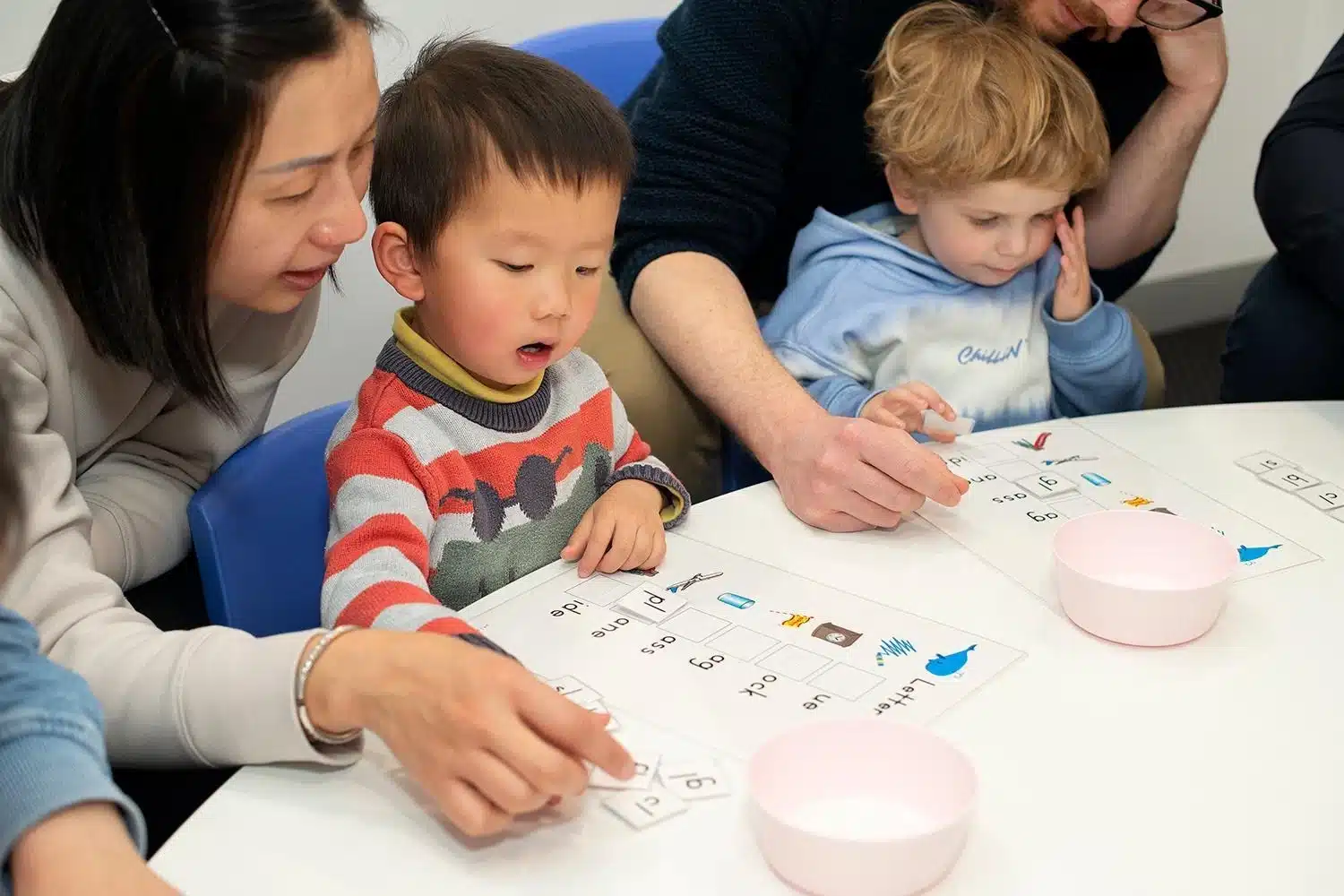
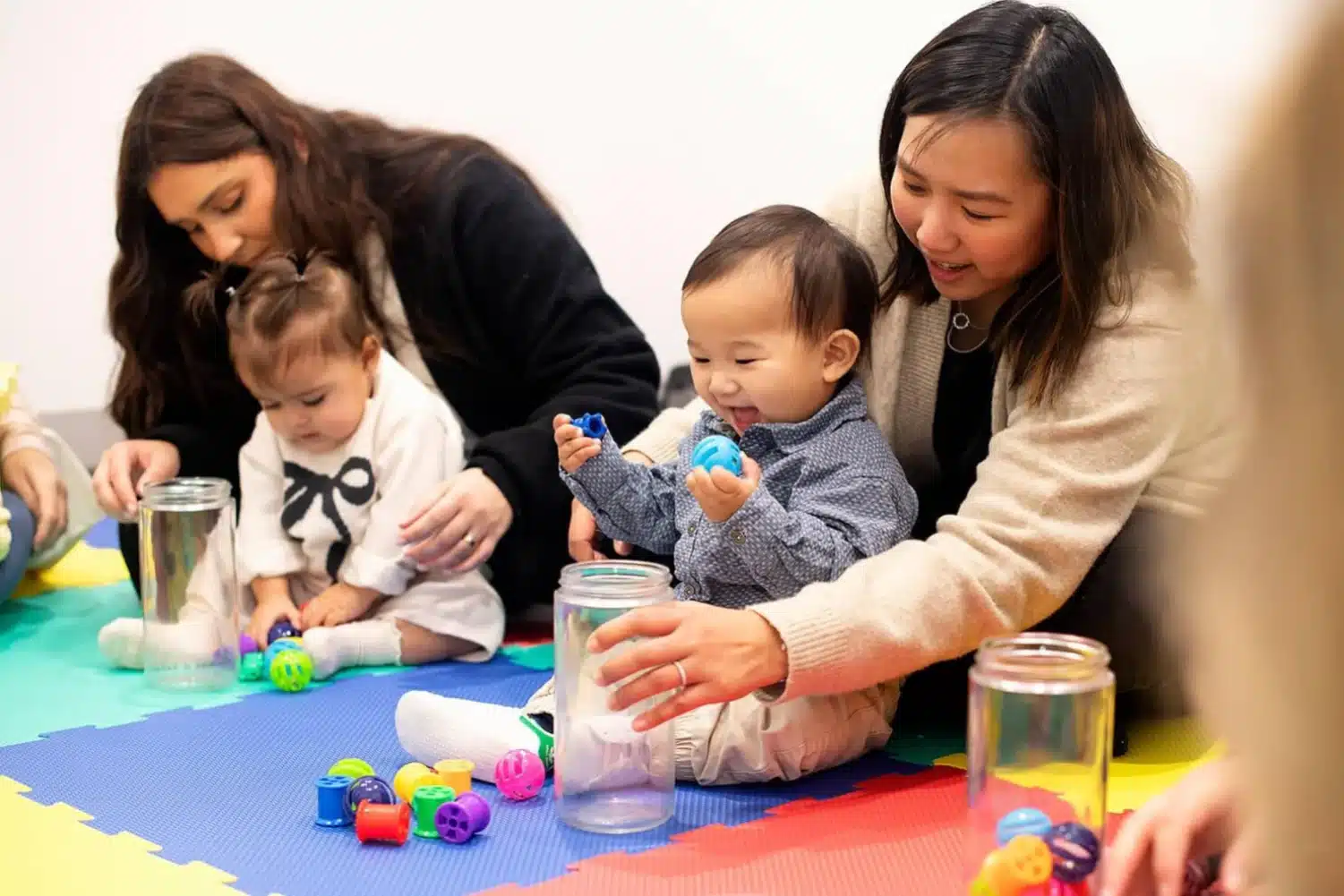
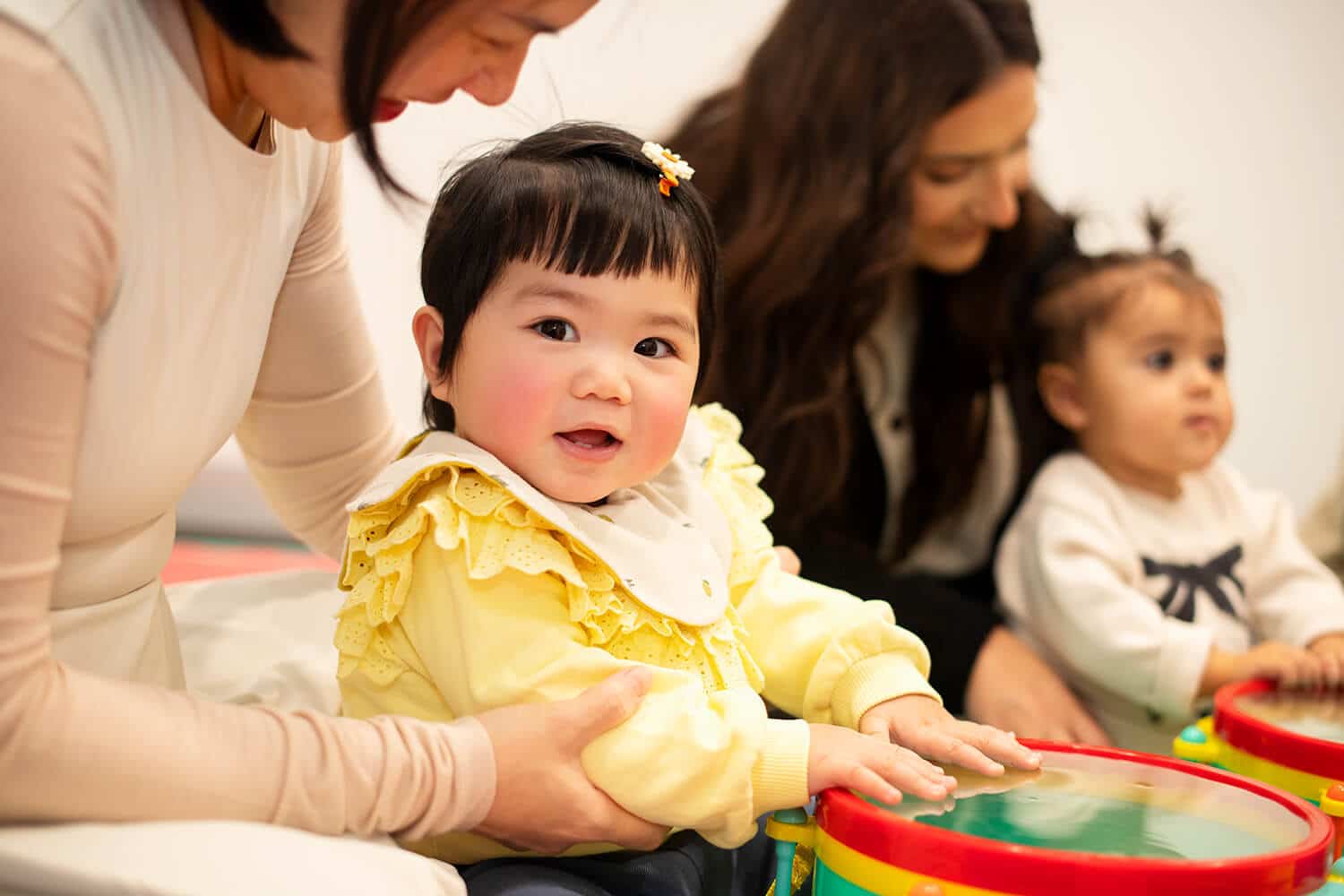
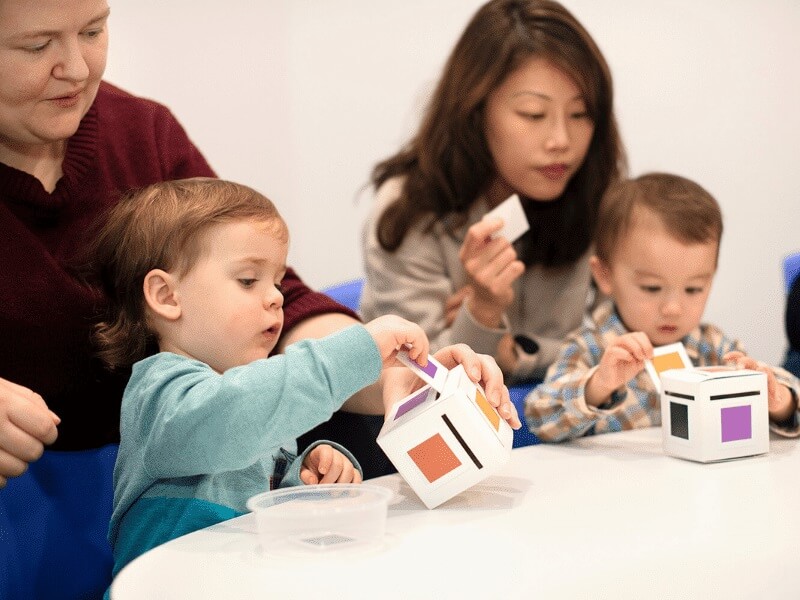
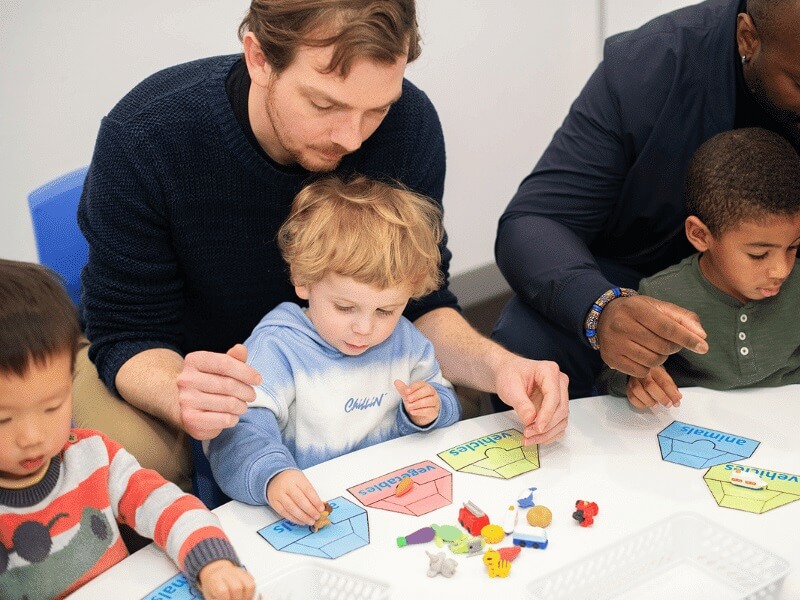
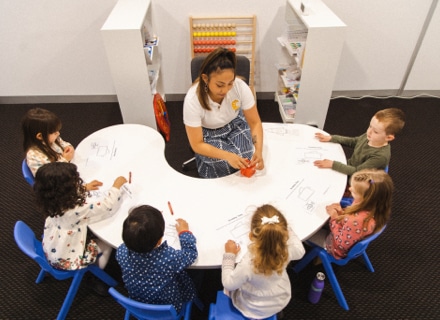
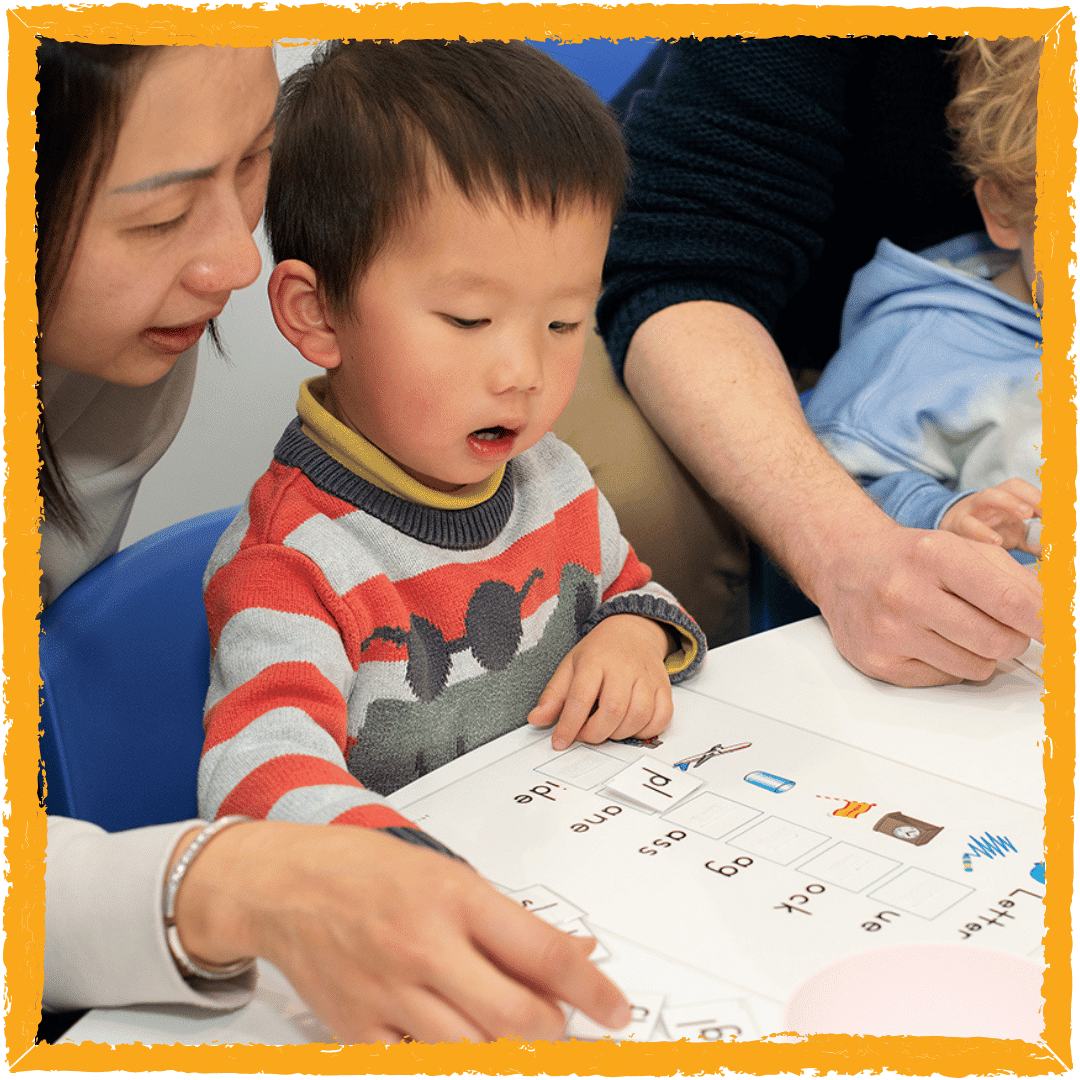
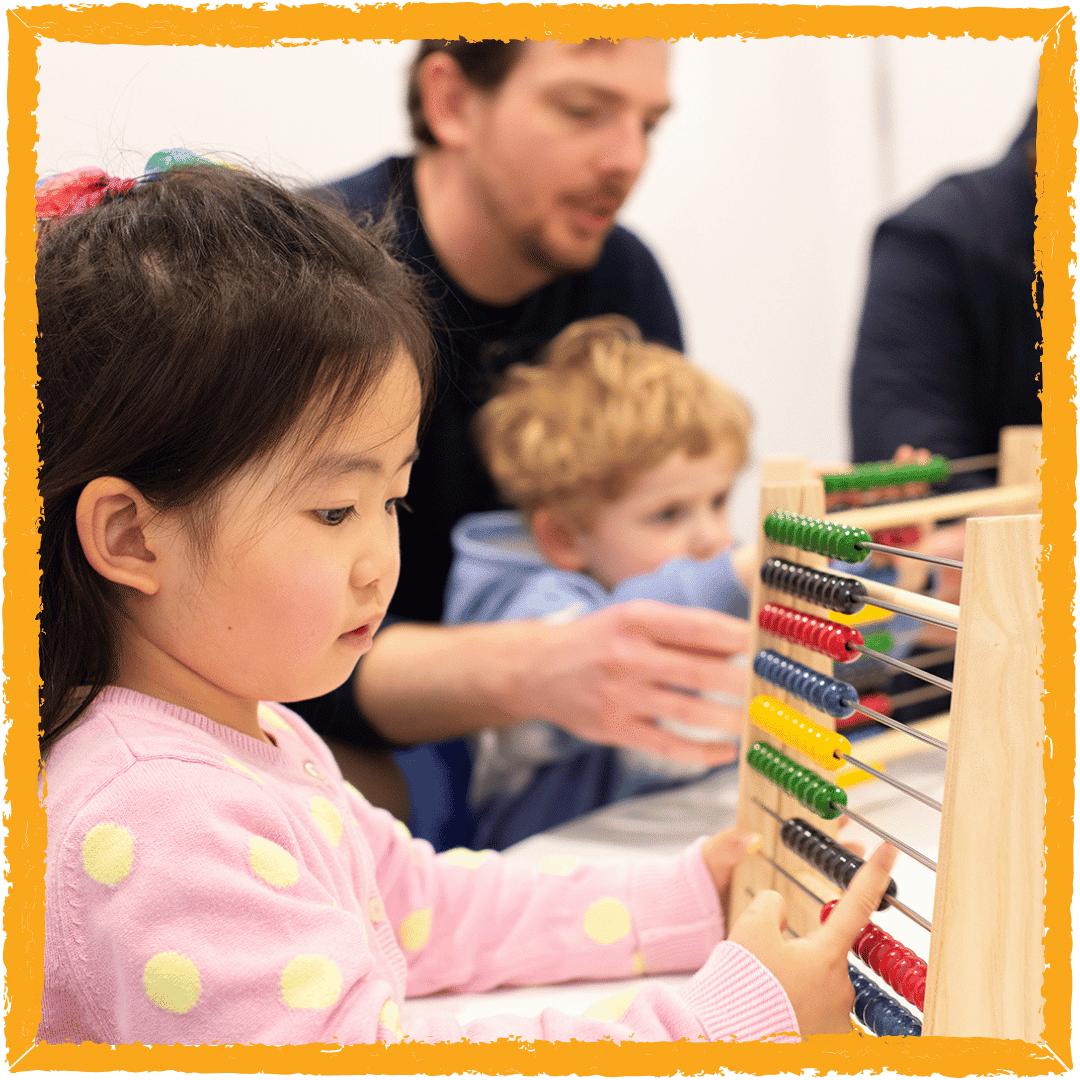
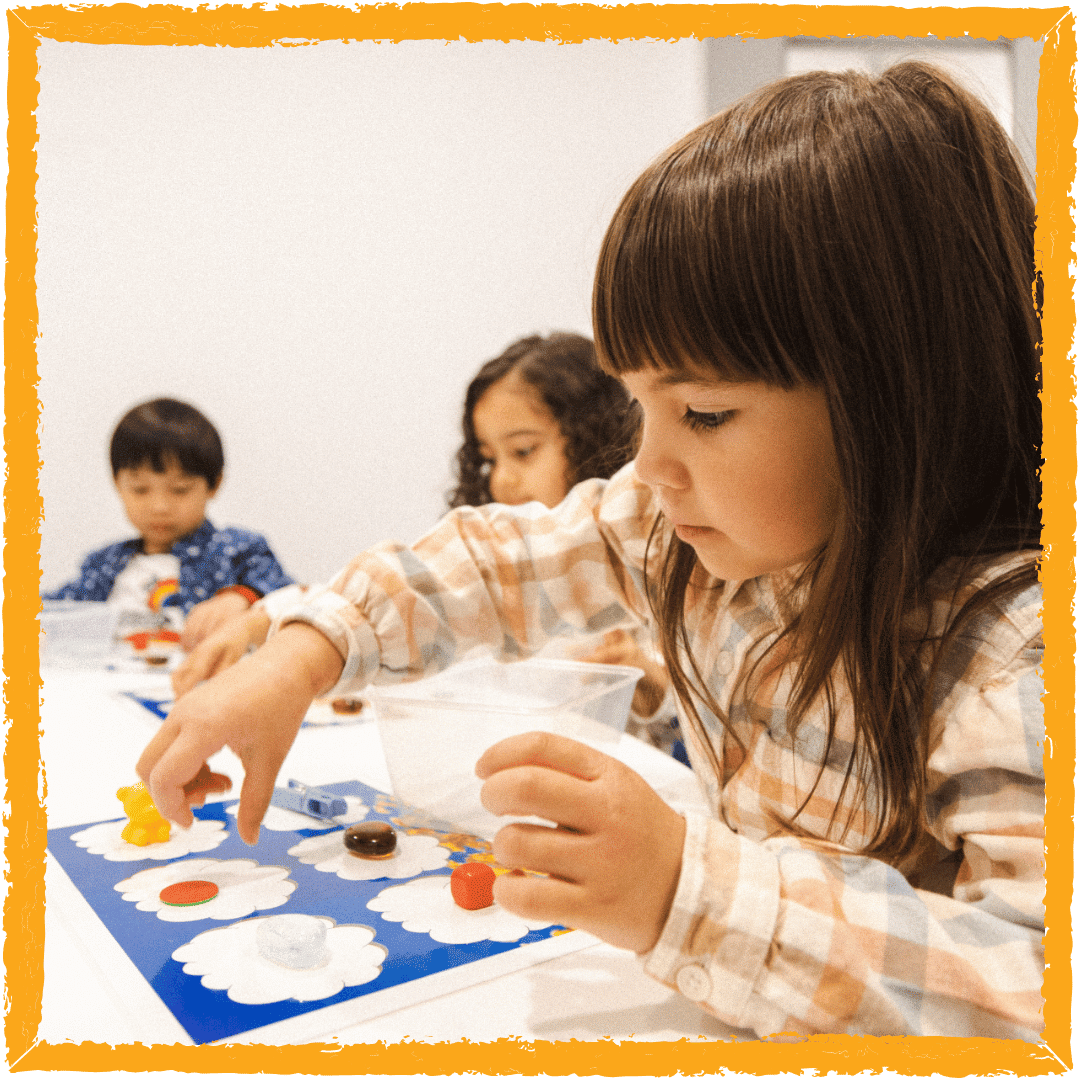
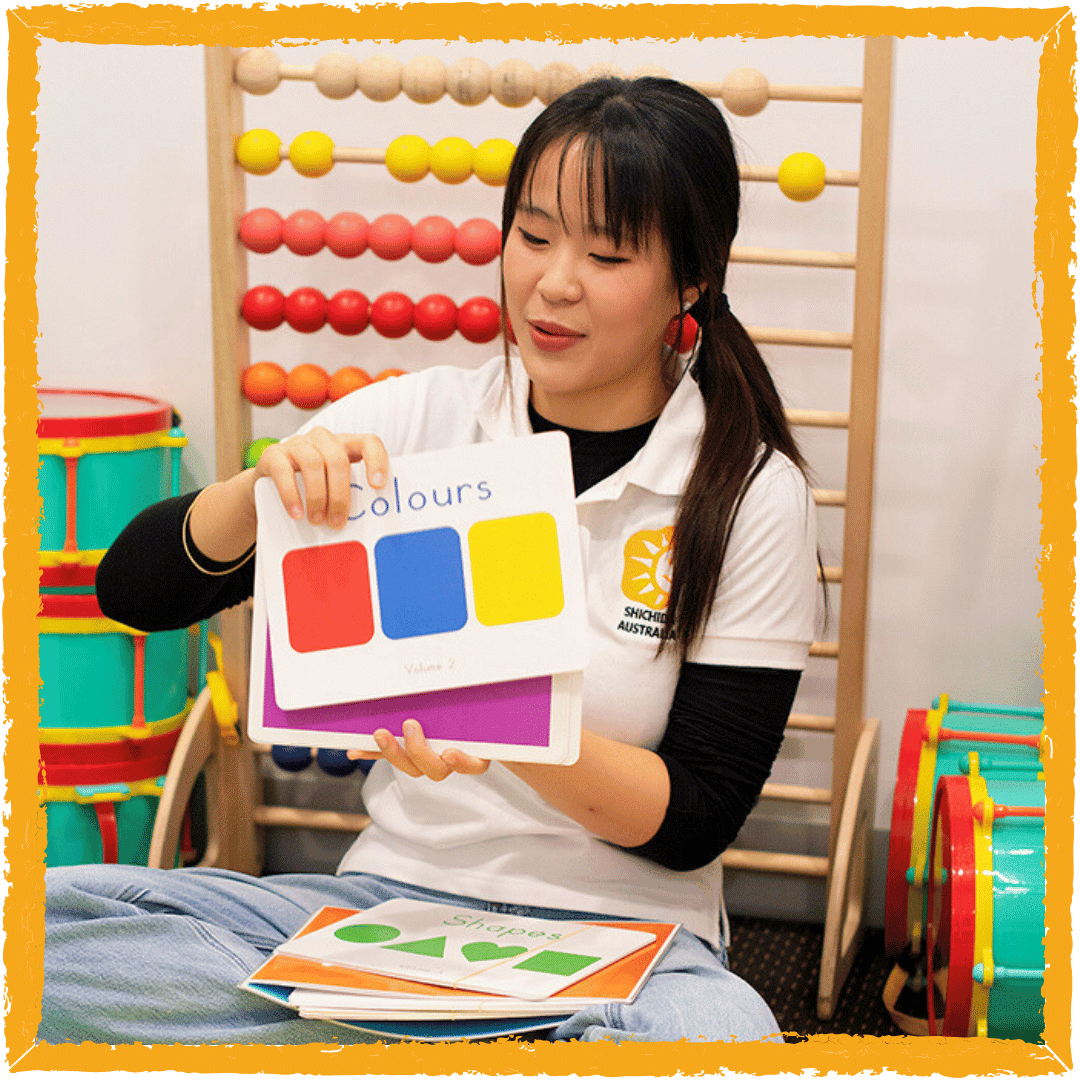
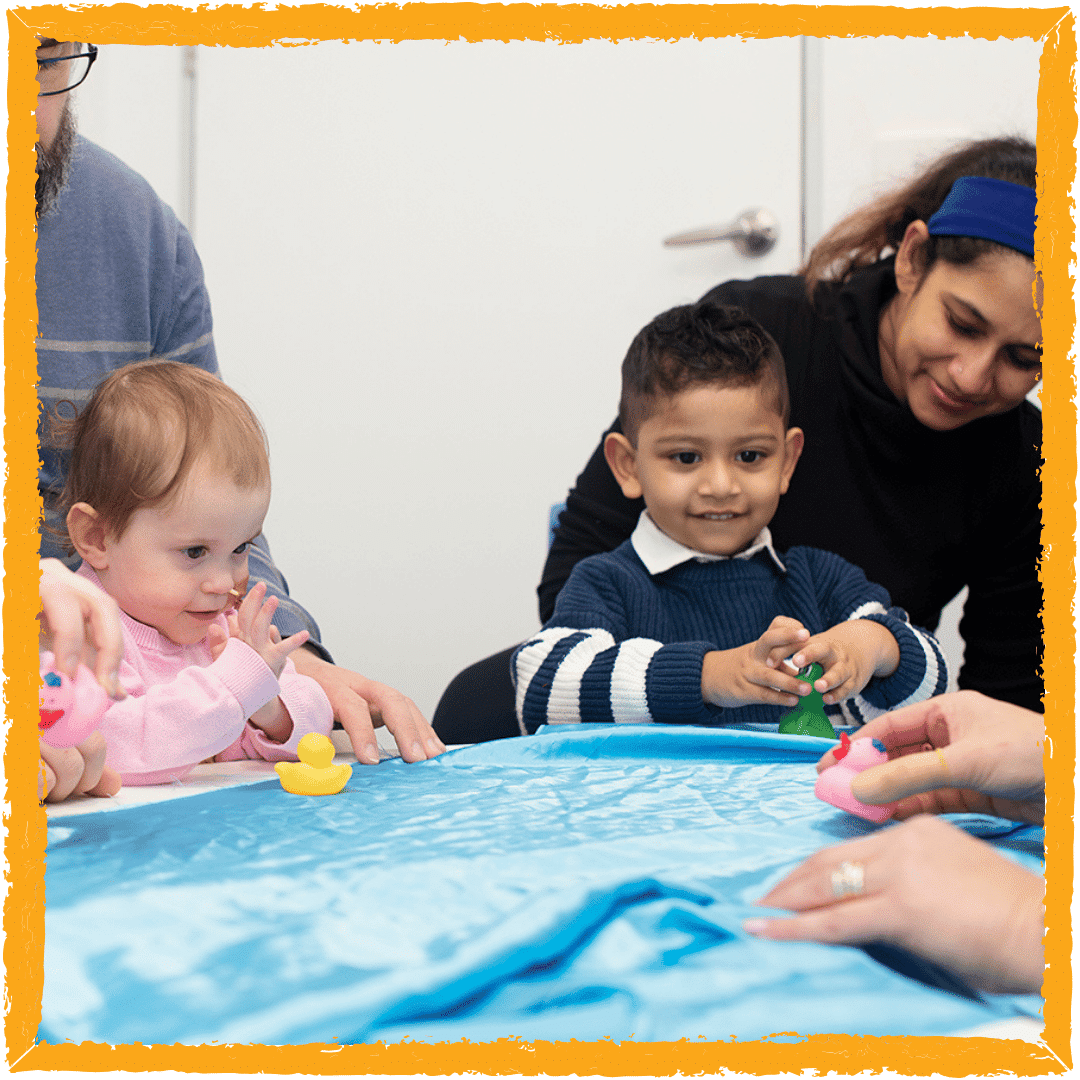
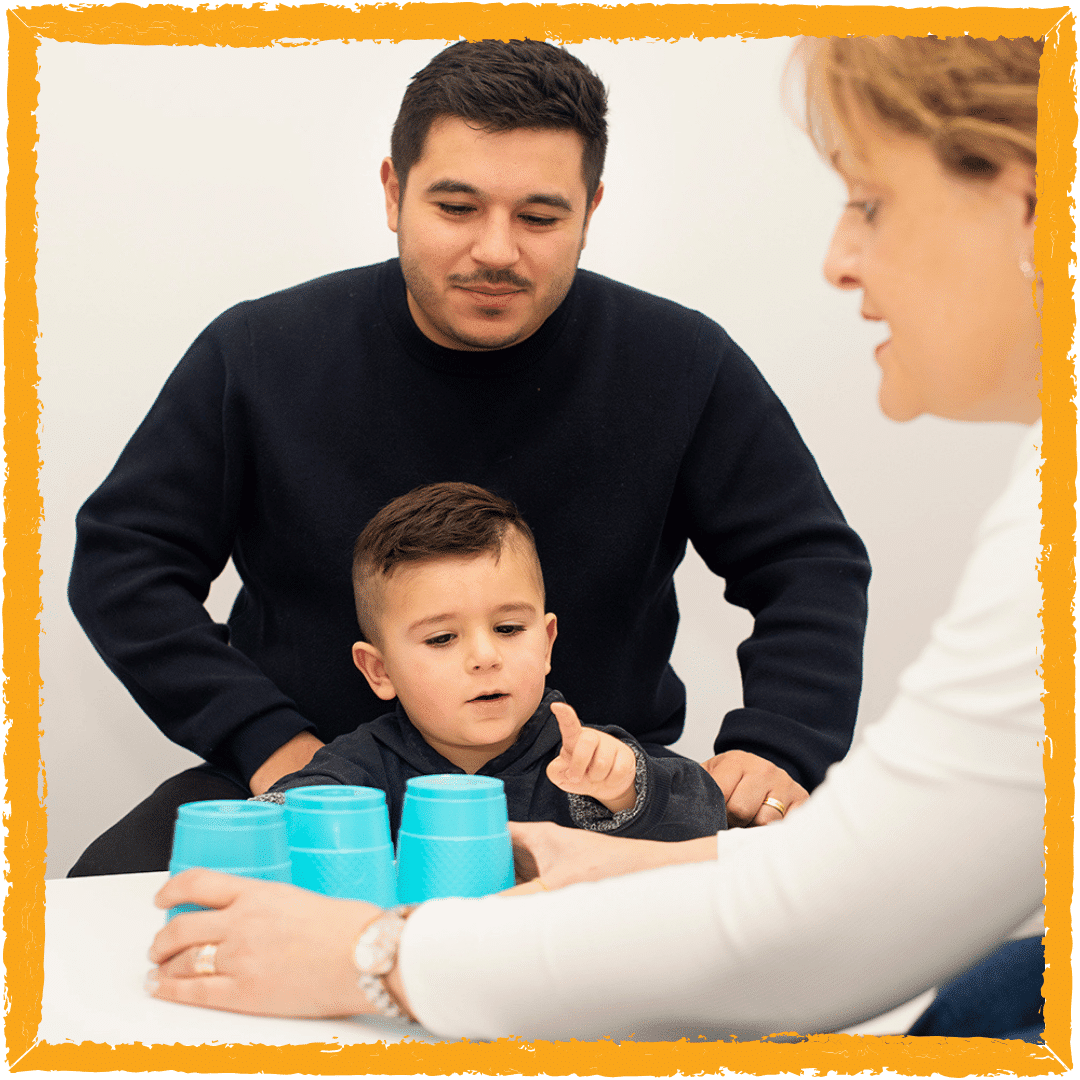
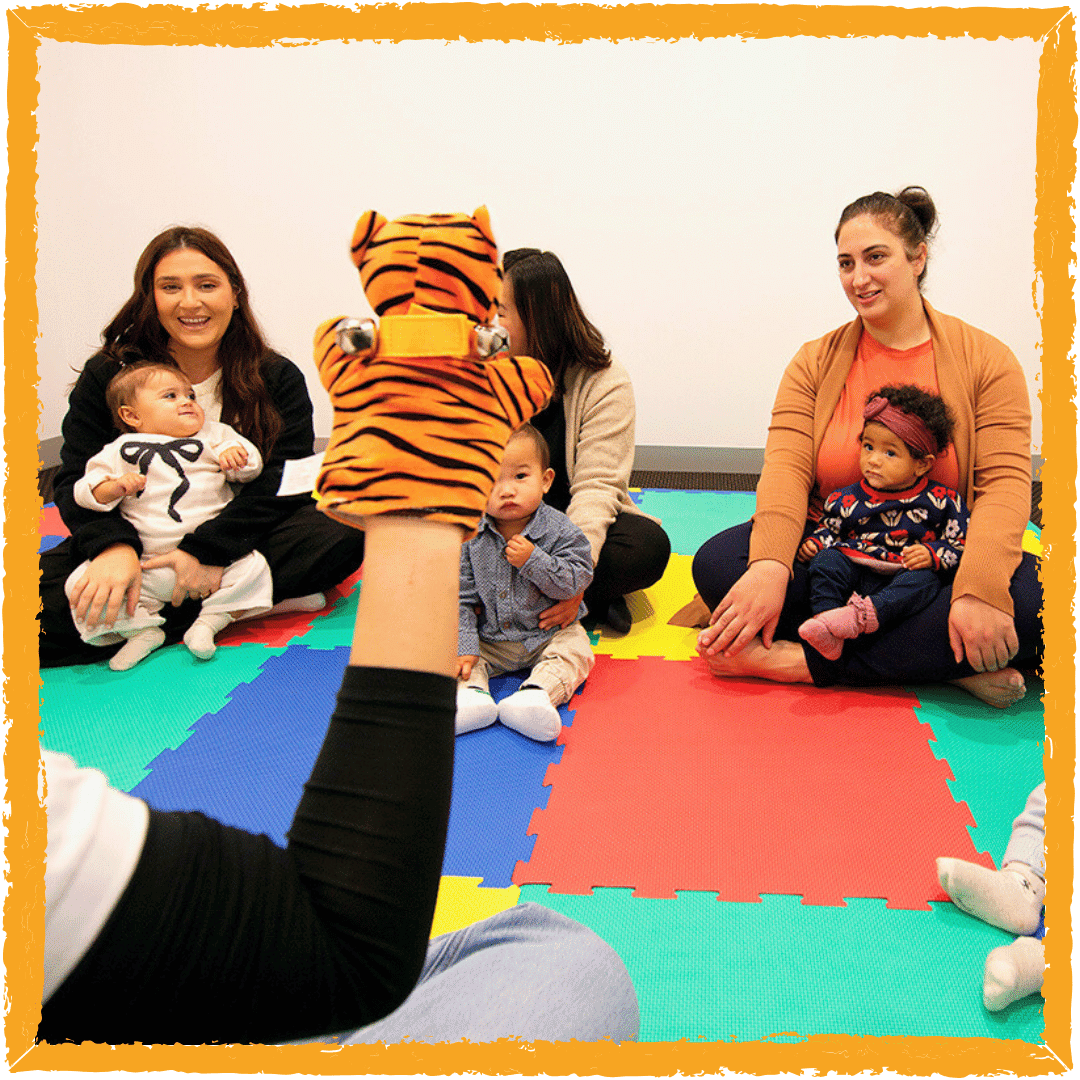
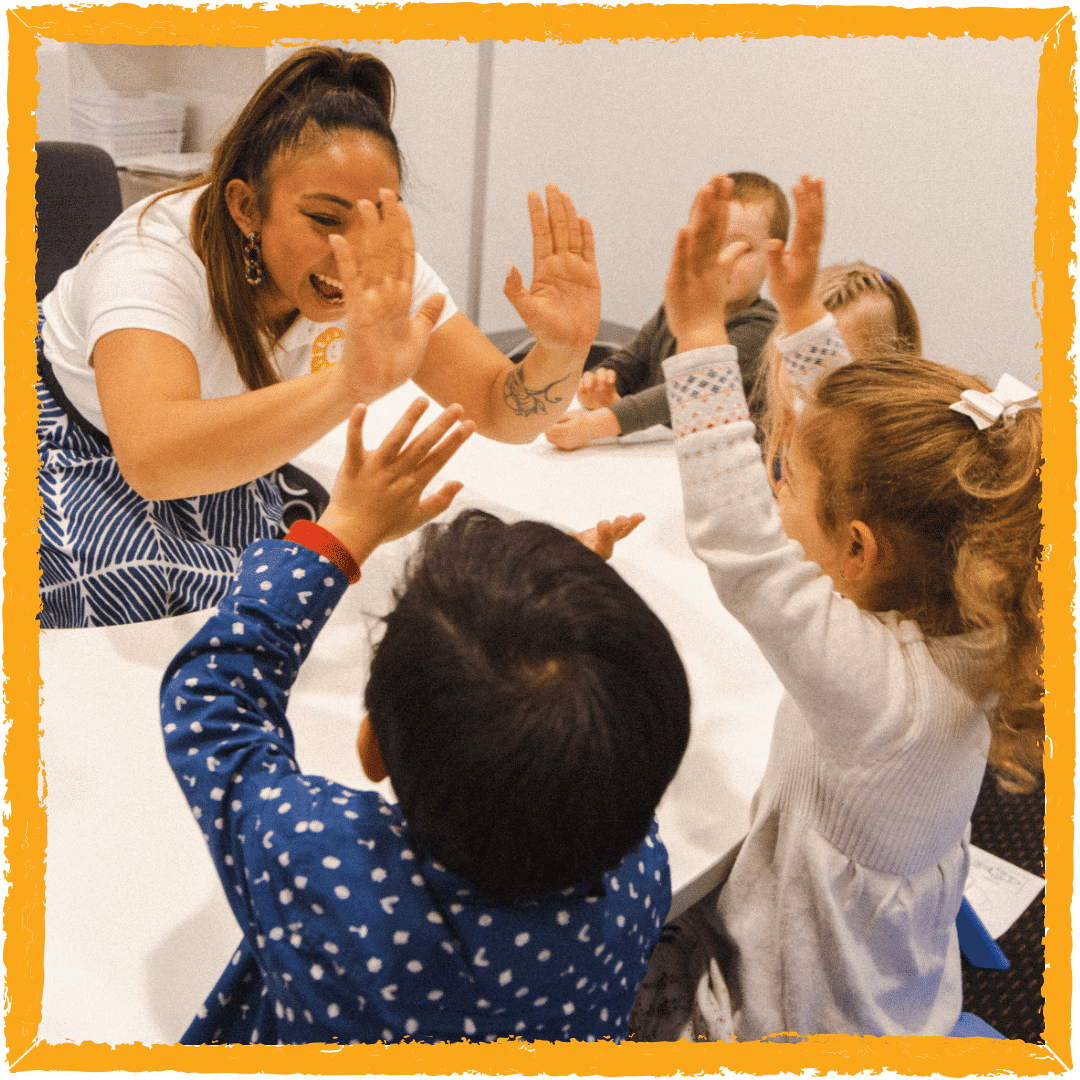
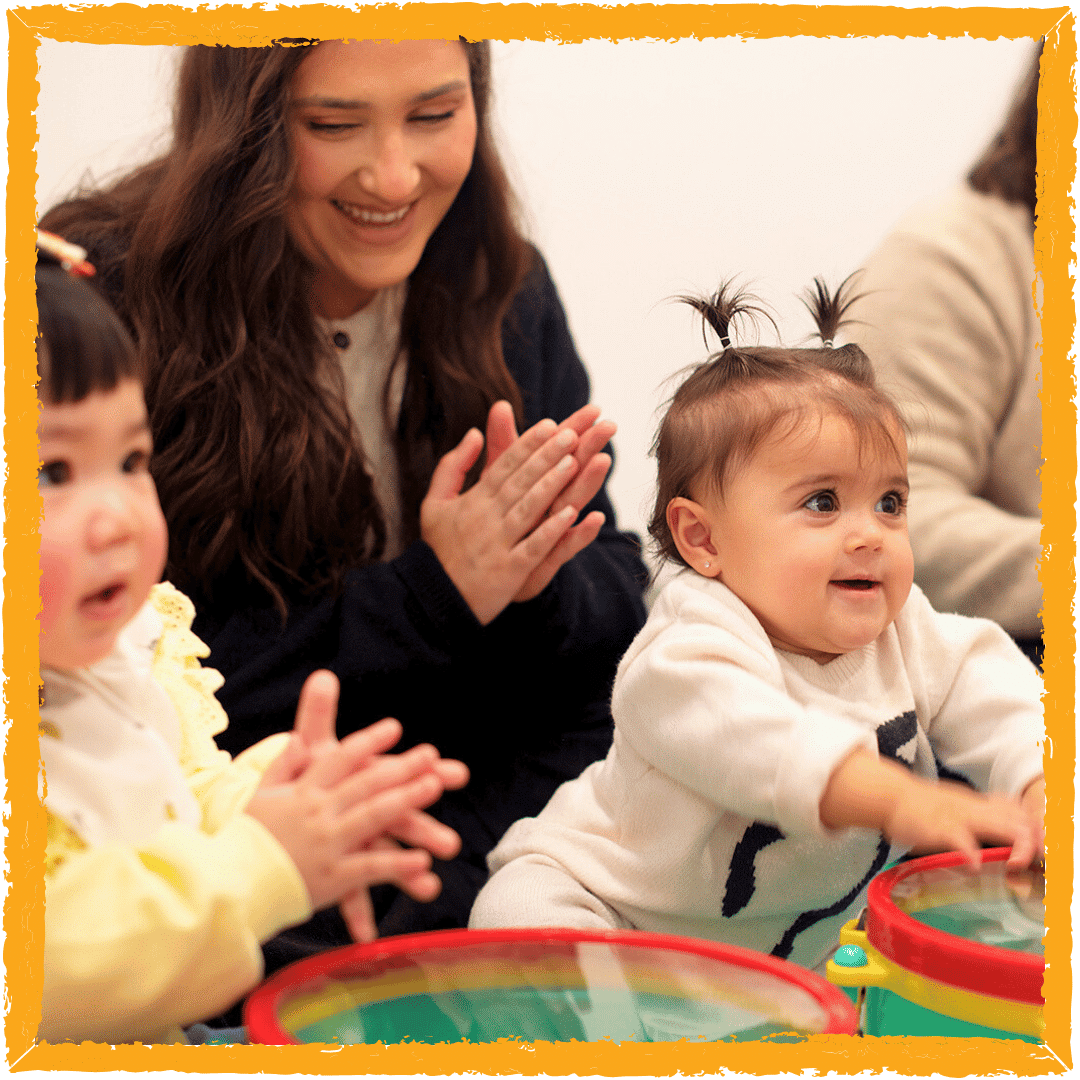
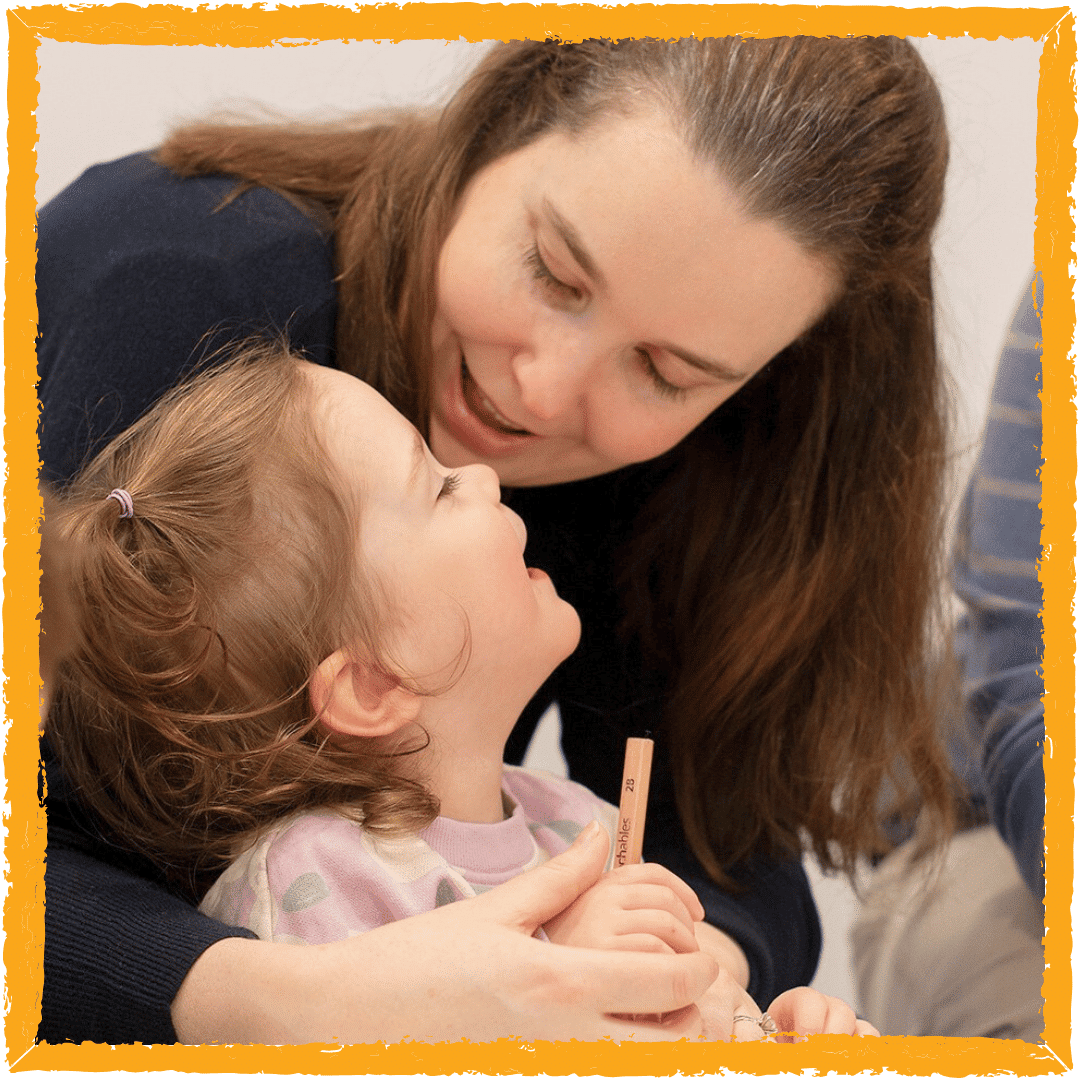
Photo from Shichida Australia: Parents and young children enjoying a fun Shichida class together.
Want to deepen your parent-child bond while supporting your child’s learning and emotional growth?
Discover how Shichida can help you build stronger, more meaningful connections. Each class guides you and your child through 20-25 fun, engaging activities designed to nurture their potential – while having fun together. Book a trial class today!
FAQs About the Bond of Parent and Child
The bond of parent and child is the emotional connection formed through love, trust, and consistent care. It lays the foundation for emotional health, learning, behaviour regulation, and future relationships.
Yes. Even if the parent and child bond has been weakened, it can be rebuilt through intentional connection such as quality time, honest conversations, and emotional availability.
Children with a strong parent-child bond often seek comfort when upset, share their feelings, and enjoy spending time with you. They feel safe and trust you to guide them.
A secure bond between parent and child supports healthy brain development by improving stress regulation, language skills, memory, and emotional resilience, especially in early childhood.
Even small actions matter. Try reconnecting through short one-on-one moments, eye contact, shared routines, and active listening. Presence is more powerful than perfection.
Yes. The Shichida Method is designed for parents and children to learn side by side. Every class includes fun, hands-on activities that build trust, communication, and emotional connection – while boosting your child’s brain development and confidence. Many families say the shared experience brings them closer.