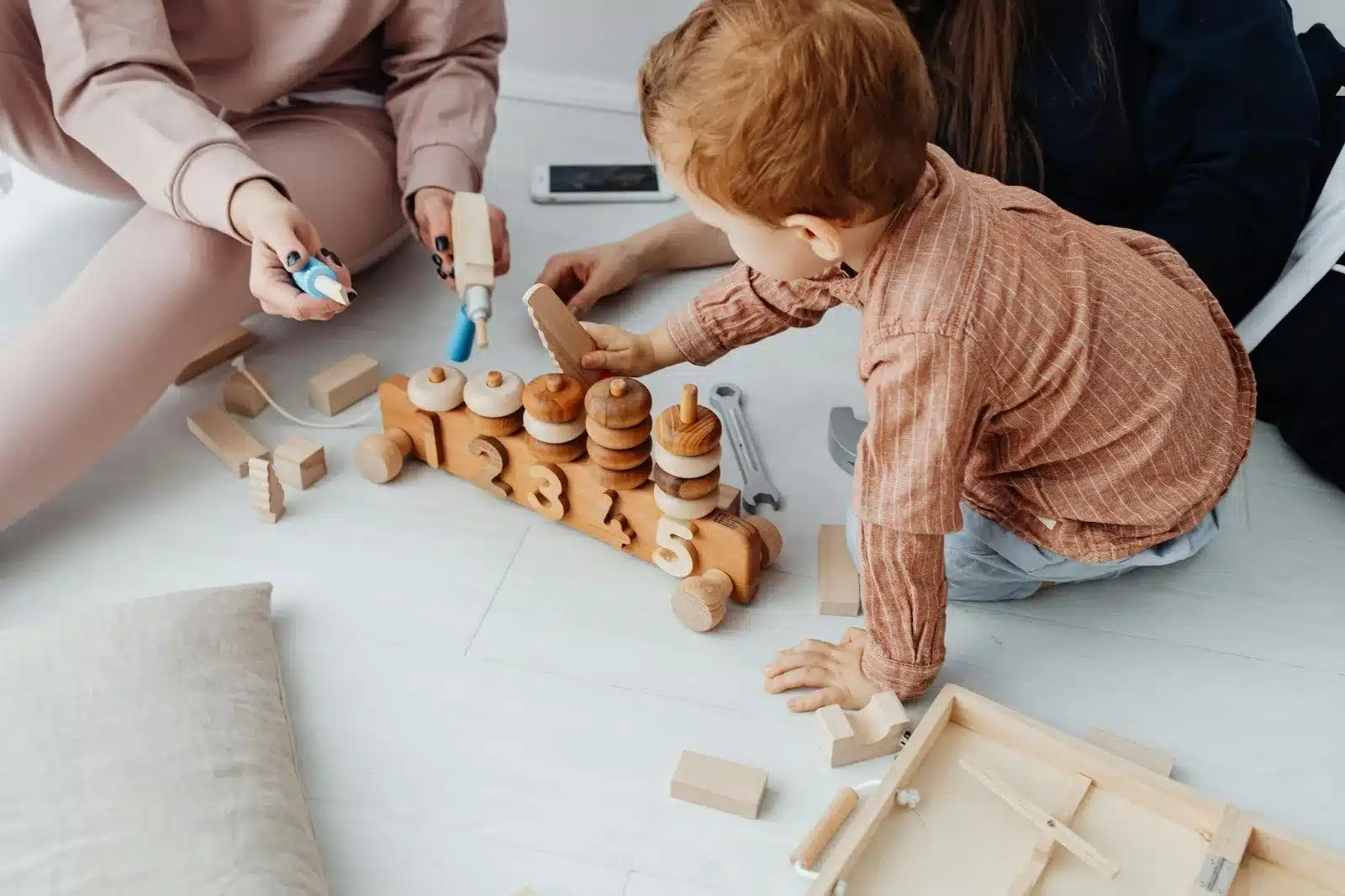
Number Play: Fun Activities to Boost Early Math Skills
Key Points
- Number play develops early numeracy through exploration and interaction.
- Everyday routines offer natural opportunities to strengthen early maths skills.
- Interactive number games can deepen understanding when used with purpose.
- Focus on curiosity and confidence rather than performance.
If you’ve ever wondered how to help your child feel confident with maths, the good news is this: it can start early, and it can be fun!
Long before homework and times tables, there is counting strawberries at snack time, stacking blocks into wobbly towers, and debating over who has more crackers. These everyday moments are where number understanding begins.
That is number play – simple, playful, fun, and it can easily happen at home.
What Is Number Play?
Number play is an approach to learning numbers through active exploration and meaningful, hands-on experiences. It includes counting, comparing, estimating, recognising patterns, sequencing, and solving simple problems.
When you ask, “Can you grab two pegs for me?” while hanging laundry, that is number play. When your child sorts blocks by colour or lines up cars from smallest to biggest, that is number play. When you count together how many grapes are left in the bowl, that is also number play.
These simple moments build early numeracy and support number sense development. Your child begins to understand what numbers actually mean, not just how to say them in order.
Number play activities are not about memorising. They are about understanding. They allow your child to connect numbers to real life. That connection is what makes math through play so powerful.
You can see similar ideas in Shichida’s blog post Activities to Improve Numeracy Skills in Early Childhood which offers practical examples you can try at home.
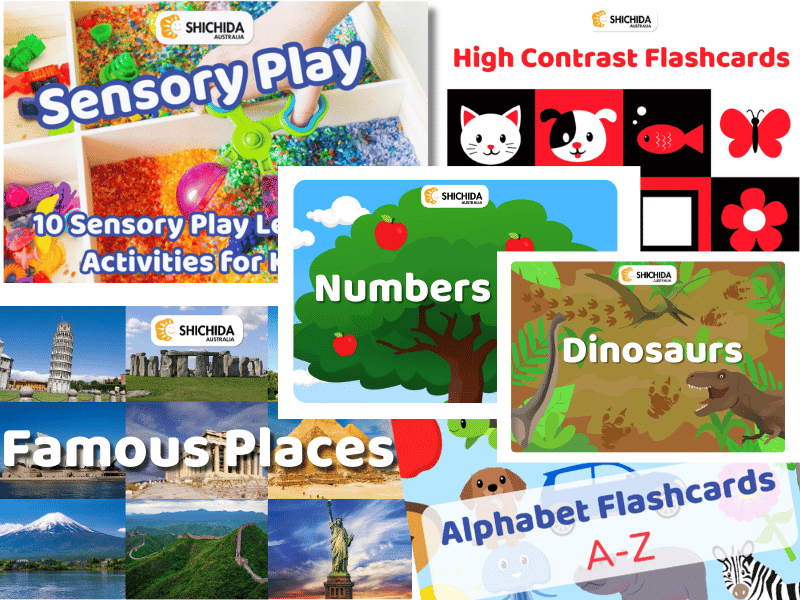
Explore Shichida’s free resources, including sensory play guides and flashcard ideas designed to support early thinking, focus, and number confidence at home. You and your child will love it!
The Difference Between Number Play and Formal Maths
Formal maths often focuses on symbols, written numbers, and correct answers. Number play focuses on meaning first. Your child learns what the concept of “three” represents – three apples, three steps, three toys – before learning how to write the number 3.
This playful foundation makes later academic learning feel familiar rather than overwhelming.
How Early Minds Naturally Engage With Numbers
Children naturally notice quantity and patterns long before anyone calls it “maths.” They compare who has more snacks, group toys into piles, count steps without being asked, and experiment with size and balance while building towers.
These instincts are not taught – they are part of how young minds make sense of the world.
You are not forcing early maths learning. You are simply nurturing something your child is already curious about and naturally drawn to explore.
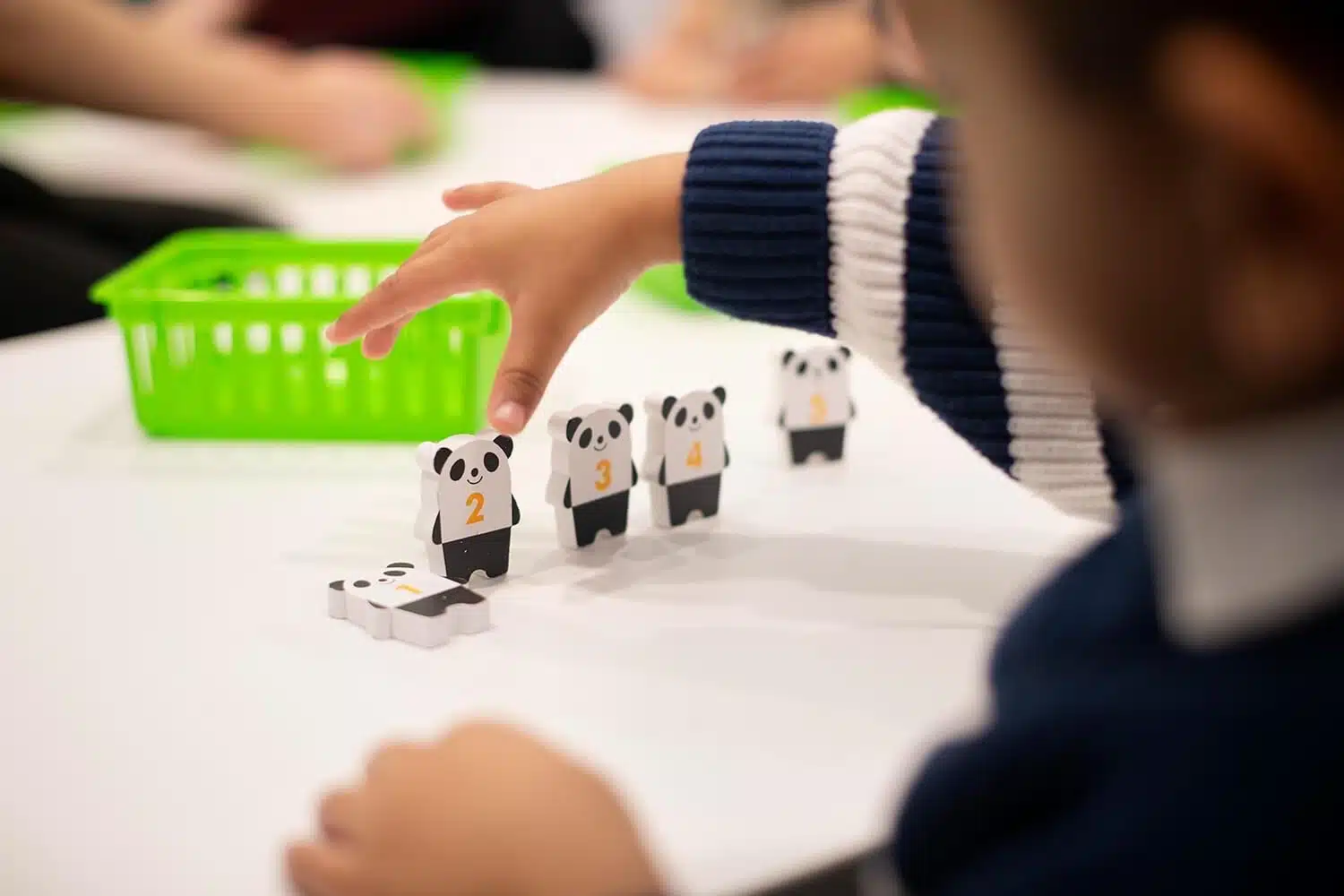
Image by Shichida: A preschooler lining up panda dominoes from 1 to 5 during a Shichida class. Activities like this are introduced after children understand what numbers represent, helping strengthen sequencing skills and fine motor control.
Why Number Play Matters for Early Math Development
When your child engages in playful learning with numbers, they are building core foundations that support long-term success.
Number play strengthens:
- Number sense development
- Subitizing, recognising small quantities instantly
- Comparing more and less
- Sequencing and ordering
- Logical reasoning and flexible thinking
These early numeracy skills form the backbone of future academic math. But just as importantly, number play builds confidence. When learning feels playful, your child is more willing to try, adjust, and try again.
Interactive number games and hands-on experiences also encourage persistence. Instead of fearing mistakes, your child begins to see challenges as puzzles to solve.
If you’re curious about even more playful ideas to build number confidence, check out Best Numeracy Games for Kids That Build Confidence for creative activity ideas.
Cognitive Benefits of Playful Math
Through counting games, sorting, and estimation activities, your child strengthens working memory, attention, and reasoning skills. They learn to hold information in their mind, compare ideas, and draw simple conclusions. These are important early thinking skills that extend far beyond math.
Social & Emotional Benefits
When you play together, math becomes relational. Your child learns to explain their thinking, listen to ideas, and cooperate. Solving simple number challenges builds resilience. Each small success reinforces the belief, “I can figure this out.”
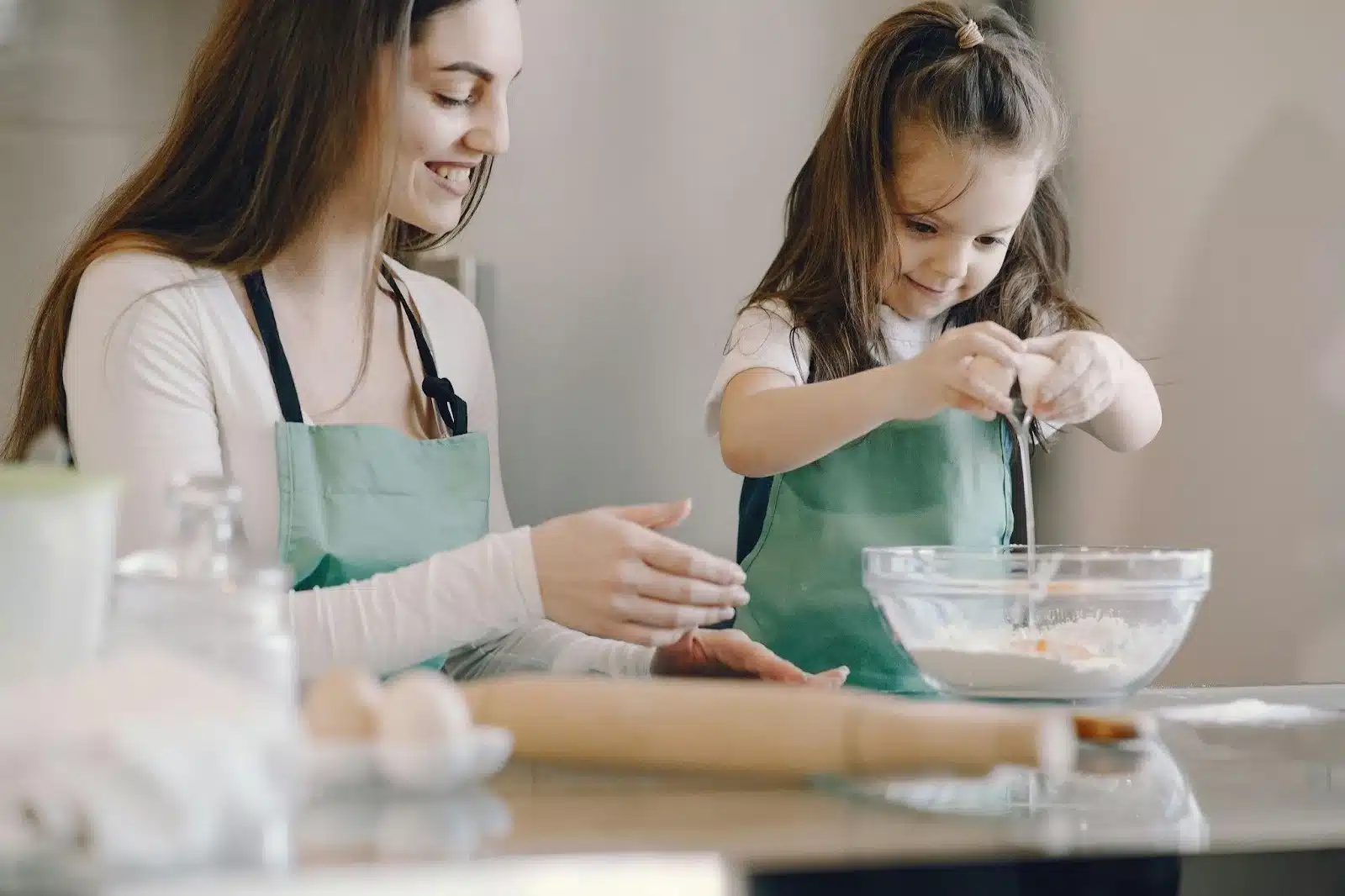
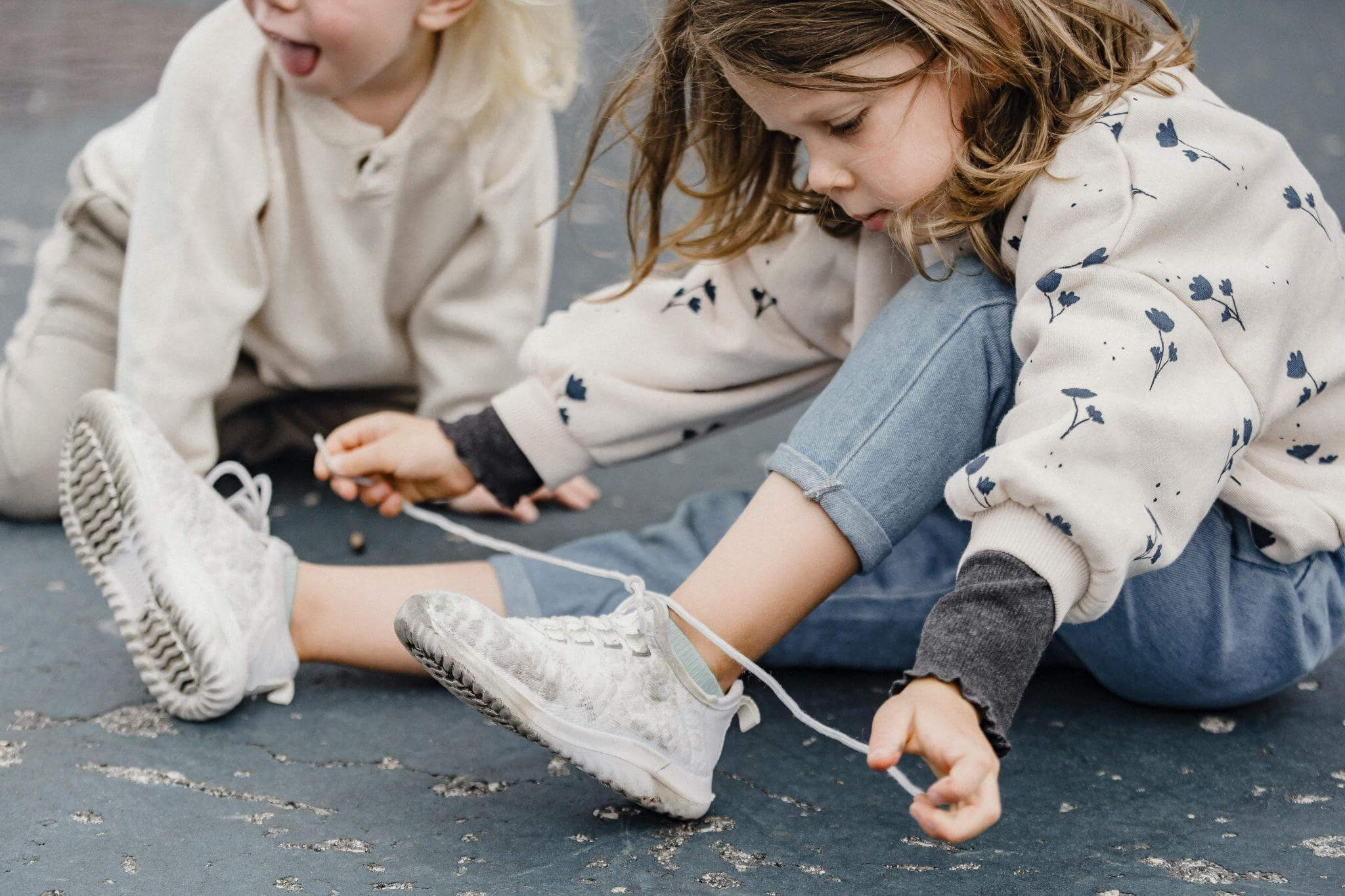
Photo from Pexels: Everyday routines are perfect opportunities for number play, helping children connect numbers to real-life experiences.
Everyday Number Play Activities
Your home is filled with opportunities for preschool math play. The goal is to keep it light and flexible. Follow your child’s curiosity!
Counting With Everyday Objects
Count toys as you tidy up. Count apples in the fruit bowl. Count books before bed. Count socks while folding laundry.
These simple counting games help your child connect spoken numbers to real quantities. The more they see numbers in action, the stronger their early numeracy becomes.
Sorting & Patterns
Invite your child to sort laundry by colour or size. Group toy animals. Create simple repeating patterns using blocks or snacks.
Pattern recognition supports number sense development. When your child predicts what comes next, they are practising early logical thinking.
Estimation Games
Fill a small jar with buttons or coins and ask, “How many do you think are inside?” Let your child guess before counting together.
Estimation activities teach flexible thinking. It is not about getting the exact answer. It is about learning to make reasonable guesses.
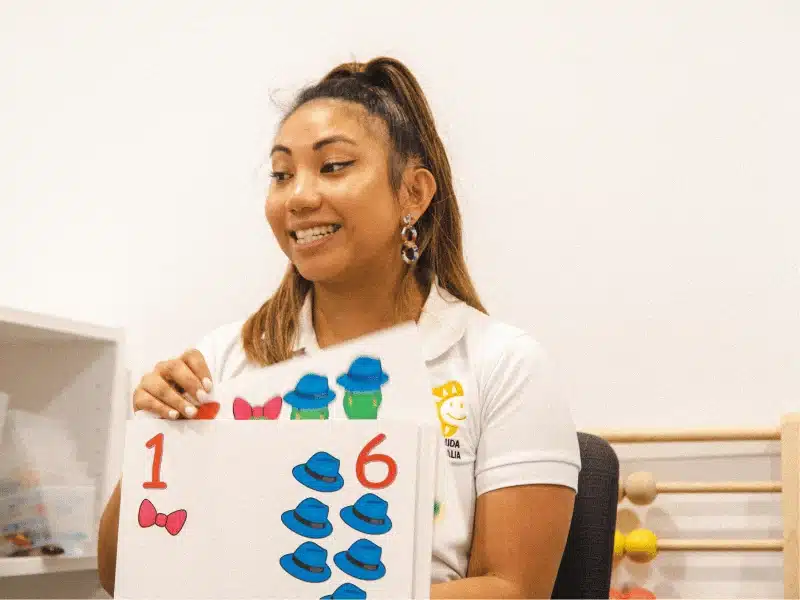
Image by Shichida Australia: A teacher showing a flashcard with one bow and six hats to help children connect the numeral to the actual quantity. Seeing numbers represented with real items strengthens number understanding and supports early estimation skills.
Interactive Number Play
Digital tools can support early maths learning when used thoughtfully. The key is involvement. Sit with your child. Talk about what you notice. Ask questions. Encourage them to explain their thinking.
Interactive number games should promote reasoning and comparison, not passive tapping or fast rewards. Short, guided sessions work best when balanced with hands-on experiences using real objects.
Visual Number Simulations
Some digital activities allow children to move and combine objects on screen, helping them see how quantities change. When children actively manipulate groups and compare amounts, they deepen their understanding of number relationships.
Number Play Videos and Songs
Songs, digital flashcards, and guided activities can reinforce number understanding in an engaging way. When numbers are paired with clear visual quantities, children begin to connect what they hear to what they see.
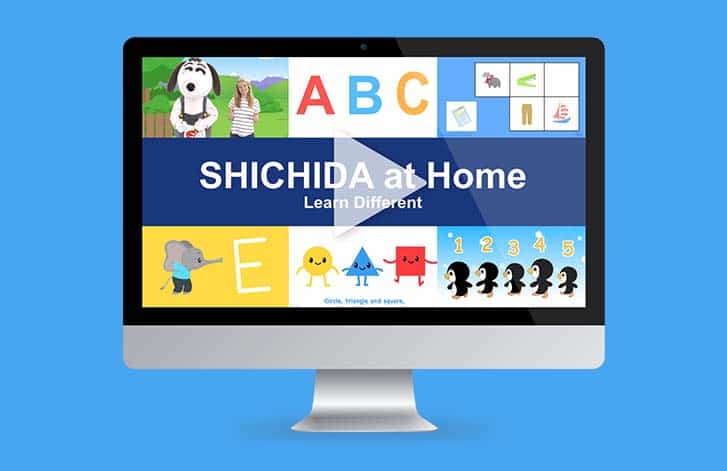
For families who prefer structured support at home, SHICHIDA at Home offers short, guided interactive lessons that include visual flashcards, number activities, and playful learning designed to strengthen number sense and early estimation skills.
These resources are designed to complement everyday number play, providing consistency without pressure.
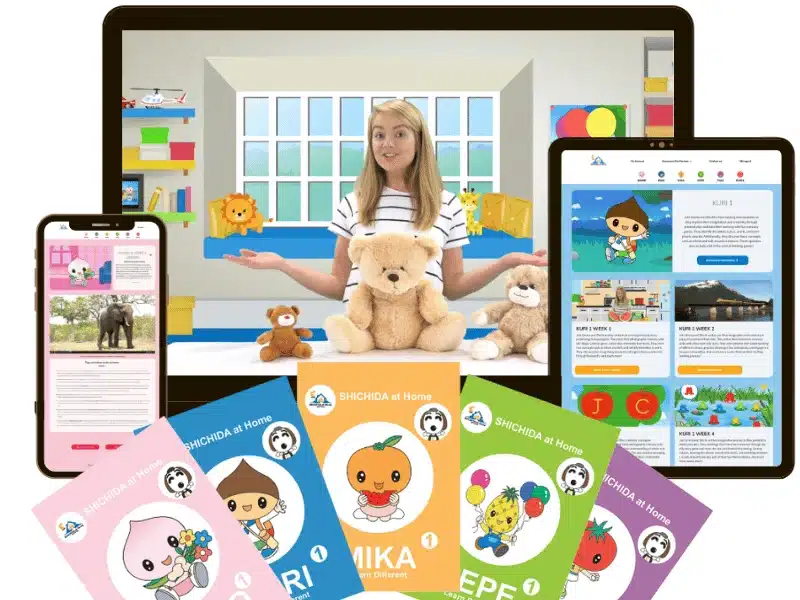
SHICHIDA at Home is suitable for ages 1 to 5.
Safe & Educational Game Tips
Choose educational content for games or screentime.
Keep sessions short and purposeful. Balance screen time with hands-on play using real objects. Choose age-appropriate content that encourages thinking rather than speed.
Avoid games with excessive noise, flashing rewards, or distractions that shift attention away from understanding.
Most importantly, stay involved. Sit beside your child. Sing along to songs. Comment on what a character is doing. Ask simple questions like, “How did you know?” or “What do you think will happen next?”
Shared interaction turns screen time into meaningful learning time.
Incorporating Number Play Into Daily Routines
Some of the strongest early maths foundations are built in ordinary, repeatable moments throughout the day. The goal is not to teach – it is to notice, talk, and involve your child.
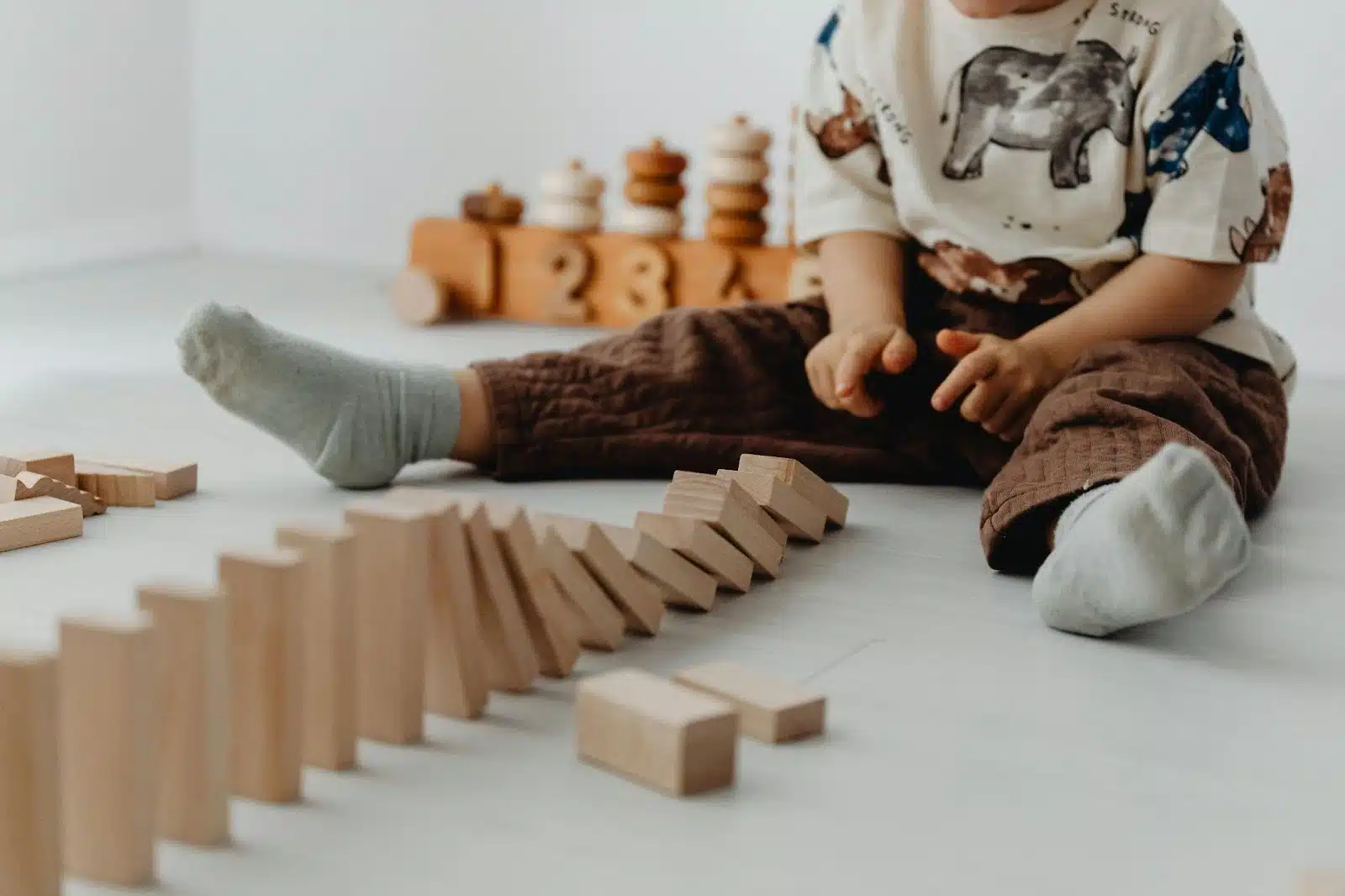
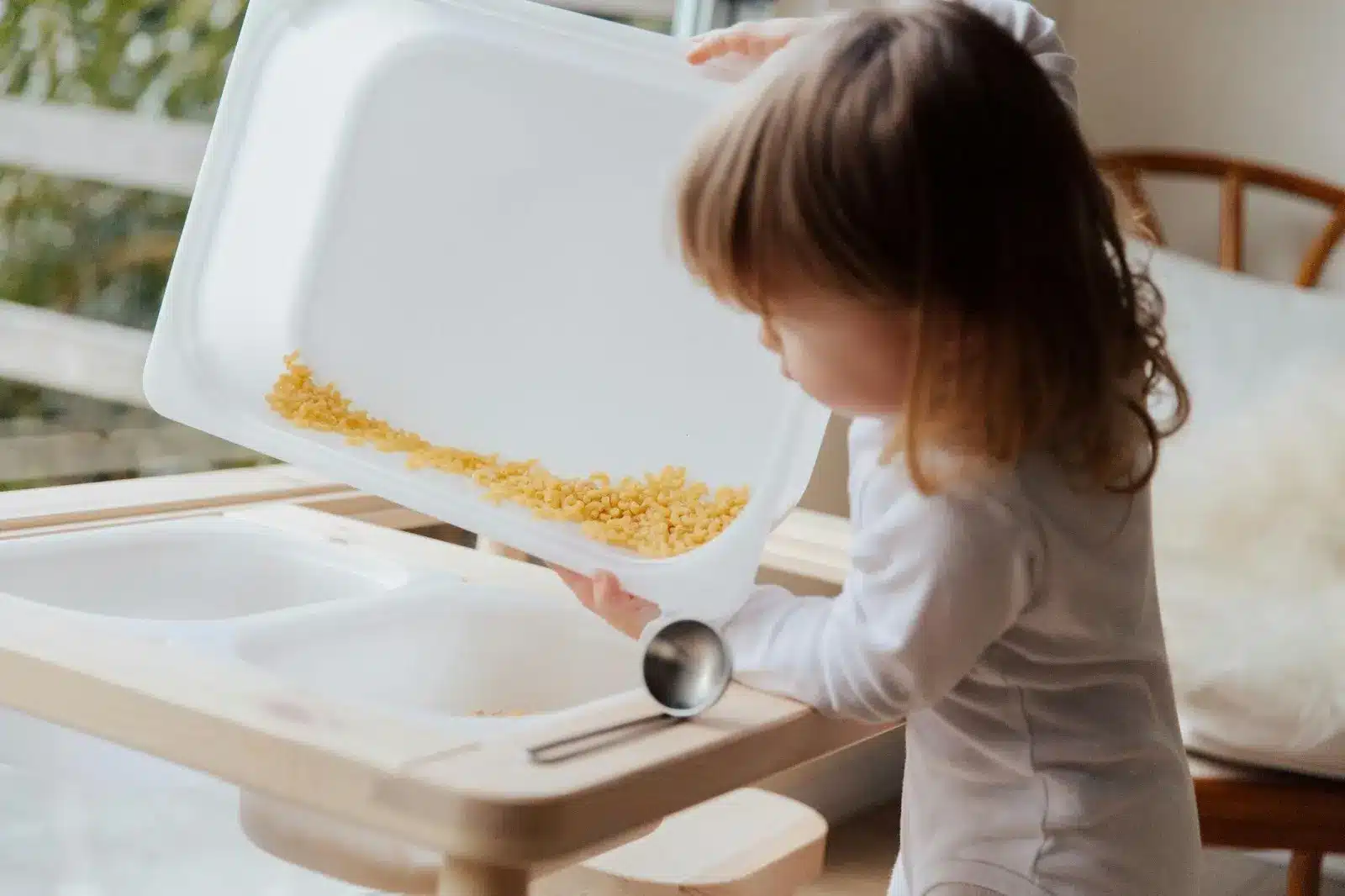
Photo from Pexels: Through regular number play, children develop confidence, curiosity, and early numeracy skills that set the stage for lifelong learning.
On-the-Go Number Play
- Count stairs as you climb them together.
- Notice house numbers and ask which one is bigger.
- Compare trees, buildings, or parked cars – which is taller, shorter, more, or fewer?
- Estimate how many steps it will take to reach the car before counting to check.
- Look for patterns in tiles, fences, or bricks while walking.
These short conversations build comparison skills, estimation, and attention without feeling like a lesson.
At Mealtime
- Ask your child to place three forks on the table or count how many people are eating.
- Cut fruit into halves or quarters and talk about equal parts.
- Pour water into two cups and compare which has more or less.
- Divide snacks evenly and notice if each person has the same amount.
- Count pieces of pasta or berries before eating.
Food naturally introduces counting, comparison, sharing, and simple fractions in a hands-on way.
Bedtime Math Talk
- Ask how many books you read that day.
- Reflect on the biggest or smallest thing they noticed.
- Compare which activity lasted longer.
- Recall how many steps were counted earlier.
- Create a simple “tomorrow plan” and count how many things are on the list.
These gentle reflections strengthen memory, sequencing, and logical thinking.
Supporting Your Child’s Number Play Development
Your role is not to turn every moment into a lesson. It is to notice, encourage, and respond. You do not need to correct every mistake or rush to the right answer. When children feel safe to try, adjust, and try again, real understanding develops.
Encouraging Curiosity
When your child notices that one group of toys looks bigger than another, pause and explore together. Count them. Rearrange them. Ask what they notice.
You might say:
- “Are there more here or there?”
- “What happens if we spread them out?”
- “Does it still look bigger now?”
These small conversations build understanding in meaningful ways.
Balancing Challenge and Comfort
Learning grows best in small stretches. If your child confidently counts to five, try counting to seven. If they sort by colour, ask if they can sort by size instead.
Keep the tone light. If frustration appears, step back. Confidence grows when children feel capable, not pressured.
The goal is steady progress, not perfection.
Recognising Progress
Progress often shows up quietly.
Notice when your child:
- Counts objects without being asked
- Compares quantities naturally
- Uses words like “more,” “less,” or “the same” (equal)
- Explains how they solved a small problem
These are signs that their understanding is deepening – even if they are not writing numbers yet. Confidence builds long before formal maths begins.
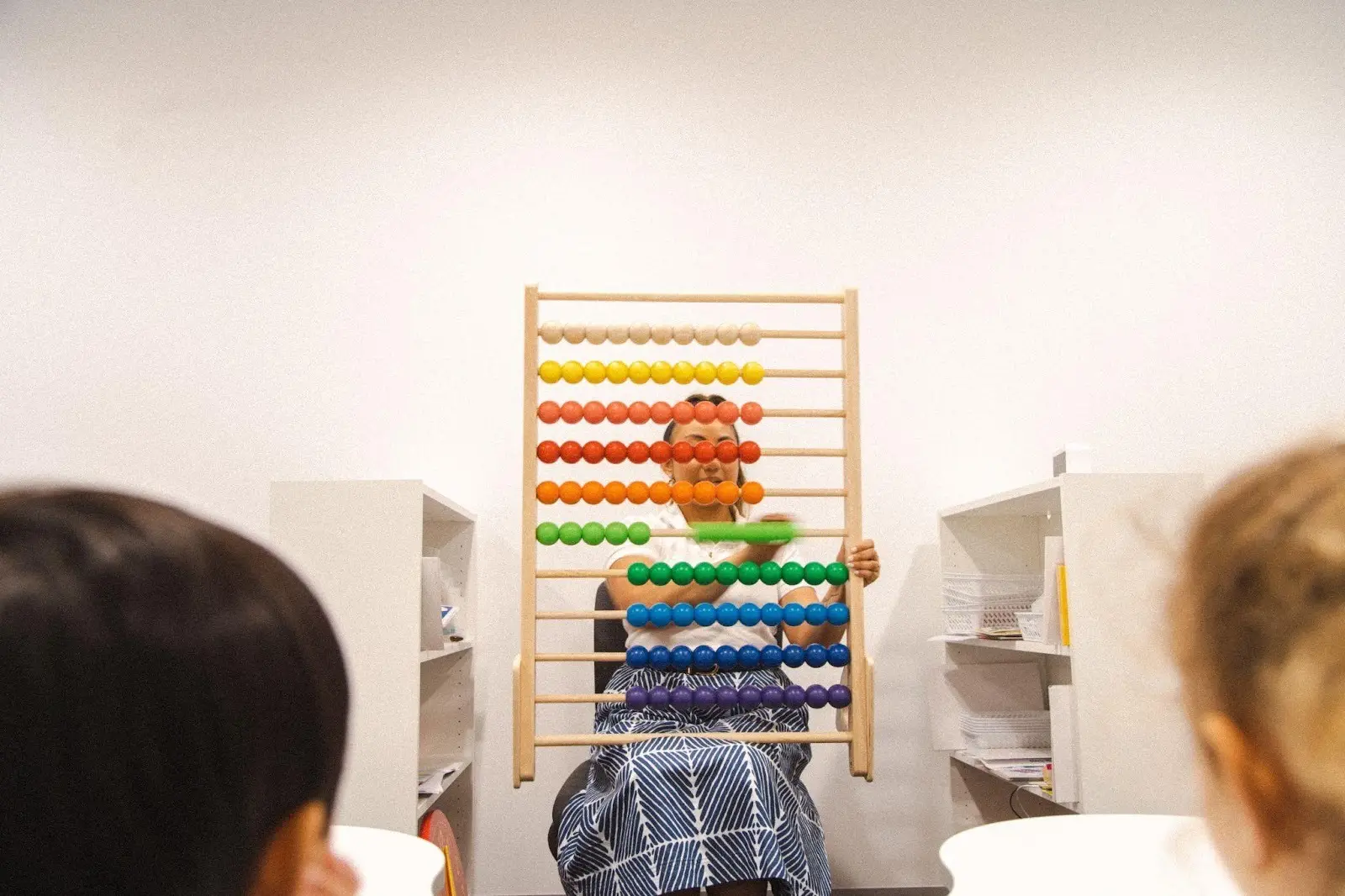
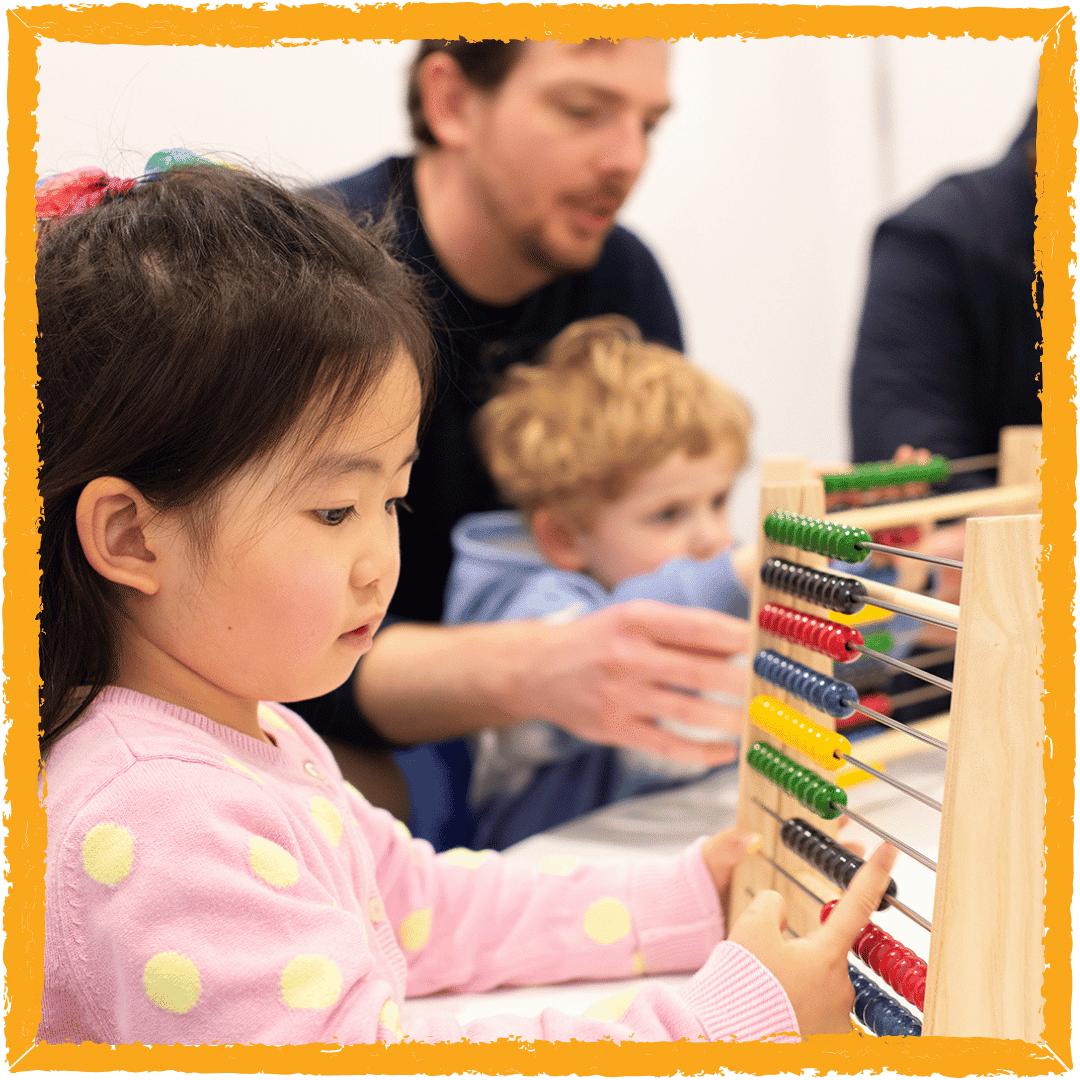
Image by Shichida Australia: An oversized abacus paired with number songs helps children see patterns, feel rhythm, and understand quantity through movement and music.
If structured support appeals to you, Shichida Australia’s Early Learning Program brings play-based learning into weekly classes designed to develop memory, numeracy, and problem-solving alongside social and emotional skills.
Number Play and School Readiness
When children enter school with strong early numeracy foundations, formal maths feels far less intimidating. They already understand that numbers represent real quantities, not just symbols on a page. They can compare, estimate, notice patterns, and explain their thinking with growing confidence.
Playful number experiences build the intuitive understanding that classroom learning builds upon. Instead of memorising symbols without context, your child recognises relationships between numbers and understands what those symbols actually mean.
When children feel capable with numbers early on, school becomes something to look forward to, not fear.
Transitioning From Play to Structured Maths
When the foundation is playful and meaningful, structured maths at school feels like a natural extension rather than a shock. As children encounter written numbers, workbooks, and classroom math worksheets – which are common in many early years classrooms – the concepts already feel familiar.
Worksheets will make sense because the ideas behind them are already understood!
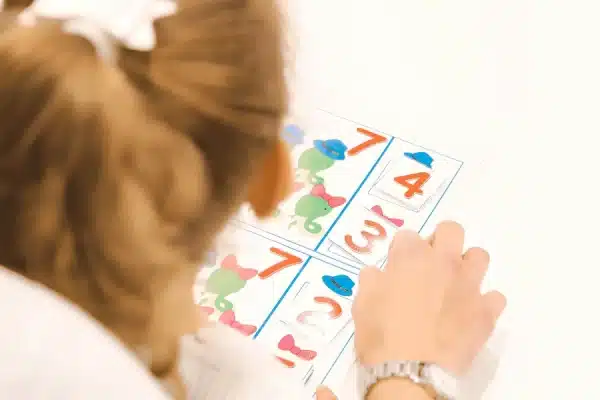
Image by Shichida Australia: A child matching quantities to numerals and combining groups – four snakes and three snakes make seven. Hands-on activities like this build real understanding of addition before formal maths begins.
Building Number Confidence Beyond Home
If you would like to build on the playful number experiences happening at home, structured guidance can make a meaningful difference.
Shichida Australia’s Early Learning Program strengthens memory, early numeracy, and problem-solving through engaging, play-based classes that also support social and emotional growth. The proven program builds deep understanding – helping children feel confident with numbers before formal maths begins.
Book a trial class to see how playful learning can grow into lasting maths confidence!
FAQ’s: Number Play
Number play is learning about numbers through exploration and real-life interaction. It helps children understand what numbers represent – not just how to say them in order. By connecting numbers to everyday experiences, children build early numeracy skills and lasting confidence before formal schooling begins.
Playful maths experiences strengthen reasoning, comparison, estimation, and flexible thinking. When children understand quantity and patterns through real experiences, formal maths feels more familiar and far less intimidating.
You can count everyday objects, sort toys, create simple patterns, compare quantities, and try estimation activities using household items like fruit, blocks, or laundry. Small, repeated moments throughout the day are powerful.
They can be, when used intentionally and with your involvement. Digital number activities work best when they encourage thinking and discussion, and when balanced with hands-on experiences using real objects.
Daily, through natural routines and conversations. Short, consistent interactions are more effective than long, structured sessions.
Start with real objects and meaningful experiences before focusing on written symbols. When children understand what numbers represent, learning to recognise or write them becomes much easier.
Follow your child’s interests, keep activities light, and celebrate effort rather than correctness. Confidence grows when children feel safe to explore and make mistakes.
Yes. Some early learning programs are designed to strengthen number sense, reasoning, and confidence before formal maths begins.
Shichida Australia’s Early Learning Program uses play-based, multisensory activities to build a deep understanding of quantity, patterns, and number relationships. The program helps children feel capable and confident with numbers from an early age through playful games, songs and activities.