
Newborn Sensory Activities: Boost Early Development Through Play
Key Takeaways
- Sensory play is essential for brain and body development.
- You don’t need expensive equipment – everyday safe materials work wonders.
- Match activities to your baby’s age and individual response.
- Bonding through sensory play builds trust, attachment and emotional security.
- Watch for milestones, but trust your instincts and seek help if you’re ever unsure.
The newborn stage is a critical window for brain development, with millions of neural connections forming every second.
This is why incorporating simple newborn sensory activities – such as touch, sound, sight, and movement – is so important in the early weeks. These activities support healthy brain development, regulate your baby’s nervous system, and lay the groundwork for communication, learning, and emotional bonding.
Why Sensory Play is Crucial for Newborn Development
Did you know your newborn’s brain forms 2–3 million synapses per second? Those first few months are a burst of brain-building, and sensory play for babies plays a vital role in strengthening those connections.
Small interactions throughout the day – like holding, talking to, massaging, or singing to your baby – helps lay the foundation for communication, learning and emotional bonding.
You’re an active part of your baby’s early development. It would be good to have an idea of what type of stimulation and early childhood development strategy you will be working towards for your child’s development.
When you engage with your baby in positive ways, you help them learn to trust, feel secure, and prepare for the world they will live in.
Understanding Sensory Development in Newborns
At birth, your baby already has functioning senses:
- Sight: Newborn vision is blurry and limited to about 20–30 cm. High-contrast black-and-white visuals help strengthen early visual tracking.
- Hearing: Already well-developed. Your voice and calming rhythms can soothe and connect.
- Smell & Taste: Strong from birth. Babies recognise their parent’s scent and show a preference for sweet tastes.
- Touch: Perhaps the most powerful. Skin-to-skin contact supports bonding, regulation, and comfort.
- Movement & Balance (vestibular): Gently rocking or swaying helps soothe and promotes spatial awareness.
Your baby also begins developing proprioception – awareness of their own body in space – through being held, moved, and gently stretched.
The Science Behind Sensory Stimulation
Neuroscience confirms that neuroplasticity – the brain’s ability to rewire itself – is at its peak in the first years of life during early childhood. This called the Golden Period of Development. That means the sensory experiences your baby has now help build lasting neural pathways that support cognitive thinking and emotional regualtion for life.
Dr Carla Hannaford explains that sensory input triggers neurotransmitters that help neurons bond into working networks. Meanwhile, Dr Jean Ayres highlights that early sensory integration helps infants make sense of their world, supporting attention, coordination and language later on.
Getting Started with Newborn Sensory Play
Creating a Sensory-Friendly Space
You don’t need specialist equipment – just a safe, calm area in your home. A simple corner of the nursery or living room is ideal.
- Lighting: Choose soft, natural lighting or a warm lamp. Avoid bright, overhead lights.
- Textures: Place a clean blanket on the floor with a variety of baby-safe textures – like a cotton cloth, silk scarf, or soft silicone teether.
- Safety: Ensure the area is clean and free from small objects. Babies may start to move or reach during tummy time.
- Sound: Keep background noise minimal. Your voice, soft music, or white noise works well to create a soothing environment.
Best Times for Sensory Play During the Day

Photo from Pexels: Build strength and bonding with newborn sensory activities like tummy time.
- Schedule sensory play when your baby is fed, calm, and alert – typically mid-morning or just before a nap.
- Right after a feed and nappy change is often when babies are most attentive.
- Avoid play when your baby is tired, overstimulated, or hungry, as this can lead to fussiness or withdrawal.
Top Newborn Sensory Activities to Try at Home
Newborn sensory activities can be simple, safe, and done right from your living room. Here are some of the best ways to engage your baby’s developing senses.
Tactile Activities (Touch)
- Gentle baby massage: Use baby-safe lotion and soft strokes to build body awareness and strengthen the parent–baby bond.
- Sensory cloths: Offer soft swatches of materials like velvet, satin, or cotton to explore under supervision. Textural play supports brain-to-body connection.
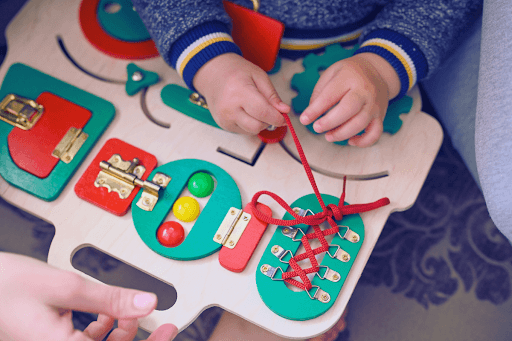
- Baby-safe sensory boards: Attach soft fabrics or crinkly paper to cardboard for brief, guided exploration.
Auditory Activities (Hearing)
- Your voice: Talk, read, or sing in soothing tones – this activates early language centres.
- Soft rattles or bells: Shake gently and pause; repetition helps babies localise and track sounds.
- Classical lullabies: Slow, rhythmic music can calm and support emotional regulation and brain development.
Visual Activities (Sight)
- High-contrast flashcards or toys: Bold black-and-white patterns are ideal for newborn vision (20–30 cm range).
- Face tracking: Move your face slowly from side to side and watch your baby follow – an early visual milestone.
- Mirrors during tummy time: Babies enjoy watching faces, even their own – this supports self-awareness and engagement.
Olfactory Activities (Smell)
- Mild scent exposure: Use a cotton ball with a gentle scent like vanilla or lavender (diluted and with an unscented base). Hold at a safe distance – babies link scents to emotion and memory.
- Pair with routine: Introduce calming scents after feeding or before naps to reinforce relaxing daily habits.
Vestibular Activities (Movement & Balance)
- Rocking and swaying: Holding your baby or using a gentle rocker helps regulate and soothe through vestibular input.
- Tummy time: Short, frequent sessions help develop core strength, posture, and spatial awareness.
- Flying’ tummy time: Hold your baby securely under the chest and lift gently – this introduces motion and body orientation in space.
Milestones and Monitoring Your Baby’s Response
Sensory play is most effective when it’s paced to your baby’s comfort level. Recognising the signs of engagement or overstimulation helps ensure that your newborn sensory activities are safe, enjoyable, and developmentally appropriate.
Signs Your Baby Is Engaged
Your baby is actively processing sensory input when you see:
- Gentle vocalisations like cooing or gurgling
- Focused eye contact on your face or a toy
- Relaxed posture and soft, alert facial expressions
Signs of Overstimulation
If your baby has had enough, you might notice:
- Turning their head away or avoiding eye contact
- Grimacing, frowning, or crying suddenly
- Stiffening their arms or legs
If you see these signs, it’s time for a break or a quieter, more calming activity.
How to Track Sensory Milestones
Here’s a simple age-based guide that aligns with early sensory development:
- 0–2 weeks: Begins to track high-contrast objects; calms at parent’s voice or scent
- 3–6 weeks: Starts reaching toward faces or toys; makes early cooing sounds
- 2–3 months: Holds gaze for 2–3 seconds; shows interest in gentle music
- 4–5 months: Anticipates movement (e.g. smiles before you pick them up); enjoys textured items
If you’re ever unsure or concerned about your baby’s progress, speak to your paediatrician or a qualified occupational therapist. Early support makes a big difference.
Sensory Play and Bonding: Strengthening the Parent‑Child Connection
Sensory play doesn’t just support development – it strengthens emotional connection.
Emotional Security Through Touch and Sound

Every massage, story, or lullaby stimulates the release of oxytocin, often called the “bonding hormone.” This builds trust, attachment, and emotional security in your baby.
For example, a post-bath routine: gently massaging lotion onto your baby’s arms and legs while humming a soft tune. The combined sensory input – touch, sound, and scent – creates a reliable, soothing experience your baby begins to anticipate and associate with your presence.
Tools, Toys, and Materials for Sensory Play
Store-Bought vs DIY Sensory Tools
You don’t need fancy equipment to do effective newborn sensory activities at home. Both store-bought and homemade options can work beautifully – just ensure they’re baby-safe and age-appropriate.
Store-bought items:
- High-contrast plush toys
- Soft rattles or wrist rattles
- Colourful stacking cups
- Fabric books with different textures (These are usually standards-tested and easy to clean.)
DIY ideas:
- A sturdy cardboard board with fabric patches (e.g. velvet, satin, corduroy)
- Ziplock sensory bags filled with safe contents like hair gel or water beads (always sealed and supervised)
- Homemade shaker: a sealed container filled with rice, shaken gently during tummy time or song time
What to Avoid: Sensory Overload and Unsafe Items
Keep sensory play simple and safe. Avoid:
- Flashing lights or loud, overstimulating electronic toys
- Small or loose items that could pose choking risks
- Strong essential oils or synthetic fragrances
- Unsupervised sensory bins or items that can leak/spill
Stick to non-toxic, baby-safe materials, and always supervise play – even for a few minutes of exploration.
Professional Guidance: When to Seek Help
Developmental Red Flags
If your baby consistently shows any of the following signs, speak with your paediatrician:
- Strong aversion to touch, sound, or movement
- Inability to track faces or objects by 2 months
- No cooing or vocalising by 4 months
- Noticeable muscle floppiness or stiffness
Role of Occupational Therapy in Sensory Development
Occupational therapists (OTs) support babies who have difficulty processing sensory input. They provide strategies to help infants respond more effectively to touch, sound, and movement.
Early intervention with an OT can also assist in developing:
- Fine motor skills
- Gross motor skills
- Emotional self-regulation
- Daily routines like feeding, sleeping, and tummy time

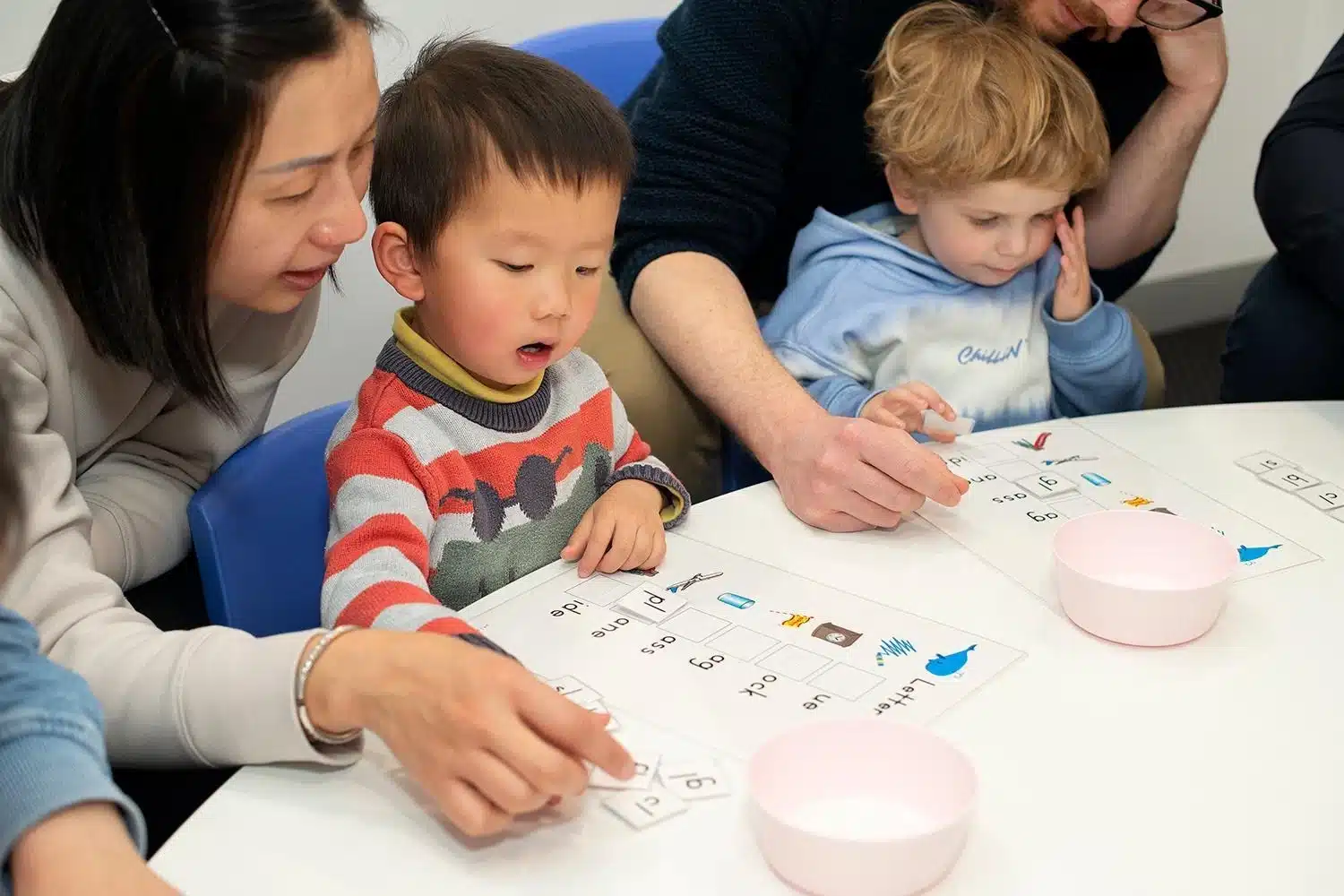
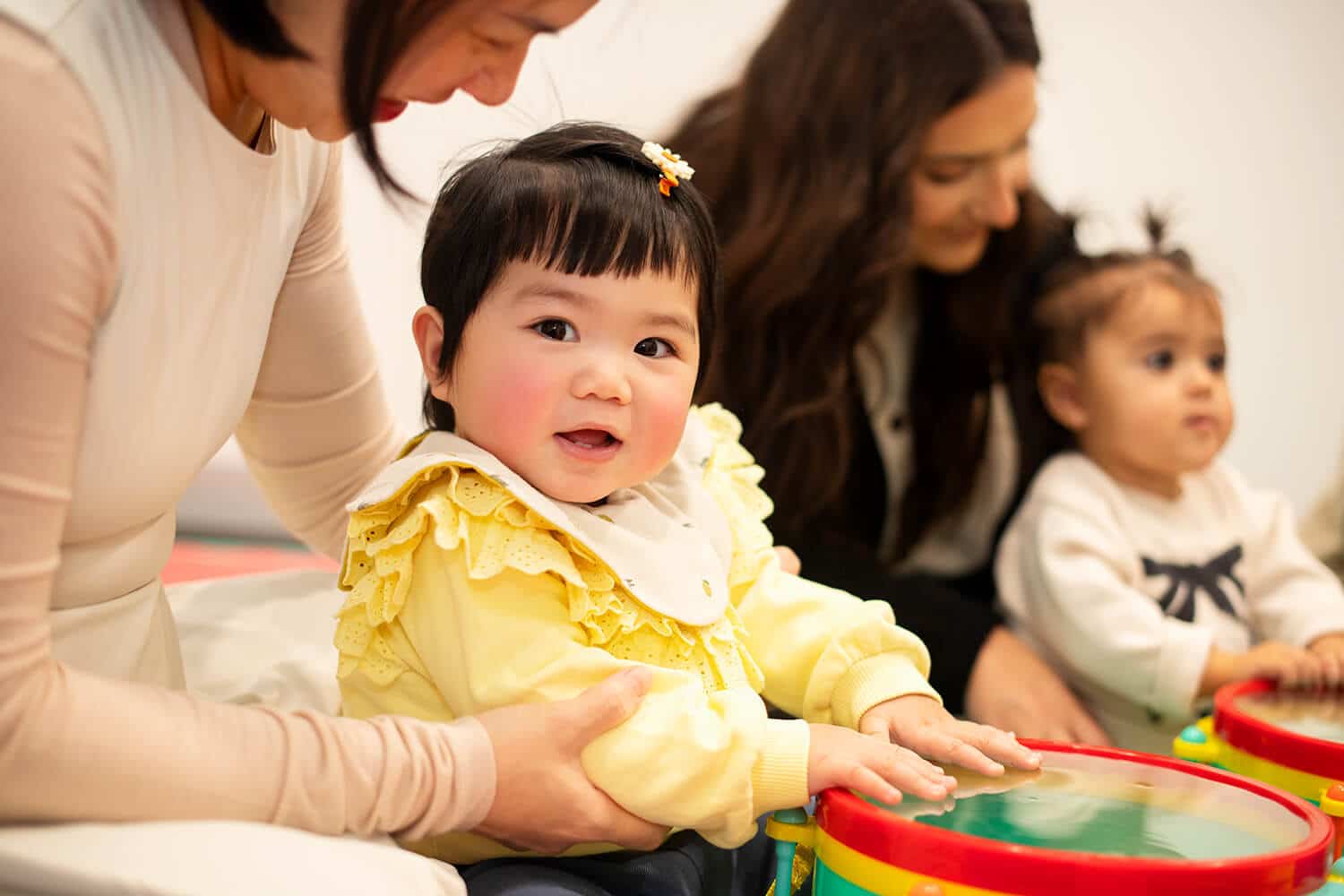
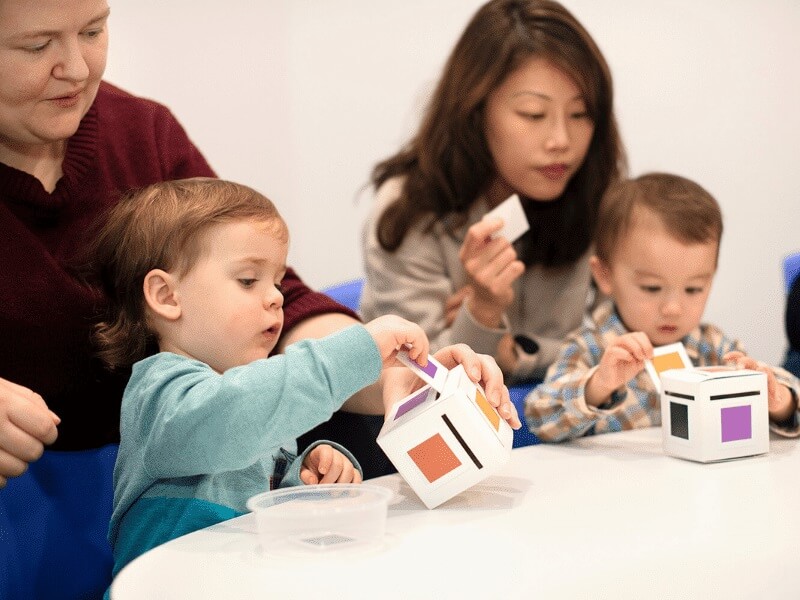
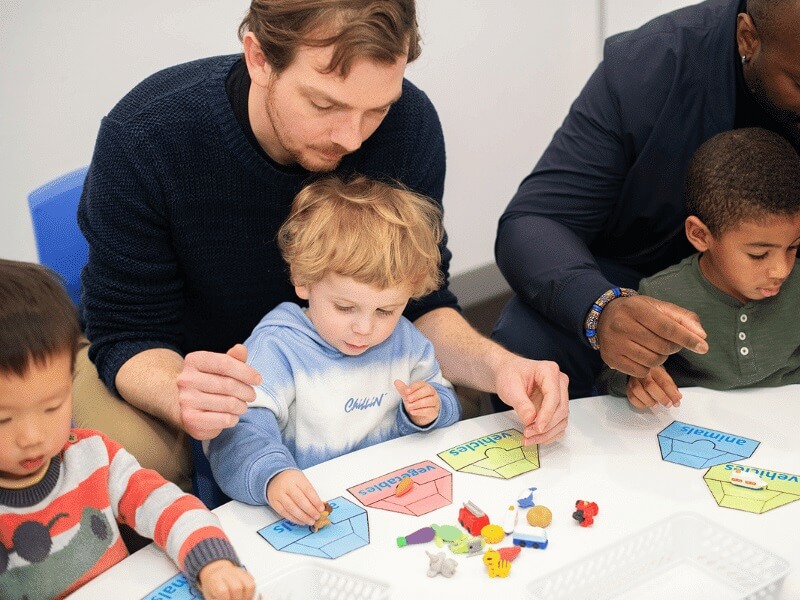
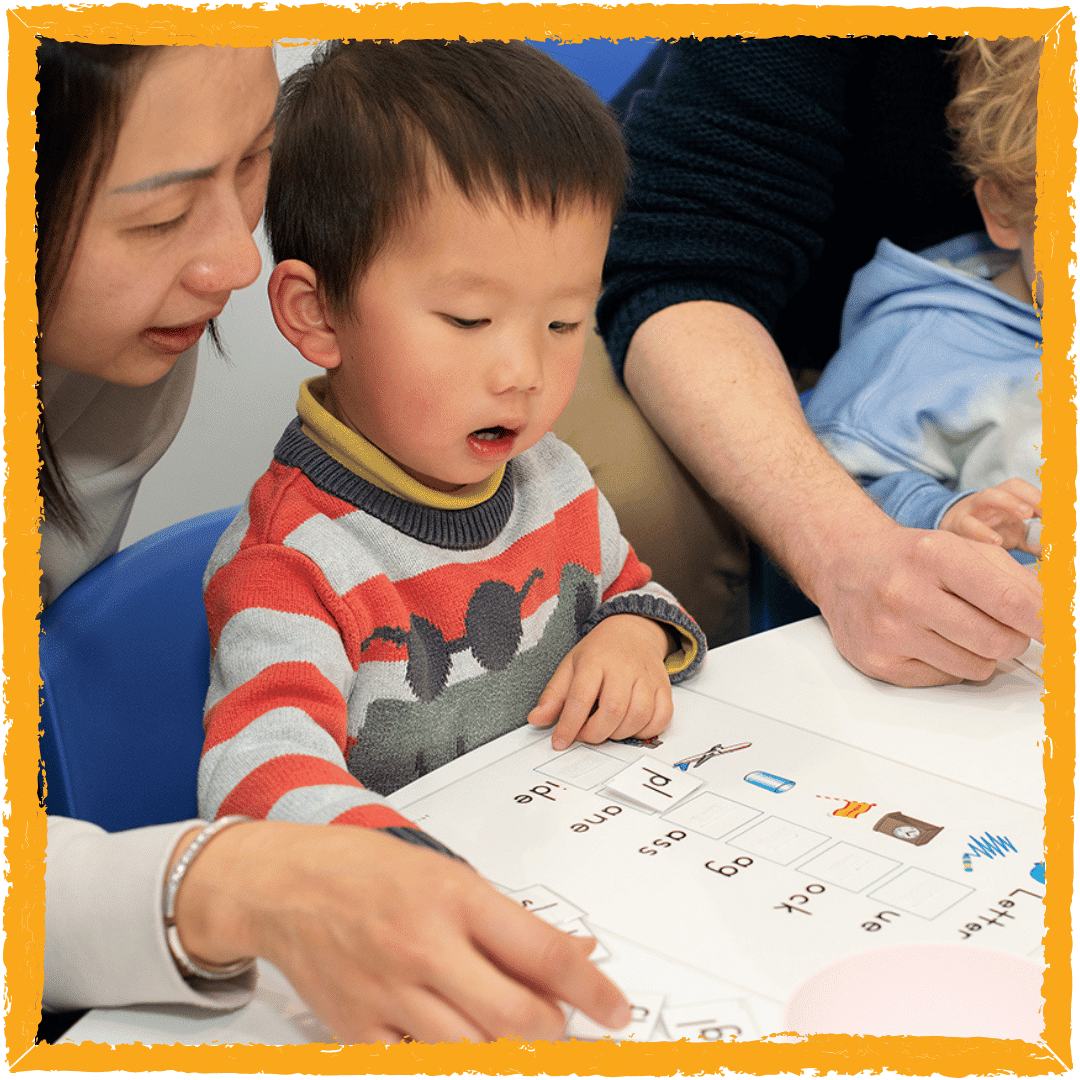
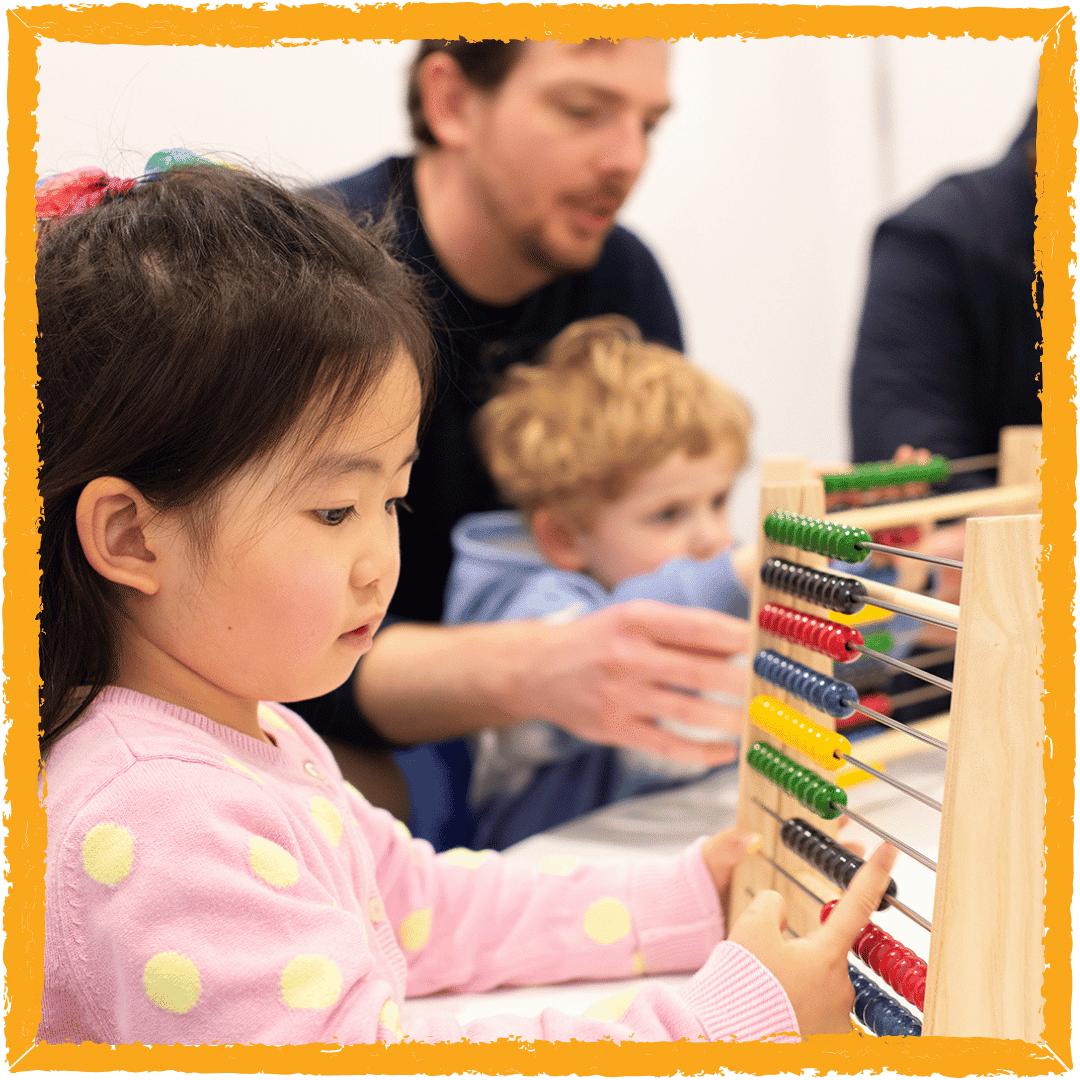
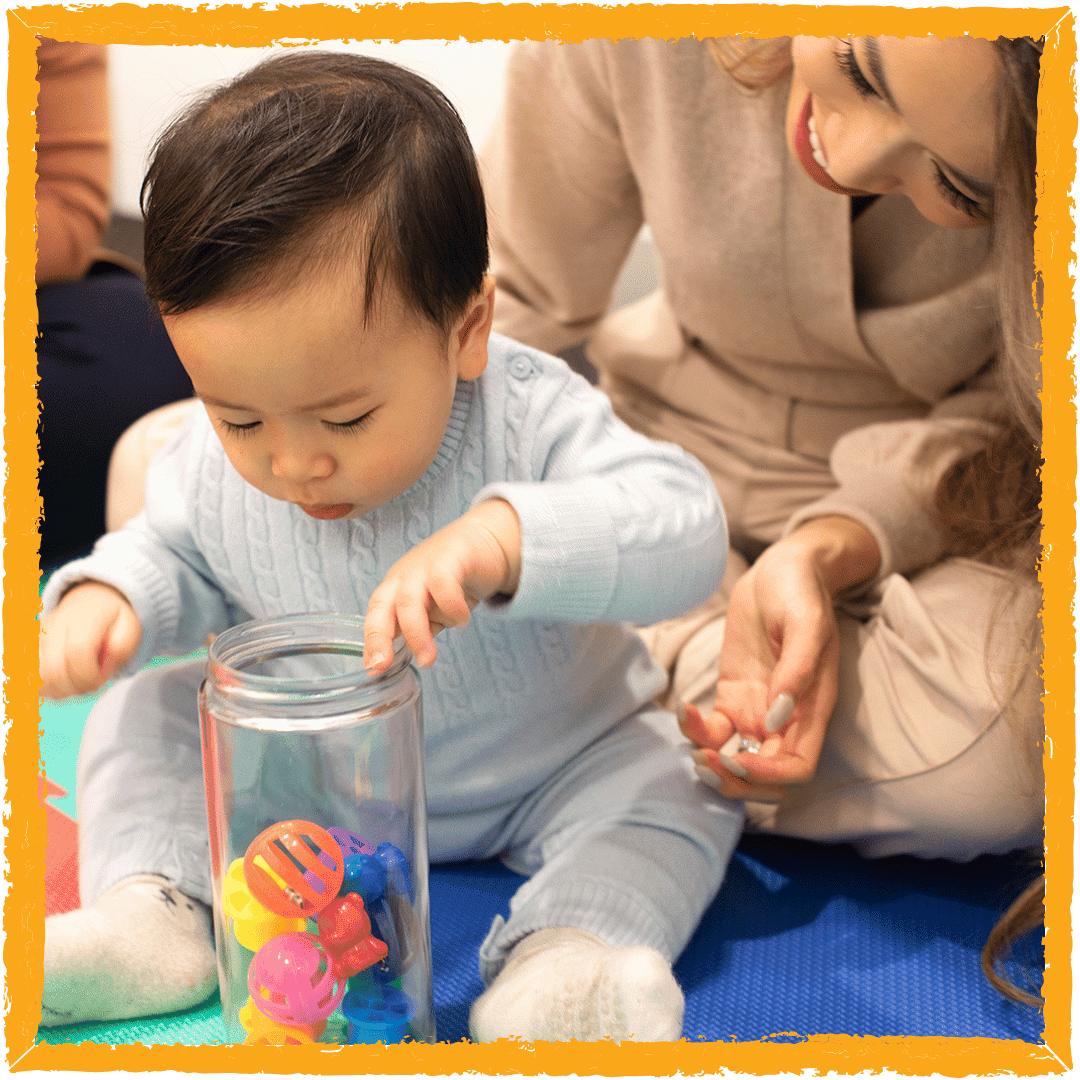
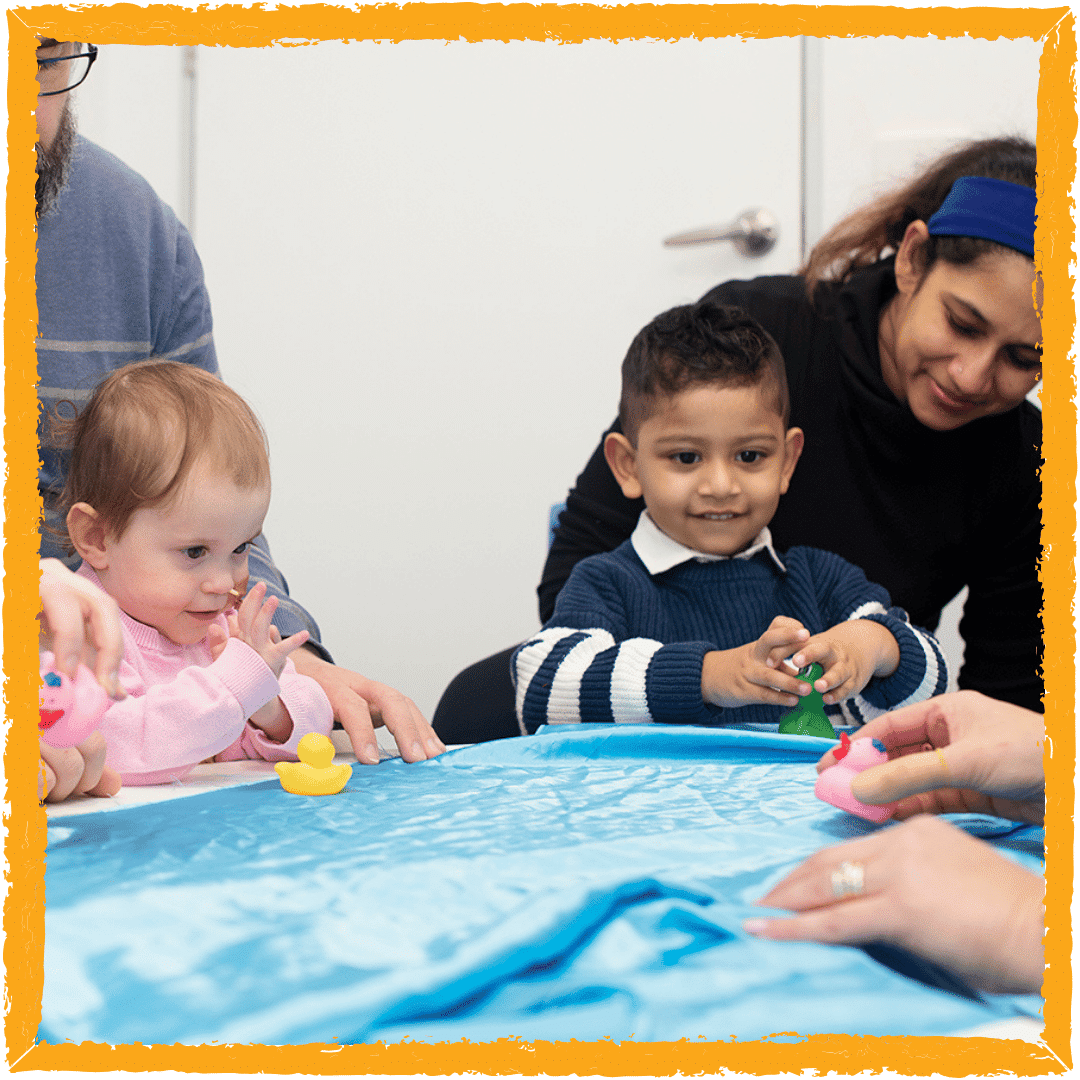
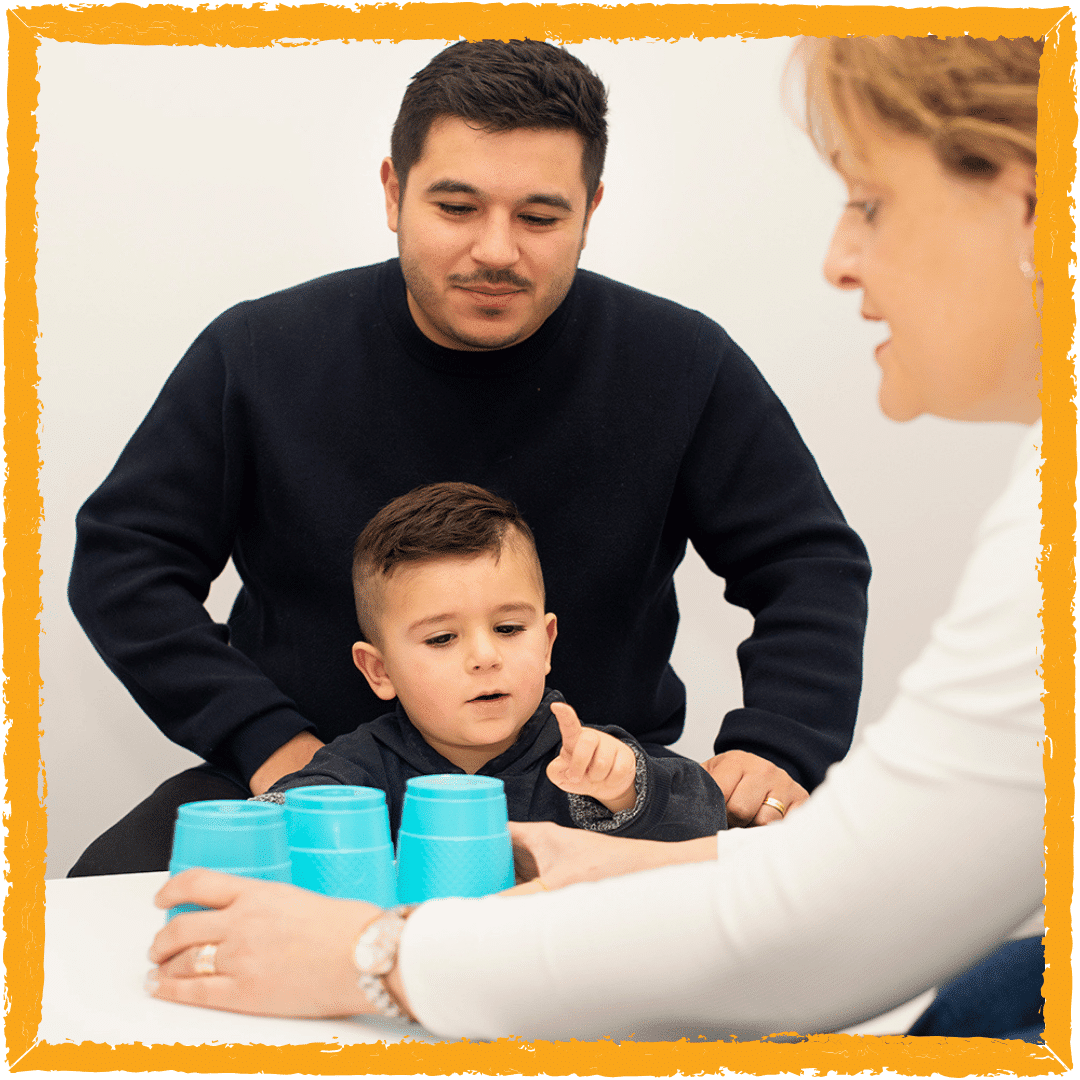
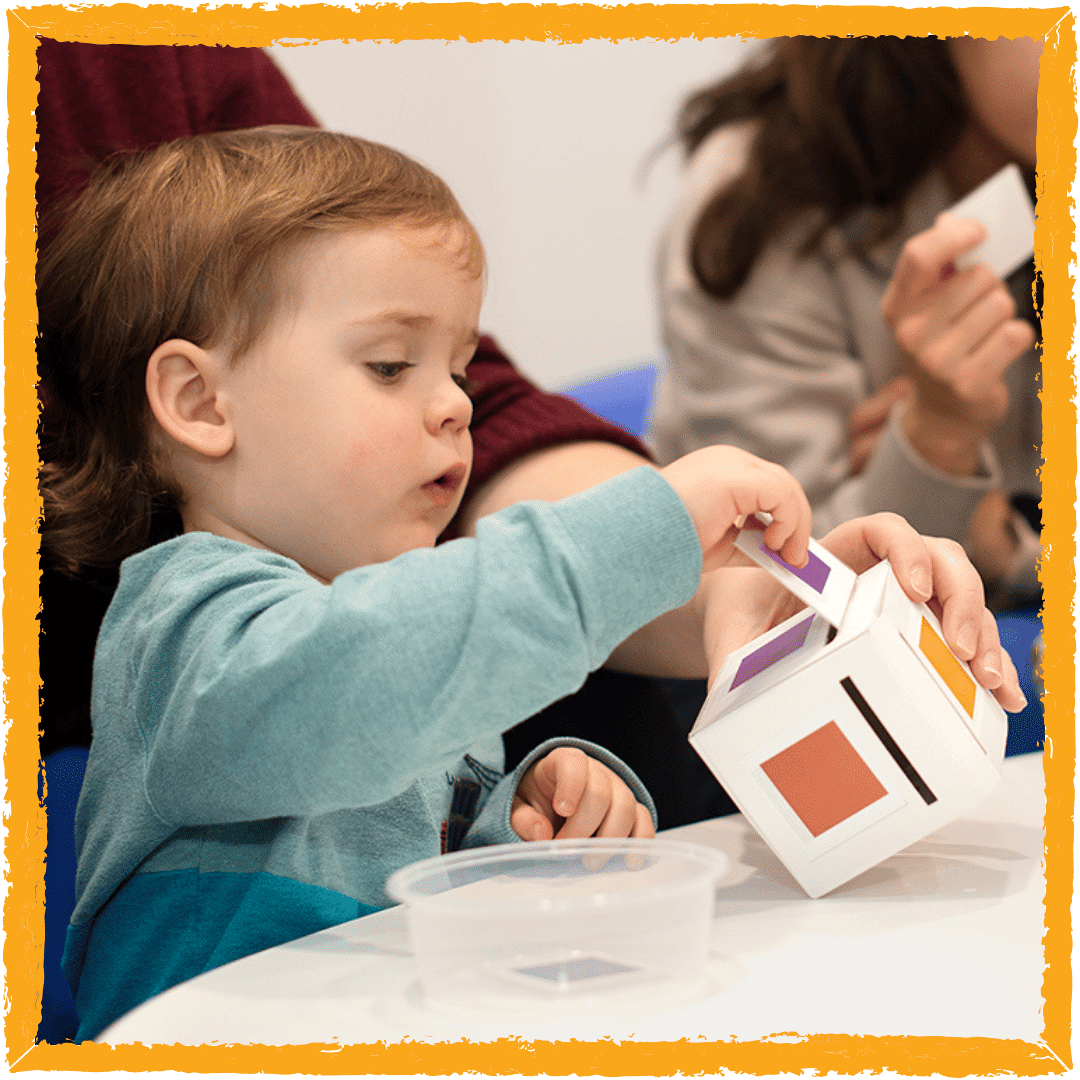
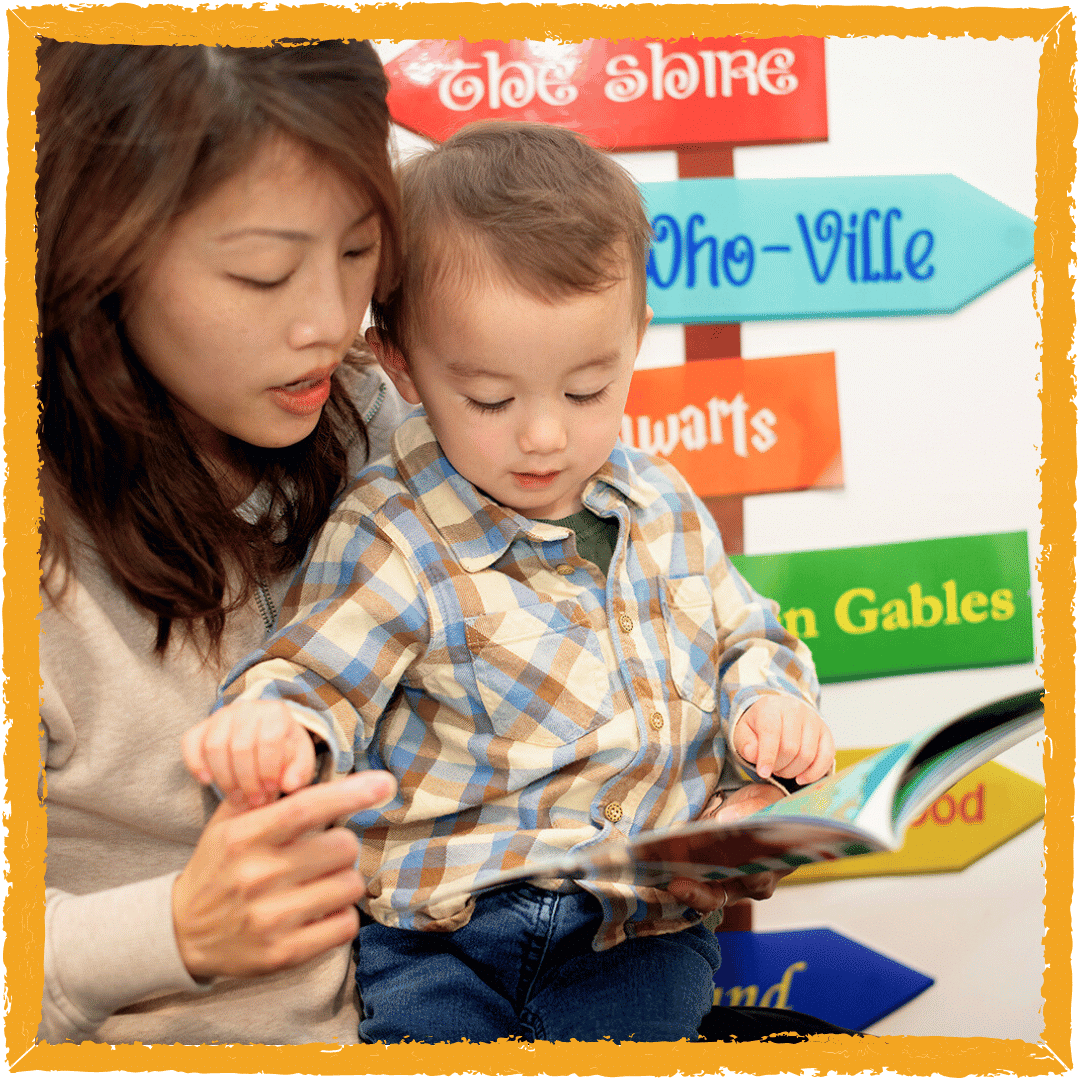
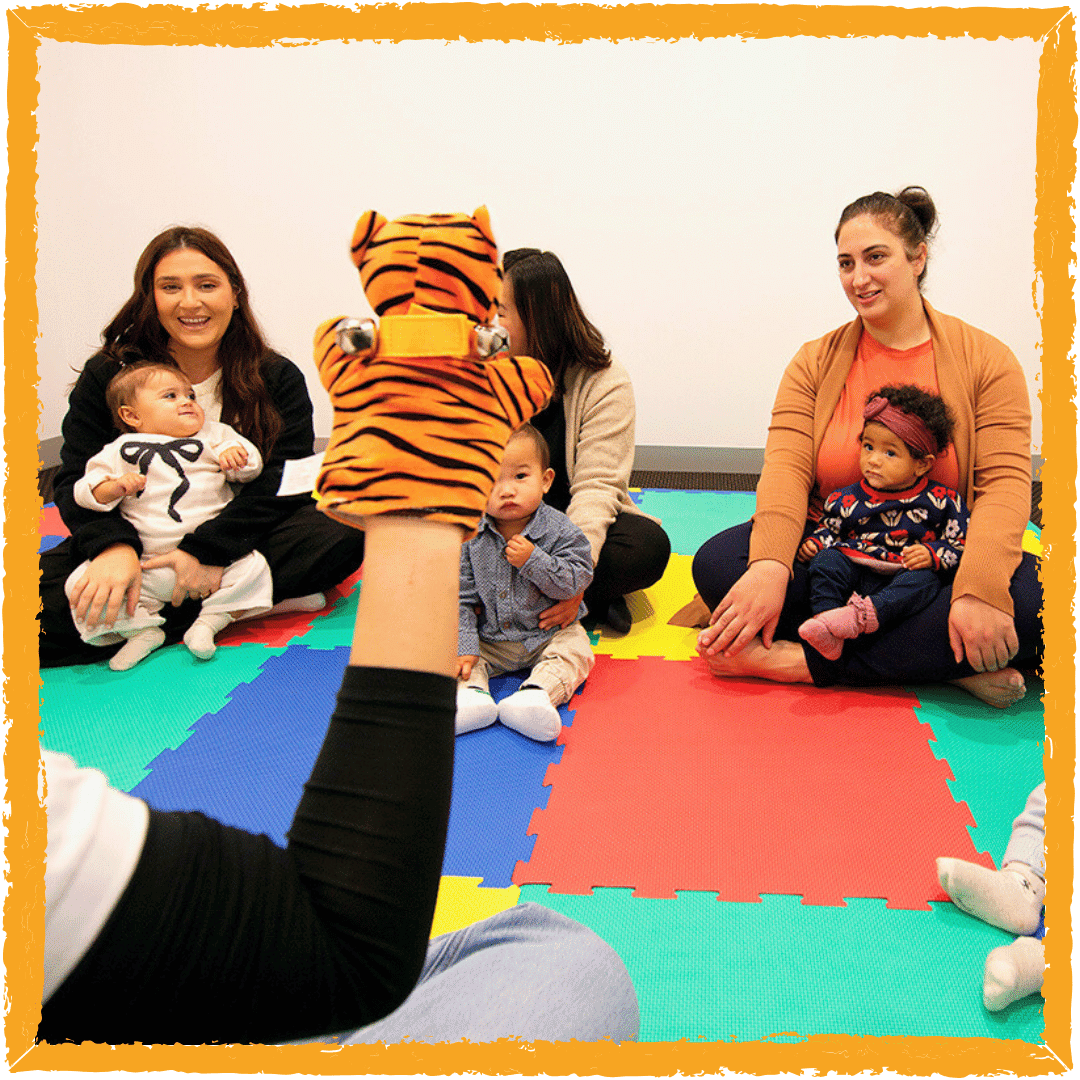
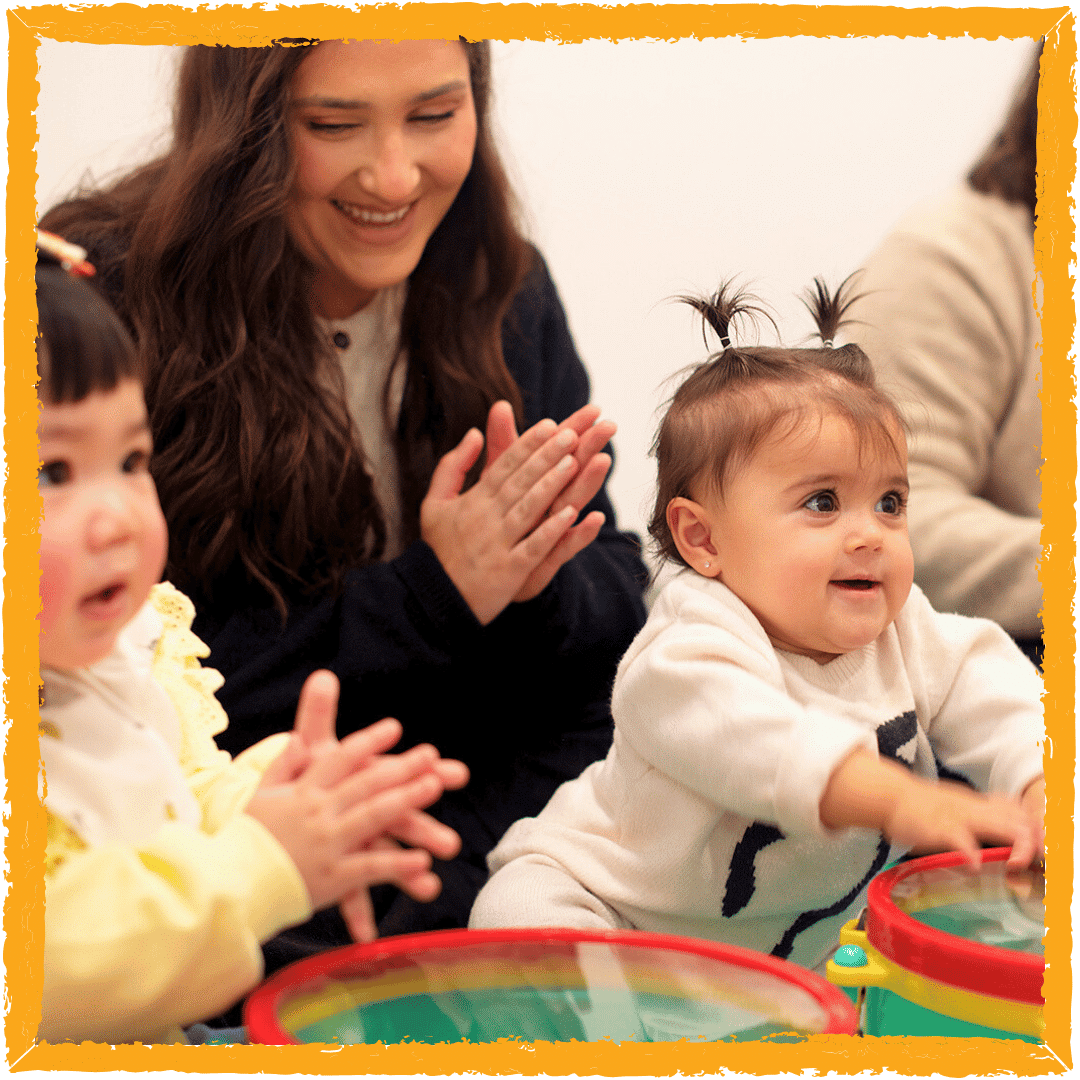
Photo by Shichida Australia: Parents guide their babies through structured newborn sensory activities that support fine motor skills and early cognitive development.
Looking to nurture your baby’s sensory development even further?
Shichida Australia offers gentle, age-appropriate activities that support brain development from as early as 6 months. With expert guidance and research-backed methods, you’ll strengthen your baby’s sensory skills while building a deep parent–child bond.
Discover the Shichida approach and give your newborn the best start. Book a trial class today!
FAQs: Newborn Sensory Activities
These are simple activities that stimulate one or more senses – touch, sound, sight, smell, or movement – to support early newborn sensory development.
From day one. Skin-to-skin contact, talking, and gentle movement are all forms of sensory play and help support your baby’s development from the very beginning.
Yes – as long as you use baby-safe materials, keep activities simple, and follow your baby’s cues to avoid overstimulation.
It can. Sensory routines like gentle massage and soft lullabies before naps or bedtime can help calm your baby and support better sleep patterns.
High-contrast toys, soft fabric books, and lightweight rattles are ideal. Always choose age-appropriate, non-toxic items that are safe to explore under supervision.
Yes. Shichida Australia offers age-appropriate classes that include guided newborn sensory activities designed to support brain development, bonding, and early learning. With expert-led sessions, parents can confidently support their baby’s growth from the very first months.