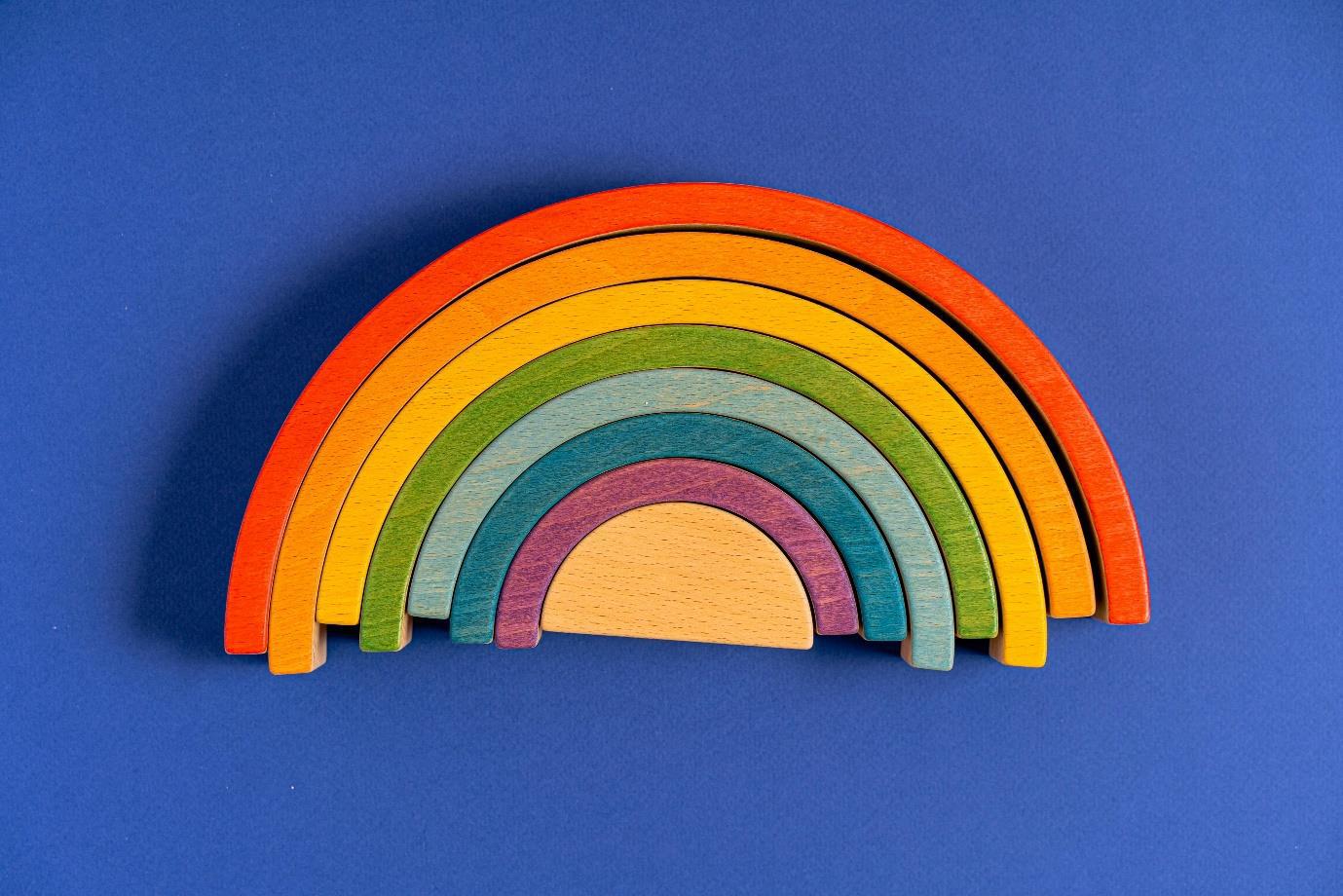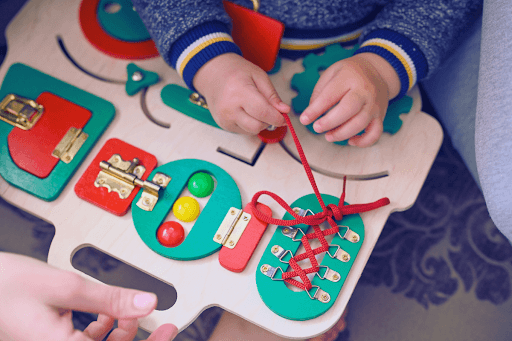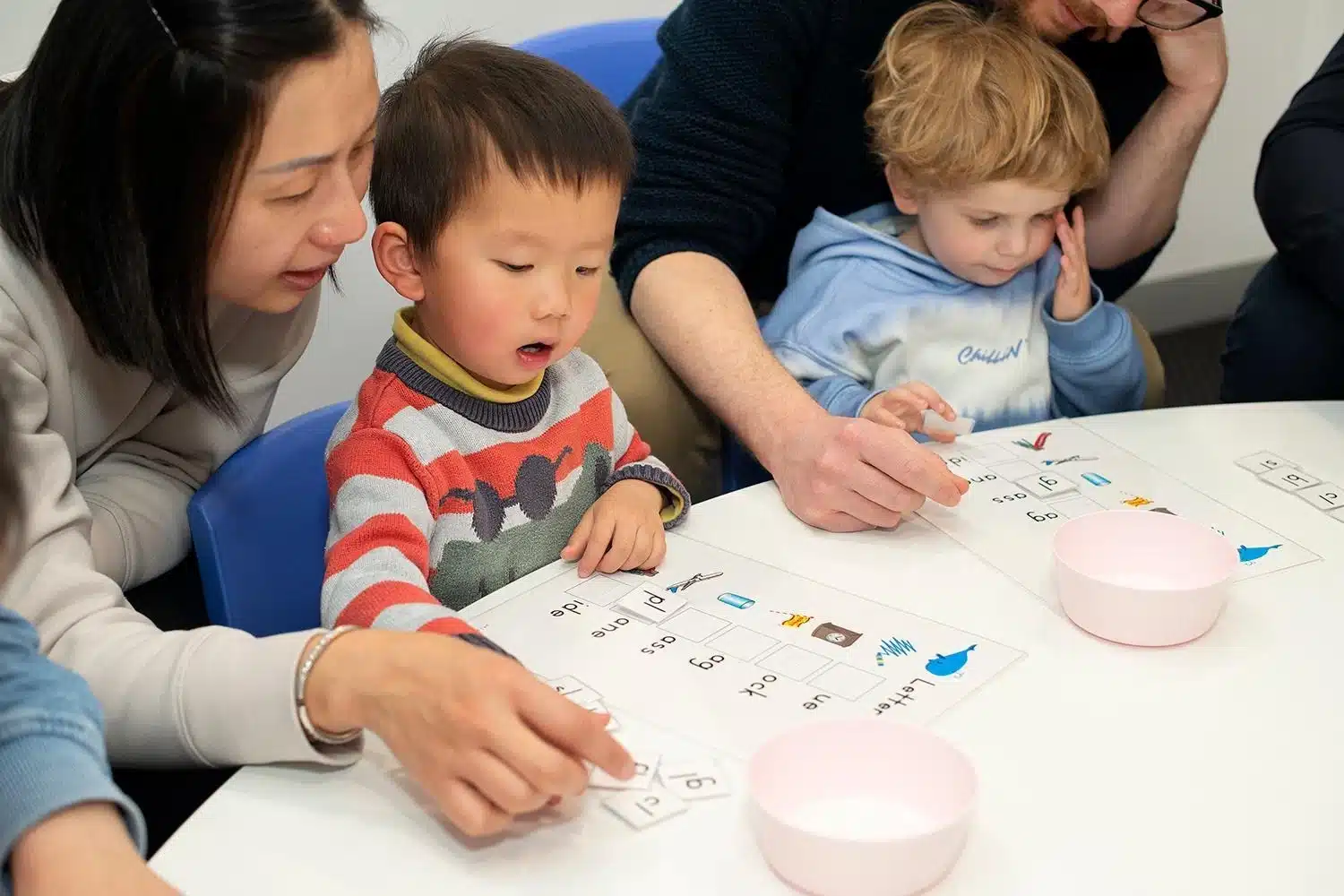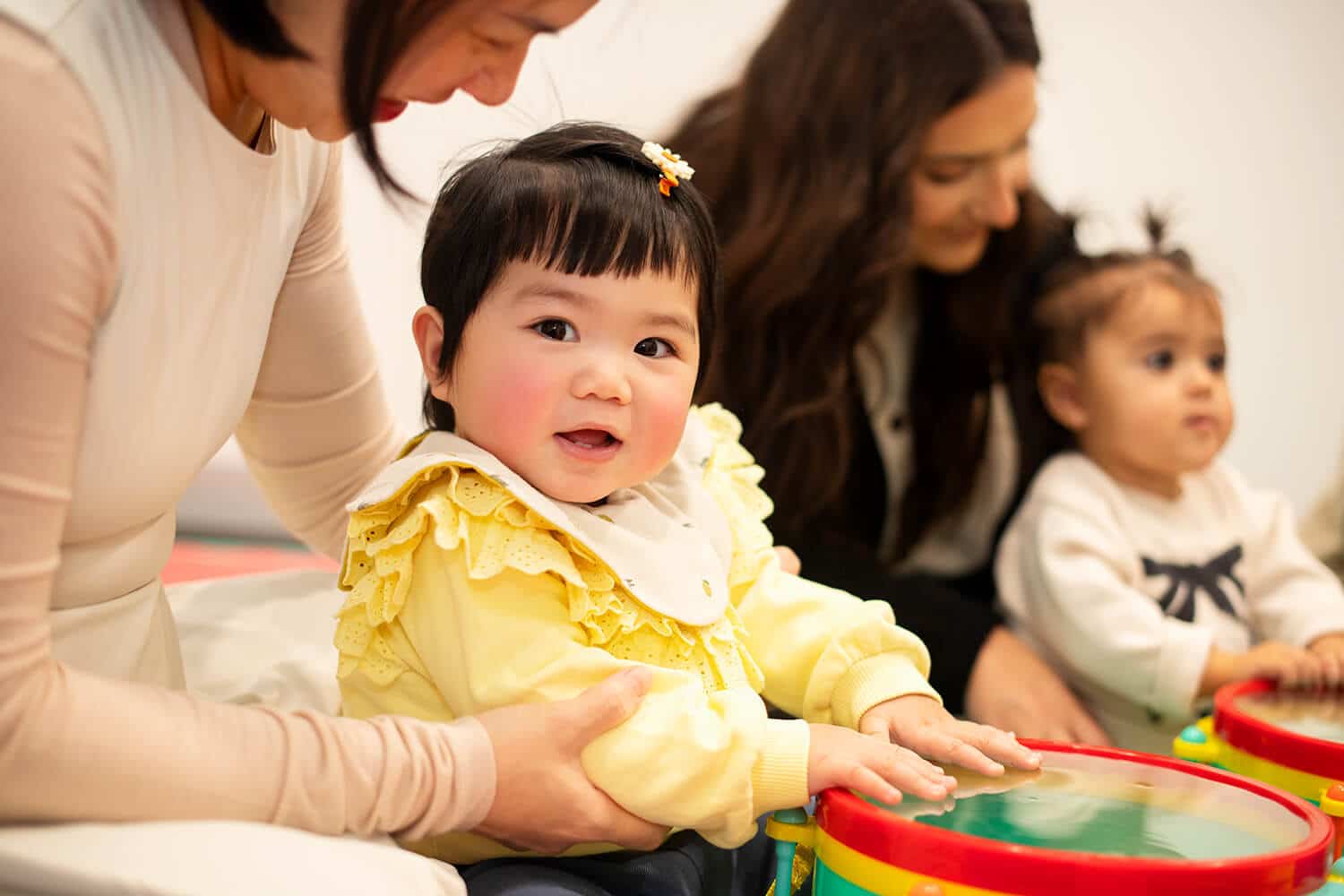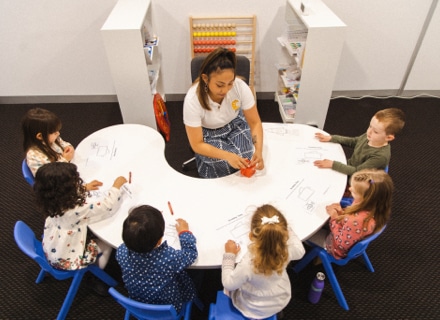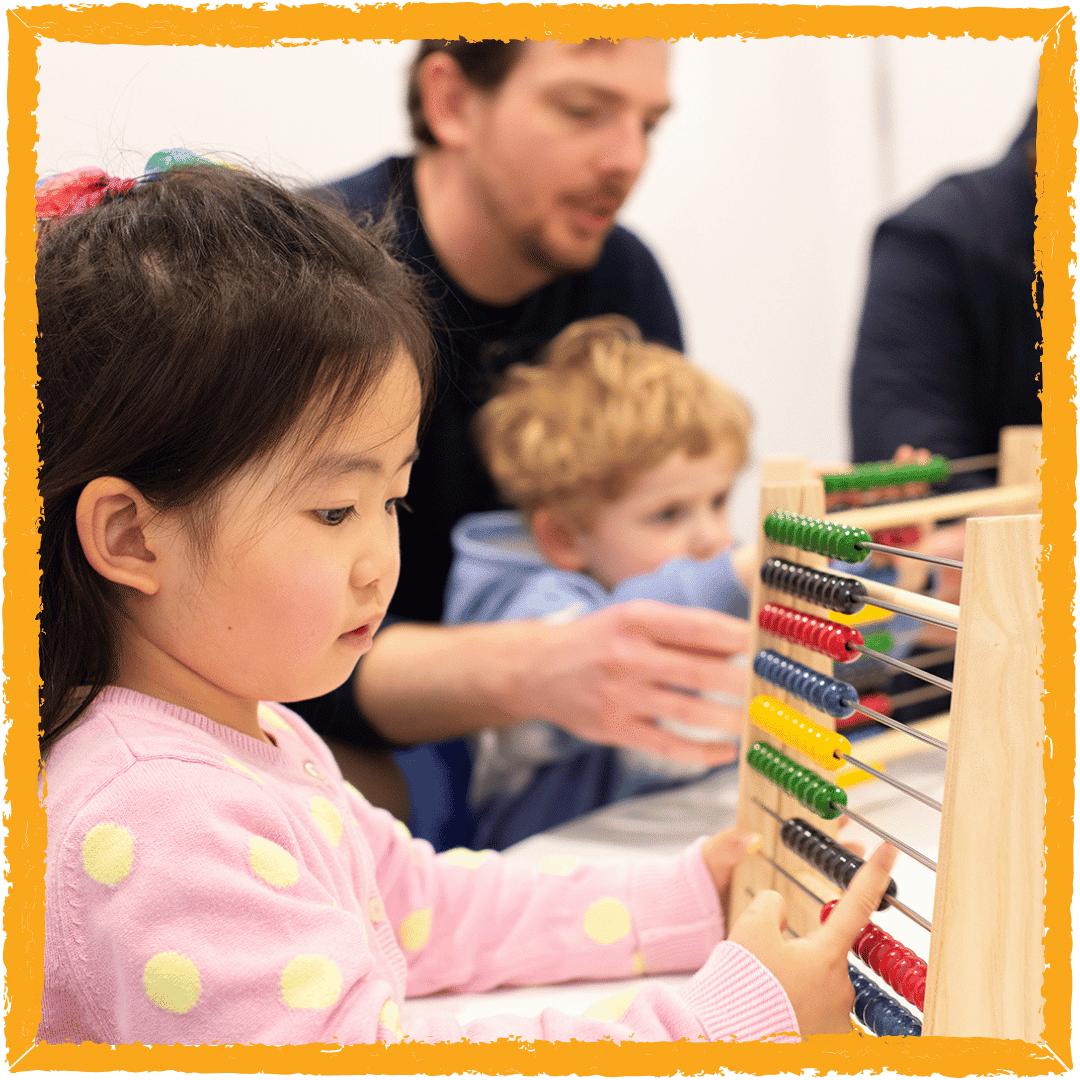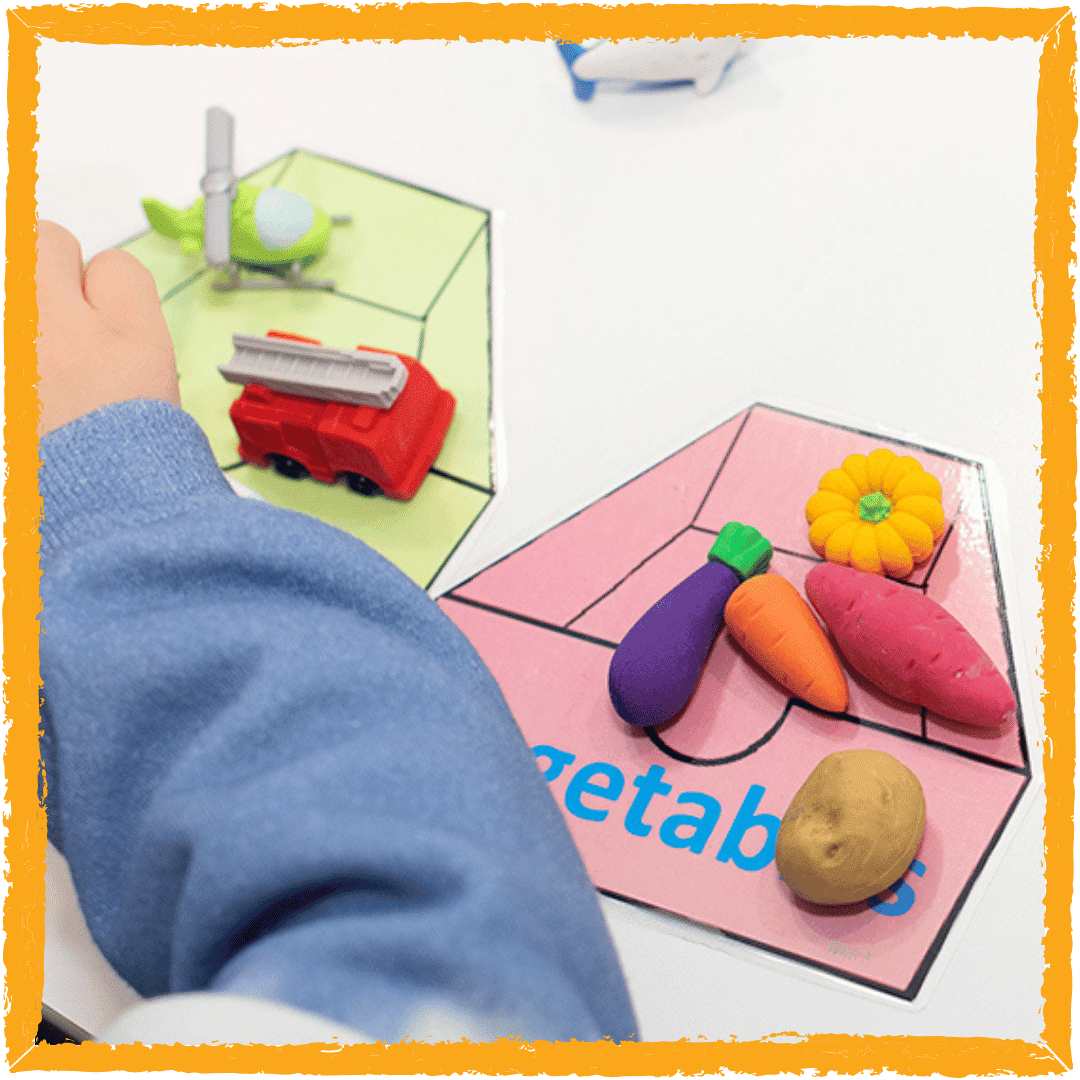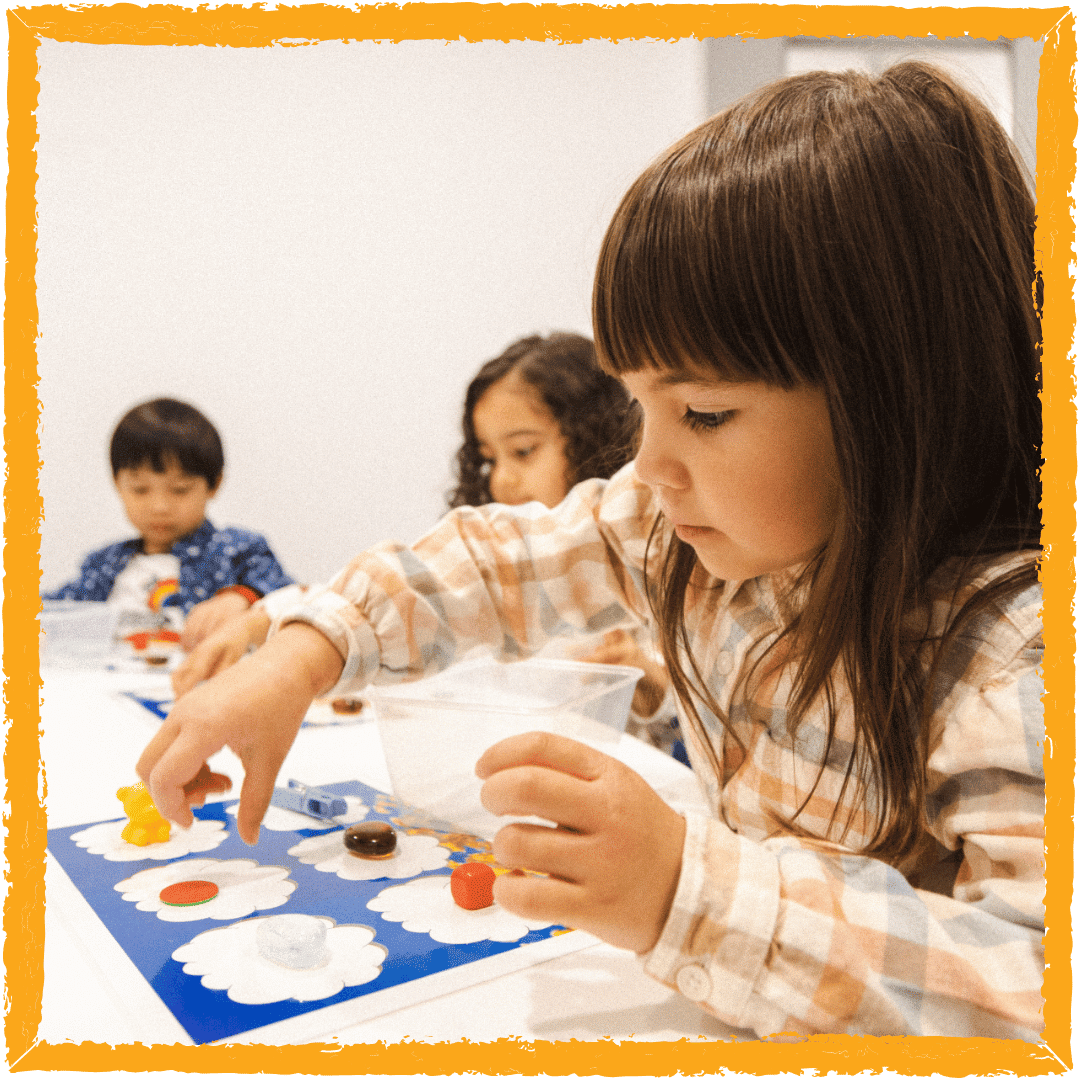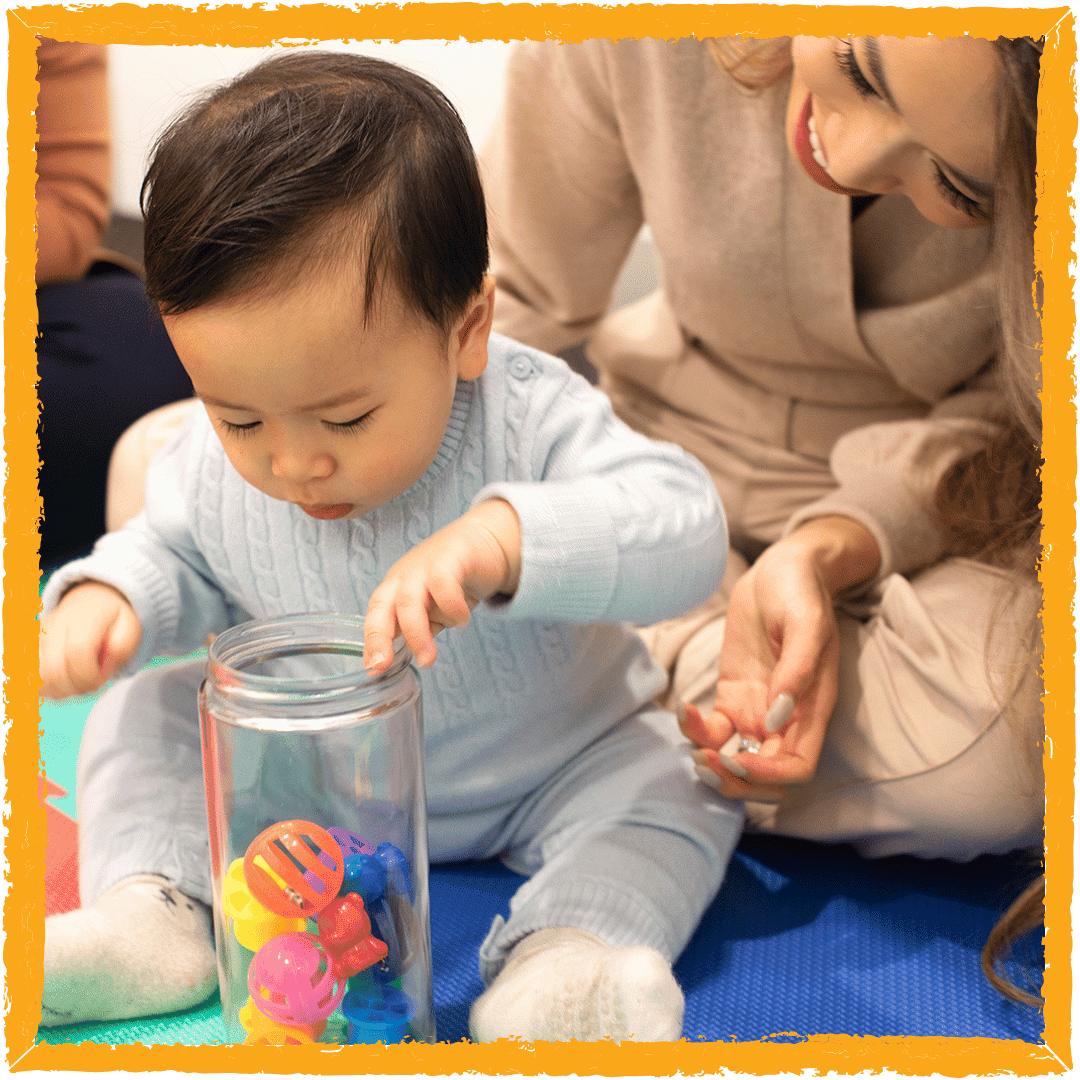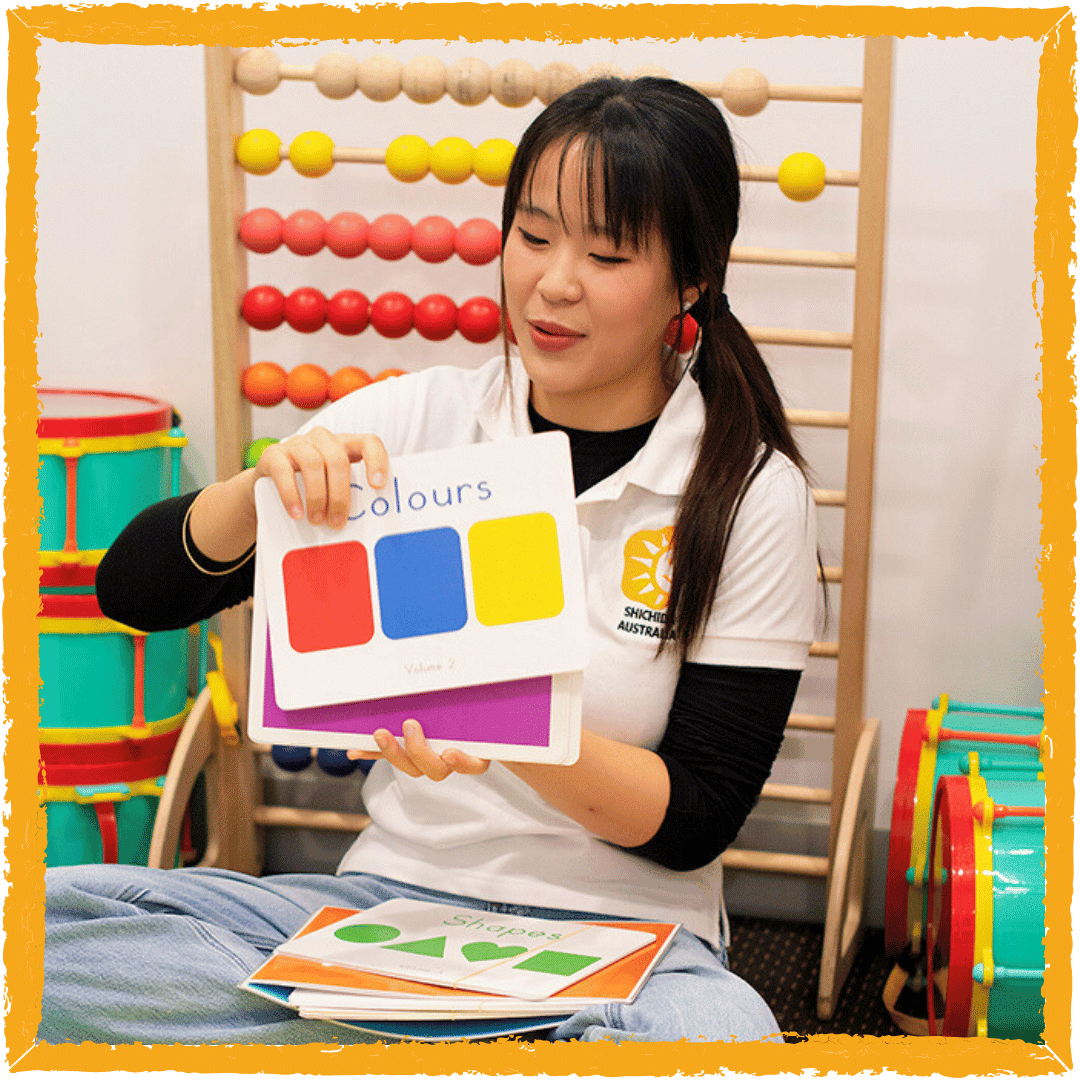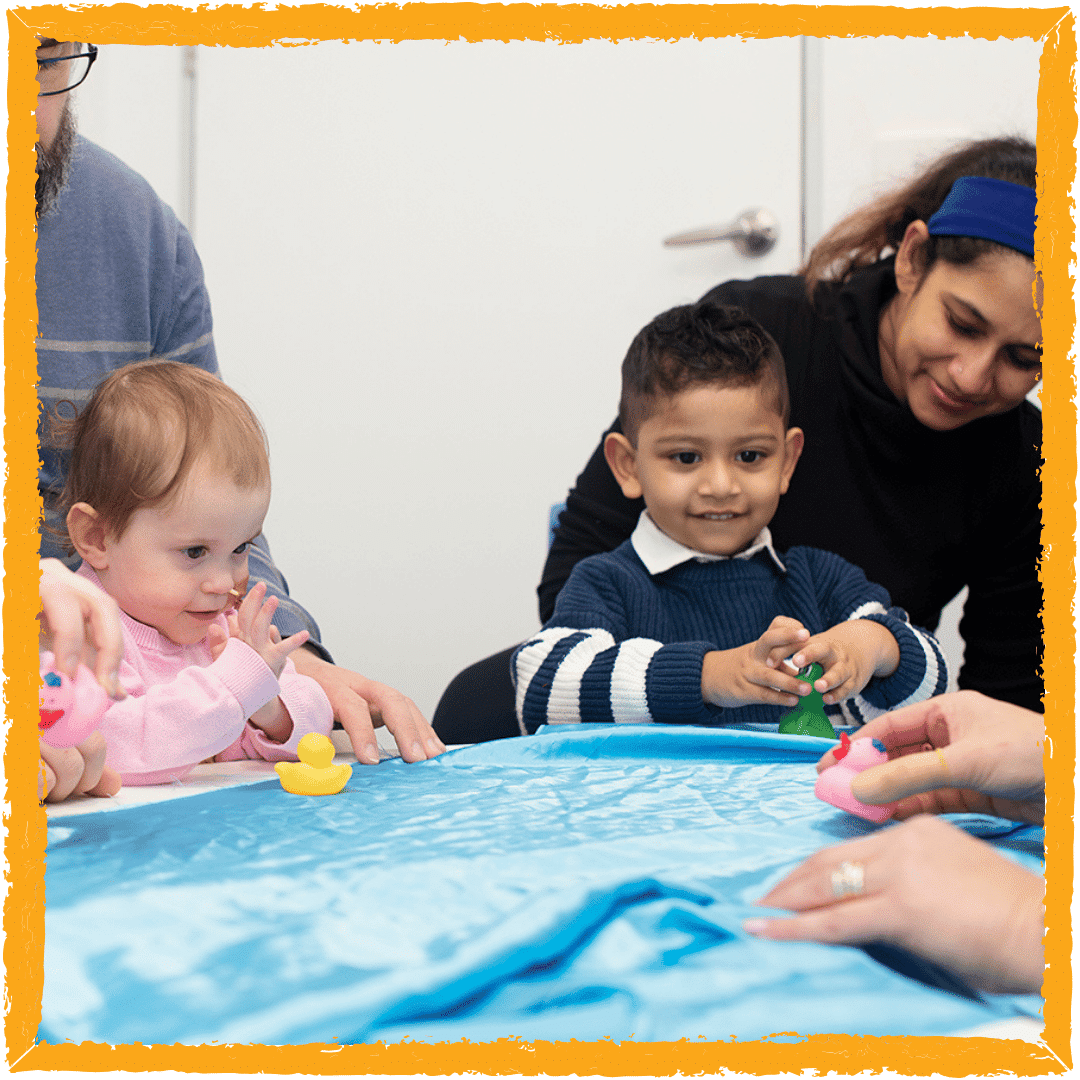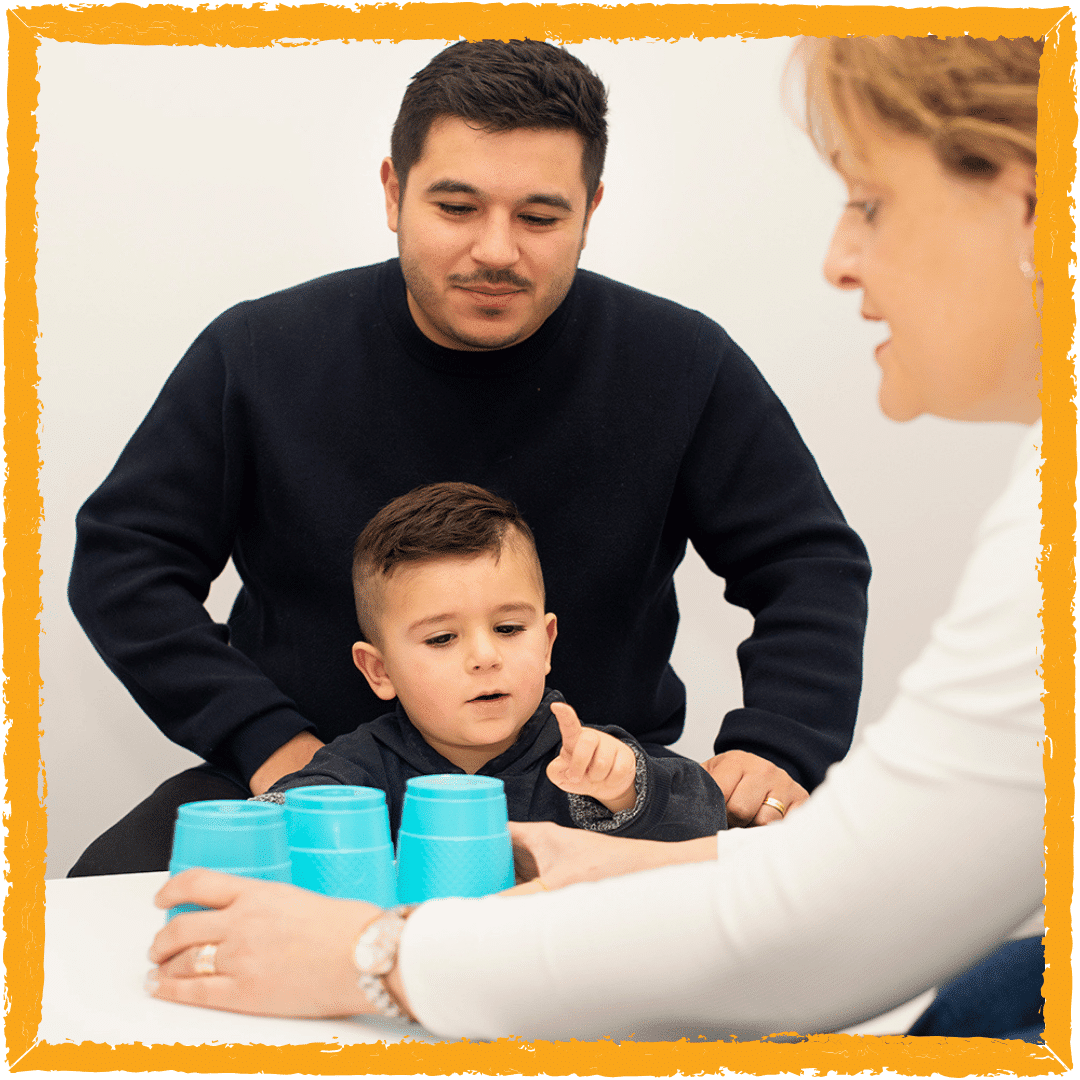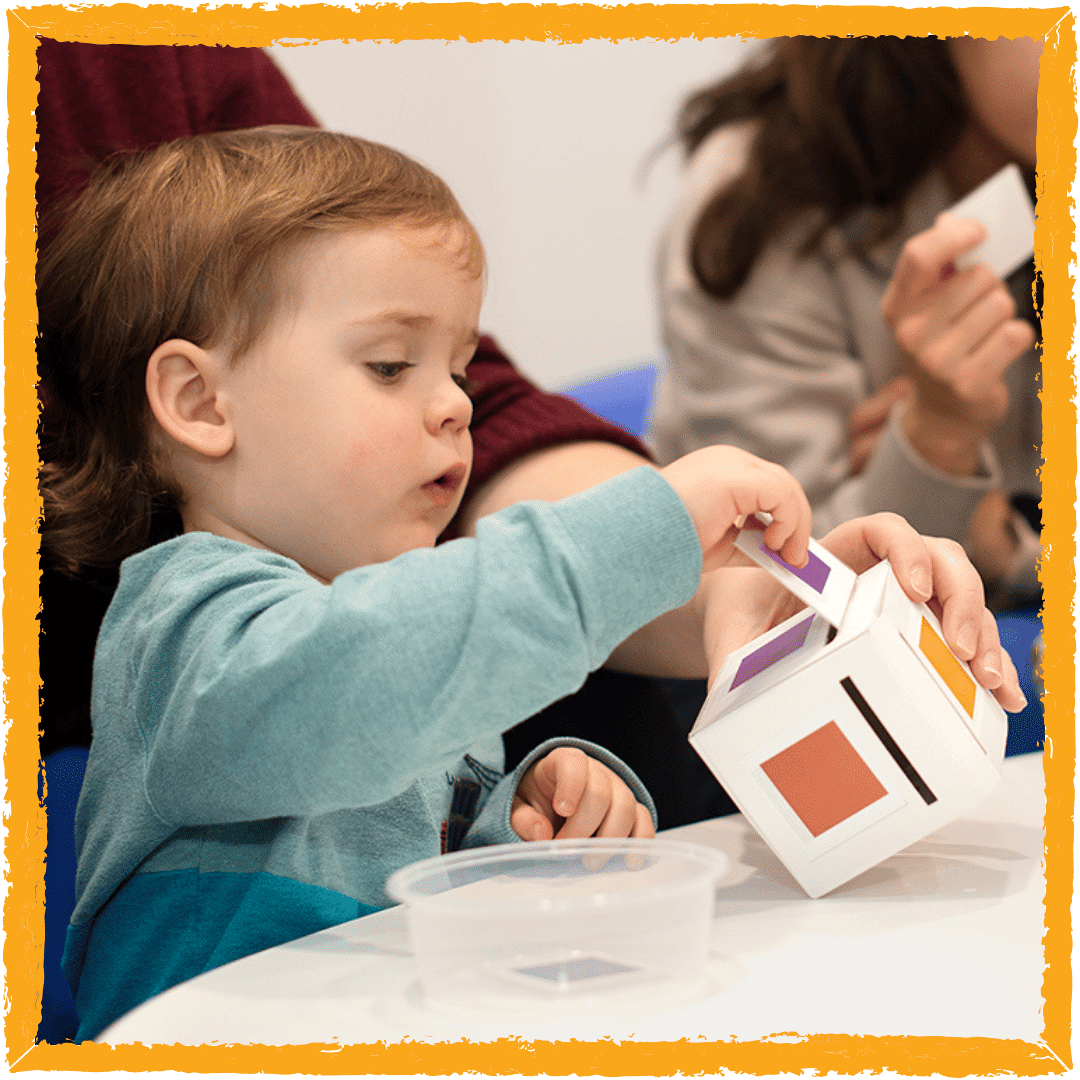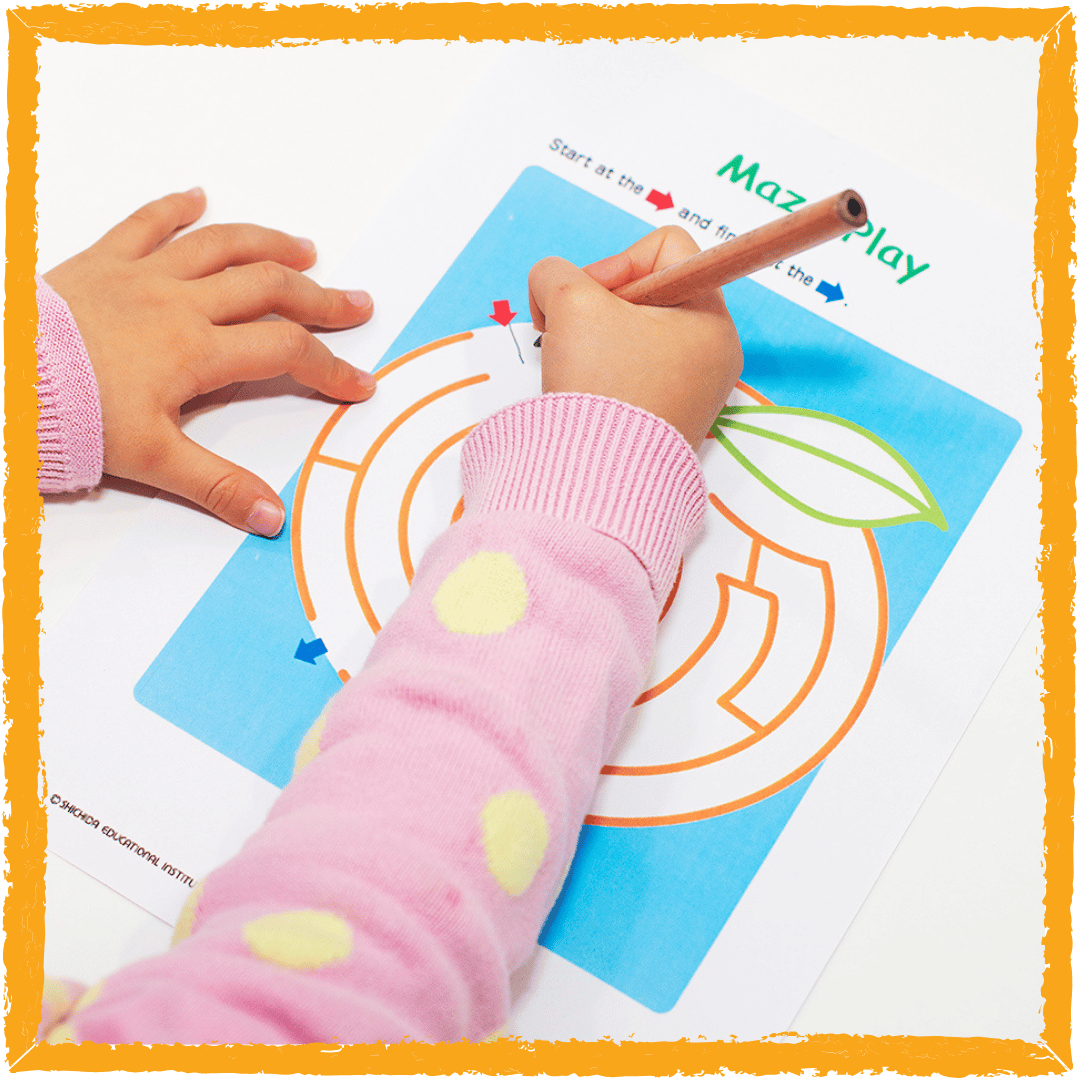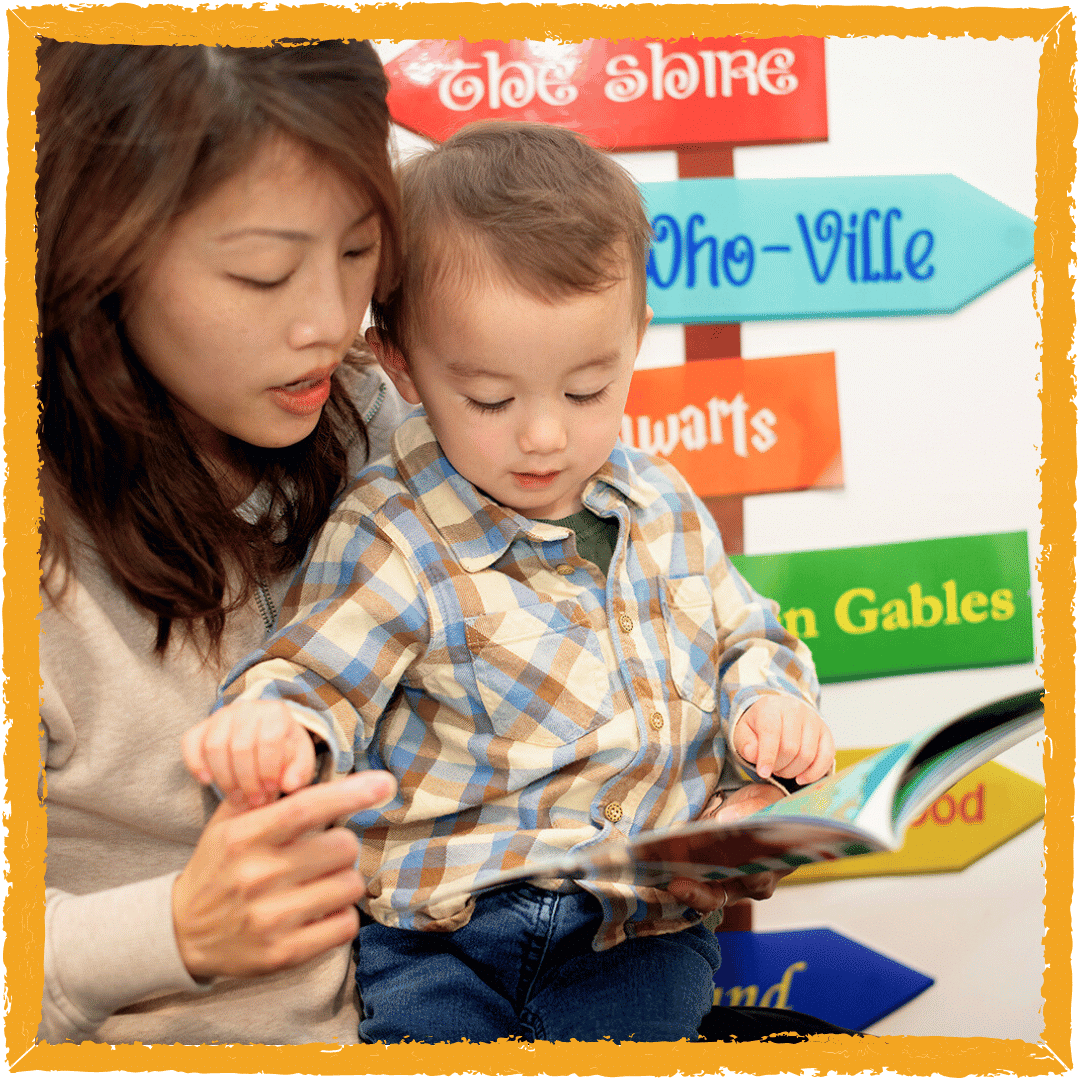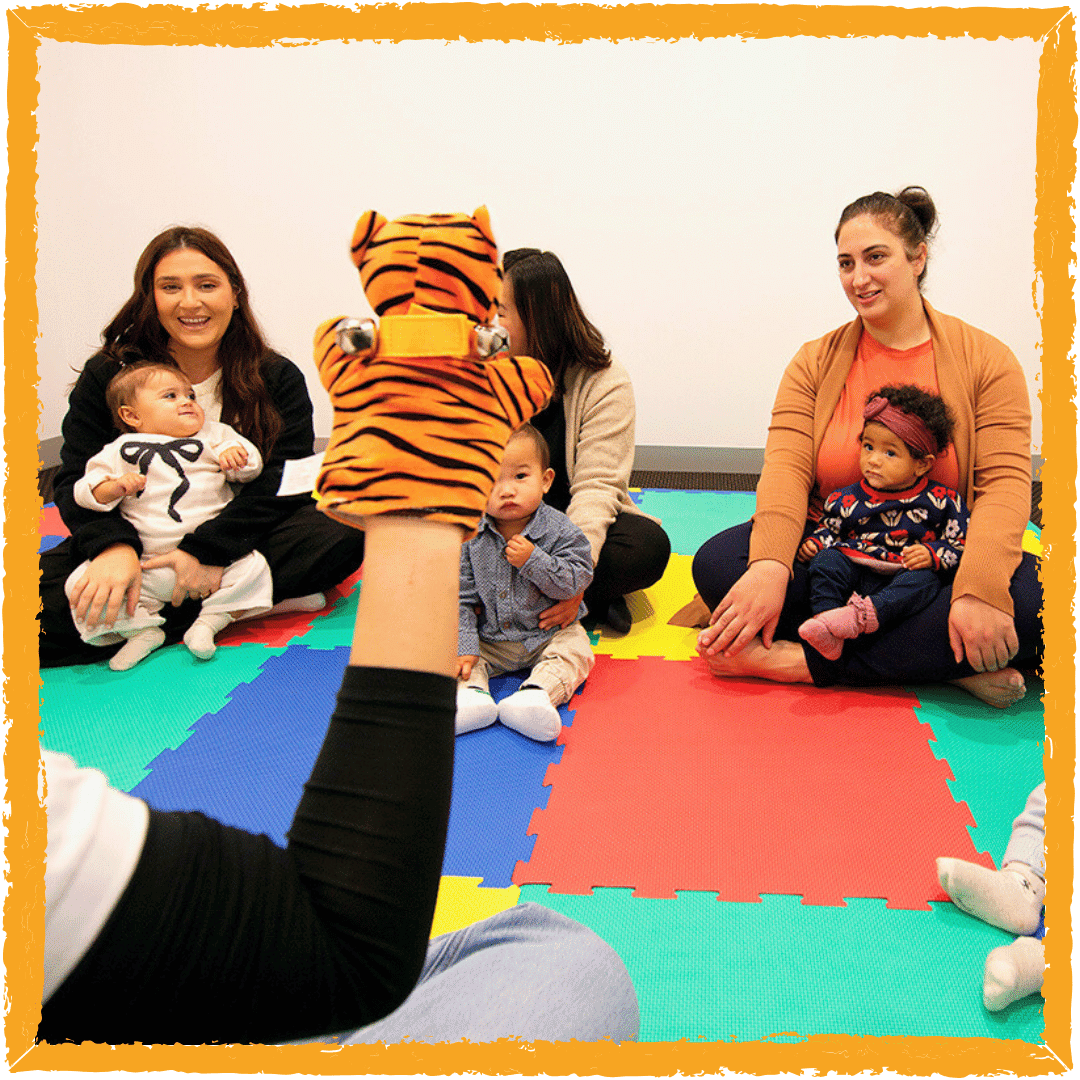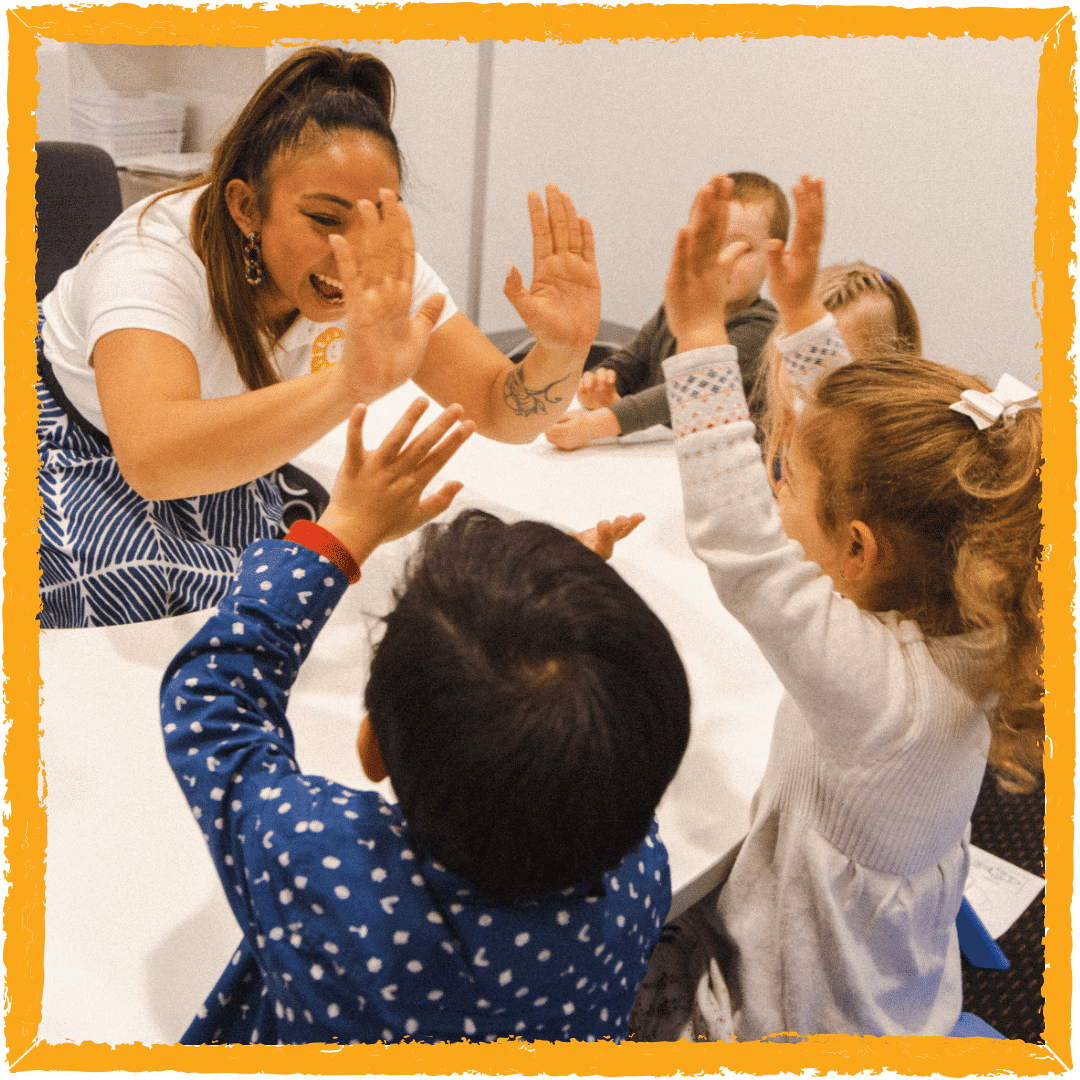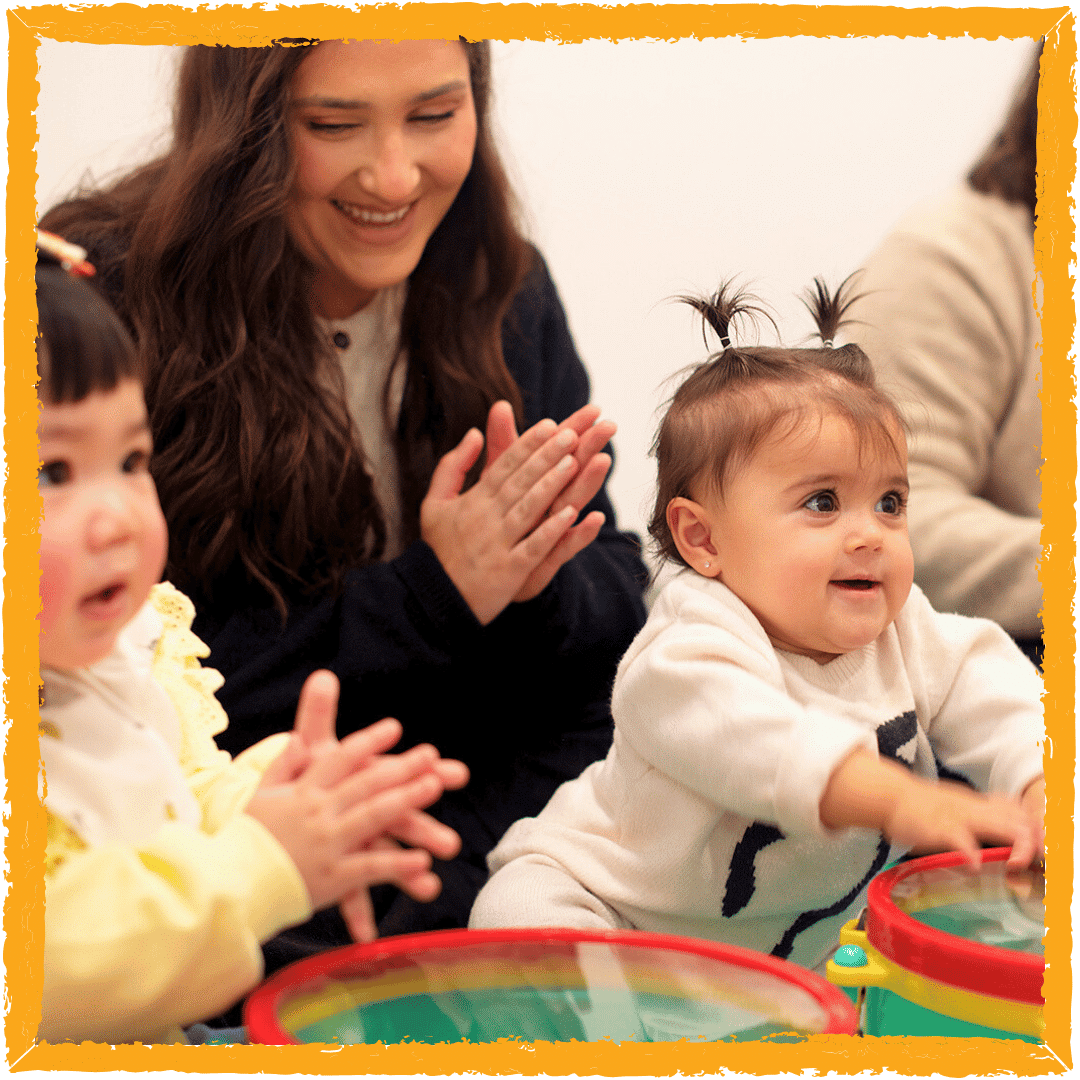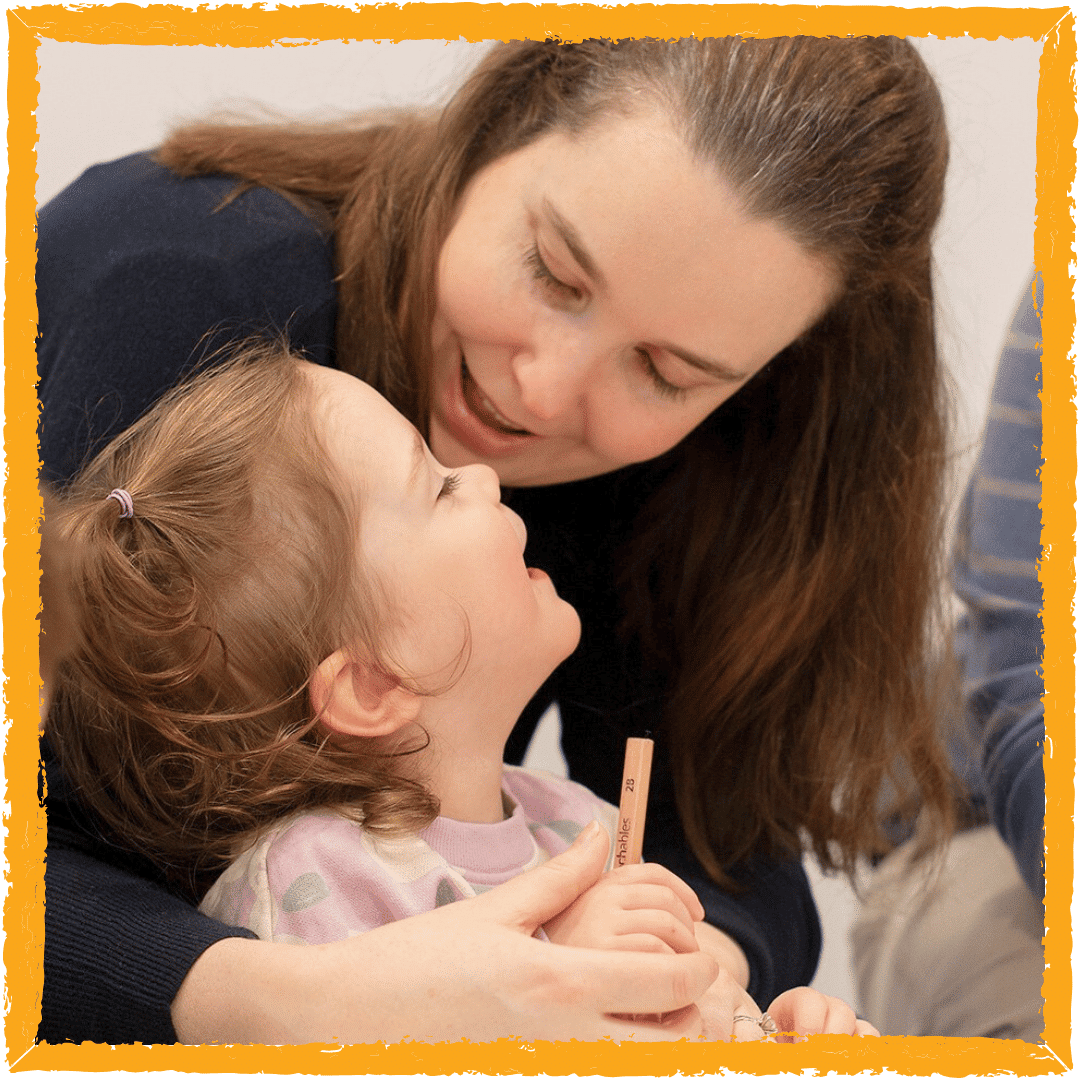
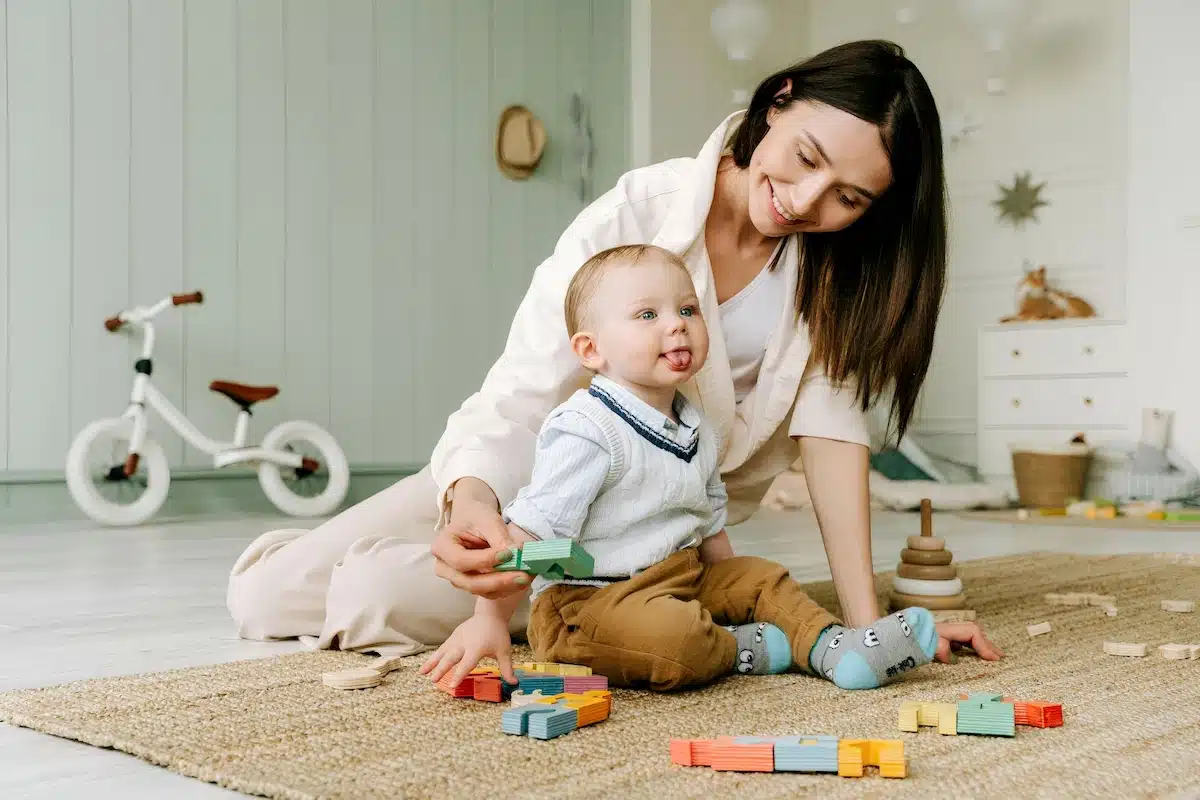
Photo from Pexels: Parent and child enjoying fun motor skill games at home, simple play that builds strength, coordination, and connection.
Motor Skill Games: Fun Activities For Child Development
5 Key Points
- Motor skill games build coordination, balance, and independence.
- Gross motor skills use big muscles for movement and posture.
- Fine motor skills focus on small hand and finger control.
- Daily play naturally strengthens both areas.
- Play-based learning prepares children for school and beyond.
Helping your child master motor skills can be really simple! In fact, the best way to support their development is through play. Every time your child climbs a step, picks up a block, or squeezes playdough, their brain and body work together in remarkable ways. These simple actions form the foundation of movement, coordination, focus, and confidence.
What Are Motor Skills?
Motor skills are how your child’s brain and muscles work together to move and control their body.
There are two main types of motor skills: gross motor (larger body movements) and fine motor (smaller hand control movements). Both are essential for daily life and learning.
The Shichida approach to learning recognises how these physical skills connect to cognitive growth. When children move, balance, and use their hands purposefully, they strengthen neural pathways that also support memory, focus, and creativity.
Even small actions offer opportunities for whole-brain development.
Boost your child’s fine and gross motor skills with simple sensory play ideas – download the free Sensory Play Guide.
Gross vs Fine Motor Skills
| Skill Type | Description | Examples by Age |
|---|---|---|
| Gross Motor Skills | Large body movements involving arms, legs, and torso. |
Toddlers (1-3): walking, climbing, pulling toys Preschoolers (3-5): hopping, running, jumping School Age (5-7): skipping, ball games, balancing |
| Fine Motor Skills | Small movements using hands, fingers, and wrists. |
Toddlers (1-3): stacking blocks, turning pages Preschoolers (3-5): using scissors, drawing shapes School Age (5-7): writing, buttoning clothes, tying laces |
Both kinds of skills grow best through play. A mix of motor skill exercises and games that involve movement, touch, and coordination helps children strengthen their muscles while keeping playtime joyful and stress-free.
Why Motor Skill Games Matter
Play is the perfect teacher. Motor skills activities lay the groundwork for:
- Coordination and balance: Moving in different ways teaches the brain and body to work together.
- Strength and stability: Muscle development supports posture, endurance, and healthy growth.
- Problem-solving and focus: Planning movements, stacking blocks, or catching a ball all build attention and reasoning.
- Handwriting readiness: Fine control of the fingers supports early writing and self-care tasks.
- Independence and confidence: Mastering physical skills helps children feel proud and capable.
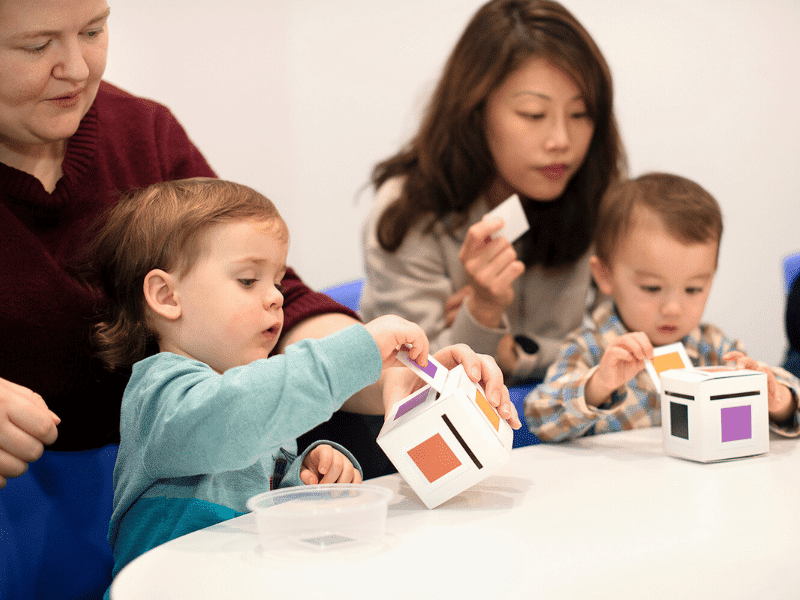
Key Motor Milestones by Age
Every child develops at their own pace. The following ranges are a gentle guide, not a checklist. Celebrate each small step and remember that variation is perfectly normal.
Toddlers (1-3 Years)
At this stage, movement means exploration. Encourage activities that build coordination and balance such as:
- Crawling through tunnels or under chairs
- Pushing or pulling toys
- Climbing onto soft furniture
- Grasping large blocks
- Stacking cups
- Scribbling and drawing
- Threading beads
Preschoolers (3-5 Years)
Preschoolers are refining control and coordination. They begin to manage tools and plan movements:
- Jumping with two feet
- Throwing, catching, and kicking balls
- Balancing on one leg
- Cutting along lines with child-safe scissors
- Drawing circles, squares, and people
- Completing simple puzzles
Early School-Age (5-7 Years)
These children gain precision, rhythm, and confidence. Support through:
- Participating in sports and group games
- Skipping, hopping in patterns
- Tying shoelaces
- Using cutlery
- Writing letters and numbers
Best Gross Motor Skill Games
Big body play builds core strength, coordination, and confidence. Try these gross motor activities both indoors and outdoors.
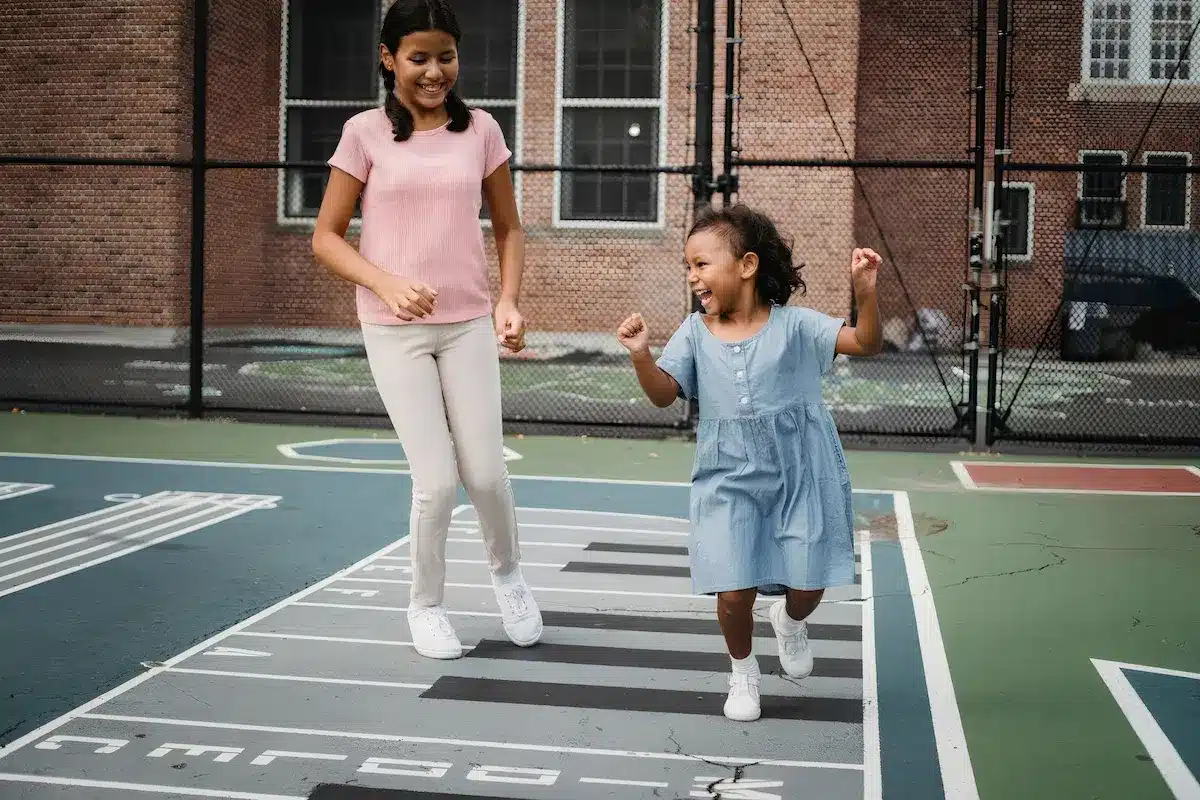
Photo from Pexels: Outdoor motor skill games like hopping, running, and ball play help children develop balance, teamwork, and confidence.
Obstacle Courses
Create a simple path using cushions, tape, and furniture. Let your child crawl under tables, jump over pillows, or walk along a taped line. This builds sequencing, strength, and problem-solving.
Hopscotch & Jumping Games
Use chalk outside or tape inside to make squares or shapes. Encourage hopping, leaping, and “animal jumps” like frog hops or kangaroo bounds. These strengthen leg muscles and balance.
Balance Activities
Lay down a strip of painter’s tape as a “tightrope.” Encourage walking heel-to-toe or balancing soft toys on heads. You can also try simple yoga poses like tree or star pose.
Ball & Balloon Play
Rolling a ball, gentle throws, or balloon tapping helps children judge distance and movement. Balloons are slow-moving, perfect for younger toddlers to practise coordination.
Nature Movement Games
Outdoor play connects movement with exploration. Try:
- Nature scavenger hunts (find leaves, stones, or sticks)
- Hill rolls for body awareness
- Running races or “follow the leader” through natural paths
Best Fine Motor Skill Games
These fine motor activities build hand strength, precision, and coordination, all essential for writing and self-care.
Sorting & Pinching Play
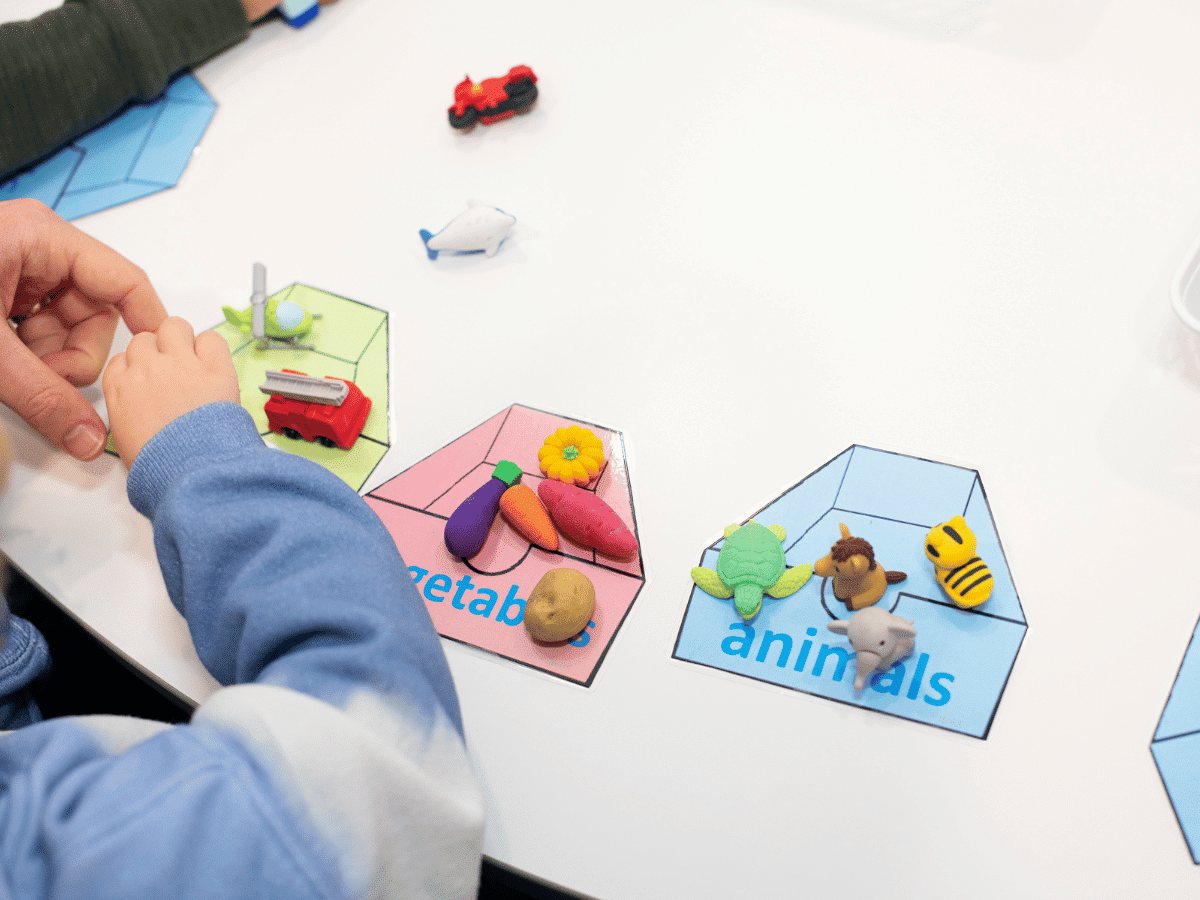
Use tweezers or tongs to move pom-poms, buttons, or pasta pieces between containers. Sorting by colour or size makes it even more engaging. These games refine pincer grip and focus.
Arts & Crafts
Both finger painting and cutting paper strengthen small muscles and hand-eye coordination. Playdough tools like rolling pins and cutters are excellent toys for kids.
Household Object Challenges
Encourage your child to practise real-life skills:
- Fastening buttons and zippers
- Pouring rice or water between cups
- Clipping clothes pegs
- Scooping with spoons
Puzzles & Construction
Building blocks, threading laces, and connecting magnetic tiles strengthen problem-solving and dexterity. Encourage trial and error, it’s how children learn best.
Sensory Motor Play Activities
Sensory motor play links touch, movement, and exploration. It’s a gentle way to boost coordination and calmness.
Play Dough & Clay Work
Rolling, flattening, and squishing textures build hand strength and creativity. Encourage your child to form shapes, letters, or pretend foods.
Water & Sand Play
Provide cups, sponges, and scoops. Squeezing water from sponges or transferring sand between buckets supports both sensory regulation and fine control.
Natural Texture Games
Sort leaves, pebbles, or shells by texture or colour. Natural objects awaken curiosity and enhance tactile awareness.
Motor Skill Games by Setting
Indoor
Create fun spaces for movement on rainy days:
- Cushion jumps
- Cardboard box tunnels
- Tape tracks for cars or crawling
Outdoor
Use open spaces for large movement play:
- Chalk-drawn obstacle courses
- Playground climbing
- Simple running or relay games
Low-Prep / Household
No special toys needed:
- Sock bowling with rolled socks and plastic bottles
- Laundry basket toss
- Towel tug-of-war
Every home has materials that can turn into DIY kids activities with a little creativity.
Signs a Child May Need Support
All children progress at their own pace. Some may take longer to balance, hold a pencil, or coordinate movements. If you notice persistent struggles with daily tasks like dressing, climbing, or gripping, consider talking to your child’s teacher or an occupational therapist.
Tips for Encouraging Motor Skills at Home
Building motor development for kids works best when it’s woven into everyday life. Here are some gentle strategies:
- Play-based repetition: Children learn through fun, frequent practice.
- Model movements: Show actions slowly and clearly.
- Celebrate effort: Praise persistence, not perfection.
- Include daily routines: Dressing, tidying, or cooking all build skills.
Everyday Skill-Building Ideas
Simple household tasks make excellent child coordination games:
- Stirring batter
- Squeezing sponges
- Hanging washing
- Carrying groceries
- Zipping coats or opening lunchboxes
Free Motor Skill Printables & DIY Ideas
Check out the Shichida’s free early learning resources and ideas for both children and parents.

At Shichida, learning begins with meaningful connection. Each activity is designed to nurture the whole child – mind, body, and heart.
If you’d like to see how playful learning can boost your child’s development, book a trial class with Shichida Australia today and experience the difference for yourself!
FAQ: Motor Skills Games
Motor skill games are fun activities that build strength, coordination, and control. They include everything from climbing and catching to threading and drawing.
From infancy. Simple movements like grasping toys or crawling are early forms of motor play. As children grow, play becomes more varied and purposeful.
Pouring water, tying shoelaces, or sweeping the floor are all everyday chores that naturally strengthen movement control and coordination.
Fine motor games: playdough shaping, puzzles, threading beads.
Gross motor games: hopping, climbing, balancing, running games.
Mild differences are very common. Children develop at their own pace, and supportive play often helps close small gaps.
If your child avoids physical play or struggles with tasks like using utensils, drawing, or balancing, an occupational therapist can offer practical guidance and reassurance.
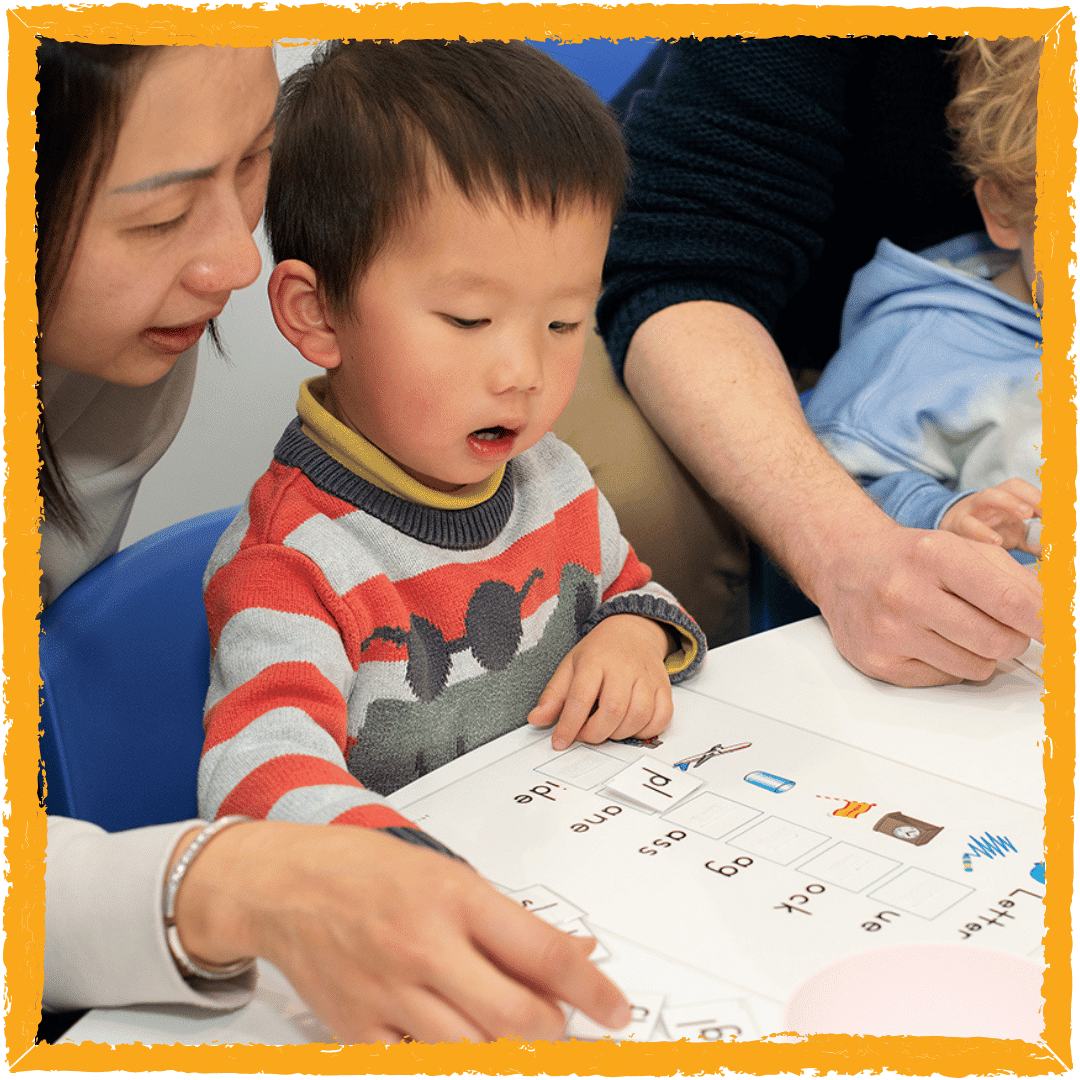
Shichida offers hands-on, play-based classes that strengthen fine motor skills through activities like tracing, threading, puzzles, and early pencil control. Each activity is guided step-by-step, helping children build confidence and coordination in a fun, supportive setting.