
Maze Books for Toddlers & Preschoolers: Play and Learn
Key Takeaways:
- Maze books are fun and educational, supporting vital early skills.
- Toddlers and preschoolers benefit from age-appropriate challenges.
- Skills developed include fine motor, focus, problem-solving, and pre-writing.
- Shichida Maze Book Series offers structured, progressive learning.
- Available online for easy shopping and trusted by parents worldwide.
Maze Books for Toddlers? Yes!
Finding activities that are both fun for your kids and genuinely helpful for their development can be a real challenge. You want something that will captivate their attention, build important skills, and give you both a break from screen time. That’s exactly where maze books come in.
While they might look simple, maze activities are packed with developmental benefits. Whether you have a toddler just starting to learn about problem-solving or a preschooler ready for more complex puzzles, these books offer a fantastic, hands-on way to learn.
In this guide, you’ll discover why mazes are so great for early development, how to pick the perfect maze book for your child’s age, and why the Shichida’s Maze Book Series is designed to grow right along with your little learner.
Why Mazes Are Great for Early Learning

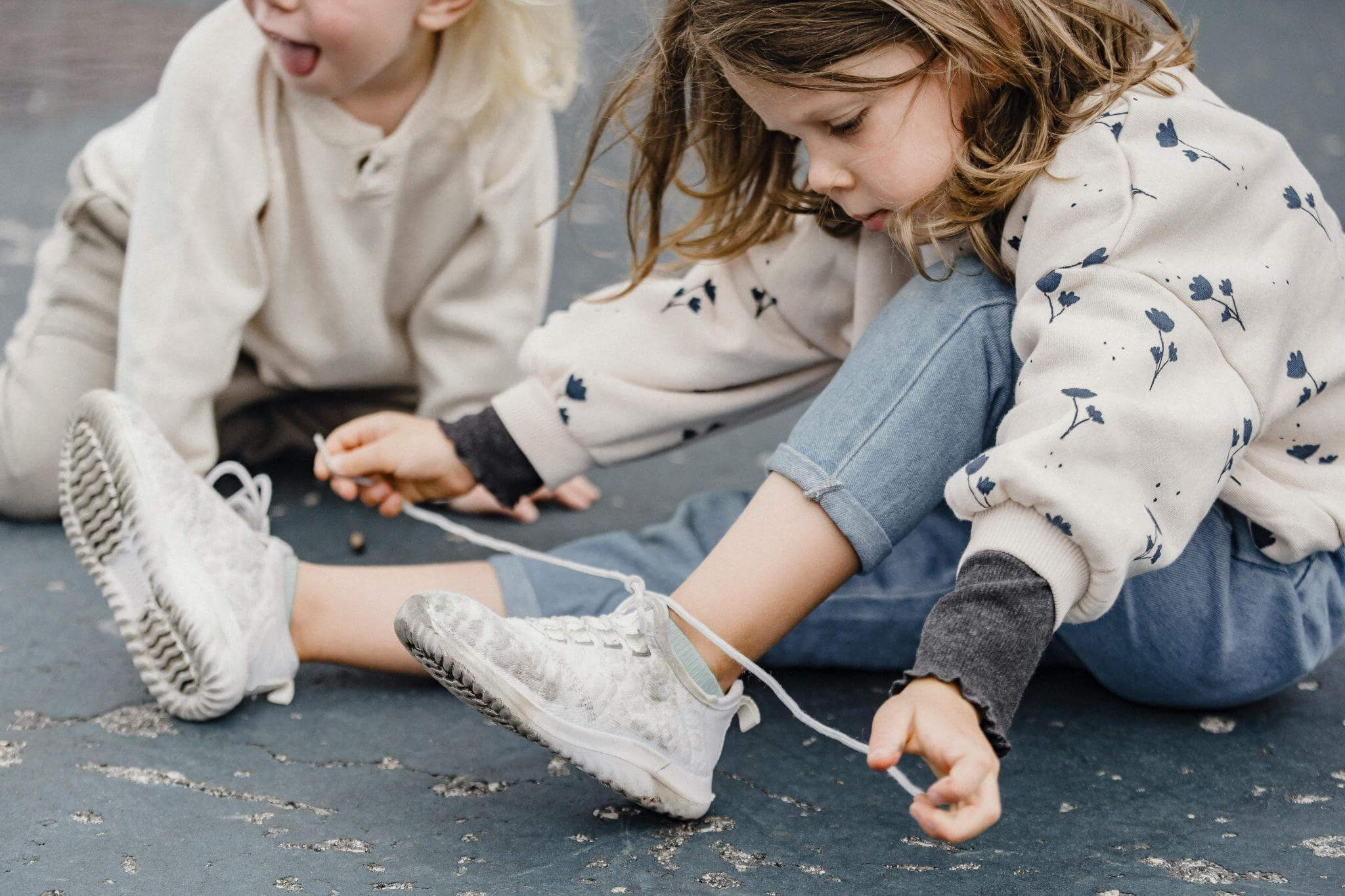
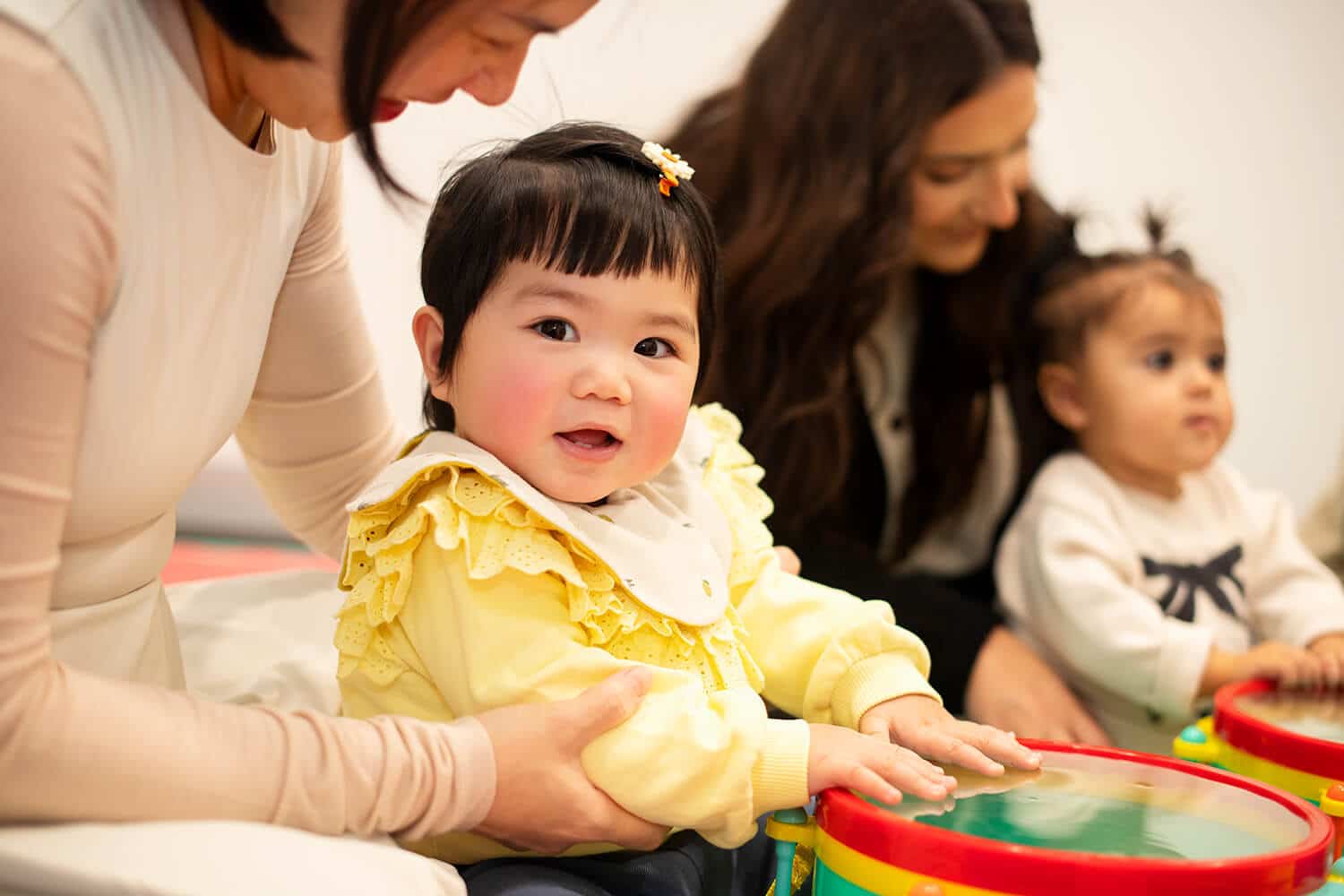
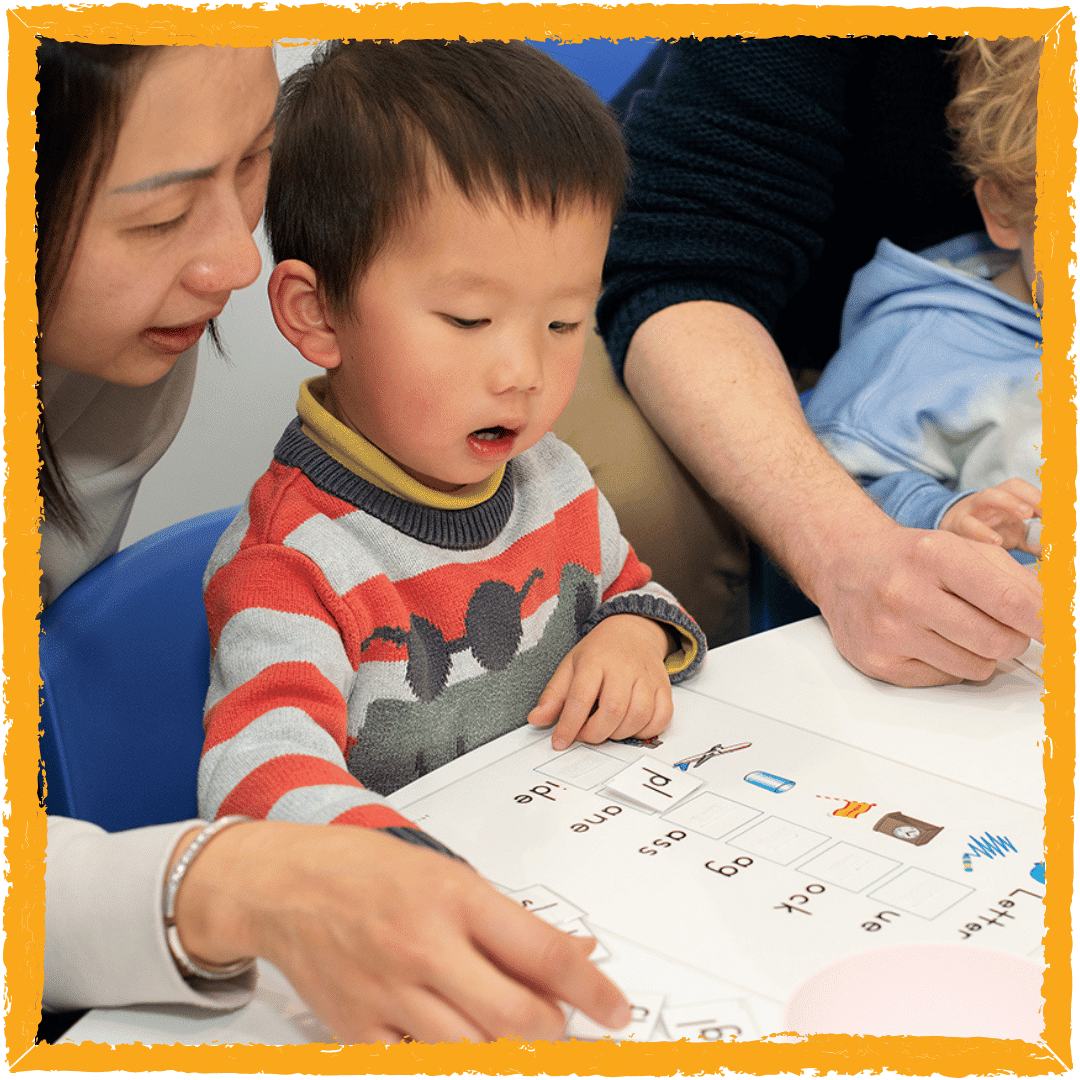
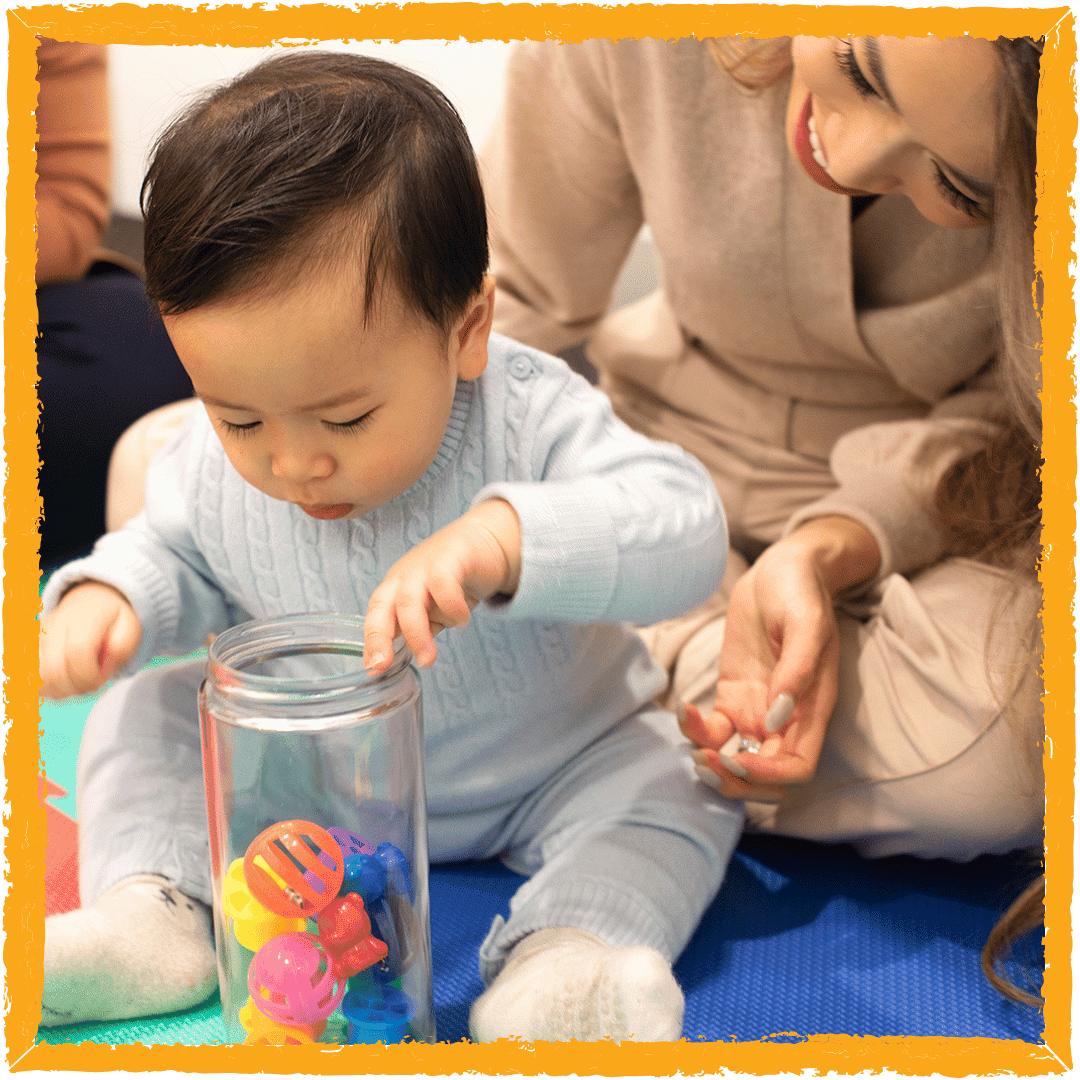
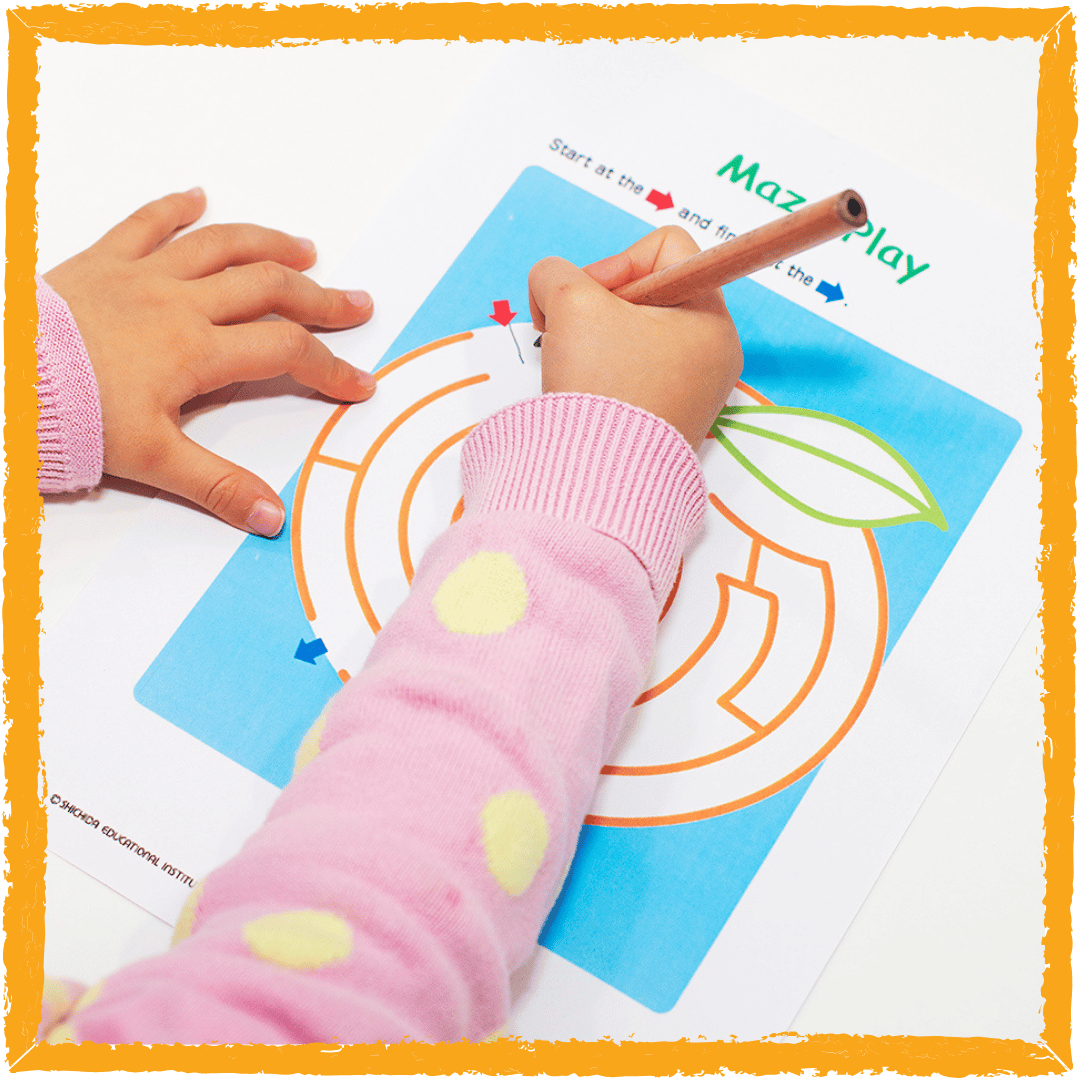
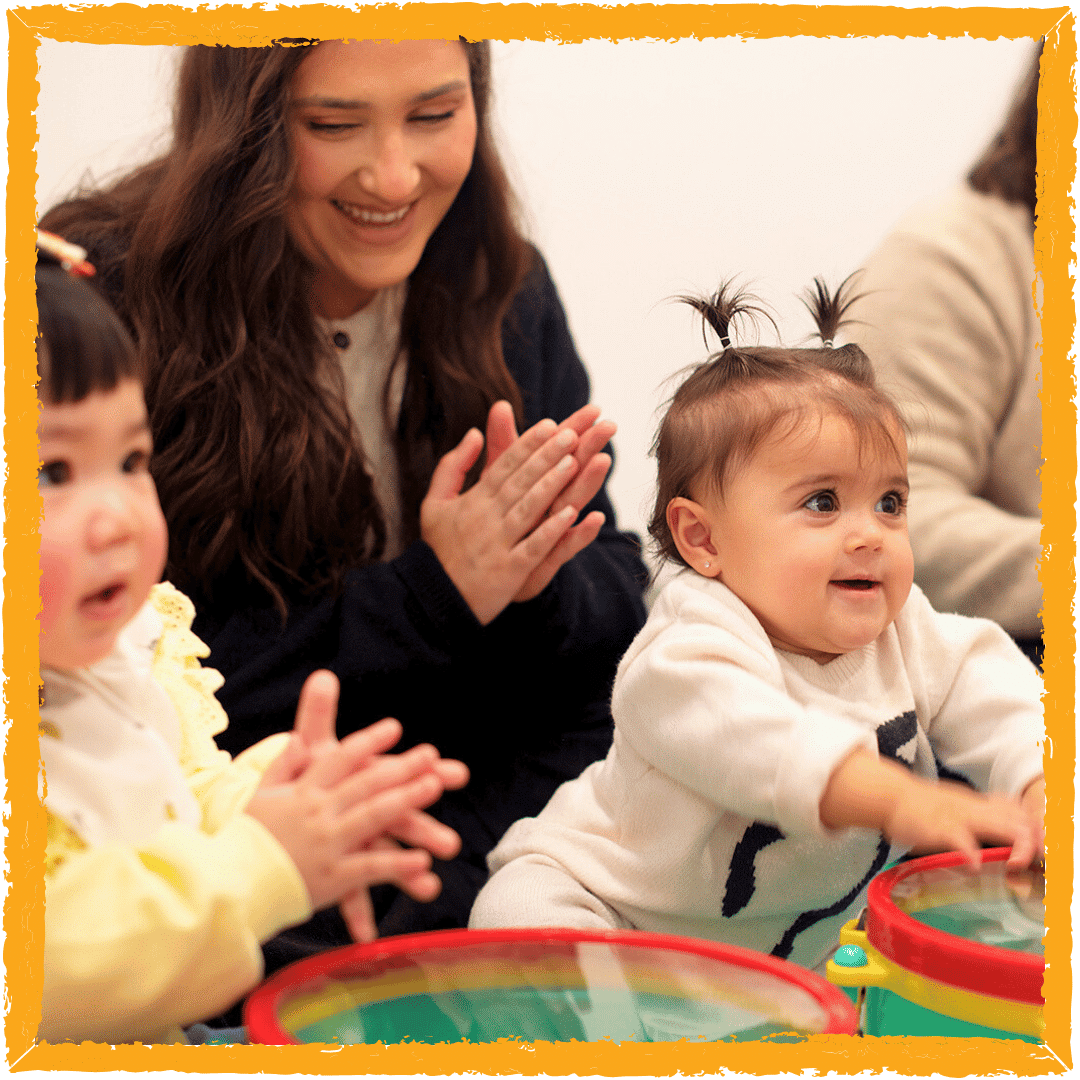
Photo from Shichida Australia: Little learners sharpening focus and problem-solving with maze activities in Shichida class.
Here are some of the top benefits of mazes for kids:
Develops fine motor skills
Each time your child traces a maze path using a crayon, pencil, or even a finger, they’re building the small muscles of the hands. These actions get children ready for daily activities such as holding forks, buttoning shirts, and eventually, holding a pencil to write. According to UNICEF, fine motor skills are a crucial part of early development and are directly linked to school readiness.
Builds problem-solving and critical thinking
Mazes encourage kids to think! The choices made while solving a maze, builds problem-solving abilities and persistence. For preschoolers and toddlers, it’s a healthy way to practice trial and error.
Improves focus, patience, and persistence
In the fast-paced world today, assisting children to learn the ability to focus is more crucial than ever. Mazes demand attention and get children to persevere with an activity until the end.
Encourages early pre-writing skills
Before a child can create letters and numbers, they must become proficient in line control and hand-eye coordination. Mazes are anm ideal way to practise pen control and pencil grip. Drawing curves, turns, and lines provides children with the control they’ll eventually apply to handwriting.
Choosing the Right Maze Book for Your Child
One of the most critical things to keep in mind is age-appropriateness. A maze that is too easy will bore your child, but one that is too hard might frustrate them. Selecting the appropriate level of challenge allows your child to build confidence, while being challenged.
Toddler maze books (ages 2-3)
Toddlers are enthusiastic learners who enjoy interactive play. Maze books for them should feature:
- Easy challenges with engaging themes (animals, food, vehicles)
- Paths with limited options to avoid frustration
- Chances to practice pencil control with thicker lines
Children can practise decision-making and problem-solving. Parents can get involved by posing lead-in questions such as, “Shall we attempt to go this way?”
Preschooler maze books (ages 3-5)
Preschoolers are able to take on slightly more advanced mazes. Such books typically include:
- Narrower paths for better control
- More turns, twists, and dead ends
- Themed mazes, which bridge imagination to logic
Solving these mazes, provide children with a genuine feeling of accomplishment and promote school readiness. Maze activities also support other learning areas like early maths, sequencing and reasoning.
Shichida’s Maze Book Series: Designed for Early Learning Success

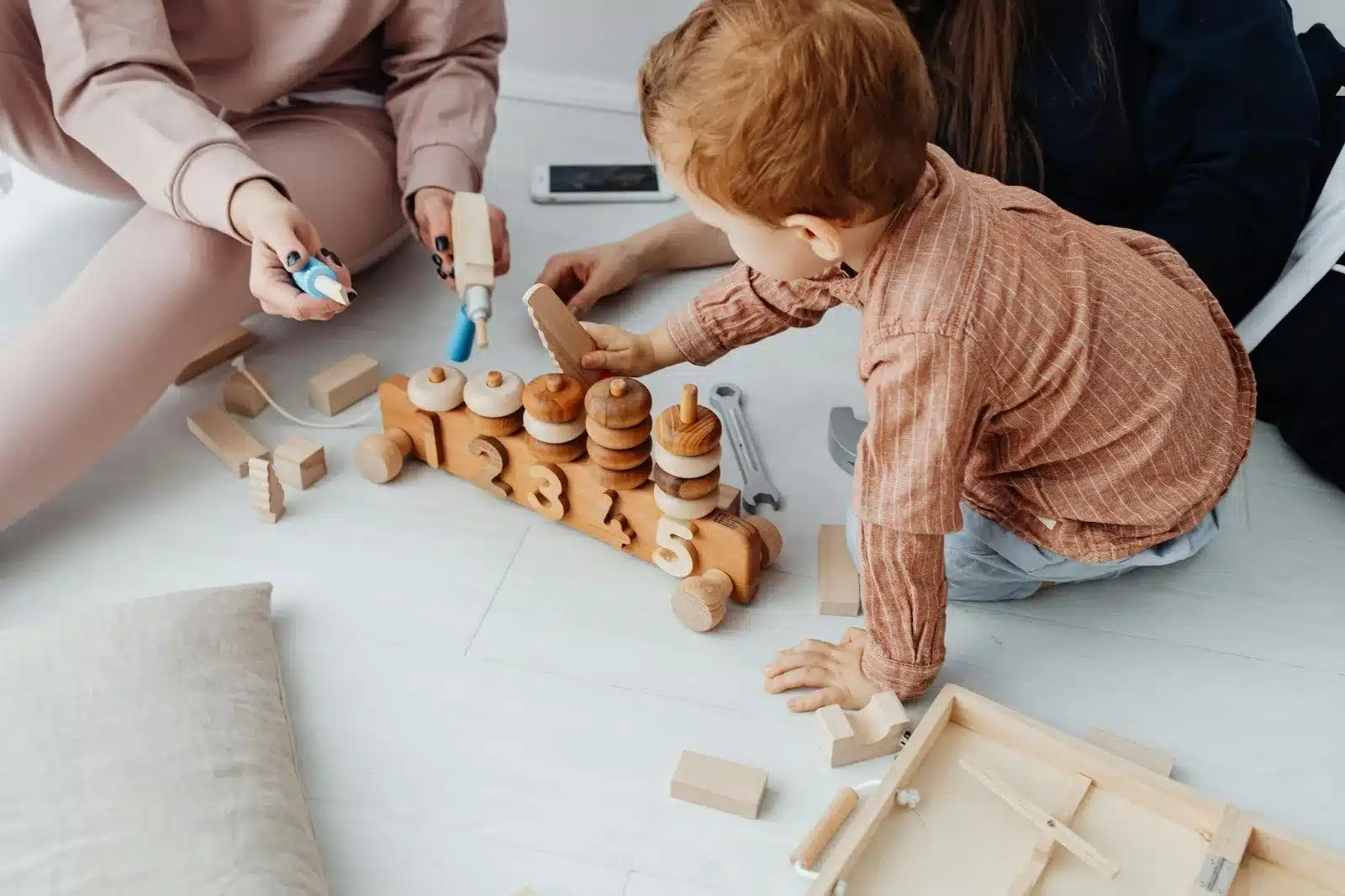
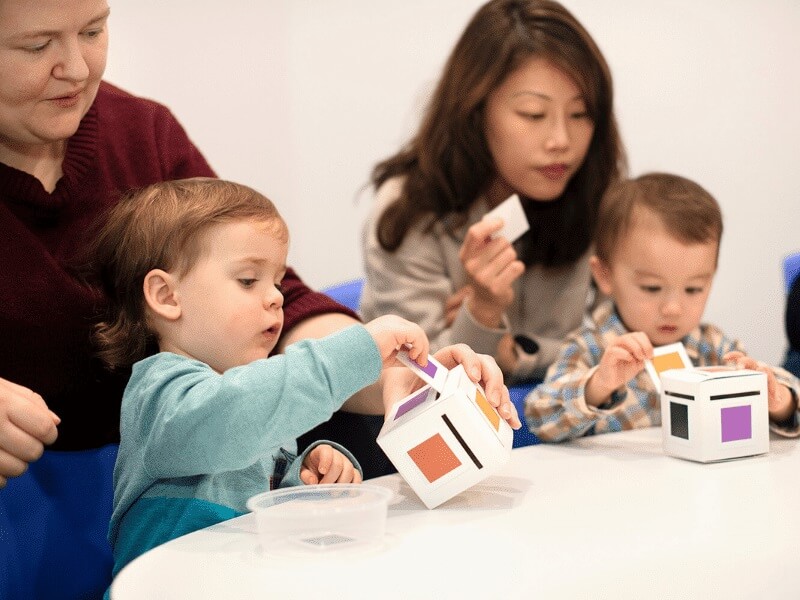
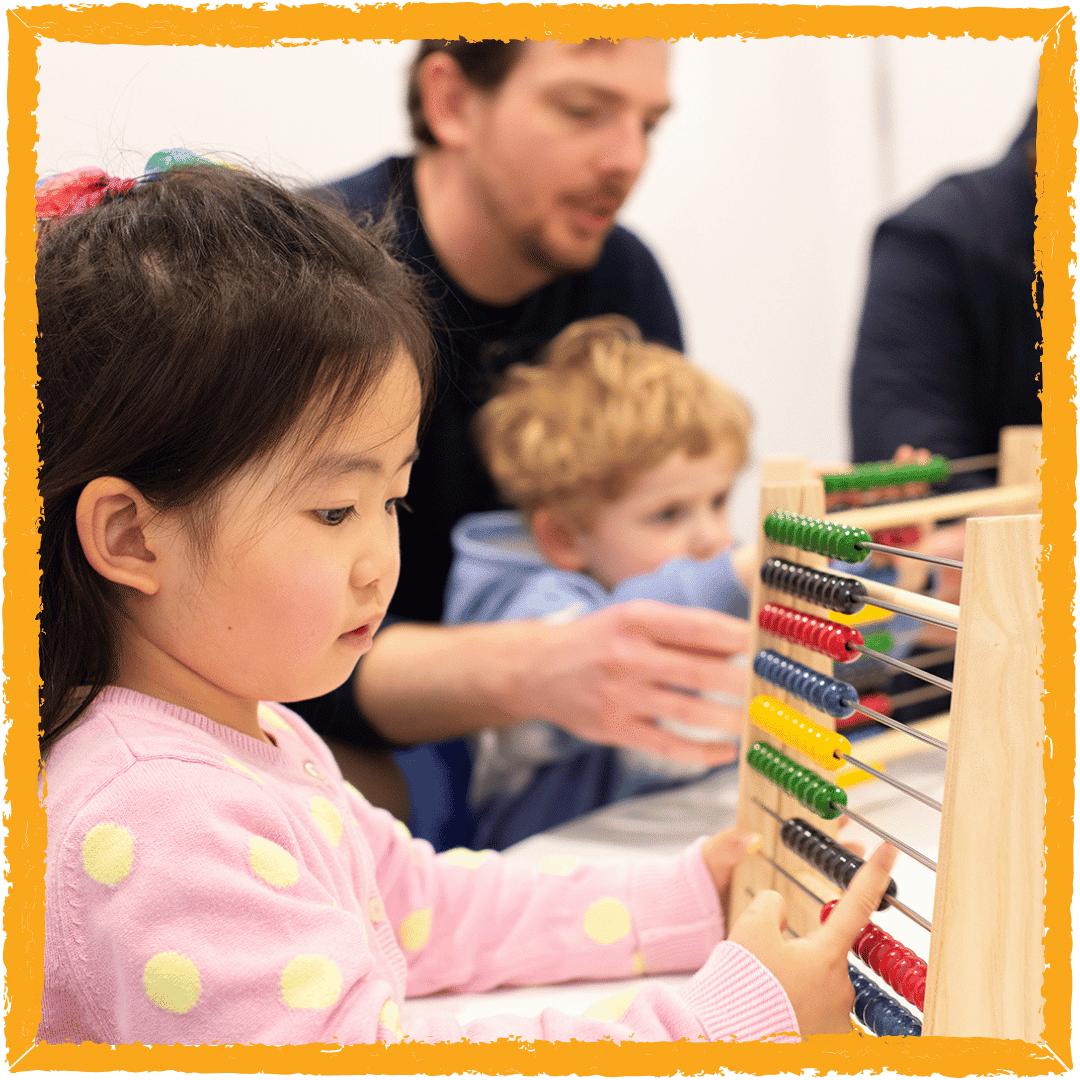
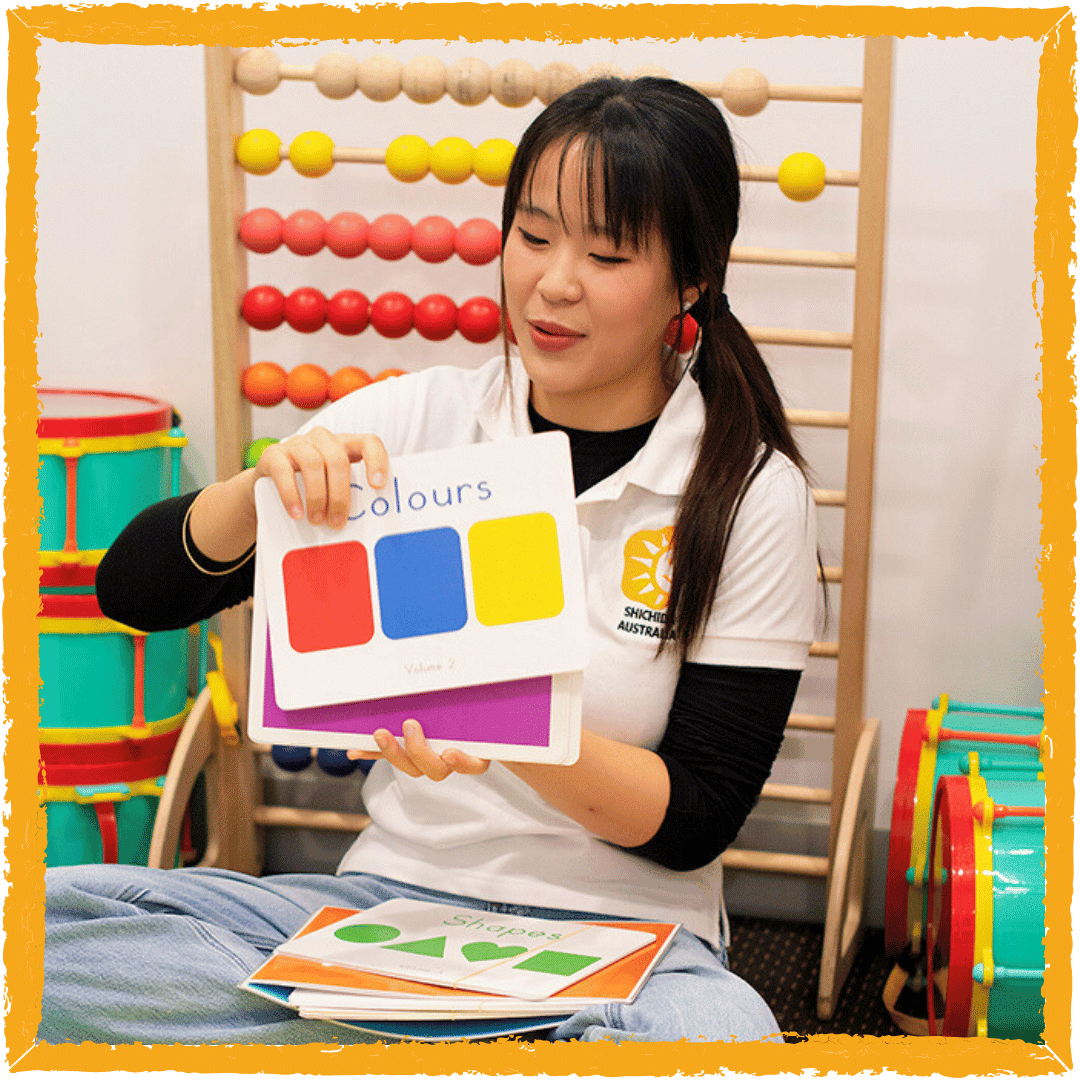
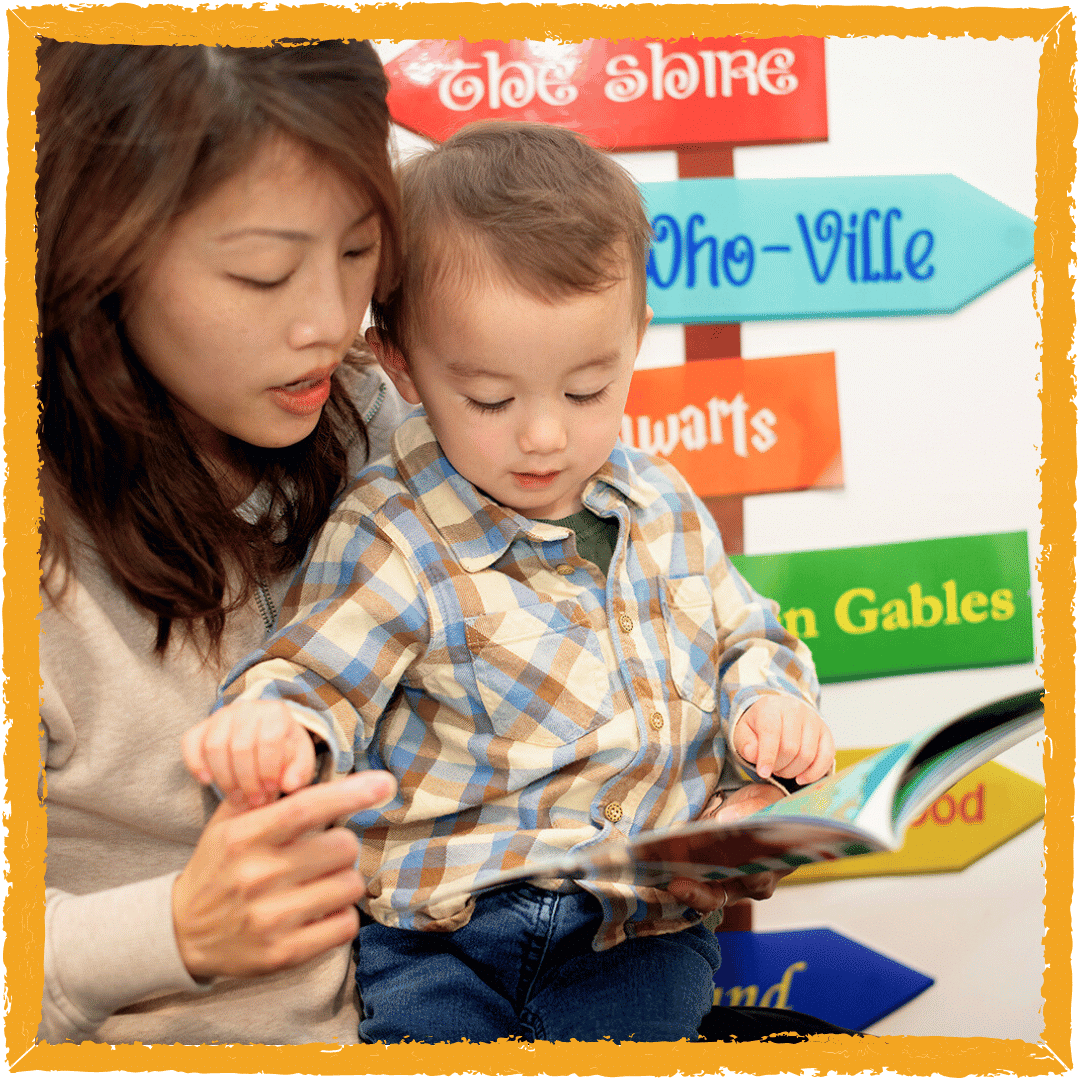
Photo from Shichida: Building focus and concentration through engaging maze activities in a Shichida class.
With the Shichida Maze Book Series, you can have the assurance that every page is created with your child’s growth in mind.
Based on the Shichida Method, a globally acclaimed system of early learning, these books combine fun and developmental gain. Each series is designed to be tailored to your child’s age and developmental stage, from early toddlerhood through to primary school.
In contrast to generic puzzle books, Shichida maze books are created by early childhood experts who know how children learn. Each level gradually increases in difficulty from the previous one, providing your child with a strong sense of accomplishment.
Comparison Table: Which Maze Book is Right for Your Child?
| Age Group | Features | Benefits | Shichida Maze Book Option |
|---|---|---|---|
| Toddlers (2-3) | Bold, simple mazes with wide paths, playful themes | Visual tracking, early motor practice, focus | Shichida Maze Series #1 |
| Preschoolers (3-5) | Slightly more challenging mazes, with fun themes | Decision-making, pencil control, logical thinking | Shichida Maze Series #2 |
| Preschoolers & School Age (4-7 | More complex mazes with twists and dead ends | Problem-solving, persistence, pre-writing | Shichida Maze Series #3 |
| Preschoolers & School Age (5-8) | Challenging mazes with narrow paths and dead ends, includes 3D mazes with tunnels and bridges | Advanced problem-solving skills, focus, critical thinking, writing skills, persistence | Shichida Maze Series #4 |
Tips for Parents to Use Maze Books Effectively
You don’t need long sessions for maze books to be effective. Just one maze a day or a few spread out over the week can make a big difference. Here are a few tips to get started:
- Develop a routine: Use maze books during quiet playtime, bedtime, or while travelling. Children thrive on routine, and mazes are a calming, screen-free activity.
- Mentor kindly: Praise effort over results. Try saying, “I love how you tried a new route!” to build confidence and persistence.
- Mix it up: Rotate maze books with other brain games to keep things fun and challenging.
- Track progress: Save completed pages to show your child how much they’ve improved – a powerful motivator!
- Join the fun: Work on a maze together or trace along with your finger. Shared learning strengthens the parent-child bond.

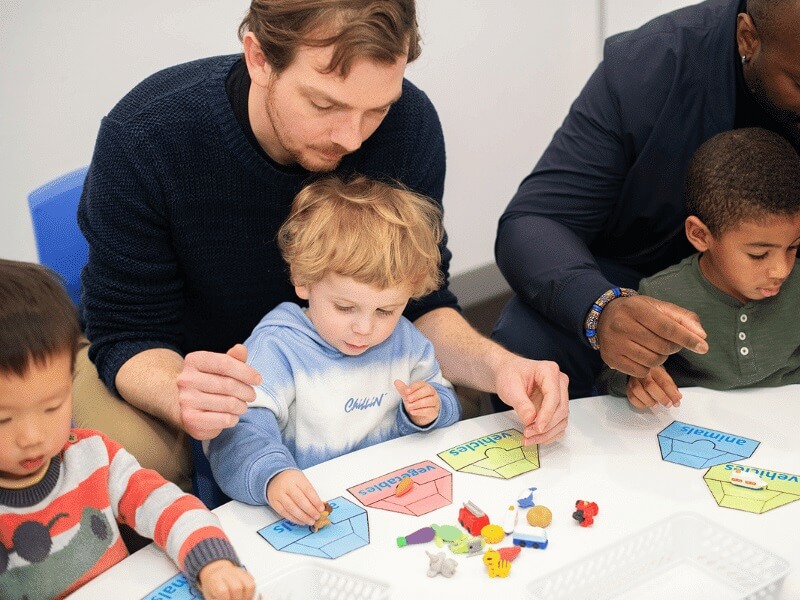
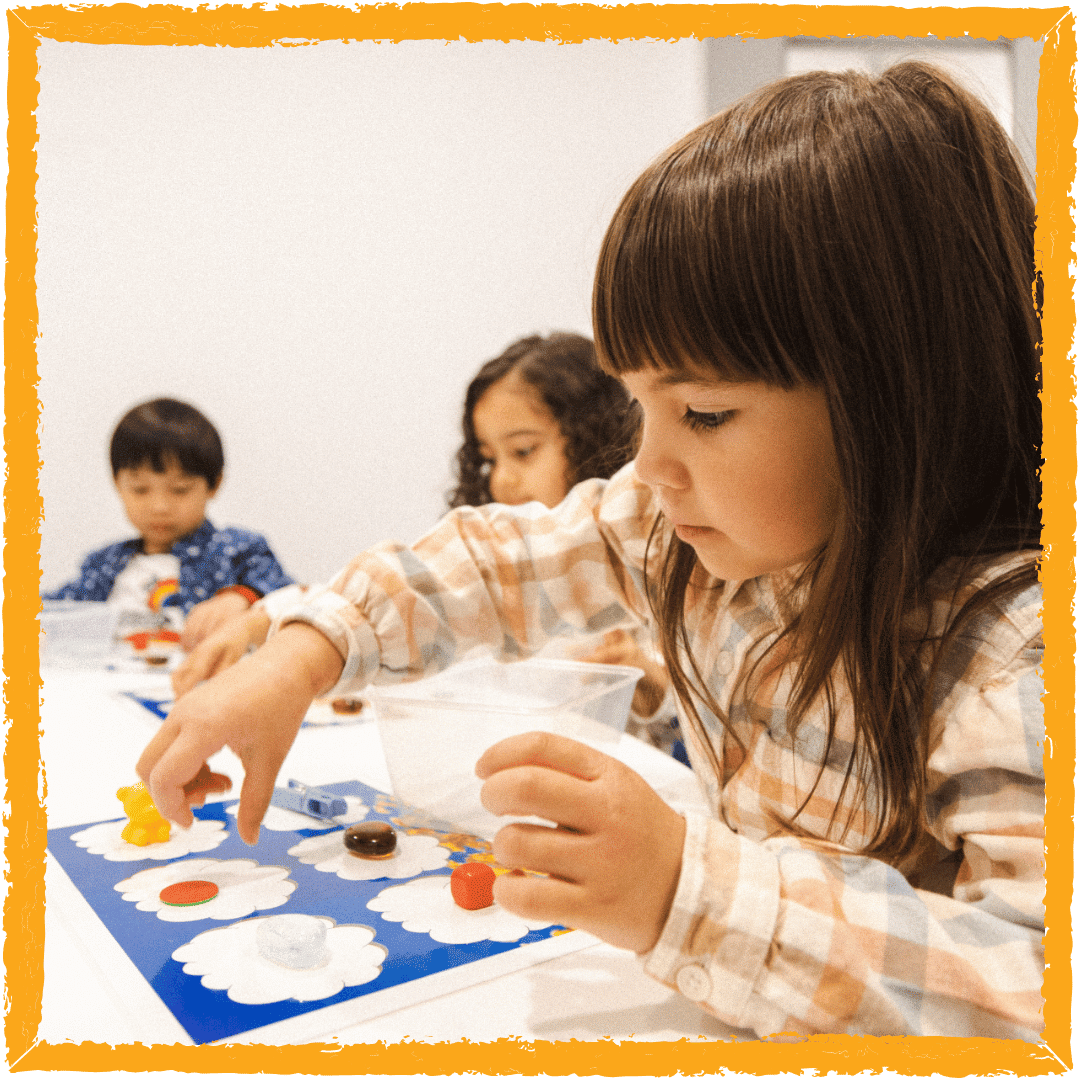
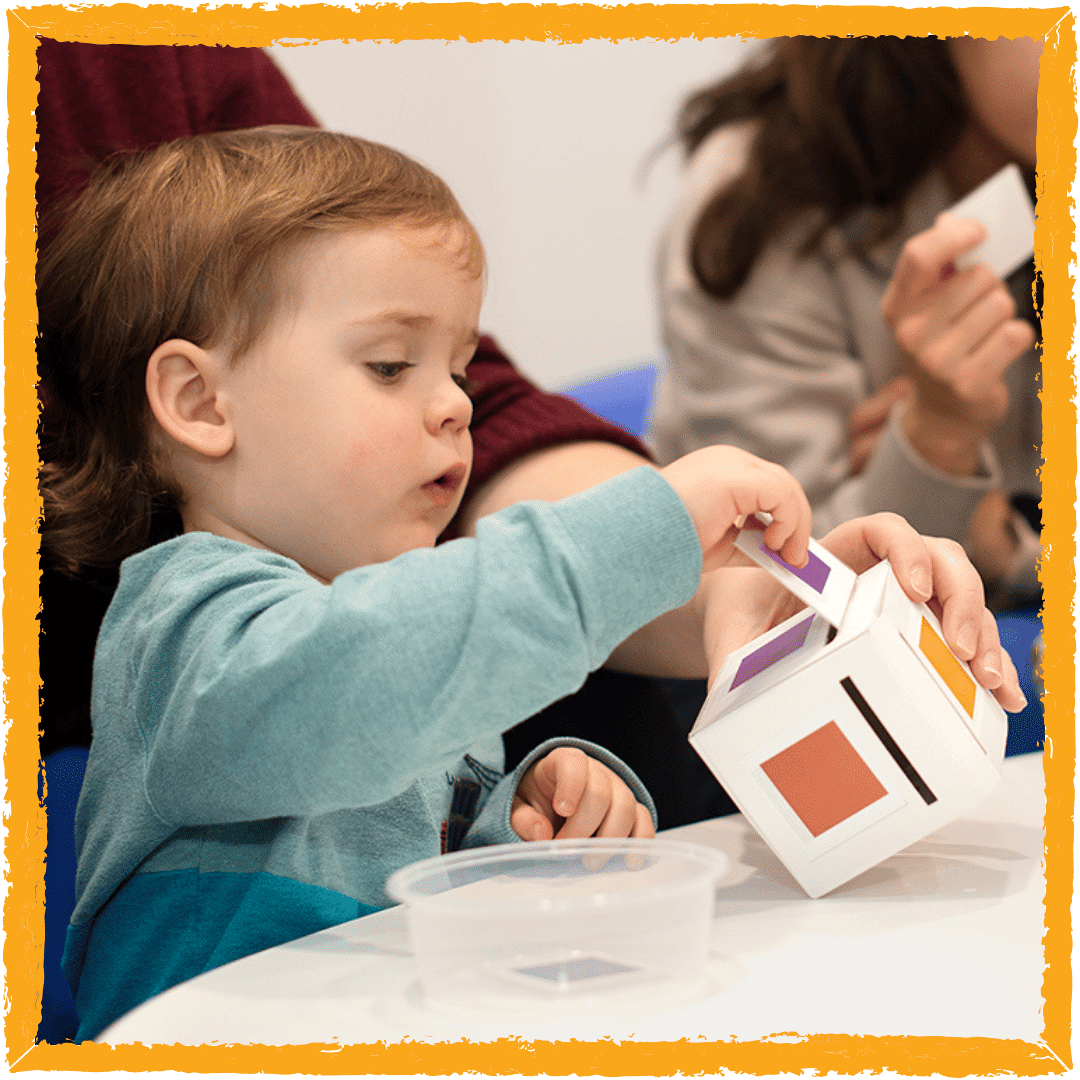
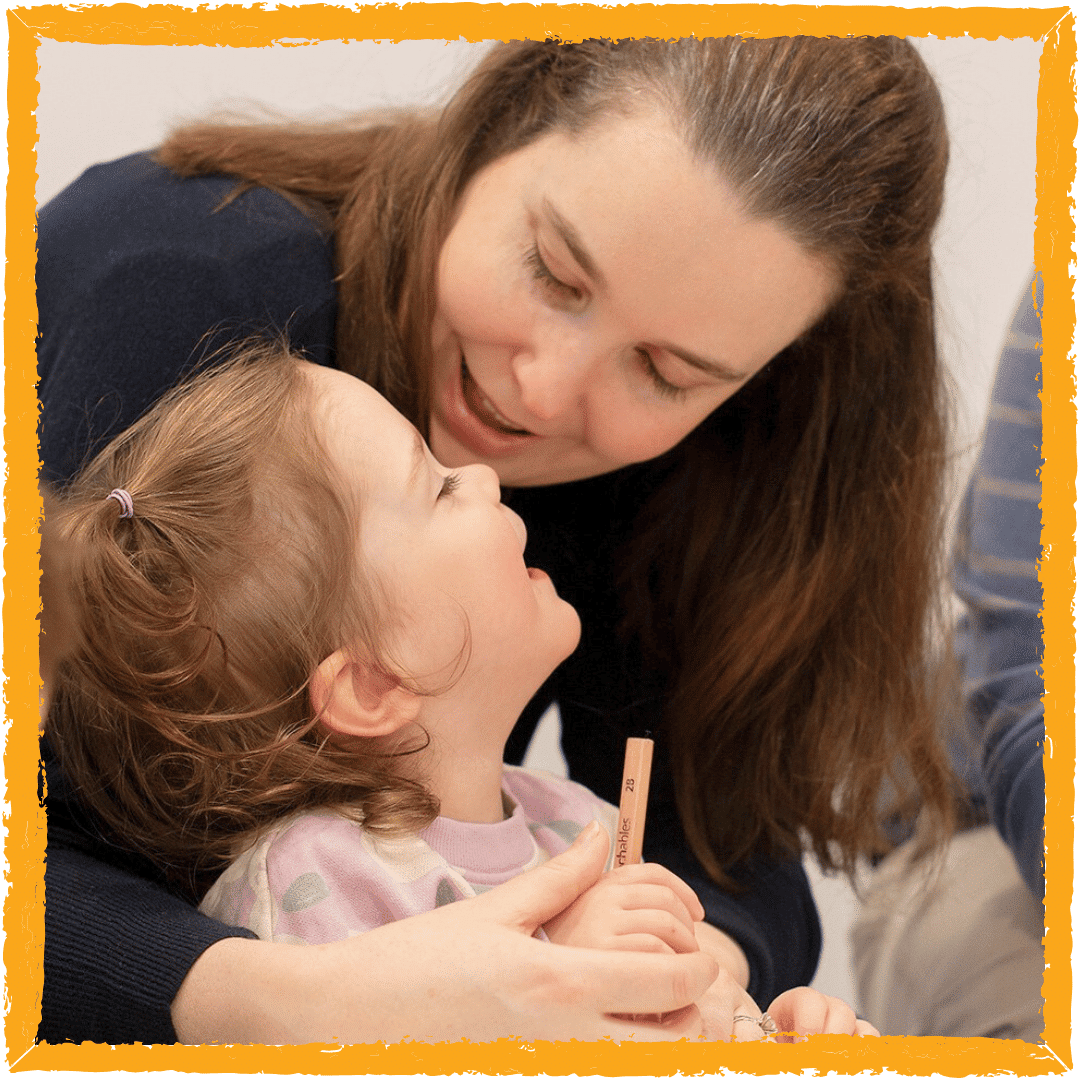
Photo by Shichida Australia: mazes are a great tool for teaching critical thinking and pencil grip.
Where to Buy Maze Books Online
While there are maze books available in most stores, not all are designed with your child’s developmental needs in mind. Mass-market puzzle books usually lack step-by-step progress that young learners need.
The Shichida Shop makes it easy for parents to choose age-appropriate maze books backed by early learning expertise. Ordering online is simple, and you’ll know you’re investing in authentic resources trusted worldwide.
Browse the Shichida Shop for Maze Activities for Preschool Learning
As a parent, you want learning activities that are engaging, screen-free, and truly beneficial. Maze books tick all the boxes. By choosing the right level for your child and making them part of your daily routine, you’ll nurture focus, problem-solving, and persistence, all while having fun together.
Shop the Shichida Maze Book Series Now or book a trial class today!
FAQs about Maze Books for Toddlers
One-year-olds can already benefit from basic maze exercises with strong graphics. Maze books are an important tool for concentration, perseverance, and pre-writing skills from toddlerhood onwards.
Mazes improve fine motor skills, hand-eye coordination, concentration, and critical thinking. All of these skills are necessary for academic achievement.
Maze tracing invites children to handle a pencil or crayon, which is the beginning of tidy handwriting and letter construction in the future.
Pick books on subjects your child enjoys, such as animals or cars. Keep practice sessions brief and enjoyable, and encourage perseverance over perfection. For preschoolers, have them “teach” you how to complete a maze, this gives them confidence.
Yes. Maze books are also suitable for use in group settings such as playdates or classes, where kids learn to take turns, share tips, and applaud each other’s achievements.