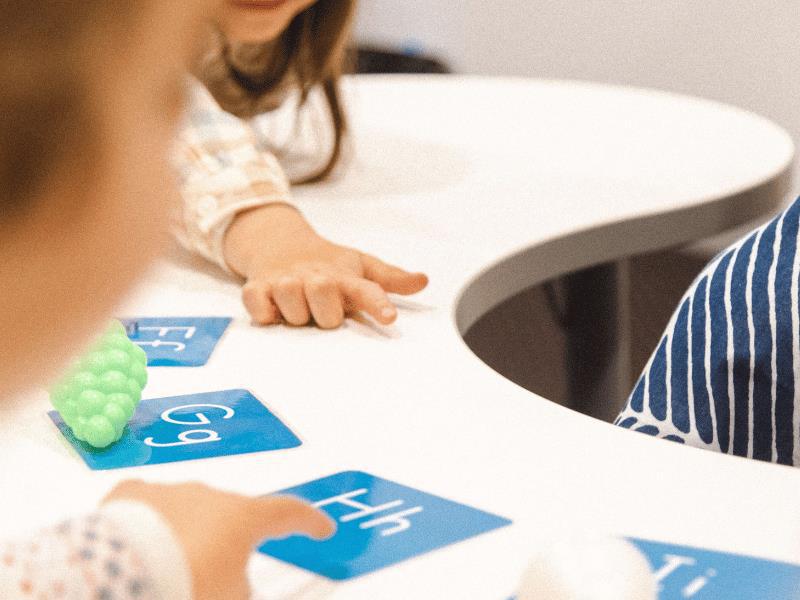
Best Literacy Activities for Preschoolers That Work
Key Points
- Literacy for preschoolers is broader than reading: it includes speaking, listening, and symbolic understanding.
- Play-based and everyday activities are highly effective for developing literacy.
- Shichida emphasises whole-brain and sensory-based learning.
- Embedding literacy in daily routines makes learning natural and stress-free.
- Encouragement and positivity build confidence and motivation.
Understanding Literacy Development in Preschoolers
Literacy activities for preschoolers is more than reading and writing – it’s how your child learns to communicate with the world. For preschoolers, this includes speaking, listening, recognising symbols, and sharing ideas.
Between ages 3 and 5, preschool children build the foundations for lifelong learning. Research shows that strong early literacy skills make kids more confident at school, better at expressing themselves, and more likely to enjoy learning.
At this age, children are curious and eager to copy what they see. They don’t need drills or pressure — just play, daily routines, and gentle encouragement.
This is where the ShichidaMethod stands out. Using whole-brain learning, sensory-rich activities, and heart-based teaching, it helps children develop literacy in a way that feels natural, joyful, and memorable.
And as a parent, you play the biggest role! Every book, conversation, story, or playful activity you share gives your child the tools to thrive.
What Literacy Means at the Preschool Age
Early Literacy for Preschoolers is about developing the building blocks of communication. At this stage, literacy goes beyond reading and includes:
- Print awareness: recognising that spoken words connect to written symbols.
- Vocabulary building: learning to express needs, ideas, and emotions.
- Phonemic awareness: playing with sounds, rhymes, and rhythms.
- Language enjoyment: engaging with stories, songs, and conversations as tools for connection.
At this age, literacy isn’t about pushing children to read early. It’s about building a positive, playful relationship with language.
The Role of Play in Early Literacy
Play is the natural language of preschoolers. Through play, children test ideas, use imagination, and practise communication. Singing songs, role-playing in pretend shops, or making up silly rhymes are all playful ways they explore language.
The Shichida Method emphasises sensory play and emotional connection. When children feel happy and secure, they are more open to learning. Embedding literacy activities into play makes learning seamless — and enjoyable.
Core Literacy Skills to Nurture at Home
Developing early literacy skills doesn’t require complicated tools. Everyday moments often provide the best opportunities for growth. Here are three key skills you can encourage at home:
- Building Vocabulary Through Everyday Conversations
Children grow their vocabulary when you talk with them, not just to them.
- Why it matters:
A strong vocabulary helps children understand stories, follow instructions, and express themselves clearly. - Parent actions:
- Narrate routines: “Let’s cut the juicy orange into slices.”
- Introduce new words in context, like saying “enormous” instead of “big.”
- Ask open-ended questions: “What do you think will happen if we mix these colours?”
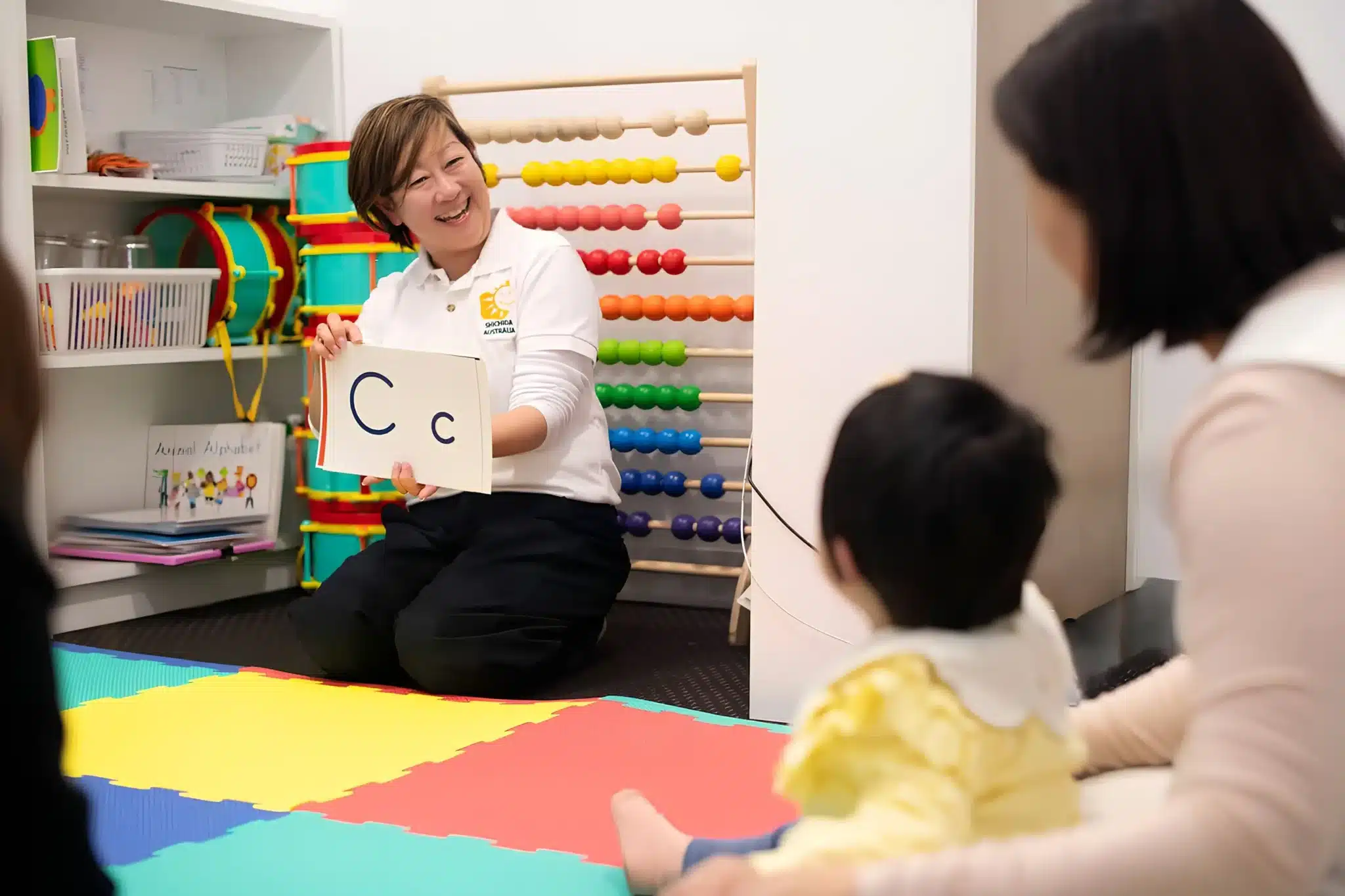
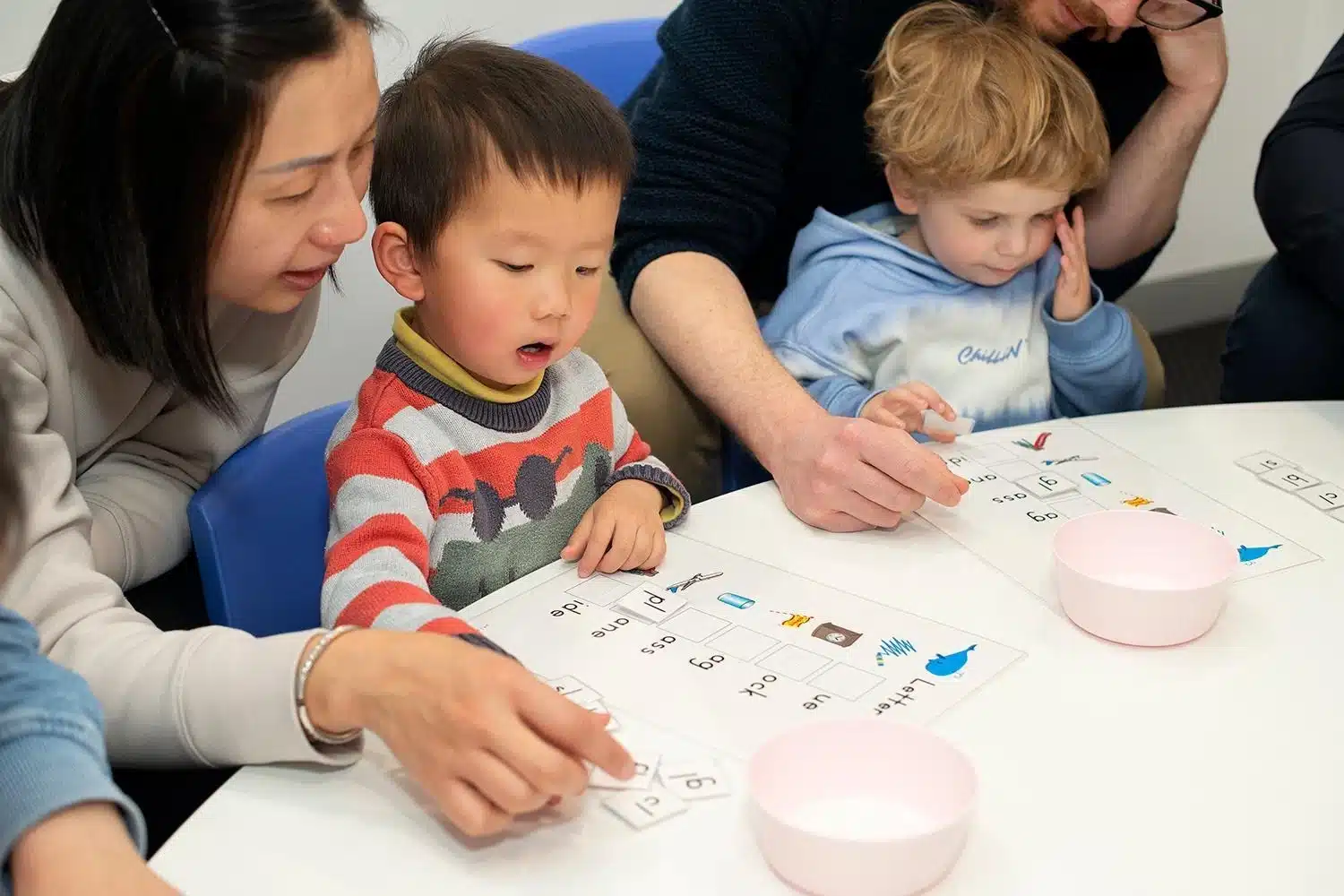
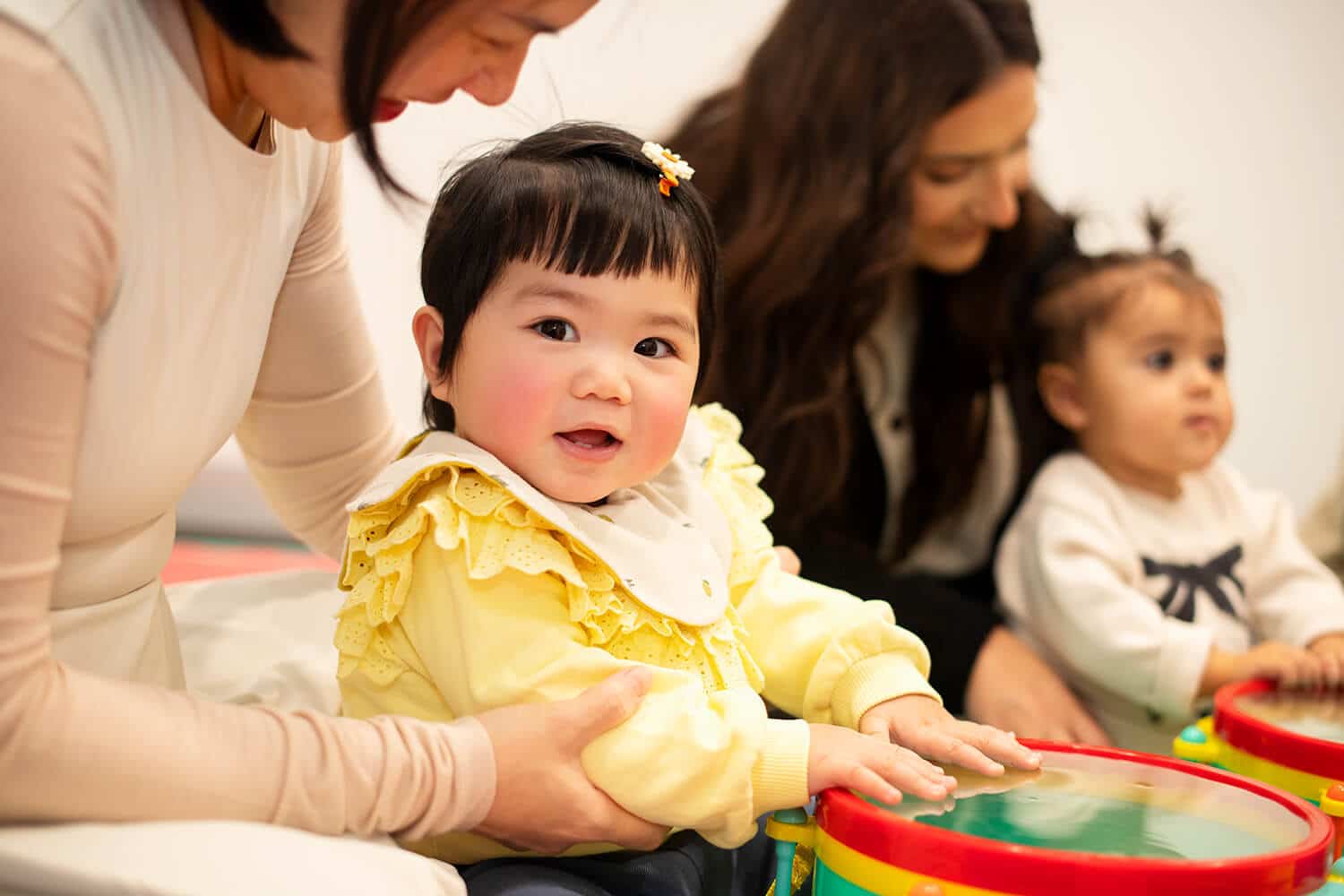
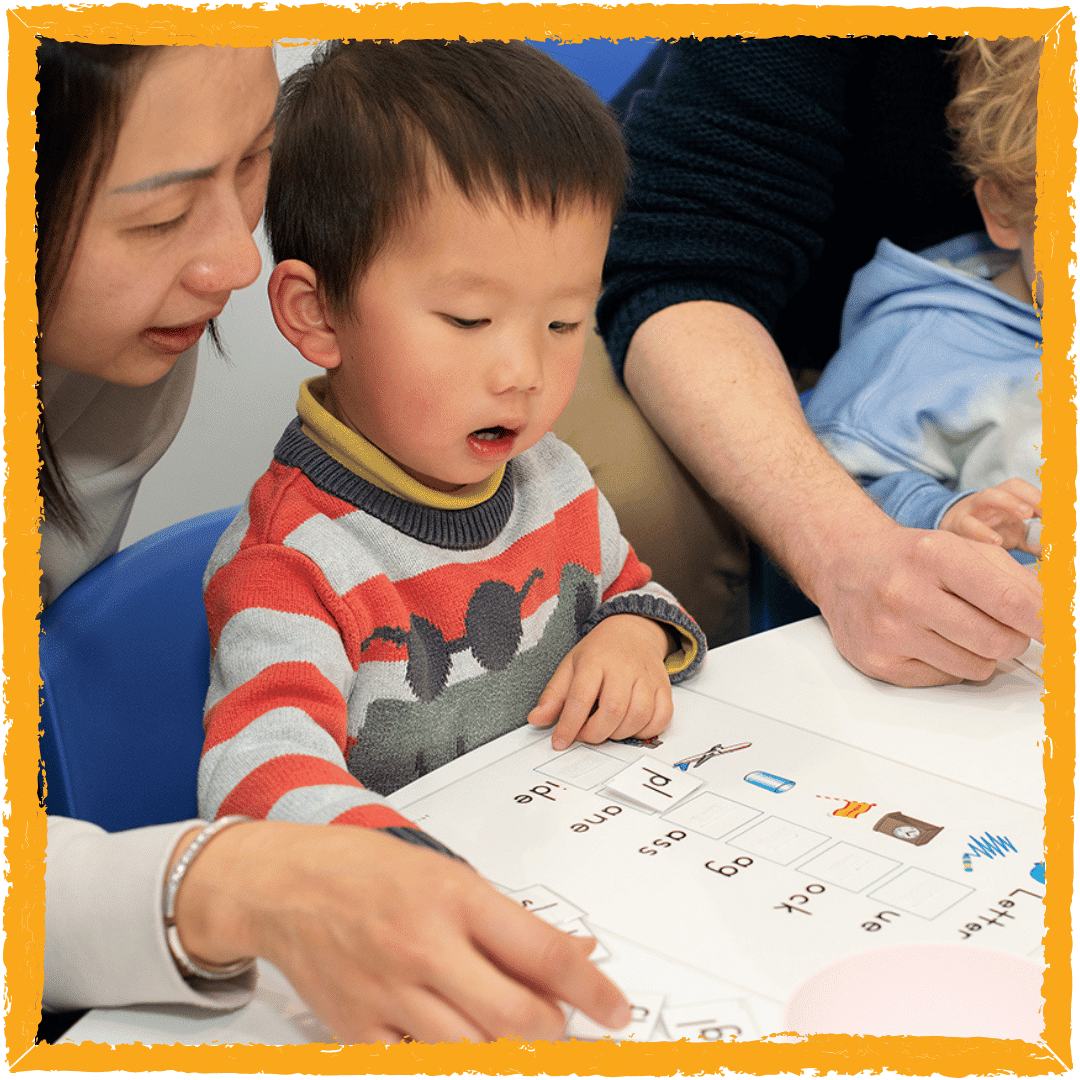
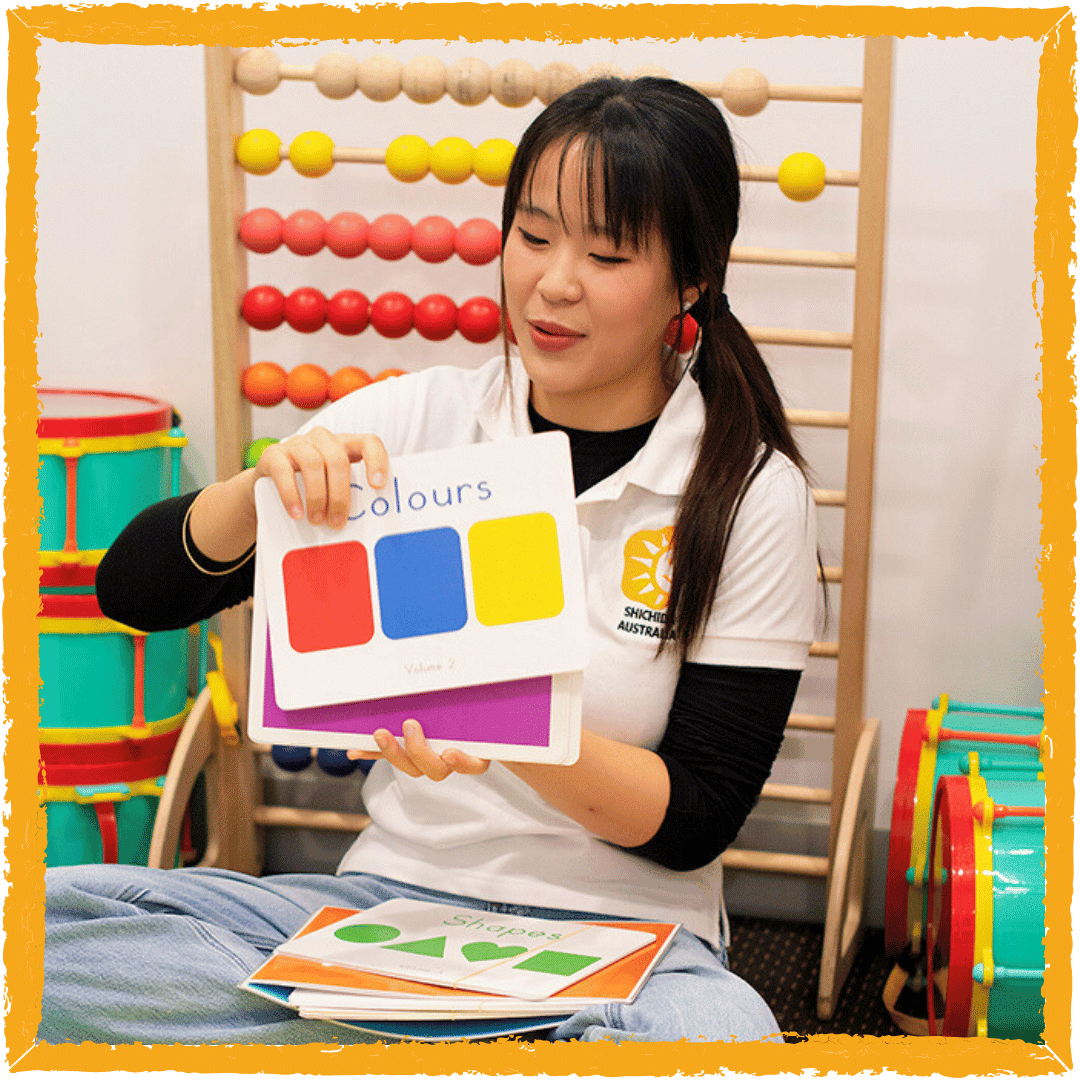
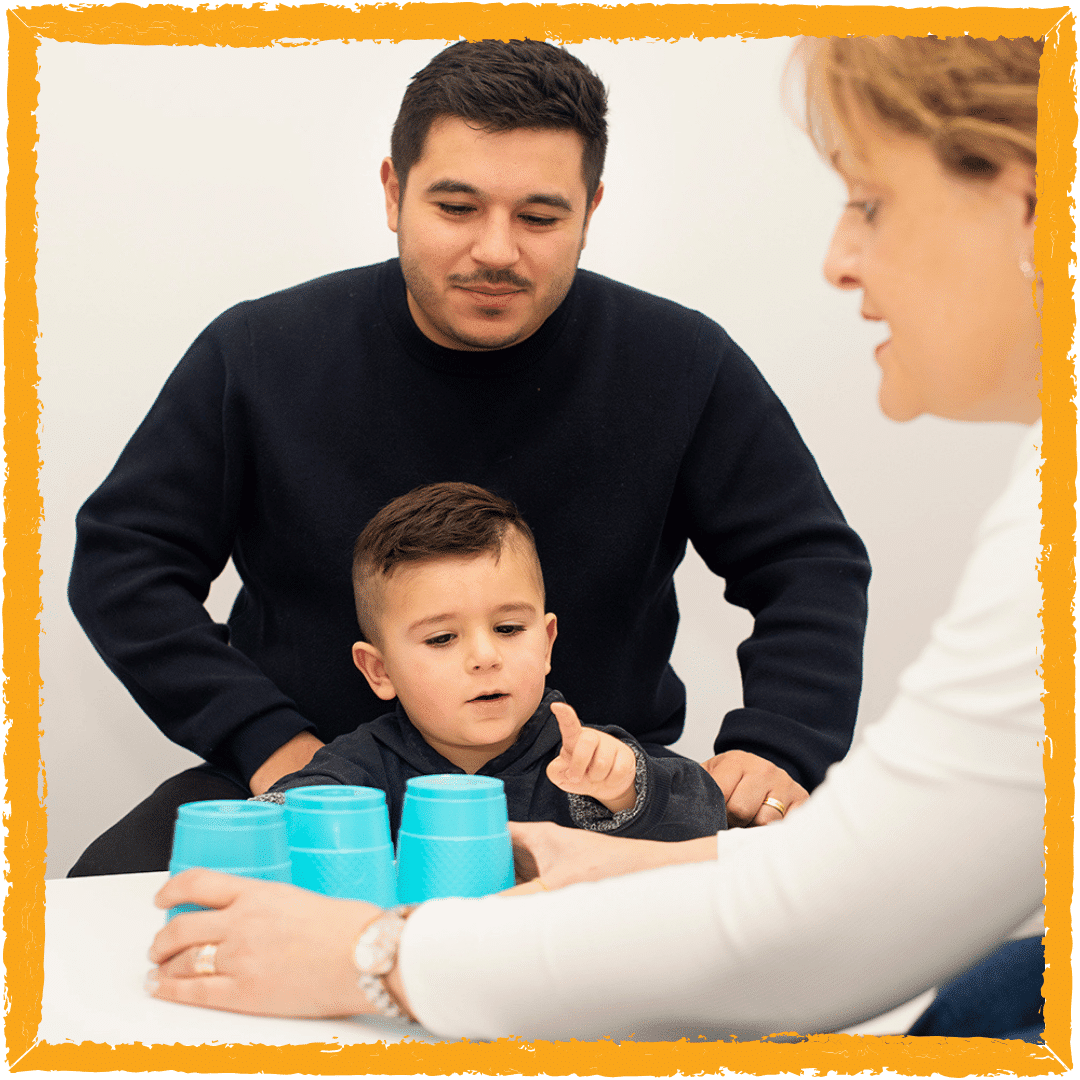
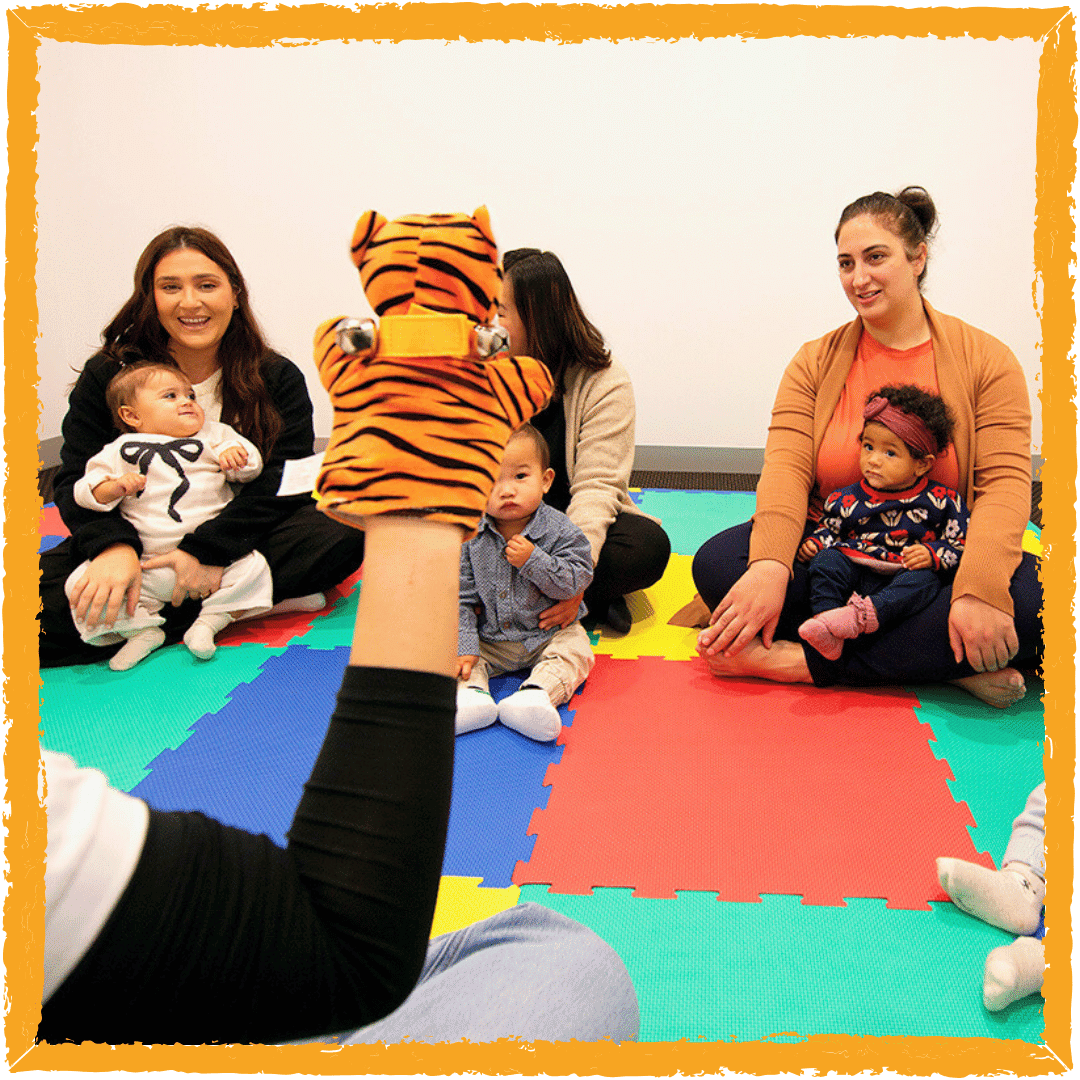
Photo by Shichida Australia: Children are taught phonics through games, activities, songs and flashcards!
- Developing Phonemic Awareness With Sounds and Rhymes
Phonemic awareness
means recognising and playing with the individual sounds in words.
- Why it matters: It prepares your child for reading by helping them hear how words are built.
- Parent actions:
- Sing rhyming songs like Twinkle Twinkle and pause so your child can fill in missing words.
- Play “I Spy” using beginning sounds: “I spy something that starts with /b/.”
- Clap out syllables in names or favourite objects.
- Print Awareness Through Books and Labels
Print awareness is knowing that printed words carry meaning.
- Why it matters: It’s a stepping stone for recognising letters and, later, reading.
- Parent actions:
- Run your finger under words as you read aloud.
- Label household items (chair, door, fridge) and point them out together.
- Let your child “read” by turning pages and retelling stories from memory.
Fun and Engaging Literacy Activities for Preschoolers
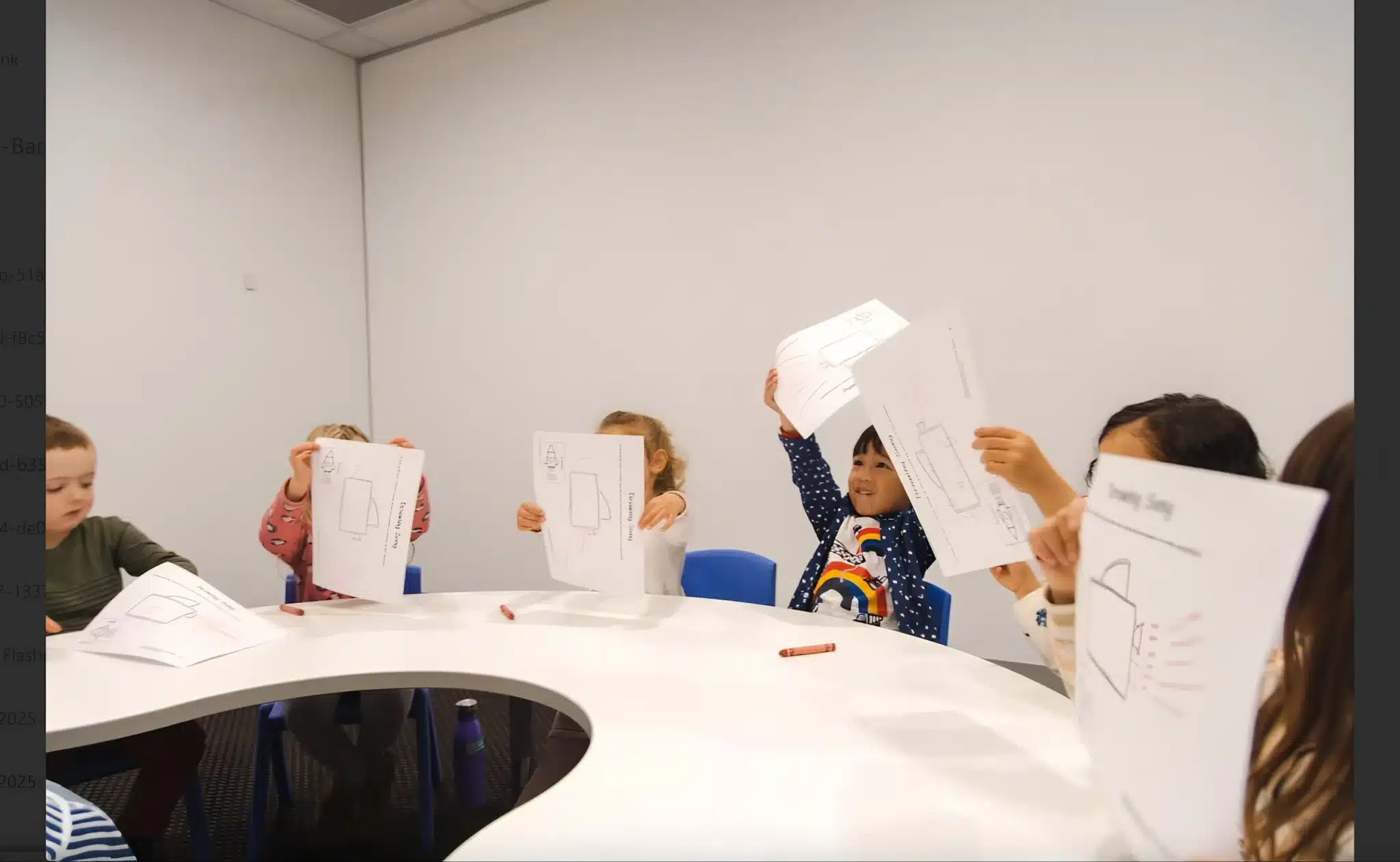
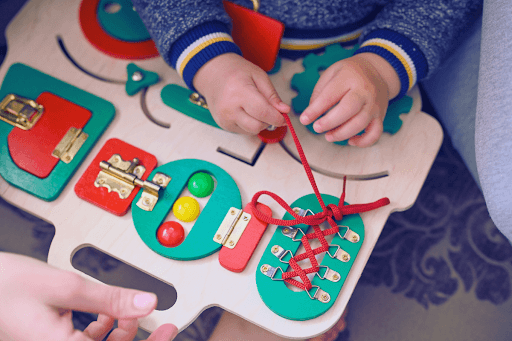
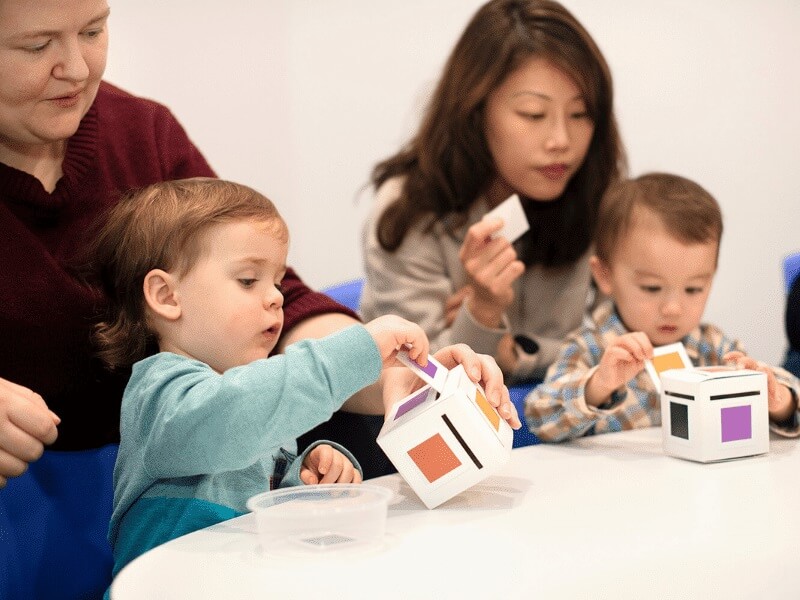
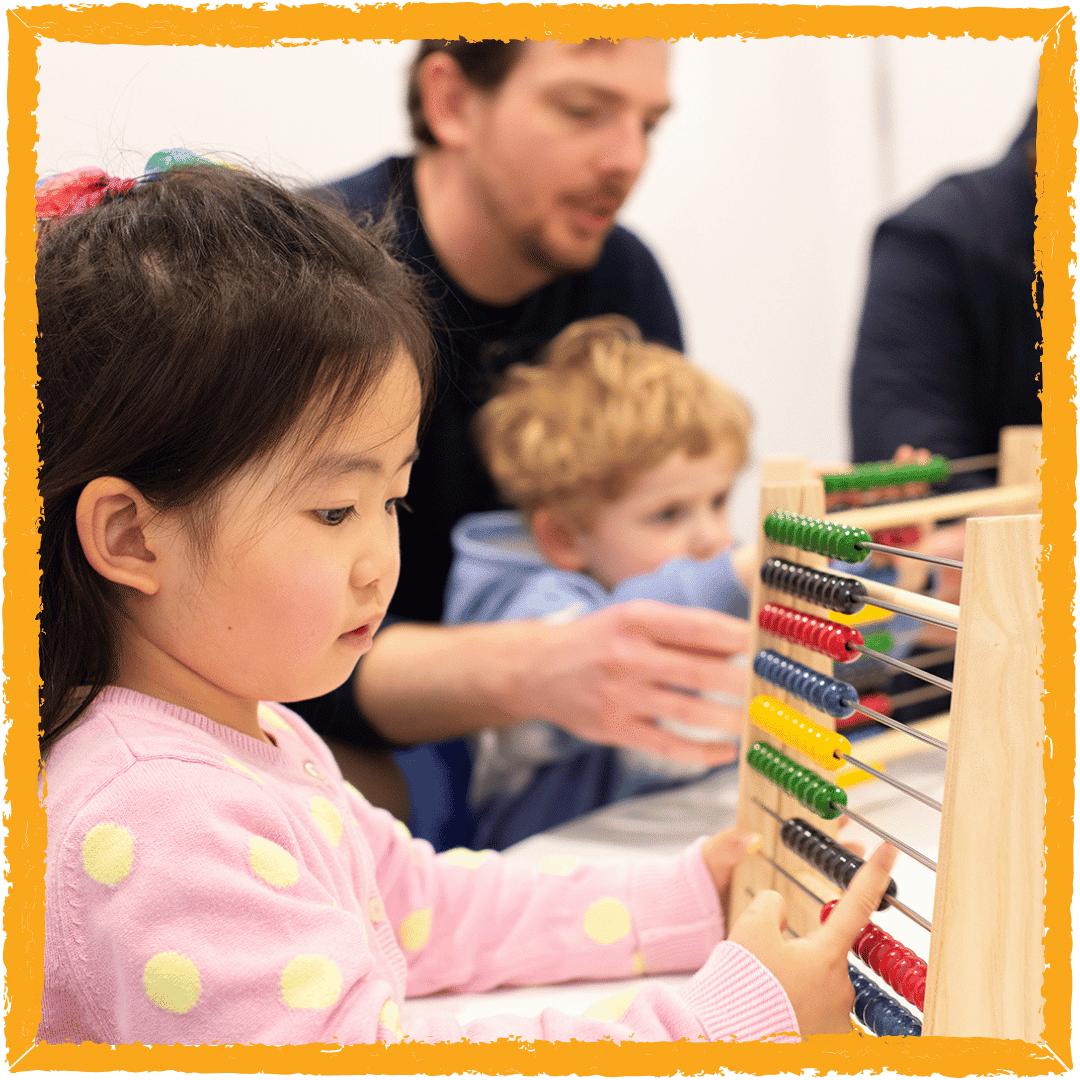
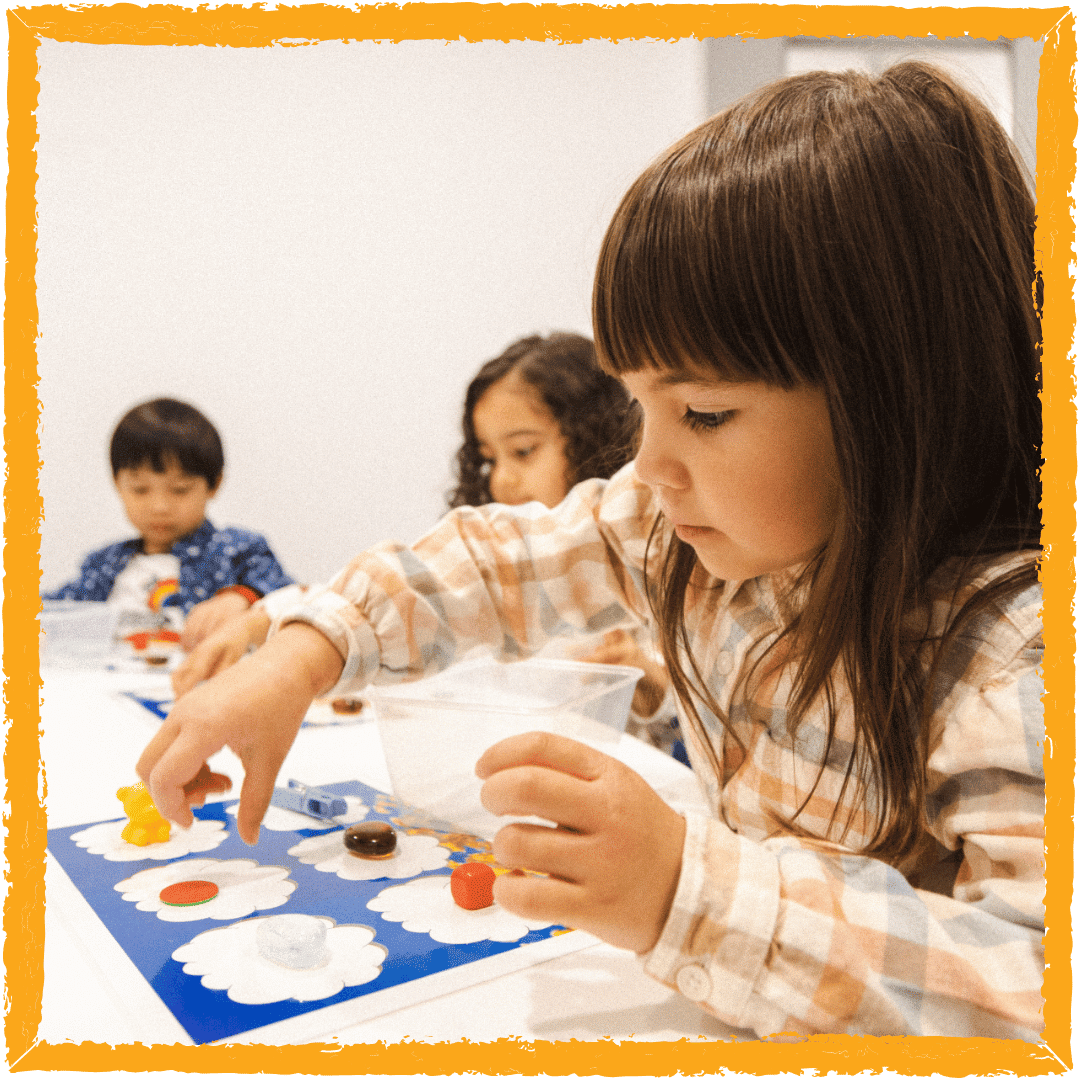
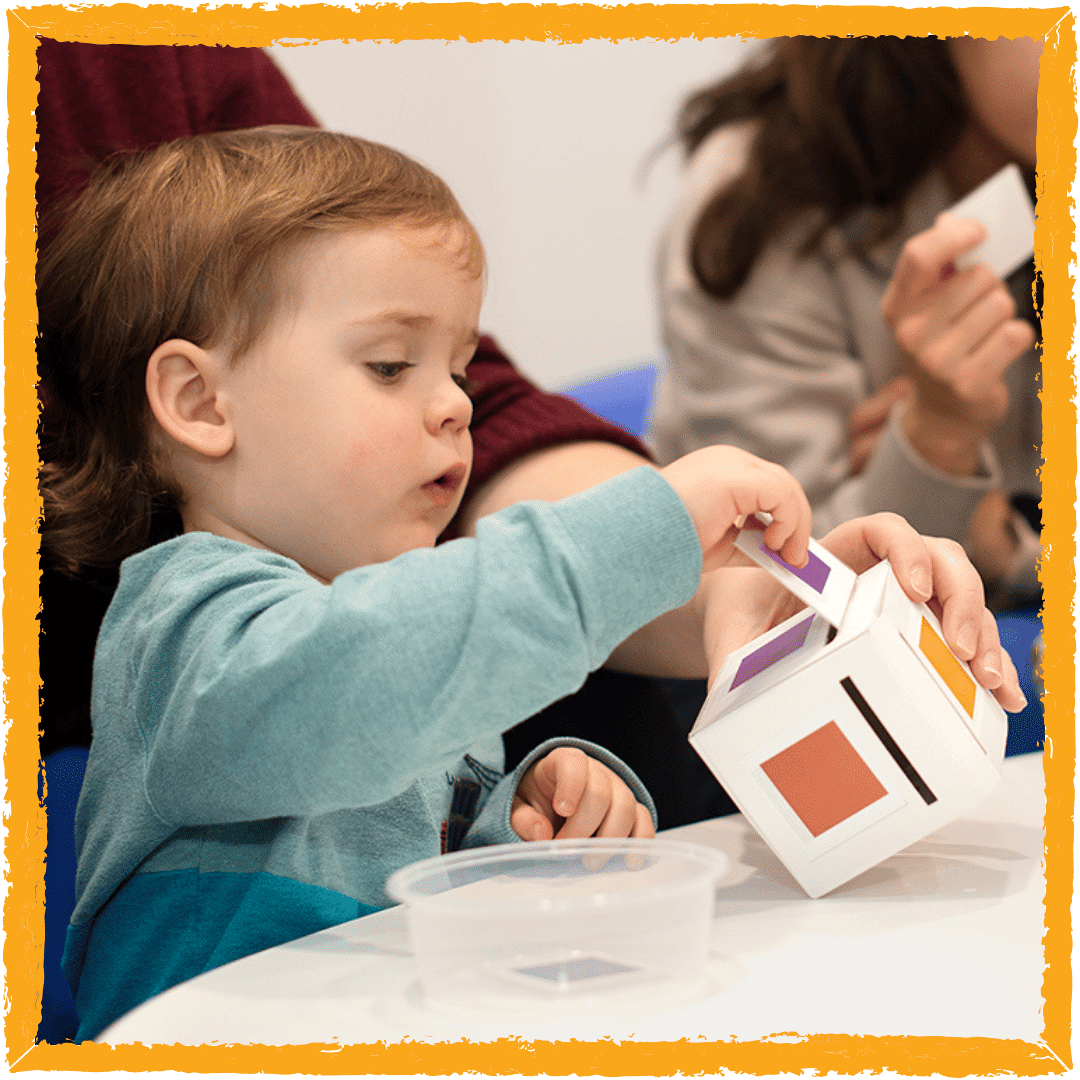
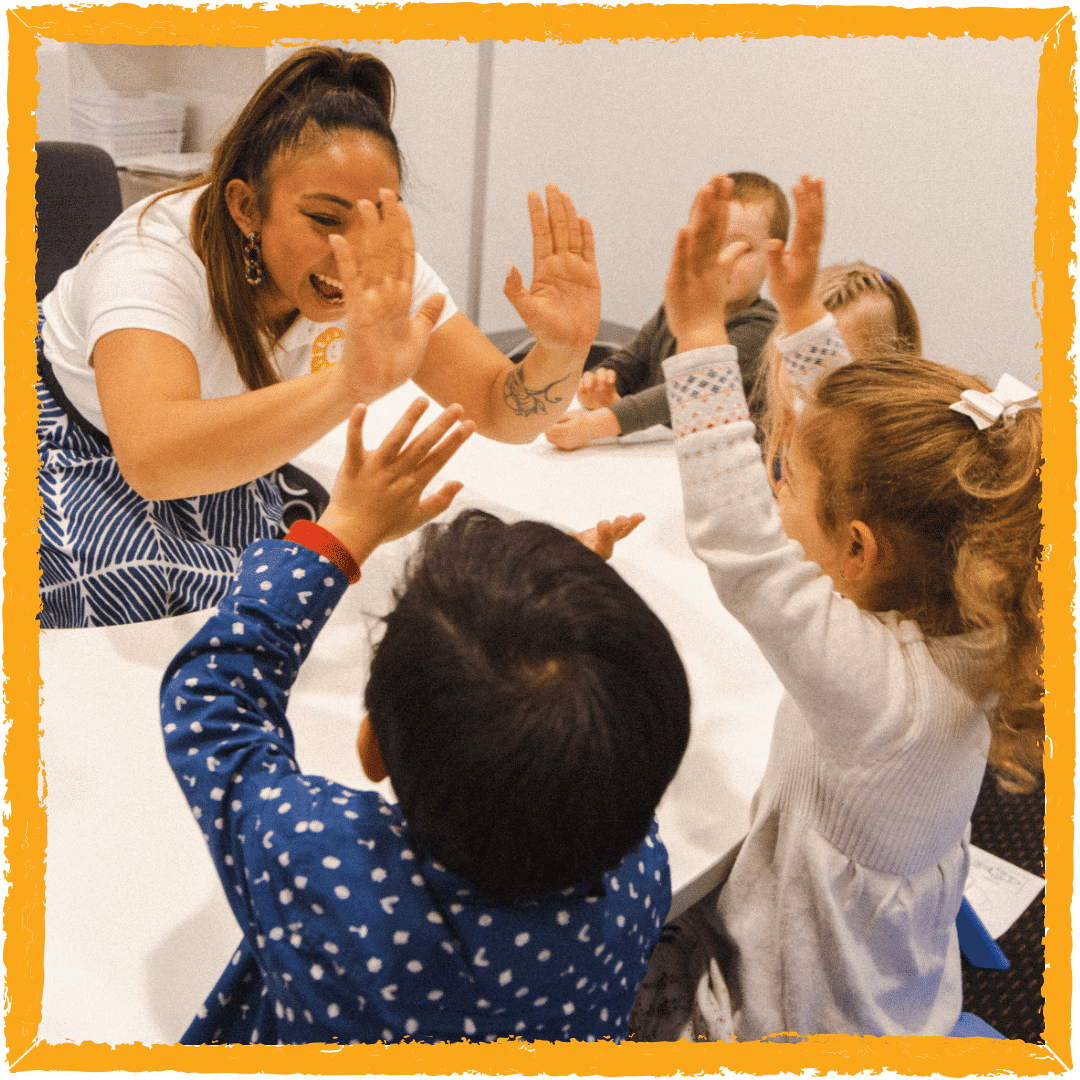
Photo from Shichida: Hands-on fun in every lesson, Shichida brings literacy activities for preschoolers to life through play and discovery.
Let’s get practical! Here are 10+ fun preschool activities that nurture
literacy through play and creativity.
Storytelling and Shared Reading Games
- Story Building Together
- How to: Start a story and let your child add the next sentence, then continue taking turns.
- Why it works: Builds sequencing skills, creativity, and understanding of narrative flow.
- Puppet or Toy Theatre
- How to: Use puppets, stuffed animals, or even spoons as characters to act out stories.
- Why it works: Makes storytelling interactive, supports role-play, and strengthens comprehension.
- Change the Ending
- How to: After reading a favourite story, ask your child to imagine a different ending or what might happen next.
- Why it works: Encourages critical thinking, imagination, and flexible thinking about stories.
Arts and Crafts for Letter Recognition
- Playdough Letters
- How to: Roll playdough into long strips and shape them into letters. Let your child press beads or buttons into the letters for decoration.
- Why it works: Combines fine motor practice with letter recognition in a fun, hands-on way.
- Painted Alphabet Posters
- How to: Create a large sheet with your child’s name and let them paint or decorate each letter with stickers, glitter, or finger paints.
- Why it works: Links letters to personal identity, making them meaningful and memorable.
- Collage Alphabet
- How to: Cut letters from magazines or newspapers and glue them onto paper. Group them by colour or theme for extra fun.
- Why it works: Develops print awareness while supporting cutting, sorting, and recognition skills.
Literacy Through Music and Rhymes
- Nursery Rhyme Sing-Along
- How to: Sing familiar rhymes together, adding hand actions or simple instruments like shakers.
- Why it works: Reinforces rhythm, rhyme, and phonemic awareness while strengthening memory.
- Daily Routine Songs
- How to: Make up silly rhymes for daily tasks like brushing teeth (“This is the way we brush our teeth…”).
- Why it works: Connects language learning to real life, making words meaningful and easy to remember.
- Rhyme Substitution Game
- How to: Take a well-known rhyme and swap words (“Twinkle, twinkle, little car, how I wonder what you are”).
- Why it works: Sharpens listening skills, builds vocabulary, and encourages playful use of language.
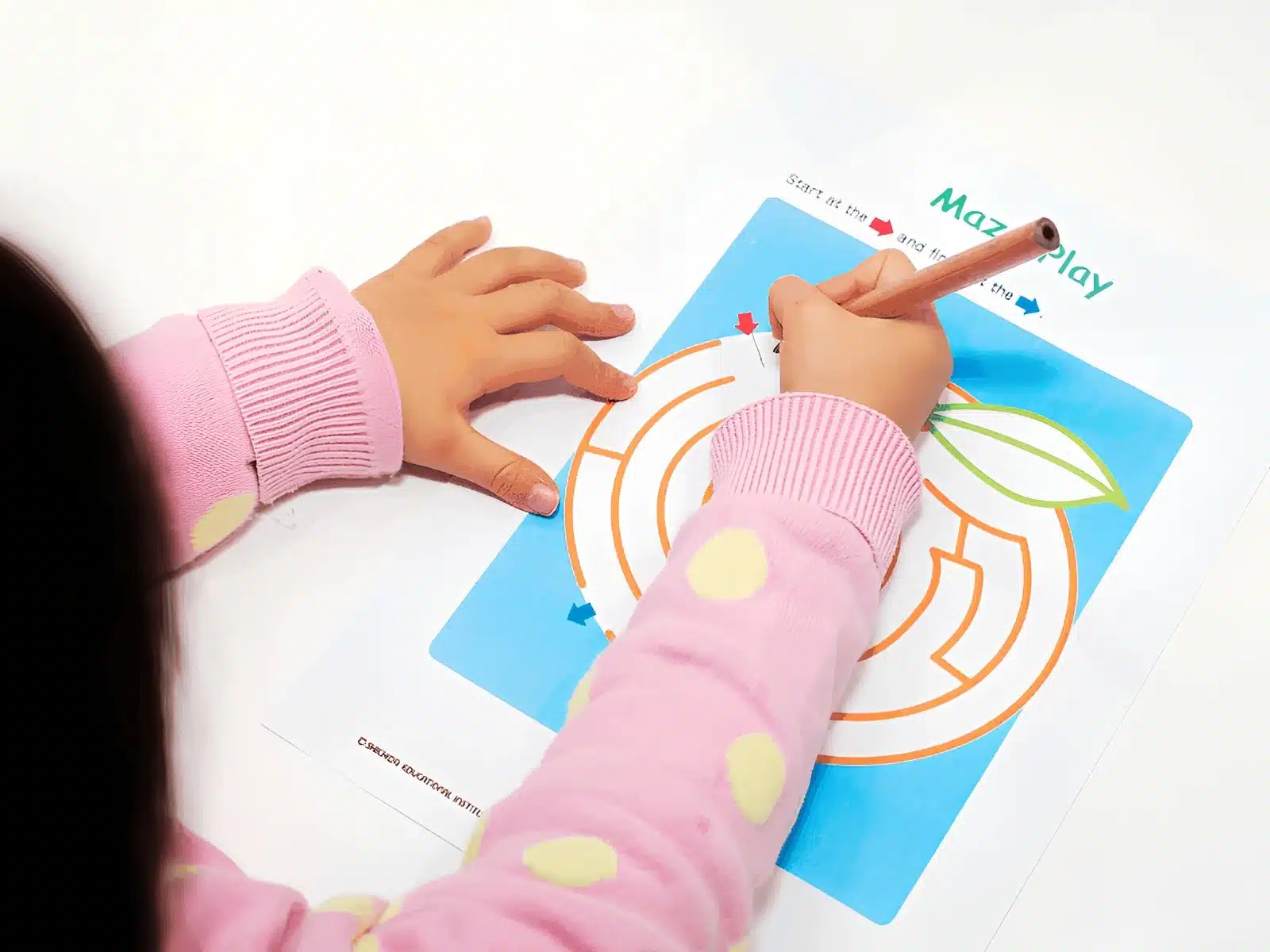
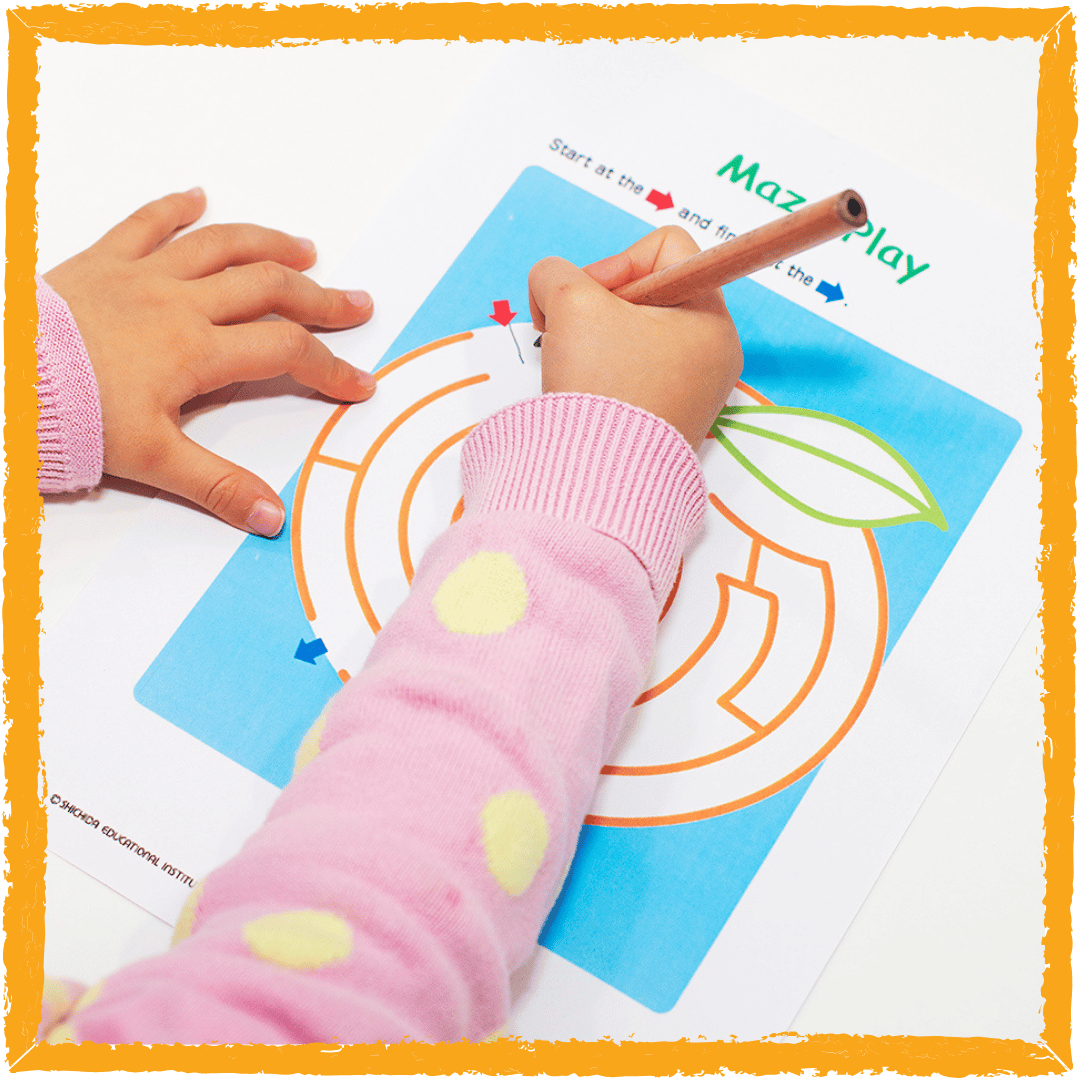
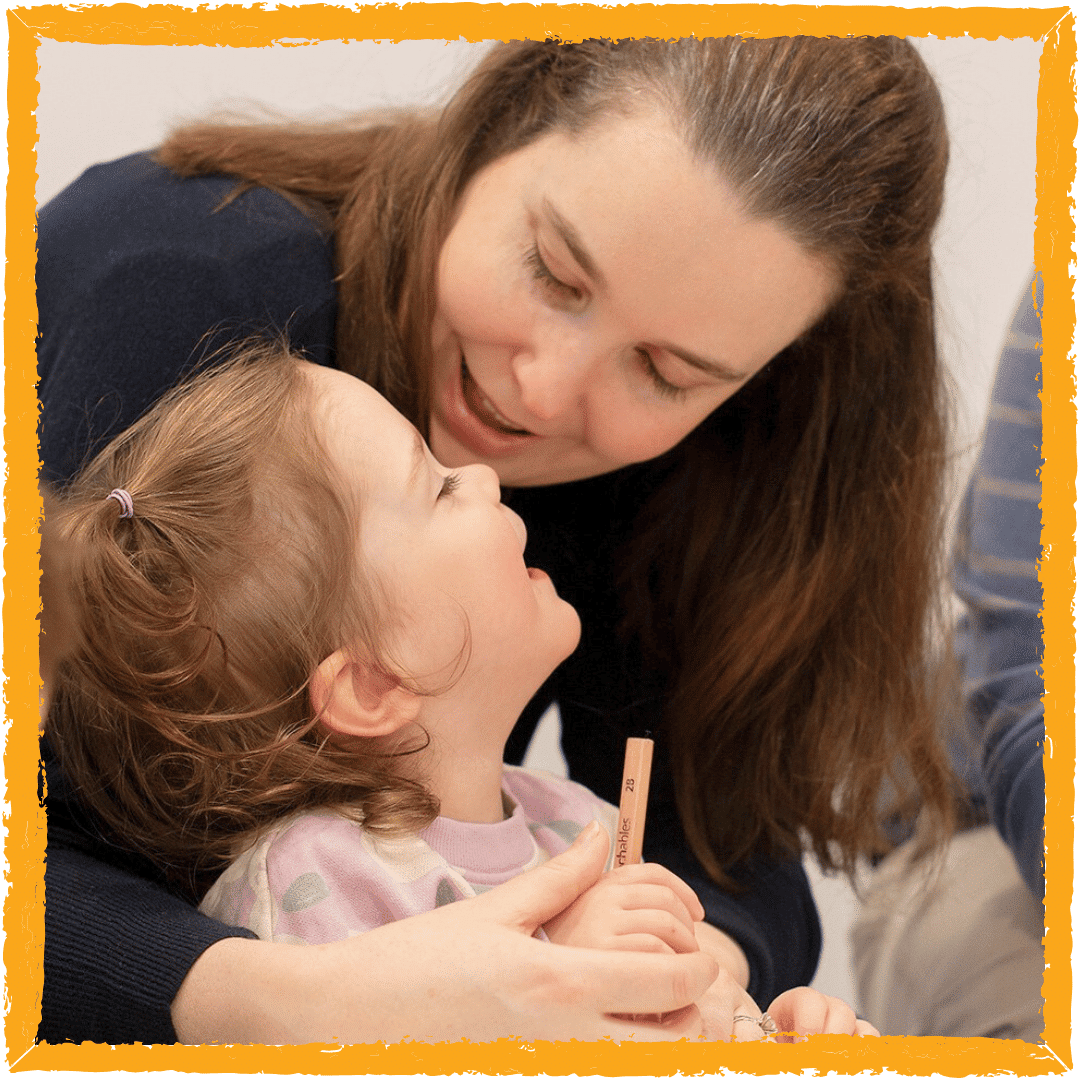
Photo by Shichida Australia: Mazes make learning fun while strengthening pencil grip! A strong grip helps little hands write with ease and reduces fatigue, so kids are more willing to practise their letters when the time comes.
Sensory-Based Literacy Activities
- Letter Tracing in Sand or Rice
- How to: Fill a shallow tray with sand or rice. Invite your child to trace letters with their finger or a paintbrush.
- Why it works: Links tactile experiences with letter formation, strengthening memory and motor coordination.
- Alphabet Treasure Hunt
- How to: Hide letter cards in a sensory bin filled with beans, rice, or shredded paper. Ask your child to find letters that spell their name.
- Why it works: Makes letter recognition active and exciting, engaging touch and sight together.
- Shaving Foam Writing
- How to: Spread shaving foam on a tray and let your child write letters or words using their finger.
- Why it works: Multi-sensory play stimulates different parts of the brain, deepening learning through touch, sight, and movement.
Other Simple Activities Parents Love
- Alphabet scavenger hunts around the house.
- Matching magnetic letters on the fridge.
- Story dice or picture cards to create new tales.
- “Letter of the week” themes (e.g., cooking banana bread for “B”).
Everyday Opportunities for Literacy Learning
Literacy is everywhere, not just in books! Parents can highlight it in daily routines so learning feels natural.
Literacy in Daily Routines
Everyday tasks can become powerful learning moments. Reading a recipe while cooking, writing a shopping list together, or sorting laundry by labels all give your child real-life literacy practice. These small activities show that reading and writing aren’t just for school, but part of everyday life.
Using the Environment for Literacy Practice
Outings are full of opportunities to develop literacy awareness. Point out road signs, bus numbers, or shop names as you walk together. Encourage your child to spot the letters from their own name on posters or packaging – it makes learning personal and fun.
Encouraging a Love for Reading in Preschoolers
One of the greatest gifts you can give your child is a love for books. Reading together builds early literacy skills and creates special moments of connection and joy.
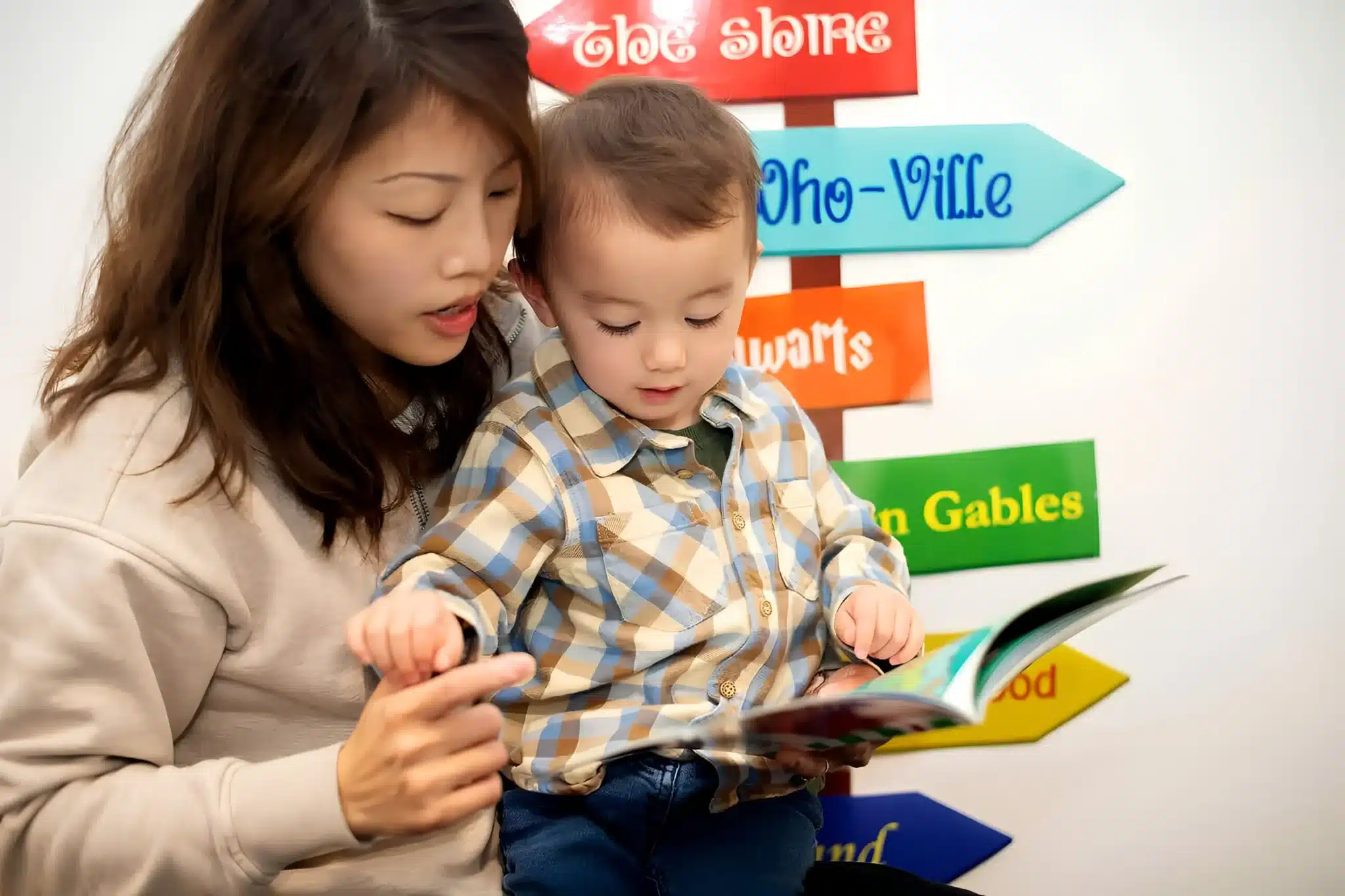
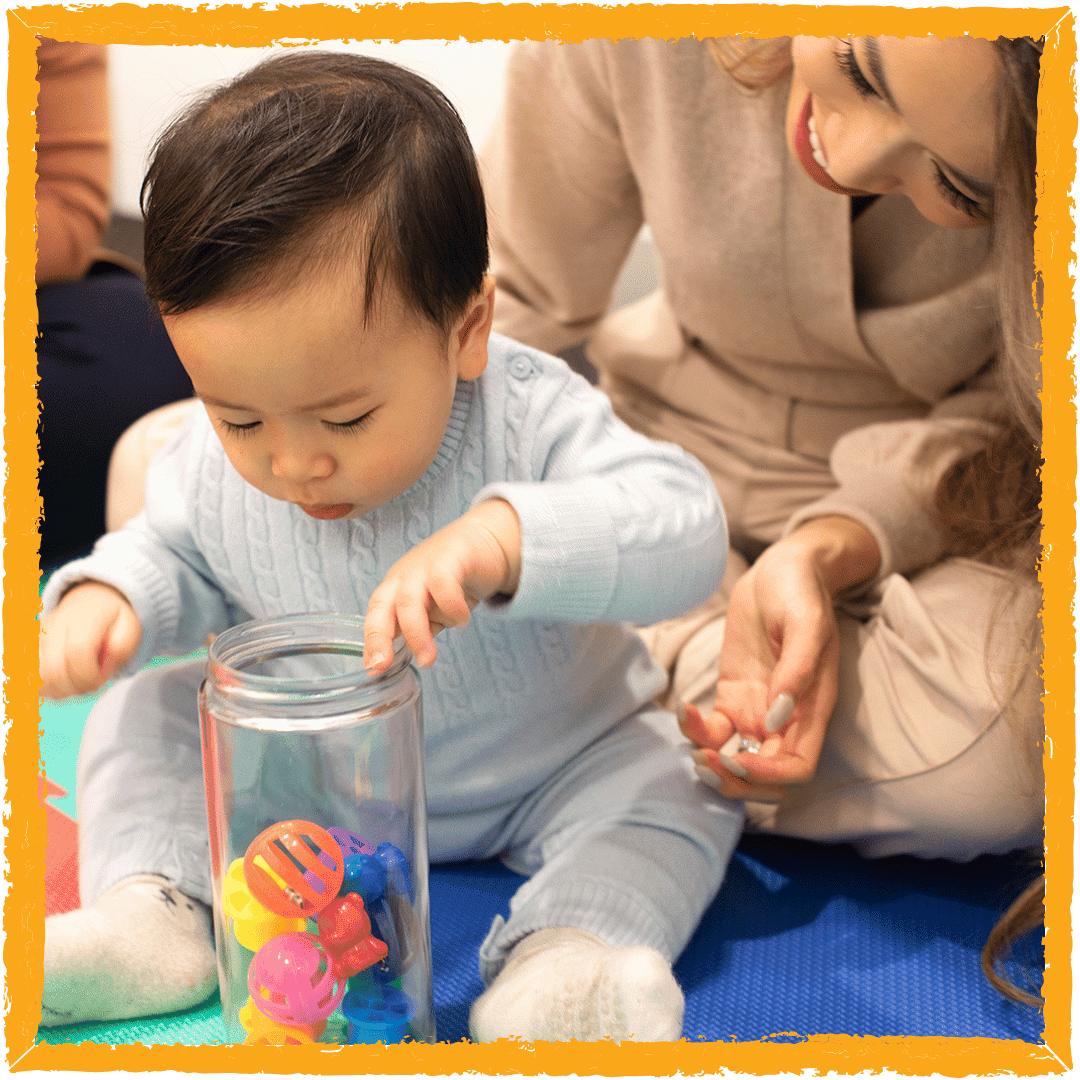
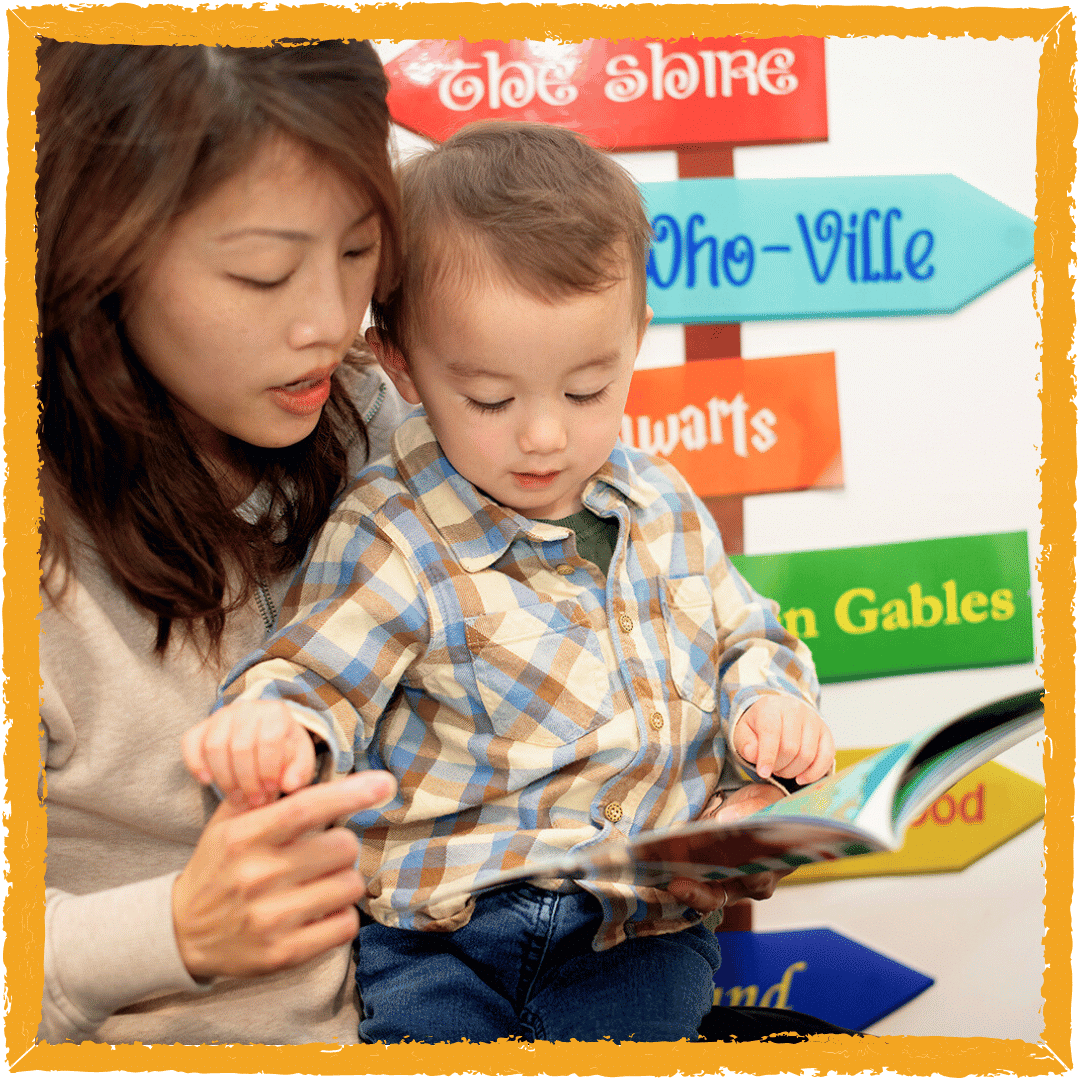
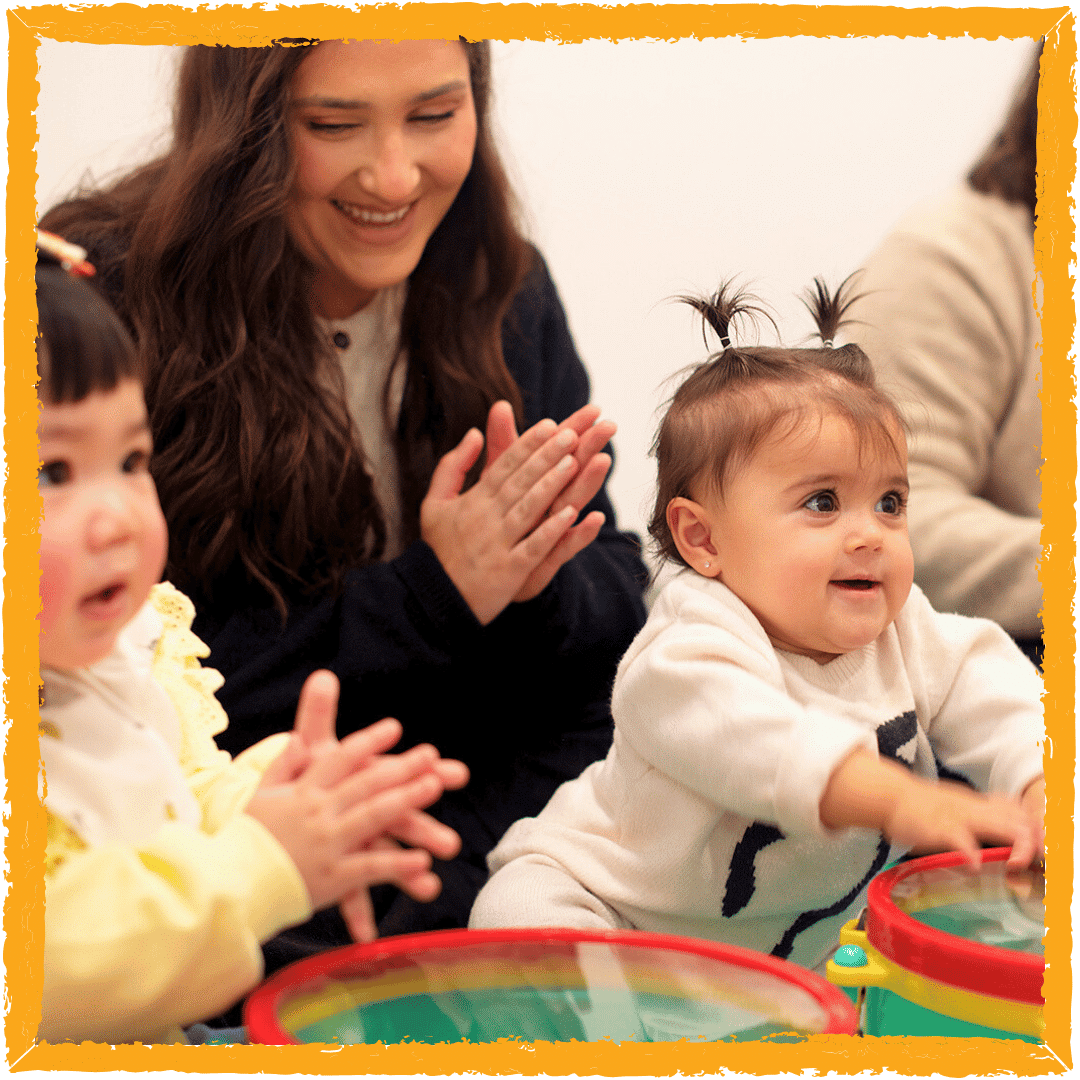
Photo by Shichida Australia: Shared reading is one of the most powerful literacy activities for preschoolers. At Shichida, mums and dads enjoy storytime with their little ones while building vocabulary, imagination, and a lifelong love of books.
Choosing the Right Books for Preschoolers
Look for stories with repetition, rhythm, and bold pictures to hold your child’s attention. Rhyming tales and interactive books – like lift-the-flap stories – make reading playful and fun.
Creating a Positive Reading Routine
Read with your child every day, even if it’s only for 10 minutes. Keep it cosy, consistent, and pressure-free. The Shichida philosophy reminds us that learning should always be joyful – when you show enthusiasm, your child will naturally catch it too!
Extra Resource: Shichida has a podcast segment on this very topic, packed with practical tips and tricks for building a love of reading in preschoolers. It’s a great way to get fresh ideas you can try at home.
Literacy Challenges in Preschoolers and How to Support Them
Not all children develop literacy skills at the same pace – and that’s completely normal. Still, there are a few signs worth watching for.
Recognising Early Struggles With Literacy
- Limited vocabulary compared to peers.
- Difficulty following simple storylines.
- Avoiding books or storytelling.
- Trouble recognising rhymes or sounds.
Practical Support Strategies for Parents
- Keep reading fun, avoid pressure.
- Offer a mix of books, songs, and games.
- Talk with your child’s preschool teacher if you notice persistent struggles.
- Explore programs like Shichida early learning, which use sensory-rich, play-based methods to support language growth.
Partnering With Preschool Programs and Educators
Your child’s educators are key partners in literacy learning. By working together, you create consistency between home and classroom.
Questions to Ask Preschool Teachers
- How do you encourage literacy in class?
- What books or activities capture my child’s interest?
- Are there areas where my child might need extra support?
Bridging Home and Classroom Learning
Reinforce what your child learns at preschool by continuing similar activities at home. Share favourite books or songs with teachers to strengthen the home–school connection.
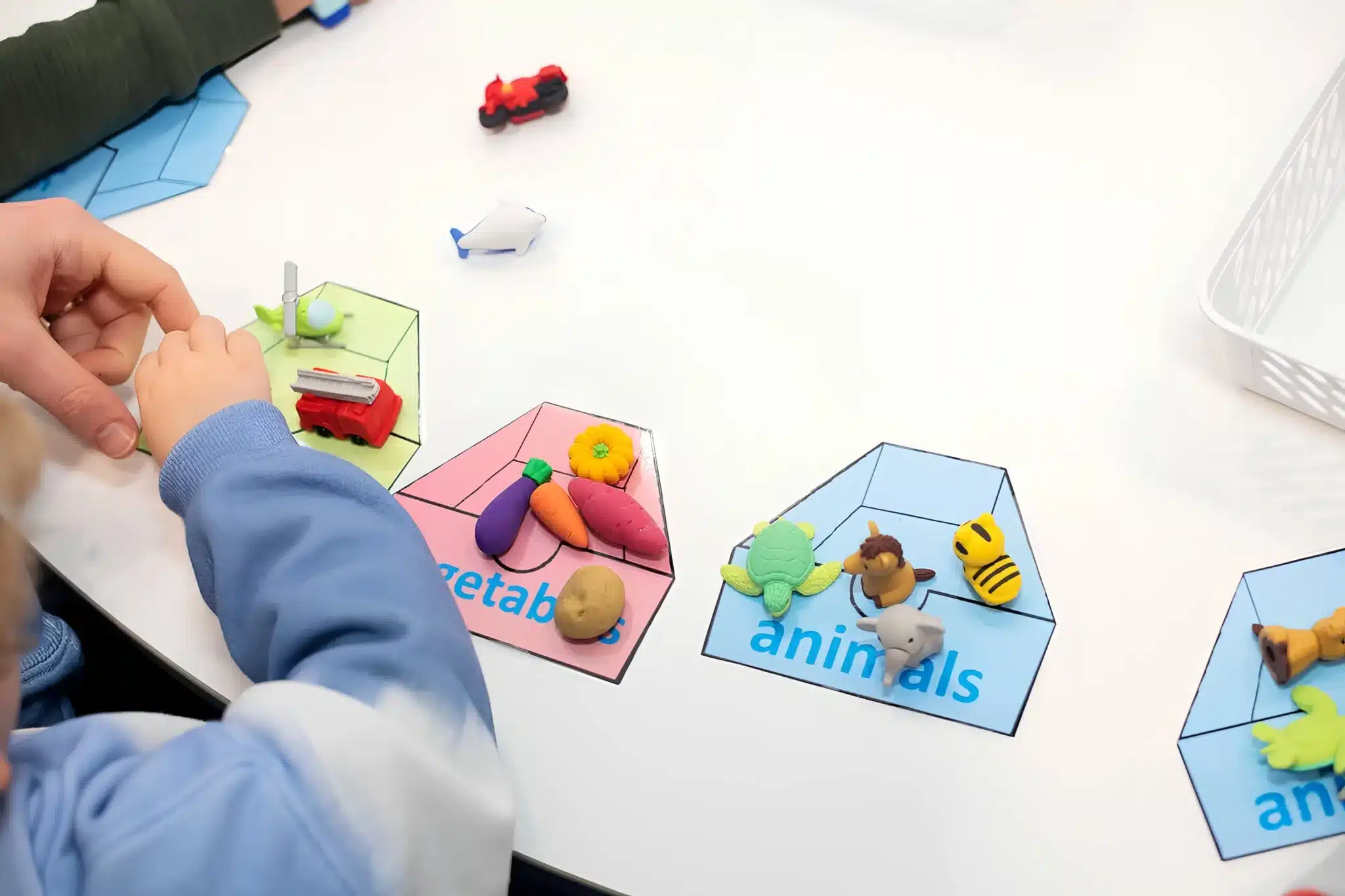
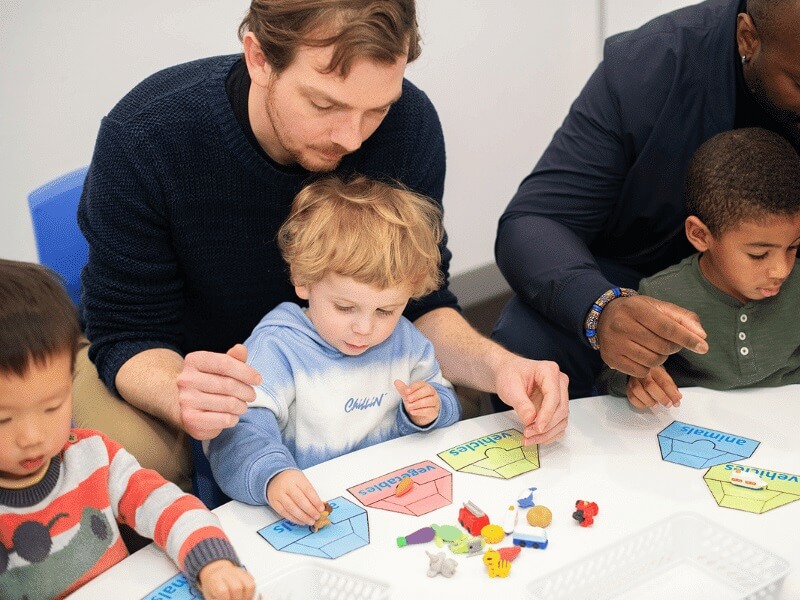
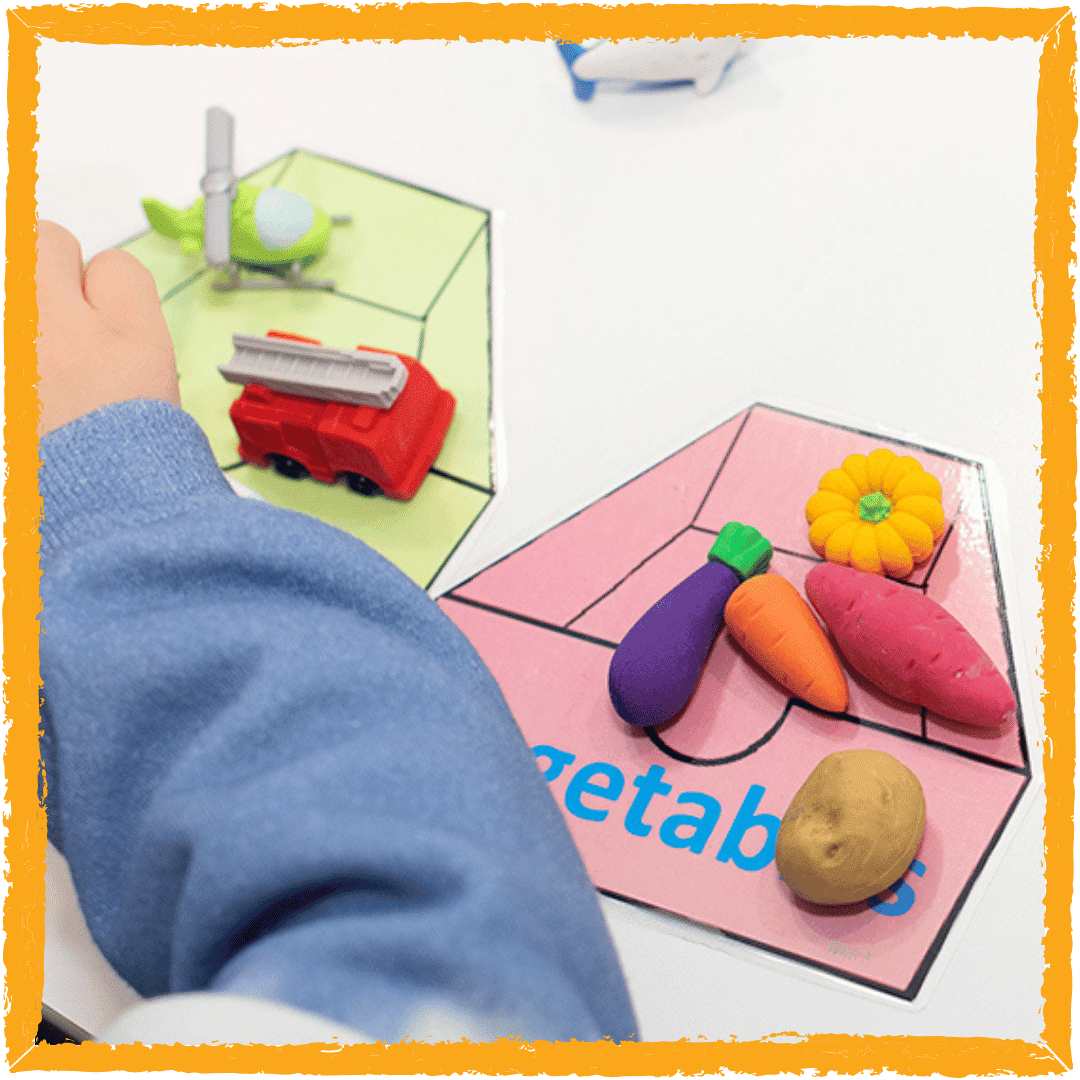
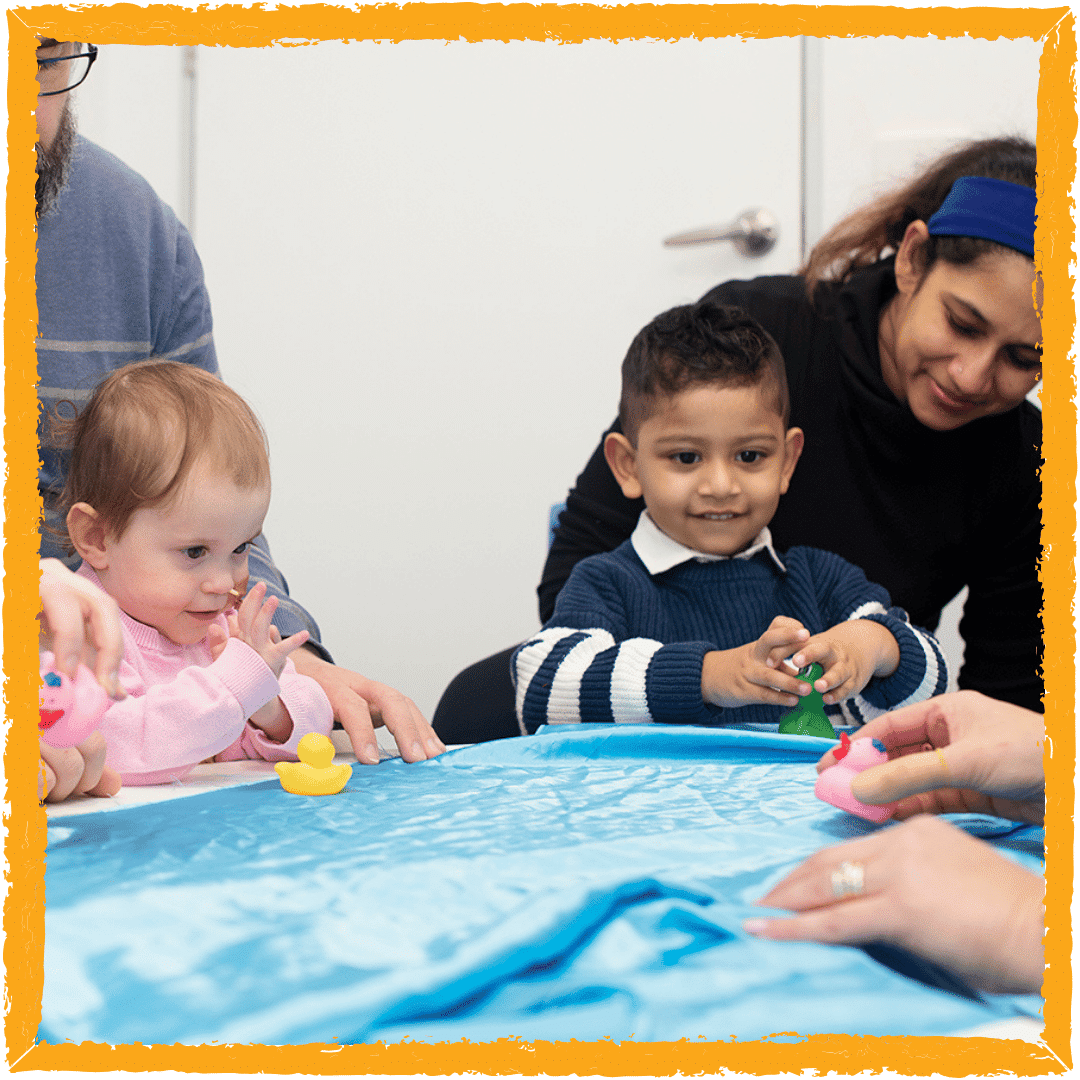
Photo by Shichida Australia: Sorting and categorising objects helps preschoolers connect words to meaning, strengthening vocabulary, comprehension and critical thinking!
Conclusion
Give your child the strongest start by making literacy a joyful part of everyday life. With the right activities, stories, and play, you can help your preschooler build confidence, curiosity, and a love for learning that lasts!
At Shichida, our whole-brain, sensory-rich approach makes literacy development natural and enjoyable. Book a trial class today and see how your child can thrive through fun, engaging, and research-backed learning.
FAQ’s: Literacy activities for preschoolers
Storytelling, rhyming games, alphabet crafts, sensory play, and shared reading are highly effective.
Read aloud daily, talk about sounds and letters, and play word-based games.
Interactive picture books, rhyming stories, and repetitive texts are perfect for preschool literacy.
They build phonemic awareness, memory, and vocabulary through rhythm and repetition.
Yes, play-based learning makes literacy enjoyable and helps children retain skills naturally.
Struggles with vocabulary, sound recognition, or avoiding books may be early signs.
Aim for at least 10–20 minutes daily.
Some can support learning, but hands-on books and conversations are more effective.
Make reading part of play, let your child choose books, and read with enthusiasm.
Parents are a child’s first teachers. Daily conversations, shared stories, and encouragement lay the foundation for lifelong literacy skills. Programs like Shichida give parents extra tools and playful strategies to build literacy at home while children enjoy research-backed, whole-brain activities in class.