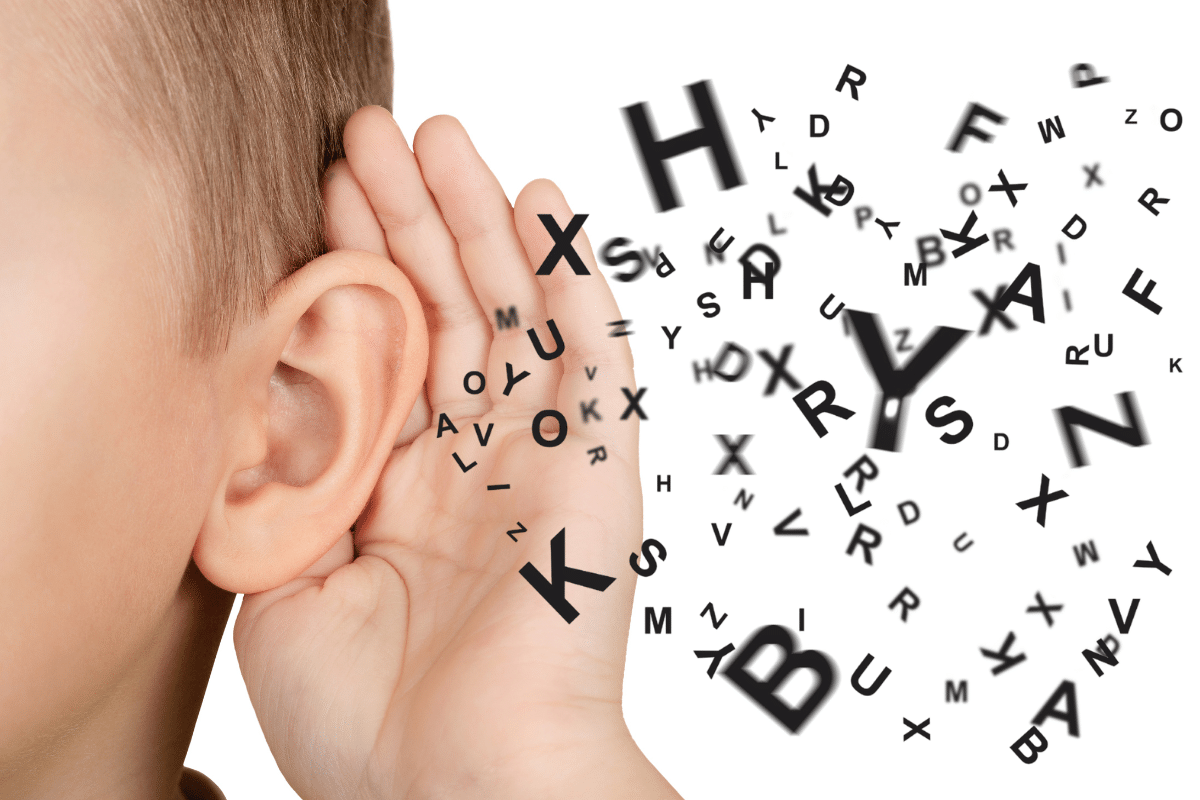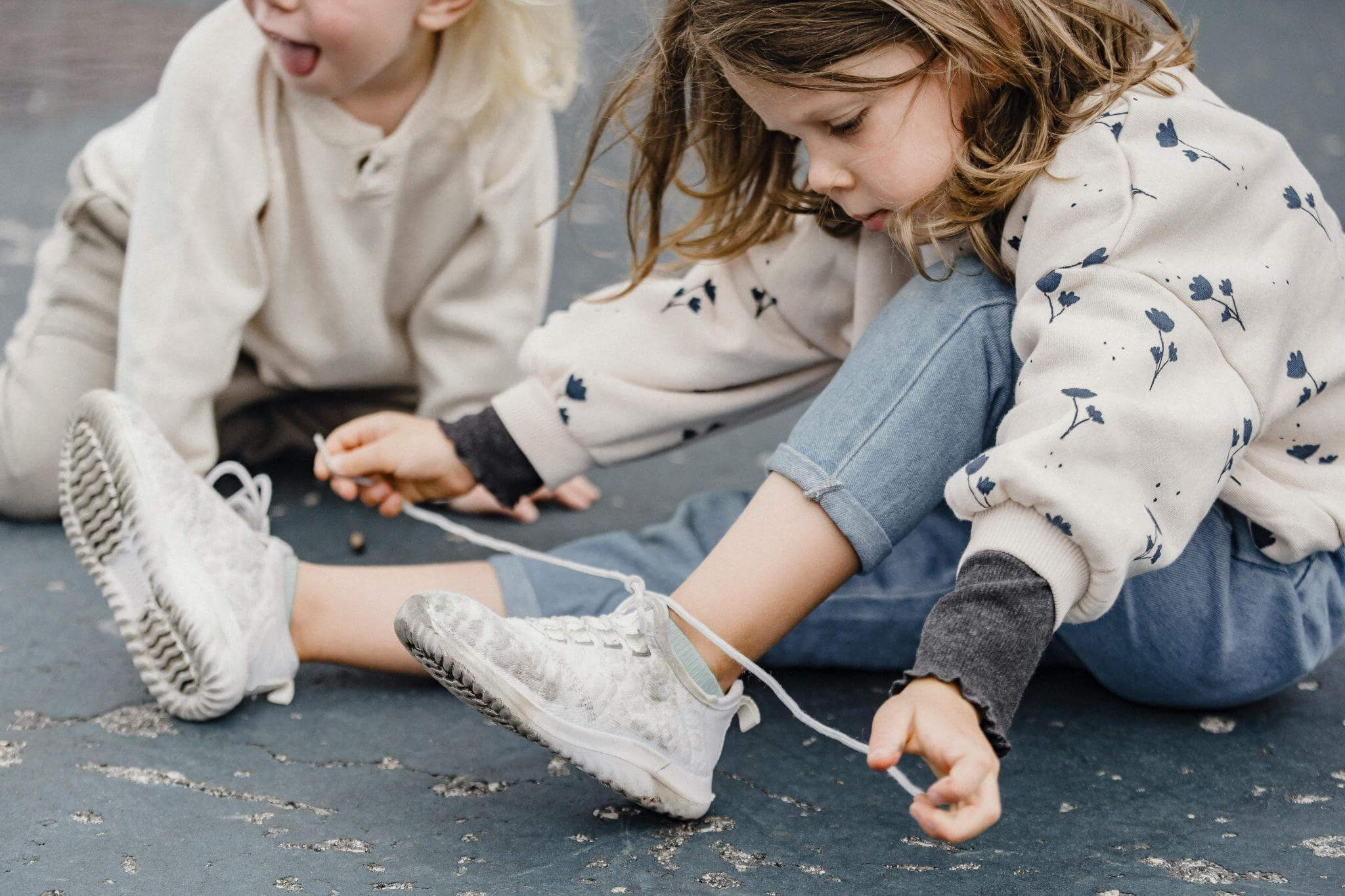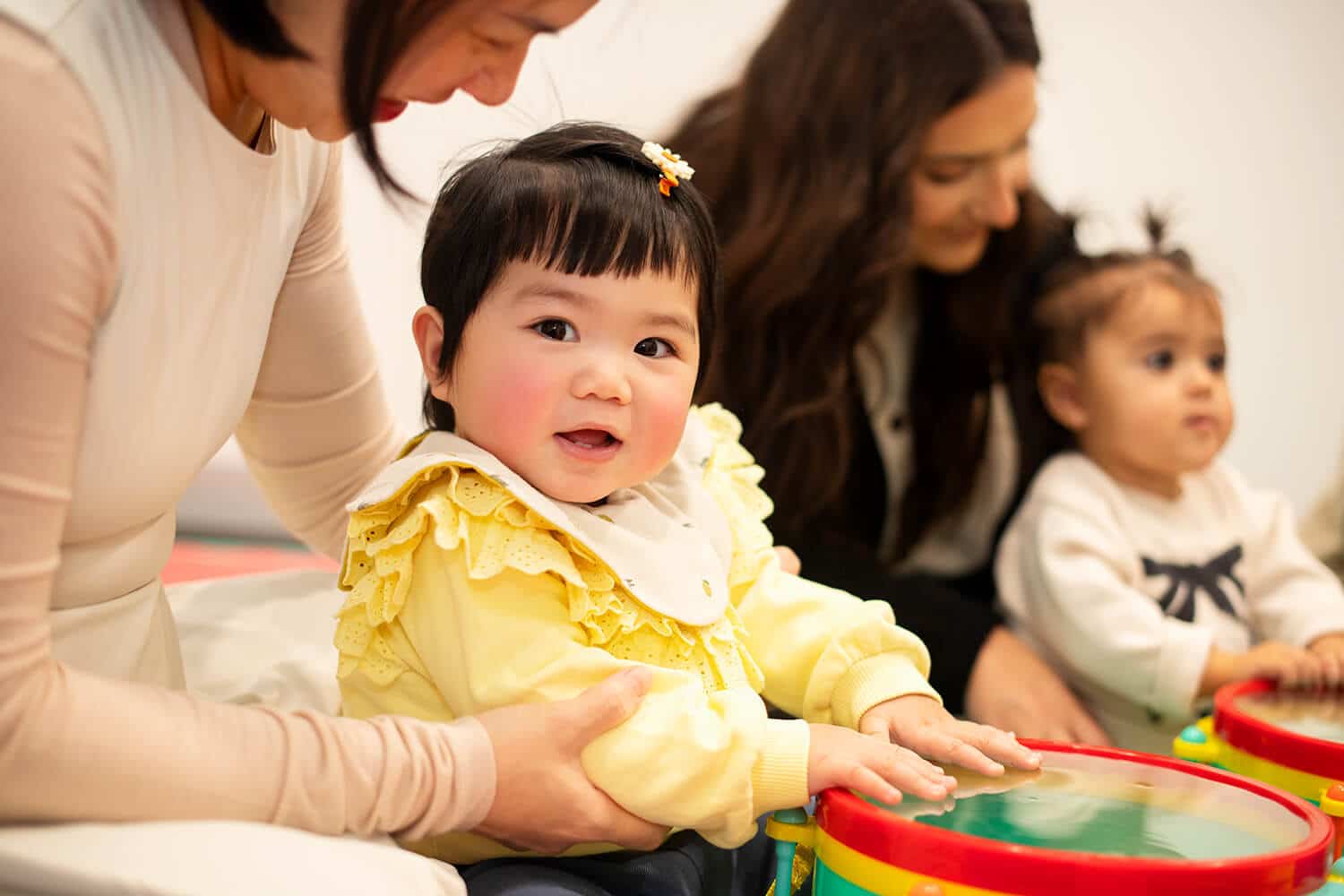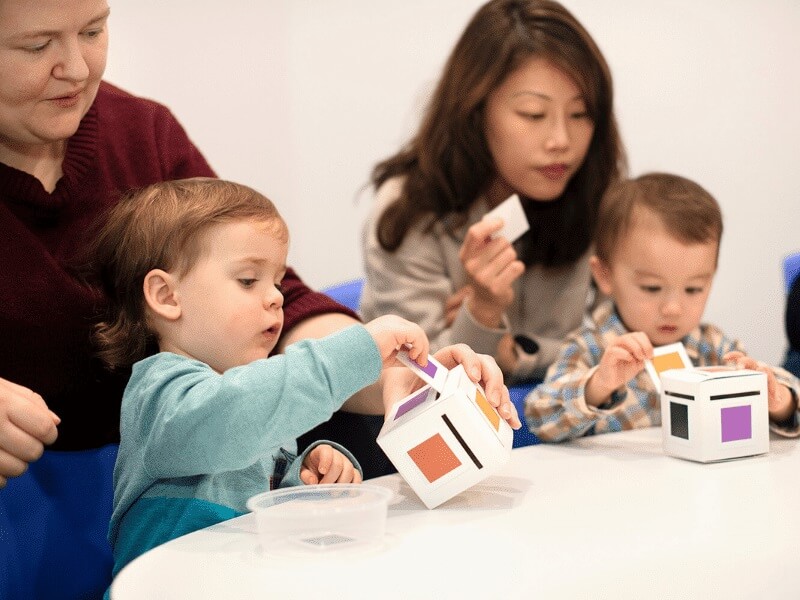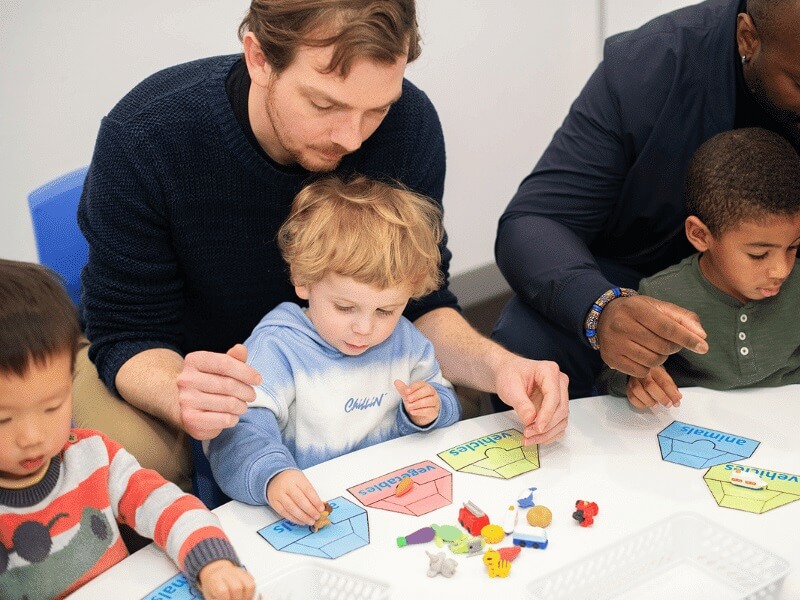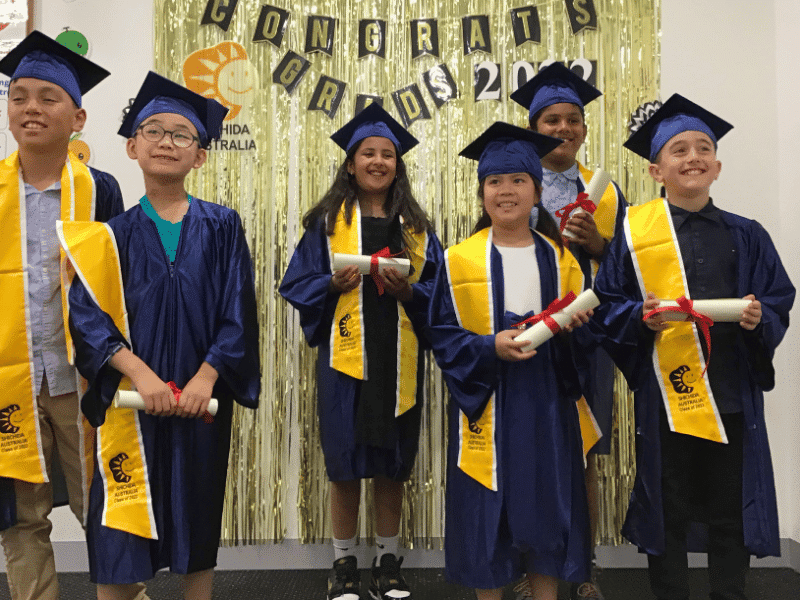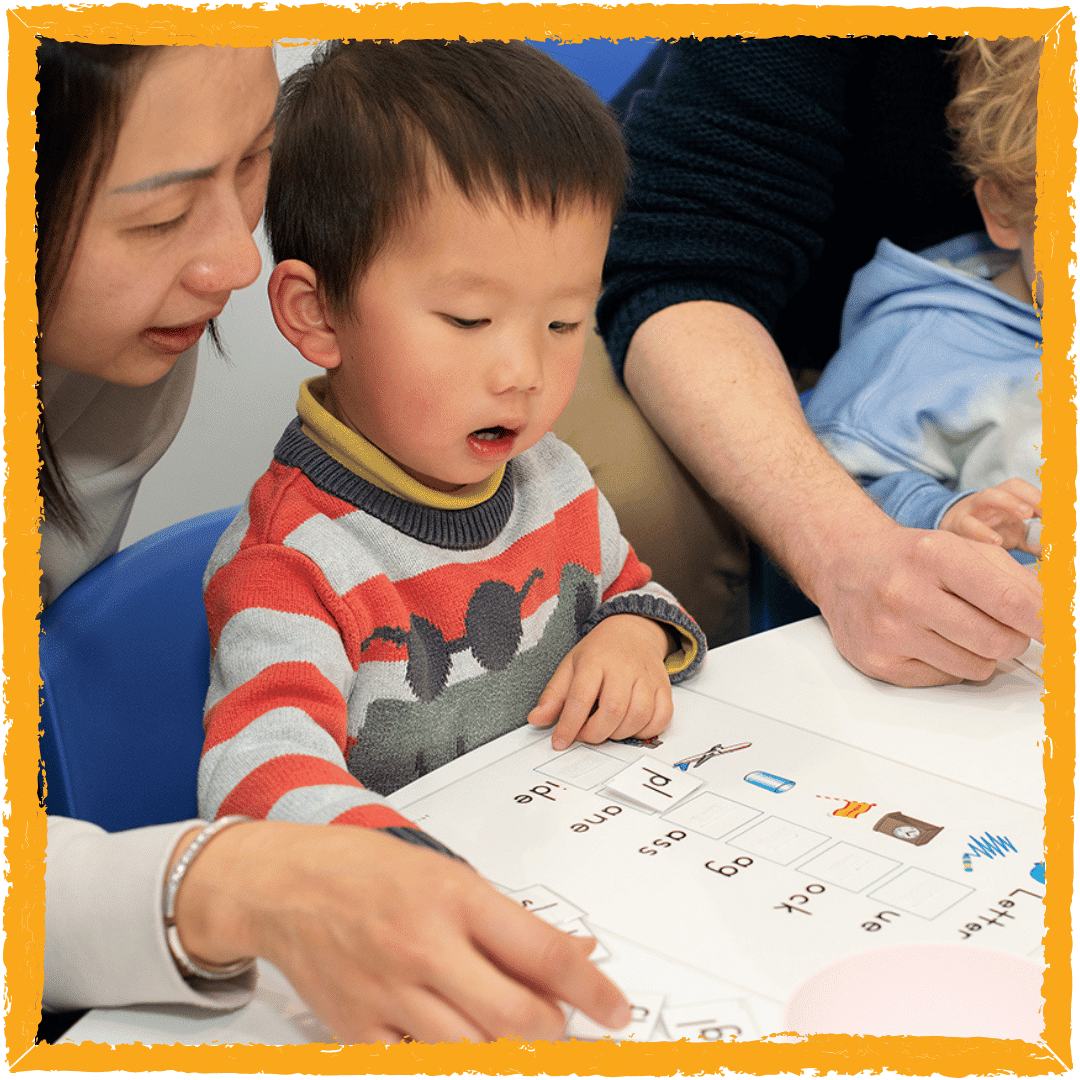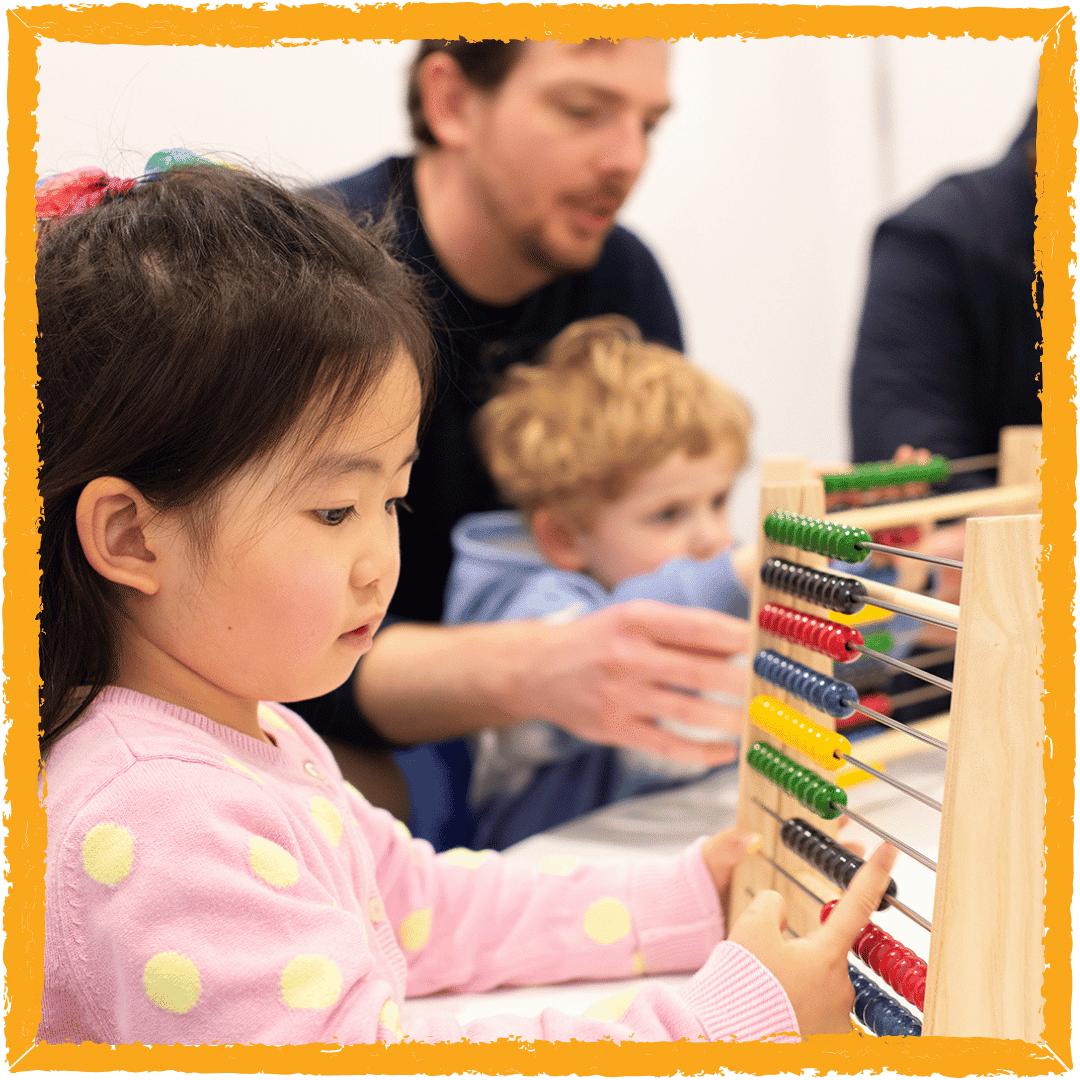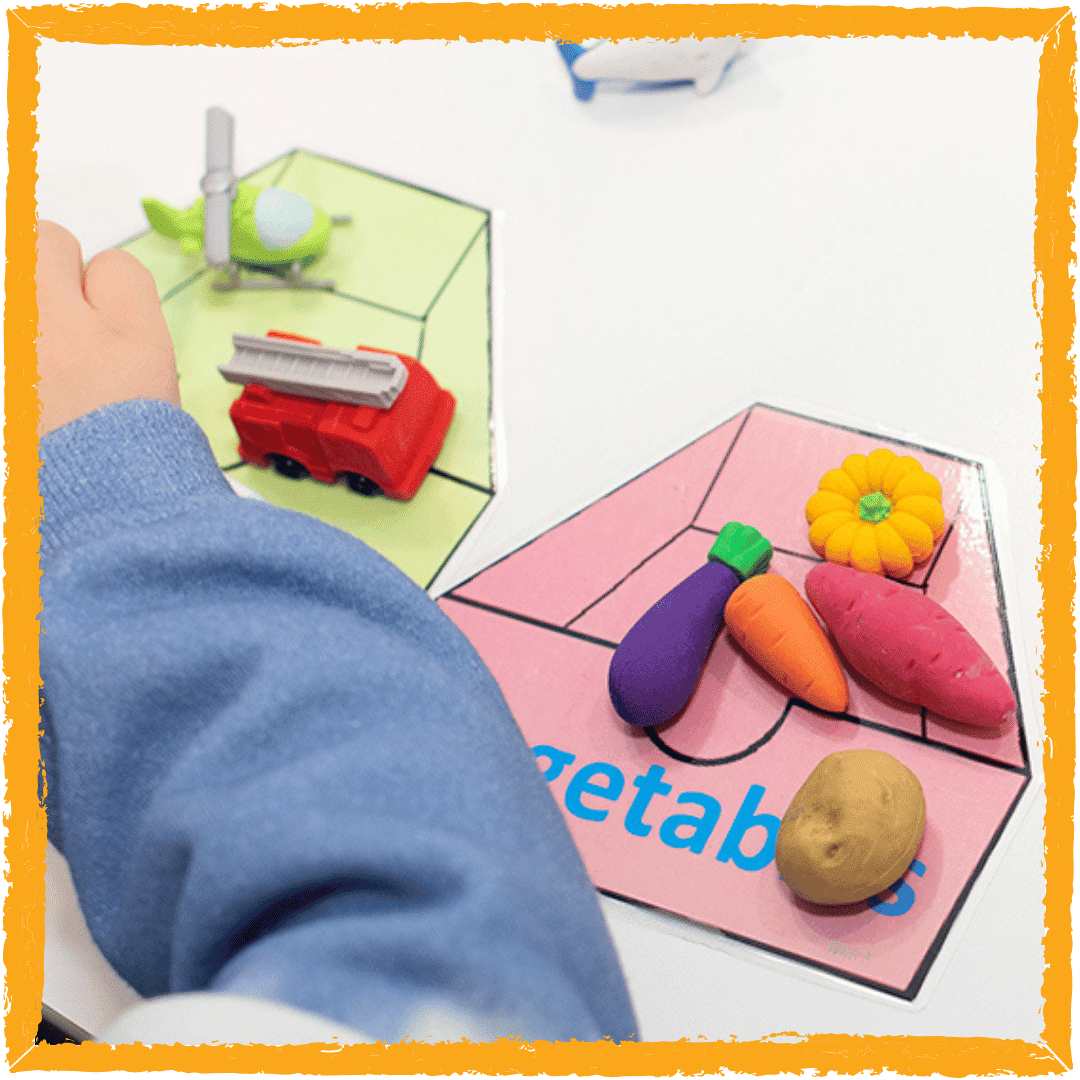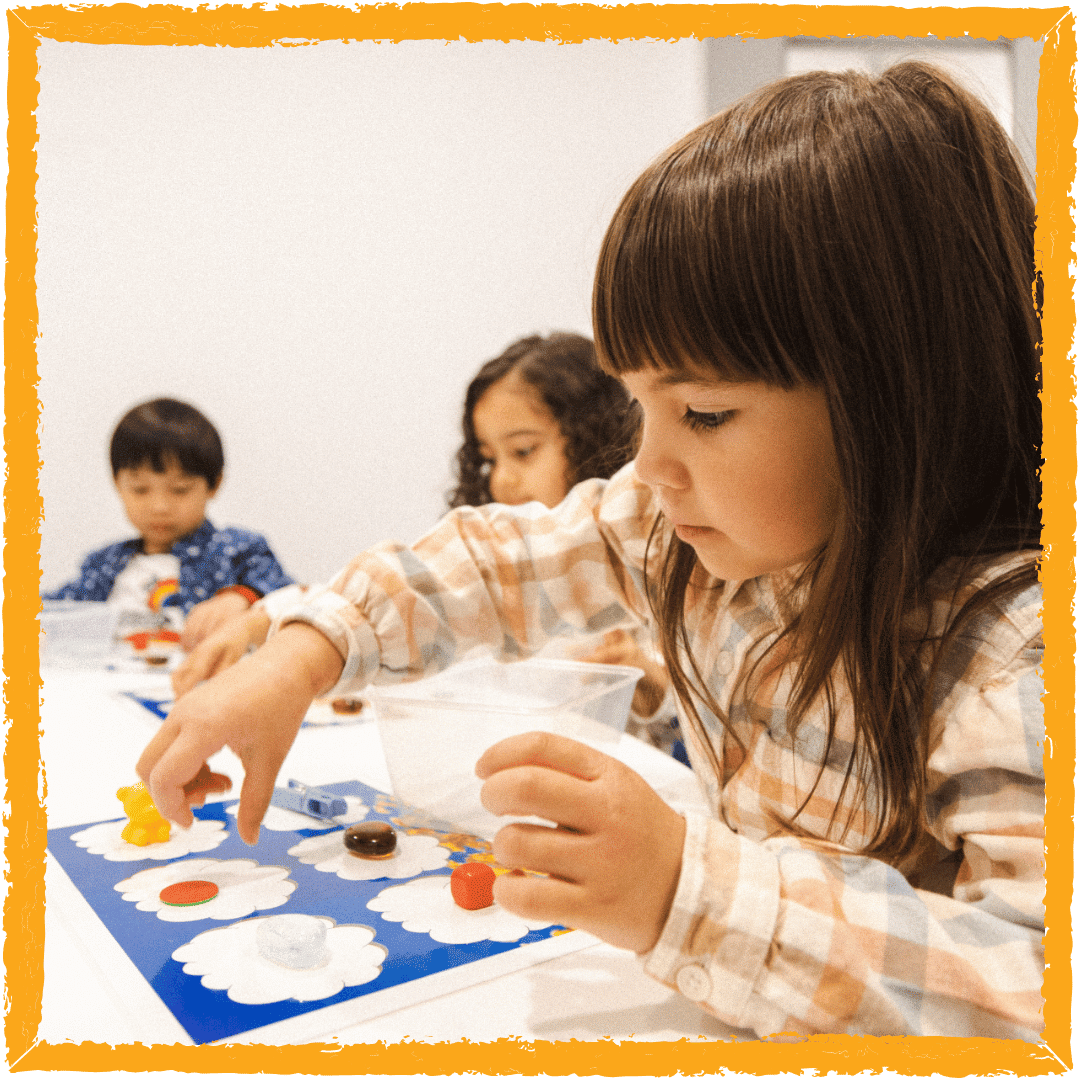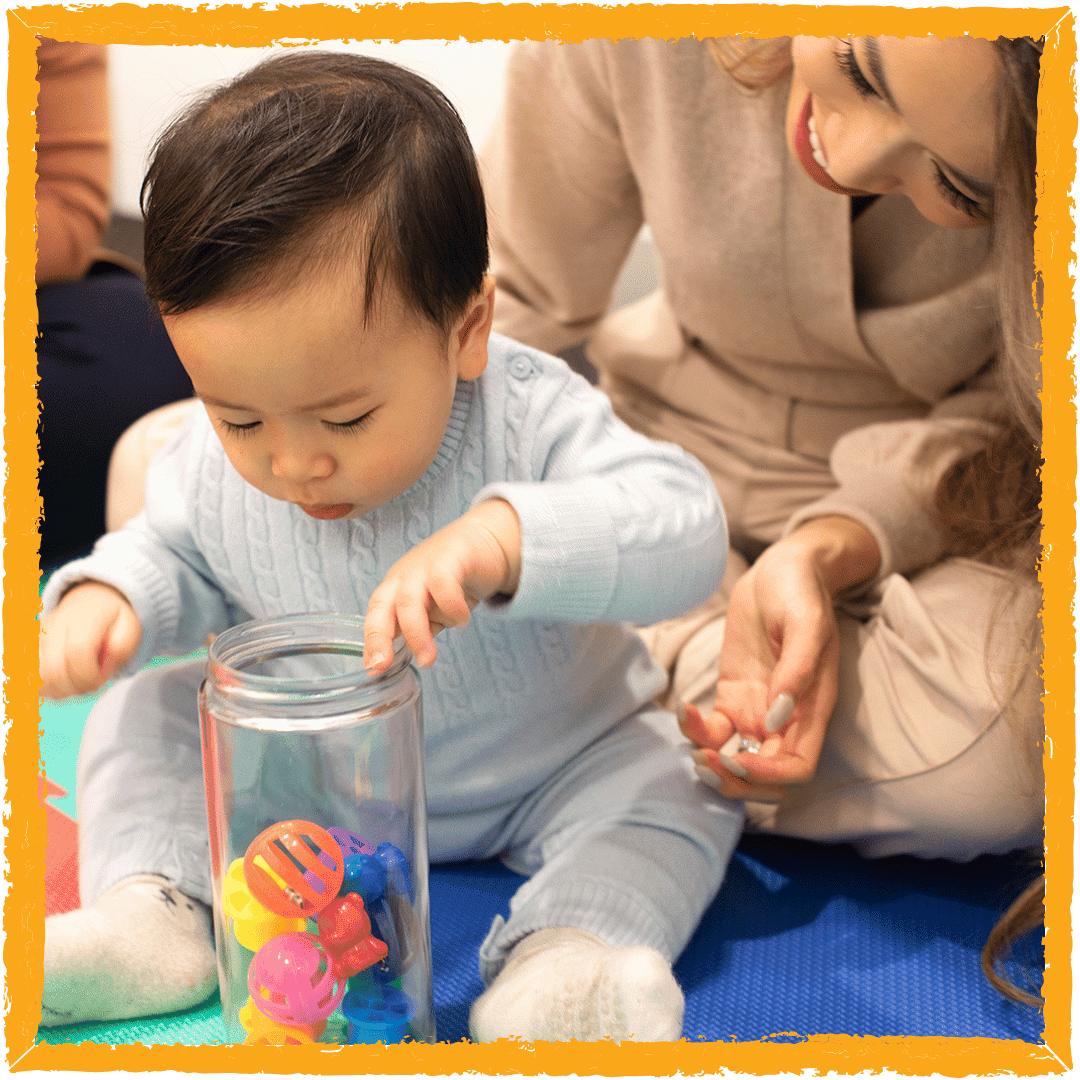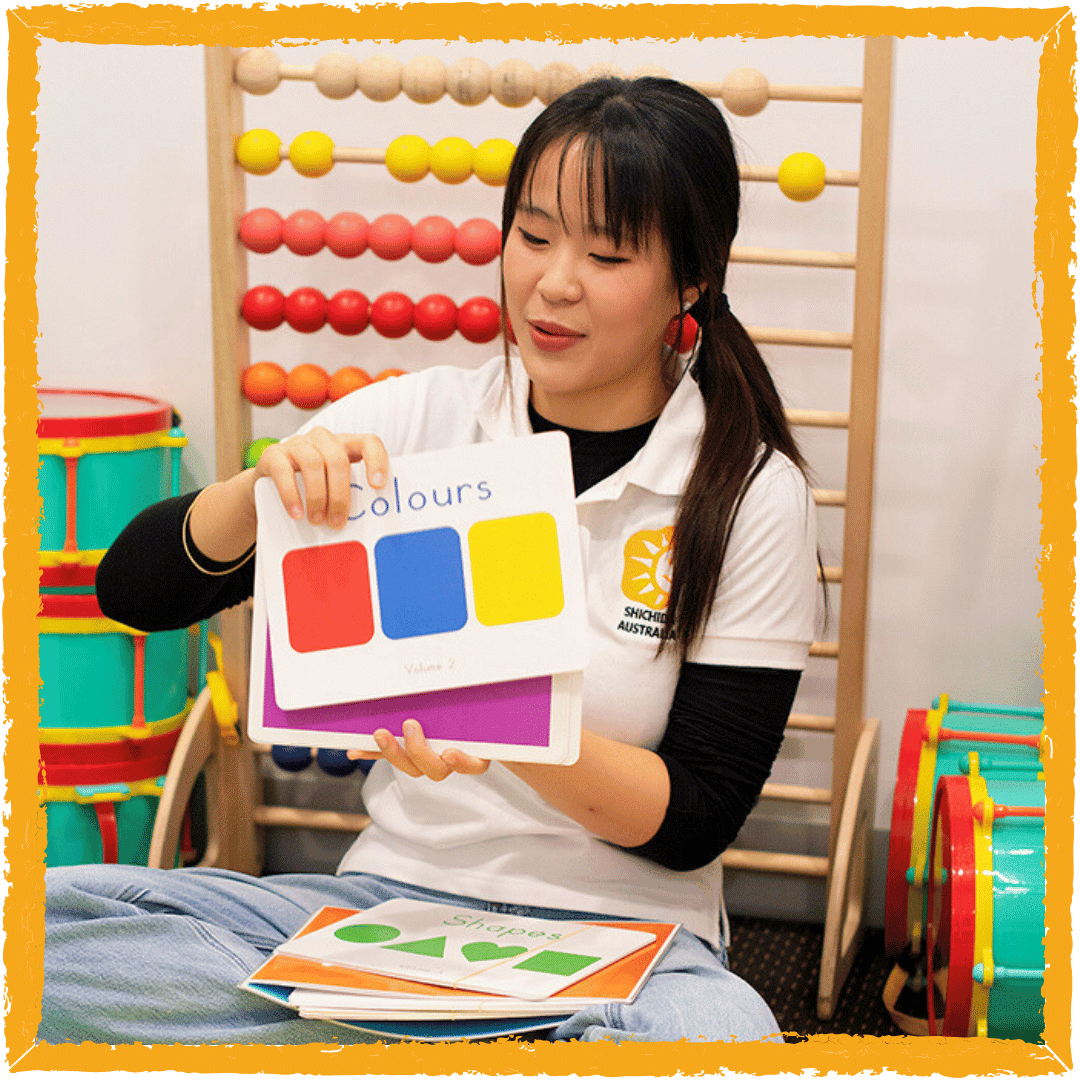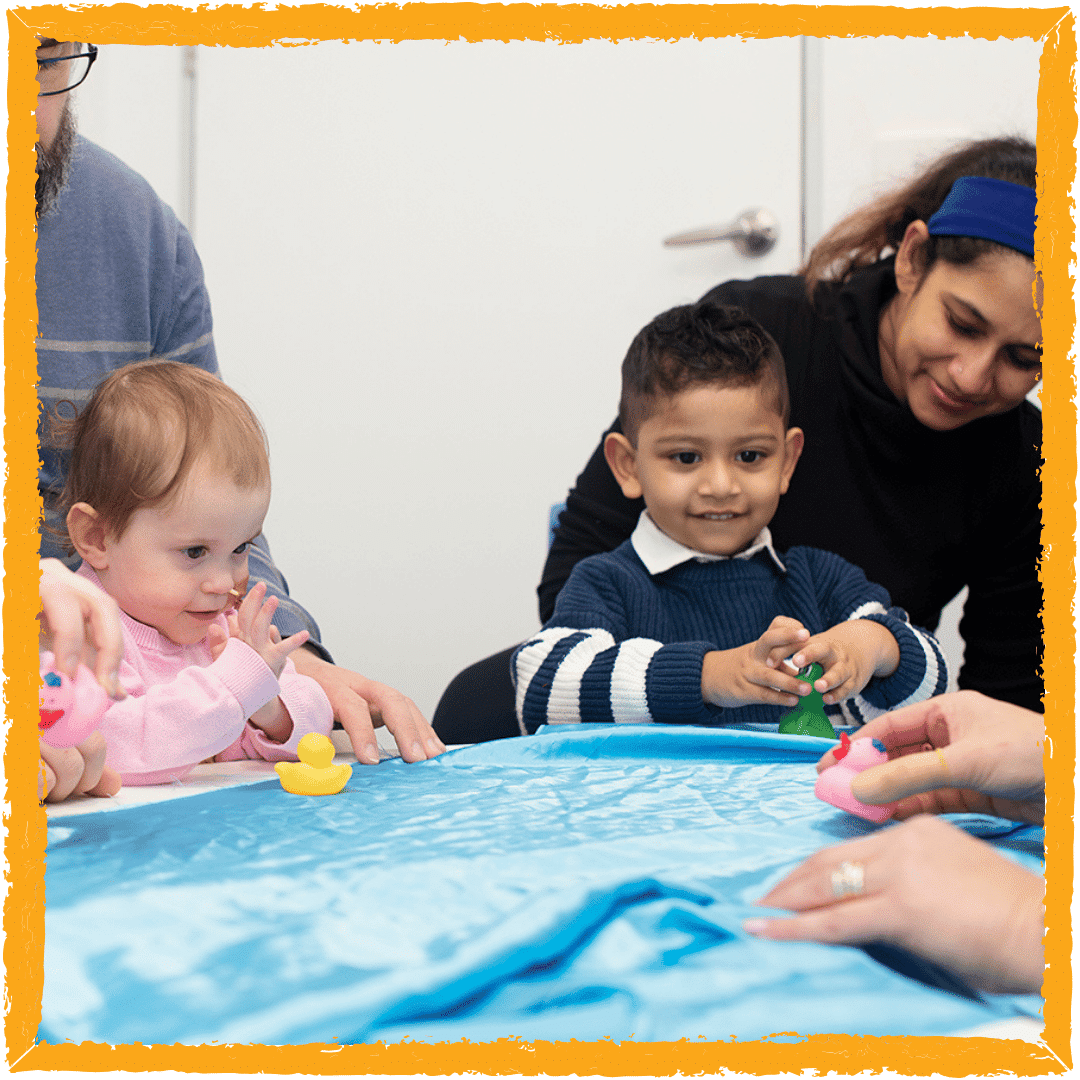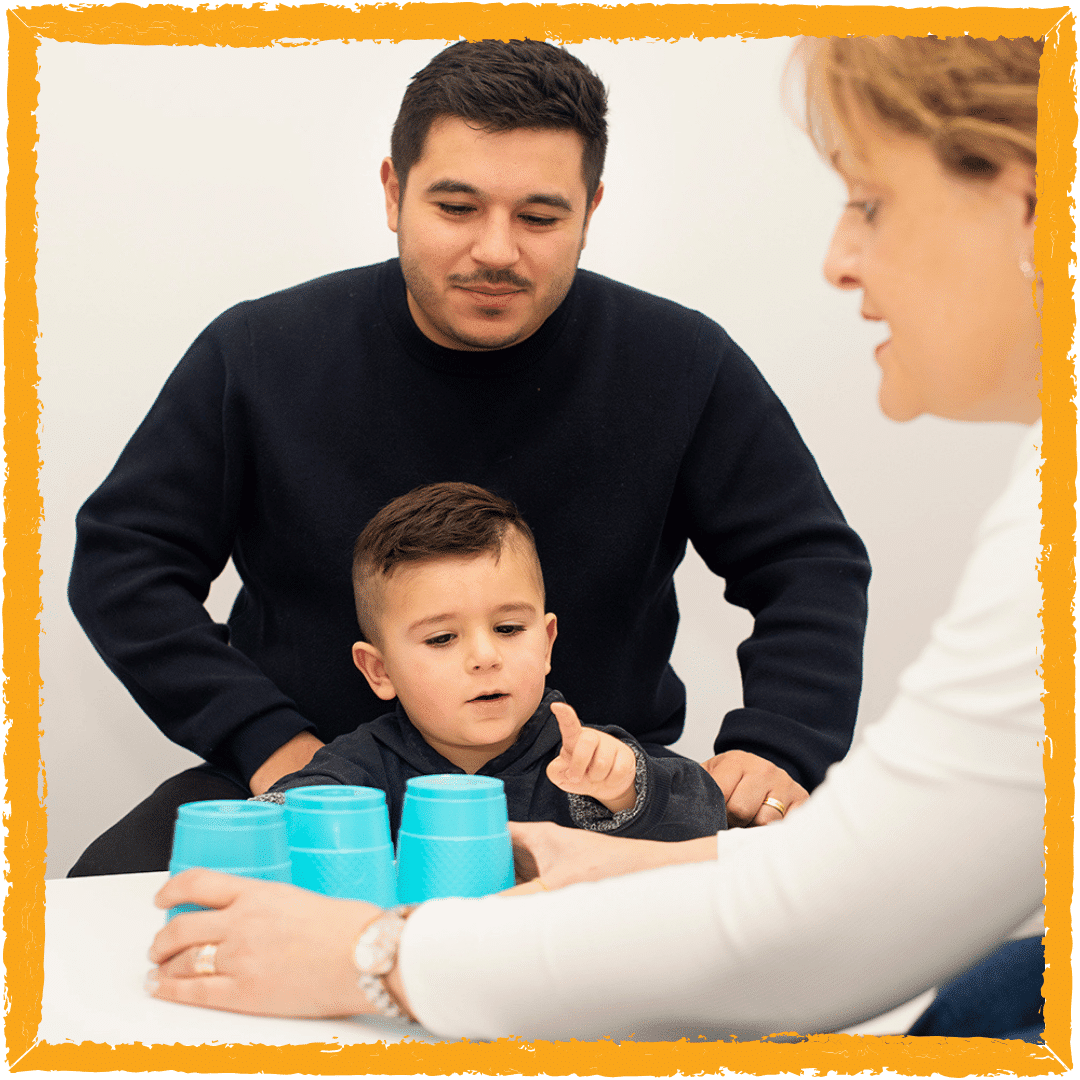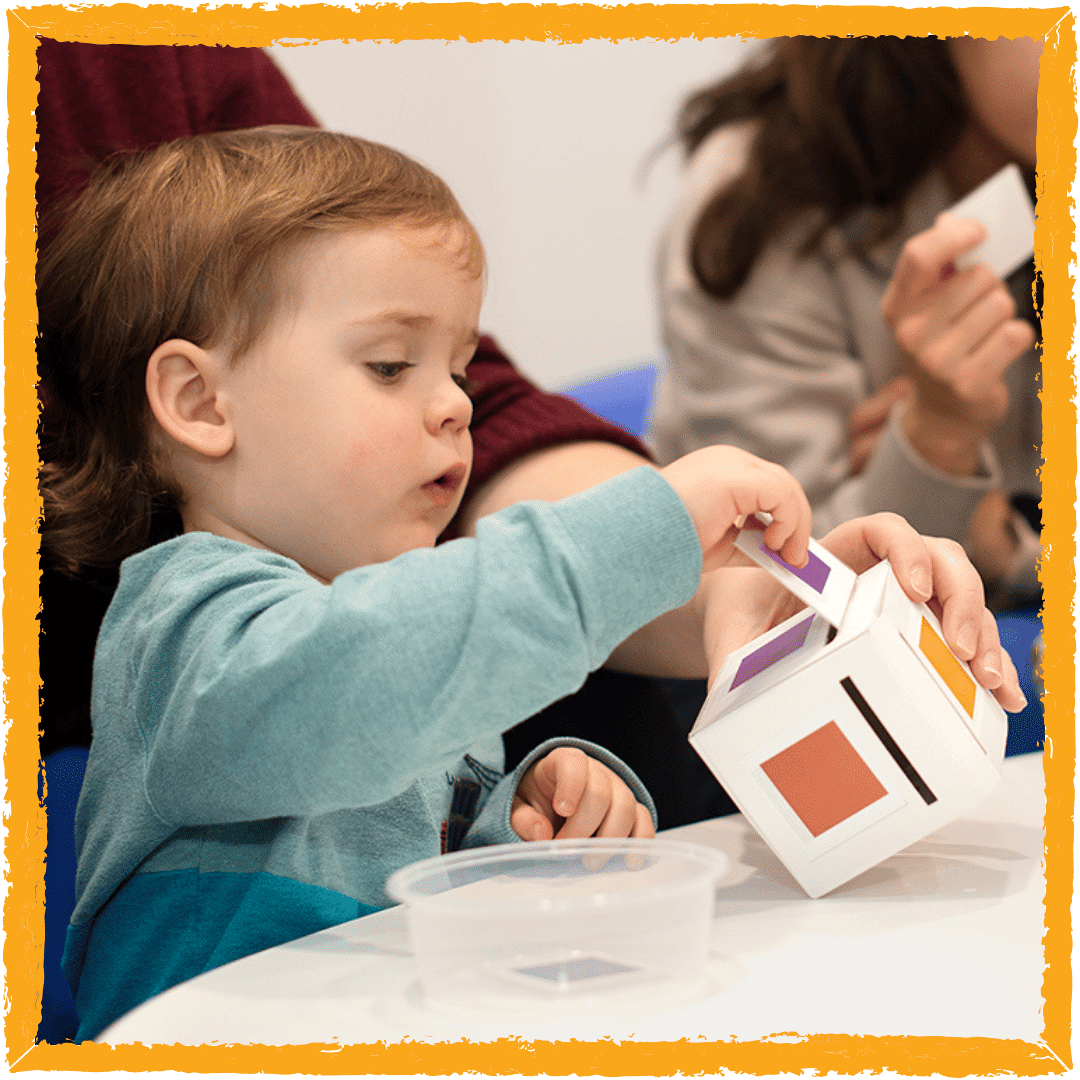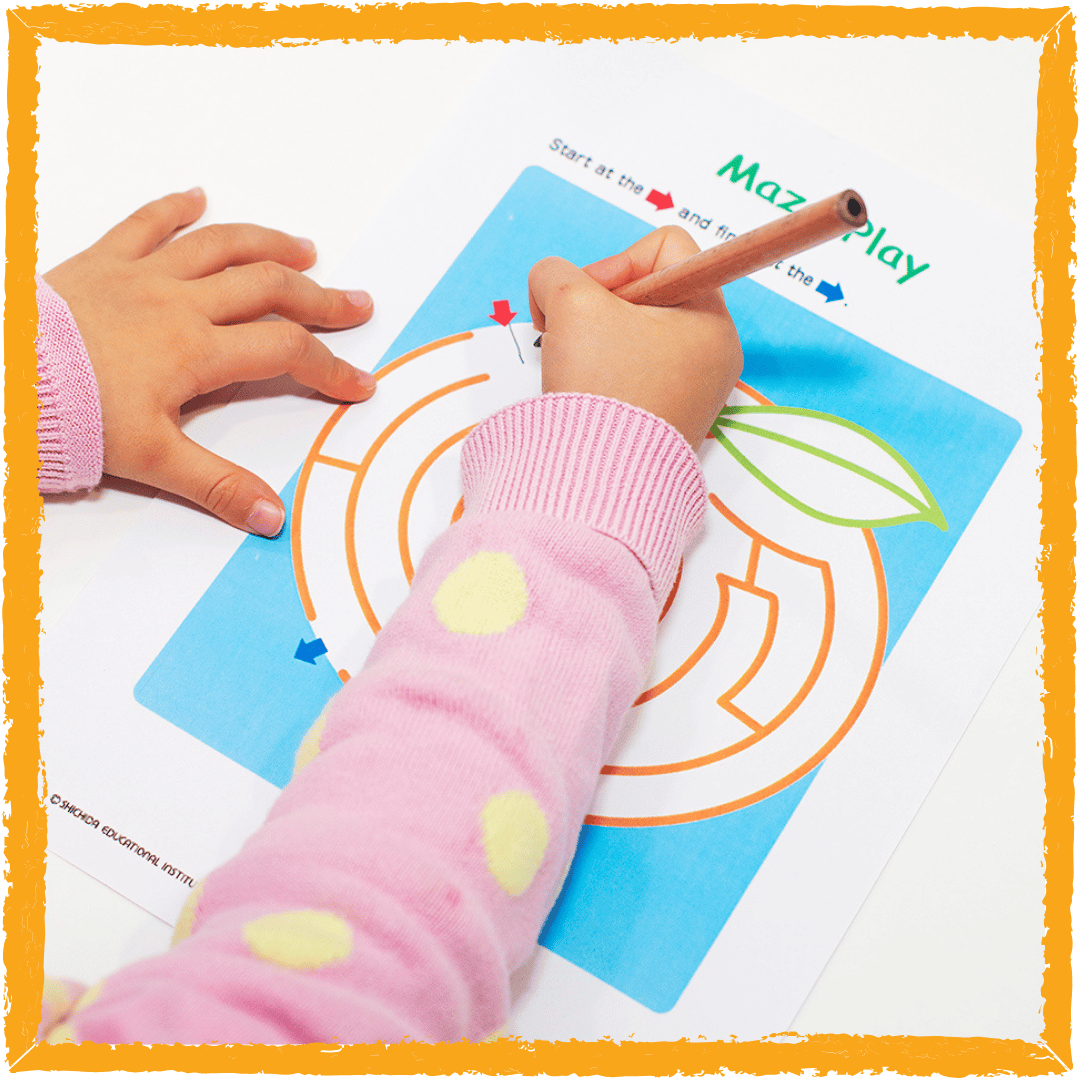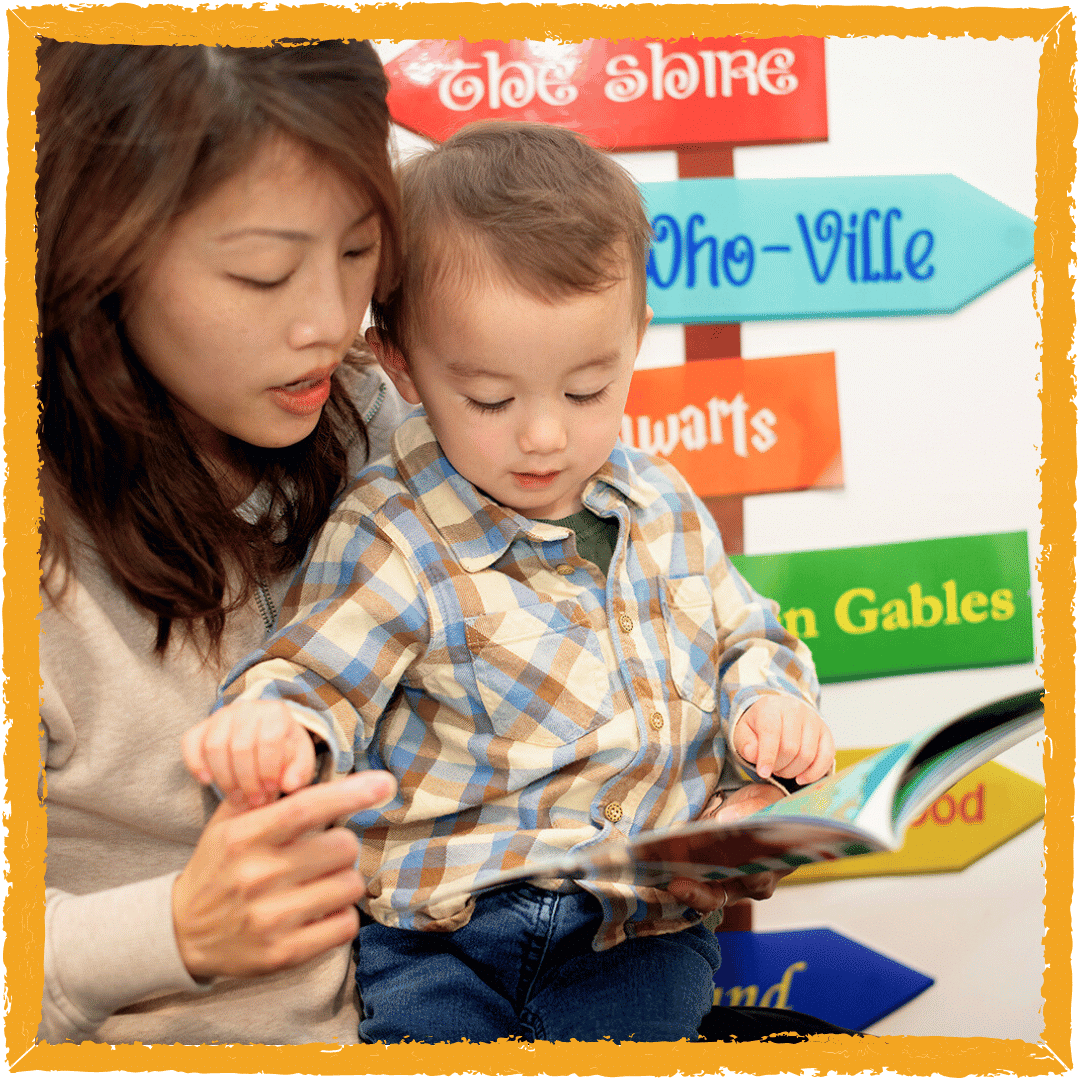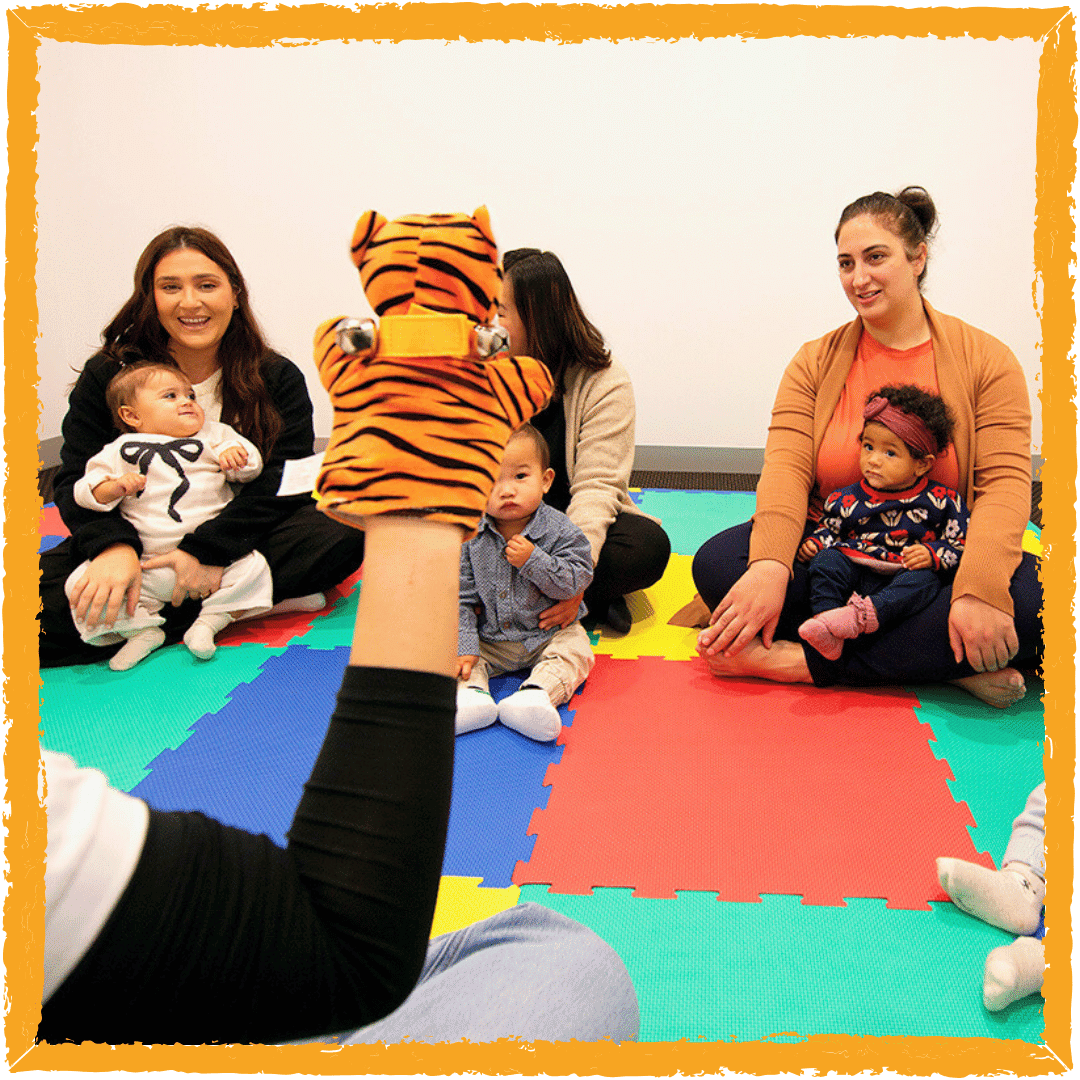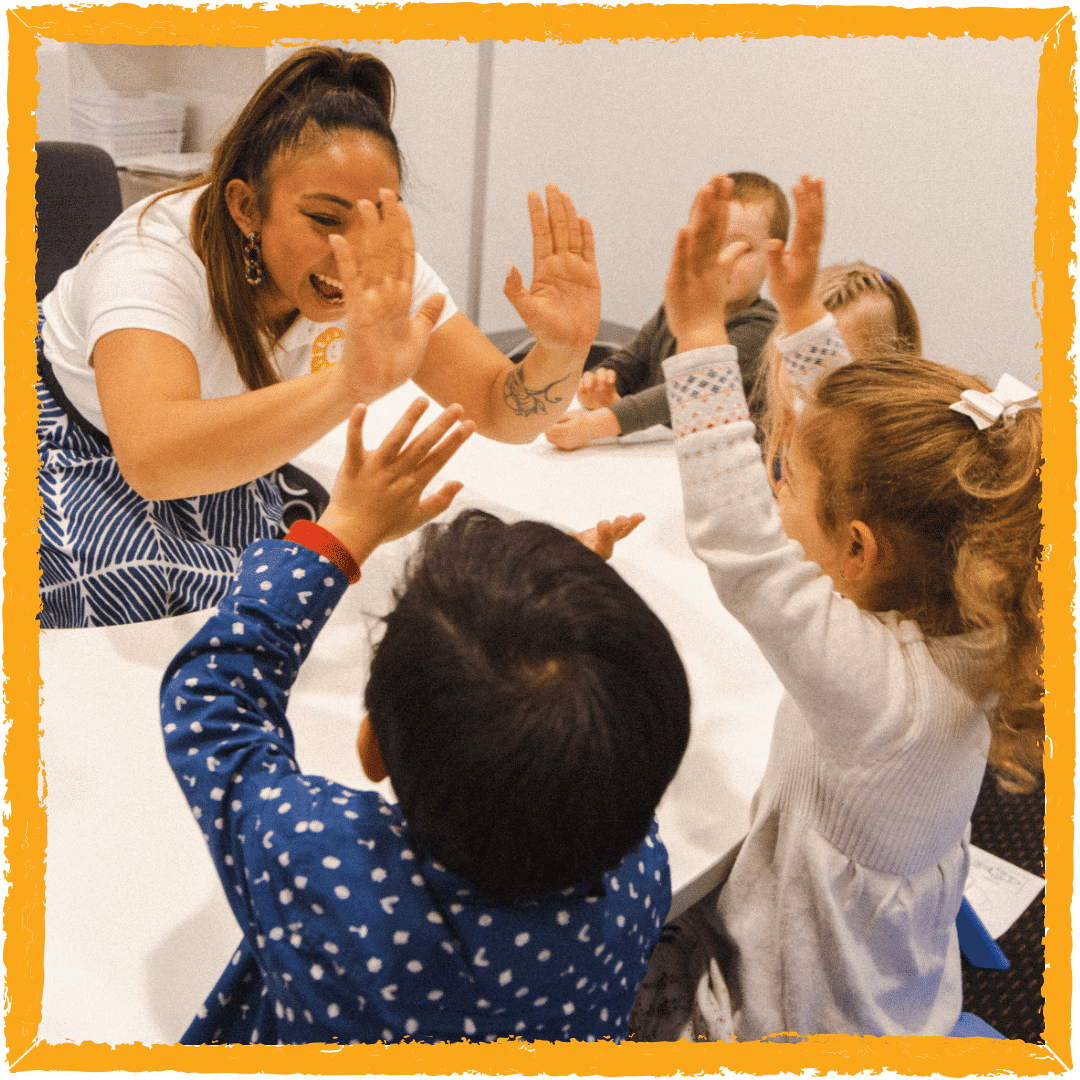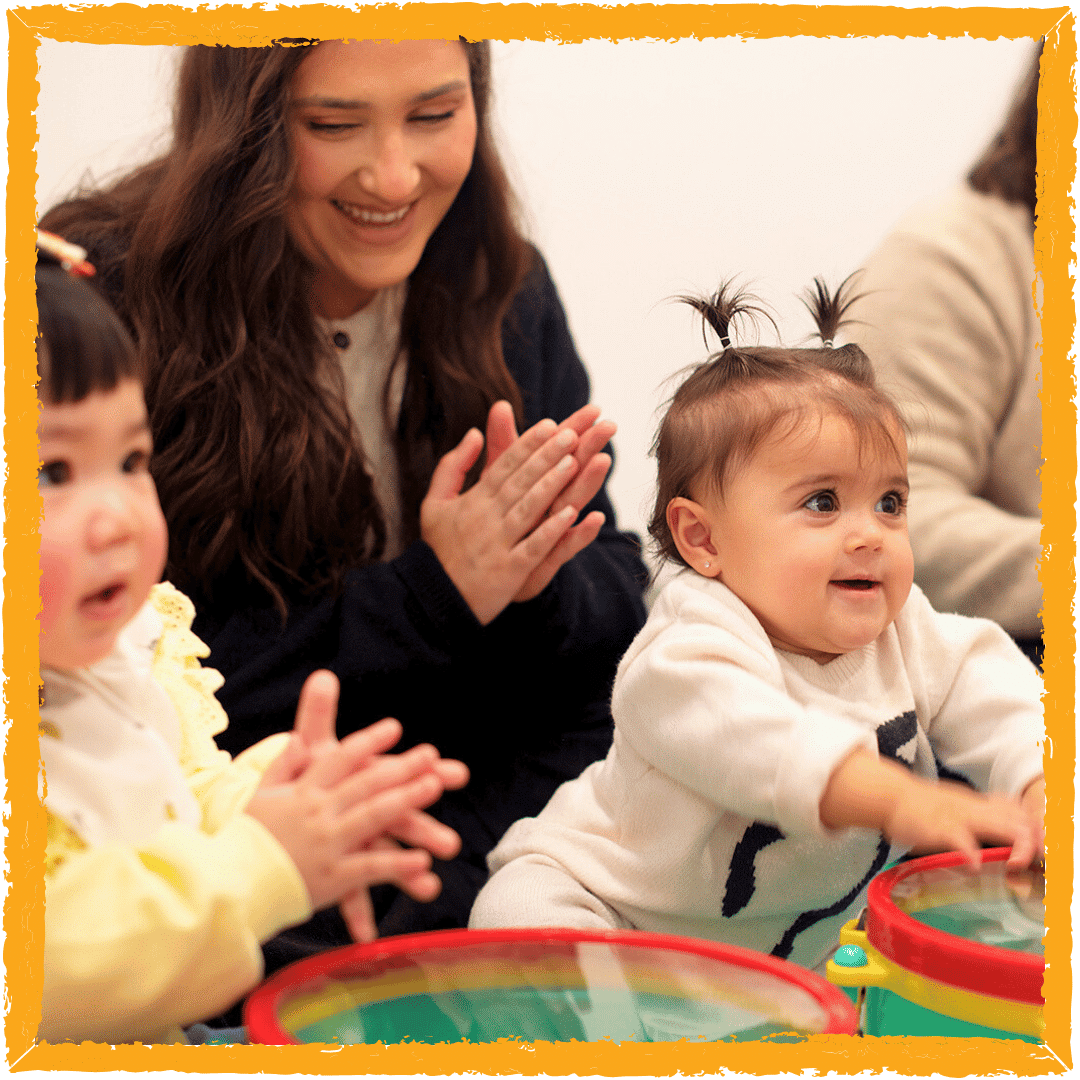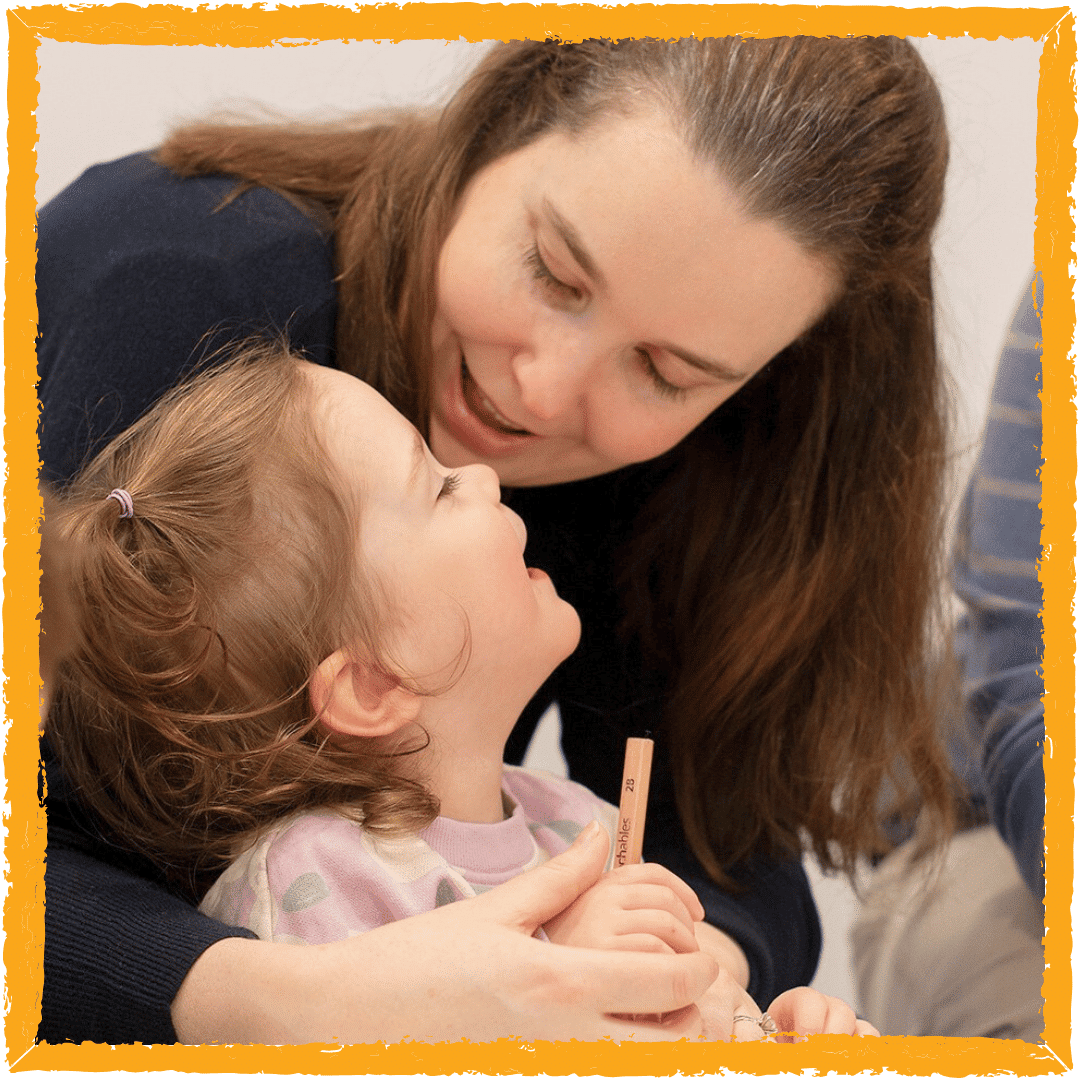
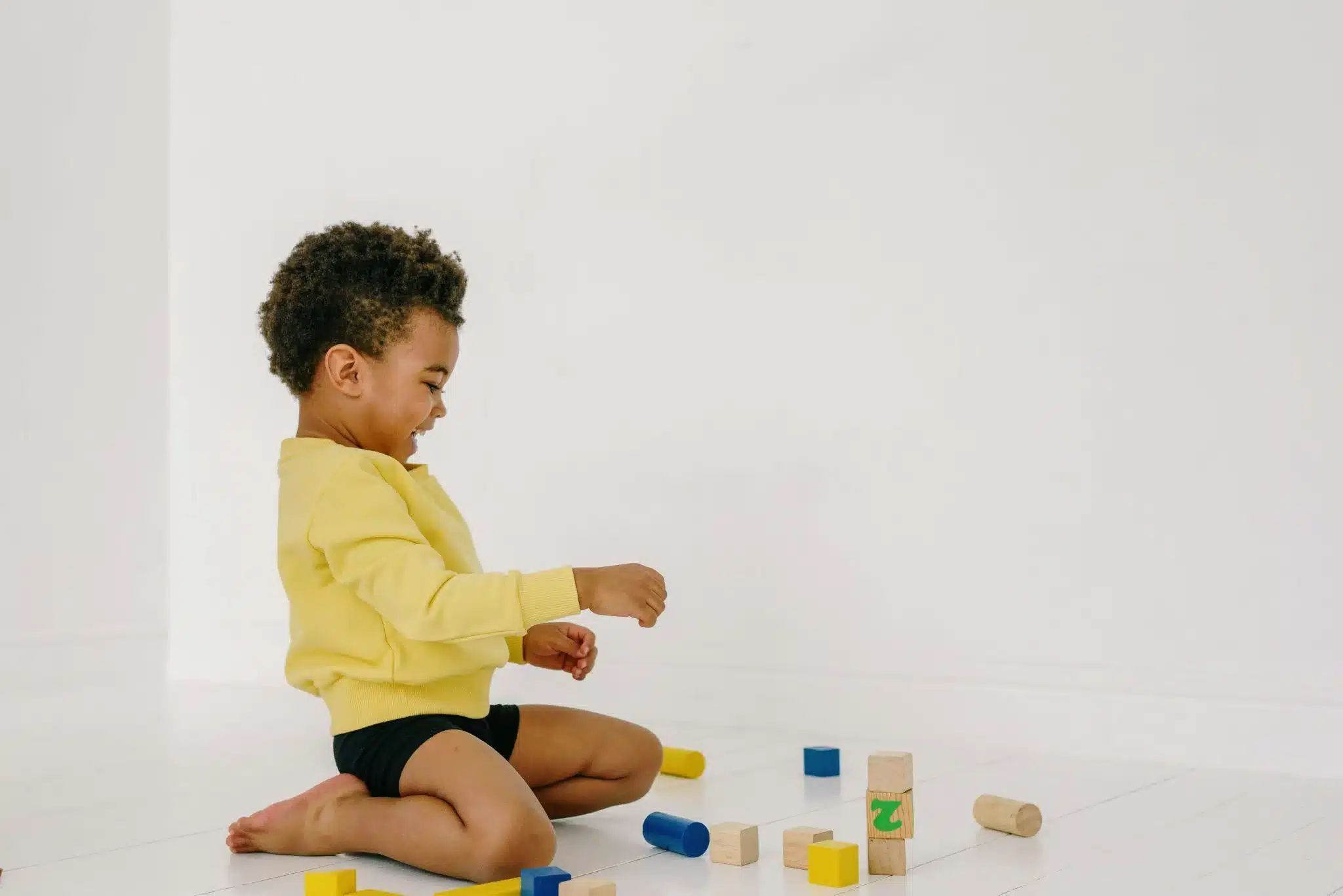
Photo from Pexels: Kinesthetic learning begins with simple hands-on exploration. Children understand new ideas faster when their hands and bodies are actively involved.
Kinesthetic Learning: What It Is and How It Works
Key Points
- Kinesthetic learning is a learning style where children understand concepts best through movement, touch and hands-on activity.
- This approach strengthens memory, focus and engagement by activating multiple areas of the brain at once.
- Movement-based learning supports procedural and muscle memory, helping children retain skills through repeated physical practice.
- Kinesthetic strategies can improve attention and behaviour regulation, especially for children who find sitting still challenging.
- Common teaching methods include manipulatives, role-play, experiments and structured movement activities.
- Kinesthetic learning is effective across all ages and does not limit academic achievement in any subject area.
Did you know? Some children learn best when their whole body gets involved. If your child prefers touching, moving, experimenting or getting physically involved in every task, they may be a kinesthetic learner. This learning style is incredibly powerful and helps many children thrive across school and home settings.
Sensory play can be very satisfying for kinesthetic learners. Download a FREE Sensory Play Guide, filled with ideas to help your child’s early development journey.
What Is Kinesthetic Learning?
Kinesthetic learning is a preference for understanding ideas through movement, hands-on experience and physical activity. It is also known as bodily kinesthetic learning, tactile learning or movement-based learning. Instead of taking in information mainly by watching or listening, kinesthetic learners absorb knowledge through doing.
This learning style relies heavily on sensory input. It involves spatial awareness, muscle memory and the feedback the body receives when touching or manipulating objects. Think of a child who remembers a story better when acting it out, understands maths by using blocks, or grasps instructions faster when physically copying them.
Kinesthetic strengths often appear in daily life too. Many children with this learning style shine in sports, drama, crafts, building activities, dance, or using tools.
Kinesthetic Learning Style Explained
Common traits include:
- A strong need for movement
- Learning best by trying, testing and exploring
- Strong hand and eye coordination
- Difficulty sitting still for long periods
- Touching, instead of looking
- Preference for role-play, manipulatives and experiments
How Kinesthetic Learning Differs from Visual and Auditory Styles
- Visual learners understand by seeing.
- Auditory learners absorb information through listening.
- Kinesthetic learners understand by doing.
Touch, movement and action form the foundation of their understanding. Demonstrations, experiments and hands-on tasks are far more effective for them than long explanations
How Kinesthetic Learning Works in the Brain
Kinesthetic learning activates several brain regions at once, including the motor cortex, sensory pathways and areas responsible for balance and spatial awareness. This mind-body link strengthens attention, improves working memory and increases engagement.
Movement reduces cognitive overload, which helps children process information without feeling overwhelmed. Active learning also supports emotional regulation and focus.
Muscle Memory and Procedural Learning
Repeated, physical practice creates long-term memories. Tasks such as tying shoelaces, forming letters, riding a bike or conducting experiments become easier through repeated action because the brain encodes the movement itself.
Sensory Integration and Active Engagement
Movement supports regulation of the nervous system. Many children concentrate better when their body is engaged. A movement enriched approach boosts motivation, reduces restlessness and keeps the mind alert.
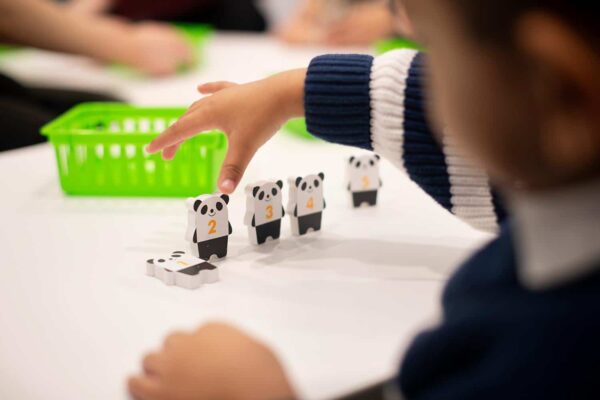
Photo from Shichida Australia: Children partake in 20-25 fun brain-training, hands-on activities per Shichida class.
Signs a Student Is a Kinesthetic Learner
Kinesthetic learners often show clear signs across different ages.
Strengths of Kinesthetic Learners
Early Years
Children show constant movement and exploration, enjoy sensory bins, blocks and pretend play, and often remember routines better when they physically act them out.
Primary Years
Students tend to fidget, tap or doodle during lessons, show strong interest in experiments and hands-on tasks, and thrive in group activities or practical projects.
High School
Learners build confidence in labs, drama, sports science and design-based subjects. They recall information well during demonstrations and prefer real-world, practical learning.
Common Challenges
Early Years
Restlessness during seated activities and the need for constant physical engagement are common, making long carpet-time sessions harder.
Primary Years
Students may struggle to stay focused during lengthy written work, find it hard to meet expectations for neat, extended notes, and show stronger sensory-seeking behaviours.
High School
Traditional lecture-based lessons and heavy written assessments can feel challenging. Many rely heavily on demonstrations and practical tasks to understand concepts fully.
Benefits of Kinesthetic Learning
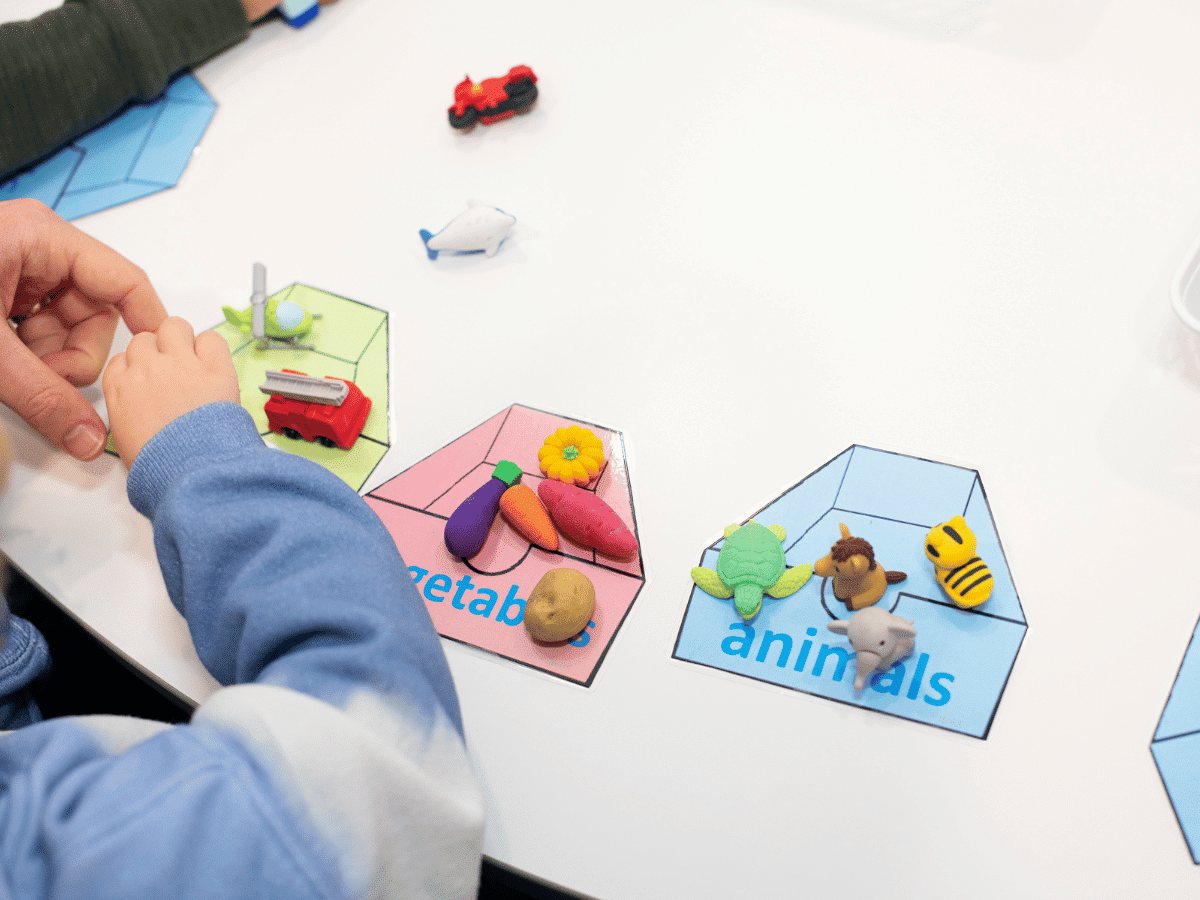
Photo from Shichida Australia: Kinesthetic learning in action with children using hands‑on activities to explore concepts, making movement, touch and practical tasks part of deep learning.
Kinesthetic learning offers academic, behavioural and emotional benefits for many students.
Improved Memory and Retention
Physical movement and manipulation of objects activate multiple parts of the brain. This leads to stronger encoding and better long-term retention.
Boosted Motivation and Active Participation
Movement makes learning more meaningful and enjoyable. A sense of involvement builds confidence and encourages deeper engagement.
Supports Diverse Learning Needs
Kinesthetic learning can be especially effective for:
- Children with ADHD or attention difficulties
- Early learners who rely on sensory experience
- Students with literacy challenges
- Sensory seeking students who need physical feedback
- Curious learners who enjoy hands-on experiences
Practical Kinesthetic Learning Strategies
Simple, purposeful strategies help kinesthetic learners remain focused and engaged.
Classroom Techniques That Use Movement
Bring learning to life by letting students move with purpose. Use role-play and dramatisation to act out concepts, set up learning stations that encourage rotation and exploration, and incorporate manipulatives such as math blocks or science models.
Subject-Specific Examples
Make each subject more accessible by adding action.
- In math, use blocks, measuring activities or jumping number lines to reinforce concepts.
- In science, guide students through hands-on experiments, models or simple dissections.
- For English, let them retell stories with actions or act out scenes to deepen comprehension.
- PE crossover tasks work well too, such as integrating movement challenges into literacy or numeracy games.
Tools & Materials
Equip classrooms with tools that support active learning. Stress balls, putty and fidget tools help students focus during instruction. Sensory trays encourage exploration, while hands-on STEM kits offer structured yet engaging activities that build problem-solving skills. All of these materials give kinesthetic learners productive outlets to stay engaged and attentive.
Classroom Design for Kinesthetic Learners
The learning environment plays a crucial role in supporting movement needs.
Flexible Seating Options
Designing the classroom with movement in mind helps kinesthetic learners stay focused. Standing desks let students shift their weight naturally, wobble stools support controlled movement, and floor cushions create cosy spaces for learners who prefer sitting low or changing position often.
Scheduling Movement
Embedding movement into the daily routine keeps students regulated and ready to learn. Short brain breaks, simple stretching sequences or quick kinesthetic warm-ups give children the reset they need between lessons. These planned transitions reduce restlessness, support attention and make the classroom feel more inviting for those who learn best through action.
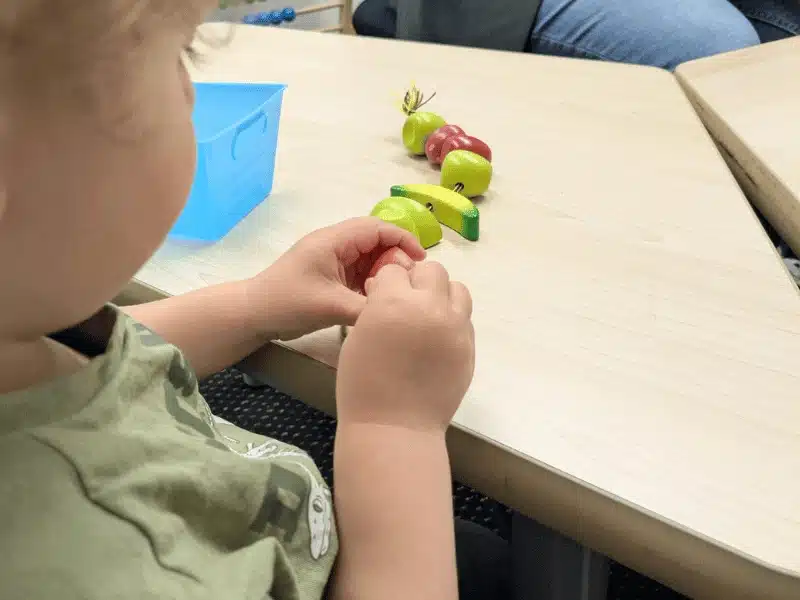
Photo from Shichida Australia: Stringing beads, cutting and crafting teach important skills, like mastering fine motor skills, spatial awareness, patience, creativity and persistence
Kinesthetic Learning at Home
Parents can support this learning style easily with everyday activities.
Everyday Activities
Bring learning into daily life by turning routine tasks into opportunities for movement. Cooking, gardening, and household chores naturally involve hands-on problem-solving and coordination. Crafts and building toys encourage creativity while engaging fine motor skills. These activities let children practice kinesthetic learning in a familiar, low-pressure environment.
Homework Movement Hacks
Make homework active and memorable with simple movement strategies. For spelling, have children step out letters on the floor or jump to each letter in a word. Turn math practice into hopscotch games or use counting jumps to reinforce numbers. Encourage tracing letters, sculpting shapes with clay, or using hands-on models to explore concepts, these approaches help children learn through action while keeping homework engaging.
Kinesthetic Learning Across Ages
Kinesthetic approaches adapt well across developmental stages.
Early Childhood
Sensory bins, action songs, building blocks and simple movement games create a strong foundation for tactile learning.
Primary and Middle School
Experiments, drama-based instruction, manipulatives and movement-linked literacy tasks support deeper understanding.
Misconceptions About Kinesthetic Learning
Misconception: Kinesthetic Learners Aren’t Academic
It’s a common myth that kinesthetic learners struggle academically. In reality, they often thrive in STEM subjects, the arts, engineering, and other practical disciplines. Their learning strengths emerge through action-based problem solving and hands-on exploration, which deepen understanding and retention.
Misconception: Movement Is a Distraction
Movement isn’t a barrier to learning, it can actively enhance it. Structured movement breaks, role-play, and hands-on tasks improve focus, strengthen memory, and support emotional regulation. When thoughtfully integrated, physical activity becomes a tool for engagement rather than a distraction, allowing kinesthetic learners to fully participate and excel in the classroom.
Challenges and Solutions
Managing Movement Without Chaos
Movement can be channelled effectively with intentional classroom structures. Use structured routines, clear expectations, and rotation systems to give students predictable ways to engage physically. Smooth transitions between activities, combined with consistent signals and cues, help movement feel purposeful rather than disruptive.
Supporting Transitions to Traditional Assessment
Kinesthetic learners can still succeed in conventional assessments when movement is incorporated into revision and study. Encourage note-taking through gestures, pairing flashcards with actions, or using active recall games that involve standing, moving, or manipulating objects. Hands-on revision activities, such as building models or sorting materials, allow students to connect physical activity with learning.
Learning Style Summary Comparison Table
| Learning Style | Strengths | Ideal Tasks | Challenges | Best Supports |
| Kinesthetic | Practical skills, spatial reasoning | Experiments, building, role-play | Sitting still, long lectures | Manipulatives, movement breaks |
| Visual | Observation, symbol recognition | Charts, diagrams, videos | Oral tasks | Graphic organisers, images |
| Auditory | Listening, verbal memory | Discussions, storytelling | Long reading tasks | Audio tools, spoken instructions |
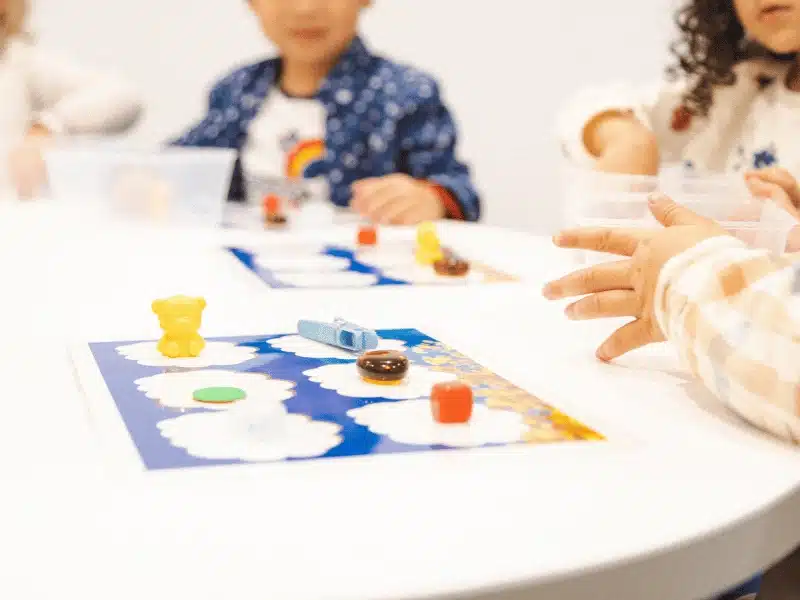
Photo from Shichida Australia: Young children playing an engaging memory game during a Shichida class.
Give your child the chance to learn through fun, hands-on experiences with Shichida. Our program nurtures memory, creativity, and problem-solving from an early age. See how your child thrives in a stimulating, supportive environment. Book a trial class today and watch their potential come to life!
FAQ: Kinesthetic Learning
Kinesthetic learning is a learning style where children understand and remember information best through movement, hands-on experiences and physical activity. It involves learning by doing rather than only listening or watching.
Shichida classes integrate movement, hands-on materials and interactive games into each lesson. Children learn through physical activities such as card work, manipulatives, rhythm, action-based memory games and guided movement tasks.
Yes. Shichida naturally supports kinesthetic learners by combining movement, touch, visuals and listening in every class. This allows children who learn best through action to stay engaged while building strong foundational skills.
Examples include experiments, building with blocks, role-play, acting out stories, movement games, hands-on science activities, using manipulatives in maths and learning through real-world tasks.
Movement-based learning strategies can support focus, regulation and engagement for children with ADHD or attention challenges. Structured movement helps reduce restlessness and supports sustained attention.
Helpful tools include fidget items, putty, wobble cushions, standing desks, sensory trays and hands-on learning materials that provide controlled movement and tactile input.
Tactile learning focuses mainly on touch, while kinesthetic learning includes both touch and full-body movement. Kinesthetic learning is broader and involves whole-body engagement.
Yes. Most children use a combination of visual, auditory and kinesthetic learning. Supporting multiple learning styles leads to better understanding and flexibility in learning.
Parents can support kinesthetic learning through cooking, gardening, crafts, building toys, outdoor play and movement-based homework activities such as acting out stories or using physical objects for maths.