Kindergarten Readiness Checklist for Parents: Skills Children Need
Key Points: Kindergarten Readiness Checklist For Parents
- Kindergarten readiness includes social, emotional, physical, and early learning skills, not just academic knowledge.
- Every child develops at their own pace, and readiness looks different for every family.
- Play-based learning at home helps children build communication, problem-solving, and independence.
- Emotional confidence and independence are important for adjusting to school routines.
- Early guidance and support can help children build readiness skills in a positive, low-pressure way.
Sending your child off to kindergarten can feel exciting and a little overwhelming. You may be wondering whether they are ready, if they know enough, or if you’ve done enough at home to prepare them. Kindergarten readiness is not about perfection or pressure, it is about helping your child feel confident, curious, and independent as they take this big step.
In Australia, the term kindergarten can mean different things depending on the state. In some states it refers to the year before primary school (ages 3–4), while in others it refers to the first year of school (around age 5).
In this guide, kindergarten readiness refers broadly to the skills children develop in the years leading up to starting their first year of formal schooling.
A kindergarten readiness checklist for parents can help you understand whether your child is prepared for the transition into a structured learning environment. It typically looks at areas like basic numeracy and literacy, the ability to follow simple instructions, and social skills such as sharing and taking turns.
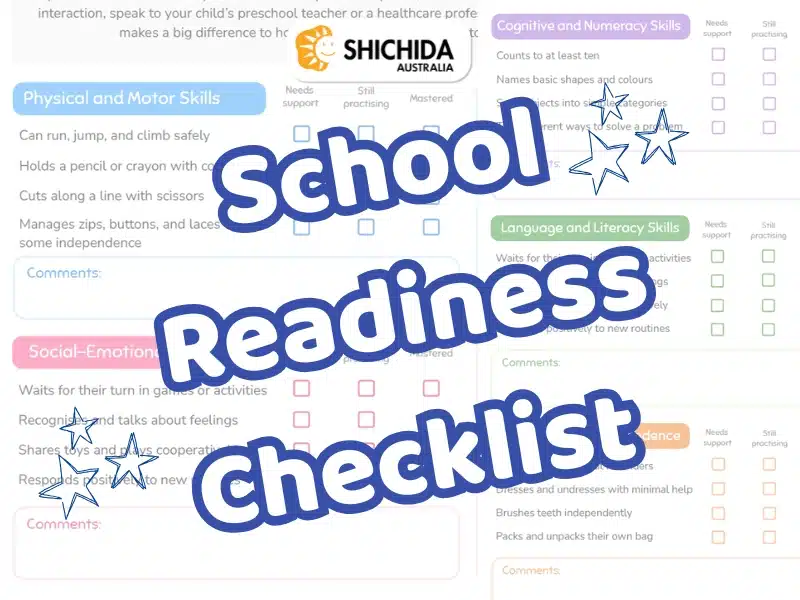
Using a kindergarten readiness checklist for parents also gives you clarity on where your child may need a little more support before starting school.
What Is Kindergarten Readiness?
Kindergarten readiness is a holistic concept that goes beyond knowing letters or numbers. It is a combination of emotional, social, physical, cognitive, and practical life skills that help children navigate the routines, expectations, and learning experiences of school. Every child develops at their own pace, and readiness is influenced by temperament, experiences, and environment.
Early childhood educators often describe readiness as a combination of social, emotional, physical, and cognitive skills that allow children to participate confidently in classroom routines.
Academic ability alone does not equal readiness. Many important skills like following instructions, expressing feelings, or taking turns, develop naturally through everyday play, family interactions, and preschool experiences. By focusing on the whole child rather than testable knowledge, parents can support confidence, independence, and curiosity in ways that make learning enjoyable rather than stressful.
Quick Kindergarten Readiness Snapshot
Many children starting school are able to:
- Follow simple instructions
- Take turns with other children
- Use basic language to express needs
- Recognise some letters or numbers
- Manage simple self-help tasks like opening containers
Domains of Readiness
Kindergarten readiness covers several key domains that matter in the classroom:
- Social and Emotional Development – Helps children interact positively with peers and adults, regulate feelings, and adapt to routines.
- Communication and Language – Supports listening, expressing ideas, and understanding instructions.
- Motor Skills – Includes fine motor skills like holding a pencil, and gross motor skills such as running, jumping, and climbing.
- Self-Help and Independence – Encourages everyday skills like dressing, toileting, and managing belongings.
- Early Academic Foundations – Builds basic knowledge of letters, numbers, shapes, and problem-solving, along with an interest in books and stories.
Readiness vs. Age
It’s important to remember that readiness is not defined by age alone. Some children may be developmentally ready at four, while others flourish at five. Comparing children can create unnecessary stress. Observing your child’s skills over time provides a more accurate picture of their readiness than simply relying on a birthday milestone.
Kindergarten Readiness Checklist: Skills That Matter
This kindergarten readiness checklist can help you see where your child is thriving and where they may need gentle support.
Social and Emotional Skills
Your child is developing social and emotional readiness if they can share and take turns, express feelings appropriately, manage frustration, follow simple routines, and separate from caregivers without distress.
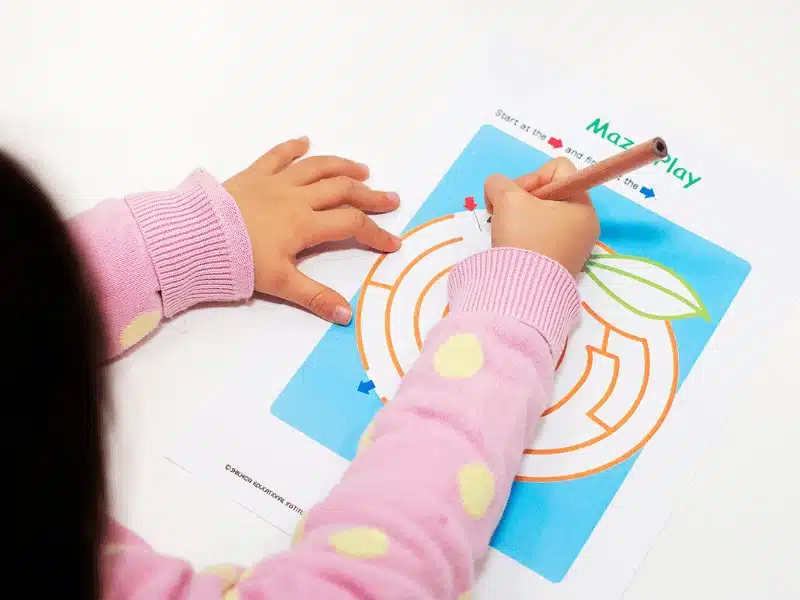
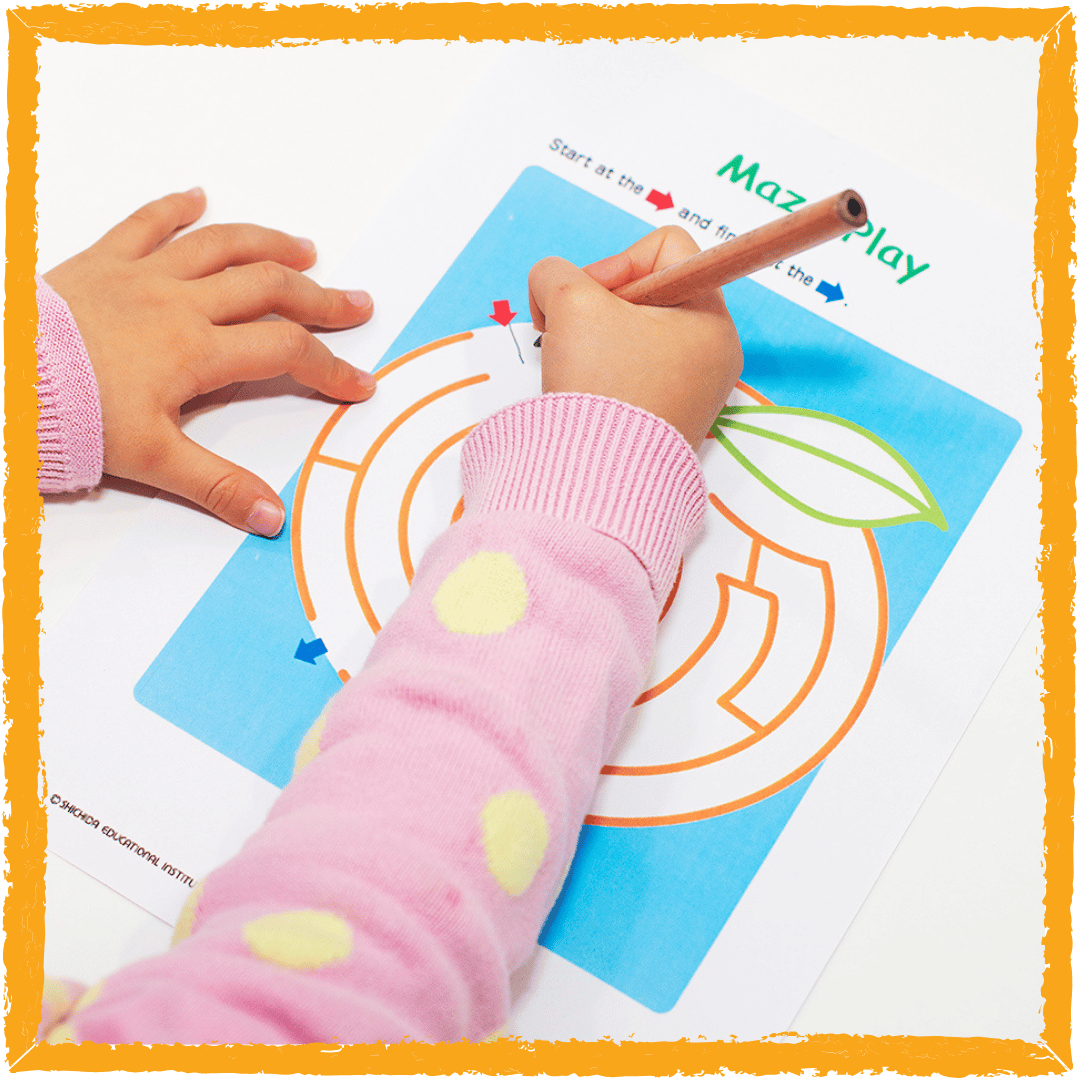
Image by Shichida Australia: Mazes help children develop problem-solving, concentration, and early planning skills that support kindergarten readiness.
Communication and Language Skills
Look for the ability to listen to instructions, ask for help when needed, express needs clearly, understand stories, and use basic vocabulary and sentence structures. These skills support both learning and social interaction.
Motor Skills and Independence
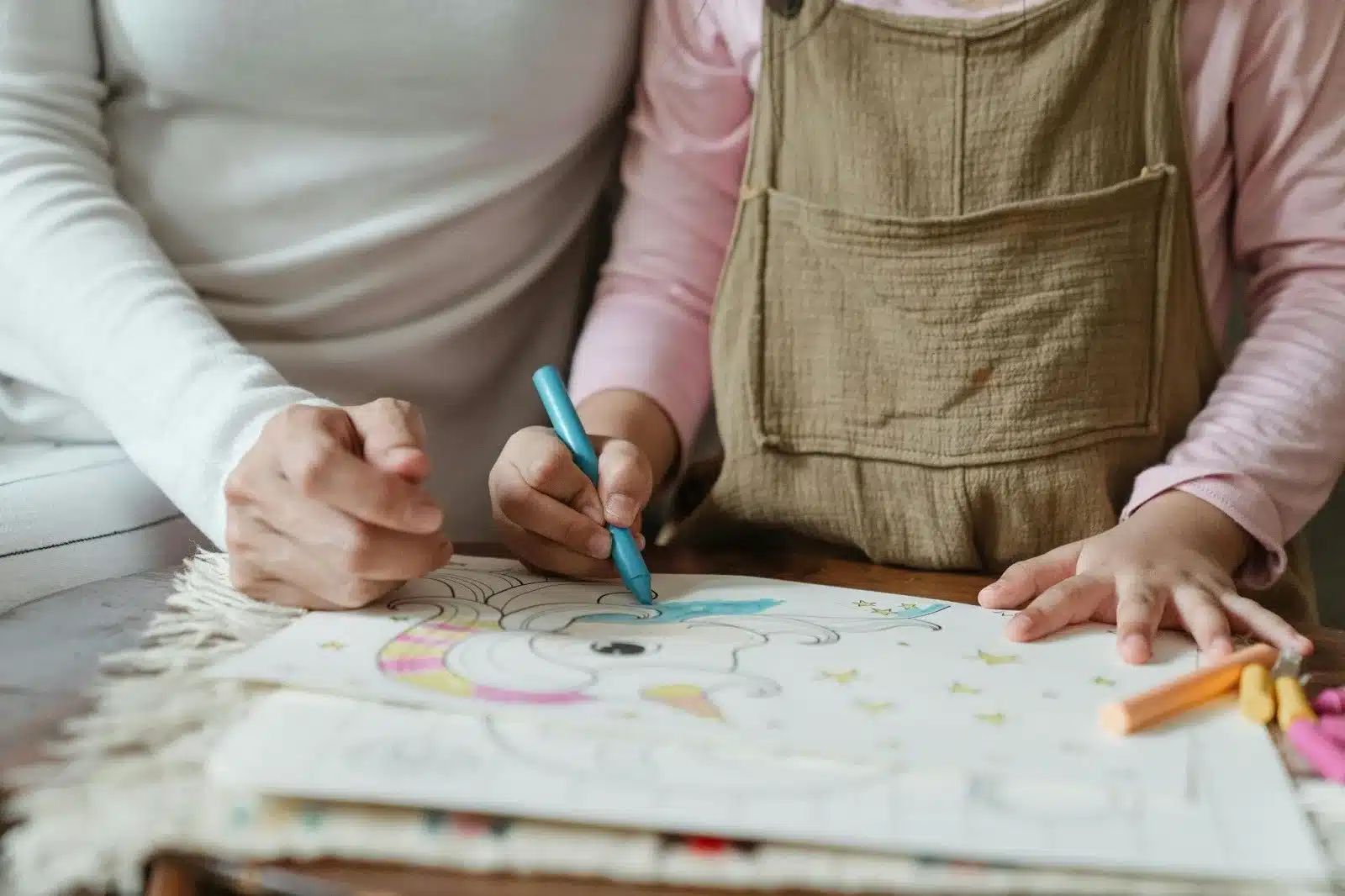
Fine motor skills include holding a pencil, cutting, and drawing. Gross motor skills cover running, jumping, climbing, and maintaining balance. Together, these help children participate fully in classroom activities.
Self-Help and Daily Living Skills
Encourage independence through toileting, dressing, eating without assistance, managing belongings, and opening containers. These everyday tasks build confidence and ease the transition to school routines.
Early Academic Skills
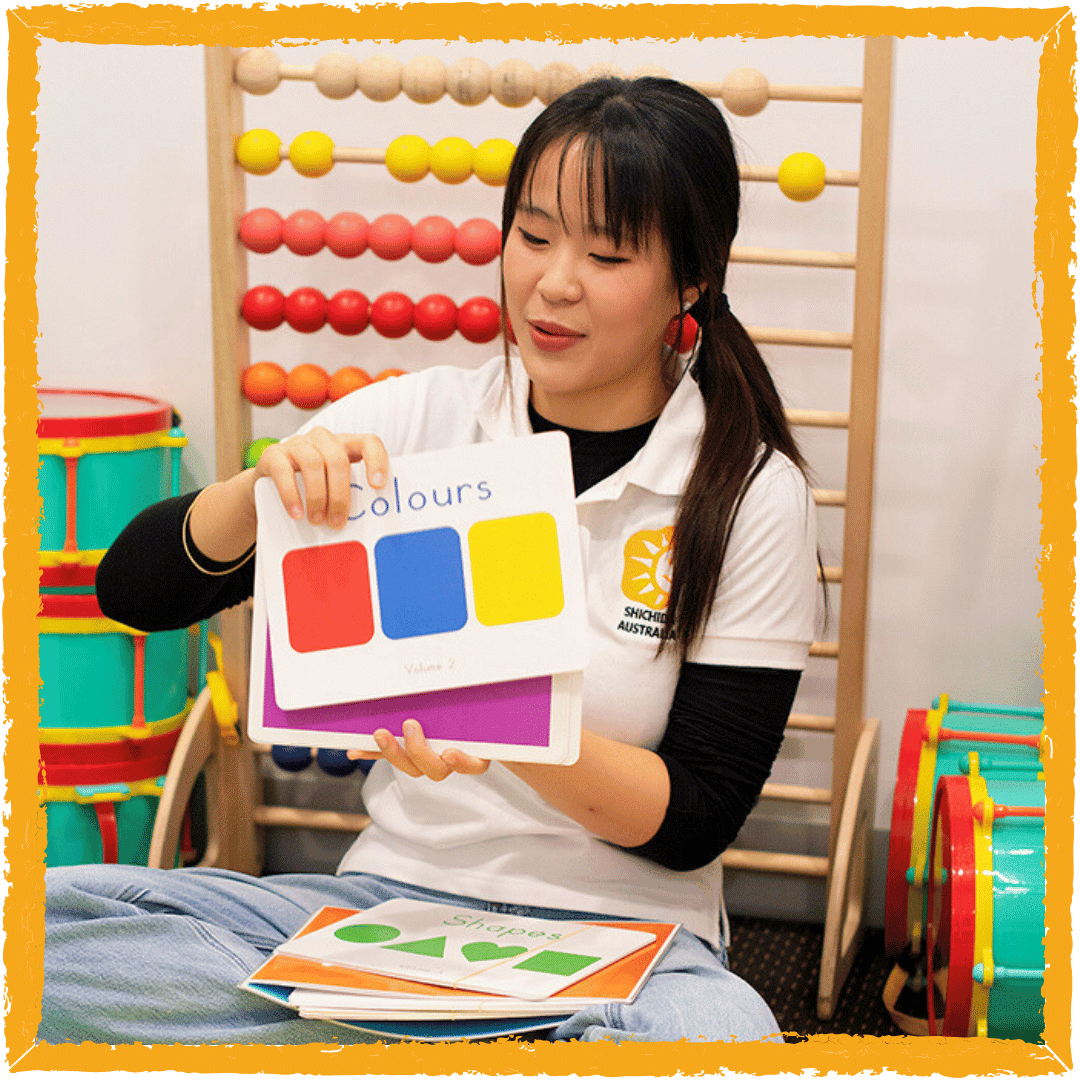
Early academic foundations include recognising letters, counting objects, identifying shapes and colours, spotting patterns, showing interest in books, and beginning basic problem-solving. These skills make classroom learning accessible and enjoyable.
Real-Life Examples of Kindergarten Readiness
For example, a child showing readiness may:
- Listen when a teacher gives instructions
- Put away toys after playtime
- Ask for help when needed
- Join group activities like story time
- Manage simple tasks like opening lunch containers
Developmental Milestones to Watch
Milestones are flexible indicators rather than rigid benchmarks. Development is often uneven, with bursts of growth in one area while others catch up. Observing trends over time is more important than perfection.
Milestones for Ages 3-4
Children at this stage may enjoy imaginative play, begin playing alongside peers, use longer sentences, and follow simple instructions with guidance.
Milestones for Ages 4-5
Look for group play, early literacy awareness such as recognising letters or enjoying stories, independence in routines, and beginning emotional regulation, such as waiting their turn or handling disappointment.
Milestones for Ages 5+
By this age, children can sustain attention, complete tasks, tell stories, and follow classroom structures. They are preparing to navigate more complex social and academic expectations.
Practical Ways to Build Readiness at Home
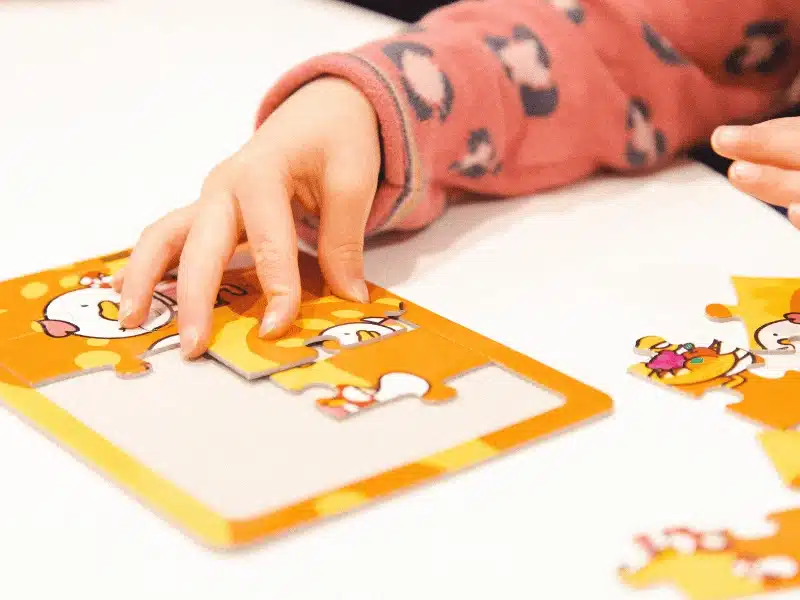
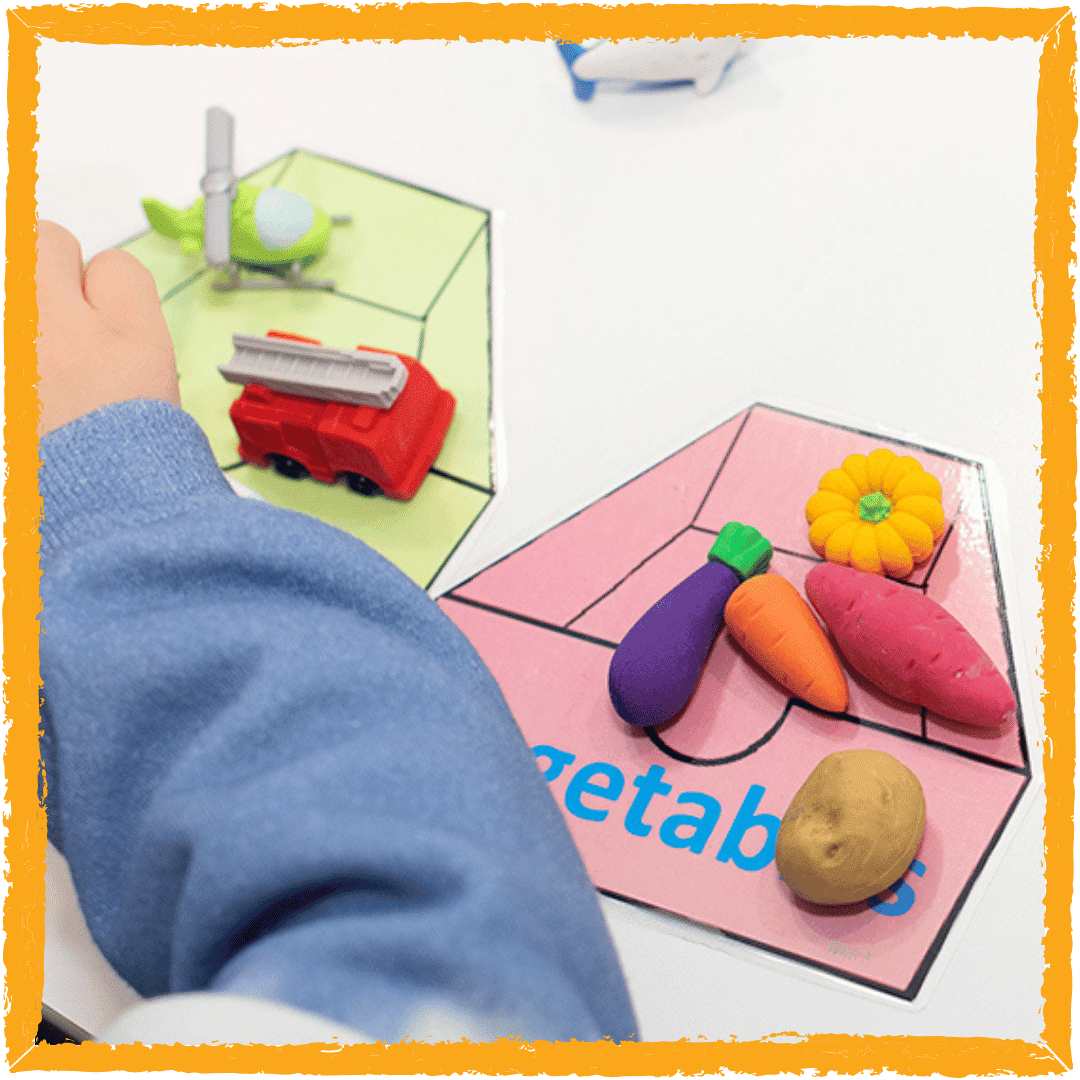
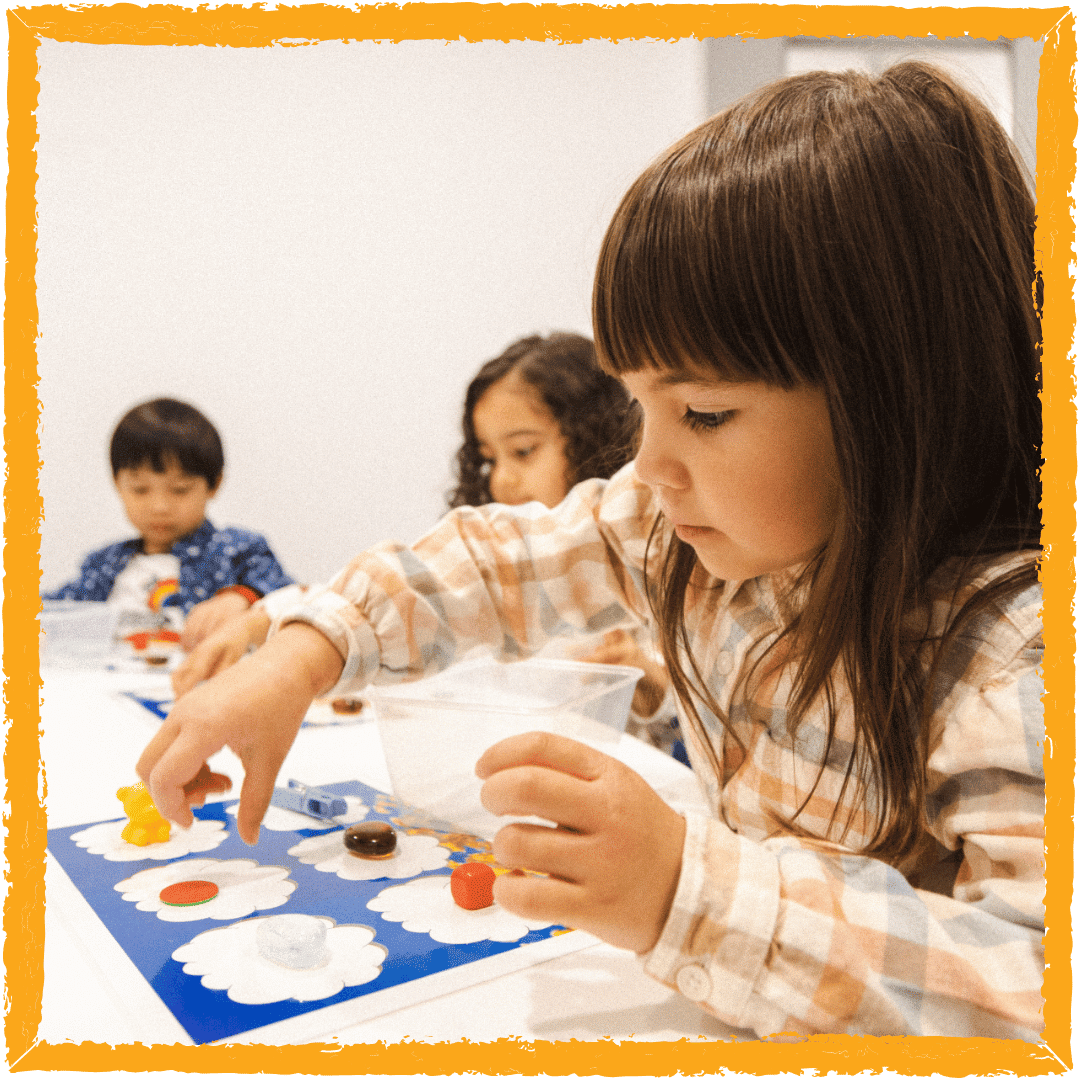
Image by Shichida Australia: Solving puzzles helps children build problem-solving skills, concentration, and early spatial awareness – important foundations for kindergarten readiness.
Everyday routines and play-based learning offer simple, effective ways to support kindergarten preparation at home.
Play-Based Learning Activities
Board games, pretend play, building blocks, role-playing, and puzzles encourage problem-solving, collaboration, and creativity.
Activities for Communication
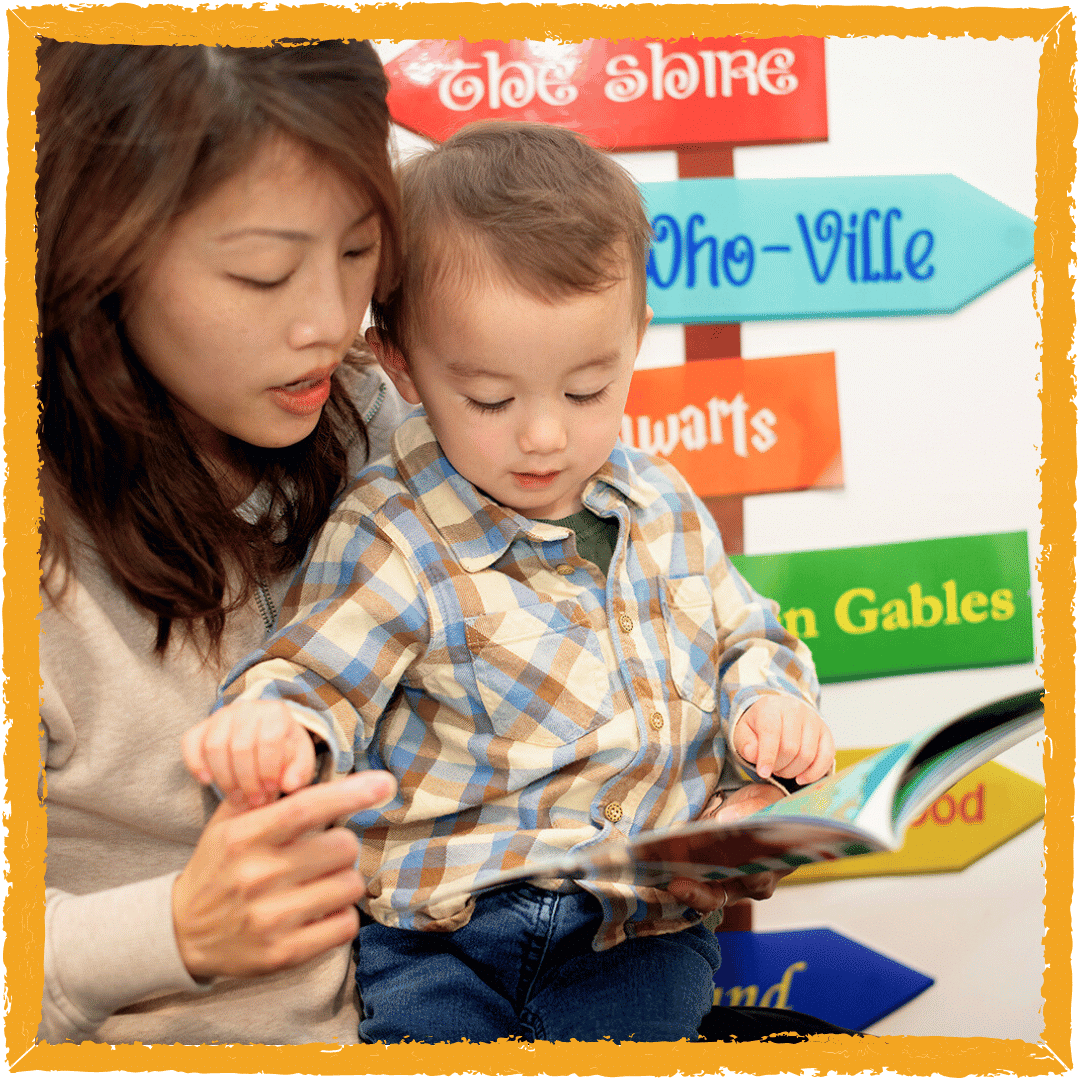
Reading aloud, storytelling, singing, and engaging in family conversations strengthen listening, vocabulary, and expressive language skills.
Motor Skills Practice
Arts and crafts, ball games, bike riding, and helping with kitchen tasks like stirring or pouring support both fine and gross motor development.
Self-Help Tasks for Independence
Let your child pack their bag, choose clothes, prepare snacks, and clean up toys. These tasks promotes independence, responsibility, and confidence.
How to Use the Checklist With Your Child
Approach the kindergarten readiness checklist as a supportive tool. Celebrate progress, recognise strengths, and gently guide areas that need more practice. Avoid framing it as a test or comparison with peers.
Observing vs. Testing
Watch your child during daily routines, playdates, and free play. Observation gives a realistic picture of readiness without stress.
Setting Goals Together
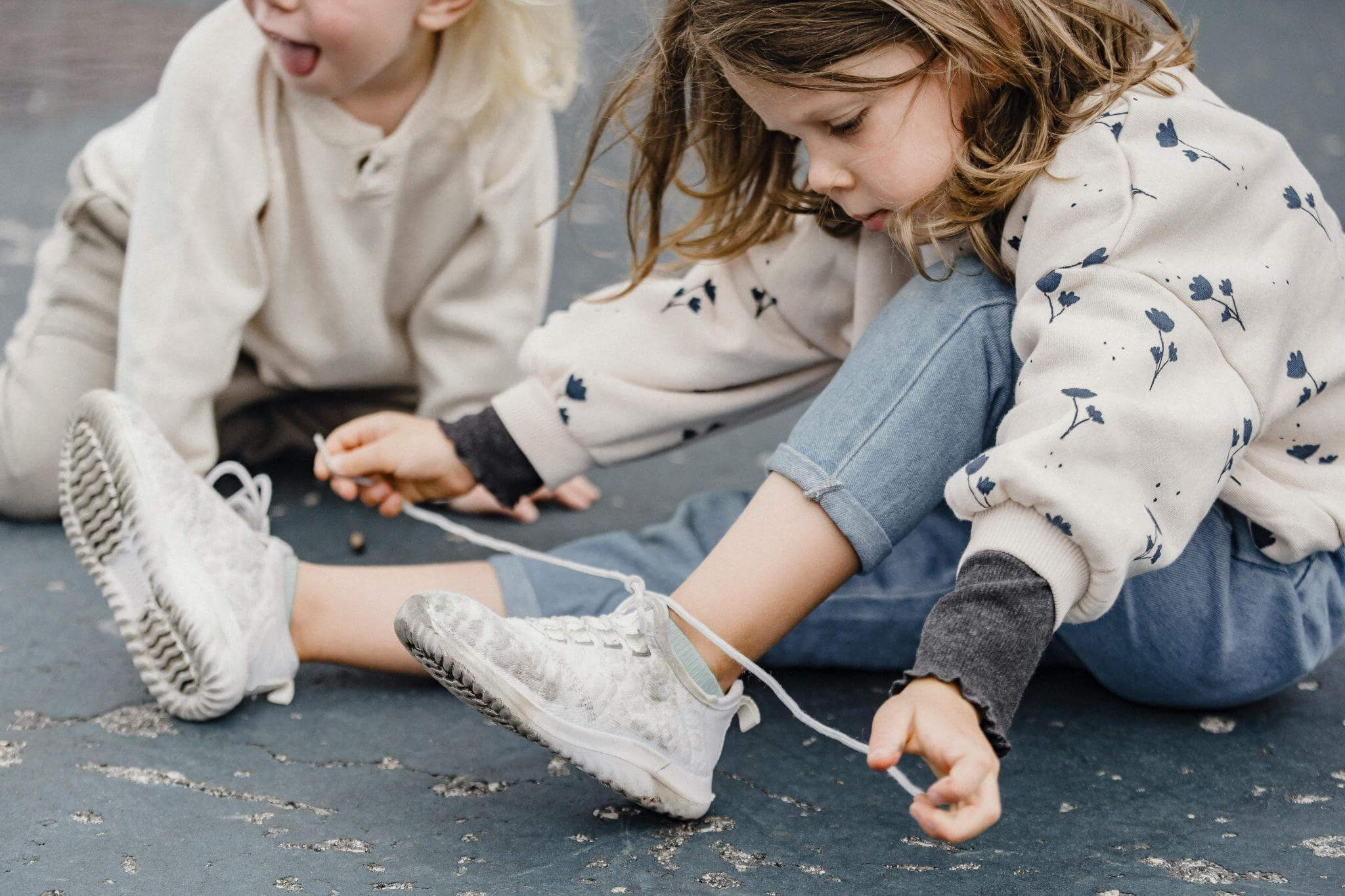
Invite your child to choose skills to practise, like learning a new word, tying shoelaces, or helping set the table. Involvement promotes motivation and ownership.
Progress Journaling
Use simple tracking tools, photos, or notes to celebrate milestones. Documenting growth encourages confidence and lets you see patterns over time.
When to Seek Additional Support
Sometimes children benefit from extra guidance. Early support can make a positive difference without creating alarm.
Common Areas of Concern
Speech delays, difficulty following instructions, or extreme separation anxiety are examples where additional guidance may help.
Seeking Professional Advice
Pediatricians, early childhood educators, speech therapists, or occupational therapists can provide personalised strategies and reassurance.
Transition Tips for the First Weeks of Kindergarten
Starting school is a big adjustment for children and parents. A few simple strategies can make the first weeks smoother and help your child feel more secure.
- Establish a predictable routine early
Begin practising the school routine a few weeks before the first day. Set regular bedtimes, morning wake-up times, and breakfast habits so your child becomes comfortable with the new rhythm. - Visit the school beforehand
If possible, walk past the school, play in the nearby park, or attend orientation events. Seeing the environment ahead of time helps reduce uncertainty and makes the first day feel more familiar. - Practise everyday independence skills
Encourage your child to open lunch containers, pack their bag, manage their water bottle, and put on shoes or jackets independently. These small skills build confidence during busy classroom routines. - Role-play common school situations
Pretend to be the teacher and practise simple scenarios such as raising a hand, lining up, asking for help, or packing away toys. Role-play helps children understand what to expect in a safe, playful way. - Talk positively about school
Share stories about learning new things, making friends, and having fun. A calm and positive tone helps your child approach school with curiosity rather than worry. - Expect some tiredness and big emotions
The first weeks can be exhausting as children adjust to new routines and social environments. Keep afternoons calm, allow extra rest, and offer reassurance as your child processes their experiences. - Celebrate small successes
Praise simple achievements such as remembering their bag, saying hello to a new friend, or following instructions. These moments build confidence and reinforce positive habits.
For a broader understanding of early childhood development, you can refer to the Australian Government’s Early Years Learning Framework.
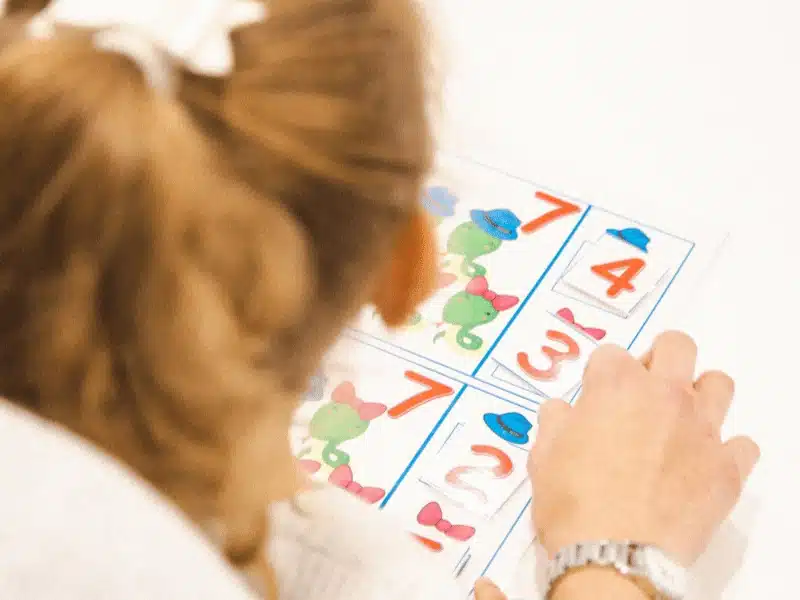
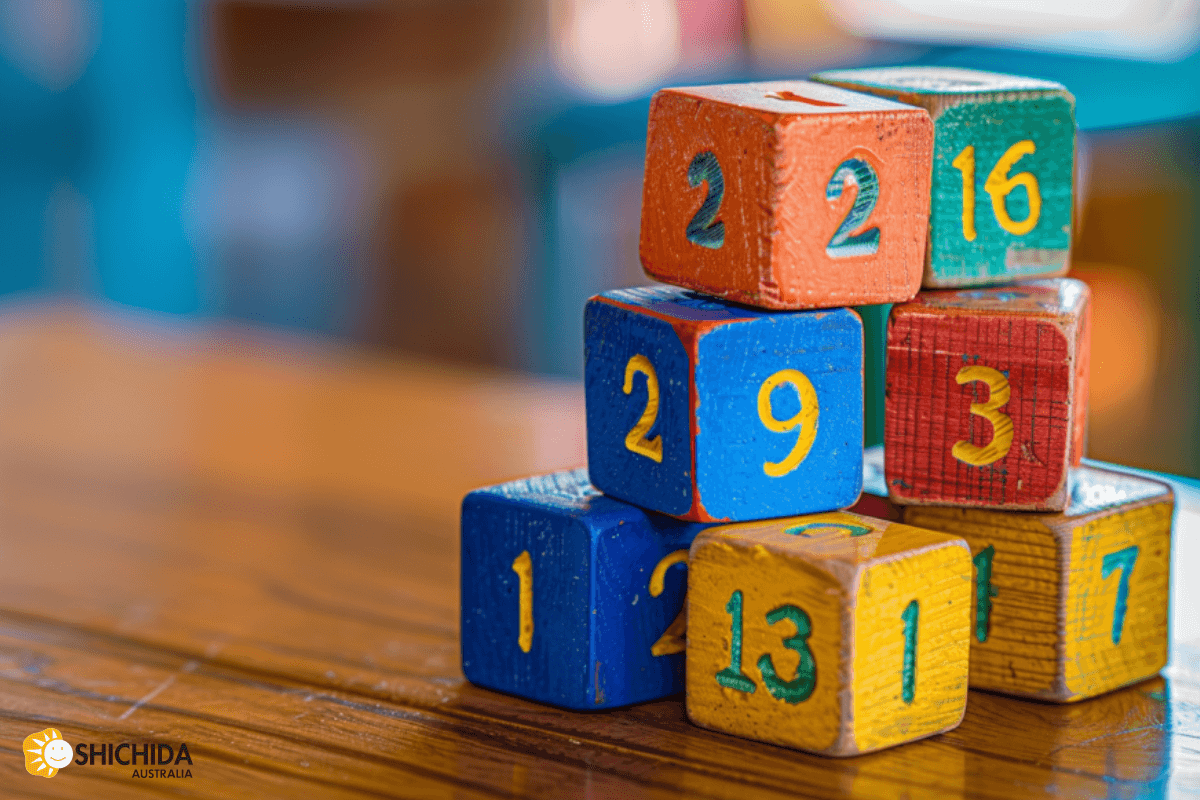
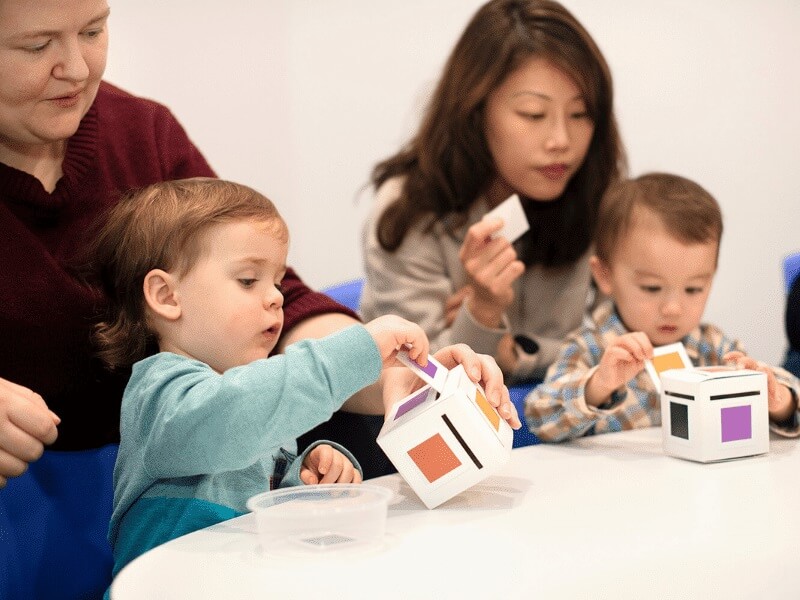
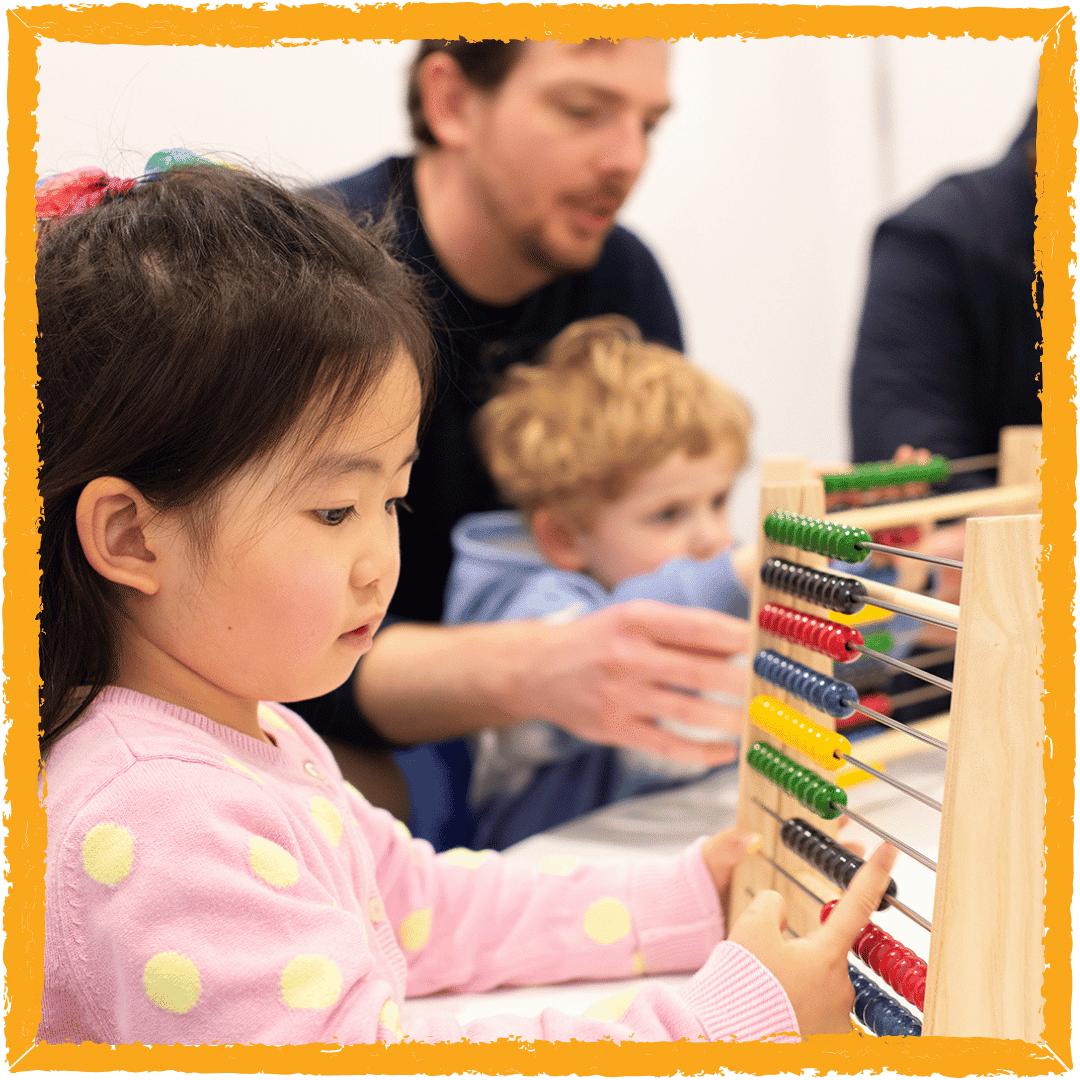
Image by Shichida Australia: Number play helps children build early numeracy, pattern recognition, and problem-solving skills that support school readiness.
Develop School Readiness With Shichida
Kindergarten readiness is about more than knowing letters or numbers. Children thrive when they build confidence, independence, communication skills, and the ability to focus and solve problems. These foundations develop best through meaningful experiences, guided play, and supportive learning environments.
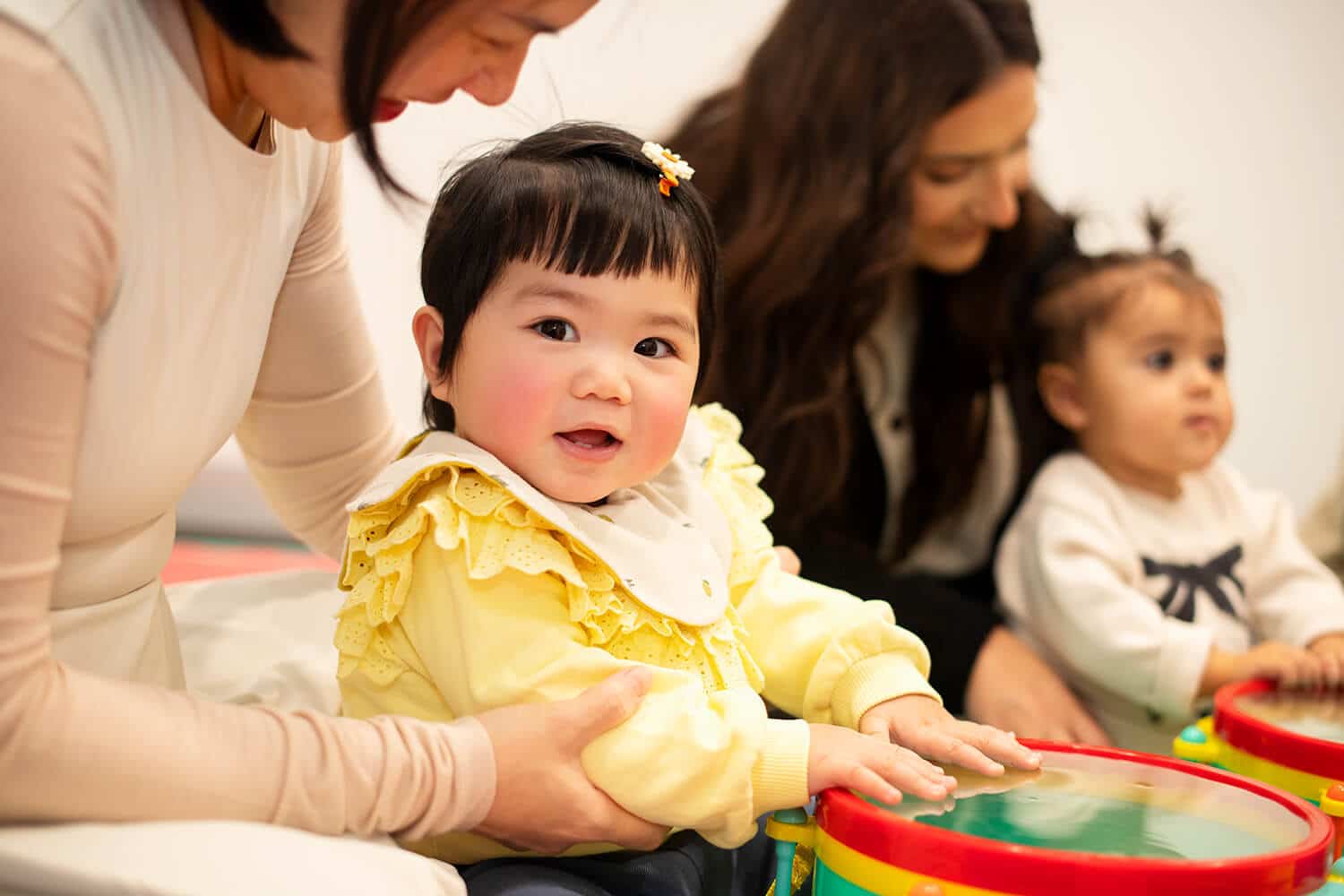
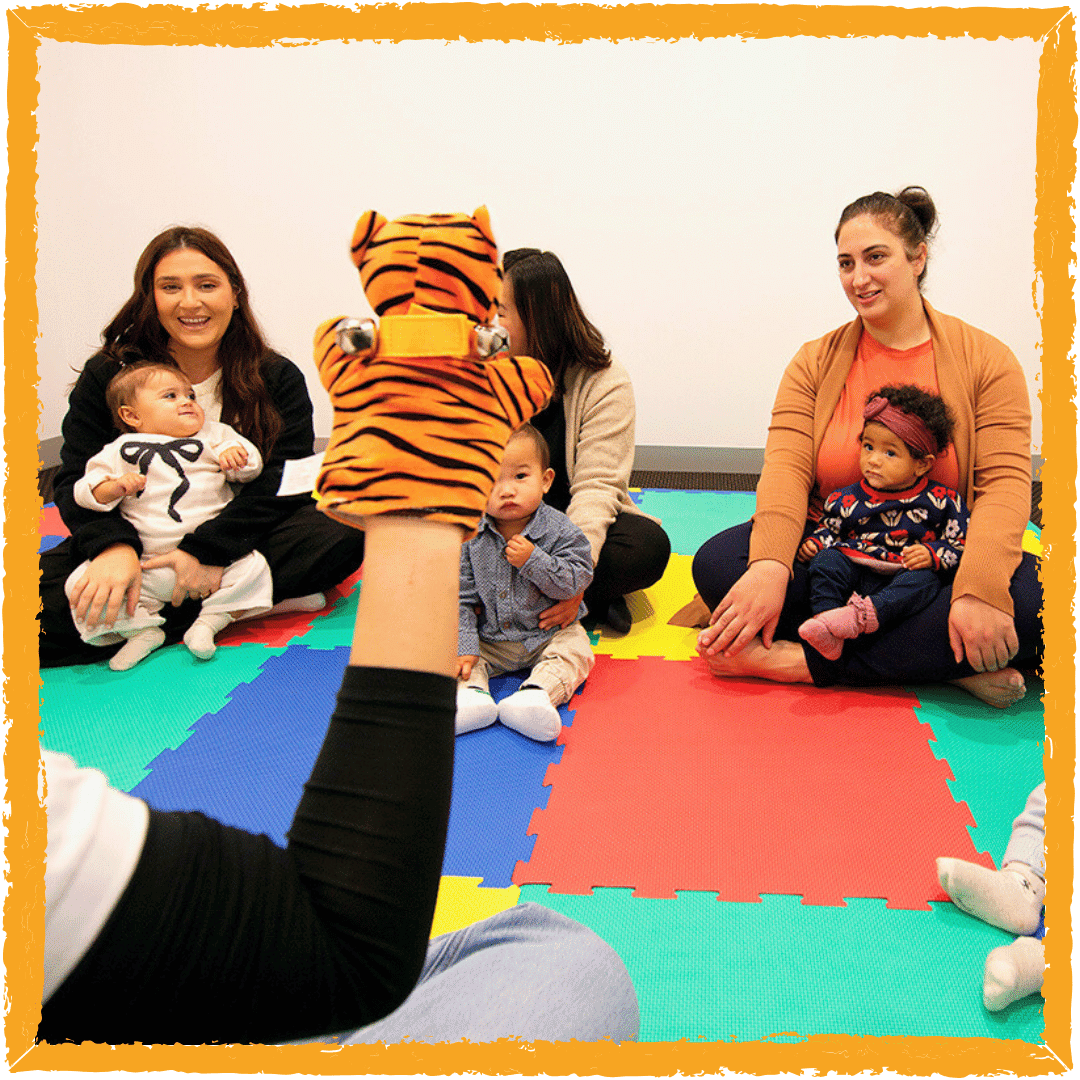
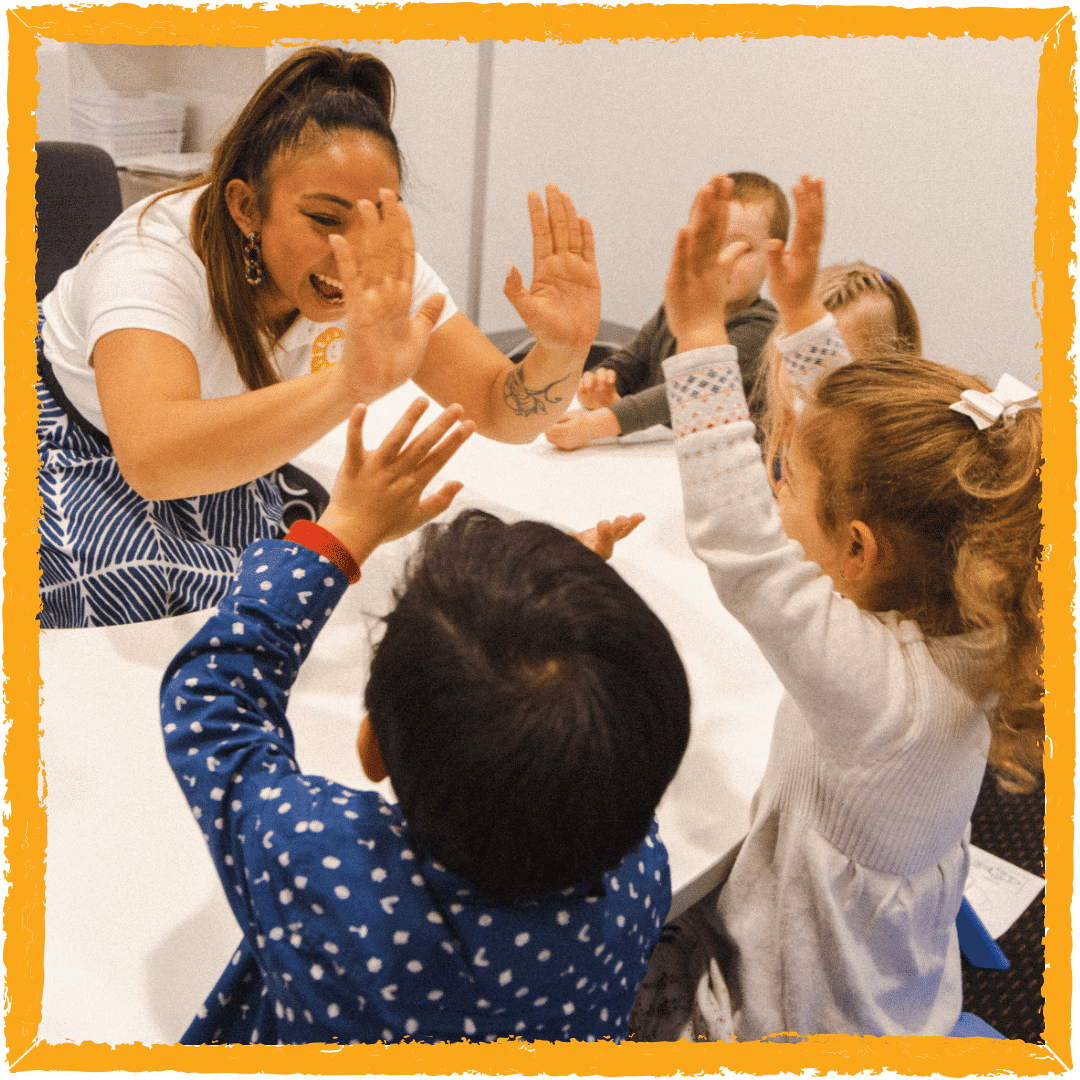
At Shichida Australia, children strengthen many of the skills that support school readiness through engaging activities that develop memory, listening, language, early numeracy, and social confidence. Classes are designed to be interactive and enjoyable, helping children practise important skills like following instructions, participating in group activities, expressing ideas, and building independence.
Whether your child is just beginning to develop these abilities or preparing for the transition into their first year of school, Shichida classes provide a supportive environment where children can grow at their own pace.
Book a trial class to experience how Shichida’s early learning approach can help your child build the confidence and skills needed for a successful start to school. Enrolments are available for children aged 6 months to 5 years.
FAQ: Kindergarten Readiness Checklist For Parents
A kindergarten readiness checklist is a guide that helps parents understand the social, emotional, physical, and early learning skills that support a smooth transition to school. It highlights areas such as communication, independence, motor skills, and early literacy so parents can support development at home.
Social confidence, communication skills, independence, and basic early academic knowledge all support a smoother start to kindergarten. These skills help children engage in learning, follow routines, and build positive relationships in the classroom.
Observe your child in natural settings such as play, daily routines, and interactions with others. Readiness is best seen through everyday behaviour rather than formal testing or comparisons.
Absolutely. Play-based learning, everyday household routines, and supportive guidance are powerful ways to build kindergarten readiness skills at home in a low-pressure, enjoyable way.
Both matter, but emotional confidence, cooperation, and independence are often stronger predictors of classroom success than early academic skills alone. Children learn best when they feel secure and capable.
Every child develops at their own pace. Focus on gentle support, regular practice, and celebrating progress rather than aiming for perfection or rushing development.
Preschool can be beneficial, but it is not essential. Kindergarten readiness can also be built through play, family routines, community activities, and positive social experiences.
Readiness skills develop gradually and unevenly. Consistent support and practice over months or years help children build confidence and competence at their own pace.