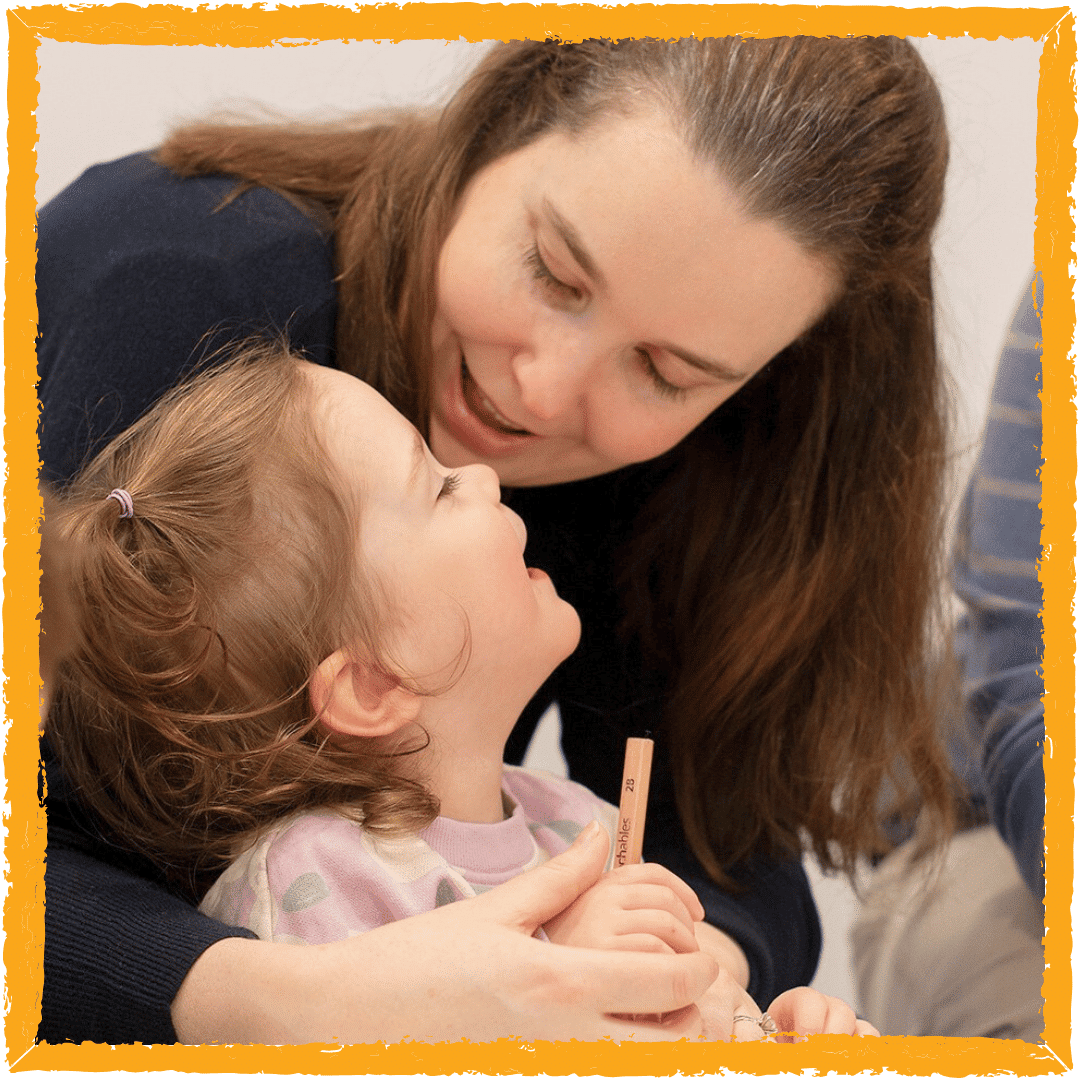
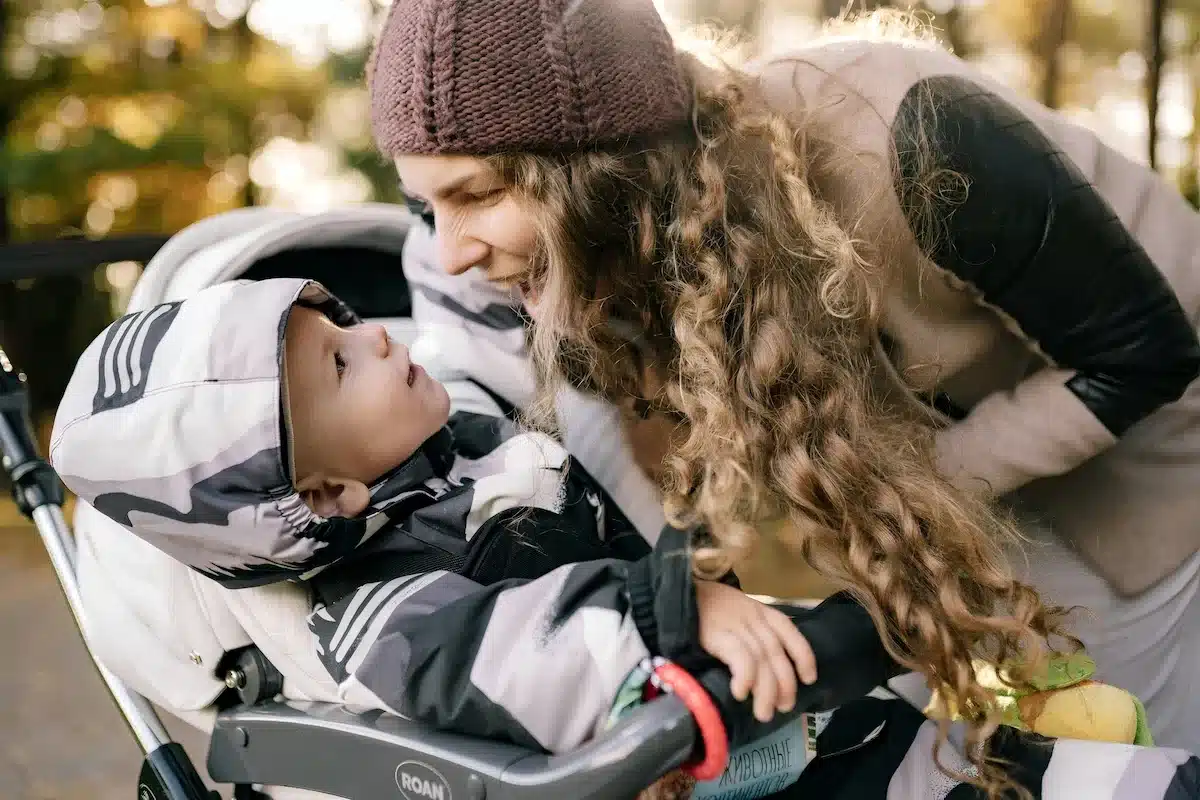
Photo from Pexels: A mother gazing into her baby’s eyes, those early moments of connection are the foundation of healthy infant brain development.
Infant Brain Development: Key Stages & Tips
Key Points
- The brain grows fastest in the first three years, early experiences matter.
- Loving, responsive relationships shape emotional and cognitive growth.
- Sleep, nutrition, and play support healthy toddler brain development.
- Sensitive periods are windows for learning, nurture them with rich experiences.
- Early stimulation and interaction lay the foundation for infant brain development and lifelong learning.
Introduction – Why Early Brain Development Matters
By the time your child turns three, their brain reaches about 90% of its adult size. Those first few years are nothing short of extraordinary – every experience is helping shape the architecture of your child’s mind.
While genetics provide the blueprint, it’s daily experiences that build the structure. The way you respond, and the experiences you share all fuel rapid early childhood brain growth.
This article walks you through the science of how the brain grows, the key stages and influences, and simple ways to nurture your child’s developing mind, inspired by Shichida’s philosophy of early stimulation, bonding, and sensory learning.
The Science of Brain Growth in Infants & Toddlers
From Neurons to Synapses – How Connections Form
Your baby is born with around 100 billion neurons, more than enough to last a lifetime. What’s remarkable is how these neurons start forming synapses, or connections, through every experience. When you smile, sing, or comfort your baby, neurons fire together, creating strong and lasting networks.
The more experiences your child has, the richer their brain wiring becomes. Simple early activities like peekaboo or naming objects during play build pathways for memory, emotion, and communication. It’s experience and repetition that turn raw potential into active learning.
Sensitive Periods and Plasticity
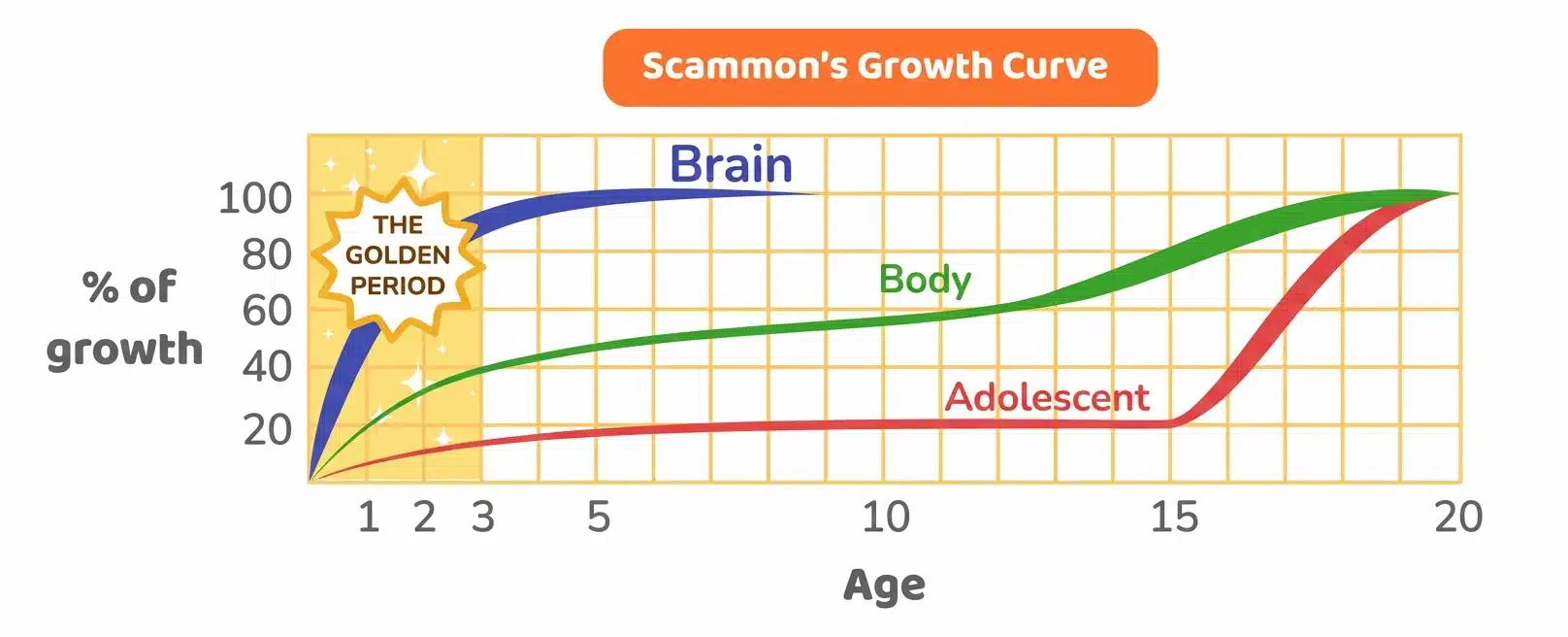
During the first three years, the brain is incredibly plastic, meaning it can adapt and reorganise quickly. This sensitive period is a window of opportunity when the brain is especially open to learning language, movement, and emotional connection.
This is also called the Golden period of Development.
Synaptic Pruning – Why “Use It or Lose It” Matters
As your child grows, the brain begins synaptic pruning, a process of removing unused connections to make the system more efficient. Imagine it as fine-tuning a vast network: the pathways your child uses most (through repetition and engagement) become stronger, while inactive ones fade away.
That’s why everyday repetition like singing the same song, reading the same book, practising a new skill, isn’t boring to your baby. It’s the brain’s way of deciding what to keep.
Brain Growth Rates & Milestones
At birth, your baby’s brain is roughly 25% the size of an adult’s, reaching about 80-90% by age three. Most of this expansion comes from growing neural connections, not new cells.
Even though the early years set the stage, brain development continues throughout childhood. The prefrontal cortex, responsible for focus, decision-making, and emotional control, keeps maturing into adolescence, proof that learning never stops.
Developmental Domains & Milestones by Age
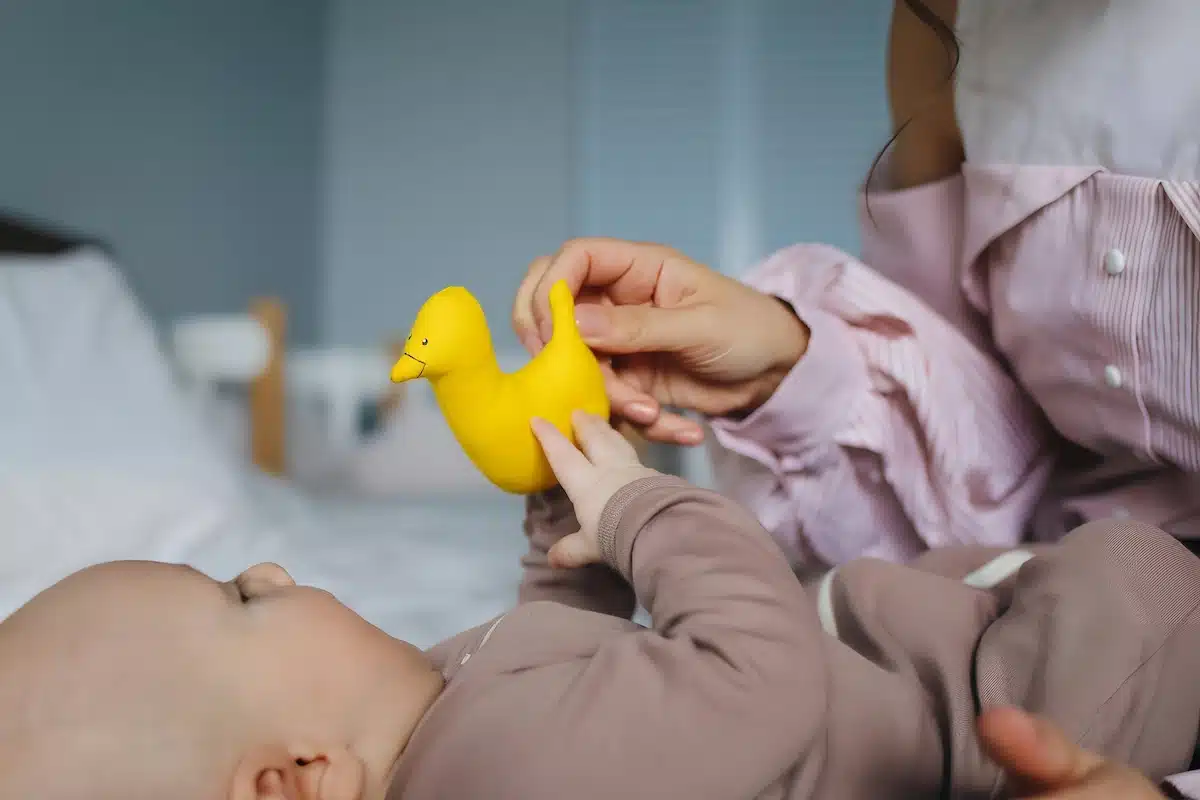
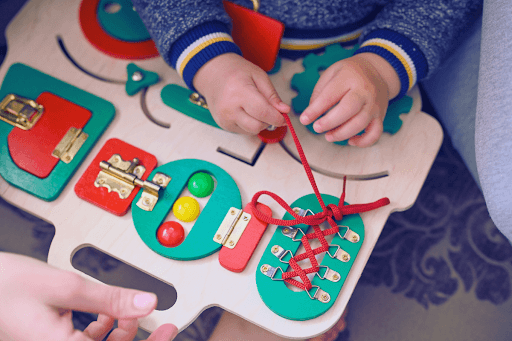
Photo from Pexels: A parent guiding their baby’s hand to touch textured toys, a beautiful example of sensory-based learning during early neural development in infants.
| Age Range | Key Brain Growth Highlights | What to Encourage |
|---|---|---|
| Birth-6 months | Rapid sensory wiring; vision, hearing, and touch develop fast. Baby recognises voices and faces. | Gentle touch, talking during routines, and singing lullabies. |
| 6-12 months | Memory circuits strengthen; baby starts problem-solving through exploration. | Encourage crawling, mirror play, and naming familiar people or objects. |
| 12-24 months | Language networks expand; emotional regulation improves. | Read daily, use short phrases, and allow safe exploration. |
| 24-36 months | Growing reasoning and social awareness; imagination blossoms. | Offer pretend play, shape puzzles, and open-ended questions. |
For more guidance on play activities that support these milestones, explore Shichida’s post on Learning Through Play.
Key Influences That Shape the Brain
Responsive & Nurturing Relationships
At the heart of early childhood neuroscience is responsive caregiving – the “serve and return” process. When your baby coos and you respond with a smile, you’re wiring their brain for trust, empathy, and communication. Emotional security strengthens neural pathways linked to resilience and self-regulation.
Nutrition & Physical Health
A balanced diet rich in iron, omega-3, and vitamins supports brain cell growth. Hydration and regular meals also help maintain steady energy for concentration. In infancy, breast milk or formula provides essential fatty acids crucial for neural development in infants.
Sleep & Restorative Processes
During sleep, the brain consolidates memories and processes new learning. Babies need 14-17 hours of sleep daily in the early months, while toddlers need around 11-14 hours, including naps. Consistent routines help the brain rest, reset, and grow.
Play, Language & Enriched Environments
Play is the brain’s natural learning lab. Through play, children experiment, problem-solve, and imagine – activating multiple brain areas. Everyday moments matter too: describe what you’re doing (“Let’s pour the water together”), sing nursery rhymes, or explore sensory toys.
You can find creative ideas in Shichida’s posts about Visual Sensory Activities Guide and Shape Puzzle Activities.
Stress & Trauma
Short-term stress is normal, but prolonged stress can affect brain structure. If a child feels unsafe or unloved, stress hormones may disrupt neural connections. The good news: loving, responsive relationships can buffer these effects and help the brain recover.

Photo from Pexels: A father reading and singing to his toddler, daily routines that boost toddler brain development and emotional connection.
Support your child’s brain development and emotional regulation with simple, hands-on ideas – download your free Sensory Play Guide today.
Practical Strategies for Parents – Nurturing Little Brains
Everyday Serve-and-Return Moments
- Respond promptly to your baby’s sounds and gestures.
- Keep eye contact and mimic expressions.
- Narrate your actions to build vocabulary.
Reading, Singing & Storytelling
- Start reading from birth, babies love the sound of your voice.
- Choose colourful books and repeat favourites.
- Use stories to teach emotions and sequence.
Play Ideas by Age
Check out Shichida’s post on Early Numeracy Skills Checklist for playful math-inspired activities.
Creating Safe, Stimulating Spaces
- Offer age-appropriate toys within reach.
- Rotate play items to keep interest alive.
- Limit background noise and screens for focus.
Healthy Daily Routines (Sleep, Nutrition, Movement)
- Establish consistent mealtimes and bedtimes.
- Include outdoor play for fresh air and sensory exploration.
- Encourage balance between activity and rest.
Monitoring & Early Intervention
Every child develops differently. If you notice delays in communication, movement, or emotional response, talk to your paediatrician. Early support can make a big difference.
If you’re curious how to enrich your child’s early learning, explore Shichida classes for infants and toddlers.
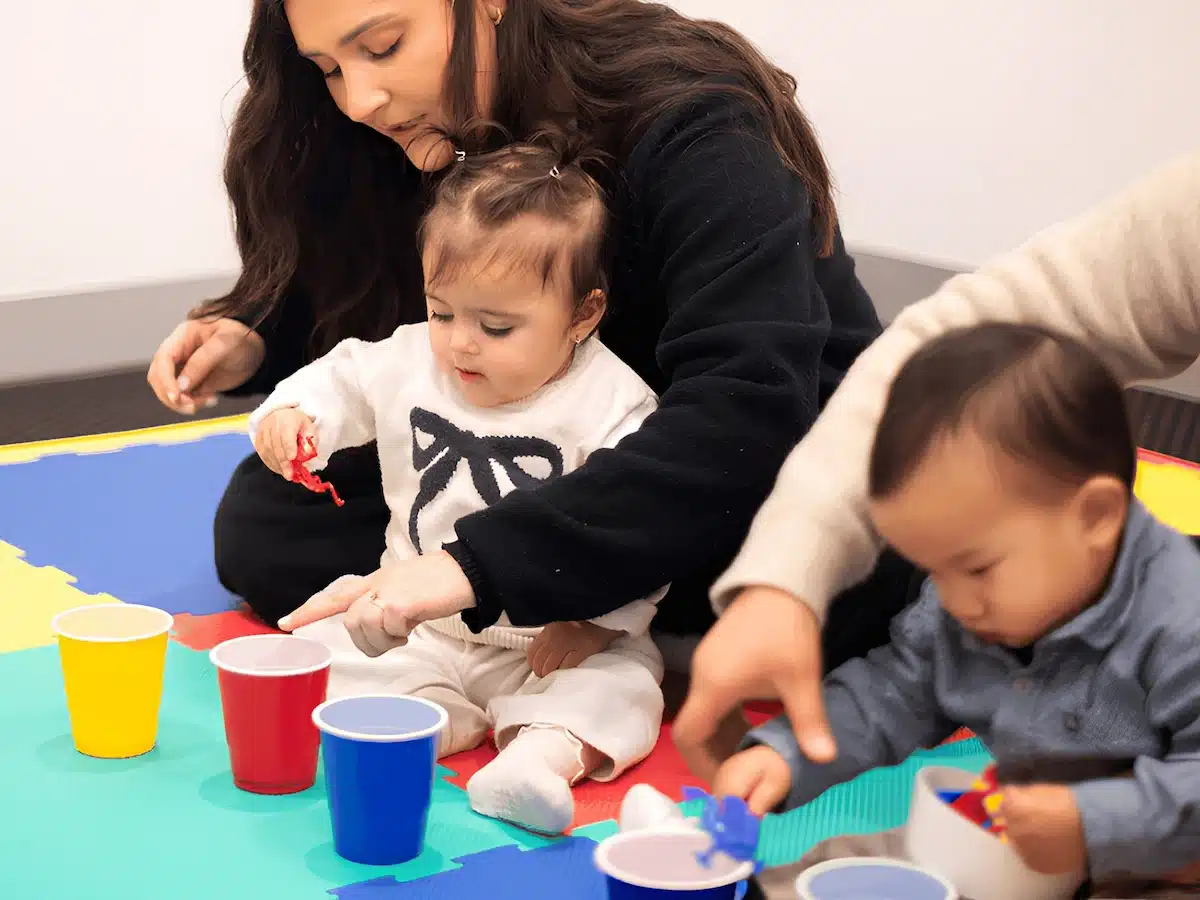
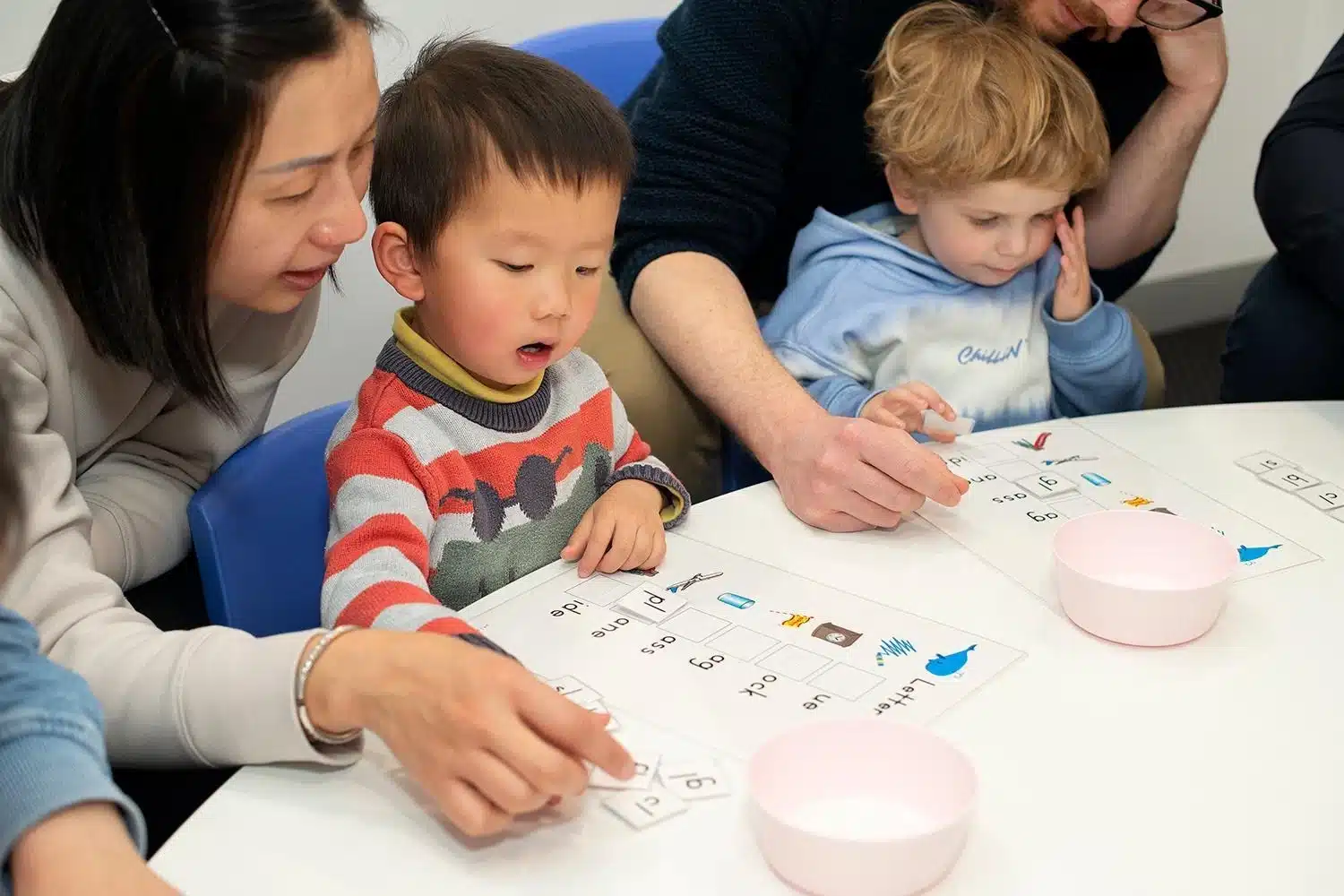
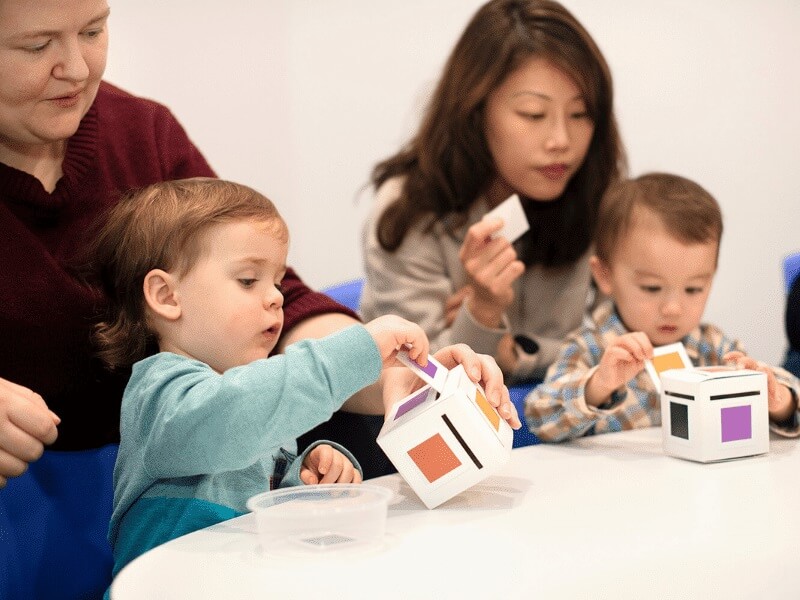
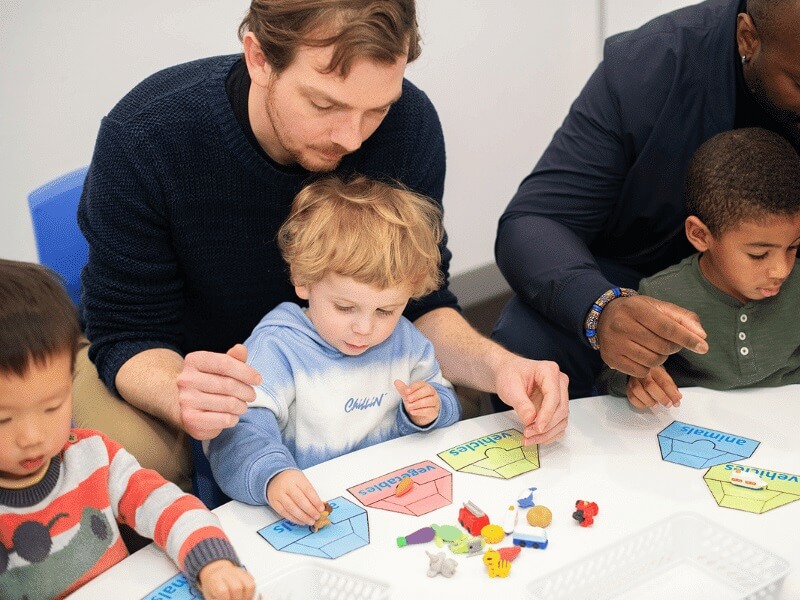
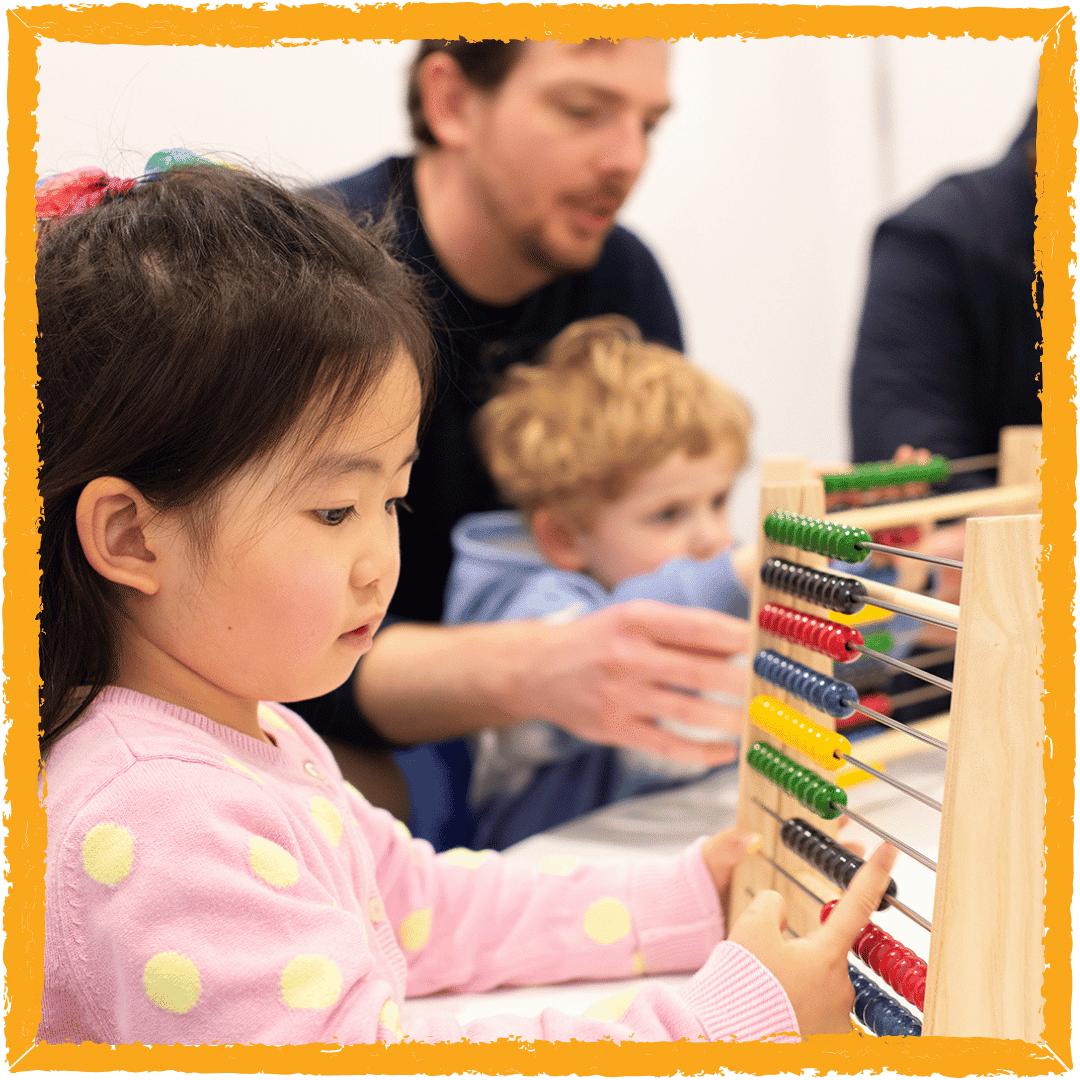
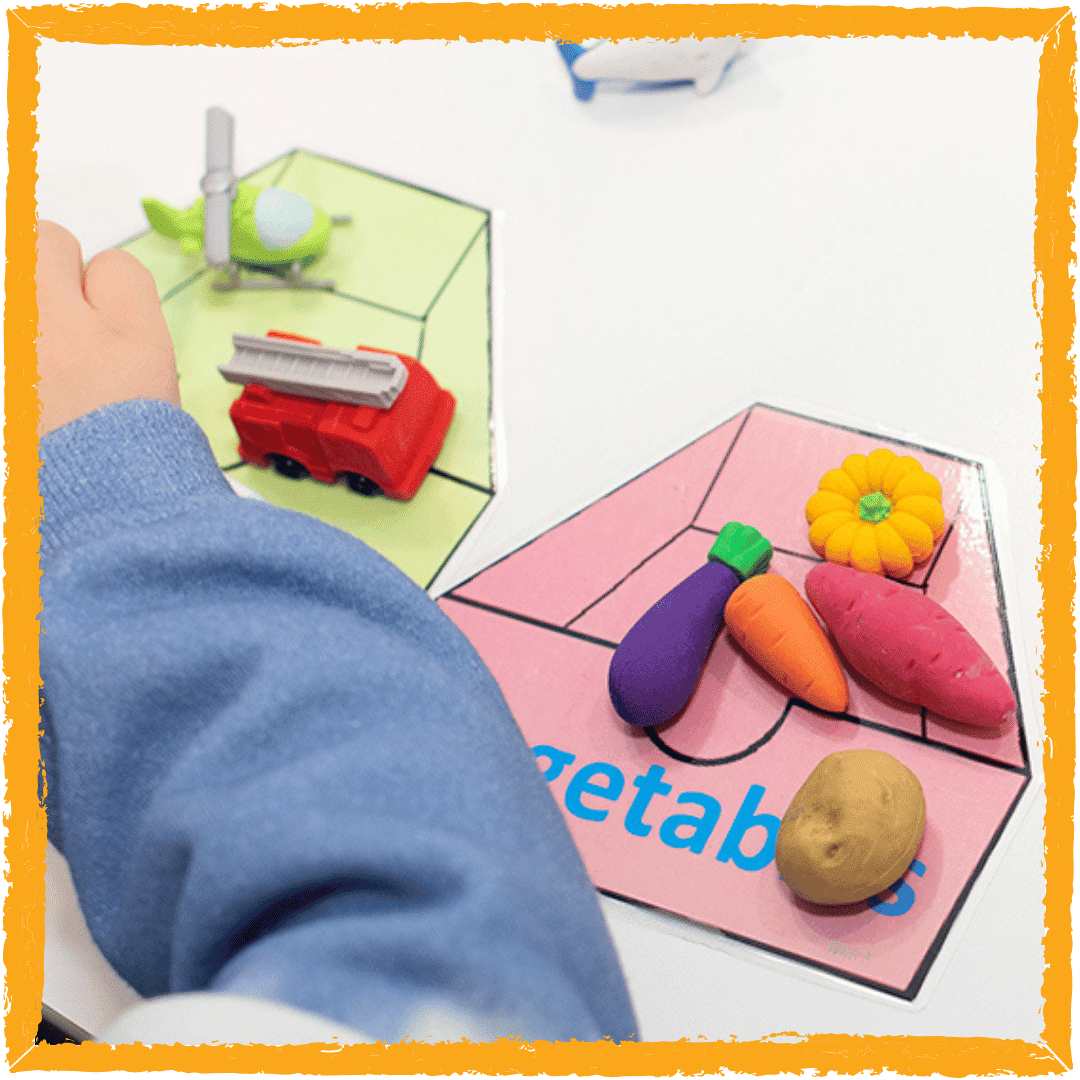
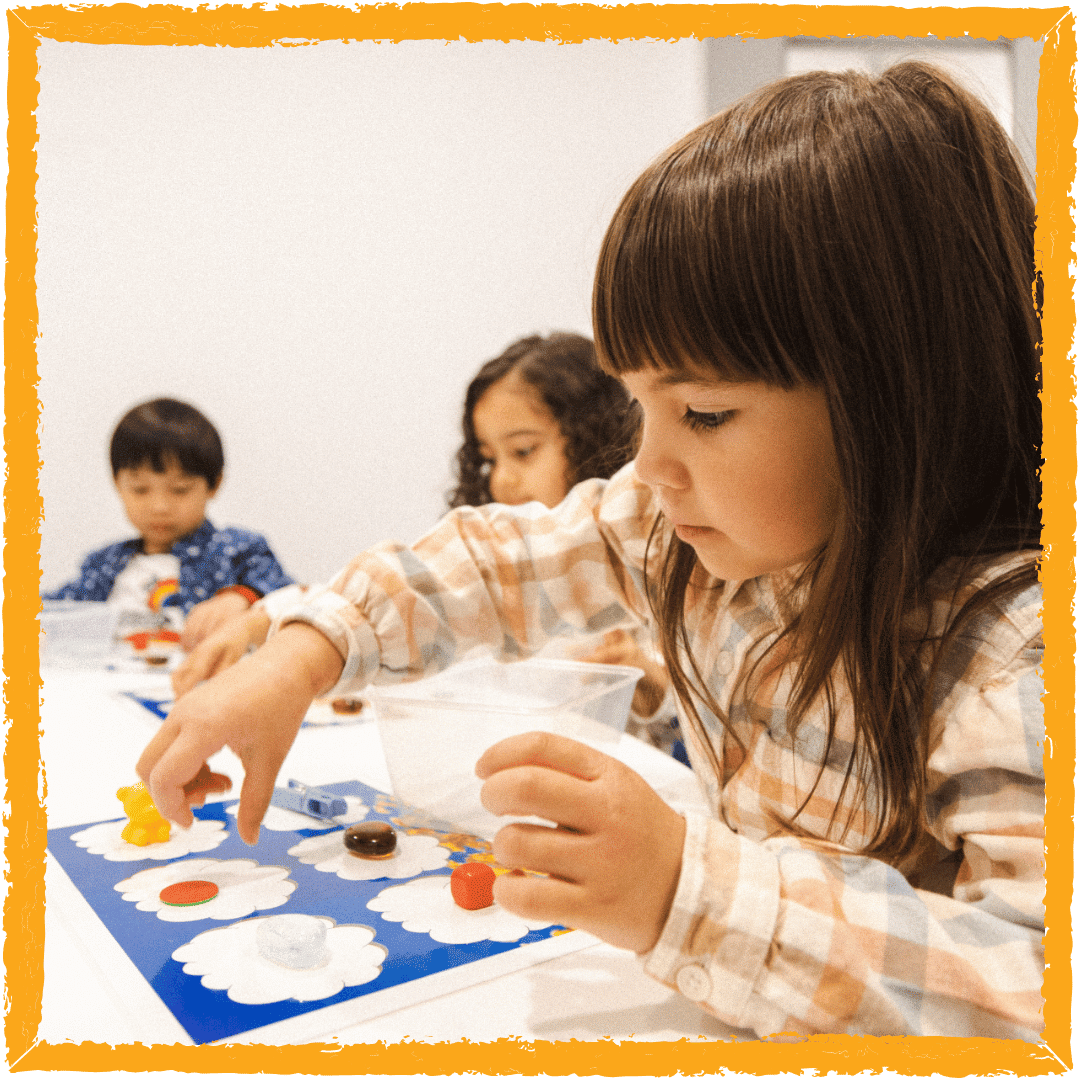
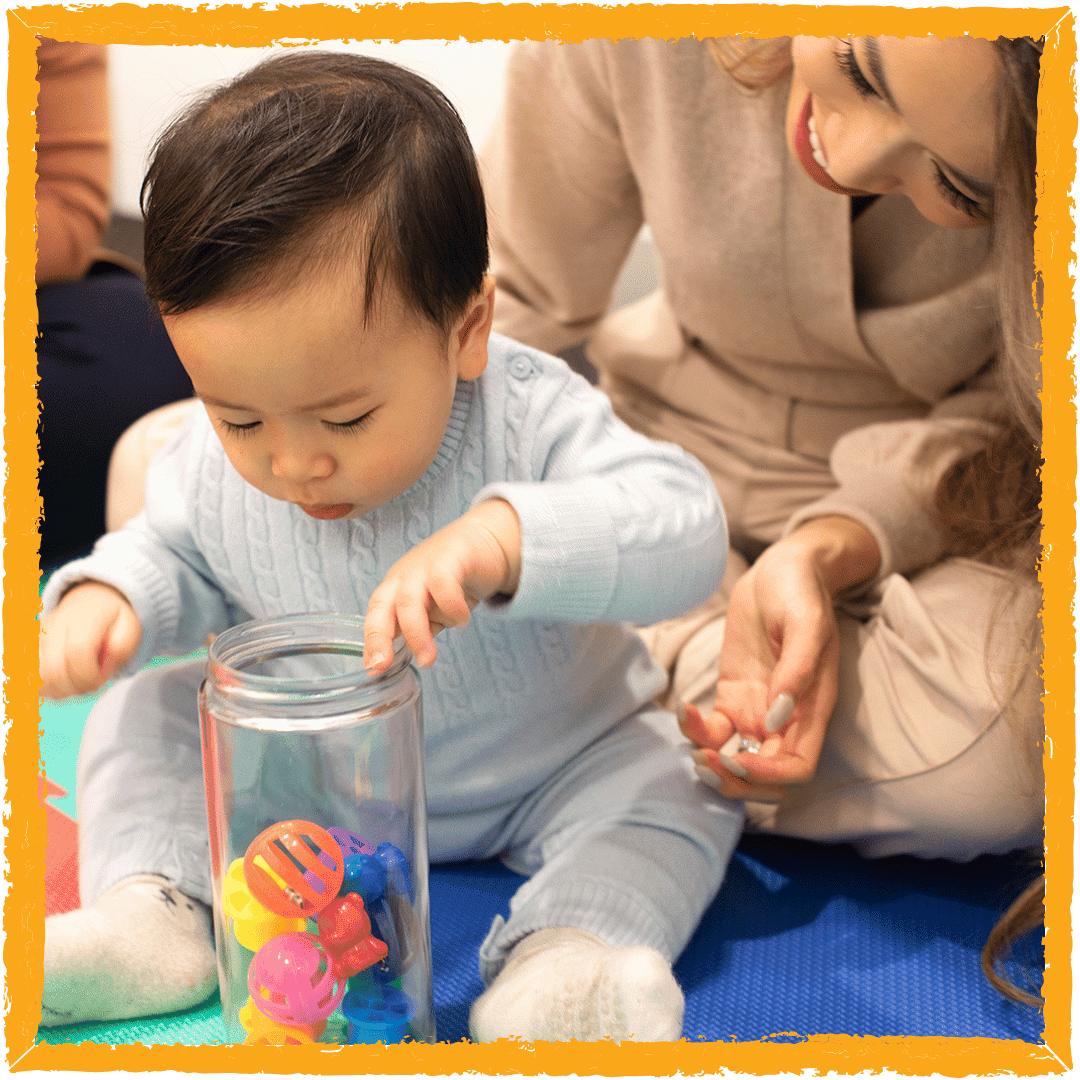
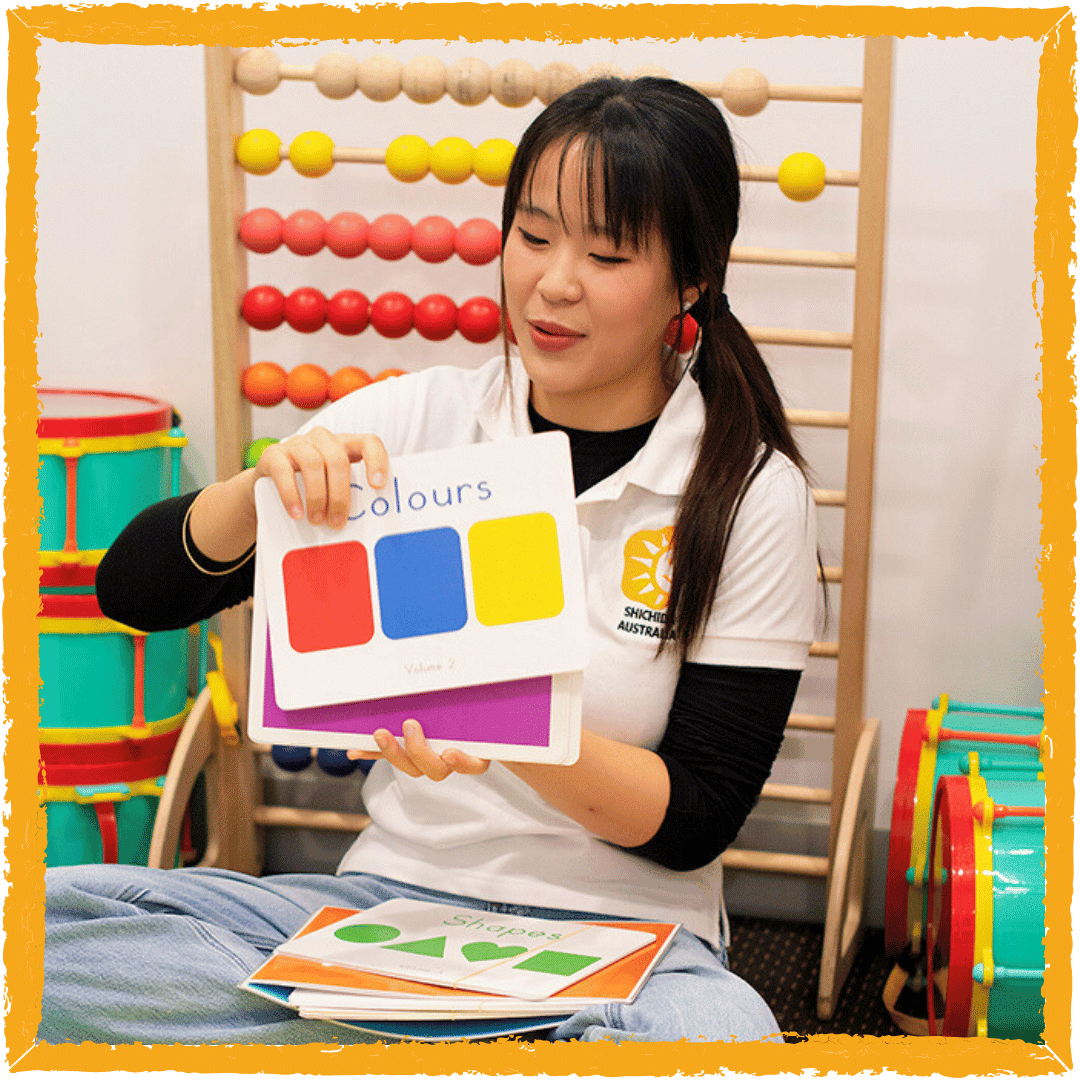
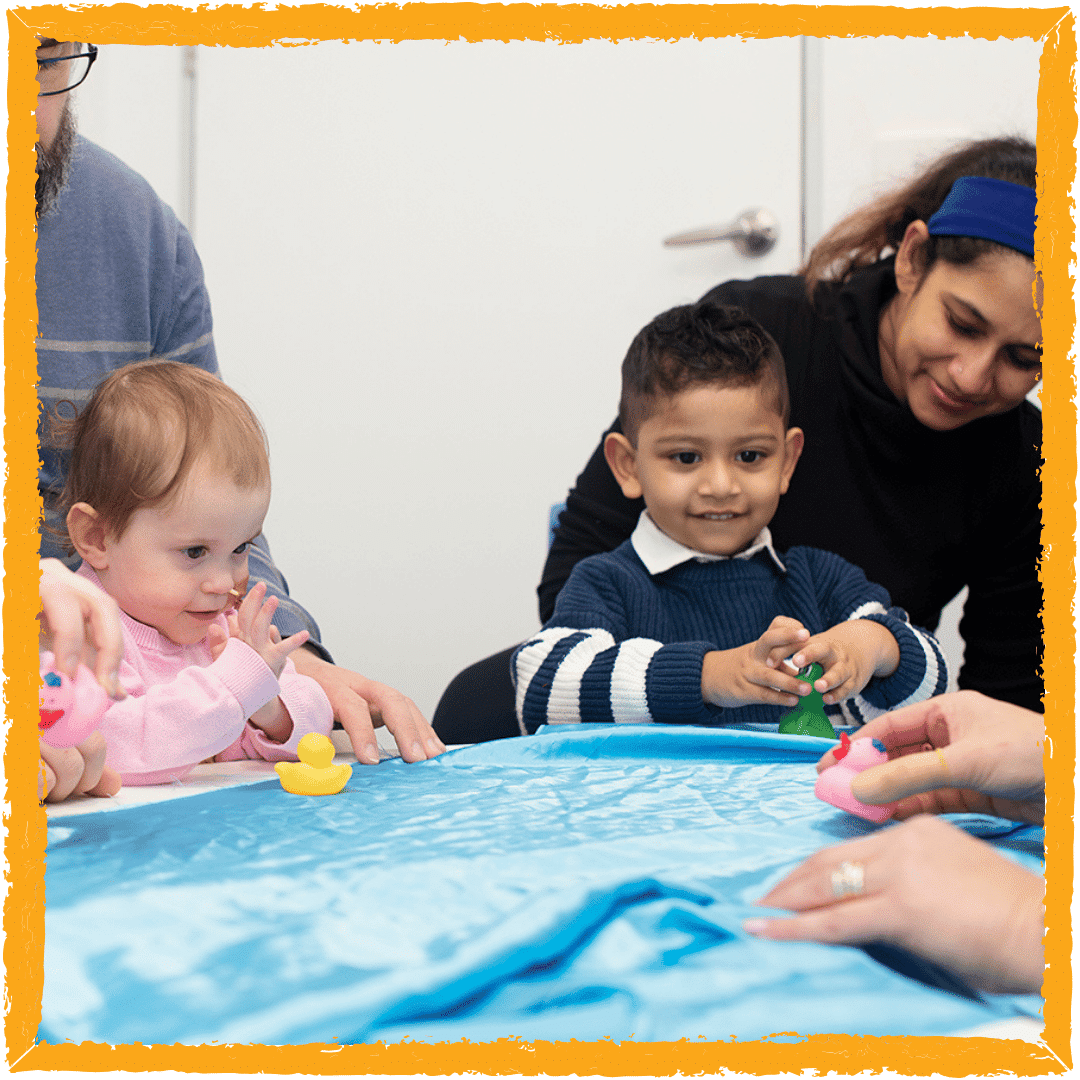
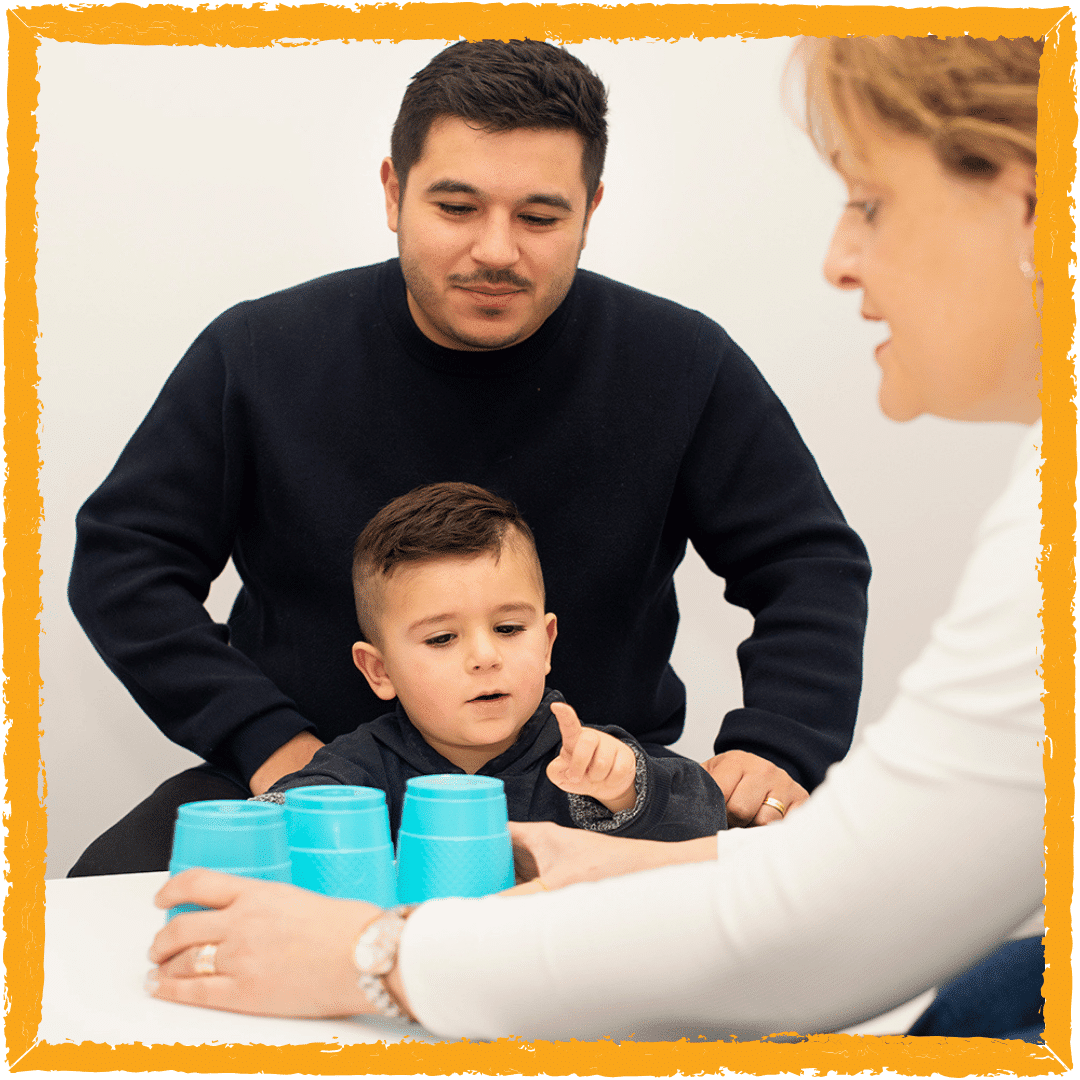
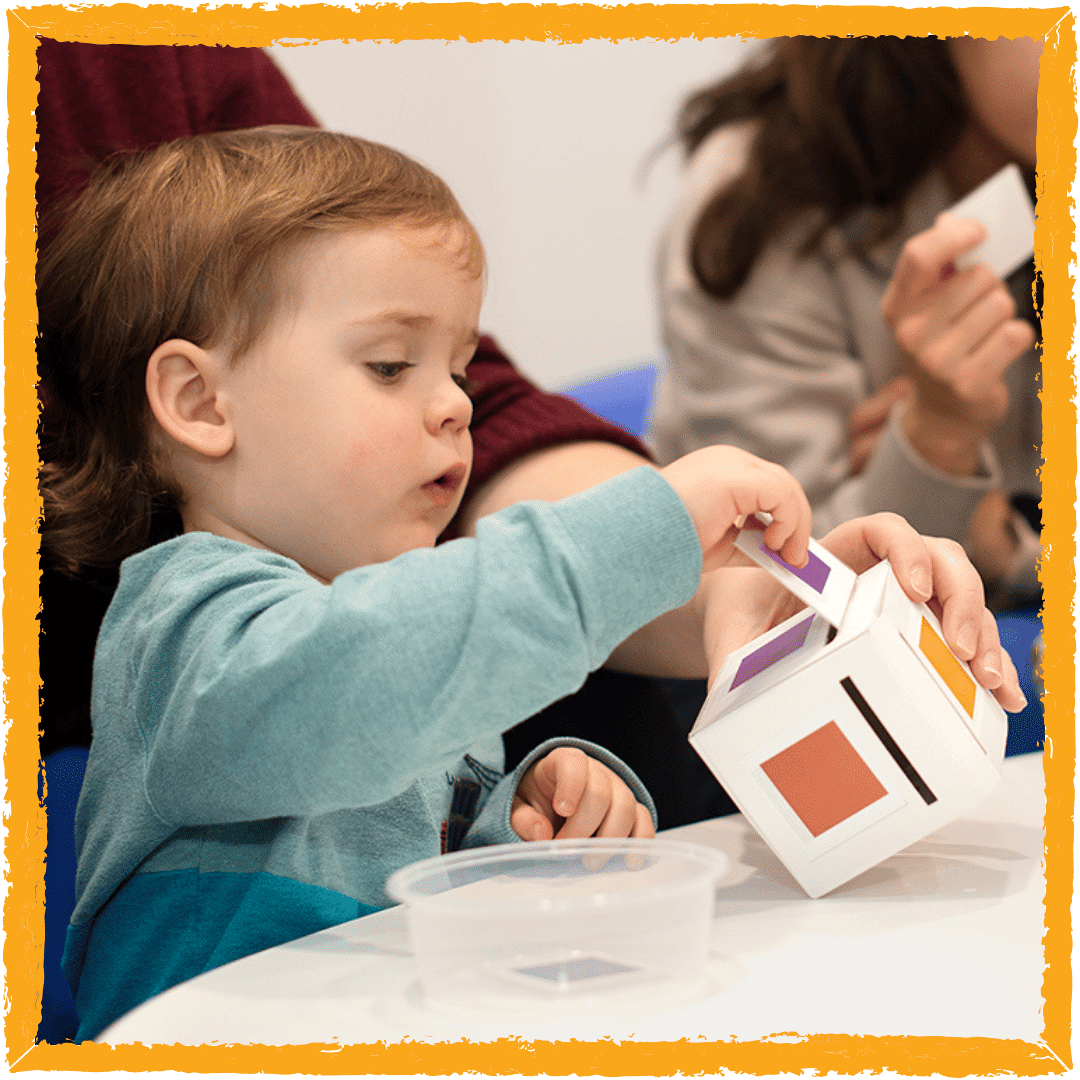
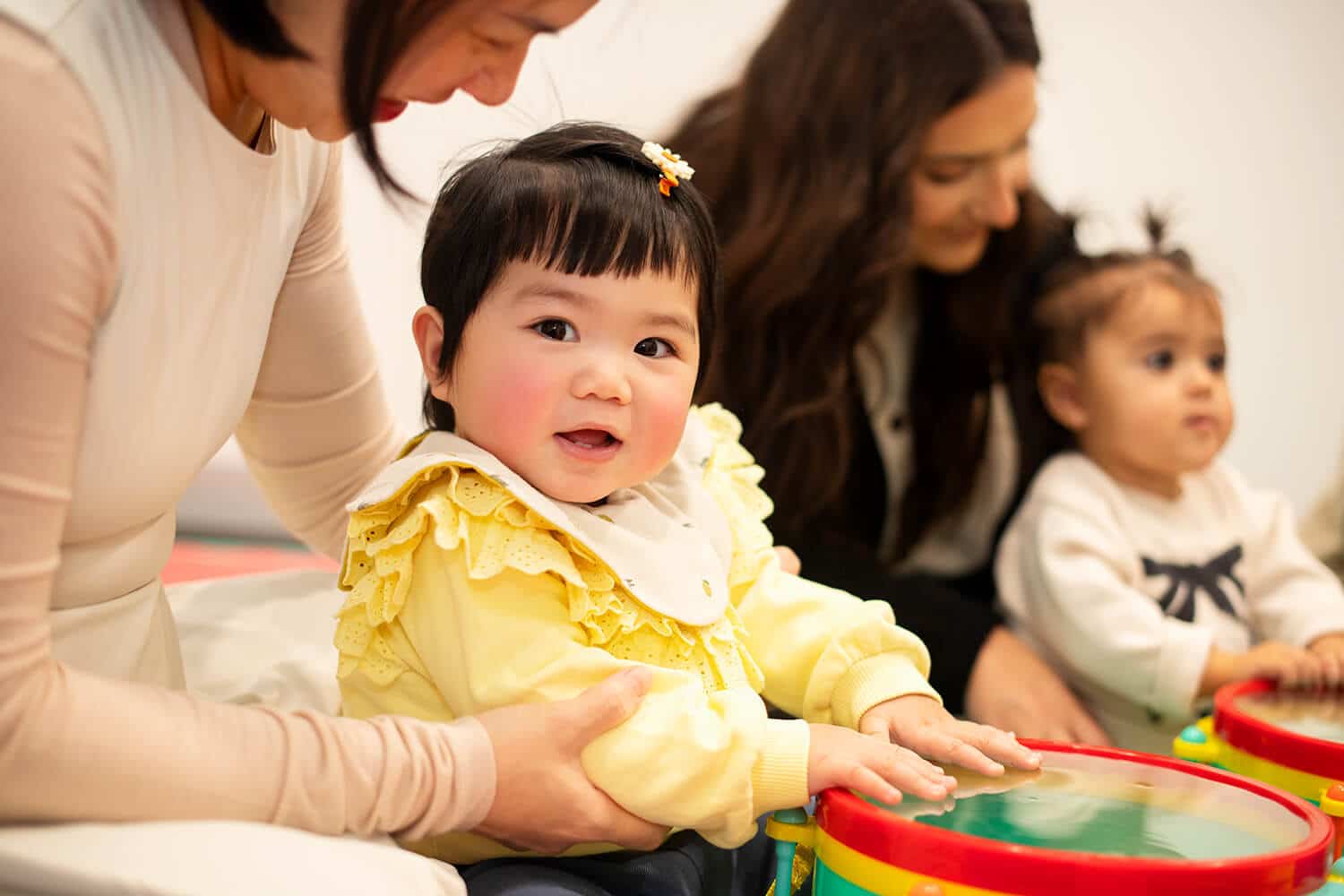
Image by Shichida Australia: babies playing a colour matching game during a Shichida infant brain development class, alongside a parent each. Colour matching games encourage early vocabulary, fine motor and critical thinking skills.
Measuring and Tracking Progress
Milestone Checklists & Tools
Simple developmental checklists help you track your child’s progress in communication, movement, and social interaction. Use them as a guide, not a pressure point! Every child’s journey is unique.
Brain Imaging & Research
Modern early childhood neuroscience tools like MRI have revealed how experiences shape neural circuits even before age two. These insights validate what parents have always known, love and interaction build brains.
Using Technology Wisely
Technology can supplement, not replace, human connection. Choose apps or videos that encourage interaction, and co-watch with your child. Real learning happens through engagement, not passive screen time.
Challenges & Common Misconceptions
“All Kids Develop at the Same Rate”
Every child’s brain develops at its own rhythm. Comparing only adds pressure, focus instead on consistent progress and joyful learning.
“Learning Apps Replace Interaction”
No app can replicate your facial expressions, tone, or empathy. Technology should enhance, not replace, your role.
“If I Missed the First Year, It’s Too Late”
Never. The brain’s plasticity allows it to keep forming new connections. Every positive interaction still counts, while the early years lay the foundation.
Summary & Take-Home Tips
Your child’s first three years are a powerful time for infant and toddler brain development. Every smile, and playful exchange helps wire their brain for lifelong learning. The science is clear – nurturing relationships, consistent routines, and early stimulation create strong neural foundations that support emotional security, curiosity, and resilience.
Cherish these moments, you’re not just raising a child; you’re shaping a remarkable brain.
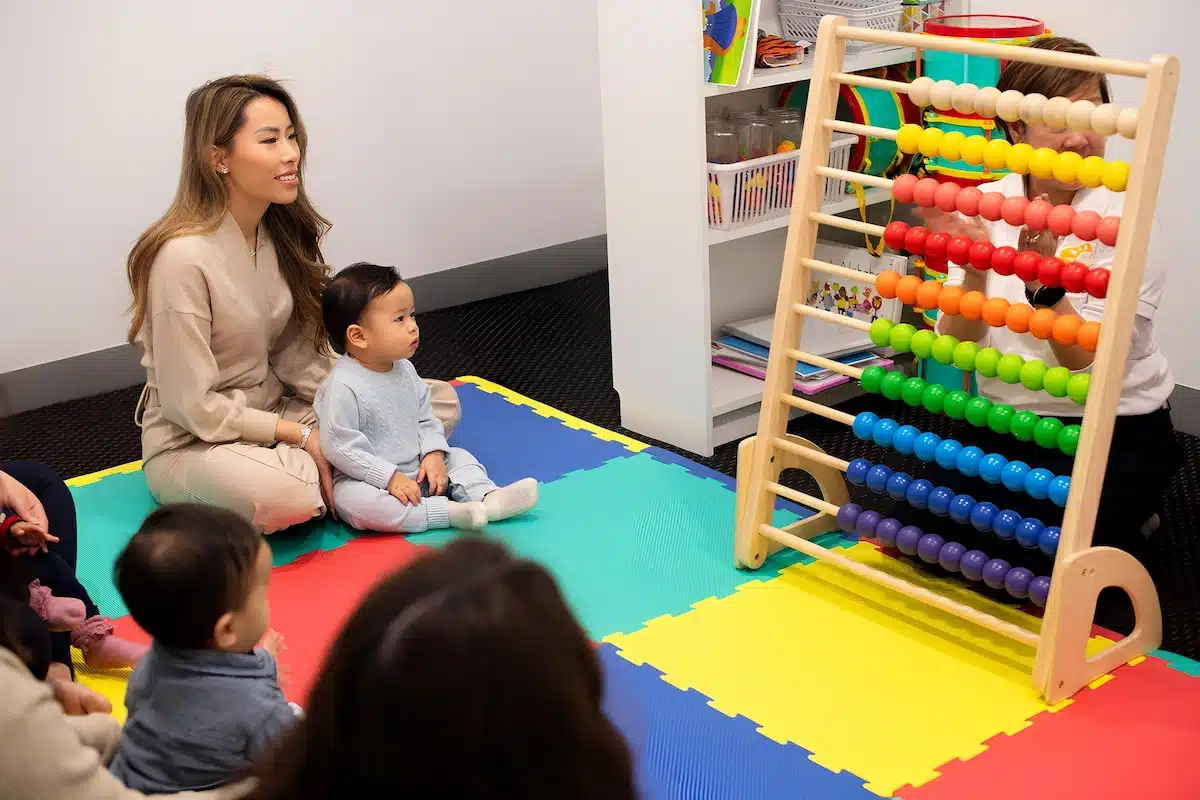
Book a trial class! During a trial class, you’ll see how simple activities like talking, singing, and sensory play can enhance your baby’s memory, focus, and curiosity in a calm, joyful setting. Experience how early stimulation can become part of your daily rhythm while deepening your bond with your child.
FAQ: Infant Brain Development
The brain grows rapidly until age three but continues refining connections into adulthood.
Conversation strengthens language and social pathways. Even simple talk during daily routines boosts vocabulary and memory.
Infants: 14-17 hours daily; toddlers: 11-14 hours, including naps.
Yes. Excessive screen time can delay language and social development. Focus on face-to-face interaction instead.
Limited eye contact, lack of babbling, or delayed motor skills may signal the need for assessment.
Play games that require focus and memory, like matching cards or simple instructions. Encourage patience and problem-solving through daily tasks.
Yes! Shichida Australia offers classes for babies, toddlers and preschoolers. Each lesson includes 20 to 25 playful, brain-boosting activities designed to support early development and give little ones the right kind of stimulation from the very start.