
Children Imagination and the Power of Image Training
Key Points:
- Imagination is a key driver of early brain development.
- Image training turns visualisation into a learning tool.
- Children imagination develops creativity, memory and emotional intelligence.
- Creative play builds memory, focus, and empathy.
- Children need space and time to develop imagination.
- Shichida uses guided imagery to support whole-child growth.
Noticing your child has trouble concentrating or expressing feelings?
Guided imagination could make a big difference.
As parents, you might often think of imagination as just pretend play , dressing up, tea parties and so on. But imagination is far more powerful than that. Through imaginative thinking, children learn to think ahead, solve problems, process emotions and express empathy.
This article will explain how children’s imagination shapes development and how image training can enhance it further.
Why Imagination Is Critical in Early Childhood Development
Imagination is your child’s ability to picture things in their mind – ideas, characters, places, and feelings – even when they’re not right in front of them. It starts early and grows stronger through play, stories, and exploration.
You’ve probably seen your child pretending a stick is a sword or a teddy bear is a doctor. These moments are important! Through pretend play, your child is learning how to tell stories, label emotions, and connect one idea to another. These are the building blocks of language, empathy and even logical thinking.
Imagination in children helps them practise how to be someone else, solve “what if” scenarios, and understand consequences in a safe, playful way. And when they role-play with others, whether with siblings or with you, they’re also learning social skills like turn-taking, compromise, and reading emotional cues. These are life skills that go far beyond school lessons.
What Is Image Training and How Does It Work?
You may not have heard of image training, but it’s one of the most effective ways to guide your child’s imagination with purpose. Taught in the Shichida Method, image training uses guided visualisation to activate the right side of the brain, the part responsible for creativity, intuition, and memory.
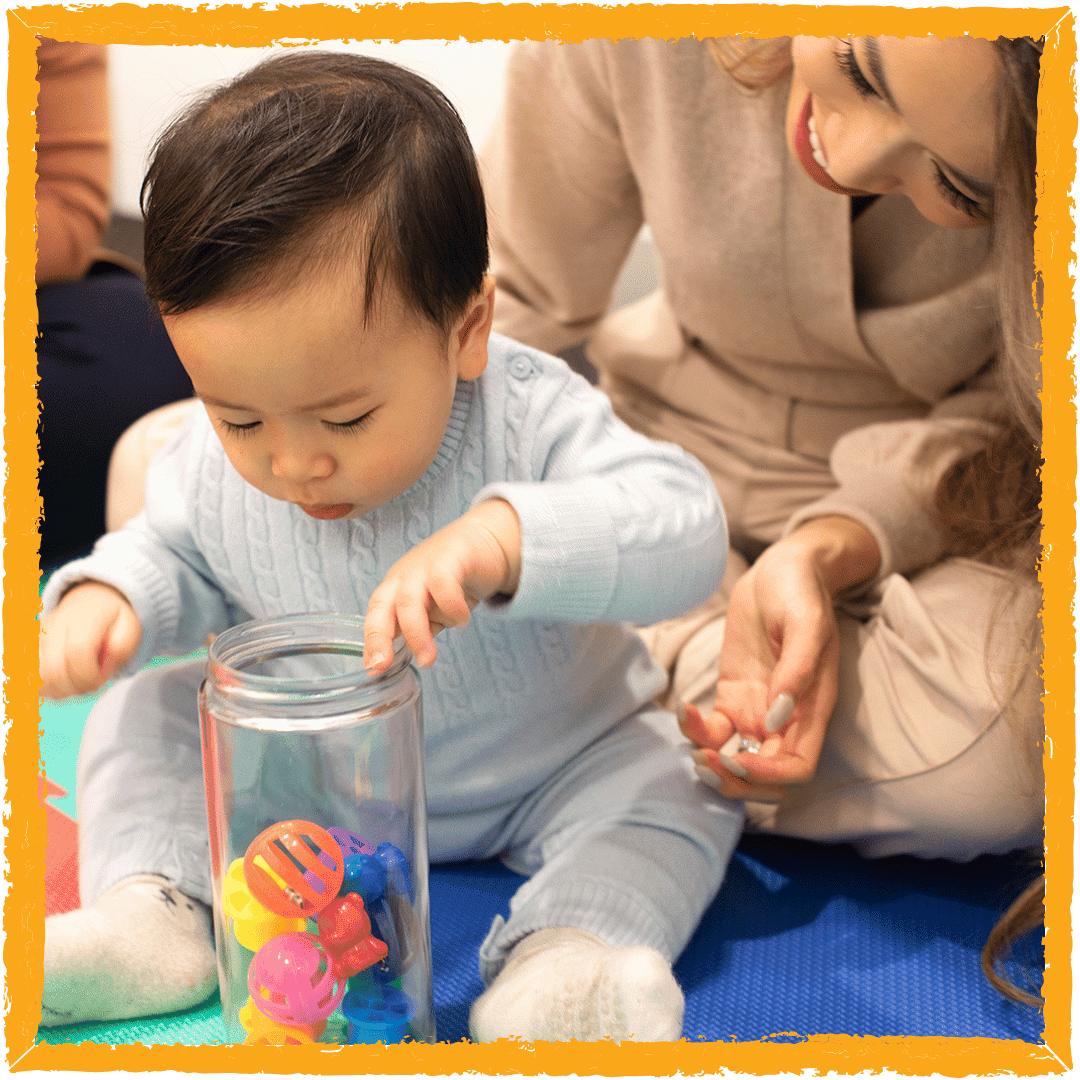
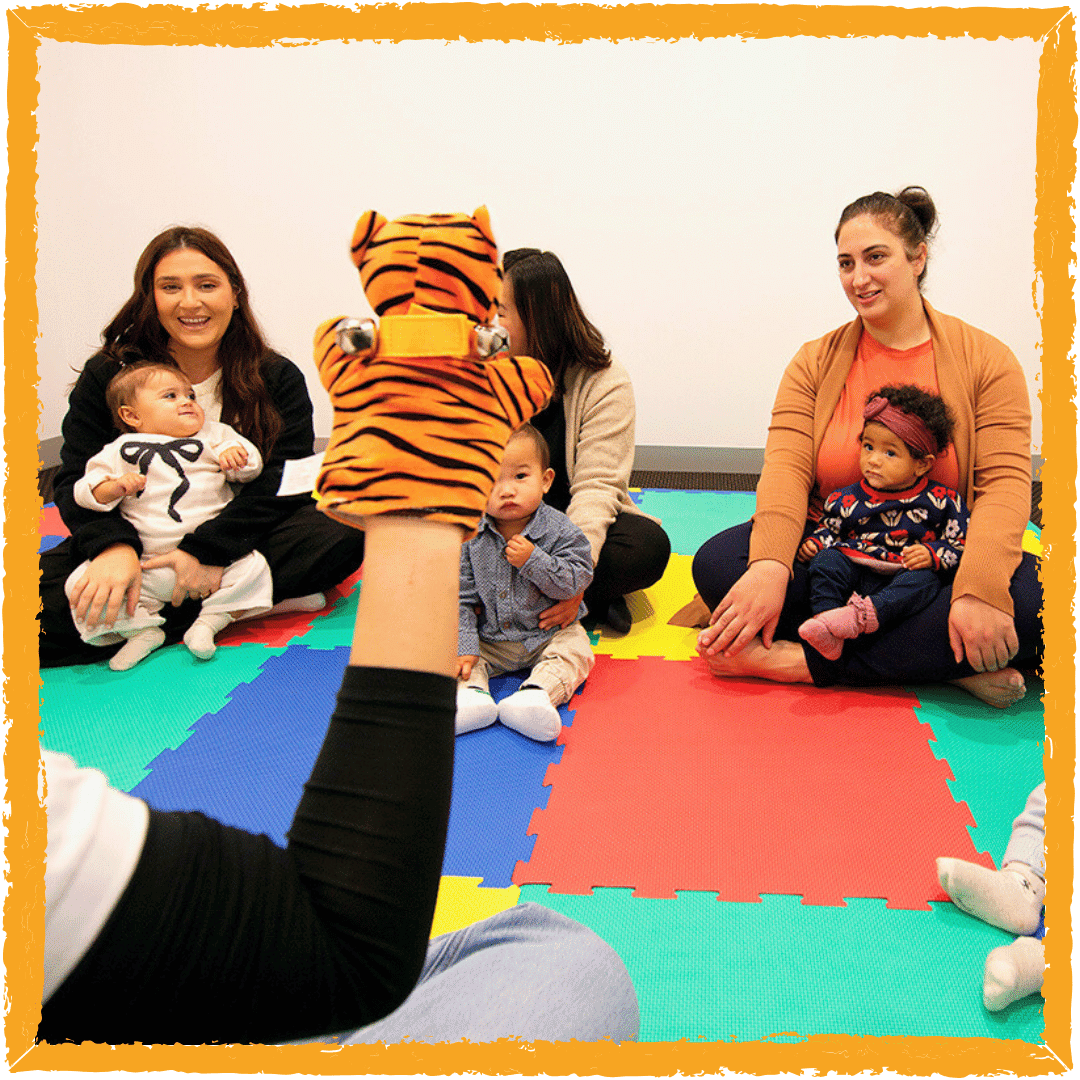
From as early as six months, Shichida instructors lead image training by describing a detailed scene out loud. Parents model the activity by closing their eyes and listening calmly, showing their baby how to engage. For example, the teacher might describe walking on a beach – feeling the sand, hearing the waves, and seeing the sunset. As children grow older, they are encouraged to try visualising for themselves. By the toddler stage, many start participating more actively in the process.
Over time, this kind of practice trains the brain to form vivid mental images and recall them. It’s very different from daydreaming – image training is focused and intentional, helping children improve memory, concentration, and emotional regulation.
The Connection Between Imagination and Intelligence
You might ask – how does imagination relate to intelligence? In practice, strong imaginative skills support cognitive functions such as:
- Working memory – Children remember and manipulate mental images.
- Creative problem-solving – They explore options mentally before acting.
- Planning and reasoning – They can think through steps and outcomes.
Many educators link imaginative play with enhanced executive function and flexible thinking. Studies on pretend play show that young children explore “what if…” scenarios, building understanding of cause and effect and laying groundwork for abstract thought, skills related to IQ and beyond.
How to Encourage Imagination in Children at Home
Here are practical, simple ways you can nurture children’s imagination:
- Storytelling without books: Take turns inventing stories over dinner or at bedtime. Let the characters be silly, brave, or anything in between.
- Drawing and free play: Leave blank paper, crayons, and everyday toys available. A cardboard box may become a spaceship or a shop.
- Pretend scenarios: Host a toy tea party with the family. Use dress-ups or kitchen utensils for imaginative fun.
- Ask open‑ended questions: “What might happen if a mouse met a dragon?” or “How could we build a bridge from cushions?”
- Quiet time for visualisation: Gently guide your child through imagery (e.g. close their eyes and imagine paddling in a boat, feeling the wind, hearing the birds).
Creating an environment where children and their imagination can flourish doesn’t require expensive kits, just time, space, and encouragement!
Benefits of Image Training for Learning and Emotions

Image training offers specific benefits beyond general imaginative play:
- Improved memory retention: Children become better at remembering what they’ve seen and heard.
- Increased attention span: Practising visualisation helps them concentrate for longer periods.
- Emotional calmness and self‑confidence: By visualising calming or successful scenarios, children learn to manage stress and gain self-confidence.
When your child practises imagining themselves succeeding – whether completing a drawing, speaking in front of others, or trying something new – they’re preparing their mind to handle real-life challenges with greater ease.
How Shichida Uses Image Training in Its Programs
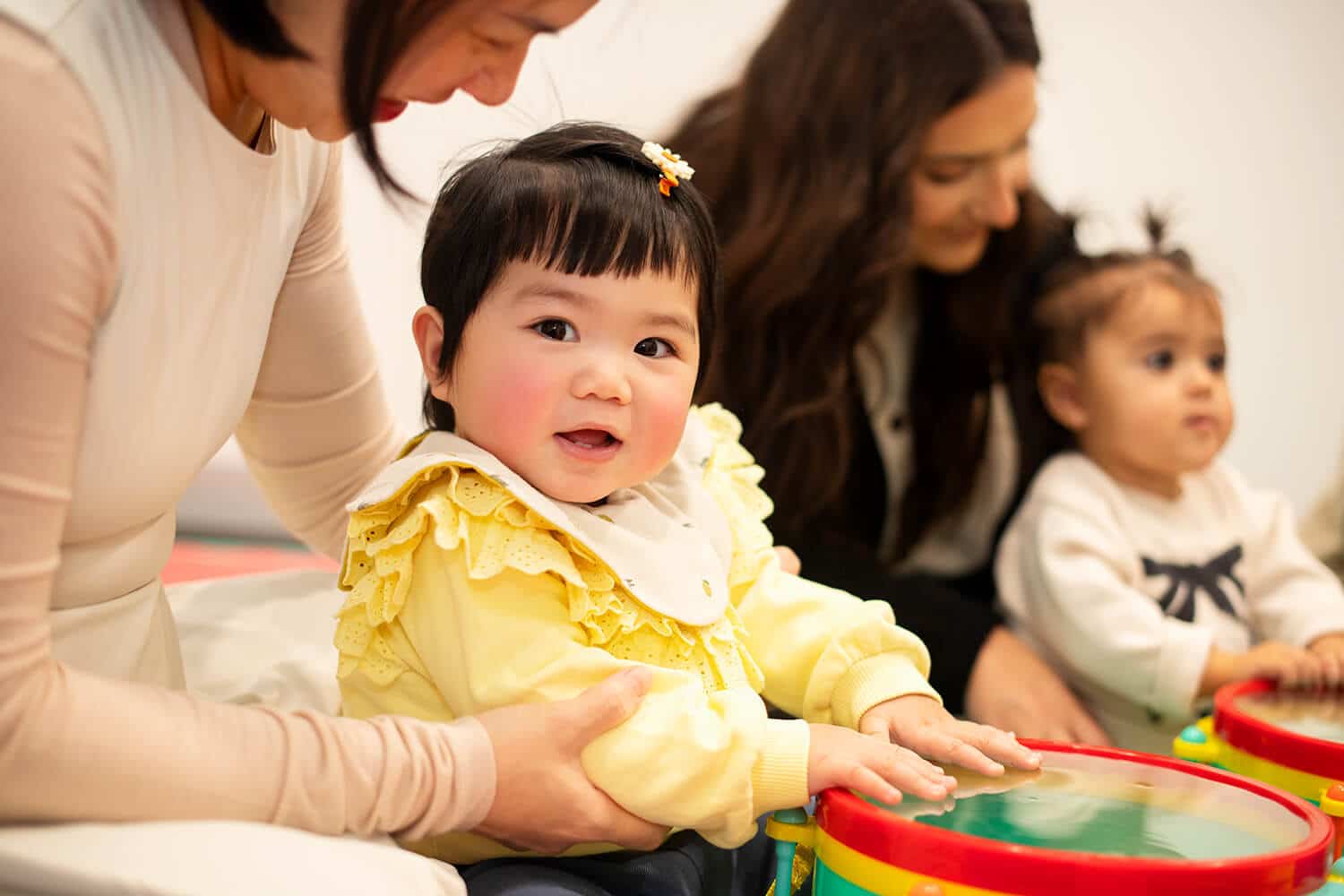
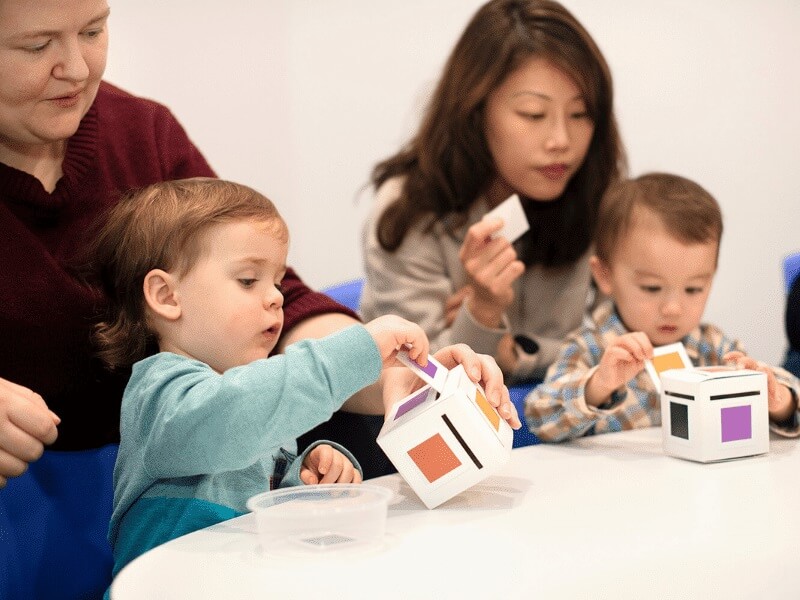
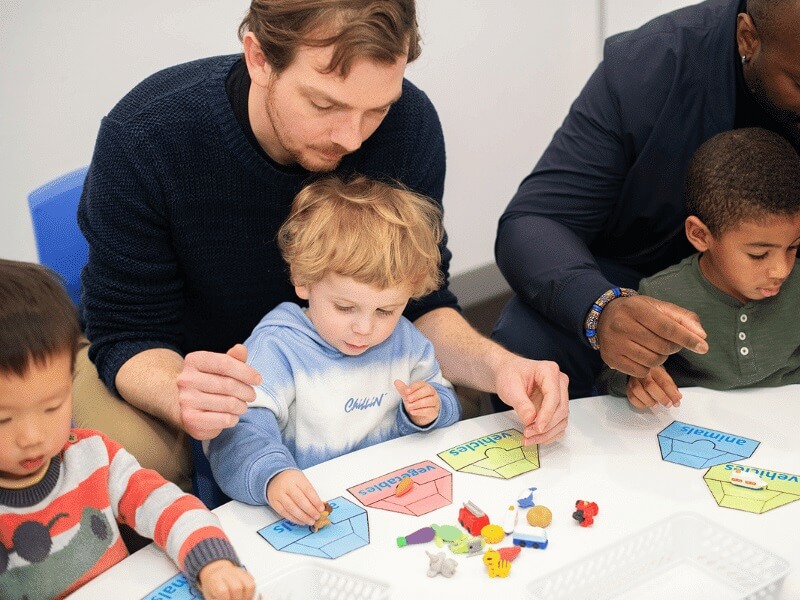
Shichida integrates structured image training throughout its early learning classes. In age‑grouped lessons (from six months to nine years), certified instructors guide image training paired with memory and mnemonic exercises. Typically, classes involve:
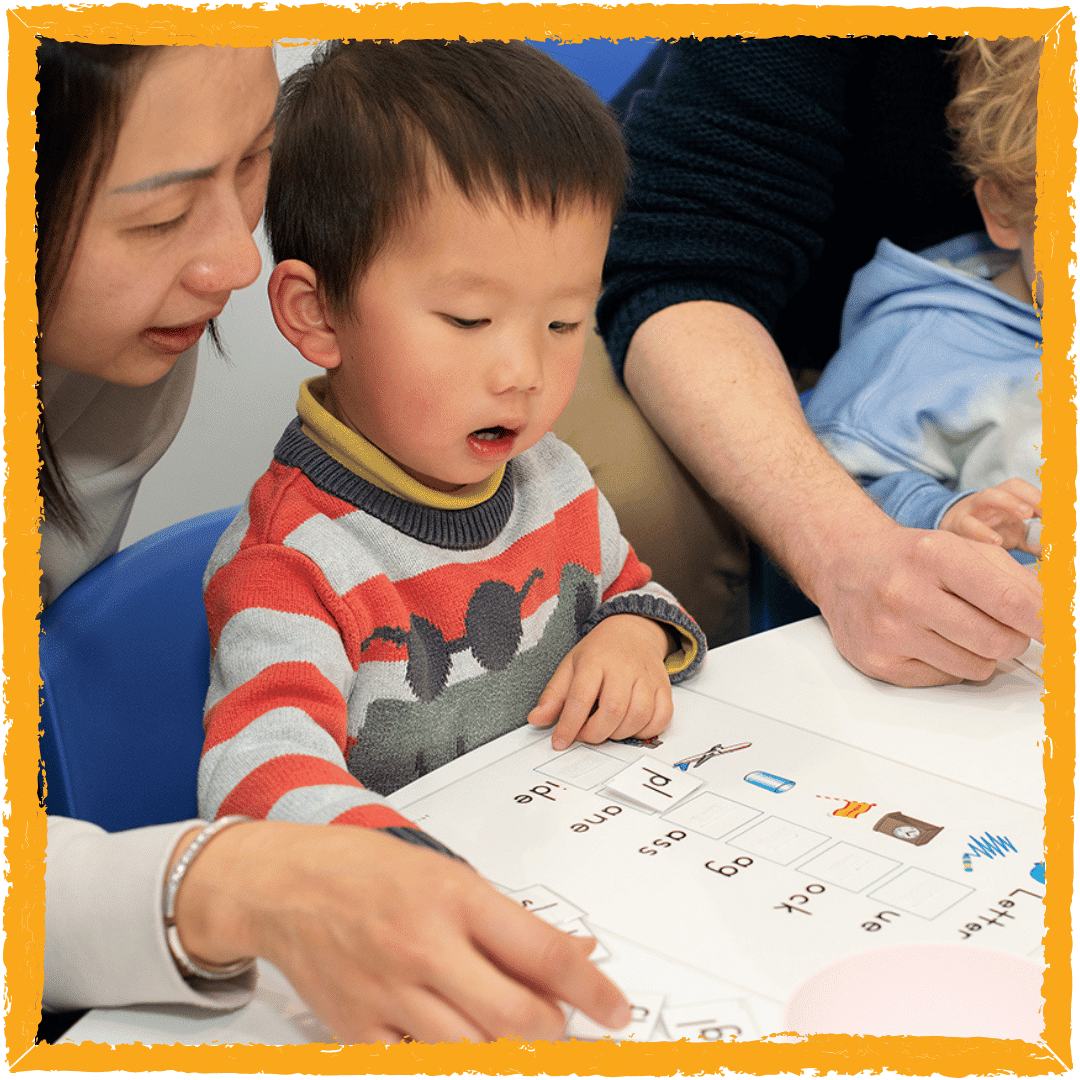
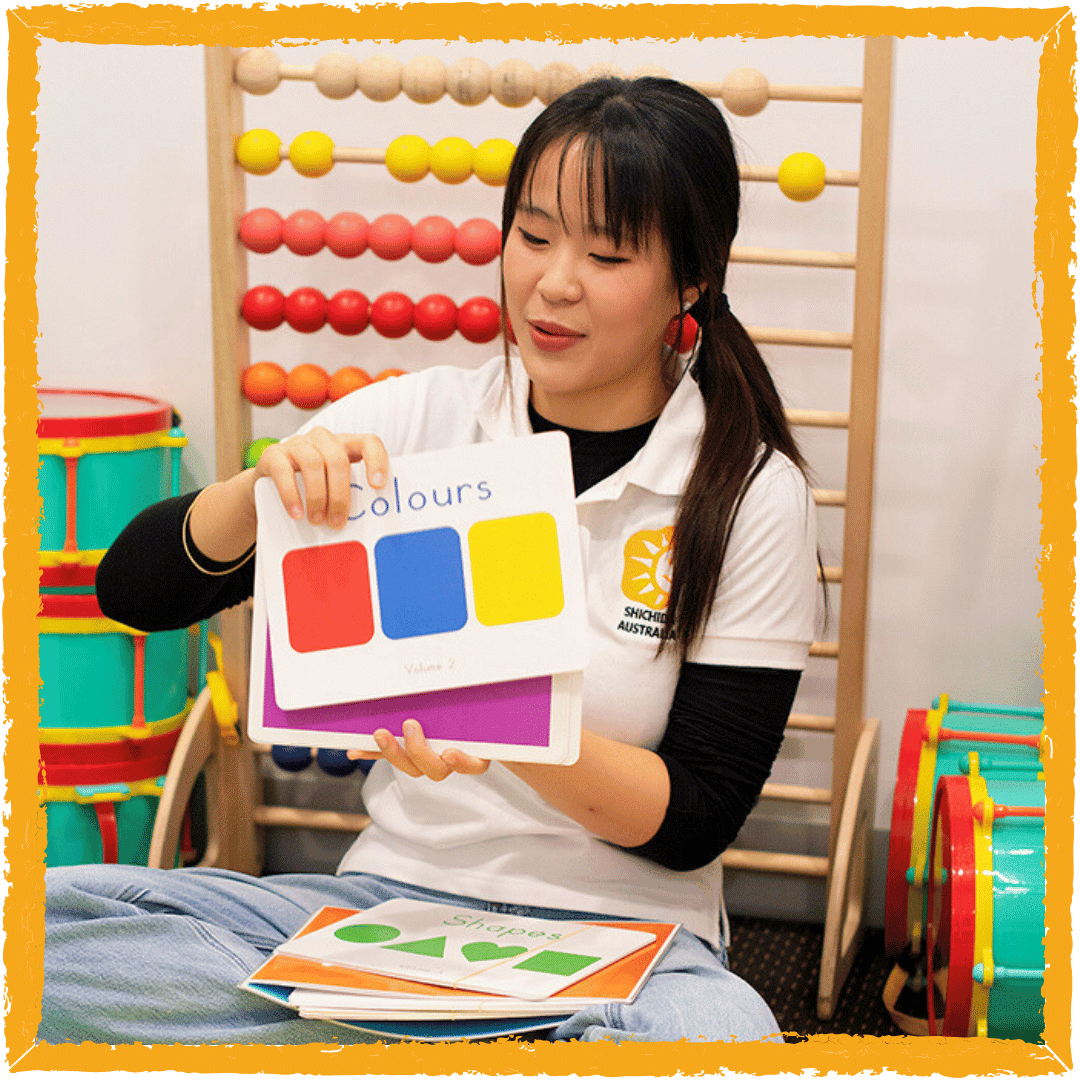
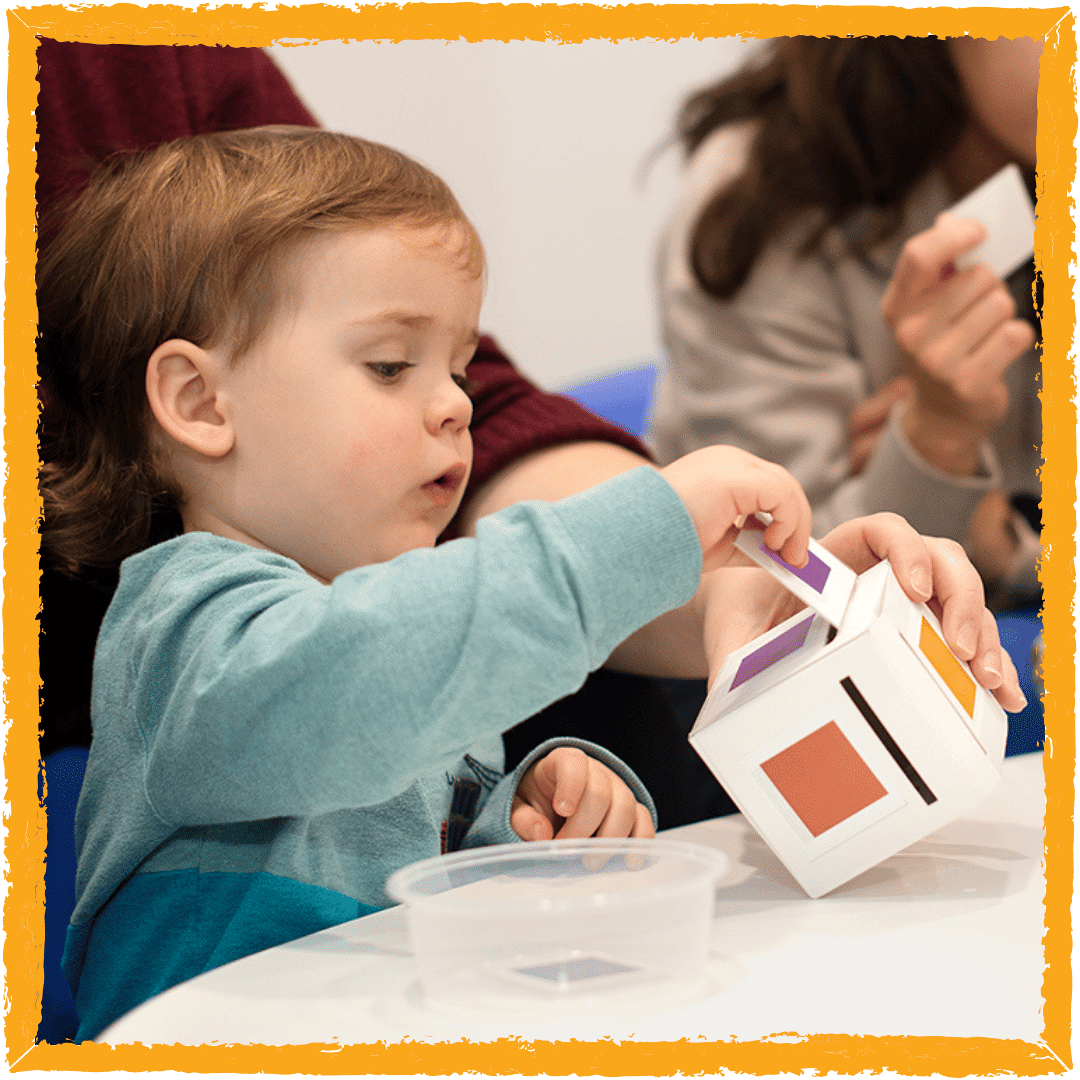
- Flashcards and dot‑cards to provide visual cues
- Guided visualisation sessions, sometimes with eyes closed
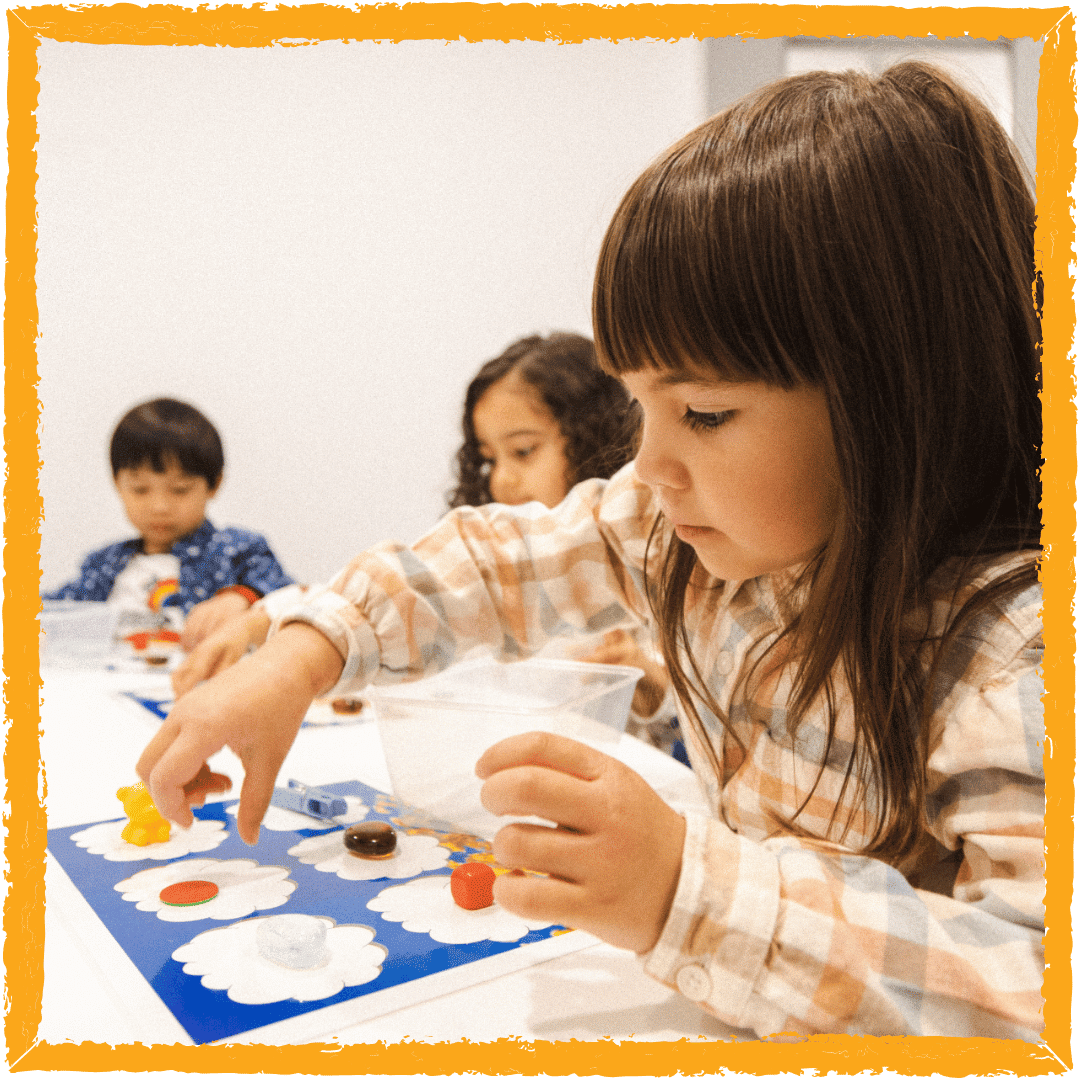
- Games like “magic camera” – children capture an image, then recall it
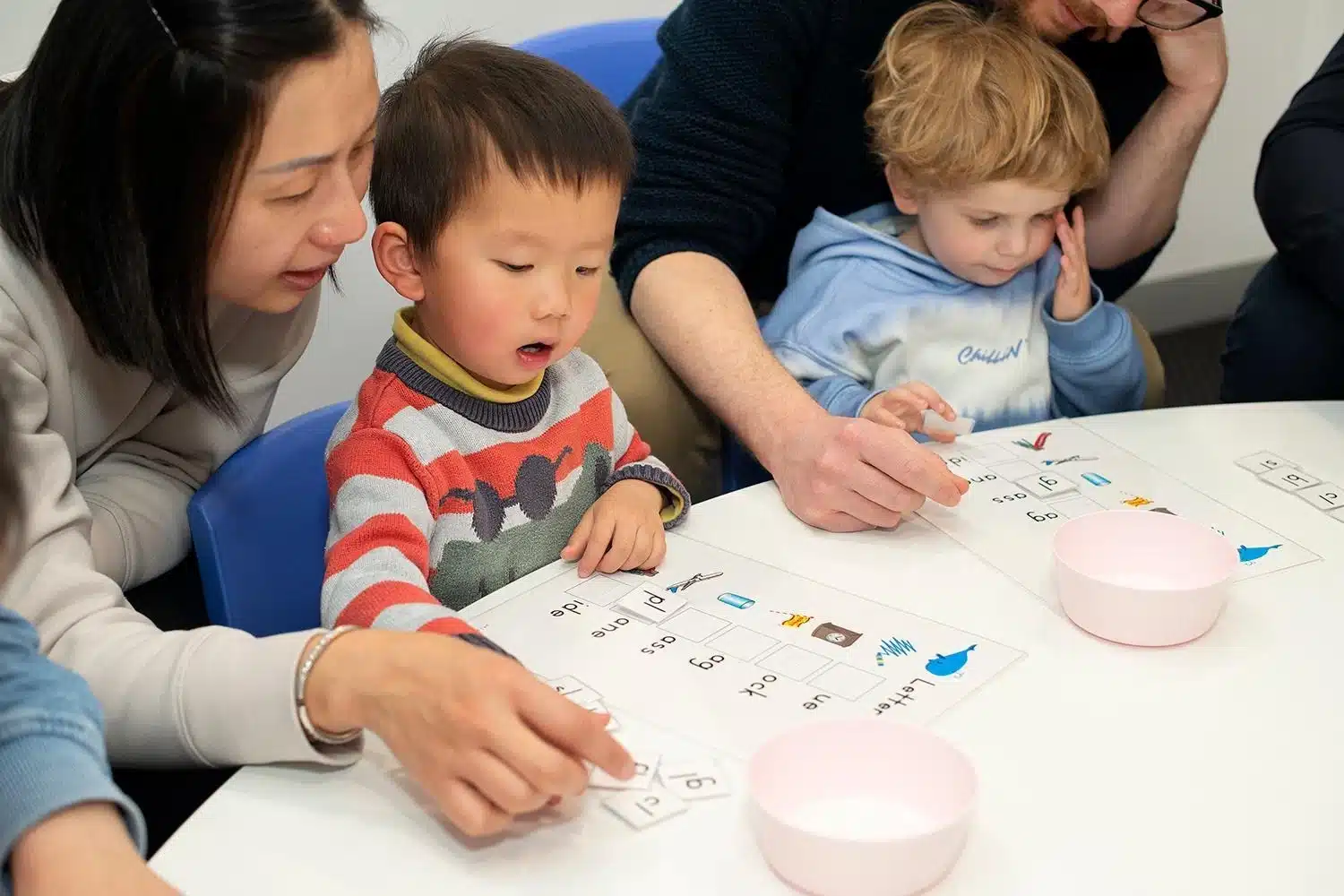
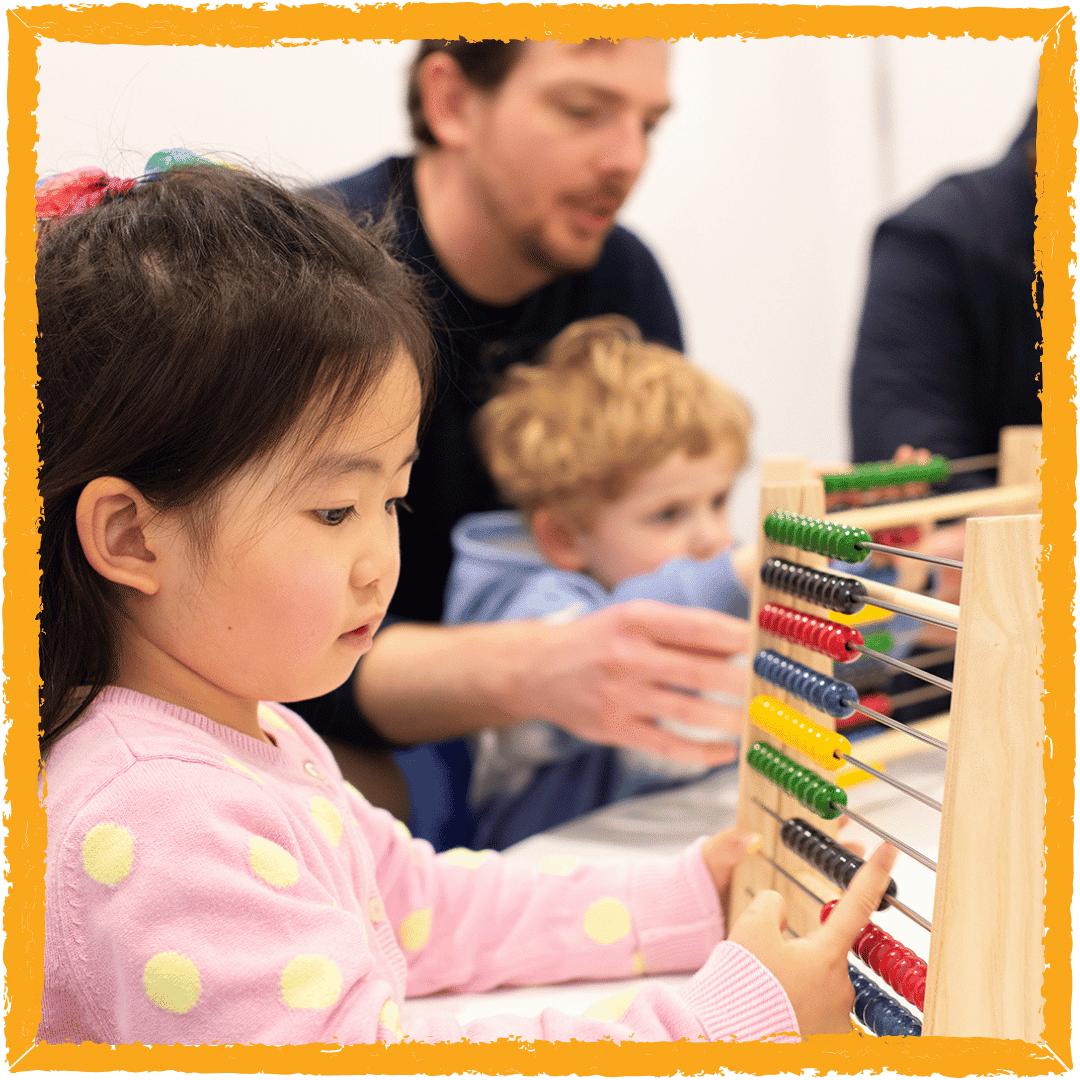
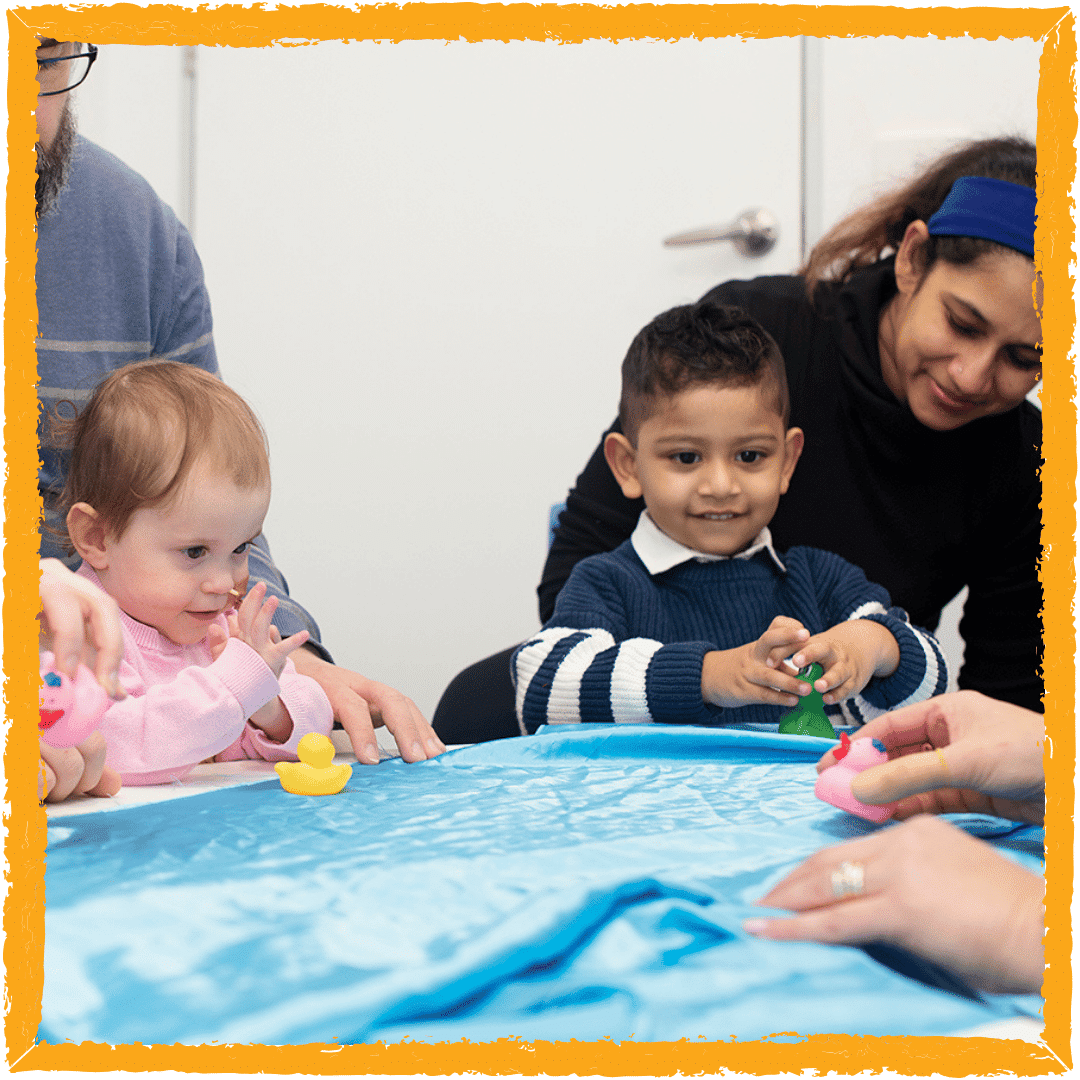
- Parent‑child activities during class to practise together
What makes the Shichida approach unique is that you, the parent, are involved. Especially in the early years, you’ll attend classes and learn how to support your child’s imaginative growth at home. As your child grows more independent, they carry these skills forward with confidence.
Signs Your Child May Benefit from More Imaginative Practice
Not every child naturally gravitates towards imaginative play or embraces visualisation, and that’s perfectly okay. But there are signs that may suggest your child could benefit from more support and encouragement in this area.
- They have trouble focusing or remembering things – Visualisation can help strengthen working memory and attention.
- They struggle to express emotions or name feelings – Storytelling and pretend play give them tools to process and share emotions.
- They’re uninterested in drawing, creative play, or roleplay – Sometimes children need encouragement and examples to unlock their imagination.
These signs aren’t cause for worry – they’re opportunities. Imagination, like any skill, can be nurtured with love, practice, and the right guidance.
Conclusion

Let’s be clear, imagination isn’t just play, it’s foundational for future learning, empathy, emotional resilience and creativity. Image training offers a purposeful, guided way to deepen that imaginative ability and connect it with memory, focus and emotional intelligence.
As a parent, you hold the key to nurturing this in your child, through playful interaction, quiet imagery time, open‑ended questions and responsive listening.
And if you’re curious about how professionals can support this journey further, Shichida’s classes are a great place to start.
Learn how the Shichida’s program uses image training to develop creativity, memory and emotional growth in children of all ages. Help your child thrive – explore Shichida Australia’s fun classes today or book a trial class to discover guided learning methods that position your child for lifelong cognitive and creative success.
FAQs: Children Imagination
Imagination is essential for healthy brain development. It helps children process emotions, understand others, solve problems, and build creativity. It’s not just about play, children imagination supports memory, empathy, and thinking skills that will benefit them throughout life.
Imagination begins in infancy through sensory experiences and imitation. From around 18 months, pretend play becomes more noticeable, and by age 3 to 5, imagination in children flourishes through storytelling, drawing, and roleplay.
Image training is a form of structured visualisation that helps children strengthen memory, focus, and emotional control. Unlike passive daydreaming, image training guides the imagination of children with purpose, making it a powerful learning tool.
Encourage unstructured play, storytelling without books, drawing, and quiet time for visualisation. Ask open-ended questions and let your child lead playtime. These small efforts can go a long way in nurturing imagination for children.
Yes. Children who find it hard to focus, express themselves, or retain information often benefit from imagination-based exercises. Image training can calm anxiety, build confidence, and improve learning, especially when done regularly with support from programs like Shichida.