How to Teach Problem Solving to Children
Learning how to teach problem solving to children is one of the most valuable investments you can make in your child’s future. It is a core part of early childhood education that builds a foundation for academic success and personal growth. While many focus on literacy and numeracy, the ability to think through a challenge is what truly prepares a child for the complexities of real life and the unknown future.
Key Takeaways:
- Understanding how to teach problem solving to children is all about real-life modelling. Talk through your logic out loud when you face a challenge together.
- Pause for a few minutes when your child gets frustrated to allow for a productive struggle that builds their mental stamina and independence.
- Ask open-ended questions like “What happens if we try this?” to shift your child from seeking a quick fix to exploring multiple logical paths.
What is Problem Solving for Children?
Problem solving for children is the ability to identify a challenge and use logic, creativity, and persistence to find a way through it. It is not just about finding the one right answer. It involves critical thinking to understand the situation, decision-making to choose a path, and the resilience to try again if that path fails.
This process looks different at every age. For a toddler, it might be figuring out how to reach a toy on a high shelf. For an older child, it might be deciding how to spend their pocket money or resolving a disagreement with a friend. No matter the scale, the mental steps remain the same.
When Do Children Learn Problem-Solving Skills?
Children begin developing these skills from infancy through simple play and observation. A baby who learns that pushing a button makes a sound is practicing early cause and effect. By the time they reach the preschool years, they are starting to use more intentional strategies to get what they want.
The early years are a critical period for this cognitive development because the brain is highly adaptable. Teaching kids’ problem solving during these years helps wire their minds to see challenges as puzzles to be solved rather than obstacles to be feared.
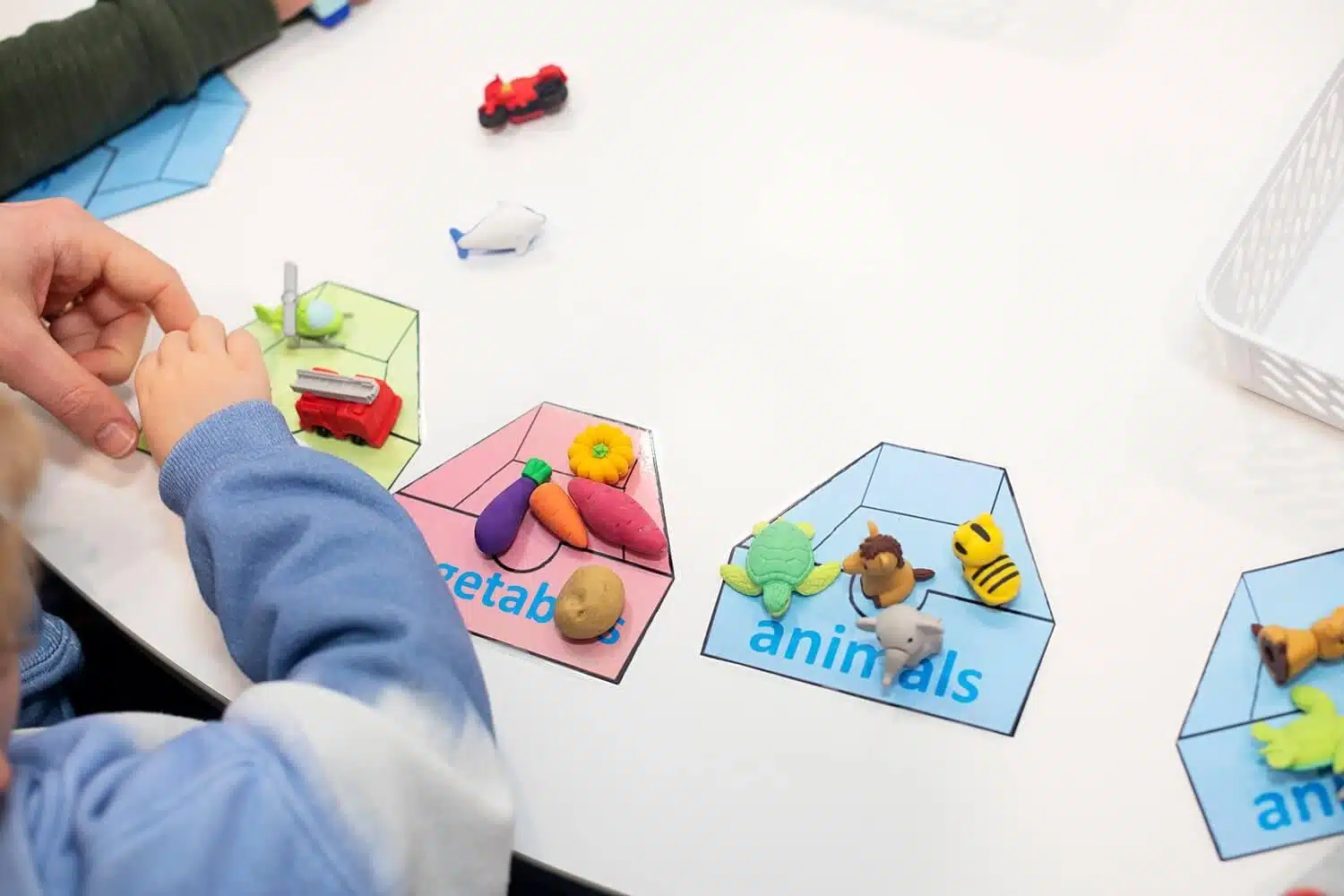
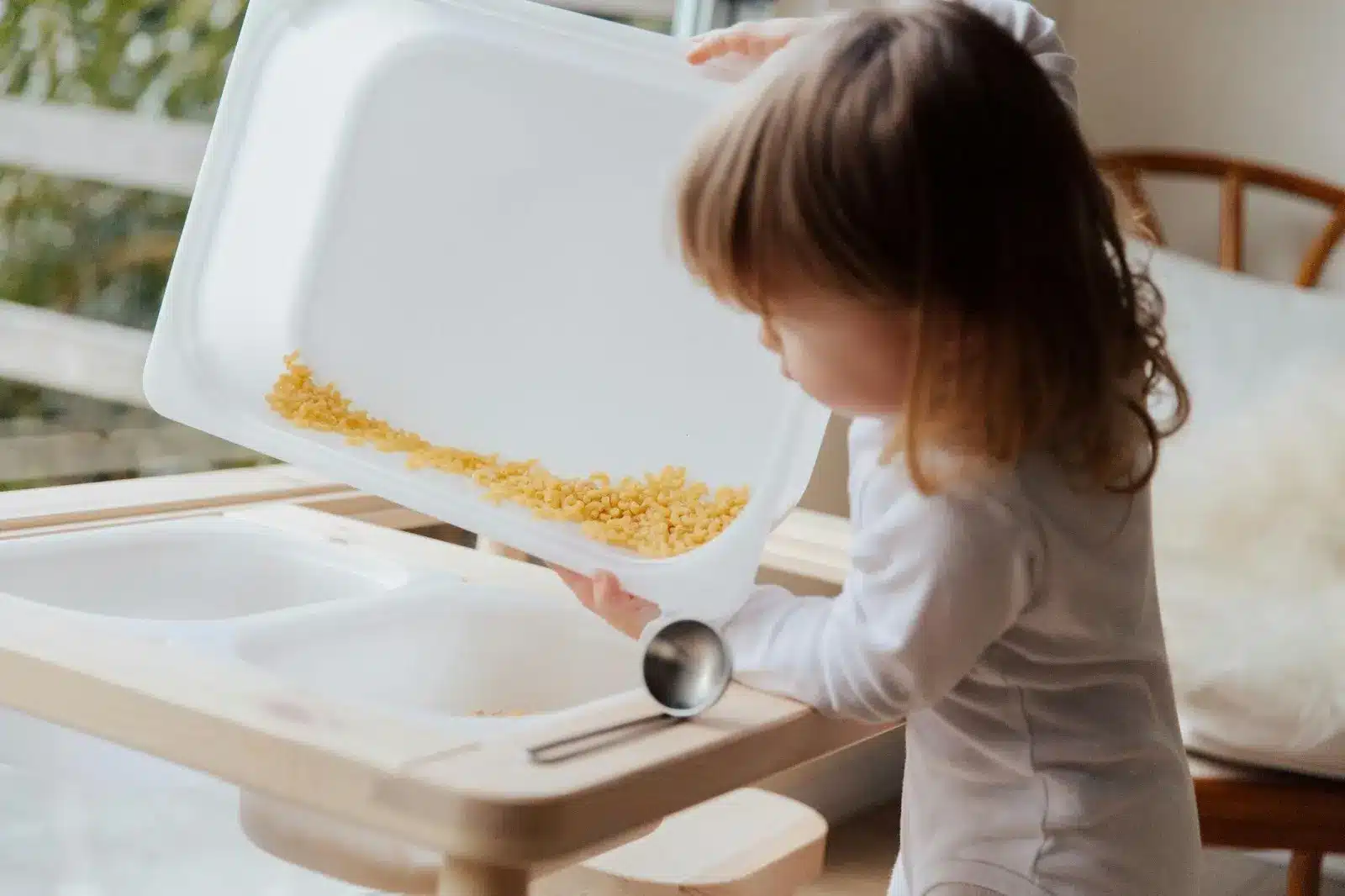
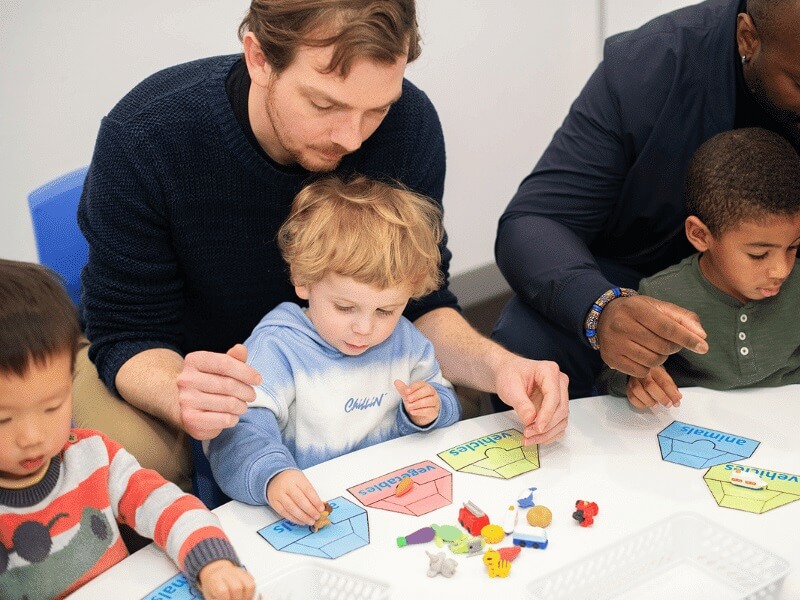
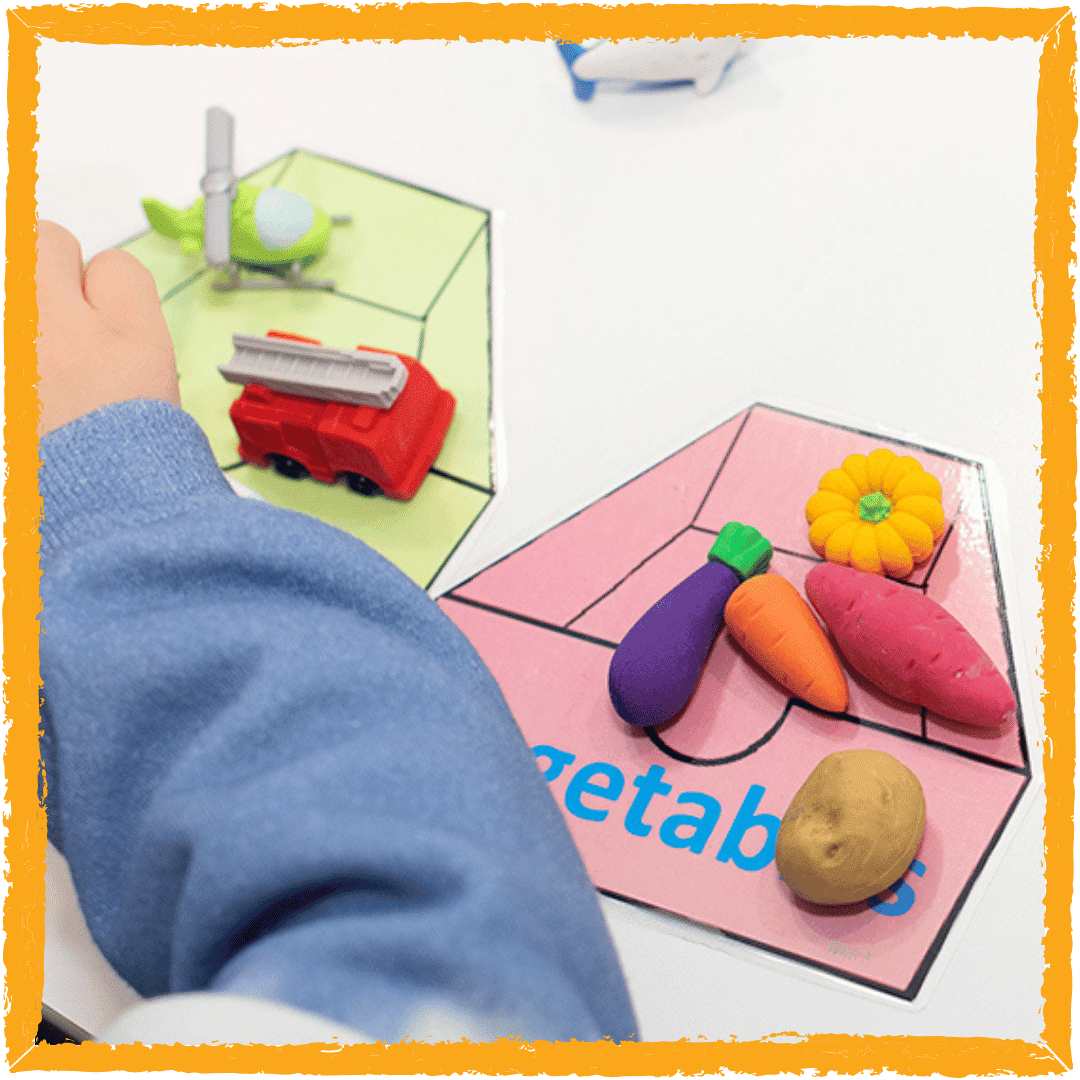
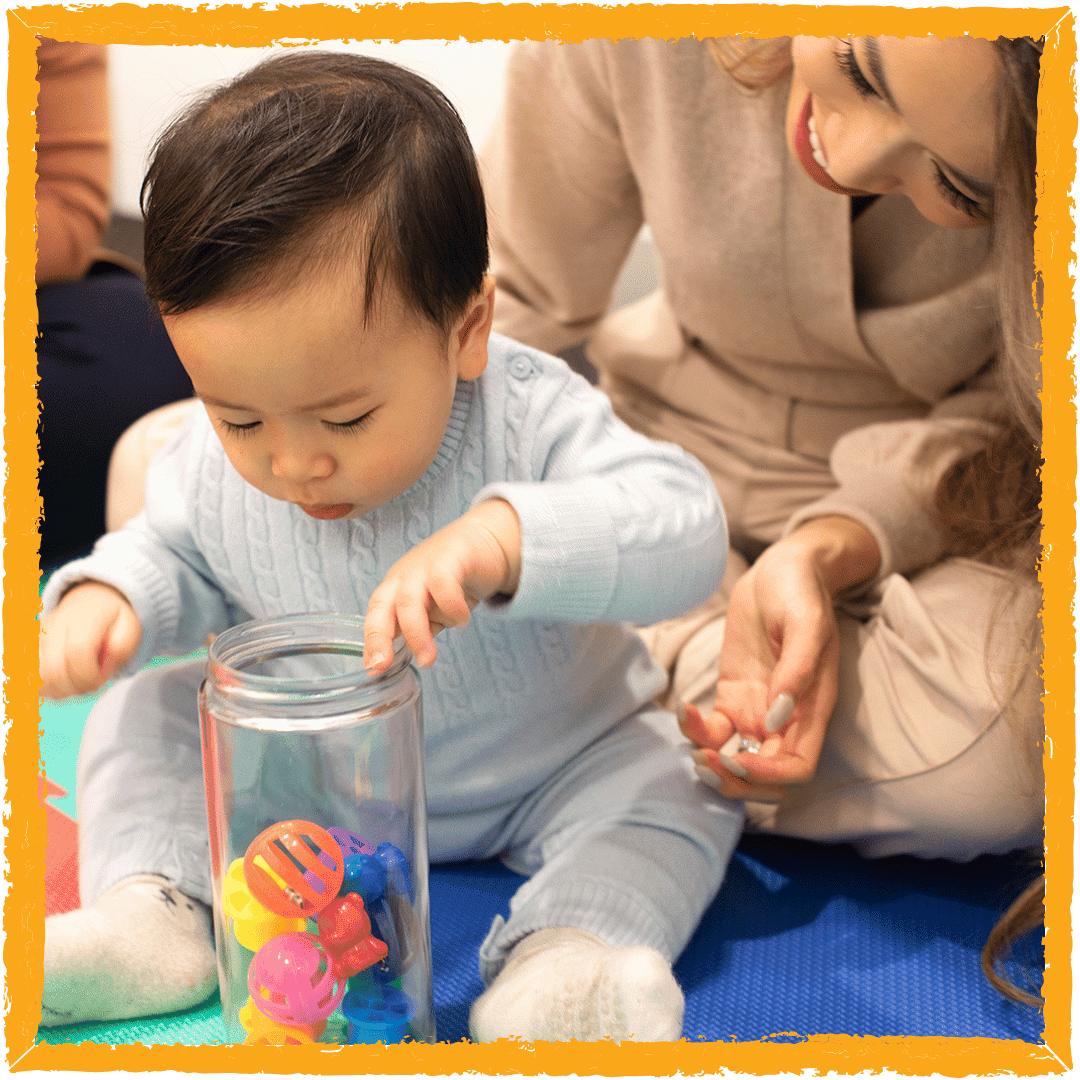
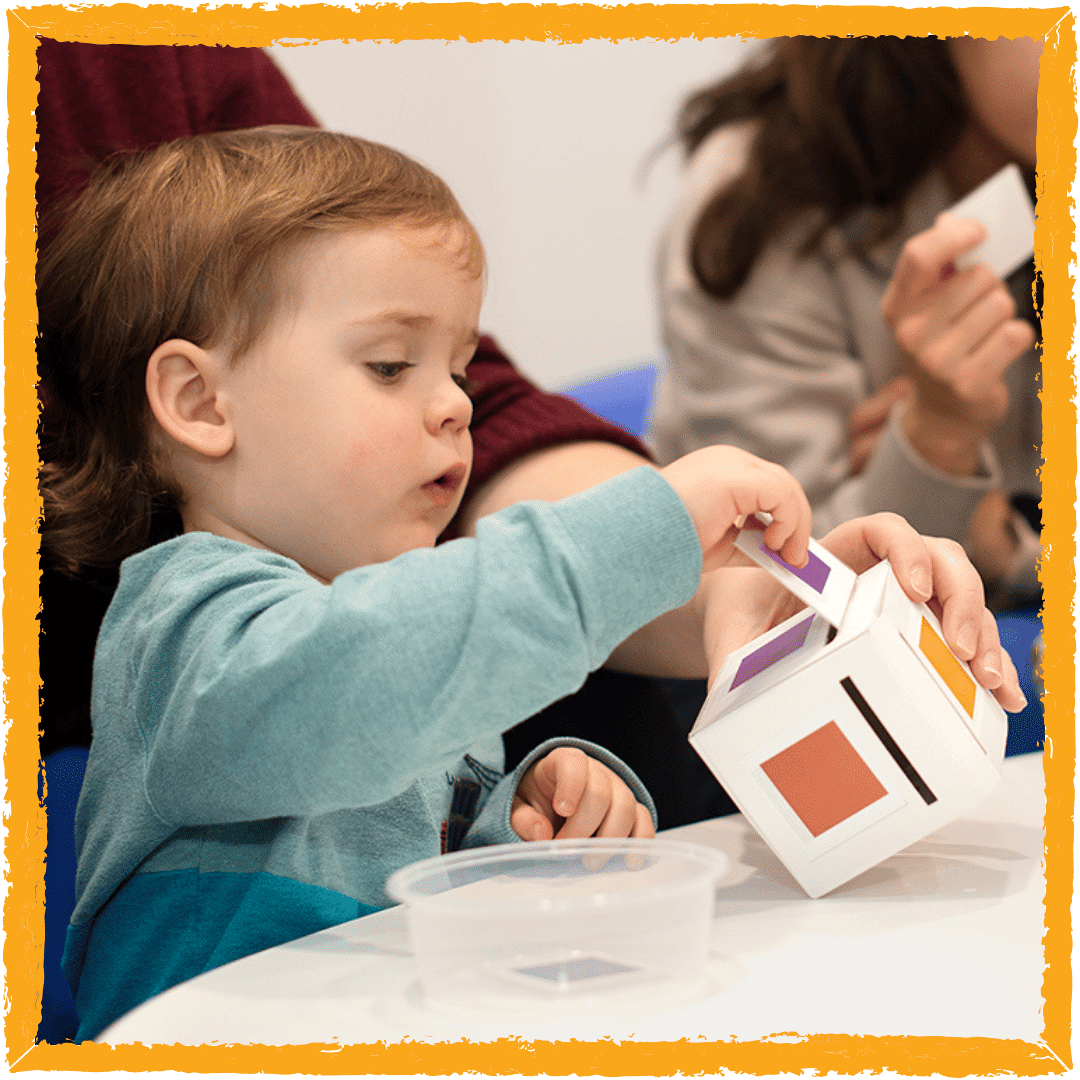
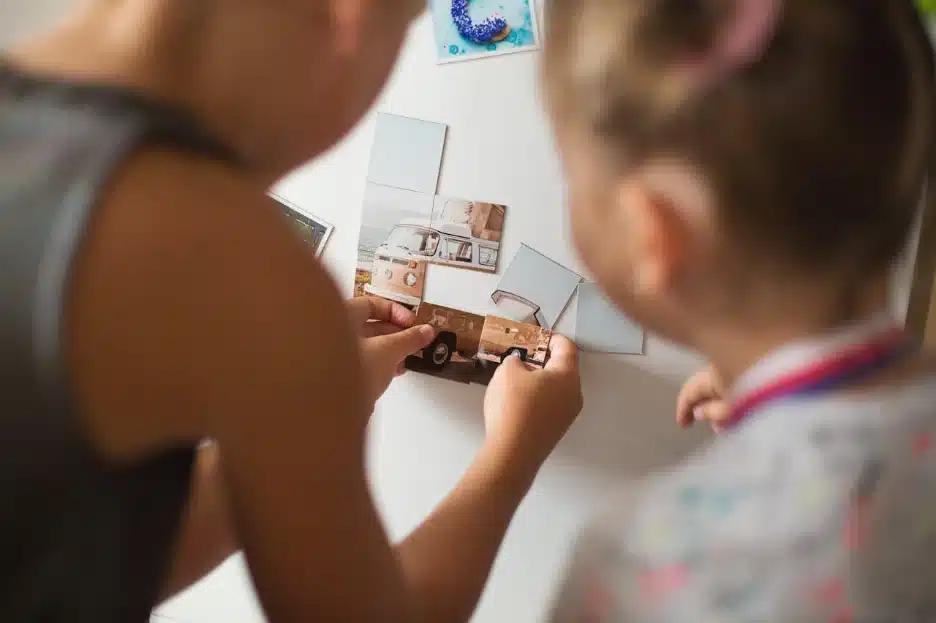
Image by Shichida Australia: Sorting by category games are a great way to introduce vocabulary to toddlers, while practising critical thinking and problem solving skills.
How to Teach Children Problem Solving – Step-by-Step
You can follow these five steps to help your child develop a structured approach to any challenge.
1. Model the Thinking Process
Children learn more from what you do than what you say. If you hit a snag in your day, talk through your logic out loud so they can hear how a calm brain works. You could say that you cannot find the car keys so you will check the last place you had them. This shows them that logic is a tool they can use when things go wrong.
2. Ask Open-Ended Questions
The best way to prompt deeper thinking is to stop giving answers and start asking questions. Use phrases like what could we do differently or what do you think will happen if we try this. This creates a non-judgemental space where your child feels safe to explore multiple ideas without the fear of being wrong.
3. Break Problems into Steps
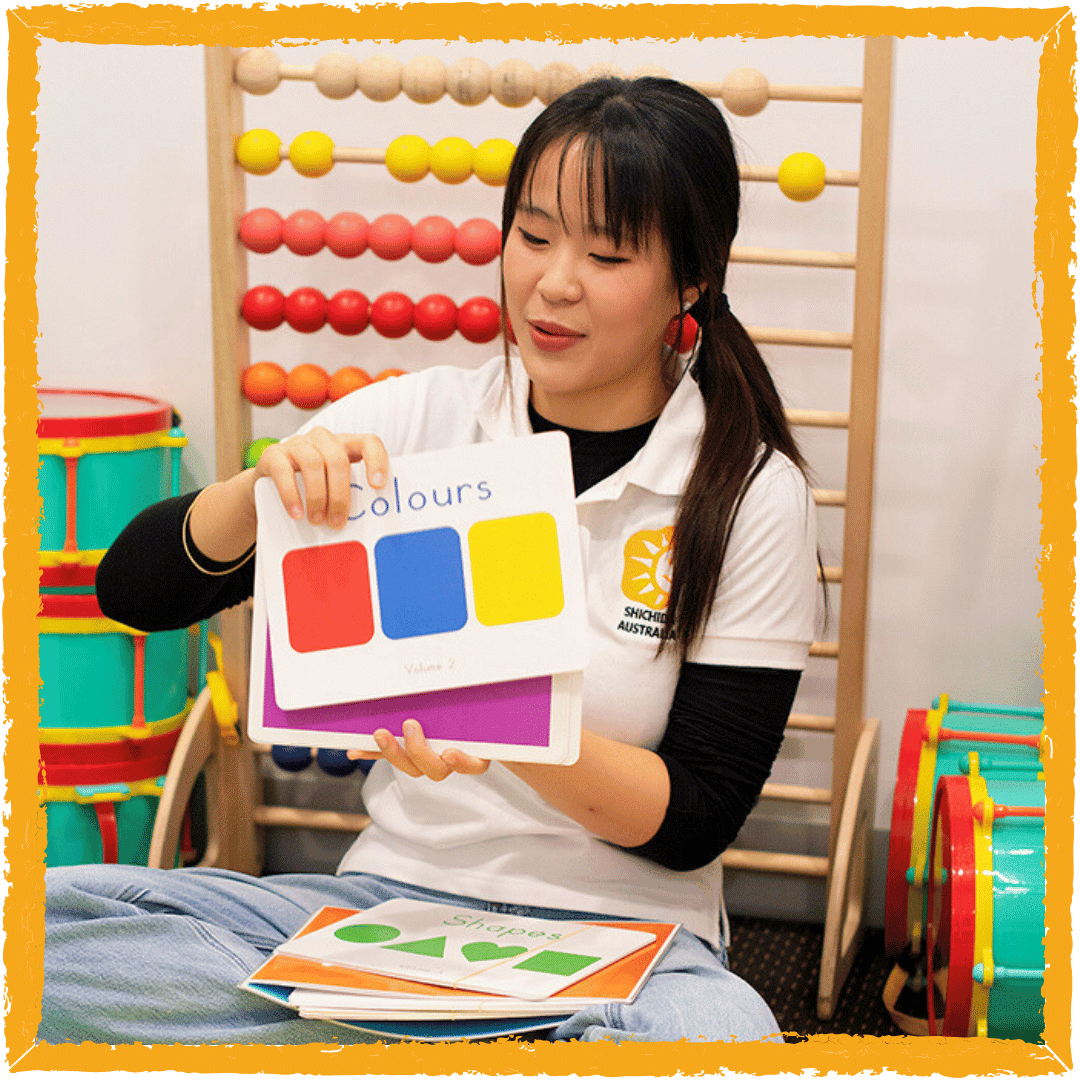
Big challenges can feel overwhelming for a young child. Teach them to break the problem down into smaller, manageable parts. You can use visual aids like simple diagrams or even physical cards to show the sequence of steps needed to reach a goal. This makes teaching problem solving to kids much more concrete.
4. Allow Productive Struggle
It is tempting to jump in and fix things the moment your child gets frustrated. However, that struggle is exactly where the learning happens. Give them a few extra minutes to try on their own before you offer a hint. Celebrate the effort they put in, even if they have not reached the solution yet.
5. Reflect After the Task
Once the problem is solved, take a moment to talk about what happened. Ask what worked well and what they might do differently next time. This helps them make connections between their current success and future challenges they will face.
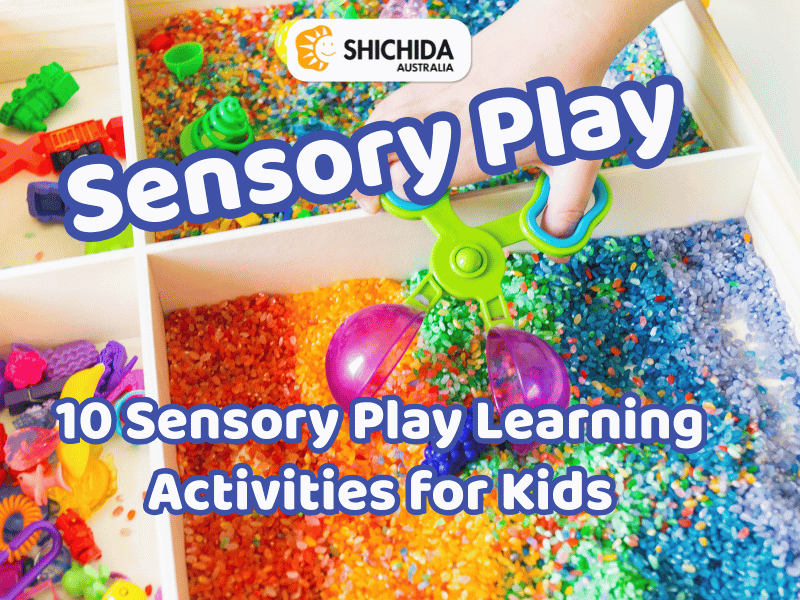
Learning through play is one of the best ways to support the development of problem solving! Download a free Sensory Play Guide, filled with ideas to help your child thrive through play!
Everyday Moments to Practise Problem Solving
You don’t need to set aside special time for teaching kids’ problem solving because your daily routine is full of opportunities.
- Choosing outfits. Ask them what they should wear based on the weather outside.
- Sibling disputes. Instead of playing referee, ask them to come up with two ways they could both be happy (compromising).
- Tidying up. If the toys do not fit in the box, ask them to figure out a better way to stack them.
These small moments are valuable learning opportunities that build a habit of independent thinking.
Games and Activities that Reinforce Problem-Solving
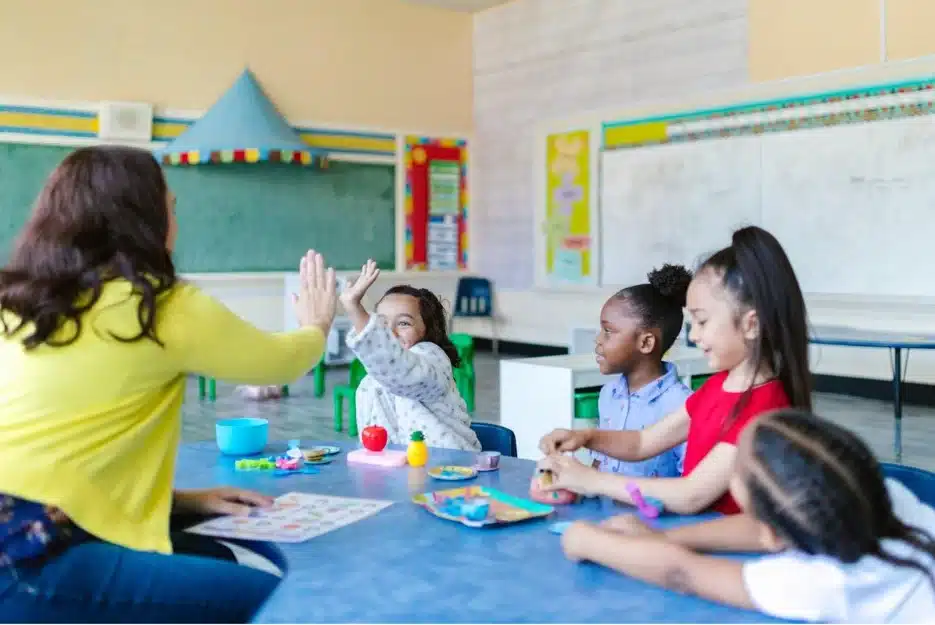
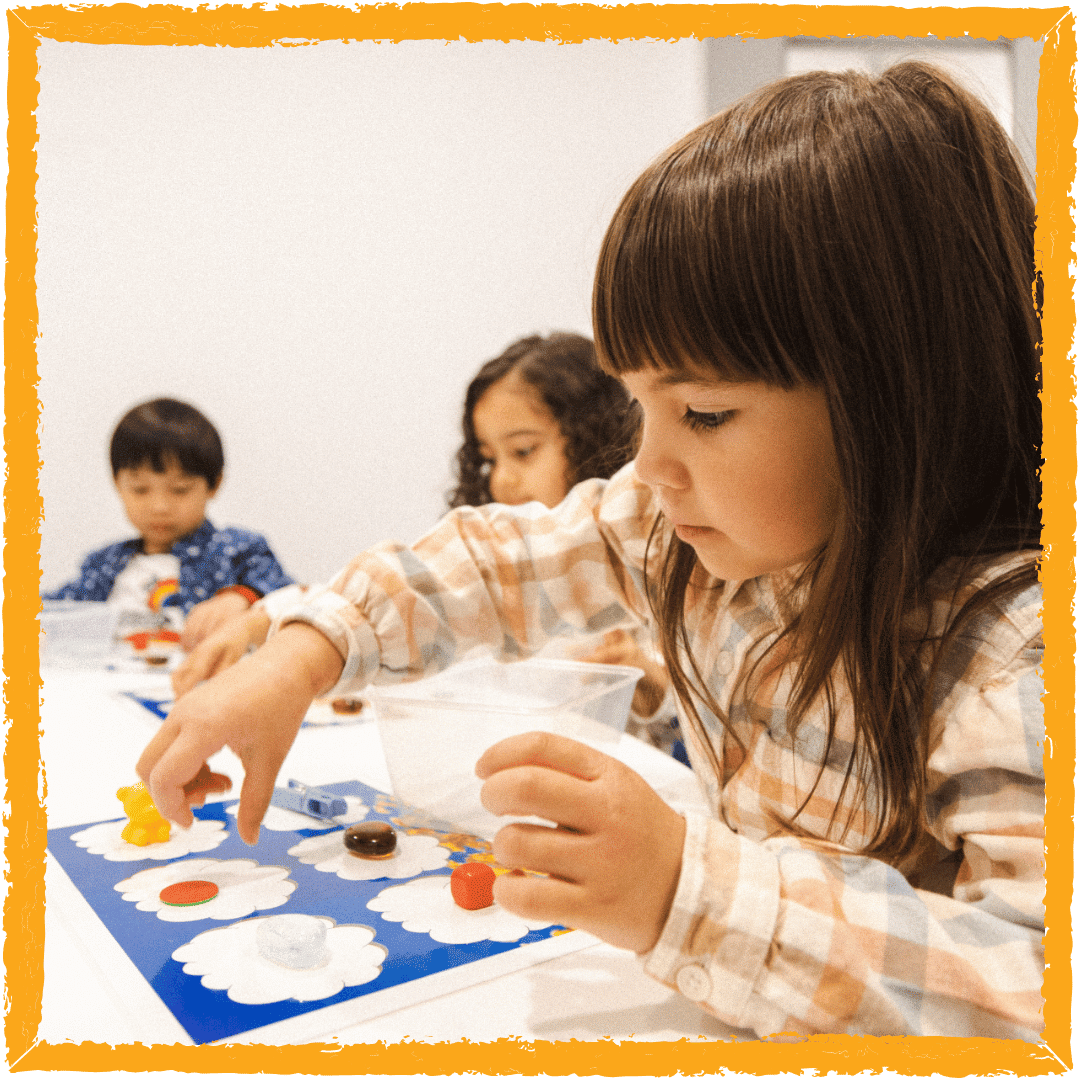
Playful learning is one of the best ways to support critical thinking. Puzzles, logic games, and storytelling challenges all require a child to use their brain in new ways. Role play is also excellent for teaching kids’ problem solving as it allows them to act out social dilemmas and find solutions in a safe environment.
Teaching Strategies for Different Ages
To be effective, your approach should match your child’s developmental stage.
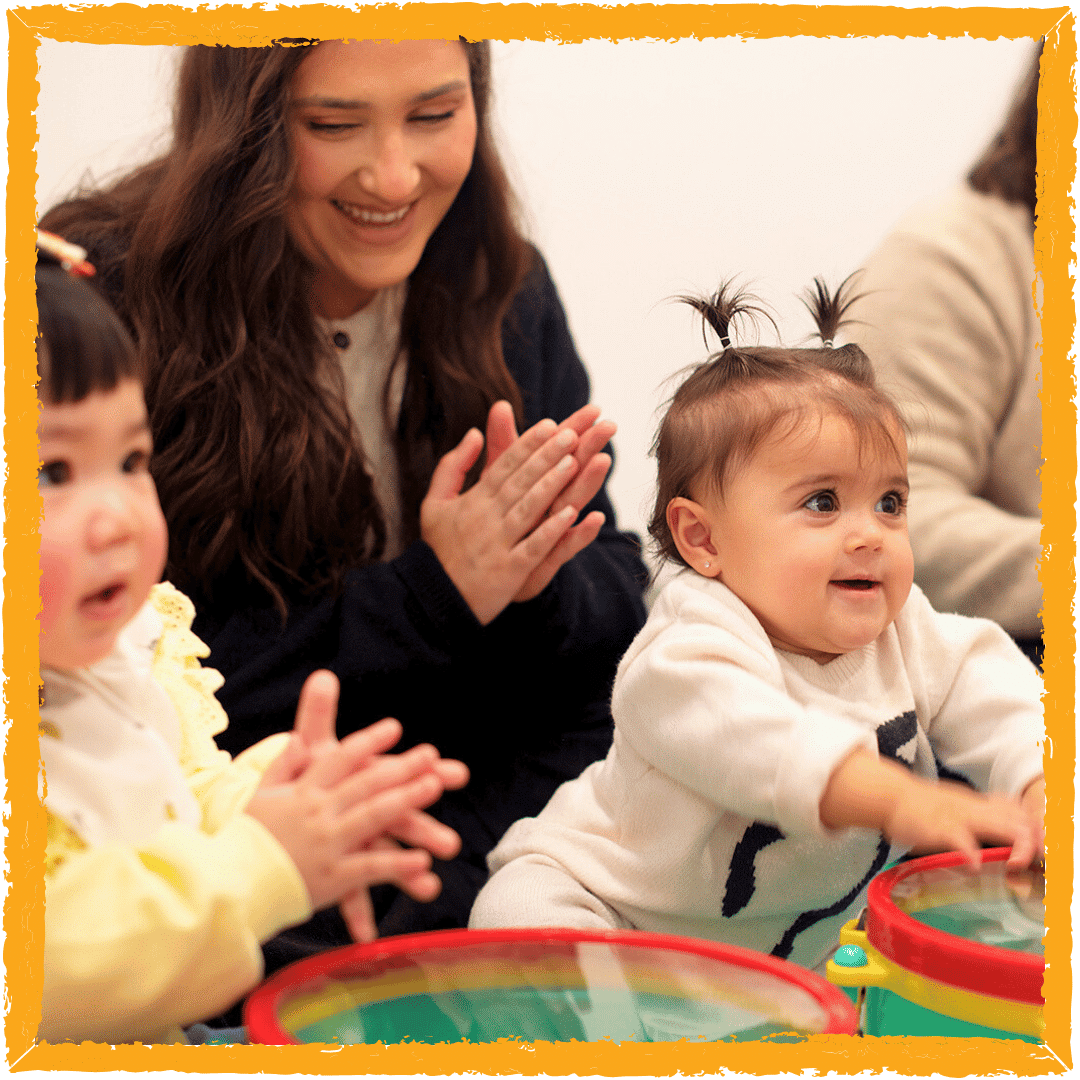
- Toddlers. Focus on exploration and cause and effect through simple physical play and activities. Simple problem solving games like stacking blocks.
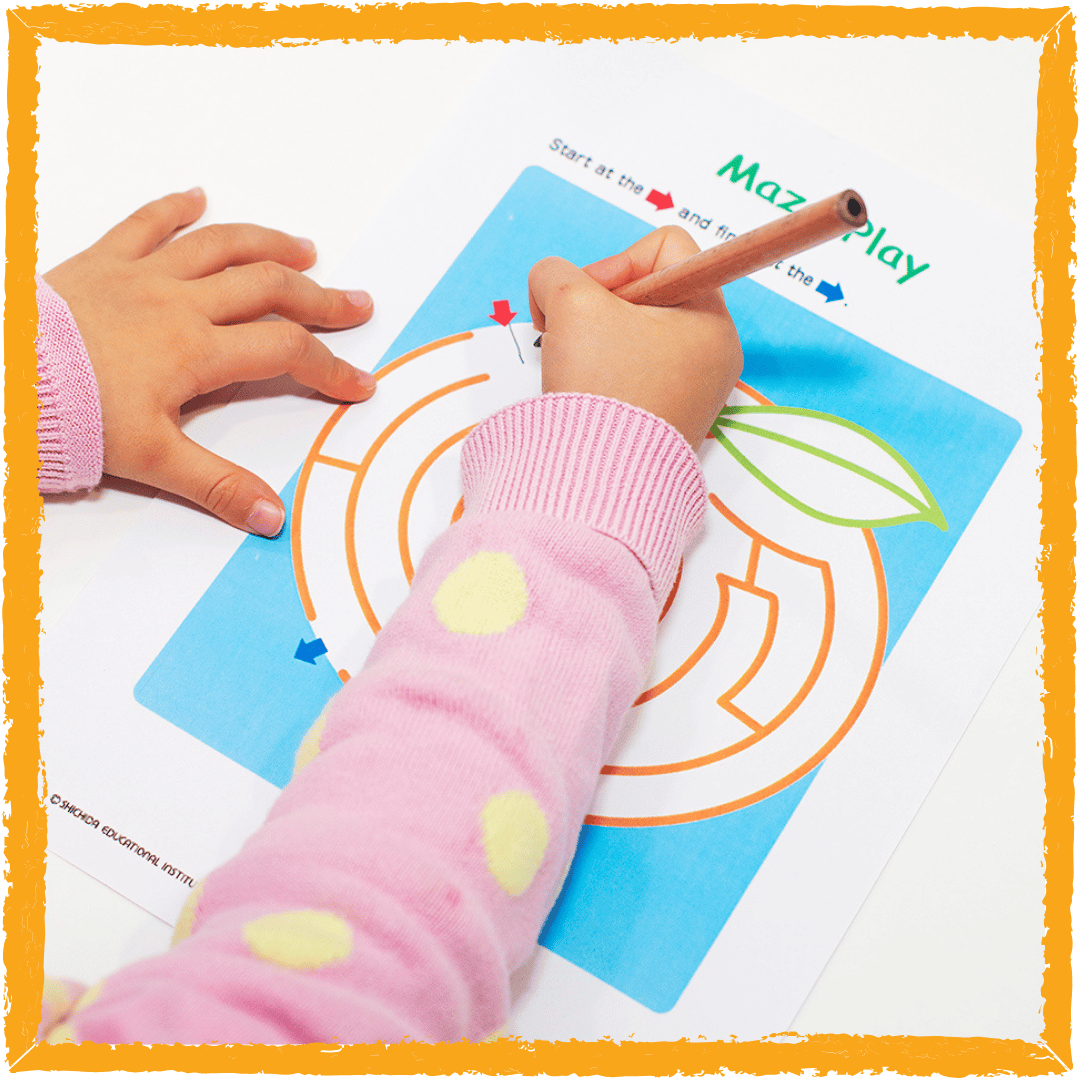
- Preschoolers. Encourage decision-making in pretend play and give them simple choices throughout the day. Encourage problem solving activities like puzzles or mazes.
- Early Primary. Introduce strategy games and logic puzzles that require a multi-step plan.
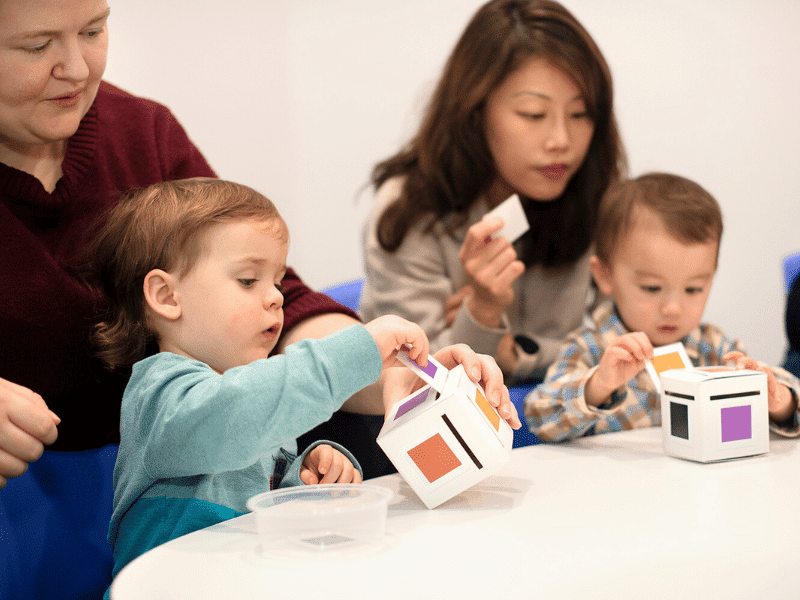
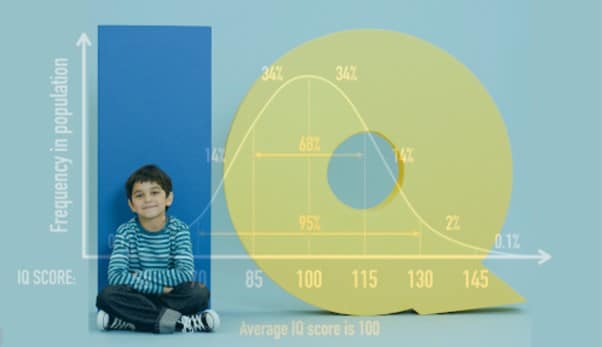
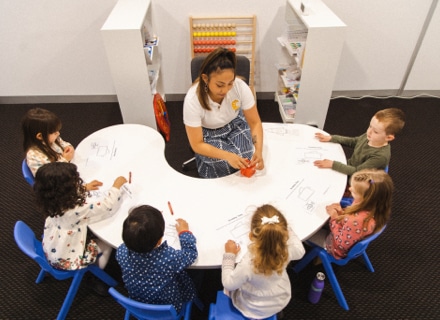
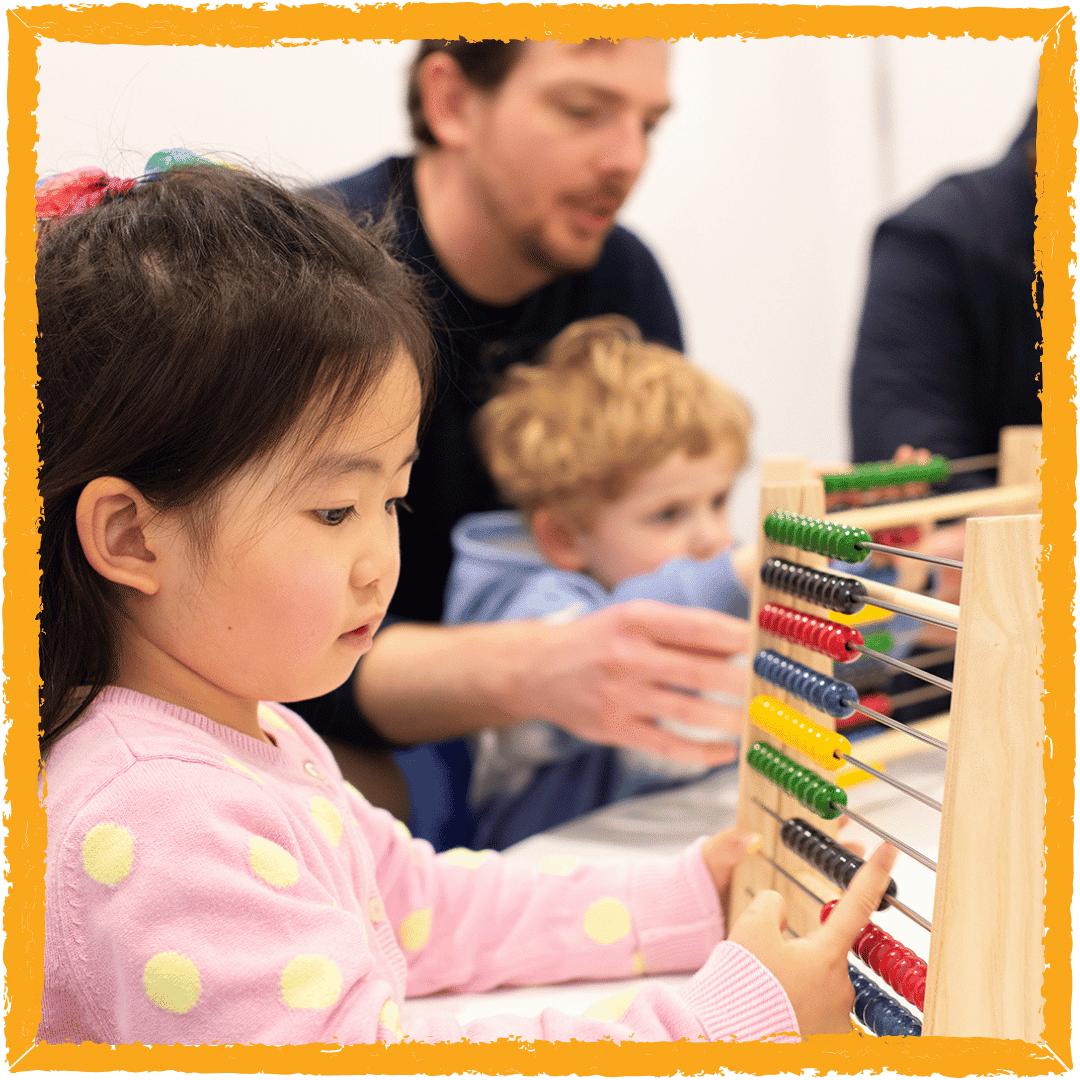
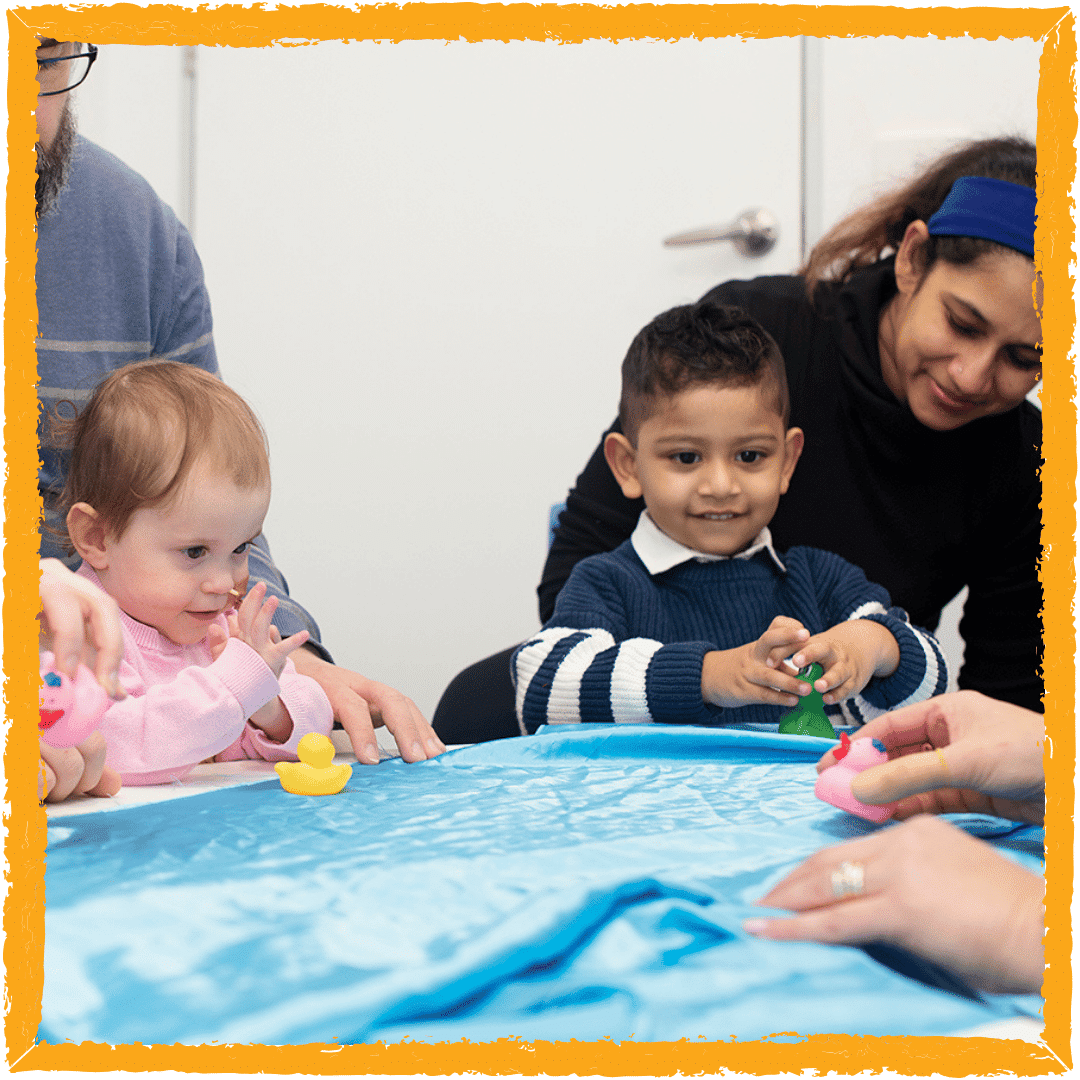
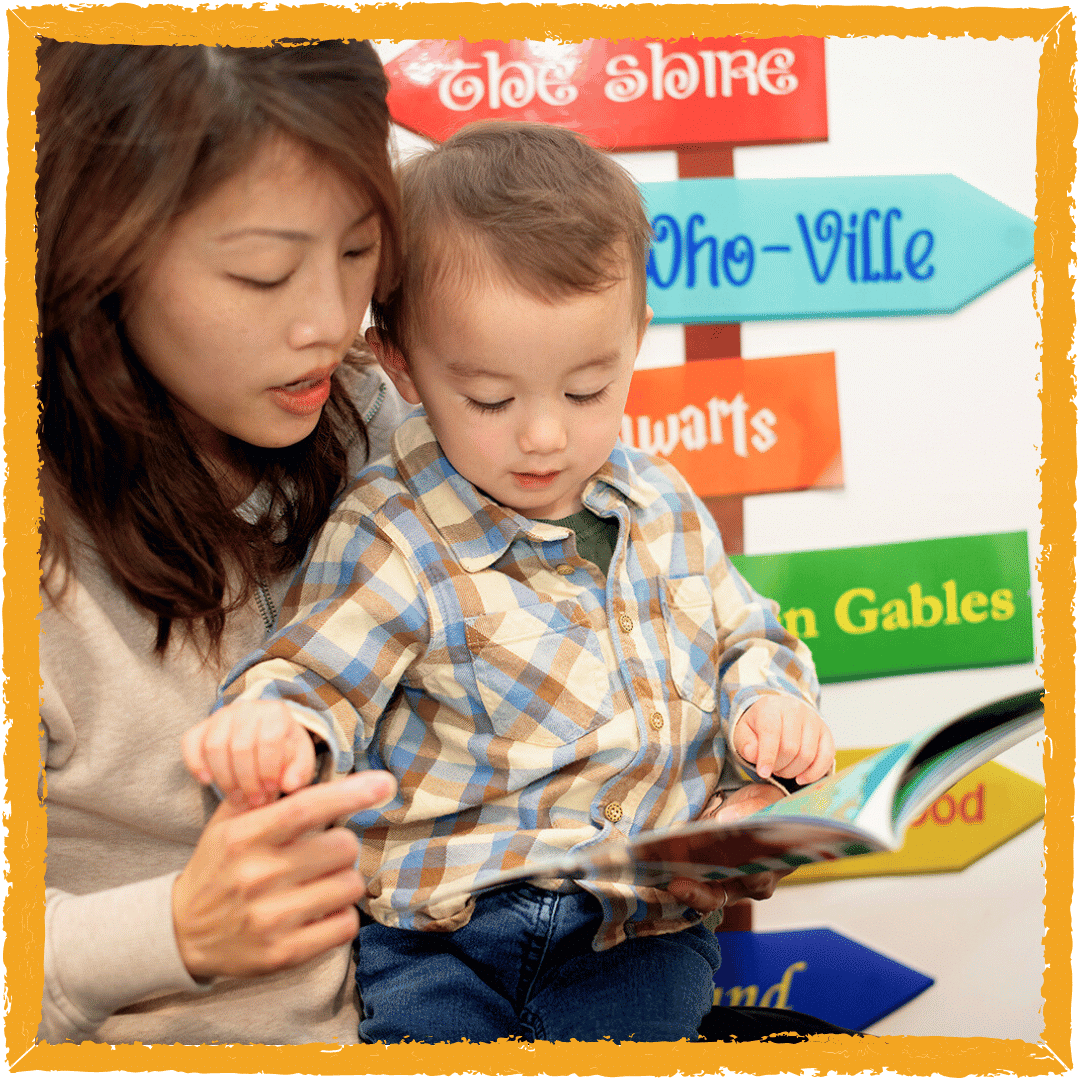
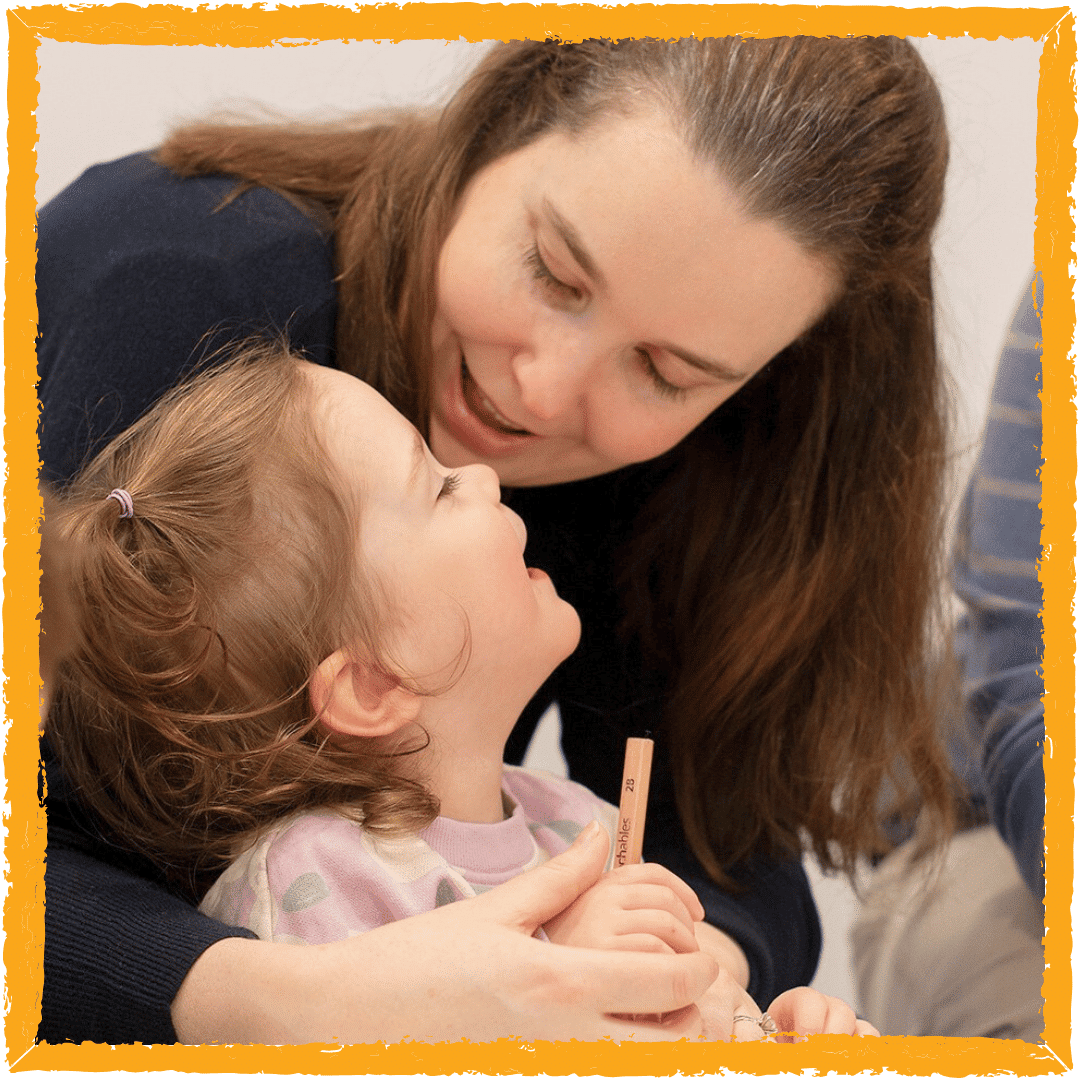
Image from Shichida Australia: Understanding how to teach problem-solving to kids using age-appropriate methods makes the whole process feel more natural and enjoyable.
Supporting a Growth Mindset in Problem Solving
The most important part of how to teach problem-solving to kids is showing them that it is okay to make mistakes. If a child is afraid of failing, they will stop trying new things. Use praise that focuses on their curiosity and persistence rather than just the final result. Avoid rescuing them too quickly. Allowing time for discovery builds the resilience they will need for the rest of their lives.
How Shichida Teaches Problem Solving
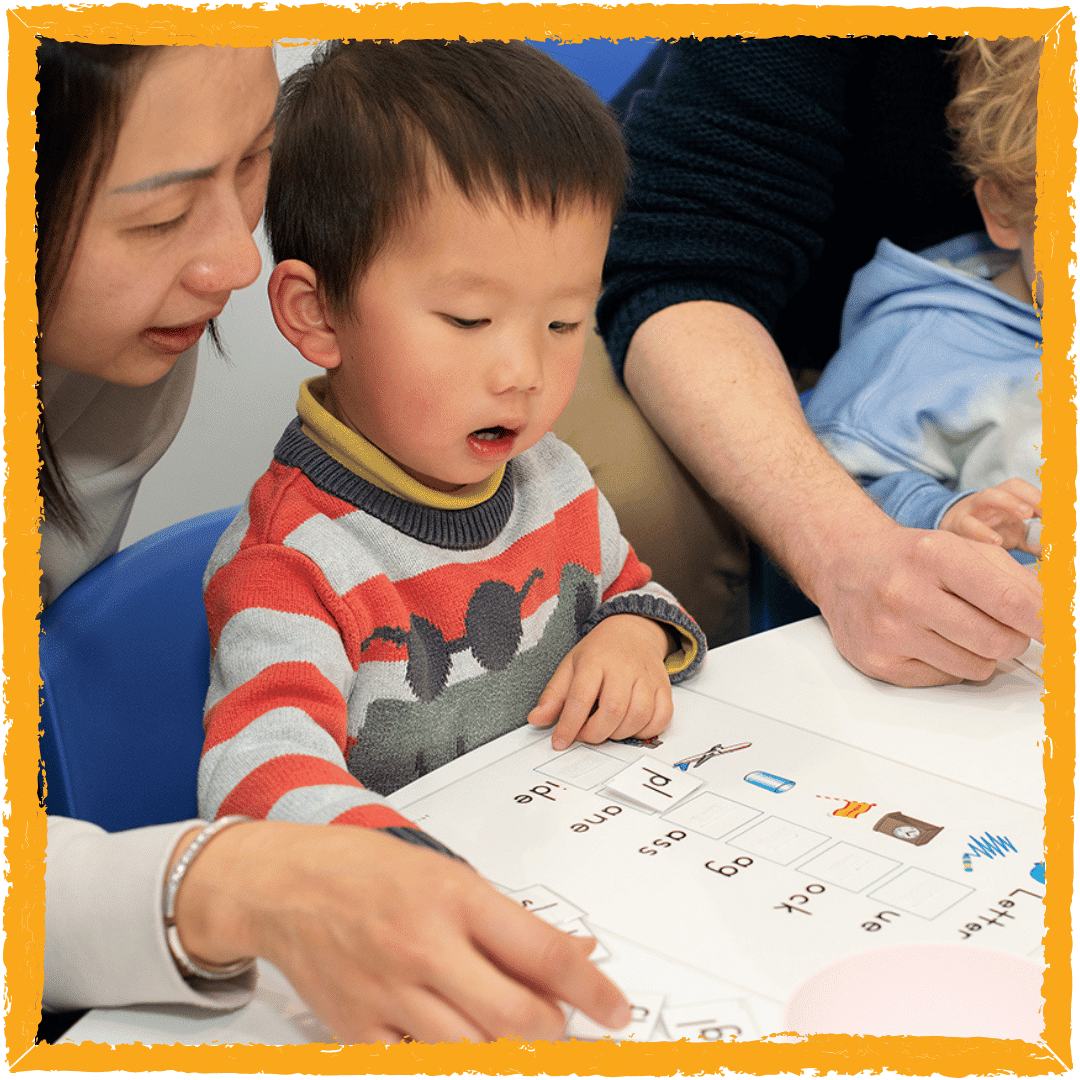
The Shichida method provides a structured environment where teaching problem solving to kids is built into every lesson. Our approach complements natural learning with scientifically backed methods that stimulate both the creative and logical sides of the brain.
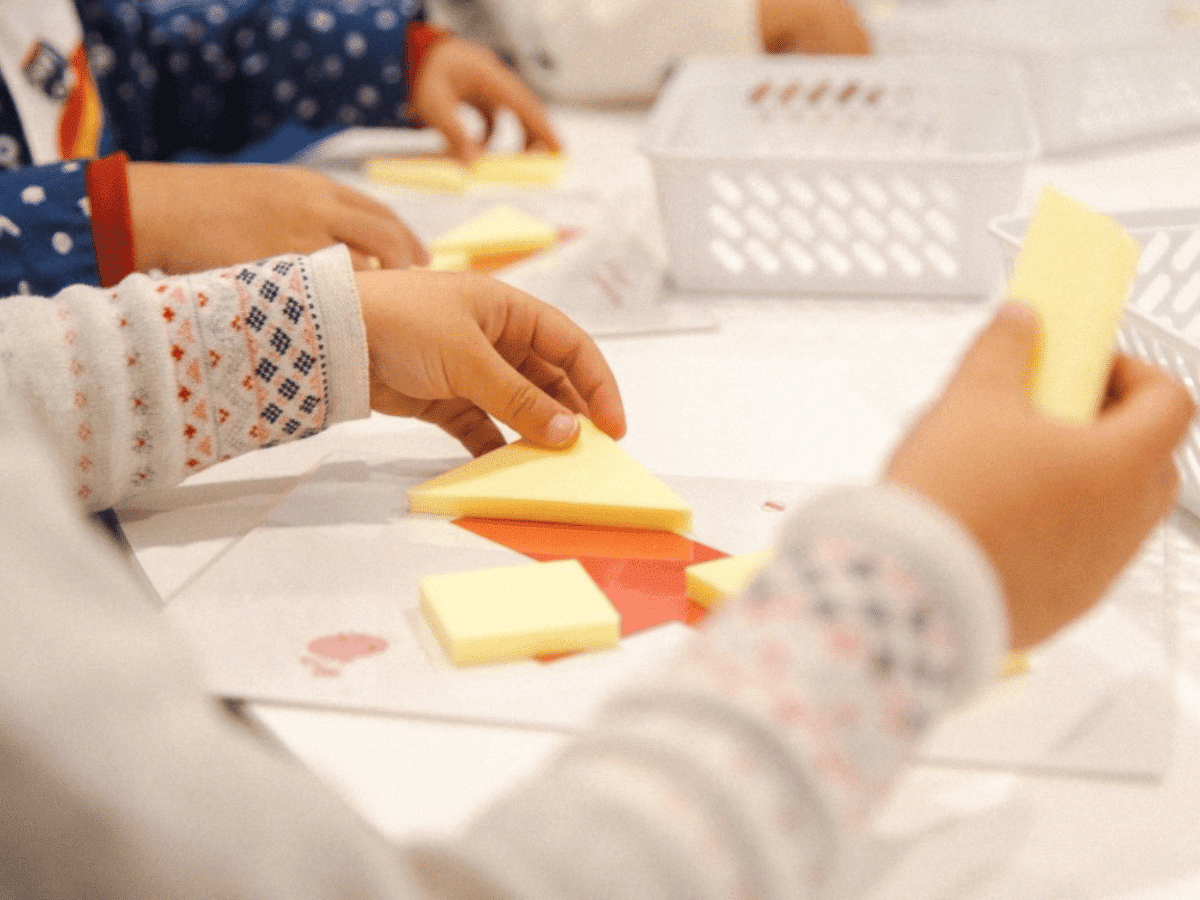
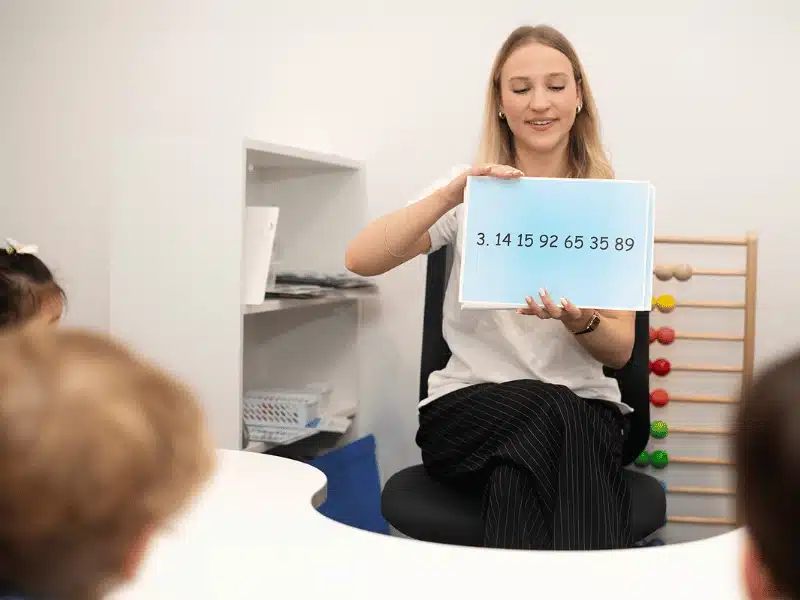
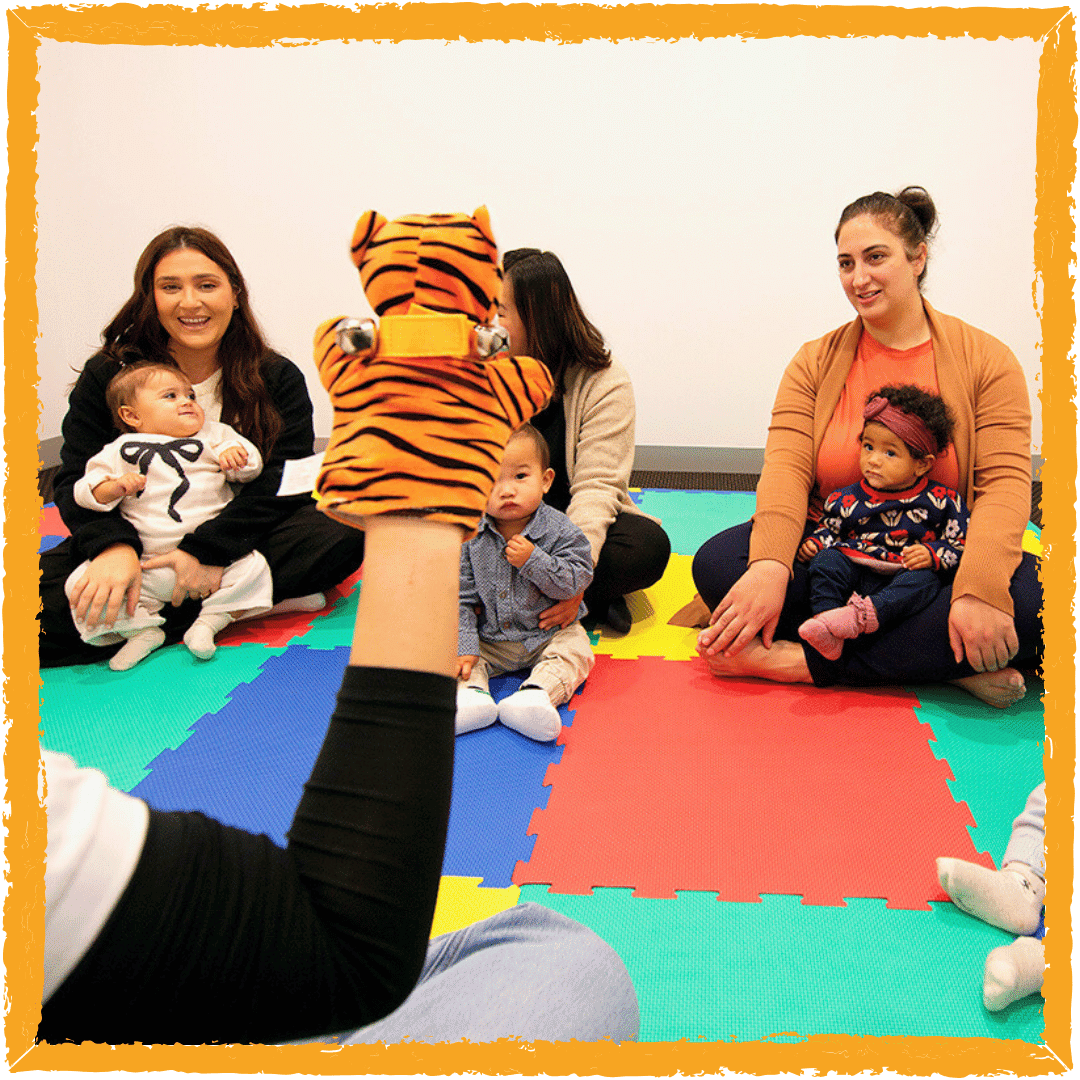
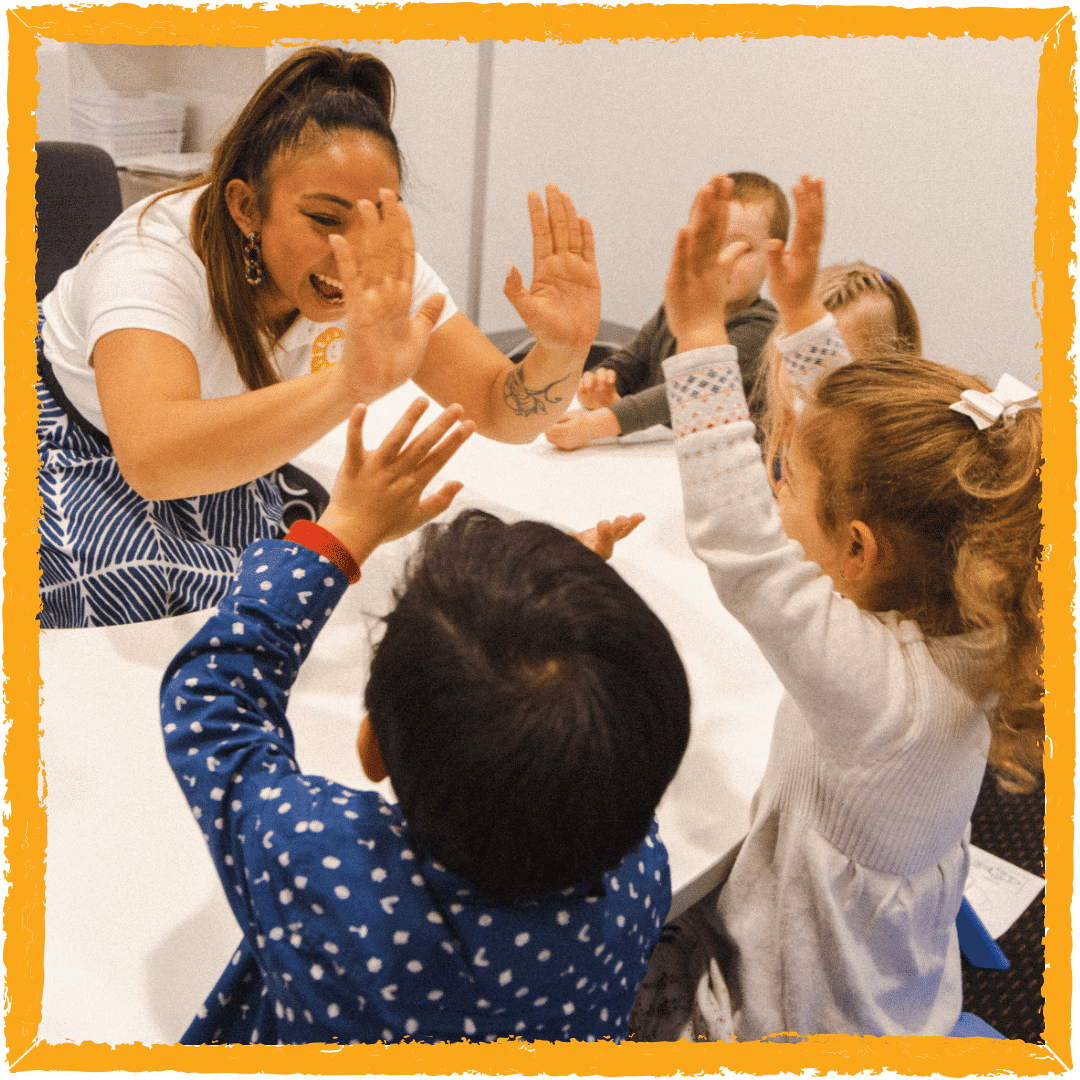
In a Shichida classroom, children engage in activities that require them to think fast, remember complex patterns, and solve puzzles under gentle guidance. This balanced approach ensures that your child develops the mental flexibility to see many solutions and the logical tools to choose the best one.
Explore our learning classes – dedicated to developing problem solving for kids and book a trial class online today.
FAQ: How to Teach Problem Solving to Children
Problem solving for children is the ability to recognise a challenge, think through possible options, and try solutions independently. It involves logic, creativity, persistence, and emotional regulation rather than finding a single “right” answer.
Problem solving begins in infancy through play and observation. Babies explore cause and effect, toddlers use trial and error, and preschoolers begin planning and testing ideas. Parents can support problem solving from birth through everyday interactions.
Parents can teach problem solving by modelling their thinking out loud, asking open-ended questions, allowing time for productive struggle, and using daily routines such as tidying, mealtimes, and play as low-pressure learning opportunities.
Allowing a child time to struggle builds independence, resilience, and confidence. This “productive struggle” helps children learn that challenges are manageable and that effort leads to understanding.
Puzzles, sorting games, mazes, building activities, role play, strategy games, and simple logic challenges all support problem solving. Activities are most effective when they are age-appropriate and guided with questions rather than answers.
Problem solving helps children manage frustration, regulate emotions, and cope with setbacks. Children who can think through challenges are less likely to feel overwhelmed and more likely to stay calm and persistent.
Toddlers learn through exploration and cause-and-effect play. Preschoolers benefit from decision-making and pretend play. Primary-aged children are ready for multi-step planning, strategy games, and reflection on outcomes.
Effective early learning programs embed problem solving into play, routines, and structured activities. Children are encouraged to think independently while receiving guidance that matches their developmental stage.
Shichida Australia classes support problem solving by using age-based, structured activities that encourage children to think, adapt, and persist. With guidance from trained teachers, children practise logical reasoning, memory, and flexible thinking in a supportive learning environment that grows with them from early childhood into the primary years.
Signs include trying more than one solution, explaining their thinking, staying engaged when something is difficult, and asking thoughtful questions rather than giving up quickly.