How to Teach Kids Critical Thinking
As parents, we all want our children to grow up to be sharp, independent thinkers. But when daily life is so busy, figuring out how to teach kids critical thinking skills can feel overwhelming. The struggle lies in moving past simple memorisation to nurturing a child’s natural curiosity. This guide breaks down exactly how to develop critical thinking in kids through simple strategies and activities you can easily apply, supported by the Shichida Method’s whole-brain approach.
Key Takeaways:
- Move beyond memorisation. Parents must actively seek to develop critical thinking in kids by prioritising curiosity and teaching them to question and analyse.
- A 2024 review found that structured, interactive methods are highly effective, meaning parents should use hands-on games, stories, and logic challenges.
- Turn everyday routines into teaching moments by asking “how” and “why” questions, encouraging evaluation, and allowing decision-making practice to build confidence.
Why Critical Thinking is Important for Ages 0-10
Teaching critical thinking to kids is fundamental because it provides the essential toolkit for future success.
- Problem-Solving Power: Strong critical thinking skills directly improve problem-solving and decision-making abilities.
- Academic Foundation: Teaching critical thinking to kids early supports academic readiness and effective information analysis.
- Lifelong Independence: In terms of child development, critical thinking fosters independent thought and helps children make informed choices as they grow.
The 2024 review, “Effective Strategies in Developing Critical Thinking Skills in Elementary School-Age Children,” found strong evidence that these skills aren’t just picked up passively. They can and should be actively nurtured through interactive strategies, setting them up for better analysis and problem-solving in the future.
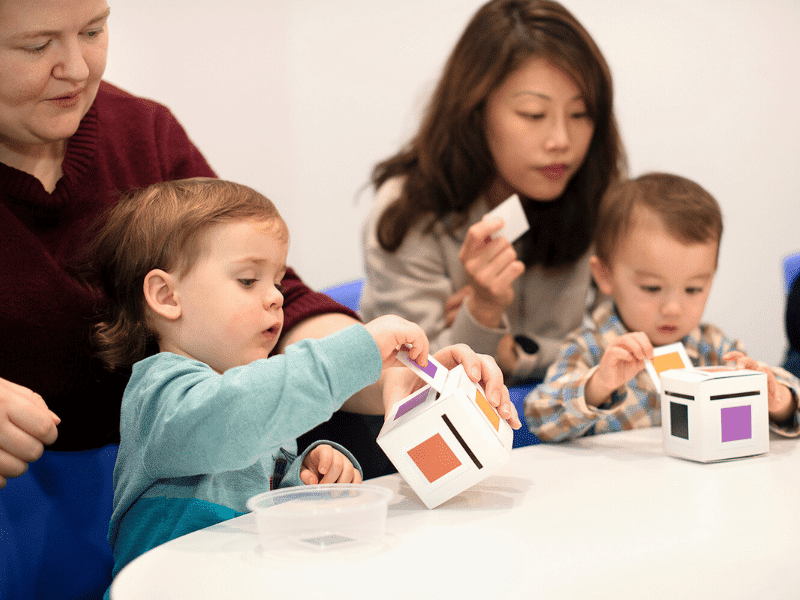
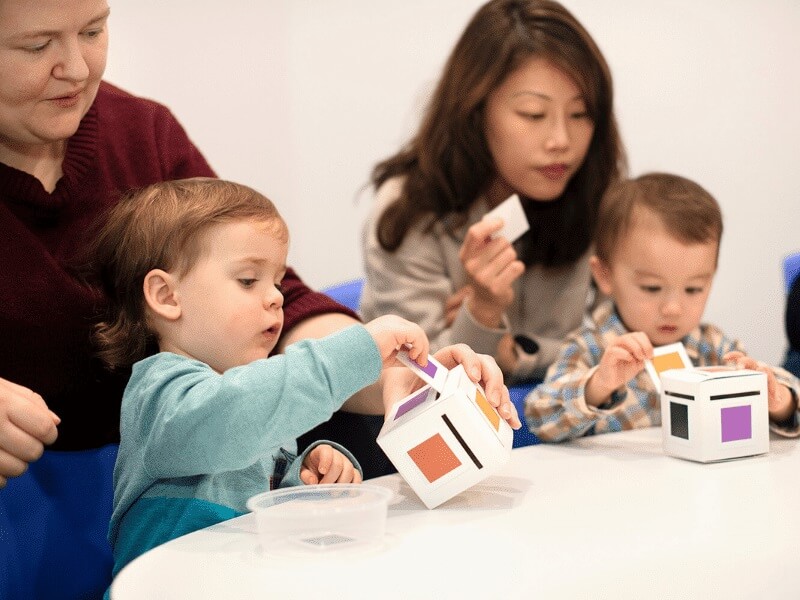
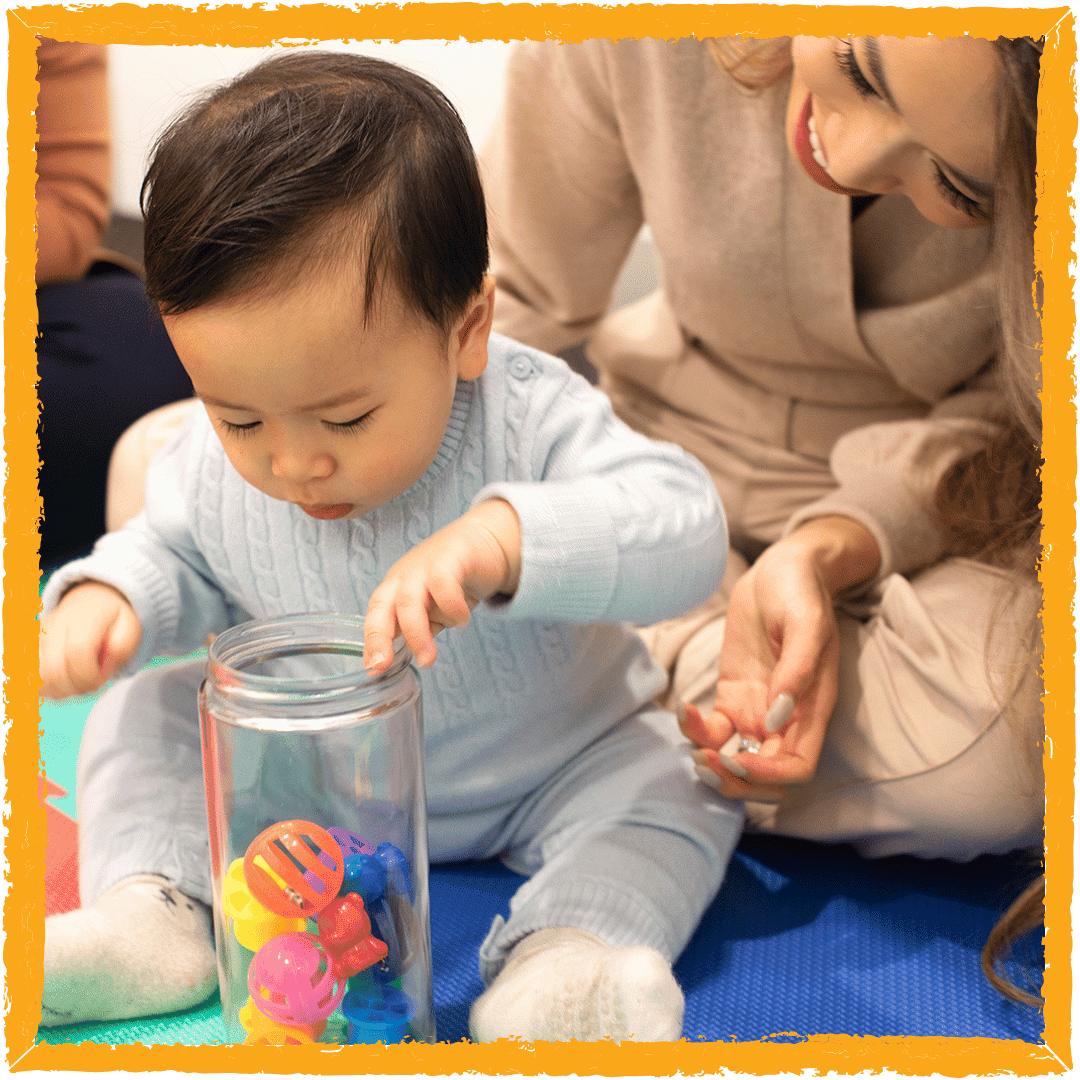
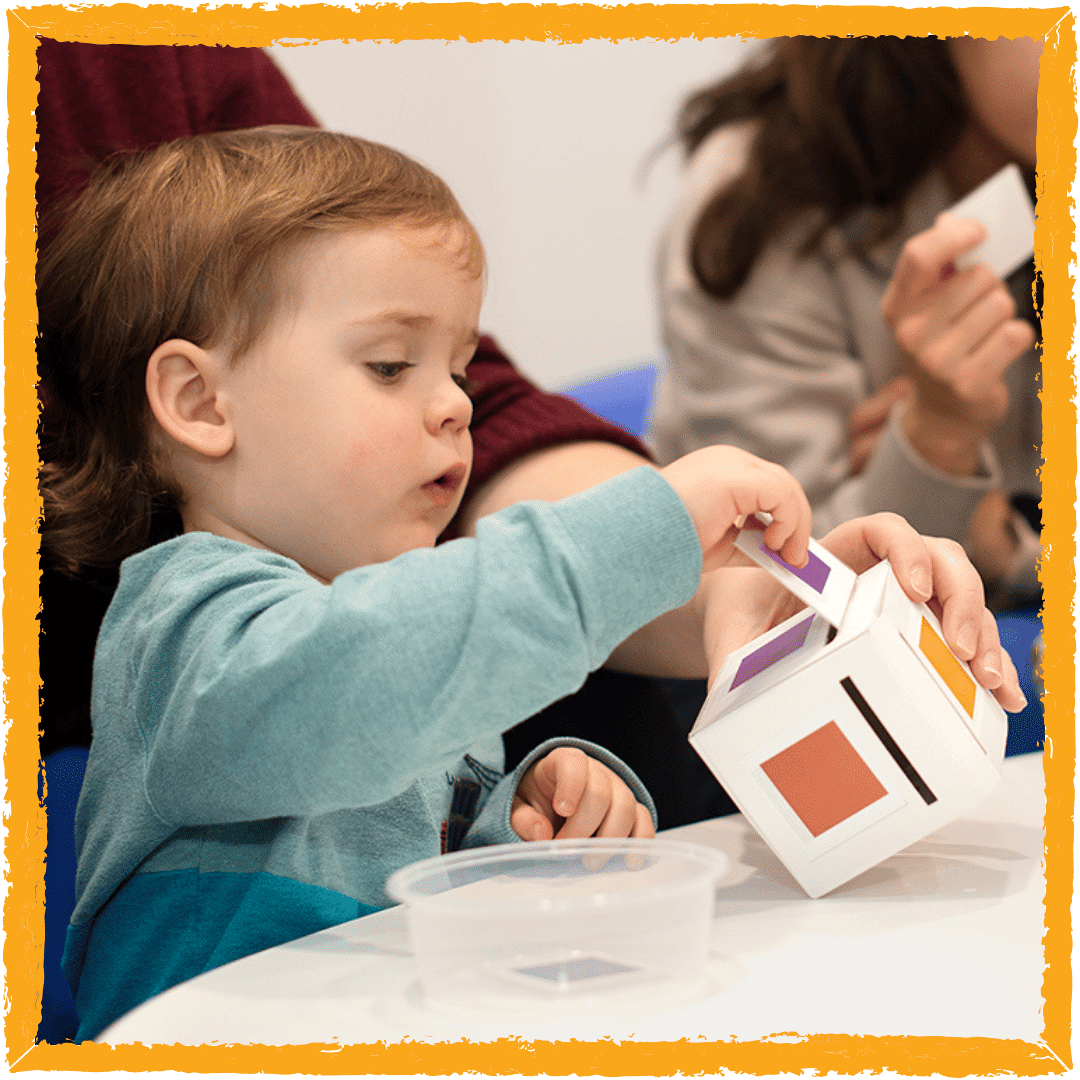
Image by Shichida Australia: Toddlers matching colours in a “colour postbox” activity – boosting focus, logic, and early critical thinking in Shichida’s hands-on environment.
How to Teach Kids Critical Thinking Skills: Strategies and Techniques
Want to know how to teach kids critical thinking skills through daily life? These practical techniques move beyond memorisation and foster genuine intellectual curiosity.
- Encourage “Why” and “How”: Teach children to constantly ask questions. Fostering this sense of curiosity promotes deeper analysis of the world around them.
- Model Logical Thinking: When facing a challenge, show your child how you break the problem down step-by-step. This demonstrates the logical process required for complex problem-solving and decision-making.
- Critical Thinking Activities for Kids: Introduce simple games like puzzles and logic challenges. These activities enhance kids’ cognitive abilities in a fun way, training their brains to look for patterns.
- Promote Discussion and Reflection: Create a space where your children can express their thoughts and reasoning without judgment. This helps them share ideas and learn to evaluate different perspectives.
- Allow Decision-Making Practice: Provide opportunities for kids to make choices in everyday situations. This allows them to practice making decisions and considering outcomes.
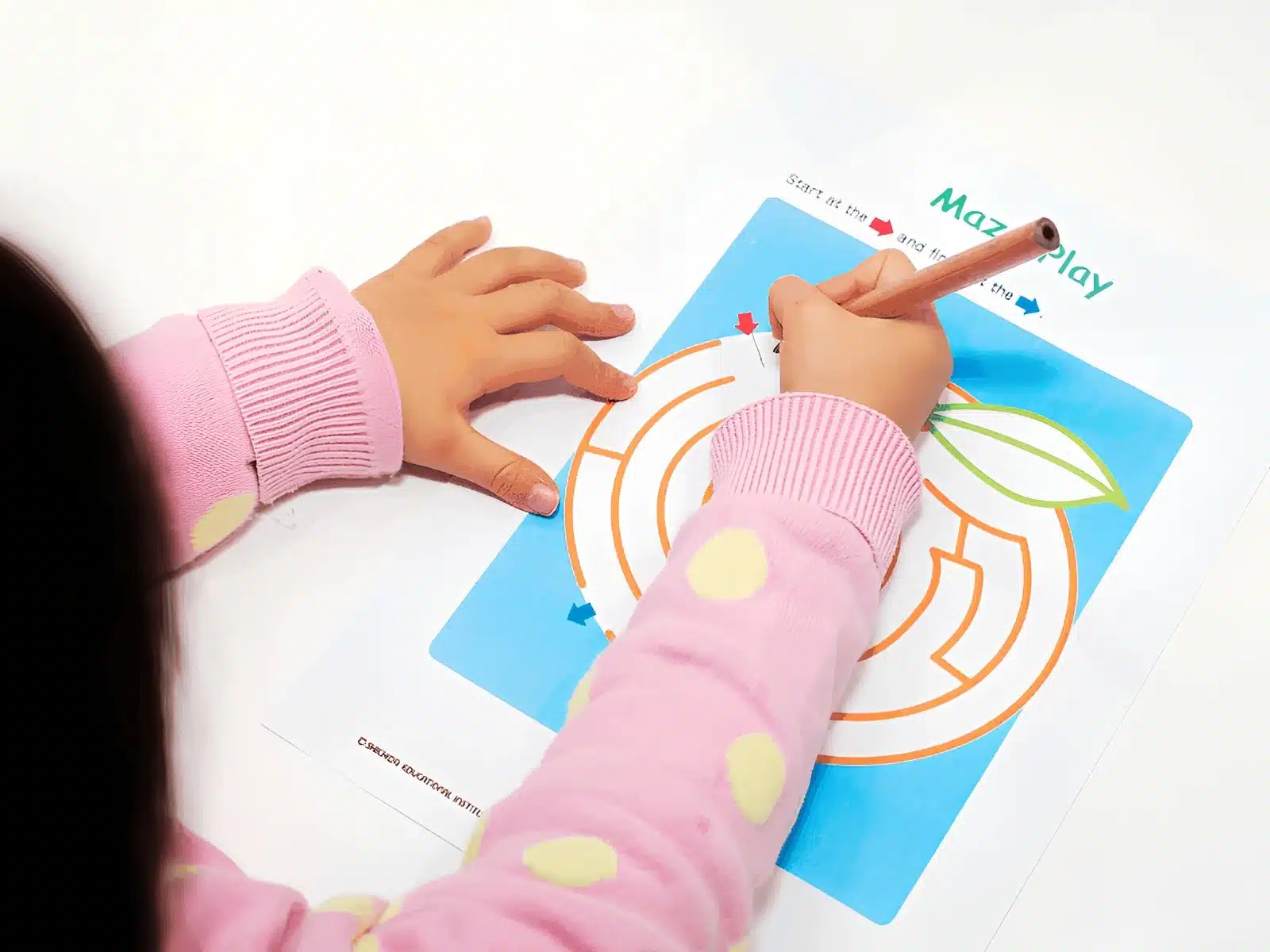
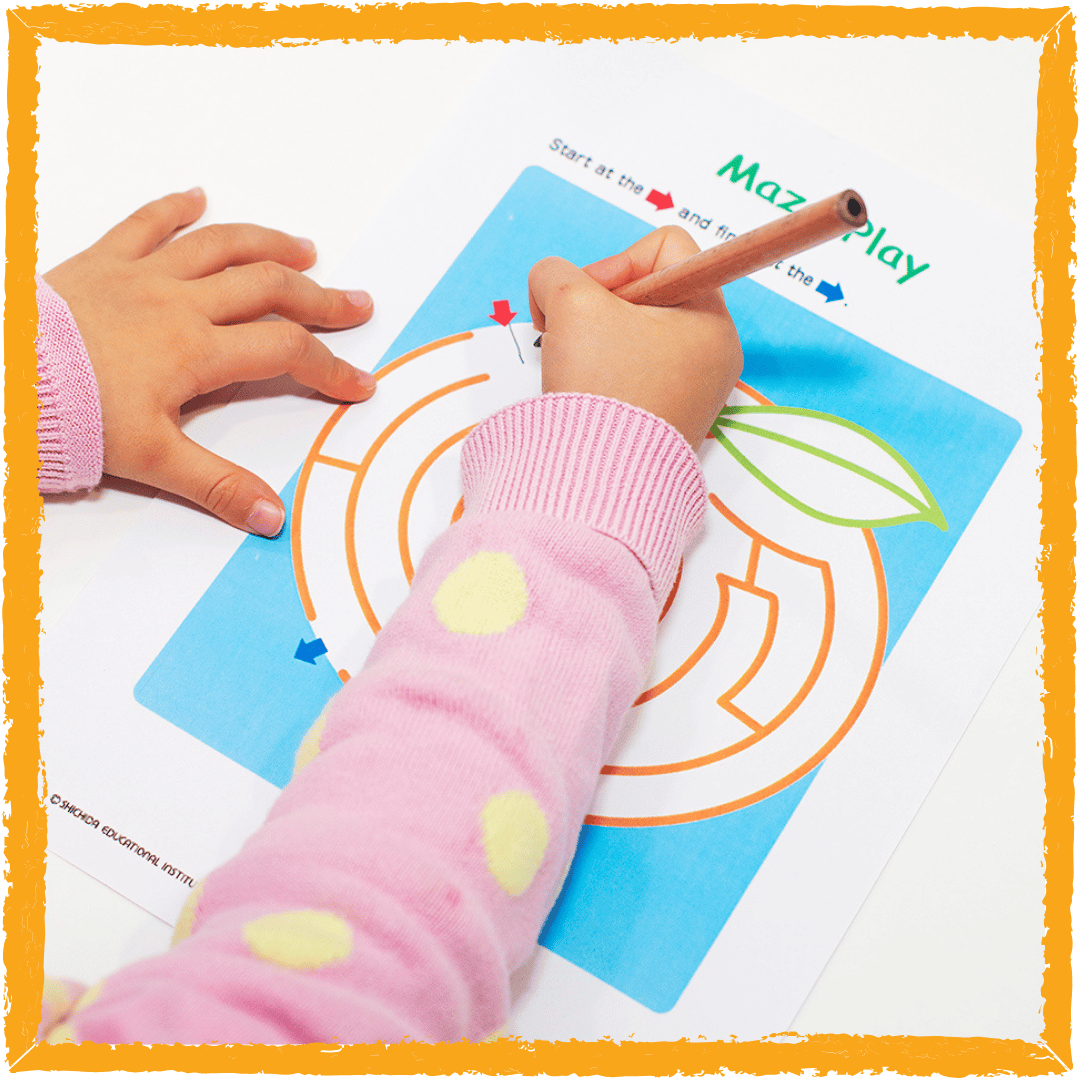
Image by Shichida Australia: A preschooler completing a simple maze – a fun way to practice focus, problem-solving, and early critical thinking skills.
8 Fun Critical Thinking Activities for Kids
To make teaching critical thinking to kids the happiest part of their day, swap worksheets for these fun, hands-on games that develop essential cognitive skills.
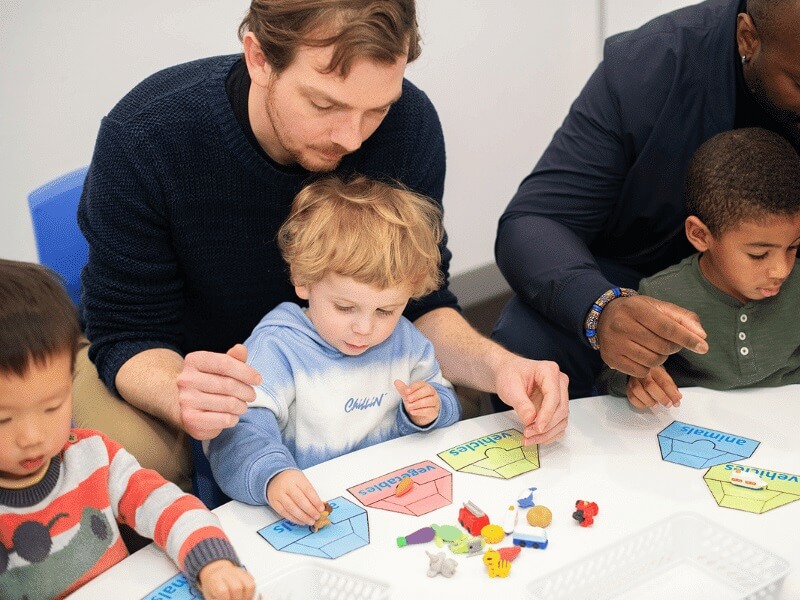
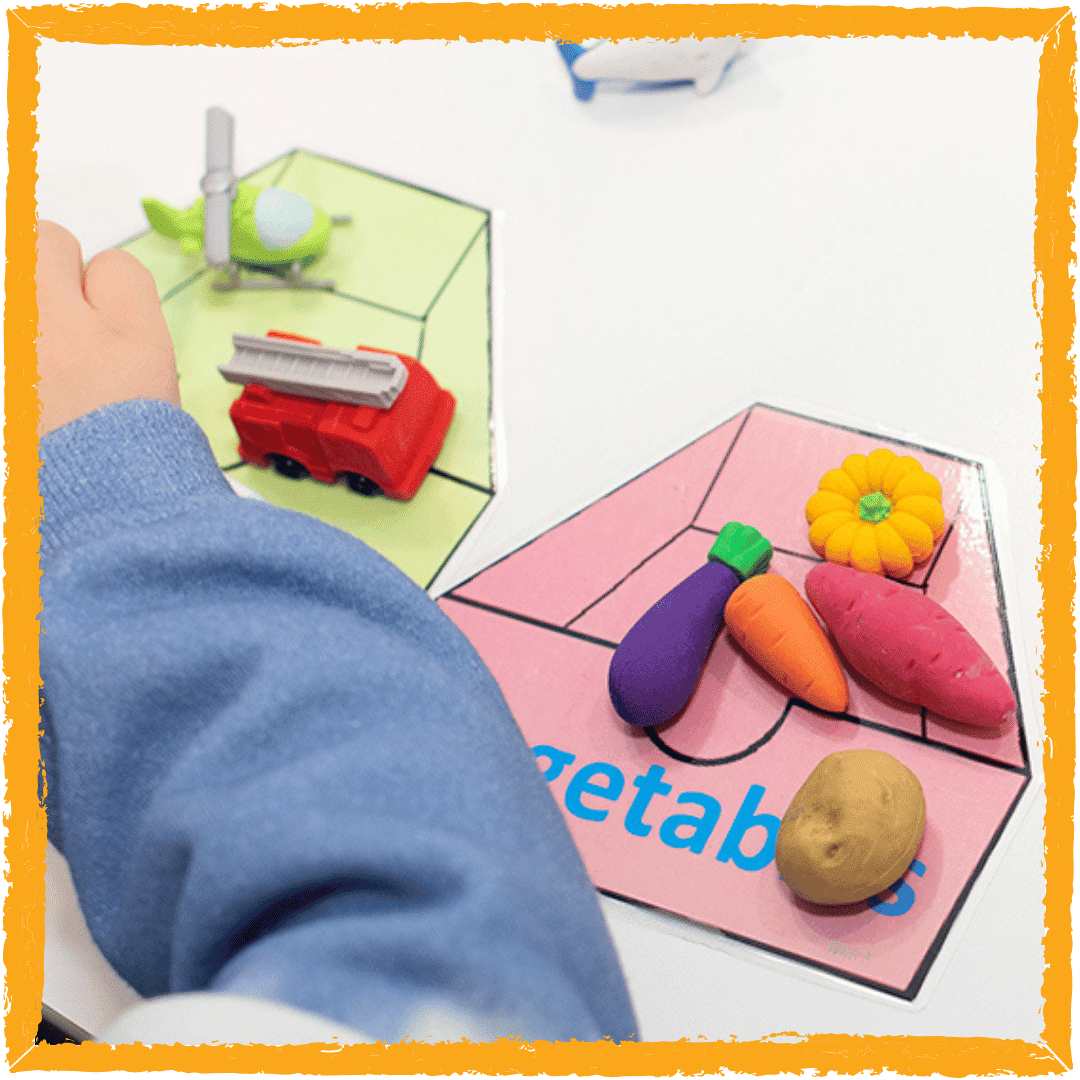
- The Sorting Challenge: Have children group toys, socks, or household items by specific rules, such as texture, colour, or size, then ask them to explain their logic. This builds essential classification skills, foundational to the Shichida method.
- Strategy Games for Brain Power: Introduce simple strategy games like checkers, memory, or even basic card games. These activities improve planning, foresight, and decision-making, which are key for developing problem-solving skills.
- “What Happens Next?” Storytelling: Engage in collaborative storytelling where you stop at a critical point and ask your child to predict the outcome and why. The Shichida Method uses creative storytelling to foster imagination and logic together.
- Kitchen Table Science Experiments: Conduct simple, safe experiments (like volcanoes or floating oranges) to nurture hypothesis testing, observation, and logical reasoning. This supports the independent thinking and curiosity promoted in our classes.
- Logical Reasoning Puzzles: Incorporate fun logic games and puzzles like tangrams, mazes, and riddles. These are frequently used in Shichida programs to build creative thinking, problem-solving, and patience.
- The “Mystery Bag” Deduction Game: Place a simple object in a bag and have your child ask “yes” or “no” questions about its attributes (“Is it round?”, “Is it soft?”). This enhances observation and deduction skills.
- Engineering with Blocks: Challenge your child to build a specific structure or bridge using blocks. This teaches cause and effect, spatial relationships, and problem-solving, fostering critical thinking and creativity.
- Open-Ended Question Time: Instead of asking questions with one right answer, ask: “How could we solve this?” or “Tell me why you chose that.” This encourages children to explore multiple perspectives and develop their reasoning skills.
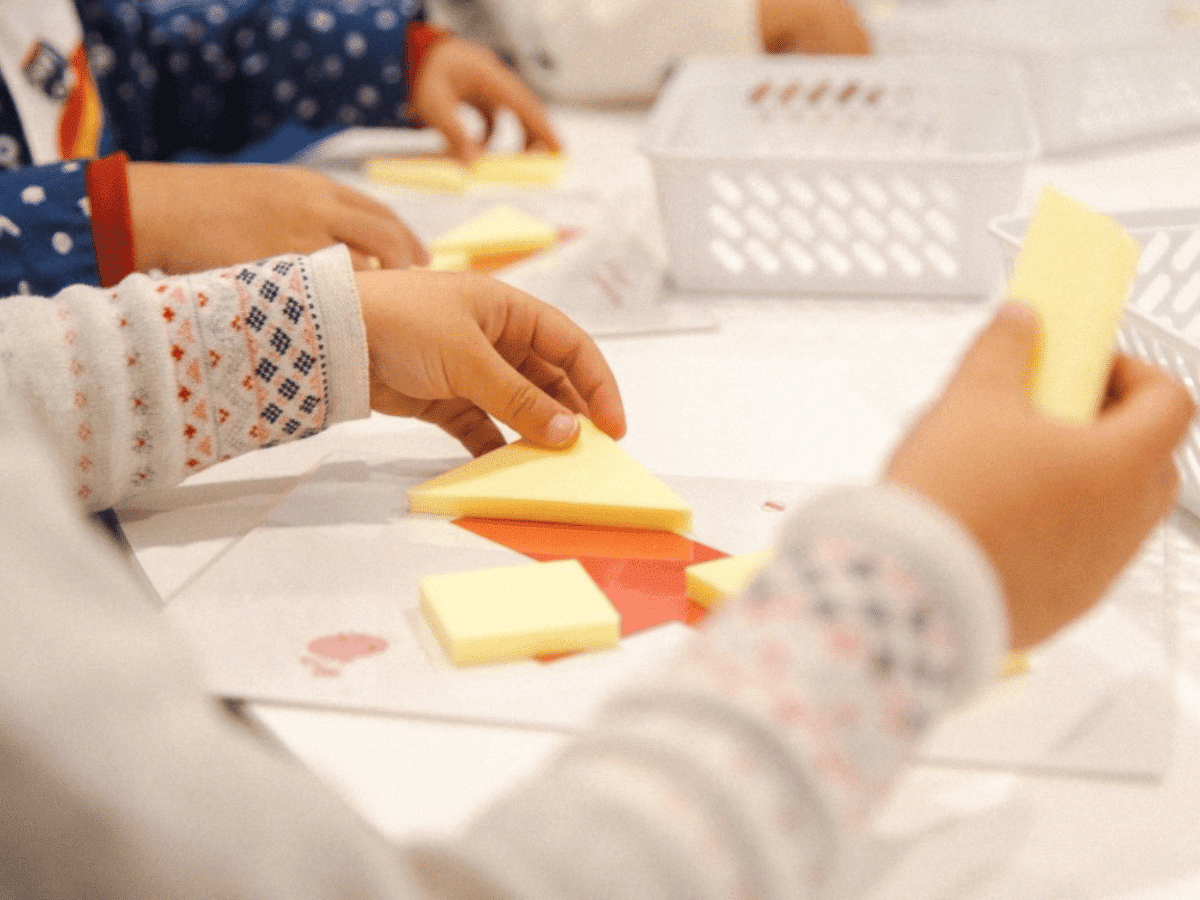
Image by Shichida Australia: Kids completing a tangram puzzle challenge – building problem-solving skills, spatial awareness, and early critical thinking.
How to Integrate Critical Thinking into Everyday Life
The best way to develop critical thinking in kids is by using everyday routines as natural learning opportunities for analysis and decision-making:
- Problem-Solving Partners: When a small challenge arises, ask, “How do you think we can solve this problem together?” to encourage shared analysis.
- Predictive Questioning: Stimulate cause-and-effect by asking hypothetical questions about routines, such as, “What do you think would happen if we tried this route instead?”
- Encourage Evaluation: During simple daily choices, guide them by asking, “Which choice is better for X reason?” to practice reflection and decision-making.
- Reflection on Choices: Briefly discuss the outcome after a decision: “What did we learn from trying that first idea?”
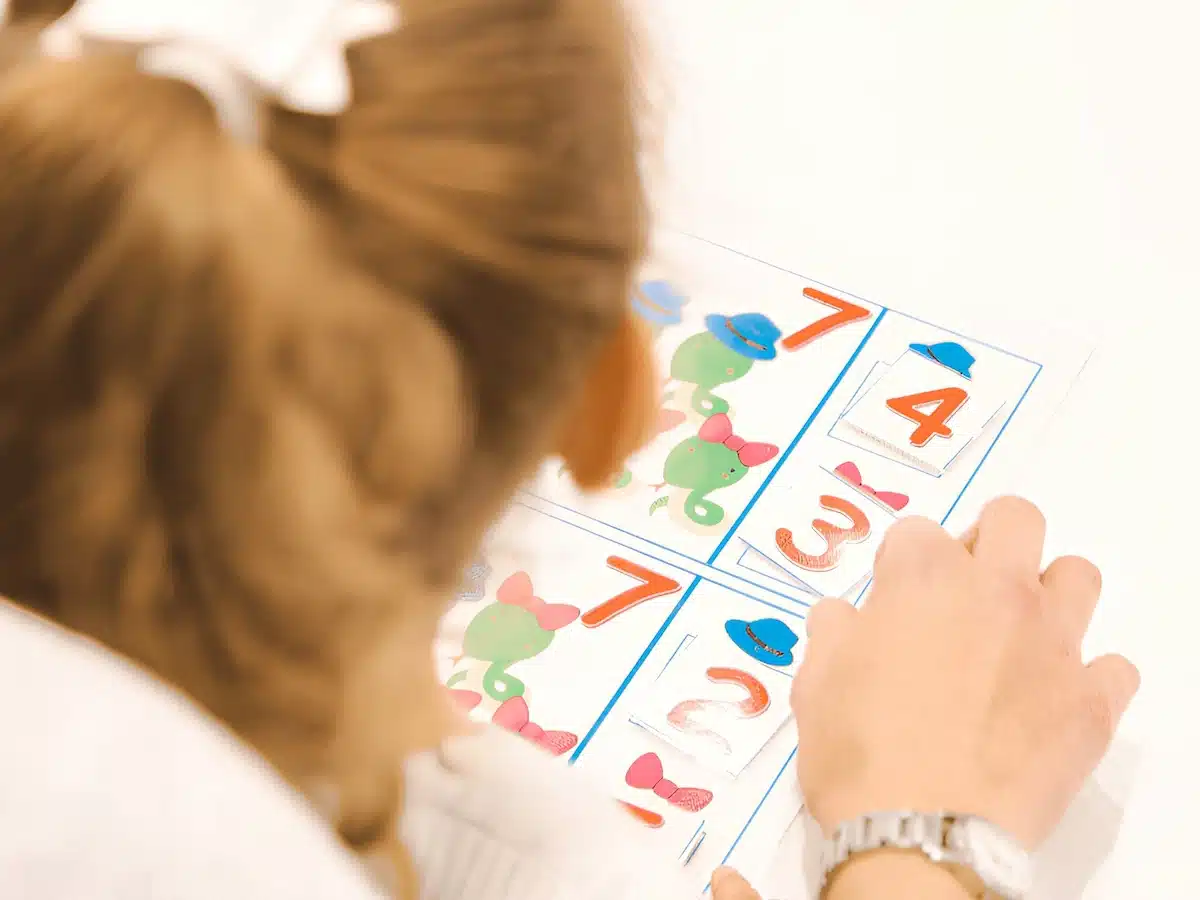
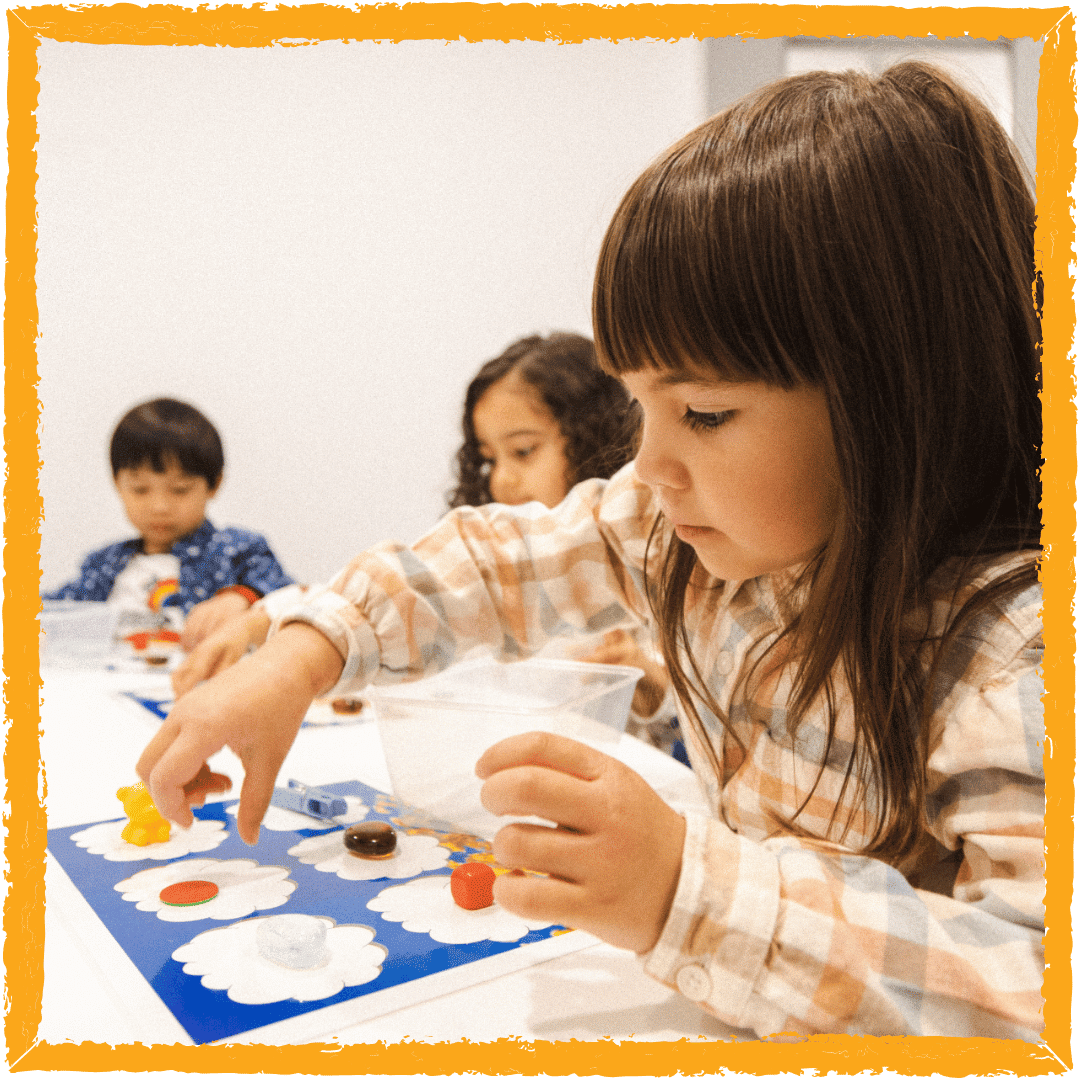
Image by Shichida Australia: A preschooler completing a number game – building early numeracy, confidence, and critical thinking through play.
How Shichida Teaches Critical Thinking in Kids
You might be wondering how to develop skills without turning playtime into a test. That’s exactly what the Shichida Method does! Our critical thinking activities help kids move past rigid, black-and-white thinking to embrace ambiguity and new ideas.
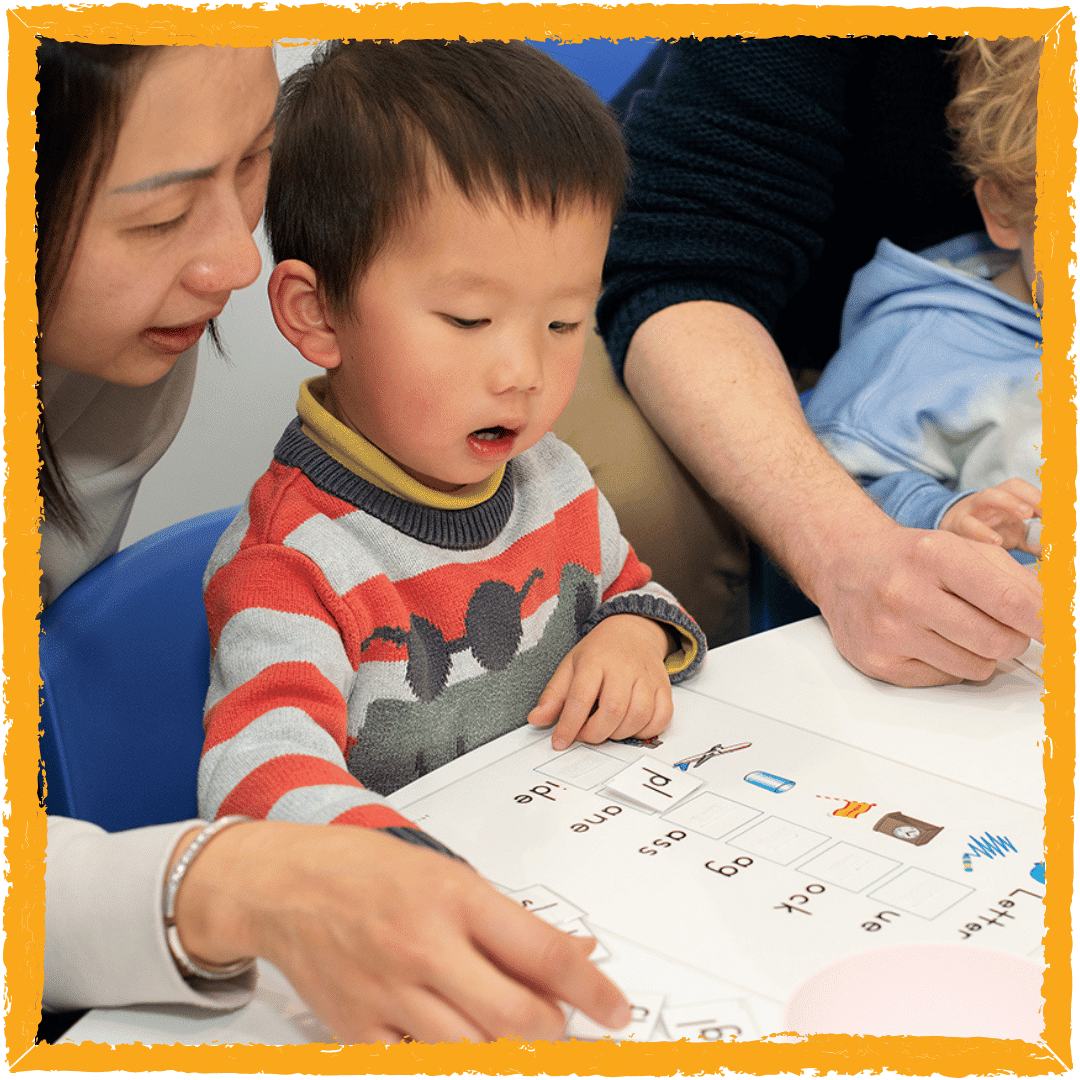
From six months to nine years, children engage in carefully crafted critical thinking activities for kids, like 3D tangrams and logical reasoning games. By fostering observation, intuition, and self-correction through these fun exercises, our holistic program empowers children to solve complex problems, reason logically, and navigate the world with clarity and confidence.
Book a trial class today and discover how Shichida can nurture these skills in your little one.
FAQs: How to Teach Kids Critical Thinking Skills
The best way to teach kids critical thinking is through open-ended questions, hands-on activities, and everyday discussions. When parents ask “why?” and “how?” questions, model logical thinking, and encourage decision-making, children learn to analyse, evaluate, and think independently. Consistency matters more than complexity.
You can start teaching critical thinking from infancy. Babies and toddlers learn through curiosity, matching games, and sensory activities. Preschoolers and older children benefit from puzzles, storytelling, and problem-solving games. Research shows that ages 0–10 are the most influential years for developing strong critical thinking skills.
Some of the best critical thinking activities for kids include sorting games, puzzles, strategy games, storytelling predictions, simple science experiments, tangrams, mazes, and building challenges. These activities train children to look for patterns, test ideas, make predictions, and solve problems step-by-step.
Turn daily moments into teaching opportunities. Ask your child to predict what happens next, compare choices, explain their reasoning, or help solve small problems. Questions like “Which option is better and why?” or “How could we fix this together?” build confidence and strengthen critical thinking naturally.
Yes. Shichida Australia offers hands-on classes for ages 6 months to 9 years that intentionally develop critical thinking skills. Through puzzles, logic games, tangrams, storytelling, memory training, and decision-making activities, children learn to analyse, reason, and solve problems in a fun, age-appropriate way.