How to Teach Kids Critical Thinking, By Age & Stage
Key Points
- Critical thinking starts in early childhood through exploration and curiosity.
- It grows through experience from play, conversation, and guided questioning.
- Each age group benefits from tailored activities and challenges.
- Parents play a vital role in modelling reasoning and reflection.
- Shichida’s method supports critical thinking through right- and left-brain learning.
As the saying goes, “Don’t teach children what to think — teach them how to think.” It’s one of the most valuable lessons you can give your child, and it starts much earlier than most parents realise.
Critical thinking isn’t just about getting the right answers — it’s about learning to reason, recognise patterns, think creatively, and make sense of the world.
In this guide, you’ll learn how to develop your child’s critical thinking step by step, with simple, age-appropriate strategies you can try at home.

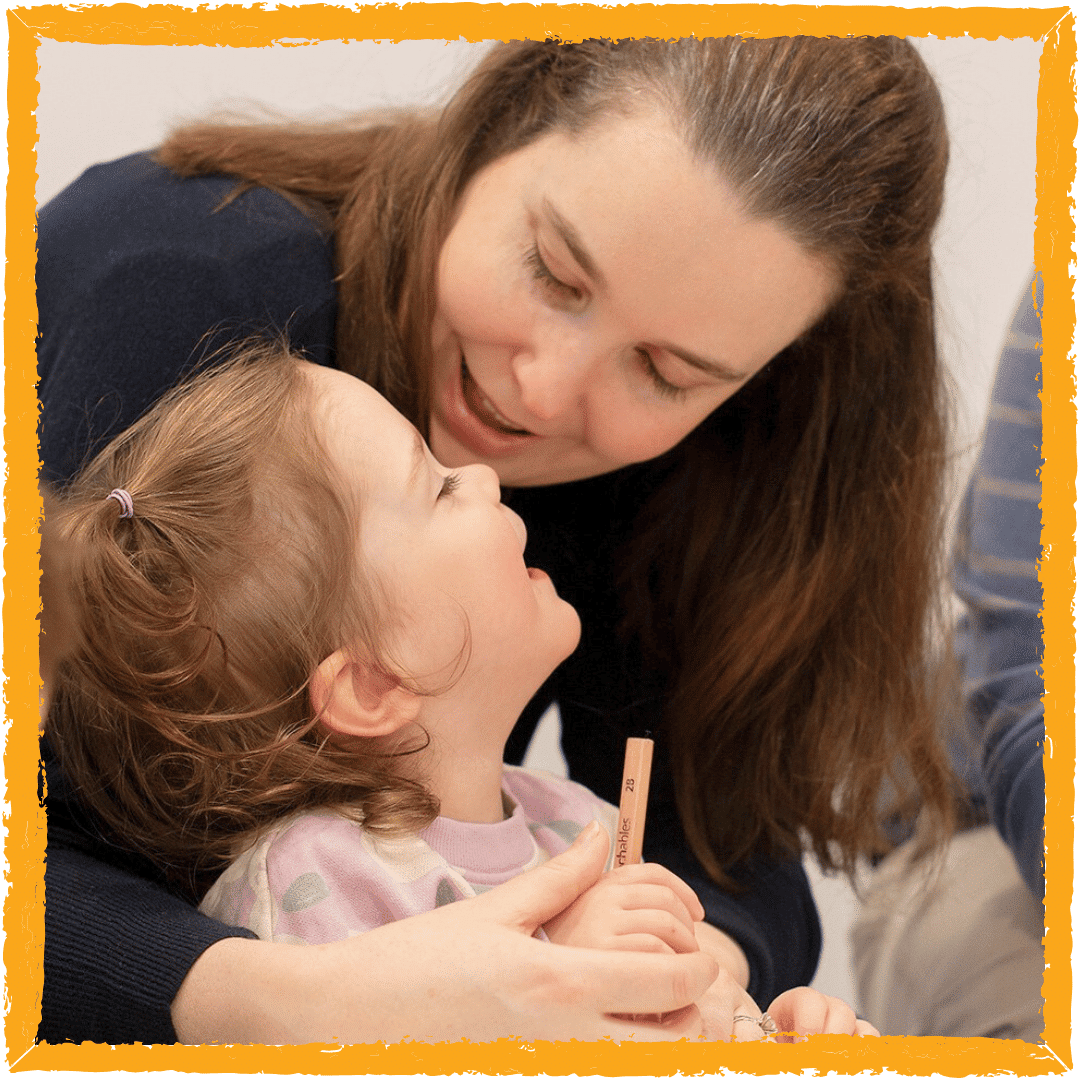
Photo from Pexels: A parent engaging their child in thoughtful conversation, encouraging curiosity, reasoning, and the early foundations of critical thinking.
What Is Critical Thinking in Childhood?
Critical thinking in childhood means helping your child make sense of their experiences — not just memorising information, but questioning, comparing, and drawing conclusions.
Think of it like a muscle that grows stronger every time your child asks “why.” It begins with a baby testing what happens when they drop a spoon and develops into a school-aged child wondering why two people might see the same event differently.
Critical thinking combines several skills:
- Observation: Noticing details in the world around them.
- Questioning: Asking how and why things happen.
- Reasoning: Using logic to connect ideas.
- Evaluation: Weighing evidence before making a choice.
- Problem-solving: Finding creative solutions and learning from mistakes.
These skills develop naturally when children are encouraged to think, talk, and explore — not rushed to “get the right answer.”
Why Critical Thinking Matters in Early Development
Helping your child develop critical thinking is one of the most valuable things you can do as a parent. It shapes how they approach learning, relationships, and challenges throughout life.
1. Enhances decision-making and emotional regulation
Children who think critically learn to pause and consider before reacting. This helps them manage frustration, assess situations, and make thoughtful choices.
2. Builds problem-solving skills and resilience
When faced with a challenge, critical thinkers try different solutions instead of giving up. They view mistakes as learning opportunities.
3. Supports academic success and creativity
From maths to art, critical thinking strengthens both logical reasoning and imagination, essential for creative problem-solving in school and beyond.
4. Encourages curiosity and independent learning
Children become naturally motivated to learn when they’re curious, not just told what to do.
5. Prepares children for real-world challenges
Critical thinking helps children navigate social situations, digital media, and everyday decision-making, laying the groundwork for lifelong learning.
How to Teach Kids Critical Thinking by Age Group
Critical thinking looks different at every stage of childhood. Here’s how you can nurture it from the very beginning.
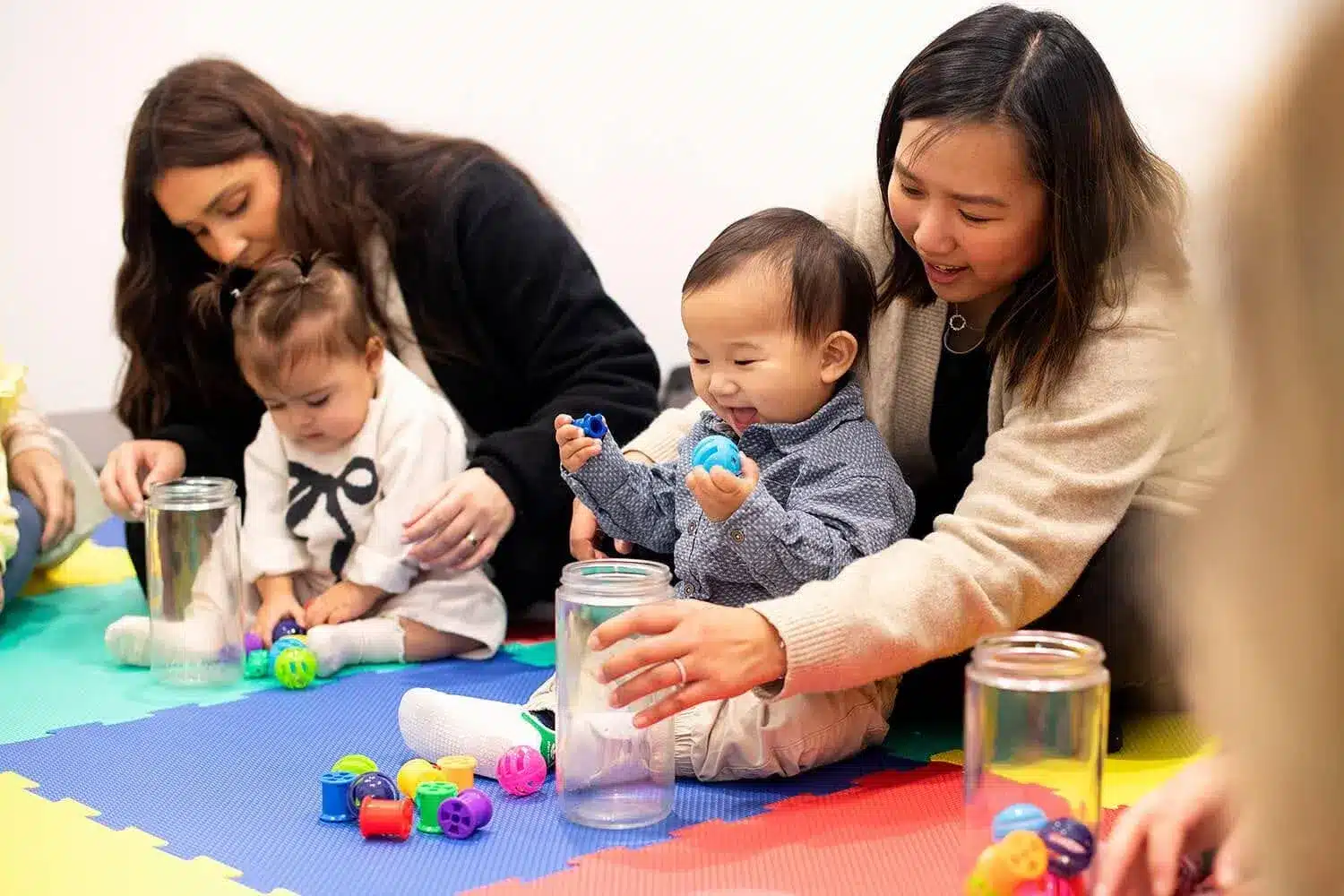
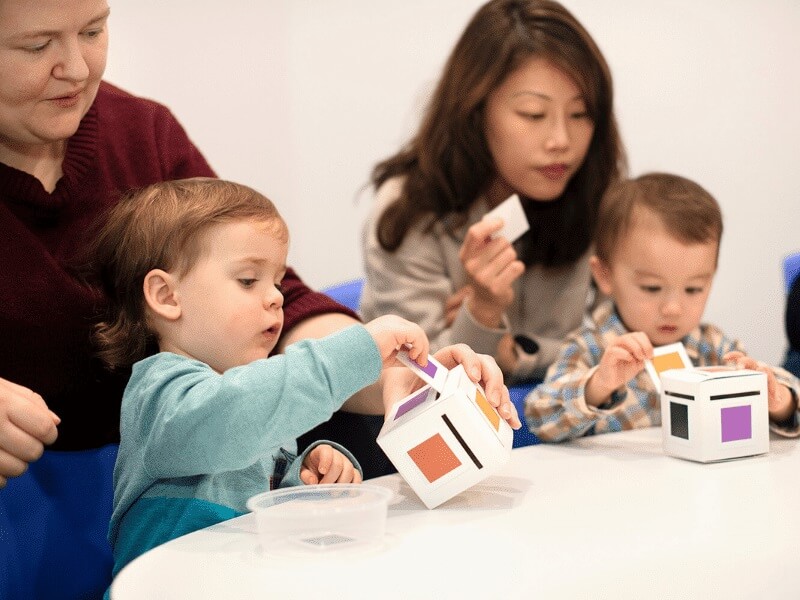
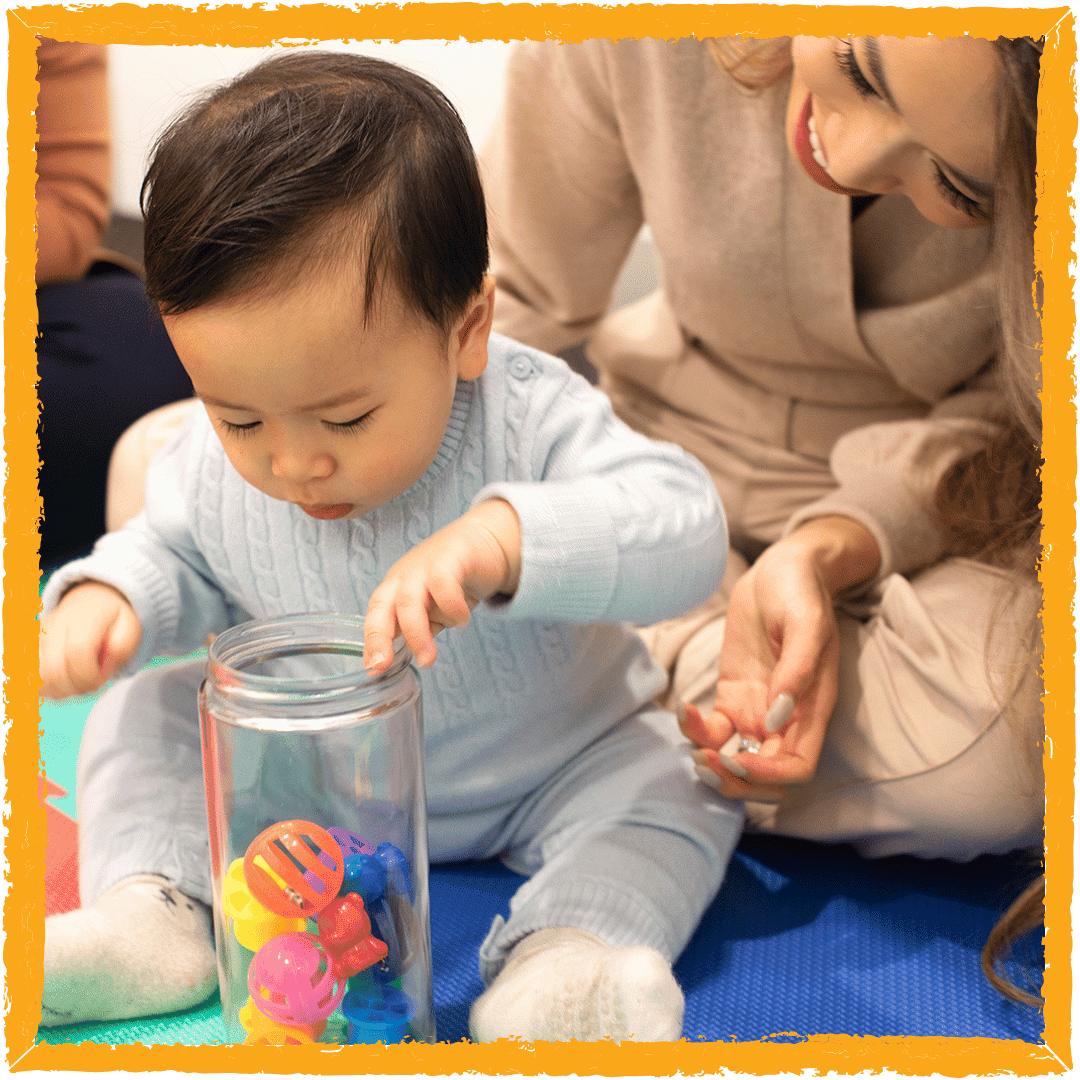
Photo from Shichida Australia: Babies drop small toys into bottles, practising grip, release, and spatial awareness. These hands-on activities build focus, coordination, and the early foundations of critical thinking.
Babies and Toddlers (0–3 years)
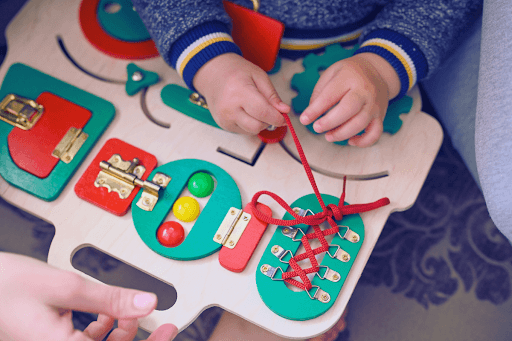
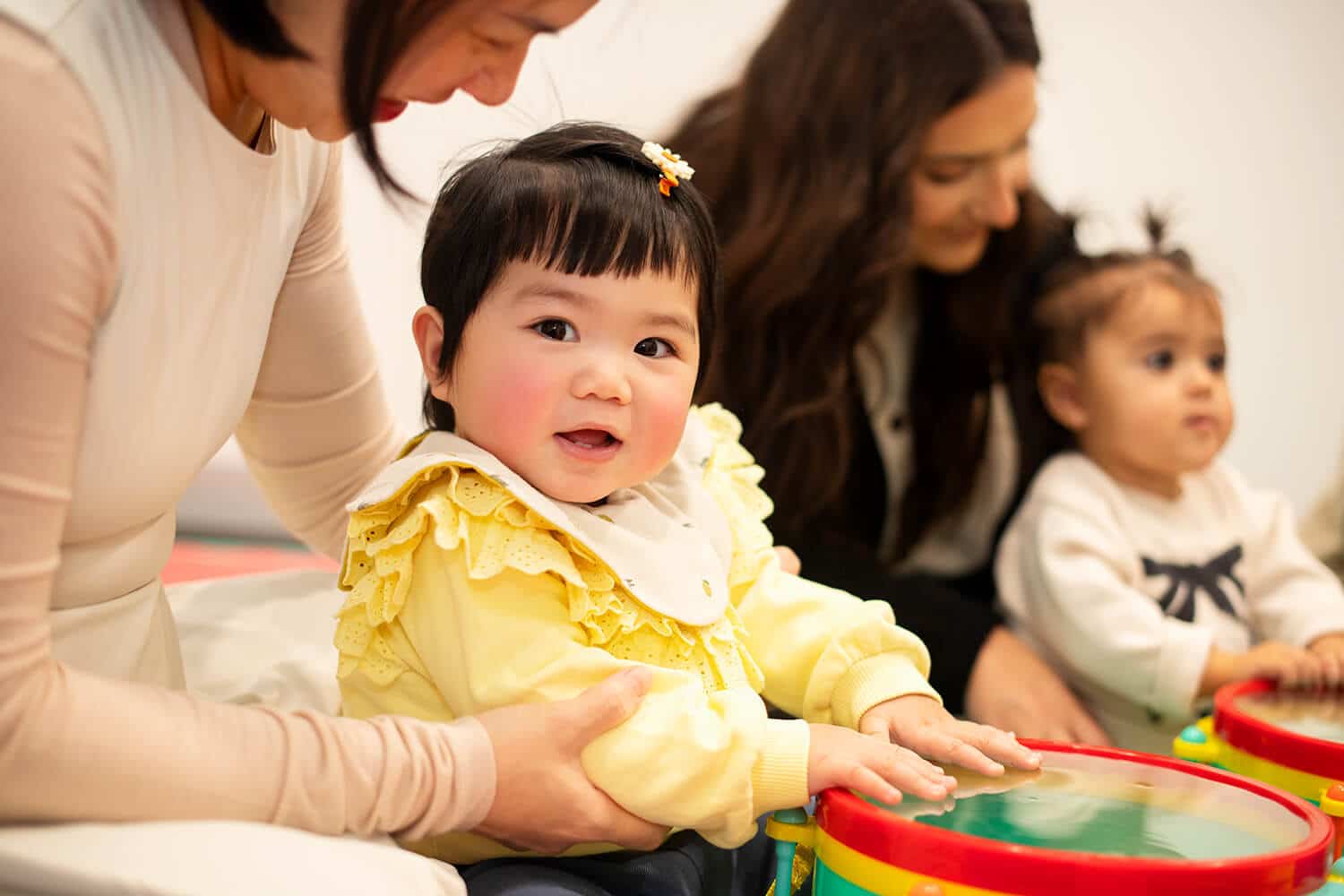
At this stage, critical thinking begins with sensory exploration. Babies learn by touching, tasting, and experimenting. Toddlers start to notice patterns, predict outcomes, and explore cause and effect.
What to Do:
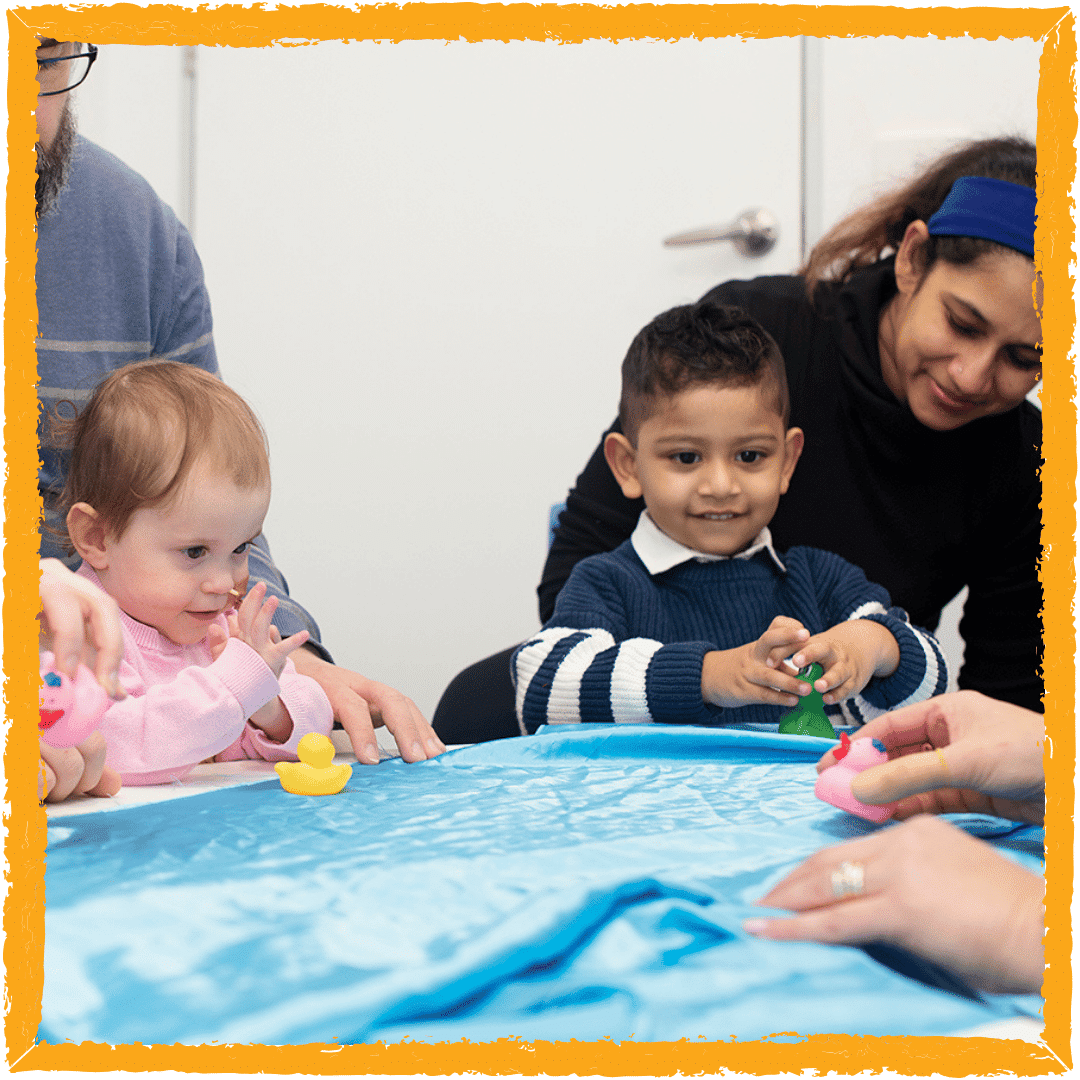
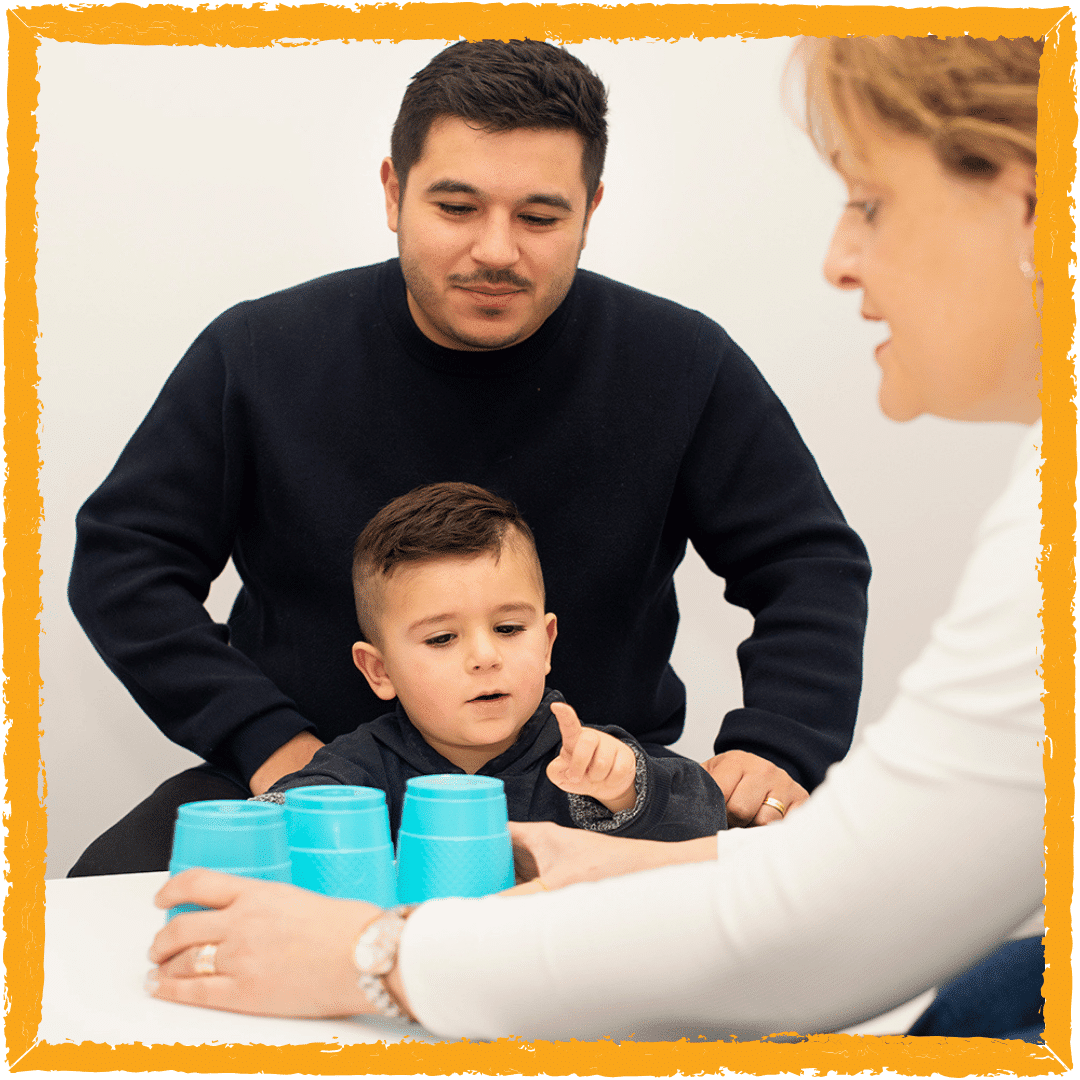
- Offer open-ended toys like stacking cups, blocks, or water play.
- Ask simple questions: “Where did it go?” or “What happens next?”
- Give time for your child to respond before offering help.
- Use everyday routines (like tidying up or meal prep) to show sequence and consequence.
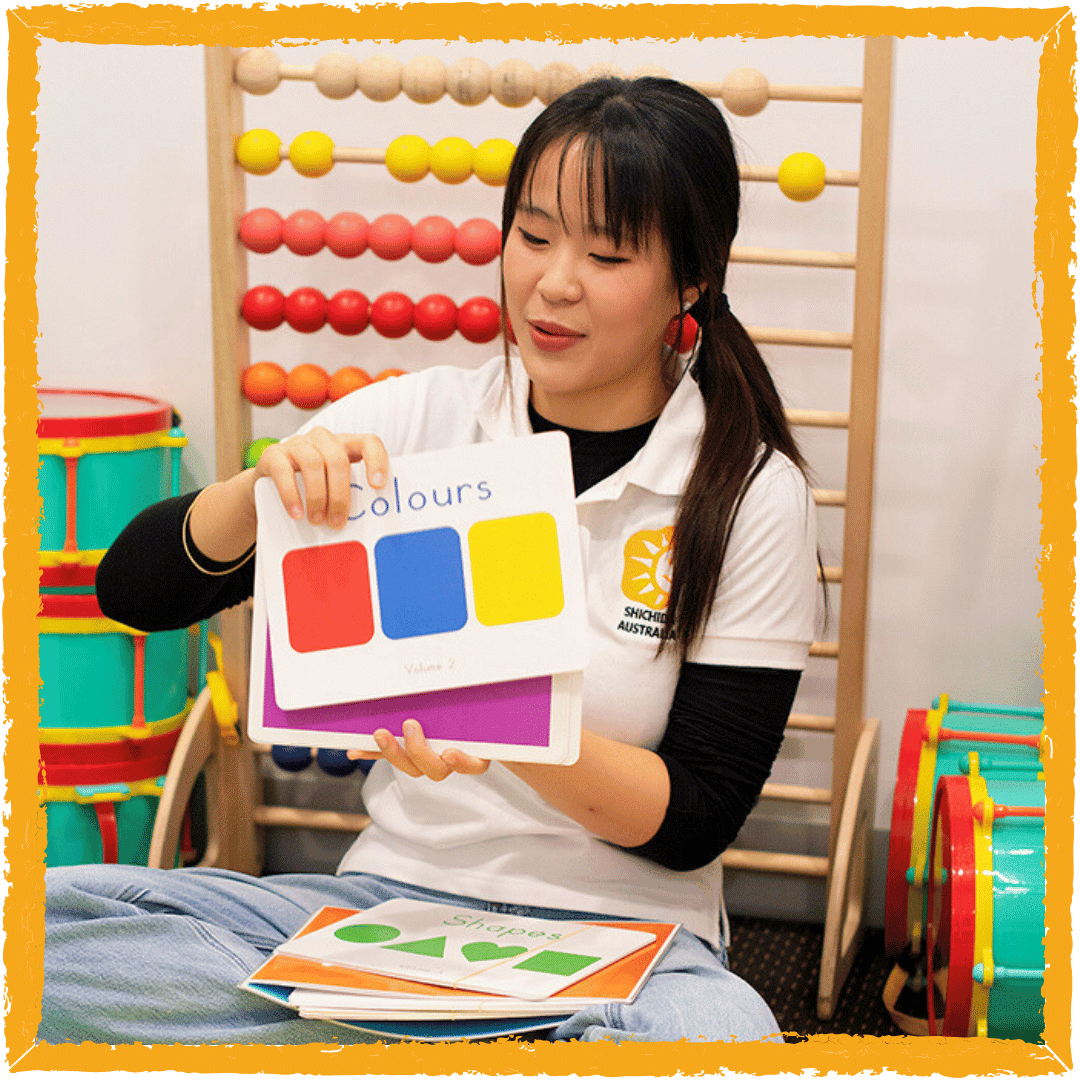
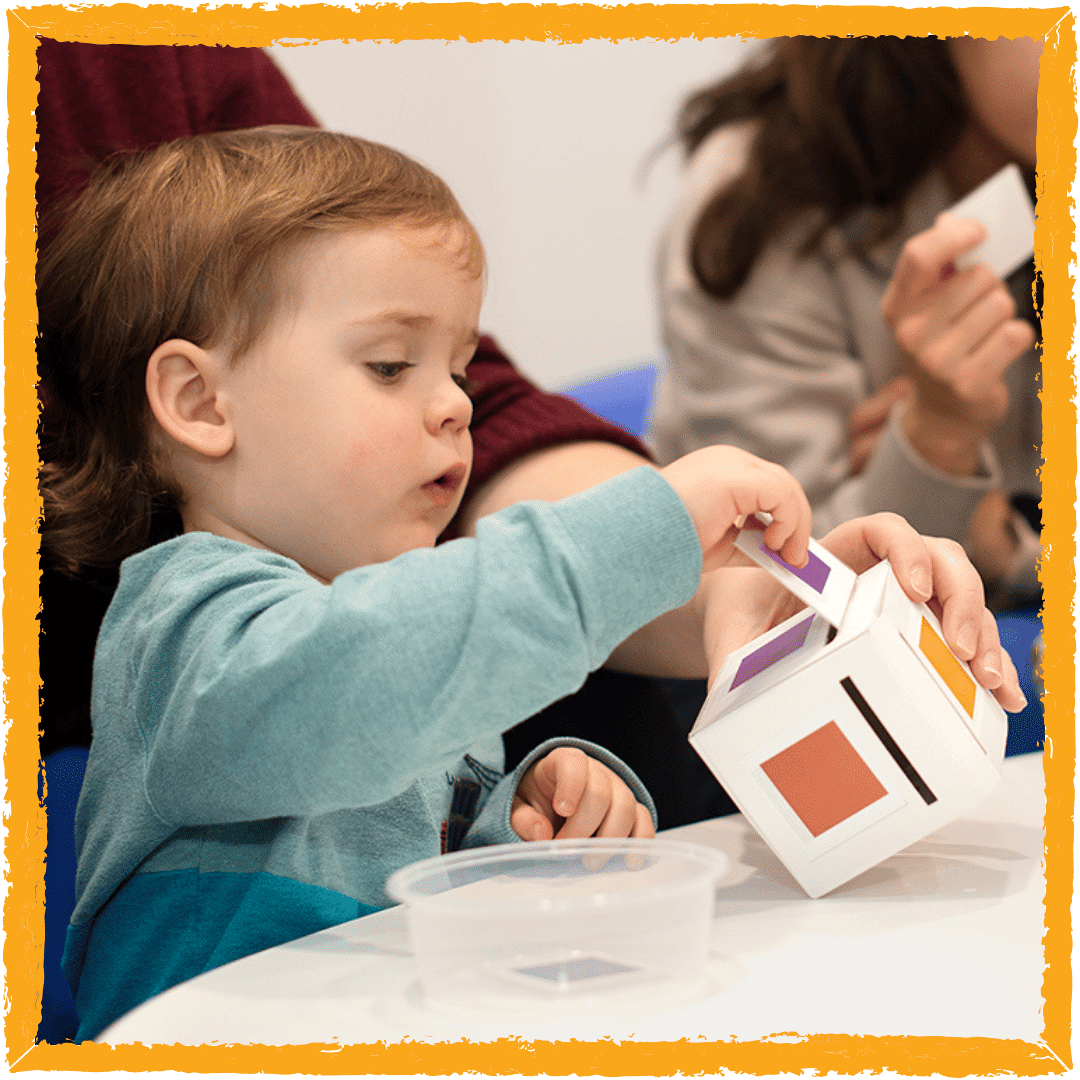
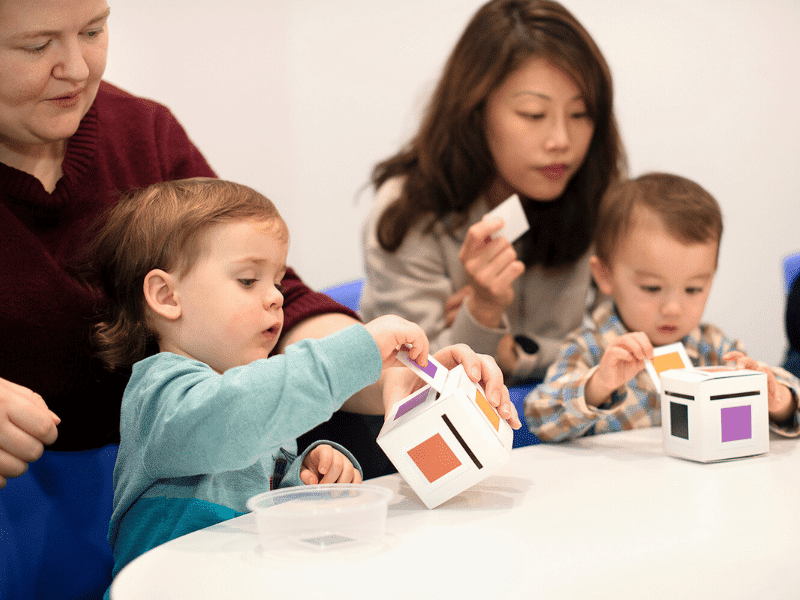
Try a Shichida activity for this stage. Encourage sensory play with simple cause-and-effect tasks like colour-matching cards or visual memory games to stimulate both sides of the brain.
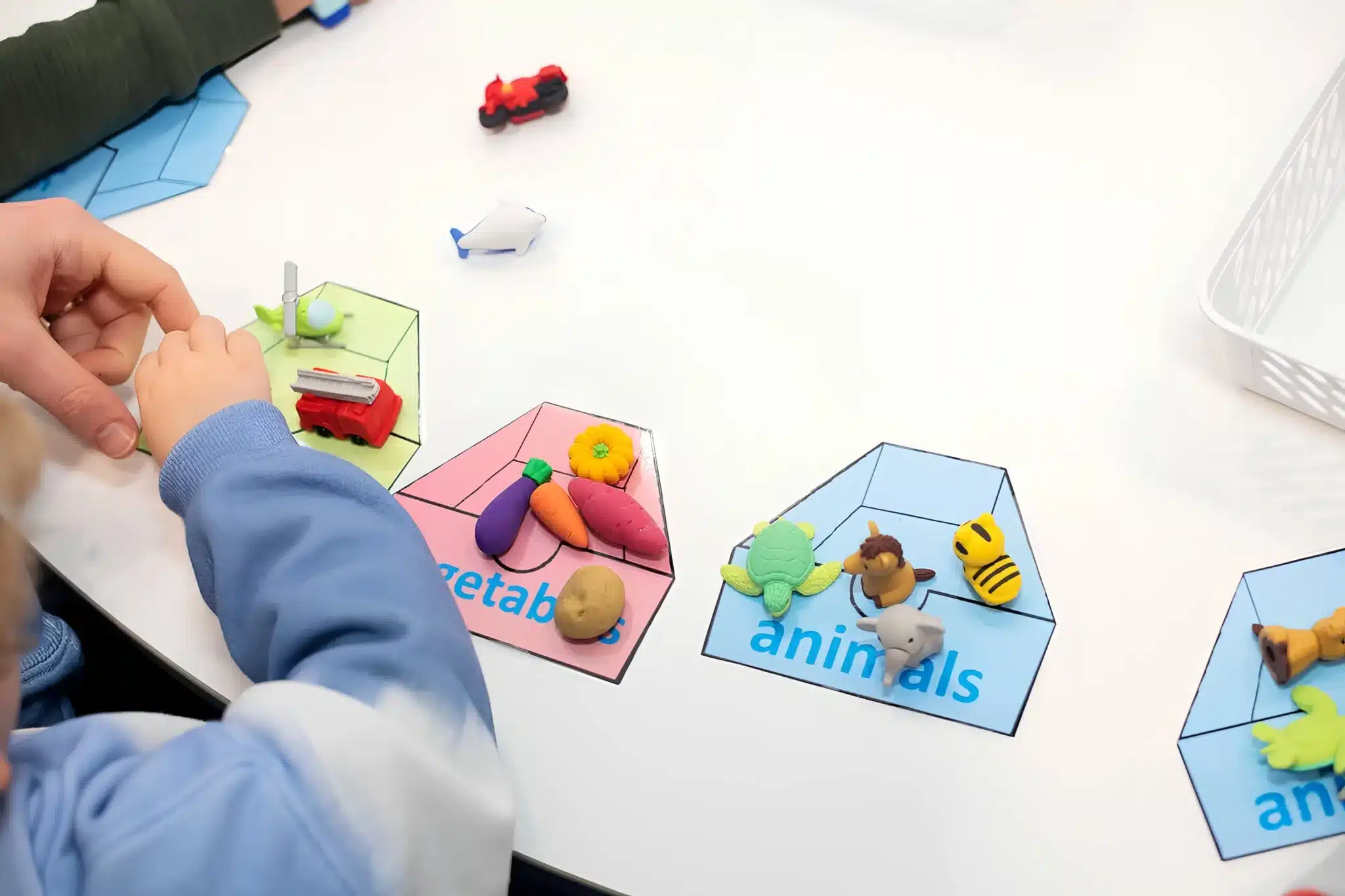
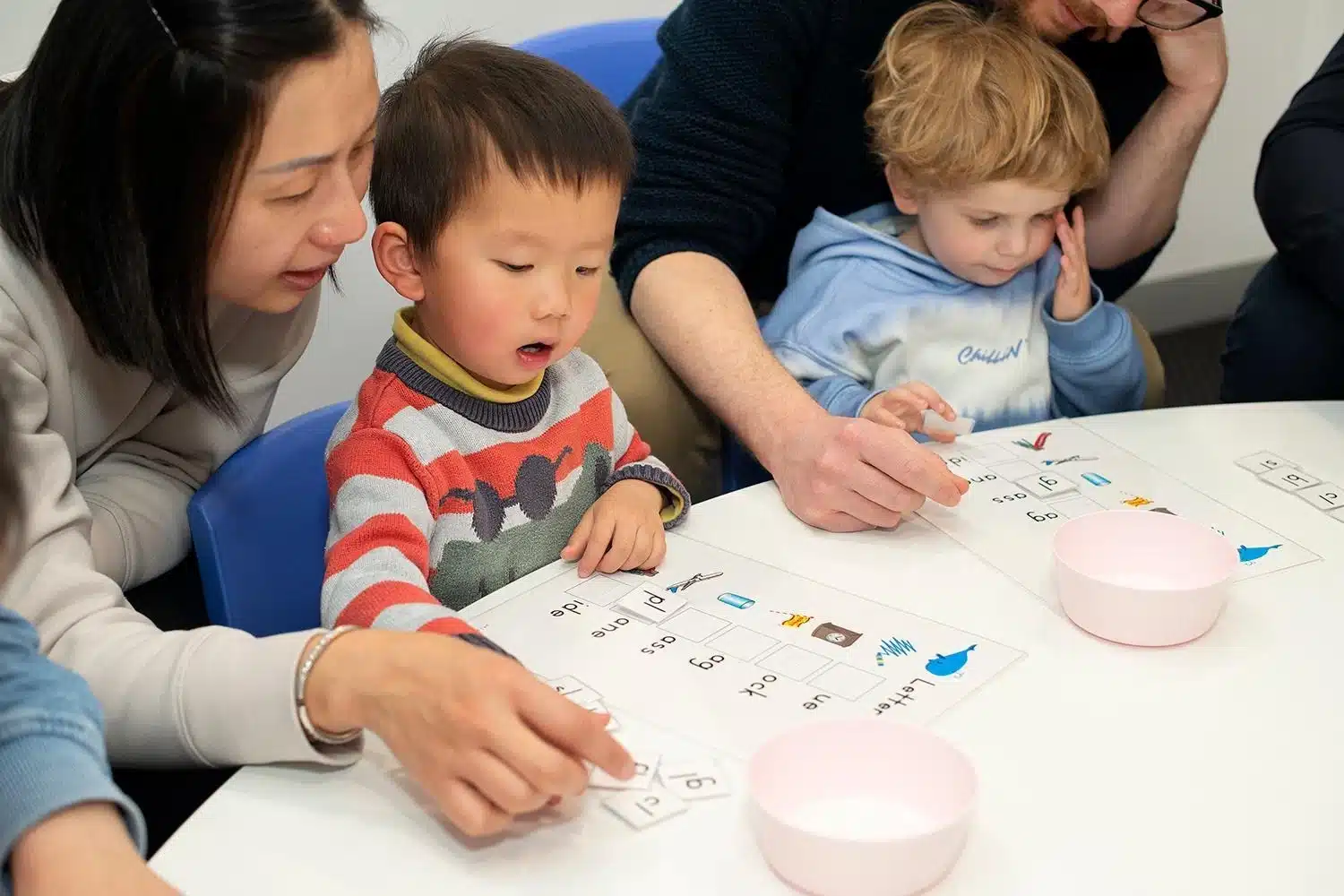
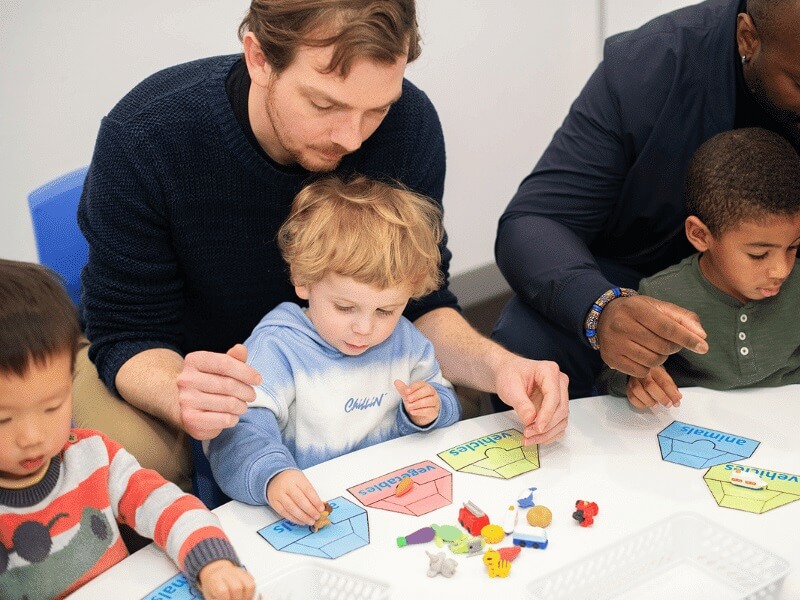
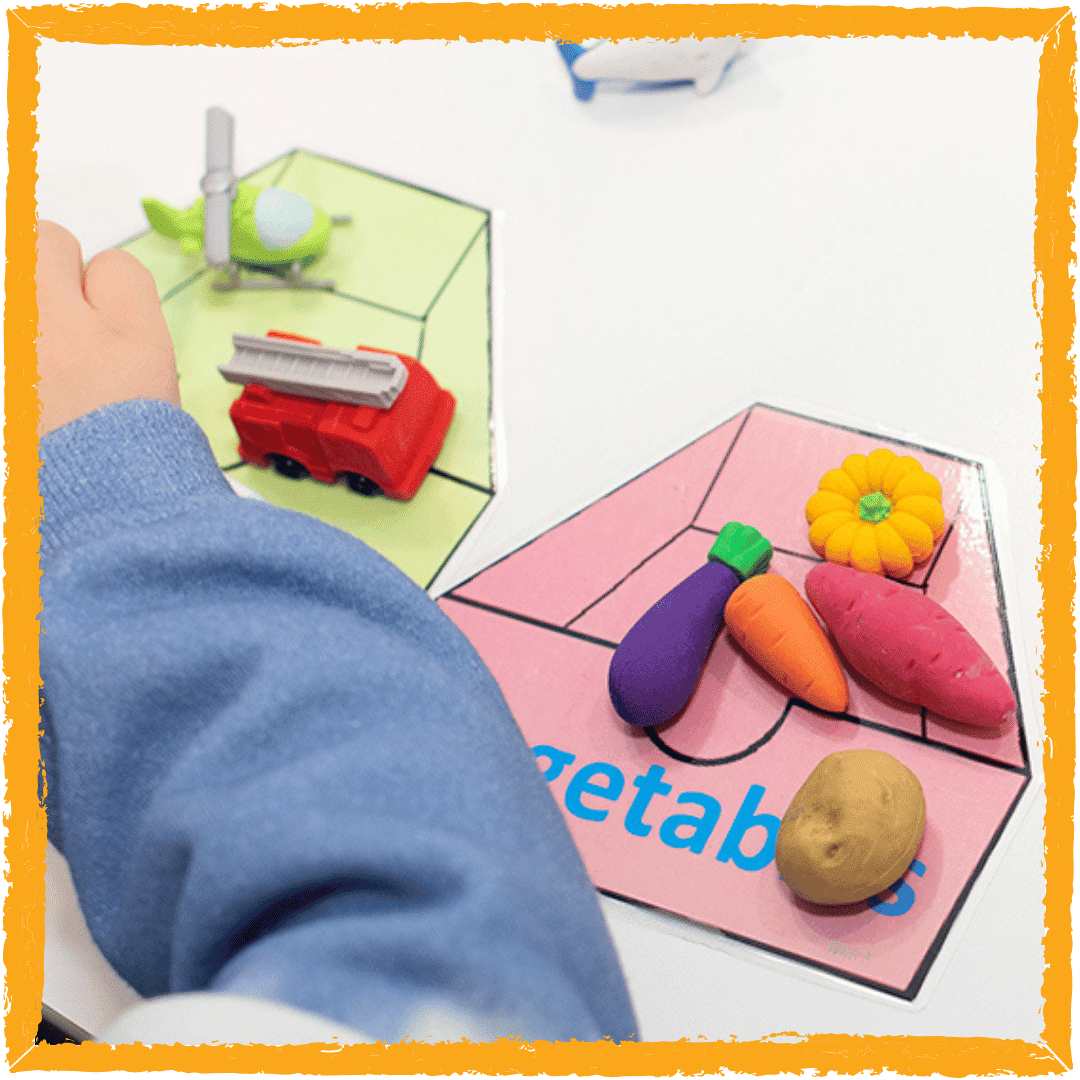
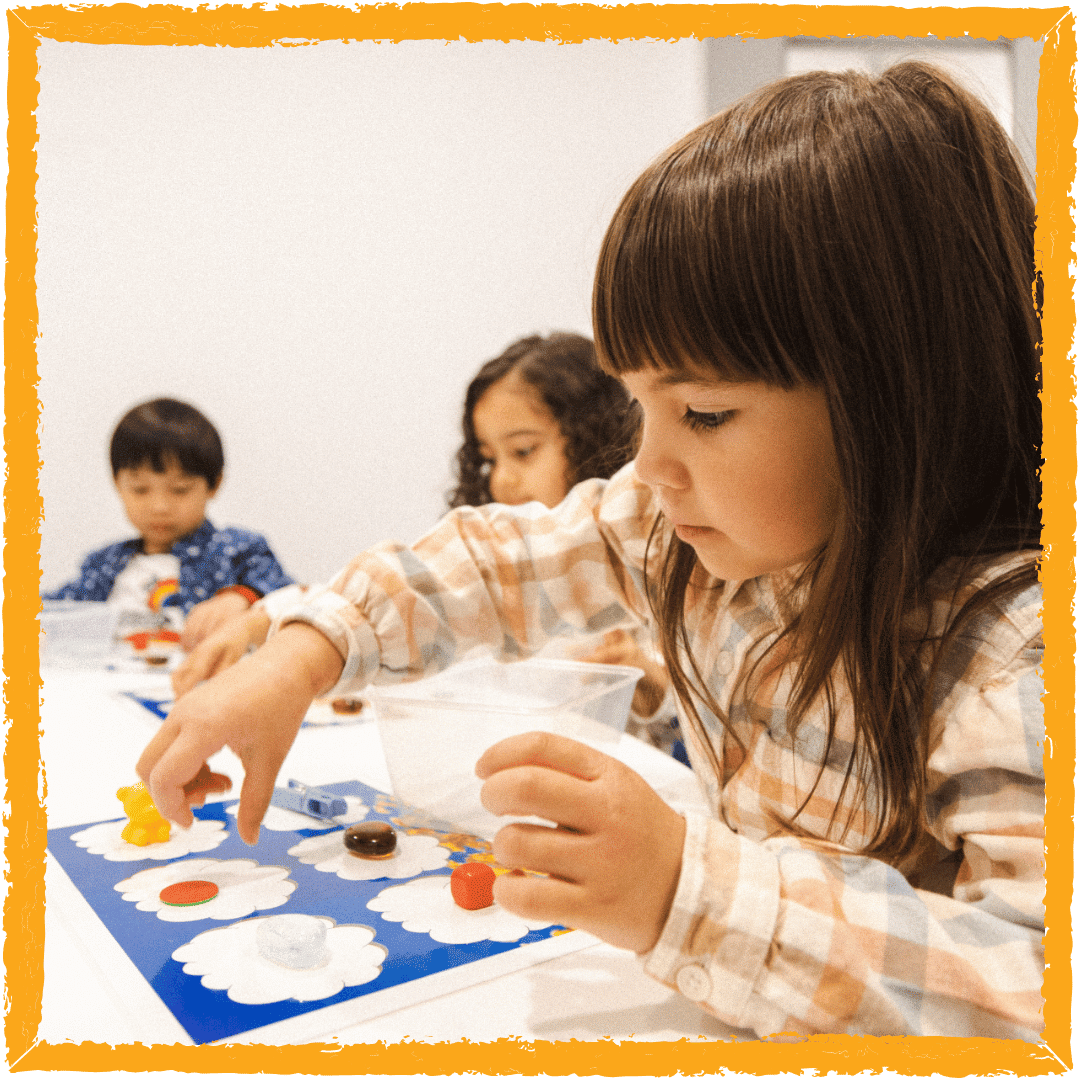
Photo from Shichida Australia: A preschooler sorts small toys according to category – a fun way to build logic, observation, and early critical thinking skills.
Preschoolers (3–5 years)
Preschoolers are bursting with curiosity and imagination. This is the perfect time to guide their “why” questions into deeper exploration.
What to Do:
- Offer small choices and explain outcomes: “We should go to the park now — it might rain later, and then we can’t.”
- Play games that involve spotting differences or sorting by size, colour, or shape.
- Read books together and ask reflective questions like, “What do you think will happen next?”
- Encourage storytelling or pretend play that involves solving simple problems.
- Engage in fun memory challenges — try and remember sequences of images or numbers.
Try a Shichida activity for this stage. Use picture sequencing cards or “what happens next” stories to build logical thinking and creativity.
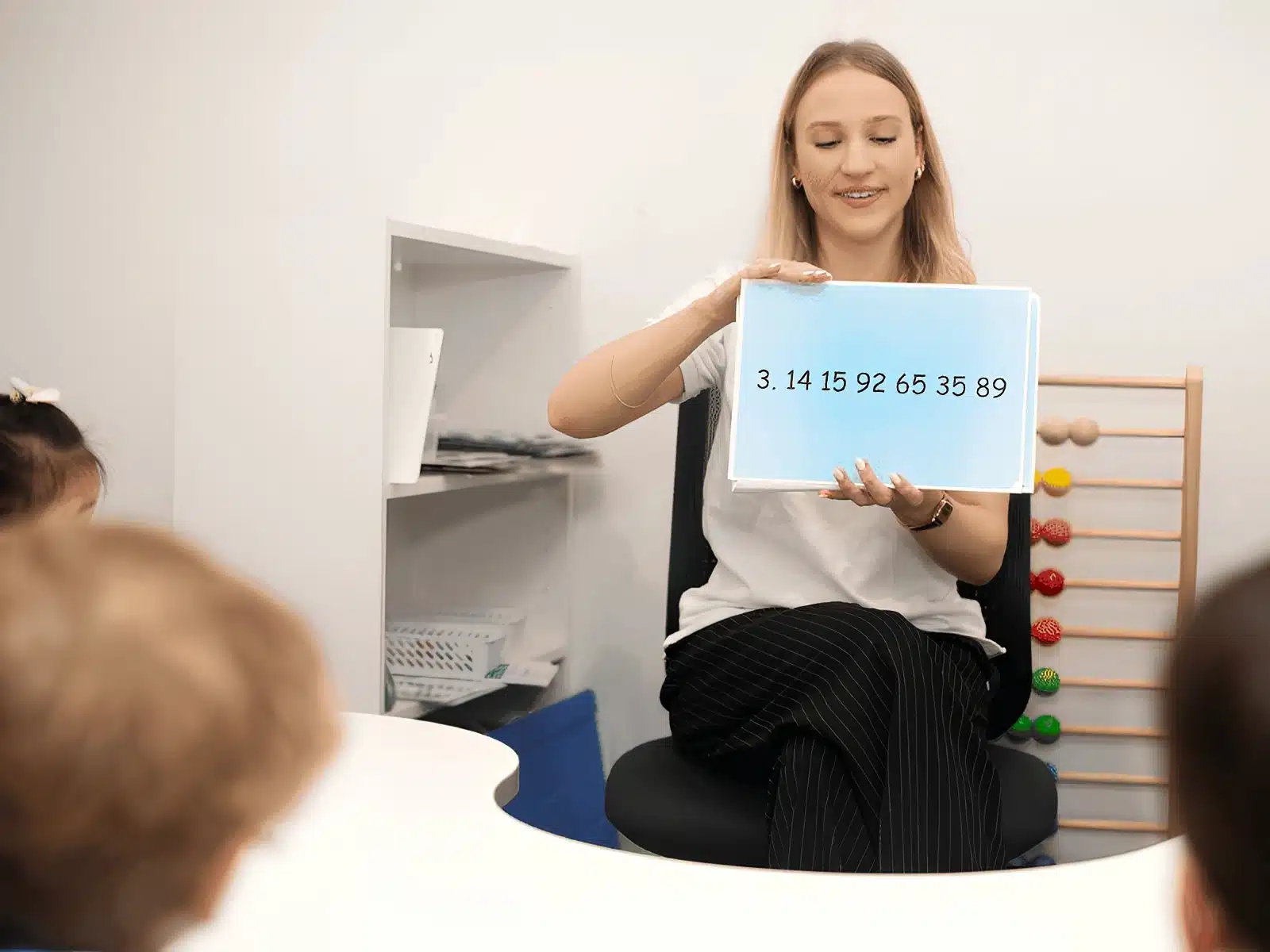
Photo by Shichida Australia: Children memorising digits of Pi using flashcards and a catchy song – a very popular Shichida activity!
Early Primary (6–8 years)
Children at this age can reason, predict, and analyse simple situations. They’re ready for more structured thinking tasks that link logic and imagination.
What to Do:
- Play strategy-based board games like Connect 4 or Guess Who.
- Ask your child to explain why they made a choice or how they solved a problem.
- Encourage them to plan small projects (like a playdate or art activity).
- Introduce simple “what if” challenges: “What if there were no bins — how would we handle rubbish?”
Try a Shichida activity for this stage. Engage your child in memory-linking or pattern-recognition exercises to sharpen logical sequencing and reasoning.
Activities That Promote Critical Thinking
Here are practical critical thinking activities — enjoyable ways to build your child’s thinking skills both at home and in class.
1. Open-Ended Play and Creative Problem-Solving
- At home: Offer blocks or recycled materials for building. Let your child design and build their own creations.
- In class: Encourage teamwork challenges or STEM projects that allow multiple solutions.

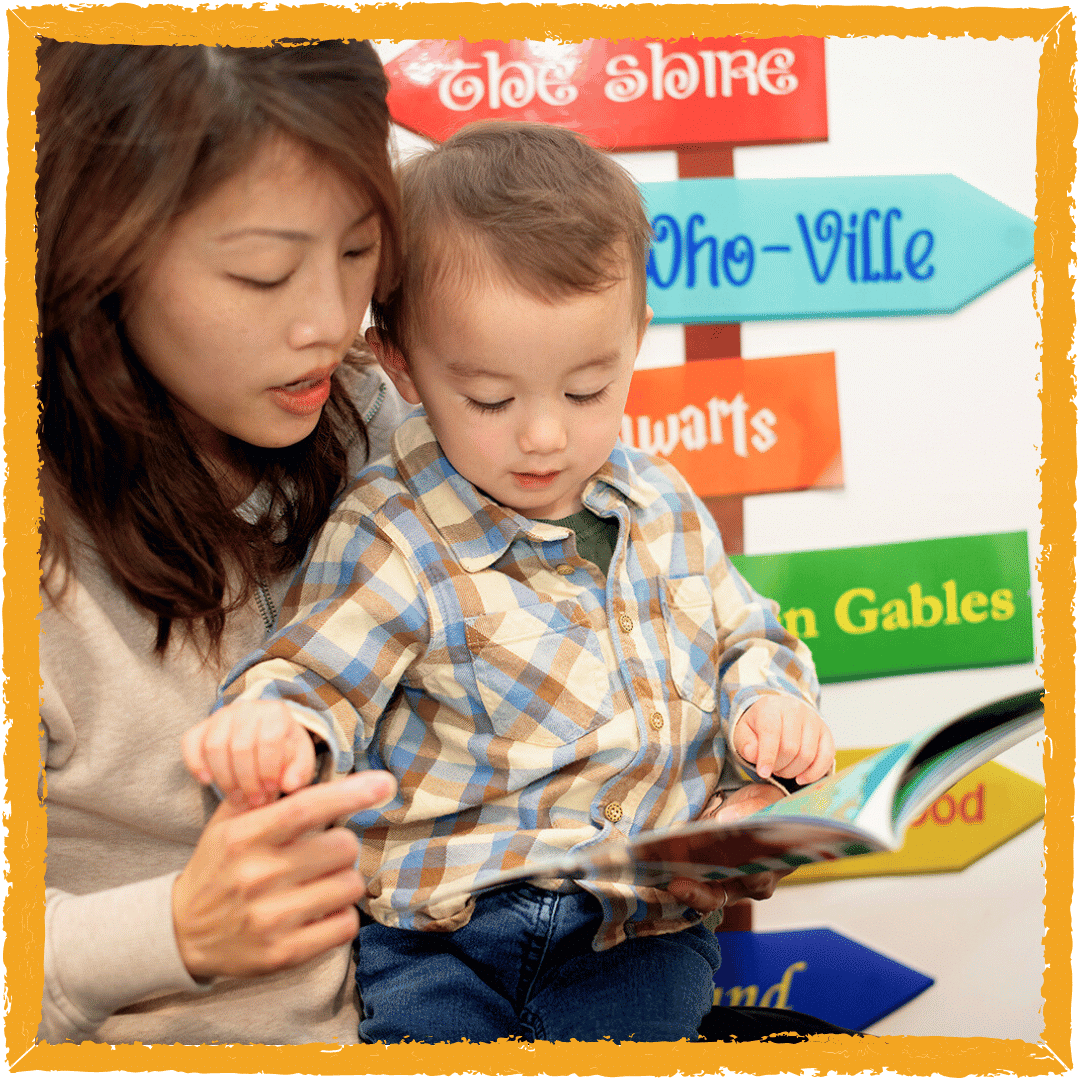
Photo from Pexels: A parent reading a story and asking reflective questions, a warm and engaging way to model how to teach kids critical thinking through storytelling.
2. Storytime with Reflective Questions
- At home: After reading, ask: “Why did the character do that?” or “How would you feel in that situation?”
- In class: Discuss different endings or moral lessons to develop reasoning.
3. Role-Play and “What If” Scenarios
- At home: Use toys or costumes for make-believe problem-solving (“What if the supermarket ran out of fruit?”).
- In class: Conduct role-play debates or teamwork games that explore perspective-taking.
4. Simple Science Experiments and Prediction Games
- At home: Try experiments like melting ice, floating objects, or mixing colours. Ask your child to predict the outcome.
- In class: Teachers can use hypothesis-based experiments that promote questioning and observation.
5. Board Games and Logic Puzzles
- At home: Games like chess, Sudoku, or logic puzzles encourage focus and planning.
- In class: Group problem-solving games build teamwork and reasoning.
6. Everyday Decision-Making
- At home: Involve your child in small choices — what to eat, what to wear, or how to spend pocket money.
- In class: Teachers can ask students to discuss classroom rules or project plans, encouraging reasoning and collaboration.
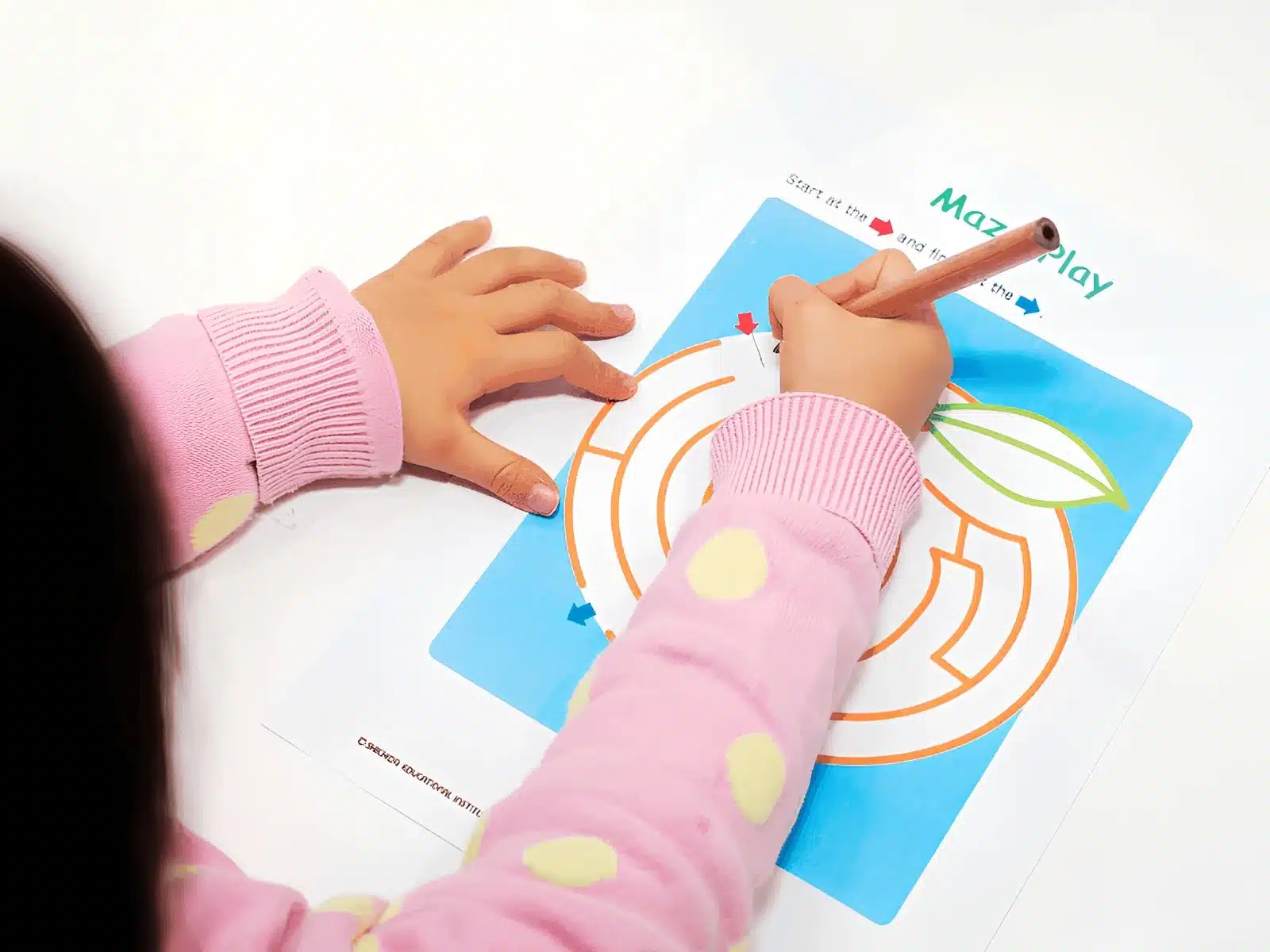
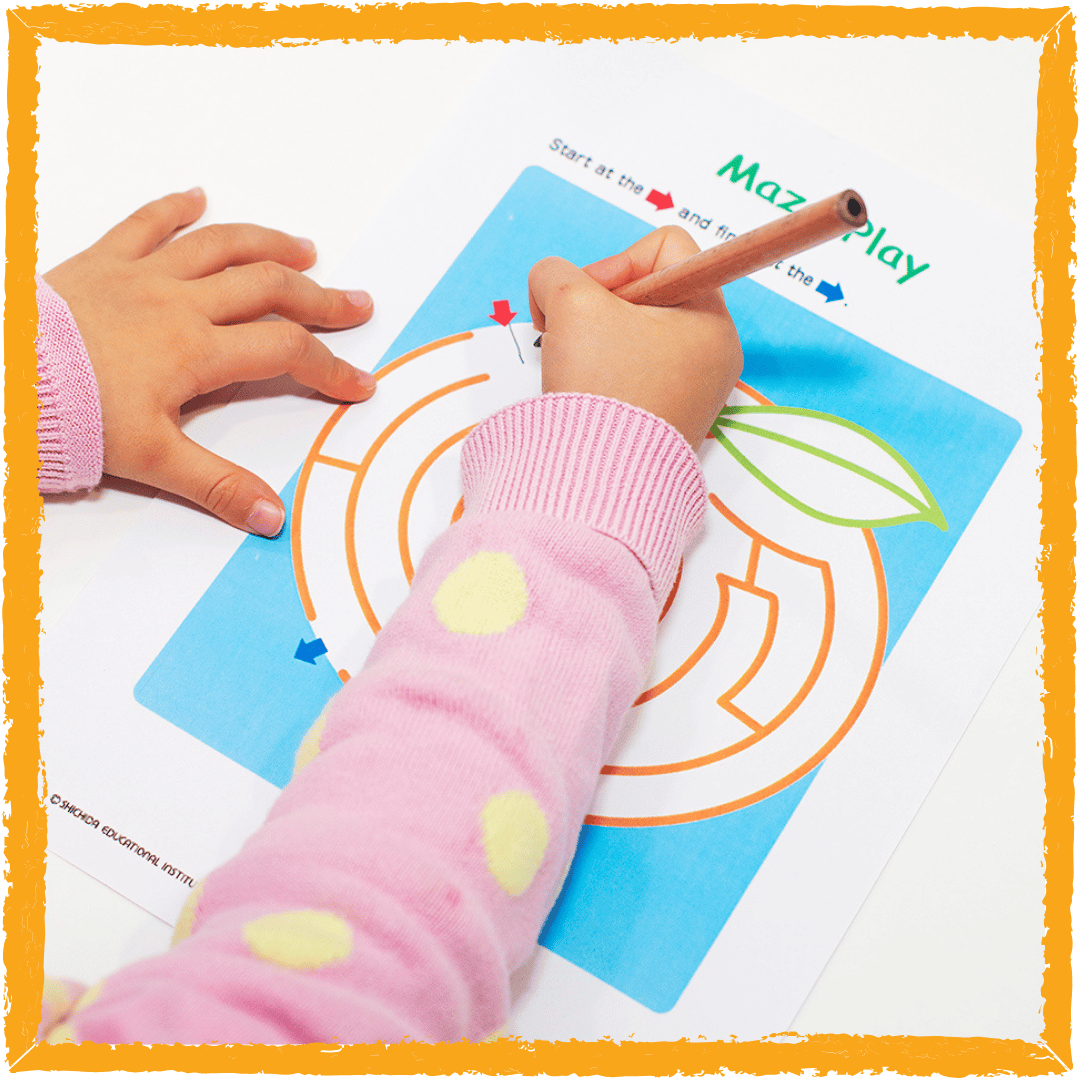
Photo by Shichida Australia: A child completes a maze in a Shichida class. Mazes are a fun way to practise problem-solving, spatial reasoning, and focus.
How Shichida Australia Supports Critical Thinking
Shichida Australia believes every child has a natural thinker within them — they just need the right environment to develop it.
Shichida’s program integrates both right-brain creativity and left-brain logic, helping children grow into curious, confident problem-solvers.
Here’s how Shichida nurtures critical thinking:
- Integrated learning: Each 50-minute class balances imagination and logic through visualisation, memory linking, sequencing, and reasoning tasks.
- Progressive curriculum: Activities evolve with your child’s developmental stage, ensuring steady growth in cognitive and emotional skills.
- Parent-inclusive approach: Parents are involved in each session, learning techniques to continue critical thinking development at home.
- Creative exploration: Children use fun, sensory-rich materials that stimulate curiosity and discovery.

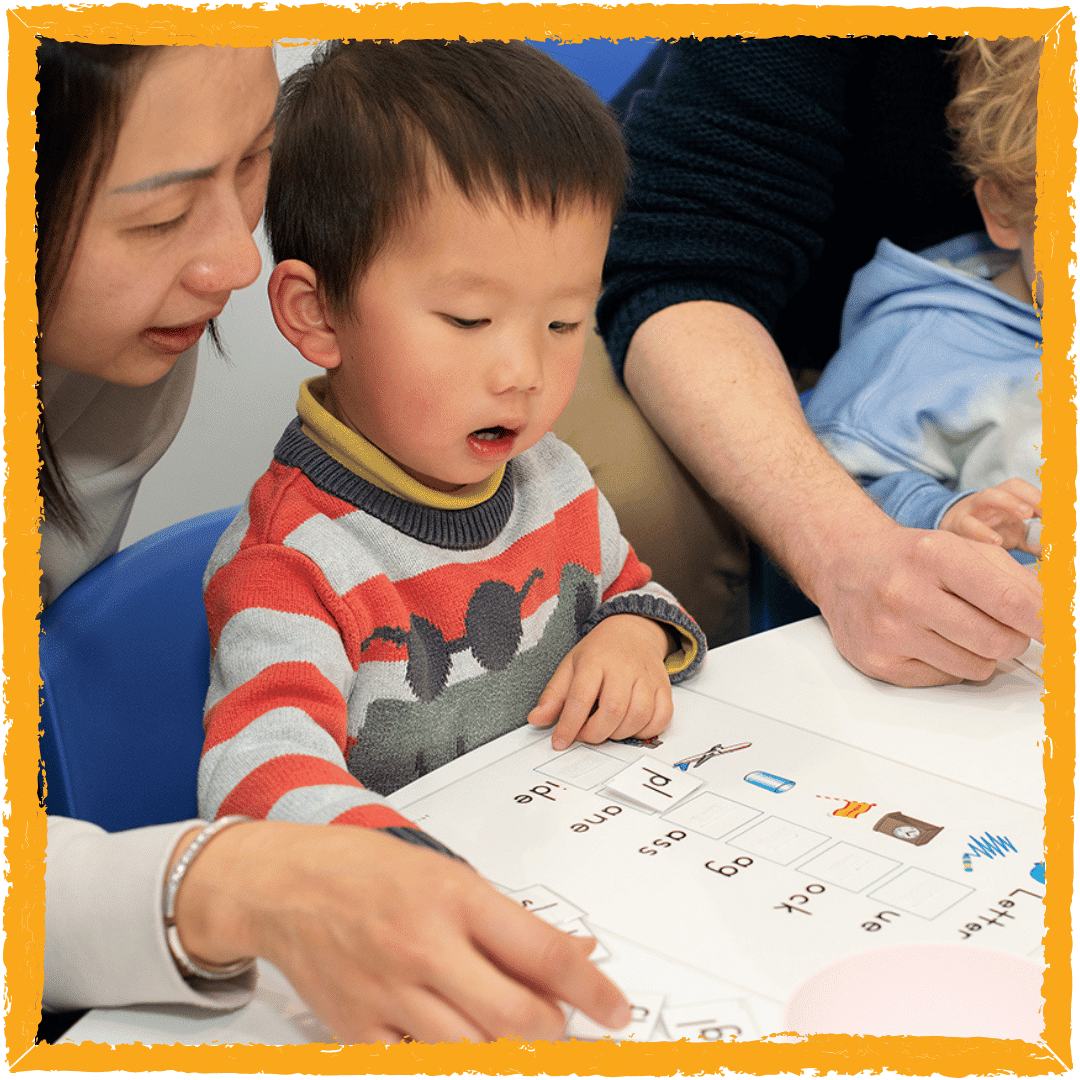
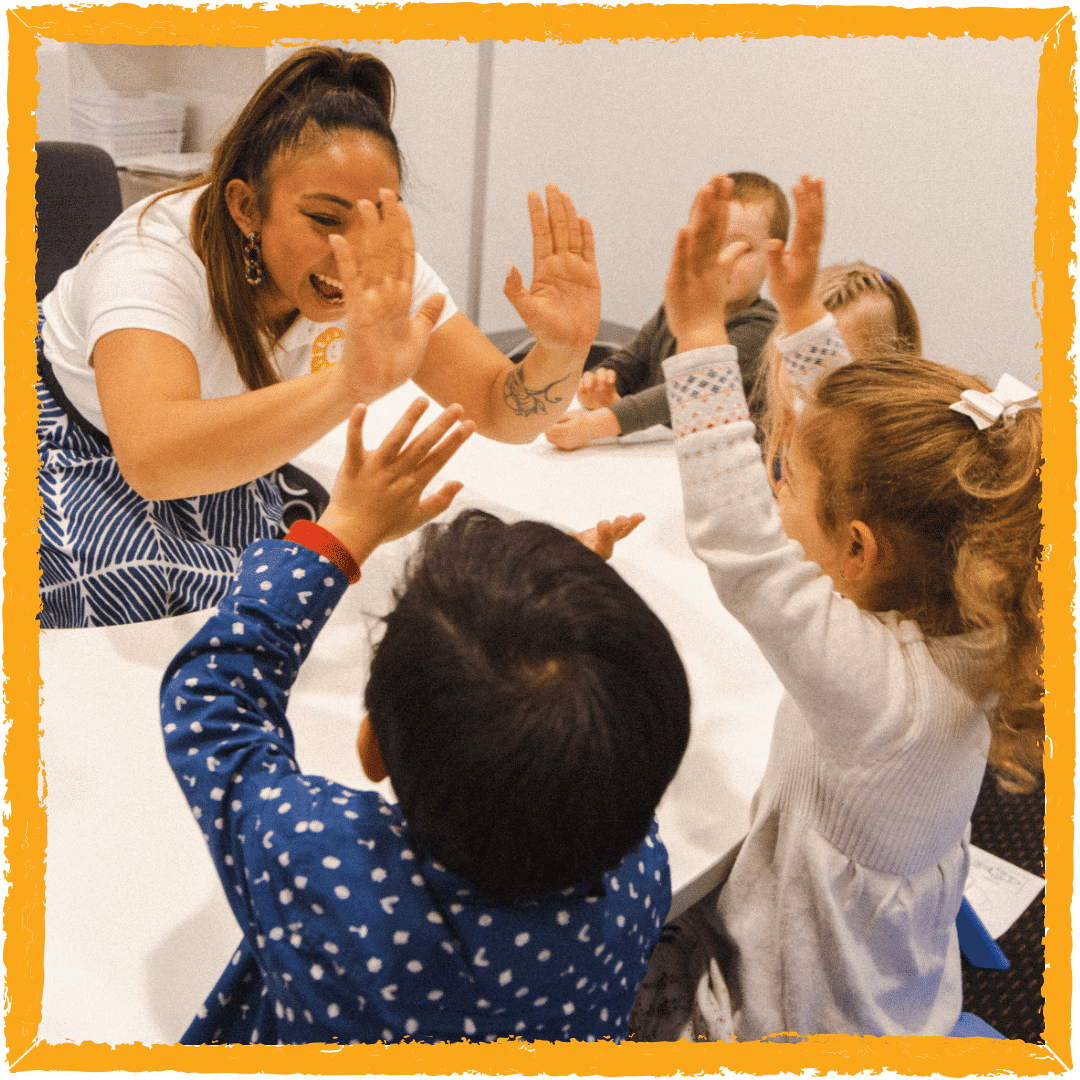
Photo by Shichida Australia: A child proudly shares his ideas in class – a glimpse of how confidence and critical thinking grow hand in hand!
Conclusion: Start Nurturing Critical Thinking Today
Critical thinking grows through experience, curiosity, and play.
At Shichida Australia, every activity is designed to develop reasoning, memory, and creativity
while encouraging children to question, explore, and think for themselves.
Book a trial to see how our whole-brain learning approach transforms everyday curiosity into lifelong confidence and problem-solving skills.
FAQ’s: How to teach kids critical thinking
You can start nurturing critical thinking from infancy. Simple sensory experiences – like watching your baby explore textures or sounds – build curiosity and observation. As your child grows, guide them with open-ended questions, comparisons, and small choices to strengthen reasoning and problem-solving skills.
Start with everyday routines and play. Ask simple questions such as, “Where did the ball go?” or “What happens next?” Give your toddler time to explore and respond. Open-ended play, stacking toys, and sensory games encourage cause-and-effect understanding, the earliest stage of critical thinking.
Activities that involve observation, prediction, and reflection are best. Try sorting games, “what if” scenarios, puzzles, board games like Guess Who, or storytelling with different endings. These activities develop logic, creativity, and reasoning through play.
Encourage your child to explain their thoughts rather than rushing to the answer. Ask open-ended questions like, “Why do you think that happened?” or “What would you do differently next time?” Real-life situations – such as planning a trip, managing pocket money, or solving daily problems – also build independent, critical thinking.
The Shichida Method combines right-brain creativity with left-brain logic to develop whole-brain thinkers. Through activities like memory linking, pattern recognition, and critical thinking games, children learn to connect ideas, reason clearly, and think creatively. Each class also gives parents practical ways to continue developing critical thinking at home.
Model curiosity and reflection in daily life. Instead of giving immediate answers, ask your child questions like, “What do you notice?” or “How could we try this differently?” Encourage open conversations, problem-solving games, and gentle reflection before bedtime to help your child think more deeply and independently.