
How To Help An Easily Distracted Child
Top 5 Key Takeaways
-
Easily distracted children are often affected by sensory overload, unstructured routines, interruptions, multitasking, or emotional discomfort, making it essential to understand the root causes of their wandering attention.
-
Simple strategies like timed work sessions, regular breaks, and creating a calm, clutter-free focus space help children stay engaged while reducing overwhelm, restlessness, and mental fatigue.
-
Predictable routines and step-by-step instructions support attention by giving children structure, reducing surprise transitions, and making tasks feel more manageable and less intimidating.
-
Physical activity and reduced screen time greatly improve concentration by helping children release excess energy, regulate emotions, and avoid digital overstimulation – especially before bedtime.
-
Structured, hands-on learning environments such as Shichida classes strengthen focus through guided activities, memory games, puzzles, and emotional awareness techniques, helping children build long-term attention skills both in class and at home.
Every parent has experienced it: you’re trying to explain something to your child or help them with homework, and their attention veers off in the blink of an eye. Let’s explore practical ways of how to help an easily distracted child and get them to focus.
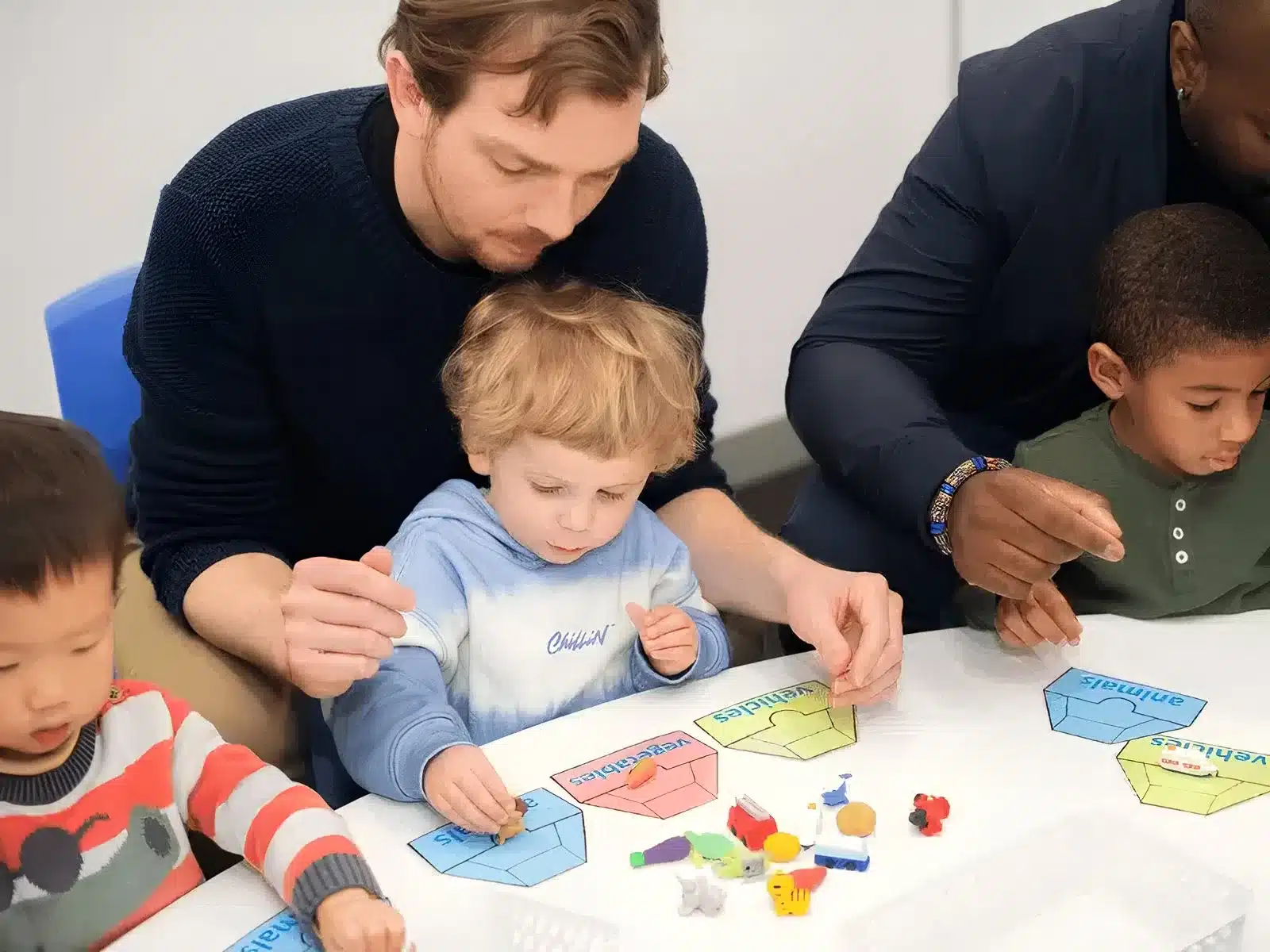
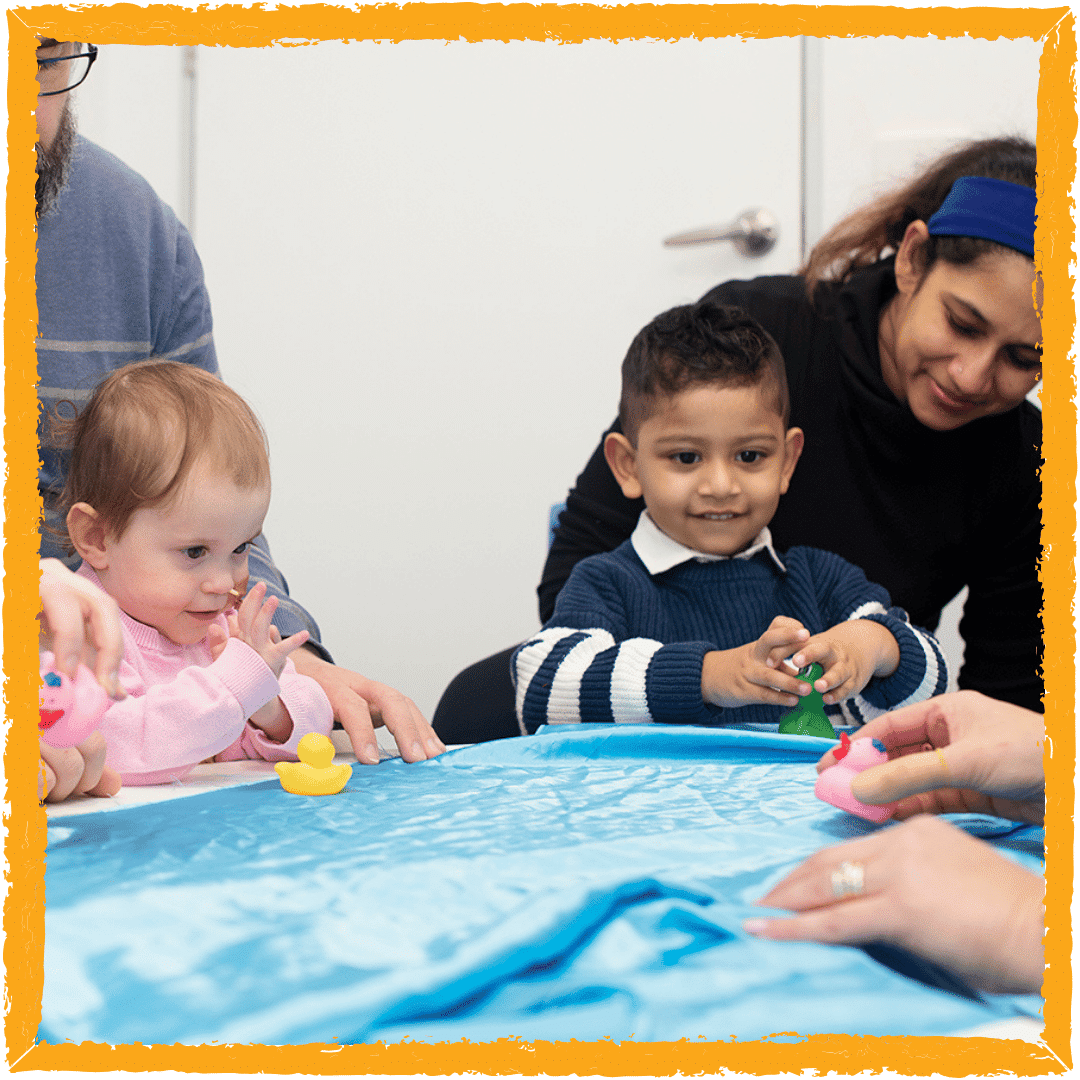
Did you know? Sensory play directly supports focus and self-regulation
Distracted children often struggle with attention because their sensory systems are either under-stimulated or overwhelmed.
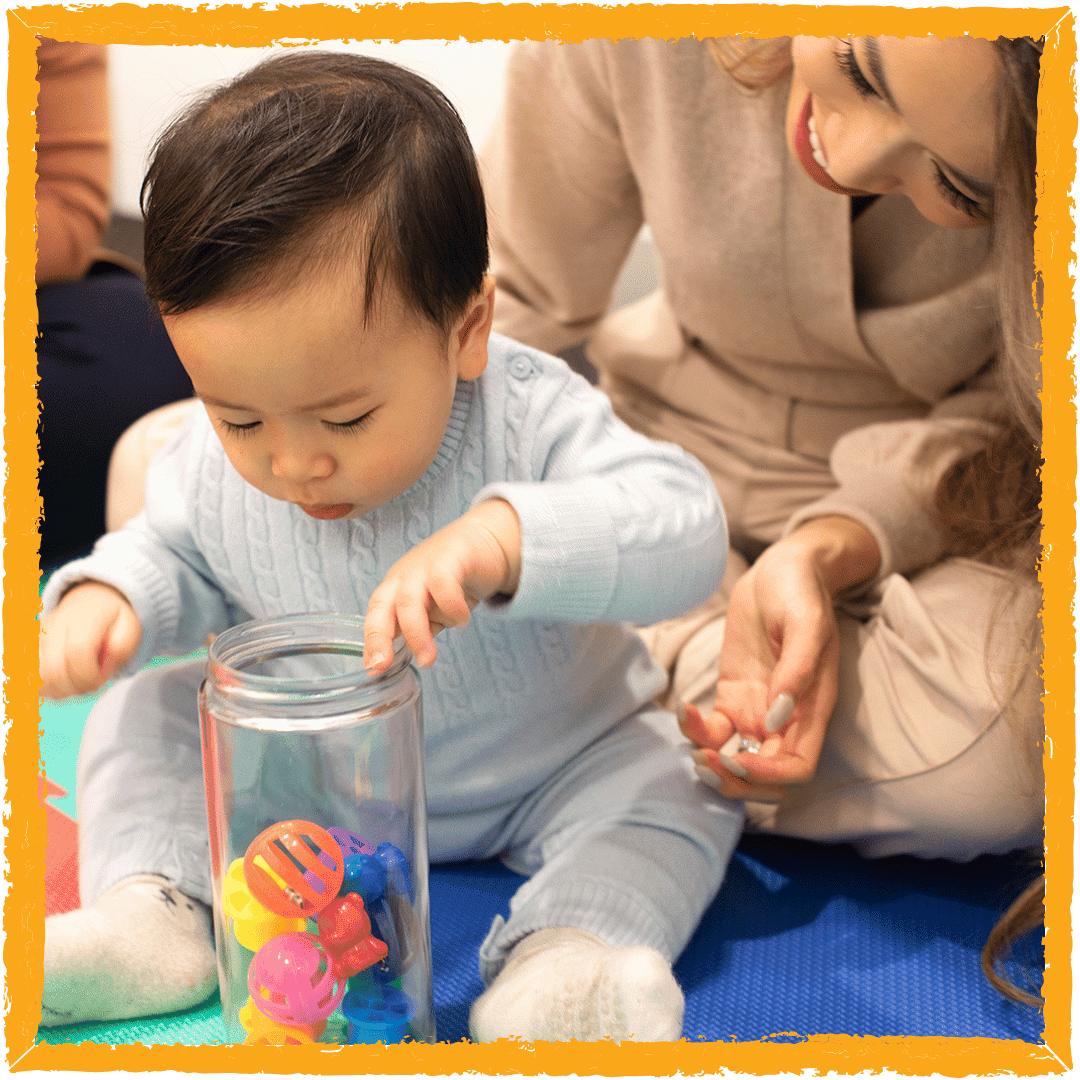
A sensory play guide gives parents practical, calming, hands-on activities that help improve:
- attention span
- regulation
- grounding
- concentration
- transitions
If your child is easily distracted and prone to losing focus, there are a few things that can cause their minds to wander off.
Overstimulation: Kids who are easily distracted are often more sensitive to an overload of sensory stimuli which can scatter their attention. In particular, a toddler is easily distracted in a space with a lot of visual elements, loud sounds, or even strong smells.
Unstructured time: Children who are easily distracted often need more structure than other kids their age. Unstructured time can lead to aimlessness, and they can quickly lose focus. Providing a routine or a clear list of tasks can help them stay on track.
Multitasking: This can be a major distraction trigger. An easily distracted child does much better focusing on one task at a time. Encouraging them to complete one task before starting another can improve their focus.
Interruptions: Simple interruptions that might not affect other children can completely derail those who are easily distracted. This could include a phone ringing, a pet entering the room, or a sibling talking. Creating a quiet, interruption-free space for focus-intensive tasks can be beneficial.
Emotional discomfort: Children who are easily distracted are often more sensitive to their emotional states. If they’re upset, anxious, or excited, it can be almost impossible for them to maintain focus. Acknowledging how they feel, reassuring them and practising calming strategies can help them regain their focus.

How To Help An Easily Distracted Child
Take breaks
One strategy to help your easily distracted child focus better is to take regular breaks.
When faced with an activity that feels endless, a child’s attention might naturally drift away. They might find it hard to keep their focus sharp and start to let their mind wander.
Knowing that a short break is on the horizon after a dedicated period of effort, can actually motivate your child to stick with the task. It’s like seeing the light at the end of a tunnel and makes the journey seem less daunting.
For example, you can structure homework or study time in chunks of 15 minutes, followed by a 5 minute break. Turn the pause into a mini reward, allow your child to do something they enjoy – it could be a quick stretch, a doodling session, or just gazing out the window.
A break is a chance for their minds to recharge and get ready to absorb new information when they get back to what they were doing. Breaks help reduce fatigue, boredom, and restlessness – common causes of distractibility.
Use a timer
It might seem simple, but a timer does more than just countdown minutes; it gives a visual and auditory cue for your child to help them manage their attention span.
A timer can create a sense of urgency, so kids understand there is a finite period to complete a task. This can motivate them to stay focused and keep working until the time is up.
After the work session, set the timer for a short break. In this way, the timer is a great tool to set out a clear structure for periods of work and rest. When your child knows what to expect, it reduces their anxiety or resistance to getting the task done.
Timers can also provide a sense of accomplishment. When the timer goes off and your child has successfully stayed on task, praise their effort!
Create a calm and collected space for your little one
Battling distractions might be as simple as carving out a tidy little nook in your home; a quiet corner where your child can dive headfirst into their tasks. Whether it’s studying, reading, or even practising their hobby, this spot is their headquarters for concentration.
- Pick a spot that’s naturally quiet and has minimal foot traffic. The less the bustle, the easier it’ll be for your child to focus.
- Keep the workspace minimalistic. Too many objects can be distracting, so only essential items should make the cut.
- Make the space comfy! A suitable chair and good lighting can make a world of difference to your child’s focus and productivity.
- Once you designate a ‘focus spot’, try to use it consistently for tasks requiring concentration. This helps reinforce its purpose.
- Involve your child in setting up the space. This makes it more personal to them and they’ll be more likely to use and maintain it.
This isn’t only about moving distractions out of sight. It’s also about creating a special ‘zone’ that tells your child it’s time to put on their thinking cap. The more they use this space, the more their brain will associate it with focusing.

Establish a consistent routine
Having a routine adds predictability to your child’s day. Whether it’s brushing their teeth after breakfast or doing homework before dinner, these regular activities can become signposts that help your child navigate their day.
And why does this matter? Well, knowing what’s next means your child can prepare for it, rather than being caught off guard. Fewer surprises mean less distraction and more focus. Plus, a routine provides a comforting sense of security.
Get moving to focus
Kids are full of get-up-and-go; like they have their very own, ever-recharging battery that never ends! This endless energy can sometimes pull their concentration in every direction.
Regular exercise isn’t just great for their health – it’s also a fantastic way for your child to channel that energy and sharpen their focus.
One study of over 1000 school kids found that those who undertook moderately intensive exercise performed significantly better in tests of concentration than those who hadn’t done the exercise.
Whether they’re swinging a bat, leaping in a dance routine, or just running around in the backyard, every active minute helps burn off that extra energy that might lead to distraction. Plus, physical activity is a wonderful mood booster.
Tame the tech monster
Creating a ‘calm zone’ in your home by limiting your child’s screen time can be beneficial. This includes TV, video games, and any other electronic devices that distract and pull kid’s attention away from the task at hand.
Dialling down digital distractions is particularly important before bedtime.
Research by the Gonski Institute for Education (UNSW Sydney) found that three of five children in the study who struggled in school regularly took their digital devices to bed with them.
The aim isn’t to banish digital fun but to help your child find their concentration sweet spot. Save device time for a reward, rather than a constantly available tech distraction.
Keep instructions simple
Some tasks, like doing their homework, can feel like climbing a mountain for a child struggling with focus. If you give them too many instructions at once it can be overwhelming, instead guide them step by step.
How to help an easily distracted child do their homework:
- Check homework book
- Get out the stuff needed to complete task
- Set timer for 10 minutes
- Focus on homework tasks
- Reward when activities completed during time frame
By breaking down tasks into bite-sized pieces and giving step-by-step instructions, you’ll help your easily distracted child stay on track.
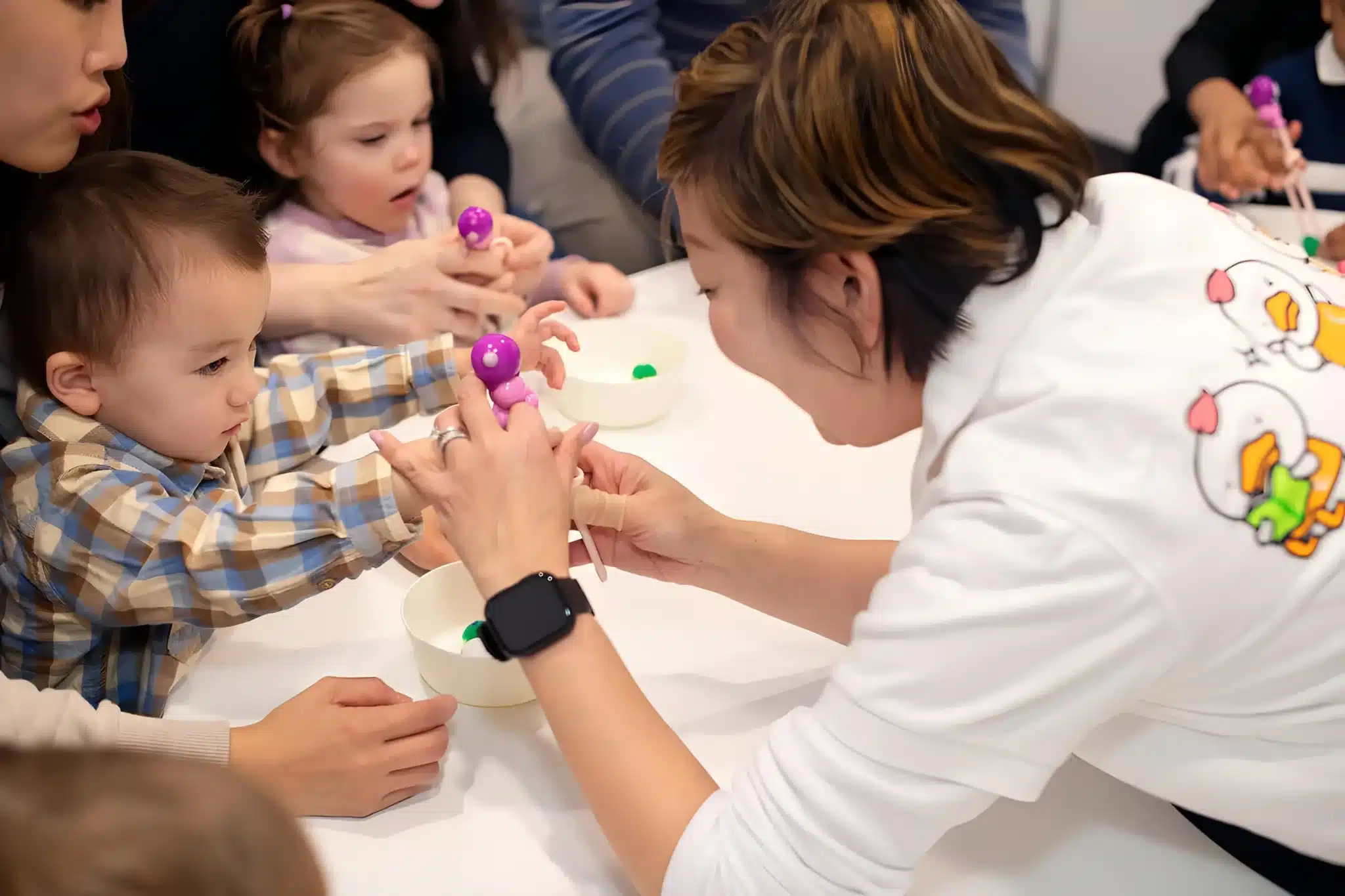
Create Structured Opportunities for Focused Learning
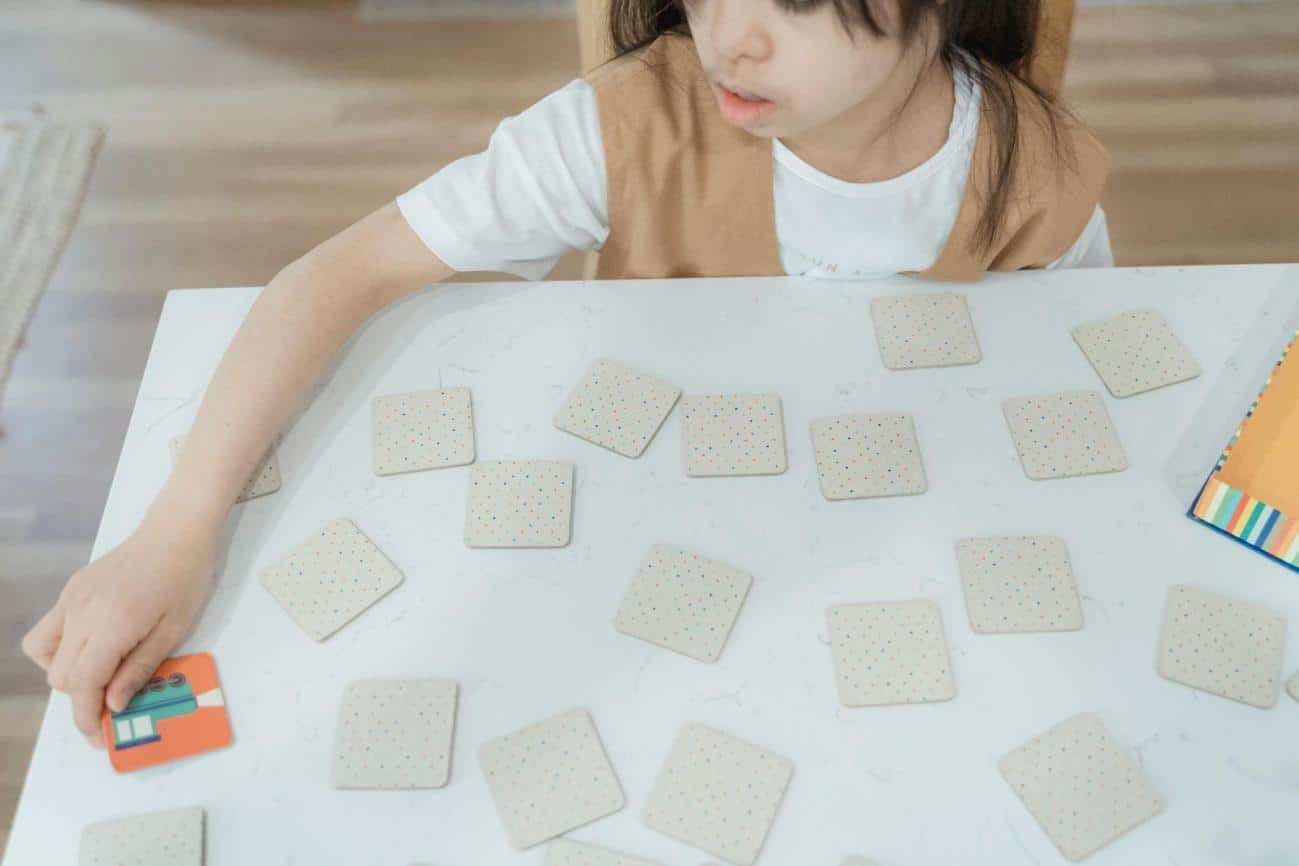
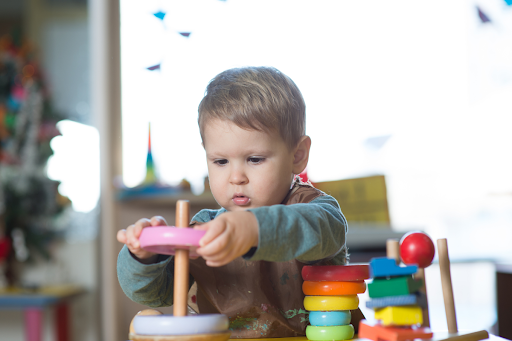
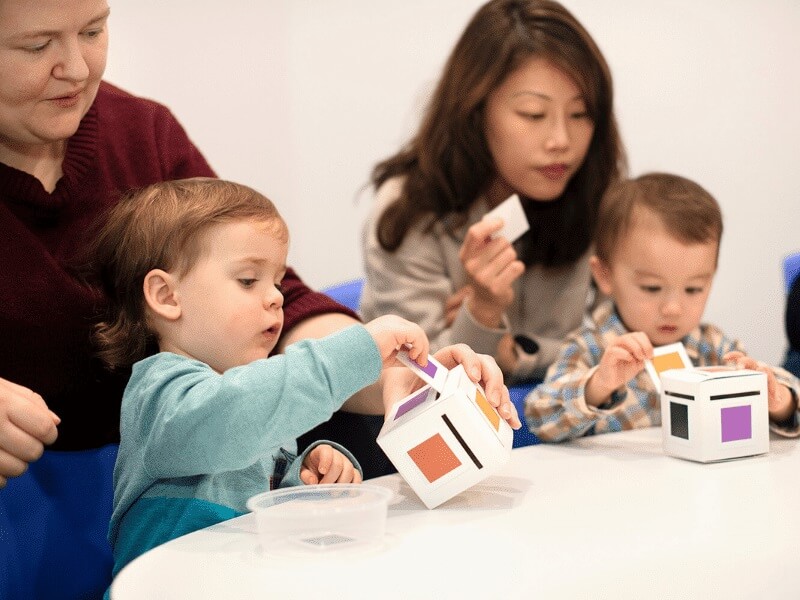
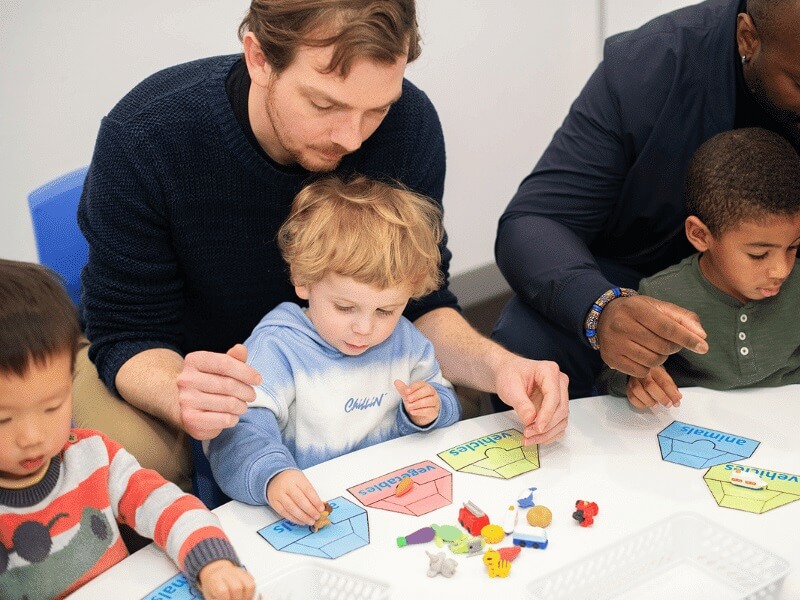
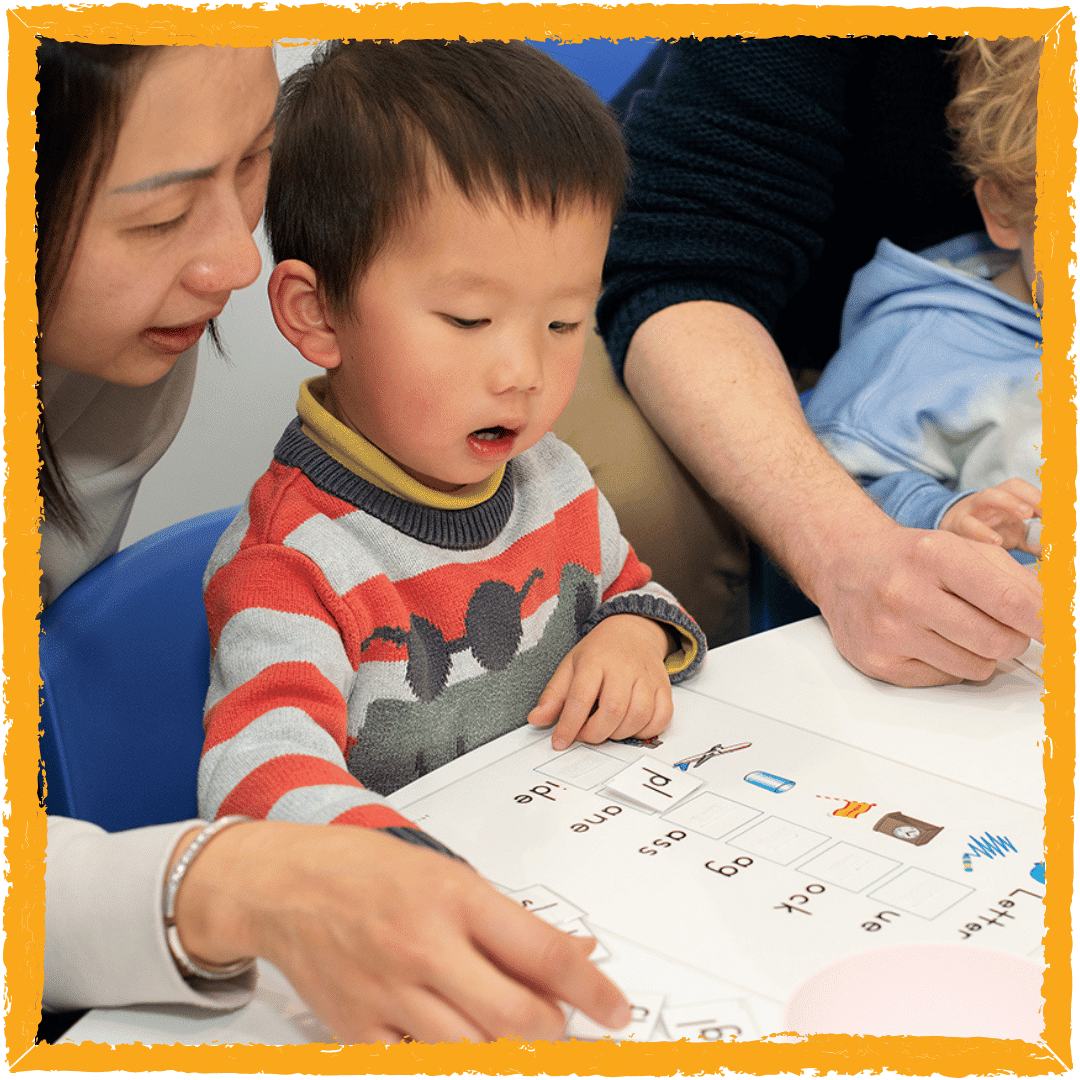
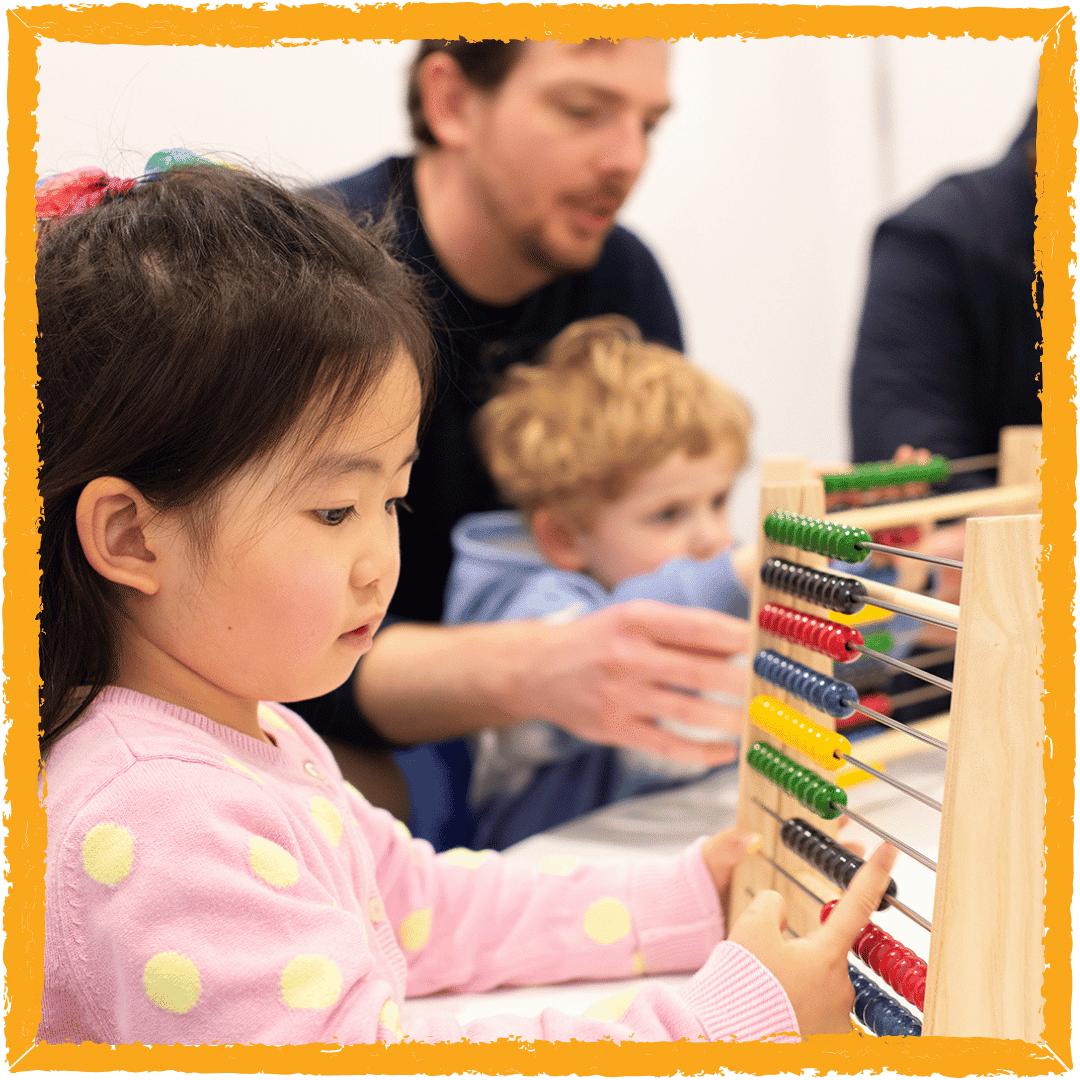
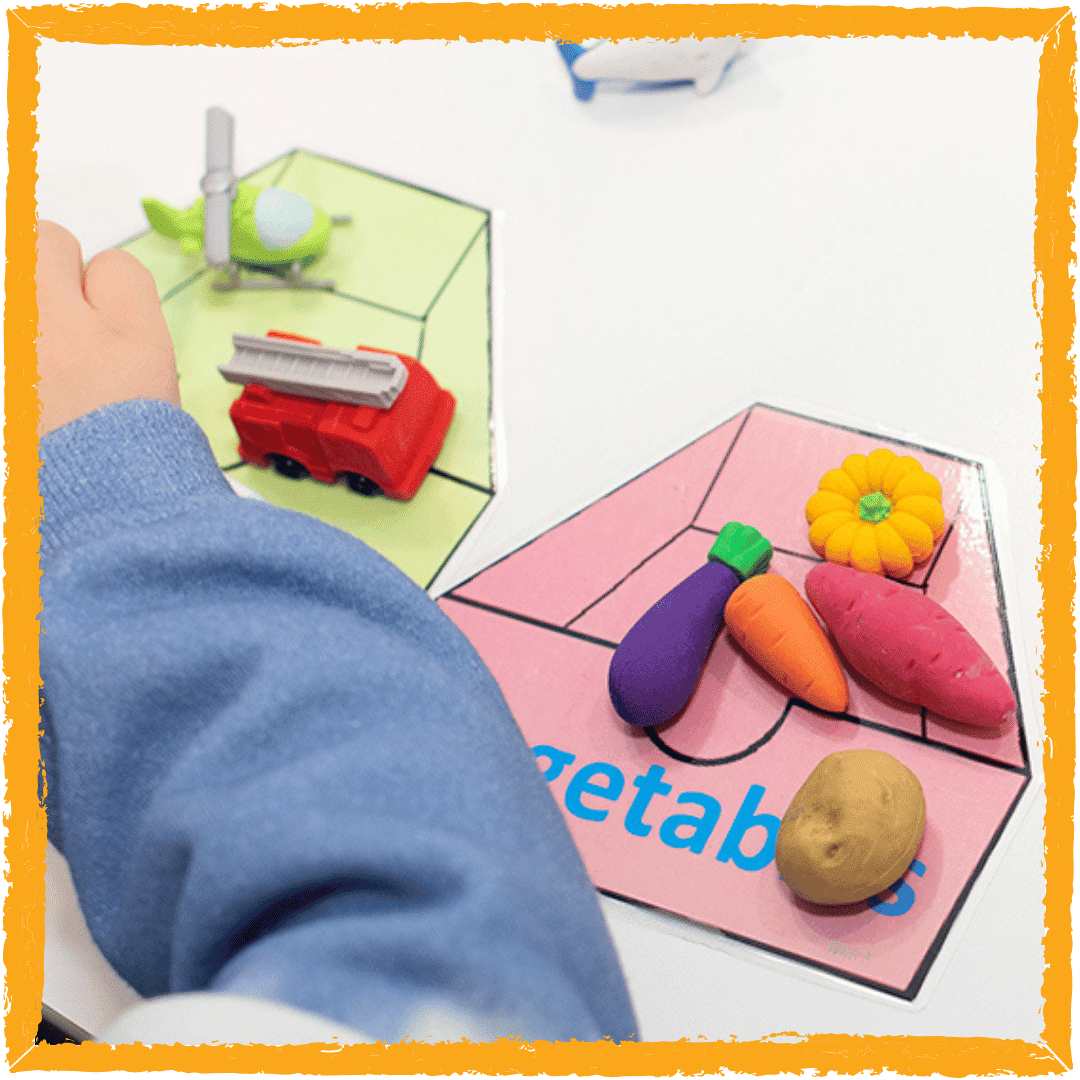
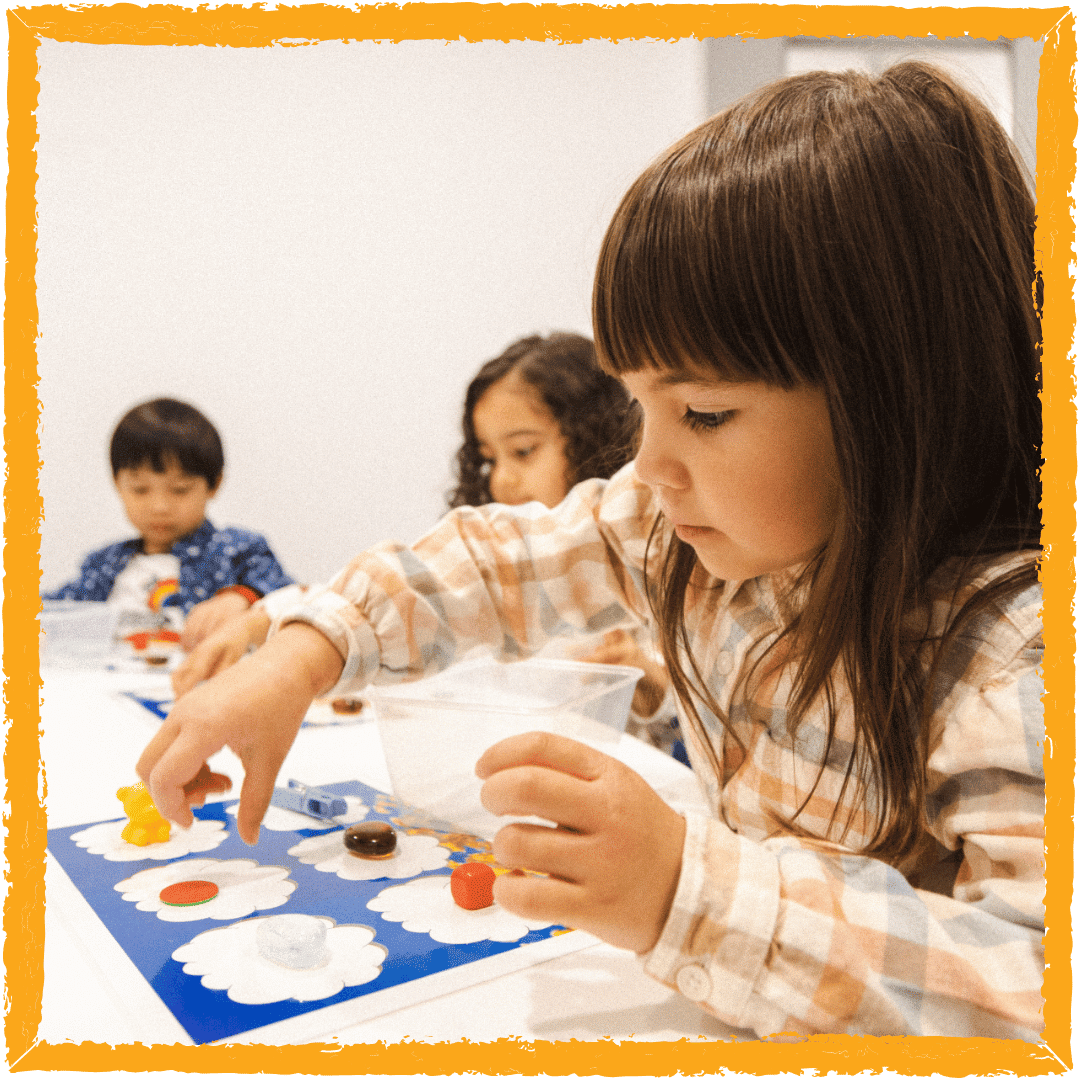
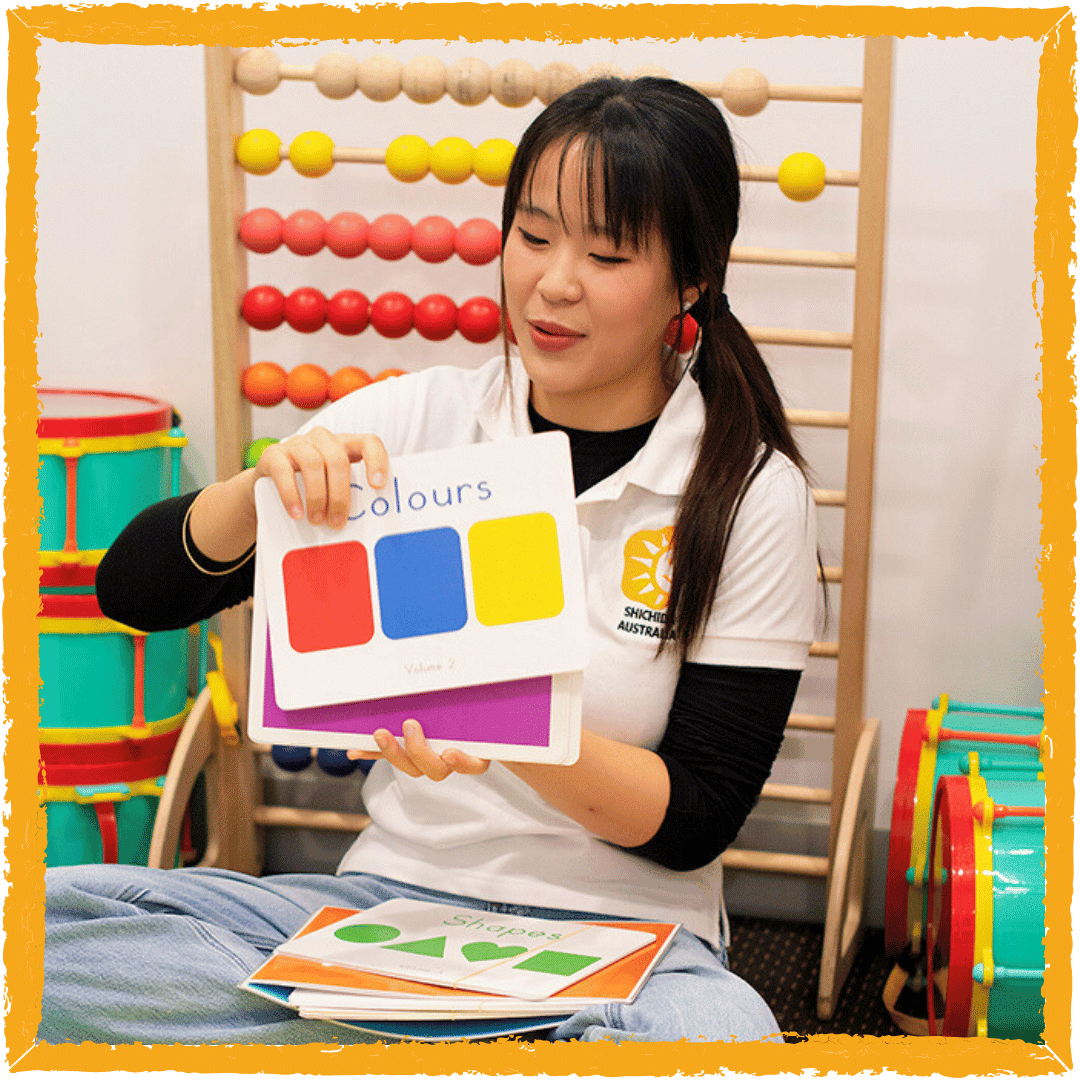
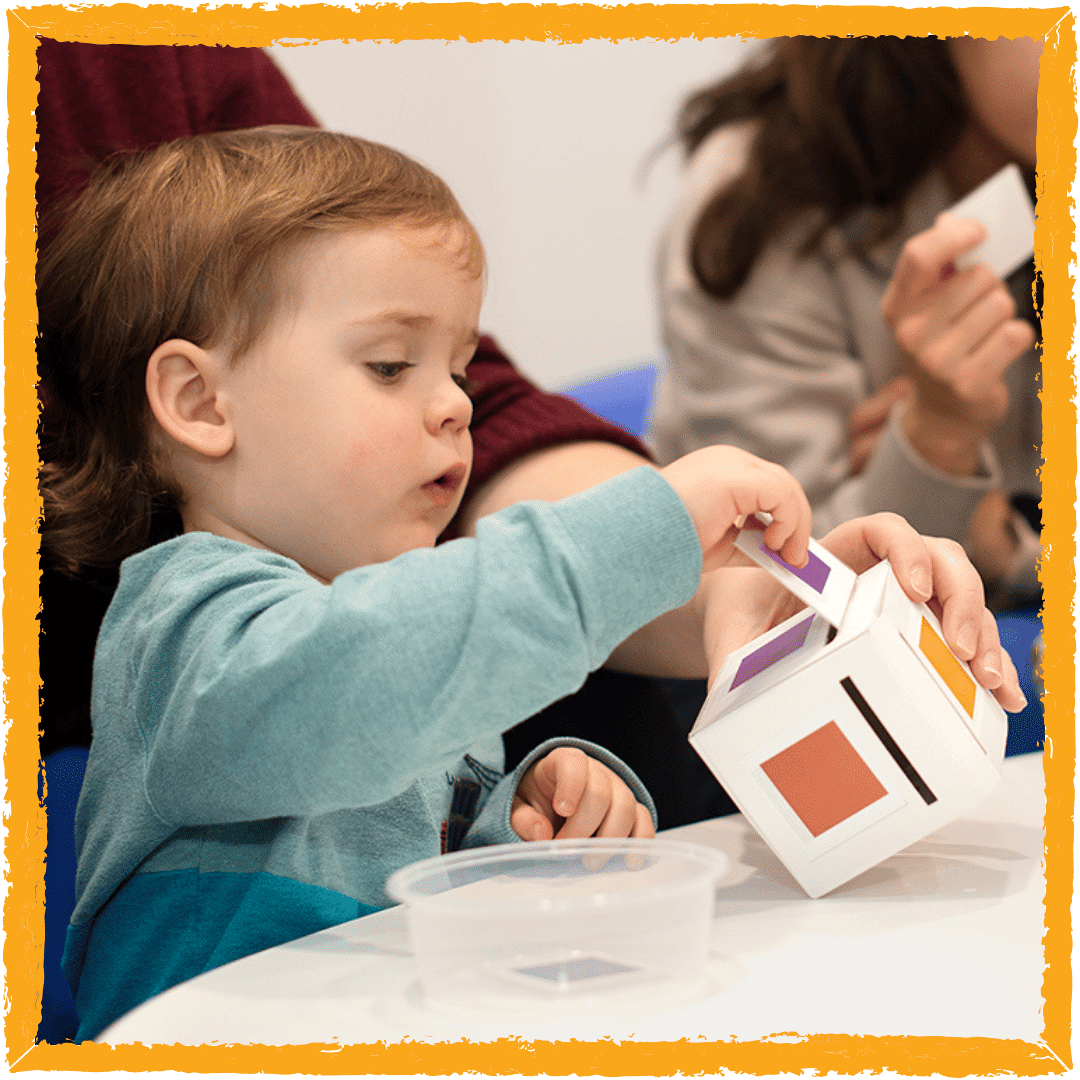
For toddlers and kinder-aged children, creating structured activities that are both engaging and challenging can help develop their ability to focus. Group settings, like classes, often provide children with opportunities to practice concentration in a supportive and interactive environment. Look for programs or activities that encourage hands-on learning, which often incorporate problem-solving tasks. Activities that blend play with cognitive development – such as puzzles, memory games, or early critical thinking challenges – can be incredibly beneficial in strengthening attention spans.
It’s also helpful to integrate emotional awareness during these activities. Teaching young children to recognise and manage their emotions, particularly frustration or boredom, can help them stay focused on a task. Encouraging them to articulate their feelings when they are distracted and guiding them to refocus can boost both their concentration and emotional intelligence (EQ). In environments that promote emotional awareness, children learn how to manage distractions in a calm and composed way.
Shichida Australia Enrichment Classes
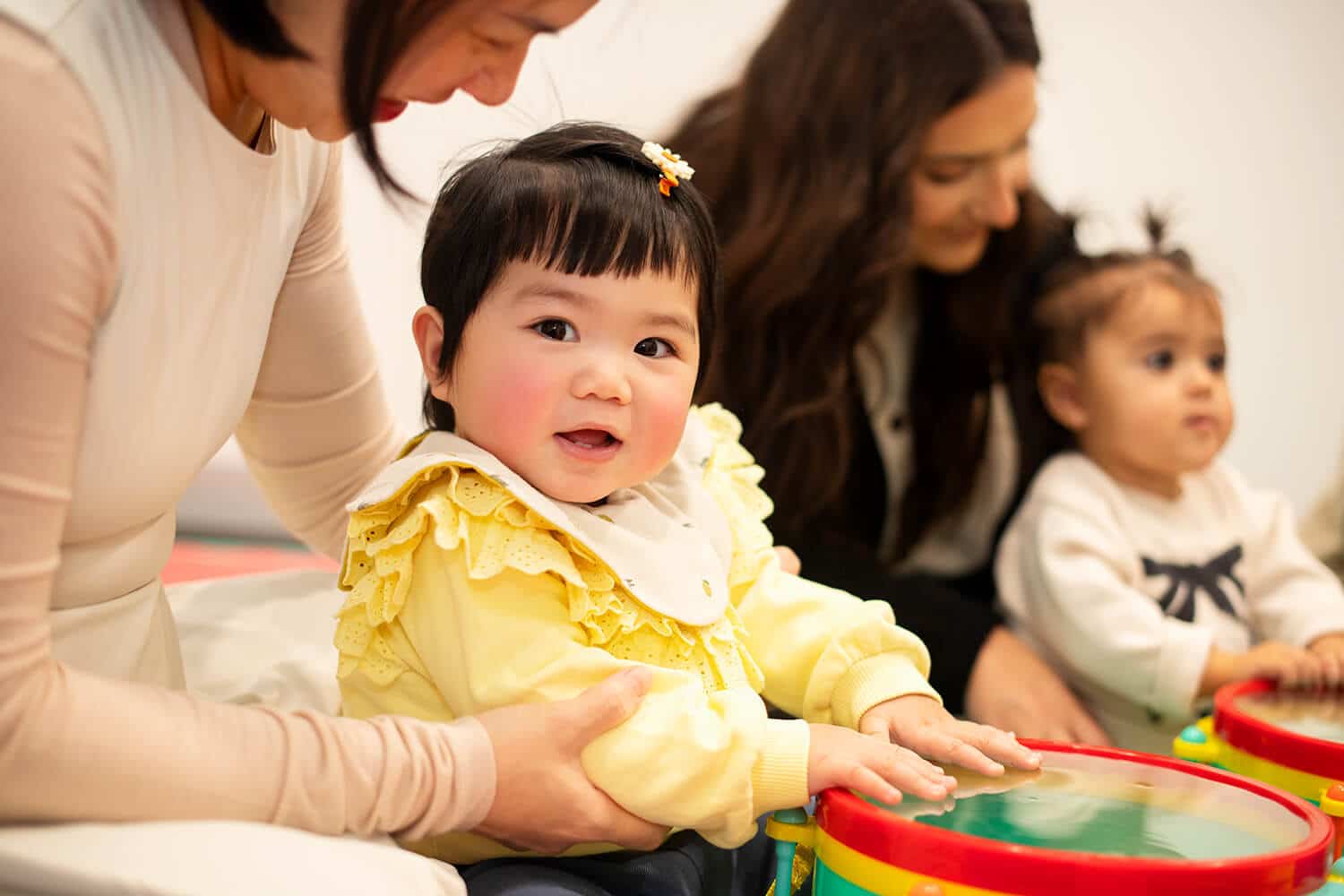
Want to know how to help an easily distracted child stay focused and engaged? Try a class at Shichida Australia and discover structured activities designed to build attention and concentration from an early age. Our experienced teachers introduce your child to activities and games to improve their attention and concentration from a young age. We also share how to help an easily distracted child at home!
Book a trial class at a Shichida early learning centre today!
FAQs: How to Help an Easily Distracted Child
Children can become easily distracted for many reasons, including sensory overload, lack of routine, emotional discomfort, multitasking, or too many environmental interruptions. Some children are naturally more sensitive to sounds, visuals, or movement. Understanding these triggers helps you choose the right strategies to improve focus.
Start with simple strategies like timed work sessions, regular breaks, a quiet study space, clear step-by-step instructions, and predictable daily routines. Removing digital distractions and offering hands-on activities such as puzzles, memory games, and sensory play can also improve attention span.
Yes – sensory play is one of the most effective tools for helping distracted children. Sensory activities support emotional regulation, grounding, and self-awareness, all of which improve focus. Calming sensory tasks help the brain filter distractions and settle into a state more ready for learning.
Break tasks into small, manageable steps and give only one instruction at a time. Use visual timers to create a clear beginning and end, and celebrate small wins. This helps children develop confidence and prevents the overwhelm that leads to distraction.
Yes. Shichida classes are designed to strengthen focus, attention, and emotional regulation through structured, hands-on learning. Children participate in memory games, problem-solving tasks, puzzles, and whole-brain activities that build concentration in a calm, supportive environment. Parents also learn practical techniques to use at home.
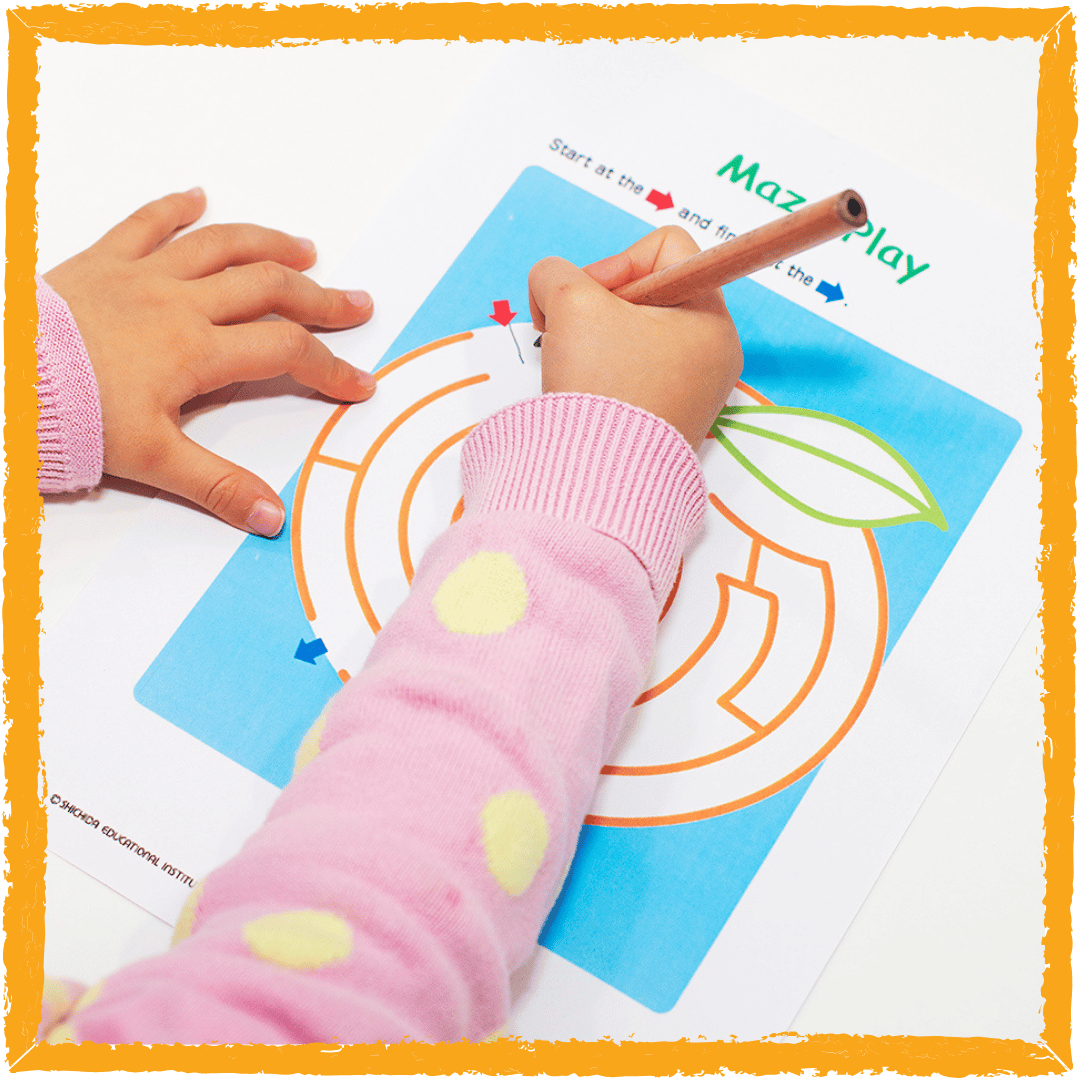
Activities that blend movement, hands-on learning, and cognitive challenges work best. Examples include puzzles, matching games, memory cards, sensory play, tracing activities, and guided problem-solving tasks – all of which are part of the Shichida program.
When children can recognise and label their emotions, they are better able to stay regulated and return to a task after being distracted. Teaching emotional awareness reduces frustration, improves resilience, and helps a child refocus more easily during learning.