Guided Parenting: Positive & Practical Discipline Strategies
Key Points
- Guided parenting focuses on teaching behaviour through connection and positive discipline.
- Empathy and clear boundaries work together to guide children’s behaviour.
- Positive discipline helps children develop emotional regulation and responsibility.
- Parenting strategies evolve across developmental stages.
- Long-term cooperation is more effective than short-term obedience.
As you navigate the everyday challenges of raising young children – you may start thinking about the kind of parent you want to be.
Maybe you were raised with strict rules and punishments. Maybe you experienced very relaxed parenting and felt unsure of boundaries. Now, as an expectant parent, you are asking a powerful question: Is there a better way?
Guided parenting offers a balanced middle ground between strict discipline and permissive parenting, combining positive discipline, emotional guidance, and clear boundaries. This guided parenting approach prioritises connection, childhood emotional development, and skill-building over punishment. It does not rely on fear or control. It also does not ignore behaviour. Instead, it teaches.
If you want discipline without punishment, stronger parent-child communication, and long-term resilience rather than short-term compliance, this parenting guide is for you!
Free Sensory Play Guide
Guided parenting starts with simple, intentional moments at home. Sensory play is one of the easiest ways to support your child’s learning through everyday activities.
Download our free sensory play guide to get started.
What Is Guided Parenting?
Guided parenting is a parenting approach that combines empathy, clear boundaries, and skill-building to help children learn appropriate behaviour through guidance rather than punishment.
It combines positive discipline, responsive parenting, and the authoritative parenting style into one practical framework.
At its core, guided parenting means:
- Setting clear, consistent boundaries
- Validating your child’s emotions
- Teaching skills like self-regulation and problem-solving
- Using natural consequences instead of harsh punishment
It overlaps with respectful parenting and emotion coaching, but its defining feature is guidance over control. Instead of asking, “How do I stop this behaviour?” you ask, “What skill is my child still learning?”
This shift changes everything.
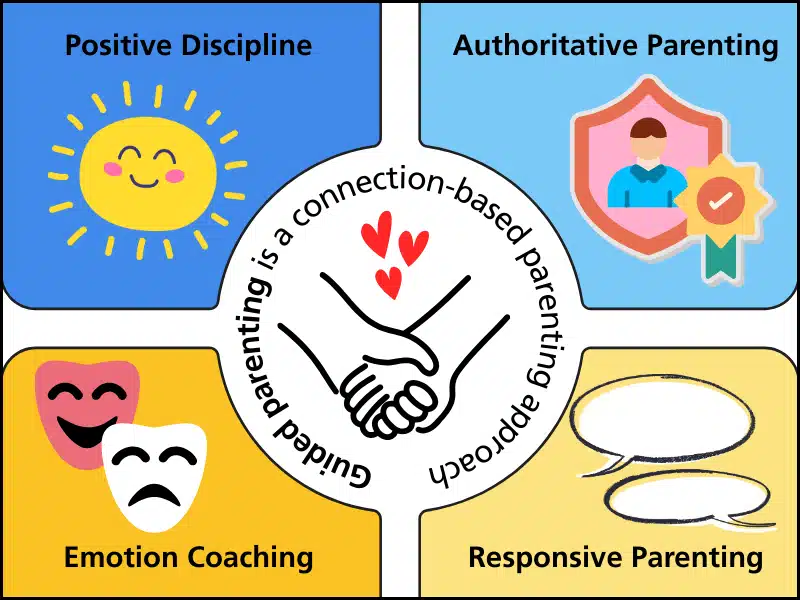
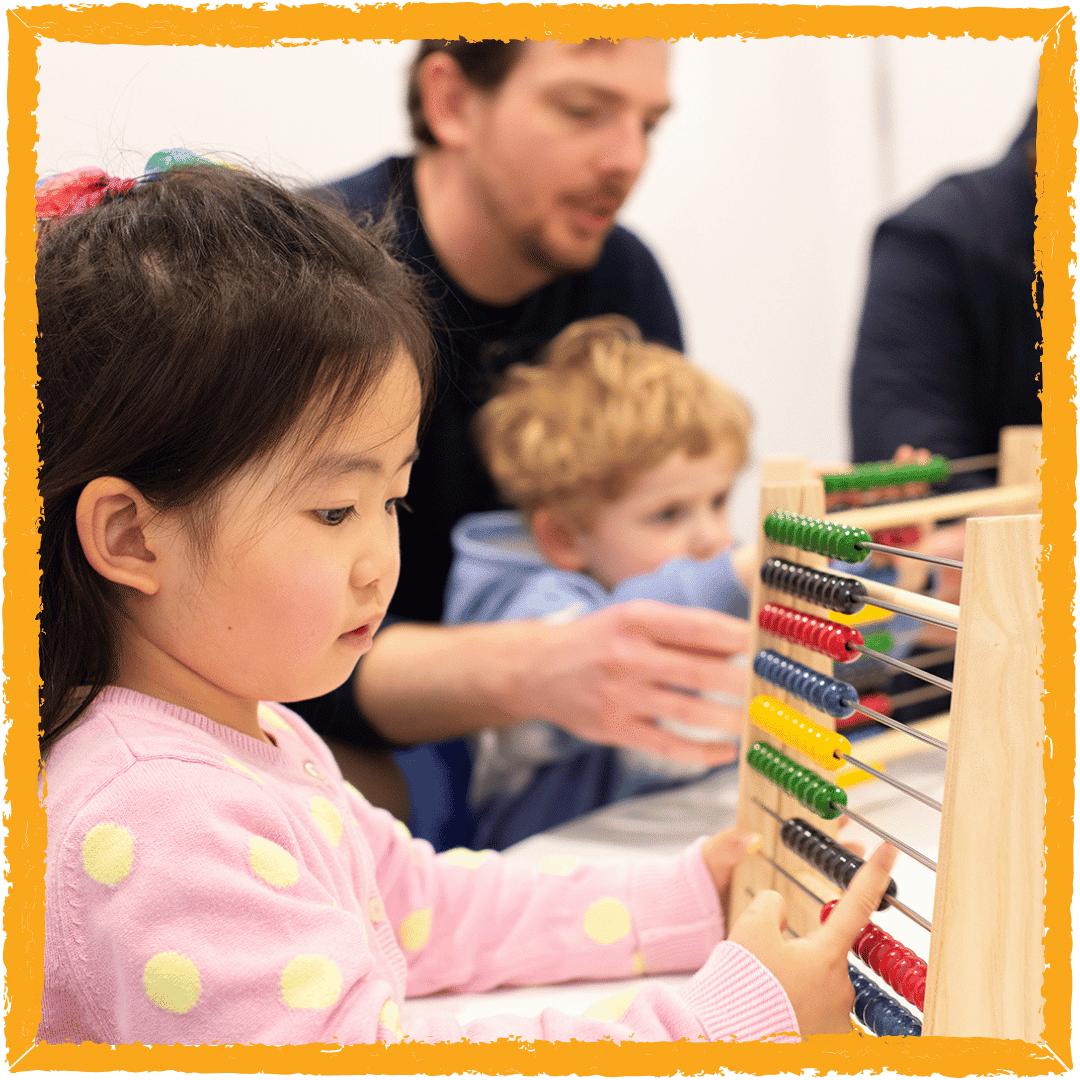
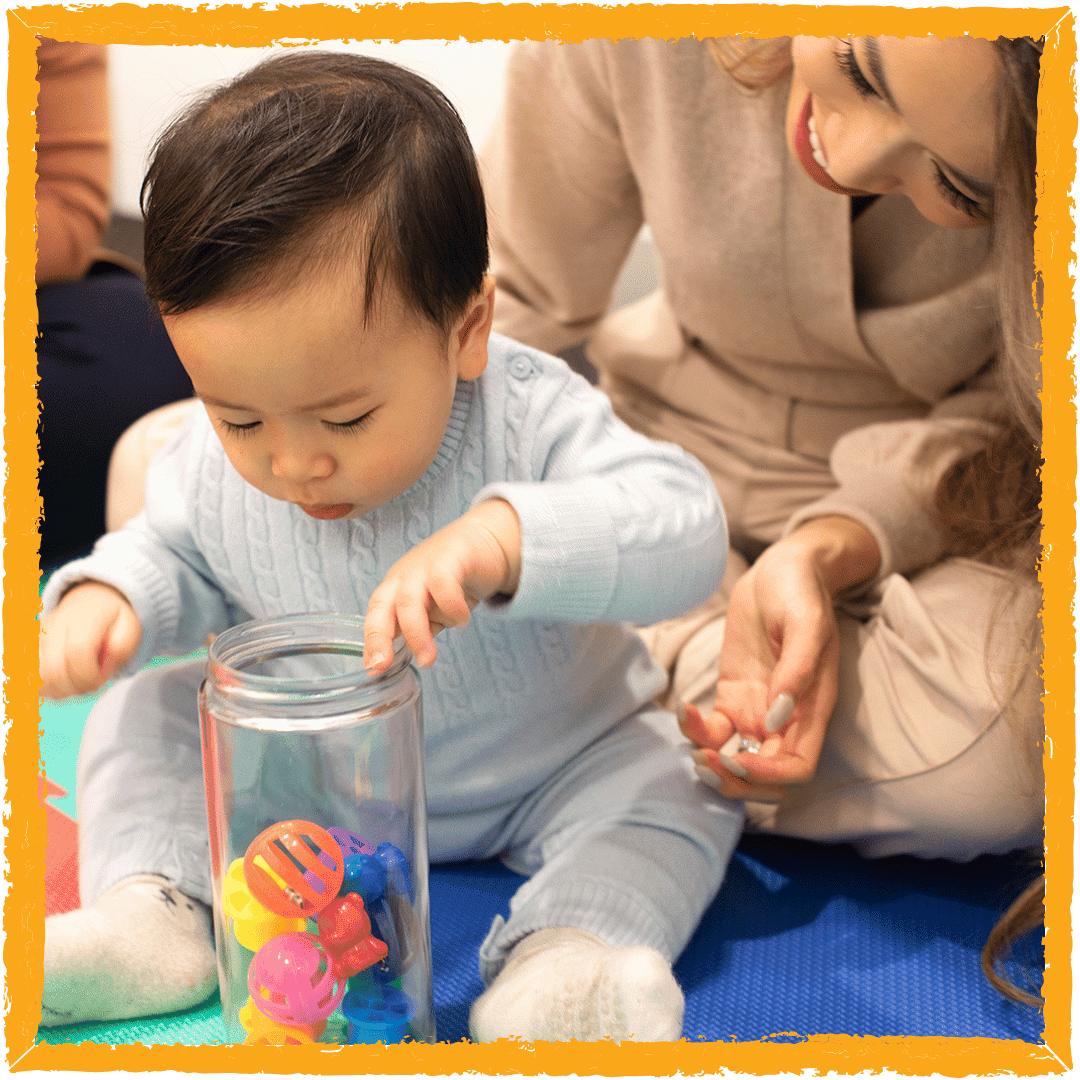
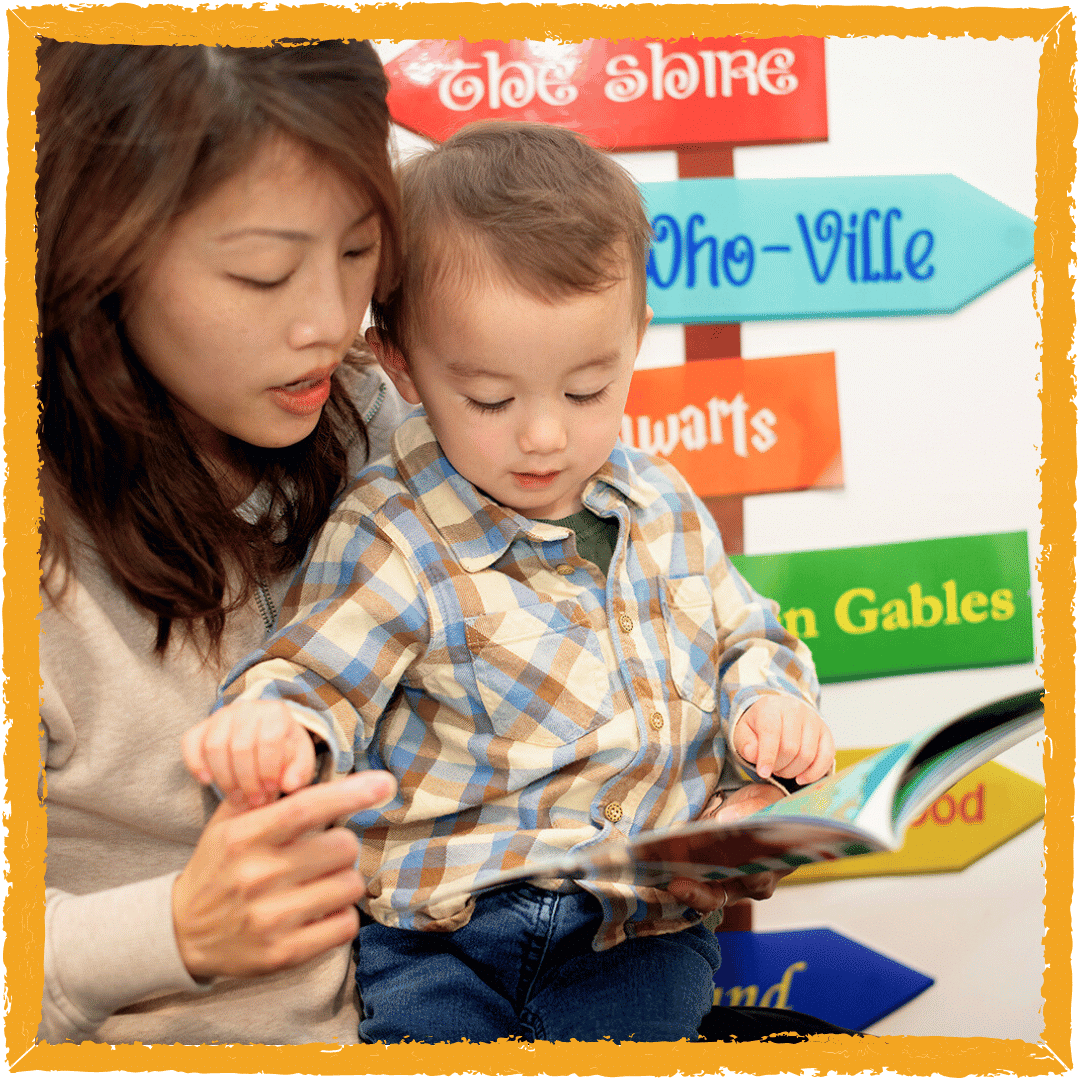
Image by Shichida Australia: Guided parenting is connection-based. A healthy parent-child bond nurtures good developmental outcomes.
Quick Guided Parenting Snapshot
Guided parenting is a connection-based parenting approach that focuses on teaching children skills instead of punishing behaviour.
It combines elements of:
- positive discipline
- authoritative parenting
- emotion coaching
- responsive parenting
Core Principles of Guided Parenting
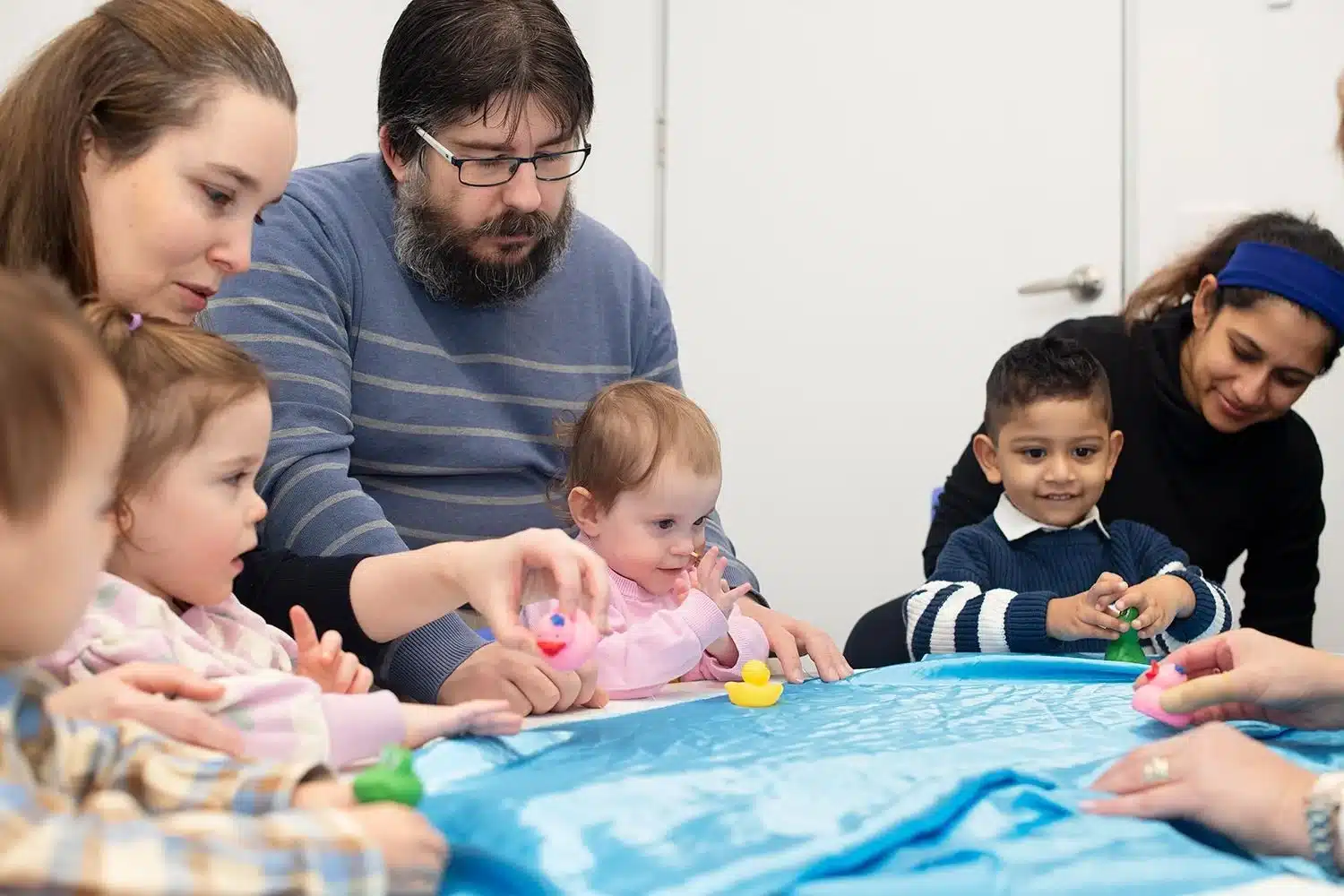
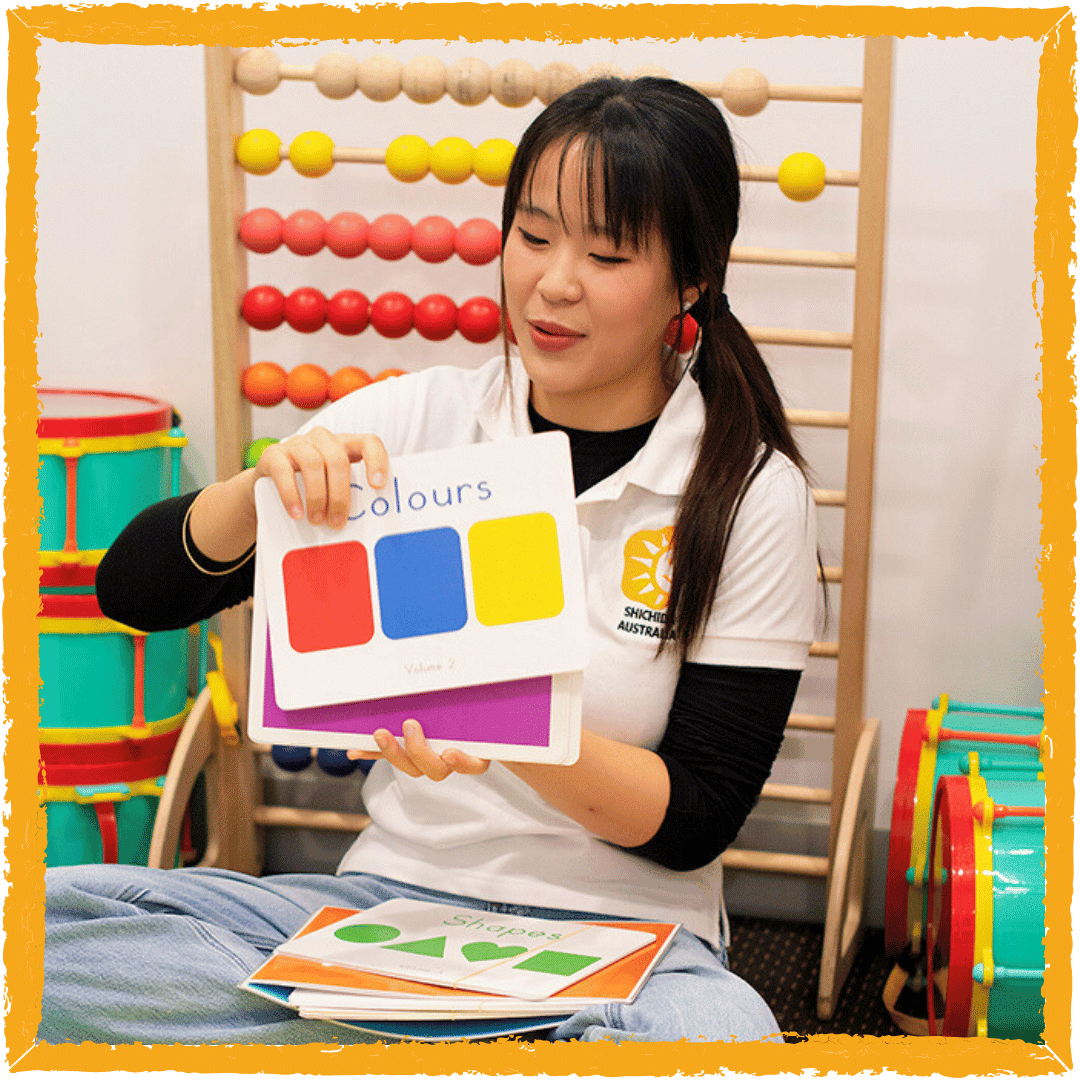
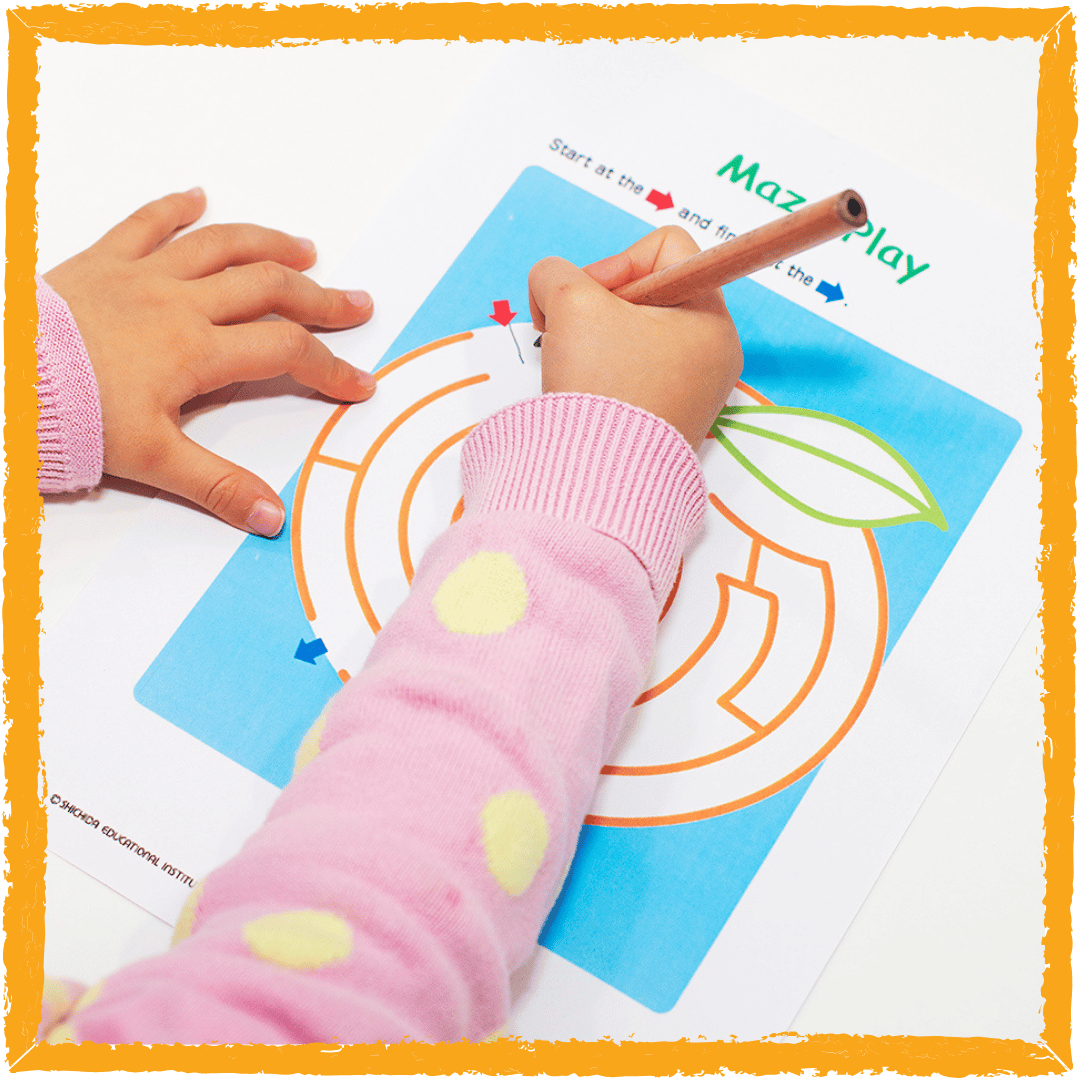
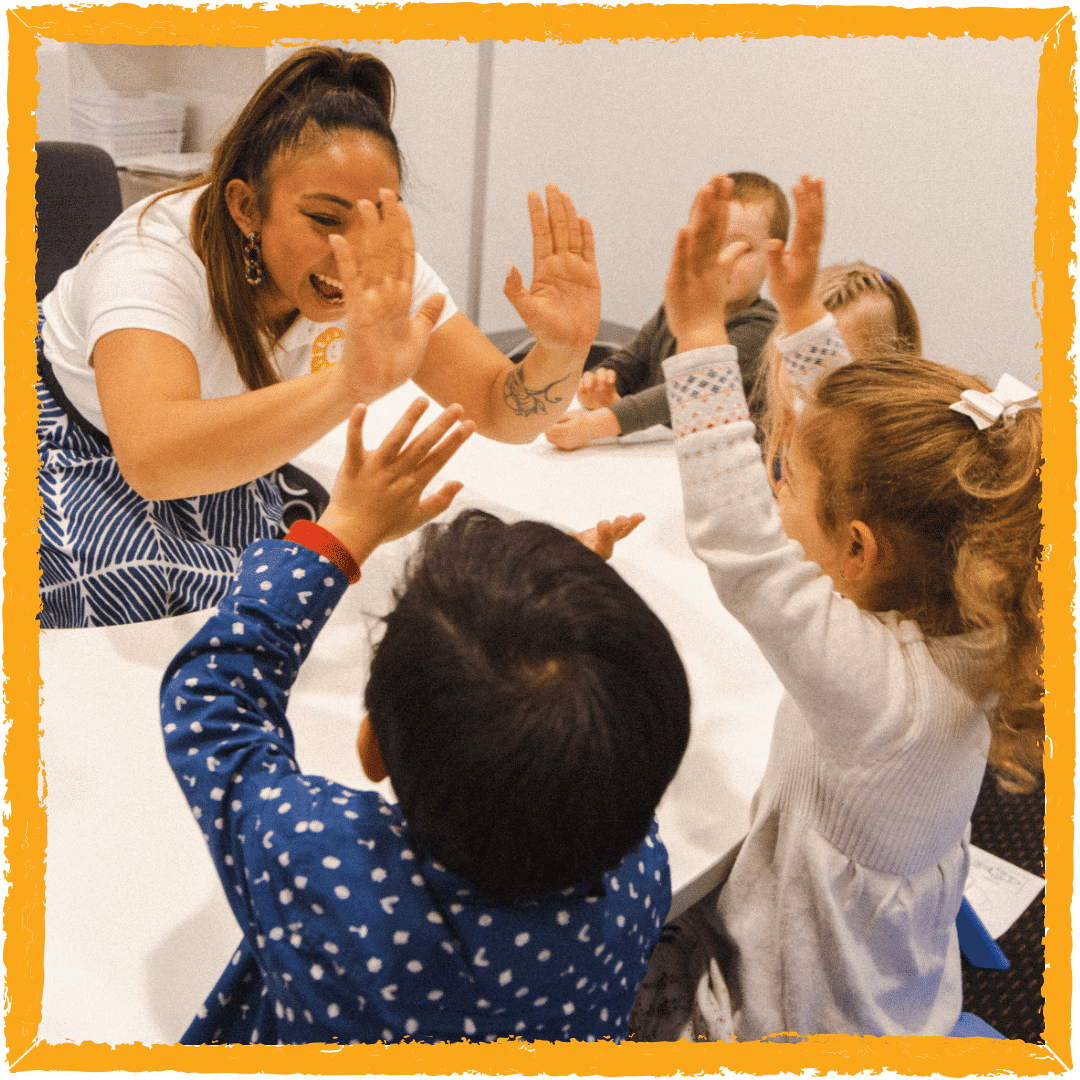
Image from Shichida Australia: Guided parenting encourages cooperation and teaches children practical skills through connection.
- Empathy and emotional validation
You acknowledge your child’s feelings, even when correcting behaviour. This teaches them that emotions are normal and manageable, which supports healthy childhood emotional development. - Age-appropriate expectations
You adjust your expectations based on developmental stage. A toddler’s impulse control is very different from a school-age child’s, and understanding this prevents unrealistic demands. - Consistent boundaries
Clear and predictable limits help your child feel secure. Consistency builds trust and reduces confusion about what is acceptable. - Teaching rather than punishing
Instead of focusing on consequences alone, you teach skills like problem-solving, self-regulation, and responsibility. Mistakes become learning opportunities. - Modeling respectful behaviour
You demonstrate calm communication, patience, and respect. Children learn how to behave by watching you.
In guided parenting, you become a calm guide rather than a commander.
Guided Parenting vs Traditional Discipline
- Punishment vs Teaching
Traditional discipline often relies on punishment. Guided parenting focuses on teaching better choices. - Compliance vs Cooperation
Punitive methods aim for obedience. Guided parenting builds willingness and cooperation. - Fear-based control vs Connection-based influence
Fear may stop behaviour quickly. Connection creates lasting change. - Short-term obedience vs Long-term skill-building
Traditional approaches seek immediate results. Guided parenting develops internal control and lifelong skills.
When you focus on child behavior guidance instead of punishment, you help your child build internal control.
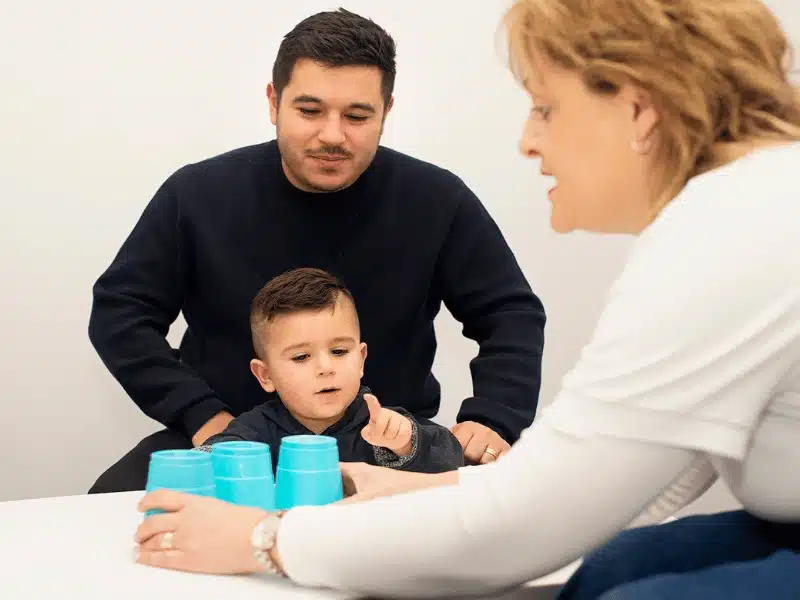
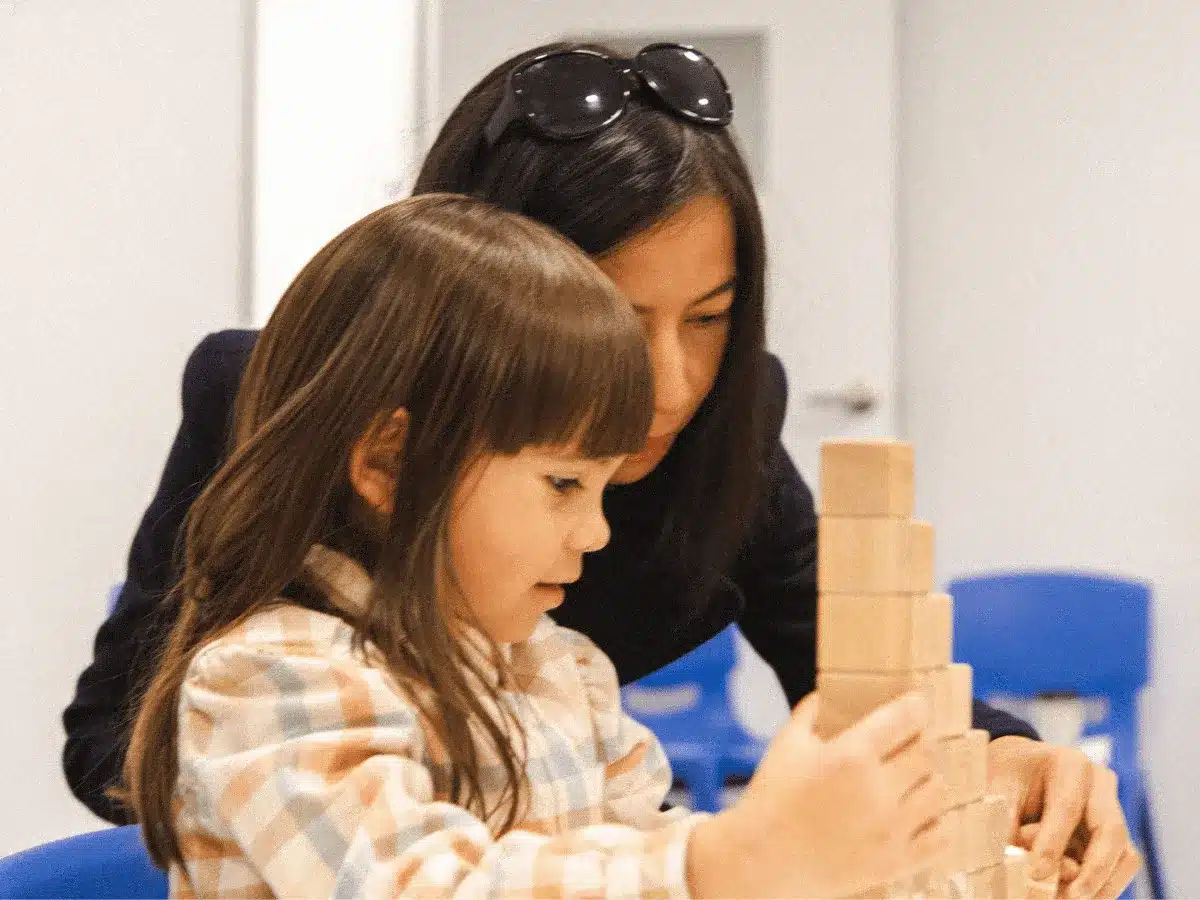
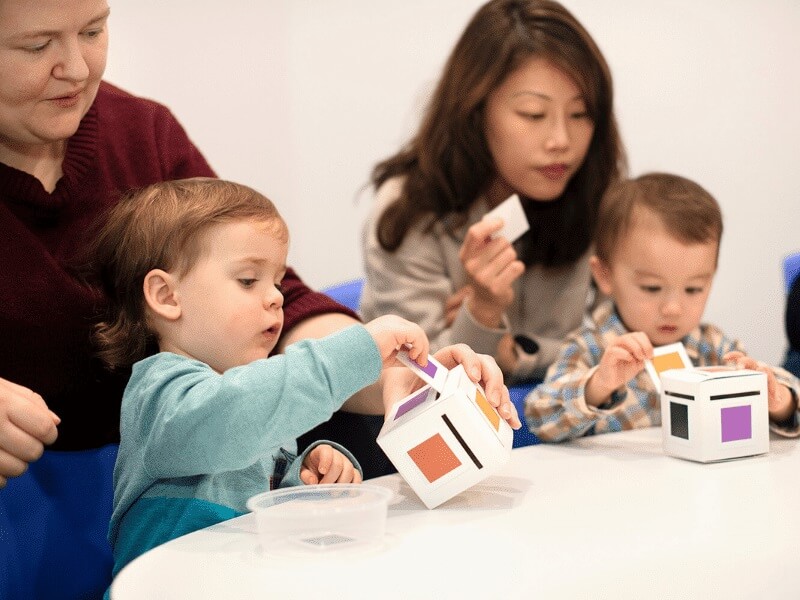
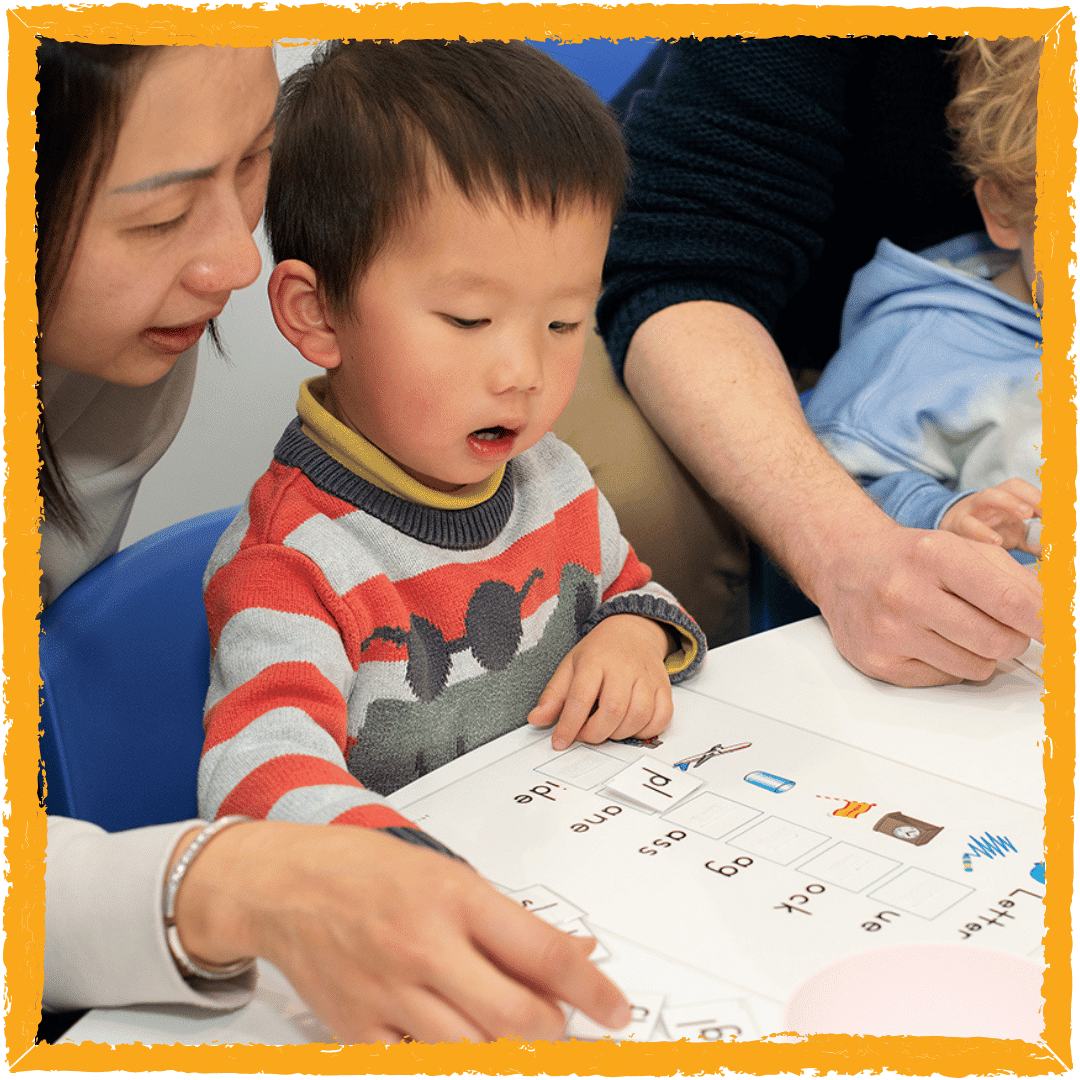
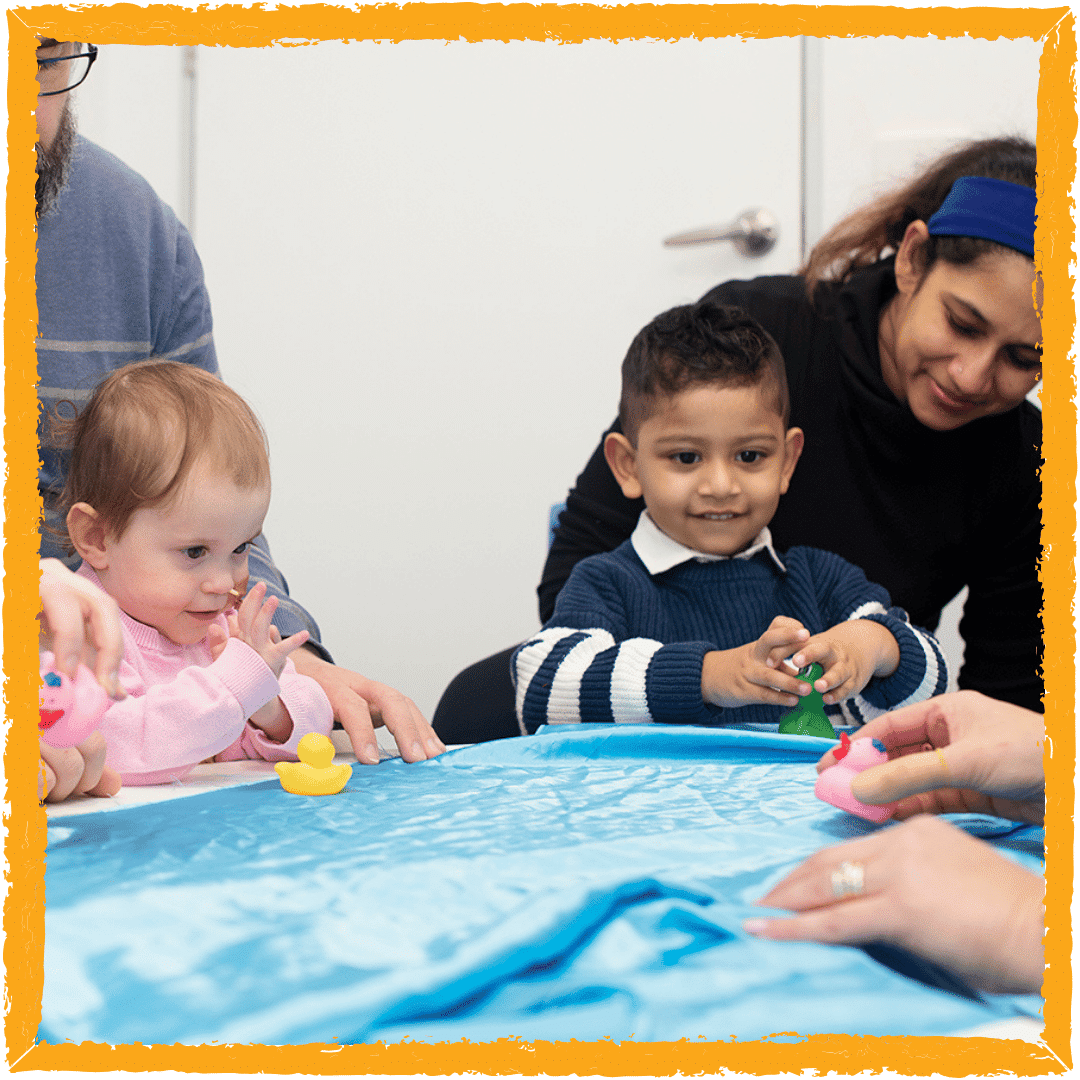
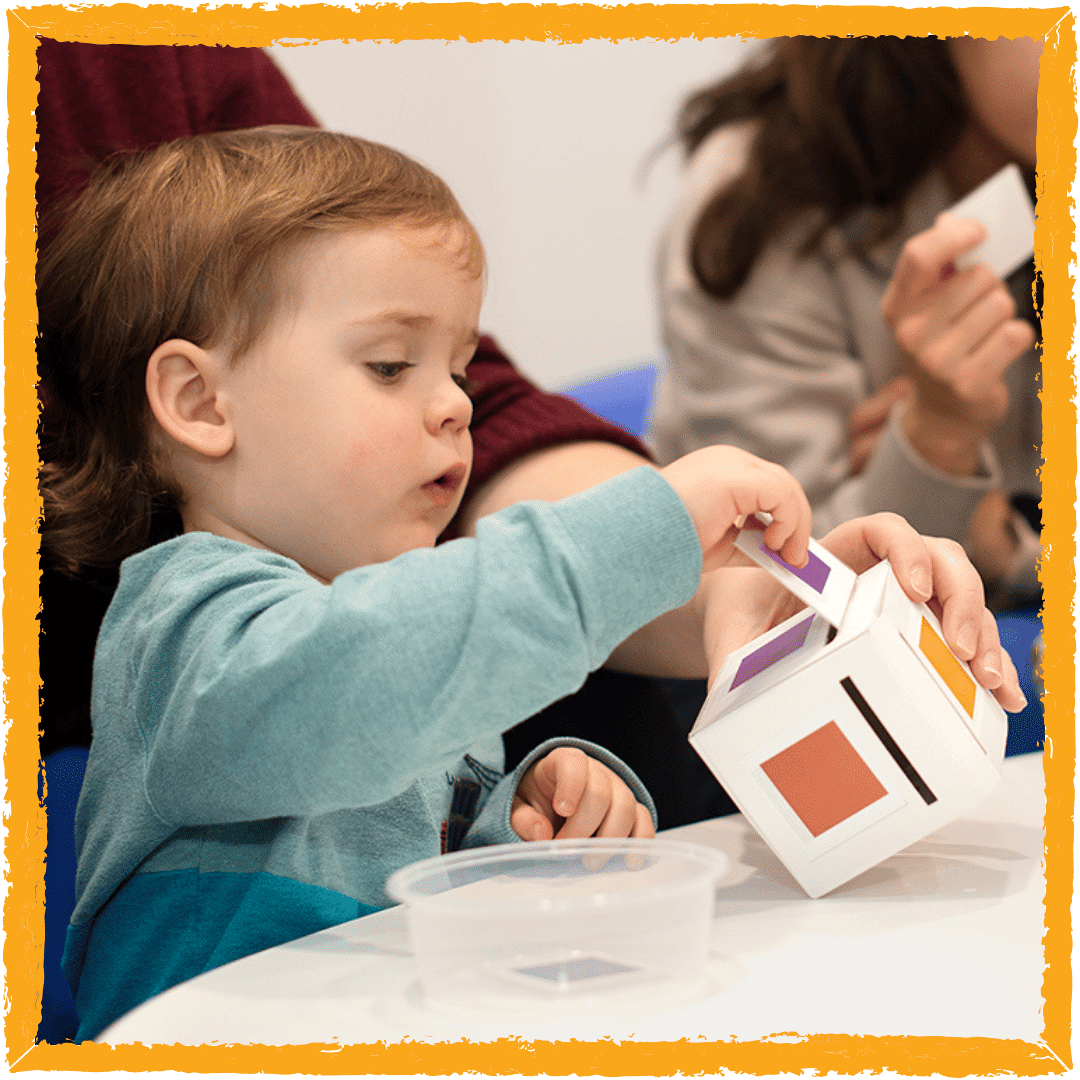
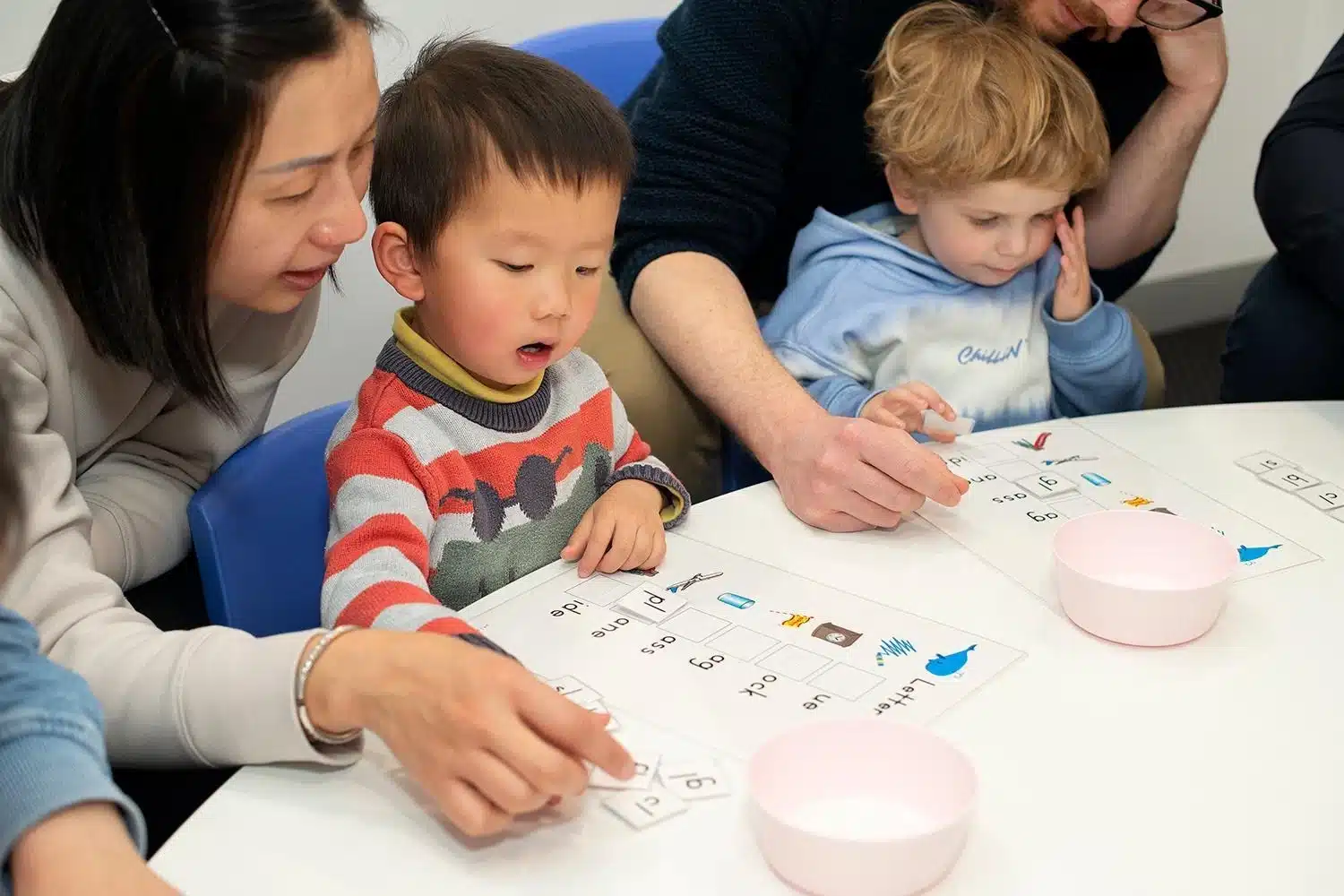
Image by Shichida Australia: Guided parenting in action as a teacher and parent support a child through a hands-on learning activity.
The Science Behind Guided Parenting
Research in developmental psychology and attachment theory consistently supports the authoritative parenting style. Children raised with this approach tend to develop stronger emotional regulation, better social skills, and higher self-esteem.
Attachment plays a key role in this process. When children feel securely connected to their parents, they are more receptive to guidance and learning. The parent-child bond is therefore very important when it comes to development. Your calm and consistent responses also help children regulate their own emotions, teaching them self-control and coping skills over time.
Discipline is most effective when it focuses on teaching rather than simply stopping behaviour. Calm, respectful guidance helps children understand expectations, manage emotions, and solve problems, while harsh punishment may stop a behaviour in the short term but does not build long-term skills or resilience.
Research in developmental psychology and attachment theory consistently shows that children raised with authoritative parenting, which balances warmth and structure, tend to develop stronger emotional regulation and social skills.
Guided parenting aligns with what we know about brain development. Calm guidance strengthens learning pathways. Fear shuts them down.
Attachment & Brain Development
Secure attachment builds the foundation for emotional regulation. When you respond consistently and warmly, your child’s brain learns that the world is safe. This security supports resilience, empathy, and long-term wellbeing.
Why Punishment Often Backfires
Punishment can increase resistance, shame, or secrecy. A child may comply out of fear but not understand why their behaviour was inappropriate. Without skill-building, the behaviour often repeats.
Long-Term Outcomes of Positive Discipline
Children raised with positive discipline show stronger cooperation, better conflict resolution, and healthier parent-child relationships. They internalise values instead of simply reacting to consequences.

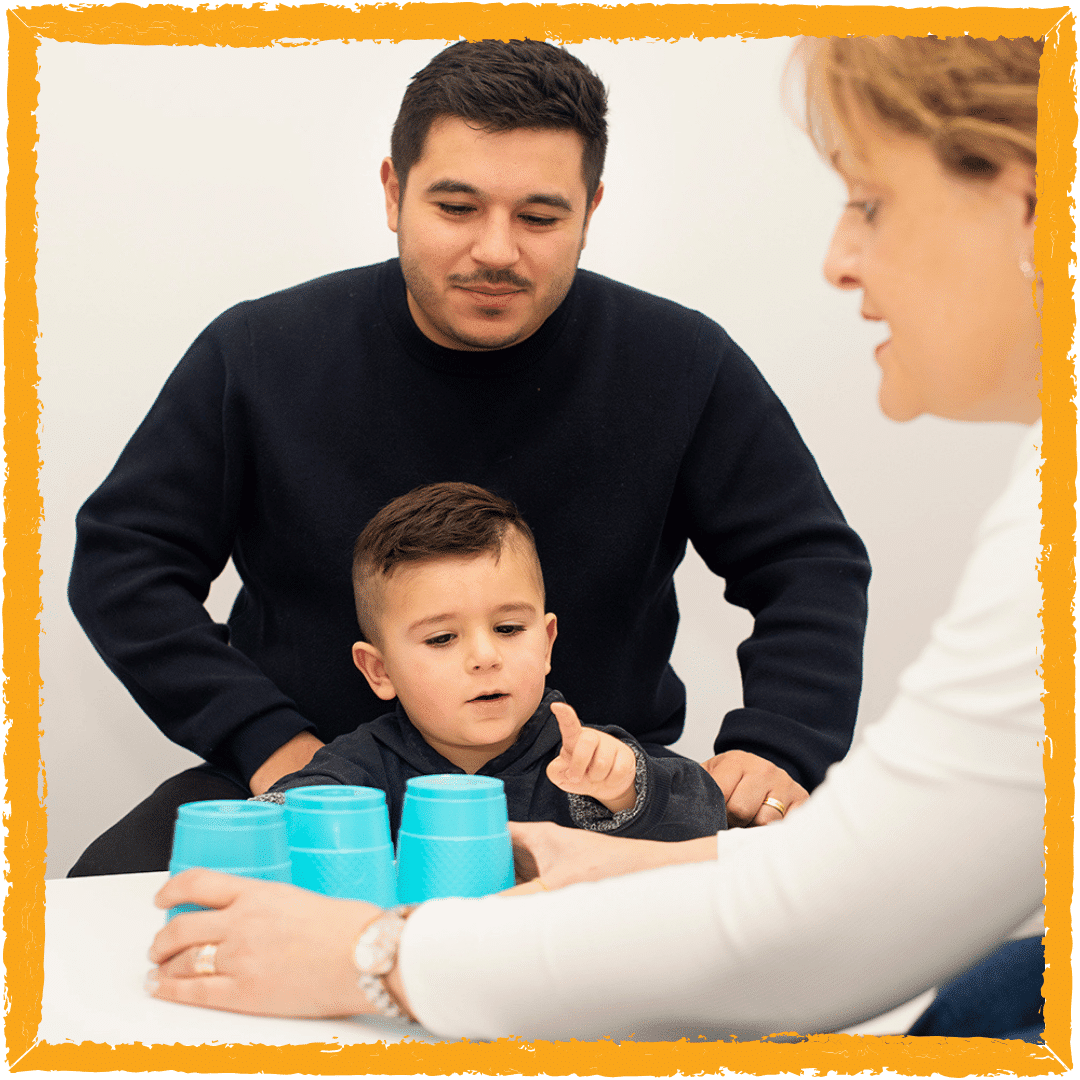
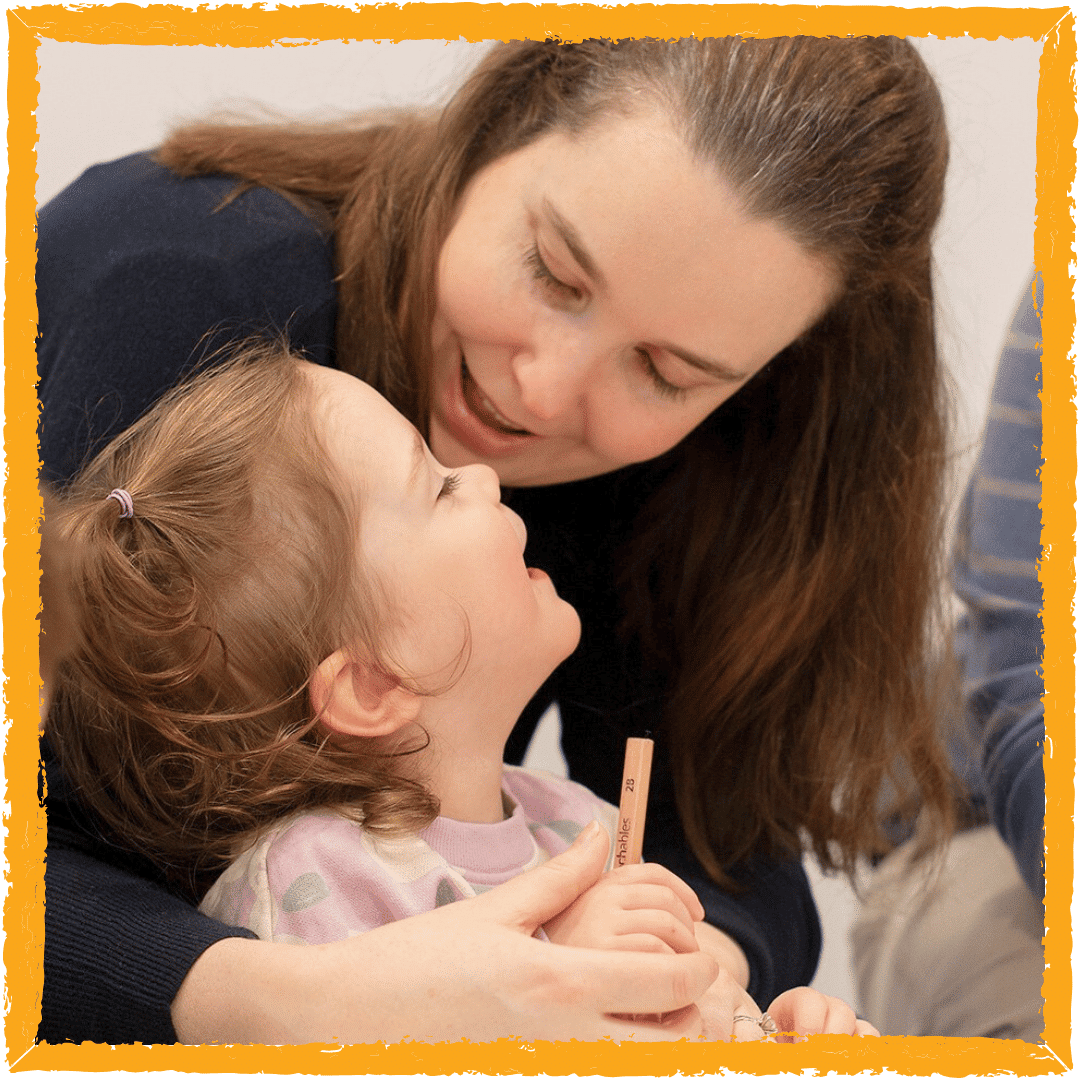
Image by Shichida Australia: Warm, responsive interactions during Shichida classes help children build emotional security and confidence.
The Role of Positive Discipline in Guided Parenting
As a parent, you want to correct your child’s behaviour without harming your bond. Positive discipline is the engine inside guided parenting. It helps your child learn self-control, responsibility, and respect while keeping your connection strong.
This approach relies on:
- Natural consequences – letting children experience the result of their choices safely.
- Clear expectations – knowing exactly what you want your child to do helps them succeed.
- Skill-building – teaching the behaviours you want to see, instead of only stopping the behaviours you don’t.
- Calm correction – staying steady even when your child is upset.
Discipline without punishment doesn’t mean no boundaries. It means setting limits with warmth, clarity, and respect.
Encouraging Desired Behaviours
Children are like sponges, they notice what gets attention. Focus on guiding them toward positive actions:
- Specific praise: Instead of “Good job,” try, “You put your toys away without being asked. That was responsible.” This helps children understand exactly what behaviour you value.
- Model respectful behaviour: Your child mirrors how you handle frustration, anger, and problem-solving.
- Positive reinforcement: Offer encouragement and attention when your child does something right.
- Clear, simple expectations: Keep instructions short and concrete, “Hands in your lap” works better than “Be good.”
Children repeat what receives attention. Celebrate small wins, and you’ll see more of them.
Redirecting Challenging Behaviours
When your child is testing limits or acting out, gentle redirection works better than punishment:
- Calm redirection: “Blocks are for building, not throwing.” Focus on what they can do.
- Offering choices: “Would you like to walk by yourself or hold my hand?” This gives children a sense of control.
- Preventative strategies: Predictable routines, regular mealtimes, and consistent sleep help prevent many behaviour issues.
Setting Boundaries with Warmth
Being firm doesn’t mean being harsh. Children feel safe when boundaries are clear and consistent. Some practical scripts:
- “I see you’re upset. It’s okay to feel angry. It’s not okay to hit.”
- “We leave the park in five minutes. Then we are going home.”
- “I won’t let you throw food. If it continues, lunch is finished.”
Following through consistently teaches your child that rules are reliable and fair, which builds trust and security.
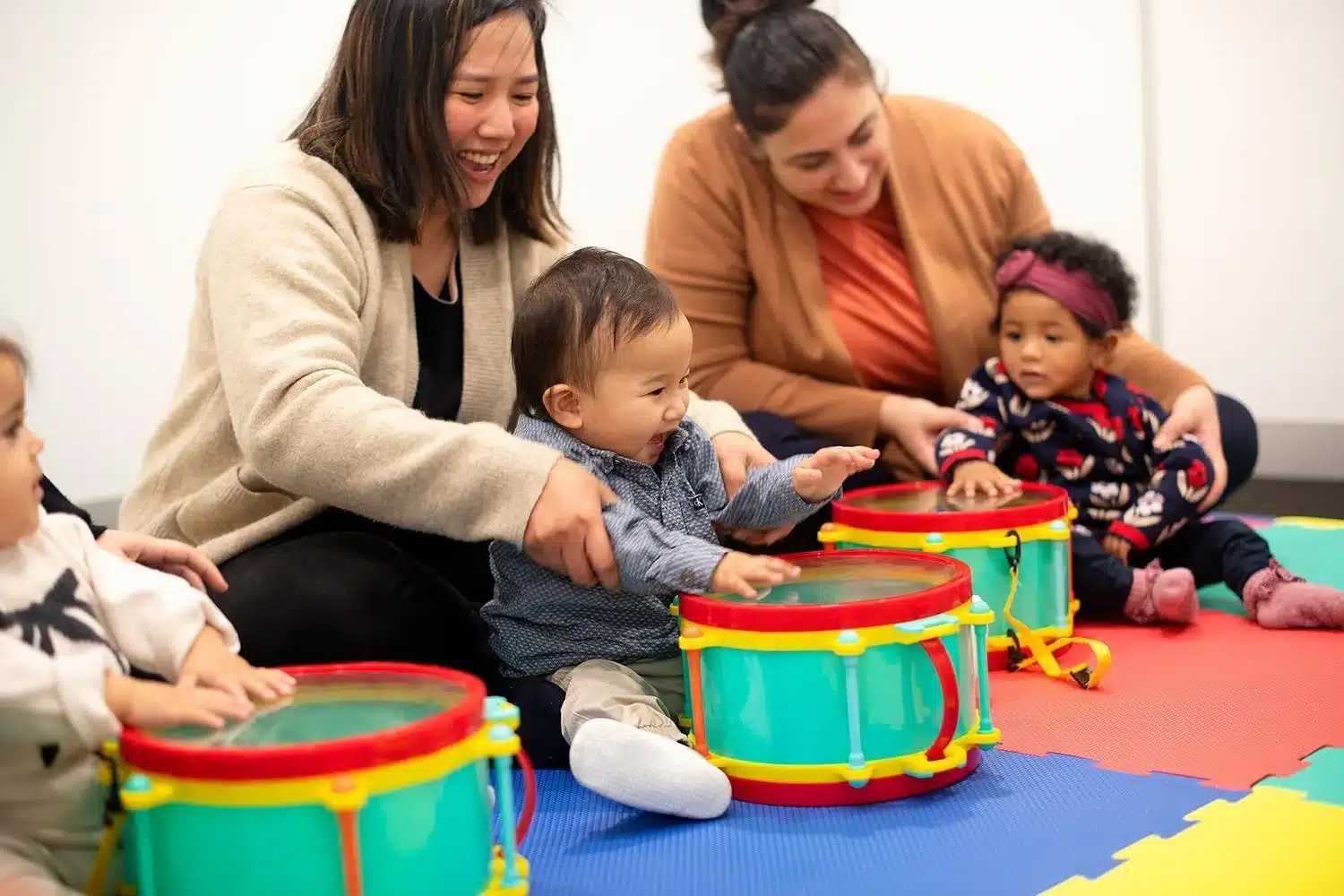
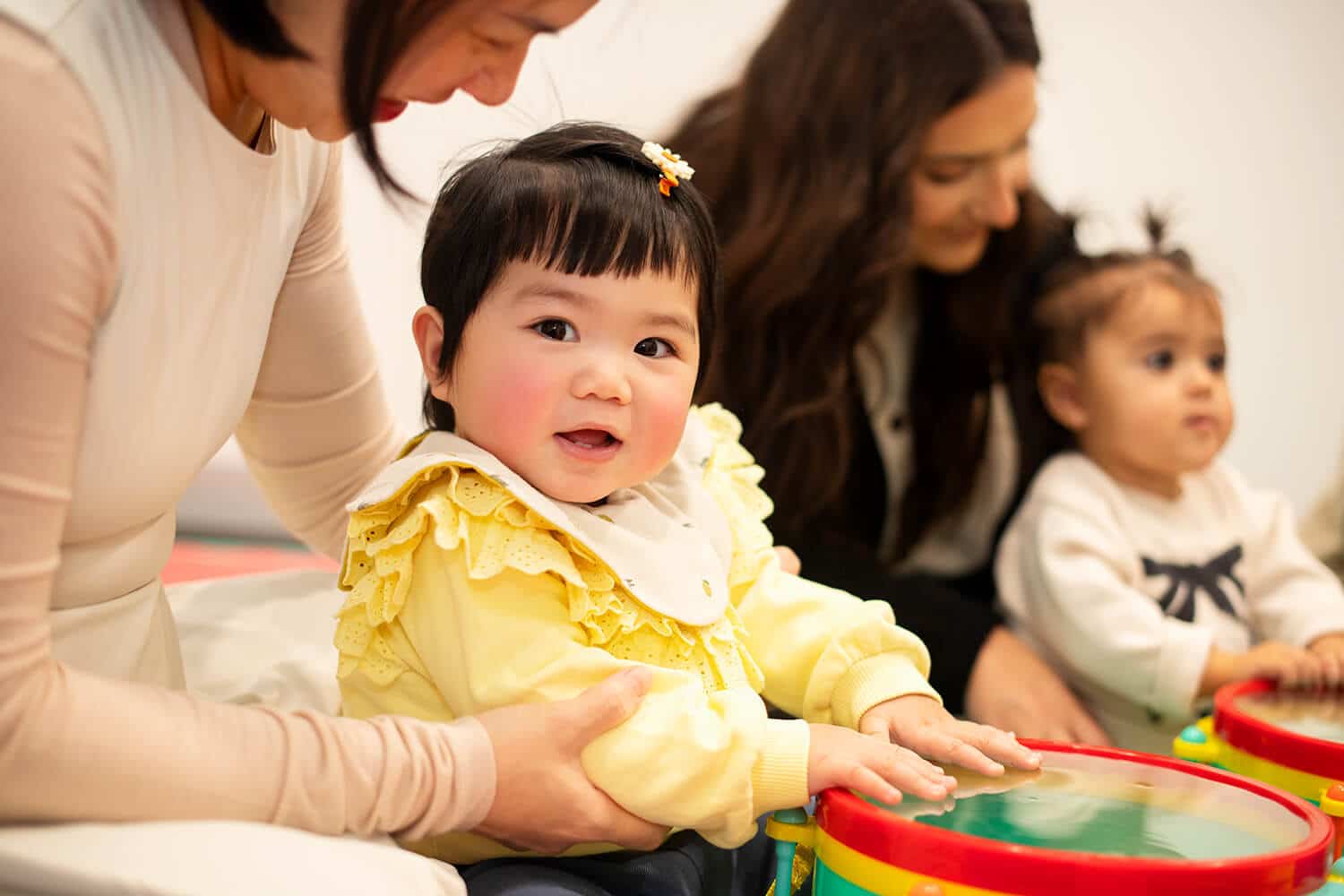
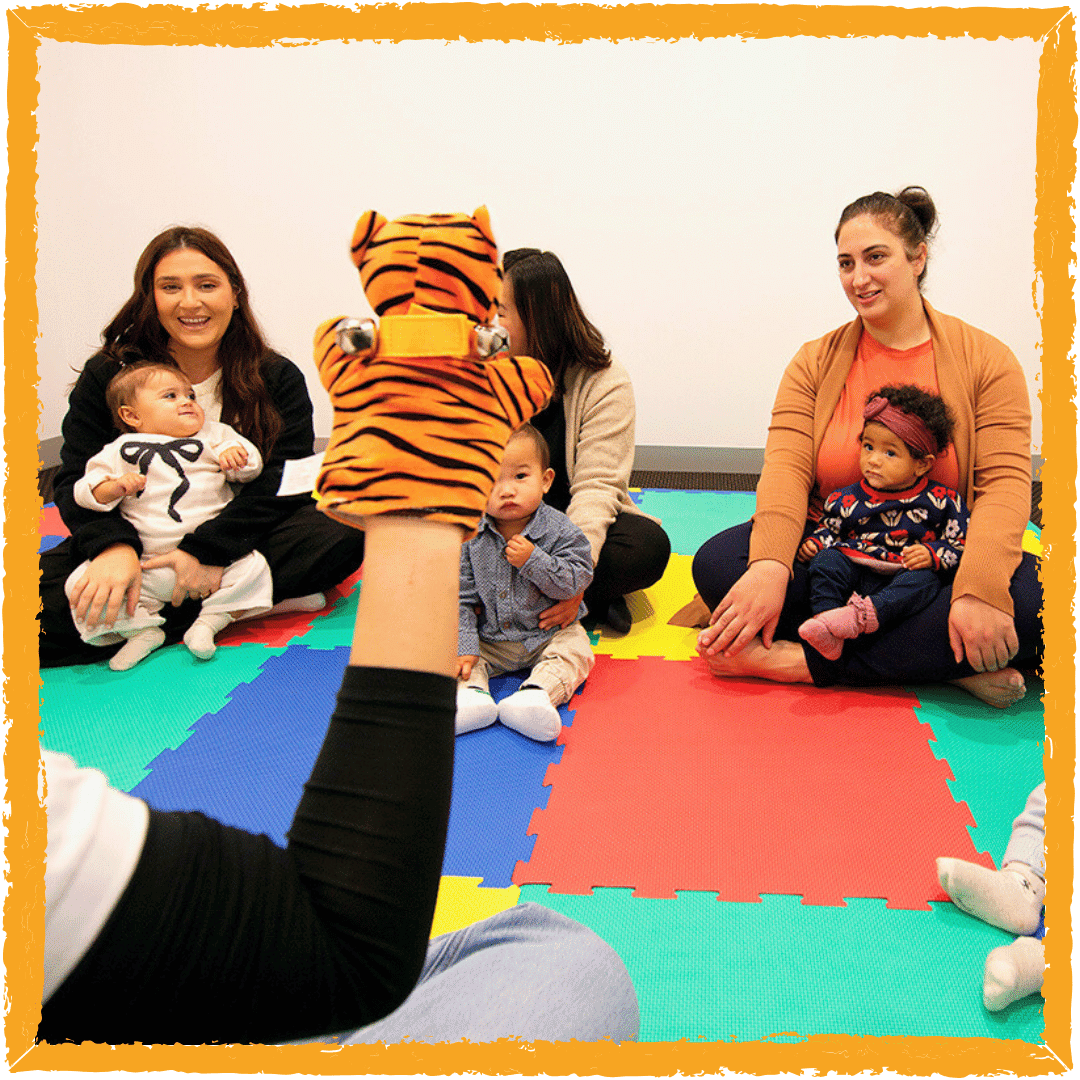
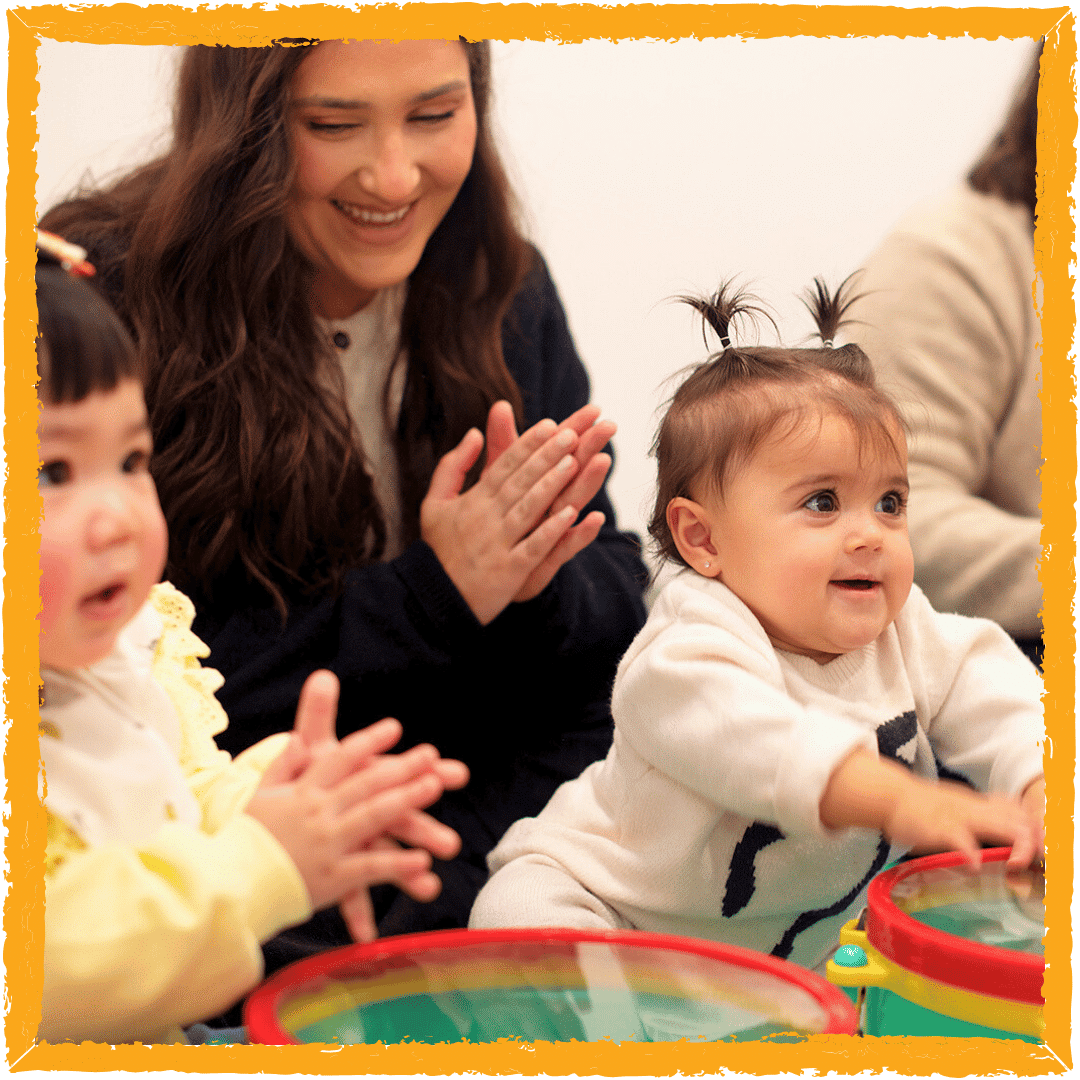
Image by Shichida Australia: Parents guide babies through rhythm and music activities, building confidence and connection through shared learning.
Guided Parenting Across Developmental Stages
Your child’s needs change as they grow, and your approach evolves with them. Here’s how positive discipline can look across different ages:
Infancy (0-12 Months)
Your baby relies on you for emotional regulation. Respond promptly to crying and needs, you cannot spoil a baby with comfort. Early responsiveness builds secure attachment and teaches your child that the world is safe.
Toddlerhood (1-3 Years)
Toddlers test limits because their brains are developing rapidly. Managing tantrums requires calm repetition.
- Use simple language
- Stay consistent
- Validate feelings
Your toddler is not giving you a hard time. They are having a hard time.
Early Childhood (3-6 Years)
This is the perfect time to teach cooperation, problem-solving, and emotional skills. Ideas for everyday guidance:
- Build predictable routines.
- Role-play social situations to practice sharing and turn-taking.
- Encourage problem-solving: “What can we do if this puzzle piece doesn’t fit?”
At this age, children can start learning that their actions have consequences while still feeling supported.
School-Age Children (6+ Years)
Older children can handle more discussion and autonomy. Positive discipline here means:
- Collaborative rule-setting: Involve them in deciding household rules.
- Natural consequences: Let mistakes teach lessons, like forgetting homework means staying in to complete it.
- Gradual autonomy: Allow choices appropriate for their age, which builds responsibility.
Your role is to guide, not control every action. With warmth, clarity, and consistency, children develop self-discipline, empathy, and confidence.
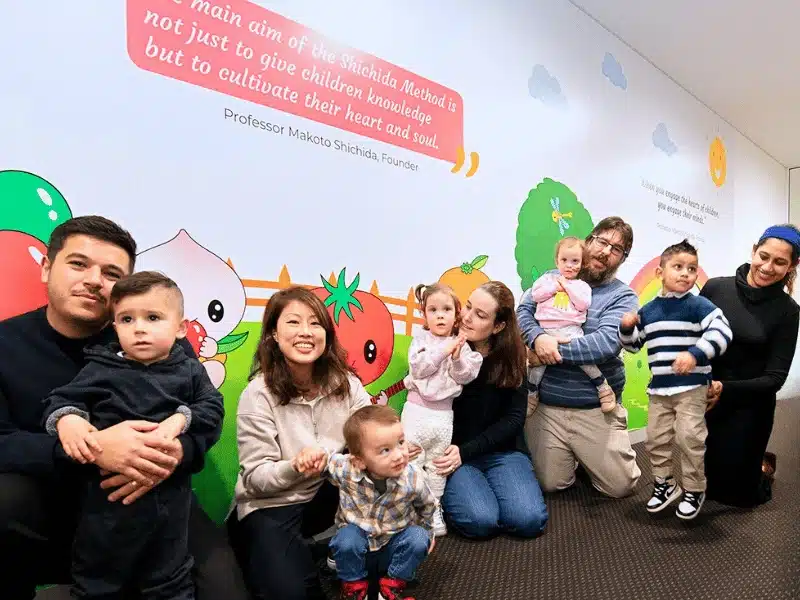
Image by Shichida Australia: Weekly parent-child classes create meaningful time together while supporting children’s emotional and cognitive development.
Practical Guided Parenting Techniques You Can Use Today
You do not need a psychology degree. You need practical parenting strategies.
Active Listening & Validation
Active listening strengthens parent-child communication and builds trust.
- Reflect feelings: When you say, “You’re disappointed,” you show your child that you see and understand their experience.
- Avoid minimising: Instead of saying, “It’s fine” or “Stop crying,” you acknowledge that it matters to them.
- Stay present: Put down distractions and give eye contact when possible. Your attention signals safety.
When children feel heard, their nervous system calms. A calmer child is more open to guidance and cooperation.
Emotion Coaching Framework
Emotion coaching teaches lifelong emotional regulation skills.
- Notice the emotion: Pay attention to tone, body language, and behaviour.
- Validate it: “I can see this is really upsetting.”
- Name it: Help build emotional vocabulary, such as frustrated, jealous, or nervous.
- Guide coping: Suggest deep breathing, counting, or taking space.
- Teach a solution: Help them think through what to do next.
Example: “You’re frustrated your tower fell. Let’s take a deep breath and rebuild together.” You are teaching resilience in that moment.
Collaborative Problem-Solving
This approach builds responsibility and cooperation.
- Define the problem together: “We’re having trouble getting ready on time.”
- Brainstorm solutions: Invite ideas from your child.
- Agree on a plan: Choose one solution to try.
- Follow up: Revisit the plan and adjust if needed.
Instead of controlling behaviour, you are teaching problem-solving skills your child will use for life.
Handling Common Parenting Challenges
You will face hard days – every parent does. Guided parenting does not magically remove tantrums, sibling fights, or bedtime resistance. What it does is change how you respond. And your response is powerful! When you shift from reacting to guiding, you turn everyday struggles into opportunities for growth.
Tantrums & Big Emotions
When your child melts down in the supermarket or screams because the wrong cup was used, it can feel overwhelming. In those moments:
- Stay regulated: Take a slow breath before you speak. Your nervous system sets the tone.
- Validate first: “You’re really upset right now.”
- Teach after calm: Once they settle, then talk about better choices.
Your calm presence becomes the lesson. You are showing them how to handle big emotions by modeling it yourself.
Sibling Rivalry
If you have more than one child, conflict is inevitable. Instead of labeling one as “the difficult one” or “the sensitive one”:
- Avoid labeling: Labels stick and shape identity.
- Encourage teamwork: Highlight cooperation when you see it.
- Teach conflict skills: Guide them through sharing, taking turns, and expressing feelings.
You might say, “Both of you want the toy. Let’s find a solution.” You are teaching negotiation, not just stopping the fight.
Power Struggles
Power struggles often happen when children feel unheard or overly controlled. To reduce them:
- Offer choices: “Shoes first or jacket first?”
- Avoid ultimatums: They invite resistance.
- Focus on connection: A quick hug or playful tone can shift the mood.
Connection reduces defiance because children are more willing to cooperate when they feel respected.
Bedtime Resistance
Bedtime can test your patience, especially when you are exhausted.
- Predictable routines: The same order every night builds security.
- Calm transitions: Lower lights, softer voices, and quiet activities help.
- Gentle firmness: “It’s bedtime now. I’ll sit with you for two minutes.”
Consistency builds security. When your child knows what to expect, they feel safer and push back less.
Benefits of Guided Parenting for Children & Families
Image from Shichida Australia: Guided parenting combines empathy and structure to strengthen parent-child bonds every day.
You are not just managing behaviour, bur rather shaping a relationship that will last decades. Guided parenting strengthens that relationship in ways that go far beyond childhood.
Stronger Parent-Child Attachment
When you respond with empathy and consistent boundaries, your child feels safe with you. They learn, “My parent listens. My parent protects. My parent guides me.” Secure attachment builds lifelong trust. As your child grows into a teenager and eventually an adult, that foundation makes them more likely to come to you with problems instead of hiding them. The connection you build now becomes your greatest influence later.
Emotional Regulation Skills
Through positive discipline and emotion coaching, your child learns how to handle stress, disappointment, frustration, and conflict. Instead of reacting impulsively, they begin to pause and think. These emotional regulation skills shape adulthood. You are not just managing today’s tantrum. You are teaching your child how to manage workplace stress, friendships, and relationships in the future.
Greater Family Harmony
Guided parenting reduces power struggles because it focuses on cooperation rather than control. Over time, there is less yelling and fewer explosive reactions. Your home begins to feel calmer and more respectful. That does not mean it is perfect. It means the overall tone shifts toward understanding and teamwork.
Common Misconceptions About Guided Parenting
“It’s Too Soft”
Guided parenting is not permissive parenting. Warmth and firmness coexist. You validate feelings, but you still hold clear limits. You can say, “I understand you’re angry,” while also saying, “I won’t let you hit.” Boundaries remain steady.
“Children Need Strict Discipline to Behave”
Many parents were raised with authoritarian control, where obedience was expected without discussion. However, research consistently supports the authoritative parenting style, which combines warmth with structure. Children behave better long term when they understand expectations and feel respected.
“Positive Discipline Means No Consequences”
Positive discipline absolutely includes consequences. The difference is that they are natural or logical rather than punitive. If your child refuses to wear a coat, they feel cold and learn from the experience. If they break a toy through carelessness, it is not immediately replaced. These moments teach responsibility without shame.
When to Seek Additional Support
Even with strong parenting strategies, some challenges require extra help. If behaviour is persistent, aggressive, extreme, or significantly interfering with daily life, professional guidance can be valuable. Child psychologists, parenting programs, and family therapists can provide tailored tools and reassurance. Asking for support does not mean you have failed. It means you care deeply about your child’s wellbeing and are willing to learn alongside them.

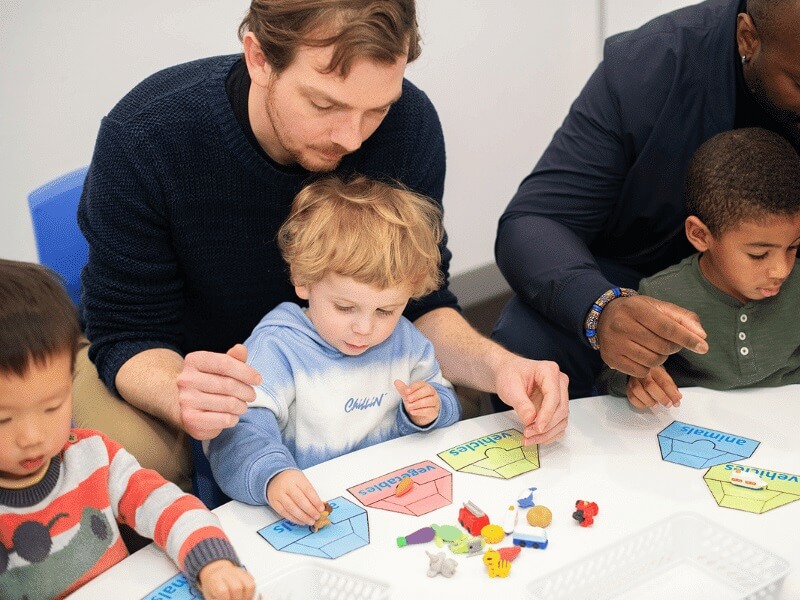
Image by Shichida Australia: Shichida classes give parents and children meaningful time together while learning practical ways to guide development at home.
Summary: What Guided Parenting Looks Like in Daily Life
| Punitive Approach | Guided Approach |
|---|---|
| Reaction – Responding emotionally in the heat of the moment, often driven by frustration or anger. | Response – Pausing, regulating yourself first, and choosing a calm, intentional action. |
| Control – Forcing behaviour through authority, threats, or power. | Teaching – Viewing misbehaviour as a skill gap and guiding your child toward better choices. |
| Yelling or harsh tone – Using volume or intimidation to stop behaviour quickly. | Calm direction – Speaking firmly but respectfully to maintain connection and clarity. |
| Short-term compliance – Immediate obedience, often motivated by fear of consequences. | Long-term skills – Building emotional regulation, problem-solving, and internal responsibility. |
| Fear-based motivation – Children behave to avoid punishment. | Connection-based influence – Children cooperate because they feel understood and respected. |
| External control – Behaviour depends on adult presence. | Internal control – Children gradually develop self-discipline and independent decision-making. |
Guided parenting is not about being a perfect parent who never loses patience. It is about being intentional. You are choosing to guide rather than control, to teach rather than punish, and to build skills that last far beyond childhood.
Guided Parenting in Simple Terms
Guided parenting focuses on teaching rather than punishing. It helps children learn emotional regulation, cooperation, and problem-solving through empathy, clear boundaries, and consistent guidance.
Instead of controlling behaviour through fear or punishment, guided parenting builds long-term skills that support independence and confidence.
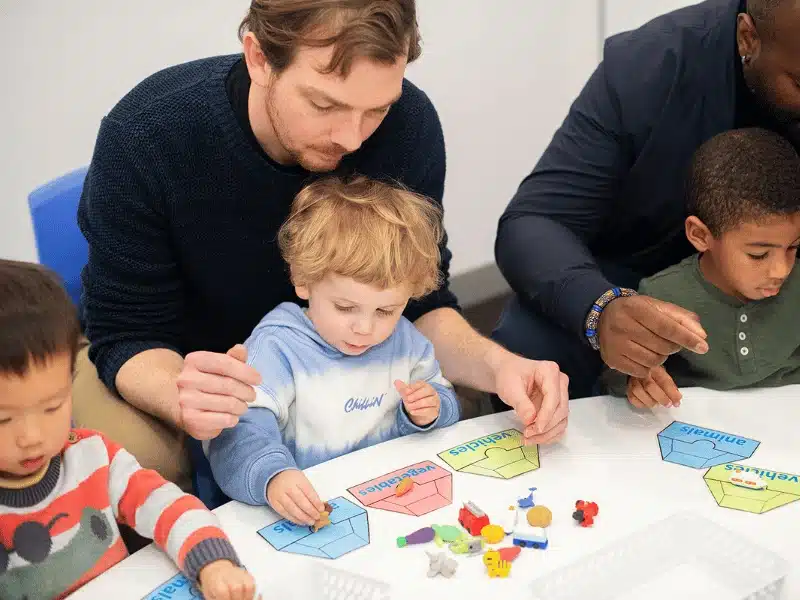
If guided parenting resonates with you, the early years are the best time to build those connection-based skills. At Shichida Australia, children and parents learn together through structured activities that support emotional intelligence, focus, and whole-brain development.
Book a Shichida trial class to experience how guided learning can support your child’s confidence, cooperation, and emotional resilience from the earliest years.
FAQs: Guided Parenting
Guided parenting is a connection-based parenting approach that focuses on teaching behaviour through positive discipline, emotional guidance, and clear boundaries. Instead of punishing mistakes, parents guide children in learning skills such as self-regulation, cooperation, and problem-solving.
Research in developmental psychology consistently shows that the authoritative parenting style tends to produce the best long-term outcomes for children. This approach combines warmth, empathy, and strong parent-child relationships with clear boundaries and expectations. Guided parenting follows many of these same principles by balancing emotional support with consistent guidance and skill-building.
Yes. Some early childhood programs support connection, emotional intelligence, and respectful communication between parents and children. The Shichida Method, for example, encourages strong parent-child bonding, emotional awareness, and structured learning experiences that align closely with guided parenting principles.
Guided parenting shares similarities with gentle parenting because both emphasise empathy and emotional awareness. However, guided parenting places stronger emphasis on clear boundaries, skill-building, and actively teaching children how to manage behaviour over time.
Guided parenting can begin from infancy and evolve as children grow. Responsive caregiving in infancy builds secure attachment, while toddlers and older children benefit from clear boundaries, emotion coaching, and collaborative problem-solving.
Permissive parenting often avoids setting limits. Guided parenting combines empathy with consistent boundaries. Children’s feelings are acknowledged, but expectations remain clear, helping children develop responsibility, self-control, and cooperation.
Yes. Research in developmental psychology shows that positive discipline and skill-building approaches support stronger emotional regulation, cooperation, and long-term behavioural outcomes compared with punishment-based discipline.
Pause and take a breath before responding. Remember that your child’s brain is still developing and strong emotions can overwhelm them. Staying calm helps your child feel safe and makes it easier to guide them toward better coping strategies.
Guided parenting can begin from infancy. Responsive caregiving, emotional connection, and consistent routines help build secure attachment and lay the foundation for later emotional regulation and behaviour guidance.
Yes. Strong-willed children often respond well to guided parenting because it emphasises collaboration, respect, and problem-solving. When children feel heard and understood, they are more willing to cooperate.
Natural consequences allow children to experience the results of their choices. For example, forgetting homework may mean explaining the situation to a teacher, and throwing a toy may mean losing access to it temporarily.
Yes. Guided parenting aligns with well-established research in attachment theory and the authoritative parenting style, which combine warmth with clear structure and are associated with stronger emotional and social development in children.
Acknowledge your child’s feelings while maintaining clear boundaries. For example, you might say, “I understand you’re upset, but I won’t let you hit.” This approach teaches children that emotions are valid, but certain behaviours are not acceptable.
Open communication and shared parenting goals help align approaches. Discuss values, expectations, and strategies together so both parents can provide consistent guidance and support for the child.