
Guided Imagery for Children: Why It Helps and How to Get Started
Key Points
- Guided imagery helps children relax by engaging imagination and sensory focus.
- Just 5-10 minutes a day can lower stress and improve emotional balance.
- It’s effective for anxiety, sleep, pain management, and self-esteem.
- Works best when practised regularly in a calm, comfortable setting.
- A loving parent’s voice makes the biggest difference in how children connect and respond.
Sometimes a child’s mind can feel as busy as the world around them. Guided imagery offers a gentle way to slow things down – helping children use their imagination to manage stress, build focus, and find calm from within.
Through storytelling and visualisation, children learn to picture soothing scenes, practise relaxation, and strengthen emotional resilience.
In this guide, you’ll learn what guided imagery is, why it works so effectively for young minds, and how to use it at home to nurture your child’s sense of calm and confidence.
What Is Guided Imagery and How Does It Work in Children’s Brains?
Guided imagery is a mindfulness practice that uses storytelling and visualisation to help children relax, focus, and feel calm. Through descriptive language and sensory cues, you guide your child to imagine soothing scenes, encouraging both the body and brain to shift into a state of rest and restoration.
Think of it as pressing the body’s calm switch. When children picture themselves walking through a quiet forest or floating on a gentle wave, their breathing slows, heart rate steadies, and tension melts away.
Research from the Children’s Hospital of Orange County (CHOC) and the American Psychological Association shows that guided imagery can lower cortisol (the stress hormone), reduce pain perception, and improve emotional control in children. It’s safe, natural, and surprisingly effective even for very young children.
The Neuroscience Behind Visualisation and Relaxation in Kids
When your child visualises calming scenes, their parasympathetic nervous system, the body’s relaxation response, becomes active. This rest and digest mode tells the brain it’s safe, reducing the production of stress hormones.
A study in Frontiers in Psychology found that children who practised guided imagery regularly showed measurable reductions in anxiety and improved emotional regulation. Hospitals use this method to help young patients manage pain and fear during treatments.
Did you know? Just five minutes of guided imagery can shift a child’s mood and promote a sense of calm.
Why Guided Imagery Is Especially Useful for Children
Children have a remarkable gift, their imagination. They don’t just hear stories; they see them unfold in their minds. This makes guided imagery especially powerful.
According to developmental psychologist Jean Piaget, imaginative play is central to how children make sense of the world. By turning imagery into a calming tool, you’re teaching your child how to use that imagination for emotional balance and self-regulation.
Benefits of Guided Imagery for Children
Guided imagery supports both emotional wellbeing and cognitive development. Here are the most meaningful benefits parents often notice.
Reducing Anxiety, Stress and Emotional Overwhelm
When children feel nervous about a test, a new school, or bedtime fears, guided imagery can help them release worry through mental pictures.
For example, you might say, “Imagine your worries floating away on colourful balloons, rising higher and higher until they disappear.”
This imagery activates the same parts of the brain used for problem-solving and emotion control. Over time, it becomes a reliable tool for kids to manage anxiety independently.
Parent tip: Use calming visualisation for kids before big transitions or stressful moments. A few minutes of quiet imagination can make all the difference.
Improving Sleep and Bedtime Transitions

Photo from Pexels: Bedtime guided imagery helps children relax before sleep.
Think of guided imagery as a bedtime story meets relaxation. Instead of stimulating adventure tales, use slow, gentle descriptions that help your child unwind.
You might say, “You’re lying on a soft cloud, drifting slowly through the sky. You feel safe, warm, and sleepy.”
Many parents find bedtime guided imagery helps reduce bedtime resistance and night-time fears. Try it after reading, with the lights dimmed and soft background music.
Managing Pain, Illness or Medical Procedures
Guided imagery helps young patients cope with discomfort or medical anxiety. Children are guided to imagine a safe, happy place where their body feels strong and relaxed.
Clinical evidence shows guided imagery can lower perceived pain by up to 30% in hospitalised children. For families dealing with chronic illness, it offers a comforting way to support both physical and emotional healing.
Building Confidence, Creativity and Self-Esteem
Guided imagery isn’t just for calming down, it’s also for building up. Encouraging your child to imagine themselves succeeding, being brave, or showing kindness strengthens their self-image.
For example: “Picture yourself standing tall on stage, smiling as everyone claps. You feel proud and confident.”
Repeating positive visualisations helps children internalise these strengths.
See also: Role of Parents in Kids’ Mental Health

When and Where to Use Guided Imagery with Children
What matters most is consistency and comfort.
Age-Based Considerations
| Age Group | Approach | Example |
|---|---|---|
| Preschool (3-5) | Keep sessions short (2-3 minutes). Use simple, sensory-rich stories. | “You’re blowing bubbles that float into the sky.” |
| Primary (6-9) | Add gentle problem-solving or emotional themes. | “You’re a calm explorer walking through a magical forest.” |
| Tweens (10-12) | Allow choice and independence. | “Pick your own peaceful place to visit today.” |
Ideal Timing and Frequency for Practice
Short and regular sessions work best, around 2 to 5 minutes, daily.
You can do guided imagery:
- Before school to build confidence
- After homework to release stress
- At bedtime for a peaceful transition
Best Environment and Tools
Parent’s Quick Setup Checklist:
- Quiet, dimly lit space
- Comfortable position (lying down or seated)
- Gentle background music or white noise
- Soft tone of voice and slow pace
Optional tools include children’s mindfulness apps, guided audio recordings, or a printed script.
How to Guide a Child Through a Step-by-Step Guided Imagery Session
Keep it practical.
Preparation: Setting the Scene
Invite your child to find a comfortable spot. Encourage slow belly breathing, in through the nose and out through the mouth. Keep your tone warm and calm.
The Imagery Journey (Sample Script Included)
Try this short “Floating Cloud” script:
“Close your eyes. Imagine you’re lying on a soft, white cloud. It’s warm from the sun and gently floats across the sky. You feel light, peaceful, and happy. As you drift, you see other clouds passing by a bunny, a boat, maybe even a heart. The sky is big and blue all around you. You are safe, calm, and loved.”
After the Journey: Reflection and Discussion
Ask gentle questions like, “What did your cloud look like?” or “How did your body feel during the story?”
This reflection helps children build emotional awareness and vocabulary, essential parts of emotional intelligence.
Tips & Troubleshooting: Making Guided Imagery Work for Your Child
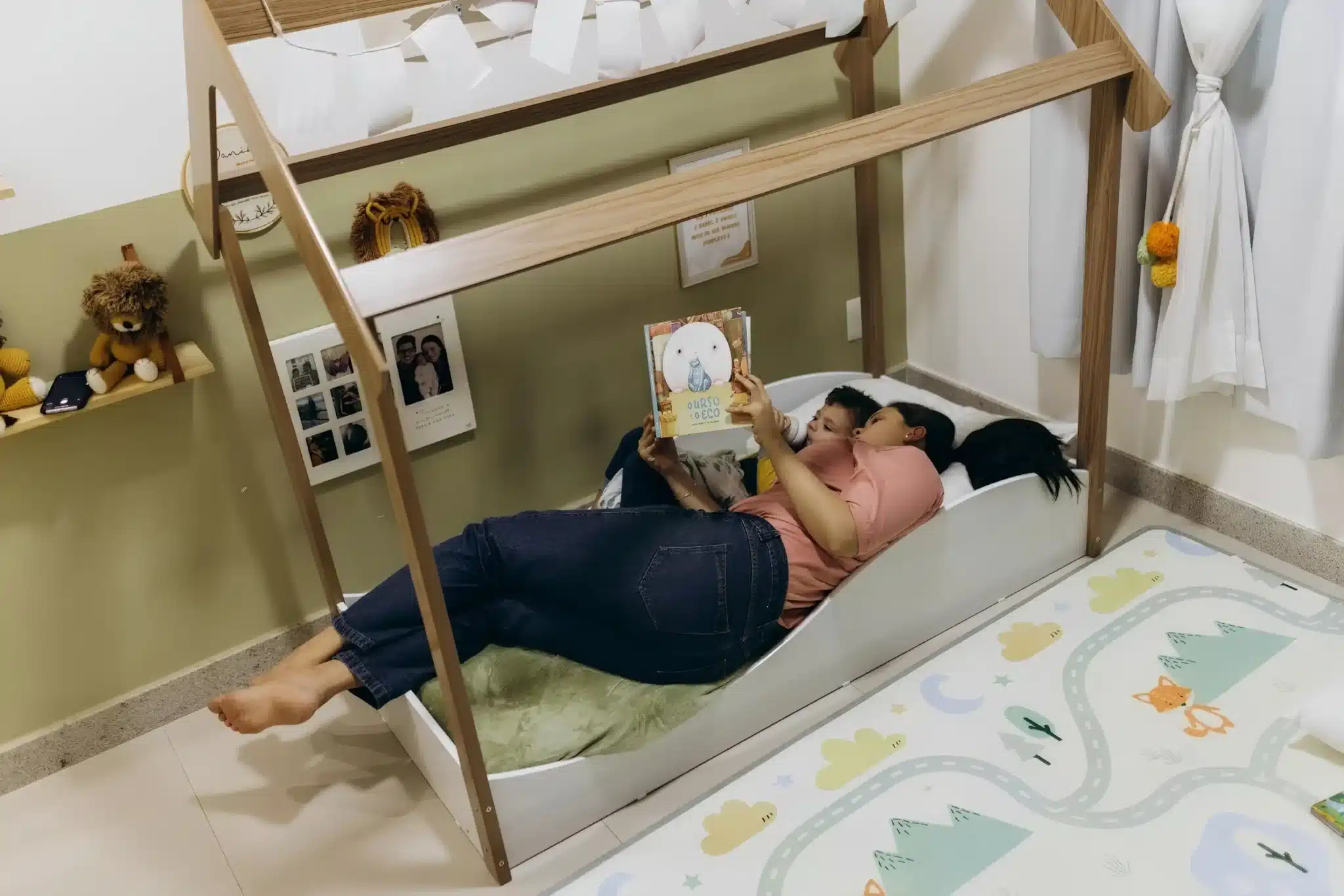
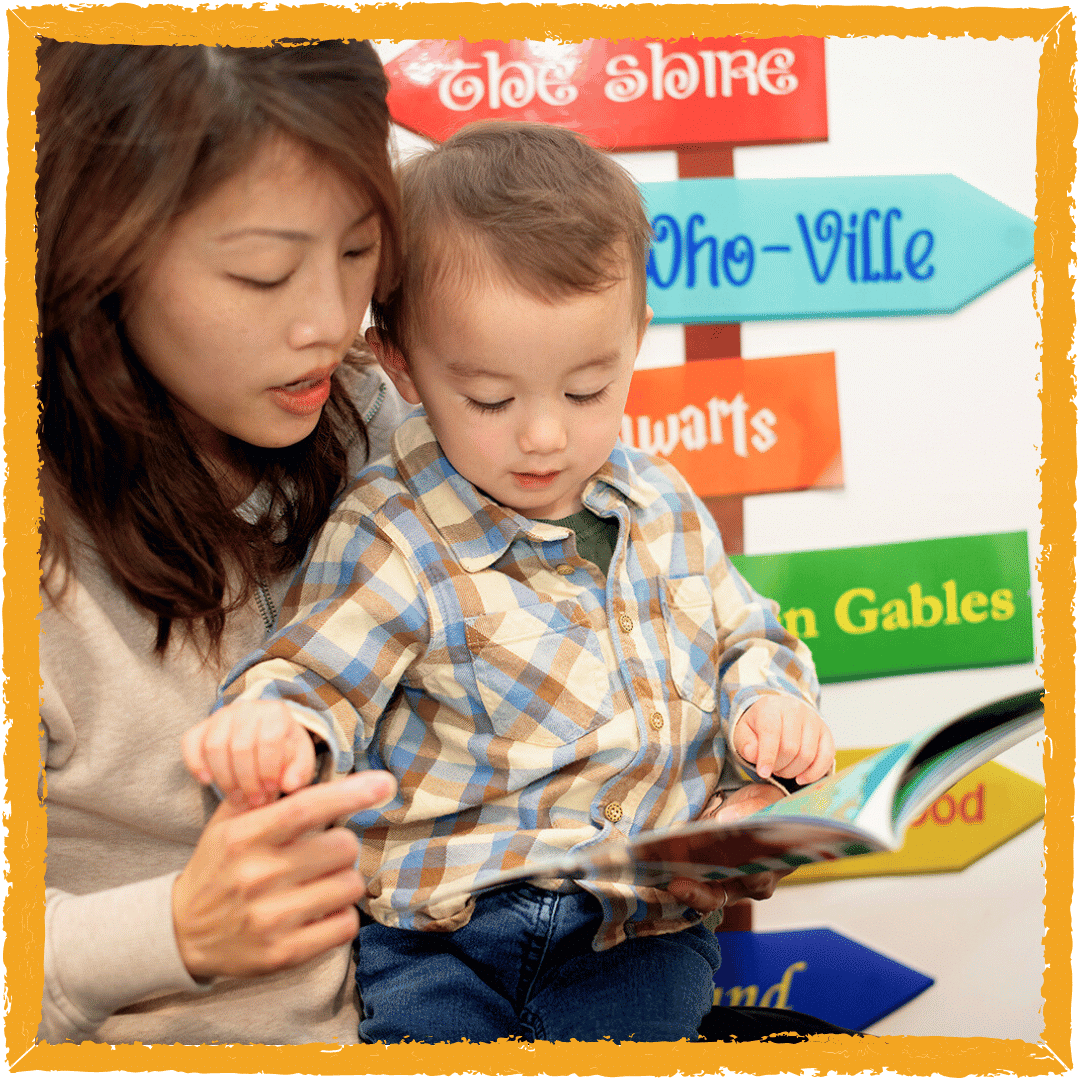
Photo from Pexels: Storytelling is the gateway to mindfulness and imagination.
Every child is different, so flexibility matters.
What to Do If Your Child Resists
If your child feels restless or giggly, that’s okay. Keep sessions short and playful. Use props like a soft toy or blanket to help them settle.
Adapting for Children with Special Needs
Guided imagery can be adapted for children with sensory sensitivities or developmental differences. Focus on simpler language, predictable pacing, and familiar sensory images such as warm light or gentle rain.
When Guided Imagery Isn’t Enough
Guided imagery complements, but doesn’t replace, professional mental health support. If your child experiences persistent anxiety, nightmares, or emotional distress, speak to a paediatrician or child psychologist.
Evidence and Research: What the Studies Show
Research from trusted organisations like CHOC, Harvard Health, and Mental Health Center Kids highlights several measurable benefits:
- Reduced cortisol levels and improved heart-rate variability (signs of stress relief)
- Better sleep quality and shorter sleep onset time
- Increased pain tolerance during hospital treatments
- Enhanced focus and emotional regulation
Evidence shows guided imagery can reduce pain perception by up to 30% in hospitalised children.
While most studies show strong benefits, results depend on practice frequency and parental involvement. Guided imagery or image training works best when part of a broader approach to mindfulness for children.
Resources for Parents: Scripts, Apps & Guided Recordings
| Resource | Type | Use Case | Cost |
|---|---|---|---|
| CHOC Guided Imagery Library | Audio scripts | Pain, anxiety, sleep | Free |
| Mental Health Center Kids | Articles & printables | Emotional regulation | Free |
| Insight Timer Kids | App | Bedtime stories & meditation | Free / Premium |
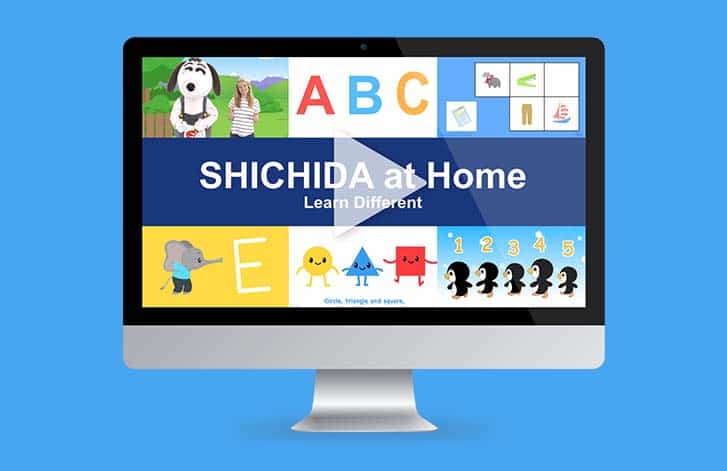
| Shichida at Home | Holistic learning program | Cognitive and emotional development | Free trial available |
Final Thoughts
Guided imagery isn’t about perfection, it’s about connection. Even a few calm moments shared can plant seeds of lifelong resilience.
Your words, tone, and presence are what make this practice powerful. Over time, you’ll notice your child becoming more grounded, confident, and emotionally aware.
If you’d like to explore more ways to nurture mindfulness and cognitive development, book a trial class with Shichida Australia. Their holistic approach blends imagination, sensory learning, and emotional growth, helping children build not only bright minds but calm and confident hearts.
FAQ’s: Guided Imagery for Children
Guided imagery for children is a relaxation and visualisation technique that helps kids use their imagination to picture calming or positive scenes. By imagining places like a sunny beach or a peaceful garden, children learn to manage emotions, reduce stress, and build focus through mental imagery.
Guided imagery helps children feel calm, confident, and in control. It reduces anxiety, improves sleep, and strengthens emotional regulation. Over time, regular visualisation practice can also boost creativity, problem-solving, and concentration – making it a powerful tool for both learning and wellbeing.
You can begin gentle guided imagery from as young as two or three years old. At this age, children naturally respond to stories and imagination. Start with short, simple scenes – like floating on a cloud or walking through a garden – and gradually lengthen sessions as their attention span grows.
Find a quiet moment, invite your child to close their eyes, and softly describe a peaceful scene using sensory details – what they might see, hear, and feel. You can use storybooks, music, or even your own calming voice. The goal is to help them visualise and relax, not to achieve perfection or focus for long periods.
Yes. Visualisation trains the brain to imagine success before it happens – a technique used by athletes, artists, and educators alike. For children, it strengthens self-belief, focus, and goal setting. Programs like Shichida integrate visualisation from an early age to nurture confidence and emotional balance alongside learning.