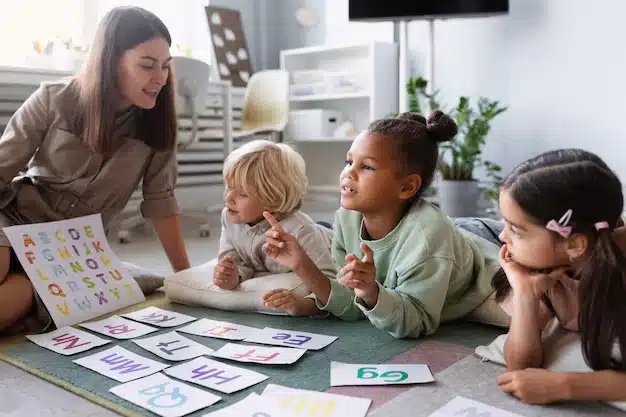
Flashcards Toddlers Love: Benefits, Types & How to Use Them
Key Takeaways:
- Flashcards for toddlers are simple cards with images, words, or numbers that support memory, vocabulary, and early learning through active recall.
- Flashcards benefits for toddlers include improved focus, stronger memory, early language development, and visual learning.
- There are many types of flashcards – picture, word, number, alphabet, and interactive – each supporting different learning goals.
- Flashcards work best when used playfully, in short sessions, with repetition and real-life context to make learning meaningful.
- You can start flashcards from as early as six months, adjusting based on your child’s interest and readiness.
Welcome to an easy‑to‑follow guide about using flashcards for toddlers. If you’re curious about what are flashcards, when to use flashcards for a baby, and how they benefit your little one, you’ve come to the right place. Flashcards are more than just a piece of paper, they’re fantastic, powerful tools developing cognitive skills, memory, language skills, and early literacy. This guide walks through their benefits, types, and how to use them meaningfully at home.
What Are Flashcards for Toddlers?
At their most basic, flashcards are cards containing images, words, numbers, or textures. One side typically displays an image; the other may contain a word, number, or both. Used in early education for decades, these cards are designed to trigger active recall – a proven method to enhance memory by prompting self-testing.
Historically, flashcards originated in the 19th century and are now more widely used in classrooms from preschool to adult learning.
Flashcards are especially effective in the early years, or golden period of development, when a child’s brain is rapidly developing and forming new neural connections.
The Benefits of Flashcards for Toddlers
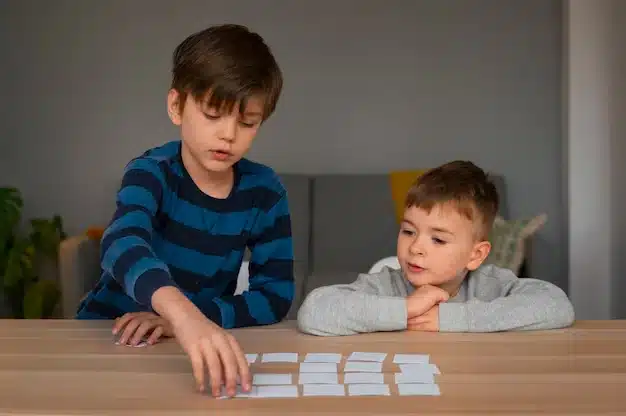
Introducing flashcards benefits for toddlers (1-3 years):
1. Memory Development: Flashcards tap the testing effect – they promote retrieval practice, consolidating memory through active recall.
2. Vocabulary Expansion: Learning new words introduces toddlers to nouns, verbs, adjectives, and even short phrases. Studies show early exposure strenghtens verbal connections.
3. Visual Learning: Toddlers are visual learners. Image flashcards with bright, saturated colours help with faster comprehension and recall.
4. Improved Focus and Attention: Short flashcard sessions help train young minds to focus in ways that play or passive media might not. 5. Boosts Cognitive Skills: Matching images to words or sorting cards promotes problem-solving, classification and non-verbal reasoning.
5. Boosts Cognitive Skills: Matching images to words or sorting cards promotes problem-solving, classification and non-verbal reasoning.
Types of Flashcards for Toddlers
Flashcards come in many forms, each offering a unique learning benefit:
1. Picture Flashcards: Colourful images or illustrations of animals, fruits, and shapes help introduce early concepts.
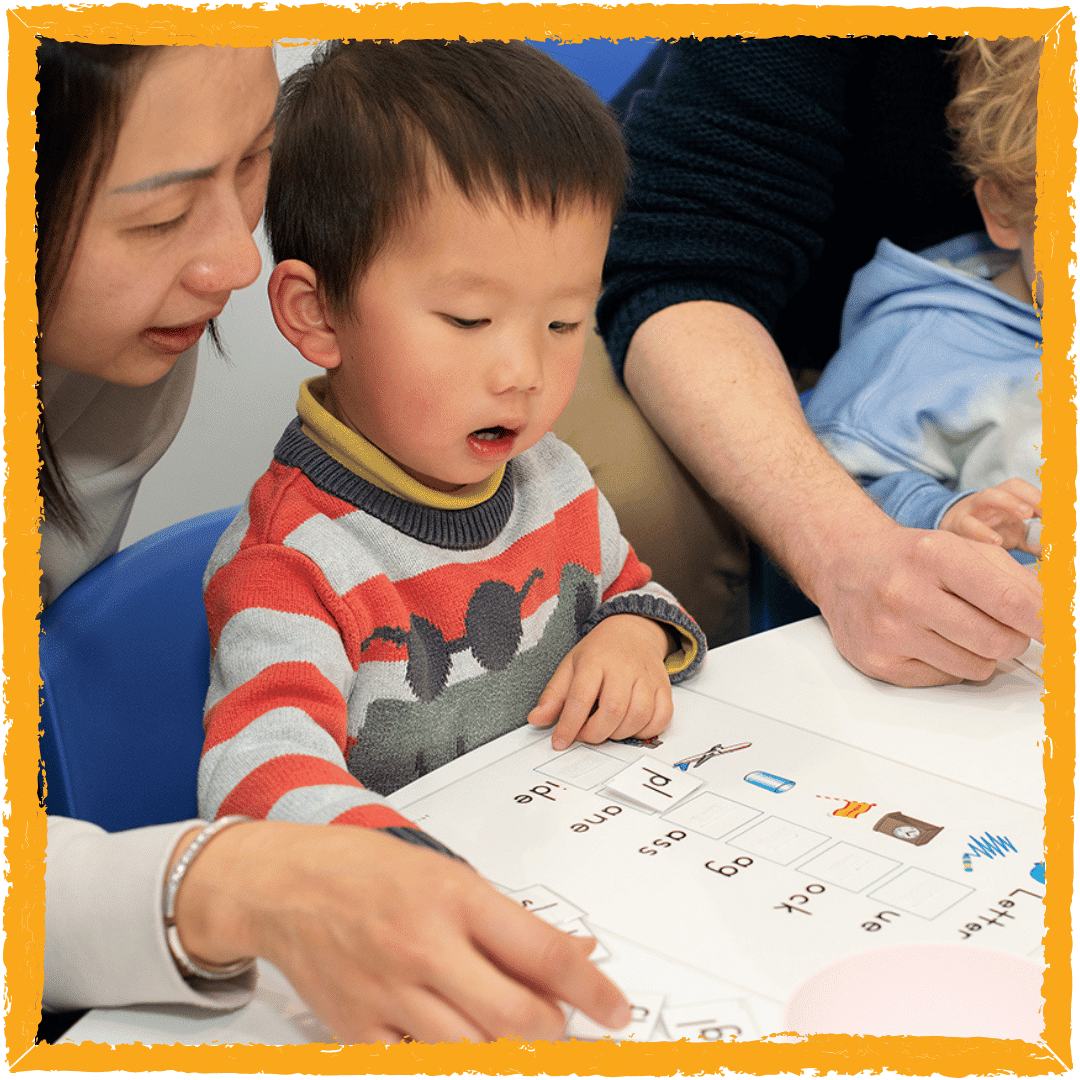
2. Word Flashcards: Ideal for toddlers starting to read, these help link written words to familiar visuals.
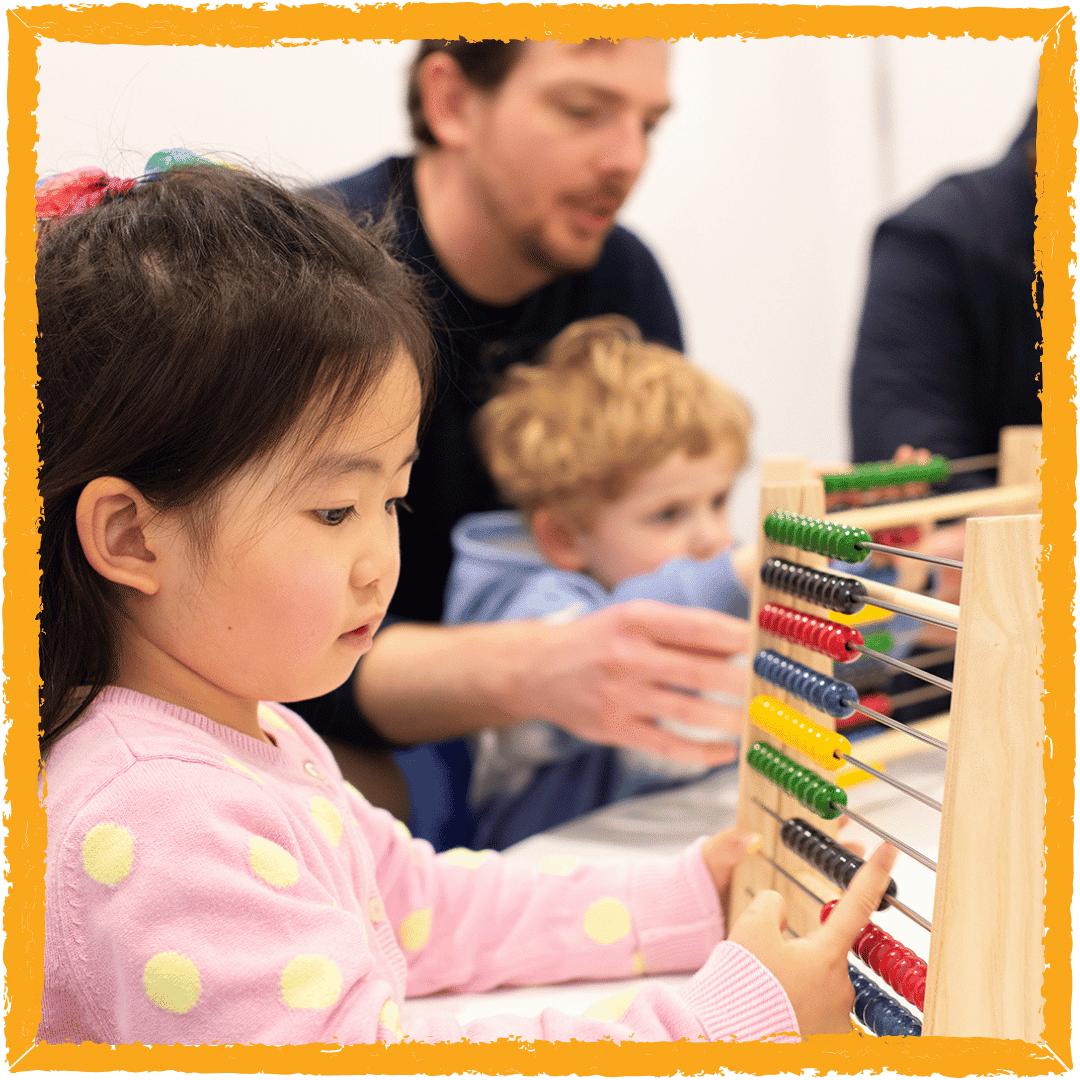
3. Number Flashcards: Useful for counting and basic arithmetic, these lay the foundation for early numeracy.
4. Alphabet Flashcards: Great for learning letters and phonics – ideal when starting to build sounds and words.
5. Interactive Flashcards: Multi‑sensory cards with textures, sounds, or movable parts encourage hands‑on discovery and deeper engagement.
How to Use Flashcards with Toddlers Effectively
Here’s a step-by-step guide for busy parents:
1. Keep Sessions Short and Engaging: Toddlers generally concentrate for 3-10 minutes. Keep sessions brief and enjoyable.
2. Use Flashcards in Context: For example, flash a card showing an apple, then present a real one. It makes the concept tangible and memorable.
3. Focus on One Topic at a Time: Choose a single theme like “animals” or “colours.” This helps with clarity and retention.
4. Make It Interactive: Encourage your toddler to name the object, mimic its sound, or point to it. This boosts verbal engagement and memory.
5. Use Repetition: Revisit flashcards regularly. Use spaced repetition – practise trickier cards more often and ease off on familiar ones.
Fun Flashcard Activities for Toddlers
Make flashcards more engaging with these fun flashcard activities for toddlers:
1. Flashcard Memory Game: Turn cards face down and match pairs. Great for building memory and focus.
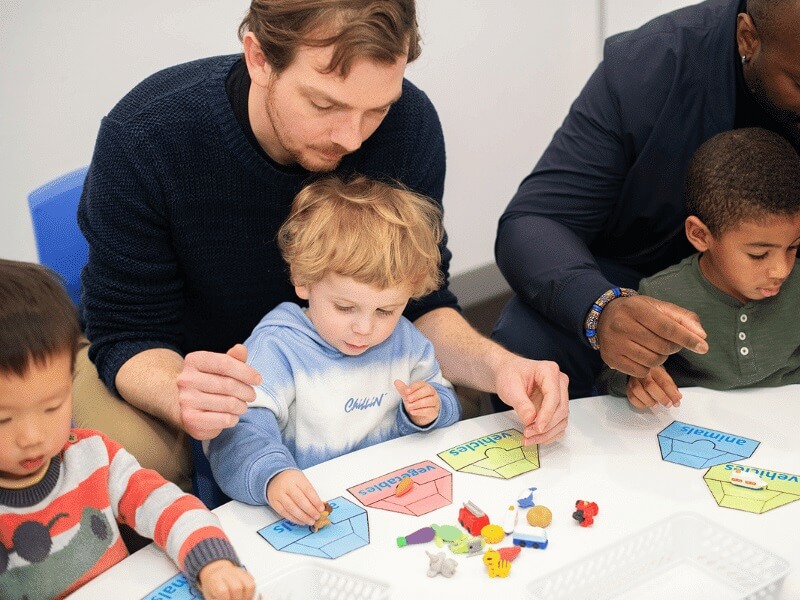
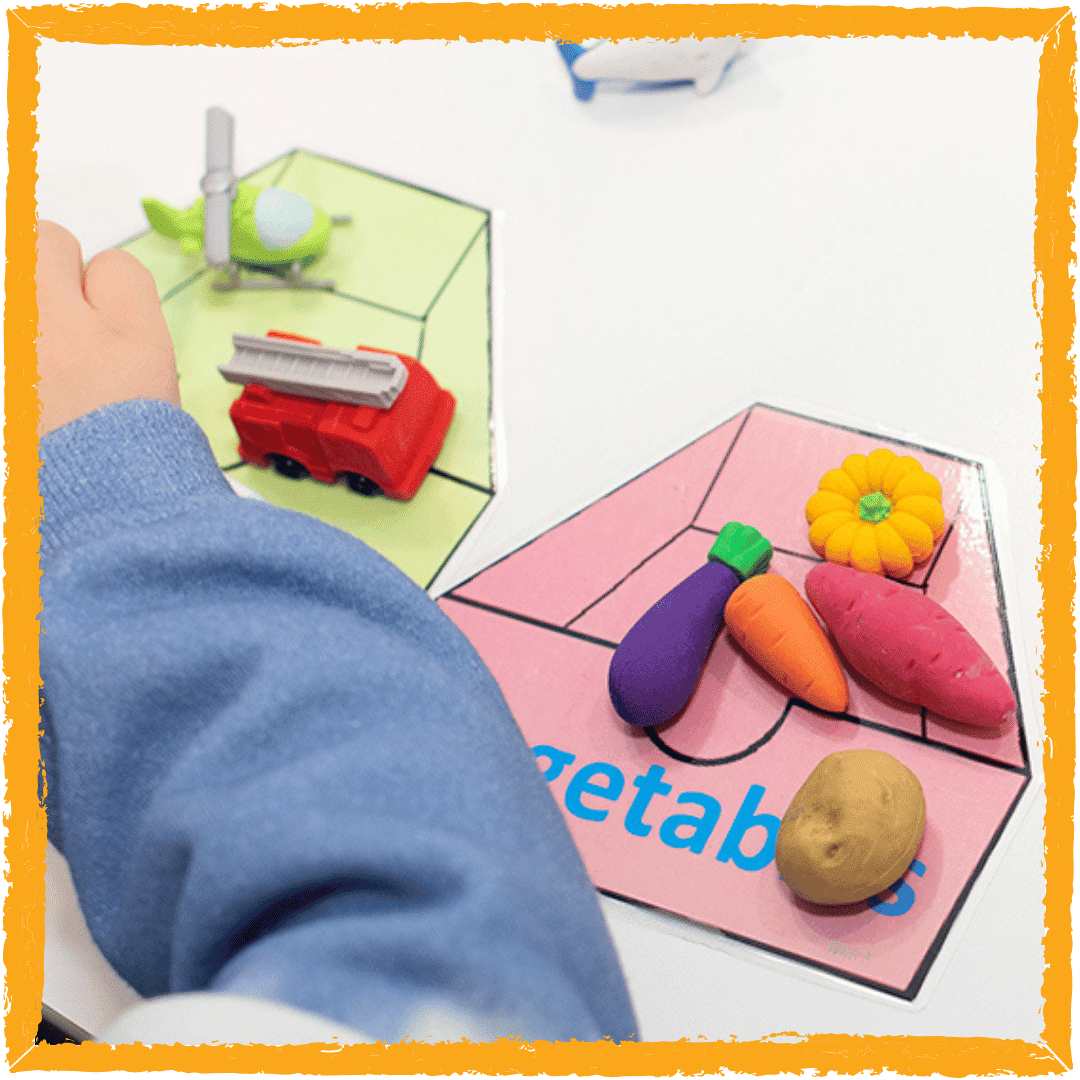
2. Flashcard Sorting: Ask your toddler to sort cards into categories like “animals” or “food” – an excellent activity for classification.
3. Flashcard Scavenger Hunt: Hide a card or object and have your toddler find its match. A fun way to reinforce active learning.
4. Flashcard Art: Let your toddler decorate blank cards. Making their own cards helps them retain the concepts more easily.
With flashcards, you’re nurturing learning, creativity and engagement, all through play!
When to Start Using Flashcards with Toddlers and Babies
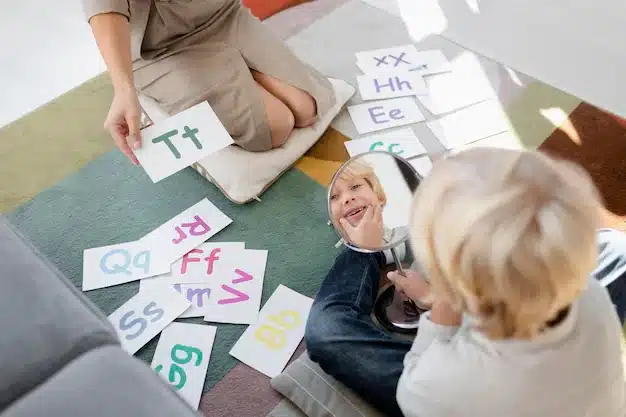
The ideal time to start using flashcards is from six months of age, when your baby’s brain is rapidly developing and most receptive to visual and auditory stimulation. Many early childhood experts – including those behind the Shichida Method – recommend starting early to take advantage of this critical window of brain development.
For babies under one, keep sessions very short – just a few seconds per card – and show them high contrast flashcards with a calm tone. There’s no need for your baby to respond; their brain is absorbing everything, even if they don’t show it. It’s about exposure, not testing.
By the time your child reaches toddlerhood, they are often ready to interact more actively. Some will point, repeat, or show excitement – others might simply watch. Either way, keep the mood fun and pressure-free. The goal is to spark interest, not force performance. Consistency and enthusiasm from you will naturally encourage engagement over time.
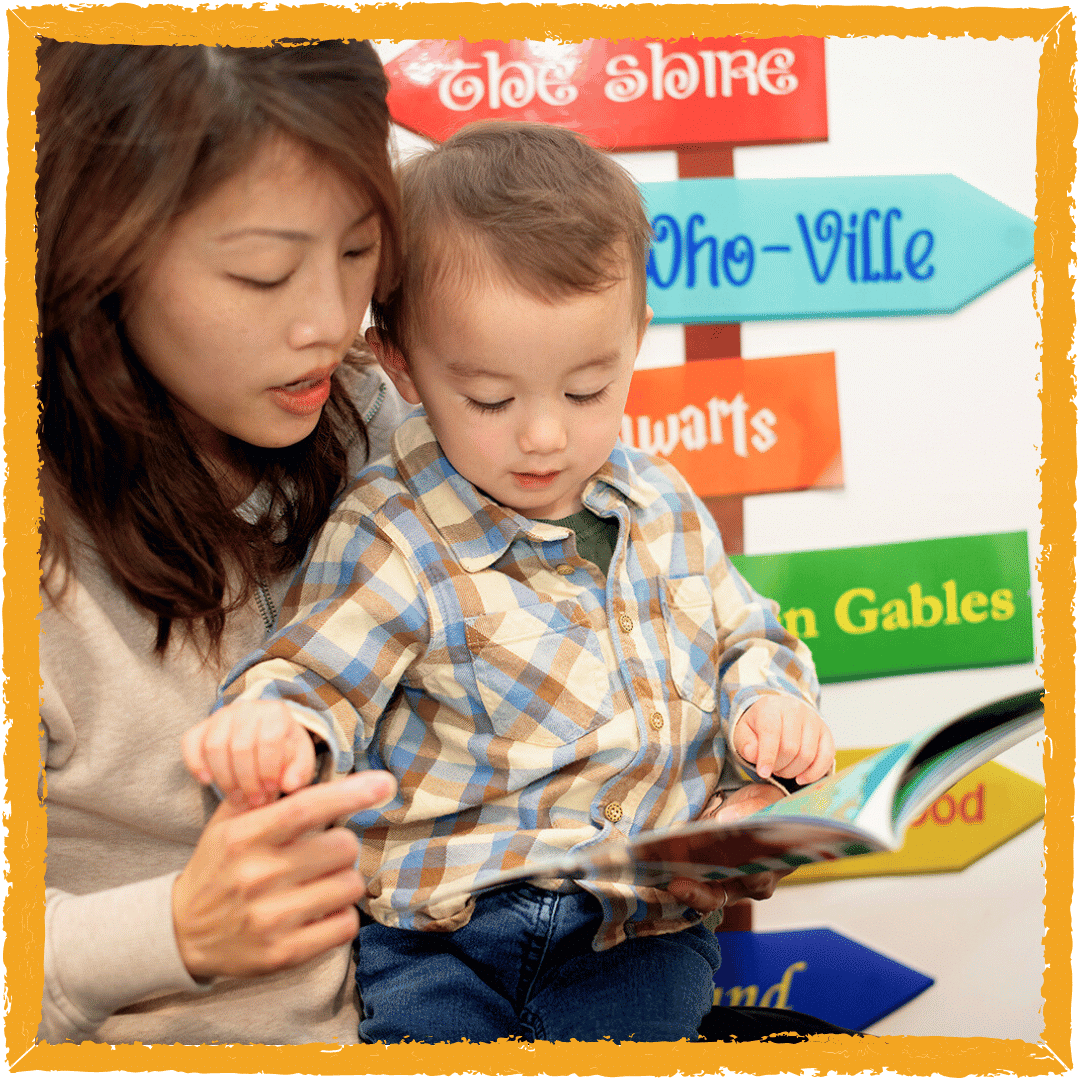
Think of flashcards as a bonding opportunity; a chance to connect while educating your child. Its a fun way to explore new words, sounds, concepts and ideas together using flashcards toddlers enjoy.
Common Mistakes to Avoid When Using Flashcards with Toddlers
Parents sometimes worry about “doing it wrong,” but flashcards are flexible tools – it’s more about consistency than perfection. Here are some misconceptions to avoid:
- Going Too Slow: Many parents assume they need to pause for each word or wait for a response. In fact, a quick pace helps maintain your child’s attention and supports right-brain learning. Speedy sessions keep things engaging and prevent boredom.
- Expecting Stillness: Toddlers are naturally active. It’s okay if your child fidgets, walks around, or even looks away occasionally. Their brain is still processing the information. Don’t worry if they don’t seem focused – input is still happening.
- Over-explaining Each Card: Flashcards work best when they’re shown simply and clearly. No need to quiz or explain every card – instead, trust the power of exposure and repetition over time.
- Being Inconsistent: One of the biggest mistakes is stopping too soon. Just a few minutes a day, consistently, is far more effective than long sessions done irregularly.
Conclusion
Flashcards are a simple, effective way to support early learning – building memory, vocabulary, focus, and more. When used in short, consistent sessions, they can become a powerful tool, and part of your toddler’s development.
Remember, it’s not about perfection – it’s about connection, curiosity, and consistency. If you’re looking for structured support, Shichida’s early learning programs are designed to build both cognitive development and emotional intelligence, using research-backed methods and engaging activities.
Try flashcards toddlers love today – just a few minutes during playtime or a calm part of your routine. You’ll be surprised how quickly your toddler begins to recognise and respond!

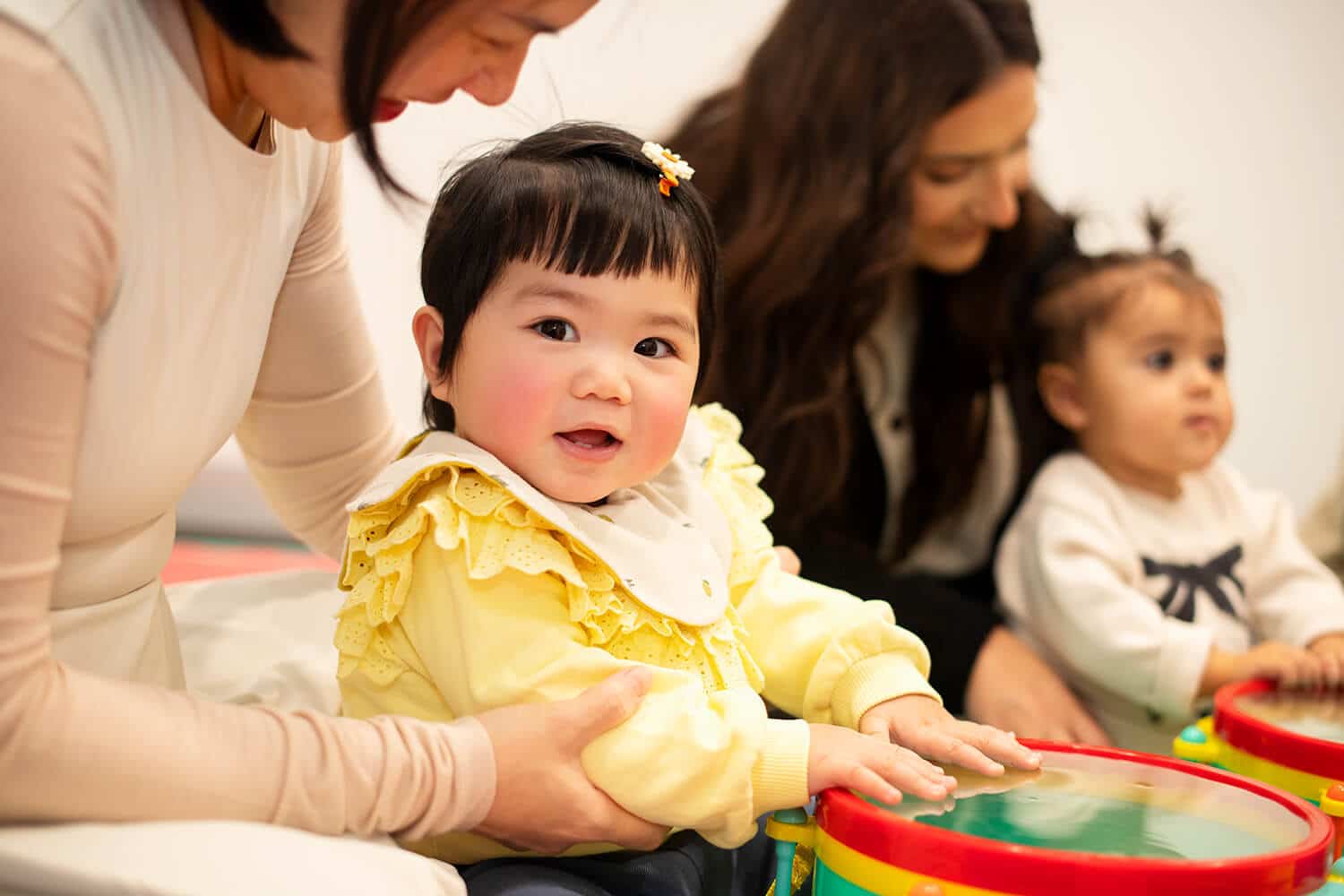
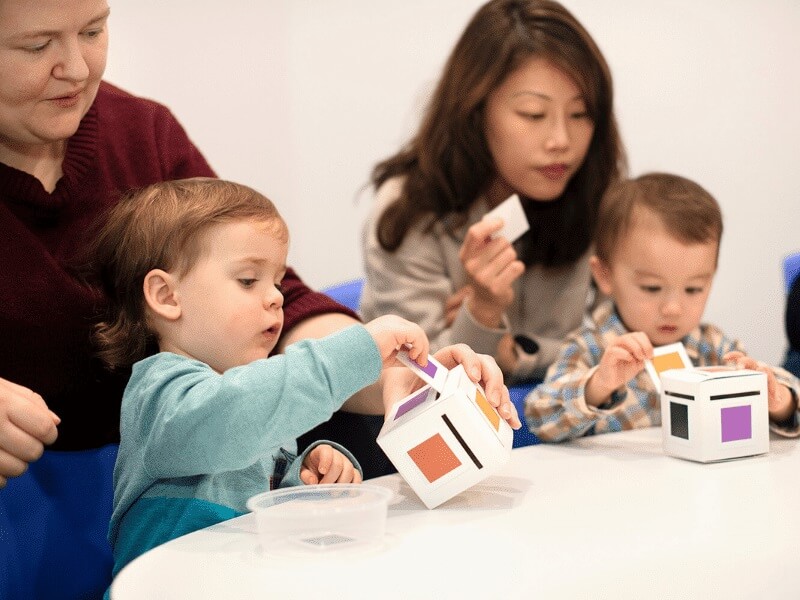
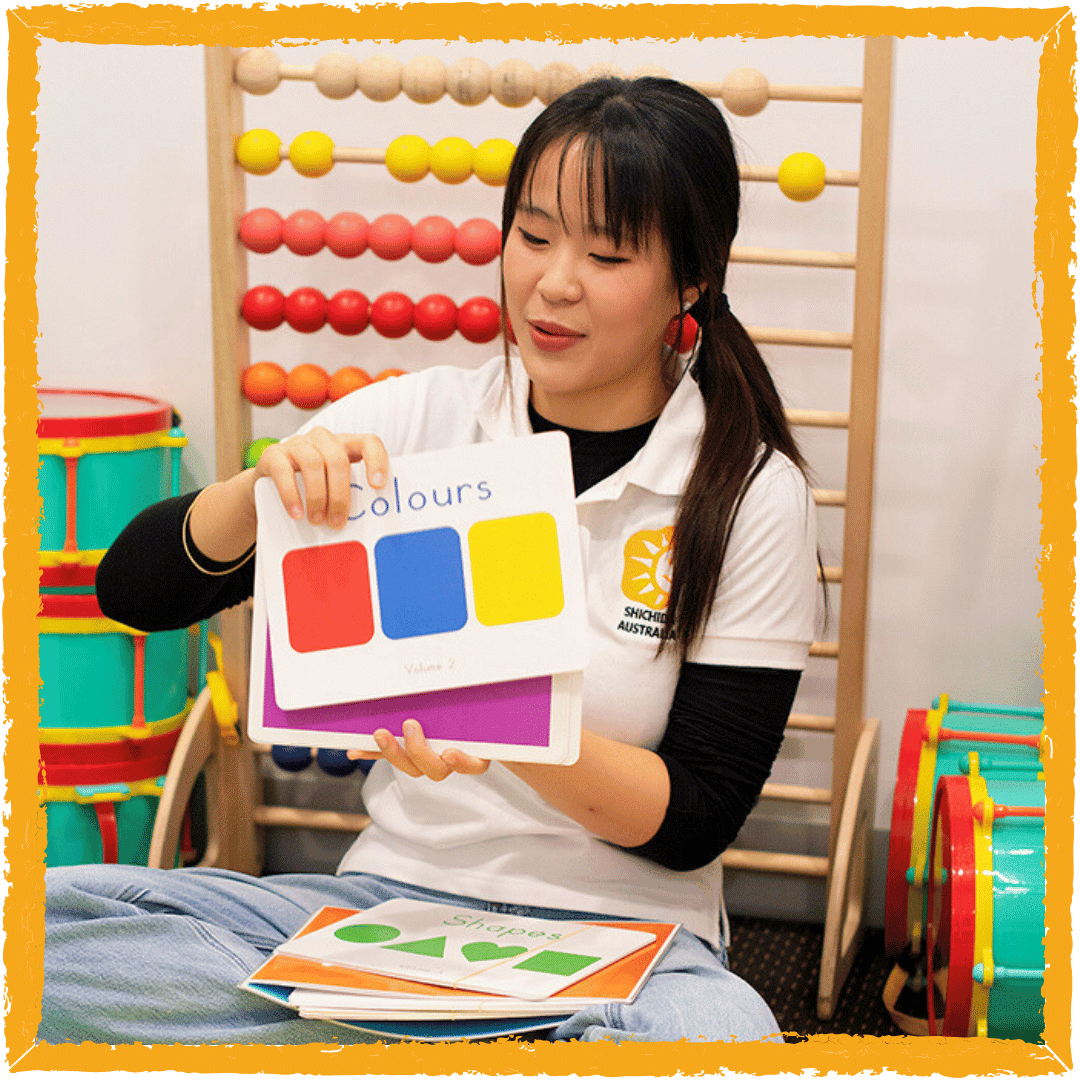
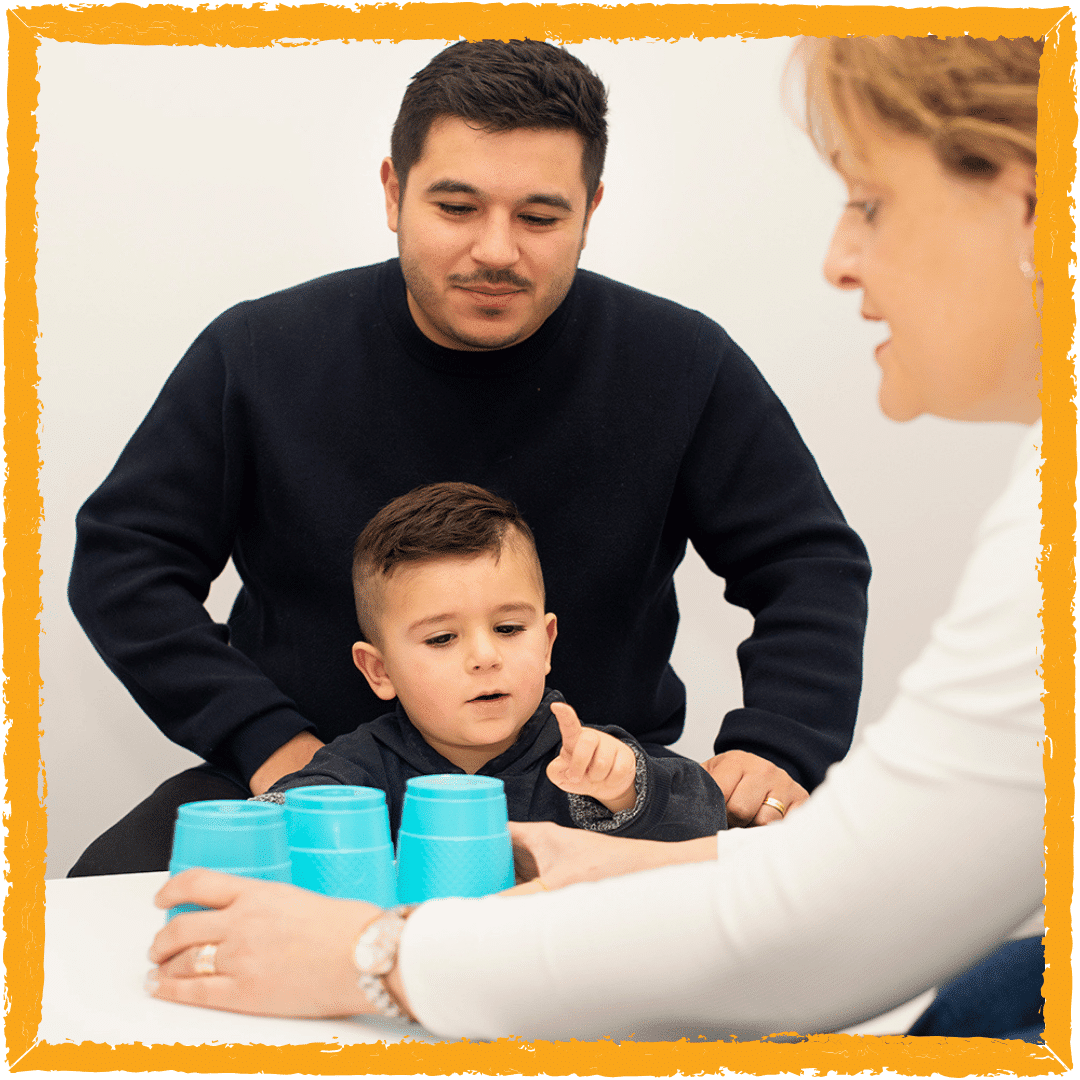
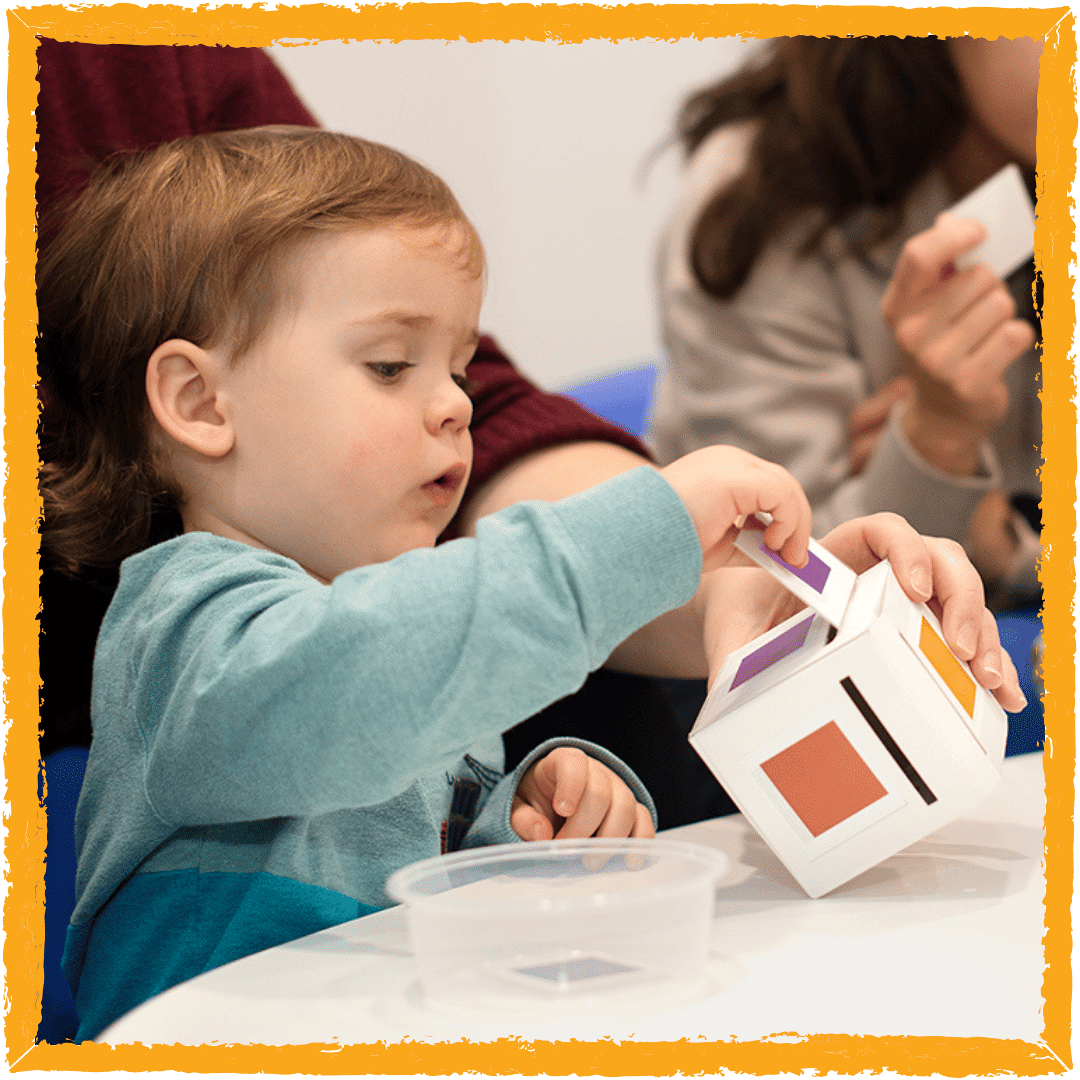
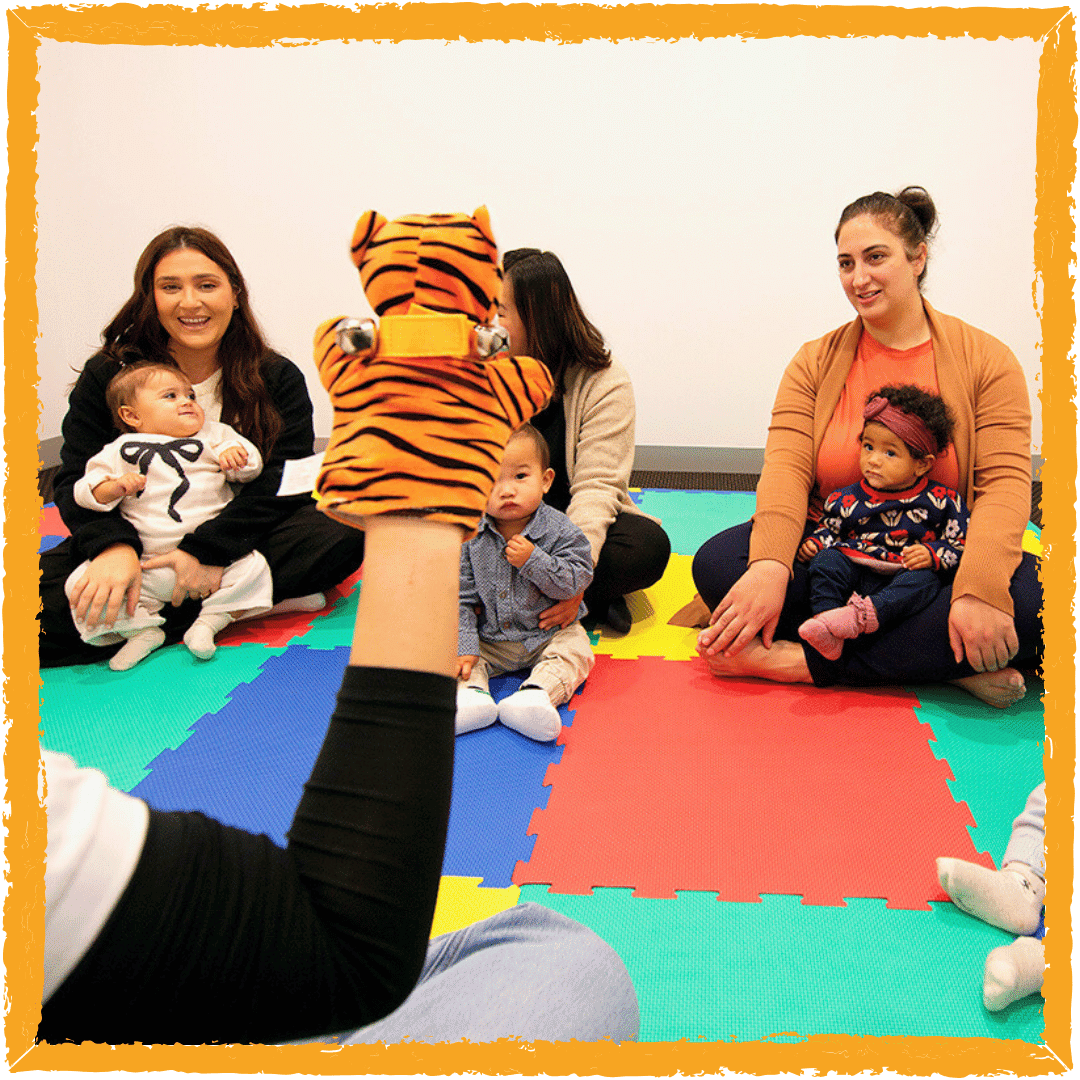
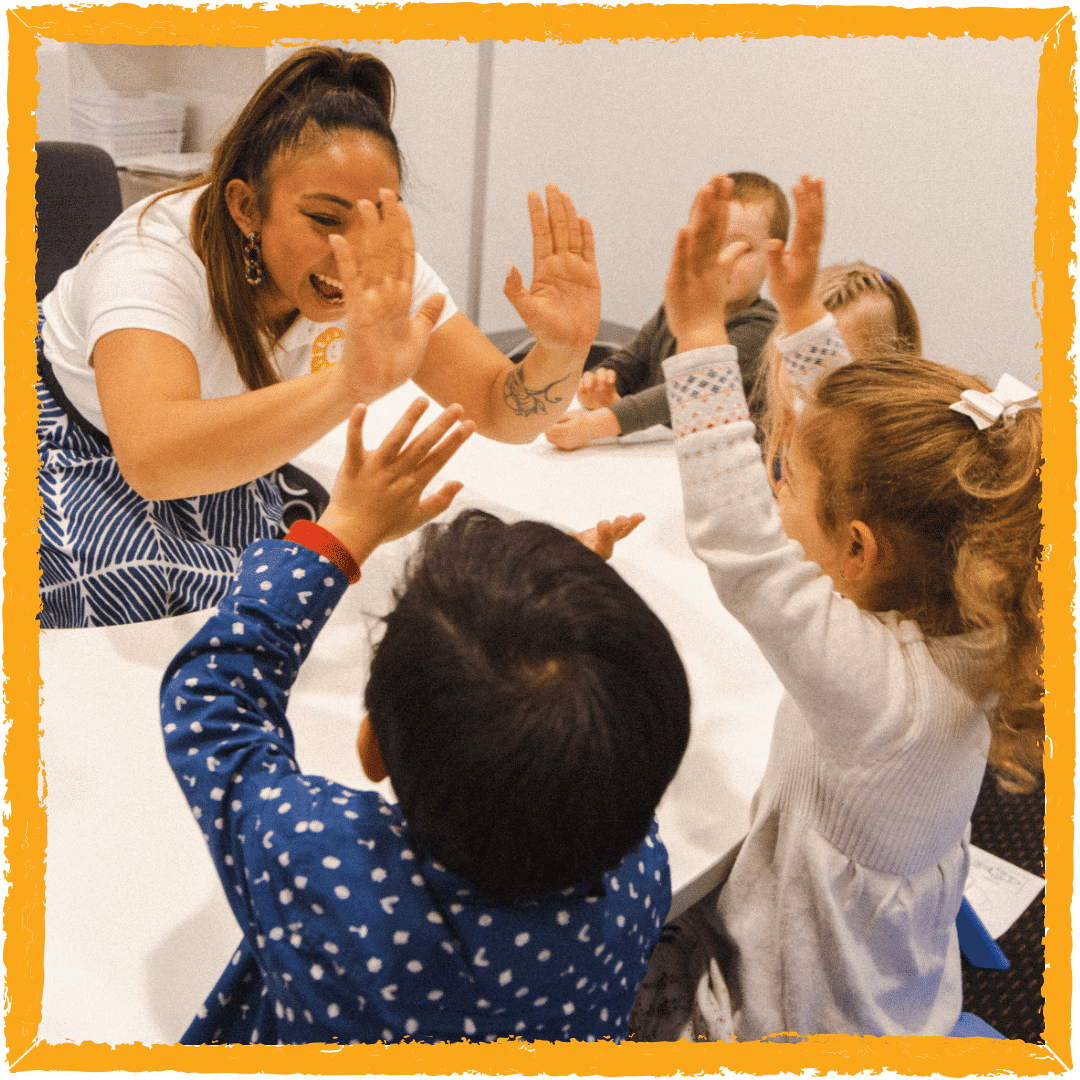
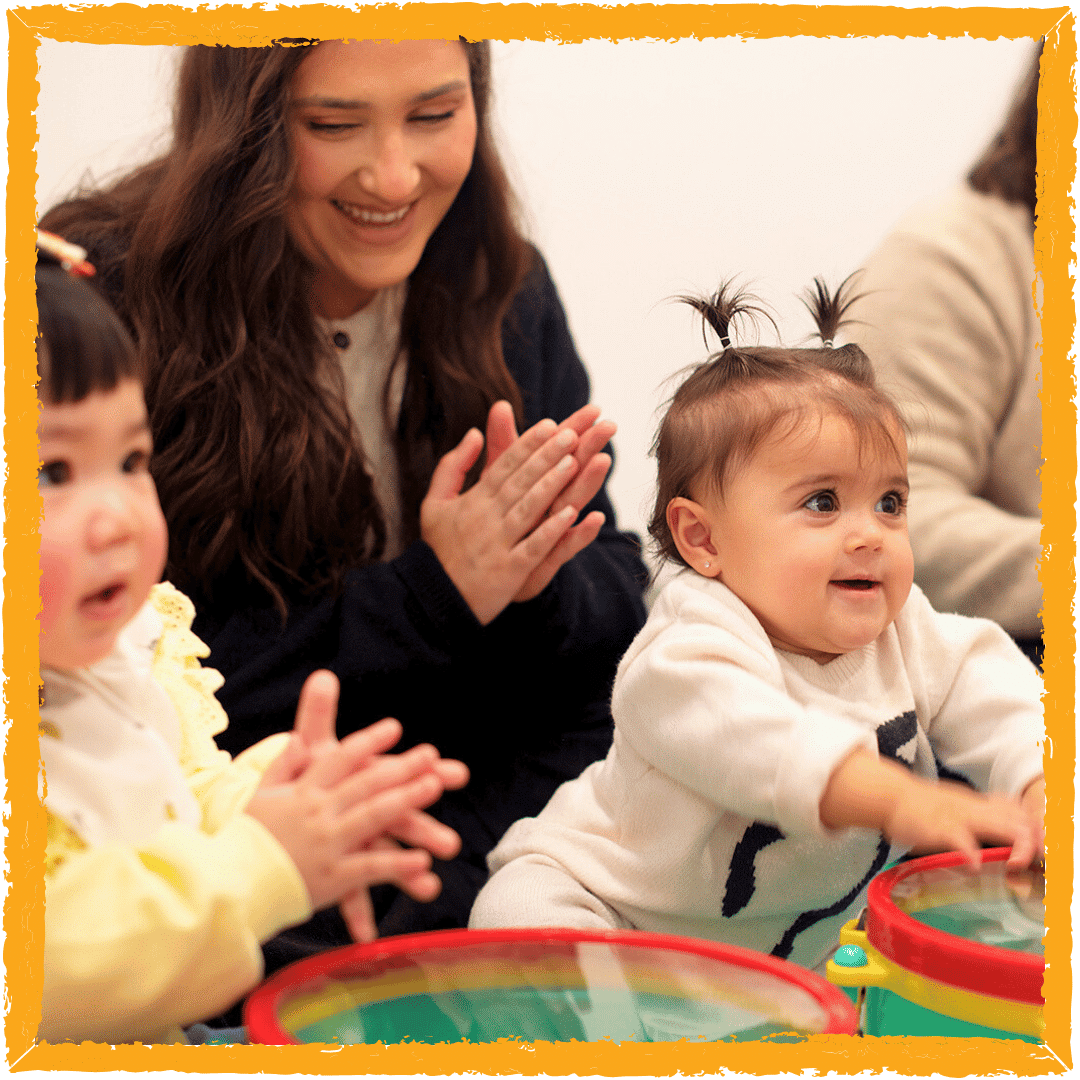
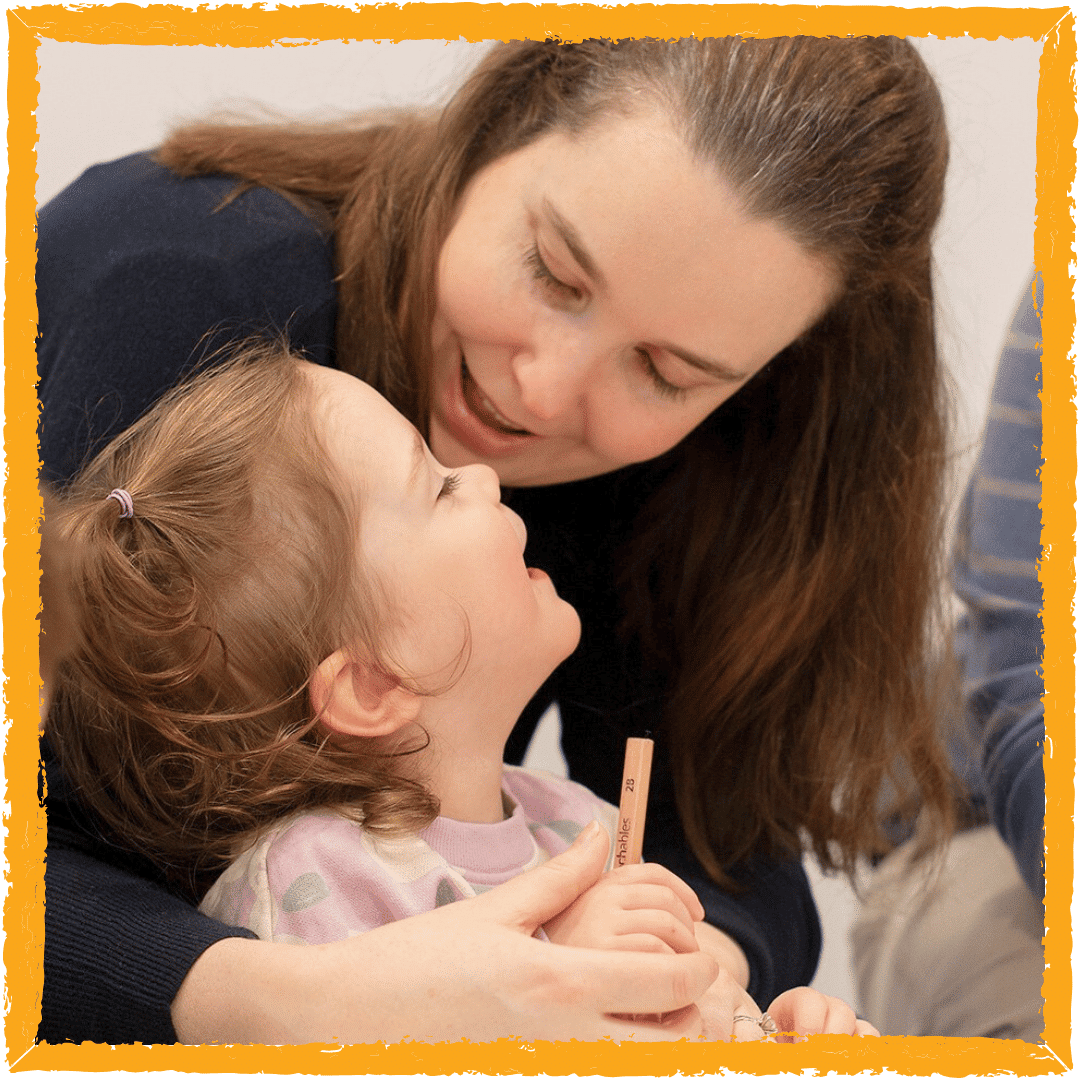
Photo by Shichida Australia: Flashcards toddlers see every week at Shichida are designed to build memory, focus and language.
Hungry for more? Visit our website to learn about Shichida’s programs and materials, or sign up for a trial session. We’re here to support you and your child every step of the way.
FAQ: About Flashcards Toddlers Use
Flashcards can be introduced from as early as 6 months. At this age, babies are highly receptive to visual input. By the toddler stage, flashcards help build vocabulary, memory, and number sense. Shichida recommends starting early to take full advantage of the brain’s critical development window.
Yes. Flashcards support early learning by stimulating the brain through visual and auditory input. When used consistently, they help toddlers absorb language, recognise patterns, and develop memory skills in a fun, low-pressure way.
Keep sessions short and enjoyable. Show each card quickly without asking your child to respond. Repetition is key – focus on input over testing. Use a calm tone and follow your child’s lead to keep learning relaxed and positive.
Start with 10 to 20 cards and build from there. In the Shichida Method, we often show 100+ flashcards at a fast pace to match a toddler’s natural attention span and support right-brain learning. Sessions should stay short, upbeat, and pressure-free.
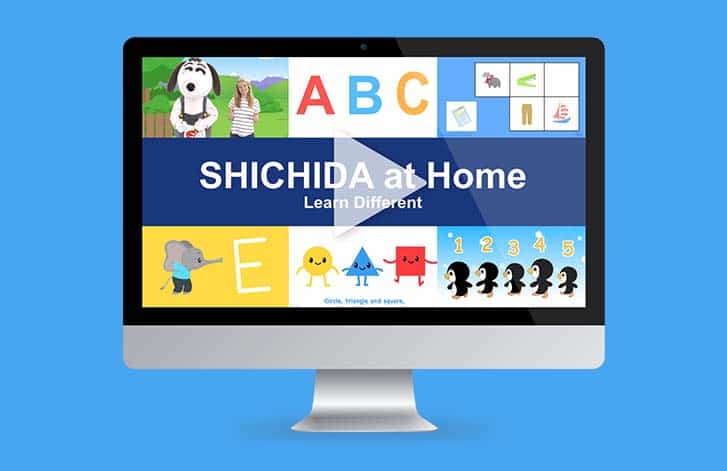
Look for flashcards designed for early childhood development. Shichida flashcards are created specifically for the early years, backed by decades of research. You can access them through the Shichida Shop. Alternatively, SHICHIDA at Home offers a library of digital flashcards.
The best way is through a structured, engaging program like the Shichida Method. At Shichida, flashcards are used as part of a whole-brain approach that incorporates music, memory training, sensory play and hands-on activities. Classes are designed to build focus, confidence, and a love of learning – while strengthening the parent-child bond.