
10 Best Fine Motor Skill Activities for Kindergarten
Key Points
- Fine motor skills prepare children for school tasks like writing and drawing.
- Everyday routines such as dressing and eating build confidence and independence.
- The best activities for fine motor skills for kindergarten are simple, fun, and easy to set up at home.
- Hands-on play is more effective than screen-based activities for motor development.
- Shichida’s programmes integrate fine motor practice with broader learning and creativity.
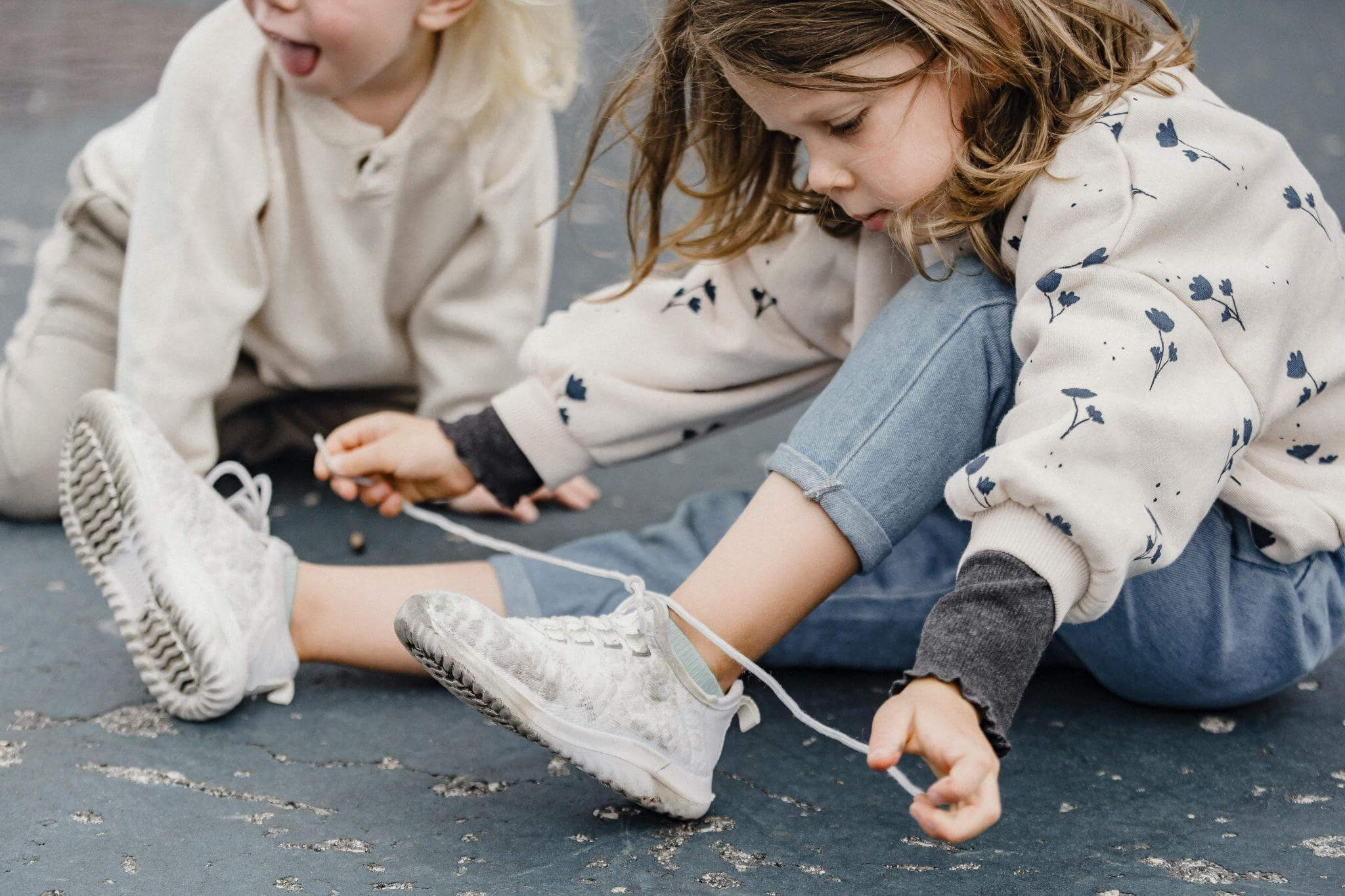
Fine motor skills are the foundation for so many things your child will do in life, from drawing their first pictures to writing their own name. These skills are what help your child fasten their coat, tie their shoelaces, cut with scissors, and hold a pencil correctly. At the kindergarten stage, fine motor skills are especially important because your child is preparing for more independence and academic tasks.
The best part? With simple activities, you can support your child’s development right at home! Here are ten fun and effective activities for fine motor skills for kindergarten that your child will love.
What Are Fine Motor Skills?
Fine motor skills are the small, controlled movements your child makes with their hands, wrists, and fingers. These are the same skills used when writing, buttoning clothes, drawing, or even using cutlery at mealtimes.
According to the Cleveland Clinic, developing these skills supports independence, school readiness, and everyday confidence.
When children have strong fine motor skills, they are better equipped for classroom learning, and everyday routines become much easier. Kids with underdeveloped fine motor skills often struggle with writing in primary school due to hand muscle fatigue. Building dexterity, grip strength, and control in the early years saves a lot of stress later on.
Why Fine Motor Skills Matter in Kindergarten
- They build hand-eye coordination.
- They improve focus and concentration.
- They prepare your child for writing, drawing, and other classroom tasks.
10 Best Fine Motor Skill Activities for Kindergarten
Here are ten easy and enjoyable activities you can try at home. Each one strengthens your child’s small hand muscles and coordination while keeping playtime fun.
1. Playdough Sculpting
Give your child playdough and encourage them to roll, squish, and shape it into animals, letters, or patterns. How it helps: Builds finger strength and control while encouraging creativity.
2. Tracing Shapes and Letters
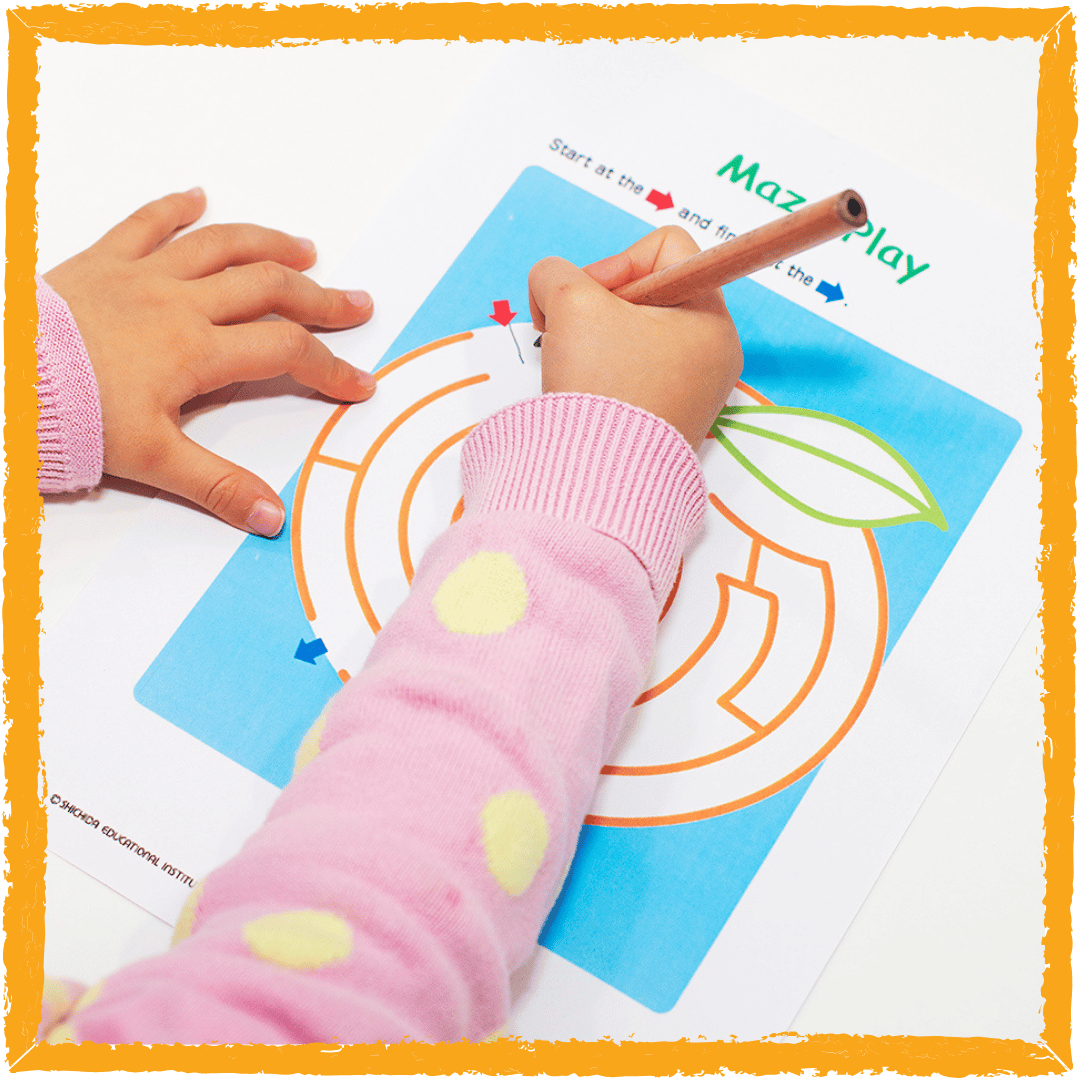
Print or draw simple shapes, letters, and numbers for your child to trace with crayons or pencils. Alternatively, you could encourage your child to solve mazes – a great way to practice pencil grip and pencil control.
How it helps: Improves hand-eye coordination and builds early writing skills.
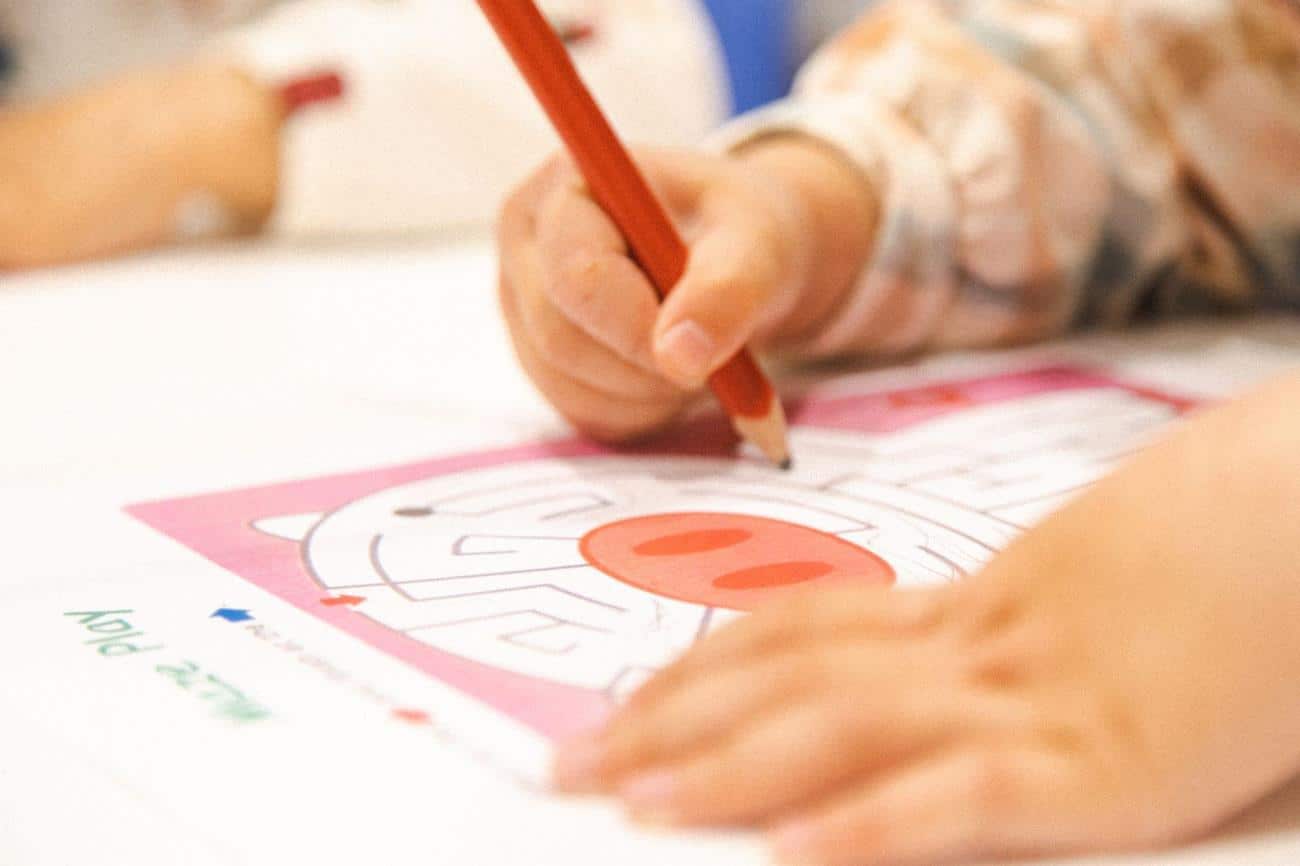
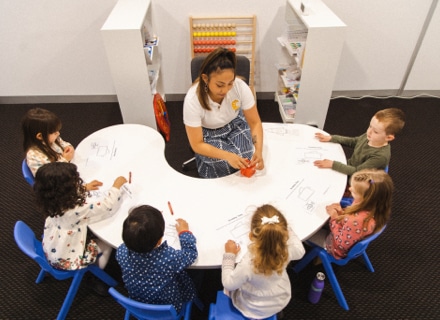
Photo from Shichida: Shichida maze activities strengthen pencil control and fine motor development.
3. Bead Stringing
Provide chunky beads and string (or pipe cleaners) for threading. Start with larger beads and move to smaller ones as your child gets better.
How it helps: Develops concentration, fine motor control, and patience.
4. Cutting Practice with Safety Scissors
Offer safety scissors and let your child cut along straight, zigzag, or wavy lines.
How it helps: Strengthens hand muscles and prepares them for classroom tasks like crafts and worksheets.
5. Building with Small Blocks
Give your child LEGO or other small blocks to build towers, houses, or creative designs.
How it helps: Boosts coordination, grip strength, and problem-solving skills.
6. Sticker and Stamp Fun
Peeling stickers or stamping paper with fun designs is a simple activity that children love.
How it helps: Strengthens finger muscles and builds precision.
7. Puzzles with Small Pieces
Offer puzzles with medium-to-small pieces that need careful fitting.
How it helps: Improves problem-solving, hand-eye coordination, and focus.
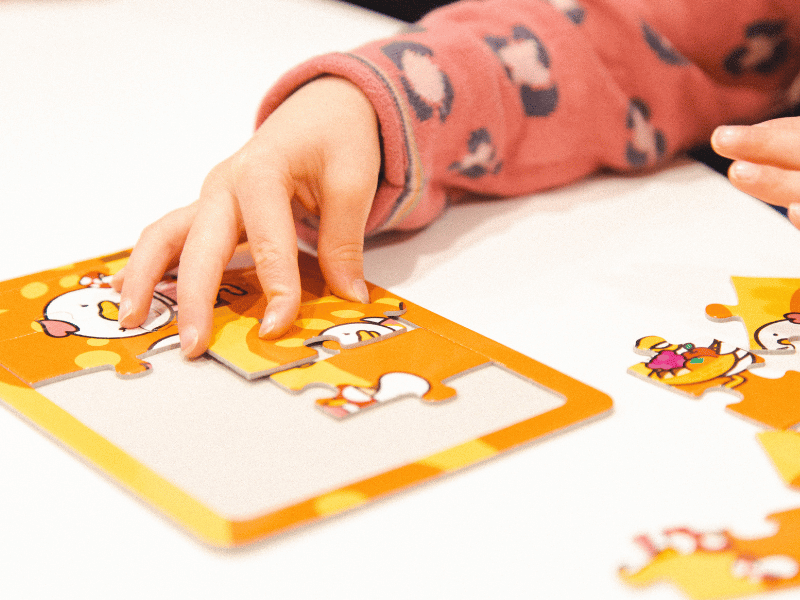
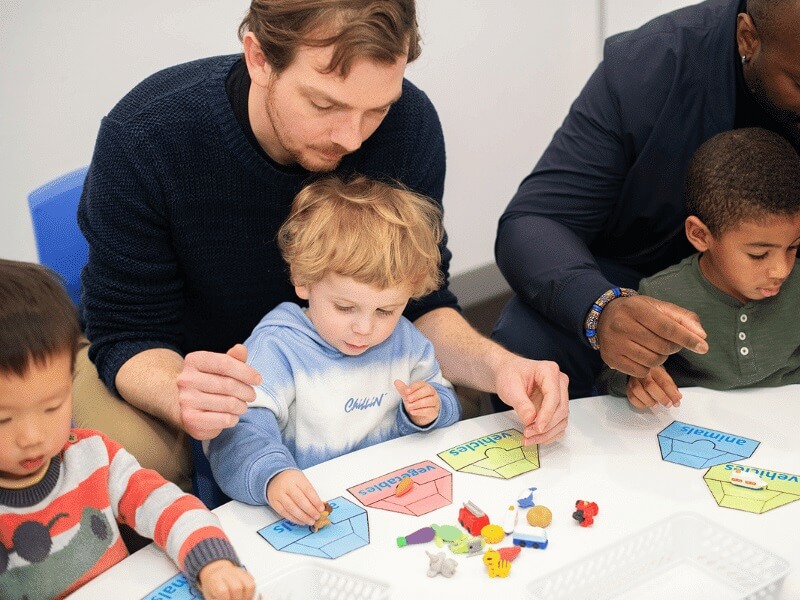
Photo from Shichida: Puzzles are a great way to encourage fine motor skills, spatial awareness and critical thinking.
8. Buttoning and Zipping Practice
Use old clothes, fabric boards, or dressing-up play to let your child practise fastening zips, buttons, and snaps.
How it helps: Promotes independence and strengthens finger dexterity.
9. Finger Painting
Set up a safe space and let your child paint with their fingers using non-toxic paints.
How it helps: Builds creativity and hand strength while engaging the senses.
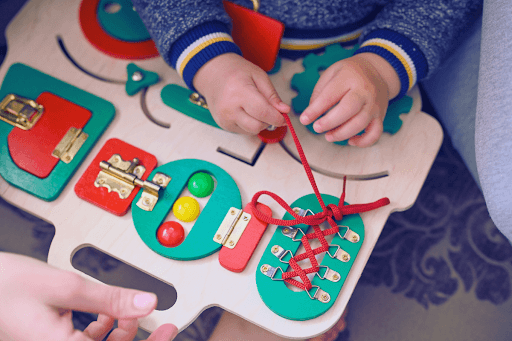
10. Lacing Cards
Give your child lacing cards or create your own with cardboard and a shoelace.
How it helps: Encourages concentration, coordination, and fine finger control.
How to Support Fine Motor Skill Development at Home
As a parent, you’re your child’s best teacher! Simple daily practice can make a big difference.
- Bring it into everyday life: Let your child dress themselves, zip their jacket, or pour their own drink. (Expect a mess – it is part of learning!) These small tasks are powerful learning moments.
- Keep it playful: Set up a little creative corner at home with crayons, puzzles, or building blocks. Play is the best way to practise fine motor skills.
- Balance screen time: Hands-on play will do far more for your child’s hand strength and coordination than tapping on a tablet.
The NAPA Centre points out that giving children age-appropriate opportunities for fine motor practice helps them grow in confidence and prepares them for new challenges.
How Shichida Supports Fine Motor Skill Development

Photo from Shichida: A Shichida class activity: practising scissors cutting to develop children’s fine motor skills.
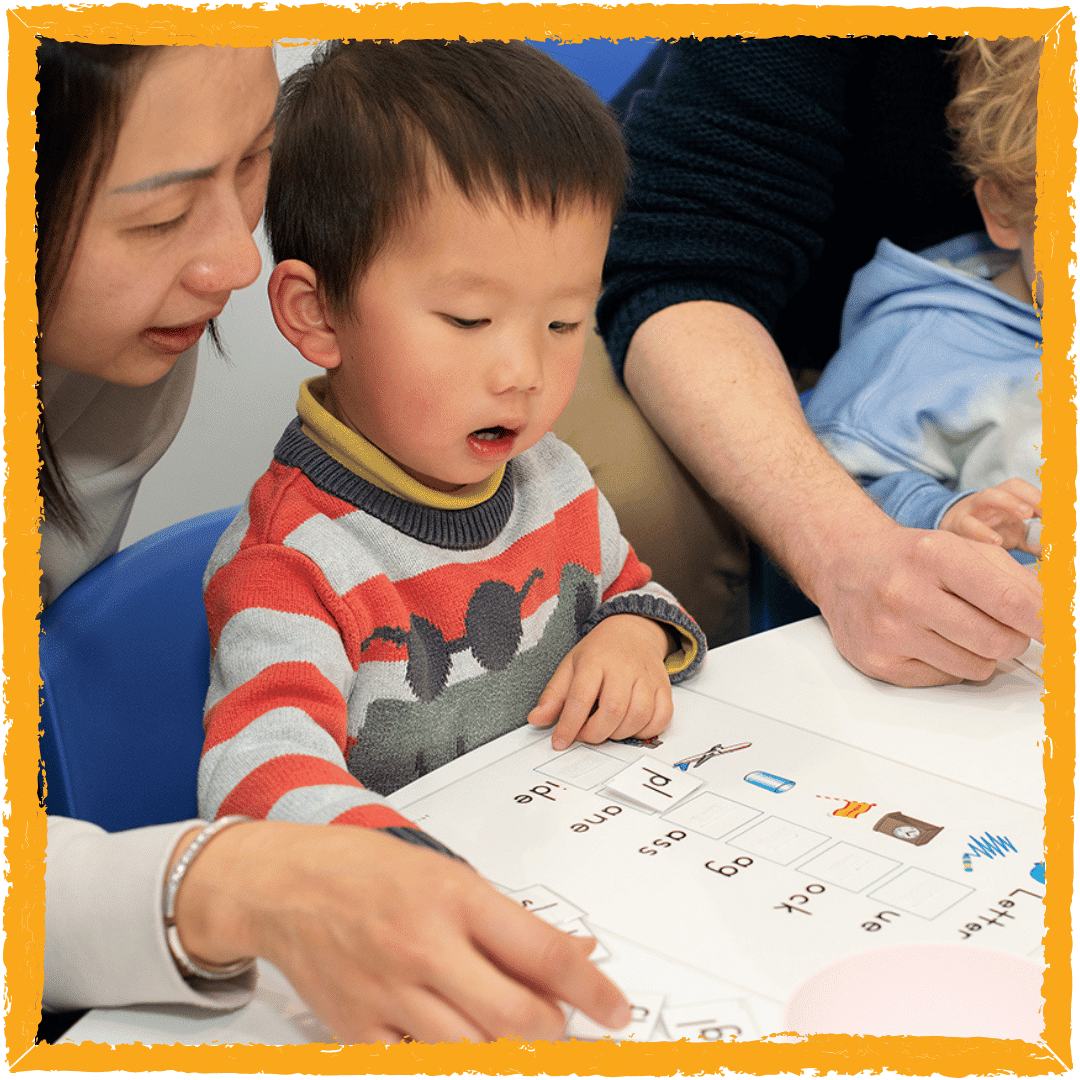
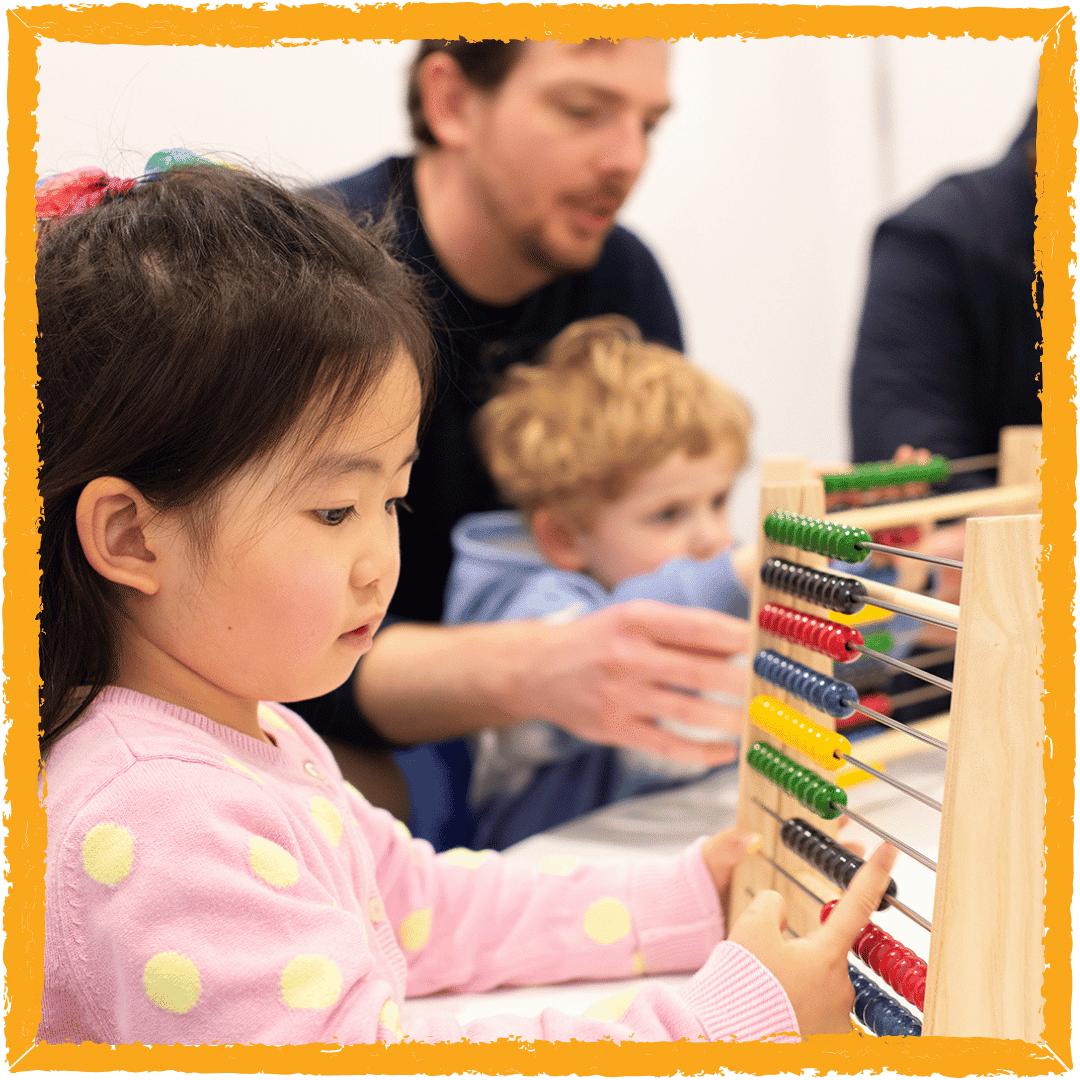
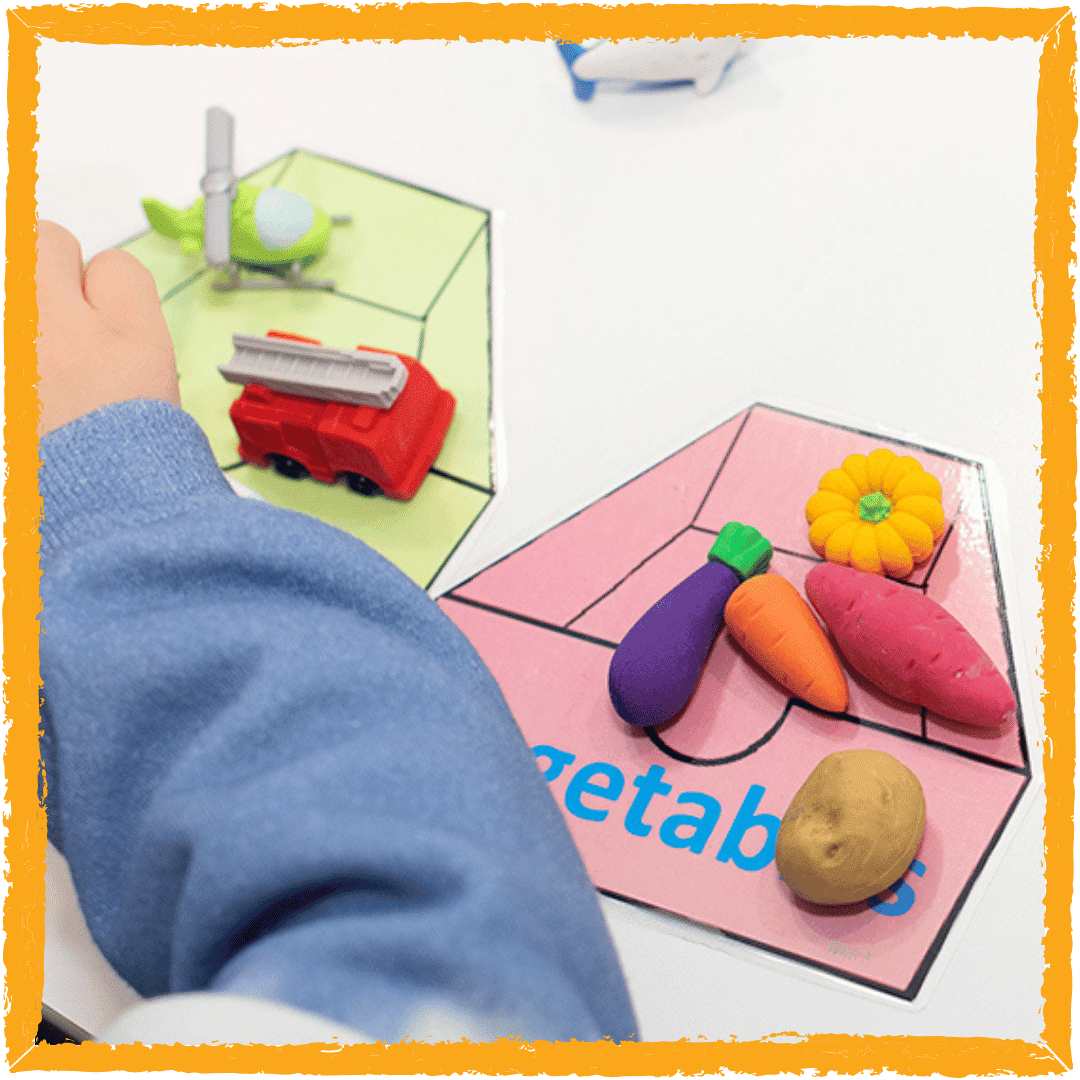
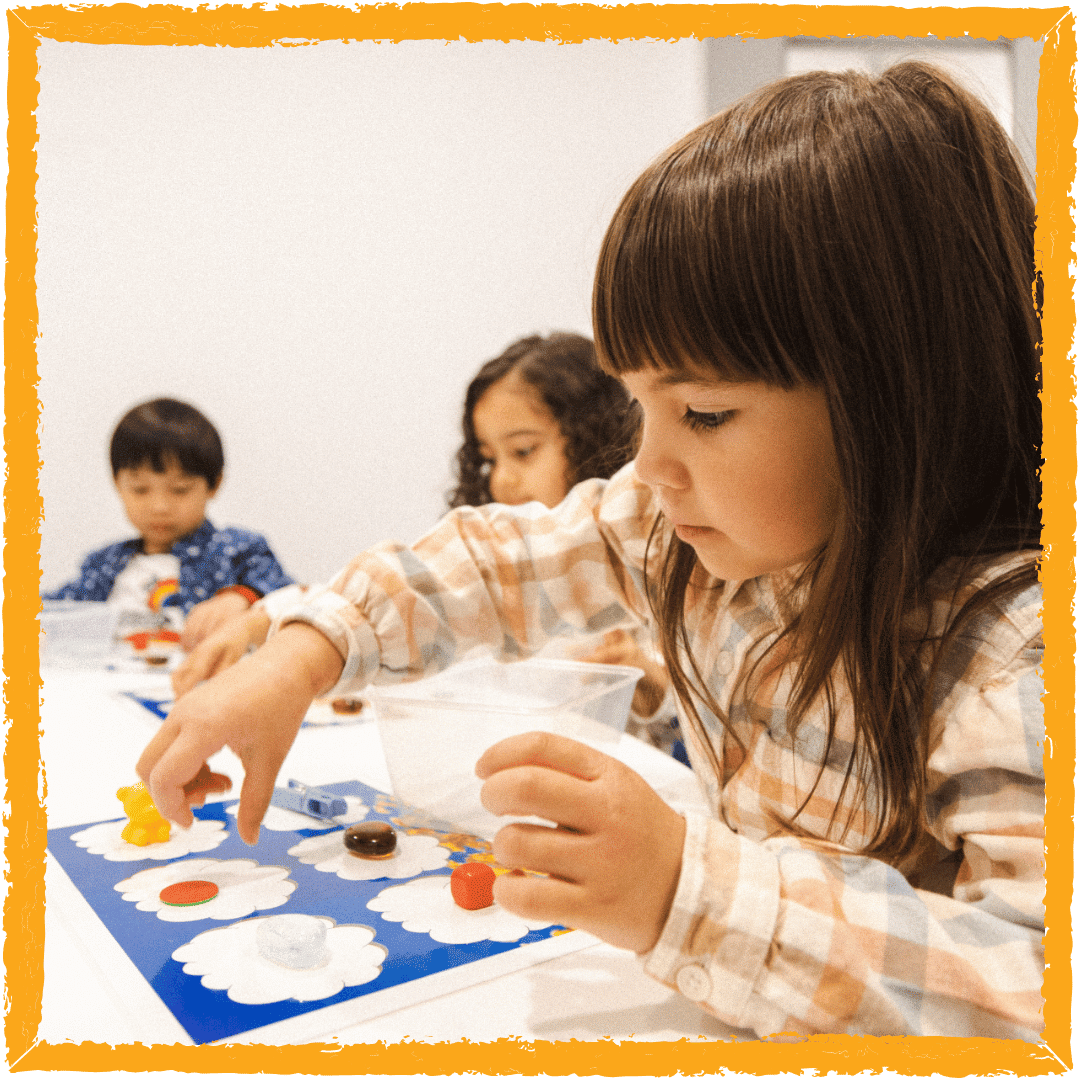
At Shichida, fine motor skill development is woven into every lesson. Children take part in fun hands-on activities that combine memory, creativity, and play, helping them build stronger hands and sharper minds. These experiences nurture not only motor skills but also focus, confidence, and problem-solving abilities.
Many parents tell us they notice a difference after just a few sessions – their children become more independent, eager to learn, and proud of what they can do!
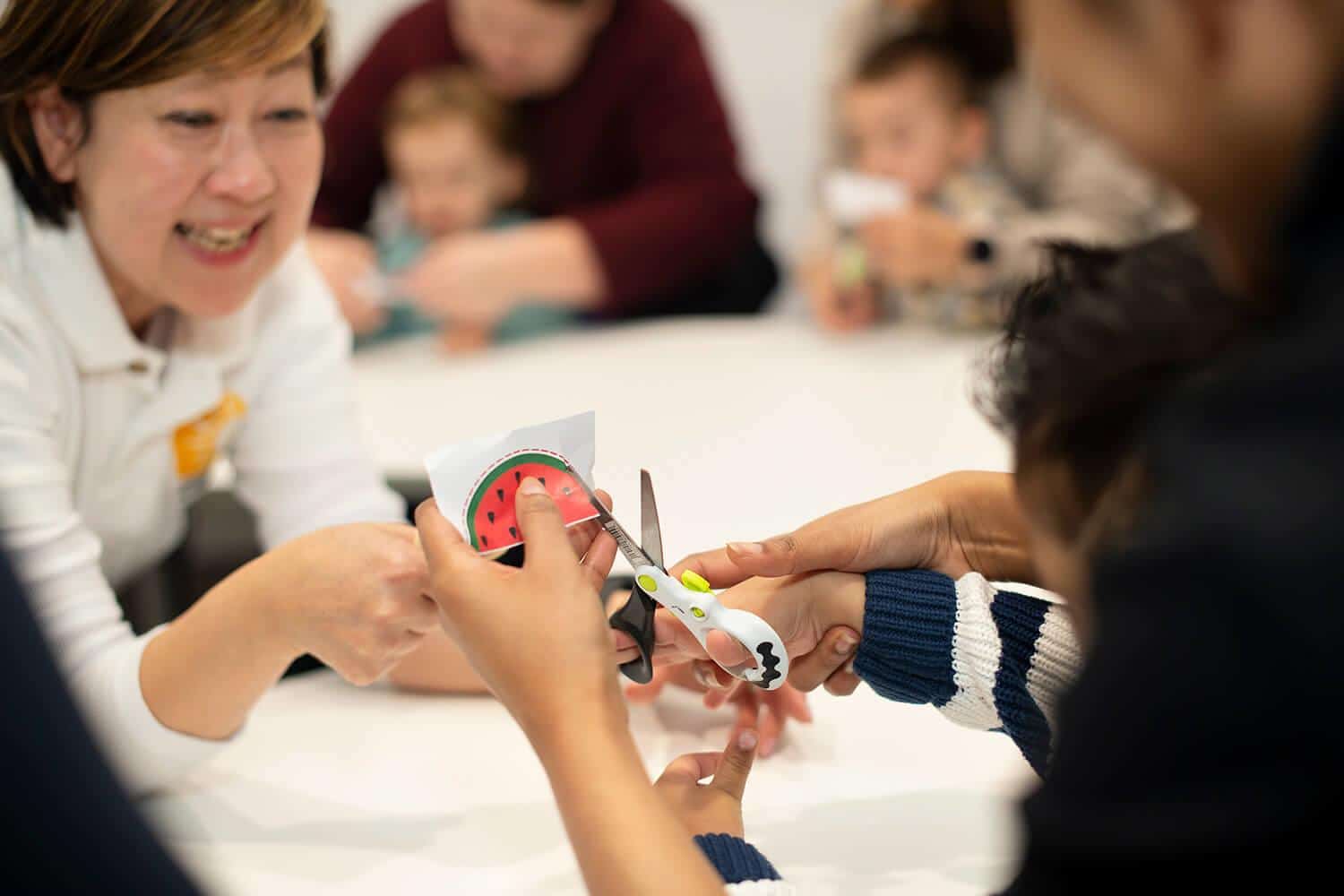
Photo by Shichida: A great example of practical activities for fine motor skills for kindergarten – a certified instructor helps a toddler practise cutting a curved shape with safety scissors.
Conclusion
Helping your child strengthen their fine motor skills sets them up for success in school and beyond. Whether it’s playdough, puzzles, or buttoning up a shirt, every small step brings your child closer to independence and confidence.
If you’d like extra support, Shichida Australia offers fun, engaging activities that nurture fine motor development while also building memory, creativity, and problem-solving.
Book a trial class today and see how Shichida can help your child thrive!
FAQs: Activities for Fine Motor Skills for Kindergarten
Any hands-on task that strengthens the small muscles in your child’s hands and fingers, such as cutting, drawing, or buttoning clothes.
Playdough play, lacing cards, tracing letters, block building, cutting and bead stringing are some of the most effective activities at this age.
Encourage independence with everyday tasks like dressing and eating with utensils, and add short play sessions with puzzles, craft, and drawing.
They prepare your child for writing, drawing, and other classroom skills, while also building independence in daily routines.
Just 10-15 minutes a day can make a real difference, especially when the activities are playful and enjoyable.
Shichida Australia integrates fine motor practice into every lesson, combining activities like cutting, threading, stacking, tracing and early writing with memory, creativity, and problem-solving. This approach helps children strengthen their hands while building focus and confidence.