
Emotional Regulation Activities: Top Fun & Effective Tools for Kids
Key Points:
- Emotional regulation is a learnable skill, not a behavior to punish.
- Young children need co-regulation and modeling from adults.
- Sensory, movement, mindfulness, and creative play support regulation.
- The Zones of Regulation framework helps simplify emotions.
- Tools like books, charts, and breathing games make learning fun.
Emotional outbursts, tantrums, and meltdowns can feel overwhelming – not just for you, but also for your child. But did you know that these moments are a normal part of development? Learning how to manage emotions is not something children are born knowing – it’s a skill they develop over time, with the right support and lots of practice.
In this guide, you’ll find simple and effective emotional regulation activities that you can start using at home to help your child feel calm, confident, and more in control of their big feelings.
Understanding Emotional Regulation in Early Childhood
As a parent, you’ve likely seen your child experience big emotions – whether it’s a full-blown tantrum at the supermarket or sudden tears at bedtime. These outbursts can leave you feeling overwhelmed and unsure of how to respond. But what’s really happening is that your child is learning the skill of emotional regulation. This essential life skill helps them manage their feelings, respond more appropriately to challenges, and recover after moments of distress.
What Is Emotional Regulation?
Emotional regulation is the ability to understand, express, and manage emotions in a healthy way. It’s not an instinctive skill – it’s something your child learns gradually, starting in toddlerhood and developing throughout the early years.
Between the ages of 2 and 6, children begin to identify their emotions, try simple calming strategies, and respond to frustration with growing maturity. It’s entirely normal for a two-year-old to struggle with waiting or for a four-year-old to cry when routines change – they’re still learning how to navigate big feelings.
Support your child’s emotional regulation through calming, hands-on sensory play – download your free sensory play guide.
Why It’s Crucial in Early Learning Years
During the early years, the part of the brain responsible for self-control and decision-making – the prefrontal cortex – is still developing. That’s why emotional outbursts are common at this stage. Your child isn’t misbehaving; they’re learning.
Developing emotional regulation helps children feel more secure and in control. It also builds the foundation for success in relationships, learning, and daily life. When children learn to recognise and manage emotions, they’re better able to concentrate, cooperate with others, and build confidence.
Signs Your Child May Be Struggling with Emotional Regulation
Challenging behaviours often signal skills that are still emerging. Your child may need extra support if you notice:
- Frequent tantrums or meltdowns
- Hitting, biting, or yelling when upset
- Difficulty transitioning between activities
- Resistance to rules or routines
- Trouble calming down once distressed
These behaviours aren’t signs of poor parenting or a difficult child – they’re clues that your child is still developing the tools to cope.
Foundations for Teaching Emotional Regulation
Before jumping into calming strategies, it’s important to build a strong foundation. Children learn emotional regulation best through connection, safety, and consistent modelling. Your calm presence is one of the most powerful tools you have. Young children often mirror the emotional tone around them – when you stay regulated, you show them how to manage their own big emotions. Emotional regulation starts with you.
The Role of Co-Regulation
Young children aren’t born with the ability to self-regulate – they rely on co-regulation first. This means staying calm and present as they navigate overwhelming feelings. By validating their emotions – “I see you’re upset” – you help them feel understood. From there, you can gently guide them back to calm. The phrase “name it to tame it” can be a useful reminder: once a child can label what they’re feeling, they begin to regain control.
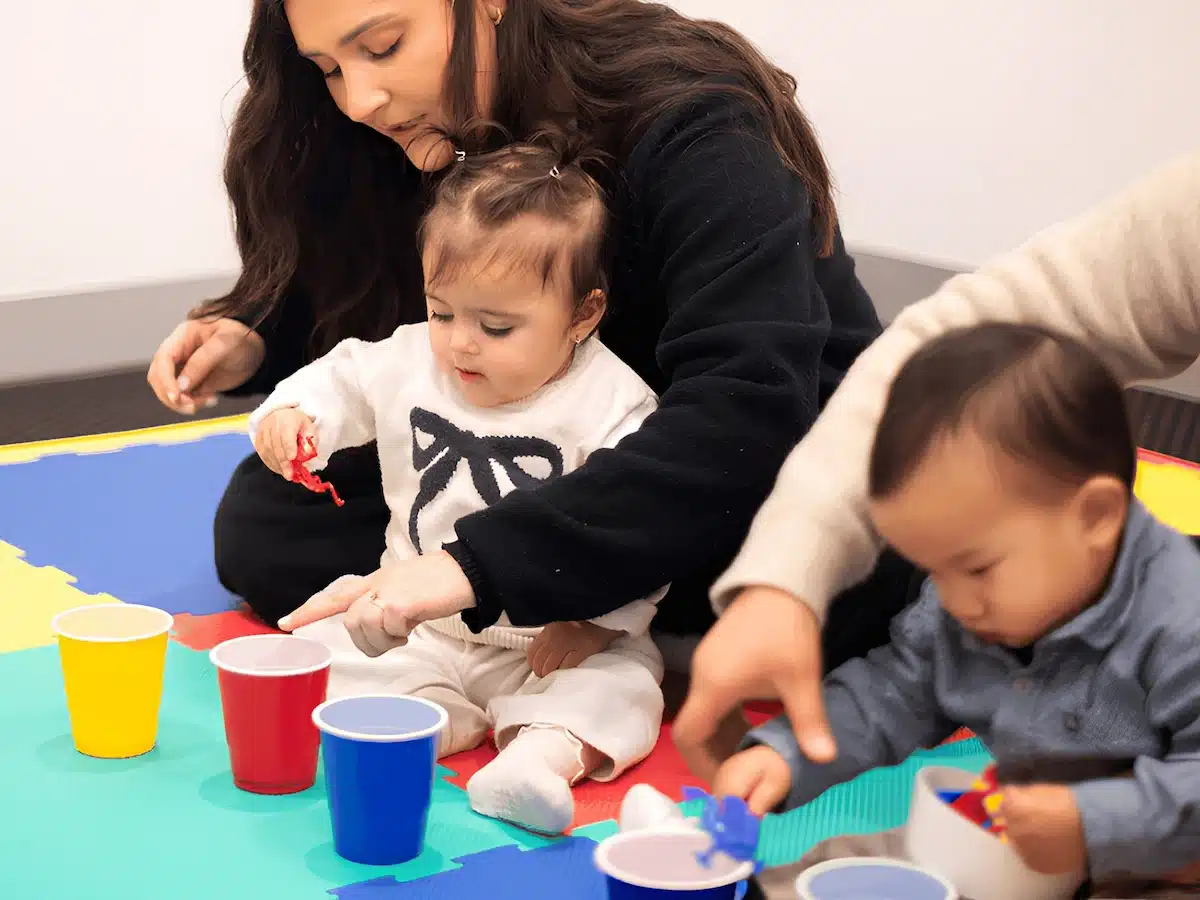
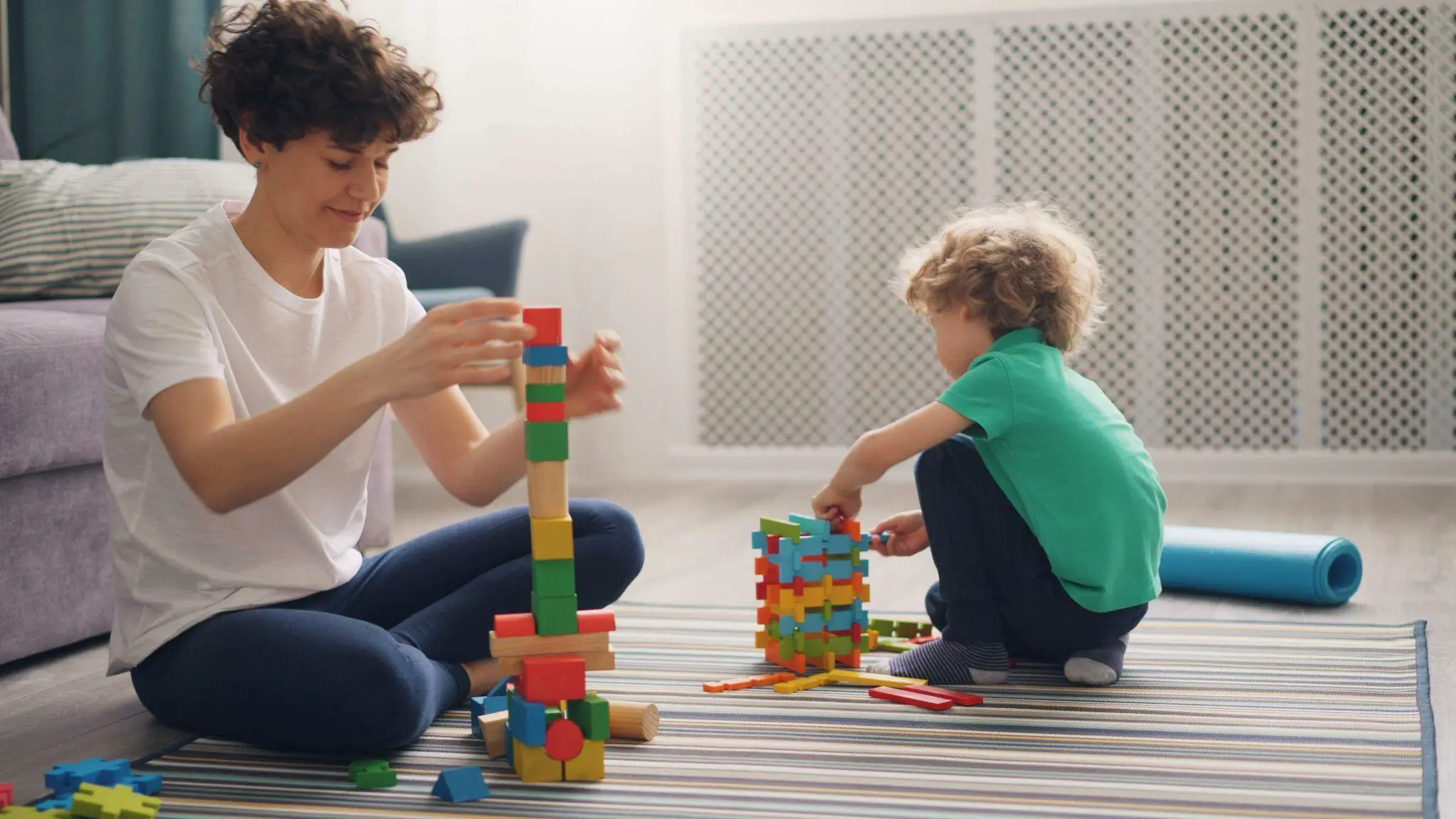
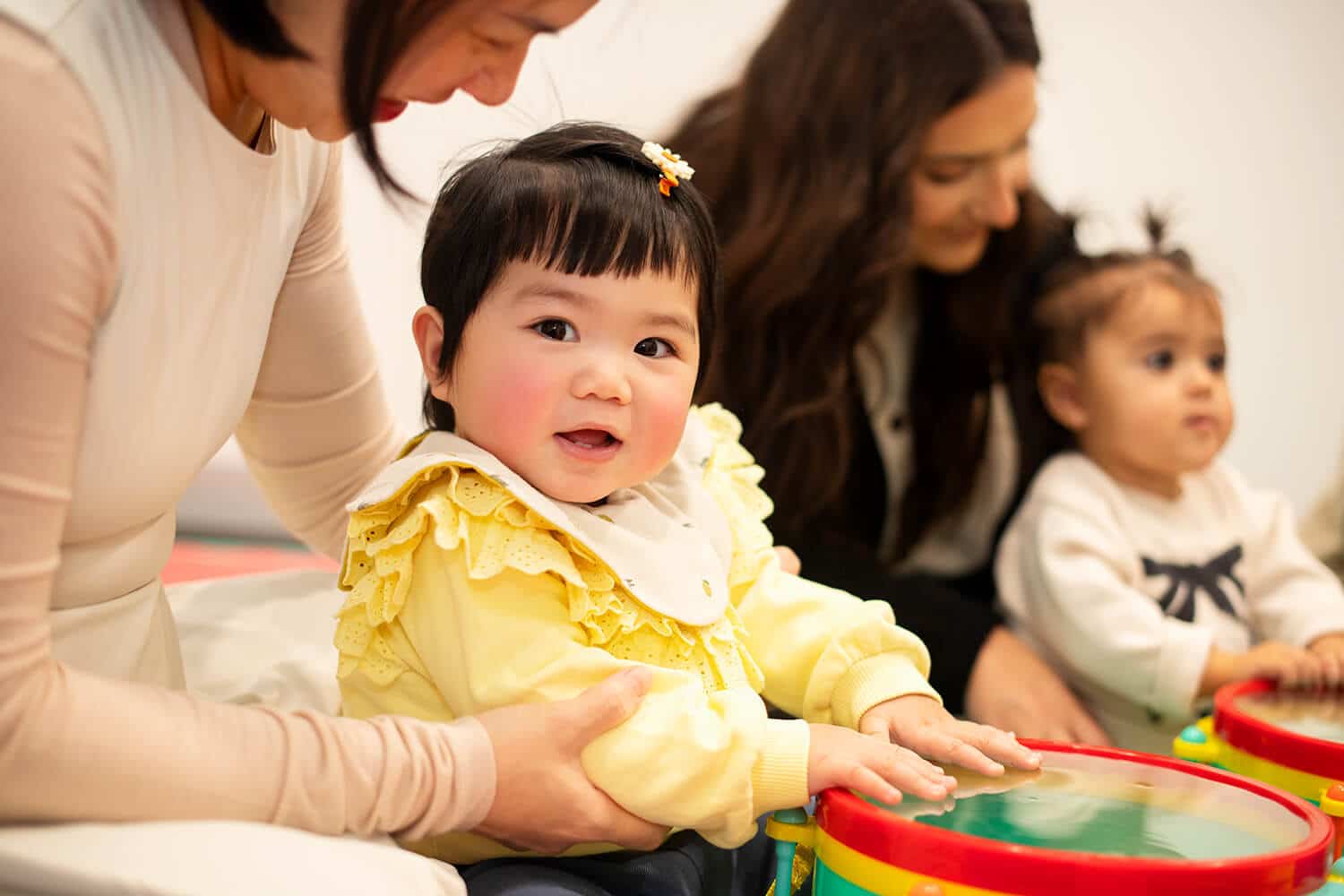
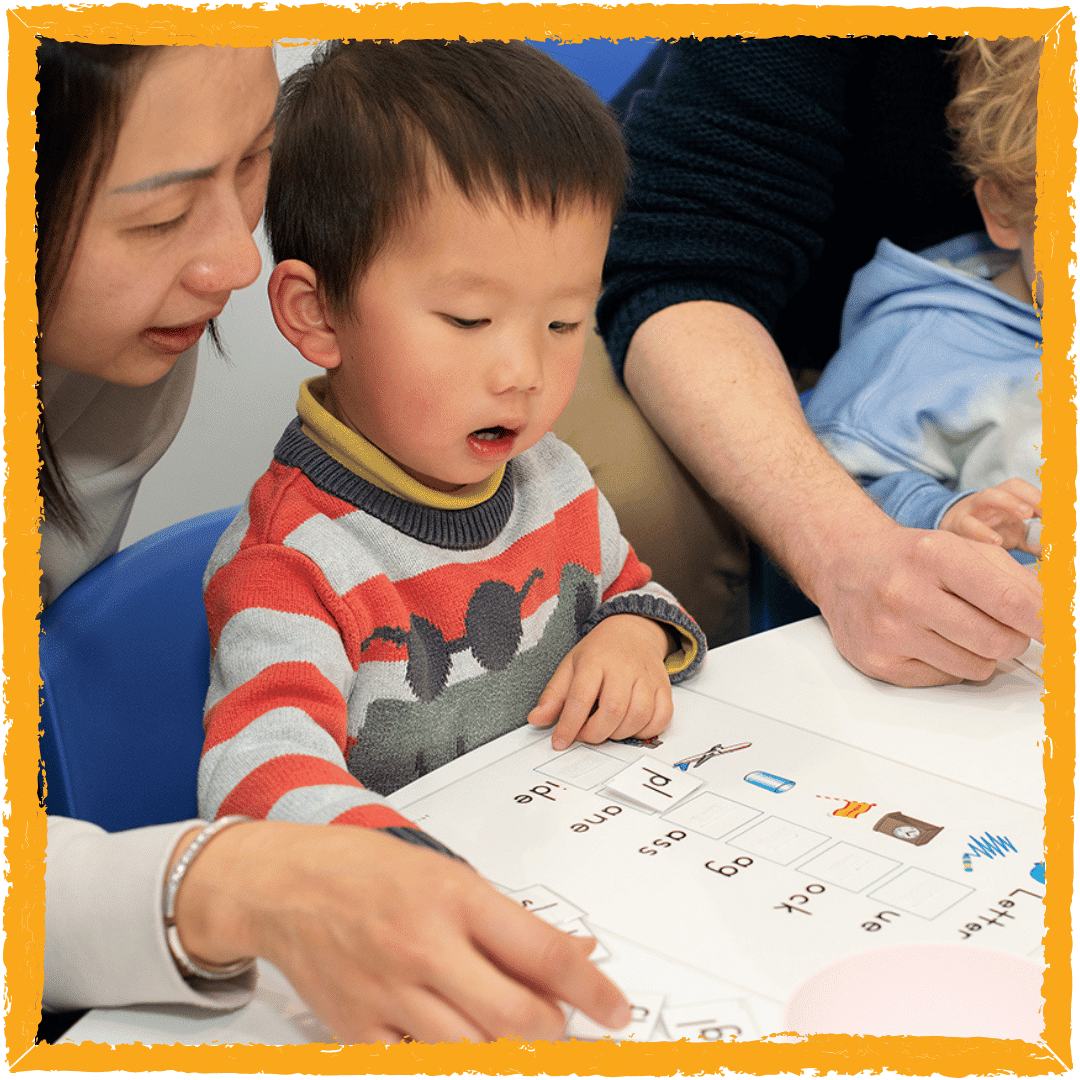
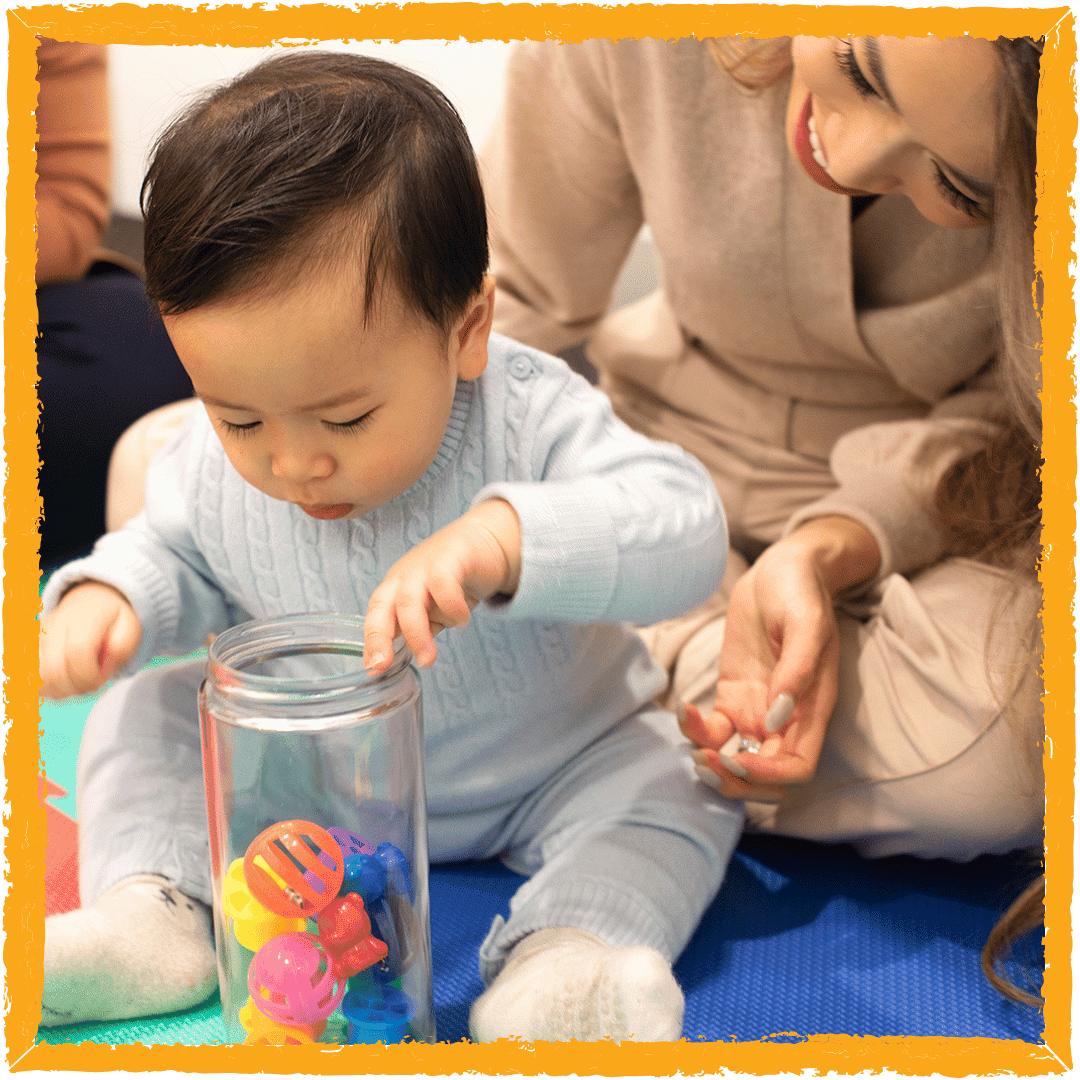
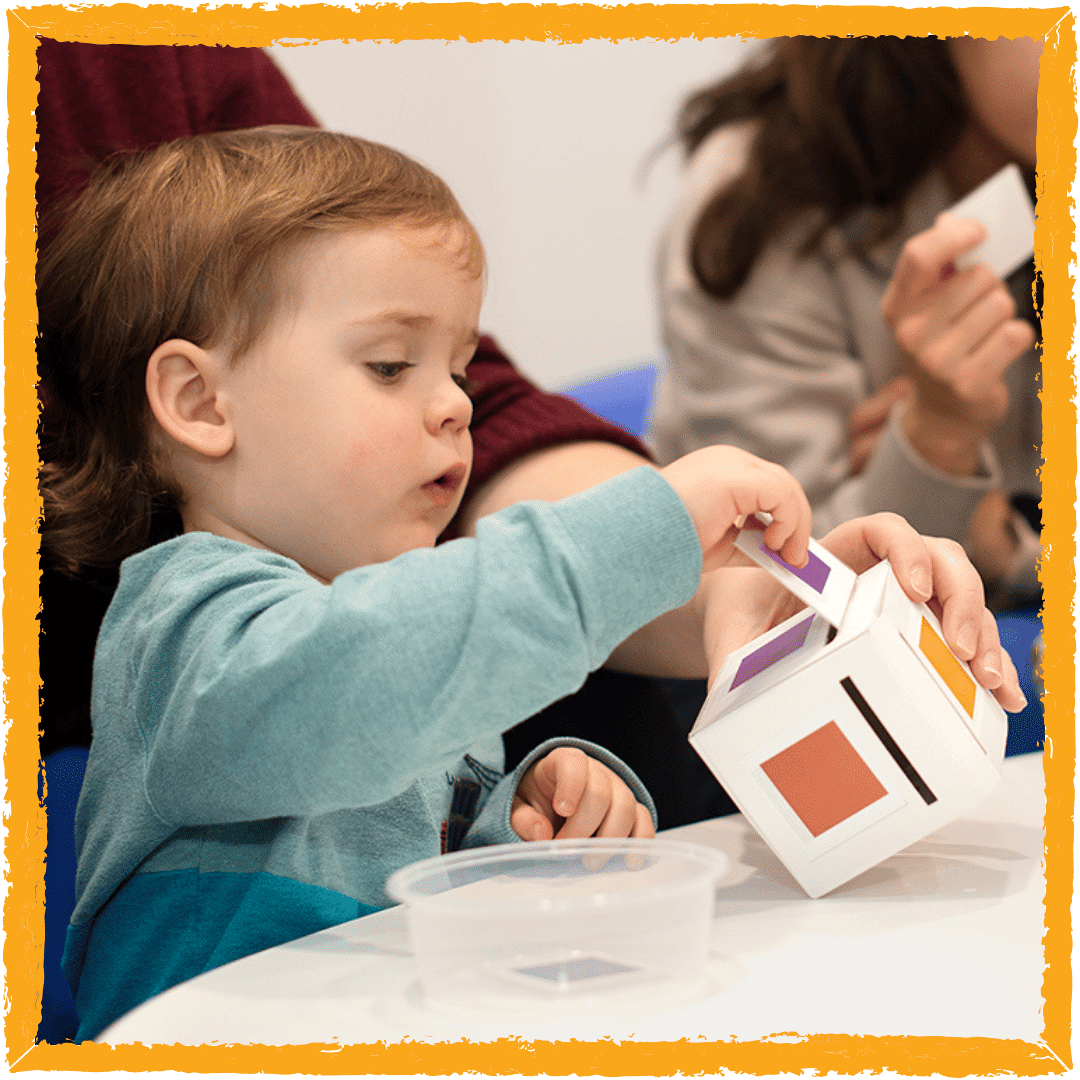
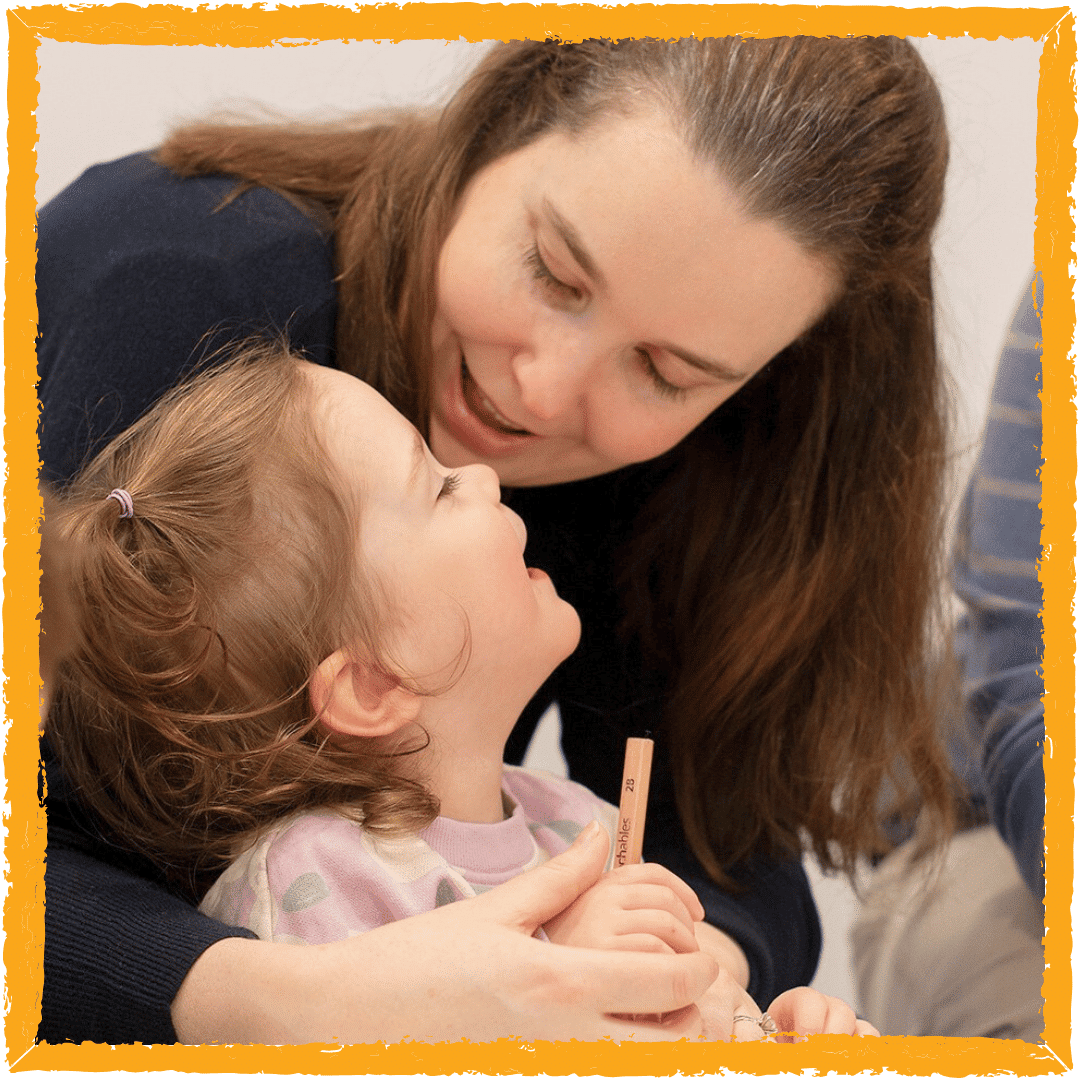
Photo from Shichida: In Shichida classes, emotional regulation starts with connection – every activity strengthens the bond between parent and child.
Building a Safe & Predictable Environment
Children thrive on consistency. Predictable routines, clear boundaries, and visual cues reduce anxiety and give a sense of security. Tools like a visual schedule, a countdown timer, or a “comfort corner” with soft pillows and calming books can help children manage their emotions more effectively. Even small rituals – like a consistent bedtime routine – can build a sense of control and emotional readiness, especially during times of change.
Teaching Emotional Language Early
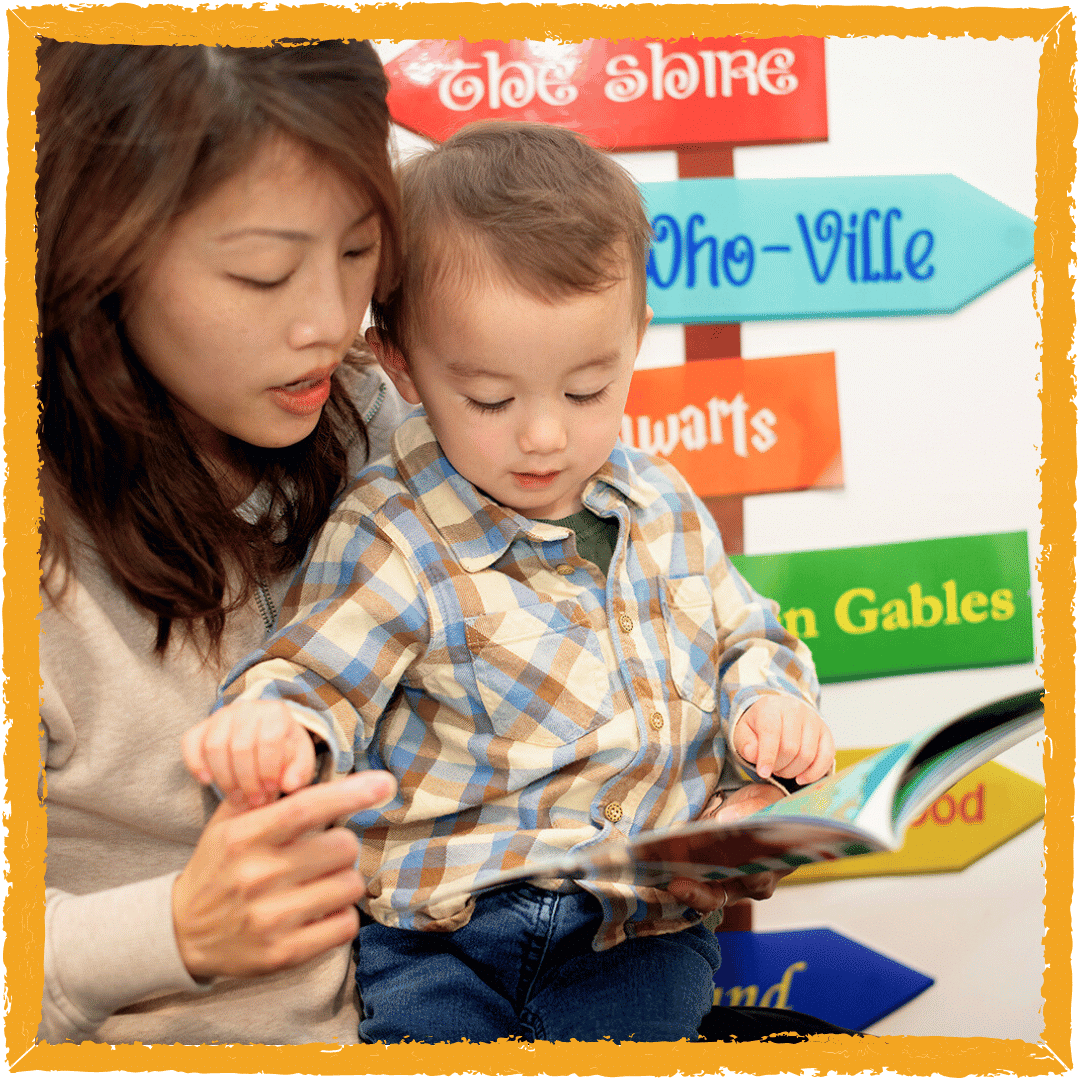
Helping your child label their emotions builds emotional awareness. Use feelings charts, read picture books about emotions, and model statements like, “I feel frustrated when things don’t go to plan.” As children hear this language used consistently, they begin to adopt it too: “I feel sad because I miss Grandma.” Giving children the vocabulary to express themselves is an essential step in learning how to regulate.
Best Emotional Regulation Activities for Kids
Now that you’ve established a foundation of connection and co-regulation, it’s time to explore practical emotional regulation activities. These are fun, easy to set up at home, and can be adapted to suit your child’s age and needs. With regular use, these tools can help your child develop stronger emotional awareness, better coping skills, and greater self-confidence.
Sensory-Based Calming Activities
Sensory play helps children regulate by providing calming input through touch, sight, and movement. It’s particularly helpful during moments of overwhelm or after a stressful event.
- Playdough: Rolling, squeezing, and shaping helps release tension through the hands.
- Calm-down bottles: Watching glitter slowly settle in water can be visually soothing.
- Sensory bins: Fill a container with rice, dried beans, or water beads for safe tactile exploration.
Movement & Gross Motor Activities
Physical movement helps many children regulate their emotions by releasing built-up energy. Activities that combine movement with structure can support nervous system balance and body awareness.
- Animal walks: Try hopping like a frog, crawling like a bear, or waddling like a duck.
- Obstacle courses: Use cushions or cones to create a simple path for running, crawling, or jumping.
- Kid-friendly yoga: Poses like tree, cat-cow, and child’s pose can centre and calm the body.

Breathing & Mindfulness Exercises
Simple mindfulness techniques help children slow down, identify how they’re feeling, and bring awareness to their body and mind. These activities can be introduced playfully.
- Balloon breathing: Take a deep breath and pretend to blow up a balloon slowly.
- Star breathing: Trace a star shape, breathing in on the points and out on the sides.
- Sound scavenger hunt: Sit quietly and listen – can your child name all the sounds they hear?
Role Play & Story-Based Emotion Practice
Children learn through stories, visualisation, imagination, and pretend play.
Imaginative play gives children a safe way to explore feelings, practise empathy, and problem-solve social situations. These approaches also build emotional vocabulary.
- Emotion charades: Act out different emotions and guess them together.
- Storytime: Choose books that focus on feelings and talk about the characters’ experiences.
- Puppet shows: Encourage your child to act out real-life situations through play.
- Emotion charades: Act out feelings like happy, angry, or scared and guess what they are.
- Storytime: Read books that focus on emotions.
- Puppet shows: Let your child act out a situation they found challenging.
Art & Creative Expression
Creative outlets like drawing or modelling give children space to process and express what they’re feeling. There’s no “right” way to do these – just a chance to explore.
- Draw your feelings: Let your child pick colours to represent different emotions.
- Mandala colouring: Colouring repetitive patterns can calm the nervous system.
- Clay or dough models: Sculpting shapes or characters can be a hands-on, therapeutic activity.
Using the Zones of Regulation Approach
The Zones of Regulation is a visual and structured tool used to help children recognise and manage their emotions. It breaks down feelings into four coloured zones, making it easier for young children to identify how they’re feeling and what strategies might help.
Overview of the Zones
- Blue Zone: Low energy or down feelings such as tiredness, sadness, or boredom.
- Green Zone: Calm, focused, and ready to learn – ideal for school, play, or cooperation.
- Yellow Zone: Elevated emotions like nervousness, excitement, frustration, or silliness.
- Red Zone: Intense emotions including anger, panic, or feeling out of control.
All zones are normal, and it’s important for children to understand that emotions are not “good” or “bad” – they’re just signals. The goal is to build awareness and find appropriate ways to return to the Green Zone when needed.
How to Introduce Zones to Young Children
Use a feelings chart that includes faces and colour-coded zones. Refer to it during everyday situations: “You seem really bouncy today – are you in the Yellow Zone?”
Use stuffed toys or characters to model different zones: “Teddy is in the Red Zone because his block tower fell over and he feels really upset.”
Activities to Reinforce Zone Awareness
- Zone sort: Look at pictures of different facial expressions or behaviours and ask your child to match them to the correct zone.
- Guess the zone: Take turns acting out feelings and guessing the zone together.
- Zone jars: Create four jars filled with items that represent each zone (e.g., a soft toy or blanket for the Blue Zone, a squishy ball for Red). Use them as visual reminders or calming tools.
Tools & Resources for Parents
You don’t have to do this alone. There are plenty of resources that can support your journey and make emotional learning engaging for your child.
Printable Tools for Emotional Literacy
- Feelings wheels: Help your child identify complex emotions.
- Emotion check-in charts: Let your child show how they feel at different times of the day.
- DIY calm-down plans: Work with your child to list strategies that help them feel better.
Recommended Books on Emotions
- The Colour Monster by Anna Llenas
- Today I Feel Silly by Jamie Lee Curtis
- Grumpy Monkey by Susanne Lang and Max Lang
- Invisible Things by Andy J. Pizza and Sophie Miller
- I Am Okay to Feel by Karamo Brown and Jason “Rachel” Brown
- The Color Monster by Anna Llenas
- One Upside-Downy Day by Renée Kurilla
Apps & Digital Tools
- Breathe, Think, Do with Sesame (ages 2-5): Helps kids calm down and solve problems.
- Moshi: Offers stories and meditations designed for children.
- Smiling Mind: A mindfulness app with age-specific meditations.
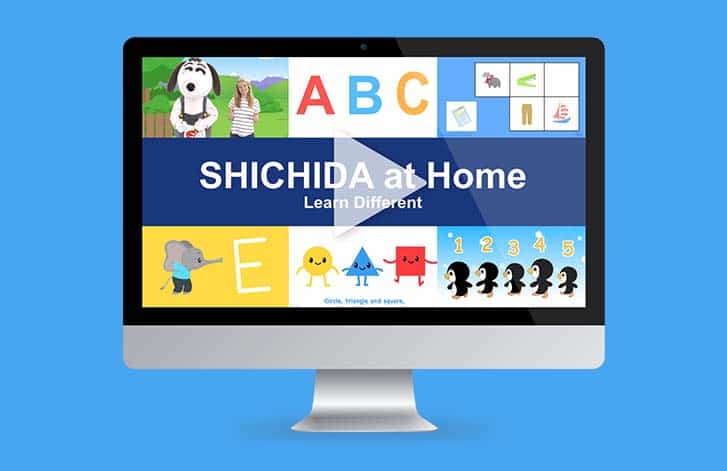
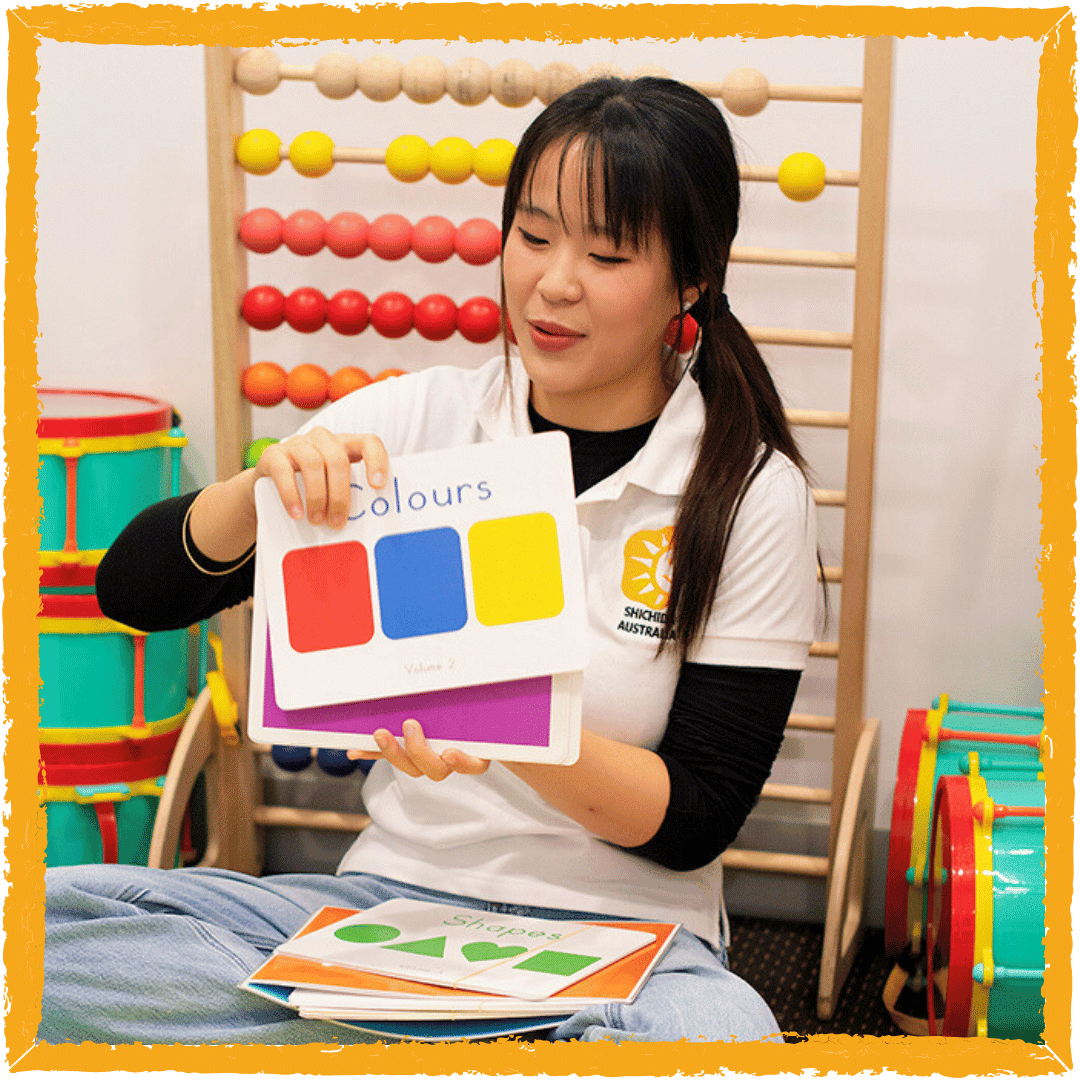
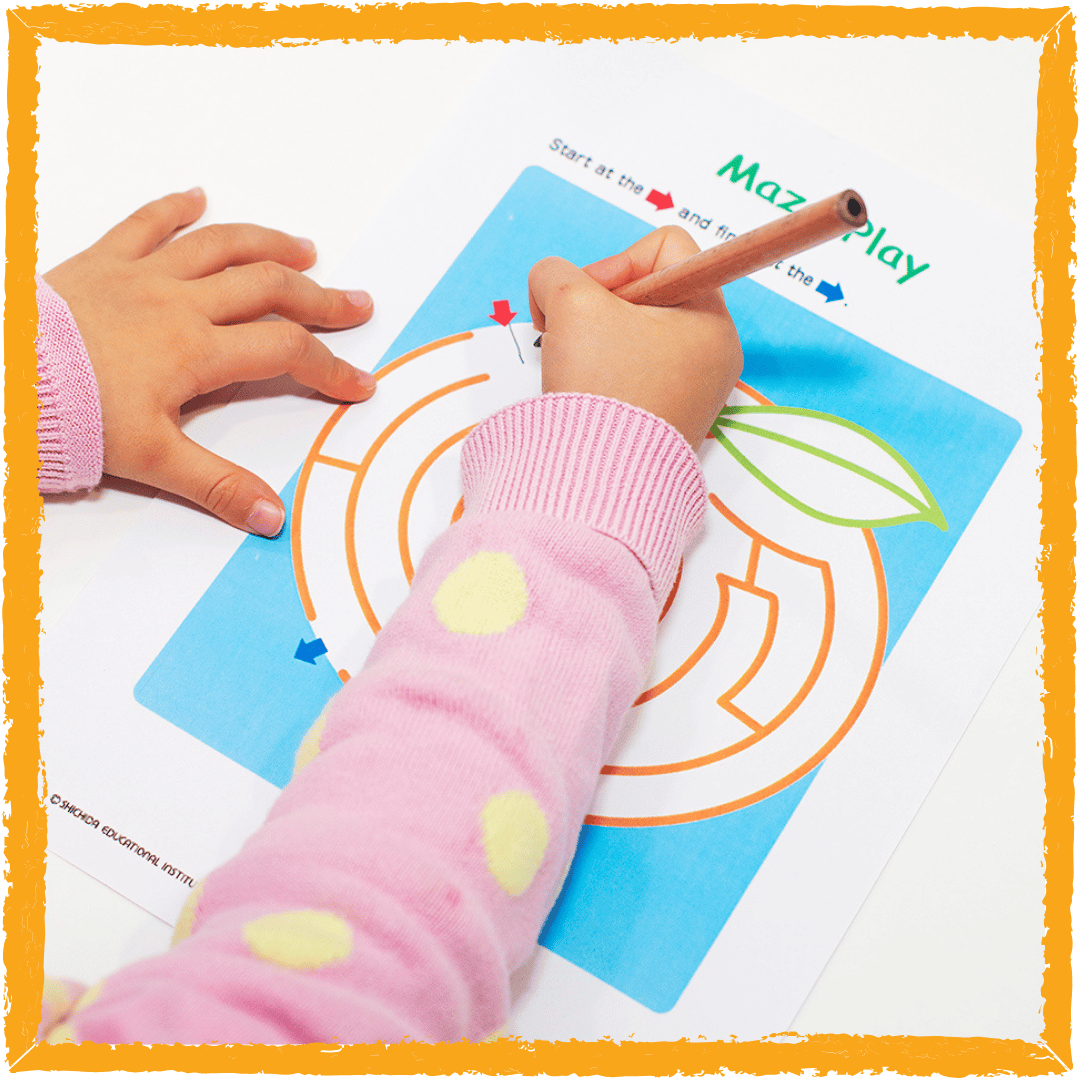
SHICHIDA at Home: While not solely focused on emotional regulation, this structured early learning program builds many of the foundational skills children need to manage emotions – such as deep breathing, memory, focus, language, and routine. Activities include visual tools, guided parent-child interaction, and calming sensory tasks that support emotional awareness in a fun, age-appropriate way.

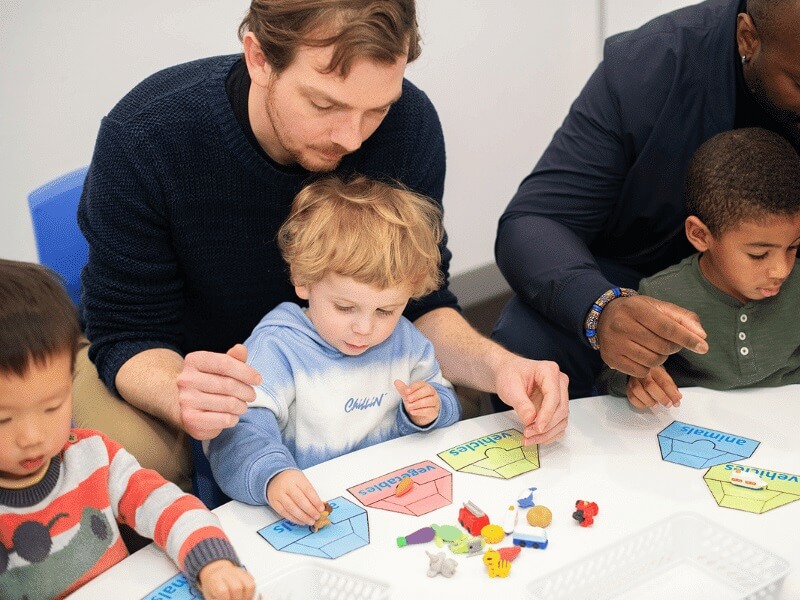
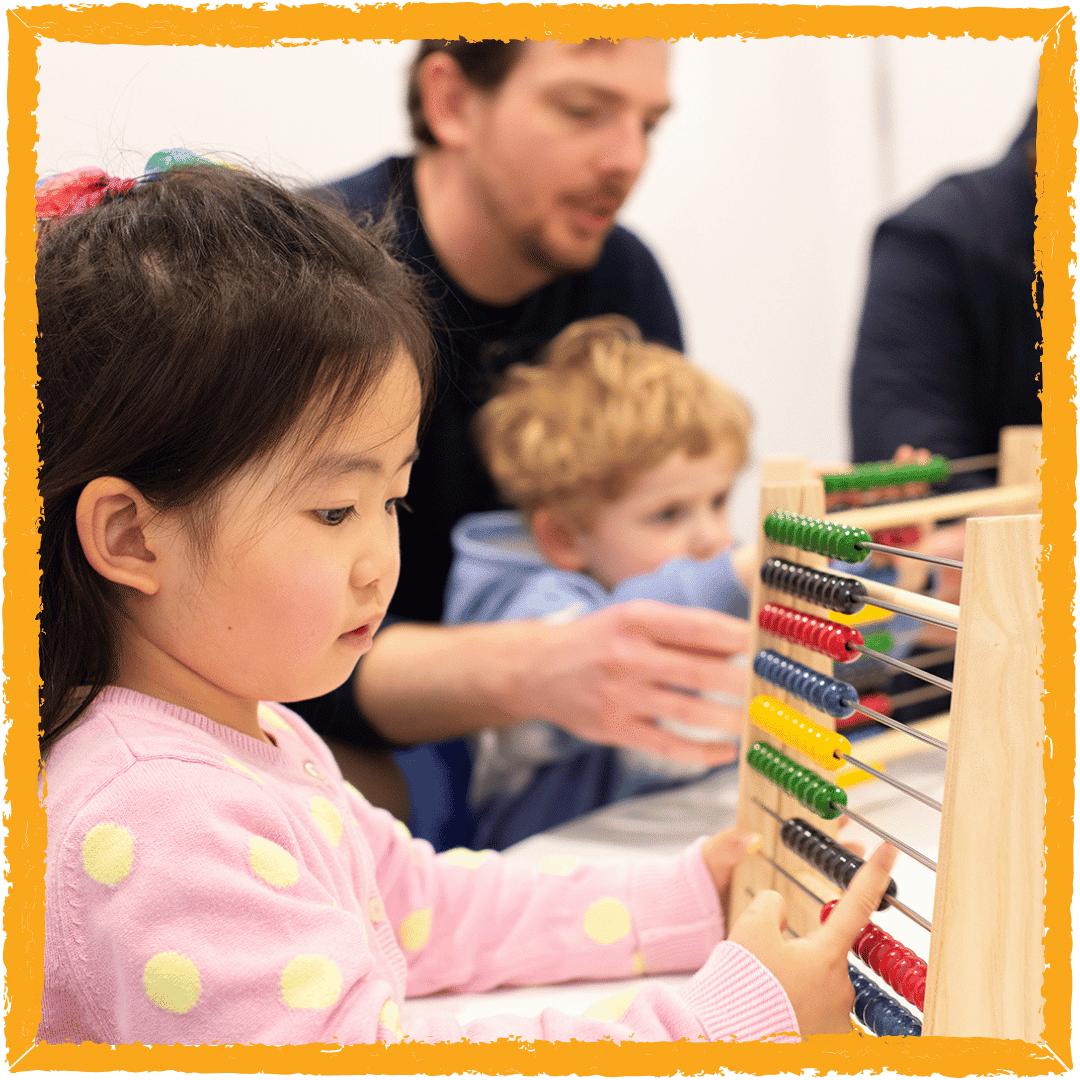
Photo by SHICHIDA at Home: A parent and preschooler spending quality time together doing fun SHICHIDA at Home activities.
What Not to Do When Teaching Emotional Regulation
While it’s natural to want to stop or “fix” big emotions, it’s important to remember that emotional regulation is a lifelong skill that takes time and support to develop. Avoiding these common missteps can make a big difference.
Avoid Punishing Emotional Expression
Children need a safe and supportive space to express their emotions – even the loud or messy ones. Punishing a child for crying, yelling, or throwing a tantrum can teach them to bottle up their feelings instead of learning how to manage them. Over time, this may lead to confusion, shame, or difficulty identifying emotions.
Don’t Skip the Co-Regulation Phase

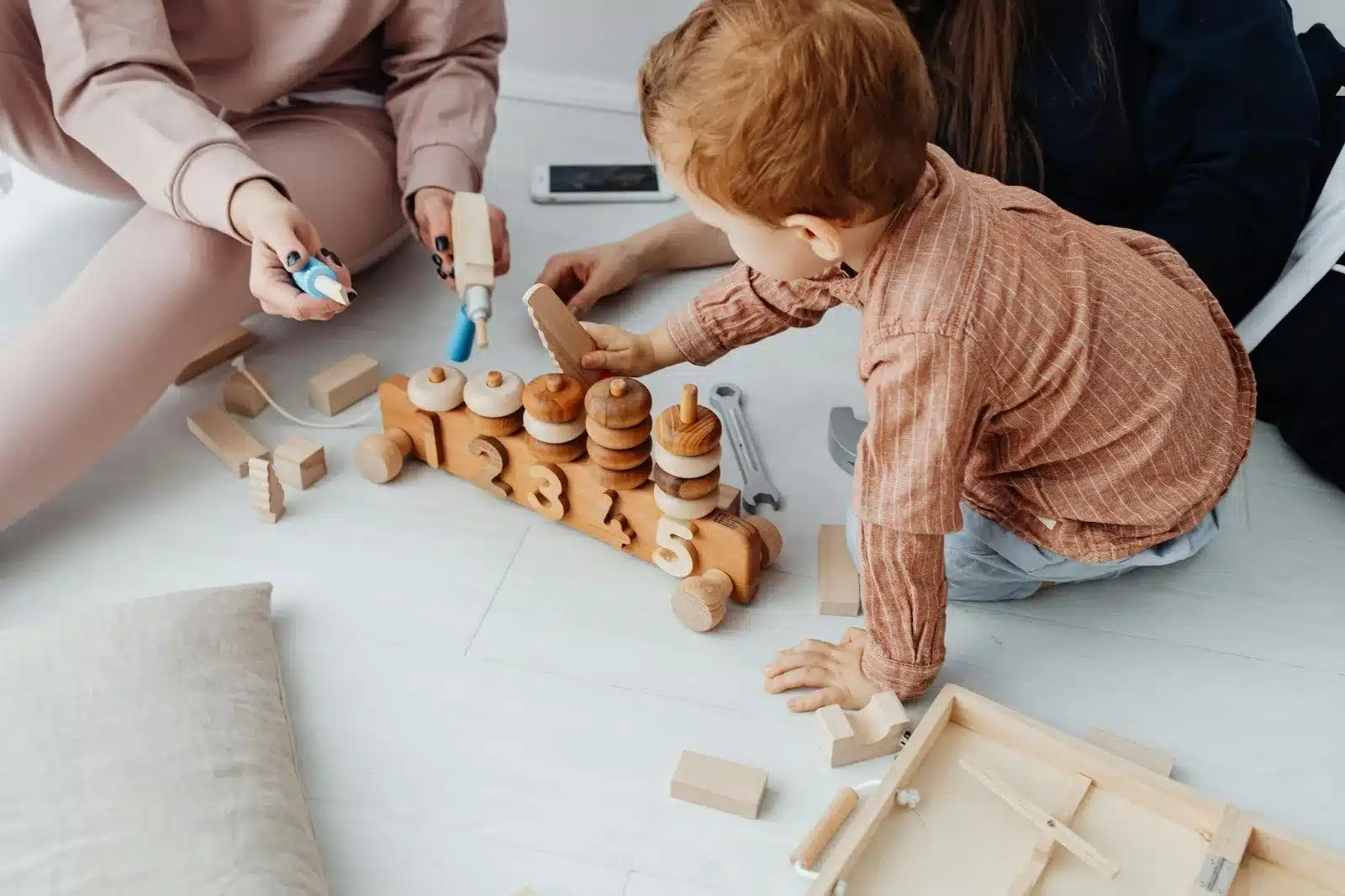
Photo from Pexels: Emotional regulation activities don’t always have to be structured and planned! A warm hug helps toddlers feel safe and understood.
Expecting a young child to self-regulate without support isn’t realistic. Emotional regulation begins with co-regulation – your calm presence is the first step. When your child is upset, try to
stay regulated yourself, offer comfort, and gently guide them through their emotions. A warm hug, naming the feeling, and simply staying close can help your child feel safe and understood.
Be Patient with Progress
Emotional growth isn’t linear. There will be ups and downs – especially during illness, overstimulation, or big life changes. Stay consistent with your support and celebrate the small wins. Every time your child names a feeling, calms down quicker, or uses a new strategy, they’re building emotional strength that will serve them for life.
When to Seek Help from Professionals
Sometimes, even with your best efforts and consistency, your child may need extra support to build emotional regulation skills – and that’s completely normal. Early support can make a meaningful difference.
Red Flags for Emotional Dysregulation
- Meltdowns that are intense, frequent, and last longer than 20 minutes
- Aggression directed at others or self
- Little to no progress despite using consistent calming strategies
- Emotional struggles across multiple environments (e.g., home, daycare, or playground)
How Professionals Can Support Your Child
- Occupational Therapists (OTs): Can assess your child’s sensory needs and create a tailored sensory diet or suggest practical regulation tools.
- Child Psychologists: May use play therapy, emotion coaching, or behavioural strategies to support emotional development.
- Parent Coaches or Educators: Can offer personalised guidance to help you respond effectively, create routines, and strengthen your connection with your child.
Seeking help doesn’t mean something is wrong – it means you’re taking proactive steps to support your child’s wellbeing and growth.

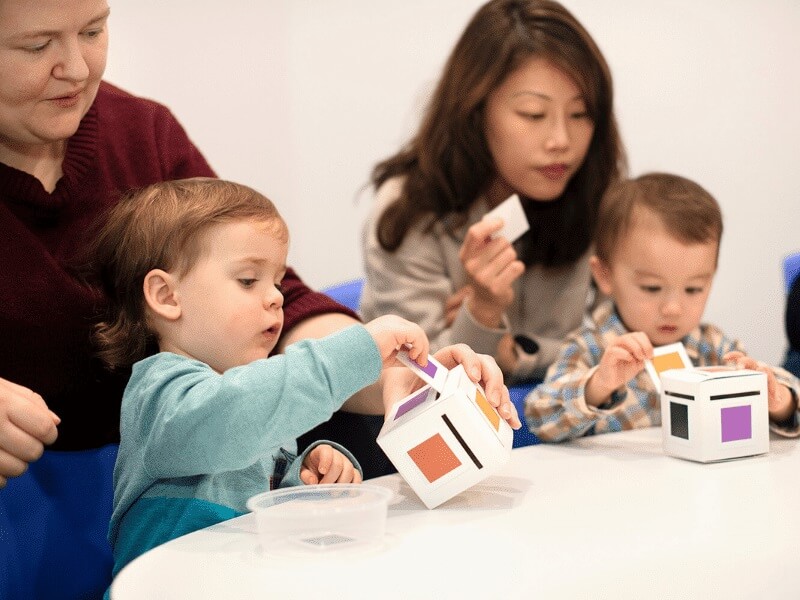
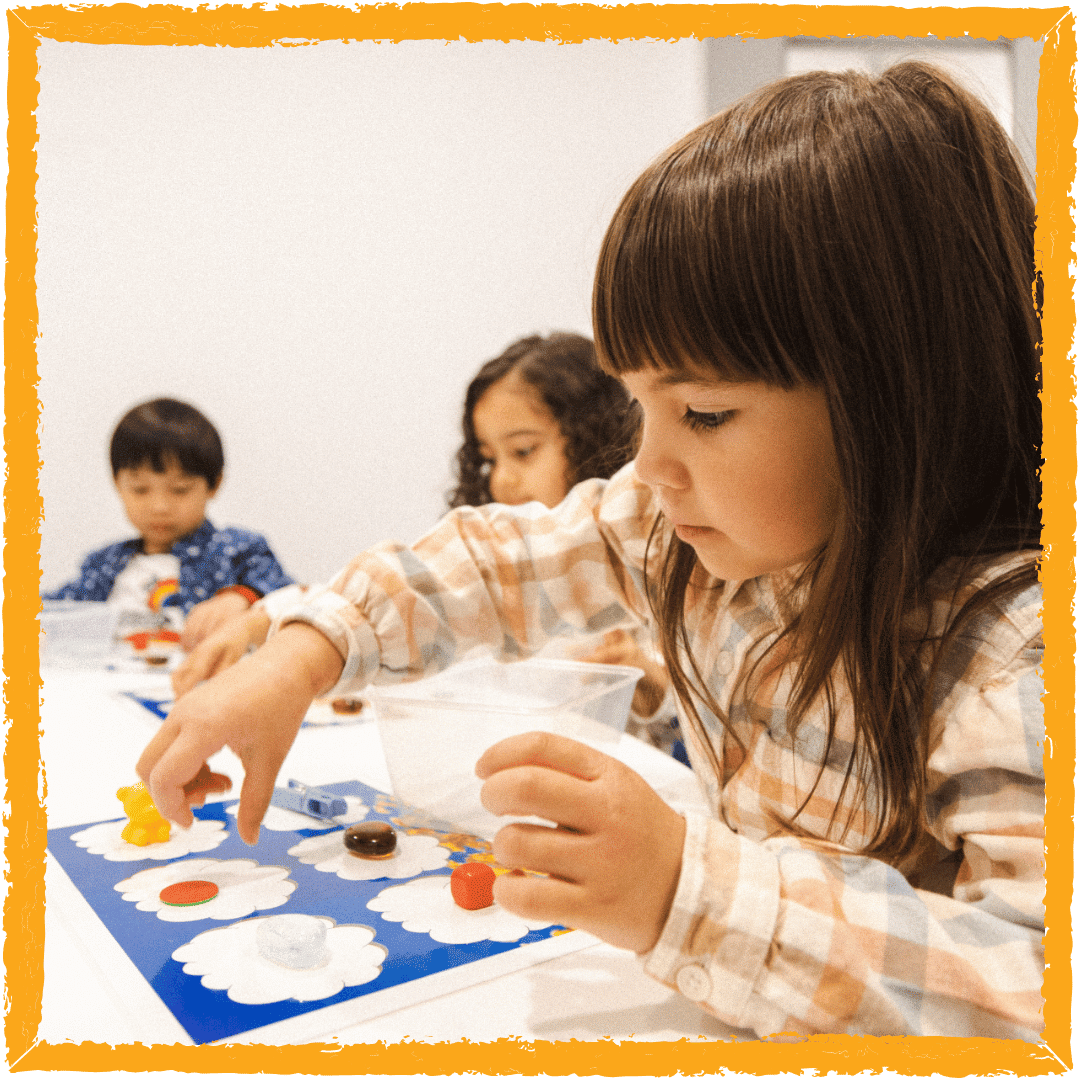
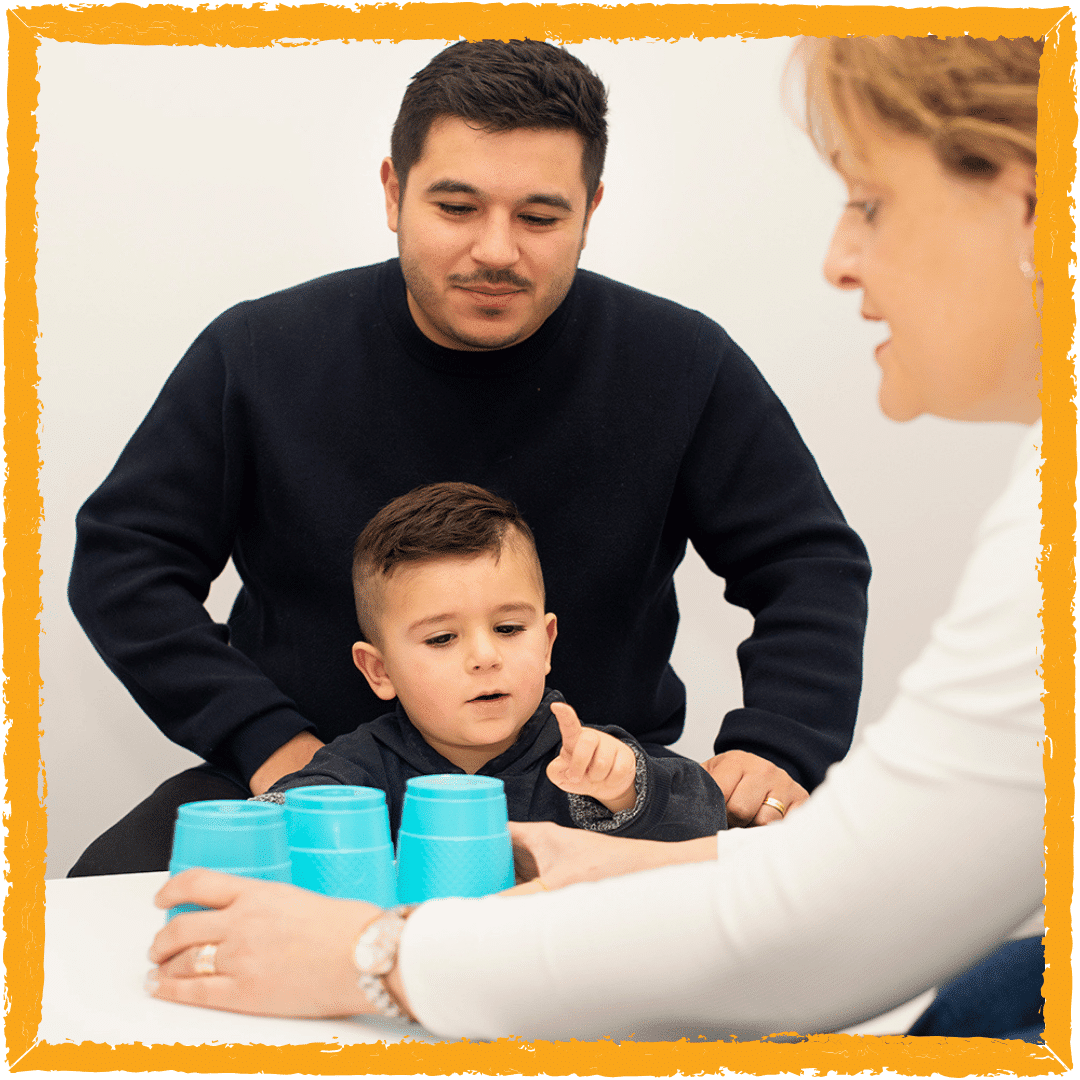
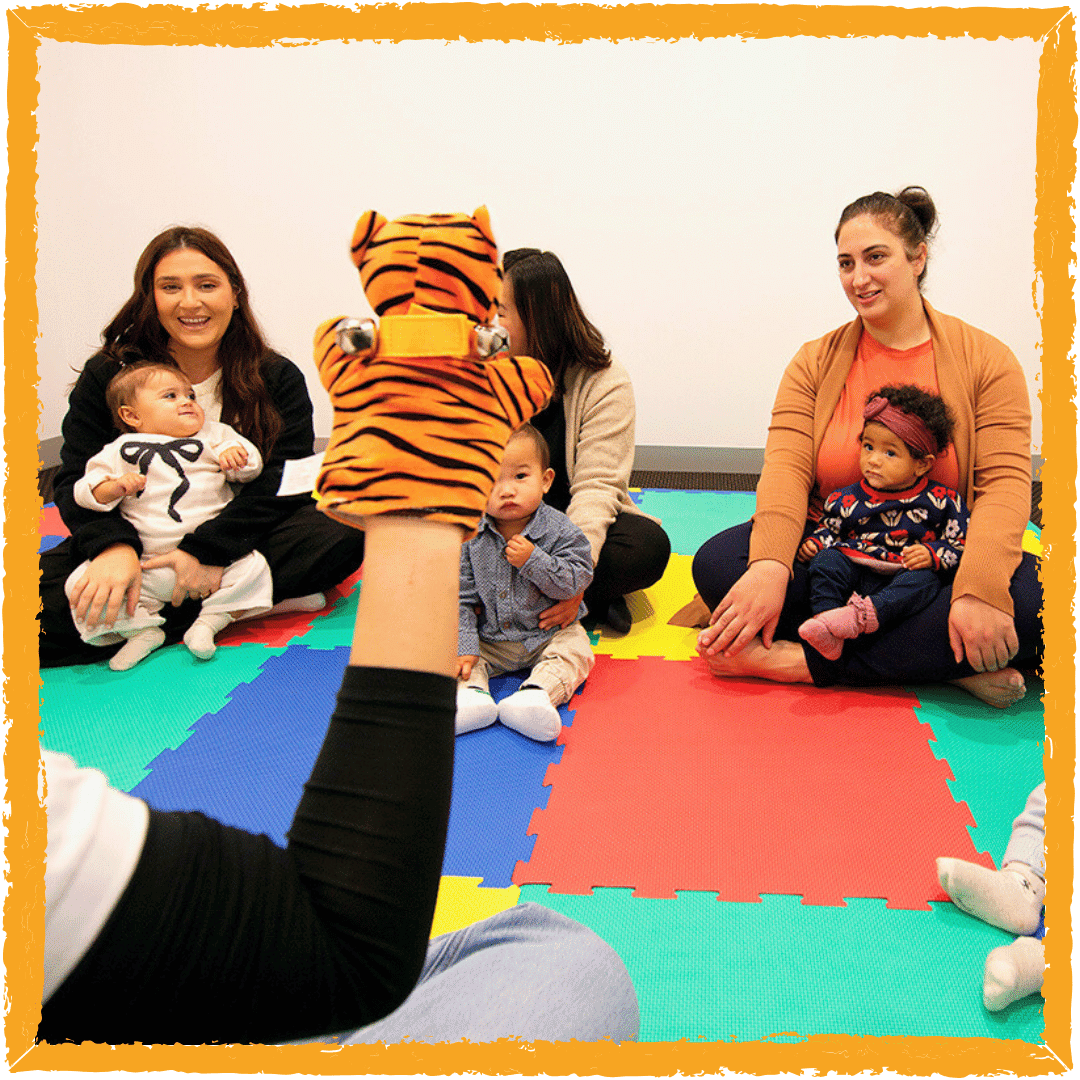
Photo by Shichida Australia: A parent and young child completing an activity together in a Shichida class.
Supporting your child’s emotional growth isn’t always easy, but it’s one of the most valuable things you can do. At Shichida Australia, we nurture emotional intelligence alongside cognitive development through guided activities, mindfulness techniques, and a strong parent–child connection.
With the right support and tools, your child can grow into a calm, confident learner. Explore how Shichida can help you lay the emotional foundations that last a lifetime. Book a trial class today!
FAQ: Emotional Regulation Activities for Kids
Emotional regulation is the ability to recognise, understand, and manage emotions in healthy ways. Children develop these skills gradually as their brains and social understanding grow.
Begin with co-regulation – stay calm, offer comfort, and help your child name their feelings. Use sensory play, deep breathing, and consistent routines to guide them toward self-regulation.
Sensory play, mindfulness exercises, gross motor movement, creative arts, and story-based role play all help children learn to manage their emotions through practice and play.
The Zones of Regulation is a colour-coded tool that helps children recognise how they’re feeling and choose strategies to return to a calm, focused state. It includes the Blue, Green, Yellow, and Red Zones.
Absolutely. Through consistent routines, emotional language, co-regulation, and everyday activities, parents can support their child’s ability to self-regulate over time.
Programs like Shichida Australia offer structured, age-appropriate activities that support emotional regulation through co-regulation, mindfulness, memory training, and strong parent–child connection. These classes create a nurturing environment where children learn how to recognise and manage their emotions while also building essential cognitive and social skills.