
What is Emotional Intelligence in Children and Why It Matters
Key takeaways:
- EQ is essential: Emotional intelligence supports relationships, learning, and resilience.
- Parents shape EQ early: Talking about feelings and modelling calm responses builds emotional skills.
- Play builds EQ: Simple, age-appropriate games and stories help children practise empathy and regulation.
In the daily whirlwind of early childhood, emotional intelligence may not be the first thing parents think about when it comes to child development, but it plays a major role in how children learn, connect with others, and handle life’s challenges.
It’s easy to focus on helping your child walk, talk, or learn their numbers. But just as important is guiding them to understand their feelings, manage big emotions, and show empathy towards others. This guide looks at what is emotional intelligence in child development, why it matters so much, and how supporting it early on can set your child up for lifelong success in relationships, learning, and personal wellbeing.
What Is Emotional Intelligence?
Emotional intelligence (or EQ) is the ability to identify, understand, manage, and express emotions in ourselves and recognise emotions in others. It’s about more than just feelings. It’s about how we interact with others, handle challenges, and navigate daily life.
For children, EQ includes skills like:
- Naming and understanding their emotions.
- Managing feelings like frustration or disappointment.
- Appropriate methods to regulate emotions.
- Showing empathy and kindness towards others.
- Resolving conflicts peacefully.
While IQ measures cognitive abilities, EQ supports everything from making friends to bouncing back from setbacks. Both are important, but emotional intelligence often plays a bigger role in long-term happiness and wellbeing.
Why Emotional Intelligence Is Important for Children’s Development
Ever wondered why emotional intelligence is important during childhood?
Imagine your toddler being able to say, “I’m sad,” instead of hitting. Or a preschooler who comforts a friend with a hug. These moments are sweet, but more importantly, they’re signs of strong emotional development.
Emotional intelligence in child development influences how children:
- Handle stress and change
- Form and maintain healthy relationships
- Make responsible choices
- Cope with frustration or failure
- Stay motivated and resilient
According to the American Psychological Association, students who understand and manage their emotions tend to do better at school than their peers who struggle with emotional skills. Children with high EQ not only perform well academically, but also experience fewer behavioural problems and are more likely to enjoy better mental health in adulthood.
Emotional intelligence isn’t just about being kind. It’s a vital skill set that underpins success in nearly every part of life.
The Core Attributes of Emotional Intelligence
To better understand the benefits of emotional intelligence, it helps to break it down into key components. Experts generally agree there are five main attributes of emotional intelligence:
1. Self-Awareness
Children learn to recognise their emotions. Instead of saying “I don’t know,” they begin to identify, “I feel angry” or “I’m nervous.” This is the starting point of all emotional development.
2. Self-Regulation
This is the ability to manage emotions in a healthy way. It helps children pause before reacting, use calming strategies, and shift their mood when needed.
3. Motivation
Emotionally intelligent children often show inner drive and persistence. They’re willing to try again after failing – not because someone told them to, but because they want to improve.
4. Empathy
Understanding how others feel helps children build friendships and respond with kindness. They learn that everyone experiences emotions differently.
5. Social Skills
Children use their emotional knowledge to get along with others; taking turns, listening, resolving disagreements, and working in groups.
These attributes shape how your child engages with the world around them. The earlier these skills are developed, the more naturally they become part of your child’s daily habits.
How Emotional Intelligence Impacts Child Development

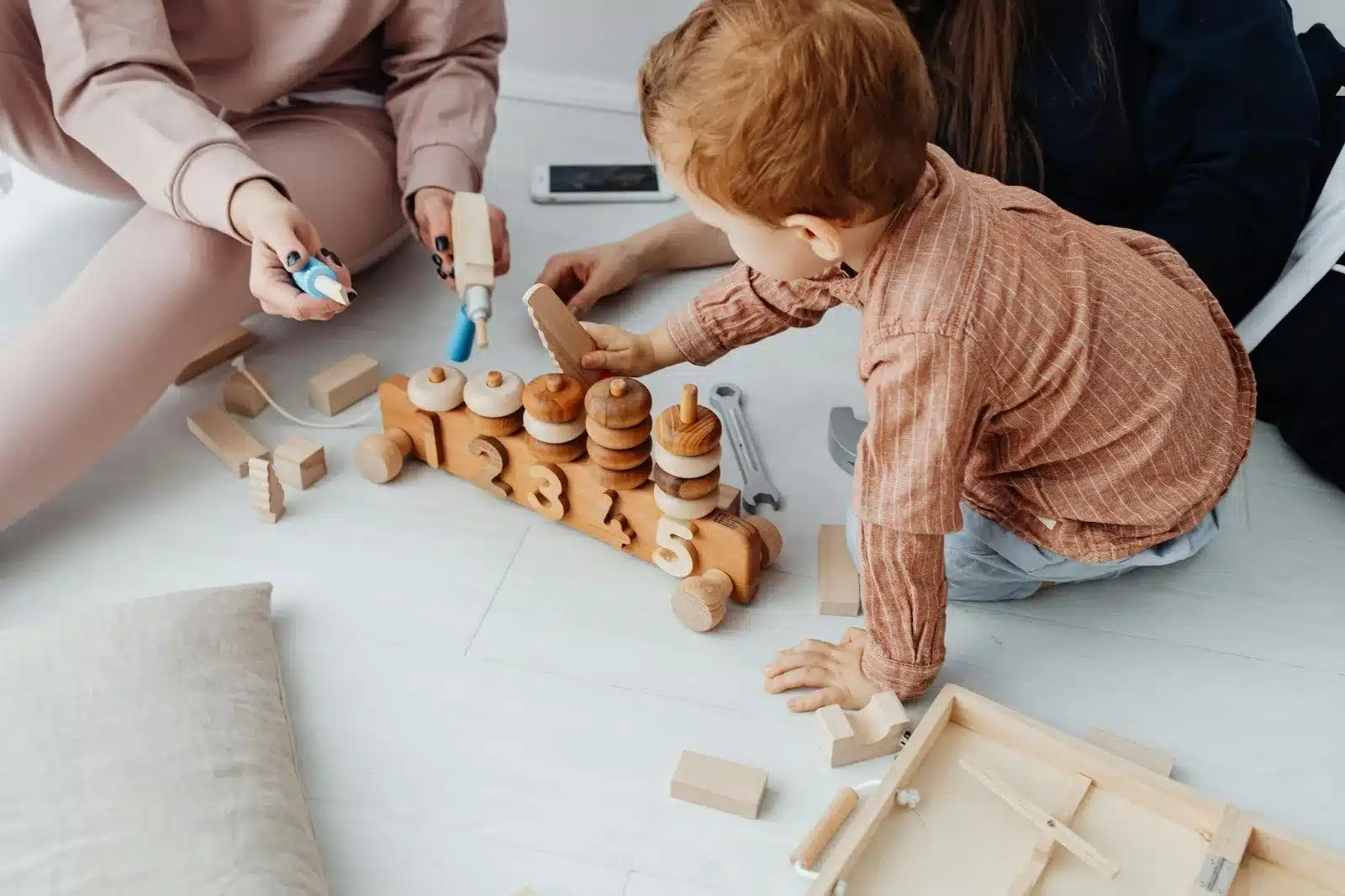
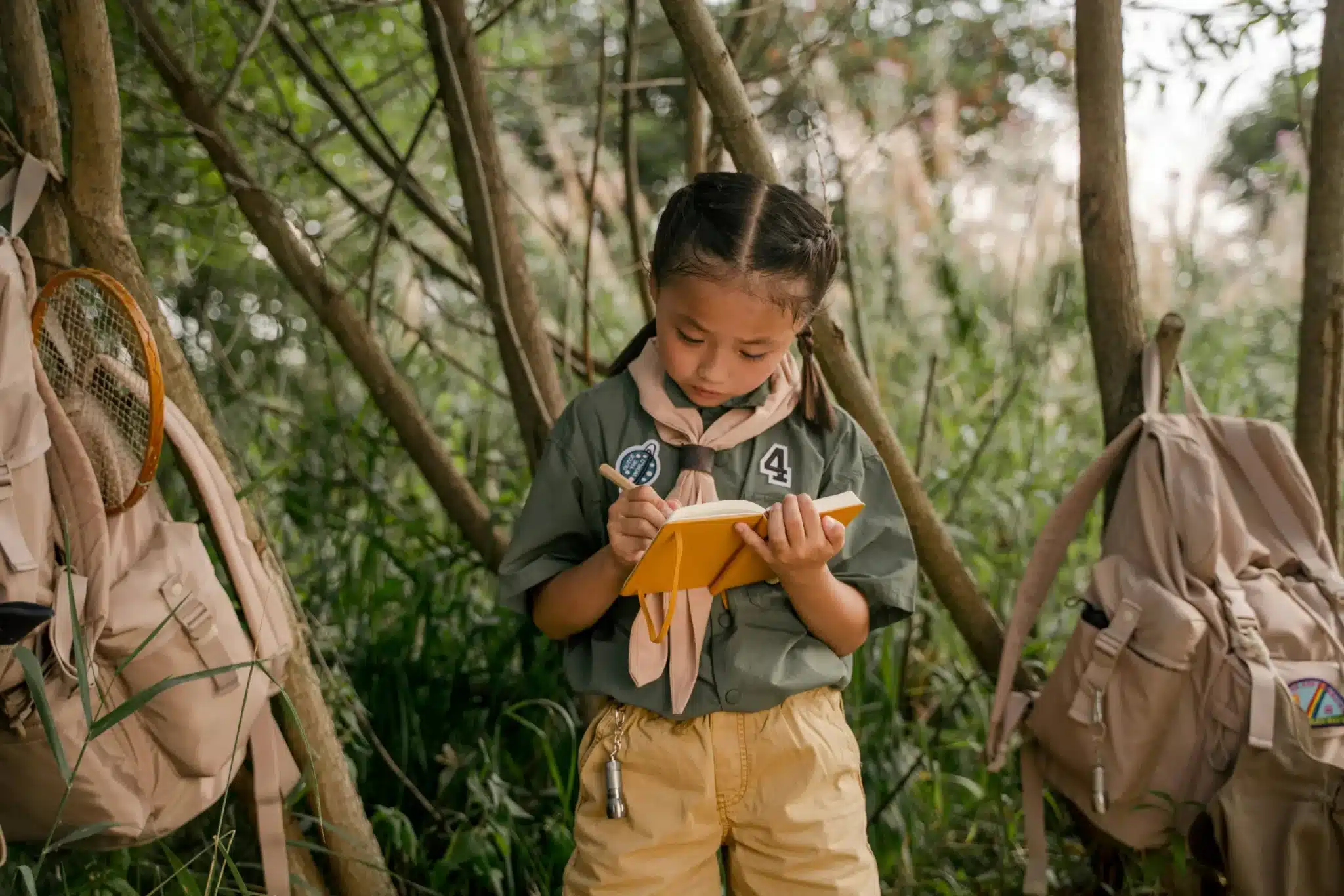
Photo from Pexels: What is emotional intelligence? It’s the ability to understand and connect with others – something children begin developing through meaningful play and friendships.
Emotional intelligence plays a crucial role in child development. It influences how your child learns, how they connect with others, and even how they see themselves.
Children with strong EQ tend to:
- Adapt better in new environments, like starting school
- Communicate their needs more clearly
- Avoid outbursts and manage big feelings with more ease
- Bounce back quicker after failures or disappointments
These aren’t minor wins. They are signs of a child learning how to navigate life’s ups and downs with resilience and confidence.
Plus, EQ is closely linked to better concentration, problem-solving, and cooperation, all key to thriving both inside and outside the classroom.
How to Develop Emotional Intelligence in Children
Now that you understand what emotional intelligence is and why it matters, the big question is: how do you help your child build it?
Here are some parent-friendly strategies you can start using today:
1. Encourage Open Conversations About Emotions
Ask your child questions like, “How did that make you feel?” or “What do you think your friend felt?” This helps them name emotions and connect them to real experiences.
2. Model Emotional Regulation
Children copy what they see. Show them what it looks like to stay calm during stress, talk about your feelings, and take deep breaths when needed.
3. Teach Empathy Through Reflection
If your child hurts someone or sees someone upset, talk it through. Ask, “How do you think they felt?” This nurtures compassion and awareness.
4. Use Stories to Explore Feelings
Read books that highlight different emotions and situations. Discuss the characters’ feelings and choices. This builds emotional vocabulary and perspective.
5. Help Children Label Their Emotions
Use tools like feeling charts, emotion cards, or just simple words. The more children practise naming their feelings, the better they can manage them.
6. Praise Emotional Growth
Acknowledge when your child expresses emotions healthily: “You stayed calm when that didn’t go your way, that was amazing!”
7. Create a Safe Emotional Space
Let your child know all emotions are okay. It’s what we do with them that matters. Encourage honest expression without judgement.
Remember, emotional growth takes time. What matters most is consistency, patience, and connection.
Activities to Develop Emotional Intelligence in Children
Looking for ways to build EQ while still having fun? Try these age-appropriate activities:
Toddlers (1–3 years)
- Emotion Faces Game: Make happy, sad, angry, or surprised faces and ask your toddler to guess the emotion.
- Name That Feeling: When your toddler is upset or excited, help label it: “You’re feeling excited because we’re going to the park!”
Preschoolers (3–5 years)
- Feelings Thermometer: Draw a chart with different emotional levels. Let your child mark how they feel each day.
- Role Play with Toys: Act out simple scenarios like sharing toys, saying sorry, or helping a friend.
School-aged Children (6+)
- Gratitude Journals: Help your child list one or two things they’re grateful for each day.
- Emotion Charades: Take turns acting out emotions while others guess.
- Mindfulness Activities: Try breathing exercises or short guided meditations to promote calm and focus.
These playful moments offer powerful lessons in understanding and managing emotions.
Overcoming Common Challenges in Teaching Emotional Intelligence
Teaching EQ isn’t always smooth sailing. Some common struggles include:
- Resistance to Talking About Feelings: Try starting with books or games. Children often open up more when they’re having fun or relating to a story.
- Big Emotions that Overwhelm: Stay calm and co-regulate. Model deep breathing, offer comfort, and talk through the situation once the storm has passed.
- Inconsistency at Home or School: Keep your approach steady and patient. Children benefit from repetition and knowing what to expect.
Emotional development is a journey, not a destination. Every effort you make adds up over time.
Conclusion
If you’ve been wondering what is emotional intelligence in child development, the answer is simple: it’s one of the most powerful tools your child can carry into life.
EQ helps children build friendships, succeed academically, make good choices, and grow into confident, compassionate adults. It’s not a “nice to have”, it’s a must-have.

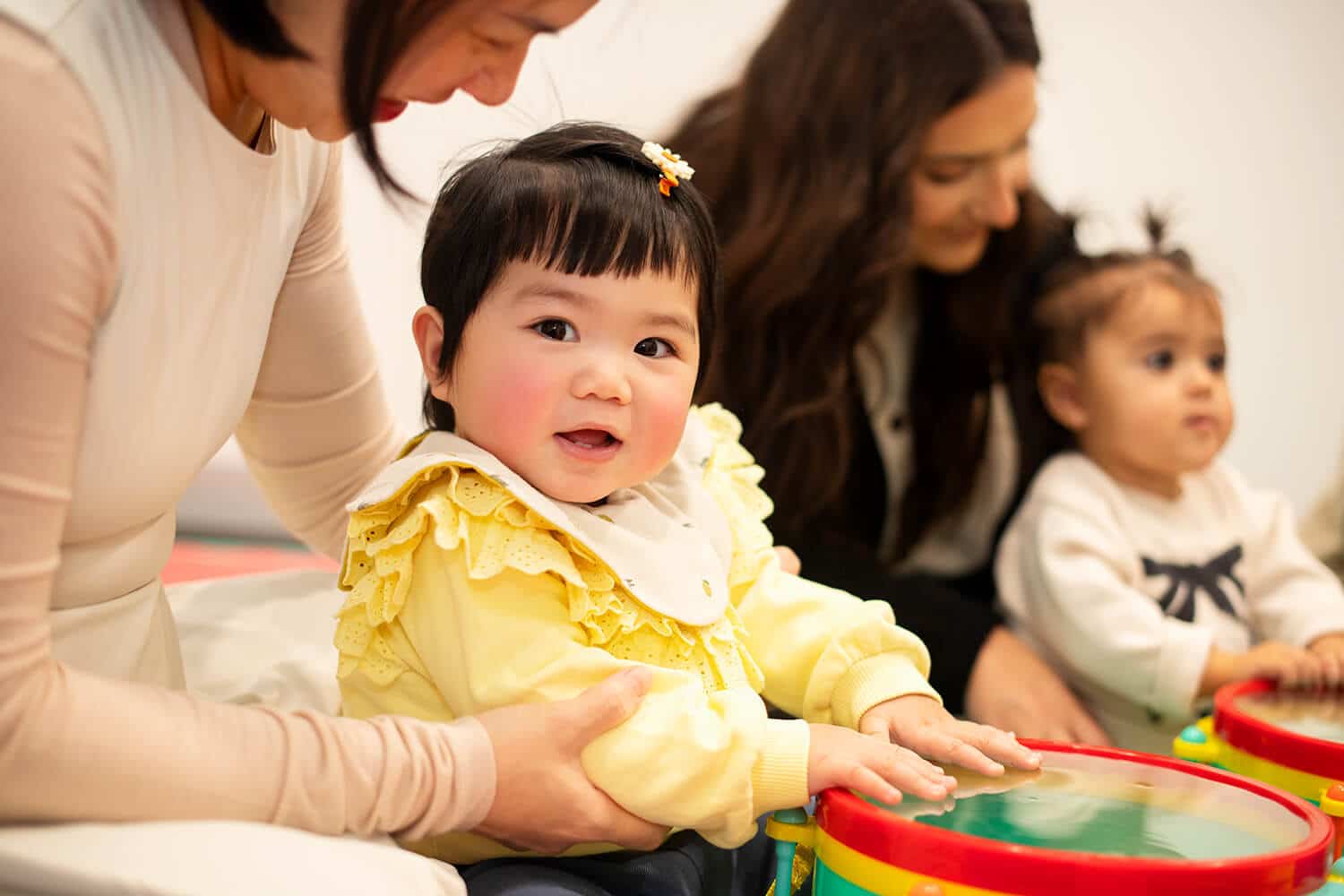
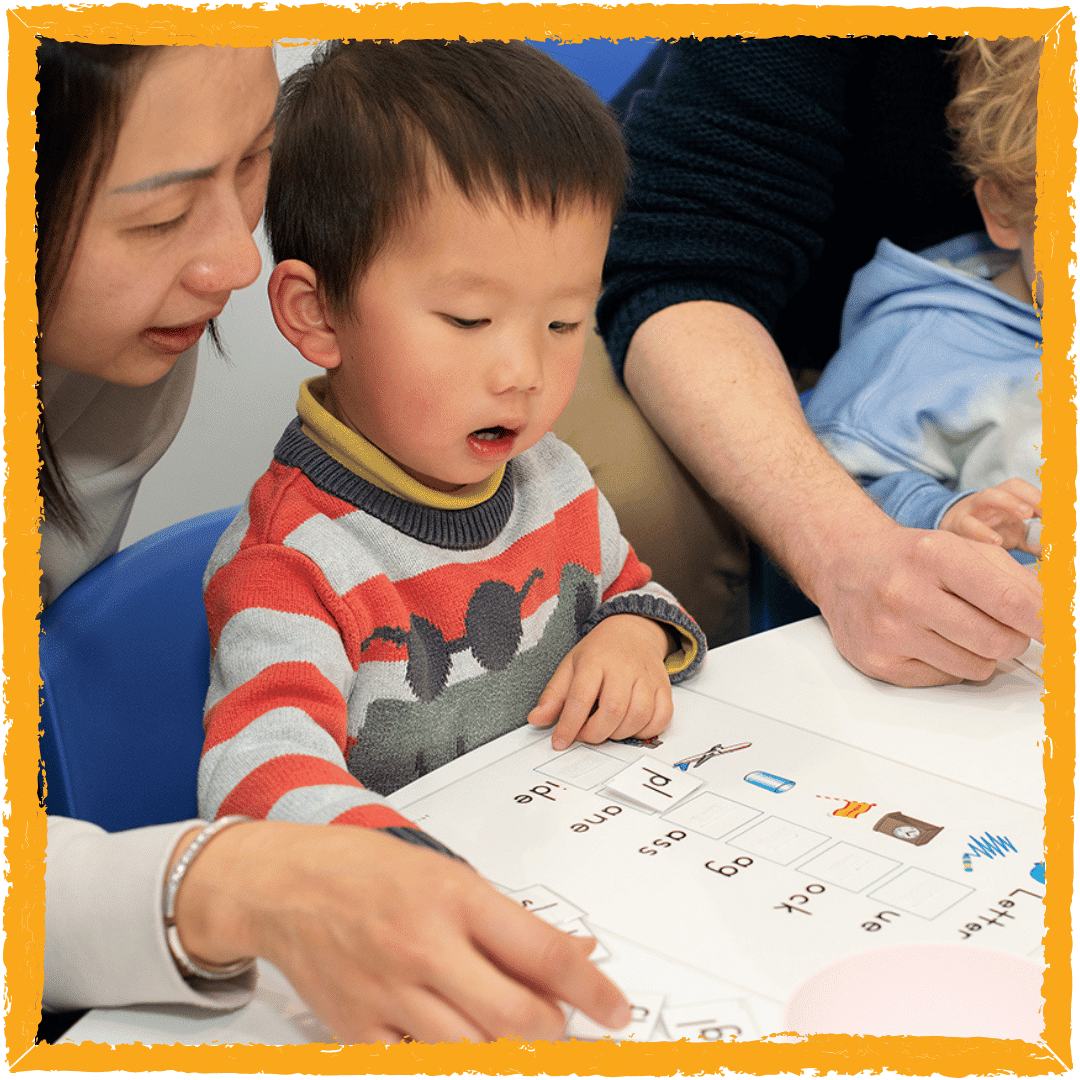
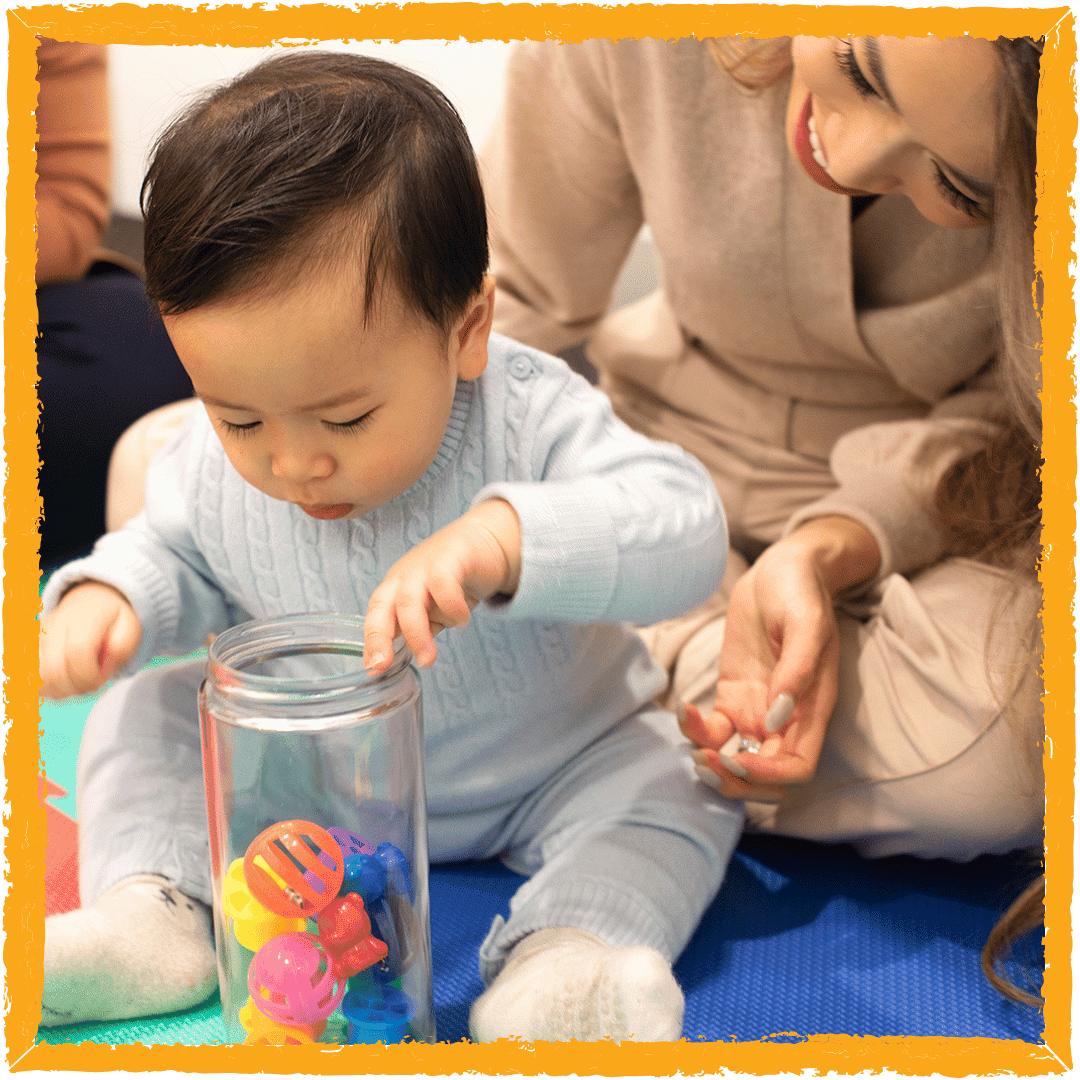
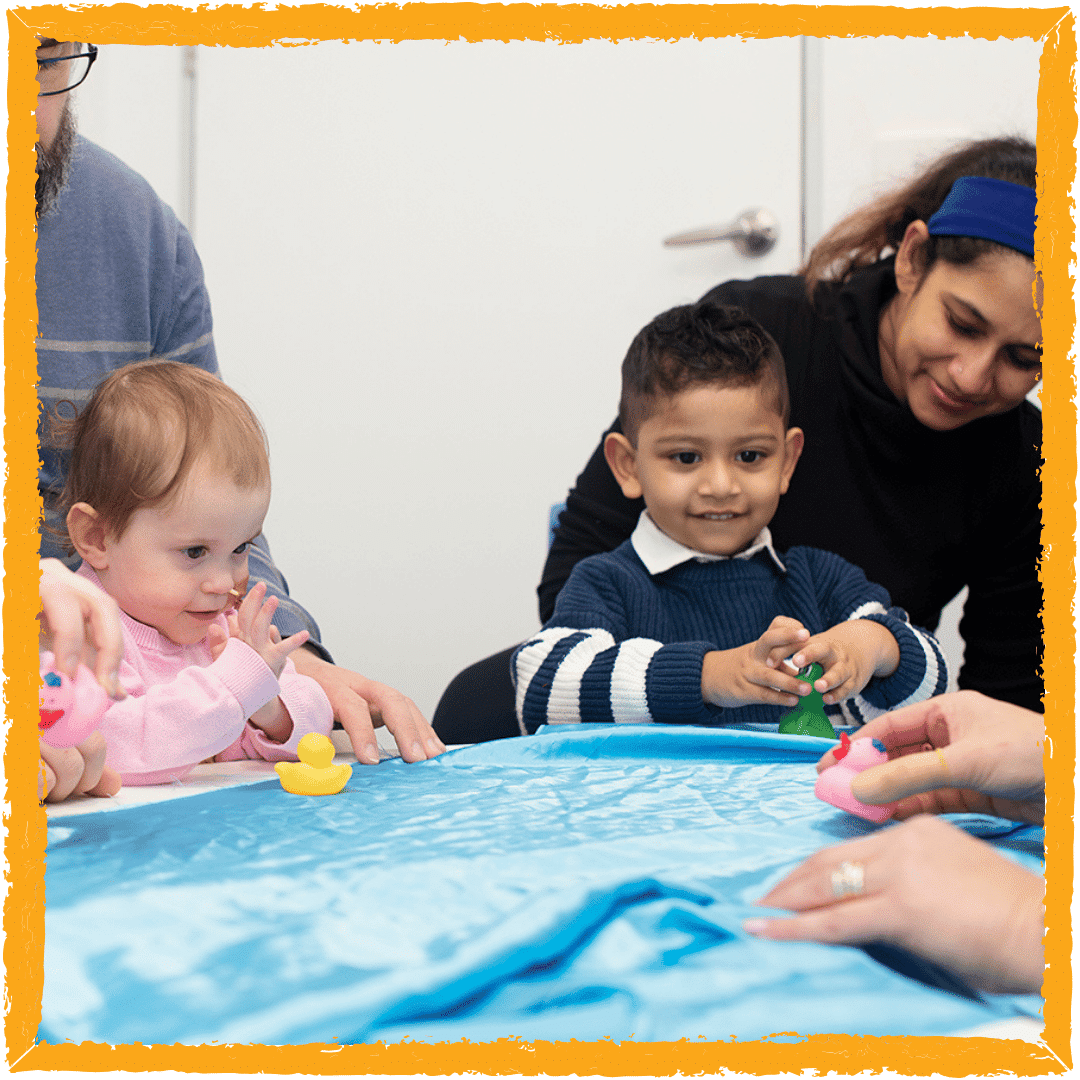
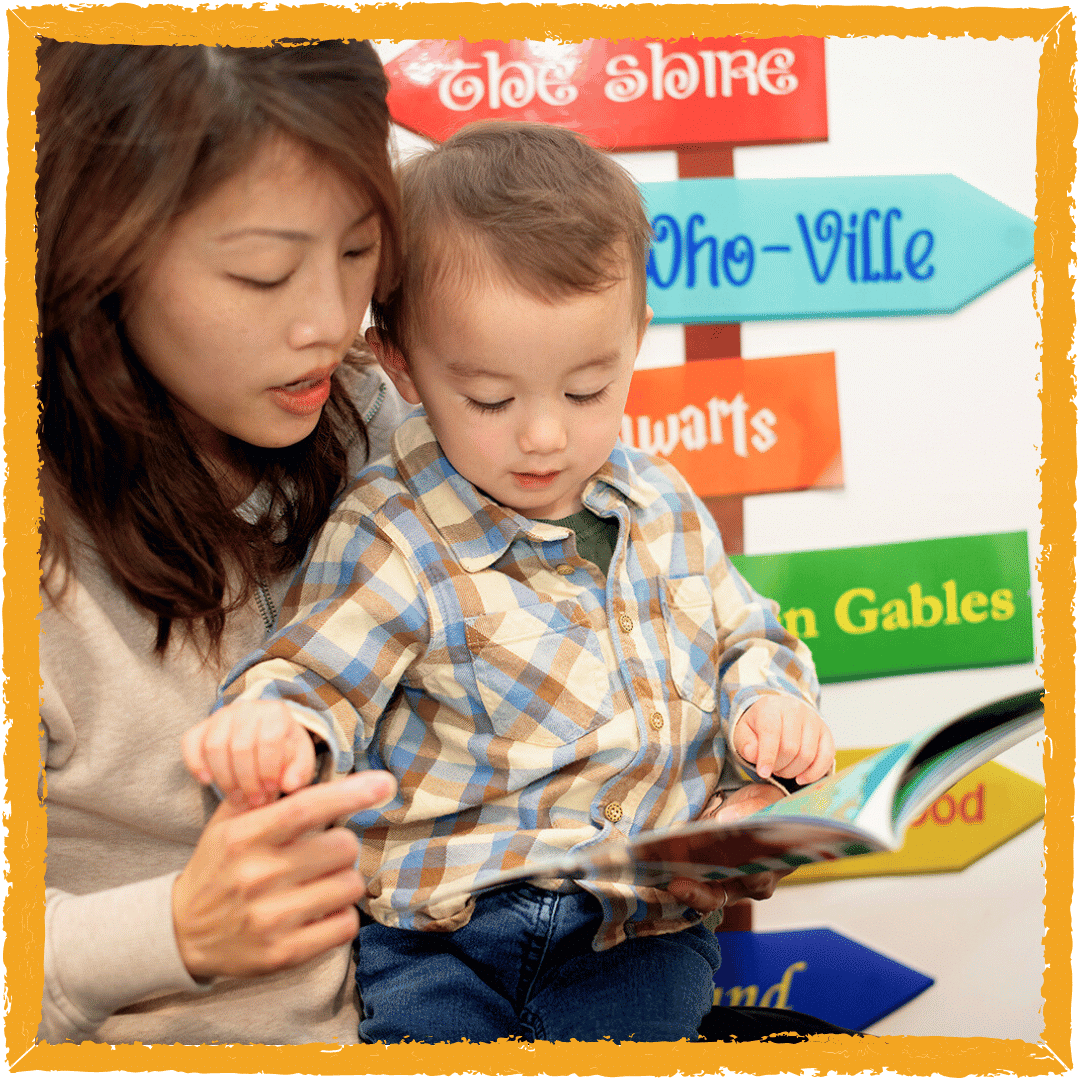
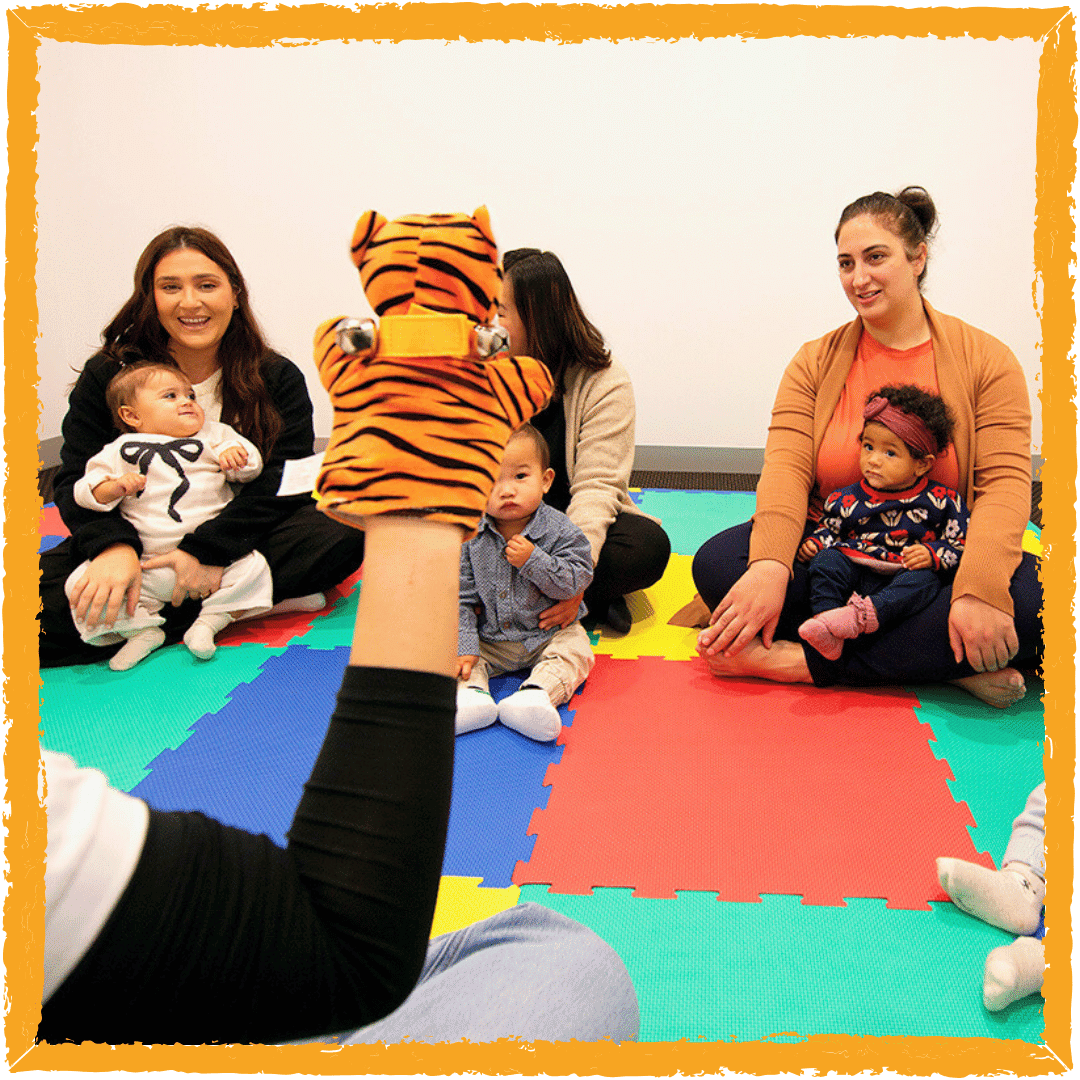
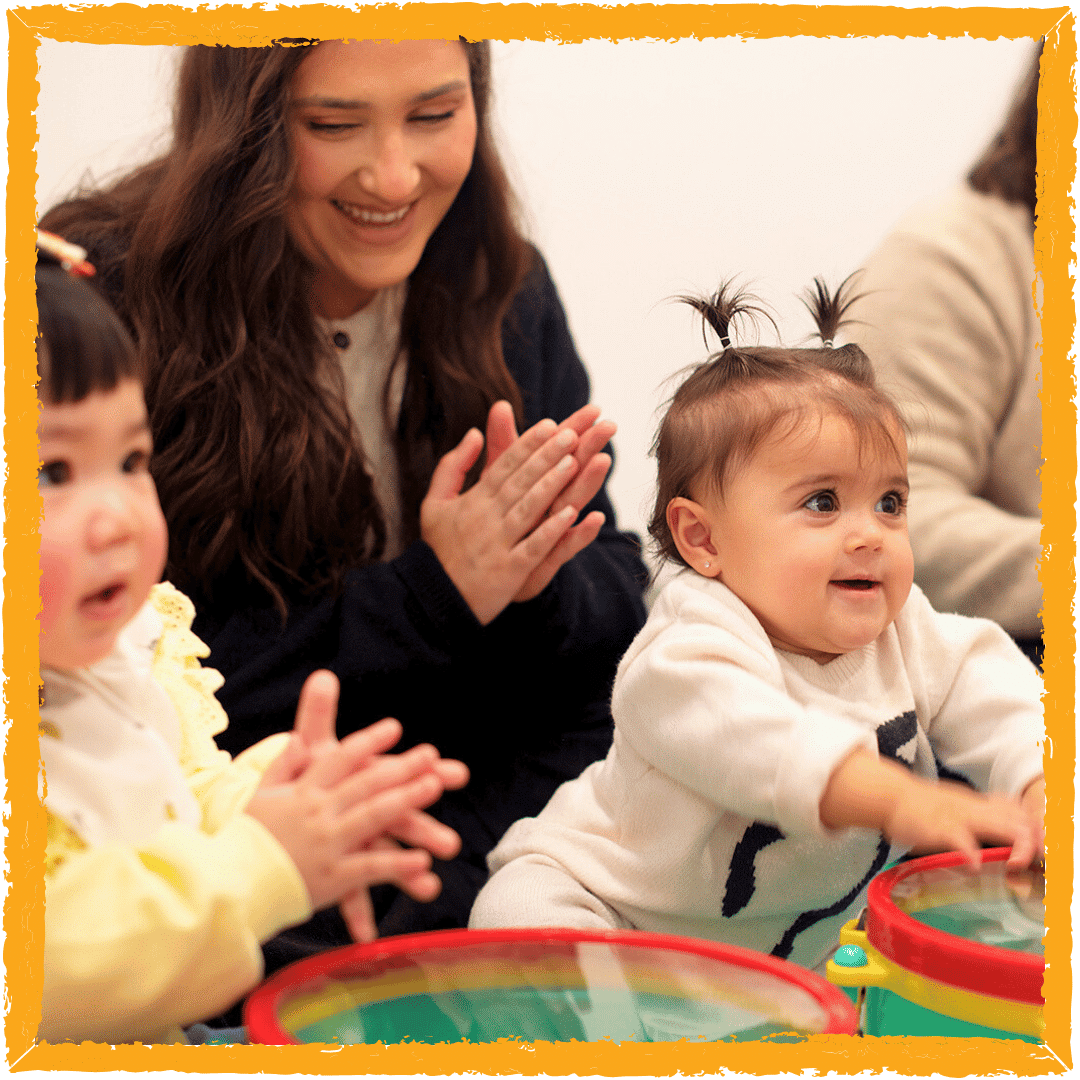
Photo by Shichida Australia: Emotional intelligence begins with strong parent-child bonds, supported in every Shichida class.
At Shichida Austraia, we recognise that the heart must be engaged to truly engage the mind.
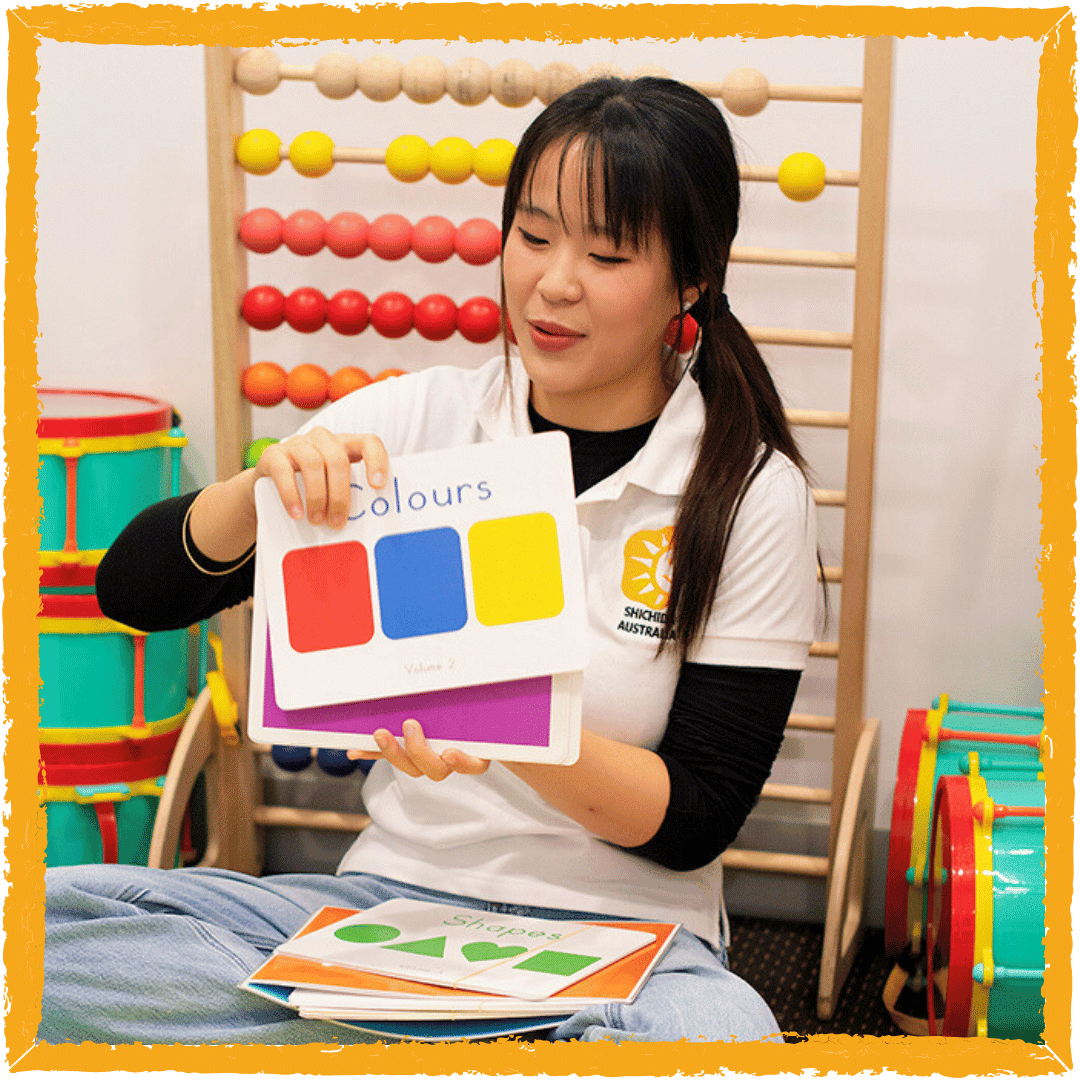
Our enrichment program focuses on nurturing both EQ and IQ through a blend of mindfulness, emotional expression, parental involvement, and play-based learning.
Ready to give your child the emotional tools to thrive?
Explore Shichida programs and book a trial class. It’s never too early to start growing your child’s emotional intelligence!
FAQ: What is Emotional Intelligence
Emotional intelligence in children refers to the ability to identify, understand, and manage their emotions, as well as recognise emotions in others. It includes empathy, self-regulation, emotional awareness, and social skills all essential for forming relationships, learning, and coping with challenges.
Emotional intelligence helps children handle stress, build friendships, and make responsible choices. Studies show that kids with high EQ perform better academically, have fewer behavioural issues, and develop stronger mental health and resilience as they grow.
Start by talking about feelings, modelling calm responses, and using everyday moments to reflect on emotions. Simple strategies like reading books about emotions, role play, or using feeling charts can all help build your child’s emotional vocabulary and empath
Yes! Programs like Shichida Australia use a whole-brain approach that combines emotional and cognitive development. Children practise mindfulness, empathy, and expression alongside memory and numeracy games in a parent-supported environment.