Improving Attention And Concentration For Kids
Our guide for parents is packed with loads of fun-filled activities and handy tips for developing concentration and cocus in Children. In a world buzzing with distractions, nurturing these skills has never been more vital to pave the way for your child’s successful journey through school, friendships, and their creative pursuits.
5 Key Takeaways
-
Attention, focus and concentration are three different but connected skills, each playing a major role in how children learn, process information, solve problems and stay engaged both academically and socially.
-
Children’s attention spans grow with age, but every child develops differently. Understanding typical concentration times helps parents choose age-appropriate activities and set realistic expectations for focus and learning.
-
Daily routines, quality sleep, proper nutrition, exercise, and reduced screen time are essential foundations for improving attention and concentration, especially for children who struggle with focus or have ADHD.
-
Hands-on activities such as puzzles, memory games, mindfulness, reading, music, cooking and fine-motor tasks all strengthen sustained attention, working memory, problem-solving and self-regulation in a fun, motivating way.
-
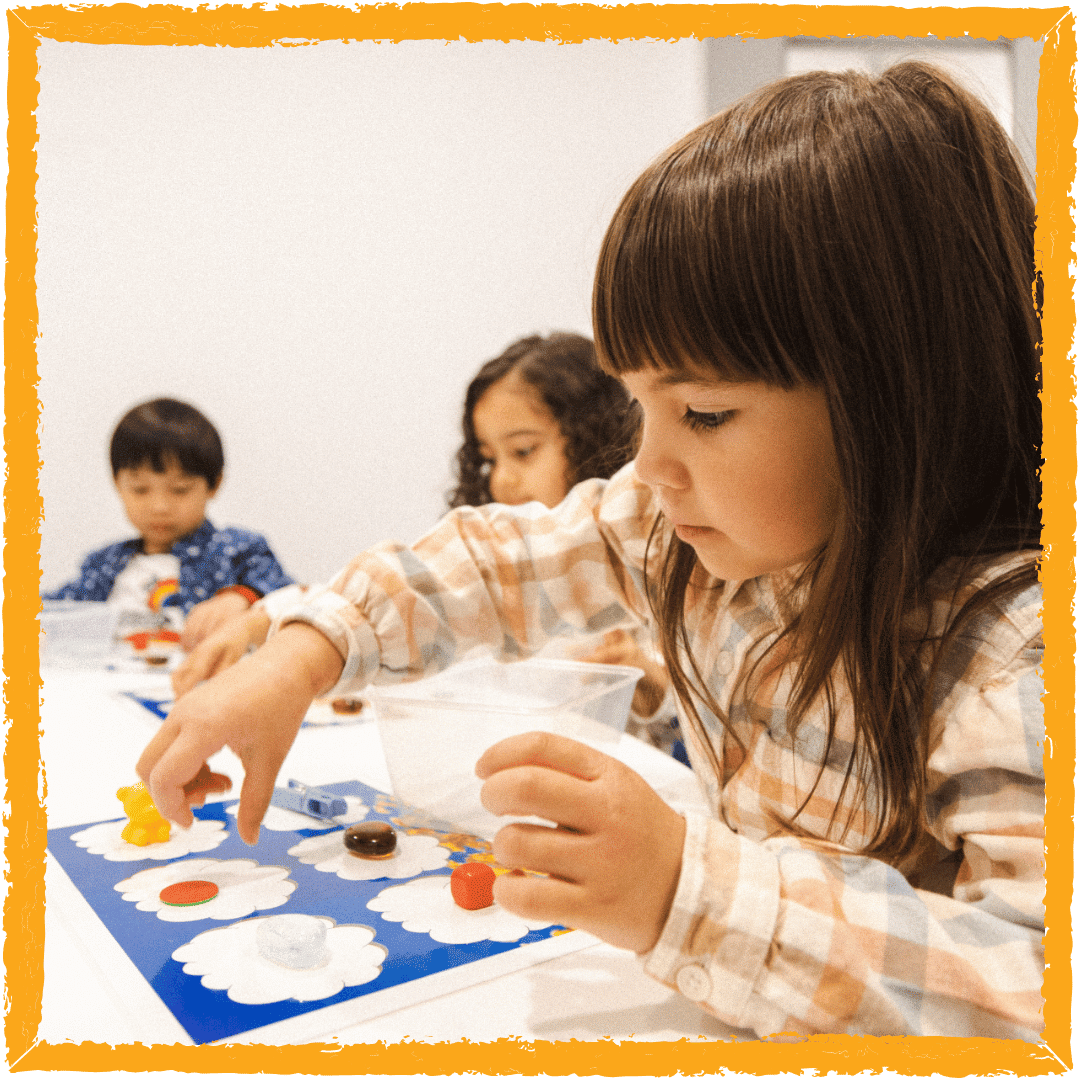
Shichida classes are designed to build attention and concentration naturally through short, structured activities based on the “one minute per age” formula, helping children stay engaged, avoid overwhelm and develop stronger focus skills both in class and at home.
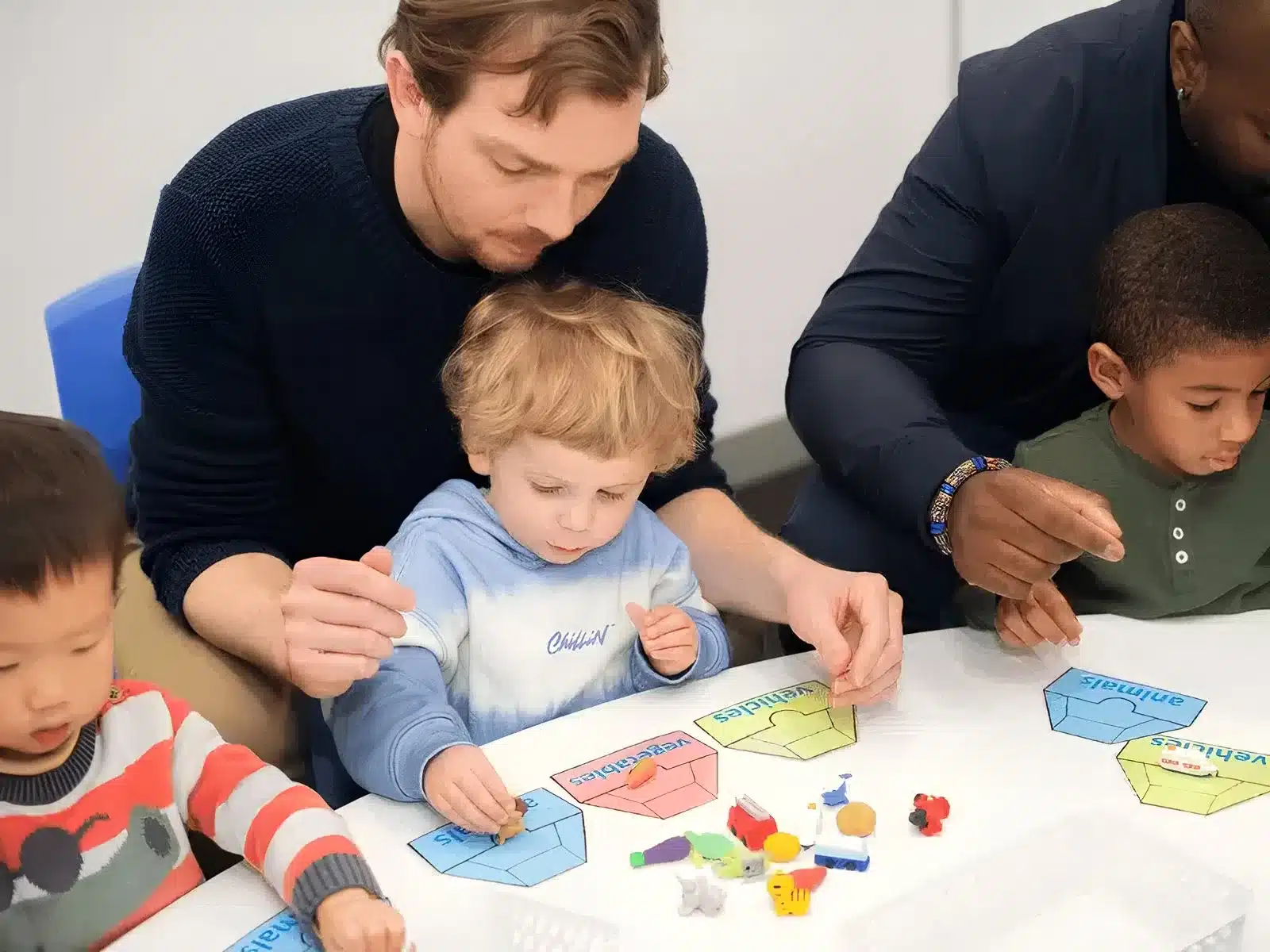
Focus is not a skill a child is born with – it takes practise! Shichida classes improve focus and concentration using the proven Shichida Method.
Developing Concentration and Focus in Children: Why it Matters
Learning to pay attention and developing concentration and focus in children will have a positive impact on many areas of their lives, now and into the future. Here is why:
Attention – The Gateway
Definition:
Attention is the broad ability to notice, observe, or become aware of something – it’s the starting point of all cognitive processes.
Example:
A child hears a bell ring and turns their head toward the sound. That’s attention.
Types:
-
Sustained attention – staying alert over time
-
Selective attention – tuning into one thing while ignoring distractions
-
Divided attention – managing multiple inputs (e.g. walking and talking)
In learning:
Without attention, nothing gets in. It’s the prerequisite to learning and memory.
Focus – The Target
Definition:
Focus is the direction of attention toward a specific thing, goal, or task. It’s more deliberate than general attention.
Example:
A child looks at the puzzle in front of them and decides to complete it without looking around.
In learning:
Focus is what helps a child stay tuned into a single task, like listening to the teacher or finishing a worksheet.
Concentration – The Effort
Definition:
Concentration is the mental effort used to maintain focus over time. It’s the ability to sustain focus despite distractions, boredom, or difficulty.
Example:
A child continues solving math problems even while other kids are playing nearby – that’s concentration.
In learning:
Concentration is critical for completing tasks, problem-solving, and developing deeper understanding. It’s where mental stamina kicks in.
Social Impact of Concentration and Focus in Children
These skills aren’t just important for academic success. Developing attention and concentration for kids helps them improve their social skills, too.
When children can concentrate and maintain focus, they can actively listen to others during conversations. They’ll be able to understand what others are saying, respond, and contribute meaningfully to the conversation.
This helps build positive relationships and foster better social interactions with the people in their lives.
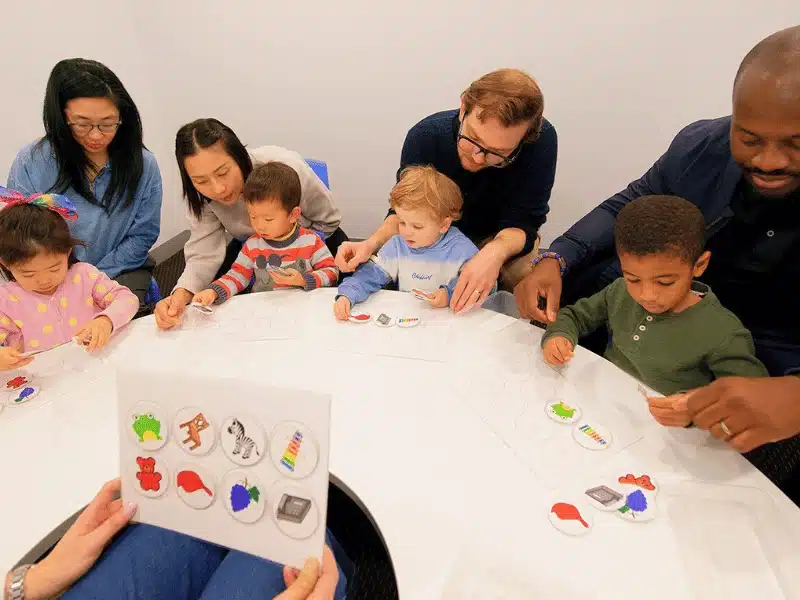
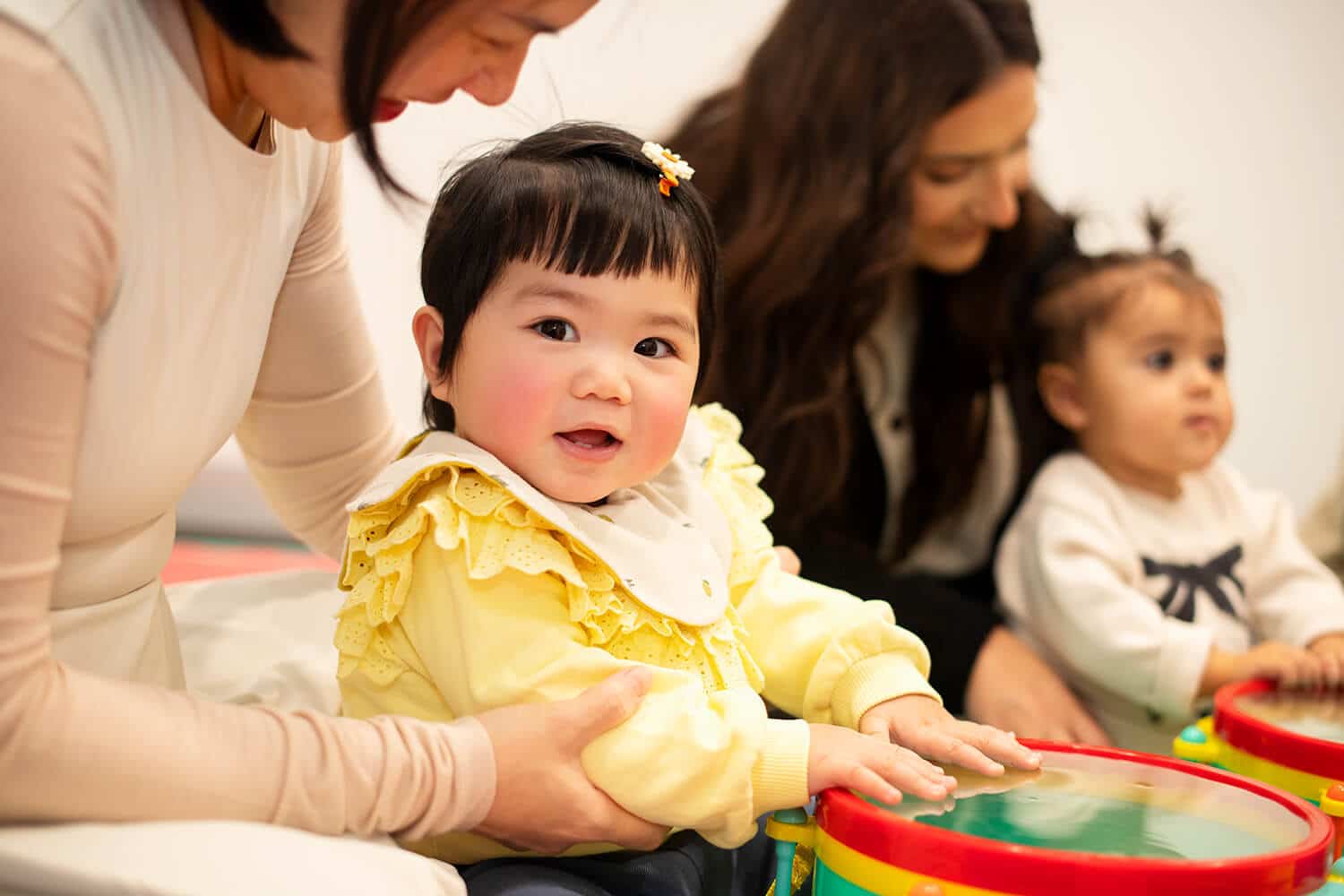
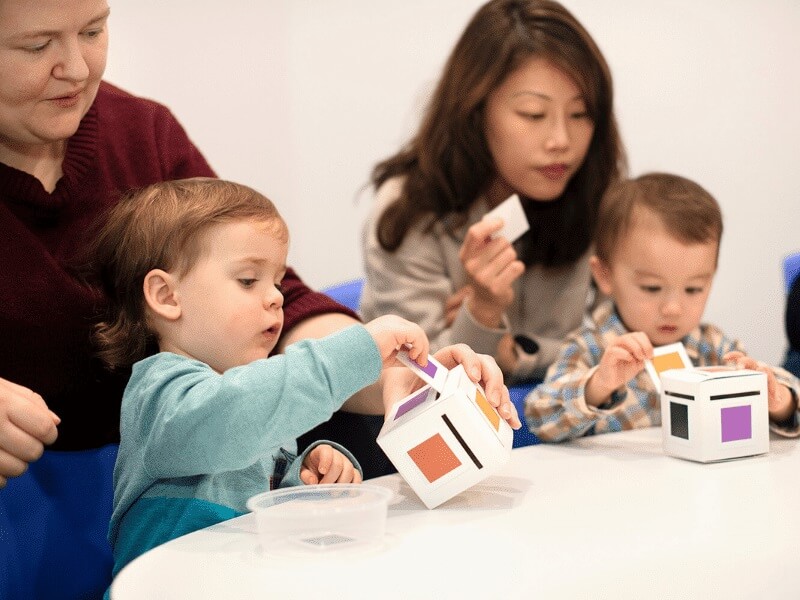
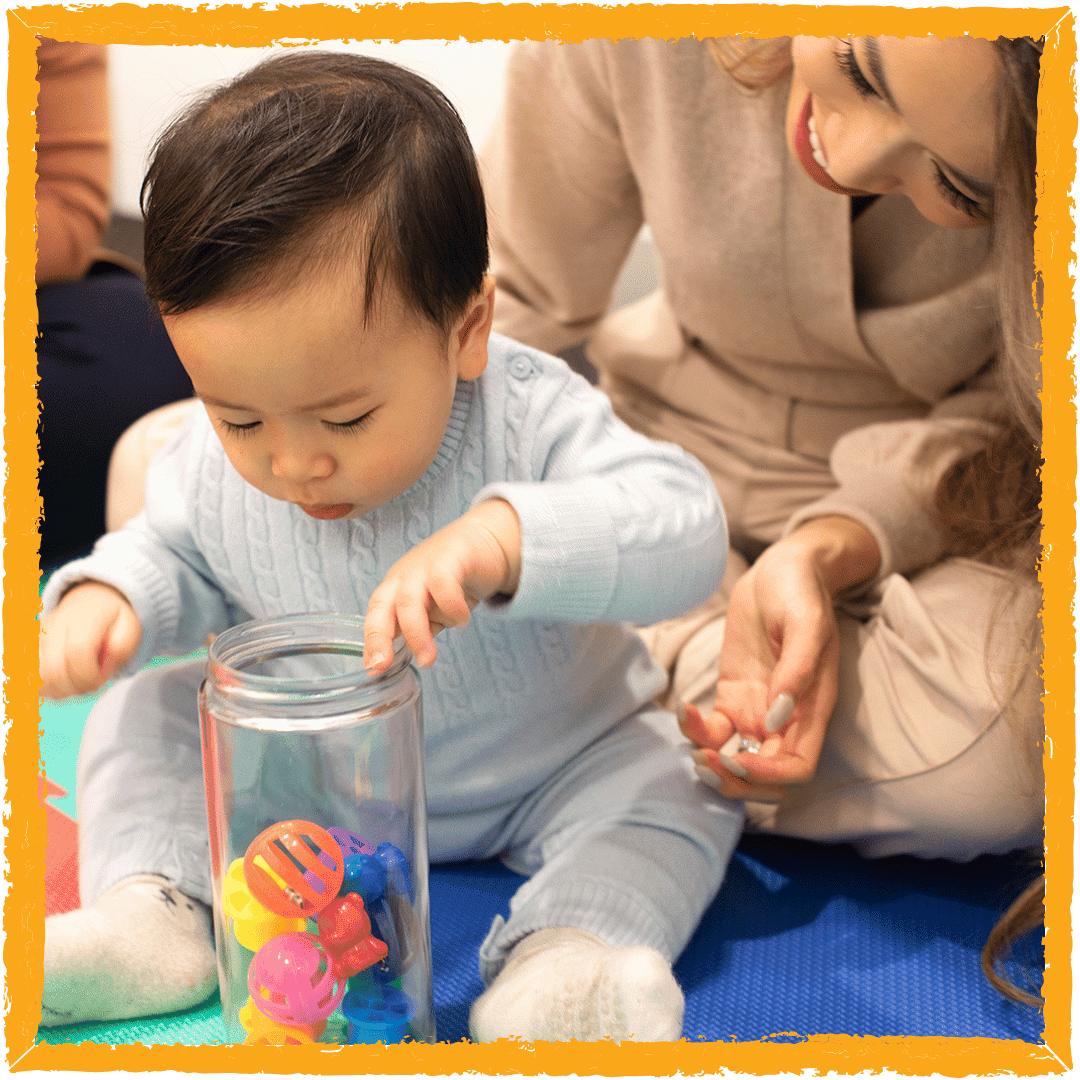
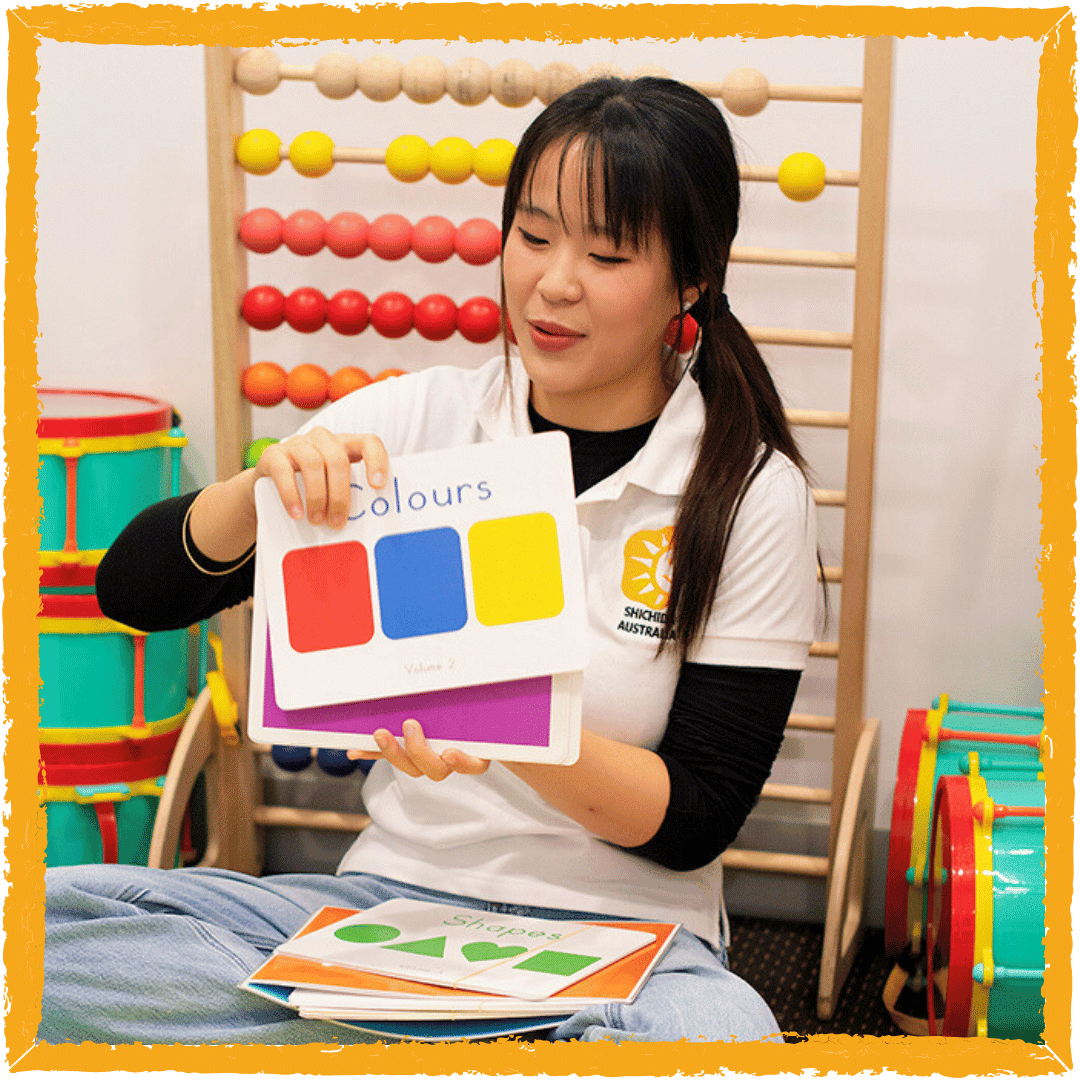
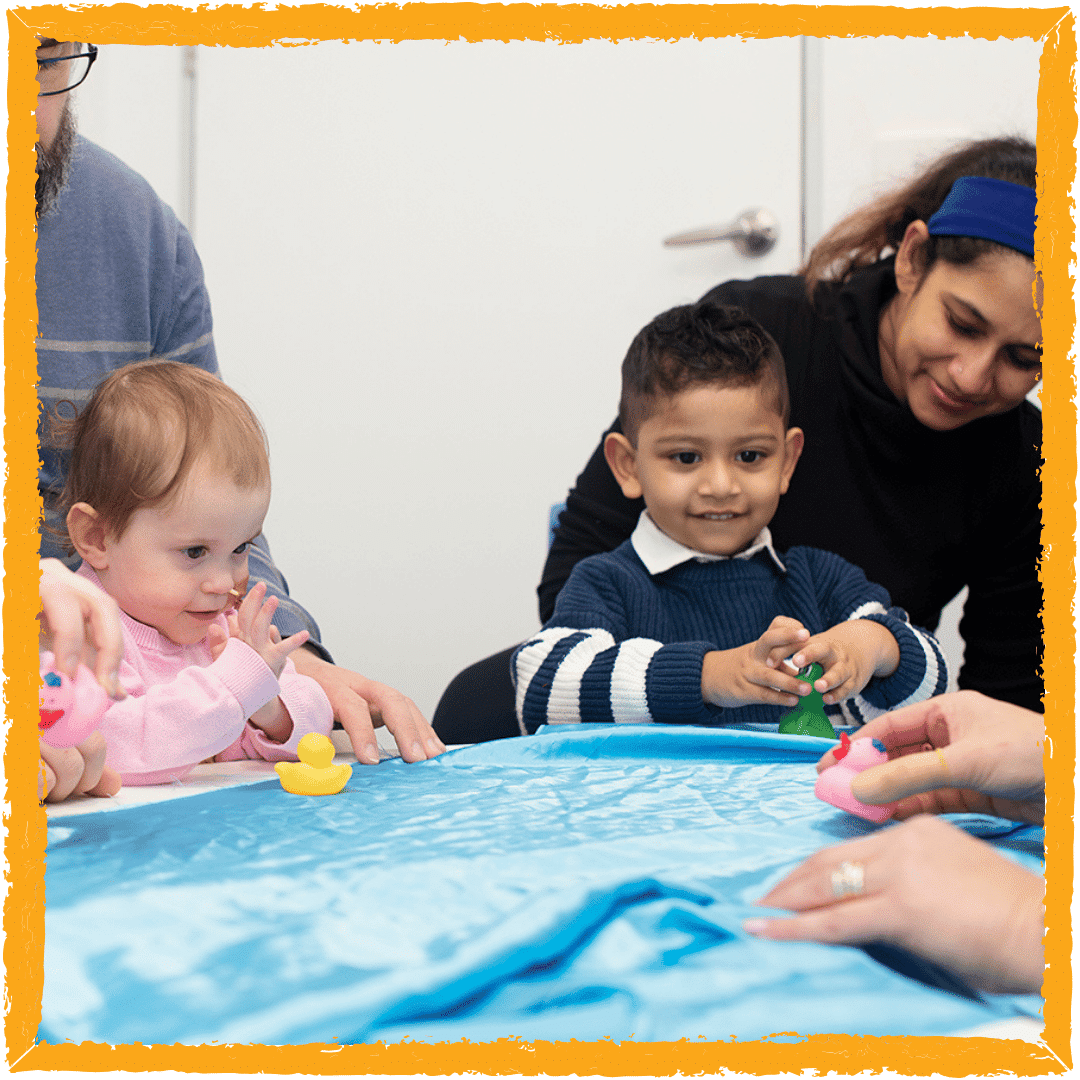
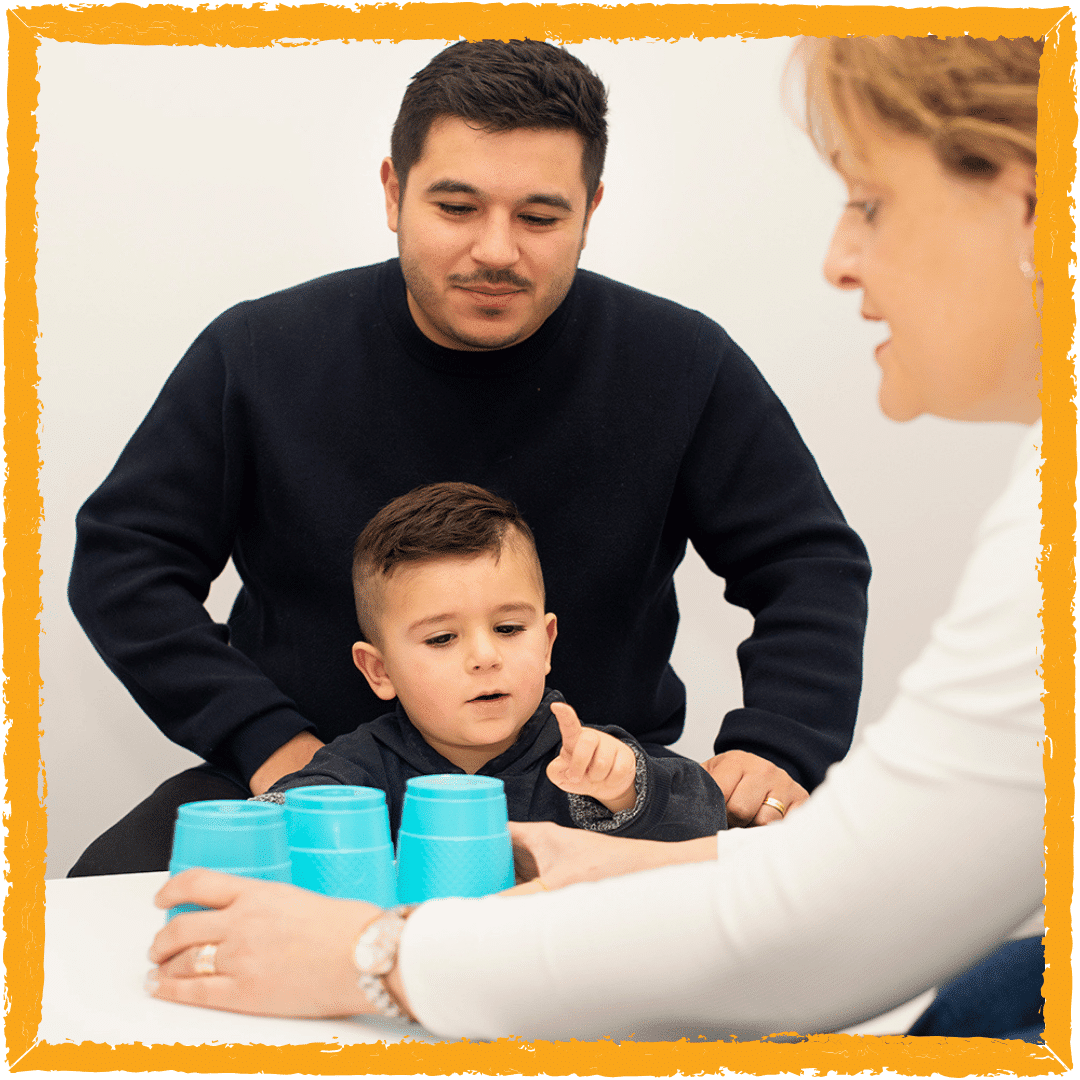
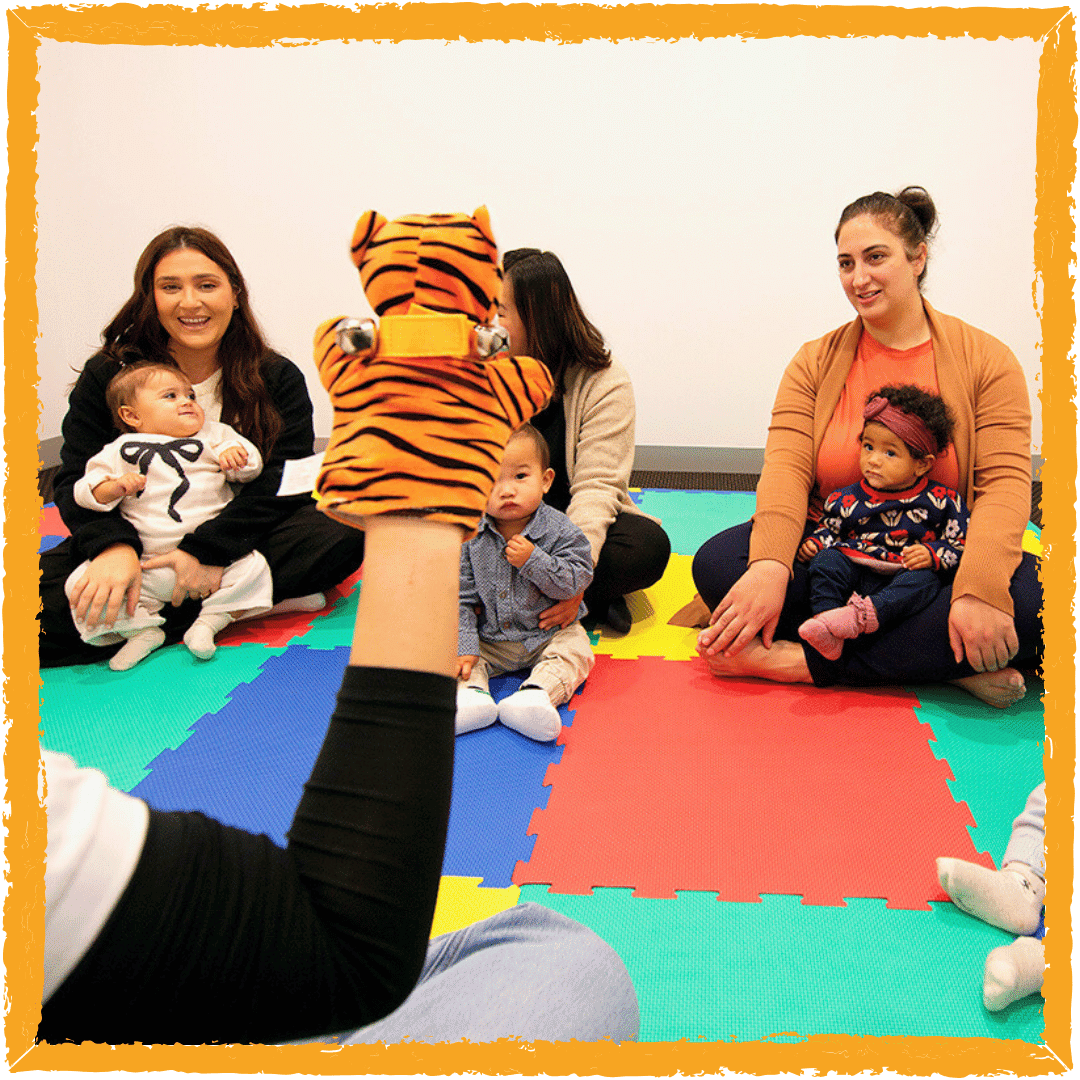
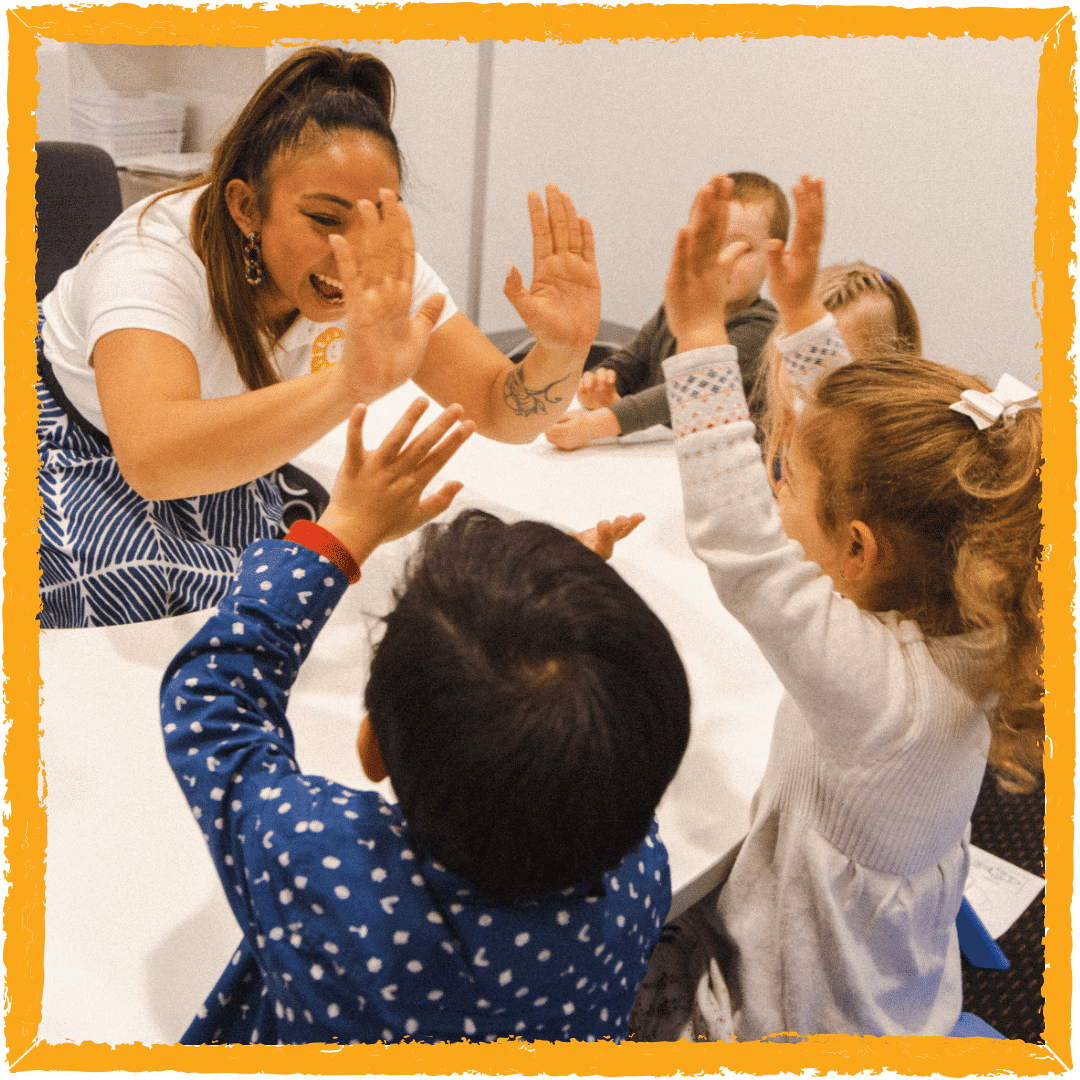
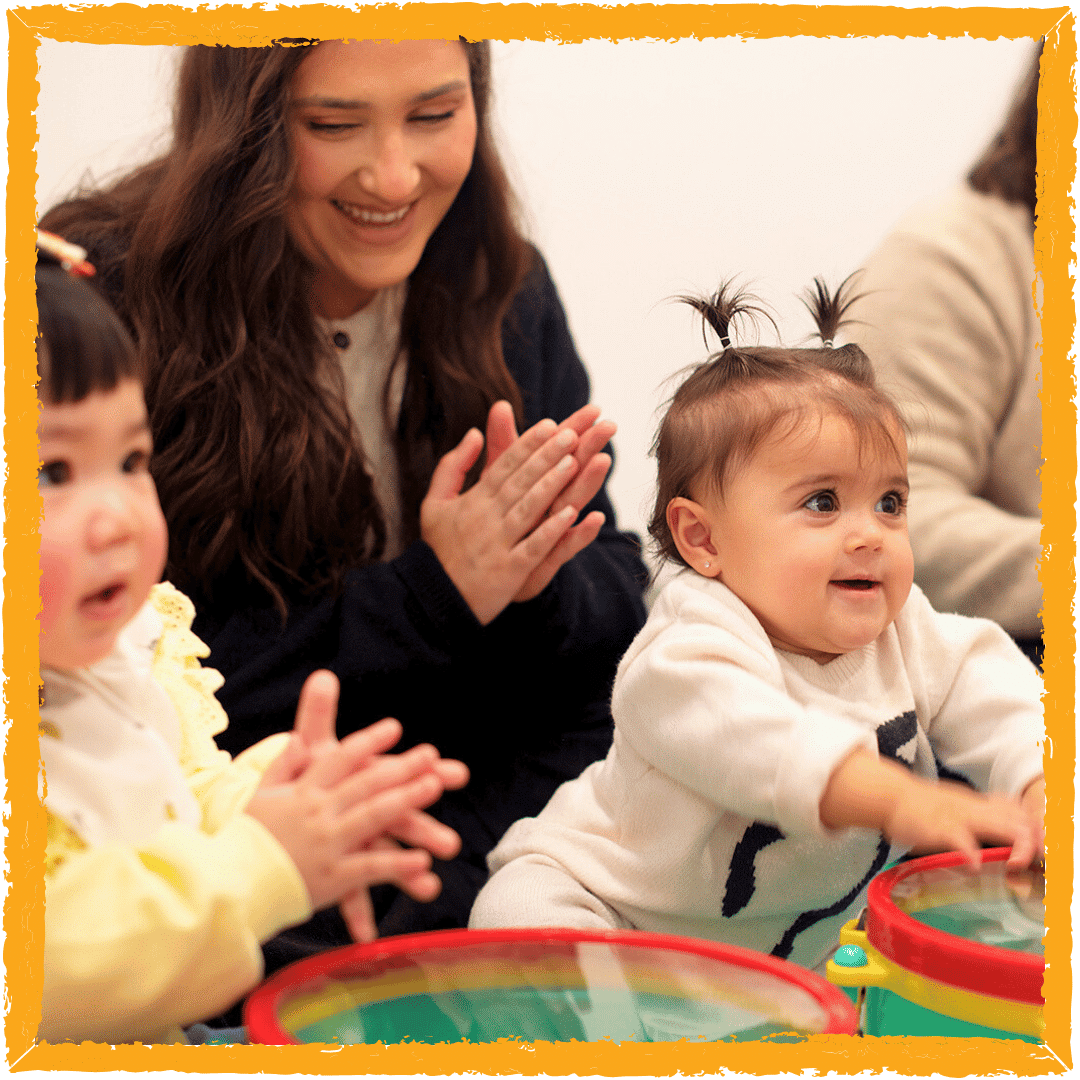
Shichida classes improve focus and concentration, using engaging educational games and activities, classes are available for babies, toddlers and preschoolers.
Concentration and Focus in Children by Age
Your child’s ability to focus and maintain attention improves as they grow. A 3 year old’s concentration span will likely be shorter than a 10 year old, for example. So, activities should be age appropriate and gradually increasing in duration as your child gets older.
Approximate attention span for kids at different ages
2 years old: 4 – 6 minutes: At this stage, a toddler’s world is full of exploration and discovery. Their attention span is naturally short but growing, typically ranging between 4 and 6 minutes.
3 years old: 6 – 8 minutes: As kinder aged kids gain more control over their movements and start engaging with peers, their ability to concentrate also increases, extending to about 6 to 8 minutes.
4 years old: Four year olds are often involved in more complex play scenarios and begin to engage with academic concepts, allowing them to focus for 8 to 12 minutes.
5 – 6 years old: With the transition into school life, pre-primary children in this age group start to show a noticeable increase in their attention span, managing to focus for about 12 to 18 minutes.
7 – 8 years old: At this age, primary school aged children are developing their skills in reading, writing, and problem solving, which aids in extending their focus for approximately 16 to 24 minutes.
9 – 10 years old: As children approach their preteen years, they can concentrate for longer periods, around 20 to 30 minutes, which is helpful for more complex academic tasks.
11 – 12 years old: Pre-teens, on the brink of adolescence, have honed their focus skills over the years, allowing them to concentrate on tasks for about 25 to 35 minutes, crucial for tackling larger projects and intensive studies.

All Kids Are Different
These estimates give you an idea on what to expect, but all kids are different and how long they can concentrate for can be influenced by a range of factors; like the task and your child’s temperament at the time.
At Shichida Australia, our class times are structured based on a specific formula – one minute plus the child’s age. Our activities are designed around this important principle taking into account the child’s age and their ideal concentration time. When we follow this formula kids do not get bored, distracted or frustrated, and find learning activities more enjoyable.
Developing a child’s concentration requires time, patience, and plenty of practice in engaging, age-appropriate activities.
Tips for Developing Concentration and Focus in Children
How to improve children’s concentration involves more than games and activities – and we’ll get to those in a moment!
Many elements play a role in strengthening your child’s ability to focus and stick with a task, from their daily routine to their learning environment.
Here are some things parents can work on for developing attention and concentration for kids
Structured routine: Kids thrive on routine. A structured routine helps them understand what’s expected and when, which can improve their ability to focus and complete tasks.
Nutrition and sleep: Proper nutrition and quality sleep are essential for children’s cognitive development and supporting their concentration levels.
Exercise: Research shows that the ability to focus attention is improved when children participate in physical activities; movement is especially important to help improve concentration for kids with ADHD. Organise opportunities for your child to engage in active play or team sports.
Limit screen time: Kids who spend too much time in front of a screen can become disengaged and less attentive. Encourage more active play and set limits on your child’s screen time, focusing on high-quality, educational content over entertainment.
Stress management: Just like adults, kids are less likely to be able to concentrate when they’re stressed. Create a calm and supportive environment, and practice stress management techniques with your little one, like deep breathing.

Activities to Develop Concentration
How to improve concentration in kids? By getting them involved in fun games! Here are a few suggestions:
Concentration games for kids
Puzzle Games
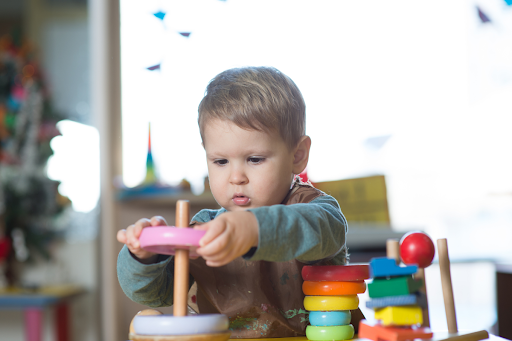
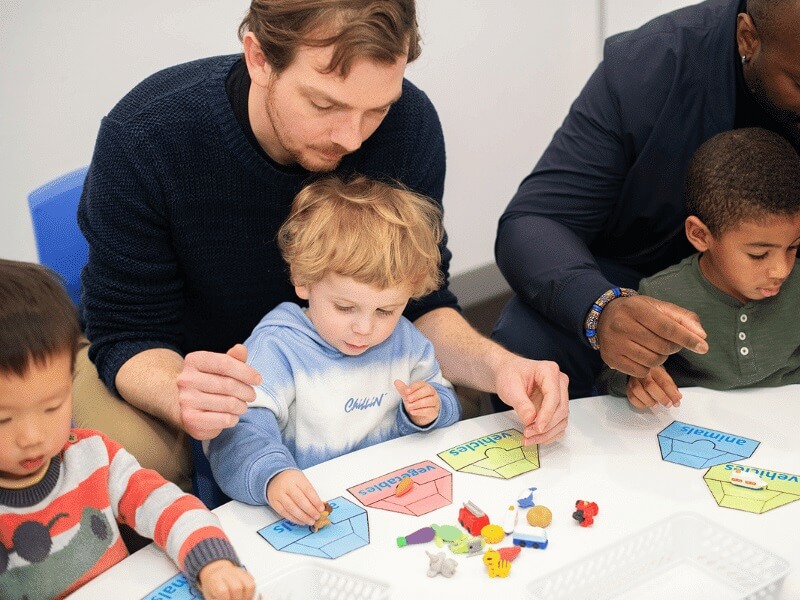
One of the classic children’s concentration games, puzzles are a great way to develop concentration. They require children to focus on the task at hand and use problem solving skills.
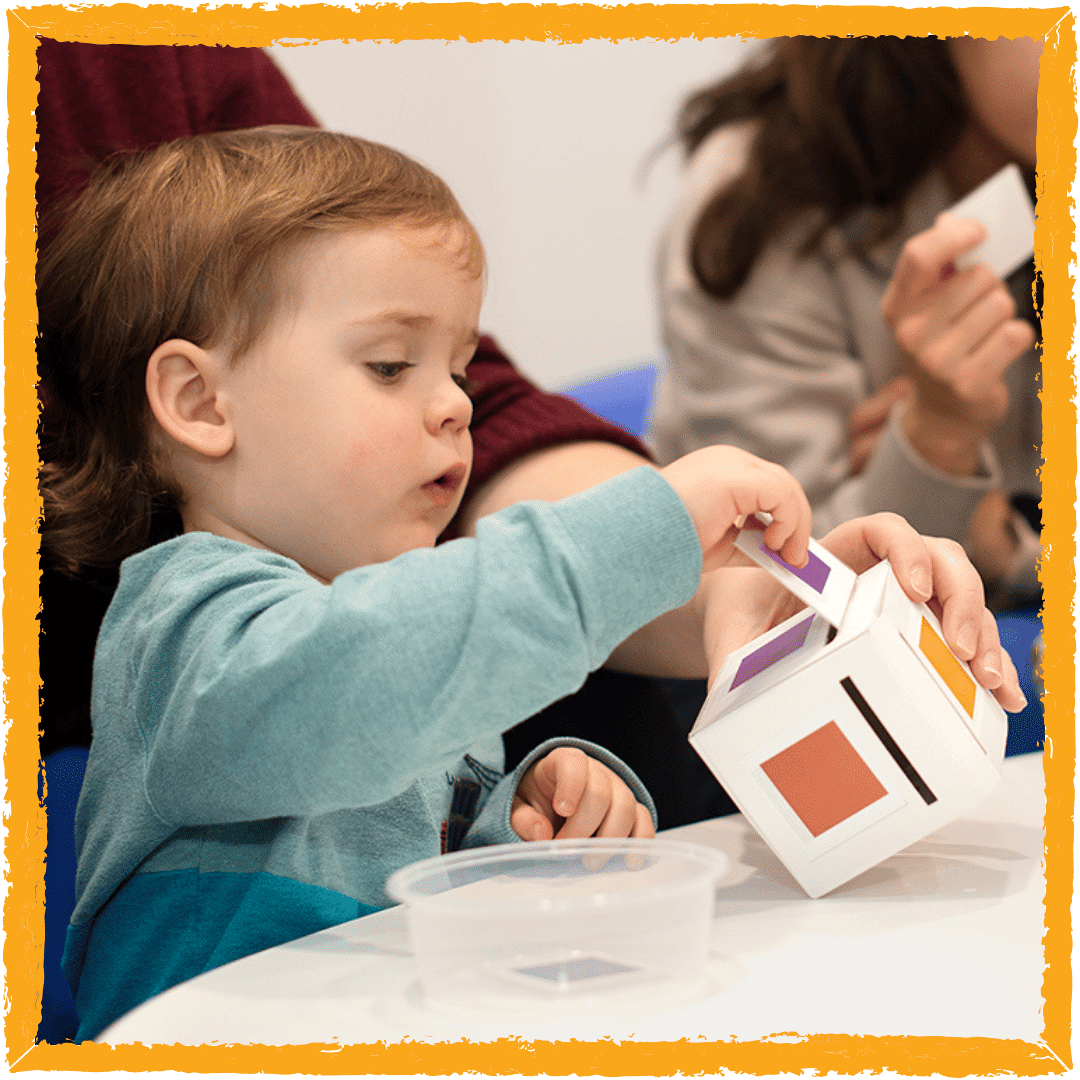
Cho Cho Ban is designed to improve critical thinking, concentration, and fine motor skills. This fun puzzle with shapes and silhouettes helps develop spatial and shape awareness, while enhancing problem solving skills.
Memory Games
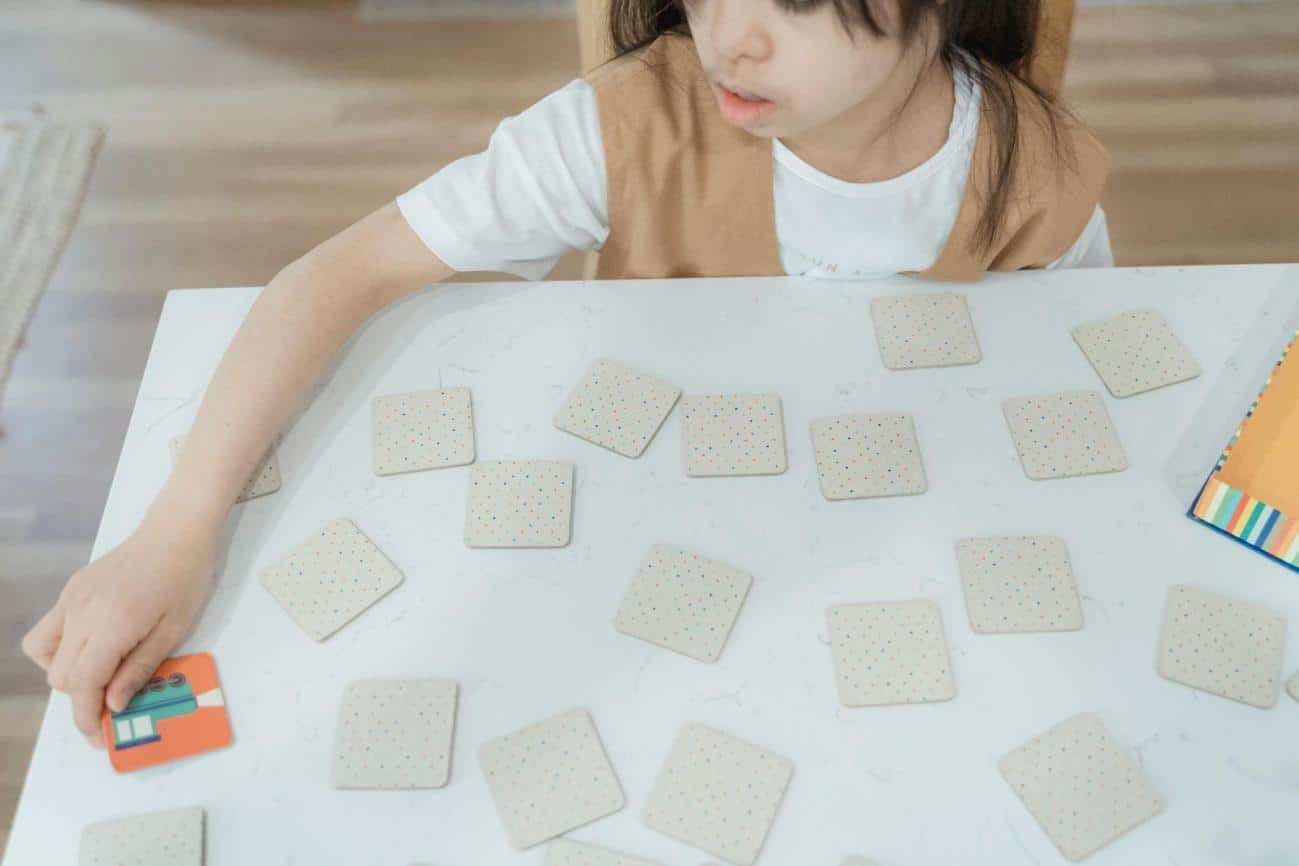
Games like “Simon Says” or card matching games can improve a child’s concentration by requiring them to recall information.
“I went to the supermarket”: This memory game is a fun one to play in a group. It involves recalling and adding to a list of items in alphabetical order. It helps build memory skills and concentration as participants remember the previously mentioned objects.
Memory Training Mini Cards – Mr Right Brain uses Peg Memory activities and guessing games to stimulate your child’s right brain, enhancing photographic memory and sensory development. With 28 unique games, it’s an innovative and enjoyable way to develop your child’s cognitive abilities.
Focus games
“I Spy”: Helps little ones develop their attention by requiring them to focus on details.
Operation: This much-loved board game calls for precise movements to remove specific body parts without touching the edges, promoting fine motor skills and concentration.
Spot the Difference: Games that involve finding differences between two similar images sharpen both visual attention and concentration skills.
Jenga: This block-stacking game means your child will need to focus on carefully removing and placing blocks without toppling the tower, promoting fine motor skills and steady attention.
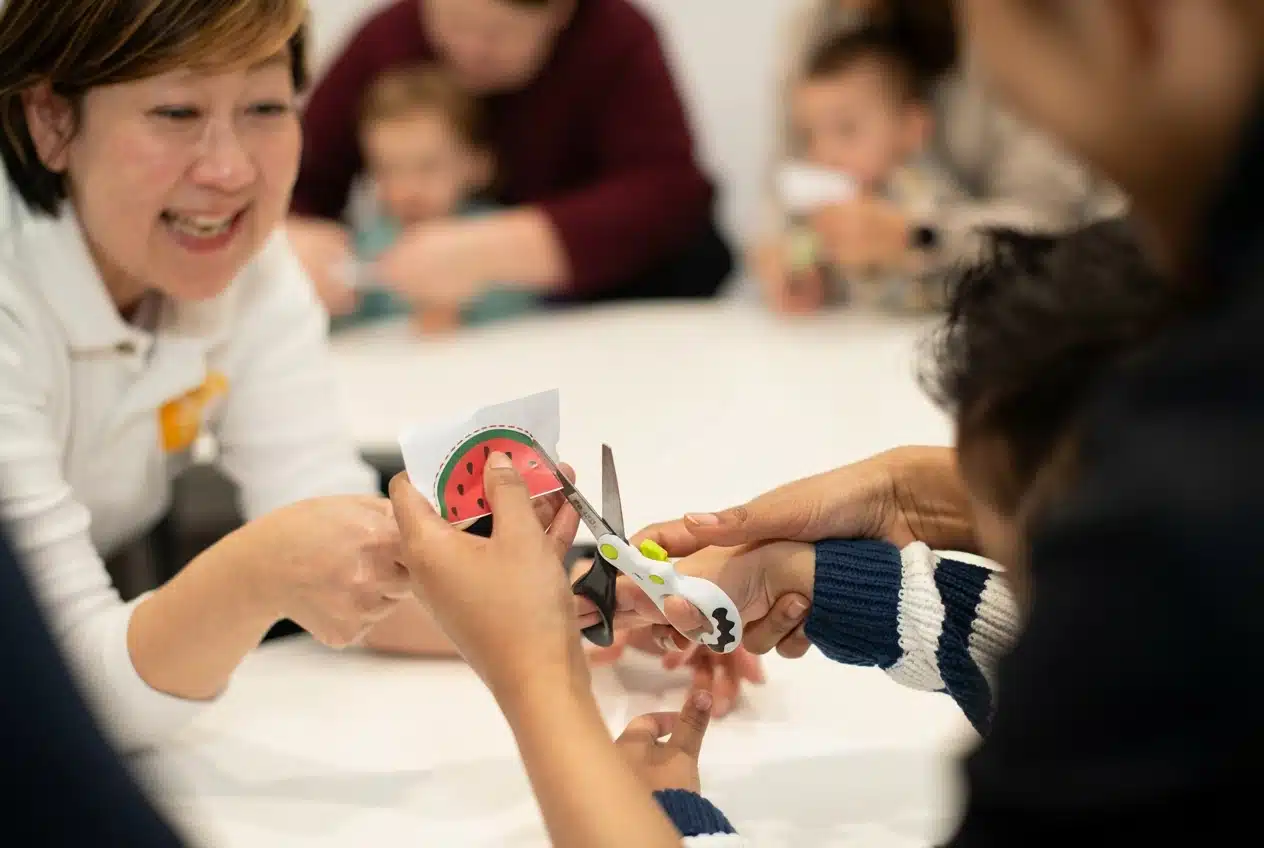
Other Activities to Improve Concentration and Focus in Children
As well as focus and concentration games for kids, there are many other activities you can do with your child to flex their focus muscles!
Mindfulness and meditation: Encourage your child to participate in mindfulness exercises and meditation. This practice can improve focus, reduce stress, and promote a sense of calm. For younger kids, you can have them lay down with a stuffed animal on their belly so they can watch it rise and fall as they breathe.
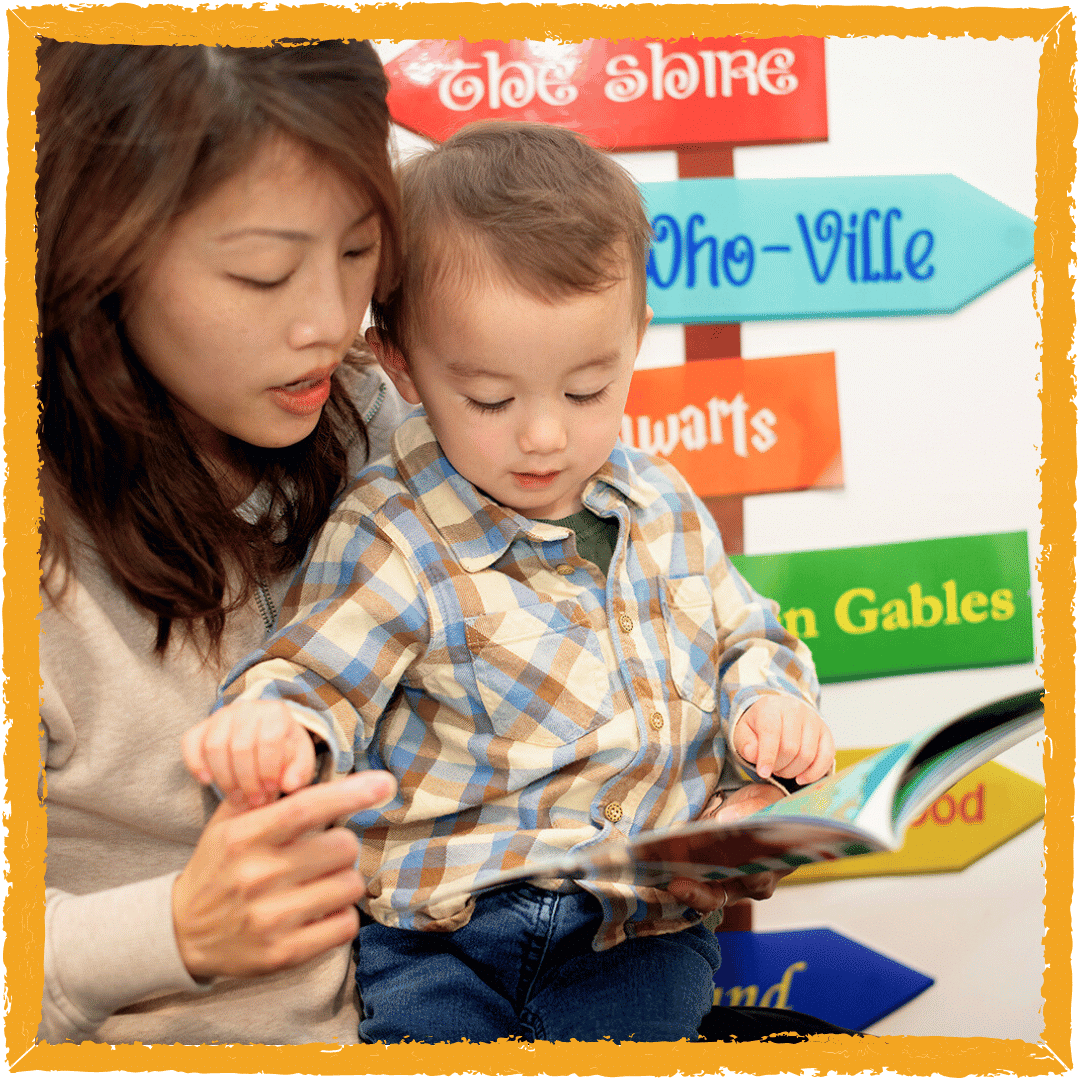
Reading: Regular reading is an excellent way to improve your child’s concentration span. Start with short stories and gradually move on to longer books as they are able to concentrate for longer periods.
Speak Up Stories is a complete set of 11 page picture books and a CD teaching a range of phrases from greetings and farewells to self introduction. It also incorporates expressions for surprise, emotional situations, and phrases encapsulating both past and future tenses.
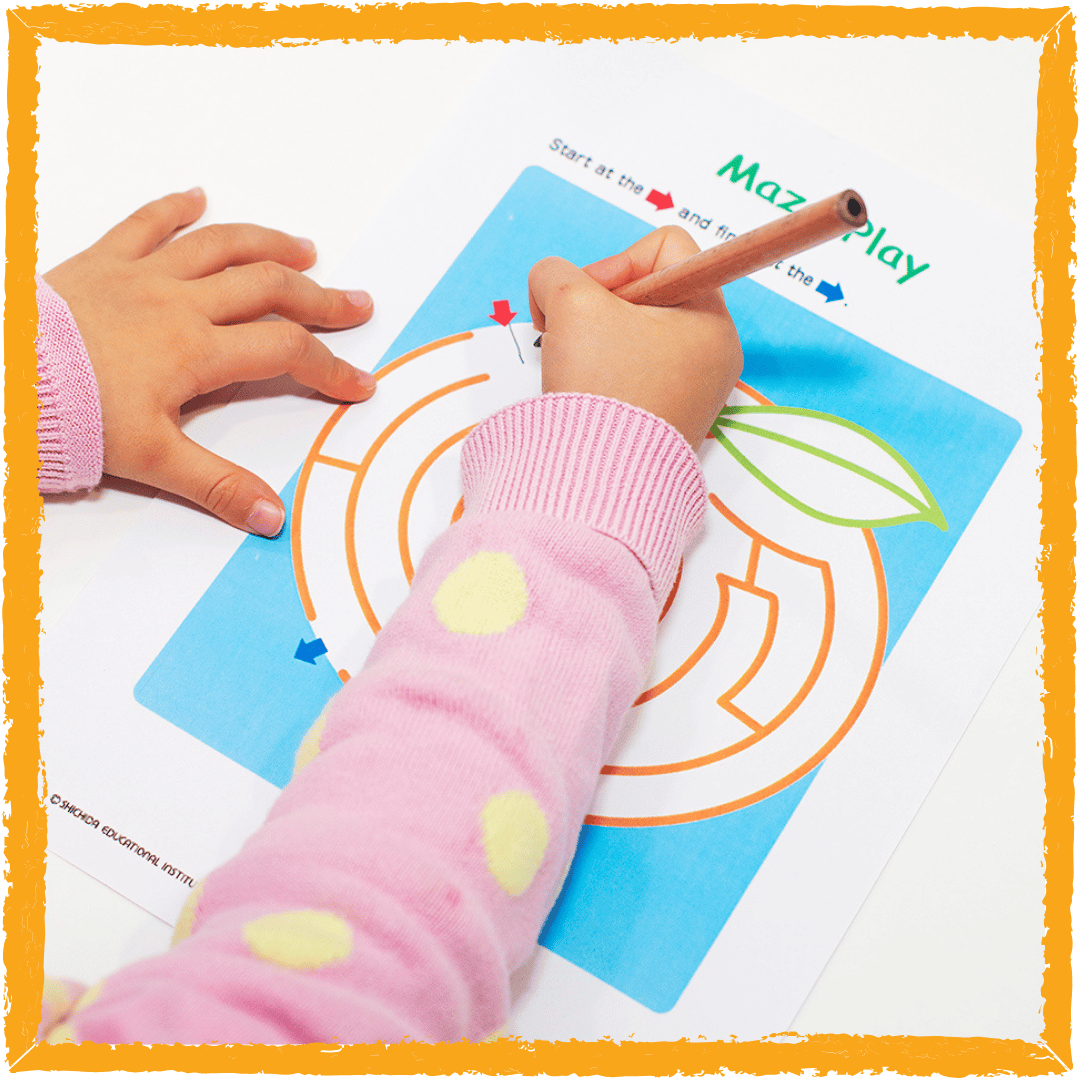
Mindful colouring: Just like the mindful colouring book trend among adults, this can help children focus and divert attention from distractions. Starting with small circles, they gradually progress to bigger shapes and complex patterns, improving their ability to concentrate for longer periods.
Music lessons: Learning to play a musical instrument enhances concentration, focus, and coordination.
Cooking and baking: Following recipes and measuring ingredients require sustained attention and sequential thinking.
Martial arts: Martial arts classes for kids is a fantastic way to improve focus, awareness of their body, and self-discipline.
Origami: Learning and practising the wonderful art of paper folding can help your child develop fine motor skills, patience, and concentration.
Quick Tips for Parents
When you sit down to do an activity with your child, remember to give your full attention to the activity too! Show up and lead by example; put your phone on flight mode, turn off the TV and be present with your child.
You can also support their attention by not interrupting them, allowing them to follow through on what they’re saying or doing without switching the activity.
Limit distractions: Create a quiet, distraction-free environment for your child to study or engage in tasks that require concentration.
Break down large tasks: Large tasks can overwhelm children, causing them to lose focus. Break down large tasks into smaller steps so they don’t seem as overwhelming.
How to improve concentration for kids with ADHD
Kids with Attention Deficit Hyperactivity Disorder (ADHD) usually struggle with attention and concentration.
Signs of ADHD can show up in various ways:
Inattention: Frequently forgetting instructions and moving between tasks without completing them.
Impulsivity: Acting without thinking is a common trait, including talking over others, difficulty controlling emotions, and being accident-prone.
Hyperactivity: Many children with ADHD exhibit constant fidgeting and restlessness, finding it challenging to remain still or sit quietly.
Not all children with ADHD display hyperactivity. Some primarily struggle with focus, attention, forgetfulness, and easy distractibility. This form is sometimes referred to as “inattentive ADHD.”
While ADHD encompasses a range of challenges, if you can help your little one increase their focus skills you can help them tackle certain situations.
All the activities and games we’ve listed above can help and we’ve included two bonus tips below which can be especially helpful to improve focus concentration in kids with ADHD.
Speak it out loud
Encourage your child to practise self-coaching by talking aloud to themselves, as if they are the narrator of their own actions. For example, if you are baking cupcakes together, have them speak out the actions:
“Now I’m adding the egg. Next I get the wooden spoon to mix everything together!” and so on.
This self-coaching technique assists your child in maintaining attention and following the sequence of steps.
Use simple songs to stay on track
Children’s concentration problems with ADHD often mean they struggle to stay on track with a task. Making up simple songs can help them. For example, if it’s time to pack away their play things, singing a simple song like “We’re putting away, we’re packing up, we’re finished with play!” as they do the task can help them stay focused until the job is done.
Shichida Australia
At Shichida Australia, we introduce your child to activities and games to improve their attention, focus and concentration from a young age. We also share with you how to improve children’s concentration further at home. Book your trial class today!