
15 Critical Thinking Questions for Kids
It’s essential to nurture your child’s ability to think critically. It’s a true superpower that boosts their problem-solving, creativity, and decision-making throughout life! The key is learning to ask the right questions. This guide gives parents and educators the best list of critical thinking questions for children and shows you exactly how to weave them into your day.
Key Takeaways:
- Stop asking “yes/no” questions and start using open-ended inquiries to make your child analyse, evaluate, and reflect, turning conversation into a thinking exercise.
- Use our categorised question lists to coach key cognitive skills, like asking “What would you do if…?” for problem-solving or “How do you think the other person feels?” for developing empathy.
- Pair these critical thinking questions for kids with hands-on activities to give children immediate context to apply their analytical and predictive skills.
How Critical Thinking Questions Help Kids Develop Deeper Thinking
The questions you ask fuel your child’s brain! Simple “yes/no” questions only check their memory, but critical thinking questions for kids help them build a complex answer. They push children to analyse the information, evaluate options, and reflect on what happened. By consistently using these open-ended questions, you’re giving your child the chance to exercise their logical judgment.
For more opportunities to develop critical thinking for kids, explore our guide: How to Teach Kids Critical Thinking, By Age & Stage.
Questions to Build Critical Thinking in Kids
To boost your child’s cognitive abilities, we’ve broken down critical thinking skills for kids into five clear categories, with specific questions for problem-solving, analysis, and evaluation.
Questions About Problem-Solving
These questions train your child to approach challenges logically and explore multiple routes to a solution, which is fundamental to critical thinking skills for kids.
- “What would you do if…?” (E.g., “What would you do if your favourite toy broke?”) This helps kids anticipate outcomes and practice generating immediate, viable solutions.
- “Can you think of a different way to solve this problem?” This achieves cognitive flexibility, pushing children past the first obvious answer to explore new angles.
- “How can we fix this situation?” (E.g., “How can we fix this situation so both you and your brother are happy with the game?”) This works because it encourages shared analysis and constructive action within real-world constraints.
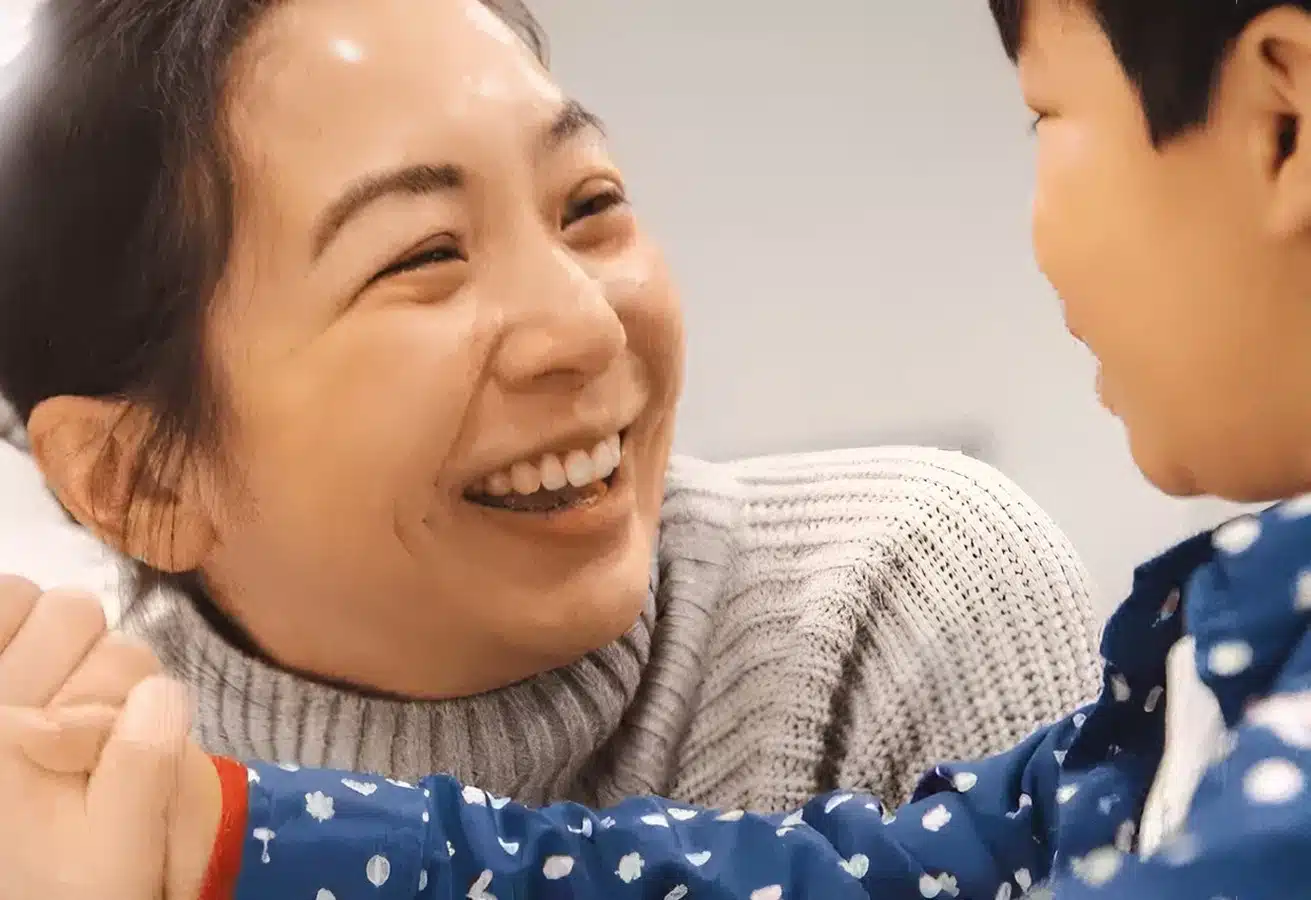
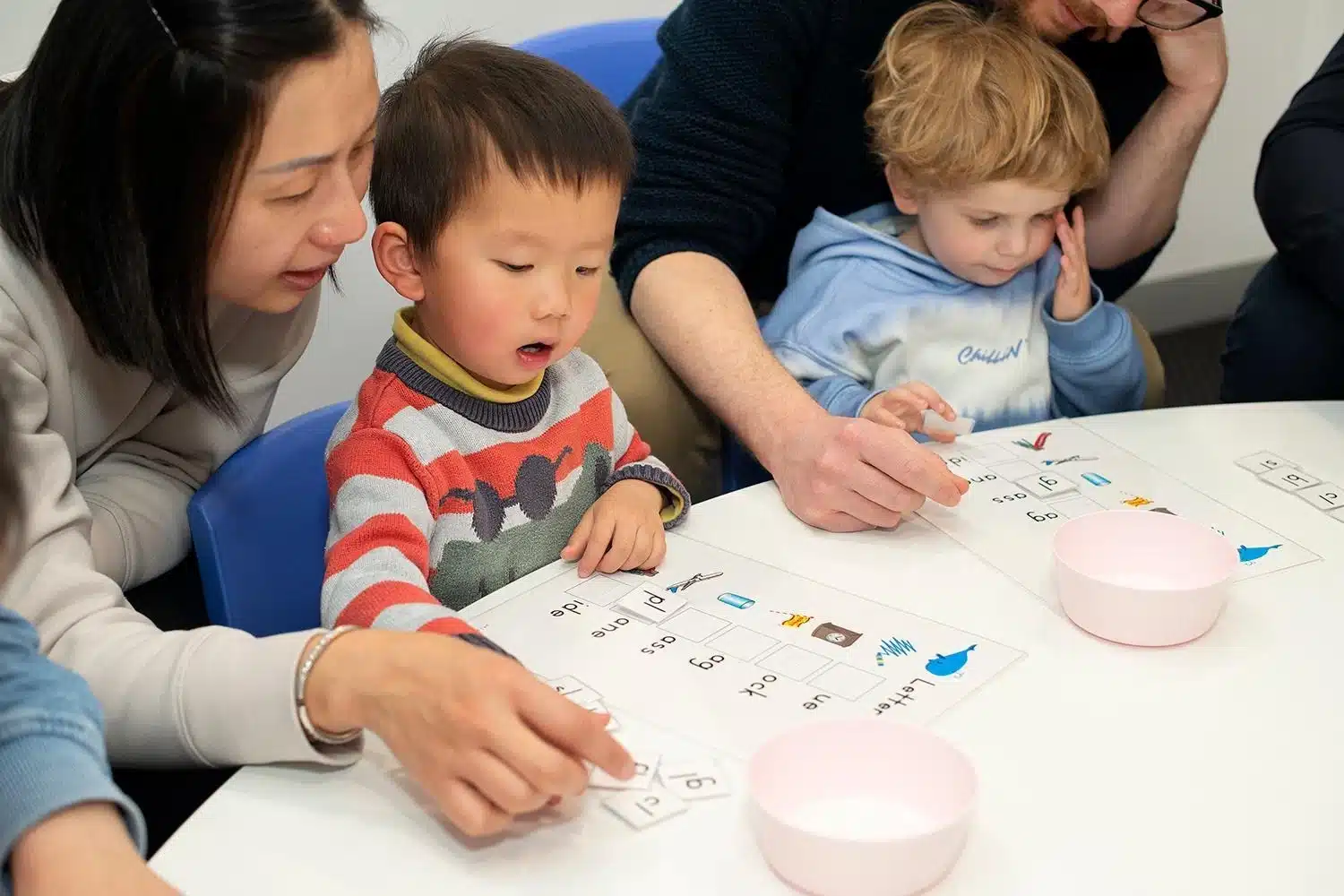
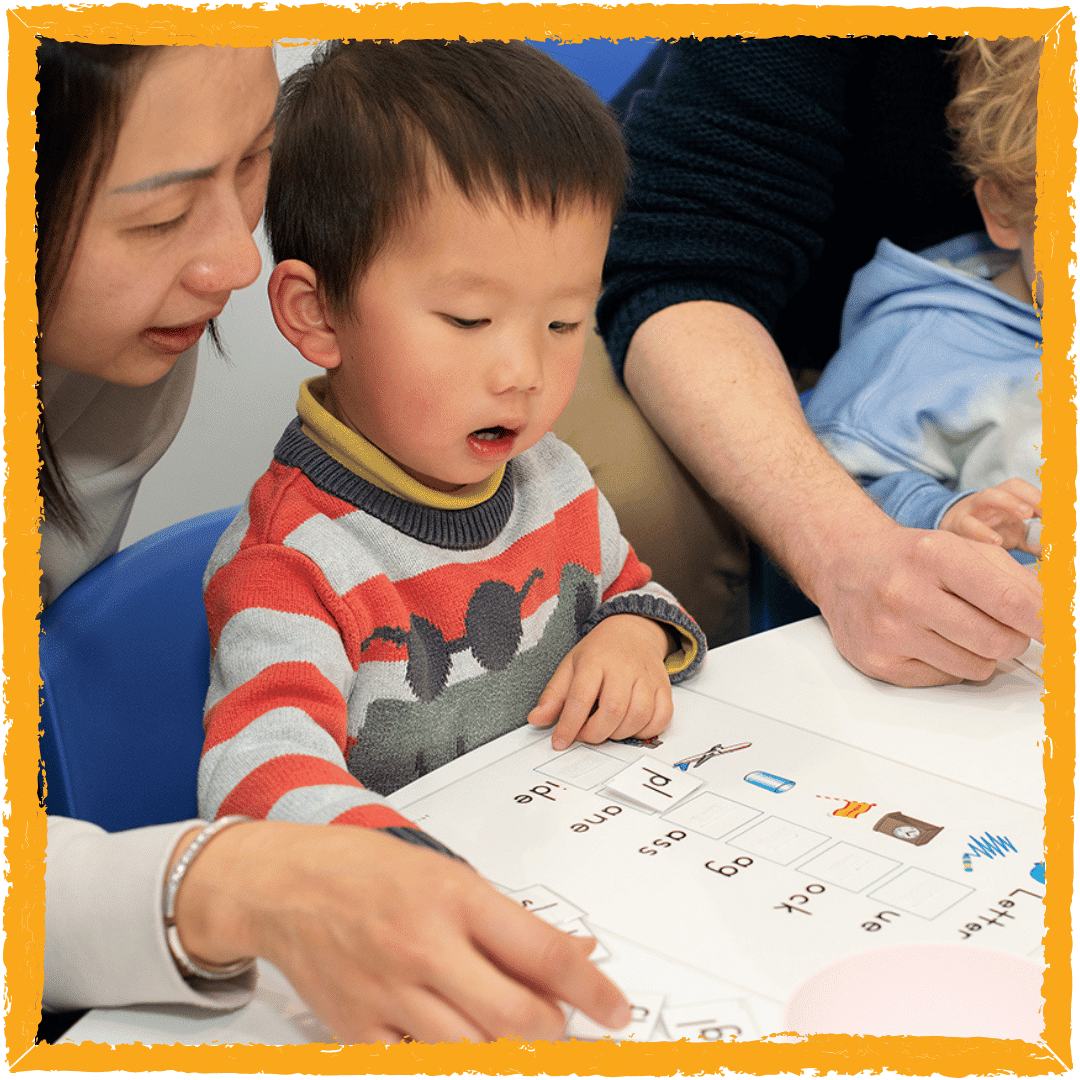
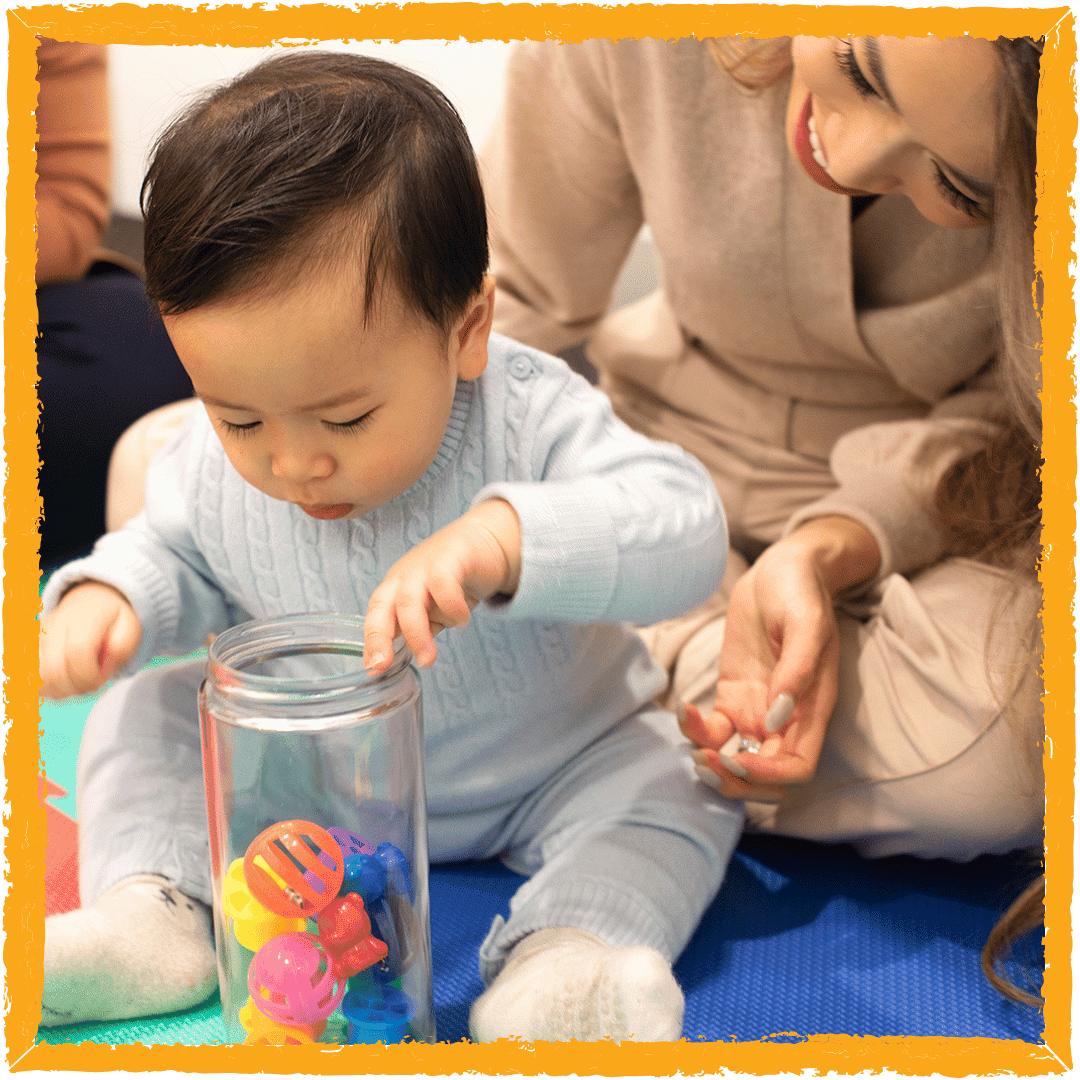
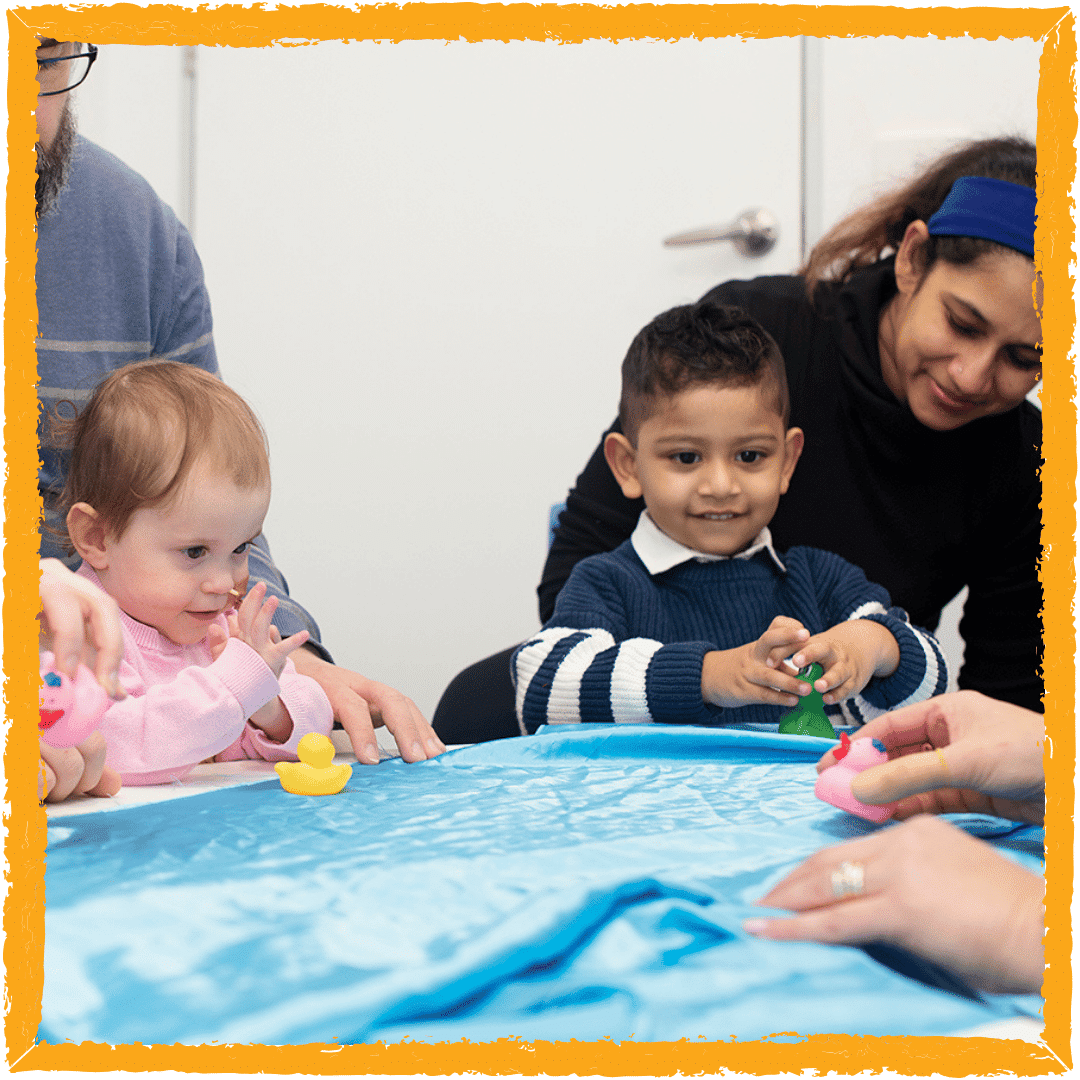
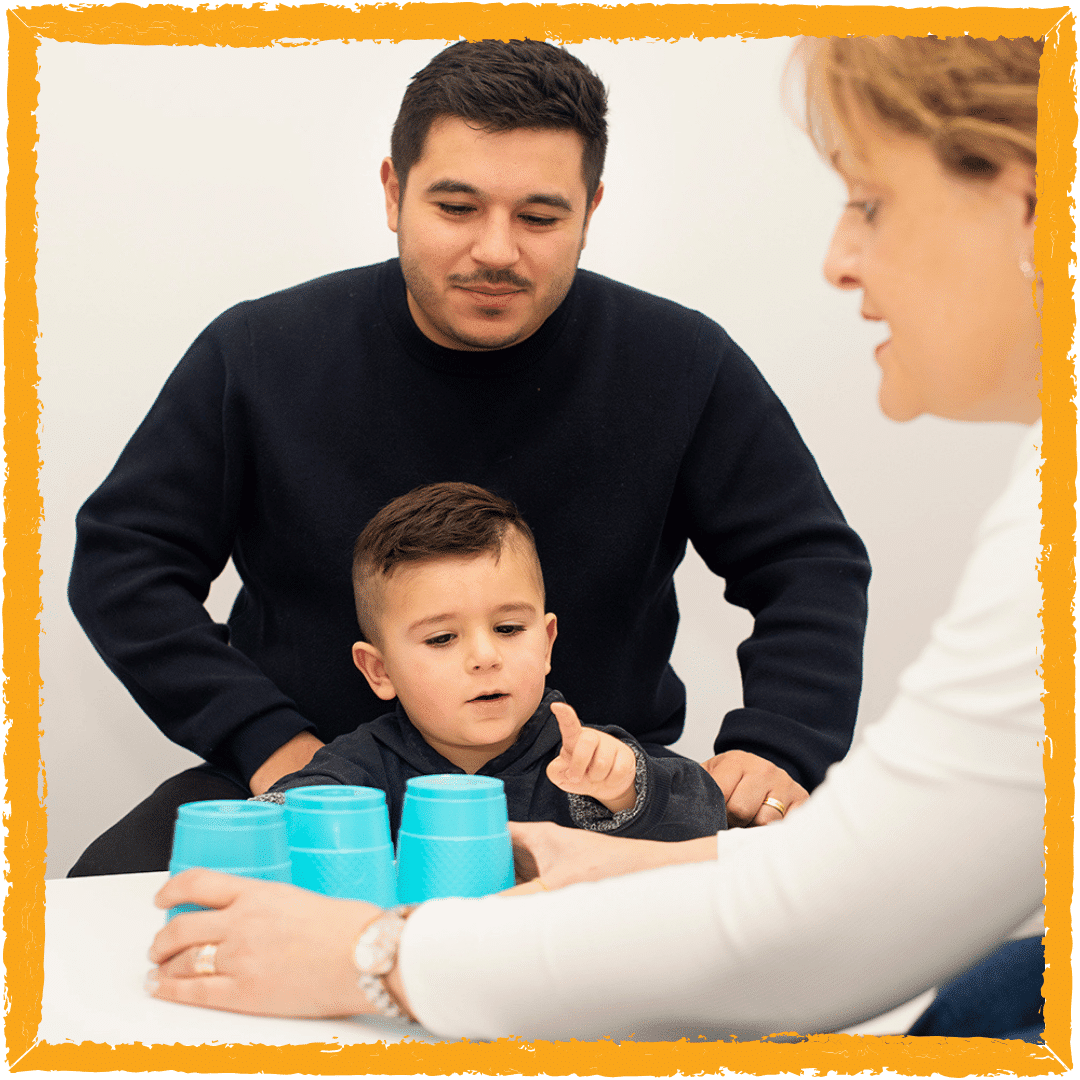
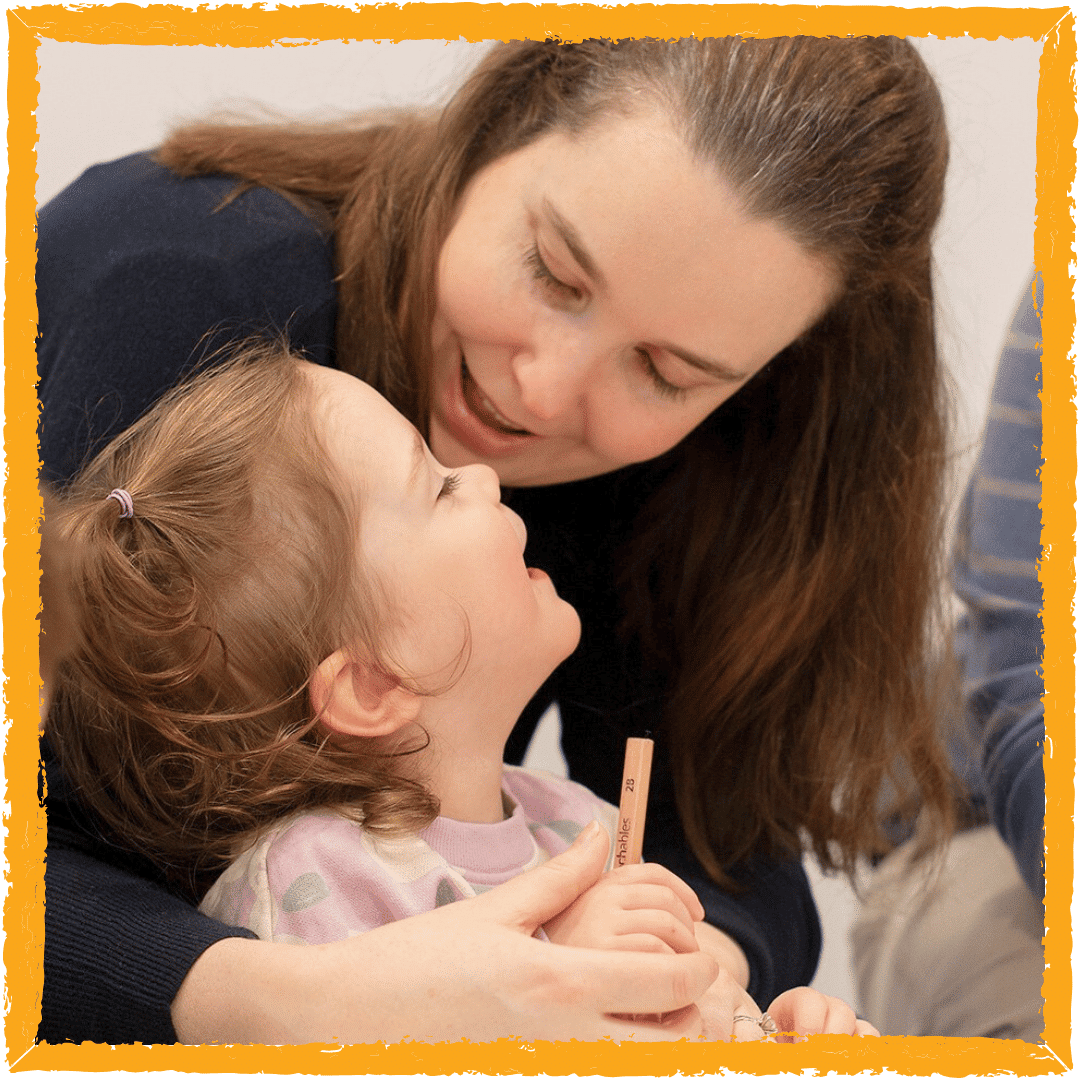
Image by Shichida Australia: A proud mum smiling at her son as they bond in their Shichida class – a moment where connection meets growing critical thinking skills.
Questions About Cause and Effect
These questions encourage children to predict consequences and understand the links between actions and outcomes, a vital part of critical thinking for kids.
- “What do you think will happen if we do this?” (E.g., “What do you think will happen if we add more flour to this dough?”) This helps kids develop the ability to predict and analyse consequences based on observation.
- “Why do you think this happened?” This achieves reasoning skills by asking children to look backward and identify the root cause, rather than just accepting the outcome.
- “How do you think this might change if we did it differently?” (E.g., “How do you think the block tower might change if we started with the bigger blocks on the bottom?”) This encourages hypothesis testing and comparing potential scenarios.
Questions About Perspective
These questions help children develop empathy, challenge assumptions, and evaluate situations from various viewpoints: a core component of advanced critical thinking skills for kids.
- “How do you think the other person feels?” (E.g., “How do you think your friend feels after their turn was missed?”) This helps children develop empathy and consider the emotional consequences of actions.
- “Why do you think they made that choice?” This achieves observational analysis, prompting children to look for the motivation or reasoning behind someone else’s decision.
- “Can you see things from someone else’s point of view?” This encourages children to step outside their own experience, which is necessary for fair evaluation and conflict resolution.
Questions About Creativity and Imagination
These open-ended critical thinking questions for kids stimulate their innovation and flexible thinking.
- “What would you invent to solve this problem?” (E.g., “What would you invent to solve the problem of spilled milk?”) This stimulates imagination and encourages them to think outside the box about practical solutions.
- “If you could change one thing about this, what would it be and why?” This works by promoting evaluation against an ideal and requiring justification for their creative choice.
- “What other ways can we look at this idea?” (E.g., “What other ways can we look at this idea of being kind?”) This encourages divergent thinking, showing children that there is always more than one perspective or solution.
Questions About Reflection and Evaluation
These questions, often asked after an activity, encourage children to engage in self-assessment and meta-cognition, ensuring they’re actively teaching critical thinking to themselves.
- “What do you think worked well, and why?” This helps children identify successful strategies and reinforce positive habits.
- “What would you do differently next time?” This achieves self-correction and helps children develop a forward-planning mindset based on previous experience.
- “What did you learn from this experience?” (E.g., “What did you learn from this experience of building the tower that you can use on the next project?”) This encourages a deeper level of meta-cognition, linking past actions to future knowledge.
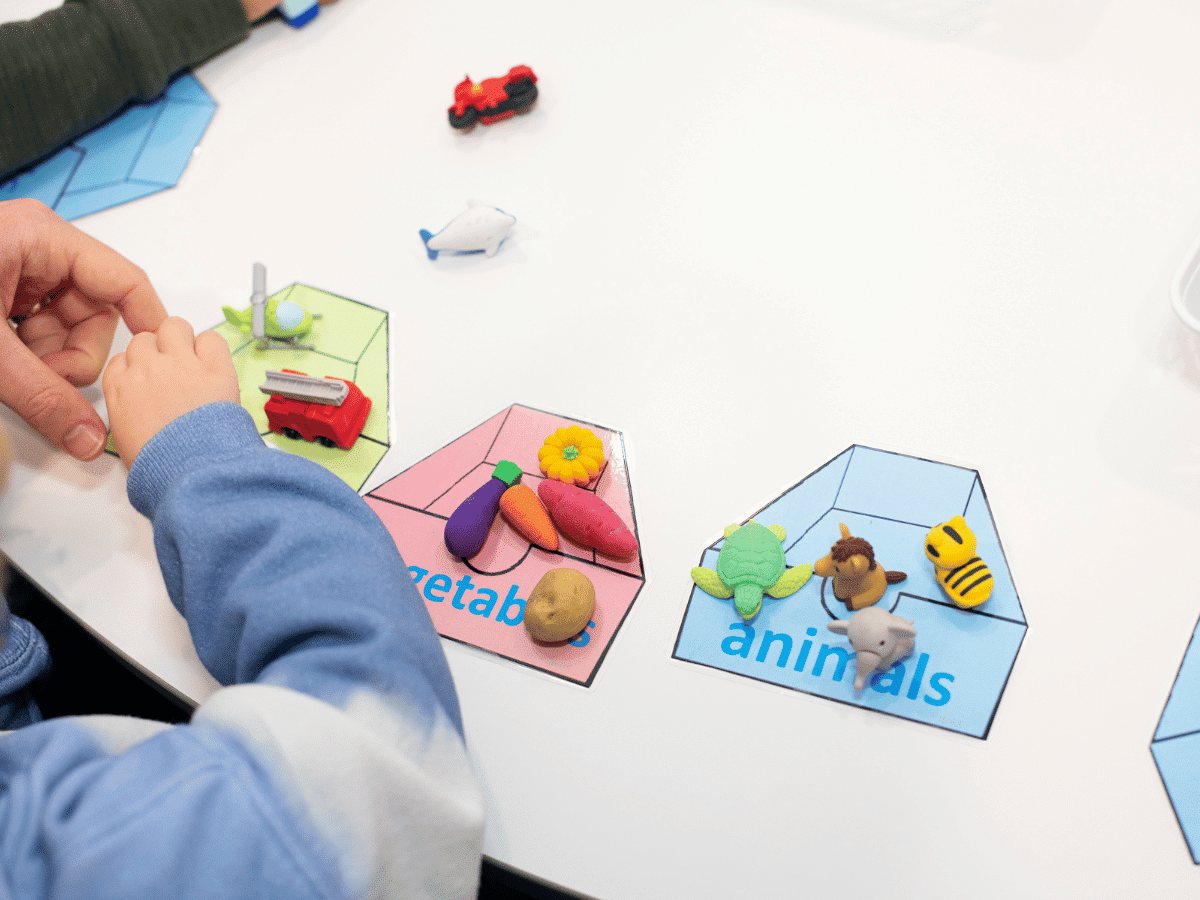
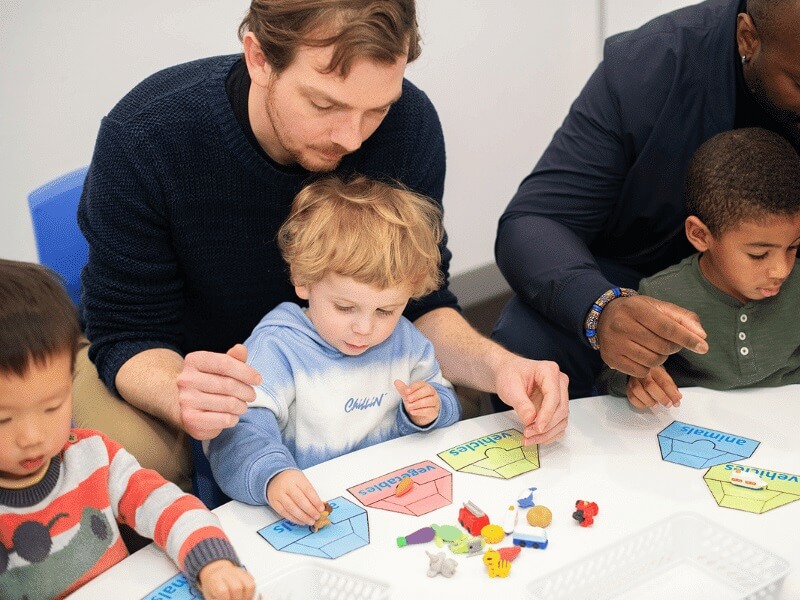
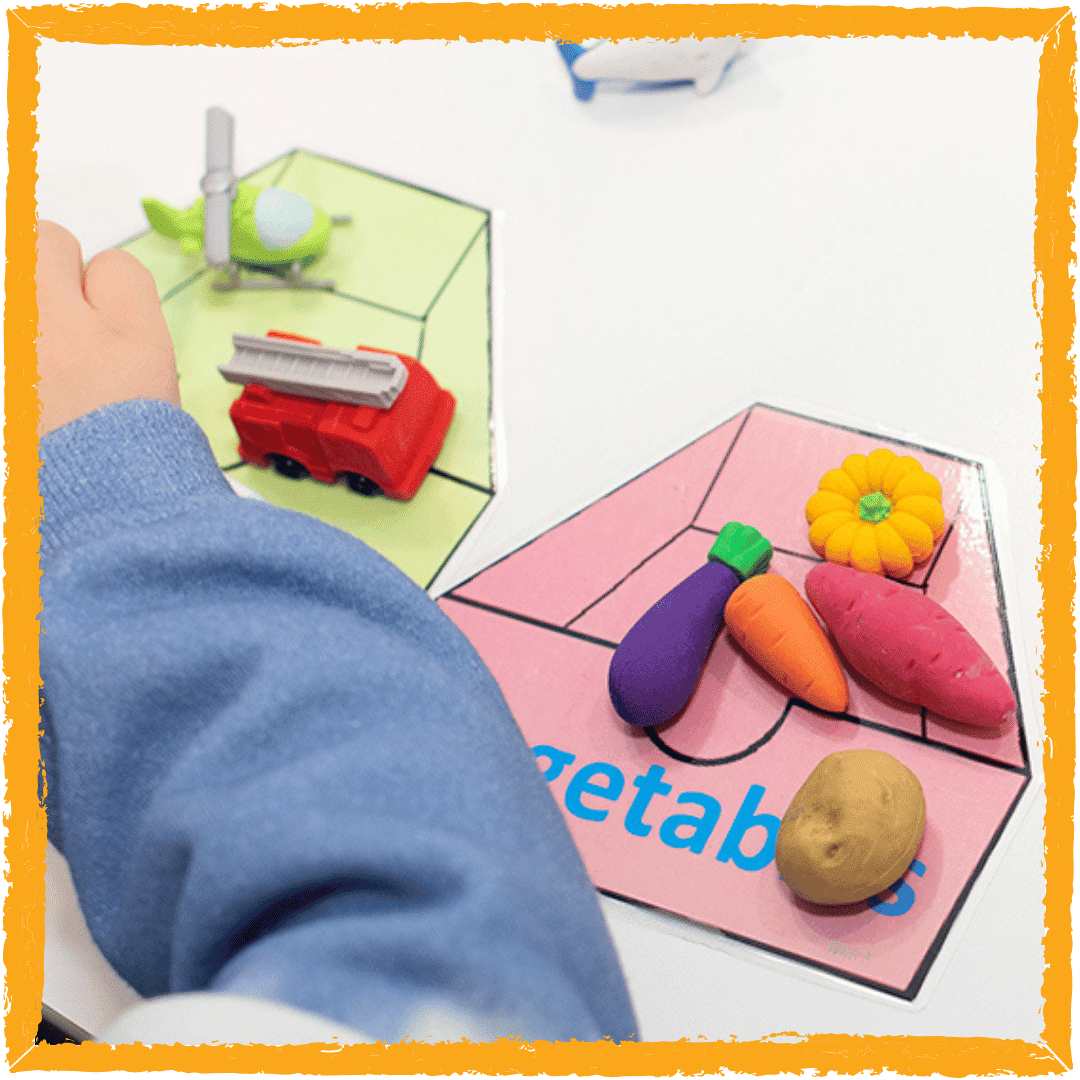
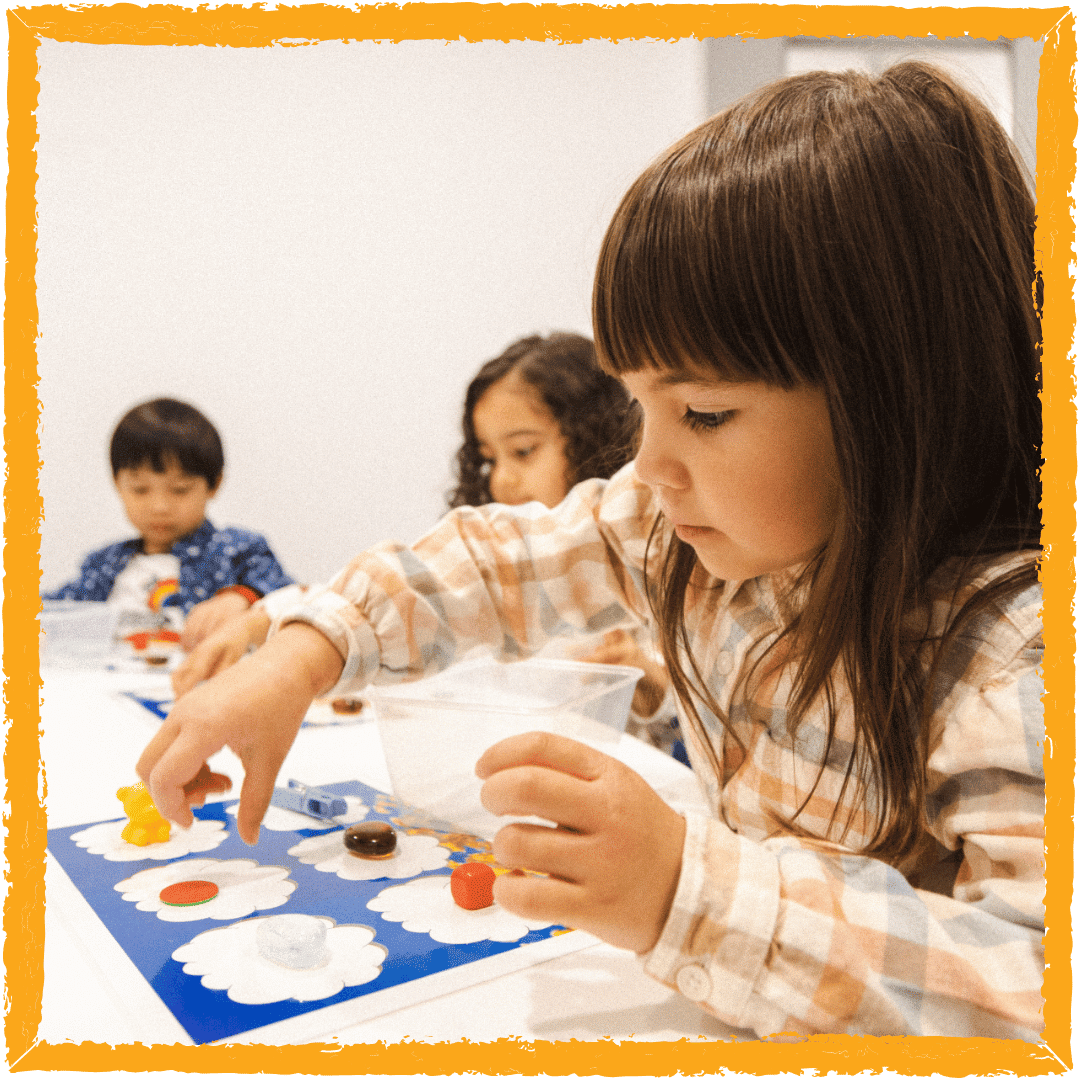
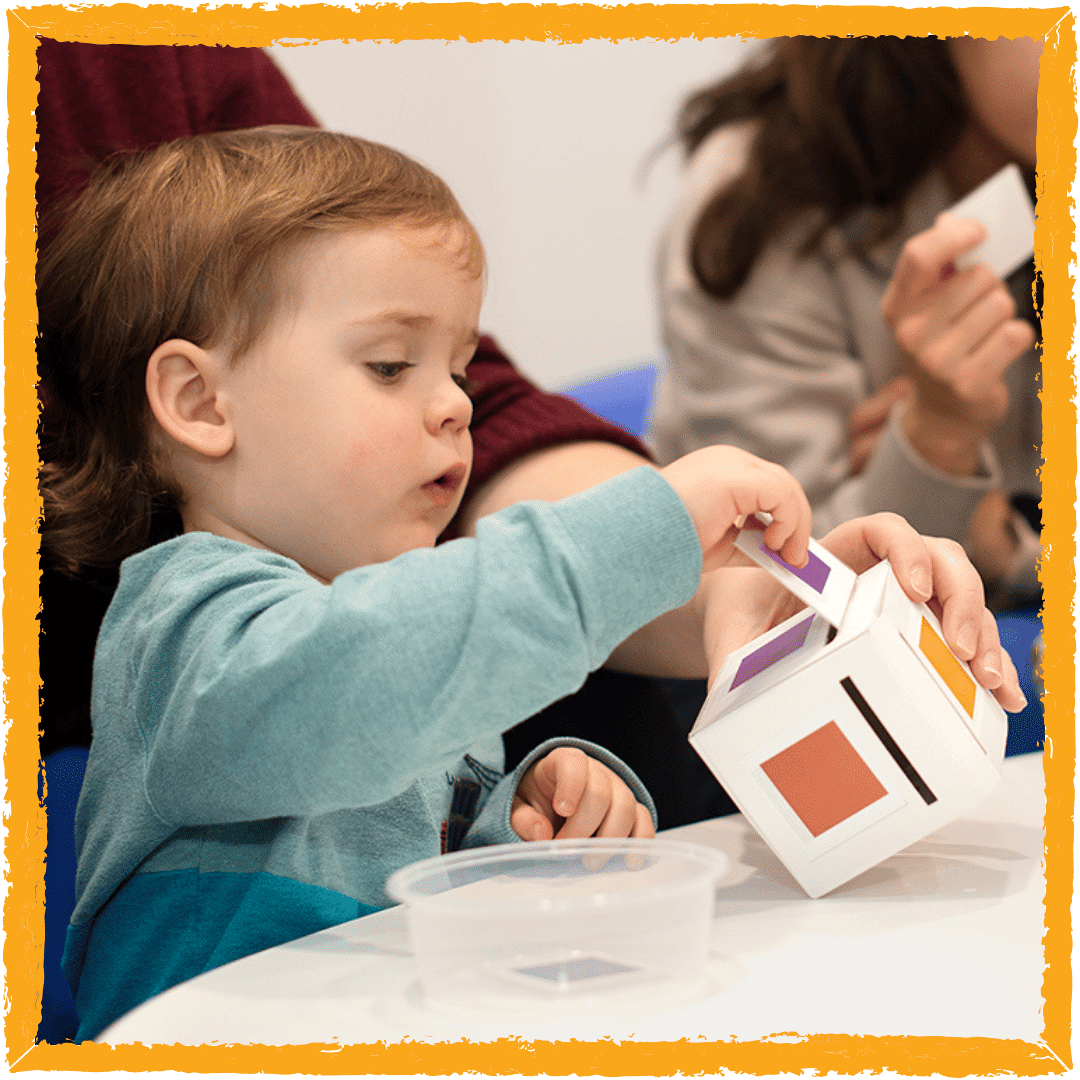
Image by Shichida Australia: A preschooler proudly sorting toys into categories during a Shichida class – a simple activity that builds early critical thinking skills.
Critical Thinking Activities to Support These Questions
Pairing your questioning practice with targeted activities gives children the perfect chance to put critical thinking skills for kids into practice.
- Strategy Games: Games like chess or checkers encourage planning, foresight, and decision-making under pressure.
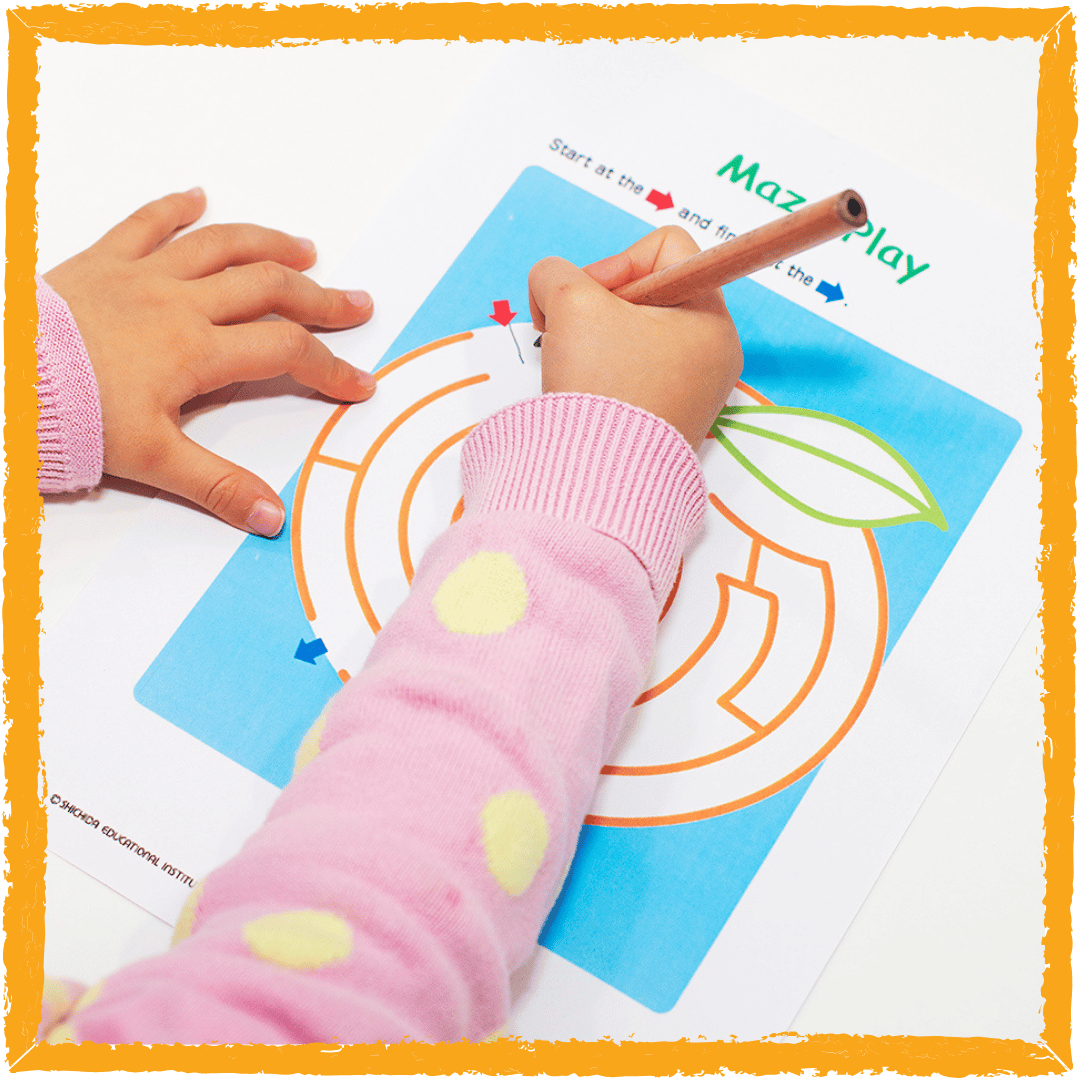
- Puzzles and Brain Teasers: Engaging with mazes, riddles, or logic puzzles develops pattern recognition and independent problem-solving.
- Creative Play: Activities like building blocks or collaborative storytelling promote imagination, sequencing, and expressive logic.
- Simple Science Experiments: Hands-on projects (like mixing colours) are excellent for practicing observation, forming a hypothesis, and testing cause-and-effect.
Find a complete list of fun activities you can try at home in our article: Critical Thinking Activities For Children.
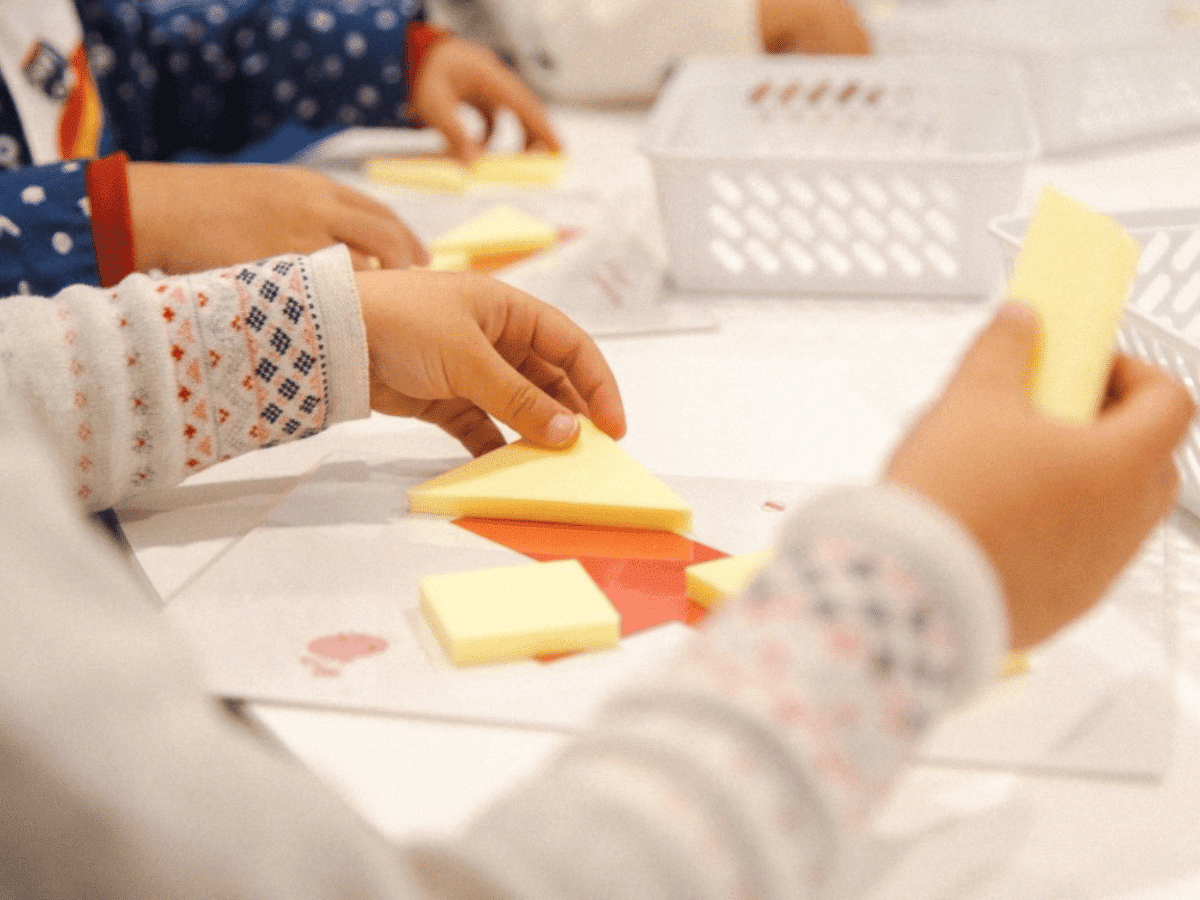
Image by Shichida Australia: Kids working on a tangram puzzle challenge in their Shichida class – a fun way to build spatial awareness and critical thinking skills for children.
The Final Step: Integrating Critical Thinking Skills for Success
The simple act of asking the right critical thinking questions for kids is the single greatest way to develop their independent thought. This can set them up for true success in school and life. Imagine the confidence you’ll feel as you watch your child analyse problems and develop creative answers, all thanks to your daily interaction.
Ready to unlock that potential and transform their learning journey? Book a trial class today to experience Shichida’s critical thinking activities first-hand.
FAQs Critical Thinking Questions for Children
Critical thinking questions for kids are open-ended prompts that encourage children to analyse, evaluate, and explain their ideas. These questions help them think more deeply instead of giving simple “yes/no” answers.
They help kids build essential critical thinking skills – such as problem-solving, reasoning, creativity, and independent thought. Using these questions daily strengthens your child’s ability to make decisions and understand cause and effect.
You can begin teaching critical thinking from as early as age two. Toddlers can answer simple prediction questions, while preschoolers and older children can explore more complex “why” and “how” questions.
Some of the best examples include:
- “What would you do if…?”
- “Why do you think this happened?”
- “How could we solve this differently?”
These questions help children practise reasoning, reflection, and creative problem-solving.
Yes. Shichida Australia offers early learning classes that naturally develop critical thinking skills through memory training, puzzles, problem-solving, logic activities, and hands-on learning. Children learn to analyse information, compare ideas, and make thoughtful decisions in every session.